2014-2016: Catalysing the global food waste movement - Feedback Global
←
→
Page content transcription
If your browser does not render page correctly, please read the page content below
2014–2016: Catalysing the global food waste movement

                                                       1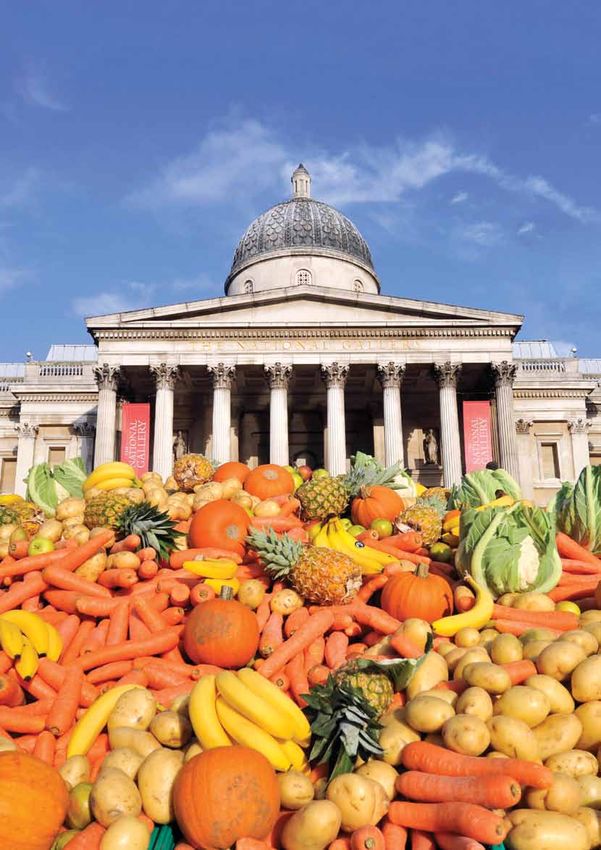
THE STORY SO FAR THE PROBLEM
Feedback is an environmental organisation that campaigns to end food waste Food production is the single biggest effect humans have
at every level of the food system. We catalyse action on food waste elimination had on the world’s natural capital. With rising populations
CONTENTS globally, working with governments, international institutions, businesses, NGOs,
grassroots organisations and the public to change society’s attitude toward wasting
and increasing per capita consumption, the growing
demand for food is responsible for:
food. With a track record of changing the policies of some of the world’s biggest
food companies and reaching out to millions of people through our projects, our more than 80% of deforestation
The story so far 2 innovative campaigning style has helped to elevate food waste from a non-issue 70% of fresh water consumption
several years ago to one now recognised as an urgent international priority. biodiversity loss (the largest single cause)
Surplus oranges in California, US
more than 30% of global greenhouse gas emissions.
The problem 3
We believe that tackling food waste is a massive and immediate opportunity to
reduce the environmental impact and improve the social value of our food system. And yet: a third of the world’s food is currently wasted –
The Feedback Food waste campaigning also offers a unique and accessible platform from which enough to feed 3 billion people.
theory of change 4 to communicate the wider issues of food sustainability to the public.
There are approximately one billion malnourished people
in the world, with 5.8 million people in the UK living in
Our impact 6 We are unique in combining high-profile, innovative and inspiring public campaigning with
hard-hitting research and expert advice on food waste reduction, which we communicate to poverty.
decision-makers across government, business and the third sector. We campaign to reduce
Feeding the 5000 Reducing food waste is one of the easiest and most
waste throughout the food system – not just consumer level waste – and have specialised
theory of change 8 in shining a light on the hidden causes of waste at the beginning of the supply chain. We feasible ways to reduce the environmental impact of our
work to raise the profile of existing initiatives that offer the solutions to food waste; where food system whilst increasing food availability where it is
Gleaning Network solutions do not currently exist, we catalyse the creation of new organisations and projects needed most.
theory of change 10 to implement them. Potatoes rejected for human consumption for cosmetic reasons, Kent, UK
Since 2009 our campaigns have existed under three banners: Feeding the 5000, the
The Pig Idea Gleaning Network and the Pig Idea. Feedback is now the charity that will govern the three
theory of change 12 campaigns, as well as our wider work influencing public attitudes and government and One third of the world’s food is wasted If global food waste was a country, it
business policies on food waste. – 1.3 billion tonnes per year would be the third largest greenhouse
Future plans
Feedback is built on over a decade of campaigning on food waste by Tristram Stuart and the
gas emitter after the US and China
2014–2016 14 12
Feedback team. After years of instigating mass media coverage of the issue – principally by 10
billion
taking journalists and broadcast media round the back of supermarkets to uncover the extent 8
High level of the food waste scandal – Tristram published his second book, Waste: Uncovering the Global
tonnes
6
CO2
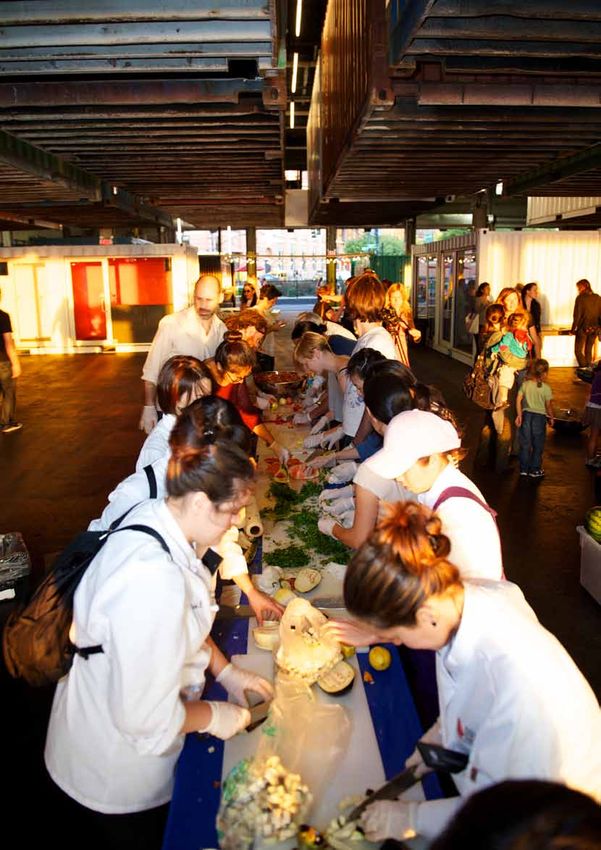
engagement 16 Food Scandal (Penguin, 2009) and soon after organised the first Feeding the 5000 event in
London’s Trafalgar Square in December 2009. With the massive media coverage and public
enough to feed 3 billion people, equiv-
4
2
High level engagement support for the initiative, the event had immediate impact on government and business policy or 10 times the population of the US alent
0
China US Food India
and promoted the activities and messages of the partner organisations, including FareShare, source: Tristram Stuart/FAO waste source: FAO
success: Tesco 17 This is Rubbish, ActionAid and Save the Children. Since that date Tristram and the Feedback
team have played a pivotal role in catalysing the food waste movement in the UK and around
Staff & Trustees 18 the world. 15 million tonnes of food is wasted in 20 to 40% of UK fruit and vegetables are
Britain from the plough to the plate rejected even before they reach the shops
Impact timeline 19 Feedback is working in partnership with a wide range of organisations internationally, from
governmental and international organisations to grassroots initiatives, including the Mayor
of London, the United Nations Environment Program and the European Commission’s
over twice the
EU FUSIONS project. We have partner organisations from Spain to the USA, Kenya to Norway weight of the
adopting the campaigns we have developed in the UK.
Great Pyramid
We are now poised and ready to change the way that the world views food waste, and of Giza mostly because they do not match the
ultimately to eliminate one of the most significant and environmentally damaging by- supermarkets’ strict cosmetic standards
products of our food system. source: Tristram Stuart, Waste: Uncovering the Global Food Scandal, 2009 source: Tristram Stuart, Waste: Uncovering the Global Food Scandal, 2009
2 3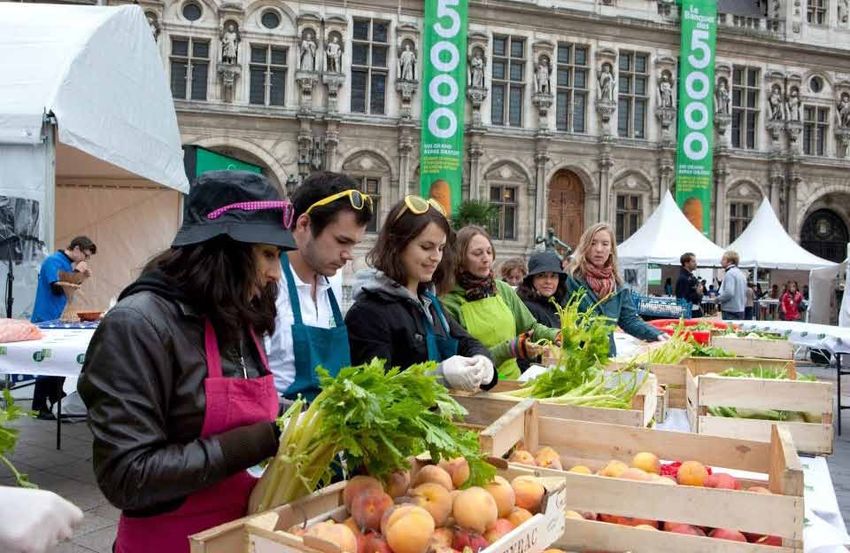
THE FEEDBACK THEORY OF CHANGE
SHORT TERM MEDIUM TERM LONG TERM
AIM Activities OUTCOMES OUTCOMES OUTCOMES
Food waste is pushed up the The development of a unified
Feedback aims to inspire Businesses publicly address and
Feeding the 5000 campaign political/public/business agenda international food waste
the global community to report on their levels of food
events build coalitions of through media coverage
waste transparently
movement, as well as national
adopt positive solutions Coalitions of individuals and
food waste organisations, Debate shifts from consumer-level
and regional food waste coalitions
to the problem of food organisations take action against campaigning on food waste
and secure extensive media waste to supply chain waste
waste. We work with food waste Local and national governments
coverage to instigate mass New initiatives and organisations
governments, businesses, Increased donations of food, funds,
e.g. gleaning networks are created
have integrated food waste
mobilisation and national volunteers and support to local policies
grassroots organisations
Feeding the 5000 movements against food redistribution organisations
NGOs and other organisations
Consumer demand for wonky
and individuals around develop co-ordinated campaigns
campaign events waste. Meetings with key figures in local fruit and vegetables, offal and
the world, demonstrating and national government and
on food waste
other food that is often wasted
innovative solutions to business is dramatically increased and a
food waste at a global larger percentage is sold through
scale, offering hard-hitting primary or secondary markets
Meetings with key decision Food businesses make
research and expert advice Research and meetings lead to new measurable reductions to their
Accurate coverage of food waste
makers in business, issues in the media
and catalysing social decisions on food waste reduction supply chain waste and increase
government and international Financing and other incentives
change. strategies transparency on food waste
organisations, contributing available for the redistribution
Renewed focus on food waste in reporting
to key reports, and speaking national and international politics Governments introduce legislation
of surplus food and extensive
High level research at conferences around gleaning networks in place around
How do our activities
Increased focus on food waste by to reduce food waste, and monitor
the world
and engagement with the world to influence NGOs, funders and other groups its implementation
Change in legislation in the EU
food businesses and
achieve our AIM? governments
government and business
policy.
to allow catering waste to be
fed to pigs and chickens, given
Vulnerable groups are provided proper sterilisation and regulatory
Systematic change will only happen when Food retailers eliminate cosmetic
with fresh, nutritious fruit and procedures
society regards the wastage of food as standards, and surpluses due to
vegetables that they wouldn’t Food waste pyramid is widely
overproduction are reduced.
unacceptable and demands change from Gleaning days harvesting otherwise be able to access adopted and implemented by
business and governments. It is only Gleaning networks are established
fresh surplus fruit and Volunteers are given access to businesses and public sector
with this cultural shift that individuals will in a number of countries
vegetables for people in need countryside and rural life and
around the world, including a
organisations around the world
change their behaviour, peers will influence exposed to the causes of farm level
each other to stop wasting food, and food
– one million portions as of comprehensive network in the
waste
businesses and governments will adopt September 2014. We are UK, diverting large quantities of
Extensive media coverage
measures to cut waste. also changing the market for contributes to changing the
produce to people in need and
cosmetically imperfect fruit other groups
Gleaning Network market so that more cosmetically
Over the past five years the Feedback and vegetables. imperfect fruit and vegetables can
team has demonstrated the power of
combining celebratory, mass-mobilisation
events and campaigns with rigorous, hard-
be sold and is saved from being
wasted
The debate on feeding catering
IMPACT
hitting research, to change the way society waste to livestock is advanced
views food waste. We build coalitions
High level convening of in the European Parliament and
of organisations to instigate food waste scientists, decision makers Increased political and public European Commission
debate on the issue of feeding Cultural shift in attitudes
movements in cities and countries at a and industry representatives Increased evidence and support
catering and other food waste to from farmers, business and towards food waste
global scale. In just five years, there are on reviewing the EU ban on
signs that a true cultural shift against food
pigs and chickens government on the benefits of around the world –
feeding catering and other Food diverted from the waste
waste is beginning to take hold in the UK feeding catering waste to pigs and systemic change and
waste to pigs and chickens. stream to livestock
and around the world. chickens (subject to sterilisation), significant reduction in
Pilot demonstration projects Reduced costs for pig farmers by dramatic increase in the amounts
The Pig Idea that divert permissible waste replacing expensive conventional of permissible food waste used
food waste levels.
to livestock. feed with food waste for feed
4 5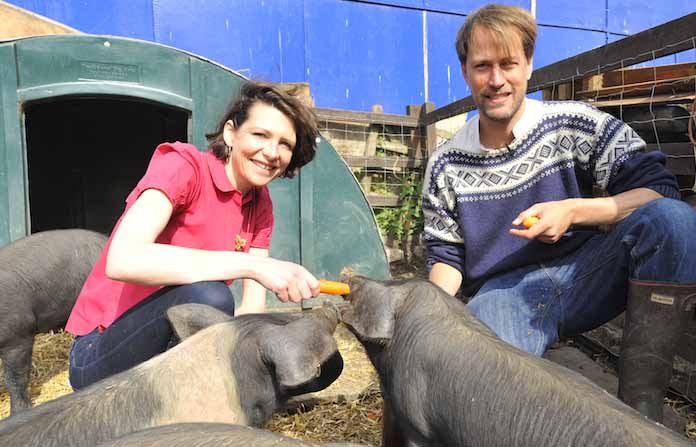
OUR IMPACT KEY ACHIEVEMENTS
We changed UK supermarket Feeding the 5000 events have Gleaning Network has saved
policy on food waste reporting. launched food waste campaigns a million portions of fruit
In 2013 Tesco became the world’s around the world. and vegetables since 2012
first retailer to commit to publicly In the UK, our campaigning has We also successfully campaigned
reporting their third-party audited contributed to the 21% reduction to relax the retailers’ cosmetic
food waste data, acknowledging of food waste at consumer level, standards that cause much of this
that it was Feedback that convinced as reported by WRAP; econometric waste. Since the launch of our
them to take this unilateral decision. modelling has indicated that 41% campaign, ugly fruit and vegetables
Our publicly stated strategy was of this reduction is due to public have become the fastest growing
to convince Tesco to do this and awareness of food waste. sector of the fresh produce market
challenge its competitors in the UK and the National Farmers Union
and overseas to follow suit. In January We also successfully campaigned estimates that in 2012 this saved
2014, Sainsbury’s, Waitrose, Asda, for the introduction of the Groceries 300,000 tonnes of produce from
The Co-operative and Marks and Code Adjudicator, designed to being wasted on UK farms. A large UK
Spencer announced that they would oversee the relationship between grower recently told us that they have
regularly report on how much food supermarkets and their suppliers. We had 20% more of their carrot harvest
Over the past five years, the Feedback team has been identified by governments, Above: they waste (albeit through aggregate have since been invited to produce a accepted by retailers as a result of
Disco Soupe event at Feeding the 5000 Paris, 2012,
businesses, civil society and academia as having played one of the most significant roles in organised to coincide with the broadcast of feature-
figures). We are now leveraging dossier of violations of the Code, and the relaxing of cosmetic standards.
driving the issue of food waste up the national and international political and social agenda. length documentary Global Gachis, co-authored this achievement to persuade are recommending the use of the
and presented by Tristram Stuart, by Canal+. The
Disco Soupe movement has turned into a global retailers in the US and Europe GCA in Europe as one of the policy
The EU and UN have now made food waste a key area of strategic focus in their agendas. phenomenon since its participation at the event to take similar action. Reporting changes that could reduce food
and the media coverage it received.
They have endorsed Tristram’s finding that one third of the world’s food is wasted and have provides the necessary information waste in supply chains across the
adopted the target he proposed for reducing food waste by 50 percent. The UK is now a to governments, NGOs and globe, including the Global South.
food waste leader, with a united coalition of food redistribution charities and campaign entrepreneurs to target investment
groups, and UK government and businesses leading the way in waste reduction policies. at particular food waste hotspots.
In Europe, the Feedback team has instigated the creation of national food waste
Tristram Stuart’s
movements, new initiatives and gleaning networks in France, Spain, Belgium, the
Netherlands, Norway and in countries across Central and Eastern Europe. The Feedback personal leadership WE HAVE re-ignited the debate
team has travelled to Turkey, Italy, Spain, Hungary, Poland, Kenya, Australia, USA and Japan of Feeding the 5000 around feeding food waste to pigs.
among others to share their expertise with governments, NGOs and trade associations. has done more than Subsequent to campaigning by the Feedback has been PUBLICLY
The largest food businesses in the world, including Tesco, Carrefour, McCain and Ahold, Feedback team, the UK government recognised for its innovative work.
acknowledge Feedback’s influence on shaping their policies on minimising food waste. We
any other single act commissioned a study into feeding We were awarded the 2014 BBC Food
have inspired and provided critical assistance to new organisations and social enterprises to create a cultural catering waste to livestock. As part and Farming Award for Best Initiative in
including Rubies in the Rubble and This is Rubbish in the UK, Disco Soupe in France and shift in the attitude of the FoodSave project, we have British Food, and won the 2013 Nesta
Damn Food Waste in the Netherlands. brokered relationships between Waste Challenge Prize for Gleaning
to food surpluses and UK food businesses and farms to Network UK. Tristram Stuart was
We have been successful in recruiting volunteers numbering in the thousands for our waste in the UK.” ensure that at least 1,000 tonnes awarded the 2011 Sophie Prize for his
events and our work results directly in additional food being donated to charities rather Lindsay Boswell, CEO, Fareshare of permissible food waste will be work, and was shortlisted for the TED
than being wasted. For every pound invested in our campaign so far, we calculate that we (the UK’s largest food redistribution diverted from landfill every year. Prize in 2013.
have attracted the investment of more than three times this amount in gifts in kind by the charity)
way of surplus food donations, volunteer time, logistical resources and match funding from
partner organisations and logistical resources.
6 7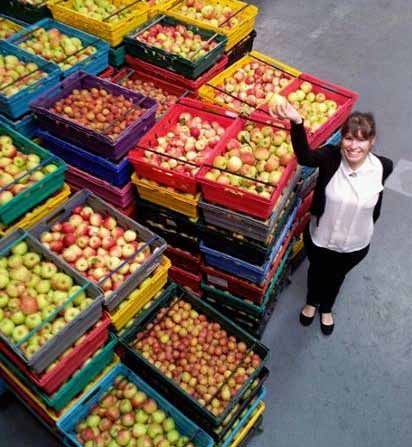
FEEDING THE 5000 THEORY OF CHANGE
Immediate/medium term Expected long term Metrics
AIM EVENT Activities outcomes (1 MOnth–3 yrs) outcomes (3–5 years+) (immediate/medium term)
Feeding the 5000 events The Feeding the 5000
Free Lunch Individuals
aim to catalyse food waste The feeding of 5000 members of the Food waste is pushed up the
Legislative changes across the EU
Media coverage (which has been team are turning an
and beyond ensure that waste
movements in the regions public on food that would otherwise political, social and business shown to impact behaviour) incipient problem into a
is reduced where possible. This
and countries in which they be wasted, in a central city location. agendas – a national movement of
includes ambitious food waste
Survey of attendees to assess joyous, upbeat solution
are held, bringing together organisations and citizens against perceived behaviour change and
food waste is instigated.
reduction targets and legislative – and goodness knows
coalitions of food waste change on the redistribution of food
awareness
organisations and helping Increased food waste pledge we could do with a few
Pledge signing and on feeding food waste to pigs
set up new initiatives. Attendees commit to stop wasting and chickens.
numbers of those right now!”
food in their own homes and call for Hugh Fearnley-Whittingstall,
action against food waste in the food Chef and food campaigner
industry. Businesses and governments are Business
CAMPAIGN Activities forced to respond to the public
appetite for action on food waste, A change in the way food waste
Media coverage
Gleaning days and Meetings with business on food
and the sense of public outcry that is viewed by the public, including waste in run up to and following
Connecting organisations Disco Soup events the event has created. changes in buying behaviour around event (compared to baseline)
Groups of volunteers are taken to ‘wonky’ fruit and vegetables and
To feed 5000 people in
and giving them the tools Change in business policies
to work together on
harvest fruit and vegetables that offal. (e.g. ambitious food waste a city, with a wonderful
would otherwise be wasted, which is
combating food waste then chopped by volunteers to the
reduction strategies and changing tasty meal from food
stocking policies re. cosmetic
through an event steering sound of dance music. that would otherwise
standards) following event and
New initiatives, such as gleaning
group model. campaign be thrown away, is a
networks, are embedded in the
region where the event is held.
Reduction of supply chain waste brilliant way to highlight
Demonstration Kitchen
Top chefs show the public how to
Partner organisations are inspired to this problem.”
Businesses report on their levels
start new food waste campaigns of
cook good food from items that
Generating media coverage their own.
of food waste transparently, and Mike Dickson, Rainmaker Foundation
through organising
are often wasted, such as leftovers, figures are independently audited. Government
unusual cuts of meat, or cosmetically
celebratory, participative Media coverage
imperfect produce.
Number of interviews and lobbying
events that influence the
meetings held with politicians in
general public, businesses the run up to and following event
and government to change Keynote speeches Businesses increase donations to (compared to baseline) The Feeding the 5000
behaviour on food waste. and partner stalls food redistribution organisations The food waste pyramid, a tool Number of commitments and/or campaign has raised
The event creates a platform to and food banks and redistribution designed by the Feedback team to strategies addressing food waste
charities see greater visibility and announced in the run up to and
awareness of the food
showcase the work of organisations help businesses and public sector
demonstrating the solutions to food support by the government as well organisations understand how to following event (compared to waste culture and has
Prompting meetings waste. Stalls often include interactive as increased volunteer numbers. avoid and manage food waste in the baseline) changed the way the
with government and activities such as smoothie-making, most environmentally friendly way
food industry views
produced from blemished or near possible, is widely adopted.
businesses to inspire the issue.”
expiry fruit and handed out to the
them to act. Civil society
public for free. Andrew Burgess, Director of
Number of new campaigns taken Agriculture, Produce World Ltd, one
The network of individuals and up by larger NGOs of the largest fruit and vegetable
Composting organisations taking action on Number of new grassroots producers and distributors in Europe,
Catalysing initiatives such The event is supplied with food waste increases and partner National and regional coalitions organisations which sells 20% more carrots now
biodegradable cutlery and crockery, organisations have increased their campaign on food waste around the Number of new followers,
as Gleaning and Disco than they did 10 years ago due to a
and facilities to capture any food capacity, profile and supporter world. supporters and volunteers for relaxation of cosmetic standards.
Soups by empowering and numbers.
waste, and ensure it is turned into organisations taking part in the
training volunteers. event
compost and returned to local farms.
8 9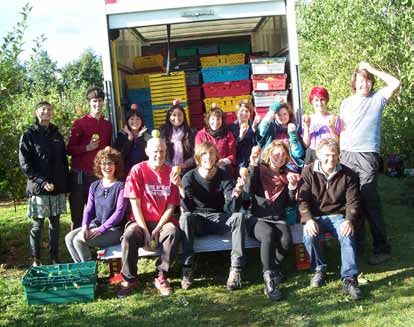
GLEANING NETWORK THEORY OF CHANGE CASE STUDY: JOSIE
Immediate/medium term Expected long term and dairy is the area that we sacrifice, we eat a lot of pulses
AIM outcomes outcomes
and tinned tomatoes.”
Josie took some of the gleaned plums and apples from
the day to make jams and jellies and wine – just some of the
creative ways of using surplus produce.
Harvest fruit and Food retailers across Europe Why did Josie volunteer? “I believe in the cause and I would
vegetables from UK farms and beyond eliminate cosmetic like to help others in my position to benefit from the produce
Charities supporting vulnerable
that currently fall out of the standards. gleaned. It was an amazing experience, lots was learned, new
groups and those in food poverty
human food chain, provide are provided with fresh, nutritious friends were made, fruit was enjoyed, and the thought of
this fresh, nutritious food fruit and vegetables that they would being able to give fruit to those in need as well as prevent food
to those in need and otherwise be unable to access. Huge going to waste certainly drove my decision to volunteer.”
Gleaning Networks are established What did she think of the day? “I liked the fact that we
campaign to reduce the amounts of fresh, nutritious food are
in a number of countries around the
also saved from being wasted. were helping the farmer out...it felt like a good exchange...
systemic causes that lead world, including a comprehensive no money involved, swapping labour for fruit. [I also] enjoyed
to much of this waste. network in the UK, to redistribute meeting new people with a common interest (the community
unavoidable gluts of produce spirit and camaraderie was amazing).”
to those in need and secondary Josie and Hugh Fearnley-Whittingstall at our debut Sussex gleaning day Did it encourage Josie to do more volunteering? “Yes
markets. in September 2013
definitely and it would also encourage me to spread the word
Activities and recommend volunteering to other people.”
Josie volunteered at our debut Sussex gleaning day, also What did she learn from the gleaning day about food waste?
Creating a network of gleaning attended by Hugh Fearnley-Whittingstall and the River Cottage “The statistics are shocking when you hear about it! Also how
Nascent gleaning networks across Consumer demand for wonky fruit team. She is currently struggling to provide enough food for much the farmers struggle with the demands, restrictions and
hubs made up of volunteers,
Europe are supported to replicate and vegetables is dramatically her family. stipulations they are under by the supermarkets.
redistribution charities and growers,
the model set up in the UK and increased. “We are a family of 5 and my partner and I are both “Prices are high because farmers spend more money
to harvest fresh produce.
to grow. self employed, having completed our studies and working in an effort to cater for the supermarket demands, the
freelance whilst trying to raise a family. The cost of living supermarkets demand standards that they think are driven
prices have soared and severely affected our family and our by the consumer but the consumer purchases what they are
Organising a series of gleaning days struggles to find work in the current climate means that we told to based on what is on the shelves and what is in their
harvesting fresh fruit and vegetables rely on benefits, but benefits do not reflect the rising cost of wallets... the consumer may often look for the cheapest
for people in need (an average living prices! So we have also come to rely on food banks and vegetable which might be slightly flawed anyway!
of 1.5-2 tonnes per gleaning day, foraging and growing our own.” “If all there was was wonky courgettes on offer then people
providing up to 25,000 portions of The eating habits of Josie’s family have been affected by would buy wonky courgettes!
Volunteers on gleaning days are difficult economic circumstances: “I believe the Gleaning Network will help highlight the
fresh produce).
given access to countryside and “We definitely don’t eat as much variation when it comes imbalance and promote some positive changes that will help
rural life and directly exposed to to fruit and vegetables but we try to eat a balanced diet. Meat relieve the demands, restrictions and stipulations.”
the issue of farm level waste and
its solutions. The volunteers are also
Engaging the media to explain the
encouraged to take some produce
problems with food retailers’ cosmetic
home – some volunteers are
standards to change customer
themselves in food poverty.
attitudes to wonky fruit and vegetables
and change additional retailer policies Metrics (immediate/
medium term outcomes)
that create farm level waste
Working with groups in Europe, Number of tonnes of produce
often inspired by Feeding the 5000 Extensive media coverage on the saved
campaign events, to kick-start issue leads to increased awareness Number of gleaning days
gleaning networks of their own. of this previously neglected topic and Number of volunteers engaged
the marketing of ‘value’ or budget Media coverage
ranges of wonky fruit and vegetables, Changes in retailer policies on
Meetings with retailers, farmers and and widespread public support for cosmetic standards for fruit and
other stakeholders to encourage a the issue. vegetables
change in retailer policy on cosmetic Number of new/developing
standards. gleaning networks around Europe
Apple gleaning Fareshare depot
10 11
THE PIG IDEA THEORY OF CHANGE Metrics for measuring
Immediate/medium term Expected Long term immediate/medium term
AIM Activities outcomes (1 MOnth–3 yrs) outcomes (10 years+) outcomes
The Pig Idea aims to change An increase in support for the The number of tonnes of
A change in the legislation on both
the EU regulation that campaign from farmers, EU policy additional food diverted from the
makers, the pig feed industry and feeding animal by-products and waste stream to livestock
currently bans the feeding
caterers. catering waste to pigs. The number of farmers supporting
of pigs and chickens with
the campaign publicly
animal by-products and The production of one or more
catering waste (while studies producing evidence
ensuring the strict regulation Support from scientists in terms of The necessary infrastructure and published on viable and secure
and processing of these supporting the feasibility of feeding legal frameworks to divert catering systems of feeding food waste to
products). catering waste to pigs. waste to pigs and poultry are in pigs and chickens
place or under way. Support from scientists and other
We also aim to increase the experts on the issue – in our
amount of legally permissible supporter network and in public
waste being fed to pigs and The production of rigorous evidence The number of supporters signed
chickens in the EU. on the cost and benefits of moving up to the ‘Friends of the Pig Idea’
to a biosecure system of feeding EU member states are encouraging corporate group
food waste to pigs in Europe, and a the feeding of catering waste to pigs The number of pledges from
Thomasina Miers, co-founder of the Wahaca restaurant group, launched the Pig Idea campaign in partnership
Why is this important? with Feedback. scientific case for reviewing the ban
on feeding food waste to livestock.
and poultry. members of the public in support
of the campaign (measured on
website)
The production of soy and grains to Influencing EU institutions to review current feed regulations
The number of EU and Member
feed pigs and chickens takes a huge toll Lobbying MEPs, European Commission and national governments
State policy-makers who have
on the world’s environment – through Building an EU-wide network of supporters to raise the profile of the campaign
An increase in the amount of legal come out in favour of a review to
deforestation, water use, biodiversity loss Building a coalition of Pig Idea partners, including NGOs and farmers, to put
food waste being fed to pigs – the legislation
and emissions. Currently 37% of the global pressure on EU politicians and decision makers
from supermarkets, retailers and
harvest is fed to livestock, who in turn give Advising a corporate advocacy group which will encourage a review of legislation
manufacturers. Left
back only a third of the total calories they Holding a Feeding the 5000 event in Brussels to put pressure on EU institutions Pork tacos served up at the Pig Idea Feast in
consume in meat, dairy and egg products. November 2013, made from waste-fed pork that was
reared by the Pig Idea team at Stepney City Farm
Below
Feeding this food to livestock instead The Pig Idea campaign was launched by a huge
celebratory feast in Trafalgar Square in partnership
of people also puts pressure on global Demonstrating the feasibility and benefits of feeding food waste A strengthening of the debate on with Wahaca and other restaurant groups from
food supplies, exacerbates global food to pigs and chickens reviewing the ban on animal by- around the country
price volatility, and contributes to global Convening a working group of industry and academic experts to develop a safe and products and removing the ban on
hunger. The United Nations estimates that efficient system to recycle food waste into feed and make recommendations to the catering waste, and some review of
if farmers all around the world fed their European Commission the legislation underway.
livestock on the food that we currently Holding a roundtable of key EU stakeholders to share recommendations of the
waste and on agricultural by-products, expert working group
enough grain would be liberated to feed an Commissioning a research report which establishes the environmental and
extra three billion people. economic benefits and feasibility of feeding catering waste to pigs and chickens in
A shift in societal (public, industry
the EU, identifying gaps in scientific knowledge
and decision-makers’) attitudes
Feeding food waste instead of virgin crops
towards feeding catering waste to
to pigs would reduce the pressure to grow
pigs and chickens. Recognition that
more grain for livestock and humans,
Diverting hundreds of tonnes of food waste from landfill to feed this process is the economically,
and so would dramatically reduce the
pigs and chickens in the UK & EU socially and environmentally
environmental impact of pork production.
Supporting and putting pressure on major retailers, Tesco, Sainsbury and Waitrose beneficial alternative to the current
to take action to send more of their waste to feed animals system of feeding soy and grains
It would also lower feed costs for farmers,
Establishing new ‘waste to feed’ projects in the EU, and share the economic and to livestock and disposing of food
lower the cost of disposing of food waste
environmental benefits to encourage new schemes waste to landfill or anaerobic
for caterers, and reduce the negative
Engaging with UK farmers and food businesses to support them to send more digestion.
environmental impacts of sending food
waste to feed and facilitating this process under the FoodSave project
waste to landfill.
12 13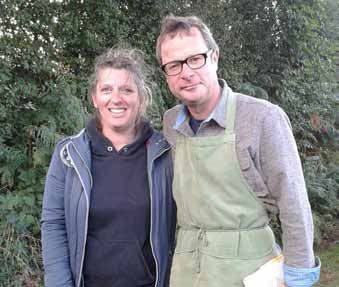
FUTURE PLANS 2014–2016 THE PIG IDEA (cont.) GLEANING NETWORK
2015 2014
FEEDING THE 5000 2016
In 2016 Feedback will be drawing on the coalitions of food
Influencing EU policy: Next year we will build on existing
support we have garnered from MEPs and Commissioners
This year we will complete the pilot phase of the project, with
our volunteer Hub Co-ordinators in Kent, the North West,
waste organisations we have built since 2009, moving towards and lobby the EU Parliament and Commission to influence Sussex, Bristol and Avon and Cambridgeshire delivering 68
2014 a consultative, campaigning focus in our events. We will still the policy making process. This will be done through a series gleaning days in total and harvesting 109 tonnes of produce.
In Autumn 2014 Feedback will be running a ‘Global Season deliver a range of campaign events, but will be able to focus of meetings in Brussels, as well as a public-facing Feeding the This will provide 1,362,500 portions of fresh produce for those
of Action’ against food waste, with the aim of demonstrating the messaging of each event to target a particular food waste 5000 event to demonstrate to MEPs and Commissioners the in need. We will also be continuing our support of gleaning
that there really is a global food waste revolution underway. issue – feeding food waste to pigs and chickens, for example strength of public feeling on the issue. We will also continue networks that are being formed in France, Belgium, Spain and
We will communicate this message through a tailored – using a general outcry about food waste to achieve specific our public engagement campaign through conventional and Poland, as part of the EU-funded FUSIONS programme.
communications campaign, magnifying the impact of a series campaign wins. social media. Our Gleaning Manager will begin to explore how the
of Feeding the 5000 and other events taking place around the We will also introduce targeted, smaller-scale campaign We will build our EU-wide supporter network of Pig Idea Network can best scale up, and potentially generate an income to
world. events – designed to drill deeper into specific food waste partners and support the growth of the corporate advocacy contribute to the sustainability of the Gleaning project.
We will be supporting the creation of food waste coalitions issues using PR-led stunts and campaigning. group.
and events across Europe, in the UK, Belgium, Poland, Greece In 2016 we will deliver 4 strategic, large- scale Demonstrating feasibility and benefits: Our working
and Spain among many others. We will also be supporting a Feeding the 5000 events, 3 targeted campaign events, 3 group of industry and academic experts will meet three times 2015
series of events in the USA, in cities including Portland, Oregon medium events and 10 smaller events (offering a more in 2015 to advise on and develop a safe and efficient system In 2015 we will secure and deliver 108 gleaning days,
and Oakland, California. comprehensive advisory service to 5 event groups). to recycle food waste into feed. We will also commission an harvesting 216 tonnes – 2.7 million portions – of fresh fruit
independent research report to establish the environmental and vegetables for those in need. We will expand into three
and economic benefits and feasibility of feeding catering more regions of the UK, and collect more produce from each
2015 waste to pigs and chickens in the EU. The report will also gleaning day as we expand the number of volunteers that we
In 2015 Feedback will aim to catalyse food waste movement in identify gaps in scientific knowledge on the issue. This will be engage. We will also develop a number of campaign activities
countries including the USA (in New York and Washington DC supported by a European-wide series of press launches and a to engage the public on the issue of cosmetic standards,
amongst others), Brazil, Peru, Kenya, South Africa, Japan and pan-European media campaign. delivered via the media and online. Our Gleaning Manager
countries in Central and Eastern Europe. Divert food waste from landfill to feed pigs and will have decided on the most effective expansion model after
This will be done through three mechanisms, all of which chickens: We will engage with major retailers and encourage an extensive period of consultation with experts in the food,
will involve creating and guiding coalitions of food waste them to become advocates of the Pig Idea campaign, as well as strategy and logistics industries.
organisations: directly send more of their waste to feed. We will also support In Europe, we will add to our existing work by supporting
High level, strategically important Feeding the 5000 farmers in the EU to develop waste to feed mechanisms. new gleaning networks in a total of six European countries,
Feeding the 5000 Amsterdam
events, which are initiated by the Feedback team and will Finally we will engage with UK farmers and food businesses at providing support costs for pilot gleaning days and workshops
involve detailed logistical planning, food sourcing, event industry events to encourage and support them to send more in each country to build their capacity.
THE PIG IDEA
planning and a financial contribution to direct costs. waste to feed.
Medium-scale events, where the Feedback team will
provide a consultancy service to local NGOs, local groups 2016
or donors to advise on the development of a food waste 2014 2016 In 2016 we will begin to put our expansion model in place,
campaign event. This will include some support on In Autumn 2014 we will build on the profile generated by our Influencing EU policy: Our lobbying effort will culminate depending on the results of our consultation work. We
developing the structure and messaging of the event, and 2013 Pig Idea Feast. We will continue our public engagement with an event in the European Commission, made up of key anticipate at this stage that two gleaning hubs will remain
the supply of campaign materials. through our newsletter, media outreach and social media supporting MEPS and scientists, calling on MEPs to publicly under the direct control of the Gleaning Network, with six hubs
Small-scale events, where the Feedback team will support work, and will expand our supporter network of supporting support a review of the legislation. potentially franchised out to carefully-selected groups. We
smaller grassroots organisations to deliver either Feeding farms and businesses in the UK and Europe. We aim to build Our working group will produce a series of will develop a range of materials and training programmes for
the 5000 events or smaller Disco Soup events, providing partnerships with academic institutions and scientists, to recommendations on feeding food waste to pigs and chickens, franchised hubs, as well as the systems necessary to manage
advice and materials over email and Skype. design research that will provide a strong scientific case for which will be delivered at a roundtable of key EU stakeholders the relationship between the central Network and its franchises.
Gala dinner events, where the Feedback team is paid our campaign. We will also initiate the expert working group (MEPs, scientists and industry leaders who were not on the We anticipate that we will collect in excess of 220 tonnes
to source food that would otherwise be wasted for high- and assist with the convening of the corporate ‘friends of the working group). The recommendations will also be shared (2.75 million portions) of produce, and will also have made
level gala dinners or conference events, often organised Pig Idea’ group. more widely with industry and the scientific community. some major advances in the reduction or elimination of
by international organisations such as the UN, thus We plan to publish a guidance document for farmers on Our corporate advocacy group, supporter network and cosmetic standards for fruit and vegetables in the UK.
delivering the message around food waste to the high level diverting waste to livestock and chickens, supported by visits European network of Pig Idea partners will continue to lobby Beyond the UK, we will also begin to develop a franchising
decisionmakers internationally. to business and industry events, and produce a report on the for MEPs to take action on revising the legislation. model, where groups around the continent cover the
In 2015 Feedback will deliver 4 major Feeding the 5000 feasibility and benefits of the process. Finally, we will begin to We will work with both UK and other European retailers, costs of our support in return for the use of the Gleaning
events, 4 medium-scale events, 25 smaller-scale events develop our European lobbying strategy, and will start to build such as Carrefour, to publicly support the campaign and divert Network name and brand. We will aim to reach four new
(including 5 that require a greater level of support) and partnerships with other NGOs and grassroots organisations more of their waste to feed, and will share the successful countries in regions beyond Europe, such as in Latin America,
4 gala dinner events. who are already campaigning to create Pig Idea replicas across results of our smaller waste to feed projects with farmers where organisations have already expressed an interest in
Europe. This currently includes organisations in Holland and across Europe. developing their own Gleaning Network.
Belgium
14 15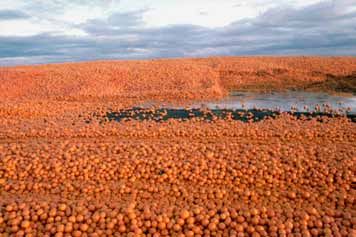
HIGH LEVEL ENGAGEMENT High Level Engagement Success: Tesco
One of the key aspects of Feedback’s work is our engagement FOOD WASTE REPORTING Feedback’s activities
with senior decision-makers in the food industry and government. Feedback played an instrumental part in convincing Tesco In February 2013, Feedback fed 500 high-level officials at the
Once we have mobilised the public through our mass participation to become the first retailer globally to publicly report on its UN Environment Programme headquarters in Nairobi, on food
engagement events, we use extensive media coverage to independently-audited food waste figures, which were released in grown in Kenya but rejected by UK supermarkets. In the run
demonstrate to business and government that if they wish to October 2013. up to the dinner we met many farmers who were forced to
maintain support from their customers and electorate, they will This was a vital move forward for the food retail sector, as until waste large quantities of beans and other produce, and these
need to change their policies on food waste. We then establish this point no information was available on the extent of food waste experiences were communicated to attendees and the wider
contact with relevant decision-makers (or indeed will be contacted at this level of the supply chain due to retailers refusing to publish public through extensive media coverage of the event. In 2014
by them), and offer support and advice on the best way to reduce their data. With this information the food industry, food experts Feedback continued to investigate instances of food waste caused
food waste through legislative or operational changes. Tristram and researchers can begin to address the causes of the waste, and by European and US food retailers, gathering film and picture
Stuart and senior members of the Feedback team regularly meet achieve real impact in reducing food waste levels. evidence of waste in Kenya with the support of Belgian NGO
with food retailers, bringing photographic and other evidence As well as this major success, Feedback has played (and 11.11.11, and conducting interviews and surveys of farmers as part
obtained through our research in the UK and abroad into meetings continues to play) an important role in exposing waste caused by of a research project with Dalberg Global Development Advisers.
to demonstrate the impact of their policies. retail policies and practices, such as cosmetic standards for fruit
While Feeding the 5000 events are the usual prompt to Tristram Stuart at the launch of his book Waste in France, 2013, with Food and
Agriculture minister Guillaume Garot
and vegetables and cancellation of forecast orders for horticultural Result
engage ministers and retailers, our other projects also provide an products. In 2013/14, Feedback challenged Tesco to take concrete As a result of Feedback’s investigations, Tesco met with us in March
opportunity for high level engagement. For example, the Gleaning steps to reduce waste in its supply chain. Here we highlight two 2013. We challenged Tesco to lower their cosmetic standards,
Network generates significant public interest in the cosmetic examples. increase access to secondary markets for local producers, and
standards imposed by retailers. We use this public interest
as a lever to directly influence change from businesses and Plans for 2014–2016 address supply chain concerns over the cancellation of orders.
In 2014, as a result of our intervention, Tesco altered its
government. Fine green beans policies regarding these issues: farmers are now required to
Some of our biggest successes, as in the case of Tesco trim only one side of the bean rather than both. Tesco has also
highlighted in our case study, have come from a combination of 2014 renegotiated its contracts with farmers, basing its orders on
communicating public outrage and meeting with supermarkets and In 2014 the Feedback team will continue to build on its work anticipated crop yields to limit last minute cancellations.
ministers to challenge and advise them as to how to best reduce in Kenya, which was initiated in 2013 in partnership with
their waste. the UN Environment Programme when we met with Kenyan Next steps
farmers who were forced to waste up to 40% of their crop Building on this success, we plan to use evidence gathered in
due to retailer restrictions. Kenya in an upcoming public campaign against these unfair trade
This depot wastes practices, in partnership with Avaaz. Our research will also be used
As part of our stakeholder engagement 20 tonnes of green
in the launch of a similar campaign in Belgium by 11.11.11, as well
2015
beans per day. The
work to develop our food waste retailer contract
as to strengthen the Fair Trade Advocacy EU campaign.
forbids feeding any
reduction strategy, we consulted In 2015 Feedback plans to expand its work in the US, of this to humans. Feedback has also been invited by the Groceries Code
engaging with retailers including supermarkets, distributors Adjudicator, empowered under UK legislation to impose sanctions
Tristram Stuart and the Feedback team
and wholesalers. Although there are a number of gleaning The problem on retailers who impose unfair conditions on their suppliers, to
in Spring 2013... Feedback provide organisations and networks established in the US and a Fine green beans are the second biggest product group in Tesco’s submit a dossier of our findings from Kenya.
constructive challenge through their well-developed food bank system, there are nonetheless seasonal vegetable category, and most of Tesco’s beans are In Autumn 2014 Feedback will be preparing a food waste
direct engagement with our teams significant problems with the food system that lead the sourced from farms in Kenya. feast in Nairobi for 500 attendees of a TEDx event on food waste,
country to be the most wasteful nation per capita in the Investigations by Tristram Stuart and Feedback revealed that organised by the Rockefeller Foundation. This work is supported by
and through their ongoing public world. In 2015 the team will be supported by the recruitment stringent cosmetic standards imposed by European food retailers the Rockefeller Foundation and the German NGO Welthungerhilfe.
campaigning on food waste issues.” of a Campaigns Director, who will lead the co-ordination meant that only straight beans, trimmed on both ends for a
George Gordon, and strategic development of our campaigns around the uniform size and length, were able to be sold. On one farm, every
Head of Corporate Responsibility Communications, Tesco world. We will also continue to enhance our communications bean was cut down by around a third before it went to market, Bananas
capacity as we raise the profile of burgeoning food waste resulting in the waste of 40% of the farm’s entire crop. This was Activities
movements around the world. enough to feed over 250,000 people every week in a country Following the release of Global Gachis, co-written by and featuring
where 3 million people are dependent on food aid. Tristram Stuart, Feedback engaged with Tesco on the film’s findings
Tristram has had the biggest single Retailers were also cancelling forecast orders, sometimes of excessive waste in the supply and sale of bananas.
influence on the positioning of food 2016 when produce had already been grown, harvested and packed,
In 2016 we will aim to further develop Feedback’s research, without paying any costs to farmers. As the retailers did not pay for Results
waste as a key issue in UK government, policy and campaigns capacity, to ensure that our campaigns this waste, they had little incentive to reduce it, and farmers were As a direct result of meetings and advice from Feedback, Tesco
the Greater London Authority and in continue to be supported by rigorous, independent forced to pay for large harvests they couldn’t sell. While some of changed its buying policies to guarantee buying 95% of the crop
the Mayor of London’s Office.” research. We will continue to engage with business and this unwanted produce was sold on the local market or donated, from it suppliers. It began to sell single bananas in Tesco subsidiary
government in the US, the EU (particularly in relation to our the quantities involved were often so large that local markets could One Stop stores, and blemished bananas as part of its Value range.
Rosie Boycott, Pig Idea campaign), and in other regions around the world. not absorb the food, and so much of it was either left to rot or fed Tesco also used bananas that would have otherwise been wasted
Chair of London Food Board, Greater London Authority to livestock. through distributor Reynolds and its subsidiary Giraffe.
16 17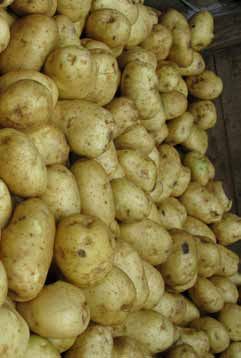
STAFF AND TRUSTEES IMPACT TIMELINE
TRISTRAM STUART STAFF Trustees JULY 2009
Founder Tristram Stuart publishes Waste: Uncovering Following advice from the Feedback team,
NIKI CHARALAMPOPOULOU LOUISE MOUSSEAU the Global Food Scandal. Positive reviews from: a major UK sandwich producer changes
Tristram is a food waste researcher,
consultant, author and campaigner. His
Managing Director Chair The Financial Times, The Daily Telegraph, The
Sun, The Independent, New Scientist, The Sunday
its practices to avoid the waste of 13,000
slices of bread each day. They save an
prize-winning book, Waste: Uncovering Niki is responsible for the development and Louise currently works as the Ventures Times, The Guardian, British Medical Journal, estimated £100,000 a year in disposal costs
the Global Food Scandal (Penguin, 2009) delivery of all of Feedback’s projects, and Manager for UnLtd - a foundation supporting Bill McKibben and many more. Translated into by selling the bread for livestock feed.
is widely referenced by the UN Food the organisation more broadly. Previously, social entrepreneurs. Prior to this Louise was several languages including Chinese, Japanese,
and Agriculture agency, the European Niki worked for Green Alliance, The Climate Chief Operations Officer at FoodCycle. Spanish, French, German, Thai and Italian, and is
Commission and many reports and Group, Forum for the Future and Waste also published in Anglophone countries across the world including NOV 2009
publications around the world as one of the Watch. the USA and Australia. Queens Speech Debate
definitive sources of information on global STEWART CROCKER Reference to Tristram Stuart and his book Waste: Uncovering the
food waste. Tristram continues to work with Stewart currently works as a strategy DEC 2009 Global Food Scandal. Ensuing speech on Supermarket Waste and
a range of NGOs, governments, and private LIORA WULF consultant for charities, non-profits and Tristram Stuart organises first ever the not-for-profit government-funded Waste and Resources Action
enterprises internationally to tackle the
global food waste scandal, as part and in
Business Development social enterprises. He is currently a trustee
of Friends of the Earth and Chair of Think
Feeding the 5000 event in Trafalgar
Square, London.
Programme (WRAP).
addition to his work with Feedback. and Operations Director Global. Partner organisations included Save the
Liora is responsible for the financial man- Children, ActionAid, FareShare. Following JAN 2010
Tristram is a Senior Research Associate at agement, business development and op- the event the then Defra minister wrote House of Commons, Environment Food and Rural Affairs
the University of Sussex Centre for World erations support of all of Feedback’s work. KATH DALMENY to CEOs of UK supermarkets requesting Committee publishes Waste Strategy for England 2007.
Environmental History, and has delivered Previously Liora worked in the international Kath is the Coordinator of Sustain: the that surplus food should be donated Committee adopted specific recommendations outlined in
lectures and seminars at institutions development sector for aid agencies includ- alliance for better food and farming. Kath sits rather than destroyed. Partner charity Tristram Stuart’s book, including encouraging supermarkets to:
including Yale University, Columbia ing Christian Aid and Merlin. on the boards of Food Matters, London Food FareShare was profiled in the government’s Food 2030 report, stock more misshapen fruit and vegetables, redistribute food to
University, Cambridge University, University Board, Sustainable Food Cities and Growing and Save the Children and ActionAid said that “the organisation, the charitable sector, and report food waste on an annual basis.
College London and JMU Delhi amongst Communities. messaging and feel of the day were all pretty close to perfect”.
others. He is a board member of the DOMINIKA JAROSZ
London Food Board and is an advisory
Events Coordinator SEPT 2010
board member of Sustainable Food Cities TERESA GRAHAM DEC 2010 Founding of ‘A Taste of Freedom’ by the Feedback team,
(UK), Ample Harvest (US), Food Recovery Dominika is responsible for coordinating Teresa is a chartered accountant and a part- Tristram Stuart advises on and features in The Great British a project aiming to educate young
Network (US), Sustainable Restaurant and delivering Feedback’s full schedule of time MD of the Lexi Cinema and its related Waste Menu, a pioneering 90 minute BBC documentary on food people about food waste through
Association (UK) and Rubies in the Rubble international campaign events. Previously pop-up cinema screen, the Nomad Cinema. waste. creating delicious ice creams from fruit
(UK). Dominika was the Head of Campaigns that would otherwise have been wasted.
and Outreach for Pig Business, a film and APRIL 2011
Tristram was awarded the international campaign against factory farming. ROMINA PICOLOTTI Tristram Stuart awarded 2011 Sophie Prize for his fight
environmental award, the Sophie Prize, Romina is a lawyer and President of against food waste. Previously won by, among others, John Pilger, MAY 2011
in 2011 for his fight against food waste, the Centre for Human Rights and Wangari Maathai and James Hansen. Food and Agriculture Organisation releases Global Food Losses
and was shortlisted for the 2013 Ted MARTIN BOWMAN Environment in Argentina. She was and Food Waste. Authors describe Tristram’s book as an excellent
Prize. Tristram was selected as one of the
UK Gleaning Coordinator previously the Argentinian Secretary for the OCT 2011 introduction and survey of the problem and one that proved critical
National Geographic’s 2014 Emerging Environment and Sustainable Development. Tristram Stuart awarded Observer Food Monthly Outstanding in the establishment of the problem in the global consciousness.
Explorers. Martin is responsible for the delivery of Contribution Award for his campaigning on Food Waste.
Gleaning Network UK. Martin is also involved
with the food waste organisation This Is LAURA YATES NOV 2011
Rubbish. Laura is a freelance graphic designer, with Business signatories to the Food Feeding the 5000 takes place for the
clients including Oxfam and Friends of the Waste Pyramid from across the supply second time in Trafalgar Square.
Earth. Previously Laura was Climate and chain- include food retailers, caterers, Partnerships with London Food Board, the
AMY LEECH Energy Campaigner for Greenpeace. manufacturers and restaurants. Mayor of London, FareShare, FoodCycle,
The Pig Idea Campaign Coordinator The Food Waste Pyramid was adopted
by the Greater London Authority as
and Friends of the Earth. Led to meetings
with government ministers including Lord Taylor, Lord de Maulay,
Amy is responsible for overseeing The KATE RODDE the implementation tool for their food Ed Davey MP, Zac Goldsmith MP and the Prime Minister’s Policy
Pig Idea Campaign. Amy is also a Senior Kate is a Chartered Accountant, MBA and waste strategy, and became the basis Unit at No.10 Downing Street. Every major UK supermarket now
Policy Advisor at the Soil Association and a entrepreneur. She previously served as a for the EU-funded FoodSave project has a relationship with a food redistribution charity, in contrast
contributor to the Huffington Post. Research Associate at INSEAD and a Founder aiming to help SMEs across London to the start of the campaign. Over 5,000 people signed the food
& CEO at Greenstays in France. reduce their food waste. waste pledge, totalling more than 14,000 pledgees to date.
18 19You can also read


