Whittlesea Bicycle Plan 2016 2020 - The City of Whittlesea has a vibrant cycling community, is a great place to ride, and residents have made ...
←
→
Page content transcription
If your browser does not render page correctly, please read the page content below
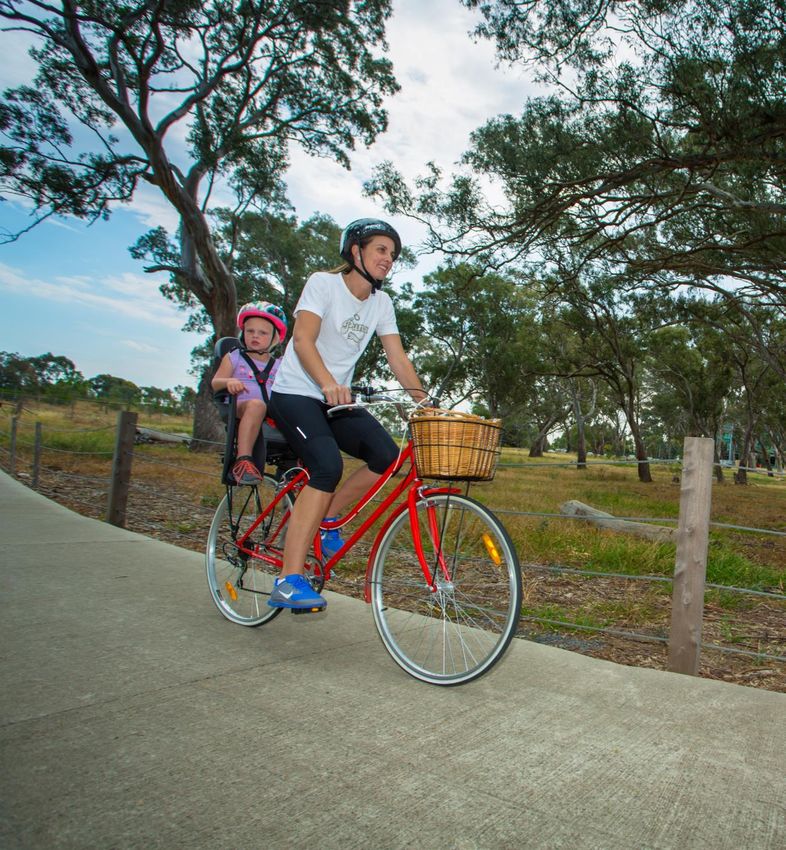
Whittlesea Bicycle Plan
2016 - 2020                                      The City
                                              of Whittlesea
                                           has a vibrant cycling
                                          community, is a great
                                            place to ride, and
                                          residents have made
                                           the decision to ride
                                               more often.

     Creating vibrant self-sustaining communities together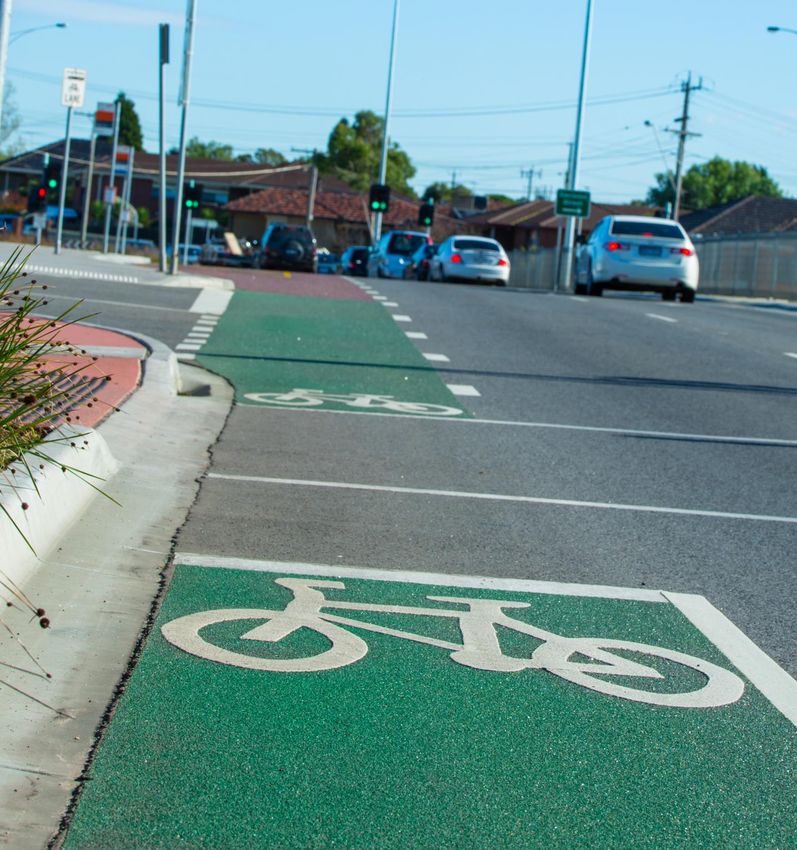
Whittlesea Bicycle Plan 2016 - 2020

    Contents
    The City of Whittlesea recognises the rich Aboriginal heritage of this country and acknowledges the
    Wurundjeri Willum Clan as the traditional owners of this place.

    Introduction
    Current Context
      Cycling in the City of Whittlesea                                               2
      Cycling issues in the City of Whittlesea                                        3
      The cycling network                                                             5
    Cycling Policy Statement and Principles                                          10
    Rationale for Whittlesea Bicycle Plan                                            11
    Policy Context                                                                   12
    Consultation and Development Process                                             14
    Key Directions                                                                   15
      Key Direction 1: Make cycling safer                                            15
      Key Direction 2 : Encourage and promote cycling                                15
      Key Direction 3 : Build and maintain a high quality network                    16
      Key Direction 4 : Monitor cycling into the future                              16
    Evaluation and Reporting                                                         17
    Action Plan                                                                      18
      Objective 1 – Safer roads for cyclists                                         20
      Objective 2 – Safer intersections for cyclists                                 22
      Objective 3 – Safer cyclists and motorists                                     25
      Objective 4 – Engage with the local cycling community                          26
      Objective 5 – Engage with schools and universities and major employers         28
      Objective 6 – Promote cycling to the community                                 30
      Objective 7 – Better recreational trails                                       31
      Objective 8 – Better transport routes                                          32
      Objective 9 – Better local streets for cycling                                 35
      Objective 10 – Better bicycle signage                                          36
      Objective 11 – Better end-of-trip facilities                                   38
      Objective 12 – Better maintenance of the network                               41
      Objective 13 – Monitor investment in cycling                                   42
      Objective 14 – Monitor participation and perception of cycling                 43
      Objective 15 – Monitor cyclist volumes on key routes                           44
    Funding the Plan                                                                 46
      External funding                                                               46
    Implementing the Plan                                                            47
    Appendix A - Precinct Maps                                                       48
    Appendix B - Bicycle Infrastructure Priorities                                   61
    Appendix C - Other Strategies supported by the Plan                              64

       Creating vibrant self-sustaining communities together
Introduction
The City of Whittlesea Bicycle Plan 2016-2020 (WBP) is Council’s commitment to increasing cycling
participation of residents and visitors of the City of Whittlesea. Council recognises the importance of a strong
plan to support cycling that will result in a range of benefits including economic, environmental, health,
access and mobility, and community inclusion.
The WBP updates and replaces the Whittlesea The WBP has two parts, Part One of the
Strategic Bicycle Plan 1992 and Whittlesea Bicycle WBP contains:
Network Plan 2005, and builds on local, State and
Federal policies and strategies, particularly the Cycling participation, issues and network
Integrated Transport Strategy 2014 (ITS) and the Council’s Cycling Policy Statement
Shaping Our Future: Whittlesea 2030 – Strategic The rationale for a WBP
Community Plan (Community Plan). Links to Council plans and Federal and State
Government strategies
The WBP relates specifically to the implementation Consultation and development process
of the ITS “Action C1.1. Develop a Council Cycling Key Directions and evaluation measures
Plan and implement the associated projects and
initiatives”. Part Two of the WBP defines the specific actions to
be undertaken over the next four years.
To deliver the WBP, Council will implement four key
directions that were developed in consultation with
the community and stakeholders that are
underpinned by a sound evidence base. These are:
KEY DIRECTION 1: Making Cycling Safer
KEY DIRECTION 2: Encourage and Promote Cycling
KEY DIRECTION 3: Build and maintain a high quality
network
KEY DIRECTION 4: Monitor cycling into the future
Council is committed to supporting cycling as a
sustainable and healthy form of travel and recreation.
The WBP sets out a clear plan of action and Council
will have three defined roles:
Provider: Council can be a provider and directly
undertake work
Advocate: Council can advocate for works on behalf
of its communities
Facilitator: Council can support the work of others.
1
Creating vibrant self-sustaining communities together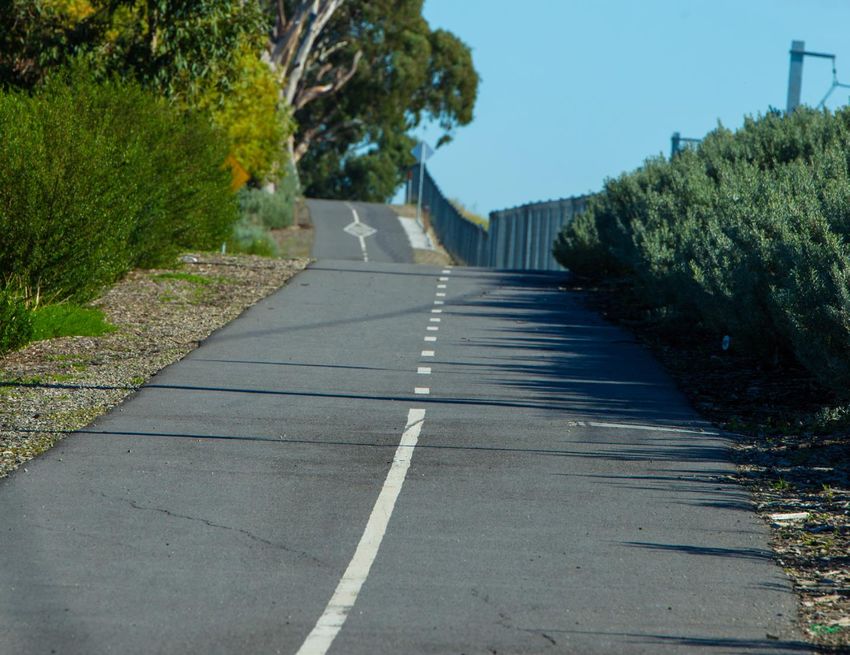
Whittlesea Bicycle Plan 2016 - 2020

          Current Context
          Cycling in the City of Whittlesea
          Cycling is a popular way for residents to get around and experience the City of Whittlesea. More than 28,000
          residents cycle frequently (weekly) and more than 38,000 cycle occasionally (monthly).1 The cycling participation rate
          by residents of the City of Whittlesea is similar to metropolitan Melbourne and Victoria when measured by riding in
          the past week (Figure 2.2). However, there are fewer residents who have ridden in the past month and year
          compared to Melbourne and Victoria.

          When cycling for purposes other than recreation the local cycling community have a variety of purposes with: trips
          to education (13%), visiting friends and relatives (8%), and shopping (6%) the most popular.3 Cycling for commuting
          is not as popular in the City of Whittlesea in comparison to metropolitan Melbourne and Victoria. A significant
          reason for this is that approximately 75% of the residential labour force leaves the municipality each day for work.

          Figure 1: Cycling Participation Comparison by Area                              Figure 2: Cycling for recreation in comparison to other purposes

          The majority (88%) of the local cycling community enjoy
          cycling as a recreational activity. 24% of the community
          indicated that they cycle for purposes other than
          recreation2 which is not significantly different from the
          Melbourne and Victorian averages.

                                                                                          Figure 1: Purposes for cycling other than recreation

1
 City of Whittlesea Cycling Participation and Rider Perceptions 2014 survey pg 4. 2014
2
 City of Whittlesea Cycling Participation and Rider Perceptions 2014 survey pg 10. 2014                                                                      2
3
 City of Whittlesea Cycling Participation and Rider Perceptions 2014 survey pg 11. 2014

                                     Creating vibrant self-sustaining communities together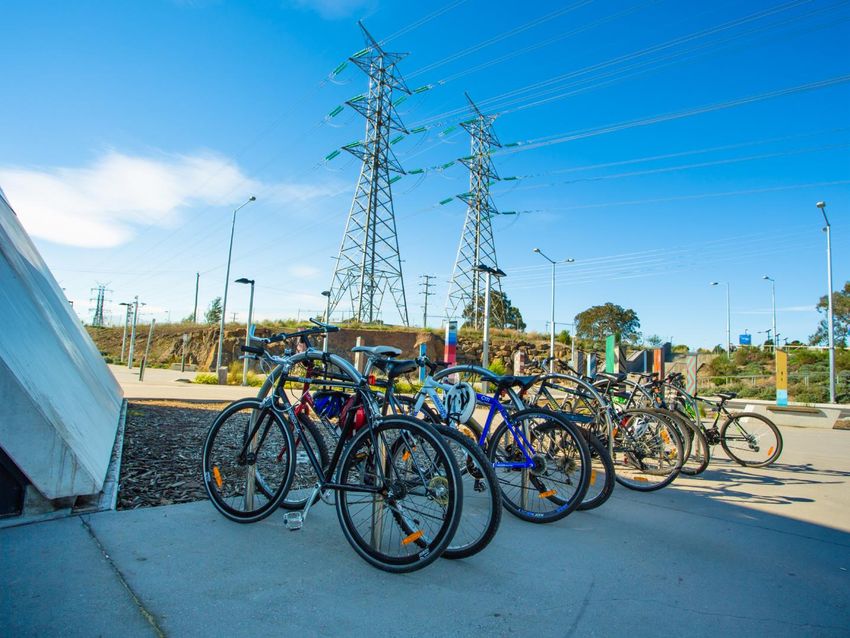
Cycling issues in the City of Whittlesea
           The existing bicycle network provides safe and enjoyable routes for many cyclists. However there are several
           issues that limit greater participation, including trip distance, lack of connecting infrastructure to destinations
           and safety concerns.

           Participation drops rapidly as we age                                              Distance to destinations
           48% of young children (under 10) and 42% of                                        Cycling trips out of the municipality are less attractive
           teenagers (10-24) cycle frequently, considerably                                   as activity centres in neighbouring municipalities are
           greater than the participation rate in Melbourne at                                often beyond a reasonable cycling distance for active
           36% and 31% respectively. Participation declines                                   travel and to jobs. Industrial land uses and waterways
           rapidly, with only 7% of 18-29 year olds, 9% of 30-49                              along the boundary of the municipality limit cycling
           year olds and 3% of 50+ year olds, cycling frequently4.                            connectivity between residential areas of the City of
           The rate among young children (0-17) is greater than                               Whittlesea and those of adjoining municipalities.
           the Melbourne average; however the rate amongst
           adults 50+ is lower in Whittlesea than in Melbourne
           and Victoria.
                                                                                              Female participation
                                                                                              Males have much greater cycling participation in the
                                                                                              City of Whittlesea at around 21%, compared to only
                                                                                              12% of females5. This trend is similar to that observed
                                                                                              across Melbourne and Victoria. Female cycling
                                                                                              participation is seen as a barometer of a strong
                                                                                              cycling community. Constraints on cycling for females
                                                                                              includes personal (lack of confidence and cycling
                                                                                              skills, lack of fitness, ability to keep up) and socio-
                                                                                              environmental (adverse traffic conditions, driver
                                                                                              aggression, end of trip facilities etc. )6. However,
                                                                                              connections to neighbouring municipalities remain
                                                                                              important for recreational cyclists.

          Figure 2: All person, cycling participation in the past week by
          age

                                                                                               Figure 3: All persons, cycling participation in the past week by
                                                                                               gender
4
 City of Whittlesea Cycling Participation and Rider Perceptions 2014 survey pg 5. 2014
5
 City of Whittlesea Cycling Participation and Rider Perceptions 2014 survey pg 6. 2014                                                                            3
6
 Deakin University Revolutions for Women: Increasing women’s participation in cycling for recreation and transport 2006

                                     Creating vibrant self-sustaining communities together
Whittlesea Bicycle Plan 2016 - 2020

Lack of connecting infrastructure                         Safety concerns limit participation
Despite the expansion of bicycle facilities in the City   Safety is a primary concern for cyclists particularly
of Whittlesea, routes often lack connectivity. There is   when cycling as a form of active travel. Whilst most
strong recognition from the local cycling community       of the local cycling community felt either very
that the best way to encourage more active travel is
                                                          comfortable (13%) or comfortable (50%) when riding
to provide better connections to schools, public
transport, shops and parks. This includes not only        in the City of Whittlesea, 29% felt uncomfortable. On
more paths and lanes but also includes: signs             average 14% of cyclists indicated that they did not
highlighting bicycle routes, improved crossing            ride to work, school or shopping because it is “too
facilities and end-of-trip facilities.                    dangerous” riding in the City of Whittlesea7.

                                                                                                                  4

                   Creating vibrant self-sustaining communities together
The cycling network
                                                        Whilst these informal routes may not receive
The bicycle network currently consists of almost 500    dedicated on-road or off-road bicycle facilities they
km of on-road and off-road facilities including:        will be managed to ensure a “bicycle friendly”
                                                        environment is provided.
• 120 km of off-road shared path or trail through       The bicycle network will continue to expand as urban
open space areas, along rail corridors and pipe         development continues in the municipality. This will
reservations.                                           include extensive new bicycle networks in Epping
• 130 km of off-road shared path running adjacent to    North, Doreen, Quarry Hills and Mernda, as well as
existing roads within the road reservation              further north in Wollert, Eden Park, Donnybrook and
• 250 km of on-road bicycle lanes                       Beveridge. Once fully developed the bicycle network
                                                        in the City of Whittlesea is likely be double the length
These routes are supported by another 150 km of         it is now, to over 1000 km.
informal bicycle routes, often along quiet local
                                                        Figures 5 and 6 highlight the existing and proposed
streets, which provide local access and link into the
surrounding network.                                    bicycle networks at a broad level. Please refer to
                                                        precinct maps (provided in Appendix A) for greater
                                                        detail.

                                                                                                                   5

                    Creating vibrant self-sustaining communities together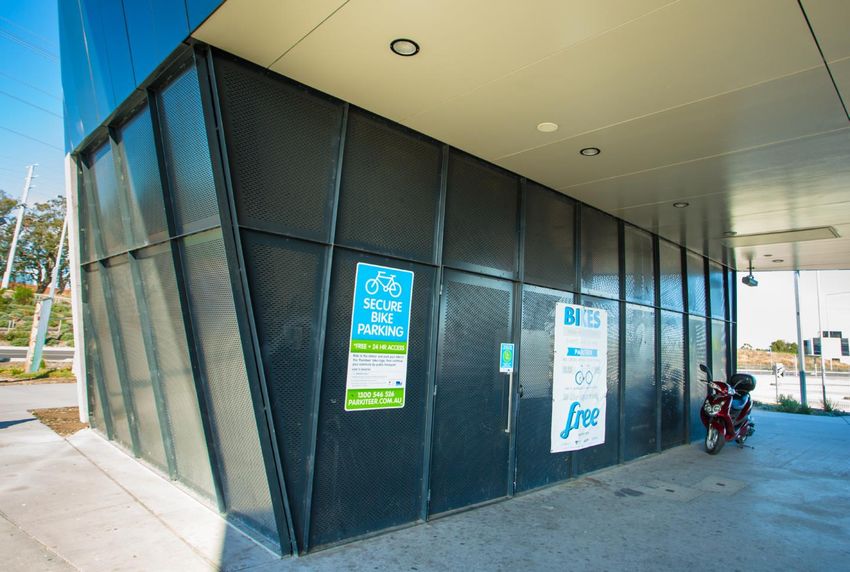
Whittlesea Bicycle Plan 2016 - 2020

Figure 4: Existing Bicycle Facilities

                                                                                 6

                         Creating vibrant self-sustaining communities together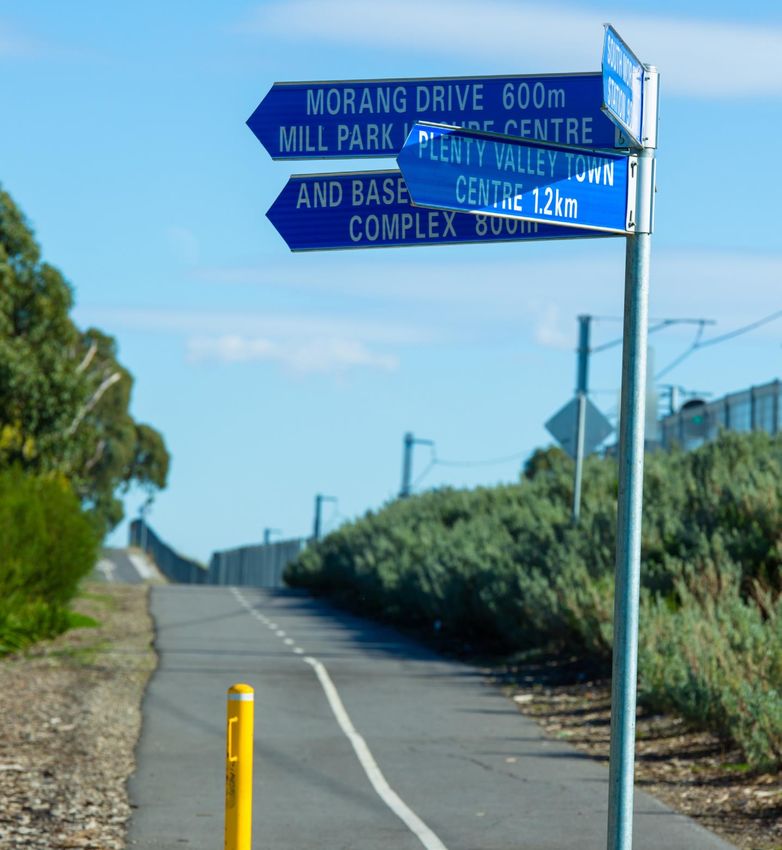
Metropolitan Trail Network                                                      includes local roads, off-roads paths and State
          The Metropolitan Trail Network (MTN) was                                        Government Arterial Roads
          established in 2002 to preserve and enhance the                                 Important PBN routes include amongst others; Plenty
          open space network. The MTN was identified by                                   Road, Dalton Road, Edgars Road, High Street/Epping
          Parks Victoria and Council, and includes the Darebin                            Road, Bridge Inn Road, Cooper Street, Main Street/
          Creek Trail, M80 Ring Road Trail, Merri Creek Trail                             The Boulevard/McKimmies Road, McDonalds Road/
          and Plenty River Trail. A Northern Region Trails                                Gorge Road, South Morang Rail Trail, and The Lakes
          Strategy was approved in 2016 to provide a strategic                            Boulevard.
          framework for the future development and
          maintenance of a recreational off-road trail network                            Municipal Bicycle Network
          in Banyule, Darebin, Hume, Moreland, Nillumbik,                                 Bicycle routes not part of the PBN and MTN network
          Whittlesea and Yarra Councils.                                                  are part of the City of Whittlesea’s Municipal Bicycle
                                                                                          Network (MBN). Each municipality is the custodian of
          Principal Bicycle Network                                                       their MBN, and is responsible for managing the
          The backbone of the cycling network is the Principal                            development of this network. The MBN is designed to
          Bicycle Network (PBN). These routes have been                                   integrate with the MTN and PBN by filling in the
          identified by VicRoads and Council and provide                                  logical gaps in the wider network. Provision for
          routes that help people cycle for transport, and                                cyclists in the MBN involves a variety of on-road, off-
          provide access to major destinations in the                                     road and shared space bicycle treatments. Some
          Melbourne metropolitan area . The PBN guides State                              routes in the MBN may become part of the MTN or
          and local Government investment in the                                          PBN as part of future revision to these networks.
          development of the bicycle network. The PBN

7
 State Government of Victoria. http://www.vicroads.vic.gov.au/Home/Moreinfoandservices/Bicycles/
StrategicDirectionsForCycling/BicycleNetworkPlanning/PrincipalBicycleNetwork.htm. 2012
                                                                                                                                                    7

                                    Creating vibrant self-sustaining communities together
Whittlesea Bicycle Plan 2016 - 2020

Figure 5: Existing and Proposed Bicycle Network

                                                                         8

                 Creating vibrant self-sustaining communities together
9 Creating vibrant self-sustaining communities together
Whittlesea Bicycle Plan 2016 - 2020
Cycling Policy Statement and Principles
The City of Whittlesea is committed to adopting cycling as a viable transport mode for a wide variety of trips,
ensuring that the municipality is a great place to ride and residents have made the decision to ride more often.
Policy Principles
The Cycling Policy Principles are designed to guide and underpin the WBP
Cycling should provide a highly efficient transport option for short and medium length trips of up to seven
kilometres
Cycling should contribute to health, economic and environmental outcomes
Cycling infrastructure should be focused on facilities suitable for novice or young riders
Supporting infrastructure including way finding signage and bicycle parking should be provided in key
locations across the cycling network
Cycling networks should extend the catchment of public transport stations and interchanges
We will work in partnership with all communities and stakeholders to achieve positive community
outcomes
We are committed to delivering accessible information, facilities, programs and services that encourage
people to build social connections and participate in community life.
The above Policy Principles have been informed by Council’s Community Building Strategy that commits Council’s
actions to the needs and aspirations of the local community, building individual and community capacity, resilience
and community connectedness. They have also been informed by Council’s Integrated Transport Strategy,
community and stakeholder input and from best practice cycling principles.
10
Creating vibrant self-sustaining communities togetherRationale for Whittlesea Bicycle Plan
The rationale for cycling and for Council to undertake a WBP is supported by the strong tangible benefits from
increased cycling participation. These wide benefits cover economic, environmental, community health and
participation and access and mobility. Figure 4 highlights the economic benefits of $1.43 per kilometre cycled for
a typical off-road path in an urban area4.
Cycling for a healthier economy: increased participation in cycling provides many economic benefits
including: decongestion, infrastructure provision savings, parking cost saving, and reduced vehicle
operating costs (fuel, maintenance, insurance, and registration). These benefits save the community more
than $0.60 per km cycled.
Cycling for a healthier environment: participation in cycling also contributes to environmental outcomes
including: improved air quality, reduced greenhouse gas emissions, and noise reduction. These
environmental benefits total around $0.06 per km cycled.
Cycling for healthier people: the health benefits of greater participation in cycling make up the majority of
the benefits. Even after considering increased injury costs the health benefits of cycling are around $1.10
per km cycled. Increasing activity through cycling has massive health benefits including improved quality of
life, increased life expectancy, reduced risk of cardiovascular disease, reduced rates of cancers, reduced risk
of type two diabetes, reduces risk and symptoms of depression/anxiety etc.
Cycling for access and mobility: cycling provides an affordable and fast form of transport for local trips
within the municipality. Within the context of a “20 minute City” cycling extends the range of local
destinations that are accessible without the need for a car.
Cycling for a strong cohesive community: the support of cycling provides improvements in the public
realm, places where people naturally interact with each other and their community, including streets,
parks, transportation nodes and other public facilities. Cycling provides opportunities for greater social
inclusion and community liveability. Rationale for supporting cycling.
Figure 6: Benefits per kilometre cycled
8
8 11
8
Commonwealth of Australia, Walking and Riding Access to Public Transport – Supporting Active Travel in Australian Communities, 2013.
Creating vibrant self-sustaining communities togetherWhittlesea Bicycle Plan 2016 - 2020
Policy context
The WBP replaces the Whittlesea Strategic Bicycle Plan 1992 and Whittlesea Bicycle Network Plan 2005, and is
consistent with local, State and Federal policies and strategies. The plan has been identified as a key action in
Council’s Integrated Transport Strategy (ITS) that was adopted in March 2014. A brief summary of the relevant
policies and strategies is provided below.
We can cycle safely9
The WBP contributes specifically to the key strategic objectives of the Community Plan:
• Accessibility in, out and around our city
• Places and spaces to connect people
• Health and wellbeing
• Living sustainably
• Good governance
Double rate of participation in cycling between 2011 and 201610
The National Cycling Strategy 2011-2016 identifies six areas of priority including:
• Cycling Promotion
• Infrastructure and Facilities
• Integrated Planning
• Safety
• Monitoring and Evaluation
• Guidance and Best Practice
Grow and support cycling and build a more bike-friendly state (to be updated in 2016)11
Cycling into the Future 2013-23 identifies six areas of priority including:
• Build evidence
• Enhance governance
• Reduce safety risks
• Encourage cycling
• Growing the cycling economy
• Plan networks and prioritise investment
9
City of Whittlesea. Shaping Our Future: Whittlesea 2030 – Strategic Community Plan. 2013
10
11
AustRoads. National Cycling Strategy 2011 – 2016: Gearing up for active and sustainable communities. 2011 12
State of Victoria. Cycling into the future 2013 – 23: Victoria’s Cycling Strategy. 2012
Creating vibrant self-sustaining communities togetherIncrease the proportion of the community engaged in cycling12
The ITS sets out how Council will enable the community to adopt cycling as a viable
alternative to the car for a wide variety of trips through:
• Provision of infrastructure,
• Encouragement programs
• Supporting infrastructure
Increase the cycling participation of residents and visitors of the City of Whittlesea13
Council will advocate, facilitate and provide for greater cycling participation through four
objectives:
• Making cycling safer
• Encourage and promote cycling
• Build and maintain a high quality network
• Monitor cycling into the future
Increase cycling along recreational trails in the City of Whittlesea14
The Northern Regional Trails Strategy 2016 defines a plan for the future off-road
recreational trails network in Melbourne’s north. An integrated network of regional trails
and significant features will provide social, transport, economic and environmental
benefits.
12
City of Whittlesea Integrated Transport Strategy 2014. 2014
13
14
City of Whittlesea Bicycle Plan 2016-2020 13
Northern Regional Trails Strategy 2016.
Creating vibrant self-sustaining communities togetherWhittlesea Bicycle Plan 2016 - 2020
Consultation and Development Process
The WBP has been informed by numerous strategies, plans, programs, standards and guidelines and the most
relevant are:
Integrated Transport Strategy 2014
The ITS was adopted by Council in 2014 with the intent of establishing a framework to respond to the future
transport needs of our new and established communities and to align Council’s transport strategies, plans and
investment priorities with State Government’s priorities. It was underpinned by significant community input during
its preparation including a telephone survey of residents and stakeholder engagement. The ITS sought to adopt
cycling as a viable alternative to the car for a wide variety of trips, assisted by a suite of guiding principles. A
coherent set of actions was developed for implementation that focused on the need to undertake a strategic
cycling plan that addressed infrastructure provision, encouragement programs and supporting infrastructure like
way finding signage and end-of-trip facilities.
City of Whittlesea Cycling Participation and Rider Perceptions 2014 Survey
This survey of City of Whittlesea residents was undertaken in 2014 as part of the National Cycling Participation
Survey. The survey identified:
Residents participate in cycling at a similar rate to metropolitan Melbourne with a focus on recreational
cycling
50% of the local cycling community felt comfortable whilst 29% felt uncomfortable when riding
Barriers to riding include insufficient connectivity to attractions such as inadequate lanes, paths and
signage, need for safe crossing facilities and end-of-trip facilities
Priorities for Council to consider include addressing female participation and those aged 25 plus years
Community Consultation
A range of consultations were undertaken with a diverse range of stakeholders during the development and
following the release of the draft WBP. This included local community groups, the local cycling community, new
and emerging communities and external stakeholders like neighbouring municipalities, State Government agencies
and not-for-profit agencies. The feedback provided on the draft WBP has been used to enhance the finalization of
the plan. It is summarized as follows:
Cyclist safety was a key issue from inadequately designed bicycle lanes and paths and unsafe intersections
Upgrades were identified for off-road paths and on-road bicycle lanes
Supporting infrastructure including bicycle parking and signage is required
Improved bicycle path and bicycle lane maintenance is sought
Encouragement programs to grow the cycling community amongst all age groups are needed.
14
Creating vibrant self-sustaining communities togetherKey Directions:
The four key directions were developed in consultation with our community and stakeholders and underpinned
by localized data and best practice evidence.
Key Direction 1: Make cycling safer
A fundamental component of Council’s policy for cycling in the City of Whittlesea is that the network is as safe as
possible.
Between 2011 and 2015 there were 101 reported casualty accidents in Whittlesea involving cyclists15 , including:
The WBP will address this key direction by adopting three key objectives:
Objective 1 – Safer roads for cyclists
Objective 2 – Safer intersections for cyclists
Objective 3 – Safer cyclists and motorists
Key Direction 2: Encourage and promote cycling
Council recognises the importance of encouraging and promoting cycling by: facilitating the development of local
cycling clubs, collaborating with local and regional cycling advocacy bodies, working proactively with schools and
universities, and creating a strong internal cycling culture.
The WBP will address this key direction by adopting four key objectives:
Objective 4 – Engage with the local cycling community
Objective 5 – Engage with schools and universities and major employers
Objective 6 – Promote cycling to the community
15
State Government of Victoria. VicRoads CrashStats: Location is LGA(s): WHITTLESEA;
Query: Bicyclist casualty accidents - all ages; Date range is 01/01/2011 to 31/12/2015. 15
Creating vibrant self-sustaining communities togetherWhittlesea Bicycle Plan 2016 - 2020
Key Direction 3: Build and maintain a high quality network
A high quality bicycle network is an essential component in the WBP. The network should be safe, legible,
accessible, direct, continuous and attractive.
A high quality network also caters for all cyclists, particularly those who are new to riding. The network must also
balance the needs of cyclists with a variety of trip purposes including: cycling for recreation, fitness and active
travel to local destinations.
Developing new cycling infrastructure to achieve a connected and safe cycling network which provides direct access
to local destinations, is a core focus of the WBP.
Maintenance of the bicycle network will become increasingly important as the network continues to grow and the
cycling community becomes more active.
The WBP will address this key direction by adopting six key objectives:
Objective 7 – Better recreational trails
Objective 8 – Better transport routes
Objective 9 – Better local streets for cycling
Objective 10 – Better bicycle signage
Objective 11 – Better end-of-trip facilities
Objective 12 – Better maintenance of the network
Key Direction 4: Monitor cycling into the future
It is essential that Council monitor its performance in progressing towards the key directions of the WBP. The
indicators, measures and targets in table 1 have been developed to ensure that progress across each key direction
is recognised.
The WBP will address this key direction by adopting three key objectives:
Objective 13 – Monitor investment in cycling
Objective 14 – Monitor participation and perception of cycling
Objective 15 – Monitor cyclist volumes on key routes
16
Creating vibrant self-sustaining communities togetherEvaluation and Reporting
The Action Plan contains objectives and actions that must be progressed to achieve the outcomes sought from
the key directions. Each action includes identification of Council’s role, key external partners and priority:
1. Role: Council will take on the following roles as Provider, Advocate and Facilitator in delivering the plan17
Provider: Council can be a provider and directly undertake work.
Advocate: Council can advocate for works on behalf of its communities.
Facilitator: Council can support the work of others.
2. Partners: the external partnerships that will be formed in response to the action.
3. Priority: the order in which the actions will be implemented:
Ongoing – indicates that the action is already been undertaken.
High – the actions to be implemented first.
Medium – actions after high priority actions are implemented.
Low – actions after medium priority actions are implemented.
The implementation of actions will be monitored and reported on by Council annually to ensure that progress is
made against the WBP’s measures, as detailed in Table 1. A review of the WBP will be undertaken at the conclusion
of the four year Action Plan to report on achievements and identify the best way for Council to invest in achieving
cycling outcomes.
17
Creating vibrant self-sustaining communities togetherWhittlesea Bicycle Plan 2016 - 2020
Objective Measure Target Source
Make cycling safer 1. Number of crashes Less than 80 crashes VicRoads CrashStats
involving bicycles in involving cyclists as a five
COW year average (currently
101 crashes)
2. % of the local cycling 75% of the local cycling Cycling Participation
community that feel community feel “very Survey
“very comfortable” or comfortable” or Annual Household Survey
“comfortable” when “comfortable” (currently
riding 63%)
Encourage and promote 3. % of residents cycling 20% of residents cycle Cycling Participation
cycling frequently frequently (currently 16%) Survey
Annual Household Survey
4. % of residents cycling 30% of residents cycle Cycling Participation
occasionally occasionally (currently Survey
22%) Annual Household Survey
5. % of females cycling Close the gap between Cycling Participation
frequently male and female cycling Survey
participation (currently Annual Household Survey
9%)
6. % of 25+ cycling 10% of resident aged 25+ Cycling Participation
frequently cycle frequently (currently Survey
6%) Annual Household Survey
7. Reported bicycle Greater than $5.00 spend Council records
expenditure on cycling infrastructure
per resident as a five year
average (currently $6.94)
Build and maintain a high 8. Bicycle infrastructure 90% of bicycle Council records
quality network on tome and on infrastructure delivered on
budget time
Table 1: Key Directions, Measures and Targets
18Action Plan
Key Direction 1: Make cycling safer
Objective 1 – Safer roads for cyclists
Objective 2 – Safer intersections for cyclists
Objective 3 – Safer cyclists and motorists
Key Direction 2: Encourage and promote cycling
Objective 4 – Engage with the local cycling community
Objective 5 – Engage with schools and universities and major employers
Objective 6 – Promote cycling to the community
Key Direction 3: Build and maintain a high quality network
Objective 7 – Better recreational trails
Objective 8 – Better transport routes
Objective 9 – Better local streets for cycling
Objective 10 – Better bicycle signage
Objective 11 – Better end-of-trip facilities
Objective 12 – Better maintenance of the network
Key Direction 4: Monitor cycling into the future
Objective 13 – Monitor investment in cycling
Objective 14 – Monitor participation/perception of cycling
Objective 15 – Monitor cyclist volumes on key routes
Table 2: Key Directions and ObjectivesWhittlesea Bicycle Plan 2016 - 2020
Objective 1 – Safer roads for cyclists
Cyclists are amongst the most vulnerable road users and
around six times more likely to be involved in a casualty
crash than motor vehicle occupants16. More than two thirds
of the casualty crashes involving cyclists in the municipality
occurred on arterial roads. High volume, high speed roads
such as Plenty Road, High Street, Dalton Road, and Edgars
Road accounted for half of all bicycle accidents in the
municipality17.
Towards Zero Victoria’s Road Safety Strategy and Action
Plan 2016 – 2020 prioritises engineering treatments to
make safer roads for cyclists. Many treatments are available
to make cyclists feel more comfortable and reduce casualty
accidents in the municipality, including:
Enhanced existing on-road bicycle lanes: either
through visual measures (e.g. buffer zones and
coloured surface treatments), audible measures
(e.g. rumble strips, and Riley Kerb©) or physical
measures (e.g. kerb separators and flexible poles) to
create greater separation from motor vehicles.
Providing an off-road alternative: is often a great
option if space exists in the road reservation.
However careful consideration is required in
regards to the surface, number of vehicle
crossovers, maintenance, and priority of the path at
intersections
Reducing the speed limit: can be particularly
effective in reducing the frequency and severity of
casualty crashes for all road users and making
cyclists more comfortable when riding in mixed
traffic.
16
Comparison between: Department of Transport, Planning and Local Infrastructure. Victorian Integrated Survey of Travel and Activity (VISTA). 2014 and State Government of
Victoira. VicRoads CrashStats: Location is LGA(s): WHITTLESEA; Query; Bicyclist casualty accidents – all ages; Date range is 01/01/2011 to 31/12/2015. 2016
17
State Government of Victoria. VicRoads CrashStats: Location is LGA(s): WHITTLESEA; Query: 20
Bicyclist casualty accidents - all ages; Date range is 01/01/2011 to 31/12/2015.
Creating vibrant self-sustaining communities togetherAction # Action Council’s Role Partners Priority
1.1 Plan for greater separation between cyclists and Facilitator VicRoads, Ongoing
motorists in the established and developing areas, Provider Developers,
including: protected on-road lanes and priority off- Metropolitan
road paths. Planning Authority
1.2 Enhance existing on-road lanes, particularly: Facilitator VicRoads Ongoing
Dalton Road bicycle lanes ( Settlement Road to Provider
Cooper Street)
Edgars Road bicycle lanes (Keon Parade to Deveny
Road)
High Street bicycle lanes (Childs Road to Rufus
Street)
Plenty Road bicycle lanes (Settlement Road to
Whittlesea Township)
1.3 Advocate to the State Government for 40km/h Advocate VicRoads Ongoing
speed zones including:
Epping Station precinct (Cooper Street and
Davisson Street) in Epping Central
High Street between Childs Road and Rufus Street
in Epping Central
High Street between Pleasant Road and Spring
Street in Thomastown High Street shops
1.4 Investigate the benefits to cycling safety, as part of Provider Low
all Local Area Traffic Management (LATM)
investigations, including reducing speed limits on
other roads in the municipality.
21
Creating vibrant self-sustaining communities togetherWhittlesea Bicycle Plan 2016 - 2020
Objective 2 – Safer intersections for cyclists
Cyclists are particularly vulnerable at intersections. 70% of
bicycle casualty accidents in the municipality between 2011-
2015 occurred at intersections18.
This occurs for a number of reasons, including: on-road
bicycle lanes not entering intersections, off-road paths
intersecting with a road, and at roundabouts on high speed
roads. In all cases it is important to ensure that cyclists
receive adequate space and priority to enable greater
participation and a feeling of safety and comfortable when
riding.
18
State Government of Victoria. VicRoads CrashStats: Location is LGA(s): WHITTLESEA; Query:
Bicyclist casualty accidents - all ages; Date range is 01/01/2011 to 31/12/2015. 22
Creating vibrant self-sustaining communities togetherAction # Action Council’s Role Partners Priority
2.1 Ensure appropriate intersections and path crossings, Facilitator VicRoads, Ongoing
which prioritise the movement of cyclists, are Provider Developers,
implemented in developing areas as part of the Metropolitan
Precinct Structure Planning process. Planning Authority
2.2 Advocate to the State Government for upgrade of Advocate VicRoads Ongoing
Arterial Road intersections to protect cyclists,
particularly:
Upgrade Dalton Road/Settlement Road to a
signalised intersection
Upgrade Dalton Road/Childs Road to a signalised
intersection
2.3 Provide safe road crossings at the following Provider VicRoads Ongoing
Metropolitan Trails Network/Principal Bicycle
Network locations:
Darebin Creek Trail at Childs Road
McDonalds Road east of Calendula
Circuit
2.4 Provide safe road crossings at the following MBN Provider
locations:
Darebin Creek Trail at Hendersons Road Medium
Darebin Creek Trail at Greenbrook Drive
Darebin Creek Trail at Findon Road Medium
Edgars Creek Trail at Main Street Low
Edgars Creek Trail at Spring Street
23
Creating vibrant self-sustaining communities togetherWhittlesea Bicycle Plan 2016 - 2020
Figure 7: Safer Roads and Intersections Projects
24
Creating vibrant self-sustaining communities togetherObjective 3 – Safer cyclists and motorists
Providing appropriate levels of education and enforcement is critical in supporting the relationship between all
road users. This includes:
Communicating to motorists that as high Ensuring that cyclists are aware of their
impact road users they have greater responsibilities to obey all Victorian road
responsibilities to take care around cyclists, rules and that enforcement is undertaken.
initiatives such as Share the Road and A
Enable new and inexperienced cyclists to
Metre Matters support this message.
adopt cycling for transport and recreation by
equipping them with additional skills and
confidence.
Action # Action Council’s Role Partners Priority
3.1 Develop and implement Share the Road initiatives Facilitator VicRoads, Ongoing
which demonstrate the responsibilities of motorists Provider
to take care around cyclists.
3.2 Advocate to Victoria Police to enforce road rules Advocate VicRoads Ongoing
relevant to cyclists, particularly helmet wearing,
riding no more than two abreast, and riding with
lights at night.
3.3 Support adult cycling skills training and courses in Facilitator VicRoads Ongoing
the City of Whittlesea and neighbouring
municipalities.
25
Creating vibrant self-sustaining communities togetherWhittlesea Bicycle Plan 2016 - 2020
Objective 4 – Engage with the local cycling community
The City of Whittlesea has a vibrant community of local cycling clubs and groups. Some are well established and
others are just developing. The clubs and groups in the municipality include:
The Whittlesea Bicycle Users Group (WBUG) Sport cycling encompass several disciplines
is the local advocacy group supporting the that require different recreational and
local cycling community. The group run social competition facilities, including:
rides for cyclists of all skill levels, advocate for Road – individuals or teams race on roads or
better bicycle infrastructure, and raise specially designed criterium circuits. Events
awareness for cyclist safety in the are held over varying distances.
municipality. Council has a strong Track – held on a specially designed track or
collaborative relationship with the WBUG. velodrome.
Mountain Bike – held off road and includes
Cyclist tourism numbers and visitation trends downhill riding and cross country.
are difficult to measure; however it is clear Cyclo-Cross - races last approximately one
that both cycling and cycling events add value hour and are held on technical and hilly
to the local area, and boost the local informal circuits of 2.5 -3.5 km.
economy. For this reason the requirements BMX - is raced on a 350m circuit. Eight riders
of the cycling community and opportunities start from an eight-metre high ramp and race
for growth in this market should be over a track alternating bumps, banked
prioritised. corners and flat sections.
26
Creating vibrant self-sustaining communities togetherAction # Action Council’s Role Partners Priority
4.1 Collaborate with and support the WBUG to facilitate Advocate Whittlesea BUG Ongoing
greater cycling participation by regularly meeting to Provider
discuss and address infrastructure and road safety
issues.
4.2 Implement the actions of the Tourism Strategy Provider Ongoing
2014-2019 promoting, the City of Whittlesea as an Facilitator
optimal cycling destination and supporting the Advocate
development and promotion of trails.
4.3 Support cycling clubs and groups in the municipality Provider Sport Recreation Ongoing
by implementing the actions of The Cycle Sports and Facilitator Victoria
Skate Strategy 2015 – 2025. Advocate
27Whittlesea Bicycle Plan 2016 - 2020
Objective 5 – Engage with schools and universities
and major employers
Council recognises the economic, environmental and However there is more that can be done to support
health benefits that greater cycling participation can happy, healthy and active school communities. A
have in the local community, from students to recent survey of schools in the municipality indicated
workers. Council will lead by example and support its opportunities for increasing active travel participation
employees to engage in greater cycling participation. by: 20
Programs to encourage kids and parents to
In the 1970s around 80% of Australian students partake in active travel.
walked and cycled to school, now only 20% do. Map of ‘quiet neighbourhood routes’ to the
Considerable efforts are being made to reverse this school.
trend, and the City of Whittlesea can be proud that Improvements to bicycle lanes and paths
in our municipality there is a high level of active including signage, line marking and crossing
transport to schools at around 41%19 (cycling facilities.
represents 7%). Better signage of active travel routes to
school.
19
Bicycle Network Victoria. City of Whittlesea: School Active Travel Study. 2014 pg 8. 2014
20
Bicycle Network Victoria. City of Whittlesea: School Active Travel Study. 2014 pg 21. 2014 28
Creating vibrant self-sustaining communities togetherAction # Action Council’s Role Partners Priority
5.1 Promote Bicycle Network Victoria’s programs and Facilitator VicRoads, Ongoing
initiatives to schools, workplaces and residents in Developers,
the City of Whittlesea, including: Metropolitan
Planning Authority
Ride2School program to schools
Happiness Cycle program to get teens physically
active through cycling in the municipality
BikeEd program in primary schools to provide
children with the confidence to ride Ride2Work day
to major employers in the municipality.
5.2 Explore ways to support tertiary institutions in the Facilitator Bicycle Network Low
municipality to encourage cycling for active travel in Victoria
their student population. Universities
5.3 Make improvements to neighbourhood cycling Provider Schools Ongoing
routes that safely connect local residents to local
schools.
5.4 Investigate the feasibility of developing Green Travel Provider Medium
Plans aimed at increasing the number of employees
cycling for active travel.
29Whittlesea Bicycle Plan 2016 - 2020
Objective 6 – Promote cycling to the community
Cycling contributes positively to social and physical wellbeing in the community and Council will promote the
benefits of cycling participation through engagement and marketing activities. This will include groups that have
low cycling participation rates.
Action # Action Council’s Role Partners Priority
6.1 Develop a communications and marketing plan to Provider Bicycle Network High
encourage cycling participation and promote the Victoria
benefits of cycling to infrequent and non-cyclists. WBUG
VicRoads
6.2 Support the uptake of cycling by women and Provider Bicycle Network High
persons aged 25+ by undertaking targeted Facilitator Victoria
community engagement and marketing activities. WBUG
30
Creating vibrant self-sustaining communities togetherObjective 7 – Better recreational trails
Most of the local cycling community ride for recreation and the City of Whittlesea is fortunate to have many high
21
quality recreational trails. To enable greater participation in recreational cycling it is important to address the
following issues:
Gaps and missing links: sporadic frequently damaged by rainfall and erosion
development patterns, changing standards and do not provide appropriate accessibility
and policies, and the outcome of planning for recreational cyclists and other users.
applications often result in gaps and missing Inadequate lighting: the use of recreational
links in the desired bicycle network trails is limited before dawn and dusk. The
developing over time. installation of lighting is recommended on
Poor quality surfaces: more than 60km of the paths which carry a significant number of
off-road trails network is unsealed (either
cyclists after dark.22
sand or gravel). Many of these trails are
Action # Action Council’s Role Partners Priority
7.1 Support the implementation of the Northern Facilitator Neighbouring Council High
Regional Trails Strategy and the recreational trail Parks Victoria
network in developing areas via the Precinct Department of Economic
Structure Planning process. Development
Jobs, Transport and
Resources
Metropolitan Planning
Authority
7.2 Build/upgrade major recreation trails to a suitable Provider Bicycle Network Victoria
all weather surface, particularly: WBUG
Darebin Creek Trail (Metropolitan Ring Road Ongoing
to Findon Road)
Edgar Creek Trail (Spring Street to Main Low
Street)
Low
Hendersons Road Drain Trail (Childs Road to
Findon Road)
Medium
Merri Creek Trail (Galada Tamboore trail to
existing)
7.3 Explore the feasibility of installing lighting on a Provider Bicycle Network Victoria Medium
section of a Shared Path as a trial initiative. WBUG
21
City of Whittlesea. Cycling Participation and Rider Perceptions 2014 survey pg 10. 2014
22
AustRoads. Guide to Road Design Part 6A: Pedestrian and Cyclist Paths. 2009 31
Creating vibrant self-sustaining communities togetherWhittlesea Bicycle Plan 2016 - 2020
Objective 8 – Better transport routes
A key challenge for the WBP is to provide opportunities for active travel to activity centres and local destinations.
Investment in bicycle infrastructure will be based on the priority of the project in terms of three criteria:
Connectivity, Permeability, and Quality.
Connectivity: the degree to which the route allows which is suitable for their cycling ability. This includes
people to ride to their destination, and value of the both directness and choice of route.
route in the overall network. This is an assessment of
whether it is possible to ride to a destination, and the Quality: the degree to which the design of the cycle
strategic importance of the route, but not the ease or route suits potential riders and their purpose. Will
directness. the target rider feel comfortable and safe using the
cycle route?
Permeability: the network allows people to easily
ride to their destination and have a choice of route, Refer to Appendix B for the prioritisation of cycling
infrastructure.
32
Creating vibrant self-sustaining communities togetherAction # Action Council’s Role Partners Priority
8.1 Advocate to the State Government for appropriate Advocate VicRoads Ongoing
funding contributions to implement PBN routes in the
municipality.
8.2 Expand the bicycle transport network in established areas Provider Metropolitan Ongoing
via the implementation of Precinct Structure Plans.) Planning Authority
VicRoads
Developers
8.3 Build/upgrade the following key transport routes: Provider VicRoads
Yan Yean Pipe Track (Gordons Road to McArthurs Road) Ongoing
McKimmies Road bicycle lanes (Darebin Creek Trail to
Botanica Boulevard)
Plenty Road shared path (McKimmies Road to Medium
McDonalds Road)
McDonalds Road shared path (High Street to Civic
Drive)
Medium
Dalton Road shared path (Cooper Street to St. Monica’s
College)
Davisson Street shared path (McDonalds Road to
Cooper Street)
Rufus Street shared path (Davisson Street to Darebin
Creek Trail)
Bush Boulevard shared path (Plenty Road to Westfield
Plenty Valley)
Low
Epping Road shared path (Findon Road to Park Street)
Park Street shared path (High Street to Darebin Creek
Trail)
33
Creating vibrant self-sustaining communities togetherWhittlesea Bicycle Plan 2016 - 2020
Figure 8: Build and Upgrade Trails and Routes
34
Creating vibrant self-sustaining communities togetherObjective 9 – Better local streets for cycling
Every street is part of the bicycle network, indeed for many people the beginning and end of their trip will take
them away from dedicated bicycle facilities. For this reason the conditions on all local streets are important and can
have a significant impact on cycling participation. For example:
Improving lighting can have a large effect Ramps and access for pedestrian and cyclists
on visibility and safety for all users, through cul-de-sacs, discontinuous roads and
particularly cyclists. road closures, all give greater permeability
Reducing traffic speeds in local areas, for cyclists.
through Council’s Local Area Traffic Providing maps and materials to highlight
Management (LATM) program, can create cycling networks to the community.
safe alternatives to arterial roads.
Action # Action Council’s Role Partners Priority
9.1 Provide bicycle access through road closures and Provider Ongoing
dead-end streets where feasible, such as via LATM
programs
9.2 Develop and regularly update a Travel Smart map for Provider Department of Ongoing
the municipality, both printed and electronic Economic
versions Development,
Jobs, Transport
and Resources
Provider Low
9.3 Publicise routes along local streets that provide an
alternative to routes on high volume or high speed
roads.
35Whittlesea Bicycle Plan 2016 - 2020
Objective 10 – Better bicycle signage
Signing of bicycle facilities provides cyclists and other road users with the information required to move safely and
conveniently through the bicycle network. The three categories of signs are: 23
Regulatory signs: regulate and advise the All signage for the bicycle network should be
type of facility within the context of the designed to:
overall road system. Be consistent across the municipality and in
Warning signs: warn users of potential neighbouring municipalities.
hazards within the riding environment. Be legible and understandable from a
Guide signs: direct users around the network, distance without presenting a hazard or
also known as way finding or directional requiring the rider to stop.
signs. Promote safer routes particularly off-road
and “Local Street” bicycle routes.
Promote routes to key destinations including:
train stations, shopping centres, schools and
universities and Council facilities.
Action # Action Council’s Role Partners Priority
10.1 Review the provision of bicycle signage on MTN, Provider Department of High
PBN, and key MBN in activity centres. Develop a Economic
Signage Management Plan in accordance with Development,
Council’s Corporate Branding and Signage Guidelines Jobs, Transport
that provides a consistent approach to signage across and Resources
the municipality.
10.2 Upgrade bicycle signage in accordance with Provider Medium
appropriate standards and the Signage
Management Plan
23
Austroads. Cycling Aspects of Austroads Guides. Pg 121, 2014
36
19
Creating vibrant self-sustaining communities together37 Creating vibrant self-sustaining communities together
Whittlesea Bicycle Plan 2016 - 2020
Objective 11 – Better end-of-trip facilities
A fundamental aspect of cycling for a variety of trip purposes is providing bicycle parking options at the cyclist’s
destination and other end-of-trip facilities such as change room facilities.
The Whittlesea Planning Scheme requires that bicycle Convenient: located on the natural access
parking be provided for various developments for path to the destination.
both employees/residents and visitors. It also Attractive: distance to the destination, public
requires showers and change room facilities based on amenity and shelter from the weather.
Safe: clear delineation of the area set aside
minimum employee bicycle parking spaces24. Whilst
for cyclists.
these minimum requirements contribute greatly to
Visible: located in a well-lit and social vibrant
the amount of bicycle parking provided, it does not
area with regular and continuous foot traffic.
address other aspects including:
24
38
Whittlesea Planning Scheme
Creating vibrant self-sustaining communities togetherAction # Action Council’s Role Partners Priority
11.1 Ensure that the design aspects of convenience, Provider Developers, Ongoing
attractiveness, safety and visibility are applied in the Facilitator Traders
design of bicycle parking and suitable end-of-trip Associations
facilities are provided within new developments,
including Council projects, and urban renewal
initiatives.
11.2 Undertake a review of the number, convenience, Provider High
attractiveness, safety, and visibility of bicycle parking
provided at key attractions including: train stations,
shopping precincts, schools and Council facilities.
11.3 Support schools that have an identified a need for Provider Bicycle Network Ongoing
improved bicycle parking facilities. Facilitator Schools
11.4 Investigate the potential to expand the bicycle Facilitator Metro Trains Medium
parking facilities at train stations in the municipality Public Transport
and explore the option of installing a bicycle Victoria (PTV)
maintenance station at a train station. Bicycle Network
11.5 Improve bicycle parking facilities at existing shopping Facilitator Traders Low
precincts and at Council facilities. Provider Associations
39Whittlesea Bicycle Plan 2016 - 2020
40
Creating vibrant self-sustaining communities togetherObjective 12 – Better maintenance of the network
Consideration of the maintenance requirements of Customer Request Management (CRM)
the expanding bicycle network is critical to ensure a system. The system allows requests to be
safe and high quality bicycle network is provided. made by phone, email or mail.
Council needs to implement strategies to ensure the Inform cyclists of temporary closures and
following occurs: alternative routes: ongoing network
improvements and upgrades will result in
Provide ongoing maintenance of lanes and
closures from time to time. This information
paths: including periodic inspections and
sweeping schedules. will be provided through the City of
Encourage cyclists to report hazards: all Whittlesea website, informing the WBUG and
paths users are able to report issues and neighbouring municipalities.
hazards they identify through the Council’s
Action # Action Council’s Role Partners Priority
12.1 Undertake periodic inspections of key bicycle lanes Provider Ongoing
and paths, to determine if existing maintenance
standards are adequate.
12.2 Review the performance standards for roadways and Provider Medium
pathways in the Road Management Plan, with the
aim of improving maintenance of bicycle lanes and
paths.
12.3 Implement changes to performance standards in the Provider Low
Road Management Plan as necessary.
41
Creating vibrant self-sustaining communities togetherWhittlesea Bicycle Plan 2016 - 2020
Objective 13 – Monitor investment in cycling
In order to determine the success of the WBP it is essential that Council continues to monitor the ongoing
investment in bicycle infrastructure and programs in the municipality.
Maintain up-to-date asset data of bicycle Council plays a critical role in facilitating the
related infrastructure. This includes all assets provision of bicycle infrastructure in
on-road lanes, off-road paths, off-road path developing areas. Every year several hundred
crossing facilities, bicycle parking and other linear metres of bicycle lanes and paths,
end-of-trip facilities, and bicycle signage. numerous parking rails, and countless bicycle
signs are installed by land developers and
transferred to Council for ongoing
maintenance.
Action # Action Council’s Role Partners Priority
13.1 Report annually on: Provider Ongoing
Investment in bicycle infrastructure contained in
the annual budget.
The length of new bicycle lanes and paths handed
over to Council in developing areas to record and
map and inform the community
13.2 Development a Bicycle Infrastructure Asset Provider Medium
Management Plan which contains all bicycle related
assets, including: lanes, paths, parking and extends
to crossings, lighting and signage.
42
Creating vibrant self-sustaining communities togetherObjective 14 – Monitor participation and perception
of cycling
The intent of the WBP is to increase the cycling The monitoring framework will look at various issues
participation of residents and visitors of the City of including:
Whittlesea. It is essential that Council has a How comfortable do the local cyclists feel
monitoring framework that identifies changes in when riding?
Are cycling conditions in the City of
cycling participation over time. The framework will
Whittlesea getting better or worse?
focus on frequent (at least weekly) and occasional (at What are the reasons restricting greater
least monthly) cycling participation in the local cycling participation?
cycling community. Additionally perceptions towards What key actions should Council be
cycling must be monitored to identify changes in how progressing to enable greater cycling
the community views cycling over time. participation?
Action # Action Council’s Role Partners Priority
14.1 Improve data capture on participation and Provider Australian Bicycle High
perception of cycling by: Council
Participating in the local government Cycling
Participation and Rider Perceptions Survey
Adapting the City of Whittlesea Annual Household
Survey to gather cycling participation and
perception data
14.2 Conduct further perception surveys in targeted Provider Bicycle Network Medium
populations, including schools, female cyclists, and Victoria
train station commuters.
43
Creating vibrant self-sustaining communities togetherYou can also read


