2016 2020 Wodonga Council
←
→
Page content transcription
If your browser does not render page correctly, please read the page content below
2016 - 2020

Playground Strategy 2016-2020   1
1.   Executive summary ....................................................................................................................................................................... 5

    2.   Introduction and scope ............................................................................................................................................................... 7
         A vision for play ............................................................................................................................................................................... 10
         Terminology and explanations of key concepts .............................................................................................................. 11

    3.   Location of play spaces in Wodonga ................................................................................................................................... 17

    4.   Principles for planning play spaces in parks ................................................................................................................... 23
         Parks for play - some fundamental planning principles and assumptions ......................................................... 23
         Classification of parks for play ............................................................................................................................................... 30

    5.   Demand and supply overview .................................................................................................................................................. 35
         Introducing supply and demand issues ............................................................................................................................... 35
         Supply – the distribution of parks for play in Wodonga ............................................................................................... 35
         Demographic factors and the demand for play opportunities .................................................................................. 36

    6.   Play value, play space design and the play space assessment reports ............................................................ 39
         Assessing play value ..................................................................................................................................................................... 40

    7.   Key issues and recommendations ......................................................................................................................................... 65
         Key issues and recommendations .......................................................................................................................................... 65
         Actions and priorities ................................................................................................................................................................... 73

    8.   Endnotes ............................................................................................................................................................................................ 74

2                                                                                                                                               Draft Playground Strategy 2016-2020                                 3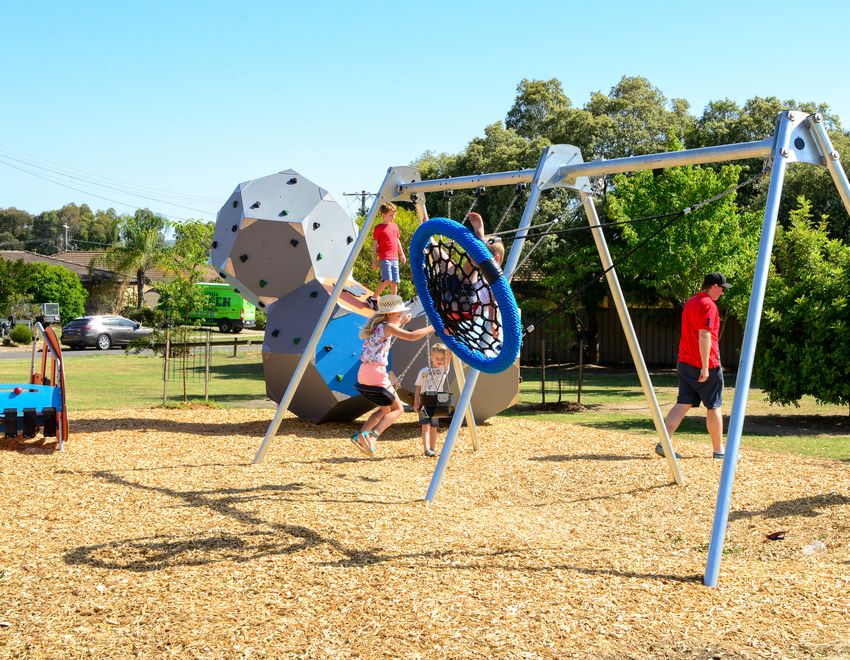
1.
    This document builds on the previous Playground Strategy 2010 prepared by Wodonga Council, now completed,
    and the supplementary document Play Environments in Wodonga.

    This strategy aims to guide the provision, development and management of outdoor play spaces in public parks
    across Wodonga from 2016 until 2020.

    The strategy establishes a vision, a philosophy, and criteria and principles for effective play provision. It comprises
    of the following sections:

          Section 1 provides the executive summary

          Section 2 sets out a vision for play and explains the terminology and key concepts used in this report.

          Section 3 includes Maps 1, 2 and 3 showing the distribution of playgrounds across the Wodonga
          municipality, and the classification of playgrounds.

          Section 4 introduces some important planning principles applied to parks and play spaces, and sets out a
          classification system for play spaces in order to establish benchmarks for the provision of amenities and
          other design criteria expected for each site.

          Section 5 briefly introduces demand and supply and the demographic factors affecting demand for play
          spaces.

          Section 6 introduces the qualitative aspects of play space design, and the approach taken to assessing
          play value in play spaces. This section introduces the ideas underlying the concept of individual site
          assessments and illustrates some of the qualitative aspects of play value. It raises the issue of nature play
          and use of the landscape in play space design.

          Section 7 highlights key issues, and makes recommendations for action resulting from the suburb
          assessments.

4                                                                                     Draft Playground Strategy 2016-2020   5
2.
    A snapshot of Wodonga
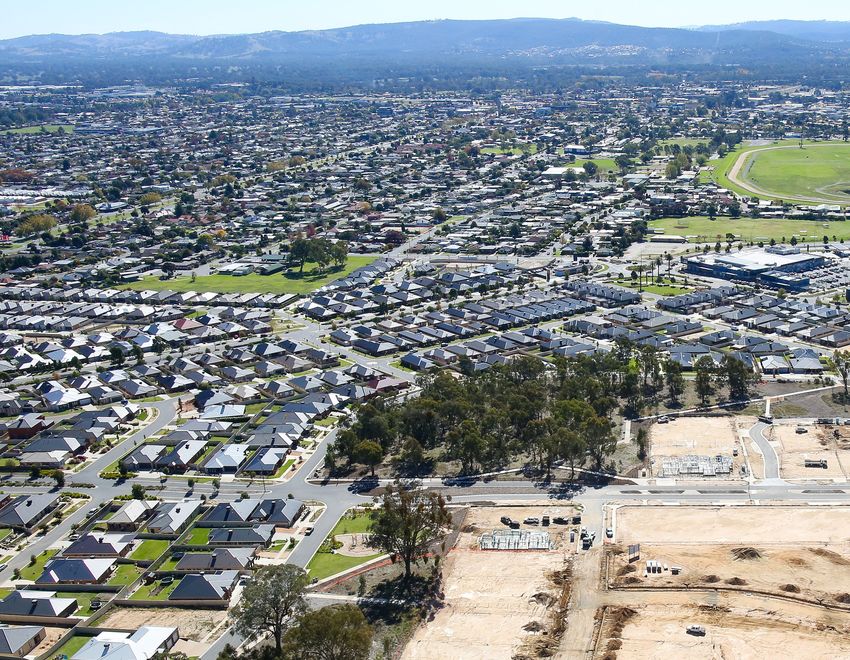
    In 2015, 38,559 people lived in Wodonga. The city is located inland, on the northern boundary of Victoria, on the
    southern side of the Murray River.

    Wodonga includes the central business district and suburban areas of Wodonga and Leneva, as well as the
    outlying areas of Baranduda, Bandiana, Bonegilla and Killara.

    It has a population skewed towards younger age groups, with consistently higher proportion of people in the
    population for all of the five year age groupings under 35 years compared to the whole of regional Victoria.1 -

                                                               % of the population       % of the population
        Age in the year 2011 (years)
                                                                    Wodonga               Regional Victoria
                        0-4                                                7.6                    6.3
                        5-9                                                6.9                    6.2
                      10-14                                                7.2                    6.7
                      15-19                                                7.8                    6.8
                      20-24                                                7.5                    5.5
                      25-29                                                6.5                    5.2
                      30-34                                                6.4                    5.2

    Wodonga also is affected by higher levels of social disadvantage than both regional Victoria and Australia as
    a whole, as measured by the Socio-Economic Indexes for Areas (SEIFA) index.2 It has slightly higher levels of
    unemployment, lower levels of education attainment and higher levels of renting.

    In 2011, 17.6 per cent of the housing in Wodonga was medium density, which is much higher than the rate for
    regional Victoria as a whole, yet lower than that for the combined Albury-Wodonga figures. This figure has not
    experienced strong growth in Wodonga since 2006.

    The demographic issues highlighted above have implications for play space provision, especially given the
    importance of outdoor play in child development and the importance of social interaction and recreation to
    communities.

    1       http://profile.id.com.au/wodonga/highlights Accessed 10 Aug. 2016
    2       http://profile.id.com.au/wodonga/highlights

6                                                                                       Playground Strategy 2016-2020   7
A playground strategy for Wodonga
                                                                                                                       This strategy builds on the previous strategy prepared by the council from 2010 to 2016, now completed, and the
                                                                                                                       supplementary document Play Environments in Wodonga.

                                                                                                                       Due to the economic pressure on planning, designing and maintaining these important assets, and the
                                                                                                                       simultaneous need to also meet the outdoor play and recreation needs of the community, Wodonga Council has
                                                                                                                       commissioned this playground strategy to guide future play provision and investment across Wodonga for the
                                                                                                                       years 2016 to 2020.

                                                                                                                       These documents are also important to guide land developers so their developments are consistent with the
                                                                                                                       Wodonga Council’s vision for play provision.

Play spaces in Wodonga                                                                                                 Scope
Wodonga has approximately 72 designated public playgrounds, categorised as local, neighbourhood or regional,           This report therefore aims to:
distributed throughout the local government area in sportsgrounds, parks and reserves.
                                                                                                                         •    Establish a vision and philosophy for play provision;

                                                                                                                         •    Develop criteria and principles for effective play provision, including play value, demand, supply and
                                                                                                                              distribution;
Wodonga’s successful model for play provision, budgeting and
management                                                                                                               •    Review the current playground provision and distribution in the light of demographic data;

Wodonga has a successful and unique model for play provision. It ensures that every step of the budgeting,               •    Briefly assess existing play spaces for quality of play experiences (play value), age groups catered for,
procurement and maintenance process is aligned with strategic objectives agreed by a multi-disciplinary, in-                  access, and improvement opportunities and make brief recommendations for each;
house team, and that the community is engaged along the way.                                                             •    Review the provision of inclusive/accessible playgrounds; and,
Some key points are briefly outlined below:                                                                              •    Raise other issues as they affect play in Wodonga, and make recommendations.
    •   A strategic playgrounds group within the council is responsible for establishing strategic objectives for 		     •    This project is limited to the assessment of public play spaces and does not cover early childhood centre-
        playgrounds, and ensuring that throughout the design and procurement process, each member of the 		                   based play spaces.
        group provides input. This also includes the new fitness equipment that is being added to playgrounds
        and reserves over the last two years and will continue into the future.

    •   The group comprises of representatives from planning, engineering and infrastructure, landscape
        architects, sport and recreation, family youth and early years, community planning and wellbeing, park
        and gardens and playground maintenance officers.

    •   The group holds regular strategic playground meetings.

    •   The budget for capital renewal funding and expansion for recreation spaces (including fitness equipment)
        is controlled by the Director Community Development and managed by the Manager Sport and Recreation.

    •   The budget for capital renewal funding and expansion for playgrounds is controlled by the Director
        Community Development and managed by the Manager Family Youth and Early Years.

    •   The parks crews maintain the play spaces and parks and gardens, but their services are co-ordinated by
        a multi-disciplinary team and include the Manager Parks and Gardens, Manager Sport and Recreation and
        the Manager Family, Youth and Early Years.

    •   The Director Community Development is responsible for signing off each project.

    •   Effective communication and engagement with the community has built up a high level of trust when
        equipment needs to be removed or redesigned.

    •   The city’s playgrounds and fitness equipment are audited by an independent auditor annually.

8                                                                                                                                                                                                           Playground Strategy 2016-2020   9
Terminology and explanations of key concepts

                                                                                                                   Parks versus play spaces
                                                                                                                   Most public provision for play typically takes place in parks. The location, size and distribution of parks determine
                                                                                                                   the availability of most play opportunities, so the two cannot be considered in isolation. This document is
                                                                                                                   therefore inevitably about both parks and play spaces.

                                                                                                                   Play space
A vision for play                                                                                                  In this report, ‘play space’ has been generally applied to any purpose built settings for children’s play. Play spaces
                                                                                                                   frequently include play equipment and their accompanying areas of impact absorbing surfacing, but they may
It is recommended that Wodonga Council adopts the following approach to underlie the provision of play             also include, (or solely consist of) play elements such as trees, boulders and logs, sand, planting, earth-forming,
opportunities for the Wodonga community.                                                                           sculpture, musical items or other natural or man-made elements provided for the purpose of play. The play space
                                                                                                                   can also include open areas of lawn, a small forest, hard or soft surfaces for ball games, ping pong tables, and
                                                                                                                   mounds or walls if these are provided in the context of a park or children’s play setting.

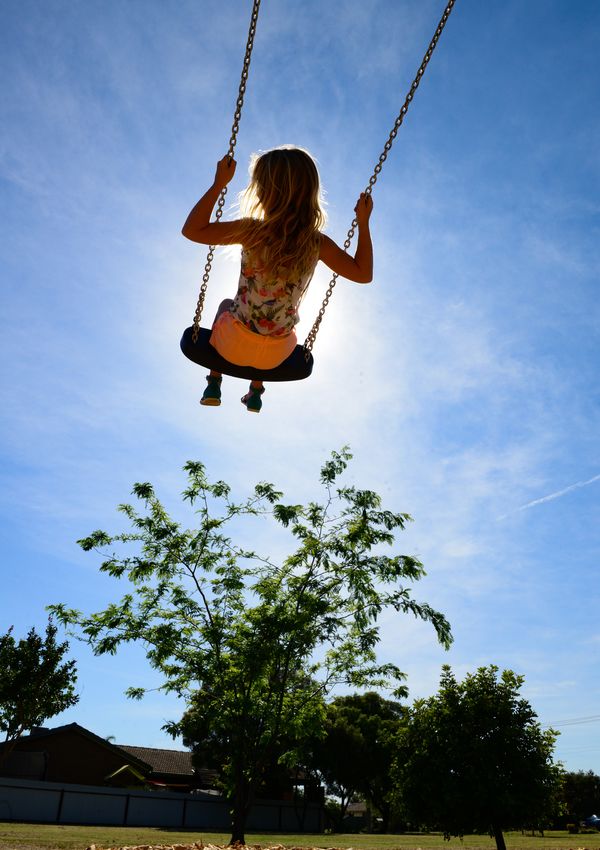
                                        The establishment of the Wodonga as a child-friendly and inclusive
                                        municipality will benefit residents and visitors of all age groups.

                                        Wodonga Council is committed to the provision of high-quality play         Play provision
     Wodonga respects                   environments across the municipality. These will be appropriate,
     the rights and need                                                                                           ‘Play provision’ is a term used throughout this document to encompass a range of ways of providing for children’s
                                        accessible, inclusive, stimulating and challenging, and need to be
     of children to play1.                                                                                         play in public spaces. It can include playground equipment, cubbies or sand play areas, ball courts and open grass
                                        planned taking into account realistic budgets for provision and
                                                                                                                   areas, and may also include areas of planting and bush, water, hard surfaces, paths, art works and other landscape
                                        maintenance.
                                                                                                                   elements. These may have been purpose-designed or may be appropriated by children for their own purposes.

                                        Play is critically important to all children in the development of         Play elements
                                        their physical, social, cognitive, emotional and creative skills. It is
     Play is significant in                                                                                        ‘Play elements’ include man-made items such as play equipment, as well as natural items such as boulders and
                                        the process of a child’s own self-directed learning, and as such, is
     the development of                                                                                            logs, sand, planting, earth forming, and sculptures., which typically have other purposes and sources, but have
                                        valid for all ages of children. It is a fundamental and integral part
     all children.                                                                                                 been brought into a play space to support and enhance children’s play. In this context they become play elements.
                                        of healthy development – not only for individual children - but also
                                        for the society in which they live. All children have the right to play,
                                        regardless of their abilities.

                                        Play requires access to a broad range of environments and play
                                        opportunities. Decision-making at all levels of government should
     The qualities
                                        explicitly foster and support play. During general decision-making
     of the physical                    processes, the council will consider the impact on children’s
     environment have a                 opportunities to play and the broader implications for children’s
     significant impact                 health and wellbeing. The impact of modern society on children’s
     on outdoor play.                   lives has significantly restricted their opportunity to play
                                        freely and has impacted upon play opportunities in the general
                                        environment.

10                                                                                                                                                                                                        Playground Strategy 2016-2020     11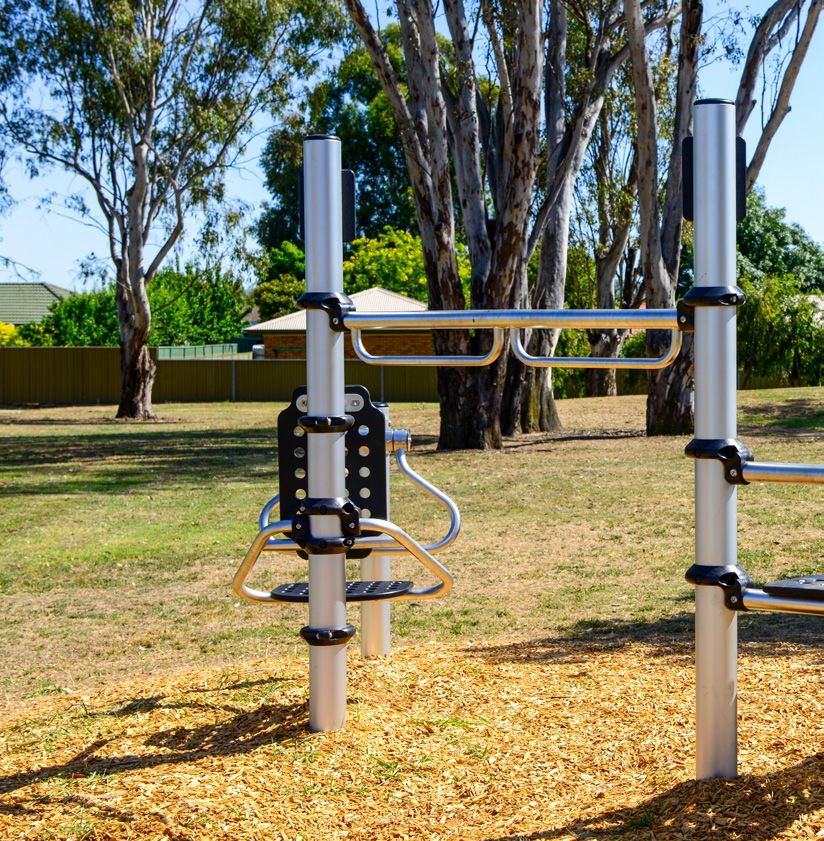
Community gardens
                                                                                                                      Wodonga has two community gardens that extend the recreation opportunities of both children and adults. These
                                                                                                                      provide important ways for children and adults to interact with nature and enjoy hands on gardening experiences,
                                                                                                                      while providing important social interaction and learning opportunities about food production. The two gardens
                                                                                                                      are located at:

                                                                                                                      •   Trudewind Rd Neighbourhood House; and,

                                                                                                                      •   Wodonga West Primary School.

                                                                                                                      Amenities
Play equipment                                                                                                        Play spaces frequently also include amenities such as furniture, barbecues, bins, lights, shade structures, toilets,
                                                                                                                      drinking fountains, vegetation, paths and paving, fences, and other items. These are typically provided for social
In this report, the term ‘play equipment’ has been used to mean purpose-designed structures intended to support       amenity but some might frequently double up as play elements, such as:
children’s play. These may be custom-built or selected from a catalogue, but typically are recognised as purpose-
designed and built for children’s physical, creative, imaginative or social/dramatic play. In this context, this          •   A path providing for hopscotch or toddler bikes;
category does not include fitness equipment.                                                                              •   Boulders and logs providing for both seating and balancing ,as well as retaining;

                                                                                                                          •   Low walls for climbing and balancing, as well as for seating;

                                                                                                                          •   Vegetation providing a source of play materials (such as gumnuts and flowers); or,
Fitness equipment
                                                                                                                          •   A drink fountain providing a source of water for play in a sand pit.
Fitness equipment is being incorporated into play spaces, walking tracks and recreation reserves over the last two
years, and this trend will continue into the future. This equipment is designed for adults and young people.          The role of accessible, inclusive amenities, in supporting both play and social interaction and community building,
                                                                                                                      should not be underestimated. The placement of furniture will affect how well these areas encourage social
                                                                                                                      interaction.

Nature play space
For the purposes of this document a ‘Nature play space’ refers to a purpose-provided outdoor space intended for
play and social interaction. A nature play space:

     •   Includes natural materials (such as durable timber, logs, rocks/stone, grass, trees, and other plant
         materials) as well as terrain, paths and other components of the space;

     •   Is inherently open-ended and therefore adaptable for children’s purposes;

     •   Deliberately provides some loose materials with which children can engage (these may be sand,pebbles,
         dirt, flowers, gumnuts, twigs and small branches). Plants need to be selected for this interest;

     •   Encourages parents and carers to support and encourage children to develop their skills, self-reliance and
         adaptability and take on challenges;

     •   Possibly receives less intensive management (and commensurately reduces the expectations of the
         community for the more intense management found in other types of play spaces);

     •   Is managed with the expectation that children will interact with some loose materials and that this is an
         acceptable purpose of these spaces; and,

     •   Could be supported by an education and marketing program by Wodonga Council.

12                                                                                                                                                                                                          Playground Strategy 2016-2020    13
Children, teenagers and adults
     In general, this report aims to address the needs of children. The term ‘children’ is, however, used rather loosely
     and is not intended to exclude older children, teenagers or adults. Indeed, play between adults and children, and
     intergenerational play, is encouraged.

     The needs and interests of different age groups vary as children grow up but they also overlap. Ideally, most
     parks and playgrounds should provide some spaces or activities that can be used by people of any age, including
     teenagers, adults and older people, regardless of the population profile that may currently dominate the age
     structure of the local resident community.

     Across all residential precincts, Wodonga Council will be most likely to ensure that as young children become
     teenagers, adults and older adults, the network of parks and play spaces will continue to meet their needs through
     the provision of:

        •    A diverse choice of activity types and settings for play and outdoor recreation;

        •    Varying degrees of challenge;

        •    Accessible and inclusive spaces that have a multitude of functions and possibilities; and,

        •    Design that encourages social interaction.

     Multi-age demographics and provision for play in parks
     Planning for the needs of specific age groups can be difficult because investment in parks infrastructure needs to
     have a shelf life of many years, during which time children grow up and their interests change. Information about
     age groups is therefore used with caution and while larger numbers of children may indicate the need for more
     play provision, a lack of children in other areas should not be used to justify the disposal of open space. Although
     communities may be planned with a particular demographic group in mind, times will change and there will
     always be blended families with multiple age groups, visitors and exceptions to the main predicted demographic
     group, whose needs still must be met.

     Communities dominated by older adults and retirees still need a good framework of parks and play spaces.
     Grandparents have taken on an increasing role as child care providers, and play spaces which are accessible and
     inclusive are increasingly useful for this group, as well as for the general social and recreation activities of multi-
     age families and groups.

     For these reasons, a basic framework of open space, parks and play spaces will always be required. They should
     beready to be adapted if necessary, in small ways as waves of children move in, grow up and move on. Some
     details can be changed, and the specifics of play elements can be adjusted over time if required, but the parks
     and open space framework must remain in place.

     Parks should never be disposed of just because the current wave of children has grown up and moved on,
     even if the play space in the park is removed or changed.

14                                                                                 Playground Strategy 2016-2020   Volume 1    15
3.

     MAPS 1, 2 3 and 4 show the location of existing playgrounds in Wodonga, Leneva, Baranduda, Bandiana and
     Killara and are supported by a playground reference list.

16                                                                                  Playground Strategy 2016-2020   17
18
MAP 1
A B C D E en Ct
F G H I J K L
Gadsd
300m Long Day Care/Preschools Preschools
20 1 Bright Horizons Childcare Centre......H2 25 Baranduda Preschool...................Map 2
2 Bumble Bees Childcare Centre.....E2,J5 26 Belgrade Ave Preschool ....................K4
3 Community Early Years Childcare 27 Bumble Bees Childcare Centre.....E2,J5
Hum Murray River
Mobile Children’s Services ................I2
Dr
1 e Fre
eway 28 Felltimber Children’s Centre..............E5 1
La Trobe
Wodonga Institute
4 Community Kids Wodonga Early 29 Goodstart Early Learning
Romet Rd
University Education Centre...............................D3
of T.A.F.E.
University
Parks and playgrounds Wodonga Central...............................F4
23 6 31 5 Goodstart Early Learning Wodonga 30 Jamieson Court Preschool ................D3
Central ...............................................F4 31 Kids on Campus.................................D1
41 Parnaby St....................Map 3 Wo
6 Kids on Campus.................................D1 32 Koori First Steps Preschool................F4
34 don
ga 7 Moorefield Park Early Learning Ctr ... E2
8 St 33 Moorefield Park Early Learning Centre E2
1 Belvoir Park ...................... H2 ld Pa
rk Dr 4 8 NurtureOne Children’s Centre............E1
Moo
refie 7 2 27 34 NurtureOne Children’s Centre...........E1
40 9 Riverview World of Learning
Greygo
42 Elmwood Circuit ............... H5 33 35 Riverview Childcare Centre...............K4
Trafalgar St
Forr
est
23 Childcare Centre................................K4
St
wn St
Ro
Ma
rs A 36 Southern Rise Children’s Centre .......J6
vell
ads Sangsters ve
Ho
Rd 37 Stanley St Children’s Centre..............H3
ho
Me 1
w
Amb
rose Cr
WEST WODONGA Dr
lbo
Catholic Ukrainian
Playgroups
2 Willow Park....................... G5 43 Alma Rogers Park ............. E3 Hu 38 Wodonga West Children’s Centre......G3
Church on
urn Batt Ave 10 Bandiana Neighbourhood House
Osb St
St
t
eR
May urn Wodonga Creek
r
12 44 Basil Court Reserve......Map 2
St
Bisque Ct d Playgroup.....................................Map 1
nk
Marie Dr
2 fair Dr St 2
et S
St Augustine’s
nD
Ba
St
ee
An
Fle
45 Bernie Cox Park............Map 3 Sou Primary schools
29 Catholic Church 11 Baptist Church Playgroup..................E5
de
th S
rch
ve
erd
Ambrose Cr t
St
rso
ll A
Ab
Cr
3 Les Stone Park.................. G3 e
Chu
Dr
Glenairne
46 Bill Black Park................... D3 49 39 Bandiana Primary School..............Map 1
nS
12 Baranduda Community Centre
t
pb 58
ee
m 45 3
Pitm
Wo
r
e
Ca
nd
4 Sumsion Gardens ............. I 2 ne
d
47 Castle Heights Park. . . Map 3 de 1 Playgroup.....................................Map 2 40 Baranduda Primary School...........Map 2
Du
Croyland
10 sD
Koetong
n Dr r
48 David Bayne Park ............. G7 Kyle Ct 34 13 Belgrade Playgroup...........................K4 41 Belvoir Special School .......................D3
Rd
14 Emmanuel Playgroup ........................E4
t
24 42 Flying Fruit Fly Circus School ............E4
Fulford St
49 Ewart Brothers Reserve..Map 3 Borthwick Ct
Mcillree Ct
c kS
Parkers
Ballard St
5 Jacka St..............................I 7 50 Gayview Park.................... D3 15 Felltimber Community Centre 43 Melrose Primary School.....................E5
velo
Bon
Angus Ave
Ha
6 McLean Park...................... J7 Golf Course Bible Society Lomond Dalgleish
St
Elgin Bv
d d St
Playgroup ..........................................E5 44 Mount Carmel Christian College...Map 3
Ct
Black St
4
ey St
51 Hicks Reserve ................... C5 43 Lachlan Ct 53 16 Froglets Playgroup.......................Map 2 45 St Augustine’s Primary School............I2
Murphy St
21 WODONGA 17 Gayview Park Playgroup....................D3
Watson St
52 Jack Maher Park............... K4 Highland Shopping 46 St Francis of Assisi Primary School..Map 2
Cr
Mulqueen
Centre
Lawrence
Lloyd St 18 Grace Christian College Playgroup..Map 3
St
7 Baranduda Reserve. . . Map 2 53 Jim Mathews Park ............ E3 Wodonga Wodonga 61 (Centro) CITY CENTRE Elg 47 St Monica’s Primary School ...............F4
Country St Stanley in B
Tennis Centre St vd
r
54 John Aney Park................. D6 Golf Club Ware Ave 19 Grandparents Playgroup....................K4 48 Trinity Anglican College................Map 2
rt C
Smythe
e
St
Cyrilla 66 37 20 Mainly Music Playgroup.....................H4
Ave
3 Ct 49 Victory Lutheran College...................C2 3
Rob
55 John Potter Park...........Map 3 Clubho Police Station
Collins St
ne
Morrison St
t
use Pl 57 21 Multiple Birth Playgroup....................E5
8 Buckley St ......................... I 7 56 John Schwind Park ........... C5 50 Wodonga Primary School ...................I 4
nS
enti
Court House Re
Railway
46
ee
id S
Dr
Ja 38 52 Council t 22 Mungabareena Supported Playgroup. F4
m
Serp
Qu
57 Marimba Park ................... E3 Top 51 Wodonga South Primary School........J6
az
Hume St
ies Ct Offices Eth
on
St
50
St
The Salvation Army el S 23 Nature Playgroup ..............................D1 52 Wodonga West Children’s Centre......G3
Primrose Way
58 Russell Cochrane Park...... G2 17 Ct Magnolia t
ck
Cr
Parkland
St St John
Jasp nder
velo
24 Trudewind Rd Neighbourhood
High St
Dr
9 Charlton Rd...................Map 1 Marshall Lave
Norah Ave
59 Wiggy Jackson Park ......... D5 St er C Lutheran Church
Ha
41 64 30 l 39 3
iew
House Playgroup ............................... F4
Watson St
Con 35
yv
Baseball Albury Wodonga
Beardmore
lan Martin St
Fern Ave
C Occasional childcare
Ga
ct Wa Christadelphian Ecclesia
Gr ra tah
William St
55 ace C Wa
y
Woodland
St
53 Felltimber Children’s Centre..............E5
Emmanuel Anglican Pollard
St Nilmar Ave
60 Julian Ronan Park............. Nig e and Uniting Church 14 t
22 E5 37 54 Wodonga Sports and Leisure Centre E4
10 Henry Nowik Park............. D2 Av
Lawrence
Ct
htin St
g ld Skitch St
Hill St
ale
Ave era 70 Wodonga Senior St Stephen's
Em 20 Uniting Church
Wodonga Middle Years 32 Secondary College Th Faith City Wodonga 35
Assemblies of God
Hedgerow
Rd
Felltimber Campus Leisure Cen
tre Dr om Hunt St 71 Cou
61 Kelly Park.......................... .F3 De Ke 9
rillea ls ton
Ave
St
11 Martin Park ....................... H5
Athens St Saldaise St
47 u
Teal Ct 42 as Dr St
e
Brockley
mings St
St 66
London
ng
Mi
5 29 tc
La
Cum
he Colog
St
St
4 ne Ct Dublin St 52 4
Belgrade
Strathm ll D Prague Ave
72 BMX 54 ore St r
ll St
St
Lindsay St
Brockley
Cr
St
k Rd
19 13 26
Awburn
12 Valentina Gillard Park ....... B2 62 Carl Fietz Frontage ........... G4
w
Hockey
Vermont
New Life 25
Mitche
rsa
63 Dr John Schlink Park ........ G5 Silva Dr Church of Christ 16 62 58
Wa
Hereford
Gordon St
a Lin
Wigg St
Trudew
64 Ernest Condon Corridor.... F5 ind Rd 22 24 Glasgow St
t
Hawk
50
dian
Pl
t Anglican Parish Huons Hill Rd
er C
King St
13 Bandicoot Lane.............Map 1 65 Veronica Egan Park......Map 3 nC of Wodonga
tch
ma
irk Ct
Bassett St
w
Ban
32
Fle
St
Bo 62
Qu
Golf Course
Dr
61 56 Wodonga Middle Years
St
31 McGeoch
Ct Huon Campus
St
St
51 60
Docking
64 Wilson St
Colman
Smith Dr
Dunstan 63
Wilkinson
66 Peg Spry ........................... .L4 Kin McFarland St
Gralen
14 Alan Cracknell Park .......... H6 gfi Ste 43 Rd
Chapple
she ven
son Wodonga Hospital Clover Ave
St
15 Alan Goyne Park ............... C5 67 Perkins St......................Map 1 rD St
r Park View
Cl Wodonga Regional Health Service 2 27 69
Hamilton
Lightwood
Dr
16 Arthur Dunstan Park ......... J4 18
r Rd
Cherry Ln
Wodonga Racecourse
th Rd
Wodonga District Baptist Church
Leonard
59 & Recreation Reserve
Ritte
Showground
t
17 Barry St Reserve...........Map 1 Felltimbe
rS
11
ne
r Creek Rd
18 Bradbury Park................... K5 68 Schorobura Park...........Map 1 Grace Presbyterian Church
r
G ard
5 56 McGaffin Ct
5
t
19 Branko Palavestra Park .... I6 15 Exhibition
Beechwor
Bent Pl
nS
ose D
House Creek Mark St Richardson Centre
20 Diamond Park....................I 1 St
rs o
h e
Mac p
Bru
21 Dr Bill Grant Park .............. G3 69 Samantha Tce/ 26 11 Wodonga Catholic Parish
Melr
ce
St
St
2 Rundle St
Lightwood Dr.................... K5
Cr
ey
22 Elfy Quick Park.................. C4
ips St
Cook 60 53 59
Pl Camp St
Chifl
wen
Phill
23 Felix Grundy Park ............. H2 38 15 21 Elm St 42 Elm
Mce
Ford wood Cres Athol St Milen
63 28 d St
St
24 Gordon Craig Park ............ C2 e Ct
St
Gillies Ct
St
25 Graeme Sutherland Park .. K4 70 Acacia Cres Reserve......... F4 Fadden Page
Ct Ct
Gilbert St
54 Pear
St
Dr
Margaret
ce St An
Lawry St
26 Herb Harris Park ............... D5
Burnley
71 Sister Willet Park............... J4
Gordon St
mla
Mitchell
zac
Beech St
alu
27 Huon View Estate ............. H7 19 Pd
Tarakan
Scullin Ct e
Yarr
33 Pearce St
28 Jamison Dr Reserve. . . Map 2 Murray Valley Private Hospital
a St
HUON CREEK Phefley ig Rd ey Cl
Wodonga Private Hospital Neighbourhood houses
Ct rtw Heal
Peeler St
29 Jim Costelloe Park............ F2 Menzies St
No
72 John Byrne Park ............... D4 Ha 55 Birallee Park ......................................E4
Lowann
Wark St
rds
Jarrah St
Mactier Ave
30
va
6 30 Lou Lieberman Park.......... F6 St 36 6
t
nD
ht 56 Trudewind Rd.....................................F4
r
eC
31 Max Beck Park.................. A5 Castleton
St rig
Le
rtw 65 51
Ha
Brown Ct Allambie
Cr
e Ca
ley
32 Max Gray Park .................. F4 Pd
Cr
Parks Legend 14 ss Community centres
33 Peter Frawley Snr Park ..... F6 Lin ro
Ke
gfo
Pa
C
ll
rd
y
Ardern 57 Baranduda Community Centre.....Map 2
ihe
ne
Ct
Pl
34 Rex Chamberlain Park ...... E2 Public toilet Barbecue Barton St ria
rA
St
to 58 Belgrade Ave Community Centre ......K4
ve
35 Robert Prentice Park......... H3 Vic St Jacka St Badcoe Av
ra
Mo
Accessible toilet Skate park NORTH ea 59 Felltimber Community Centre ...........E5
36 Simon Lane Reserve.....Map 2 Om
onya
5 6 60 Silva Drive Community Centre...........E5
Dr
37 Southside Terrace Playground Fitness equipment 0 0.5 1 km
k Rd Windsor St Maygar Ave
Playground ....................... I 4
Rd
Seating Pump track C ree
San
38 Thomas Reidy Park ........... E5 Maternal and child health centres
uon
s So
H 61 Baranduda Maternal and Child Health Centre....Map 2
Warwick
uci
Shade Cycle track
Buckley St
39 Tooley Park ....................... F3 8
Dr
40 Walter Cottrell Park........... J2 Huon Creek 48 62 Belgrade Ave Maternal and Child Health Centre. ... K4
Shelter Half basketball court 27 63 Felltimber Maternal and Child Health Centre.......... E5
7 7
Picnic table Liberty swing 64 Jamieson Court Maternal and Child Health Centre.. D3
65 Southern Rise Maternal and Child Health Centre ... J6
66 Stanley St Maternal and Child Health Centre.......... H3
d
ll R
47
sse
© 2017 City of Wodonga. All Rights Reserved. Map by Visualvoice.com.au oral Dr
Ru
Balm
No responsibility is accepted for omissions or out of date information. Reproduction of any part of this map is prohibited without prior permission. Baranduda | Bandiana, Killara
Wodonga, Leneva - Map 3
45 Yarr
Map 2 Map 1
Ct
alu
ck
A B C D E F mla G H I J K L
wi Dr
n
Fe Ripponlea
aware Ave
Del C
t
MAP 2
Riv
e rsi
d
Charlton Rd
eB
lvd
9 NORTH
Rooney Av
Kenneth Watson Dr
68
Wh
yte
Devitt Way
sR
d
Carlisle Dr
Thornbill Tce
67
St d
m sR
Kli
Pe
llin
rk
Mu
Band
BANDIANA
ins
13
St
Ca
Ta
icoot
y
rdi
lor
Ln
na
Rd
lS
t
17
Mi Pa
10 l i ta St rk S
ry rry t
St Ba
St
Wattle Rd
ng
La
T ho
m
Vidgen Rd
so
nR
d
Dr
He
Skit
ell
aly
w
Rd
Po
t Rd
Reid
KILLARA
Rd
An
za
c Pd
e
Murray Vall
ey Hwy
K iew
a Va
lle
y
Rd
Hw
h
y
ea d
um sR
Le o ch
ge
Mc
39 d
sR
ole
To
Kie
wa
St
Mo
o ne
Ma
nd
eS
t
ee
Draft Playground Strategy 2016-2020
Cr
19NORTH
NORTH
d
sR s Dr
Elle
ye Boye
LENEVA
Bo John
nM
cdo
nal
16 46
dD
r
Pro H
art D
r
rt D
Dry
be 48
r
sda
u
Sch
le S
n
Joh
t
Rd
gton
c hin
Kin
Wh
44
it
Rd
Chapples
ele
7
yC
ct 25
18
12 61
Baranduda
Community Church 57
Kie
40
wa
Sage
Ca
l Dr
raw
Va
ora
t
eS
Ct
a yS
rag
Balm
a St
d
lle
Co
t
Streets R
en Lo
mf
Verb
yH
rey
44
Ct
47
Ju
wy
Ct
nip
St e
sil
er
ze Ba t
xS
n
l Cr
Wa
36 Fla
F oxg l o
y
Howards Rd
ve
Tc
e
27
d
th R
BARANDUDA
or
chw
Bee
Dr
la
lum
Quo
rra
ll Rd
Ya
Ct Bar
and
us uda
41
t yp Blvd
Pla by St
Parn
a
Dr
rial
mo
Me
Ct
Pl
Koala
Rd
reek
Wallaby
tle C
49
Cas
Huon Creek
Ct
Echidna
Baha'i Community of Wodonga
Bounda
ry Rd
Dr
mla
ralu
Yar
Glen Avon Tce
e
t
Av
eC
urn
Ripponlea
o
mb
Ca
65
45
WODONGA
Ct
ton Dr
mil
Ha
Avondale
d
kR
Bar
t
ree
C
ton
aware
C
Dr
on
Del
Ave
Hu
ndon
Ct
Clare
ck
wi
28
n
Fe
55
MAP 4
MAP 3
Jamison Dr
20 Draft Playground Strategy 2016-2020 214.
Parks for play - some fundamental planning
principles and assumptions
This report is based on information, research, observations, experience, benchmarks and common practice
sourced from municipalities across Australia. Some of the fundamental ideas that underlie the report and its
recommendations are outlined below. This section also contains some important definitions that have been used
in this report.
Play in its many forms is significant in the healthy development
of children and young people. The location, planning and design
The role of play in the of parks have a significant effect on how they will be used.
healthy development of Parks and play spaces play a vital role in encouraging children
children and families and other community members to play out of
doors and thus make a considerable contribution to community
health and well-being.
Planning and designing places for play should not be seen
as a one-off matter to be resolved on a single, park-by-park
basis. Rather, each park and play space contributes to an
Play provision as a system overall ‘package’ available to the public across their residential
precinct. These must be viewed as an overall system, with
each individual park contributing to the diverse whole, and
each complementing the other.
22 Playground Strategy 2016-2020 23It is not intended that any park should be expected to (on its
own) meet the needs of every resident. It is therefore assumed
that residents will have some choice as to where they play, so
they can select the setting that best suits their needs within
their residential precinct. This also assumes that people will
be able to move around their neighbourhood between a choice
of parks and play spaces.
Off-road connections
It is therefore vital that there are safe routes for children to
move around their neighbourhoods and between parks as
they get older, via pedestrian and bike routes (preferably off
road). Such routes are therefore an important factor in the
assessment of the value and catchment of play spaces. The
trails along creeks in Wodonga, such as along House Creek, are
extremely valuable for such off-road movement.
In some cases, a larger than usual population may depend
A precinct is the basic planning unit that has been used in this upon just one park to meet all of their local play and recreation
report to map and plan play provision across the municipality. needs. Such parks are classified as ‘high dependence’ and
Precincts are residential areas contained by any physical or will require higher quality provision than might otherwise be
social boundaries or barriers such as busy roads, railway lines expected of a similar sized park elsewhere.
Definition of Dependence
or water bodies, which might affect the easy independent
residential precincts movement of children on foot or bike. Higher quality might, in such cases, mean catering for a
broader range of age groups, activity types, and a higher level
Refer to Maps 5-8 on following pages showing the location of of accessibility than would otherwise be the case if there were
precinct boundaries. more parks to choose from.
Diversity is a fundamentally important concept in the provision
All residents should ideally have access to a park (of of places for play and recreation.
any category) within an approximate 10 minute walk , or
approximately 500m. A diverse ‘package’ of play opportunities needs to be available
within any one suburb or precinct. This includes, the parks,
The distance must be measured by approximate actual walking open spaces, play equipment, bushland, plazas, rivers or creeks,
routes (not by the radius of circles drawn on a plan) and should pedestrian zones and any other public spaces where children
not cross a busy road or railway line. might play. This is critical in planning, design and management
for play.
Walking distance to Where these distances are impractical, the quality and Diversity for play within
parks from residential diversity of those play opportunities that do exist becomes When a precinct contains more than one park or play space, the
precincts and parks
areas more significant. Where residents only have limited options for provision for play must be different in each park within that
access to parks or play spaces, those that are accessible need precinct so that children and families have access to a diverse
to be of a higher quality to make up for limits in choice. range of play settings.
As some children and families will not have opportunities to
move far afield, within each park there also needs to be some
choice of opportunities and settings. The design of individual
There are many kinds of disability, each with its own parks and parcels of open space needs to take this into
implication for design. Numerically, there are far more people account.
with intellectual disability than the other disability types.
When the words ‘access’ or ‘inclusion’ are used in this report,
Access and inclusion for these terms are frequently aimed at providing inclusive
All parks for play and social/ family recreation are typically
users with a disability physical access to parks, play opportunities and social spaces.
classified according to their position in a hierarchy. The
For example, a path and/or an accessible soft fall surface
classification serves a number of functions, one of which is
linking to the equipment. These will not only benefit users
to determine benchmarks for design and for management and
with mobility aids and especially wheelchairs, but also help Classification of parks levels of service. The classification also establishes the likely
define spaces and provide orientation for users with a vision
catchment from which users will be drawn and the role of the
impairment and/or intellectual disability.
park within the parks system.
Refer to the more detailed discussion below.
24 Draft Playground Strategy 2016-2020 2526
MAP 5
Hum
e Fre
eway
WEST WODONGA Me
lbo
urn
eR 1A
d 5B
3A 1B
Elgin Bv
d
WODONGA
Lawrence 4A
St CITY CENTRE
2 5C
5A
High St
Lawrence
St
3B Brockley
4B Th
om
as
St Mitc
he
ll D
Brockley r
St
k Rd
a Lin
dian
Ban
th Rd
Felltimbe
r Creek Rd
r
Beechwor
ose D
Melr
4C 6
An
10 zac
Pd
Pearce St e
HUON CREEK
e
Pd
ss
C ro
ria
to
9 Vic
k Rd
ree
nC
Huo 7
Buckley St
8
MAP 6
15
BANDIANA
14
An
KILLARA
za
cP
de
Murray Va
lley Hwy
13
Ki
ew a Va
ll
ey
H wy
Draft Playground Strategy 2016-2020
2711B
LENEVA
12C
Ki
ew
aV
all
ey
Hw
y
BARANDUDA
d
hR rt
wo ch
Bee
8
by St a
Parn
11A
WODONGA
12B
d
ekR
e
Cr n
uo
12A
H
MAP 8
MAP 7
28 Draft Playground Strategy 2016-2020 29TABLE 1 Classification and description of different types of play spaces in the
hierarchy - purpose and distribution
LOCAL NEIGHBOURHOOD REGIONAL
PLAY SPACES PLAY SPACES PLAY SPACES
Definition and The basic and possibly They serve a whole These are destination
significance most important unit or residential precinct. playgrounds
building blocks of the They are typically that provide play
open space and play larger and more experiences for people
space system. They prominent than the from outside their
serve homes generally local play space, with a immediate residential
within walking distance. distribution similar to areas including visitors
They are unlikely to local primary schools. from outside the
Classification of parks for play attract users from much
further afield unless
municipality. May also
be located near another
located on a trail. major destination.
Introduction to Tables 1 and 2 overleaf Role and function The primary purpose The primary purpose Regional play spaces
is for play and social/ is for play and social/ provide special play
As mentioned previously, play spaces in parks are part of a system of open space provision. family recreation. family recreation. Visits experiences unlikely to
They are important are often connected be available in local or
Parks are typically classified into a hierarchy for planning and management purposes. The three levels of
for children old to another attraction, neighbourhood spaces.
classification used for parks for the purpose of play and social/family recreation are:
enough to walk or for example to shops, They provide for family
• Local; cycle to playgrounds school, kinder, sports outings to destination
independently. Local and for meeting areas. Visits are likely
• Neighbourhood; and, play spaces help socially. The role as a to be of moderate or
make up for a lack of community meeting extended duration.
• Regional.
private space. They place is a key feature.
These are described overleaf. are important meeting Visits will be of longer
places for local families, duration than local
Refer to Table 1 overleaf for the basic classification and description of parks for play in the hierarchy. children and teenagers. parks.
Visits are likely to be of
Benchmarks for planning, design and management can be attributed to various classifications in the parks short duration.
hierarchy. Refer to Table 2.
The purpose of this classification system is that it can form the basis of a design brief, and can be used to Distribution and Residents should ideally Residents should They attract visitors
manage community expectations regarding what will or will not typically be provided in play spaces. catchment have access to a park have access to a from across suburb
within approximately 10 neighbourhood park boundaries and
Refer also to Map 1 showing the classification of play spaces across Wodonga, according to this hierarchy.
minutes’ walk or up to ideally within their further afield by public
500m - whichever is the suburb. Frequently transport, car, bike or on
lesser distance. This located near a node foot.
should be measured by such as a shopping
actual walking routes, centre, school or Public transport to
not by the radius of community centre, regional play spaces is
circles drawn on a plan. or a sports facility. very important.
Ideally, users should not They serve users
need to cross a busy living relatively
road to reach a park close by. Travel to
from home, though this neighbourhood play
is not always possible in spaces is by foot or
the inner city. bike as well as by car.
30 Draft Playground Strategy 2016-2020 31LOCAL NEIGHBOURHOOD REGIONAL
PLAY SPACES PLAY SPACES PLAY SPACES
TABLE 2 Benchmarks for assets and amenities in play spaces by classification
For new and upgraded parks that are provided for play and social family Drinking Preferred. Required. Should be an accessible model and placed on
recreation, in addition to actual provision for play activities. water an accessible route.
LOCAL NEIGHBOURHOOD REGIONAL Rubbish bins Desirable. Required. Required.
PLAY SPACES PLAY SPACES PLAY SPACES
Access and Within every local Neighbourhood parks Regional parks are
inclusion for precinct, people with a are expected to provide expected to provide Barbecues Not required. Negotiable. Required. Should be an
people with disability must be able to a higher level of a very high level of accessible model and
disabilities access a choice of play accessibility and social accessibility to features placed on an accessible
and social opportunities features than local parks. including to a wide route.
in parks. Parks with a choice of play activities,
high level of dependence Parks with a high level picnic settings, furniture,
require higher levels of dependence require and natural areas. Toilets Not required. Negotiable. They must Accessible toilets are
of accessibility even higher levels of access be wheelchair accessible required.
at the local, and most including to a choice of Accessible parking is if provided. Ideally they
important, level. play opportunities. desirable where possible. are shared with other
facilities.
Path system Wheelchair accessible A seamless, wheelchair accessible path system is
path is desirable linking required linking a good choice of social areas and key Car parking Not required. Desirable. Required.
shade, seating and play areas to surrounding foot paths and car parks.
play facilities to local
footpaths. Bike racks Desirable. Required. Required.
Seats and Required. Required. Configuration A choice of accessible Signs Negotiable. Required. Required.
tables of furniture needs to seating styles and picnic
encourage and facilitate furniture required.
social interaction.. Fences Negotiable depending Negotiable. A choice of A choice of fenced sites
upon the site. fenced sites within each across the municipality is
suburb is desirable. desirable.
Shade / Tree shade required over Built shelter is Built shelter/s required
shelter seating and play area/s. negotiable. Tree shade as well as tree shade, Maintenance Required. Required. Required.
required for seating and if tree shade is not access
play area. effective in summer.
32 Draft Playground Strategy 2016-2020 335.
Introducing supply and demand issues
Play spaces should not all be the same. They are a purpose-provided setting for play, recreation and social
interaction that should ideally respond to the needs of the local community, to the local context, and to the local
physical environment, which will differ from location to location.
The purpose of this section is to provide a context and background for individual, site-by-site and suburb-by-
suburb planning and design decisions. These decisions cannot be made in isolation, nor in an ad-hoc manner.
Supply – the distribution of parks for play in Wodonga
Walking distance and the supply of parks for play
It is a basic premise of this report that wherever possible, residents in urban and suburban areas should have
access to a park or play space within walking distance, up to approximately 500 meters, from home. This is not
always achievable but is the ideal. In more rural townships and hamlets, this principle will not be feasible.
It is important to note that the distance of 500m cannot be drawn as a circle on a map. A more detailed analysis
is required, because the circles do not take into account:
• Barriers that children cannot be expected to cross in order to reach a park for play; and,
• The actual walking distance due to the subdivision design and layout of streets.
34 Playground Strategy 2016-2020 35How housing density affects play
In areas of medium and higher density housing it is assumed that residents have:
• Fewer (or no) private, backyard or outdoor opportunities for outdoor play; and/or.
• Fewer opportunities for certain kinds of play and activities which typically in the past have taken place in
backyards.
This affects play space provision because public parks may need to accommodate activities that often take place
in backyards, such as gardening, sand play, bike riding, ball games, tree climbing and cubby building.
Access to nature, opportunities to obtain respite from hard urban spaces, or opportunities to engage with natural
materials, plants, sand, soil or wildlife also become increasingly important, for both children and adults as urban
density increases.
Demographic factors and the demand for play opportunities
Significant social indicators Children in the population
Some particular demographic characteristics affect the demand for, and use of, play spaces. Three key factors Play spaces, parks, open space and other outdoor recreation opportunities are particularly significant to the
that are typically of great significance are: healthy development of children. It is therefore valuable to note where populations of children in various age
cohorts are concentrated and are changing. These demographics become especially interesting when the
• The degree of social disadvantage; population of children increases in areas that are also increasing in housing density, and or in areas lacking in
• The density of housing; and, open space and play provision.
• The percentage of children as a proportion of the population. As mentioned elsewhere in this report, a lack of children in the current demographic is also no reason to dispose
of land used for parkland or play spaces once the children grow up and move on. There is always a demand for
These factors are explained below. open space and parkland, and this valuable resource will become increasingly precious as housing densities
increase.
As mentioned elsewhere, there are other factors that need to be considered when planning a network of parks
and play spaces. The discussion below is purely about the demand for play spaces.
Priority areas with multiple indicators
Social disadvantage Residential areas that have high levels of social disadvantage, increasing housing density medium or high density
housing, and a higher proportion of children in the population - especially those where all factors apply - are of
Disadvantaged groups are assumed to have fewer opportunities to travel to alternative play, social and recreation particular general concern with regard to provision of play opportunities.
opportunities further away, and there is therefore a higher level of dependence on locally provided play areas.
Play spaces are also assumed to be important in disadvantaged areas because of the role of play, creativity, early Areas where these factors are also coupled with a lack of access to quality play spaces, and areas where there
childhood development and social/community development in determining children’s future outcomes. is a high level of dependence upon an individual park, are considered to be of the highest priority.
36 Playground Strategy 2016-2020 376.
Rationale for assessment reports
The principles within this strategy will assist council in the preparation of asssessment reports for each play
space across Wodonga. The objectives of these regular and ongoing assessments and the resulting reports are to
communicate:
• Suggestions as to how to improve the play value of the park and play space, in line with the vision and
philosophy discussed in this report;
• Priority for the renewal process of play spaces and the development of capital budgets;
• How to better meet the changing needs of the community; and,
• Occasionally, where some spaces might be considered redundant.
The information that contributes to these assessments should be gathered from the following sources:
• Reference to council maps;
• Reference to detailed demographic data for each suburb as outlined previously;
• Inspection of the aerial maps, Google Earth and Google Street View;
• Review of audit information for each site; and,
• Reference to site photos.
The assessments will then take into account the ‘big picture’, starting with:
• An overview of each suburb or precinct and how easily residents can access parks for play from their
homes;
• Identification of areas which do not have easy access to parks and play; and,
• The level of dependence upon a particular park.
38 Playground Strategy 2016-2020 39This play behaviour (simplistically described) frequently:
• Is complex, involving physical activity as well as imagination, exploration, role play, social interaction,
fantasy or creativity;
• Extends over time and sometimes on repeat visits to the same place;
• Involves more than one child (though not always);
• Flows between spaces;
• Incorporates some loose elements/tools/materials or props;
• Changes and develops during the play; and,
• Is child directed – that is, the ideas are developed by the children and not by an adult designer.
Play value is more than the purely mechanical (though nonetheless valuable) activities such as swinging, sliding,
spinning, climbing or rocking - although each these activities can easily be converted into more complex play by
children adding their own games.
Spaces that stimulate this quality play can be described simply as providing good play value. Frequently, the
juxtaposition of some open-ended features close to a more prescriptive item opens up possibilities for play
that don’t occur when these items are placed on their own. This is the reason for emphasising (in the discussion
• Focusing on the immediate neighbourhood around a park and identifying the context and overleaf) the importance of:
whether there are schools, early childhood centres, shopping centres or sports facilities nearby that may
suggest a natural usage pattern and user group; • Loose or open-ended items;
• The location of other parks nearby; • Beneficial relationships between items; and,
• The relationship of the park to the fronts of houses and the prominence of the site in the neighbourhood; • Spatial complexity.
and,
These three aspects open up possibilities for children to develop more complex play on top of what has been
• Footpaths and means of access. provided by the designer or manufacturer. Detailed attention to the design of the landscape is required in order to
achieve these three important aspects affecting play.
The park itself should then be investigated with the following parameters taken into consideration:
• The physical character of the site; As resources are limited, Wodonga Council aims to obtain the best value from its investment in play. Unlike other
investments, where a monetary return provides an obvious measure of success or not, the value obtained from
• What the park itself actually offers in terms of play activities and their value; investment in play provision is not as easily measurable. It accrues to the user and only indirectly back to the
provider. It does not show up in accounting spreadsheets, and the value obtained from any play element varies
• The overall amenity of the site, for example shade, furniture and access paths;
widely from person to person and varies over their lifetime.
• Play opportunities offered by the landscape; and,
This is therefore a grey area at best and remains somewhat subjective. The discussion overleaf is an attempt to
• Play equipment lists and condition or audit reports. tease out the essence of what play value means and how to assess it in a useful and succinct way.
The latter group will then describe the play value offered by each site. Naturally this can be a subjective
assessment.
Basic functionality
In order to make some of these subjective ideas more transparent, the discussion overleaf attempts to capture
some of the nuances that need to be considered as background to the site assessments. The following are considered entry level requirements for most play spaces, depending upon their level in the
hierarchy and some other important factors about their location and role in their precinct.
Assessing play value They are based upon what is commonly known about children’s play behaviour and are intended to assess whether
the most basic of children’s needs are being provided for. The following questions apply:
• Do people with disabilities have general access to parks and facilities?
What do we mean by ‘play value’?
• Is there a choice of types of amenities for users?
It is vitally important to convey the idea that quality play provision is not simply about play equipment.
• Which ages and abilities/skill levels have been catered for?
Some play activities seem to be of an inherently higher quality than others. They engage children at a deeper level • Is there a choice of settings for play, ranging from man-made or synthetic to the very natural?
and contribute to their development through the use of communication and language, social and physical skills,
cognitive engagement and problem solving, creative and sensory exploration, and testing resilience, persistence • Are the elements placed in a way that encourages the play to flow naturally from one
and other personal qualities. item to the other?
40 Draft Playground Strategy 2016-2020 41You can also read


