2020 HEALTHY COMMUNITY ACTION PLAN - SEATTLE CHINATOWN-INTERNATIONAL DISTRICT
←
→
Page content transcription
If your browser does not render page correctly, please read the page content below
SEATTLE
CHINATOWN-INTERNATIONAL DISTRICT

2020 HEALTHY
COMMUNITY
ACTION PLAN
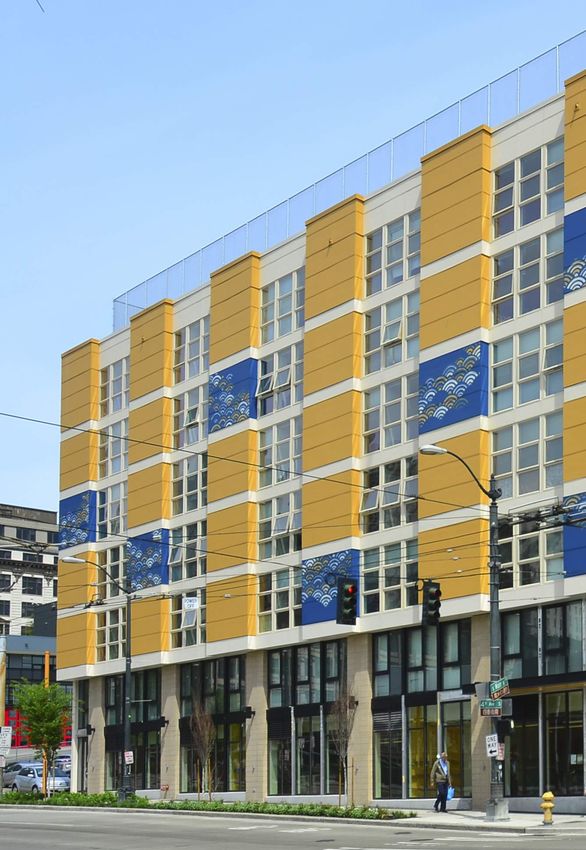
Table of Contents
1    Introduction
2    Executive Summary
4    Why Place Matters
15   Vision and Mission
16   Healthy Community Action Plan
24   Measuring Outcomes
26   Who We Are

                              Acknowledgements
                              To residents, businesses, and community members:
                              Thank you for welcoming us into your homes, workplaces, and
                              lives to help us understand your aspirations for this community.
                              We all deserve a healthier and safer neighborhood. This
                              Healthy Community Action Plan is dedicated to you.
                              Authors:
                              Valerie Tran, MPH, MUP; Tom Im, MA; Kay Nelson
                              Funders:
                              BUILD Health Challenge and Swedish
                              Partners and editors:
                              InterIm Community Development Association
                              Swedish, Public Health - Seattle & King County, Chinatown
                              International District Business Improvement Area, International
                              Community Health Services, Seattle Chinatown International
                              District Preservation and Development Authority, and Yesler
                              Community Collaborative
                              Contributors:
                              Chinese Information and Service Center
                              Elaine Tran
                              International Living Future Institute
                              Mei Yook Woo, MPH
                              Puget Sound Clean Air Agency
                              Resource Media
                              Spectra Communications
                              Design:
                              Emily Yoshioka
INTRODUCTION   1

INTRODUCTION
"Health is a state of complete physical, mental, and social wellbeing
and not merely the absence of disease or infirmity."World Health Organization, 1948
     This Healthy Community Action Plan         compared to others in King County. These
defines challenges we face and identifies       strategies and actions are also responsive
strategies and actions that will bring our      to community priorities; we asked
community closer to its vision - a healthier,   community members what matters to them
safer, and more livable Chinatown-              and integrated their aspirations and goals
International District (CID).                   into this Plan.
     The partners involved in developing this        The Plan aims at bold and upstream
Healthy Community Action Plan have a long       interventions and covers a wide range of
established history of advocacy, service,       issues and approaches. The conditions we
and investment in the CID neighborhood          are trying to improve are deeply-rooted with
and community. They represent the fields        many interconnected causes, and have
of housing, community development,              unique implications for this predominantly
preservation, public health, health care,       Asian and Pacific Islander community.
social services, business, and economic         Improving these conditions will require a
development. These partners have a              prevention-oriented, holistic view and a
breadth of knowledge and understanding          concerted, aligned, and sustained effort
of the opportunities and challenges that        among many partners.
our community faces. They are committed              This Plan serves as a guide to our
to working collaboratively to challenge the     partners and a call to action to other local
complex social and environmental systems        organizations and city, county, and state
that keep our community from thriving.          governments to join us in implementing
     The strategies and actions included in     these strategies for a safer, healthier,
this Plan are data-driven. They are based       and more livable neighborhood. We look
on statistics which highlight inequitable       forward to the challenge.
health outcomes in our neighborhood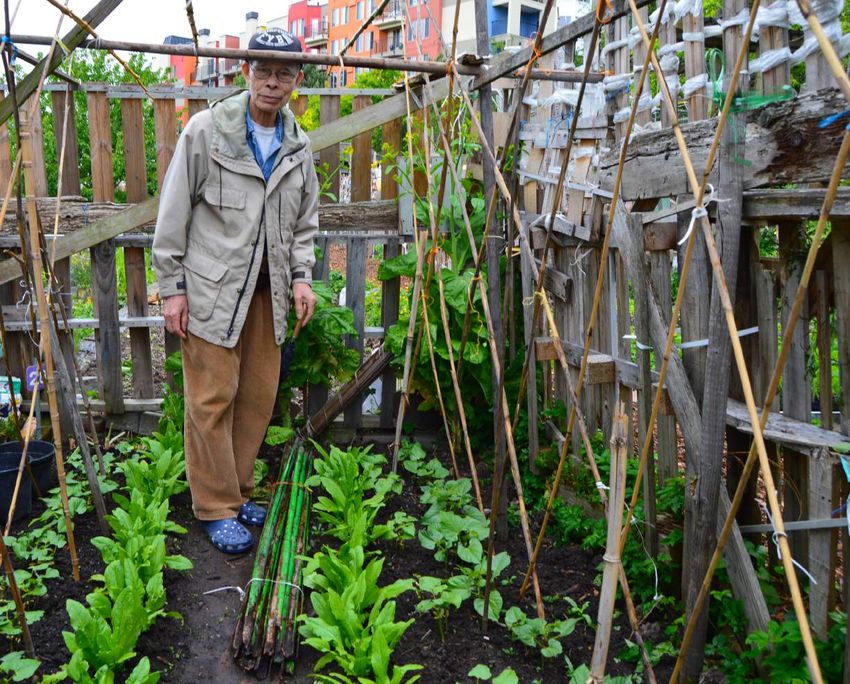
2      EXECUTIVE SUMMARY: CID 2020 HEALTHY COMMUNITY ACTION PLAN

    EXECUTIVE SUMMARY
    chinatown-international district
    2020 healthy community action plan
           People across the region and visitors enjoy      than the most well-off communities. Data also
    coming to Seattle’s Chinatown-International             shows that the CID ranks at the bottom for mental
    District (CID) to eat and shop at the neighborhood’s    distress, diabetes, preventable hospitalizations,
    small, independent businesses. The CID                  and poor housing conditions. Rates of violence,
    contributes greatly to Seattle’s vibrancy and           including homicides, in the CID are also among
    diversity. The CID is a local treasure, but it is not   the worst in King County. Many of these problems
    an amusement park. This historic neighborhood           are rooted in poverty, language barriers and
    is the home, workplace, and community for               limited access to resources, social isolation and
    predominantly Asian-American groups and Asian           sedentary lifestyles, and stigma around mental
    and Pacific Islander (API) immigrants, seniors,         health.
    and young children.                                             The Healthy Community Action Plan
           These individuals and groups face a unique       provides strategies and practical direction
    set of barriers to health, social, and economic         needed to improve health, safety, and livability
    success. As Seattle grows and prospers, we need         of the CID on the ground and at the policy level.
    to make sure the CID does not fall behind. Rapid        The strategies address the social determinants
    development in and around the CID will cause            of health by increasing investments in public
    displacement and weaken health, social, and             spaces and safety; stabilizing and enriching
    financial support systems if not paired with public     residential and business communities; and
    investment to stabilize residents and businesses,       influencing decision-making and policy around
    many of which exist at or below the poverty level.      issues affecting community health. The following
           The Seattle Chinatown - International            page includes a matrix of nine distinct strategies
    District 2020 Healthy Community Action Plan             to achieve a healthier, safer, and more livable CID.
    characterizes complex health and social issues          The strategies are further described beginning on
    resulting from years of historic disinvestment          page16.
    and institutional racism. We know that people                   This Plan is intended to guide our own work
    living and working in the CID are less healthy          and inform key decision-makers about how to
    than those in other neighborhoods in Seattle            support the implementation of these strategies. It
    and King County. While the model minority myth          is time to make sure that CID community members
    perpetuates the false assumption that APIs are          have a healthy, safe, and livable neighborhood,
    healthier than other populations, local public          and get the same chance at a healthy life as those
    health data show that the average lifespan for          living and working in Seattle’s most prosperous
    people living in the CID is seven years shorter         neighborhoods.
EXECUTIVE SUMMARY: CID 2020 HEALTHY COMMUNITY ACTION PLAN      3

Strategy 1:                         Strategy 2:                        Strategy 3:
Increase physical and social        Encourage inter-agency and         Prevent displacement and
activity. Decrease sedentary        multi-sector      collaboration.   disruption of social, financial,
behaviors and chronic stress        Foster     mutual      support,    educational, and health support
by advocating for investment        joint    programming,       and    networks. Advocate for policies
in safer and cleaner public         common agendas among               and implement programs to
spaces; facilitating culturally-    local organizations to raise       increase the pace of affordable
and linguistically-responsive       community priorities which are     housing            development,
community engagement and            often unheard or ignored.          especially for very low-income
education; and providing                                               residents and the working
affordable and culturally-                                             poor, to ensure that housing is
relevant opportunities for                                             available and affordable for all
physical and social activity.                                          segments of the market.
Strategy 4:                         Strategy 5:                        Strategy 6:
Stabilize    residential      and   Promote           environmental    Enhance right-of-way to increase
commercial renters and owners       quality and cleanliness of         safety, social connections, and
through direct services. Reduce     the public realm. Partner          physical activity. Implement
the risk and incidence of           with neighborhood, city, and       environmental             design
homelessness, eviction and          regional agencies to foster        improvements, including street
disruption of social, financial,    a dignified, welcoming, and        and sidewalk improvements
educational,     and      health    viable residential and business    that are healthful, biophilic
support networks.                   district.                          and regenerative. Advocate for
                                                                       public investments to make
                                                                       the neighborhood safer, more
                                                                       connected, and accessible,
                                                                       especially for pedestrians and
                                                                       bicyclists.
Strategy 7:                         Strategy 8:                        Strategy 9:
Work with city, county, and         Influence public health, health    Continuous engagement with
state agencies to advocate          care,    and     environmental     health care and public health
for culturally and linguistically   decision-making. Build a body of   partners. Increase participation
responsive actions to mitigate      evidence around neighborhood       and investment in community-
public safety issues in the         environmental quality and          based actions that will address
neighborhood,          including    access to open space by            the social determinants of
violent and non-violent crime,      supporting and participating in    health in the CID.
homelessness, and substance         community-led research.
abuse.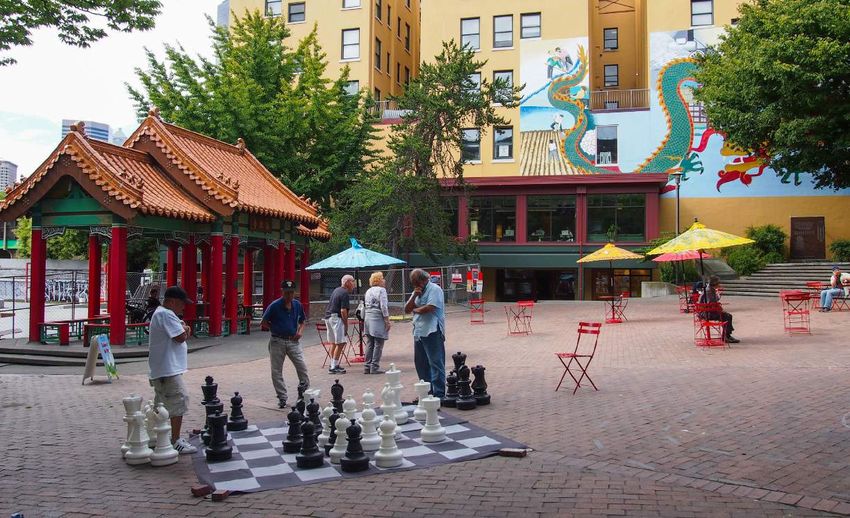
4     WHY PLACE MATTERS

    WHY PLACE MATTERS
    The CID continues to be the cultural home and destination for Asian and
    Pacific Islander (API) immigrant and refugee people in King County,
    Washington, and beyond. API groups are among the fastest growing in
    King County and experience high levels of poverty. The conditions of our
    neighborhood, where we live, learn, work, and play, affect our health and
    ability to make healthy decisions.

                          First Hill
                                                        Cherry Hill

                 I-5
      Downtown

                            Yesler Terrace                     Central District
            Japantown
                                                                                  Puget   Seattle
                                                                                  Sound               Lake
               Historic                                                                             Washington
                                       Little Saigon
              Manilatown

                 Chinatown

                                                       I-90

             BUILD Health Challenge - Planning Grant
    Shown in INTERIM
             red above,CDA  | Seattle
                       the CID is homeChinatown-International    District
                                       to about 3,500 residents and 8,000
    employees who work at over 500 businesses. The neighborhood spans over
    0.25 square miles, mostly within the 98104 zip code boundaries.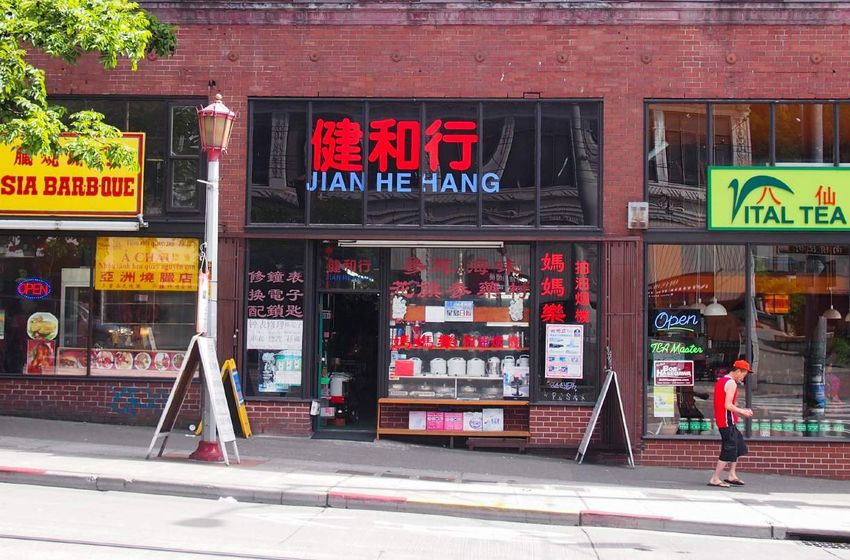
WHY PLACE MATTERS   5

welcome to seattle's
chinatown-international district
    The CID is the historic and         of rich cultural expression through
cultural hub of the API community       food, architecture, services and
in the Puget Sound region. People       activities. Small storefronts line the
live here. Comprised of Chinatown,      streets with family-owned fresh food
Japantown, Little Saigon and historic   markets, restaurants, herbalists
Manilatown, the CID neighborhood        and acupuncturists, travel agencies,
has been the first American home for    and tea shops. Most of the buildings
successive waves of immigrants from     have Asian architectural influences
across Asia and the Pacific Islands,    and were built before WWII by family
since Seattle's founding.               associations.
    Today, the CID remains a place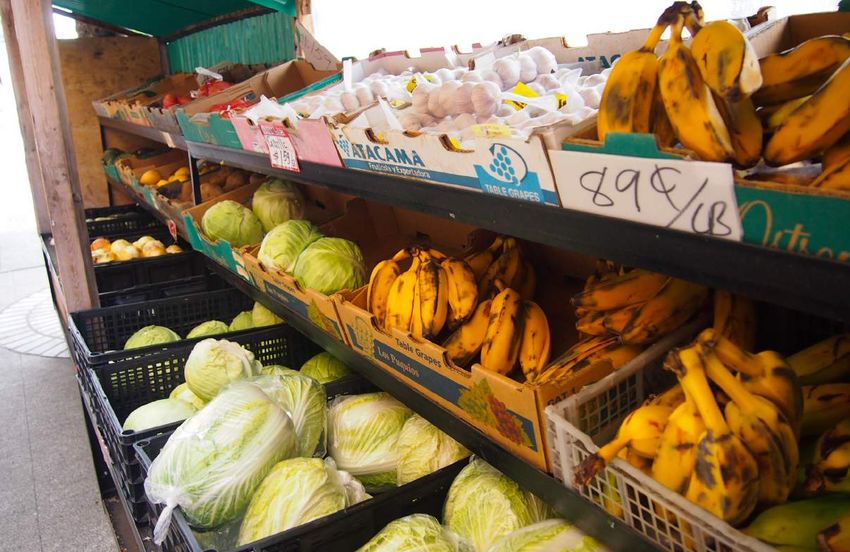
6       WHY PLACE MATTERS

                               a history of social and
                                 environmental changes

                                              1889
                                              On June 6th, a glue fire                                1920s
                                              burns down the entire                                   Nihonmachi, or Japantown,
                                              central business district,                              was a booming area that
    1850s & 1860s                             rendering many of the                                   ran from 4th Ave. to 7th Ave.
    An influx of Chinese                      Chinese laborers who lived                              along S. Main St. Within
    immigrate to Seattle to                   in the area homeless. This                              two decades, the Japanese
    work on the docks. Due to                 fire forces the Chinese to re-                          constitute Seattle’s largest
    prejudice, the Chinese are                establish Chinatown inland                              community of color and the
    forced to live near Yesler’s              at Washington St. & 2nd                                 second largest community
    Mill on the waterfront.                   Ave. S.                                                 on the West Coast.

                                   1886                                        early 1900s
                                   On February 6th, after                      Rising property values
                                   ongoing tension between                     force Chinatown to be
                                   whites and Chinese, a                       moved to S. King St. Over
                                   3-day violent riot led by                   the next few decades,
                                   white supremacists breaks,                  gentrification forces the
                                   leading to the expulsion of                 Chinese community inland,
                                   over 200 Chinese people                     to Beacon Hill & Rainier
                                   from Seattle.                               Valley. Filipino laborers
                                                                               begin to replace the Chinese
                                                                               laborers who previously
                                                                               worked on the docks and in
                                                                               railroad construction.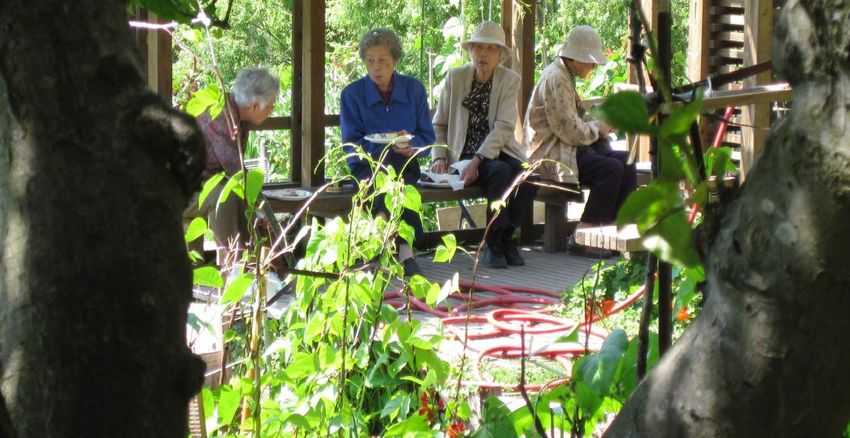
WHY PLACE MATTERS           7

                            a history of social and
                              environmental changes

1941
A portion of Chinatown-
International        District
is demolished to build
the      Yesler      Terrace
neighborhood. With an                                            1971-1972
influx of Black laborers         1960s                           API activists, including Bob   1980s
coming to Seattle to work in     Construction of Interstate-5    Santos pictured above,         Thousands of immigrants
the war/defense industry,        cuts      right     through     mobilize in response to the    from Vietnam, Cambodia,
the area grows to become         Chinatown-International         building of the Kingdome       and Laos begin to establish
a predominantly black            District, destroying many       Stadium. Acts of civil         businesses and homes in
neighborhood where jazz,         Chinese and Japanese-           disobedience are organized     the area, further expanding
swing, and rhythm and            owned businesses and            to raise awareness about       the CID neighborhood to
blues thrived.                   homes.                          neglect in the CID.            east of I-5.

   1942                                       1969                              1974-1975
   On February 19th, President                InterIm CDA is formed by          The CID's two largest public
   Roosevelt issues Executive                 a group of local business         parks - Hing Hay Park (at
   Order 9066, which forcibly                 people and activists. In          0.3 acres) and Danny Woo
   imprisoned        Japanese                 response to subpar housing        Community Garden (at
   Americans. 7,000 residents                 conditions and corporate          1.5 acres) - are built as
   of Seattle are displaced,                  business      development         a community gathering
   nearly overnight.                          that threatens to push the        space.
                                              API community out of the
                                              neighborhood,       InterIm
                                              focuses on housing rights
                                              and development.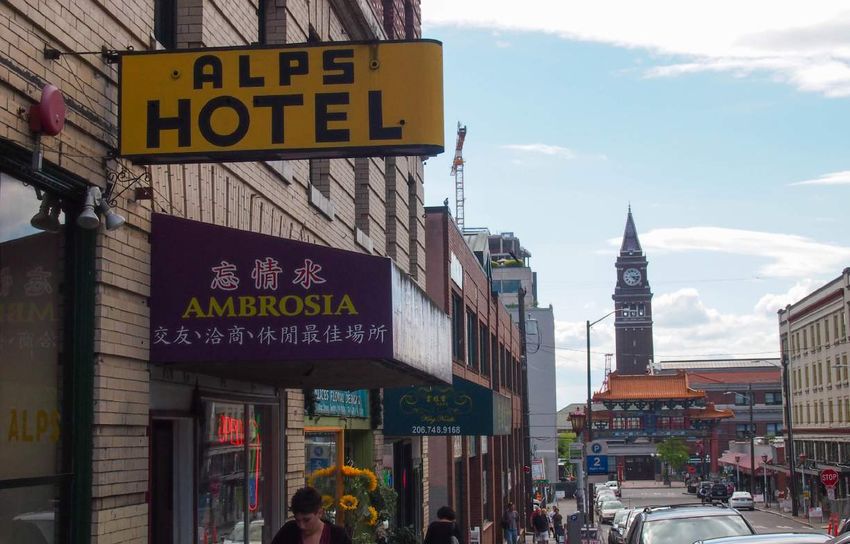
8       WHY PLACE MATTERS

       what we are experiencing
              The CID is a complex place.              of color, have been devastated by      institutional racism
       It is rich in cultural expression, yet          changes in housing and community       /, i n s t ə ' t ( y ) o o S H ( ə ) n ( ə ) l
                                                                                              'ra,sizəm/:
       experiences extreme poverty. It is              and economic development.              A pattern of social institutions
       historically significant, yet suffers                As a result of historic           - such as governmental
       from historical disinvestment. It               disinvestment and institutional        organizations, schools, banks,
       has a vibrant street scene, yet is              racism, our community has              and courts of law - giving
                                                                                              negative treatment to a group
       burdened by environmental and                   endured conditions of concentrated     of people based on their race.
       social stressors.                               poverty, poor environmental            displacement
              The future of the CID is under           quality, and underfunded public        /dis'plāsmənt/:
       significant threat as the City of               spaces, while having little            The involuntary relocation of
       Seattle experiences major growth                protection against homelessness,       marginalized populations from
                                                                                              their current neighborhood.
       in real estate and development,                 crime and displacement.
                                                                                              environmental justice
       especially in high-demand areas                      These are matters of social       /in'vīrən'men(t)l 'jəstəs/:
       around downtown.                                and environmental justice.             The fair treatment and
              Neighborhoods        in     the          Such        conditions       impose    meaningful involvement of all
       downtown area, including the CID,               disproportionate impacts on the        people regardless of race, color,
                                                                                              national origin, or income, with
       which have historically been home               health, resilience, and existence of   respect to the development,
       to low-income people and people                 our community.                         implementation,             and
                                                                                              enforcement of environmental
                                                                                              laws, regulations, and policies.

Legacy of Justice installation prior to Hirabayashi Place construction
Learn more at www.interimicda.org/legacyofjustice
WHY PLACE MATTERS 9
what the data tells us
We must address the root causes of poor health disparity
/helTH də'sperədē/:
health and instability in the individuals A health difference that is closely linked
with social, economic, geographic and/
and families living and working in the or environmental disadvantage.
CID. Our community has felt the burden
of major social and environmental
injustices that result in the health
disparities we see when compared to
other communities and neighborhoods
in Seattle and King County.
34% of CID Many residents living
residents live in poverty are seniors:
at or below the 25% are over 65 and
poverty level 42% are over 55 years
of age
Over 50% of Younger families
seniors state have moved
into the CID,
they speak
increasing
little to no
children under
English age 5 by 64%
since 201010 WHY PLACE MATTERS
what the data tells us
Public Health - Seattle & King County Key health indicators include frequent
(PHSKC) places the census tracts for downtown mental distress, smoking, obesity, diabetes,
and the CID in the bottom quartile of the county high Adverse Childhood Event scores, shortened
for key health indicators, many of which are life expectancy at birth, poverty, preventable
rooted in poverty, language barriers, and hospitalizations, unemployment, and poor
limited access to resources and exacerbated by housing conditions. Rates of violence, including
chronic stress, social isolation, and sedentary homicides, are also in the worst quartile for the
lifestyles. county.
Life expectancy in the CID
averages 79 years, which
is seven years less than
the longest life expectancy
experienced elsewhere in King Diabetes is the leading
County. cause of death in the CID.
People living in the CID have some of the highest
prevalence of smoking, high cholesterol, high
blood pressure, and no physical activity.
Deaths from flu, stroke, and heart disease
are common and exceed the county rate.
More people report having poor mental health in the CID than elsewhere
in King County. Addressing mental health is particularly challenging for the
API communities because of cultural factors that place stigma on seeking
care for mental illness, language barriers that make it difficult to access
mental health services, and a lack of awareness of available resources. As
a result, many APIs tend to dismiss, deny, or neglect their symptoms which
can exacerbate their mental health conditions.WHY PLACE MATTERS 11
what the data tells us
The CID has the least amount of open and respiratory, and cardiac-related hospital visits
green space per person compared to any other per capita than 99% of other Puget Sound
neighborhood in the city and the available space neighborhoods, according to the Puget Sound
is often unsafe. Garbage, litter, traffic, and poor Clean Air Agency. This will continue to be the
street and sidewalk infrastructure discourage trend as more development occurs, and will
walking, biking, and other outdoor activities. The have negative health impacts on the most
neighborhood is bisected by Interstate 5 with the vulnerable populations living and working in the
highest traffic volumes in the Pacific Northwest. neighborhood.
Poor air quality contributes to more asthma,
Illegal dumping and litter fill streets and alleyways in the CID Aerial view of Interstate 5 bisecting the CID
Unregulated homeless encampments and waste under Interstate 512 WHY PLACE MATTERS
what the data tells us
As a result of institutional racism chronic stress
/'kränik stres/:
and historic disinvestment in this A state of prolonged tension from
internal or external stressors over which
neighborhood, our community has an individual perceives he or she has
no control. Chronic stress has negative
been forced to endure conditions physical and mental health implications
including anxiety, depression, heart
of concentrated poverty, poor disease, weight gain, and sleep
problems.
environmental quality, and unsafe social isolation
/'sōSHəl ,īsə'lāSH(ə)n/:
public space. This is a state in which the individual
lacks a sense of belonging socially,
lacks engagement with others, has a
These conditions contribute to the chronic minimal number of social contacts,
stress, social isolation, and sedentary and are deficient in fulfilling and
quality relationships. It is a major
lifestyles that drive many of the poor health and prevalent health problem among
community-dwelling older adults,
outcomes we see in our neighborhood. leading to numerous detrimental health
The Seattle 2035 Growth and Equity conditions.
sedentary lifestyle
Analysis described the CID neighborhood as one /'sedn,terē 'līf,stīl/:
of “high access to opportunity and high risk of A type of lifestyle in which a person has
irregular or no physical activity.
displacement.” This means that the CID is a high-
demand area with amenities and opportunities.
More importantly, this means new
development in and around the CID will
cause displacement if not coupled with
public investment to stabilize and enrich
existing communities. When communities
are displaced, social, educational, health and
financial support systems can break, negatively
affecting people's wellbeing.WHY PLACE MATTERS 13
what the community tells us
Beyond what public health, health care, stress, social isolation, and sedentary
environmental, and demographic data tell lifestyles as a result of the poor social and
us about health and quality of life in the environmental conditions of the neighborhood.
neighborhood, we needed to hear directly Research shows that chronic stress, social
from residents, employees, and community isolation, and sedentary lifestyles can
members about their aspirations for a heathier lead to serious physical and mental health
neighborhood. consequences including anxiety, depression,
The community repeatedly mentioned heart disease, diabetes, high blood pressure,
the following as barriers to health: feeling and premature death.
threatened by violence and crime, Despite many challenges, the CID is still
homelessness, and poor environmental one of Seattle’s most vibrant and diverse
quality; experiencing social isolation; and neighborhoods. We see many opportunities to
having limited opportunities to be active address the root causes of the chronic stress,
and engaged in the neighborhood. social isolation, and sedentary lifestyles our
Community members experience chronic community experiences.
Residents and community members discuss their aspirations for a healthier neighborhood at InterIm CDA's monthly community meeting14 WHY PLACE MATTERS
how we are responding
We are becoming more intentional about health equity
/helTH 'ekwədē/:
incorporating health equity into our approach the absence of avoidable or
remediable differences among groups
to housing, community, and economic of people, whether those groups
are defined socially, economically,
development. demographically, or geographically.
With funding from the BUILD Health Challenge Development Authority (SCIDpda), Chinatown
grant, in partnership with fellow community- International District Business Improvement
based organizations, Swedish, and Public Area (CIDBIA), International Community
Health - Seattle & King County, we developed Health Services (ICHS) and Yesler Community
this comprehensive Healthy Community Action Collaborative (YCC).
Plan that guides collaborative strategies and This collaboration in itself is an expression of
activities that our partners will pursue to address our partners’ commitment to understanding the
the physical and social determinants of health channels through which they can affect health
in the CID. InterIm CDA formed a new Healthy in their work, and furthermore, a commitment to
Communities Program to oversee and convene better aligning our individual efforts to achieve
partners to develop and implement this Plan. health equity. We plan to guide our collective
In addition to Swedish and PHSKC, our work and inspire others to take on efforts to make
neighborhood partners include the Seattle the CID healthier, safer, and more livable for all.
Chinatown International District Preservation and
Community members enjoy time in the Danny Woo Community Garden during the annual Pig RoastVISION AND MISSION 15
VISION AND MISSION
vision for the
chinatown-international district:
A Chinatown-International District that is healthy, safe, and livable for
residents, businesses, and community members.
mission of the
healthy community action plan:
To reduce chronic stress, social isolation, and sedentary lifestyles by increasing
investment in public spaces and safety, stabilizing and enriching our residential
and business communities, and influencing key decision-makers and policy
around issues affecting the community’s health.
increase stabilize and
investment in enrich our
public spaces residential and
and safety business
communities
healthy,
safe, livable
community
influence decision-making
and policy around the built
environment, health care, and
public health16 2020 HEALTHY COMMUNITY ACTION PLAN
2020 HEALTHY
COMMUNITY ACTION PLAN
achieving our vision
The following Healthy Community and enrich our residential and business
Action Plan offers practical strategies communities, and influence key decision-
in response to our community’s vision makers around issues affecting the
for a healthier, safer, and more livable community’s health.
neighborhood. This Plan also includes a The Plan is also a call to action to
selection of activities as examples of what other local organizations and the city,
we will do to implement these strategies. county, and state governments to join us in
This Plan serves as a guide to our implementing these strategies for a safer,
partners as we work to increase investment healthier, and more livable neighborhood.
in public spaces and safety, stabilize
Community members gather at Hing Hay Park2020 HEALTHY COMMUNITY ACTION PLAN 17
strategy 1: HOW WE WILL DO THIS:
»» InterIm CDA, Swedish, and ICHS will
Increase physical and social activity. establish a housing-health care partnership to
build a resilient residential community through a
Decrease sedentary behaviors and resident-driven program called Set for Success:
chronic stress by advocating for Healthy Lifestyles for All Ages. This program will
investment in safer and cleaner public bring activities, information, and resources to
low-income residents at our affordable housing
spaces; facilitating culturally- and development, Hirabayashi Place. This will
linguistically-responsive community support health, wellness, and financial literacy
engagement and education; and so residents can better manage their health and
finances. This program can be scaled up and
providing affordable and culturally- tailored to our other affordable housing buildings.
relevant opportunities for physical »» We will activate our parks and open spaces
and social activity. to make them safer, while promoting physical
activity and community building. InterIm CDA is
leading a multi-organizational parks activities
series across the three parks in the CID (Danny
Woo Community Garden, Hing Hay Park, and
Donnie Chin International Children’s Park) which
are chronically underfunded and often attract
illicit activities. This programming will ensure
that the parks are regularly used in positive ways
and will help us build the case for sustained
investment in our public spaces.
»» Partners will collaborate to revise the
funding model for public neighborhood programs
and amenities that relies on fee-for-service
revenues - which low-income communities
like the CID cannot afford. Partners will work
with the City of Seattle, Seattle Park District,
and Associated Recreation Council to bring
about sustainable funding to the International
District/Chinatown Community Center, which
is chronically underfunded as a result of this
approach to program funding in a low-income
neighborhood.
Youth progamming in the Danny Woo Community Garden18 2020 HEALTHY COMMUNITY ACTION PLAN
strategy 2: HOW WE WILL DO THIS:
»» Partners will maintain ongoing regularly
Encourage inter-agency and scheduled programming including InterIm CDA’s
monthly community and resident meetings
multi-sector collaboration. and SCIDpda’s monthly neighborhood safety
Foster mutual support, meetings. The goal of this is to provide community
joint programming, and members with a reliable and accountable
forum for communicating their concerns about
common agendas among the neighborhood and to provide community
local organizations to raise members with information about issues that
community priorities which are may affect them. As partner organizations,
we will create a common forum to increase
often unheard or ignored. communication and conferring around issues
emerging from community meetings to inform our
own services and advocacy.
strategy 3: HOW WE WILL DO THIS:
»» The cost of land is prohibitive for non-
profit affordable housing developers. In an effort
Prevent displacement and
to reduce barriers to financing the purchase and
disruption of social, financial, development of land in the CID, InterIm CDA and
educational, and health SCIDpda will test Joint Venture and Preservation
financing models to secure land and develop
support networks. Advocate
healthful affordable housing, especially for the
for policies and implement working poor and lowest income residents.
programs to increase the »» In collaboration with the Yesler Community
Collaborative, we will work with the City and other
pace of affordable housing
levels of government to expand regulatory and
development, especially for programmatic tools to preserve and develop
very low-income residents and affordable housing. This includes transferring
publically-owned land suitable for housing to
the working poor, to ensure
the community and prioritizing public resources
that housing is available and for affordable housing in the CID and adjacent
affordable for all segments of neighborhoods with high risk of displacement
and high opportunity.
the market.
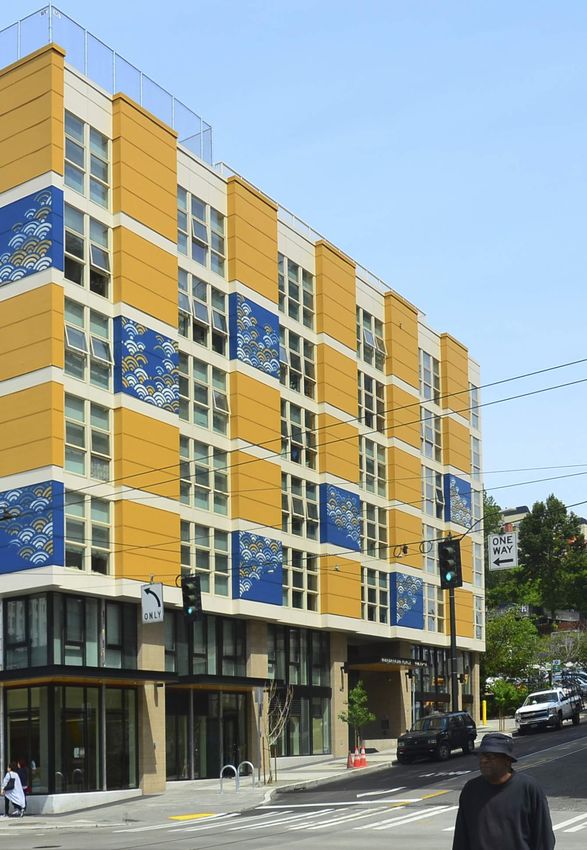
Hirabayashi Place, InterIm CDA's newest affordable housing development, on 4th Ave. S. and S. Main St.2020 HEALTHY COMMUNITY ACTION PLAN 19
strategy 4: HOW WE WILL DO THIS:
»» InterIm CDA’s Housing Services program
Stabilize residential and will continue its eviction prevention and homeless
diversion programs, which stabilize individuals
commercial renters and and families facing eviction or homelessness.
owners through direct services. SCIDpda’s IDEA Space will continue its technical
Reduce the risk and incidence assistance programs for real estate, design,
and business to help property and business
of homelessness, eviction and owners understand the implications of land-
disruption of social, financial, use and zoning requirements and identify
educational, and health funding opportunities to encourage long-term
community ownership, reduce risks of eviction,
support networks. and displacement.
»» We will advocate to revise 211 coordinated
entry requirement for housing services to remove
barriers to accessing services, especially among
non-English speakers, so that individuals and
families facing eviction and homelessness can
more easily be stabilized and placed into safe,
affordable housing.
strategy 5: HOW WE WILL DO THIS:
»» We will support the CIDBIA in its efforts to
Promote environmental improve the cleanliness and sanitation around
residential and commercial buildings in the CID.
quality and cleanliness of We will do this by collectively advocating to the
the public realm. Partner City and other property owners and businesses
with neighborhood, city, and to streamline waste contract providers, enforce
illegal dumping fines, and invest in public spaces.
regional agencies to foster We will advocate for more litter cans, consistent
a dignified, welcoming, and sweeps, and education of property owners and
viable residential and business residential complexes about waste removal
options and keeping storefronts clean and free of
district. graffiti. A cleaner and more dignified environment
will reduce stress and fear, increase people’s
willingness to be outside, while supporting our
neighborhood economy.20 2020 HEALTHY COMMUNITY ACTION PLAN Fresh fruits and vegetables sold outside of Dong Sing Market Residences and businesses along S. King St.
2020 HEALTHY COMMUNITY ACTION PLAN               21

     strategy 6:                                                     HOW WE WILL DO THIS:
                                                                     »»      We will partner with the City, environment,
     Enhance right-of-way to increase                                and neighborhood organizations to support a
                                                                     variety of upcoming street improvement and
     safety, social connections, and                                 connectivity projects, especially those that
     physical      activity.    Implement                            improve the safety, accessibility, and connectivity
     environmental design improvements,                              under the I-5 freeway. We know that improving the
                                                                     conditions, traffic, and connectivity on our streets
     including street and sidewalk                                   and sidewalks will make our neighborhood more
     improvements that are healthful,                                conducive to walking and bicycling. Upcoming
     biophilic and regenerative. Advocate                            street improvements include the King Street
                                                                     Greenway, Jackson Street Connections, and
     for public investments to make the                              Little Saigon Streetscape Concept Plan.
     neighborhood safer, more connected,
     and accessible, especially for
     pedestrians and bicyclists.

Proposed Neighborhood Street Fund Greenway Enhancements along King Street, as illustrated by the International Living Future Institute
Learn more at www.living-future.org/lcc/pilot-registered-communities
22 2020 HEALTHY COMMUNITY ACTION PLAN
strategy 7: HOW WE WILL DO THIS:
»» SCIDpda and InterIm CDA will collaborate
Work with city, county, and state to implement the recommendations from
our 2016 community safety survey. We will
agencies to advocate for culturally develop a comprehensive data collection
and linguistically responsive actions system to streamline various qualitative and
to mitigate public safety issues in the quantitative community safety data sources
to inform city decision-making and advocate
neighborhood, including violent and for improved public safety. We will also provide
non-violent crime, homelessness, community public safety education to residents
and substance abuse. and businesses in the CID. In 2017, we will
disseminate and analyze a follow up community
safety survey to understand how community
safety issues are changing and the implications
for future action.
strategy 8: HOW WE WILL DO THIS:
»» We will measure the health impacts
Influence public health, health of near-road air toxics to inform health care
and built environment decision-making. Our
care, and environmental decision- Wilderness Inner-City Leadership Development
making. Build a body of evidence (WILD) youth environmental justice program is
around neighborhood environmental partnering with Puget Sound Clean Air Agency
(PSCAA) to drive quantitative data collection to
quality and access to open space gain knowledge on health impacts of poor air
by supporting and participating in quality. 21 Progress will support the youth in
community-led research. gathering a body of qualitative evidence through
community engagement and advocacy. A better
understanding of near-road pollution sources
and the associated health risks will lead to the
exploration of CID-specific mitigation strategies
to reduce exposure.2020 HEALTHY COMMUNITY ACTION PLAN 23
An elder gardener and his plot at the 1.5 acre Danny Woo Community Garden - the largest green space in the CID neighborhood
Learn more at www.dannywoogarden.org
strategy 9: HOW WE WILL DO THIS:
»» We will continue working directly with
Continuous engagement with health our health care and public health partners for
the purpose of implementing our activities,
care and public health partners. collaborating on policy and advocacy
Increase participation and investment statements, and monitoring and evaluating our
in community-based actions that will programmatic outcomes. We will also revisit
sustainable funding models for the continued
address the social determinants of implementation of our collaborative efforts.
health in the CID. This will inform future actions responding to the
social and environmental factors affecting our
community’s health and wellbeing.24 MEASURING OUTCOMES
MEASURING OUTCOMES
Examples of locally-relevant indicators we can measure to track progress in
improving the health, safety, and livability of the CID neighborhood.
Objective Category Objectives Indicators
Community members »» Crime as reported through publicly
understand the importance of available 911 data
calling 911 »» Number of 911 calls
»» Reported stress of anxiety due to
public safety
Public safety, both City and SPD are more »» Population reporting having a safe
real and percieved, culturally-responsive in their place to go in the neighborhood in the
is improved approach to public safety even of an emergency
»» Perceptions of police-community
relations in the neighborhood
»» Perception of safety in different areas
The built environment is of neighborhood
conducive to public safety »» Percent feeling safe in the
neighborhood
Objective Category Objectives Indicators
Business district and »» Frequency of clean-ups by contracted
residential areas are clean, clean-up services
safe, and welcoming »» Number of contracted services
Improve »» Homeless count
environmental Community members are »» Monthly illegal dumping offenses
quality and engaged and practicing »» Number of businesses enrolled in
cleanliness strategies to keep the Clear Alleys Program
neighborhood clean »» Encampment counts by location
Air quality is protected from »» Near-road air pollution concentration
pollution and emissionsMEASURING OUTCOMES 25
MEASURING OUTCOMES
Examples of locally-relevant indicators we can measure to track progress in
improving the health, safety, and livability of the CID neighborhood.
Objective Category Objectives Indicators
»» Self-reported health
Health outcomes and access »» Percent of residents with a primary
are more equitable care provider
Foster an active, »» Hospitalizations or ER visits due to
healthy, engaged, chronic illness, by illness
adn connected »» Percent of residents particiapting in
community Health and wellness-related community events over time
community programming is »» Count of community and resident
accessible programming related to physical,
mental, and social wellbeing
Objective Category Objectives Indicators
»» Change in community and business
Culturally-appropriate organizations (e.g., membership,
economic development is nature of activities)
encouraged »» Number of new developments and
Stabilize and rehabilitations in the neighborhood
enrich residential »» Housing market conditions compared
and business to adjacent neighborhoods
communities »» Percent of apartments in CID within
Risks of gentrification and fair market rate
displacement for residents »» Demographic changes (e.g., increase
and businesses are reduced in white population, educational
attainment, household income)
»» Chances in average rent in the
neighborhood26 WHO WE ARE
WHO WE ARE
InterIm Community Development Association
InterIm Community Development Association (InterIm CDA) is an affordable housing and community
development association located in the CID. Our mission is to promote resiliency in Asian, Pacific
Islander, low-income, immigrant and refugee communities through culturally and linguistically
responsive community building. InterIm CDA was founded in 1969 as a place-based community
development organization in the CID, acting as a catalyst, advocate, and provider of services in the
neighborhood.
www.interimicda.org
Swedish
Founded in 1910, Swedish is a non-profit healthcare provider whose mission is to improve the health
and well-being of each person they serve. They aim to demonstrate the highest-quality, best-value
healthcare to all they serve. Swedish has five medical centers and over 120 clinics has grown into
the greater Seattle, King County and Snohomish County to become the largest most comprehensive
medical system. In 2015, Swedish reinvested more than $175 million in the community through its
community benefit programs and initiatives.
www.swedish.org
Public Health - Seattle & King County
Public Health — Seattle & King County (PHSKC) works to protect and improve the health and well-
being of all people in King County as measured by increasing the number of healthy years that people
live and eliminating health disparities. PHSKC serves a population of 1.9 million people and protects
the public from threats to their health, promotes better health, and helps to assure that people are
provided with accessible, quality care.
www.kingcounty.gov/healthservices/healthWHO WE ARE 27
WHO WE ARE
Chinatown - International District Business International Community Health Services
Improvement Area Starting in 1973 as a small storefront health clinic
The Chinatown-International District Business in the CID, the International Community Health
Improvement Area (CIDBIA) works to improve Services (ICHS) has become one of the premier
and promote Seattle’s Chinatown-International health care providers in Washington State,
District. In addition to providing public safety providing culturally and linguistically appropriate
and sanitation services, the CIDBIA coordinates health services to improve the health of Asian
several of the neighborhood’s major events Pacific Islanders and the broader community.
including the Night Markets and Lunar New Year This nonprofit community health center provides
Celebration, in addition to Dragon Fest. The BIA primary medical and dental care, integrated
also advocates on behalf of its constituents behavioral health support services, health
with respect to a host of public policy, planning, education and community advocacy at seven
safety, and quality-of-life issues. locations. The US Department of Health and
www.cidbia.org Human Services named ICHS the only “National
Quality Leader” in WA in 2015 for exceeding
national quality benchmarks for health care.
www.ichs.com
Seattle Chinatown International District
Preservation and Development Authority Yesler Community Collaborative
The Seattle Chinatown International District The Yesler Community Collaborative (YCC) is
Preservation and Development Authority a non-profit organization that brings together
(SCIDpda) was founded by the community in partners in the education, housing, environment,
1975 with the mission to preserve, promote, health care, business, arts, government and
and develop the CID as a vibrant community and philanthropic sectors to support equitable and
unique ethnic neighborhood. SCIDpda has over sustainable community development at Yesler
a 40-year record of increasing neighborhood Terrace and in surrounding neighborhoods.
sustainability through innovative programs Their intent is to foster connections and leverage
and projects that balance development and existing resources to amplify and expand the
preservation. revitalization work taking place.
www.scidpda.org www.yescollab.orgWith funding support from: In partnership with: For more information on the Healthy Communities Program: visit www.interimicda.org/whatwedo/healthy-communities-program contact healthycommunities@interimicda.org
You can also read


