2021 Ward Candidate Survey - Edmonton Election
←
→
Page content transcription
If your browser does not render page correctly, please read the page content below

Ward Candidate
Survey
What Candidates Have to Say About the
Non-Profit Sector in Edmonton

2021                         Edmonton
                             Election
          LAST UPDATED: SEPTEMBER 15, 2021
P03
CONTENTS   ABOUT ECVO

           P04
           ABOUT THE SURVEY

           P05
           CITY OF EDMONTON WARDS

           P08
           SURVEY RESULTS

            P09 Nakota Isga (Ward 1)
            P11 Anirniq (Ward 2)
            P15 Tastawiyiniwak (Ward 3)
            P18 Dene (Ward 4)
            P20 O-day’min (Ward 5)
            P29 Métis (Ward 6)
            P38 Sipiwiyiniwak (Ward 7)
            P42 Papastew (Ward 8)
            P49 Pihêsiwin (Ward 9)
            P53 Ipiihkoohkanipiaohtsi (Ward 10)
            P58 Karhiio (Ward 11)
            P62 Ssopmitapi (Ward 12)

                                          02
ABOUT ECVO   The Edmonton Chamber of Voluntary
             Organizations (ECVO) helps organizations to
             build and sustain their volunteer programs
             and services through resources, networking,
             and skill development opportunities.

             As a member-based nonprofit organization, ECVO supports non-
             profits and charities in the Alberta Capital Region through
             advocacy, collective action efforts and capacity-building
             opportunities.

             VISION
             A strong, vibrant community strengthened by an effective
             voluntary sector working with government and business.

             MISSION
             To strengthen the public service voluntary sector in Metro
             Edmonton by:

                Leading in the voluntary sector.
                Building capacity within the voluntary sector.
                Giving voice to issues that impact the ability of the voluntary
                sector to be effective.

                                                                           03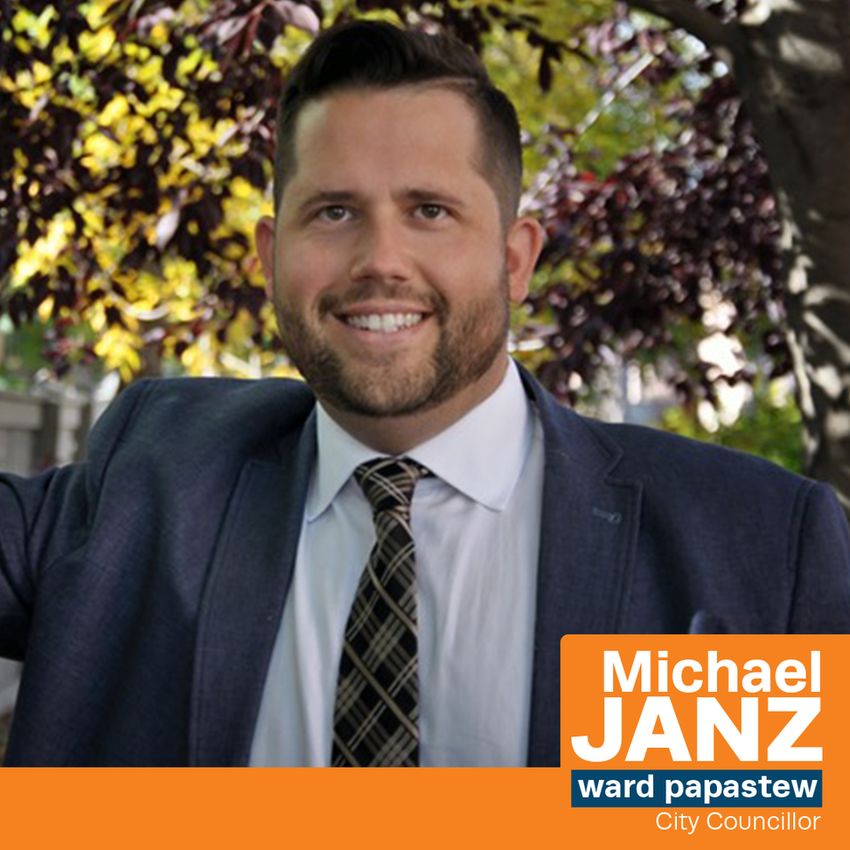
ABOUT THE SURVEY
ECVO is a non-partisan organization that encourages informed
and active participation of non-profits in government and
advocacy through education. As an umbrella organization serving
more than 250 local non-profit member organizations, ECVO is
creating a space for candidates and non-profits to discuss issues
and priorities that face the non-profit sector in Edmonton.

Recognizing the need for elected City Councilors to understand
the role that non-profits play in Edmonton, ECVO sent out a
survey to all ward candidates on August 14, 2021.

Ward candidates responded to the following questions:

       The COVID-19 pandemic has exposed significant cracks in our systems, including
       those related to systemic racism, socio-economic inequities, and inequities in health
       status and access to healthcare.

       If elected, what concrete steps will you take to address systemic inequalities in our
       communities and contribute to building a healthier, safer, and more vibrant
       Edmonton?

       How are you currently involved in supporting the non-profit and charitable sector?

       In your opinion, what is City Council's role in supporting Edmonton's non-profit
       sector? Additionally, please provide at least two specific examples/actions that
       highlight your plans to support the non-profit and charitable sector if elected.

Candidates were not given a word limit or any guidance in the direction of
their responses. All responses have been copied verbatim.

                                                                                     04
CITY OF EDMONTON
WARDS
Edmonton has 12 wards and each ward is represented by one Councillor
who serves a four-year term.

In 2020, the City of Edmonton voted to rename its 12 wards to those
inspired by the area's Indigenous history.

These are the new names and their meanings:

NAKOTA ISGA
Formerly Ward 1

(NAH’-koh-tah EE’-ska). Of Sioux origin meaning “the people.” In 1880, the Alexis Nakota
Sioux were set up on a reserve on the shore of what is now called Lac St. Anne after
signing an adhesion, or sacred agreement, to Treaty 6. They established themselves
along the Saskatchewan and Athabasca rivers and set up fur-trading posts.

ANIRNIQ
Formerly Ward 2

(ah-NIHL’-nook). Means “breath of life” or “spirit.” In the 1950s and ’60s, about one-third of
Inuit were infected with tuberculosis. Most were flown south to Edmonton for treatment.
Many died without their families being notified and were buried in city cemeteries.
Recommended by Inuit elders because tuberculosis took the breath and spirit of many
Indigenous people.

TASTAWIYINIWAK
Formerly Ward 3

(tass-taw-WEE’-noh-wok). A Cree term roughly translating into “in-between people.”
Cree heritage does not have a binary view of gender. It recognizes eight genders, and
each has its own role to play in the betterment of the community.

DENE
Formerly Ward 4

(dehn-EH’) Refers to tribes and people, Indigenous and non-Indigenous, who settled
along the North Saskatchewan River, including the area where Edmonton now sits.

                                                                                                 05
O-DAY’MIN
Formerly Ward 5

(oh-DAY’-mihn). “Strawberry” or “heart berry” is a traditional medicine, which guided the
Anishinaabe understanding of the deep connection between mind, body, spirit and
emotions. Anishinaabe people in Alberta have been referred to as Saulteaux.

MÉTIS
Formerly Ward 6

·(MAY’-tee). Métis people originated in the early 1700s when French and Scottish fur
traders married Indigenous women. After a few generations, descendants of these
marriages formed a distinct culture. As the fur trade slowed, Métis people developed
farms on river lots close to Fort Edmonton.

SIPIWIYINIWAK
Formerly Ward 7

(see-pee-WEEN’-oh-wok). Enoch Cree Nation members were known as the River Cree, or
sipiwiyiniwak, to other tribes. In the 1800s, the First Nation covered about 114 square
kilometres. In 1884, Chief Enoch Lapotac signed an adhesion to Treaty 6, but involuntary
land surrenders caused the loss of more than half of Enoch land. The First Nation,
bordering the west side of Edmonton, continues to fight for land rights.

PAPASTEW
Formerly Ward 8

(PAH’-pah-steh-oh). Was a highly respected leader of Papaschase Band 136, which
signed an adhesion to Treaty 6 in 1877. It also translates to “large woodpecker.”

PIHÊSIWIN
Formerly Ward 9

(pee-EH’-soh-wihn). Cree for “land of the thunderbirds.” It was given to the ward
because, from an aerial view, it is shaped like the bird.

IPIIHKOOHKANIPIAOHTSI
 Formerly Ward 10

(ee-PEE’-koh-kah-nay-pee-oht-seh). From the Blackfoot language. Was the traditional
land where the Blackfoot Nation performed buffalo rounds. The Blackfoot are usually
associated with southern Alberta, but traditional migration patterns often had them
follow bison up to the North Saskatchewan River.

                                                                                            06
KARHIIO
Formerly Ward 11

(kar-ah-EE’-oh). Mohawk for “tall beautiful forest.” Iroquois men became frequent
traders in the NorthWest and Hudson’s Bay companies when the fur trade expanded
west. These traders married Cree and Métis women along these settlements and a
distinct band known as Michel First Nation formed.

SSOPMITAPI
Formerly Ward 12

(spoh-MEE’-tah-pee). Blackfoot for “star person.” Comes from stories that acknowledge
the sky and the stars, often referred to as Sky Beings. Stories say the Ssopmitapi were
sent to Earth by Napi (the Creator) to help the Blackfoot and bison have a reciprocal
relationship. Chosen to honour the Iron Creek Meteorite, or Manitou Stone, once located
near Viking, Alta. The stone was shared by all tribes and was a place the Blackfoot would
perform ceremonies. It was taken to Ontario in the 1800s by missionaries, but was
returned to Alberta in the 1970s and is in the Royal Alberta Museum.

                       This was originally sourced from the City of Edmonton in December 2020.

                                                                                            07
SURVEY RESULTS

08
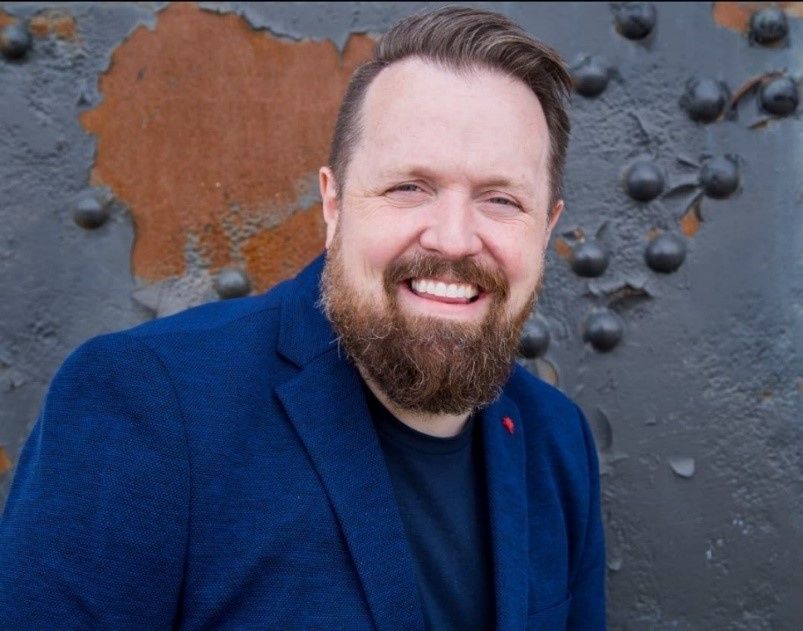
NAKOTA ISGA
Ward 1

ANDREW KNACK
  andrewknack.ca
  @andrewknack
  /AndrewKnackEdmonton

    While on council, I brought forward the idea of creating the Community Safety
    and Well-being Task Force to help create recommendations that would improve
    safety in our city and address inequalities. I supported the recommendations
    presented in the Safer for All report and believe we need to see those actions
    through to full implementation. Regarding the health of our community, I think
    one of the areas the city could have the biggest impact is implementing the
    concept of 15-minute districts as outlined in our new City Plan. Providing all
    Edmontonians with the opportunity to access the necessary amenities and
    services within a 15-minute walk, bus, or bike ride will create a healthier and more
    vibrant city.

    In my time on council, I have actively supported and worked with many non-
    profit and charitable organizations. I have brought forward funding requests to
    ensure the basic needs of Edmontonians are being met (ex: additional funding
    for Drive Happiness to serve seniors during a challenging time, advancing the
    financial relief program for non-profit tenants at the Orange Hub, etc.). I have
    worked with different organizations to allow them to serve more people. For
    example, I worked with the Edmonton Federation of Community Leagues to
    expand the Tripartite Agreement which allows them to provide more programs
    and services for members of the community. It is impossible for the City to fill
    every gap and we cannot forget that we have many active partners in Edmonton
    who need some support in order to continue their excellent work serving the
    same people in the city that we serve.

    I believe the City plays a funding role and a support/connector role. On the
    funding side, I believe we need to find ways to increase or realign funding for our
    non-profit sector so that they can serve even more Edmontonians.
    (response continues on next page)

                                                                                 09
There is a multiplier effect with most of these organizations and considering our
     current economic conditions, we will need to work even closer together to help
     those who have the greatest needs. On the support/connector role, I have
     regularly tried to bring together different non-profits and charitable
     organizations in order to help even more people. For example, I have worked to
     help form partnerships between the Westend Seniors Activity Centre and many
     community leagues. The Home Supports Program which allows more seniors to
     stay within their homes was developed in collaboration between the City of
     Edmonton, the Edmonton Seniors Coordinating Council, and the seniors centres
     across Edmonton. I also hosted a Community Connector event to bring together
     different agencies so that they could connect with each other and Edmontonians
     could learn more about the various organizations doing work in the city. This is
     something I plan to continue as we are stronger when we are working together.

DAVE OLIVIER
Candidate did not respond to our survey.

STEVE WESTON
Candidate did not respond to our survey.

                                                                                10
ANIRNIQ
Ward 2
BEV ESSLINGER
bevesslinger.ca
@bevesslinger
/Esslinger4Anirniq
There is no quick fix but I would want to see the work of the anti-racism
committee continue and advise Council on appropriate actions. I have done
some work in gender equity but there is more to do on this front. The city has a
role to build a safe, welcoming city and we need to ensure our public space and
transportation are safe for everyone. Community dialogue and education is key
to helping change the inequities that we face. Vulnerable Edmontonians need
our support and respect and we need to find ways to support them. Housing is an
important part of addressing homelessness and we need to continue this work.
Affordable housing is a need for many across the city.
My background is the non-profit sector so I understand and value the work they
do with limited resources. I work with many non-profits and support the work
they do in my role as City Councillor. Council has a role to play in supporting
through funding, advocacy and education. I have worked on gender equity and
gender-based violence prevention as well as the Women's and Child Friendly
Initiatives so I have had the opportunity to work with many non-profits.
First of all, continuation of the Community Operating Grant as we have heard
and understand the value of that funding source to many non-profits in the city.
Secondly, continue to work with non-profits and support their activities. I have
worked with several involved with families, children and gender- based violence
prevention and will continue to support their work. City is dependent on the work
of non-profits and they provide a valuable service to many but especially those
needed specific services. The city needs to understand and can refer to the non-
profits but it is not our place to do this work. We can act as advocates and I have
in the past in the early learning and care sector.
11ALI HAYMOUR
haymourforward2.com
@Haymour_Ali
/haymouryeg
I feel the best way for City Council to improve/reduce social inequities is to actively
WORK WITH community groups whose function is to study and act on the causes
of these inequities. There needs to be a genuine and pressing desire for Council to
listen to, support and cooperate with the groups in our community who have
already done so much work toward addressing the social problems we face. I
think there is too much "re-inventing the wheel" in City Hall, where issues are
addressed time and time again by high ranking bureaucrats and when all is said
and done, nothing is done. The bureaucracy takes over, the rules get too complex,
the scope creeps out of control, and the people who actually have the best idea
how to solve the problem are marginalized. City Hall needs to have a big dose of
humility and learn to work with NP groups and put their suggestions and ideas
into play. The City needs to be honest with itself and its citizens about social crises
that we all see but try to ignore, or shuffle from place to place in response to
community complaints. We cannot continue to use police to address social
problems that have stumped social workers. We need easily accessible facilities
to address homelessness, substance abuse, domestic violence and many other
problems. It's vital that a city communicates that spending money to address
social problems will benefit everyone, not just the people accessing the programs.
I am currently not involved in any volunteer groups or charities.
As with my first answer, I feel the best way to support a group is to actively and
effectively work with NP groups; listen to their intentions and ideas with genuine
interest and goodwill, learn from them, pave the way for meaningful change and
not simply bureaucratic dollar passing and lip service. The City needs to step up to
the challenge when other levels of government (who may be the primary body
responsible for any given challenge) do not contribute their fair share. It's not
enough to complain that this or that level of government has not done its
part...the symptoms of social crises are mostly visible in large metro areas, so
those areas are the ones that suffer.
(response continues on next page)
12As such, the City needs to stop passing the buck and start meaningful solutions.
Without naming examples of specific sectors, I'll say this approach will work for
every sector. The crises I am interested in addressing first are substance abuse
and mental health, as those are the basic reasons for homelessness, and seem to
be the crises that have been most neglected.
ERIN RUTHERFORD
erinrutherford.ca
@Erinforanirniq
/erinrutherfordforcouncil
I have many ideas for ensure we create a safer and more vibrant Edmonton. Here
are a few related to this:
Build relationships, strengthen connections, and grow capacity for
community-led solutions that are co-created
Ensure City work is free from discrimination and is actively anti-racist
Use engagements that value real, meaningful conversations, ensuring all
citizens and sectors are heard and understood
Provide opportunities for equity-seeking groups in decision-making
Develop an inclusive COVID-19 Recovery plan that is equitable, based in action
and focuses on a sustainable economy and the wellbeing of individuals and
communities.
Support the Community Safety and Wellbeing Task Force recommendations.
Scale up programs that include health and social workers on response calls.
Modify housing and homeless-serving systems for greater diversity and
cultural appropriateness in the Housing First model.
Ensure respect, dignity, and connection comes first in the City’s responses to
homelessness.
I have been a board member on several boards including two community
leagues and a nursery school. In my career I've worked collaboratively with non-
profits to address issues such as domestic violence, poverty & homelessness,
youth and child development and more.
I believe that Edmonton's non-profit sector is vital to achieving the goals of the
City. City needs to be working alongside community to co-create solutions. We
also need to properly resource this sector based on our priorities. Capacity
building (especially with increased demand and COVID), funding, and
partnerships are needed with non-profit sector to move us forward.
13MARK DAVIES
Candidate did not respond to our survey.
MICHELLE HENDERSON
Candidate did not respond to our survey.
TYLER ZUTZ
Candidate did not respond to our survey.
14TASTAWIYINIWAK
Ward 3
AHMED ‘KNOWMADIC’ ALI
Candidate did not respond to our survey.
CODY BONDARCHUK
codybondarchuk.ca
@codybondarchuk
/cbondarchuk
Well-funded and accessible public services are one of the most important factors
in alleviating inequity and must be maintained through the pandemic and
beyond. There are many barriers people may face in accessing these services,
and supplemental support from specific organizations like the Centre for Race
and Culture and the John Humphrey Centre can connect groups experiencing
systemic and generational barriers to the services they need. Essentially, it is the
responsibility of the city to provide resources to these organizations as they do the
important work of connecting people to systems and filling in gaps in the process.
Rather than siloing this work and causing resource scarcity, a holistic approach
must be considered and the lenses of gender identity, gender expression, race,
age, religion, ability, and other identities must be applied to everything
Edmonton does to ensure no one is left without support.
I have a history of working and volunteering for non-profit organizations and
boards, and understand their essential contributions to the social supports
network. The model of non-profit work is focused on results over net revenue,
meaning more resources can be reinvested in services year over year to improve
outcomes and reach more people. While campaigning, I have stepped away
from any formal responsibilities but continue to amplify and donate to causes
and organizations that provide those services.
15If the city is not providing certain services directly, it is effectively outsourcing
those services to the non-profit and charitable sector and must provide financial
support at a minimum. Similar to the relationship between the province and
municipalities, any responsibilities downloaded to cities and towns must be
accompanied with the resources to make it happen. Specifically, project-based
and operational grants must be accessible to organizations and not so time-
consuming to apply for that the resources don’t seem worth the effort. Especially
for recurring operational grants, I believe the process can be streamlined to
encourage more time to be spent on service delivery. Additionally, groups like the
city’s Anti-Racism Advisory Committee must continue to operate and be provided
support as needed as they can connect the dots between need and services in
the community.
JON DZIADYK
jondziadyk.com
@jondziadyk
/jon.dziadyk
I will continue to work with the volunteer sector to understand all the issues and
advance policy changes in Council to address our shortcomings. They have my
ear.
I am involved with many non-profits and charities. As a current city councillor, I
have supported many initiatives to bring more capacity to organizations and
have used to my public profile to highlight the good work of many of these
organizations. (I also personally donated thousands of masks and other PPE to
many of our local non-profits and charities).
Sometimes government should move out of the way to allow subject matter
experts in, such as many in the non-profit sector. But governments should remain
important funders of the good work that non-profits and charities do. // examples:
I started the Top of the City Family and Soccer Festival and partner with the
YMCA. Supporting the YMCA helps them to continue the good work they do. I
plan to continue to do this. 2) I started the North Side Hub (Edmonton) Facebook
group to highlight the good work that individuals and organizations do in our city
and I will continue to platform our exceptional organizations that go above and
beyond (this group has over 35,000 members).
16IANNIE GERONA
Candidate did not respond to our survey.
ZAIN HAFIZ
Candidate did not respond to our survey.
KAREN PRINCIPE
Candidate did not respond to our survey.
17DENE
Ward 4
AARON PAQUETTE
Candidate did not respond to our survey.
GERARD MUTABAZI AMANI
Candidate did not respond to our survey.
LANA PALMER
lanapalmer.org
@LanaPal54113268
/LanaPalmerWard4
I believe that collaborative partnerships are the way we can build a healthier,
safer and a more vibrant Edmonton. In my opinion success and synergy will be
achieved through improved collaboration/partnerships between the city of
Edmonton, non-profit organizations, businesses and community leagues. I think
community leagues in particular are underutilized. . The efforts of C5 is an
excellent example of agencies pooling their resources and strengths to provide
greater support for families overwhelmed by the system. This success story is
repeatable and should be benchmarked.
Since March of 2020, I have been heavily involved with the Mustard Seed meal
support program. Most volunteer and support services collapsed at the onset of
the pandemic. My family and I immediately jumped in to provide daily support
and leadership with the Mustard Seed to assist the most vulnerable. There are
many silent heroes in our community that behind the scenes do great things.
(Response continues on next page)
18I am a firm believer that getting involved helps humanize issues, creates
understanding, and provides unique insight on what could be done to fix the
situation. My commitment is to be involved and to listen to the front-line
workers/volunteers.
I believe that collaborative partnerships are the way we can build a healthier,
safer and more vibrant Edmonton. Collaborative partnerships between the city of
Edmonton and non-profit organizations are vital for the future of our city. I
personally will to be an Ambassador at city hall for the non-profit sector. I will be
consistent and involved, promoting opportunities for giving and volunteering. I
may not know it all or have every answer but I certainly have a "PhD," aka
"Passion to have a Discussion." I will make time to create opportunities for non-
profit organizations to share their needs and have conversations about how the
city can support them in their efforts.
TRICIA VELTHUIZEN
Candidate did not respond to our survey.
19O-DAY’MIN
Ward 5
ADIL PIRBHAI
Candidate did not respond to our survey.
ADRIAN BRUFF
adrianbruff.ca
@adrianbruff
/BruffWardOdaymin
I agree, COVID-19 has exposed many concerns in our systems and I have been
hearing some of these concerns from residents across the ward while door-
knocking. As a member of the BIPOC community, I do believe that as a city we
should take concrete steps to address some of these challenges. As a councilor, I
plan to act by advocating for diversity in hiring practices, fund anti-racism
initiatives, commit to implementing the recommendations of the Truth and
Reconciliation Report, provide grants to BIPOC entrepreneurs, and work with the
provincial and federal government to end hate motivated attacks.
Before my leave of absence, I worked for a non-profit organization for the past six
years. I understand that many non-profits depend on government funding to
support the important work they do. In regards to charitable organizations, I have
worked alongside industries to advocate for things that are important to me, like
homelessness, mental health and climate change. Every year I organize an
annual back to school supply drive for low-income Edmontonians. To date, we
have provided over 2,000 families with school supplies for their children. I want
every child in our city to be able to prosper from their education, free from
economic barriers.
I believe that City Council should play its part in supporting the non-profit sector. I
plan to protect our funding commitments to non-profits and charities from
budget-cuts, as well as seek to expand support for programs like Big Brothers Big
Sisters Edmonton and Community Options.
20ANNE STEVENSON
annestevenson.ca
@edmonton_anne
/edmontonanne
I believe the city can be an engine of equity and there are a number of initiatives I
would like to champion on City Council to this end. My highest priority relates to
housing and homelessness. I'd like to see increased investment in bridge and
permanent supportive housing to enable individuals and families to transition
out of homelessness. I'd also push for more training for front line staff on harm
reduction and people centered, trauma informed approaches to their work. I am
keen to continue the work started by the Community Safety & Wellness Taskforce
to address systemic racism in EPS and expand this lens to other City services as
well to tackle the many systemic barriers to equity that are in place. I think City
Council plays a vital role in Edmontonians' health by creating walkable, compact
communities with lots of opportunities for recreation. I support the continuation
of the Leisure Access Pass and would like to make it even easier for
Edmontonians to access these services.
I work in the non-profit sector through my role as Director of Strategic Initiatives
at Right at Home Housing, where I have the opportunity to collaborate with
many charitable organizations in Edmonton. I'd previously served on the Board of
Right at Home for six years as both a Director and Chair, as well as other
organizations like Edmonton Social Planning Council and Creating Hope Society.
I'm a monthly donor to a number of charities and take part in one-off events like
fundraisers and Homeless Connect.
Edmontonians benefit enormously from the work of non-profits and City Council
has an important role to play in fostering that sector. My top two priorities would
be to strengthen the City's Sustainable Procurement Policy to more actively focus
on securing services from local social enterprises. In this way, the City can use its
significant purchasing power to support the non-profit sector and create a range
of benefits for Edmontonians. I'd also like to significantly simplify the grant
application process. I've experienced first-hand how challenging it can be to
secure grant funding from the City and this process takes away from the capacity
of organizations to do their great work. I'd advocate for more streamlined
applications with more certain outcomes.
21GABRIELLE BATTISTE
gabrielle4yeg.com
@gabrielle4yeg
/Gabrielle4YEG
Action 1 - We need a Comprehensive Review of the Delivery Models for
Community Safety (Police, Fire, Operations, Peace Officers, Social Services, etc.)
where the responders are not just the police, but social workers, mental health,
and health workers. We need community-based policing and social resources
that deliver the right people to the right place at the right time with the right
solutions. We must invest in community safety, so residents don’t need to hire
private security to feel safe in their neighborhoods, and we must implement
better safety practices on public transit, pedways, libraries & other high-use
infrastructure.
Action 2 - I have already incorporated the Coalition of Canadian Police Reform
and sit on the board. I will advocate as a member of Council and as a board
member of C-CPR, for a national policing college & standards and ongoing police
training requirements in cultural competencies and mental health. I will bring
forward a motion to Council to support the creation and implementation of a
National Police College informed by citizen experience will advocate for advocate
for the Province to make the Police oversight body independent with better
governance aligned to local community needs, transparency and accountability.
Protective service is more than enforcement - more focus is needed on
prevention, education, facilitation and integrated collaboration with other
support agencies e.g. mental health, addictions housing, health, etc.
Action 3 - I believe appropriate 24-hour supportive & affordable housing is a
priority. We need to locate smaller centres of social support across communities
outside of O-day'min. I will work towards creating social agency standards
because warehousing is not housing. We need to focus on Prevention and
Intervention and work on an entire Social Safety Support System that helps
transition from Shelter to Housing and includes decriminalization of poverty and
mental health.
Action 4 - We need a more focused approach for various groups among the
vulnerable. Focusing on women means focusing on families and children.
Women of all ages are particularly vulnerable in poverty so our programs must
focus on prevention & intervention for our youth, promotion of more pre-natal
and early development programming, and support for creation of more
supportive housing for women - ensuring no pregnant women are houseless.
(Response continues on next page)
22We should explore & appropriately resource partnerships with organizations
focused on women and youth, such as iHuman, Junior Achievement and Women
Building Futures to create new focused programs and easier access to existing
programs towards life skills, resilience, entrepreneurship and employment.
Action 5 - I will push for a review of bylaws, policies, processes and service
standards to ensure vulnerable people are not further subjected to penalties for
their circumstances. We must stop deliberately or inadvertently criminalizing
poverty and mental health through structural and systemic biases. The city’s own
rules, regulations and service delivery has been found to further marginalize the
vulnerable. This is not helpful, and these biases must be addressed to serve all
members of our community. We need to pro-actively engage marginalized
communities, using their feedback & reporting on changes as policies are being
reviewed or created.
Action 6 - We must have a paid advisory board comprised of those with
disabilities (mental & physical - visible and hidden) to help inform better hiring
practices and future employment opportunities, and ensure those with
disabilities have good, long-term & affordable housing options.
Action 7 - We need to create culturally appropriate affordable housing options for
Muslims, Indigenous Peoples & others so that they can create supportive
communities of faith.
Action 8 - We need a Seniors Advisory Committee to ensure city plans, programs
and service delivery all consider the unique needs of this growing segment of our
community. Our seniors are struggling to feel at home in our Ward as
development and infrastructure improvements often overlook their needs.
Action 9 - Commitment to an MOU then a formal agreement among the various
agencies supporting the homeless. Accountability to exceptional service
standards from social agencies providing shelter and mental health services.
areas the MOU could cover: shared client database, lack of privacy, lack of spaces
for couples and families, clients not feeling safe in shelters, clients feeling
pressured to accept religious views, preserving the dignity and safety of every
person.
Action 10 – We need fast, reliable and safe rapid transit that meets the needs of
the people who most need it (seniors, students, new immigrants, houseless, etc).
The new bus system is failing these people. The DATS (Disabled Adult Transit
Service) system is ineffective and under resourced. Expansion south ignores the
fact that most people that need transit services are located in the O-day’min and
the more northern/western/eastern communities. I support pausing expansion to
the wealthier suburbs while we get our essential services actually working well for
those that need them.
(Response continues on next page)
23Action 11 - Changing the culture at the City from one of administration to
facilitation. We cannot sustain a rule-bound, inflexible model. We need an
outcomes-based model where staff are empowered to find solutions and
advance the City’s objectives, combined with a quarterly report to citizens on
what outcomes we are working towards, how we are working to achieve those
outcomes and the progress we’ve made to date. The City needs to actively
demonstrate that citizens are receiving value for tax dollars.
I have been an avid and tireless volunteer in the non-profit and charitable sector
for over 30 years. I have worked with ECVO in a pro-bono capacity throughout the
pandemic to provide legal advice to all non-profits about laws, bylaws, policies
and employment. This year, I incorporated, and sit on the board of, the national
Coalition for Canadian Police Reform that is advocating, and providing training
on the need for, a standard, modernized curriculum also focused on a lived-
experience curriculum training officers about de-escalation, conflict resolution,
racism, bias and the impact of colonization on Indigenous Peoples. A professional
police college will research and set training standards, develop courses and
deliver them to Canadian police agencies for free.
I am the President and Chair of Autism Edmonton, where we focus on enhancing
the lives of Autistic people through knowledge, services and inclusive
opportunities. We also advocate to all levels of government for inclusion and
accessibility. I am on the board of CIVIDA – formerly Capital Region Housing - the
largest provider of over 4,500 social (Community Housing) and over 600 near
market homes, we work with organizations and government agencies to develop,
support and improve our communities and the lives of families and individuals. In
our Community Housing program, tenants pay an affordable rent amount, either
30 per cent of their adjusted gross monthly household income or the core shelter
rates if they are receiving Income Support. Community Housing is located
throughout the City of Edmonton and most of our homes are located near public
parks, schools and public transit routes. We have a variety of housing types,
including townhouses and multi-unit apartments. Some of our buildings also
have Community Centres located on the property which provide services to both
tenants and the wider community. In our Near Market Housing program, the rent
is set about 10-20 per cent below market rent for a similar sized unit in the area.
Near Market Housing is located throughout Edmonton. Many of our Near Market
homes are newer and have some appliances, underground parking, or balconies.
Our Near Market homes are a mix of housing types, including townhouses and
multi-unit apartments. Most of our homes are located near services and
amenities, including parks, schools, public transit, and shopping centers. I am
currently working with the Centre for Intellectual Excellence on its governance,
policy, legal and fundraising efforts. CFIE is committed to creating the space and
opportunity for people to build their skills and increase their potential. They create
the platform to connect experts and experienced professionals with individuals
who are working to advance their careers or educational goals. CFIE focusses on
Equity, Diversity, and Inclusion; and leveraging the strengths in our differences.
(Response continues on next page)
24Last year, I incorporated the first registered non-profit in Alberta that is run by sex
workers, for sex workers – ANSWERS. I have been an active member of the
Canadian Bar Association in many capacities – working on a national team to
review and revise our governance; and working on various boards to provide
training in areas of law. I provide mentorship to young law students and to young
students and professionals in general – sharing my experiences and making
connections for them in the professional community. I own my own law firm
where I provide most of my work on a nominal or pro-bono basis to organizations
and vulnerable individuals, including helping people who speak English as a
second language navigate the court system; and acting as pro bono legal
counsel for children who are victims of crime. I have worked as a volunteer with
Junior Achievement in both Saskatchewan and Alberta. I have been on the board
of, and the Executive Director of, the Elizabeth Fry Society. And I have been active
volunteering in many other organizations over the years.
Edmonton’s resiliency is only possible through the extensive and collaborative
efforts of community groups, non-profits and charitable organizations that
deliver a wide range of public services. It is essential that the City partner with
NFP organizations in creating an inclusive, respectful, accessible and equitable
Edmonton for all people. We need to actively solicit participation of
representative agencies in creation of bylaws, policies and processes where there
are impacts to their clients. We need to ensure continuous feedback with and
from those same agencies. The City can also enter into partnerships with NFPs to
create, operate and maintain services and facilities. Edmonton also needs to
provide appropriate resourcing to organizations that help fill gaps in services so
that we can fulfill our collective mandate of providing a safe, vibrant and thriving
Edmonton for all people. If elected, I will undertake a review of current resources
to NFP agencies to determine gaps that can be filled through partnership or
funding to create a better level of service to vulnerable populations. If elected, I
will push for more pro-active engagement with NFP organizations and commit to
having representatives actively participate in any review of bylaws, policies and
processes that impact their clients; including ongoing feedback and reporting on
how that feedback was implemented to create meaningful change.
25GINO AKBARI ginoakbari.com @GinoAkbari /VoteGinoAkbari The pandemic has exacerbated uneven access to resources, resulted in job loss, and underemployment. This has disproportionately affected people in service professions who, in turn, are disproportionately women and members of the BIPOC community. Re-employment that focuses on educating people in high- growth job areas is going to be important, as is supporting the business community to make it financially feasible to grow their employee numbers. Access to healthcare is stretched as a result of the pandemic and simultaneously has put pressure on people experiencing mental health and addictions challenges. We have also seen a significant increase in domestic violence. We need to increase access to social services and mobile health units so that Edmontonians are able to get the help, when they need it and where they need it.. We must also focus on prevention by providing support to vulnerable children and teens who often become vulnerable adults. Compassion is key in service provision. Services have to meet people where they are and as they are without judgment. We must, as a city council, support greater efforts on anti-racism. We must be leaders in finding paths to reconciliation with our indigenous communities. We must bring neighbour leadership and BIPOC communities together to find solutions to some of the systemic racism we face in our city. We need to focus on a community that includes activities, arts and business. Focusing on making downtown and the surrounding area a family-friendly, vibrant place will help while simultaneously freeing policing resources. The city must continue to support non-profit organizations - now more than ever - as we work our way out of the pandemic and help address some of the serious issues that were further exposed during the pandemic. I want to see the city provide more support for community serving organizations; those that provide health and housing in particular. We must become better advocates to press the provincial government to fund affordable housing for average families and we must expand our numbers and types of short term housing for those who want and need it. We must also provide support to the organizations that are working on bringing communities together and working on anti-racism initiatives. 26
In the past I assisted at Mustard Seed Homeless Shelter, cooking for upwards of
     300 people. I received and organized supplies at Edmonton Emergency Relief
     Services at the time of Fort Mac fires. Currently, I regularly participate in activities
     in my neighbourhood to raise funds to make warm clothing and/or buy water to
     assist Boyle Street Community Services. Finally, I have volunteered to assist my
     community league with fundraising efforts.

     The city’s role in supporting the non-profit and charitable sector can include
     activities such as: Supporting governance by providing free or low cost training
     and support services; Providing access to low cost meeting and office spaces;
     Partial funding for land and building purchases, and advocating to other levels of
     government for support. For instance, the City could provide an annual training
     course for new board members on board roles and responsibilities while Board
     members could interact and build connections. The City could also provide City
     land at lower costs for specific purposes, with obligations to have the land revert
     to the City if and when the non-profit has no further use for it.

     I will work with the city council to advocate strongly for programs to bring
     together communities on anti-racism work. We must provide forums for people
     to come together to talk about challenges, but more importantly solutions and
     how communities may work together to support each other.

     I will also strongly advocate for pilot projects of affordable housing with wrap
     around supports (gardens, health services, social workers, community gathering
     places and child care) for people who have had difficulty finding and maintaining
     housing and for new immigrants and refugees.

JOSHUA WOLCHANSKY
Candidate did not respond to our survey.

                                                                                       27
NAIMA HAILE
True, the pandemic has exposed failure in our governance system of systematic
social inequalities such as poverty, mental illness, addressing the needs of seniors,
newcomers, and indigenous people and visible minorities. This exposure was
surprise to many politicians and leaders. However, it was not surprise to me. All
along I have been high-lightening the systematic inequalities in our communities
and raising questions to the elected officials. My fight against social inequalities
was fallen to deaf ears. I stood up to run for city council to address the cracks of
the system and address the growing social inequalities in service provisions,
healthier and safer communities. If I am elected I will take evidence-based
actions to address social inequalities. Step one; I will review if the existing
programs and services are effective and equitably distributed among all
residents of our city. Inclusivity and diversity is a key priority if I am elected. Step
two; I will make sure that city services, contracts and programs are equally
beneficial to all communities. My third step, I will address the failures that we
learned from the pandemic crises and the neglect of the most vulnerable people
in our communities.
1.I have been involved in the non-profit and charitable sector as volunteer,
employee and leader in the past 25 years. I have extensive experience the
challenges, issues and opportunities in the non-profit sector. I am aware of the
tremendous volunteerism and unpaid work in the sector. Our elected officials
often ignore to appreciate the hard work of many volunteers. I am passionate to
help others in need and if I am elected I will raise the value and the hard work in
the non-profit sector. During the pandemic, I have volunteered for grocery run,
helping seniors in getting medications, phone calls to explain the pandemic and
reduce the risk of isolation and depression.
1.I believe the city of Edmonton has failed to support and work with the non-profit
and organizations. The End of Poverty plan was the last concrete action taken by
the city administration, but also failed to implement and produce tangible
outcomes. If I am elected, I will build a meaningful partnership with the non-profit
sector to address collectively social inequalities. I am aware of there are issues
and challenges that non-profit sector if more appropriate and effectively address
than the city. I will promote identifying where we can build a true partnership
and achieve common outcomes.
TONY CATERINA
Candidate did not respond to our survey.
28MÉTIS
Ward 6
ABDULHAKIM DALEL
Candidate did not respond to our survey.
ASHLEY SALVADOR
ashleysalvador.com
@AshleyASalvador
/ashleyinyeg
Housing and homelessness are priorities of my campaign and I will be a strong
and vocal advocate for permanent supportive housing with wrap-around services
(mental health supports, addiction supports, employment supports, etc.).
Edmonton is also facing an opioid crisis and we need councilors who will
advocate for supervised consumption sites across our city. I will ensure that our
built and planned buildings and infrastructure deliver greater equity to
Edmontonians. This means properly funding public transit, investing in active
transportation infrastructure (e.g. implementing Edmonton’ Bike Plan), and
improving the accessibility of public buildings and infrastructure. It also means
ensuring all Edmontonians have equitable access to parks, rec-centers, healthy
food, & affordable amenities. I will also be targeting the Zoning Bylaw Renewal
and District Planning as powerful regulatory levers to improve the affordability,
livability, equity, and accessibility of our city. I would like to see us build upon
programs like the Leisure Access and Ride Transit Program to expand their
availability and eligibility. I would also like to see a more proactive, preventative
approach to community safety that focuses on funding social services, providing
culturally appropriate supports, and expanding crisis diversion and alternative
policing teams.
29I am the founder and president of a local non-profit that serves Edmontonians.
We help people downsize, access age-friendly housing, enable create multi-
generational living arrangements, while helping build more sustainable
communities. Through my work, I support other non-profits through partnership
and collaboration to amplify our collective impact. I have also served on several
non-profit boards and committees in Edmonton.
Having worked in the non-profit sector, and carried out advocacy work to city
council, I know how important it is to have councillors who are willing to sit down
with you to learn about your organization's needs, perspectives, and expertise.
Two concrete actions I’ll be focused on are ensuring organizations have access to
affordable space, and maintaining and expanding grants and sponsorship
opportunities. This will be increasingly important as we look to recover from
COVID-19.
CAROLINE MATTHEWS
carolinematthews.ca
@cmatthews2021
/CarolineMatthewsWardMetis
As an elected official and community leader my first concrete step would be to
communicate and bridge build. I don't have all the information as a private
citizen, and once elected I will need to get that information in a timely manner. I
will also need the trust of those doing the work and providing front-line services.
These include but are not limited to social workers, housing providers, healthcare
providers, mental healthcare providers, police, federal & provincial government
partners and more. Once I am armed with a holistic understanding of the
situation across Edmonton, especially as it relates to my ward, I intend to come to
the table with the rest of council and be a strong reasonable voice advocating for
an integrated model of service, adequately distributed outside the downtown
core because the current model does not fully service vulnerable populations on
Whyte, Alberta Ave, or elsewhere.
I have been a rotary club member in the past and support various organizations
through donations.
30City hall is the most dependable and efficient government partner local charities
have. The city directly develops charity sites through donations of land & buildings
and contributes to their sustainability through the deferral & dismissal of property
taxes on certain sites. The city also plays a role in collaborating directly with
charities for example assisting the foodbank in growing produce:
https://transforming.edmonton.ca/city-farm-harvest-grows-awareness-of-food-
security-in-edmonton/
CORI LONGO
coriforcouncil.com
@coriforcouncil
/coriforcouncil
This is such an important question, and it touches on many of the issues that
prompted me to run for Council. As a former Registered Nurse, a lot of my
decision making is based on the social determinants of health, which tell us that
good jobs with family sustaining wages, a roof over someone’s head, and social
inclusion and non-discrimination play important roles in someone’s health and
wellbeing. Our campaign has put forward policy on Indigenous Equity,
LGBTQIA2S+ Equity, Good jobs, and Housing. Essentially, we as a society should
be judged by how we treat our most vulnerable. If elected, I will fight for the
interests of regular Edmontonians and our public services that make life in this
City easier for all of us.
I am the Alberta Representative for the Canadian Labour Congress, which is a
non-profit. I have volunteered with United Way, Capital Region and city
encampments.
The non-profit sector is an integral part of our City, providing necessary services,
jobs and volunteer opportunities, and improves the quality of life for
Edmontonians. If elected, I will work to ensure that funding sources provided to
non-profits through City channels are secure, specifically in areas that will make
the greatest impact, such as community and mental health supports. I will work
to determine how we can change bylaws to allow for more permanent non-
market housing developments, which are typically built and run by non-profit
organizations.
31JAMES KOSOWAN
jameskosowan.ca
@JamesKosowan
/KosowanforWardMetis
I am running on a platform of affordability, which includes both housing and
transportation. City Council needs to ensure affordability is a key component of
new developments in the city. Also, I am advocating for a $2 non-peak fare for
transit. Recreational services in mature neighbhourhoods also need to be
maintained and supported to ensure equal access to all Edmontonians.
I am a volunteer in my own community at the community league level. I also sit
on the SECLA board as a representative for our neighbourhood. I also personally
donate regularly to local charities.
The non-profit sector is an important part of our community and the city needs to
be a partner in supporting the non-profit sector. I think that there are numerous
ways in which the city can help support the non-profit sector, be it for promoting
events and awareness about particular causes, providing information to assist
non-profits in doing their work, to partnering with non-profits for program
delivery.
32LIZ JOHN-WEST
lizjohnwest.ca
@lizjohnwest
/LizWardMetis
The reality is many of us who work in the social services sector have seen these
inequities for many years. These are not new issues. However, these issues have
come into the public consciousness during COVID. I would say we need to
leverage this opportunity to push forward real solutions to address systemic
inequalities. Solutions such as:
Increasing funding to permanent supportive housing rather than to overnight
shelters. The city of Edmonton can begin to designate city owned properties
where PSH can be located and start the consultation process with community
members. Consultation which is meaningful to the people.
Ban all hate symbols and fine individuals who use them as a form of
intimidation.
Provide free daycare and free transit for anyone making minimum wage. The
money for this program can come from what the city uses to pay for
consultants ($136.8 million was used in 2019). The space could be local
churches (or places of worship) or community league buildings. The amount
of money the workers will pay in taxes will outweigh the cost of this program.
Also, you will build more resilient children and families.
Ensure the city of Edmonton responds to the 94 calls to action specially the
ones which deal with municipalities. Many of the recommendations deal with
media, sports, business, museums, arts, and so on. We need goals which are
measurable and obtainable.
I grew up seeing my parents volunteer with their church community as well as
their own community. I took this on myself. I started volunteering in the school
system by helping the teacher in grade 3 when I immigrated to Canada and then
from there, I stared helping the librarian and the janitor and got involved in
several school clubs and eventually in student council.
As an adult I transitioned into volunteering with my community leagues and
many non profits groups who worked oversee’s. I was able to work in an
orphanage in Mozambique and with Mother Theresa in Calcutta and build
homes in Mexico.
(Response continues on next page)
33At the same time, I have made my career in the non-profit and charitable sector.
From working in the shelter world to supporting families who are struggling to
running homes for women who are leaving domestic violence.
I continue to volunteer by sitting on the local community league board. Currently
we are working on a project where we are building a park in honor of missing
and murder exploited indigenous people in the Alberta Avenue neighbourhood.
Continue to support the non-profit sector by providing funding for the programs
they are running. For example, adequately fund the community leagues where
they can truly be a HUB within neighbourhoods.
ROB BERNSHAW
robbernshaw.com
/BEHEARDWardMetis
Life is a process of continual improvement! I also fully believe in Safe Spaces and
Safe Places and will work hard SIDE by SIDE in UNITY with other council
members, each commUNITY and other partners to help develop the processes
necessary to address the inequalities in our systems and commUNITIES such as
access to affordable housing, healthcare, and poverty reduction. As one person I
am unable to solve all issues but by working SIDE by SIDE with each other in
UNITY is the only way to achieve a healthier, safer, and more vibrant Edmonton
commUNITY.
I have been volunteering for many years now with local commUNITY leagues,
Easter Seals, United Way to name a few. I am also a director on the board of a
charity that helps out here in Edmonton and Alberta at the local level where we
provided help to the Edmonton, Red Deer and Calgary food banks during the
Pandemic. We also reached out and helped internationally during the pandemic
as well. Before the pandemic we helped the Hope Mission and Autism Edmonton
(Autism Society Of Edmonton Area) to name a couple over the years we have
helped. I was raised in poverty and empathetic to the needs of others because we
all are in need of something to help fulfill our basic needs of clean air, earth and
water and to have a good quality of life with SAFE SPACES and SAFE PLACES to
live, work and play in a healthy vibrant way.
34I believe the City of Edmonton Council is not able to solve all problems. I do believe that members of City Council can participate, and City Council can partner with the charitable sector and other non-profits like yourself as well as partner with other levels of governance (Provincial and Federal), to work and move towards a system where all inequities are addressed. The City of Edmonton has the expertise in marketing, in communications and to provide training sessions to work with and mentor non-profits in addressing system inequities such as access for all to healthcare, quality education and moving closer towards poverty reduction. I believe the City Council needs to routinely monitor and examine all systems to move towards a more inclusive commUNITY where poverty is reduced and a safer, healthier, and more vibrant commUNITY is achieved. SALAR MELLI salarmelli.com @melli_salar /Salar-Melli-For-Ward-Métis- Councillor-349828446038029 We need to address systemic racism by raising awareness. I would support any initiatives relating to this issue. The best way to help with economy is to make Edmonton an environment where businesses can start and thrive. We need to take advantage of global markets open to us and sell our products such as software, tourism, arts, crafts and agriculture products all over the world. Supporting youth education is the most important step in solving systemic inequalities. An educated and capable young generation can change the status quo. I currently volunteer with EMSA and Delton community league and coach a soccer program. I believe youth sports is very critical in keeping our youth in a positive environment and helping build their capacity to be successful. I have worked over year with number of non-for-profit organizations such as Junior achievement and Events Edmonton. I believe City Council's work with non-profit sector is very important. We need a council that understands the relationship within our non-profit sector and can harmonize our social services to better help our most vulnerable. As someone who volunteers significant amount of his time and resources for youth development programs, I will propose a youth protection and development program. (Response continues on next page) 35
You can also read


