Adaptive Public Space - Places for People in the Pandemic and Beyond A COMPREHENSIVE ASSESSMENT OF SEVEN SITES IN AKRON, DETROIT, PHILADELPHIA ...
←
→
Page content transcription
If your browser does not render page correctly, please read the page content below
Adaptive
Public
Space
Places for People in the
Pandemic and Beyond

A COMPREHENSIVE ASSESSMENT OF SEVEN SITES IN
AKRON, DETROIT, PHILADELPHIA, AND SAN JOSE

                                               MARCH 2021
ABOUT THIS DOCUMENT

      Gehl evaluated the impact of seven public spaces                Gehl / New York
                                                                      395 Hudson Street, 8th Floor
      — each funded in part by Knight Foundation — in                 New York, NY 10014
      Akron, Detroit, Philadelphia, and San Jose. Between
      September 2020 and February 2021, Gehl engaged                  www.gehlpeople.com
                                                                      mail@gehlstudio.com
      a range of stakeholders and leveraged a mix of data
      sources to uncover challenges and opportunities
      unique and common to these projects. Enclosed are
      the findings from this process.

      GEHL                            KNIGHT FOUNDATION

      Matthew Lister                  Evette Alexander
      Managing Director               Director of Learning & Impact
      Julia Day                       Lilly Weinberg
      Director                        Senior Director of Community
      Eamon O’Connor                  & National Initiatives
      Project Manager                 Kyle Kutuchief
      Olivia Flynn                    Program Director, Akron
      Designer
      Rebecca Cook
      Designer
      Adriana Akers
      Reference
      Sofie Thorsen
      Reference

Knight Foundation & Gehl                              2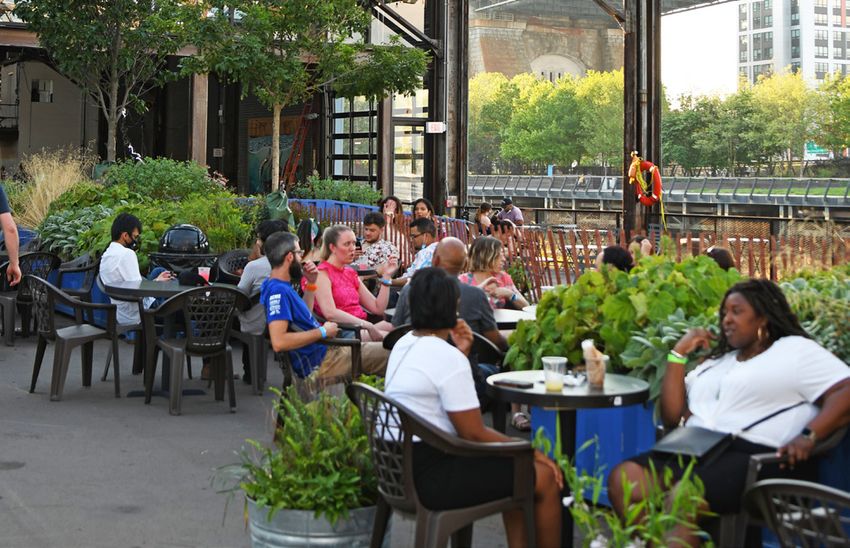
Contents

INTRODUCTION
Executive Summary                                    4
Overview of Public Spaces Studied                   12

FINDINGS
2020 in Focus                                      16

1 / Everyday Public Space                          20
2 / Residents at the Center                        30
3 / Community Ripple Effect                        40
4 / Sustaining in the Long Run                     50

CONCLUSION
Considerations for the Field                       58

APPENDICES
1 / Methodology                                    64
2 / Online Survey Analysis                         70
3 / Social Media Analysis                          76

                                    3   Adaptive Public Space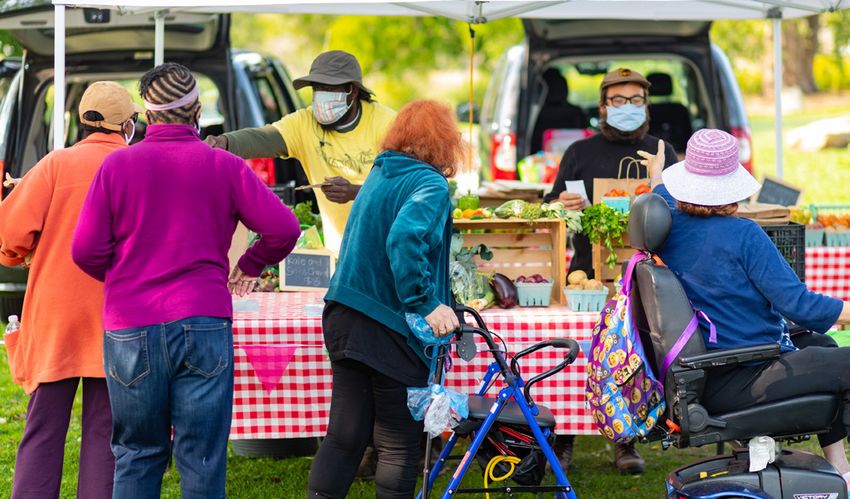
EXECUTIVE SUMMARY

      This study of seven flagship public
      spaces reveals how local leaders
      generated impact through their
      responsiveness to community needs
      — laying the groundwork for more
      equitable outcomes and greater
      resilience during the pandemic.

    B
               uilding on its longtime        The Approach                           Everyday Public Space: How do
               commitment to                                                         design and programming shape
               public spaces, Knight          Located in Akron, Detroit,             visitors’ use of and engagement with
               Foundation commissioned                                               the space?
                                              Philadelphia, and San Jose,
      Gehl — a global urban planning,         the seven projects in this study
      design, and strategy firm — to                                                 Residents at the Center: How
                                              represent $5 million in direct         does the space reflect, welcome,
      conduct an impact assessment of         Knight investments. An additional      and empower those who live in the
      seven public spaces in its portfolio.   $50 million in co-funding and          community?
      The findings illustrate the power       follow-on investments from other
      of public space as a platform           funders including the Reimagining      Community Ripple Effect: What
      for community development:              the Civic Commons network went         broader impacts is the space having
      whether by building resident trust,     toward these sites, wider area         on the community, city, and beyond?
      spurring social activity, supporting    improvements and ongoing space
      economic and workforce                  operations. The spaces range           Sustaining in the Long Run: How
      development, or catalyzing              widely: neighborhood parks that        does the project sustain operationally
      neighborhood change.                    give residents a go-to gathering       and financially over time?
                                              spot; nature spaces that re-engage
      This power makes public spaces a        locals with the outdoors; and          COVID-19: Are residents visiting
      key ingredient in the recovery from                                            these projects amid the pandemic,
                                              citywide destinations that offer art
      COVID-19 — a crisis that has raised                                            and how are operators adapting to
                                              studios, beachscapes, and more.
                                                                                     new conditions?
      the stakes for overcoming deeply
      rooted, systemic challenges in our      Given the diversity of spaces, this    The Gehl team gathered pre- and
      cities. For policymakers, funders,      study did not set out to measure       mid-pandemic data from multiple
      and practitioners, these findings       the spaces against one another         sources, including: interviews and
      are a call to action. By elevating      using a common set of metrics. The     focus groups with over 50 people
      public spaces, leaders nationwide       goal was to understand impacts         (including grantees, city government
      can drive more equitable outcomes       related to four core themes, and to    leaders, volunteers and artists-in-
      in the pandemic and beyond.             life during the COVID-19 pandemic:     residence); an online survey of over

Knight Foundation & Gehl                                       4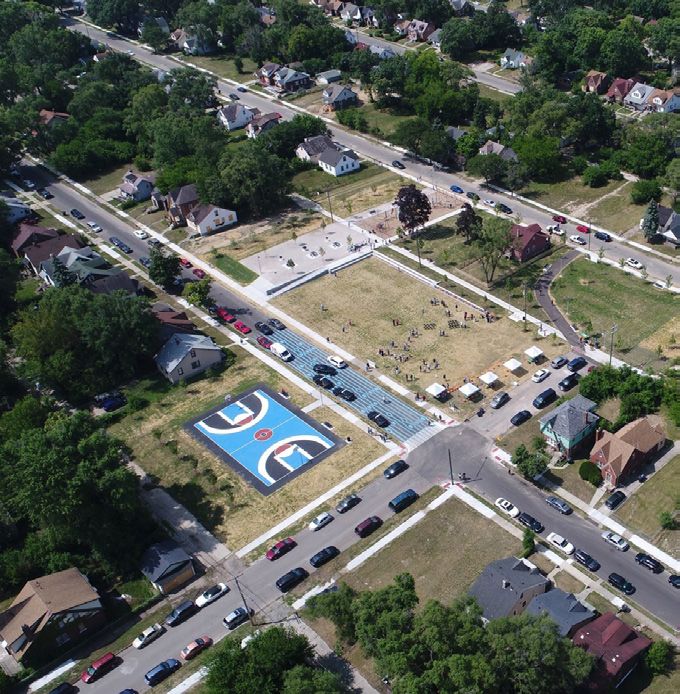
800 respondents near each space;    programming, historic character,        67 percent felt the spaces were
existing and new observational data and the arts invited regular            essential to their neighborhoods —
on space use; and an analysis of over
                                    activity. Across the board, 82          figures that rose for neighborhood
450 posts of geotagged Instagram    percent of survey respondents           parks especially.
activity. The findings that follow are
                                    feel positively about these
the result of this multi-method study.
                                    projects and 59 percent visit at        Participatory engagement
                                    least monthly. The two multi-           methods helped build this resident
The Findings                        functional neighborhood spaces          belonging and attachment. For
                                    — Detroit’s Ella Fitzgerald Park        example, at Akron’s Summit Lake
Public spaces manifest in the       and Philadelphia’s Centennial           Park — which used prototypes
physical world, but what really     Commons — had the highest               to engage residents during the
makes them tick is people. As such, rates of regular visitors. Over half    design process — 97 percent of
Knight develops partnerships with of respondents visit both spaces          respondents felt the project had
communities on the ground and       at least weekly, suggesting they        changed their neighborhood for
invests in projects that support    offered locals ample reasons to         the better, up from 57 percent at the
more than design and construction visit — from basketball courts            start of the project. Ella Fitzgerald
— funding, for example,             and playspaces, to porch swings         Park and Centennial Commons,
engagement processes, incubation and warm-weather movie nights.             which adopted similar engagement
of new ideas, and workforce         The presence of art and historic        approaches, also saw the greatest
development. In many cases,         architecture also helped drive          levels of weekly visitors, enthusiasm,
Knight and other philanthropic      engagement. For example,                and attachment. These projects
funding sources help absorb risk    Philadelphia’s Cherry Street            also saw higher rates of attachment
for an innovative new concept and Pier — an arts space housed in            among Black respondents —
catalyze additional investment.     a revitalized waterfront site —         indeed, near neighborhood parks,
                                    had the most active Instagram           79 percent of Black respondents
This people-centered model is       engagement of all projects, with        agreed the space was “special to
generating impact. A common         over 21,000 followers.                  me,” compared to 70 percent of all
ingredient? High-quality design                                             respondents.
and programming that reflected      Challenges to everyday use
and adapted to local needs. This    centered on barriers to access.         But for many projects, building
approach is what spurred resident For example, the Freight Yard             trust among communities of
visits and attachment, and what     at Detroit Riverfront sits below-       color remains a challenge. This
enabled these public spaces to      grade — a dynamic that deterred         was especially true at nature
weather disruptions to public life  pop-up businesses from posting          spaces, for example, where 45
during the COVID-19 pandemic.       up at the space, and that leaves        percent of Black respondents
Even still, project leaders are     some visitors asking for more           agreed the space was “special
confronting and addressing          wayfinding. Upcoming investments        to me,” compared to 56 percent
challenges inherent to public space will address connectivity               of all respondents. “[Local
management: from site-specific      challenges: the Dequindre Cut will      Black residents] don’t always
barriers to access, to longtime     eventually integrate into a 26-mile     feel encouraged because they
resident distrust.                  trail under development by the          don’t feel outdoor spaces or
                                    City, which will improve access and     environmental work have always
Impacts are organized into five key visibility to multiple neighborhoods.   been for them,” says Izzy Nelson,
areas. Where possible, findings                                             Community Engagement Manager
were compared across space          —                                       for Philadelphia Outward Bound
types and across all projects,      RESIDENTS AT THE CENTER                 School (POBS) at The Discovery
                                                                            Center. Over time, community-
keeping in mind that intended
                                                                            centered programming is starting
project outcomes varied.            Community participation allowed
                                                                            to draw in more locals to the
                                    project organizers to build
—                                                                           project; events include mommy-
                                    trust with residents, which in
                                                                            and-me workshops and a talk
EVERYDAY PUBLIC SPACE               turn increased use and sense of
                                                                            on environmental racism.
                                    attachment to the spaces. Across
Projects that supported quality     all projects, 81 percent of survey
design, resident-centered           respondents felt they fit in, and                      Continued on page 8

                                                      5                                              Adaptive Public Space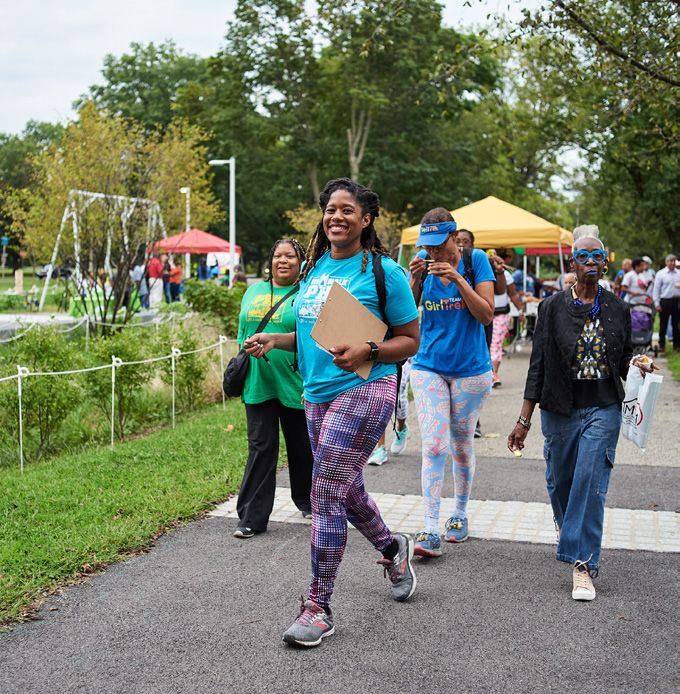
Top                        Learning from a diverse set of
                                 public spaces in Akron, Detroit,
      Findings                   Philadelphia, and San Jose

      Public spaces with a strong foundation
      of resident engagement helped
      communities address equitable access
      and weather the pandemic together.

      EVERYDAY PUBLIC SPACE
                                         PHOTO: BREE GANT

                                                                                        Ella Fitzgerald Park in
                                                                                        Detroit (left) and Centennial
      Projects that supported                                                           Commons in Philadelphia
      quality design,                                                                   — flexible neighborhood
                                                                                        spaces — had the most
      resident-centered                                                                 regular visitors, with 54
                                                                                        percent visiting each
      programming, historic                                                             at least weekly. Cherry
                                                                                        Street Pier, an arts space
      character, and the arts                                                           on a historic Philadelphia
                                                                                        pier, spurred the most
      invited regular activity.                                                         Instagram activity.

      More starting on page 20

      RESIDENTS AT THE CENTER
                                                                                                                        PHOTO: ALBERT YEE

                                                            The Discovery Center
                                                            in Philadelphia has
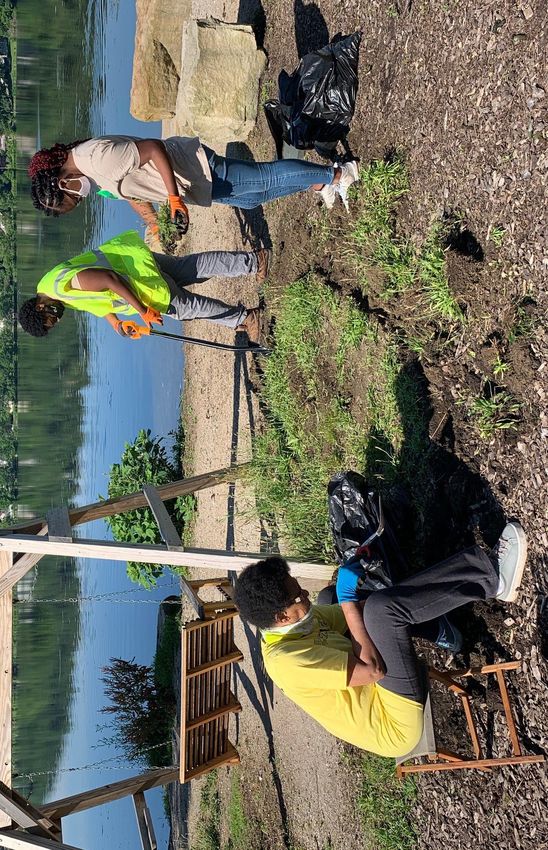
      Community participation                               drawn locals with events
      allowed project organizers                            including mommy-and-me
                                                            workshops, an event on
      to build trust with                                   environmental racism,
                                                            and youth programs; the
      residents, which in turn                              project had among the
                                                            highest youth visitorship
      increased use and sense of                            rates.

      attachment to the spaces.
      More starting on page 30

Knight Foundation & Gehl                            6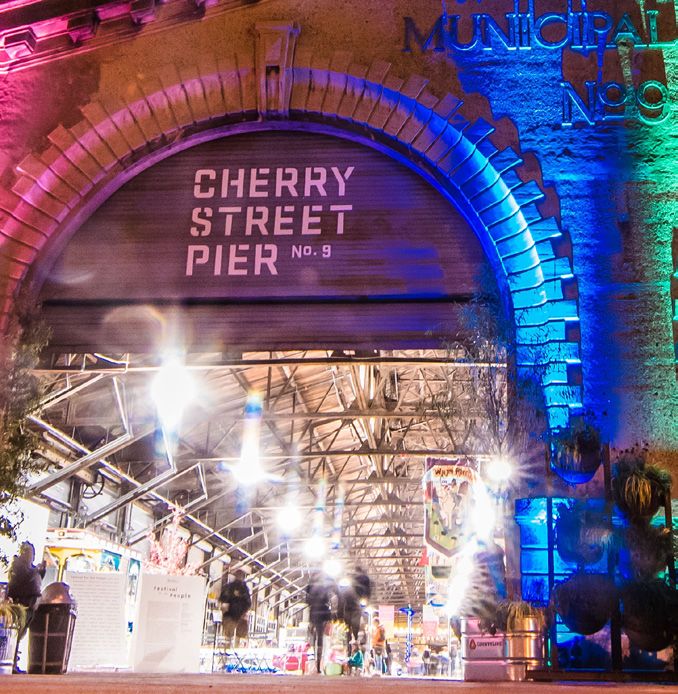
COMMUNITY RIPPLE EFFECT

                                PHOTO: SAN JOSE DOWNTOWN ASSOCIAITION
                                                                                                         MOMENT’s $139,000 seed
                                                                                                         grant funded a first-of-
Investments catalyzed                                                                                    its kind retail concept in
funding for innovative                                                                                   downtown San Jose, and
                                                                                                         led to over $600,000 in
ideas, and led to local                                                                                  funding over the next four
                                                                                                         years. Building on the
capacity-building and                                                                                    momentum of Summit
                                                                                                         Lake Park in Akron, a $15.5
community development.                                                                                   million vision plan is now
                                                                                                         underway in the area.
More starting on page 40

SUSTAINING IN THE LONG RUN

                                                                                                                                       PHOTO: RENEE RODRIGUEZ
                                                                        Detroit Riverfront
                                                                        leverages over 300
Local stewardship,                                                      community volunteers
responsive processes, and                                               and data-driven decision-
                                                                        making to guide ongoing
trusted operators helped                                                maintenance and
                                                                        improvements to the park;
sites develop sustainable                                               sensors help monitor the
                                                                        flow and activity of visitors.
operating models and adapt
to changing conditions.
More starting on page 50

COVID-19
                                PHOTO: GEHL

                                                                                                         Detroit Riverfront and
                                                                                                         Cherry Street Pier in
Attention to resident-                                                                                   Philadelphia have seen
centered and flexible                                                                                    spikes in foot traffic.
                                                                                                         Visitorship was up over
spaces helped projects                                                                                   threefold between
                                                                                                         November 2019 and
adapt during the pandemic                                                                                November 2020 at Cherry
                                                                                                         Street Pier — thanks in
and provide safe venues                                                                                  part to the site’s garden
                                                                                                         restaurant, a popular
for solo and social activity.                                                                            outdoor hangout.

More starting on page 16

                                                             7                                                           Adaptive Public Space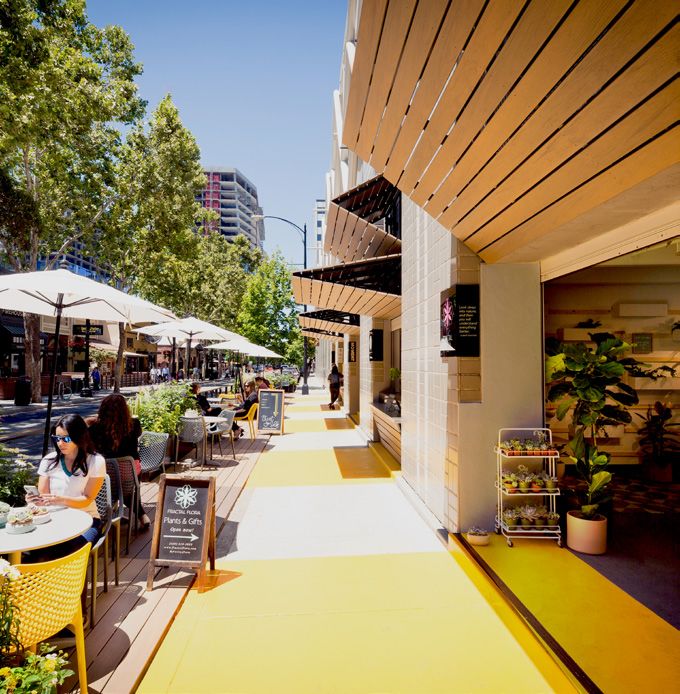
—                                    Zoo to clean other parts of the       At Detroit Riverfront, data-driven
      COMMUNITY RIPPLE EFFECT              neighborhood, and to fundraising      decision making helps space
                                           for Centennial Parkside CDC to        managers identify how and where
      Investments catalyzed funding        hire a Director of Sanitation and     to adapt — leveraging sensors to
      for innovative ideas, and led        Environmental Programming. This       monitor the flow of visitors and
      to local capacity-building and       position will increase capacity,      develop programs in response.
      community development. Direct        grow cleaning services, connect
      Knight investment of over $5         the program to other workforce        MOMENT's curator, SJ Made — a
      million in these projects was about development opportunities, and         collective of San Jose makers and
      10 percent of the overall funding    create educational programs           entrepreneurs — has been involved
      for the sites, many of which saw     around litter prevention. More        since the beginning of the project
      substantial investments from other recently, the project received over     design process. With tenants in
      funding sources along with Knight $500,000 in follow-on funding for        mind, it helped shape a design and
      commitments.                         a second phase of work, and for an    operating model that eases their
                                           employee to lead programming in       experience. “Any struggles that we
      For example, Knight and the Kresge West Fairmount Park.                    had putting this space together
      Foundation each invested up to                                             would have been times ten in a real
      $150,000 in Detroit Riverfront's     For some projects, though,            retail space,” says MOMENT tenant
      Freight Yard. For the Riverfront’s   public space investments led to       Au Nguyen.
      Valade Park, Knight’s $225,700       fears of resident displacement
      investment in 2017 came with         — especially if they were not         While no projects stated immediate
      over $900,000 in co-funding          paired with proactive policy and      concern for financial sustainability,
      from other sources. In addition,     planning. To address these fears,     some are actively working to
      in 2018, the Valade Family made a    local leaders near Summit Lake        diversify funding sources and
      generous donation of $5 million,     Park and The Discovery Center         secure ongoing revenue while
      which supported construction and are now exploring measures                sustaining their missions. This was
      operations at the park.              like property tax freezes and         especially true for larger-scale,
                                           homeownership pathways to             citywide destination sites that have
      MOMENT’s 2015 Knight Cities          ensure longtime residents benefit     broad mandates and rely on a
      Challenge grant of $139,000          from neighborhood change.             combination of philanthropic and
      funded a first-of-its-kind retail    “It’s going to take proactive         sometimes-limited public funding.
      concept and led to over $600,000 policy intervention,” says James          “We try to operate everything at a
      in funding over the next four years. Hardy, Akron’s Deputy Mayor for       lower than market rate, which is so
      “The [Knight grant] was the seed     Integrated Development.               great for the community and not
      money to get it off the ground,”                                           so great for the operating budget,”
      says Chuck Hammers, former           —                                     says Cherry Street Pier General
      head of the local Property-Based     SUSTAINING IN THE LONG RUN            Manager Sarah Eberle. Lease
      Improvement District in San Jose.                                          revenue from the Pier’s outdoor
                                           Local stewardship, responsive         restaurant and bar has been a
      At Centennial Commons, Knight’s      processes, and trusted operators      financial boon — especially during
      $1 million capital investment        helped sites develop sustainable      the pandemic as visitors socialize
      through Reimagining the Civic        operating models and adapt to         outdoors there.
      Commons led to over $1.5 million     changing conditions. To address
      in funding from the Philadelphia     a lack of ongoing financial support   Both Delaware River Waterfront
      Water Department — for               for maintenance, Ella Fitzgerald      Corporation (DRWC), which owns
      installation and maintenance         Park embedded co-creation into        Cherry Street Pier, and Detroit
      of an on-site rain garden. The       the design process. This helped       Riverfront Conservancy are
      funding allowed for the hiring       to foster a long-term sense of        exploring how they can generate
      of five local residents as part      ownership: a 2018 survey of           revenue outside of traditional
      of a workforce development           park visitors found 62 percent        sources — for example, by using
      program; the program’s success       participated in stewardship           value capture to benefit from
      has led to additional contracts      or advocacy related to the            nearby real estate development.
      with the Philadelphia Commerce       neighborhood — participation that     In the meantime, DRWC is turning
      Department and the Philadelphia      was vital to maintaining the space.   to its other waterfront properties

Knight Foundation & Gehl                                    8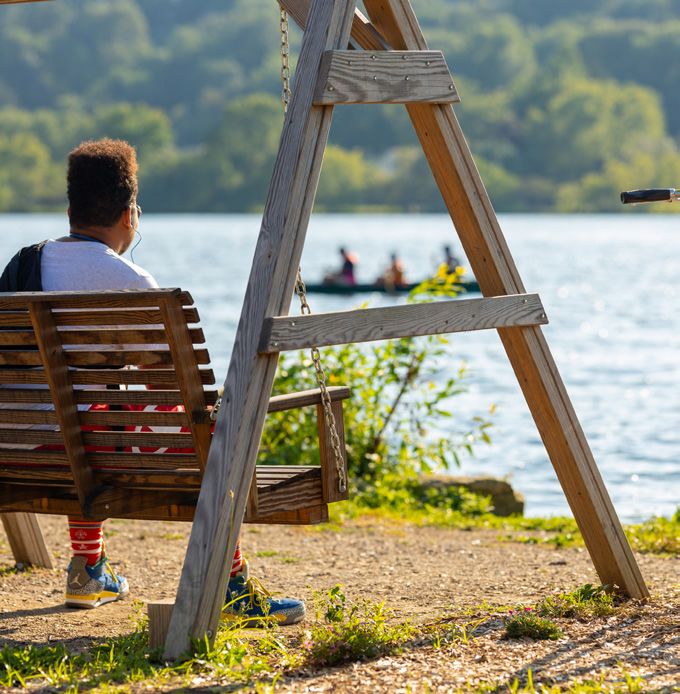
PROJECTS AT A GLANCE
                                                                                                    SPACE TYPE              YEAR OPENED             PROJECT COST
                                                                                                                                                     (inclusive of all
AKRON / SUMMIT LAKE PARK                                                                                                                           funding sources)²

From environmental liability to beloved lakeside park. Summit                                        Nature
Lake Park provides ample seating and shelter, barbecues, trail                                                                  2018                 $714,000
                                                                                                     Space
connections, and recreational programming on the shores of a
lake that was once seen as an environmental hazard. (RCC¹ site)

DETROIT / ELLA FITZGERALD PARK
From 26 vacant lots to a neighborhood living room. Ella
Fitzgerald Park is the first project in a broader neighborhood                                  Neighborhood
                                                                                                                                2018                $2,094,318
planning process. It provides public art, recreational space, and                                   Park
an educational and workforce development program for local
youth and transitional workers. (RCC site)

DETROIT / RIVERFRONT
                                                                                                                               2018                  $320,000
From an aging industrial area to a multi-use urban destination.                                                           (Freight Yard)           (Freight Yard)
The Riverfront includes the Freight Yard, a stop on the Dequindre                                  Citywide
Cut greenway that houses a beer and wine garden, and Valade                                       Destination
                                                                                                                              2019                 $5,200,000
Park, home to a beachscape, floating barge, and two local food                                                            (Valade Park)            (Valade Park)
businesses.

PHILADELPHIA / CENTENNIAL COMMONS
From no-man’s land to parkside gateway. Centennial Commons                                      Neighborhood
bridges the gap between the Parkside neighborhood and                                                                           2018                $4,474,000
                                                                                                    Park
adjacent West Fairmount Park, providing an inviting place for
everyday activity and community-based programming. (RCC site)

PHILADELPHIA / CHERRY STREET PIER
From vacant pier to buzzing arts haven. Cherry Street Pier
houses 14 artist studios, interactive installations, and an outdoor                                Citywide
                                                                                                                                2018               $6,000,000
restaurant and bar within a historic pier structure on the                                        Destination
Delaware River Waterfront — a unique space for the public to
interact with artists and makers.

PHILADELPHIA / THE DISCOVERY CENTER
From fenced-off reservoir to nature oasis. The Discovery
Center sits at the edge of a long-shuttered reservoir. Philadelphia                                  Nature
                                                                                                                                                    $18,122,000
Parks and Recreation leases the 57 acres to Philadelphia                                             Space                      2018
Outward Bound School and National Audubon Society, which
operate outdoor programming. (RCC site)

SAN JOSE / MOMENT
From parking bays to one-of-a-kind downtown retail. Once a
parking garage facade, MOMENT is now a creative hub on San                                         Citywide
                                                                                                                                2018                 $780,000
Pedro Square. The project provides affordable retail space to                                     Destination
local makers, diversifies downtown amenities, and adds to the
Square’s public life.

1. Indicates the project received funding as part of Reimagining the Civic Commons. For more on Reimagining the Civic Commons, visit page 12.
2. Total cost of all projects is not necessarily equal to total funding for all projects, as some funds went toward wider area improvements and ongoing operations.

                                                                                   9                                                                  Adaptive Public Space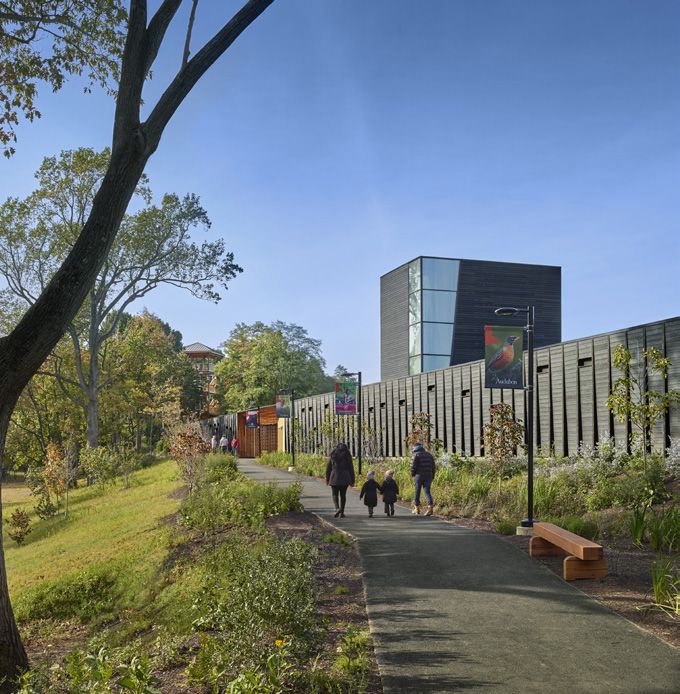
Projects provided safe venues for solo
      and social activity during the pandemic —
      adapting design and programming to continue
      offering vital community spaces.

      to help finance its public space      projects built a local sense of       issues around inclusion and
      projects. “We’re developing them      ownership — inspiring locals to       trust in communities of color;
      in such a way that we can have        organize unofficial programming,      ensuring projects lead to equitable
      a reliable source of income and       from picnics with the grandparents    community development; and
      rent,” says Lizzie Woods, DRWC        to hula hoop troupes, throughout      creating sustainable operating
      Vice President of Planning and        the pandemic.                         models that balance revenue
      Capital Programs.                                                           generation with a consistent focus
                                           Projects also took advantage of        on mission.
      —                                    their flexible design to test new
      COVID-19                             programming. MOMENT hosted             To build on successes and
                                           outdoor community workshops            overcome these challenges,
      Attention to resident-centered       with tenants as part of an open        the conclusion of this report
      and flexible spaces helped           streets program. The Riverfront        summarizes considerations for
      projects adapt during the            leveraged the popularity and size      Knight, other funders, and the
      pandemic and provide safe            of the Freight Yard to hold open-      wider field, including:
      venues for solo and social activity. air live music with enough room
      While the pandemic disrupted         for distancing. Cherry Street          —
      public life, two sites — Detroit     Pier’s outdoor restaurant and bar      To address challenges related
      Riverfront and Cherry Street Pier    became a popular hangout, helping      to physical connectivity, invest
      — observed increases in foot traffic drive many artists’ sales during the   in design changes that improve
      compared to the previous year.       pandemic — with a third of artists     access to the site.
      Cherry Street Pier experienced       financing their studio rent from on-
      a more-than-threefold increase       site sales alone, up from 15 percent   —
      in foot traffic between November     the previous year.                     To address challenges around
      2019 and November 2020.                                                     inclusion and trust among
                                            Conclusion                            communities of color, expand
      Neighborhood spaces were also                                               support of local organizations
      resilient, as a greater proportion    Expanding the scope of funding        and fund ongoing community
      of residents surveyed near Ella       beyond shovels in the ground laid     participation efforts.
      Fitzgerald Park and Centennial        the groundwork for public spaces
      Commons (followed closely by          that reflect local communities and    —
      the Riverfront) reported visiting     respond to changing conditions.       To proactively manage resident
      the parks more frequently than        Many projects’ ability to adapt and   concerns around displacement,
      residents near other sites during     continue attracting visitors during   tie public space investments to
      the pandemic. For example, 58         the pandemic cemented this            broader community development
      percent of Ella Fitzgerald Park       strong foundation.                    processes.
      respondents said they visit the
      park as often as or more frequently   Despite this, projects face           —
      than before, compared to a cross-     challenges. Challenges most           To create sustainable operating
      project average of 37 percent. The    often are related to: planning        models, fund innovative new
      robust community engagement           around site-specific barriers to      paradigms that diversify revenue
      processes that shaped these           access; addressing perceptual         sources.

Knight Foundation & Gehl                                    10
—
Overall, to help project leaders
think more boldly and address
challenges to their work, create
opportunities for cross-project
knowledge exchange.
—
For those committed to ensuring
public spaces meet resident needs
and drive equitable community
development, the lessons in this
report serve as a guide.
Many thoughtful planners,
designers, and community leaders
know that more inclusive and
responsive approaches are vital.
Putting these approaches to
work can be more challenging. By
revealing successful strategies
and tactics, the projects in this
report point the way toward more
inclusive and adaptive methods
in public space planning — in the
pandemic and beyond.
What's more, these findings
demonstrate how thoughtfully
developed public spaces can spark
larger community change — by
helping residents re-envision and
embrace their neighborhoods,
building capacity of local
organizations, and spurring
additional investment in the area.
From small neighborhood parks to
landmark waterfront sites, public
spaces are a strong foundation
for more positive and equitable
community development.
11 Adaptive Public SpaceOVERVIEW OF PUBLIC SPACES STUDIED
T
he projects studied in from Knight, the seven projects people together, by revitalizing
this impact assessment raised over $50 million in co- and connecting public spaces
ranged widely: funding and follow-on funding from and countering the economic and
neighborhood parks other sources. social fragmentation that are all
that gave residents a go-to too common.
gathering spot; nature spaces that Four of the seven sites — Summit
re-engaged their communities Lake Park, Ella Fitzgerald Park, To guide readers, the coming pages
with the outdoors; and citywide Centennial Commons, and The include brief overviews of each
destinations that offered art Discovery Center — received project.
studios, beachscapes, and more. funding from Reimagining the Civic
Commons (RCC). RCC is a funder
These projects represent diverse collaborative comprised of The JPB
public space investments, and were Foundation, Knight Foundation,
opened between 2018 and 2019. The Kresge Foundation, The
They represent over $5 million in Rockefeller Foundation, and
investment within Knight's broader William Penn Foundation. The
public space portfolio, which has Miami Foundation serves as fiscal
issued 180 grants in 26 cities since sponsor. A national initiative piloted
2015. In addition to their grants in Philadelphia, RCC seeks to bring
AKRON, OHIO
PHOTOS: KNIGHT FOUNDATION
Summit Lake Park
From environmental liability to
beloved lakeside park. Summit
Lake Park provides ample seating
and shelter, barbecues, trail
connections, and recreational
programming on the shores of
a lake that was once seen as an
environmental hazard.
—
YEAR OPENED / 2018
TYPE / Nature Space
WHAT KNIGHT FUNDED / Inclusive
engagement process, capital construction,
and programming for the space
Note: This project received RCC funding.
BEFORE
Knight Foundation & Gehl 12DETROIT, MICHIGAN
PHOTOS: GOOGLE STREET VIEW (BEFORE); COURTESY OF SPACKMAN MOSSOP MICHAELS (AFTER)
Ella Fitzgerald Park
From 26 vacant lots to a
neighborhood living room. Ella
Fitzgerald Park is the first project
in a broader neighborhood
planning process. It provides
public art, recreational space, and
an educational and workforce
development program for local
youth and transitional workers.
—
YEAR OPENED / 2018
TYPE / Neighborhood Park
WHAT KNIGHT FUNDED / Development of
first public park in Fitzgerald neighborhood,
including: capital dollars; funds for ongoing
programming through 2022; and a workforce
development program that maintains the site
and helped prepare it for construction
Note: This project received RCC funding.
BEFORE
DETROIT, MICHIGAN
PHOTOS: GOOGLE STREET VIEW (BEFORE); FELICIA FULWOOD (AFTER)
Detroit Riverfront
From an aging industrial area to
a multi-use urban destination.
The Riverfront includes the Freight
Yard, a stop on the Dequindre
Cut greenway that houses a beer
and wine garden, and Valade
Park, home to a beachscape,
floating barge, and two local food
businesses.
—
YEAR OPENED / 2018 (Dequindre Cut Freight
Yard); 2019 (Valade Park)
TYPE / Citywide Destination (Riverfront Park)
WHAT KNIGHT FUNDED / Development
of Freight Yard — a pop-up market on
Dequindre Cut, a former industrial rail line
turned pedestrian greenway that connects
the Riverfront to Eastern Market; Activation
of Valade Park — a strategic location on the
Detroit RiverWalk
Note: Knight also invested in the 2004 capital
campaign for the wider Riverfront. BEFORE
13 Adaptive Public SpacePHILADELPHIA, PENNSYLVANIA
PHOTOS: GOOGLE STREET VIEW (BEFORE); ALBERT YEE (AFTER)
Centennial
Commons
From no-man’s land to parkside
gateway. Centennial Commons
bridges the gap between the
Parkside neighborhood and
adjacent West Fairmount Park,
providing an inviting place for
everyday activity and community-
based programming.
—
YEAR OPENED / 2018
TYPE / Neighborhood Park
WHAT KNIGHT FUNDED / Capital
improvements to Centennial Commons and
programming support for local organizations
(e.g., Centennial Parkside CDC)
Note: This project received RCC funding.
BEFORE
PHILADELPHIA, PENNSYLVANIA
PHOTOS: GOOGLE STREET VIEW (BEFORE); DELAWARE RIVER WATERFRONT CORPORATION (AFTER)
Cherry Street Pier
From vacant pier to buzzing
arts haven. Cherry Street Pier
houses 14 artist studios, interactive
installations, and an outdoor
restaurant and bar within a historic
pier structure on the Delaware
River Waterfront — a unique space
for the public to interact with
artists and makers.
—
YEAR OPENED / 2018
TYPE / Citywide Destination (Arts Space)
WHAT KNIGHT FUNDED / Development
of a public space that connects a growing
community of artists, makers, and
entrepreneurs by repurposing a historic pier
on the Delaware River waterfront
BEFORE
Knight Foundation & Gehl 14PHILADELPHIA, PENNSYLVANIA
PHOTOS: GOOGLE STREET VIEW (BEFORE); HALKIN MASON PHOTOGRAPHY AND DIGSAU (AFTER)
The Discovery
Center
From fenced-off reservoir to
nature oasis. The Discovery Center
sits at the edge of a long-shuttered
reservoir. Philadelphia Parks and
Recreation leases the 57 acres
to Philadelphia Outward Bound
School and National Audubon
Society, who operate outdoor
programming.
—
YEAR OPENED / 2018
TYPE / Nature Space
WHAT KNIGHT FUNDED / Design and
construction; Resident-driven activation
Note: This project received RCC funding.
BEFORE
SAN JOSE, CALIFORNIA
PHOTOS: GOOGLE STREET VIEW (BEFORE); SAN JOSE DOWNTOWN ASSOCIAITION (AFTER)
MOMENT
From parking bays to one-of-a-
kind downtown retail. Once a
parking garage facade, MOMENT
is now a creative hub on San Pedro
Square. The project provides
affordable retail space to local
makers, diversifies downtown
amenities, and adds to the Square’s
public life.
—
YEAR OPENED / 2018
TYPE / Citywide Destination (Micro-Retail
Space)
WHAT KNIGHT FUNDED / Transformation of
a parking garage ground floor into micro-
retail units, opposite San Pedro Square
market; Follow-on funding also supported
construction of the parklet outside the
storefronts
BEFORE
15 Adaptive Public Space2020
From the COVID-19 pandemic to the
racial justice movement, how did public
spaces navigate the challenges and
IN FOCUS dynamics of a year like no other?
Local spaces are weathering disruptions to public life,
as people seek outlets for physical and mental health.
While distancing measures and stay-at-
home orders have kept many residents
at home, respondents continued to seek 14 percent of people seek a
out public spaces — whether to maintain place to exercise outdoors 54 percent of
a routine, or to sustain their physical or respondents indicated
Across the board, staying home more
mental health. 6 percent visit to throughout the pandemic
promote mental
health; people visit
Three sites in particular — Ella Fitzgerald neighborhood parks
Park, Centennial Commons, and Detroit for this reason at an
even higher rate
Riverfront — had an above-average (14 percent)
share of respondents who reported
visiting these spaces more or the
same amount. Ella Fitzgerald Park
and Centennial Commons represent
essential neighborhood spaces,
while Detroit Riverfront represents a
citywide destination with ample outdoor
programming.
How has your use of
this space changed
during COVID-19?
Survey Respondents Visiting Public
Spaces the Same Amount or More
58%
49% 50%
Visiting these spaces is
routine for 30 percent
of respondents who’ve
maintained or increased
their visitorship 25 percent of
respondents are
avoiding public spaces to
37% avoid crowded places
CROSS-PROJECT AVERAGE
Why did people say they Why did people say they
CENTENNIAL COMMONS
ELLA FITZGERALD PARK
visit the same or more often? visit less often?
DETROIT RIVERFRONT
— —
Nature-centric projects offer visitors the Fear of crowds dissuades people from
greatest sense of safety in their visits — visiting citywide destinations, but is a
providing wide open spaces for social far less significant factor for not visiting
distancing outdoors. Neighborhood parks nature-based sites. Higher rates of people
were more embedded in respondents' daily aren’t visiting nature sites because they
routines. These spaces also help visitors don’t pass by or are avoiding public transit,
recharge their mental health at higher indicating these sites may be out of the way
rates than the other project types. from locals’ routines.
Knight Foundation & Gehl 16Many destinations have benefited from pandemic-
friendly programming and a rise in drop-in visitors.
Many project leaders cited observational data that
signals progress in making their spaces safe and
Average Daily Foot Traffic, inviting.
Cherry Street Pier
At Cherry Street Pier, project leaders and artists
cite the success of new drop-in visitors and the
on-site outdoor restaurant and bar. Through a
reservation system and temperature checks at the
entrance, it has become a safe outdoor destination.
5,508 The project saw a more than threefold jump in
foot traffic from November 2019 to November
visitors 2020 — based on the site’s 2019 counts and Gehl
observational data.
“During COVID-19, people were stir-crazy,” says
artist-in-residence Jim Abbott. “Bringing their
1,272 families down, their dogs, their bikes, exercise
visitors classes and coaches. The area is on the map.”
PHOTO: GEHL
NOV 2019 NOV 2020 This rise in pandemic-era foot traffic — along with
the site’s maturity and growing public awareness
— have paid off for many artists; 33 percent of the
latest cohort have been able to pay rent based on
their on-site sales, compared to 15 percent in the
PHOTO: DETROIT RIVERFRONT CONSERVANCY
Pier’s first cohort.
MOMENT tenants also saw a rise in drop-ins as
they held DIY workshops as part of an open streets
program. “Just by having people outside, it got
people passing by curious, and brought them into
the store,” says tenant Alyssarhaye Graciano.
At Detroit Riverfront, 2019 visitorship metrics were
matched in half the time. During the 2020 summer
months at Detroit Riverfront, this was especially
true — more than 200,000 people moved through
the Dequindre Cut in August alone. The site’s beer
and wine garden — about the size of a football field
— also become one of the safer spots in the city for
people to relax with a drink, seeing an 11 percent
increase in daily revenue from the 2019 to 2020
PHOTO: INPIXIO
season.
Local food vendors at Valade Park also remained
active, and 78 percent of Instagram content tagged
at the park documented food or promotions they
generated. “Even in the middle of the pandemic
when we moved in August, it was one of the busiest
times we had,” said Gregory “JB” Sims, owner of
Smokey G’s Smokehouse.
Says Rachel Frierson, Detroit Riverfront
Conservancy Director of Programming, “Detroit felt
that emotional trauma that New York went through.
Through our programming and public spaces, we’re
The Detroit Riverfront’s large-scale and flexible Freight Yard (top) and Valade trying to focus on how we can be there for people
Park businesses (bottom) were especially active during the summer months. during these times.”
17 Adaptive Public SpaceLocals have taken the spaces into their own hands,
organizing DIY programming from a safe distance.
Providing a vital form of social
PHOTO: COURTESY OF BERNADETTE KING
infrastructure to the neighborhoods
they serve, these spaces offered a
canvas for residents to craft their own
programming.
“People would come down and see
grandparents with their grandchildren,
and sit under the shelter and play games
or cards,” says Summit Lake resident
Grace Hudson. “People are still having
birthday parties and family gatherings.
COVID-19 slowed things down ... but
people were still using the space.”
At the Detroit Riverfront, this meant the
addition of spontaneous, resident-led
yoga and flamenco classes.
At Ella Fitzgerald Park, a local hula hoop
troupe that meets weekly didn’t let the
pandemic stop them — thanks to hula
hoops’ built-in distancing function (right,
pictured before the COVID-19 pandemic).
Ella Fitzgerald Park’s hula hoop troupe continued meeting during the pandemic.
The pandemic has compelled leaders to double down on
their mission and continue meeting resident needs.
The extensive engagement processes
PHOTO: TASHIA RAYON
that shaped these projects continue to
serve their communities in the pandemic.
In this time of crisis, project leaders
have leveraged resident trust to ensure
pandemic-era responses address
project missions and community needs.
In East Parkside, the location of
Centennial Commons, the community
has looked to Centennial Parkside CDC
as a convener throughout the pandemic,
a testament to their rise as a vital
community organization. What’s more,
the CDC has necessarily deprioritized
formal programming in the space, as it
meets more critical community needs
like food and housing security.
Cherry Street Pier also deprioritized
large events for health reasons,
refocusing on artists’ public engagement
(such as a Dia de Los Muertos mural-
painting workshop), and supporting
displaced local businesses with vendor
Centennial Parkside CDC launched a food share program to tackle area food insecurity.
spots at its artisan markets.
Knight Foundation & Gehl 18Project leaders are reckoning with how to make Black
visitors feel safe in public space.
In light of protests in support of racial We want to explore how the space can had an opportunity to host the training
justice and heightened awareness of continue to feel safe for this group in the and it was a great way to show folks
police violence, projects are working to long term,” says CDC Program Director the park,” says Philadelphia Outward
ensure that Black and Brown residents Tashia Rayon. Bound School Community Engagement
feel welcome, safe and supported within Manager Izzy Nelson. “That it was a
these public places. Centennial Parkside The Discovery Center is also exploring place where they could get away from
CDC is thoughtfully engaging on this how to safely engage Strawberry the neighborhood, to come here and
by leading programming specifically Mansion’s Black community — in light reflect … to find a sense of healing, to
to engage Black men amid unrest over of increased gun violence and a history clear their minds. That became one of
policing: “It’s put a thumb on young of disinvestment. Its 2020 training on the ways we demonstrated the value of
people’s safety — particularly Black men. gunshot wound first-aid was a start: “We the center for community members.”
Public spaces provided a platform for civic expression
in support of the movement for racial justice.
Across the nation, and world, people
PHOTO: INSTAGRAM; NOTE: FACE HAS BEEN BLURRED OUT FOR PRIVACY
have taken to the streets in support of
the movement for racial justice — and
these values show up in public space,
which serve as vehicles for political
expression.
At the Detroit Riverfront’s Dequindre
Cut (right), an analysis of geo-tagged
Instagram content showcases how
residents express their support of racial
justice on the space — through the
creation and documentation of public
art as well as the shared experiences of
Black activists and advocates who spend
time there.
At Cherry Street Pier, resident artists
used their studio windows as a canvas
for making visible their support of racial
justice and fellow Black artists. Acori
Honzo, artist-in-residence, describes
PHOTO: INSTAGRAM
an act of solidarity from a neighboring
White artist: “I walked in one day, and
there’s a Black Lives Matter sign hanging
in Jim’s window. It wasn’t prompted,
nobody made him do it. I’m used to
walking around and wondering if I’m
scary, how I’m being perceived,” he says.
“And if I can work in an environment
and see that hanging in the window and
it’s not the Black shop … I couldn’t be
prouder to work here.”
19 Adaptive Public SpaceEveryday
Public Space
How do design and
programming shape visitors’
use of and engagement with
the space?
PHOTO: KNIGHT FOUNDATION
Knight Foundation & Gehl 20SUMMIT LAKE PARK / AKRON, OHIO 21 Adaptive Public Space
Everyone
      deserves a
      high-quality
      public realm.
      ALEXA BUSH
      DESIGN DIRECTOR
      CITY OF DETROIT

Knight Foundation & Gehl   22
IN BRIEF / EVERYDAY PUBLIC SPACE
Projects that supported
quality design, resident-
centered programming,
historic character, and the
arts invited regular activity.
What’s Working What’s Challenging
Projects that made sure quality design Projects with barriers to physical
resonated with the community saw connectivity beyond site boundaries faced
especially high resident visitorship and challenges in promoting access.
enthusiasm.
Presence of semi-public activity compelled
Projects that committed to locally oriented project leaders to explore how they could
events and programming attracted make their spaces inviting to all.
residents.
Adapting existing infrastructure — a
sustainable approach to construction —
drove residents to visit these spaces in
ways they would have never done before.
Integrating arts and creativity into design
and programming led to more diverse
resident engagement and civic expression.
23 Adaptive Public SpaceFINDINGS / EVERYDAY PUBLIC SPACE
What’s Working local artist Hubert Massey and —
fired at a local ceramics studio. Projects that committed to locally
— A street-crossing songbook oriented events and programming
Projects that made sure quality graphic helps calm traffic and attracted residents.
design resonated with the serves as a nod to Ella Fitzgerald,
community saw especially the namesake of a one-time Project leaders made it clear
high resident visitorship and neighborhood school. The site through locally oriented
enthusiasm. also includes draws like a popular programming and events that the
basketball court and playspace. space was there for residents to
Across the board, 81 percent of Says youth ambassador Chanale embrace.
survey respondents feel positively Greer, “I’m most proud of the
about these projects — each of diversity of activity that the park Both Centennial Commons and
which has transformed their brings. I see people doing so many Summit Lake Park have hosted
contexts and communities in things that usually you only see events like nutrition and cooking
different ways. In the most downtown.” lessons alongside fresh food
successful cases, the look, feel, and markets. This type of programming
definition of quality was driven by Centennial Commons and Ella was important to drawing in locals
the local context and community — Fitzgerald Park — multifunctional and meeting their needs.
quality is not a monolith, but looks neighborhood spaces that reflect
different from place to place. local character — had the highest “It’s been a long time since our
rates of regular visitorship among neighbors have seen consistent
At Centennial Commons survey respondents, with 54 activity that is inclusive,” says
in Philadelphia, that meant percent visiting both spaces at Tashia Rayon, Centennial Parkside
abandoning early ideas for a high- least weekly. CDC Program Director. “Events like
design playspace — instead opting the Healthy Edge Fresh Food Fest
for a functional park that could The two sites are followed by open up our public space and allow
connect local Parkside residents Akron’s Summit Lake Park, where time for activity, conversation,
to West Fairmount Park. Survey 42 percent of visitors visit at and most importantly trust-
results indicate the investments in least weekly — slightly above an building within the community
connectivity helped — 64 percent average of 37 percent across all we serve.” Over 2,500 residents
of respondents found the space projects studied. Locals there have attended events in Centennial
“very easy” to access — compared take advantage of picnic tables, Commons since 2018.
to a cross-project average of 54 barbecues, and swings for events
percent. The park’s porch swings from birthday parties to picnics. The Discovery Center also evolved
give a nod to local architecture, But it’s also become a place of its programming beyond traditional
and are now a spot for after-school calm, too: “I can sit on a swing and birding and outdoor adventures.
snacks and Bible study alike. see the sunset and birds flying For example, partners held a
across — that’s a vacation view we workshop on gun violence first-aid
Detroit’s Ella Fitzgerald Park have now,” says Sandy Saulsberry, for community members, given the
includes mosaic tiles designed by a Summit Lake resident. challenges of gun violence in the
Knight Foundation & Gehl 24QUALITY / Projects leveraged quality, locally oriented design to draw everyday activity.
PHOTO: DETROIT RIVERFRONT CONSERVANCY
PHOTO: KNIGHT FOUNDATION
Riverfront’s Valade Park offers an urban beachscape. Summit Lake’s barbecues, tables, and seating invite people to the shore.
PHOTO: BREE GANT
PHOTO: CHERRY STREET PIER
Ella Fitzgerald Park’s basketball court is a popular local draw. Cherry Street Pier's informal artist studios draw in passersby.
PHOTO: GENSLER
PHOTO: GEHL
Centennial Commons’ porch swings
MOMENT’s active facade brings people to the other side of San Jose’s San Pedro Square. echo the area’s historic architecture.
Strawberry Mansion neighborhood. According to Izzy Nelson, POBS visit these spaces in new ways.
Other community-responsive Community Engagement Manager
events have included line dancing, and a longtime resident of the At Detroit Riverfront, a one-time
mommy-and-me workshops, and neighborhood, “The more we were industrial area, “people didn’t
nature walks for local Black men. consistent in taking folks’ ideas … think anyone would come down
That was what built the trust and there,” says Rachel Frierson,
Some events draw big crowds; the foundation to then have people Director of Programming at the
a 2018 event focused on engaged and visiting.” Detroit Riverfront Conservancy.
“Inclusion, Equity & Environmental “We were fighting the perception
Gentrification” drew over 300 — of the Riverfront being a place for
people. More everyday events, like Adapting existing infrastructure people.”
Discovery Days — an outdoors day — a sustainable approach to
— draw about 50 visitors. construction — drove residents to Now the Riverfront is a popular
25 Adaptive Public Spaceregional destination. Indeed, in area. “I’ve seen a huge evolution
September, a peak month, the of people who walk toward the “Downtown San Jose is not known
Riverfront’s Valade Park saw an river. Nobody lived down here and for anything other than going to
average of 10,164 people per day, nobody came down,” says Jim bars, a Sharks game, or work,” says
and its Dequindre Cut saw an Abbott, artist-in-residence. Angie Chua, a former MOMENT
average of 3,000 people visiting tenant. “I held a workshop every
per day, according to on-site MOMENT, too, invites visitors other week and brought other
sensor data. to San Pedro Square to engage makers in … including in the
with the space in new ways. By evening, just as a way to activate
The reimagined site now draws activating what was once a parking the space and bring new people in.”
people from within and beyond the garage facade that interrupted
city who might otherwise head to street life, MOMENT adds to area Observational data also shows
state parks outside city limits for a vibrancy — with retail amenities that MOMENT invites a more
dose of nature. Indeed, along with and public parklet seating for diverse visitorship than the rest
Philadelphia’s Cherry Street Pier, passersby and shoppers. of San Pedro Square — attracting
it attracts more regional visitors more seniors and children, and a
than any other project studied, — more even split between male and
according to survey data and Integrating arts and creativity into female visitors.
analysis of social media content design and programming led to
at the site. “People are now seeing more diverse resident engagement Cherry Street Pier — an arts-
the Riverfront as a nature space and civic expression. focused project on Philadelphia’s
within the city,” says Elena Newnell, Delaware River Waterfront
a volunteer. MOMENT is helping imbue — didn’t look to a high-design
creativity into the downtown area museum for inspiration. Project
Cherry Street Pier also saw a — such as through tenant-led DIY leaders knew the space had to feel
transformation in how residents workshops, some of which have different from a typical museum
engaged with the Delaware River continued in the pandemic as part or gallery in order to attract
waterfront, a once-neglected of an open streets program. the wider public. Retaining the
unvarnished look of the historic
pier and installing artist studios in
PHOTO: PORTSIDE ARTS CENTER
shipping containers helped ground
the space and drive engagement.
“Fine art spaces push people away,”
says artist-in-residence Sharif
Pendleton. “The space here is not
super polished, so people are more
willing to get engaged.”
This approachability shows up
online. The project had the most
active Instagram usership, with
posts highlighting art, architecture,
and interactive events. Murals at
Detroit Riverfront’s Dequindre
Cut were also a place for artistic
self-expression online. The art was
among the most popular content in
the site’s Instagram activity — with
many highlighting the movement
for racial justice.
Cherry Street Pier hosts events like this Dia de Los Muertos mural-making session.
Knight Foundation & Gehl 26CONNECTIVITY / Sites faced barriers to visitor access beyond their boundaries.
PHOTOS: GEHL
PHOTO: GEHL
Cherry Street Pier is separated from Old City by a major roadway; Centennial Commons’ bike share and street crossings are a first
Summit include
connections Lake’san unwieldy pedestrian overpass. step in improving connectivity to Fairmount Park.
approach changed
PHOTO: GEHL
PHOTO: DETROIT RIVERFRONT CONSERVANCY
city leaders’ approach
to community
development.
The area around The Discovery Center could Located below grade, Dequindre Cut’s Freight Yard faces visibility issues that have
benefit from improved walkability to the site. deterred some pop-ups from posting up at the site.
What’s Challenging deterred pop-ups and food trucks the community can get there," says
from posting up at the spaces, Tonnetta Graham, President of
— and often leaves visitors asking Strawberry Mansion CDC, a local
Projects with barriers to for more wayfinding, according to community organization.
physical connectivity beyond site volunteers.
boundaries faced challenges in Moving forward, The Discovery
promoting access. The Detroit Riverfront Center is exploring how to better
Conservancy has responded connect to the surrounding
through programming to introduce neighborhood — through physical
Projects varied in their level
more Detroiters to its spaces, interventions like improved walking
of connectivity beyond site
and upcoming investments to trails and signage, as well as
boundaries — hampered by basic
address connectivity challenges. programmatic interventions like
walkability issues, unfavorable
The Dequindre Cut will eventually neighborhood block parties and
positioning, and unwieldy integrate into a 26-mile trail under street-corner birdhouses that
infrastructure barriers. Many development by the City, which will invite locals to visit the space.
of these challenges were out improve access and visibility to
of project leaders' control and multiple neighborhoods. At Cherry Street Pier, decades-old
site purview, but represented infrastructure inhibits walkable
challenges to access nonetheless. The Discovery Center is a serene access. The site is separated
retreat at the edge of a one- from Philadelphia’s Old City by a
Some projects face connectivity time reservoir, but slightly uphill major roadway, making the Pier
challenges inherent to their from the core of its Strawberry feel more like a destination than
physical positioning. The Freight Mansion neighborhood. For an everyday amenity that can be
Yard at the Detroit Riverfront sits locals, the space can feel tucked easily accessed. “Like many cities
below-grade, for example, giving it away. "If you’re thinking about the we foolishly built an 8 to 12-lane
a hidden gem quality. This dynamic community, you want to make sure highway cutting off our hub of
27 Adaptive Public Spacecommerce and connection,” says its neighboring Race Street Pier —
Patrick Morgan, the city’s First an open-air park. Project leaders'
Deputy Commissioner of Parks & efforts to invite in more users
Recreation. To overcome these through enhanced walkability,
challenges, The Delaware River wayfinding, and programming may
Waterfront Conservancy is now help capture some of the activity
developing a $20 million multi- on adjacent Race Street Pier — a
modal trail to connect its sites, and space that could seem more public
transit wayfinding to connect the to passersby.
Pier to the Old City.
For Detroit Riverfront, business
Centennial Commons confronted owners are also working to make
connectivity issues early on, clear their spaces are publicly
by investing in traffic calming accessible. According to Gregory
measures and pedestrian "JB" Sims, owner of Smokey G's
connectivity with the adjacent Smokehouse in Valade Park, "I
Parkside neighborhood; the project have a lot of people who pass by
also secured an Indego bike station and say, 'I thought you guys were
on-site. Survey results indicate cooking for a private event.' Some
the investments are improving people just didn’t know we were
perceived access — 64 percent of open to the public," Sims says.
Centennial Commons respondents He's exploring signage and other
found the space “very easy” to tactics to invite the public into his
access — compared to a cross- Riverfront business.
project average of 54 percent.
Local leaders are continuing to San Jose's MOMENT is a micro-
invest in connectivity, through retail concept and located in a
an emerging mobility study and downtown commercial district,
planning process for the area. which impacts the diversity of
activities that can take place there.
— Indeed, only 18 percent of seating
Presence of semi-public activity on adjacent San Pedro Square is
compelled project leaders to public, and two of the top three
explore how they could make their activities observed in the area
focused on commercial uses.
spaces inviting to all.
Even still, MOMENT operators
like SJ Made and its tenants are
Detroit Riverfront, Cherry Street
working to expand the invitations
Pier, and MOMENT each balanced
available to San Pedro Square
commercial activities with the
beyond shopping and dining. As
need to ensure their spaces were
the project has evolved, it has
inviting to all.
diversified activity to include more
public programming — such as
For example, Cherry Street Pier
tenant-led DIY workshops as
— while not a space dominated by
part of a COVID-19 open streets
private activity — is partly covered,
initiative.
is open during select hours,
and includes a popular garden
restaurant, which may signal it is
private. Observational data indicate
the potential impact of these
factors on the site's visitorship.
For example, in the 6pm hour,
Cherry Street Pier experienced
just two thirds of the foot traffic of
Knight Foundation & Gehl 28MOVING FORWARD / EVERYDAY PUBLIC SPACE
Consider ...
Quality matters — in design Raising the bar for public space design
and ensuring the design reflects
and materials, it shows
community needs and identity, rather
commitment and makes than imposing a design aesthetic
a space more inviting,
comfortable, and interesting.
Consistent programming Taking the time to understand how
community members want to use and
that meets local needs helps
activate a space
draw people into a place.
Arts and creativity can make Integrating locally relevant artistic
features and arts programming into the
public space a platform for life of the space
creativity and expression.
Transforming underutilized Looking to neglected spaces and
buildings as potential public space sites
spaces inspires locals to
rediscover what's nearby.
Attention to physical Funding a wayfinding and connectivity
strategy early on, as part of the design
connectivity makes for more process
lively, inclusive public spaces.
Semi-public and commercial Balancing revenue-generating activities
with creating an environment that is
activities add vitality, but clearly open to non-paying visitors
can deter from inclusiveness
without thoughtful outreach.
29 Adaptive Public SpaceYou can also read


