AN ANALYSIS OF
DUAL CAREER
AND INTEGRATION
SERVICES
←
→
Page content transcription
If your browser does not render page correctly, please read the page content below
AN ANALYSIS OF DUAL CAREER AND INTEGRATION SERVICES
An analysis of Dual Career
    and Integration Services

    © University of Copenhagen 2018
    International Staff Mobility (ISM)
    ism.ku.dk
    To download this report use one of the following links:
    • ism.ku.dk/contact/brochures-checklists/brochures
    • topiii.eu/project/benefits

    Visiting address
    International House Copenhagen
    Gyldenløvesgade 11, 6 floor
    1600 Copenhagen V

    Mail to:
    University of Copenhagen
    International Staff Mobility
    Shared HR
    Nørregade 10
    PO Box 2177
    1017 Copenhagen K
    Denmark

    Graphic design: Karen Krarup
    Photo: Unsplash: Alejandro Escamilla, Alexander Dummer, Alexandre Chambon, Alexandre
    Debieve, Alexis Brown, Alp Studio, Alysa Bajenaru, Anthony Tyrrell, Aquacaea, Austris Augusts,
    Bench Accounting, Caroline Hernandez, Cengiz Sari, Clay Banks, Clem Onojeghuo, Daiga Ellaby,
    Guillermo Sanchez, icons8team, Janko Ferlic, Jonas Ferlic, Kristian Egelund, Laura Thonne,
    Marvin Tolentino, Matthew Henry, Mikael Kristenson, Podu Stricat, Pricilla Du Preez, Rawpixel,
    Rhone, Rob Bye, Ross Sokolovski, Ryoji Iwata, Sabina Ciesielska, Sander Weetwling, Simon
    Matzinger, Soroush Karimi, Thiago Cerqueira, Vidar Nordli Mathisen.

2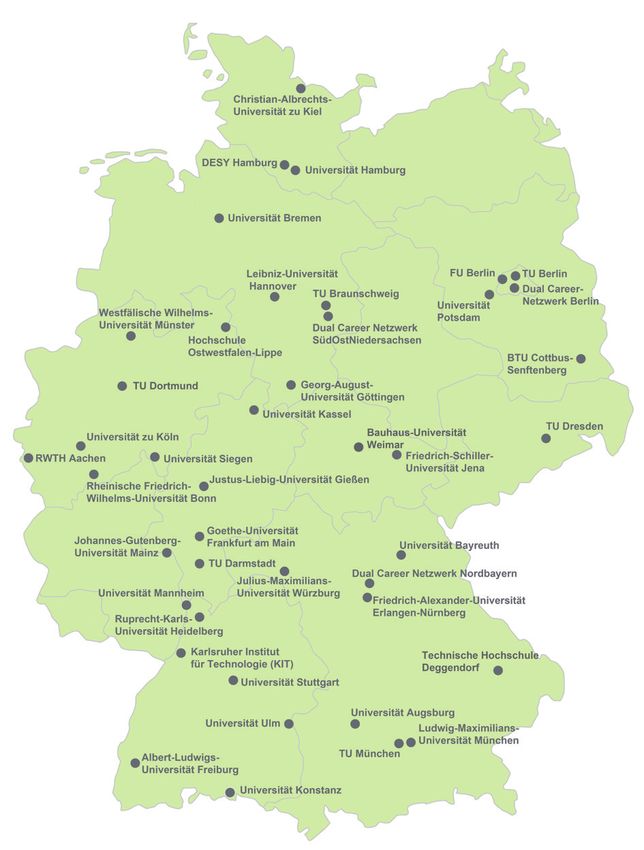
INTERESTED IN
DUAL CAREER
AND INTEGRATION
SERVICES?
This report is created within the Euraxess Top III project
(2015-2018) in the framework of the EURAXESS TOP III
project (Gr. No: 665934), funded by the EC under the Horizon
2020 programme under the task lead of the University of
Copenhagen (UCPH).
The information gathered in the report has been submitted
by a Dual Career and Integration Services Expert Group,
encompassing of representatives from European institutions
and universities from 6 countries; Austria, Germany,
Denmark, The Netherlands, Norway, and Switzerland.
The goal of this report is to analyse and map the landscape
of DCIS in the 6 countries as well as exchange knowledge of
best practice examples in order to develop and improve the
services based on the needs of each institution.
The final outcome of the report presents the expert group’s
findings, as well as recommendations bearing in mind the
national and local context.

                                                               3
CONTENTS

    ACRONYMS AND ABBREVIATIONS
    DC     Dual Career
    DCS    Dual Career Services
    DCIS   Dual Career and Integration Services
    ERA    The European Research Area
    GDPR   General Data Protection Regulation
    HR     Human Resources
    WP     Work Package

4
5
TOP III DCIS REPORT

6
INTRODUCTION                                                    HOW TO USE THIS REPORT
This report is funded by the European Commission and is         This report aims to provide an overview of the DC
an outcome of the EURAXESS Top III project1, which consists     landscape in 6 European countries.
of 8 Work Packages (WP) in a total of 38 tasks. Each WP
and task has its own leader. The University of Copenhagen       The final outcome of the report presents the Expert Group’s
(UCPH) is task leader for WP 2.3 entitled - The Researcher in   findings, as well as making recommendations to be
Context.                                                        implemented in the different EU countries, focusing on the
                                                                target group and bearing in mind the national and local
This report is devoted to task 2.3 that focuses on gathering    conditions.
and analysing information and good practice on DC advice
and integration issues, evaluating existing practices, and      The results from WP 2.3 enables the EURAXESS community
defining recommendations and modules for other European         to act upon the findings and recommendations based
institutions.                                                   on experience and input from the expert group. The
                                                                set of modules of good practices is made available to
The data and information compiled in the report has             the EURAXESS network via the EURAXESS website and
been submitted by a DCIS Expert Group, consisting               presentations at local and international conferences and
of representatives from European institutions and               workshops. This information can significantly contribute to
universities from 6 countries. The members of the Expert        a broader knowledge and integration of good practices in
Group are all advanced in working with DCIS and include:        the area of DCIS.

    COUNTRY                  INS TITUTIONS AND UNIVER SITIES

    Austria                  Austrian Agency for International Cooperation in Education and Research (OeAD)
                             Graz University of Technology
                             Institute of Science and Technology (IST) Austria
                             Vienna University of Economics and Business
                             Vienna University of Technology

    Denmark                  University of Copenhagen (UCPH)

    Germany                  University of Konstanz
                             Goethe University Frankfurt
                             Dual Career Network Germany (DCND)

    The Netherlands          Expat Spouses Initiative - Eindhoven
                             University of Eindhoven

    Norway                   Norwegian University of Science and Technology (NTNU)

    Switzerland              ETH Zürich
                             University of Genève

                                                                1 EURAXESS is a European network active in 40 countries, which aims
                                                                to improve the European Research Area (ERA) by making it easier for
                                                                international research talent to move to and in between European
                                                                countries. The idea is that internationally mobile researchers should
                                                                be able to follow their talent to and across Europe, without (too
                                                                much) hassle (paperwork/untransparent procedures). This network
                                                                started in 2002. (www.euraxess.eu)

                                                                                                                                        7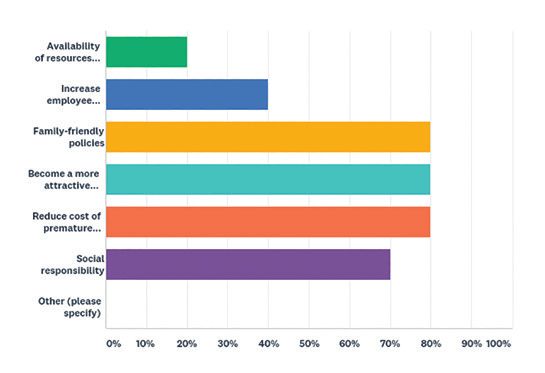
OBJECTIVE                                                      THE DUAL CAREER LANDSCAPE
    The aim of WP 2.3 is threefold:                                In growing numbers, researchers are on the move as DC
                                                                   couples. Therefore, universities and research institutions
    •   Analysis of existing Dual Career Advice                    are challenged to accommodate the needs and ambitions
        An analysis of successful practices of DCIS issues         of DC couples. The attractiveness of universities and
        focusing on the social and professional integration        research institutions is no longer defined just by an
        of the researcher and their family is compiled by the      excellent research environment, but by additional practical
        DCIS Expert Group. Each expert group member has            integration factors and, most of all, career prospects for
        highlighted the current situation in their respective      both partners.
        countries, as well as how well they work in the
        corresponding setting. The participants bring in their     Task 2.3 focuses on DCIS issues for international researchers
        experience with their national and/or local DCIS and       in its wider context. The so-called “soft-factors” can
        explain and analyse how and why the services were          become the decision making and defining factors when
        created historically.                                      integration and career management is difficult.

    •   Evaluation of the results of the analysis & definition     METHODOLOGY
        of modules                                                 The information in the report has been acquired through
        Using the analysis, the DCIS Expert Group has              a collective survey form, produced by the members of
        undertaken an analysis to identify the strengths,          the DCIS Expert Group within the 6 countries. This method
        weaknesses, opportunities, and threats of DCIS to          is selected, in order to have a common ground when
        international researchers in their respective countries.   gathering and analysing information and good practice on
        The evaluation and analysis have prepared the              DCIS issues for the international researcher.
        ground for the next task, comprising the creation of
        recommendation modules.                                    Based on this material, the Expert Group adapted the
                                                                   survey to fit the characteristics of the specific country. Each
    •   Recommendations and modules                                country added individual questions to their own country
        The DCIS Expert Group has made specific                    version of the survey, to allow for specific institutional,
        recommendations and modules with information and           regional and national aspects to be included.
        tips that can be used in the different member states,
        taking the researcher in his/her context into account.     Each country has used its own distribution systems to reach
        The modules of recommendations are defined below:          out to relevant institutions, who filled out the survey and
                                                                   provided their input on their practices of DCIS.
        •   The Individual Level Module
        •   The Institutional Level Module
        •   The Regional/National Level Module

    In the long-term view, the information within the modules
    of recommendations can be applied in local, regional,
    and national areas, and can also be connected to facilitate
    cross-border mobility in the ERA. In this situation, each
    institution/university should make a self-evaluation
    of its current needs and services, so that the offered
    recommendations can be used and tailored in an efficient
    and useful way.

8
Furthermore, in order to have a mutual ground of
understanding for answering and working with the
survey, we have defined the most important terms of the
following definitions2:

DUAL CAREER COUPLE
•   A couple where both partners pursue a career and
    aim to have a paid employment. They may work in or
    outside academia.

INTEGRATION INITIATIVES
•   Integration Initiatives are related to the questions after
    an international move which are relevant for the well-
    being and settling of the new hires and their families in
    the new place.

MOBILITY
•   Mobility relates to geographical and intersectoral
    mobility, not to social mobility.

SPOUSE
•   Spouse is defined as a person who is accompanying
    a foreign - e.g. researcher working at a University,
    whether married or not.

2 TANDEM study

                                                                 9
RECOMMENDATIONS                                                 In other words, do clearly define the target group who is
                                                                     able to receive DCIS.
     This chapter gives an overview of the recommendations
     made by the members of the DCIS Expert Group, consisting        Besides clear communication about why DCIS are offered,
     of representatives from European institutions and               and the importance of clearly defining the target group,
     universities from 6 countries (Austria, Denmark, Germany,       it is also essential to define what kind of services are
     the Netherlands, Norway, Switzerland). The specific local       available. Using the term “Dual Career Services” can imply
     recommendations, focusing on the local situation, are           that spouses are able to continue their career – and get a
     featured in the country chapters in the last section of this    job - at the same organisation as the partner. If this is the
     report. It is advisable to both read the general and the        case, information about the procedures and rules should
     local recommendations, to get a diverse impression of the       be easily accessible for the spouses. If this opportunity is
     dos and don’ts, while implementing or continuing to work        not the case, it is important to give a clear picture of the
     with DCIS.                                                      expectations of what kind of services are available, and
                                                                     what the organisation does not offer. In many cases, DC
     The recommendations are grouped in three modules,               offices help with job searches, but do not offer jobs in the
     consisting of an Individual, an Institutional, and a            same organisation as the partner. Often, partners are not
     Regional/National Level Module. The user of this report can     even allowed to work in the same department. This should
     tune in exactly where the information might be relevant         also be clearly communicated, to prevent disappointment,
     for their professional background. DC consultants can           wrong assumptions, and spouses wasting their time and
     especially make use of the Individual Level Module, since       energy in applying for jobs and contacting people.
     this module focuses on recommendations for the advisors
     and consultants working hands on with offering DCIS.            The respective scope of DCIS should be communicated
     Policy makers at research institutions and universities         in advance via a website or other media. This includes a
     are able to find useful information and ideas in the            statement that there can be no employment guarantee for
     Institutional Level Module, while government officials can      partners. It is advisable to have clear and transparent rules
     find inspiration in the Regional/National Level Module.         and regulations that are published and accessible for all
                                                                     parties involved.
     MANAGEMENT OF EXPECTATIONS
     Management of expectations is important and includes a
     transparent communication of the “why”, “what” and “to
     whom”.

     It is essential on all levels to make sure to communicate
     clearly, and spread the information widely in the
     organisation, on why research institutions and universities
     offer DCIS. What is the main reason an institution is using
     resources on offering DCIS and to whom? If, for instance,
     a university is offering DCIS because this is key to the
     recruitment of professors, and in this programme spouses
     get a starting grant for a position within the university, it
     is important to communicate this clearly throughout the
     entire organisation.

     With this potential starting grant, research groups could
     expect enquiries from spouses about the creation of
     positions. Can research centers turn them down? How
     flexible are these grants? For some research groups this
     could be a good opportunity, for others it could be too
     much paper work. Nevertheless, if the expectations on
     both sides are clearly communicated, then less confusion
     and frustration will arise. Using the same example,
     spouses and employees need to know that the services in
     this case are limited for professors’ spouses and not meant
     for partners, for example assistant professors or Postdocs.

10
Individual Level Module HOW TO FIND AND CONTACT THE SPOUSES?
Finding and contacting your target group is often easier
said than done. A few good ideas used by the participants
in this report are:
This module of recommendations is specifically useful for
DC consultants, people assisting spouses and everybody • The name and contact details of the spouse is asked
else interested in offering DCIS in any way. This module for in the registration form of the working partner.
can give you advice, new thoughts, or more ideas in how This is an easy and very direct way of reaching as
to start or continue working with DCIS. The focus on the many spouses as possible. However, this is not legally
target group, their needs, and how to reach the spouses possible in all countries, and could collide with GDPR
is essential for starting DCIS. As described above, it is regulations. It can also be a challenge in how to
important to start with clearly communicating why you retrieve this information from the registration forms
offer your services, defining what you offer and to whom (often managed by HR personnel), and how it can
you are offering your services to. reach the DC consultant (often not placed in the HR
department).
TARGET GROUP
DC couples are very diverse and have very different • Marketing the DCIS within the whole organisation
needs. In most of the institutions and universities who and pointing out the advantages, can lead to spouses
participated in the outcome of this report, the majority contacting you and signing up for your services. It is
of the spouses are female and are highly educated. advisable to have a database (can just be an Excel file),
Some have children and others do not. Many spouses with information about the spouses (which also can be
are pursuing a career in the newly arrived country, some used to provide statistics to the management). Offering
would like to continue their studies, while others are not something concrete, e.g. a monthly newsletter, can
at all clear what they would like to do in the near future. mean that more spouses are eager to sign up to be part
The families also have different needs. Depending on their of your database.
situation, some spouses are interested in volunteer work
and therefore, DC offices provide information on such • There are many ways as to how and where to market
opportunities your services. The following examples are some of
the good practises from the participating research
To be able to offer DCIS to your researchers and their organisations and universities in this project:
families, it is important to know them and what their
wishes are. First, you need to reach your target group to be • Articles and concrete success stories about DCIS in
able to communicate with them. the monthly newsletter, sent to all international
researchers at the university
• Information on the intranet (depending on the
available sites, it can be under internationalisation,
Welcome Centre, New Services, HR Information,
etc.)
• Commercials on TV screens or billboards spread out
on campus. For the billboards, attractively printed
posters are advisable
• The services can be promoted at meetings at
faculties or departments (e.g. at the weekly or
monthly department meeting)
• The services can be promoted as part of the
introduction programme for newly employed staff.
11DC CONSULTANTS job market, the working culture and ethics, and having
In the European research organisations and universities, a network supporting the job search. Knowledge about
DC consultants are placed in different parts of the starting a business is also very useful, since some spouses
organisation, depending on the organisational structure decide to continue using their skills to freelance in the new
and purpose of the services. The DCIS can be part of the country (e.g. translation, therapy, consulting), or even wish
HR organisation, part of the equality and/or diversity to start a new business. Some organisations offer external
team, part of the team working with internationalisation, professional coaches or therapists that can be hired case by
the career office, or it can be a unit of its own. The case.
competencies DC consultants need to have are also very
diverse, depending on why DCIS are offered. Networking: Newly arrived spouses often have no
network at all. Spouses need to find new personal and
Nevertheless, many contributors to this report state similar professional contacts. The DC consultant can play an
skills or capabilities while discussing the qualities of a important factor in providing new contacts. In many
good DC consultant. The following competencies and skills countries, people get jobs through their network. If getting
are mentioned as important, all depending on the focus of a job is a priority, tapping into a local network is essential.
the work and the specific target group. A challenge is that many spouses only stay a few years, and
therefore there can be difficulties with working permits,
Empathy: Since the DC consultant is working with people and convincing employers to hire spouses because of this
who are moving away from their job, hobbies, friends, limited stay in the country.
family, and other important factors in a person’s life, it is
important to be able to relate to feelings accompanying RESOURCES
this change. After the honeymoon phase3 is over, many Many DC consultants who participated in this report
spouses become insecure about their new future. Learning discussed the challenges with personal and financial
a new language, finding a job, supporting the children in recourses. If you have limited resources and you are
their new environment can be a handful. The DC consultant starting with DCIS, a good start is to map what services,
needs to understand this, and show understanding and events, trainings, and assistance is available in the vicinity
empathy. of your organisation. In some locations, there are several
spouse initiatives already existing, organising the same
Open-minded: The solutions for the spouses’ problems kind of events. A close collaboration between local
and challenges are so diverse, and can be very initiatives prevents wasting of resources and creating
complicated, and therefore the DC consultant needs to be synergy between existing programmes.
able to think outside the box. And, because of the cultural
diversity (both personal and professional) of the spouses, In the EURAXESS TOP III project (WP 4.2), a guide on
the DC consultant needs to be open-minded and be able to mobilising local resources to remove mobility obstacles is
offer several different solutions for the same problem. developed. This guide is available via the EURAXESS library
on the EURAXESS extranet. It describes new ideas for
Coaching: The DC consultant starts to give guidance in improving services for international researchers, by finding
the orientation process, which can be conducted before out who could be a new collaboration partner on the local
arrival, as well as on-arrival and during the whole level. It also contains concrete suggestions for potential
stay. This guidance is often both personal as well as local cooperation partners, and a selection of efficient
professional. On a personal level, the DC consultant needs local collaborations. It also covers recommendations for
to assist the spouses in the process of arrival in the new creating innovative support services within the respective
country, and help if the spouse is experiencing adjustment local context.
issues or even facing a culture shock. lf the main focus is
on career development, the DC consultant needs to be Many participants in this report experience that various
a professional job coach, with experience in the local services can be offered, without necessary using many
financial resources. In some European cities, municipalities
or other public entities are organising several free
initiatives where spouses can participate. Some of these
public welcome centres are willing to collaborate, and
3 The honeymoon phase is often characterized by being
overwhelmingly positive during which travelers become infatuated
even organise more free services if there is a need for it.
with the language, people and food in their new surroundings. At Creating the contacts means using personal resources, but
this stage, the trip or move seems like the greatest decision ever without using any extra financial means.
made, an exciting adventure to stay on forever.
12INCLUDE THE WHOLE FAMILY preferably even before arrival. During this period, the
Naturally, many of the DCIS are targeted towards the spouse can already start orientating on wishes and
spouses. The working partner has a job and colleagues, possibilities. The DC consultant can decide to hold online
while the spouse needs to find a personal and a meetings to share information. If the spouse is interested
professional network. Therefore, it is important to focus on to work after arrival, the CV and cover letter can already be
many activities exclusively for the spouse. Nevertheless, tailor-made to the needs of the new country.
it is essential to keep up with activities for all. Couples
and families also enjoy joined activities, where they After arrival, there is a lot to consider, and the spouses
experience the new country together. If possible, there often have an overload of impressions and information.
should be a separated focus on social integration issues on DC consultants need to be aware of this and make sure to
the one hand and career related issues on the other. Some book a follow up meeting after a few weeks. Communicate
institutions decide to organise social integration issues clearly with the spouses, that if the opportunity is there
internally, and find a career consultant externally or vice to meet more often, he or she should be welcome to do
versa. that. Experience shows that many spouses expect that
the services are only available during the first months,
IMPORTANT TO STAY CONNECTED and often that is not the case. Also, here it is important to
Often the first contact between the DC consultant and manage the expectations well. Moreover, some spouses
the spouse is just after arrival in the new country. We can experience a culture shock and here it is important that
recommend to start the contact as soon as possible – the DCIS can be of help in this hard period.
13Institutional Level
Module
This module of recommendations is specifically useful for
policy makers at research institutions and universities.
It gives the management and managers several good
reasons for implementing and supporting DCIS, ideas about
where the services can be placed within the organisation
and information about in-house versus outsourcing of the
services. Putting DCIS on the agenda, securing human and
financial resources, and creating official accepted policies
will be a great support to the organisation by helping
researchers and their families establish themselves in
a new environment, and retaining them. Moreover, an
established DCIS programme can also be a benefit in the
recruitment process.
MANAGEMENT AND INTERNAL SUPPORT
The management in a research institution or university
should be willing to dedicate man hours and financial
resources to make DCIS work. In many cases, DCIS are
initially given by people in a welcome centre, an HR
office, or by any other administrative personnel working it helps if the management encourages people within the
with mobile (international) researchers, without having organisation to actively support spouse applications. In
a formal DC consultant role or title. Often there is a some organisations it is an unwritten rule, because of the
concrete need or problem which should be solved, which management support, that if the DC consultant introduces
is addressed and tackled in a satisfying way and this leads a qualified spouse to a department that they always
to a snowball effect, where more researchers and spouses invite the spouse for a talk. The best applicant will get the
are asking for the same kind of assistance. This could for job, but giving spouses a more direct access to a hiring
example be assistance with house search, contacting an department within the organisation is a great help.
employer, information about day care, help with writing
a CV, and much more. This support is given on top of the If the management actively backs up DCIS, it also functions
other job tasks the employee has, and if the work load as an effective marketing tool. DC consultants can play
is getting too much, spouses’ demand for assistance is an important role in the recruitment of new staff. In
possibly turned down. some organisations, because the management has been
supporting DCIS, a DC consultant is always present during
To be able to help the spouses with a clear focus and the first interview with a job applicant. This management
targeted activities, the management should put the support also puts the DCIS on the agenda of more
responsibility with a dedicated person or persons, in meetings, which leads to more knowledge about the
order to facilitate some activities, and if possible, financial service and in the end more people referring to and using
means should be allocated. If there are no possibilities the services.
for financial support, it is still achievable to organise a lot
of activities using the allocated man hours. As described A SUSTAINABLE DCIS CONCEPT AND POLICY
in the previous chapter, it is essential to collaborate with There are several examples, where DCIS are financial
existing local initiatives, for example those organised in supported by time limited projects. This local or national
the municipality. funding is a great way to kick off the work with DCIS, and
develop and implement events, workshops, and sessions.
The official and public endorsement of the management During this period, it is important to be aware of the results
for DCIS is also vital for the internal acceptation and status and the reporting of these to the management. In some
of these services. If it is possible and allowed for spouses cases, these reports resulted in stable funding, where the
to apply for jobs in the same organisation as the partner, DCIS became part of the yearly budget.
14In other cases, no funding was available and the services within HR, in welcome centres, in the student office, in
almost disappeared again. the international employee office, in the career office, etc.
In some universities, the services are divided in different
Because of this temporary funding, there is also a higher offices, and are not called DC services, but they offer some
turnover of advisory staff, which prefers a stable contract of the exact same services DC offices offer.
instead of the time limited contracts. This risks that
knowledge and expertise leaves the organisation, before In the bigger countries such as Germany, DCIS are for
the services are properly implemented. Therefore a local and international hires, while in the less populated
sustainable DCIS concept is important for the continuation countries, such as Denmark, Norway and the Netherlands
of the services. the services are mainly for international employees. In
the latter, the services are therefor often connected to the
Moreover, a DCIS policy with clear expectations is central international offices.
in the development of the DC concept, services and its
continuation. This policy, which should be supported and In some universities, the people working with DCIS placed
widely communicated by the management, ought to give outside HR. This can create difficulties in connection to
clear guidelines and a vision for the future. The why, what marketing of the services and getting in contact with the
and to whom questions in connection to DCIS are stated target group (the spouses). It is important to get in contact
here. For those organisations who do not have a policy yet with the right people, and if this contact is only possible via
or are not ready for a policy, it is worthwhile drafting one HR, it is crucial that the DC office either is placed within HR,
to have a starting point and a commonly made document or has an agreement with the HR department about how
where the expectations are clearly described. this contact will be arranged and managed.
WHERE TO PLACE DCIS
When you are comparing organisational diagrams at
different universities in Europe, DCIS are situated in
different places. Since it is a very specialised service, which
can be used by all employees in the different centres and
faculties, it is often placed in the central administration.
But within the central administration the offices are often
15IN-HOUSE SERVICES VERSUS OUTSOURCED SERVICES Some universities that have all the services in-house, use
The scope of DCIS among the organisations and universities a lot of external “ambassadors”. These “ambassadors” are
contacted for this report is immense. Some did not have spouses whom have been part of the DCIS programme and
any services at all, others outsourced some or all their have received a lot of help and guidance. They found a job
services, while a smaller group had a well-established and are very willing to keep on contributing to the DCIS
DC office. It depends extensively on each individual programmes. They can open doors for other spouses, but
organisation, and many factors are at stake if deciding to they are also willing to organise trainings, be speakers or
have services in-house or outsourced. contribute in any other way.
Human and financial resources play an important role. In EVALUATION, QUALITY ASSURANCE, FEEDBACK
some cases, outsourcing could have been a good option, The evaluation of the DCIS programme and receiving
but there was no money available and the consultant was quantative and qualitative feedback of the DCIS is
forced to play a role which did not necessarily matched important for many reasons. To be able to secure funding
their competencies. While in other organisations, all the for the continuation of the programme, and receiving more
services were outsourced, because they could not find the future ressources, the management needs convincing
right profile for the job. numbers on the succes of the programme. This can be a
challenge, because how can you meassure retention of
In any case, it is important to be aware of the following the researcher and the family and the impact of the DCIS?
considerations: How can you measure how much of an impact the DCIS
had on the spouse finding a job? The solution could be a
Many programmes have, or would like to have, focus on combination of quantitative and qualitative data.
Integration Services with social and networking events
and at the same time have focus on career advice. Working Before collecting the data, quality standards are required
in these two areas requires many different competencies, for documentation and evaluation of the DCIS. If there is
and it is wise to consider outsourcing if the competencies a DC policy, these standards should be documented here.
are not available in-house. Competencies are therefore an Some universities have written these standards down in a
important factor to consider. public document, which all members are required to use.
Another factor is the focus of the services. If the services Some universities are collecting quantative data (via a
are mainly focusing on finding a career, it can be an option yearly online survey) where they meassure how many
to outsource some social integration services and vice spouse got jobs during the last year, how satisfied on a
versa. Finance plays an important role in this. If there scala from 1-5 the spouse are with services, coaching,
are just a few career consultancies a year, outsourcing events etc. They also collect qualitative data where they do
is probably cheaper, and the quality can be better qualitative interviews with a group of spouses and collect
guaranteed by a specialised career service. statements which they use for reports to the management.
A structured feedback process is recommendable using
A challenge with outsourcing of the DCIS that was self-evaluation forms, face-to-face-meetings, and group
mentioned by some universities, is that it is hard to be interviews on a regular basis. Regular updates, without
able to follow the development and well-being of the necessary demanding more resources, of the management
spouses. It was not always possible to acknowledge from about the current situation (status reports, fact sheets, oral
the reports from the external company if the spouses were reports) is a must.
doing fine and if they needed a follow up. Moreover, it
was mentioned because of the lack of direct contact that The new EU law on General Data Protection Regulation
the distance grew between the DC consultant and the (GDPR) contains provisions and requirements pertaining
spouses. Which in some cased led to spouses leaving the to the processing of personally identifiable information of
DC programme. The quality of these outsourced services individuals inside the European Union. It is important to
was not always easy to judge, and in addition, quite a lot make sure that all the data of the spouses – including the
of time was used in instructing the employees working information from the surveys - is dealt with in according to
at these external agencies. Finally, it was mentioned that this law.
commitment of these external organisations could be an
issue, since they do not necessarily feel connected to the
specific university due to having many other clients.
16Regional/National
Level Module
This Regional/National Level Module is also focusing on
DCIS, but on a broader country level. Government officials
and others working on regional or national development
and implementation of strategy, can obtain more
information about why the focus on language and cultural
courses and events are important for spouses. Moreover,
networking on a broader level is essential, and national
stipends for DC couples could be a valuable future option.
LANGUAGE AND CULTURE
For many spouses who travel with their partner abroad
to a country where the language is different, it is one of
the biggest concerns to find a network and a job. Even
though English is well-known and used in many European
countries, the local languages are still mostly used and
required while finding a job and a professional network.
It is therefore important to focus on learning the local
language and offering programmes which enhance the
changes of becoming integrated in the local society, and
finding a job. Some countries offer language courses which
are subsidised by the local or national government. Some
universities offer these classes on campus and pay the
courses for the employees, and sometimes also for the
spouse of these employees. During the last years, there has
been a strong focus on online learning since researchers
are also mobile for their work and they are able to continue
the language education while being in another country.
In the previous mentioned EURAXESS project TANDEM, a
survey shows that “language and culture” is one of the
biggest challenges and obstacles for researchers and their
families, while working and living in another country in
Europe. Consequently, focus on informing spouses about
national habits, working culture, and local traditions
will help them in adjusting quicker and not leaving the
country. Many websites inform generally about the local
culture, but more important is the information about
unwritten rules, how to write a CV and cover letter in
another country, and where to find a good local social and
professional network.
There are some regions which offer network sessions
where local people will meet with newly arrived
international employees. The local people can learn about
the culture of the newcomer, while the newcomer can
learn everything about the local habits. Danish libraries for
example organise sessions where you can “borrow a Dane”
17who can inform you about the topic of your choice. In the Another good network to use within the region, are
EURAXESS TOP III project (WP 2.4), researcher networking external speakers who can organise a workshop. Many of
events and social twinning programme for mobile and the spouses are highly educated, and this valuable talent
non-mobile researchers were developed, which also can pool is getting more and more interesting for companies
be used as inspiration. to recruit from. Therefore, some of these company
representatives are willing to join and organise sessions,
NETWORKING for example the local “how-to-apply-for-a-job-situation"
Having a network for newly arrived spouses is key to a in exchange for meeting these valuable candidates. This
quicker integration in the new place, and feeling more at does not cost any resources, but it is a valuable input for
home. Networking is also important for the local, regional the spouses. Moreover, spouses who have been part of
and national DCIS organisations to meet each other, previous spouse programmes, events and workshops
share experiences and knowledge, and organise events and have now found a job, are often very willing to give
together. These DCIS organisations in Europe are driven something back. Make sure to have an alumni date base in
within the university, by the municipality, non-profit place where it is easy to search on where they work, and
organisations, private companies, and others. By joining how to contact them.
forces, trainers and trainings can be shared and more
resources will become available. Political issues can also NATIONAL STIPENDS FOR DUAL CAREER COUPLES
be tackled in a common effort where joint pressure about a Lastly, a topic is presented here, which is a topic that
certain topic becomes more powerful. the DCIS Expert Group working on this report have been
discussing as a very useful opportunity, but unfortunately
The DCIS initiatives which are in close proximity are an does not exist anywhere yet. It would be very beneficial to
obvious choice to start collaborating. Several participants have national stipends for DC couples. There are examples
in this report explained that there are still different local from grants given to a researcher where part of it is used as
and regional DC initiatives that are not aware of each a starting salary for spouse, but these cases are rare.
other’s existence, or are just not cooperating at all. Joining
forces will create synergy, cut costs, generate innovative Having national stipends in place for DC couples would be
ideas, and build bridges. an extreme positive signal in a recruiting situation, and it
would help in retaining the researchers in the new country.
This will help the target group (the spouses), in receiving Moreover, it would be beneficially for gender equal
more exciting workshops, gaining a bigger personal opportunities. The majority of the spouses accompanying
and professional network, and being less confused their research partners are women, and receiving a stipend
about receiving information about the same kind of DCIS and herewith the possibility for these women being able
workshops, but organised by different organisations, etc. to continue their career, would be very beneficial.
A good example of cooperation and joining forces is the
German Dual Career Network (DCND), which has created a
common standard for the whole country, and this is clearly
explained on a transparent website: http://www.dcnd.
org/home.html.
18COUNTRY REPORTS
This part of the report includes 6 country specific reports
on DCIS presented by the DCIS Expert Group, consisting
of representatives from European institutions and
universities from the 6 participating countries.
These country level reports provide the reader with
additional in-depth background information, related
to analysing information and good practice on DCIS
issues, evaluating the existing practices, and defining
recommendations for other European institutions –
focusing on the target group and bearing in mind the
national and local conditions.
19COUNTRY REPORT
AUSTRIA
20EXECUTIVE SUMMARY
"You should offer the
partner a professional
perspective and give
INTRODUCTION the family a good and
quick acclimatisation
This report provides an overview of DCIS activities in
Austria. In addition, it also contains a chapter about their into the new
impact, as well as challenges and recommendations environment."
for developing further steps in supporting DC couples/
families.
OeAD/EURAXESS Austria conducted the online survey
“Analysis of existing Dual Career Services in Austria” in and research organisations outsource their DC Services,
the summer of 2016 to provide an overview of national e.g. by contributing financially to a DC Service Network.
DC Services. An invitation to participate was sent to 46
Austrian universities, universities of applied sciences and Integration Services are provided by either the DC units,
research organisations. DC Service units of 13 Austrian other parts of the respective institution, or externally.
organisations were selected as “key players”. Around DC Service units can offer professional support as a
50 % of the DC service units in Austria support up to 20 “one-stop shop”, but they need to be knowledgeable
partners/spouses per year, the other half up to five. about internal services as well as local/regional and
national rules and guidelines (entry and visa conditions,
recognition of diplomas, taxes, learning German, health
MAIN FINDINGS services, child care, schooling, etc.).
The main task of DCIS is to collect information, establish Internal, regional, national, and international
processes and provide suitable services to the partners networking is crucial for mutual learning and the
of newly arrived researchers/families. This type of exchange of experience. Information about networks
support is an important recruiting and retention and regional support can be found in Chapter A. This
instrument for Austrian universities and research report provides links to a range of different information
organisations. sources, such as websites (e.g. IST Austria), flyers, (e.g.
“Dual Career for Academics”) and surveys (e.g. Vienna
TARGET GROUP University of Technology).
Austrian DCIS have a limited scope, mainly targeting
partners of leading and established researchers RECOMMENDATIONS
(professors and group leaders), outstanding artists or
administrative managers. It is essential to communicate • Expectation management
differences between target-oriented levels of support to The respective scope of DC Services should be
DC partners – especially to partners of PhD students and communicated in advance via a website or other
postdocs – in advance. media. Some Austrian universities go as far as to
inform about the extent of their DC Services by
SERVICES means of a “job offer letter” to potential employees.
The range of available DCIS depends on the specific case This includes a statement that there can be no
and available resources. Several Austrian universities employment guarantee for partners.
AUSTRIA 21• Limited resources (funding & staff) (Social) integration and networking for DC couples is
Improving the knowledge exchange between service crucial. Good examples are peer mentoring groups
units (in-house, within the DC networks and the (regular meetings offering self-assessment and
EURAXESS network) and mutual staff trainings save motivational trainings, exploring networking and
time and money. DC Services should not be limited career opportunities, teaching CV writing, etc.) at
to forwarding contacts to potential employers; the institutional level or local meeting points for
financial support is needed as well (coaching, further national and international researchers.
training, language courses, etc.). Dual Career Grants
provided by the institution itself or a public funding • Communication
organisation could be useful. Available DC Services should be well-defined and
communicated accurately within, and outside, the
• Networking respective institution. High staff turnover rates
DC Services need to establish networks with public require regular information events, trainings, and
and private companies (potential employers), the availability of comprehensive information
regional stakeholders (e.g. Chamber of Commerce) materials.
and other regional partners as well as former DC
couples. Knowledge can be exchanged through • Evaluation
regular meetings. Certain topics might require Documentation and evaluation of DC Services require
nationwide networking events (e. g. quality quality assurance measures. Structured feedback
assurance in DC Services). processes for DC partners (e.g. self-evaluation forms,
face-to-face meetings on a regular basis) and regular
updates of the management (status reports, fact
sheets, oral reports, etc.) are recommended.
22CHAPTER A – OVERVIEW OF
THE DCIS LANDSCAPE IN
AUSTRIA
DUAL CAREER NETWORKS IN AUSTRIA
The last few years saw the creation of several regional
DC Service networks (Figure 1). They came in addition
to already existing single DC measures and services at
Austrian universities and research organisations. The
creation of a national DC Service Network is currently
being discussed. National DC service network meetings
have been organised annually since 2016. The structure
and services of these currently existing networks will be
outlined in this section.
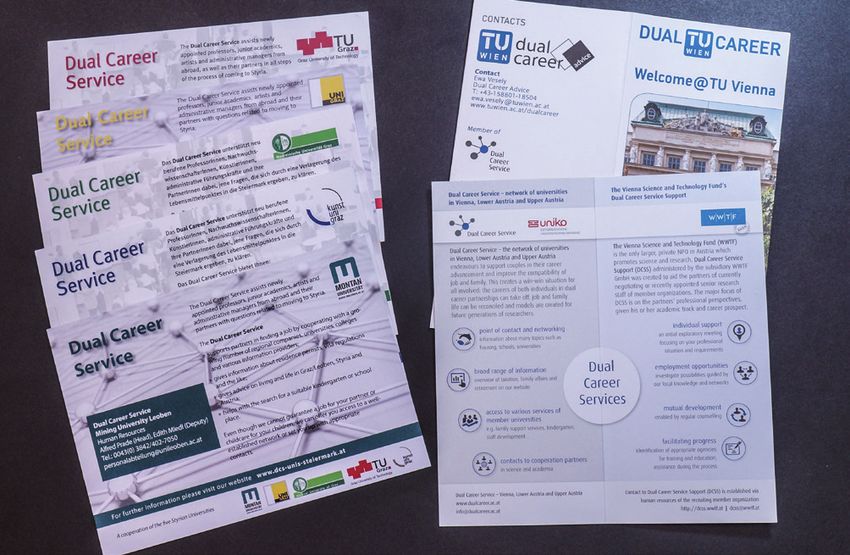
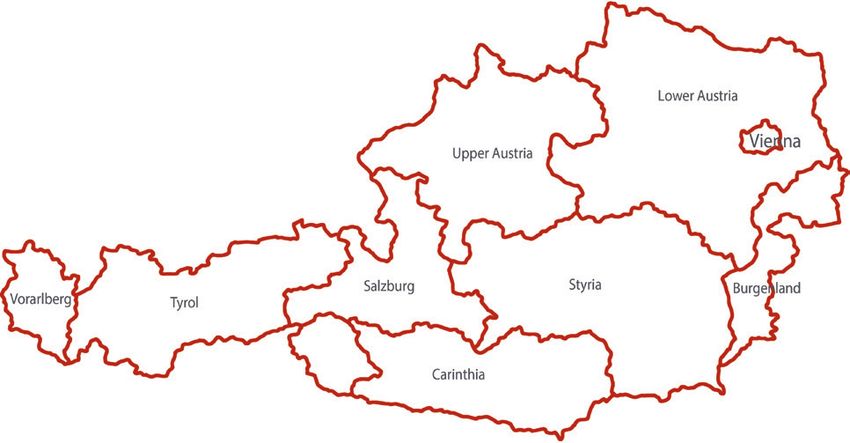
Figure 1: Overview of the DC Services networks in Austria • DC Service Styria – Carinthia
• DC Service Vienna – Lower Austria – Upper Austria
• DC Service Support of the WWTF – Vienna Science and
Technology Fund
• DC Service Network Upper Austria – Salzburg – Tyrol
The first DC Service network was established by the five Focus:
Styrian universities in 2010 to create synergies and optimal • Individual support for DC couples
use. In 2014, the then called Dual Career Service of the • Extending the regional networking with universities of
five Styrian Universities (Dual Career Service der fünf applied sciences, colleges of education and companies
Steirischen Universitäten) became a member of the Club • Broadening the spectrum of information for DC couples
International in Styria (CINT). In April 2018, the Alpen-
Adria-Universität Klagenfurt joined the network, and since Services:
May 2018 it has been called Dual Career Service Styria – • One or two contact persons at each university (monthly
Carinthia (Dual Career Service Steiermark – Kärnten). network meetings, common website)
• Individualised services: Information & support for
job-seeking partners – identifying job possibilities,
establishing contacts with colleagues and/or potential
AUSTRIA 23employers, validation and recognition of diplomas,
further training, coaching etc.
• Regional networking with universities of applied
sciences, colleges of education and companies
• Information on residence titles, visa regulations,
insurance, etc.
• Close cooperation with welcome and family support
services at the universities (concerning kindergarten,
schools, and residential homes for the elderly)
• Personal advice concerning life in Graz and Leoben
• Members are asked to sign a “Letter of Intent”
• Target group: Newly appointed professors, junior
academics, artists and administrative managers from
abroad with their partners and families
Dual Career Service Vienna – Lower Austria – Upper
Austria (Dual Career Service Wien – Niederösterreich
– Oberösterreich) spans 15 universities and various
educational and research institutions. The universities
formed the network in 2013, following an initiative of the
task force Gender & Diversity of Universities Austria.
Focus
• Counselling for DC partners at the DC Service units of
member universities
• Broad spectrum of information on housing, family
affairs, taxation, etc. in the region The Dual Career Service Support of the WWTF – Vienna
Science and Technology Fund (Wiener Wissenschafts-,
Services Forschungs- und Technologiefonds) has 13 member
• Information about job applications; information and organisations from the research and scientific domain in
support during the job search the greater area of Vienna. The member organisations
• Cooperation with existing university services, such as contribute financially to DC Services and related activities.
participation in training seminars for staff This service was established in 2013 and works in close
• Close cooperation with welcome and family support coordination with the Dual Career Service Vienna – Lower
services at the universities Austria – Upper Austria.
• Contacts with cooperation partners
• Information and advice on many topics regarding Focus
the new living situation and life in Austria (e.g. • Individual support for DC partners (professors and
kindergartens, schools, housing, taxes, pension group leaders)
system)
• Target group: academic, artistic and non-academic Services
university staff • Counselling partners of recent (or ongoing) senior
research staff appointments of member organisations
• Overall aim: exploring suitable employers,
recommending job openings, and, where possible,
connecting the partners with key players. This is done
mainly for opportunities in academia (research and
administration) but also in the public and private sector
24REGIONAL SUPPORT
The Club International (CINT) is a centre of excellence and
service for international key employees and their families
in Graz and Styria. Founded by the Styrian Federation of
Austrian Industry and the Austrian Economic Chambers,
CINT supports international personnel during everyday
challenges. All five Styrian universities are members.
The Carinthian International Club (CIC) is a network
for international employees in industry and science in
Carinthia. It facilitates and supports a person’s introduction
to social and economic life in the region. The advisory
service enables people to take decisions in relation to
work, living or the schooling of children in their new
environment. Regular events and activities offer a
platform for social networking and information exchange.
The Vienna Business Agency – Expat Center Vienna offers
individual advice and support for international experts,
managers and executives in Vienna. It supports their
professional and private start in Vienna, networking with
the community and offers free counselling for expatriates
and their families.
The three universities in the western provinces of Austria
established the Dual Career Service Network Upper
Austria – Salzburg – Tyrol (Netzwerk Dual Career Service
Oberösterreich – Salzburg – Tirol, DC OOE-S-T) in 2017. The
network is informal, without a separate organisational
structure and common homepage, flexible in its
approaches, fast in reacting to requests, and open for new
members who need to sign a letter of intent specifying the
rights and duties of membership.
Services
• Finding jobs
• Researching the local/regional labour market
• Career planning
• Visa issues, legal information
• Social integration, living and working in the region,
accommodation, language preparation, finding
a school or kindergarten, continuing education
programmes, etc.
Further information
Tyrol/Innsbruck: www.uibk.ac.at/transferstelle/welcome
Upper Austria/Linz: www.jku.at/abteilung-gender-
diversity-management
Salzburg: www.uni-salzburg.at/dual-career
AUSTRIA 25CHAPTER B
– IMPACT OF DCIS
WHY SHOULD AN ORGANISATION
OFFER DC SERVICES?
Institutions of higher education attempt to recruit the
best research talent and administrative staff in a highly
competitive international market. This competitiveness
means that organisations need to position themselves as
attractive employers. Organisations can raise their overall
attractiveness by providing assistance and relocation/
integration services as part of a full-service package.
Continuously adjusted and improved DC Services are
often referred to as international standard in this
regard, allowing to focus not only on the career needs
of the prospective employee, but also on those of their
respective partners, easing the academics’ decisions about
whether to switch to a new employer, or even move to a
new country.
Impact of DC Services for institutions
• DC Service for the professional integration of the
partner is a recruiting and retention instrument
• Employer branding – enhance the attractiveness of the
institution
• DC Service is part of the development plan
(“Entwicklungsplan”) and performance agreement
(“Leistungsvereinbarungen”) of universities
• Support of the internationalisation strategy of the
organisation
• Increase women’s quota in higher positions within an
organisation/faculty
• Making the universities and other educational and
research institutions more family friendly
• Building of employee confidence
• Enhancing the attractiveness of the educational and
research location of a city/region
Impact of DC services for individuals
• Support and appreciation for DCcouples and partners in
Dual Career situations
• Strengthening and support of the compatibility of
work/career and family life
• Support in the (social) integration in building a network
with other families
26CHAPTER C – CHALLENGES teachers, lawyers or medical professions) as well as highly
specialised fields.
& RECOMMENDATIONS In order to prevent over-exaggerated expectations,
the scope of DC Services and their limitations should be
defined (“expectation management”); a statement that
there is no job guarantee for partners is crucial. At some
TARGET GROUP Austrian universities, the extent of available DC Services
is enshrined and communicated in the “job offer letter” to
The level of support/benefits varies among target potential employees.
groups. In most cases DC Services are offered to female
partners. All DC Service units support partners of leading Trainings for partners can be provided by external experts/
and established international and national researchers professionals (native speakers, tax advisors, etc.). It is
(professors and group leaders), outstanding artists, necessary to keep an updated list of qualified trainers
and administrative managers. Recognised researchers’ for courses in CV writing, job interviews or coaching for
(postdocs) and first stage researchers’ (PhD students) international job seekers. Such information could also be
partners are supported by only about half of the Austrian made available for the national DC Service network.
organisations, due to contract limitations. Support for
these researchers is limited to less support and less direct Nowadays both partners in a researcher’s couple often
contact with DC staff. DC advice of the Vienna University have a comparable specialised career level, which can
of Technology, for example, offers two different types of complicate the search for an adequate employment.
services – one for postdocs and one for professors. Experience shows that early support helps in the recruiting
process, with a realistic overview of the job market for
the partner being crucial for the couple’s decision to
DC SERVICES: ACTUAL OFFERS move. Therefore, in special cases (e.g. the recruitment
of professors) DC Services already start during the
DC Service units connect partners with people in their negotiation process, or even before hearings. This group is
field of work/expertise in Austria, and help broaden their often also offered post-departure services. In most cases
knowledge about available opportunities. It also makes however, DC support starts after the employment contract
them aware of alternative career paths. The DC Service is has been signed. Usually couples get in contact with the DC
quite often the “first contact point” at the new place of Service unit after their arrival – this is especially the case
employment, adding importance to personal contact and for partners of scientists in postdoc or PhD positions.
individual assistance.
A good practice example of early support and matching
MAIN DC SERVICES: expectations comes from the Vienna University of
• Identification of tangible job opportunities (11 out of Technology: If agreed upon (e.g. during the negotiation
13) process) that the new scientist wishes to receive DC
• Matchmaking with suitable employers (9 out of 13) support, their scope will be documented and signed by the
• Support in the recognition of diplomas (9 out of 13) scientist.
• Training in CV writing and/or job interviews (8 out of
13) INTEGRATION SERVICES
• Coaching (5 out of 13) Taking care of the couple / the family supports the
integration process, and almost all organisations that
Several Austrian universities and research organisations provide DC support also offer other integration services
outsource DC Services to the Dual Career Service Vienna – such as family services (child care, school entry support,
Lower Austria – Upper Austria, a university network, and/or etc.). They also provide information and assistance
to the Dual Career Service Support (DCSS) of the WWTF. The regarding entry and residence conditions, social security,
member organisations of the DCSS contribute financially learning German, social integration and housing. Only
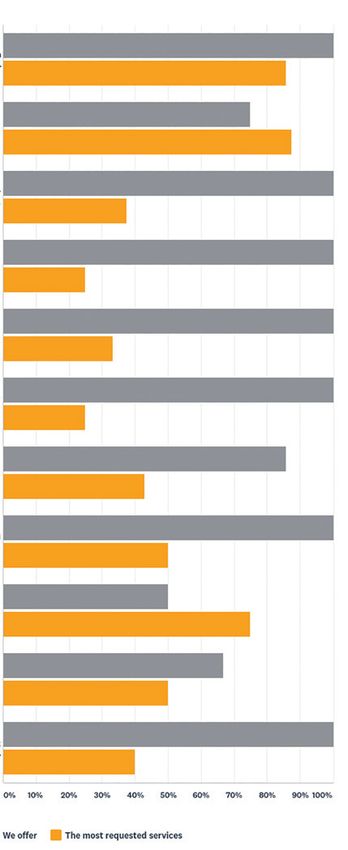
to the DC Services and related activities. Experience at the 8 out of 13 institutions offer relocation services, mainly
DC Service Support of the WWTF has shown that language through external companies. All these different services
barriers in particular pose a big challenge when looking can be provided by the same organisational unit e.g. the
for a job outside science/research, if the partner is not Welcome Service/Centre at Graz University of Technology,
proficient in the national language (German). Additional or they can be distributed to different units depending on
difficulties arise for strongly regulated professions (e. g. the organisation. In certain cases, support is also offered
AUSTRIA 27You can also read


