Annual Review 2019 Engaging Learning Transforming - Institute of ...
←
→
Page content transcription
If your browser does not render page correctly, please read the page content below
Engaging Learning Transforming

               Annual Review 2019

_Master Logo
2
    Engaging Learning Transforming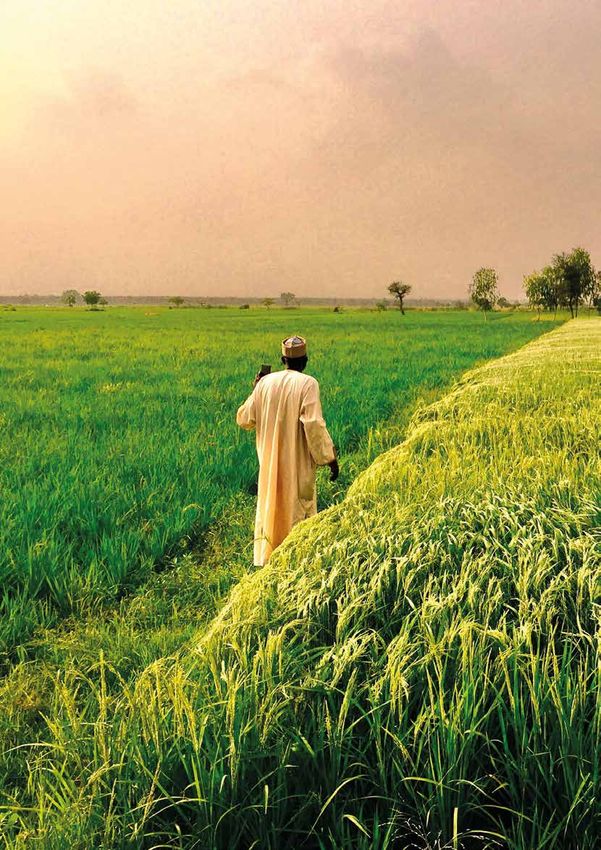
Photo: Shipping port in Bangkok,
                            Thailand. China has been
                            promoting economic and trade
                            cooperation with Thailand in
                            recent years to advance its One
                            Belt, One Road initiative. Some
                            applaud the initiative’s potential
                            to progress global sustainability;
                            others argue that it poses
                            considerable social, economic,
                            environmental, political and
                            security risks. © Thatree
                            Thitivongvaroon / Getty Images

The Institute of Development
Studies (IDS) is a global research
and learning organisation for
equitable and sustainable change.

                                                                 ids.ac.uk

                                                                     3
4
    Engaging Learning Transforming
Contents

                                                                                         Contents

                                                                                                            Contents
                                  Vision                                            06

                                  Director’s foreword                               08

                                  Our strategy and what sets us apart               10

                                  Honours, awards and appointments                  12

                                  Partnerships                                      14

                                  Research, knowledge and global impact             20

                                     Reducing inequalities                          22

                                     Accelerating sustainability                    28

                                     Building more inclusive and secure societies   34

                                     Universal framing of development               40

                                  Teaching and learning                             44

                                  IDS alumni making waves                           46

                                  Professional development and learning             50

                                  How we are organised                              54

                                  Building a sustainable organisation               56

                                  Finances and governance                           58

Photo: Zaatari (Za’atari)
Refugee Camp, Jordan.
Syrian refugee Khaled holds
up a kite he has made
himself. On it he has written
his personal message of
peace for his country. “We
left Syria because we didn’t
have freedom anymore,”
explained Khaled, who was
forced to leave Syria four
months ago to become a
refugee in the camp. He
wanted to write his dream
on his kite and wrote “I want
my freedom in my land.”
                                                                                                ids.ac.uk

When asked to give his
personal opinion of freedom
Khaled said “Freedom to me
is to be able to run, play, and
go places without being
afraid.” © Chris de Bode /
Panos Pictures.

                                                                                                    5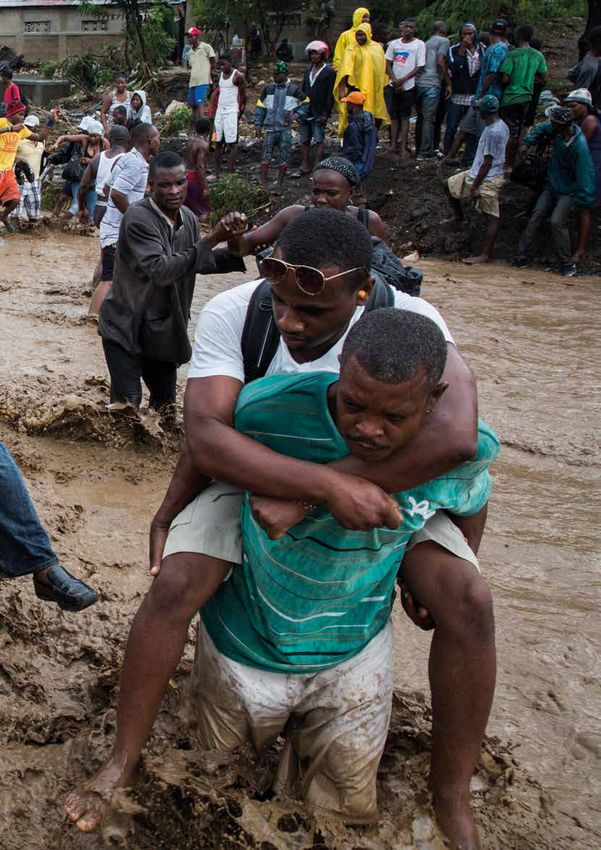
Our vision is of equal and
                                 sustainable societies, locally
                                 and globally, where everyone
                                 can live secure, fulfilling lives
                                 free from poverty and injustice.
Engaging Learning Transforming

 6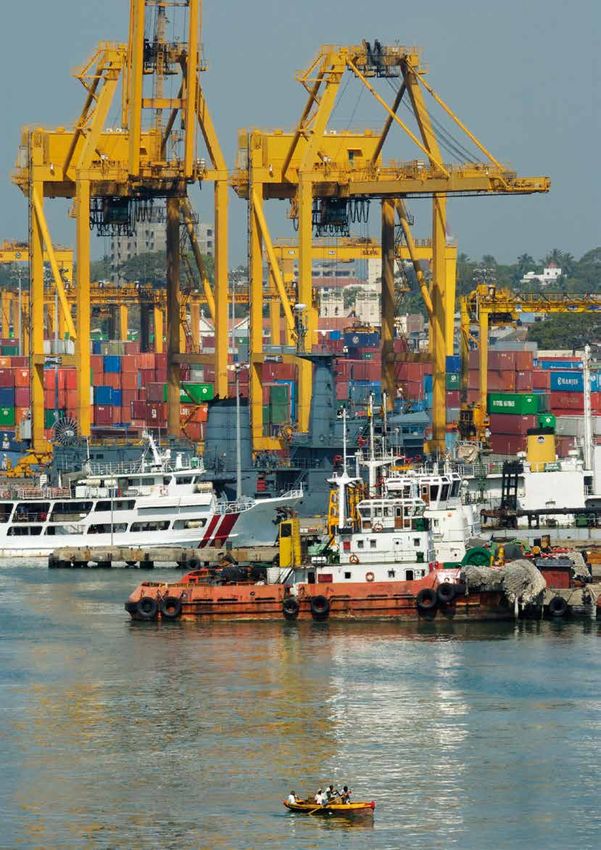
Photo: Kura, Nigeria. With
more than half of Africa’s
workers employed in
agriculture, the sector offers
a valuable pathway out of
poverty for the
continent. © David Garrity /
EyeEm, Getty

                                             Our vision
                                 ids.ac.uk

                                     7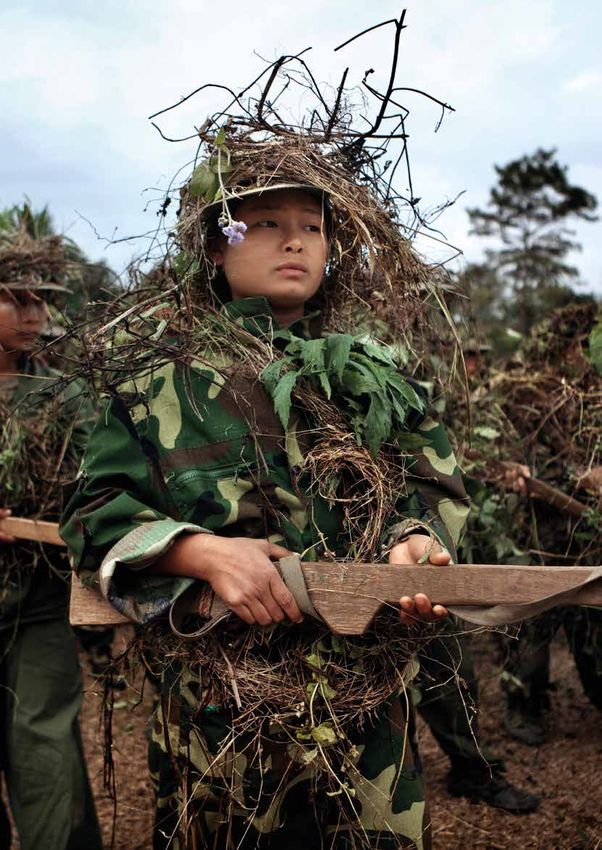
Director’s foreword

                                 During the past year, international               India and approaches to climate innovation      Melissa Leach
                                 development has involved grappling with a         in Kenya. We have also fostered mutual          IDS Director
                                 series of dramatic social and political shifts.   learning between China and the UK on
                                 We have seen extreme right-wing populism          how to adapt health and welfare systems.
                                 taking hold in more countries; the US
                                 retreating from the global stage while China      Our development studies postgraduate
                                 grows its influence through the Belt and          degrees continue to make their mark. In
                                 Road Initiative; protest movements such as        partnership with the University of Sussex,
                                 Extinction Rebellion and Women’s March            IDS has retained the number one ranking in
                                 gathering global momentum despite                 Development Studies (QS World University
                                 shrinking civil society spaces; and growing       Rankings 2019) – a position now held for
                                 recognition and action on major global            three consecutive years. We continue to
                                 challenges from plastics pollution and            enjoy record-high numbers of wonderful,
                                 urbanisation to epidemics and anti-               engaged postgraduate students, with 250
                                 microbial resistance.                             MA students and nine PhD researchers
                                                                                   graduating in the past year. Our professional
                                 IDS’ work continues to bring important new        development learning programme continues
                                 evidence, insights and engagement in this         to grow, with rising numbers of short-course
                                 shifting context. Our three defining              participants and learning partnerships with
                                 challenges – reducing inequalities,               development agencies.
                                 accelerating sustainability and building
                                 more inclusive and secure societies –             2019 heralds an important moment for global
                                 continue to provide a strong matrix for our       development, as more than 40 countries,
                                 research and learning. This year we have          including the UK, report on progress against
                                 produced new analysis on citizen voice,           the United Nations Global Goals for
                                 digital technology and accountable                Sustainable Development (Global Goals). At
                                 governance, smart cities, circular economy        IDS, we will continue to bring evidence and
                                 approaches to waste management, resilient         learning to bear on efforts to achieve these
                                 rural livelihoods, and much more.                 goals. Most importantly, our contributions
                                                                                   are helping to build an understanding of the
                                 Our work is making a difference to debates,       political choices and power relations that
                                 policy and practice in critical areas, as the     fundamentally shape transformations
                                 impact stories here show – from reducing          towards fairer, more sustainable societies,
Engaging Learning Transforming

                                 inequalities in women’s participation in          irrespective of geography – and where
                                 politics and influencing pro-poor growth          necessary, our work is challenging these
                                 through agriculture, to providing new             forces, and supporting alternatives.
                                 evidence for policy on improving the
                                 wellbeing of refugees, and an extraordinary       I would like to thank all our partners and
                                 collaboration for peace-building in               friends for working with us during this past
                                 Myanmar. We have worked through                   year, and look forward to our continued
                                 equitable, innovative partnerships that have      engagement and shared learning in striving
                                 shaped policy on waste management in              for more equitable and sustainable futures.

 8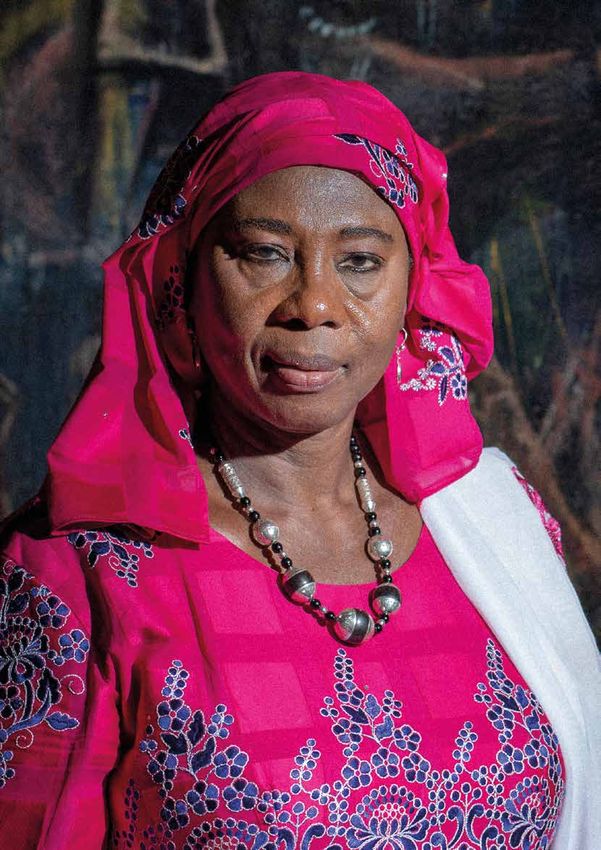
Director’s foreword
                                      ids.ac.uk

Photo: IDS Director, Melissa Leach.
© University of Sussex

                                          9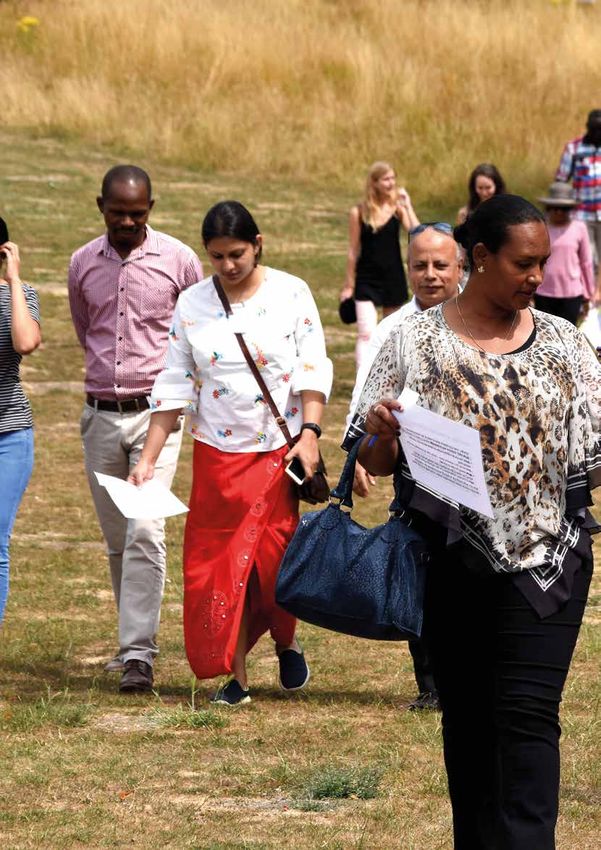
Our strategy and
                                 what sets us apart

                                 We work with partners to achieve our vision of equal and sustainable societies, locally and
                                 globally, where everyone can live secure, fulfilling lives free from poverty and injustice. We do
                                 this by delivering and mobilising high-quality research and knowledge that informs policy and
                                 practice, and through our world-recognised postgraduate degrees, PhD research and
                                 professional development services.

                                 Our goals                                        Engaged excellence
                                 1. To contribute to transformations              Engaged excellence is IDS’ distinctive
                                    that reduce inequalities, accelerate          approach to constructing and sharing
                                    sustainability and build inclusive,           knowledge, and to teaching and mutual
                                    secure societies.                             learning for development.
                                 2. To embed engaged excellence across
                                    all that we do.                               It means that the quality and impact
                                                                                  of our work depends on us collaborating
                                 3. To work locally and globally within a         with governments, international non-
                                    universal framing of development.             governmental organisations (NGOs), local
                                 4. To create an institute that is thriving       civil society, citizens, donors, businesses and
                                    financially and organisationally, and         many others to achieve positive change,
                                    living its values.                            strategically informed by research and
                                                                                  knowledge.

                                                                                  Engaged Excellence is:
                                                                                  g   Co-constructing knowledge
                                                                                  g   Delivering high-quality research
                                                                                  g   Building enduring partnerships
                                                                                  g   Mobilising evidence for impact

                                                                                  For more about who we are and what we do,
                                                                                  see: www.ids.ac.uk/about
Engaging Learning Transforming

 10
Photo: Ethiopia. 19 year-old
Kadija collects water from a
new water facility near the
little café that she runs. Before
the water facility was installed,
Kadija struggled to make her
business work as she would
have to walk for hours to fetch
clean water. © Petterik
Wiggers / Panos Pictures
Our strategy and what sets us apart
ids.ac.uk
11Honours, awards and appointments
Honours, awards and appointments
IDS Fellow Ian Scoones IDS Fellow Danny Burns and
awarded the 2019 Ester Boserup research partners at Adapt
Prize for outstanding social Peacebuilding and Myanmar’s Relief
science research on development Action Network for IDPs and Refugees
(RANIR), won a US government award
for their participatory action research
work on peace-building in Myanmar
IDS Fellow Jaideep Gupte Post-doctoral Researcher
appointed Challenge Leader for Amrita Saha won the Exim
Global Challenges Research Bank International Economic
Fund Research Annual Award for her
PhD thesis on Indian trade policy
IDS Fellow Jeremy Allouche IDS PhD Researcher Mireille
appointed to the Editorial Board Widmer awarded the British
of International Peacekeeping, a Federation of Women Graduates’
peer-reviewed scientific journal Marjorie Shaw Fellowship for her
published by Taylor and Francis research on urban security
governance in Janakpur, Nepal
IDS Director Melissa Leach
appointed to the HMG Strategic
Coherence of ODA-funded
Engaging Learning Transforming
Research (SCOR) Board as an
independent member
12#1 #2
Credit: University of Sussex
Credit: shutterstock
Development International
Studies in QS Development think
World University tank in Global Go To
Rankings by Think Tank Index
Subject 2019 Report 2018
Honours, awards and appointments
49% 287
Credit: Trygve Bolstad / Panos Pictures
Credit: Curt Carnemark / World Bank
of our contracted active research and
partners were knowledge projects
located in the
Global South
78% 250
Credit: Dieter Telemmans / Panos Pictures
Credit: IDS, Flickr
of all IDS publications Master’s degree
co-authored with students graduated
external partners
9 129
Credit: IDS, Flickr
Credit: Kate Hiscock, Flickr
PhD students journal articles
graduated authored by IDS
staff published
ids.ac.uk
13Partnerships
Partnerships are fundamental to our work. Our partners value
our academic rigour, global reach and engaged approach.
Together we deliver high-quality research and mobilise evidence
for impact worldwide.
We work with governments, academia, civil society organisations,
citizens, donors, business and other actors that share common
goals and values. Only through collaborations across disciplines,
sectors and countries can we generate the types of evidence and
policy solutions necessary to tackle challenges that affect the lives
of millions of people across the world and accelerate progress
towards the Global Goals.
Engaging Learning Transforming
14Photo: Painted hands
at Holi festival.
© Devesh Tripath /
Getty Images
Partnerships
ids.ac.uk
15Partnerships
Over the past year we have continued to partners Terre des hommes, ChildHope, “The exciting thing
strengthen our longstanding strategic Consortium for Street Children, and the about this programme is
partnerships and have created many new Ethical Trading Initiative. that, for the first time, it
ones. Here are just a few examples. brings together
The IDS-led International Centre for Tax organisations in
Extending our network of
and Development (ICTD) is a partner in a government like DFID
global partners
new three-year project with funding from and the FCO,
The UK government’s UK Aid Connect the International Development Research academics, advocacy
programmes have seen the establishment of Centre (IDRC) and Cancer Research UK’s organisations, religious
several consortia of groundbreaking Economics of Tobacco Control Research leaders and development
research partnerships involving IDS. The Initiative. This project will be conducted in organisations to work
Coalition for Religious Equality and partnership with the Economics of Tobacco together in the same
Inclusive Development (CREID), led by Control Project at the University of Cape direction.”
IDS, brings together faith and human rights Town (project lead) and the Consortium Archbishop Angaelos,
organisations with an emphasis on applied pour la recherche économique et sociale Coptic Orthodox
research. Partners at the co-creation phase (CRES) based in Senegal. The partnership Archbishop of London
include the Al-Khoei Foundation, CSW is focused on supporting innovative fiscal and member of the
(Christian Solidarity Worldwide), Minority policy research on tobacco control in low- CREID International
Rights Group and the World Organization and middle-income countries (LMICs). Advisory Group,
for Al-Azhar Graduates. IDS is also a speaking on BBC
member of the two UK Department for IDS’ involvement in four of the newly Radio Four’s Today
International Development (DFID)-funded created UK Research and Innovation Programme
consortia that will manage the UK Aid (UKRI) Global Challenges Research Fund
Connect Disability and Disability Inclusive Interdisciplinary Hubs has led to many new
Development programmes that are being international partnerships across a wide
led by Sightsavers. Other consortium range of thematic areas. IDS is part of hubs
members include the International on Accountability for Informal Urban
Disability Alliance and ADD International, Equity, One Health Poultry, Urban Disaster
and partners include Standard Chartered Risk, and Gender, Justice and Security.
Bank, Youth Career Initiative, BBC Media Over the next five years, the 12
Action, Development Initiatives, Benetech interdisciplinary hubs will work across 85
and Humanity and Inclusion UK. countries with governments, international
agencies, partners and NGOs in developing
Engaging Learning Transforming
The new five-year programme Tackling the countries and around the globe, to develop
Drivers of Modern Slavery and Child creative and sustainable solutions that help
Labour – a Child Centred Approach, to make the world safer, healthier and
funded by DFID’s Asia Regional Team and more prosperous.
led by IDS, is being implemented with core
16Nairobi, Kenya, Kibera slum.
Children with a home-made
football at Mashimoni Squatters
Primary School.
© Crispin Hughes / Panos Pictures
Partnerships
ids.ac.uk
17Partnerships
Strengthening longstanding knowledge, cooperation and effectiveness.
partnerships for academic exchange The new three-year role builds on a long
and intellectual leadership history of collaborative research in China
In April 2018, IDS and the University of the and will enable IDS to strengthen
West Indies – Sir Arthur Lewis Institute for relationships with CIDRN’s 22 Chinese
Social and Economic Studies (SALISES) institutions (which include universities,
– signed a Memorandum of Understanding think tanks and the central Chinese
(MoU) during the University’s annual Communist party school), China
conference on Sustainable Futures for the Agricultural University and a range of UK
Caribbean. IDS shares a common research institutions. Activities will include
commitment with SALISES to teaching a programme of exchange visits, a summer
and research to inform social and economic school and a series of stakeholder workshops
development. The signing of the MoU on various issues regarding China’s
marks the beginning of working more engagement in development globally.
closely together to establish collaborative
links, supporting learning and developing IDS reinforced its longstanding partnership
opportunities for joint work between with BRAC, an NGO originating in
researchers. The collaboration has already Bangladesh, by jointly hosting a highly
resulted in funding from the EU-LAC successful expert dialogue at the Rockefeller
Foundation to support an IDS-SALISES Bellagio Center. The event explored how
roundtable and seminar on climate change NGOs and civil society from the Global
preparedness and response in Caribbean South, such as BRAC International, could
small island developing states. continue to strengthen their roles and
impact in achieving sustainable
IDS has recently taken on the role of UK development outcomes.
anchor institution for the Research and
Learning Platform for the China If you would like to find out more about our
International Development Research partnerships, see
Network (CIDRN) which aims to www.ids.ac.uk/partnerships
strengthen China–UK global development
Engaging Learning Transforming
18Photo: Petit Goave, Haiti.
People are carried over La
Digue River. Following the
collapse of a bridge during
Hurricane Matthew, people
were forced to wade across
the water course.
© Andrew McConnell /
Panos Pictures
Partnerships
ids.ac.uk
19Research, knowledge
and global impact
Photo: Bhamo, Kachin
With partners, IDS seeks to generate and State, Myanmar (Burma).
share the research and knowledge needed to Aung Din, 12, collects
water, as he does every
tackle the world’s most pressing global morning, for his household
challenges – reducing inequalities, at the Phan Khar Kone IDP
camp where he lives with his
accelerating sustainability, and building grandmother, mother and
more inclusive and secure societies. sister. His father was killed
by an explosion, possibly a
landmine, while herding
Over the past year we have done this in a cattle when fighting
erupted between the
number of ways – from helping to close the Kachin Independence Army
persistent gender gap in electoral (KIA) and the Myanmar
army near his village of
participation in Pakistan, to applying Mung Ding Pa in 2013.
pioneering approaches for peace-building in © Patrick Brown / UNICEF
/ Panos Pictures
Myanmar. Our impact has been
demonstrated through policy and practice
change, shifts in debates and attitudes, and
strengthened networks and partnerships.
Engaging Learning Transforming
20Research, knowledge and global impact
ids.ac.uk
21Reducing inequalities
IDS is working to help tackle inequalities, both new and old. Leaving
No One Behind in a Digital World, a report for DFID by the
Knowledge, Evidence and Learning for Development (K4D) team,
revealed the digital dimensions to inequality and the ways these are
entrenching old patterns of poverty. IDS researchers have also
provided fresh insights on agriculture – in particular agricultural
commercialisation – as a pathway from poverty in Africa.
Gender inequality has long been a focus at IDS. In New York, IDS
shared research with the 62nd Commission on the Status of Women
on the many barriers that uniquely affect women and girls,
Engaging Learning Transforming
particularly in rural areas. Our researchers contributed valuable
data and insights to the Malala Fund’s Full Force report on girls’
education, presented to the G20. The Action for Empowerment
and Accountability (A4EA) international research programme
meanwhile is generating exciting evidence about boosting women’s
participation in political processes.
22Photo: Mumbai, India.
A child from Dharavi slum
Reducing inequalities
walks along the top of a wall
protected by barbed wire,
with one of the towers of the
World Trade Centre behind.
© Mark Henley /
Panos Pictures
ids.ac.uk
23Engaging Learning Transforming
Photo: North West Frontier Province, Pakistan. The day before
this portrait was taken, Tabasum had become the first ever
woman to vote in the Timugarha local elections. “Usually the
men do not allow the women out,” she explained. “When I
reached the polling station they were shocked - they never had
a woman come before.” After much debate, however, and some
negotiation, Tabasum triumphed, casting her vote. “It’s good to
vote,” she said, “women will be involved in decision-making.”
© Jenny Matthews / Panos Pictures
24Reducing inequalities, impact case study
Understanding and
strengthening women’s roles
in politics and work
Reducing inequalities, impact case study
For more than 40 years, IDS has been Influencing gender programming “Given the dearth of
forging its well-earned reputation for IDS gender research is influencing how research in this area,
progressive gender research, knowledge organisations work to help women in Sohela Nazneen’s
sharing and teaching. That work continues developing countries. A leading NGO research on gender,
apace today with IDS programmes and praised the work by IDS Fellow Sohela intersectionality and
researchers continuing to deepen Nazneen into how intersecting forms of local government in
understanding of how to strengthen inequalities affect women’s political Bangladesh and
women’s political and economic participation at local levels in South Asia. Pakistan will be an
empowerment. invaluable resource to
Sohela Nazneen’s book on women’s use of support our programme
A dynamic example was the recent work on informal networks and gender-equitable design in this area…
women’s political engagement in Pakistan policies for the Effective States and Inclusive More please!”
led by the Action for Empowerment and Development Research Centre (ESID) Tam O’Neil, Senior
Accountability (A4EA) international project has since attracted acclaim from Gender Adviser at
research programme. A4EA as a whole leading academics, UN Women and DFID. CARE International
seeks to further understanding about UK
empowerment and accountability for people Raising awareness of women’s unpaid
who live in fragile, conflict-affected and care work
violent settings.
Women in developing countries face a
In Pakistan, the project helped to close double burden of unpaid care responsibilities
the persistent gender gap in electoral and poorly paid work to meet basic needs.
participation by eight per cent in some of The issue received wide attention over the
the localities where it worked. Its research past year thanks to IDS Fellow Deepta
revealed that women felt ‘invisible’ and Chopra’s research on improving the balance
disillusioned with politics, rather than held of paid work and unpaid care to promote
back by social conservatism. Engaging with women’s economic empowerment.
both women and men at household level –
rather than community level as many donor Part of the Growth and Equal
projects tend to – helped reduce that Opportunities for Women (GrOW)
disconnect. programme led by IDS, Deepta’s work
covered four countries in South Asia and
Findings were presented at a high-level sub-Saharan Africa. Findings were shared
event organised by Pakistan’s National in various formats, including a report, an
Commission on the Status of Women. This animation and audio-photo videos. Deepta
prompted the Election Commission of was interviewed about the research on BBC
Pakistan to request a seminar on the Radio Four’s Woman’s Hour and was
findings, which it will consider in future invited to present at a UN Women Expert
strategic planning. Group meeting.
ids.ac.uk
Deepta also produced a background paper
for the 63rd Commission on the Status of
Women in New York in March 2019,
highlighting the limitations of existing
social protection programmes for
empowering women. 25Reducing inequalities, impact case study
Generating new insights on
agriculture as a pathway from
poverty in Africa
With more than half of Africa’s workers Regional Conference on Rice Sector Photo: Abuja, Nigeria.
A boy plays next to grain
employed in agriculture, the sector offers Development in Africa in 2019–20. silos. © George Osodi /
a valuable pathway out of poverty for Panos Pictures.
the continent. Tracking medium-sized farms’ growth
Several countries in Africa are seeing a rise
The contribution of market-based
in numbers of medium-sized farms, which
agriculture to improving incomes and
in places account for around half of
reducing poverty and inequality is a key
nationally marketed agricultural produce.
thematic focus for the five-year, DFID-
Signs are that medium-sized farms – many
funded Agricultural Policy Research in
owned by African professionals,
Africa (APRA) programme.
entrepreneurs or civil servants – are
contributing to agricultural growth.
Exploring impacts of rice expansion
New insights from APRA’s longitudinal APRA researchers have been tracking the
research into the commercialisation of rice impacts of this growth on smallholder
farming in Ethiopia have opened up new farmers. Their findings reveal clear gains
avenues to influence rice development for smallholders, with medium-sized farms
in Africa. enabling access to wider markets, services
and increased mechanisation. But there are
APRA researchers looked at the Fogera downsides too, including rising land prices
Plain, where rice production and processing and reduced access to land for young people.
have expanded enormously since the crop
was first introduced in the 1990s. Their As with rice production research, APRA
investigation revealed positive and negative aims to produce evidence to help
impacts on local livelihoods, disadvantaged policymakers minimise the hardships
people and rural economies. Benefits were arising from commercialisation, while
seen in terms of improved diets, livelihood building on the gains offered by a shift to
diversification into non-farm businesses, more market-oriented farming.
employment creation and increased
household income. However, the income In September 2018, APRA researchers in
has not always led to an improvement in the Nigerian capital, Abuja, met
household wellbeing. representatives from government and
industry alongside Michigan State
Engaging Learning Transforming
With the Ethiopian Institute of Agricultural University (MSU)-APRA community
Research (EIAR) and EthioRice, APRA leaders and medium-scale farmers, to call
co-convened the country’s first National for better land policy and raise awareness of
Rice Research Conference in November APRA’s work.
2018. APRA researchers presented findings
from the Fogera study to delegates including APRA’s MSU partners later shared insights
government officials, regional research at a USAID-sponsored conference in
institutes, development partners, technology Washington DC, with presentations
importers and commercial farmers. planned at the World Bank, African
Development Bank and the 6th African
That conference will become an annual Association of Agricultural Economists
event and, thanks to APRA’s involvement, is Conference in Abuja in late 2019.
26 expected to be the springboard for a largerReducing inequalities, impact case study
ids.ac.uk
27Accelerating sustainability
IDS’ work with global partners on sustainability draws on a long
tradition of social science engagement with environmental issues.
Our forward-looking interdisciplinary research maps pathways to
sustainability, considering green transformations and equitable
access to key resources like water, land and food.
Work over the past year includes building capacity in India to
develop cities that are sustainable and inclusive; making the case
for a circular economy in order to tackle challenges such as plastics
pollution; and informing international debate on China’s Belt and
Road Initiative and sustainable development.
Engaging Learning Transforming
28Accelerating sustainability
Photo: India. A view of Chandni Chowk
Street in Old Delhi with traffic and
crowds of people.
ids.ac.uk
© Martin Roemers / Panos Pictures
29Accelerating sustainability, impact case study
Building capacity to
ensure smart, sustainable
and inclusive cities
‘Smart cities’ are using new technologies to Managing waste and the Photo: Shanghai, China.
A man places plastic bottles
become more sustainable. IDS researchers circular economy on a scrap heap in an area
slated for redevelopment.
have been investigating how inclusive these Waste and pollution pose one of the © Qilai Shen/Panos Pictures
solutions really are for the most biggest challenges to sustainability, with
maginalised, with a focus on the Indian life-threatening impacts for many people,
government’s Smart Cities Mission. particularly those in poverty. A potential
solution lies in the circular economy –
The Capacity Building for Smart Data and a key focus of IDS work on green
Inclusive Cities (SDIC) project involves IDS transformations.
Fellows Jaideep Gupte and Eric Kasper,
India’s National Institute of Urban Affairs IDS is contributing evidence on plastics
and municipal authorities in two northern pollution and waste management to
cities (Bhopal and Jabalpur) and two strengthen advocacy on the issue, working
southern cities (Thiruvananthapuram with a coalition of NGOs including
and Kochi). Tearfund, Flora and Fauna International
and WasteAid.
Linking inclusivity to sustainability
In Jabalpur and Bhopal, the IDS team used IDS researchers have also been shaping
a research technique called process-tracing government and donor thinking on
to show how the city’s revamped solid waste sustainable consumption and production.
management and household waste For example, working with the Philippines
collection service was in fact missing some government through the Asian
of the most marginalised communities – Development Bank on a National Action
and failing to achieve its full sustainable Plan; and with the German Federal
potential. Other Indian cities have since Environment Agency and environmental
used the technique to conduct in-depth think tanks to identify sustainability criteria
evaluations of their new solutions and for the bio-economy.
ensure these are really achieving their
sustainable aims. Businesses are central to accelerating
sustainability. IDS has been seeking to
For IDS, the research highlights how a city shape private sector debates around
cannot genuinely be ‘smart’ or sustainable sustainability through activities such as a
unless it meets the needs of its most speaking slot at the 2018 Textile
Engaging Learning Transforming
disadvantaged populations. On the strength Sustainability Conference in Milan; a
of the work so far, Jaideep Gupte was circular textiles background paper for the
invited to participate in the first UN- Clean Clothes Campaign; and a British
Habitat Assembly in Nairobi in May 2019. Council award for IDS alum Mamunur
He was also a speaker at a UCL event in Rahman’s Ella Pad business model on
London, on Empowering Citizens Through textile waste and gender equality in
Data. Bhopal and Jabalpur were shortlisted Bangladesh’s garment sector.
for the second stage of India’s Smart City
Awards 2019.
30Accelerating sustainability, impact case study
ids.ac.uk
31Accelerating sustainability, impact case study
Bringing much-needed
rigour to debates on China’s
Belt and Road Initiative
Photo: Colombo, Sri
China’s Belt and Road Initiative (BRI) is the IDS has also worked with partners such as Lanka. A small fishing
world’s largest infrastructure plan with the the Centre for International Knowledge on boat sails past cranes and
containers waiting to be
potential to accelerate progress towards Development in China on a series of exported at the port.
global sustainability. Whether it can live up publications that look at BRI-related issues Under the framework of
the Belt and Road
to this promise is the subject of intense, often in detail. These were produced under the Initiative, China has
polarised debate. Some point to the BRI’s K4D programme, based at IDS and funded heavily invested in Sri
Lanka’s infrastructure,
alignment to the Global Goals; others argue by DFID. including highways,
that it poses considerable social, economic, seaports and railroads.
© Mark Henley /
environmental, political and security risks. Further events involving IDS include a Panos Pictures
Building on IDS’ established record of work debate at the UK parliament, and the
with its Centre for Rising Powers and launch of the Belt and Road Studies
Global Development, the Institute is at the Network, with an address by Melissa Leach
forefront of efforts to produce a strong calling for global think tanks to work
evidence base to assess the realities of the together to generate much-needed evidence
BRI’s impact on development. on BRI.
High-level global participation
At the heart of IDS’ activities is the need to
understand China’s rapidly evolving role on
the world stage and in international
development. It was a point underlined by
IDS Director Melissa Leach in her speech
at a Wilton Park event in March 2019. The
high-level event was supported by DFID
and IDS. Around 60 senior financial and
sustainable development experts attended
alongside government officials from the
UK, China and BRI countries such as
Pakistan and Myanmar. Topics debated
included how the BRI contributes to
sustainable development impacts; handling
risk; and strengthening partnerships.
Engaging Learning Transforming
Continuing this work, IDS will be the Graphic: © MicroOne /
anchor institute for the China International Shutterstock
Development Research Network (CIDRN),
aiming to improve the international
development policy effectiveness of China
and the UK through quality research and
policy processes.
32Accelerating sustainability, impact case study
ids.ac.uk
33Amid international responses to conflict, disease or disaster, there is
a growing call to pay more heed to local perspectives. Whether this
means considering local customs including burial practices during
an epidemic such as Ebola or the wellbeing of refugees, the
underlying concept is that more inclusive and secure societies cannot
be imposed from above.
Over the past year, IDS has won an award for community-led
peace-building in Myanmar and helped to shape policymaking
for Syrian refugees in Jordan and Lebanon. With ‘disease
preparedness’ high on health agendas, our Pandemic Preparedness
project is using engaged approaches in Sierra Leone and Uganda to
forge more socially sensitive approaches. IDS also expanded online
disease response resources, building on the success of our original
Ebola Response Anthropology Platform in the broader Social
Science in Humanitarian Action Platform.
Engaging Learning Transforming
Photo: Botswana. A pedestrian
bridge connecting a taxi rank
and Rail Park Mall.
© Marc Shoul / Panos Pictures
34Building more inclusive and secure societies
ids.ac.uk
35
Building more inclusive
and secure societiesBuilding more inclusive and secure societies, impact case study
Award for IDS-led action
research for peace-building
in Myanmar
Photo: Laiza, Burma
IDS and partners have won a US government under which they achieved it, with no (Myanmar). Kachin
award for a community-led peace-building international access for international Independence Army (KIA) and
civilian militia trainees with
process in Myanmar that uses a participatory organisations and risky, unpredictable wooden rifle replicas during a
approach developed by an IDS fellow. security conditions. To think of the firsts three-month basic military
training course on a base near
Thousands of people have benefited from the that they achieved under those conditions Laiza in KIA-controlled
process and the award has attracted more … it’s incredible.” territory of Kachin State.
© Adam Dean / Panos Pictures
funding for this type of programme.
Ahead of the community-led curve
The winning case study, led by Adapt
Underpinning the programme was a
Peacebuilding in partnership with IDS and
Systematic Action Research methodology
Myanmar’s Relief Action Network for IDPs
developed by IDS Professor Danny Burns,
and Refugees (RANIR), was awarded the
designed specifically for locally led change
United States Agency for International
in a highly complex environment. It was
Development’s (USAID) Collaborate,
ideally suited for this type of situation, with
Learn, Adapt Case Competition prize in
competing stakeholders with diverse
October 2018.
interests, locations and roles.
The work focused on the northern region of
As well as developing the methodology,
Kachin, a site of heavy conflict between the
Danny Burns was the lead technical adviser.
Myanmar Army and the Kachin
He co-developed the programme strategy
Independence Army. During 2013–16, IDS
and facilitated training and learning
and Adapt Peacebuilding supported a
processes for RANIR, the main local
consortium of local organisations to design
implementing partner.
and implement activities to strengthen local
communities against the worst effects of the
IDS and Adapt Peacebuilding have been
fighting, and to ensure that resolutions to
pioneering systems and complexity
the conflict incorporated their concerns.
approaches to peace-building and
development for more than a decade. Their
‘Incredible’ achievements amid the war
work pre-empted and now reflects a shift
Despite the unpredictable conditions and towards programmes that put local
ongoing hostilities, more than 17,000 people community leaders in charge of development
have benefited from the activities, many of priorities, rather than imposing externally
which are described as ‘notable firsts’ for pre-planned interventions.
Engaging Learning Transforming
such a situation. These included: life-saving
mine risk education, efforts to combat the On the strength of the award, USAID
youth drug epidemic, initiatives to mitigate quadrupled its initial investment in the
conflict between host communities and tens programme. The success has also attracted
of thousands of internally displaced people, other donor interest, leading to a further
and activities to strengthen dialogue and $4.5 million for a community-based peace
accountability between local communities programme in Mali, funded by
and peace process leaders. Humanity United.
According to Patrick Kum Jaa Lee, the local IDS is also spreading the learning through
programme manager, “what made their its highly successful Participatory Action
efforts more remarkable were the conditions Research short course, now in its fifth year.
36Building more inclusive and secure societies,
impact case study ids.ac.uk
37Building more inclusive and secure societies, impact case study
Exploring how to improve
wellbeing for urban refugees
and their hosts
Huge numbers of people continue to flee the Multi-partner project for Photo: Zahle, Lebanon.
Young Syrian refugees play
world’s most intractable conflicts. Many of peaceful relations at a water distribution point
in the Fayda informal
these refugees are not destined for camps, Cascading from that work, the Public settlement in the Bekaa
but are increasingly channelled into urban Authorities and Legitimacy-Making Valley. © Andrew
McConnell / Panos Pictures
informal settlements, chiefly in developing (PALM) project began in December 2018
countries. With few signs of this abating, to explore how diverse public authorities in
IDS has been working to improve Jordan and Lebanon have contributed (or
understanding of urban refugees’ wellbeing. not) to peaceful host–refugee relations.
Three projects at IDS on refugees in urban Led by IDS, the PALM project aims
situations are producing evidence for to generate evidence-based advice for
policymakers, informing practitioners and humanitarian and development
engaging the public. practitioners and policymakers to advance
peaceful relations, inclusive, legitimate
Filling an evidence gap governance, and strengthened human
How the host country receives refugees – security in host countries.
through policies, programmes and
implementation – could significantly Due to report in late 2019, this is a distinctly
influence their wellbeing and that of host multi-partner initiative – funded by the
communities. The Wellebing of Refugees Netherlands Organisation for Scientific
project looks at how Jordan and Lebanon Research/WOTRO Science for Global
have coped with a 20 to 23 per cent hike Development; delivered with Impact
in their populations as a result of Initiatives, ACTED, Occlude and the
Syrian refugees. University of Sussex; and closely involving
end-users UN-Habitat (Lebanon), World
By looking at housing, legal status and Vision ( Jordan and Lebanon) and
economic participation, IDS researchers the Global Alliance for Urban Crises.
and partners found clear and unequal
wellbeing outcomes arising from how both Reaching out to the public
countries treated refugees. Displacement, Placemaking and Wellbeing
in the City looks at how far displaced people
Their findings were shared at national become part of European and Indian cities.
policy workshops in Amman and Beirut
Engaging Learning Transforming
with representatives from government and Taking a cross-disciplinary approach
agencies such as UN-Habitat, and with the involving architects, urban designers and
Global Alliance for Urban Crises. development specialists, the project aims to
offer policymakers in urban governance,
development agencies and NGOs insights to
support greater equity, reduced inequalities
and wellbeing in cities; and to engage and
better inform the general public.
38Building more inclusive and secure societies,
impact case study ids.ac.uk
39Universal framing
of development
Good-quality health services, decent jobs and access to sustainable
energy, roads and public transport. These are common priorities for
citizens across the world, in rich and poor countries alike, and are
essential to meeting the ambitions set out in the Global Goals.
This universal framing of development, embodied by the Global
Goals framework which applies to all countries and against which
the UK will be reporting its own progress in 2019, is a guiding force
for IDS’ work. We have adopted an approach that looks beyond
traditional aid and development models and promotes collaboration
and mutual learning within and between countries, sectors
and disciplines.
IDS’ contributions to achieving universal health coverage, with
their focus on convening global events, mutual learning and
interdisciplinary working, typify this approach.
Engaging Learning Transforming
40Photo: Amy the super midwife
Sandor Weisz, CC BY 2.0
(https://creativecommons.org/
licenses/by/2.0/)
Universal framing of development, impact case study
ids.ac.uk
41Universal framing of development, impact case study
Mutual learning and
accountability for universal
health coverage
Photo: Makeni, Sierra
Ensuring everyone in the world has access Chair of the Board of Health Systems Leone. Sia Sandi, a student
to decent healthcare is the concept behind Global at the Liverpool Symposium. midwife from The School of
Midwifery in Masuba,
universal health coverage (UHC). This examines a pregnant
ambition is part of the Global Goals, but has Over 2019, HSR2018 outcomes include patient while on placement
at the Makeni Regional
been on international agendas since 1978, cross-institutional engagement around the Hospital. © Abbie
when the Alma-Ata Declaration identified Alma-Ata Declaration, the World Health Trayler-Smith/H4+/
Panos Pictures
primary healthcare as key to attaining Assembly and the UN General Assembly; a
health for all people. new coalition to advance implementation
research and delivery science; and planning
With 2018 marking the 40th anniversary for HSR2020 in Dubai.
of Alma-Ata, IDS researchers have
emphasised the importance of mutual Accountability for health equity
learning between and across countries,
To achieve universal health coverage,
disciplines and sectors, as well as
health resources must reach the people most
strengthened mechanisms of accountability
in need – often those most marginalised in
for achieving UHC.
society. Putting the universal framing of
development into practice, IDS explored
IDS, as co-host of the Health Systems
different ways to strengthen accountability
Global (HSG) secretariat, has, since 2016,
as a means to promote health equity.
played a central role in coordinating and
managing HSG’s growing global
The Unequal Voices project, comparing
membership of more than 1,800 members
experiences of implementing pro-equity
in 120 countries. We were at the forefront of
health reforms in Brazil and Mozambique,
the highly successful HSR2018 – the Fifth
ended in 2018 with a successful series of
Global Symposium on Health Systems
policy events in both countries. Project staff
Research – in Liverpool in October 2018.
engaged with decision makers including
IDS was an active member of a consortium
Mozambique’s Minister of Health,
of UK partners that co-convened the event
representatives from the World Bank, the
alongside HSG, the World Health
municipal health secretariat in São Paolo,
Organization, and the Alliance for Health
and the district indigenous health office in
Policy and Systems Research. The event
the remote Rio Negro region of the Amazon.
was the largest of its kind and was praised
for fostering interconnections across
The project’s principle investigator, Alex
Engaging Learning Transforming
research and policy.
Shankland, worked with Tom Barker and
Laura Bolton of IDS and a team led by
IDS had a strong presence at HSR2018.
Professor Stephen Peckham of the University
Researchers from the K4D programme
of Kent to study the same issues in the NHS
facilitated learning for DFID’s health cadre.
in England, commissioned by the Brazilian
The Impact Initiative programme
Ministry of Health Research and Training
coordinated sessions to support ESRC-
Agency, Oswaldo Cruz Foundation
DFID researchers to engage their research
(Fiocruz). This contributed to the key aim
with health policymakers, researchers and
of supporting mutual learning not only
activists attending the conference. IDS alum
between Brazil and Mozambique, but
Professor Asha George was also appointed
between countries of the South and the UK.
42Universal framing of development, impact case study
HSR2018 in numbers
• 2,247 delegates from 146 countries
• 125 parallel sessions
• 451 poster presentations from
academics across the world
• 283 scholarship recipients
• 62,391 unique visitors to HSR2018
ids.ac.uk
website ( July 2017 to October 2018)
• 6.7 million users of #HSR2018
hashtag during Symposium
43Teaching and learning
First in the world for Supporting IDS scholars from “What a year!
development studies the Global South Studying at IDS made
In partnership with the University of Thanks to an extremely generous pledge me see why it is the
Sussex, IDS has been ranked first in the to the IDS scholarship fund from one of our first-ranking institute in
world for development studies for the third postgraduate alumni, combined with funds development studies as
consecutive year in the QS World from other sources, we were able to offer a it gives you a holistic
QS Rankings
University World by Subject. The2017 Global number of scholarships to encourage approach to how
World Rankings
UK League
humanitarian
ngs 2018 ranking reflects2018 Go To Think high-achieving scholars
the quality, impact and from the Global
Tables ranking
Tank Index Report
#20
development should be
#1 #1
range of international development research South to study for a master’s degree starting
and courses offered across the Sussex
#2
campus – at the Institute of Development
in 2018. The Allan and Nesta Ferguson
Charitable TrustTheandGuardian
the Albertina
to navigate the
complexity of our
challenging world. At
opment Studies (IDS), and the University’s International
Development School of Scholarship Fund jointlyleague
University endowed five of
udies StudiesScience Policy Research
Global Studies, Think Tanks these scholarships;table
a sixth
2018was partly IDS, I had the chance
Unit (SPRU) and Centre for International supported by a generous bequest from the to meet dedicated and
Education (CIE). estate of Sir Hans Singer. The scholarships passionate people from
were available to international students all over the world. With
from lower- or middle-income countries them and with their
World QS World 2017 Global 2017 Global commitment, I know
Go To Think and priority was given
Go To to students with the
Think
ngs 2018 Rankings 2019 greatest potential
Tank Index Report TanktoIndex
makeReport
a difference in that we will contribute
#1 #1 #2 #4
their home countries after completing
the degree.
to making a just world
for everyone.”
Yasmine Zeid, MA
opment Development International University affiliated
Participation, Power
udies Studies Think Tanks Helping to buildThink
careers
Tanksfor
and Social Change
lasting change
graduate
Our talented and dedicated graduates go on
to work as ministers in national
Learning in a world-class
governments, as high-level officials in
research environment
development organisations such as the
IDS is home to some of the world’s leading United Nations Development Programme
thinkers on development. Those teaching (UNDP) and the World Bank, civil servants,
our master’s degrees are all active in the leaders of civil society organisations
field, working on high-level research including ActionAid and Mama Cash, and
Engaging Learning Transforming
programmes funded by major development high-profile academics at universities across
agencies and philanthropic organisations. the world. In the past year, we were thrilled
to see IDS alum Isatou Touray appointed
We see teaching as an extension of our Vice President of The Gambia, and Ahmed
unique ‘engaged excellence’ approach – a Shide appointed Ethiopia’s Finance
way of working with individuals and Minister. It is wonderful to see so many of
organisations from across the globe, all our graduates applying their learning to
aspiring to bring about progressive change. define and solve some of the world’s most
pressing global challenges.
44Photo: Postgraduate
students attend a seminar.
© Lance Bellers / IDS
Teaching and learning
Postgraduate courses
MA Development Studies
MA Food and Development
MA Gender and Development
MA Globalisation, Business and Development
MA Governance, Development and Public Policy
MA Poverty and Development
MA Power, Participation and Social Change
MSc Climate Change, Development and Policy
MSc Sustainable Development (online)
PhD Development Studies by Research
ids.ac.uk
For more information visit: www.ids.ac.uk/learn
45IDS alumni making waves
IDS has a proud tradition of producing Melanie Robinson appointed UK Photo: Dr. Isatou Touray.
© Ollivier Girard/EIF, CC
graduates who go on to become local, Ambassador to Zimbabwe BY-NC-ND-2.0, (https://
creativecommons.org/
regional and global change-makers. The Melanie graduated from IDS in 2001 with licenses/by-nc-nd/2.0/)
past year has been no exception and we an MPhil in International Development.
have celebrated some incredible After studying at IDS, Melanie worked in a
achievements by our alumni: variety of positions for the Department for
International Development (DFID) in
Mamunur Rahman received the British London as well as the World Bank Group in
Council Study UK Alumni Award for Washington DC.
entrepreneurialism
Mamunur Rahman was awarded the Isatou Touray appointed Vice President
Entrepreneurialism prize for his innovation of The Gambia
that transforms leftover clothing material In a major cabinet reshuffle on 15 March
into sanitary towels. ‘Ella Pads’ support 2019, Isatou Touray became Vice President
more than 50,000 women with improved of The Gambia. Isatou is a politician,
health, hygiene and employment activist and social reformer. A noted
opportunities. Mamunur studied an MA in campaigner against female genital
Gender and Development, where he was mutilation (FGM), she completed a PhD by
encouraged to apply his learning to develop Research in development studies at IDS in
practical solutions to strengthening women’s 2004 with supervision from Professor
empowerment. Melissa Leach.
Disability project led by IDS scholarship
graduate Olusola Owonikoko awarded
Google Impact prize
Project Enable Africa, led by Olusola
Owonikoko, won ‘The Google Impact
Challenge Nigeria’ prize in recognition of
its work to promote the access of persons
with disabilities and their caregivers to
information and communication
technologies (ICT) skills and opportunities.
Engaging Learning Transforming
On receiving the prize, Olusola said: “We
are thrilled to receive this award, which
would not have been possible without the
knowledge gained and skills developed
during my studies at IDS.”
46“IDS creates leaders
and shapes the world
development agenda.
IDS has contributed to
what I am today and I
am proud to be a
product of this great and
reputable institution.”
Isatou Touray, IDS
IDS alumni making waves
alum and Vice
President of The
Gambia.
ids.ac.uk
47IDS alumni making waves
Ahmed Shide appointed Ethiopia’s Building strong global alliances through Photo: © Toby Phillips /
Health Systems Global
Finance Minister our alumni network
Ahmed Shide was appointed as Minister of The IDS alumni network is a truly global
Finance of Ethiopia in October 2018. community, with more than 3,300
Previously he served as government individuals working in 100-plus countries.
spokesman and Minister of Transport. IDS’ unique approach to studying, with an
Before that he was State Minister of the emphasis on mutual learning, provides a
Ministry of Finance and Economic strength and depth to the alumni network
Development for more than eight years, that deepens IDS’ global connections and
where he made a major contribution to forges new alliances for the future. For
Ethiopia’s economic reforms and example, this year alumni have organised
development achievements. Ahmed events in Mexico, India, Mozambique and
completed an MA in Participation, Power Brazil to facilitate the sharing of IDS
and Social Change at IDS in 2004–05. knowledge and research and to develop
emerging agendas for research and action.
Asha George appointed Chair of the
Board of Health Systems Global Visit the IDS alumni website for more
information:
Professor Asha George was appointed as
https://alumni.ids.ac.uk/
Chair of Health Systems Global – the first
international membership organisation fully
dedicated to promoting health systems
research and knowledge translation. Asha
completed her PhD at IDS on women’s
maternal mortality and the accountability
of health workers in 2007. She has also
worked as an adviser to UNICEF, the
World Health Organization (WHO) and
USAID on community-based approaches
since 2008.
Engaging Learning Transforming
48“I never saw myself as
an academic and I
think that’s why I chose
IDS, because of its
interdisciplinary and
cross-sectoral approach
that embraces activists,
policymakers and
practitioners, as well as
IDS alumni making waves
researchers.” Professor
Asha George
ids.ac.uk
49Professional development
and learning
In addition to its postgraduate teaching programme, IDS has a
long history of providing products and services that enhance
professional learning, strengthening the capacity of development
and social change professionals, projects and partner organisations
to bring about positive transformations for a fairer and more
sustainable world.
Our portfolio includes: short courses hosted at IDS on a range of
critical development issues; bespoke courses designed and delivered
in partnership and often hosted by partners; and several online and
blended learning packages.
We also tailor activities such as reading weeks, learning retreats and
‘learning journeys’. Learning journeys offer professionals an
opportunity to engage in a combination of training sessions and
workshops around their particular field of interest with time for peer
support and reflection.
Some of our learning activities are embedded within our research
and knowledge projects. All our learning activities are delivered by
leaders in their various fields of expertise, and reflect our ongoing
commitment to mutual learning and collaboration.
Engaging Learning Transforming
50Photo: Participants of the
Transforming Nutrition short
course take part in a walking
workshop. © Sarah King, IDS
Professional development and learning
ids.ac.uk
51Professional development
and learning
“It was a wonderful
learning experience, Highlights of our professional Sustainability summer school
well-shaped and development and learning activities In May 2018 IDS hosted 42 students from
considered, offering in 2018–19 25 countries over two weeks for the annual
moments to be STEPS Centre Summer School on
challenged, to introspect Short courses
Pathways to Sustainability. Through a
and to plan. I leave In January 2019, 27 participants attended
mix of lectures, outdoor events and
with much to bring to the five-day course Contribution Analysis
focused interaction with STEPS Centre
my work and my for Impact Evaluation, hosted at IDS. Led
members, participants developed their
colleagues.” by researchers from IDS and the Centre
capacity to analyse and mobilise for
Participatory for Development Impact, the course
sustainability.
Monitoring and equipped individuals and organisations to
Evaluation for more effectively design impact evaluations
Building capacity to improve China’s
Learning short course using a contribution analysis framing.
global health engagement
participant, 2019 This was just one of six successful short
IDS organised a bespoke training session
courses to run over the past year. Others
for representatives of the Chinese Ministry
were:
of Health who will play a vital
• Engaging Evidence and Policy for Social
implementation role in China’s newly
Change
created aid agency. Twenty-one
• Participatory Monitoring and
participants attended the two-week
Evaluation for Learning
training course at IDS in autumn 2018:
• Social Protection: Policies, Programmes
government officials and researchers from
and Evidence
the China Nation Health Commission,
• Transforming Nutrition: Ideas, Policies
the Chinese Centre for Disease Control
and Outcomes
and Prevention, and several Chinese
• Using Participatory Action Research to
universities. Visits to UK government
Improve Development Practice
departments such as the Department for
International Development and
Department of Health as well as other
relevant institutions were also included to
facilitate opportunities for mutual
exchange and learning. The feedback was
overwhelmingly positive. In particular, the
Engaging Learning Transforming
speakers’ expertise, the information and
utility of the content gleaned, and the
logistical organisation of the course
were praised.
52You can also read


