Bolton's Local Transformation Plan Children and Young People's Emotional Health and Wellbeing - 2020/21 Refresh - Bolton CCG
←
→
Page content transcription
If your browser does not render page correctly, please read the page content below
Bolton’s Local Transformation Plan

        Children and Young People’s
       Emotional Health and Wellbeing

                        2020/21 Refresh

Authors:

Sarah Whitehead, Commissioning Manager – Children and Maternity, NHS Bolton CCG

Joanne Higham, Head of Strategic Commissioning for Children & Young People, NHS
Bolton CCG

                                       ~1~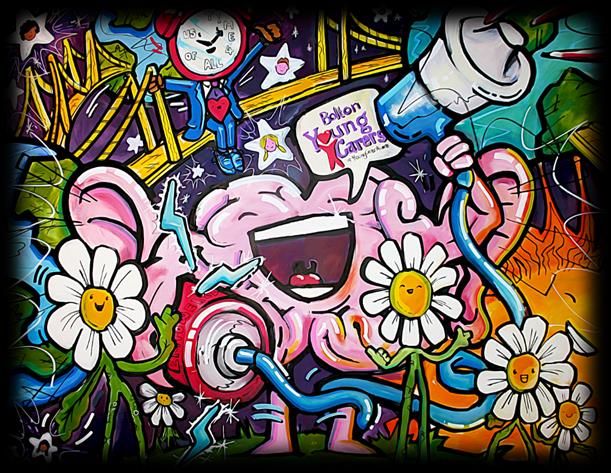
Contents

Executive Summary .............................................................................................................. 3
Introduction ........................................................................................................................... 4
Bolton’s Ambition .................................................................................................................. 5
The Needs of Children and Young People in Bolton ............................................................. 6
Bolton’s Current Performance against National Targets ...................................................... 10
Bolton’s Progress in 2019/20 .............................................................................................. 13
Developing the Bolton Workforce ........................................................................................ 31
Involvement and Engagement............................................................................................. 33
Bolton’s Priorities for 2020/21 ............................................................................................. 37
Bolton’s Financial Commitment ........................................................................................... 41
Challenges in Bolton ........................................................................................................... 42
Conclusion .......................................................................................................................... 44
Acknowledgements ............................................................................................................. 44
Appendices ......................................................................................................................... 45

                                                                 ~2~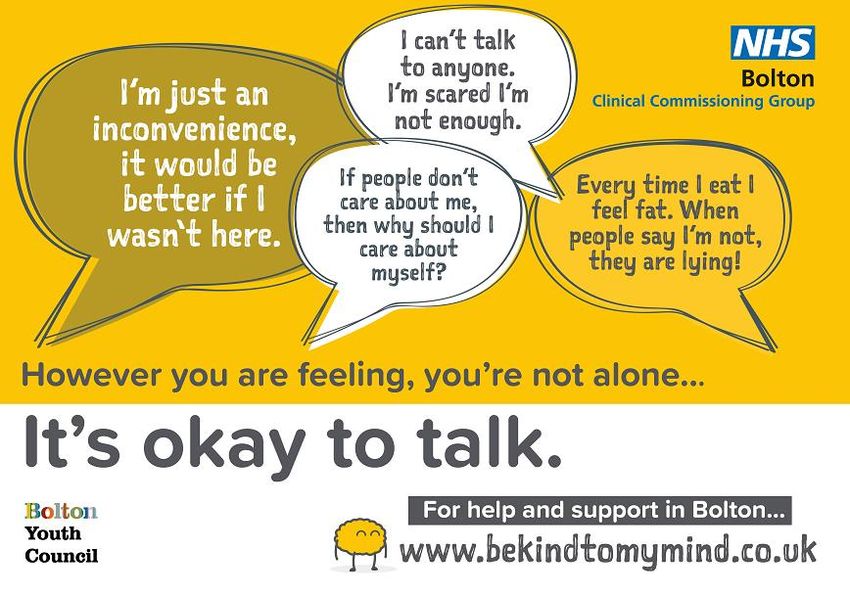
Executive Summary
We are now entering the final year of Bolton’s An increase in the recruitment and training
Five Year Local Transformation Plan (LTP) and of CAMHS workforce to further support us
Children and Young People’s mental health and to achieve the 2019/20 access target of
emotional wellbeing continues to be a significant 34%.
local priority in Bolton.
Our plan also outlines priority areas for
Access to support remains the biggest transformation in the next 12 months and
challenge for children’s mental health services beyond in line with the recently published
as highlighted in the recent Children’s NHS Long Term Plan – providing a
Commissioner Report that describes the current commitment to increased investment and
state of children’s mental health services across improved quality in children and young
England1. people’s mental health services across the
next 10 years.
The emotional health and wellbeing needs of
children and young people in Bolton are met Key priorities for 2020/21 include:
through a variety of services and organisations.
Delivery of the Access and Waiting Times
Some of these are formally commissioned as
as stated in the Five Year Forward View for
mental health services by Bolton Clinical
Mental Health.
Commissioning Group (CCG), for example the
Further expansion and enhancement of
Child and Adolescent Mental Health Service
Bolton’s crisis care support by embedding
(CAMHS). Support is also offered through a
both local and Greater Manchester
range of statutory and non-statutory agencies
initiatives.
such as Youth Services, Schools, and Voluntary
Delivery of Bolton’s Parent Infant Mental
and Community Sector organisations. Effective
Health Service including direct support to
support requires strong joint working across all
Dads and to families with babies on
of these partners to help children and their
Bolton’s neonatal unit.
parents/carers access the right advice and
support when they need it. Continue to deliver a whole-system
approach to embedding Thrive, including
Our 2020/21 Local Transformation Plan (LTP) the redesign of clinical pathways and
Refresh provides updates on key achievements increased access to training.
in Bolton over the last 12 months which include: Delivery of the Transforming Care
Programme to support children and young
The launch of Bolton’s mental health anti- people in Bolton with a Learning Disability
stigma microsite which was co-developed and/or Autism.
with Children and Young People in Bolton
The redesign of Bolton CAMHS’ clinical
model to ensure Children, Young People and
their Families are supported by the right
Professional, at the right time.
1
https://www.childrenscommissioner.gov.uk/wp-
content/uploads/2020/01/cco-the-state-of-childrens-mental-health-
services.pdf
~3~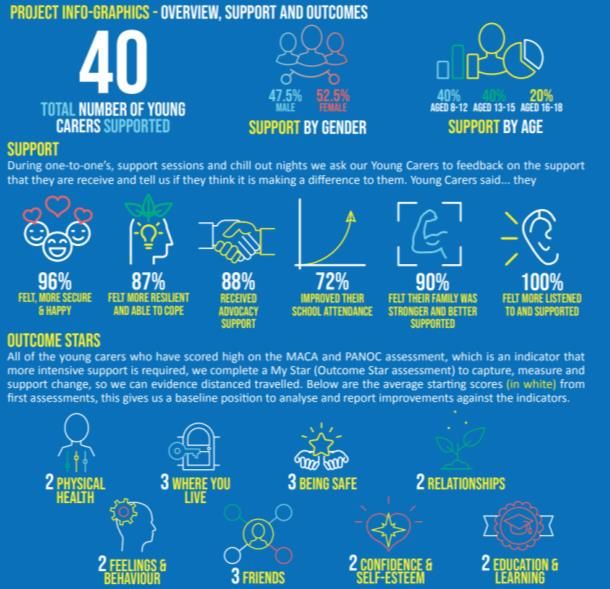
Introduction

The Children and Young People’s Local                                        The transformation of children and young
Transformation Plan (LTP) is a five year                                     people’s mental health is led locally by Bolton
strategic plan to deliver whole system change to                             CCG with professionals from across the NHS,
children and young people’s emotional health                                 Public Health, Children’s Social Care,
and wellbeing support and service provision in                               Education, Youth Justice and the Voluntary
Bolton.                                                                      Sector working together with children, young
                                                                             people and their families to design and
LTPs were developed in response to Future in                                 provide the best possible services for their
Mind (2015)2, a report by the Children and                                   locality.
Young People’s Mental Health Taskforce which
established clear recommendations to improve                                 The LTP supports and reflects the strategic
how children’s mental wellbeing can be                                       vision of Bolton Clinical Commissioning
supported and, when in crisis, receive good,                                 Group (CCG), Bolton Council, Bolton NHS
timely care (See Appendix 1 for more                                         Foundation Trust, Bolton Community and
information about Key Legislation which                                      Voluntary Services and Greater Manchester
underpins our LTP).                                                          Mental Health NHS FT (GMMH).

The Bolton Children and Young People’s                                       The plan describes current delivery and
Emotional Health and Wellbeing Local                                         future plans of co-development with Children
Transformation Plan (LTP) forms part of the                                  and Young People (CYP) with lived
overarching Bolton Health and Care Locality                                  experience of emotional health and wellbeing
Plan3 which sets the local vision and aims and                               difficulties and also includes pieces of work
directly supports the development and delivery                               co-produced with key Stakeholders such as
of the Greater Manchester (GM) Devolution                                    Bolton Safeguarding Children Partnership,
programme (See Appendix 2 for more                                           Homestart Oldham Stockport and Tameside
information on GM Devolution).                                               (HOST) and Bolton Healthwatch.

Bolton’s Local Transformation Plan has been in                               Delivery of the outcomes is only possible with
delivery since 1st April 2015 and is required to be                          significant joint working between all of these
refreshed in order to describe and reflect on                                partners and at scale across GM.
local progress; confirming that the additional
funding has been spent in accordance with the                                A summary of our governance arrangements
original plan and that progress has been made                                can be found in Appendix 3.
against the national mandate. The 20/21
Refresh provides a high-level overview of the
localities future ambition to fully achieve whole
system transformation in order to improve
outcomes for children and young people with
mental health difficulties.

   2

   https://assets.publishing.service.gov.uk/government/uploads/syste
   m/uploads/attachment_data/file/414024/Childrens_Mental_Health
   .pdf
   3
     http://www.boltonccg.nhs.uk/media/3027/bolton-
   locality-plan.pdf
                                                                       ~4~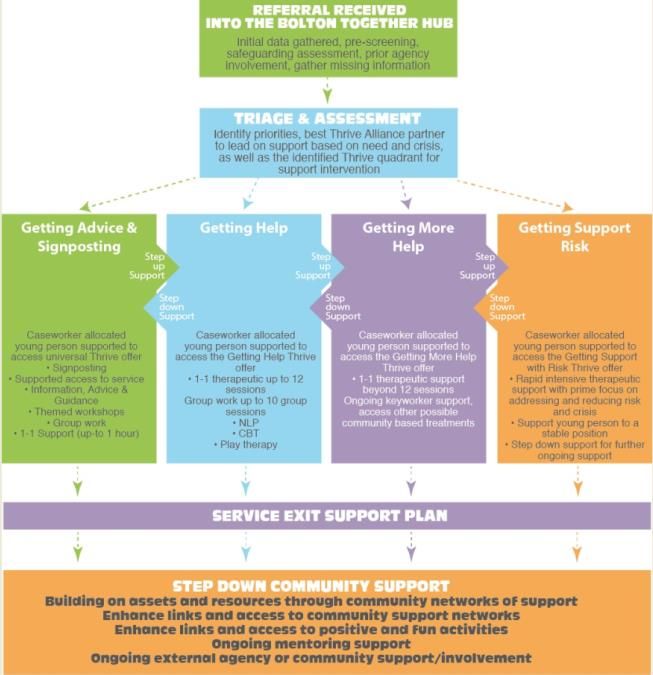
Bolton’s Ambition
Bolton continues to work towards our ambition to improve the emotional wellbeing and mental health
of children, young people and young adults, with a particular focus on those who are most risk of
mental illness.
There is a clear expectation that through the delivery of our LTP, we will achieve a significant
expansion of provision and access to high quality mental health and wellbeing support for our
children and young people and those who care for them. This means we must put them at the very
heart of all that we do and remain focused on ensuring better outcomes, experiences and delivery of
services that meet their needs.
Working with our partners, we wish to achieve the following:
All those living and working in Bolton will know where to find appropriate mental health and
emotional wellbeing support and advice.
Children and Young People who require mental health services will receive the right support,
in the right place when they need it.
Young people who are transitioning between services are supported throughout the process
to ensure transitions are managed safely, appropriately and in a timely manner.
Young people accessing mental health support will be involved in the decisions that affect
the care they receive through collaborative goal setting and planning their discharge from the
service.
Children, young people, parents/carers and other key stakeholders will influence the
development of services through participation and feedback.
We are working in a collaborative, integrated system that has and continues to require a
comprehensive system wide approach. The key to delivery of the Bolton Vision 4 to significantly
improve outcomes with a far greater emphasis in prevention and earlier intervention. We also
acknowledge that this approach holds a number of challenges and as such we are aligning, driving
and supporting changes at a Greater Manchester level.
4
http://boltonvision.org.uk/
~5~
The Needs of Children and
                                                                               Health and Deprivation
Young People in Bolton
                                                                The health of people in Bolton is generally
                Population Overview                             worse than the England average. Bolton is one
                                                                of the 20% most deprived districts in England
Bolton’s population, currently 285,372, has                     and 20.1% (12,120) of children live in low
been increasing steadily over the past                          income families. Life expectancy is 11.3 years
decade with an increase of 14,900 in the last                   lower for men and 8.9 years lower for women in
ten years. Bolton experienced a lower rate of                   the most deprived areas of Bolton than in the
growth than both Greater Manchester (7.4%)                      least deprived areas.
and England and Wales as a whole (7.8%)5.
                                                                In Year 6, 20.9% (801) of children are classified
The age profile of Bolton’s population is very                  as obese. Levels of GCSE attainment (average
similar to the national profile, although the                   attainment 8 score), breastfeeding and smoking
borough has a slightly higher proportion of                     in pregnancy are worse than the England
children (0-15) and a lower proportion of                       average7.
working age (16-64) than England.
                                                                        Black and Minority Ethnic (BME)
In general, over the next ten years Bolton’s
pre-school       and     secondary        school
populations will reduce slightly while there                    The proportion of BME children is growing at a
will be a small increase in the older teens                     much faster rate than the adult population. This
group. The Primary School cohort will remain                    means that today 27.5% of Bolton’s children are
fairly stable. Over the next five years the only                from BME backgrounds. The ethnic profile of
significant change will be an increase in the                   births has also seen a change in recent years
secondary school population6.                                   with an increase to mothers born outside of the
                                                                UK. Latest official data (2014 births) shows that
    Population change between 2017 and 2030                     25.7% (966) of Bolton’s live births were to
                   2017 2022 2025       2030                    mothers born outside the UK (this is similar to
Pre School (0-4)        19,036   18,977   18,862       18,490
Primary (5-10)          23,339   23,415   23,016       23,022
                                                                Greater Manchester (25.4%) and lower than
Secondary (11-15)       17,277   19,474   20,108       19,442   seen nationally (27.8%). Of these, the greatest
Older Teens (16-19)     13,737   13,717   14,861       15,692
Total                   73,389   75,582   76,848       76,647
                                                                number were to mothers born in the Middle
                                                                East and Asia (525), followed by the EU (203),
Children and young people make up a third                       Africa (203), and the New EU (174)8.
of the Greater Manchester population and it
is forecasted that the 0-15 year old cohort                                Looked After Children (LAC)
will be one of the fastest growing groups
over the next 5 years. The Office for National
Statistics (ONS) population estimates                           Nationally almost half the children in care
projects that by 2025 there will be over                        have a diagnosable mental health issue
732,000 0-19 year olds in Greater                               (45% rising to 72% for those in residential
Manchester.
                                                                7
                                                                  https://fingertips.phe.org.uk/static-reports/health-
                                                                profiles/2019/e08000001.html?area-name=bolton
                                                                8
                                                                  The New EU. Joined in 2004: Estonia, Latvia, Lithuania,
5                                                               Czech Republic, Hungary, Poland, Slovakia, Malta, Cyprus
 https://www.bolton.gov.uk/downloads/file/2285/2018-            (EU), Cyprus (not otherwise stated), Slovenia,
population-estimates-factfile-updated-july-2019-                Czechoslovakia not otherwise stated. Joined in 2007:
6
    ONS(2016) Subnational Population Projections, ONS           Bulgaria, Romania. Joined in 2013: Croatia
care) compared to 10% of the general Local Authorities, CCGs and NHS England
population. Approximately 11% of LAC are need to reflect the high level of mental health
reported to be on the autism spectrum and needs amongst Looked After Children in
many others have developmental problems. their strategic planning of child and
Two thirds of Looked After Children have adolescent mental health services.
been found to have at least one physical
health complaint such as speech and Domestic Abuse incidents involving
language problems, bedwetting, coordination children
difficulties or sight problems. There are
generally higher levels of teenage pregnancy Latest figures reveal that there were 2,719
and drug and/or alcohol use. domestic abuse and violence incidents
recorded as having a child present which
As at March 2019, there were 619 LAC for equates to 390 incidents per 10,000 children.
whom Bolton Council has responsibility for.
This equates to 95 children per 10,000 and Autism
is in line with a continued upward trend over
the past 15 years both locally and nationally.
Despite Autism Spectrum Disorders (ASC)
When compared with North West and affecting fewer children and young people
England 2018 data, Bolton has similar than more prevalent emotional and
numbers of LAC to other local areas (91 per behavioural disorders, they still present
10,000) but the rates are higher than the affected children, their families and schools
national average of 58 per 10,000 children with major challenges9.
under 18. The UK estimate is that approximately 1 in
100 children have autism10. Applying this to
As at March 2019 there were 178 Bolton
the Bolton’s child population would suggest
children and young people (28%) that were that approximately 674 children in Bolton
placed out of area. Whilst this is an increase have autism.
from March 2018 when the figure was 25%,
it still compares favourably to the national According to Public Health England there
average of 40% and is a reflection of were 558 children with autism known to
Bolton’s continued commitment to looking schools in Bolton in 201811.
after our children closer to home. Bolton
CCG retains responsibility for commissioning Early Help
and monitoring health services for those
children who are placed out of area. Early Help means providing support as soon
as a problem emerges, at any point in a
As at March 2019 there were 273 children child’s life. For this to be effective, all
and young people placed within Bolton by agencies are required to work together to:
other authorities for whom our local health
providers have a duty to provide care. This Identify children and families who would
means that at any one time we have around benefit from support early
742 Looked After Children living in Bolton Undertake an assessment of need
and this continues the historical trend of
Bolton receiving more children from out of 9
borough than the numbers we place out of https://files.digital.nhs.uk/FB/8EA993/MHCYP%202017%20Less%20Common
%20Disorders.pdf
area. 10
Office of National Statistics (2005), Mental Health of children
and young people in Great Britain, London: Palgrave Macmillan
11
http://www.legislation.gov.uk/ukpga/2009/15/pdfs/ukpga_20090015_en.pdf
~7~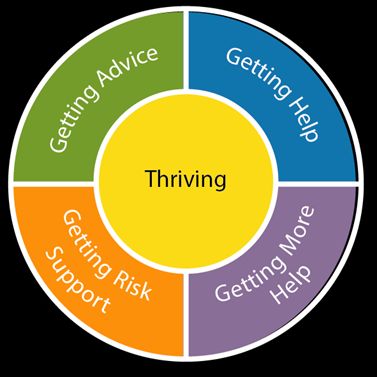
Provide services to address those needs Service and further information can be found
on page 10.
In Bolton a total of 3,104 children have an
open early help plan. There are also 852 The latest prevalence study of children’s
children on a child in need plan and 340 mental health states that nationally, one in
children on a child protection plan12. eight children and young people aged 5 to
19 years old had at least one type of mental
health disorder when assessed in 2017. This
Mental Health Prevalence
equates to 12.8% of the population14.
At the time LTPs were first published,
prevalence estimations predicted that 1 in 10 The report also found that emotional
children aged 5 to 16 has a diagnosable disorders are becoming more common in 5
mental health disorder. Applying these to 15 year olds; 9.7% in 1999, 10.1% in 2004
assumptions, the table below shows the and 11.2% in 2017. All other types of
estimated prevalence of mental health disorder, such as behavioural, hyperactivity
disorder in children and young people aged and other less common disorders have
5 – 17 years, across Greater Manchester, remained similar in prevalence for this age
split by locality. group since 1999.
For Bolton, this equates to 4,634 children The risk of child mental health disorders is
and young people aged 5 – 17 having a estimated to be six times higher in
mental health disorder. vulnerable groups of children and young
people, e.g. those with a Learning Disability
Estimated and Autism, Children with chronic physical
Prevalenc
GM Population e prevalence health problems, Looked After Children,
Locality (5-17 years*) ** of MH children in contact with youth justice, and in
disorder families where parents/carers have a mental
Bolton 47,297 9.8 % 4,634
Bury 30,549 9% 2,749
health disorder.
Manchester 80,618 10.5 % 8,465
Oldham 41,833 10.1 % 4,225 Mental health disorders in childhood have
Rochdale 36,288 10.1 % 3,665 high levels of persistence and continuity
Salford 37,267 10 % 3,727
through adolescence, and sometimes into
Stockport 44,310 8.7 % 3,855
Tameside 39,496 9.9 % 3,910 adult life (25 to 40%). The consequences of
& Glossop untreated emotional wellbeing and mental
Trafford 39,957 8.4 % 3,356 health problems early in life can be long
Wigan 49,068 9.8 % 4,809
* Mid-2016 local Authority and Lower Layer Super Output
lasting and far-reaching, thus effective early
Area population estimates intervention is essential.
** Modelled on synthetic estimates, 201513
A 2014/15 base line suggests that only 25% Eating Disorder Prevalence
of them receive specialist intervention. The
NHS has committed to increasing access to The onset of eating disorders typically
NHS funded community Mental Health occurs in adolescence or young adulthood
and they are a serious cause of mental ill-
health in this age group. It is estimated that
12
https://www.boltonsafeguardingchildren.org.uk/downloads/file/152/bscp- 14
multi-agency-safeguarding-arrangements-june-2019 https://digital.nhs.uk/data-and-
13
https://fingertips.phe.org.uk/profile-group/mental- information/publications/statistical/mental-health-of-
health/profile/cypmh children-and-young-people-in-england/2017/2017
~8~
approximately 1 in 250 females and 1 in Year to date (April 2019 – Nov 2019), a total
2,000 males will experience anorexia of 252 assessments (under 16 years) have
nervosa (NICE, 2004). taken place which is a 27% increase on the
same time period last year (198).
An overview of Bolton’s Community Eating
Disorder Waiting times can be found on Hospital Admissions for Mental Health
page 11. Conditions
Referrals to Mental Health Services in Children and young people with more severe
Bolton mental health problems can be assessed
and treated within specialised day and
Between April 2019 and 30th November inpatient units, also known as Tier 4.
2019, a total of 1,547 referrals were made to
Bolton Child and Adolescent Mental Health In April 2018, the NHS England National
Service (CAMHS) which is a 2.72% increase Commissioning Committee delegated
compared to the same time period in responsibility of CAMHS Tier 4 General
2018/19. Adolescents (GA) and Eating Disorders (ED)
Services to the devolved Greater
The 1,547 referrals can be broken down into Manchester Health and Social Care
the following pathways: Partnership (GMHSCP) Chief Officer.
This enables Greater Manchester (GM) the
Emergency : 0.12%
ability to make key decisions around
Urgent: 14.01% specialised Child Adolescence Mental Health
Routine: 67.81% Services (CAMHS) that will deliver cohesive
Redirected: 18.03% pathways across the full spectrum of general
mental health and eating disorders. Also
Between April 2019 and November 2019, a
enable creative solutions to service design to
total of 217 urgent referrals were made into
be pursued – in keeping with the national
Bolton CAMHS. This is 31.5% more than the
direction for specialised mental health
same period in 2018/19.
services.
Appendix 4 provides a further breakdown of
In 2018/19, there were a total of 134
CAMHS referrals split by both by
inpatient admissions for a mental health
emergency, urgent and routine.
condition in Bolton. This was a 21.8%
increase from 2017/18 where there were a
Referrals to All Age Mental Health Liaison
total of 110 inpatient admissions.
Year to date (April 2019 – October 2019), a
In 2018/19, a total of 338 assessments total of 59 inpatient admissions have taken
(under 16 years) were completed by Bolton’s place.
All Age Mental Health Liaison Service. This
accounts for 9.3% of the total number seen
by Mental Health Liaison (3643).
~9~Bolton’s Current Performance on data being streamed through to the
against National Targets Mental Health Services Data Set (MHSDS).
Due to a range of Providers not yet
Children and Young People’s Access to
streaming data directly through to MHSDS,
Mental Health Treatment
Locality access figures often do not
represent a true picture of mental health
access across all localities.
The Five Year Forward View for Mental
Health states that by 2020/21 there will be a In order to improve the accuracy of each
significant expansion in access to high localities access rate, NHS Digital
quality mental health care for children and completed a piece of work with providers to
young people (CYP). Nationally this means capture wider data that is not streamed
that 70,000 more CYP are accessing directly through the Mental Health Services
treatment each year. Data Set (MHSDS). This process was first
completed for 2017/18 data and took place
The CYP Access to Mental Health Treatment again in June 2019 for 2018/19 data. Each
target is based on 2004 prevalence data for year it is required to be reviewed, validated
the 0-18 population. This means that 6,484 and signed off by each CCG.
children and young people in Bolton are
deemed to have a diagnosable mental health For 2018/19, a total of 14% of CYP Mental
condition. Health access data was missing by NHS-
funded Providers in Bolton. Across Greater
Manchester, an average 9.5% of access
data was missing when comparing the
annual SDCS collection with the data
streamed directly to MHSDS.
For 2019/20, the nationally set access target 18/19
18/19 Annual
is 34% which equates to 2,204 children and MHSDS Variance
SDCS collection
data
young people accessing NHS funded Bolton 44.2% 30.2% 14%
community mental health services. As at
November 2019, Bolton are currently A Significant amount of work has taken place
achieving the 2019/20 performance with an across Bolton to reduce the variance gap
access rate of 34.5%. and to support wider partners to stream their
access data through to MHSDS. Bolton have
Acknowledgement can be made that this is a set up a monthly tracker to ensure effective
system-wide mental health access rate and monitoring of the local access target due to
does not solely reflect on access to local the Greater Manchester position being
Child and Adolescent Mental Health based on a 12 month forecast outturn.
Services.
The CYP Mental Health Access Target is
published nationally and is solely dependent
~ 10 ~Routine Referrals
Community Eating Disorder Waiting
Times
In 2018/19, a total of 48 routine referrals
were made to the service. 60% of routine
referrals were seen within the required
Since April 2017, North West Boroughs timeframe of 4 weeks.
Healthcare NHS FT have provided a joint
Community Eating Disorder Service (CEDS) CYP Eating Disorder 0-4 Over 4
Completed % Achieved
Routine weeks weeks
across Wigan and Bolton. The joint service 2018/19 Q1 (April – June) 4 8 12 33%
works across the community and will reach 2018/19 Q2 (July - Sep) 7 1 8 88%
2018/19 Q3 (Oct- Dec) 9 4 13 69%
in to hospital to support service users who 2018/19 Q4 (Jan - March) 9 6 15 60%
have acute paediatric medical needs. The CCG Total 29 19 48 60%
service delivers the requirements of The
Access and Waiting Time Standard for Year to date (April – December 2019), a total
Children and Young People with an Eating of 24 routine referrals have been made to
Disorder (NHS England) the service. Of these referrals, 88% have
been seen within the 1 week timeframe with
Below provides an overview of Bolton’s 3 referrals being seen over 4 weeks.
current performance against the Access and
Waiting Time Standards: CYP Eating Disorder 0-4 Over 4
Completed % Achieved
Routine weeks weeks
2019/20 Q1 (April – June)
Urgent Referrals 2019/20 Q2 (July - Sep)
7
6
2
1
9
7
78%
86%
2019/20 Q3 (Oct- Dec) 8 0 8 100%
2019/20 Q4 (Jan - March)
In 2018/19, a total of 9 urgent referrals were CCG Total 21 3 24 88%
made to the Children and Young People’s
Eating Disorder Service. 89% of referrals
were seen within the 1 week timeframe with CAMHS Waiting Times
one of the 9 referrals failing to meet the
required timescale. As part of the Greater Manchester CAMHS
CYP Eating Disorder 0-1 Over 1 Specification, all 10 areas are expected to
Completed % Achieved
Urgent week week
achieve the following waiting time standards:
2018/19 Q1 (April – June) 2 0 2 100%
2018/19 Q2 (July - Sep) 2 0 2 100%
2018/19 Q3 (Oct- Dec) 3 0 3 100% Waiting time to 1st Appointment within
2018/19 Q4 (Jan - March) 1 1 2 50%
CCG Total 8 1 9 89% 6 weeks
Waiting time to 2nd Appointment
Year to date (April – December 2019), a total within 12 weeks
of 7 urgent referrals have been made to the Waiting time to 3rd Appointment
service. Of these referrals, 100% have been within 6 weeks of assessment
seen within the 1 week timeframe.
Year to date (December 2019), average
CYP Eating Disorder 0-1 week Over 1
Completed % Achieved waiting times to first appointments were
Urgent Urgent week
2019/20 Q1 (April – June) 2 0 2 100%
slightly above the 6 week target (6.34
2019/20 Q2 (July - Sep)
2019/20 Q3 (Oct- Dec)
5
0
0
0
5
0
100%
N/A
weeks) and waiting time to 2nd appointment
2019/20 Q4 (Jan - March) were on average 3 weeks longer than the
CCG Total 7 0 7 100%
required target (15.01).Waiting times to 3rd
appointment were below the 6 week target,
averaging at 5.69 weeks.
~ 11 ~Mental Health Cluster Team can be found in
Increased access to evidence-based Bolton’s 2019/20 Progress section.
specialist perinatal mental health
Across Bolton, a significant amount of work
(PNMH) care
has been taken place to also develop a
Parent Infant Mental Health (PIMH) support
Since the 2018/19 financial year, additional offer. Further information on our progress
funding has been provided to NHS Bolton can also be found within Bolton’s 2019/20
Foundation Trust to establish a Perinatal Progress section.
Mental Health (PNMH) service across
Bolton.
Pregnant women with mental health
difficulties were previously managed across
a range of professionals and within a range
of clinics. In addition to this, women who
required input from a specialist perinatal
psychiatrist required a referral to
Wythenshawe which caused a significant
amount of cancelled appointments/did not
attend (DNAs) due to the distance.
Bolton’s Perinatal Mental Health Service is
now fully established and consists of a
Specialist Perinatal Mental Health Midwife, 2
Specialist Mental Health Midwives, a
Consultant Obstetrician with a specialist
interest in perinatal mental health in addition
to administrative support.
All referrals to the Specialist Perinatal Mental
Health Service are received electronically to
the service email account and a triaged in
line with Red Amber Green (RAG) criteria
dependent on the severity of mental health
difficulties.
Between 22nd April 2019 and 1st October
2019 a total of 571 referrals were made into
the service. This can be further broken down
into 96 Red, 248 Amber and 227 Green.
Referrals can be split into the following
postcodes: Bolton 368, Salford 92, Bury 54,
Wigan 41 and 16 Other.
Further information about Bolton’s Perinatal
Mental Health Service in addition to the
Greater Manchester Perinatal Community
~ 12 ~Bolton’s Progress in 2019/20 An overview of the Crisis Care Pathway is
provided below:
Utilising Local Transformation Plan funding, Medical on call: an on call rota will be set
Bolton has made positive process in up to make sure medics are available 24
ensuring appropriate and timely access to hours a day, seven days a week.
mental health support is available for Rapid Response Teams (RRT): provide risk
children and young people. assessment and management to young
people who are experiencing a mental health
A summary of the key work stream areas crisis.
from 2019/20 are detailed below. Safe Zones: provide a safe space for young
people in crisis to talk and receive support.
Assessment Centre: provide a central point
Crisis Care for arranging mental health hospital-based
care for a young person. It will support
bridging the gap between hospital and
Bolton are part of the Greater Manchester community CAMHS teams to make sure
Crisis care Pathway which is being led by young people experience joined up care.
four NHS Mental Health Providers: Enhanced Community CAMHS: an
extension of the existing community child
Pennine Care NHS Foundation Trust and adolescent mental health service –
Greater Manchester Mental Health including for example, evening and weekend
NHS Foundation Trust appointments.
All Age Mental Health Liaison (AAMHL):
North West Boroughs Healthcare
teams that work in hospitals to provide rapid
NHS Foundation Trust
assessment and support to people of all
Manchester University Hospitals NHS
ages that are experiencing a mental health
Foundation Trust
crisis. This is commissioned by local CCGs
The pathway comprises several areas, some but forms part of the wider crisis care
which are new service developments and pathway.
some which require transformation of
existing systems and services. All Age Mental Health Liaison
In April 2018, Bolton were the first locality in
Greater Manchester to go live an All Age
Medical Rapid Mental Health Liaison service to assess and
on call Response support Children and Young People under
Teams the age of 16 who present to Bolton
Liaison children’s A&E department in a mental
Mental GM health crisis.
Health Integrated Assessment
Crisis Care & In-reach Bolton’s All Age Mental Health Liaison
Pathway Centre
Service (AAMHL), delivered by Greater
Enhanced
Manchester Mental Health NHS FT will also
Community Enhanced
CAMHS Cover undertake initial assessments on the
Inpatient
7 days Safe Provision
Paediatric Wards at Royal Bolton Hospital
Zones when it has not been possible to undertake
~ 13 ~the initial assessment within the A&E The Rapid Response Teams (RRT) are
department. broken down into 4 individual teams which
operate across the 10 Greater Manchester
In 2019/19, a total of 338 assessments localities:
(under 16 years) were undertaken by
AAMHL which accounted for 9.3% of the West RRT: Bolton & Wigan
total number seen by Mental Health Liaison North RRT: Bury, Rochdale &
(3643). Oldham
Central RRT: Salford & Manchester
Year to date (April 2019 – Nov 2019), a total South RRT: Trafford, Tameside &
of 252 assessments (under 16 years) have Stockport
taken place which is a 27% increase when
compared to the same time period last year Whilst being implemented in a phased way,
(198). the ambition is to have a 24/7 crisis
response from April 2021 and to expand the
In December 2019, a multi-agency workshop points of referral over the next 12 months to
took place between Salford and Bolton to ensure clear, safe and effective pathways
evaluate All Age Mental Health Liaison which reach the young people most in need
Service in preparation for 2020/21. of support.
Workforce and training were highlighted as a
Between 7th May 2019 and 30th November
significant challenge due to the demand on
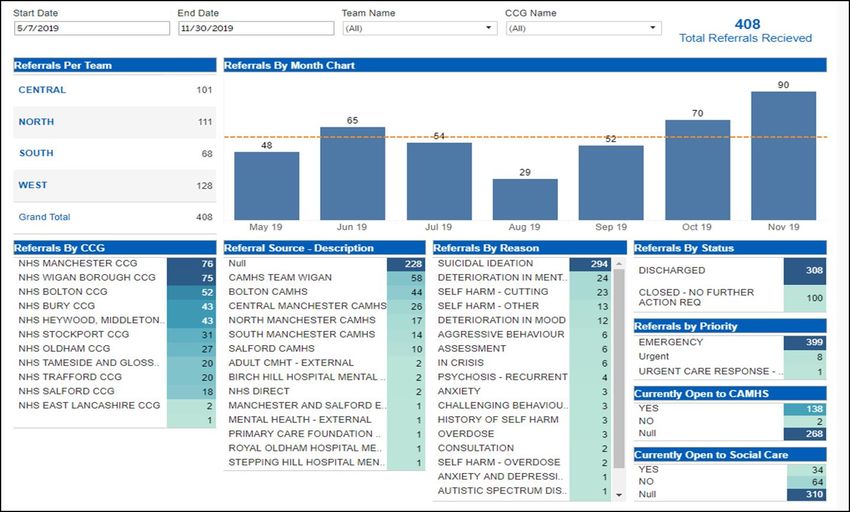
2019 a total of 408 referrals were received
liaison services being far higher than initially
by the Rapid Response Teams. A total of
anticipated. Combined with this, the
128 referrals (31%) were received by the
assessments with children and young people
West Team (Bolton & Wigan) and 52 of
take significantly longer than expected which
these referrals were specific to NHS Bolton
impacts on the overall performance of the
CCG (Children and young people registered
service. A series of actions were taken away
with a GP in Bolton).
from the workshop and dedicated leads have
been assigned to progress elements such as Out of the 408 referrals, 72% were recorded
joint assessments, transfers of care and as suicidal ideation. Appendix 5 provides a
onward pathways for children and young more detailed overview of the Rapid
people who do not reside in Bolton. Response Team’s referral data.
Rapid Response Teams Greater Manchester Assessment and In-
reach Centre
Four new Rapid Response Teams (RRT)
launched in May 2019 and are now Due to be fully operational from April 2021,
operating 8am to 8pm, 7 days per week, the Greater Manchester Assessment and In-
actively supporting young people across all reach centre (GMAIC) will provide a single
10 boroughs of Greater Manchester. They point of access for referrals when a young
provide rapid assessment, de-escalation and person needs to be admitted to a general
brief intervention for young people who are adolescent or eating disorder bed. GMAIC
experiencing a mental health crisis and will undertake access assessments and
support young people, along with their support effective pathways across all
families, for up to 72 hours. providers in Greater Manchester. This team
forms an integral part of the GM CAMHS
lead provider collaborative model.
~ 14 ~Safe Zones
Three Safe Zones have been opened across needs of young people across all four
Greater Manchester by a partnership of quadrants.
voluntary, charitable and social enterprise
organisations led by The Children’s Society. A system wide Children and Young People’s
This service provides complementary and Mental Health Stakeholder Event took place
ongoing support in a youth-centred, in December 2018 to launch the concept of
community setting for young people and Thrive and provide an overview of current
families who have accessed the Rapid mental health provision across Bolton. This
Response Teams (RRT). There is a longer was attended by approximately 130
term ambition to enable open access for professionals across Health, Social Care,
certain groups of vulnerable young people Education and the Voluntary Sector.
who may otherwise present more frequently
to A&E. Bolton’s Integrated Health and Wellbeing
Service (0-19) commissioned by Public
Bolton Lads and Girls Club are the provider Health has been re-procured with a thrive-
of the West Safe Zone and discussions are based service specification.
taking place to ensure this valuable resource
connects with all aspects of Bolton’s Crisis All Age Mental Health Liaison has been
Care offer to provide clear and effective implemented as part of Bolton’s “Getting
pathways of support for children and young Risk Support” offer aligned to the wider
people. Greater Manchester Children and Young
People’s Crisis Care Pathway.
Implementing Thrive
Staff across Health, Social Care, Education
and Voluntary Sector organisations have
A significant amount of work has taken place attended a series of GM i-Thrive training
in Bolton to implement Thrive across Health, modules.
Social Care, Education and Voluntary Sector
services. An overview of Thrive can be found Bolton CCG have worked in collaboration
in Appendix 6. To date, the following with Bolton Youth Council to develop and
milestones have been achieved: deliver a local mental health anti-stigma
campaign. Part of the campaign consists of a
A thrive based service specification was dedicated microsite which allows children,
developed and implemented as part of the young people and their families to see what
re-procurement of Bolton CAMHS in 2018. services are available in Bolton to support
mental health and wellbeing.
An Alliance of voluntary sector providers
(Bolton Lads and Girls Club, Fortalice, Subject Matter Expert (SME)
Headspace, Zacs and Bolton YMCA) have
been grant-funded by Bolton CVS to deliver Whilst there is acknowledgement by the GM
emotional health and wellbeing support i-Thrive team that Bolton are making positive
aligned to Thrive principles. Whilst the Thrive progress to the implementation of Thrive, a
Alliance had an initial focus on lower level key challenge highlighted by all GM localities
support (Getting Advice and Getting Help), revolves around the capacity to deliver the
the five organisations often supports the Thrive Framework at scale across the whole-
system.
~ 15 ~Emotional Health and Wellbeing
In response to these challenges, each CCG Transformation Group.
in Greater Manchester received a Subject
Matter Expert funding overview document Thrive Alliance
which required locality Thrive Leads to
submit a draft proposal as to how they will Aligned to the principles of Thrive, Bolton
use additional non-recurrent funding to CVS have led on the development of an
create capacity via Subject Matter Experts alliance of voluntary sector organisations
(SME). who deliver against a set of outcomes
specific to improving mental health and
Representatives at Bolton’s CYP Emotional emotional wellbeing.
Health and Wellbeing Transformation Group
agreed that the additional SME capacity Bolton’s Thrive Alliance has been in place
should predominantly focus on supporting since April 2017 and now consists of the
Education Settings to adopt a Thrive following 5 voluntary sector organisations:
approach.
Bolton Lads and Girls Club
The Subject Matter Expert (SME) Role will Bolton YMCA
contribute to a wider whole-system approach Fortalice
to implementing Thrive and will work to Headspace
deliver the following outcomes: Zacs (The Sycamore Project)
Senior Leads within Education will The Quarter 2 (July – Sept) report provided
understand the Thrive framework and will the following key highlights:
be able to utilise the principles to align
their emotional health and wellbeing offer Alliance providers have worked closely
for children and young people within their together to develop and submit a first
School. stage application to The National Lottery
to expand the offer they provide as part of
the Thrive Alliance
The offer of services/provision across
Bolton to support Children and Young
People’s mental health will be mapped A strong connection has been developed
and aligned to Thrive to ensure all staff with CAMHS and Zacs. CAMHS now
within Education settings are aware of the deliver one session per week from Zacs
provision offered across all 4 quadrants of Youth Bar in Farnworth which is a positive
Thrive. step in integrating services and providing
CAMHS support from within the
Bolton’s Subject Matter Expert (SME) role is community.
being jointly delivered by Bolton Lads and
Girls Club and Fortalice. Both organisations The summer holidays enabled young
are being supported by the GM i-Thrive team people attending Bolton Lads and Girls
to ensure a consistent approach to delivering Club to develop trusted friendships and
Thrive training. sessions focuses on building confidence
and self-esteem. The Summer Safe
A key element of the SME role is continuous Campaign focused on supporting young
engagement and consultation to allow gaps people to identify how they could stay
in provision and training to be identified. This safe in summer. Young people designed
work will directly feed back into the CYP a poster campaign and developed a
health and well-being board to provide
~ 16 ~information on services available and Bolton’s CYP Emotional Health and
inspirational positive mental health Wellbeing Transformation Group.
quotes.
Aside from this, the GM team also developed
85% of young people who have completed a two surveys which were rolled out across
well-being questionnaire and have been each of the 10 GM localities in October
supported by one or more of the partners 2019. One focused on CAMHS staff and the
reported an improvement in mental health other was for any staff member than
and wellbeing. supports children and young people.
A summary of Bolton’s findings can be found
Teams conducted outreach during the
below:
summer months via “Thrive into the
Community” which aimed to address peer
Wider Workforce Survey (non-CAMHS)
pressure and support young people to
access services provided by Thrive Alliance
partners. A total of 20 responses from Bolton were
provided
The success of Bolton’s Thrive Alliance has 45% of responses rated their knowledge
meant that they have been able to secure of the Thrive Framework as “Well” or
additional funding from The Big Lottery to “Very Well”
double the capacity offered across Bolton. When asked which areas of the Thrive
The proposed new model includes a referral framework best describes the services
hub to ensure that the most appropriate that you offer, service were most often
Thrive Alliance partner is selected to provide described as “Getting Help”
support to each young person based on the 45% responded “Strongly Agree” or
needs identified at the triage and “Agree” when asked whether they
assessment stage. understand what emotional health and
wellbeing services are available to
The model is heavily focused on a flexible
Children, Young People and their families
approach where support can be stepped up
in Bolton.
and stepped down in response to a young
40% responded “Strongly Agree” or
person’s needs.
“Agree” when asked whether they feel
Implementation of the new Thrive Alliance they work in an environment which
model will take place in 2020/21 and will promotes Children and Young People to
bring in additional partners such as CAMHS be emotionally healthy.
to ensure a seamless offer of mental health Only 10% responded “Strongly Agree” or
support is provided across Bolton. “Agree” when asked if they feel the Thrive
Framework is embedded into everyday
Appendix 7 provides a visual representation practice.
of the newly proposed Thrive Alliance model.
CAMHS Workforce
GM i-Thrive Survey Results
The Greater Manchester i-Thrive team use a A total of 8 responses were provided.
variety of mechanisms to understand the 75% responded “Strongly Agree” or
progress with implementing Thrive at both a “Agree” when asked whether they
local and Greater Manchester Level. One understand what emotional health and
mechanism is an annual locality self- wellbeing services are available in Bolton
assessment which is governed through
~ 17 ~to Children, Young People and their Fortalice Children’s Counselling Service
families. provides an environment for young people to
75% responded “Strongly Agree” or focus on their areas of distress, provide them
“Agree” when asked whether they are with a vehicle to explore specific problems,
confident in carrying out Shared Decision make choices, cope with crises, work
Making with Children and Young People through any feelings of conflict and improve
and their families. relationships with others.
45% responded “Strongly Agree” or
Play Therapy sessions are offered to young
“Agree” when asked if they are confident
people aged between 4 and 10 years old in
having conversations with children, young
order to provide an opportunity to express
people and their families about the likely
themselves, explore their thoughts and
outcomes of treatment at the onset.
feelings and make sense of their life
37.5% responded “Strongly Agree” or
experiences through the medium of play.
“Agree” when asked if they feel the Thrive
Talking therapy is provided to young people
Framework is embedded into everyday
aged 5 to 17 years and aims to focus on
practice.
supporting young people’s relationships,
health, behaviour, learning, education and
Training Modules
community cohesion.
In order to support the implementation of
Community Eating Disorder Service
Thrive, Bolton have utilised the following
range of GM i-Thrive training modules:
A Greater Manchester wide Community
Shared Decision Making: 21
Eating Disorder service specification has
professionals attended
been developed for implementation from
Getting Advice and Signposting: 22
April 2020 onwards, which is in line with
staff attended
national Eating Disorder guidance and
When to Stop Treatment: 3 staff
QNCC-ED guidelines. The three services are
attended
continuing to meet and share learning and
Getting Risk Support: 13 staff attended
expertise to either achieve or maintain the
national target in 2021 of 90% of service
Supporting Children and Young People users classed as urgent being seen within a
affected by Domestic Abuse week and 90% of service users classed as
routine being seen within 4 weeks. GM has
been consistency achieving above the
There are many young people in Bolton national and regional average. There has
whose lives are affected by domestic abuse been a trajectory of improvement across the
and its impacts. The long term effects of year.
trauma on a young person are known to be
widespread into all aspects of life unless The GM wide specification has been
interventions are put in place within a developed to reduce unwarranted variation
reasonable timescale. across the 10 Greater Manchester localities.
Key consistencies that the three Providers
A proportion of LTP funding is used to will deliver are:
provide therapy sessions to young people in
Bolton who have experienced or are Paediatrician time included within the core
experiencing the traumatic effects of team
domestic abuse.
~ 18 ~ Research time included across all As of November 2019, a total of 40 identified
services Young Carers were being supported by the
Cognisant of the recommendations from service and had been triaged using the
the transition report, with particular MACA and PANOC assessment tools to
reference to episodes of care not being establish the right level of supported needed
interrupted solely due to age. for the young person and their family; taking
into account higher than normal caring
Investment to GM CEDS continues as responsibilities, risk and safeguarding.
outlined in the Mental Health Investment
Standard and plans are being developed that
seek to make effective use of the increased
resources for Eating Disorders under the
NHS Long Term Plan. Both Services and
Commissioners in Bolton are aware that in
order to continue to achieve improved
access and waiting time that workforce
capacity and expansion is required.
Young Carers
Bolton’s Mental Health Anti-stigma
Campaign
In April 2019, Bolton CCG and Bolton’s
Healthy Minds Youth Project, led by Bolton
Council, launched their anti-stigma microsite
www.bekindtomymind.co.uk which was
In March 2019, Bolton Council and Bolton developed alongside a 4 week campaign to
Clinical Commissioning Group jointly encourage children and young people in
commissioned Bolton Lads and Girls Club Bolton that it’s okay to talk about their mental
(BLGC) to provide a Young Carers Service health.
which provides a single point of contact for
As part of the campaign,
all Young Carers, families and professionals
a series of sponsored
in order to provide assessments and co-
social adverts were
ordinated support for children and young
promoted across young
people.
people in Bolton. The
A launch event took place in September image on the right was
2019 and the artwork above was created on Bolton’s top performing
the day to reflect the thoughts and feelings of advert and received
children, young people, families and 855,794 impressions with
professionals on the day. a reach of 117,592
individual young people.
~ 19 ~The campaign also included a sponsored support which was anonymous and
YouTube advert which received 336,000 connected them to wider support services
views within a 4 week period. Young People within the locality.
in Bolton were also involved in the
development of a 30 second Spotify In February 2018, Bolton CCG
commercial which was played to any young commissioned Xenzone to provide Kooth’s
person who has a Spotify account registered anonymous online support to children and
with a Bolton postcode. young people in Bolton aged between 11
and 25 years old.
One of the microsite’s aims is to provide an
online single point of access for mental Between 1st February 2018 and 31st
health support across Bolton in addition to a December 2019, a total of 4,258 individual
range of regional and national crisis support young people in Bolton have registered with
lines. Kooth with a total of 24,567.
Utilising the Bolton CVS small grants funding Whilst a large amount of children and young
as part of commissioning the Thrive Alliance, people in Bolton have utilised the 1:1 chat
a group of young people produced a sessions (903) and messaging function
campaign video highlighting their personal (2021), it has been positive to see that both
experiences of mental health which the articles (1597) and moderated peer
underpins the Be Kind to My Mind support forums (1618) have been accessed
Campaign. by a significant amount of young people.
To date, the Be Kind to My Mind website has Appendix 8 provides a further breakdown by
had a total of 4,378 page views with 3,512 quarter of Bolton’s uptake of Kooth in
views being from unique users. The most addition to the presenting issues young
successful page hits include: people access the service with. The most
common presenting issue across each
Homepage: 2,498 views quarter has been in relation to anxiety and
Who can you speak to?: 694 views stress which correlates to what young people
Young Ambassadors: 349 views initially said they needed resources to
Urgent Help: 309 views support them with.
Reasons to talk: 154 views
Neurodevelopmental Pathways
Kooth
Autism
Key recommendations from Future in Mind
In September 2019, partners across Bolton
emphasis the need for localities to provide a
launched a new multi-agency autism
digital offer of mental health support to
diagnostic pathway to streamline the
children and young people within their
assessment process of children and young
locality.
people with suspected Autism.
This recommendation is also supported
The pathway incorporates a single point of
through local engagement with children,
access (SPoA) where Special Educational
young people, families and stakeholders
Needs Coordinators are able to refer a
during the re-procurement of Bolton CAMHS
young person for further assessment
which took place in 2017. An emerging
following the completion of a series of
theme was that there was a lack of access to
interventions and/or strategies. The pathway
an online resource for counselling and 1:1
~ 20 ~follows Early Help processes and supports and develop a post-diagnostic support offer
appropriate and consensual information across Bolton.
sharing to enable effective triage if a referral
to Bolton Social Communication and Supporting Looked After Children (LAC)
Interaction Panel (BSCIP) is made.
Following a review of the diagnostic pathway CAMHS
in 2019, a small amount of changes were
made to the diagnostic pathway in order to Bolton’s new CAMHS specification was
provide further clarity to Professionals. implemented in April 2018 and includes the
Further work is now required to develop a requirement for additional provision for
pathway for post-diagnostic autism support. vulnerable and Looked After Children. The
This also includes children and young people CAMHS Service works intensively with a
who have negative ADOS but display considerable number of Looked After
neurodevelopmental delay. Children and provides a highly valued
consultation service to social workers and
ADHD foster carers in the management of care for
Bolton’s ADHD pathway for children and children with very complex emotional needs.
young people is provided within the core The CAMHS Clinical Lead also works with
CAMHS offer and additional funding has commissioners within Bolton CCG to provide
been provided in 2019 to secure an clinical expertise in relation to funding and
additional ADHD practitioner. placement planning for Looked After
Children in particular those children placed
Following the success of Bolton’s autism out of borough.
pathway, work is ongoing to follow the same
multi-agency process to redesign the local GM Therapeutic Standards
ADHD pathway. Bolton’s Designated Nurse for LAC has led a
Bolton continues to support the piece of work with partners from CAMHS
implementation of the 12 Greater services across Greater Manchester to
Manchester standards underpinning the develop GM Looked After Children
delivery of ADHD services for children and therapeutic standards. The standards are
young people. There is a particular focus on built around the principles of ‘Thrive’ and are
the delivery of training to wider partners, an amalgamation of various documents
including A&E staff and mental health crisis including statutory guidance and
teams. A training outcomes matrix has been recommended/ evidenced based practice.
developed and is used by services across The standards cover expectations for health,
Greater Manchester to review their training. education and children’s services and are in
A series of template materials have also line with the GM aspiration to be a trauma
been provided to ADHD services and informed region.
planning time for training Schools has been
included as part of the workforce capacity The standards were benchmarked across
planning. GM in quarter four of 2018-2019 and this
work was led by the Designated Nurses for
As of April 2020, both the autism and ADHD Looked After Children in each of the ten GM
pathway groups will merge into one areas. An action plan has been developed to
neurodevelopmental group. This group will address the local gaps and the learning will
be responsible for overseeing both pathways be fed into the GM Looked After Children
Review.
~ 21 ~School Readiness Project
Between September 2017 and August 2019, The pathway is currently in draft form and
a School Readiness Programme has been has been shared across a range of Bolton
delivered across Bolton in order to support organisations for comments prior to
Looked After Children to become ‘School approval.
Ready’ focusing on basic skills and
emotional and behavioural regulation skills. Bolton Children’s Integrated Health and
Wellbeing Service
Since November 2017, there have been 19
pre-school children supported and 49 school In September 2018, Bolton’s 0-19 Children
aged children who were identified through a and Families Service which included 0-5
high SDQ score. Additional training has been provision delivered by NHS Bolton FT and 5
provided to nursery/school settings and – 19 provision delivered by Bridgewater
carers around speech and language in Community Healthcare was put out to tender
addition to emotional literacy through by Public Health (Bolton Council).
‘emotion coaching’.
In January 2019, Bolton NHS Foundation
Suicidal Ideation and Self-Harm Trust, the organisation that provides health
services in the community around Bolton and
is responsible for Royal Bolton Hospital, was
As part of the recommendations from the chosen by Bolton Council and Bolton Clinical
thematic review into child suicide, one of Commissioning Group to provide all services
Bolton’s key training priorities has been the for children and young people from 0-19
coordination of suicide prevention and self- years (25 years for young people with
harm training across the whole children’s special educational needs).
workforce. A commitment has been made to
the roll-out of STORM training which will see An official launch for the service was held in
a total of 5 facilitators trained across Bolton. October 2019 and included the introduction
The facilitator training is scheduled to take of a brand new text service ‘Chat Health’.
place early 2020/21 with a programme of Chat Health is another way for parents and
dates available for all staff to book onto later young people to contact one of our specialist
in the year via the Safeguarding Multi- nurses with questions ranging from
Agency Training Programme. breastfeeding support and child development
to support for teenagers and parents of
Following on from the recommendations teenagers around bullying, contraception
from a serious case review, another key and emotional health.
element of Bolton’s work has been the
development of a multi-agency suicidal
ideation and self-harm pathway to better
support staff across Health, Social Care,
Education and the Voluntary Sector.
The pathway aims to support professionals
by providing a series of situation dependent
questions alongside a safety plan template.
Additional information is also provided which
includes a list of potential triggers and a The service has been redesigned to become
range of support both locally and nationally. Bolton Children’s Integrated Health and
~ 22 ~You can also read


