BOOK 2020 BLUE Trends in optics and optometry - comparative European data - European Council of Optometry and ...
←
→
Page content transcription
If your browser does not render page correctly, please read the page content below

1

 BLUE
BOOK    2020   Trends in optics and optometry -
               comparative European data

BLUE
BOOK                     2020
Trends in optics and optometry -
comparative European data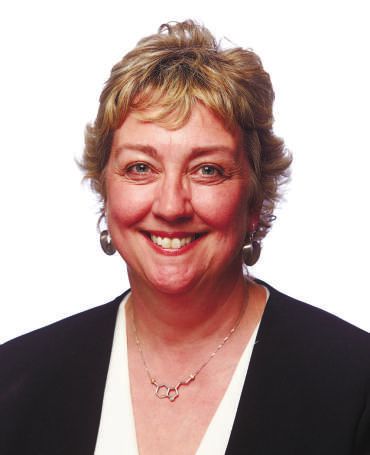
2

 BLUE
BOOK    2020        Trends in optics and optometry -
                    comparative European data

TABLE OF
CONTENTS

05                                                     06
        Introduction                                        Key findings and trends
        About ECOO                                          Methodology

07                                                     08
        WCO Scope of Practice categories                    Disclaimer
                                                            Countries surveyed

09                                                     10
        The professional landscape                          Category 1 in detail
        in Europe

12                                                     14
        Category 2 in detail                                Category 3 in detail

16                                                     18
        Category 4 in detail                                Professional
                                                            titles
3
BLUE
BOOK 2020 Trends in optics and optometry -
comparative European data
20 22
SCOPE OF PRACTICE I SCOPE OF PRACTICE II
Testing vision and prescribing
spectacles to children
23 24
SCOPE OF PRACTICE II Standard eye examinations
Direct referrals to an ophthalmologist
or medical practitioner
26 30
Professions in numbers Optical shop/practice ownership
31 34
Educational landscape Opticians
(Category 1)
36 38
Optometrists Profession’s role
(Categories 2,3 and 4) in public health
41 42
Primary eye care need Annex I
in Europe
44 46
Annex II Contacts4
BLUE
BOOK 2020 Trends in optics and optometry -
comparative European data
FOREWORD
Data from the World Health Optometry as well as a first school
Organization suggests there are that achieved accreditation with the
at least 2.2 billion people around European Qualification in Optics in
the world who have a vision 2020. Several more are currently
impairment, of whom at least 1 in the process of being accredited.
billion have a vision impairment Over 400 professionals already
that could have been prevented hold the European Diploma in
or treated. While the burden is Optometry, promoting the standard
considered to be higher in low- of practice, a figure that increases
and middle-income countries, by at least 50-60 people every year.
there is significant pressure on
Despite significant progress
health systems in higher-income
achieved, there is still some way to
countries as well. With growing and
go to ensure the roles of opticians
ageing populations, lifestyle factors
and optometrists are firmly
such as obesity on the rise and
established as primary care givers
the increase in the prevalence of
across all of Europe. The varied
myopia, global demand for eyecare
scope of practice of opticians and
will expand.
optometrists is a challenge for
The building blocks for a professionals in some countries
sustainable solution lie in investing who could contribute even more
in a strong and well-trained to reducing the burden of vision
workforce that can ensure timely impairment on health systems.
diagnosis of eye conditions and
The ECOO Blue Book provides a
access to care.
unique snapshot of the state of the
In Europe, the European Council of professions across Europe. It is a
Optometry and Optics (ECOO) has valuable set of data that has been
worked towards the harmonisation previously used and referenced
of clinical and educational by stakeholders including the
standards of optometric and European Commission. This
optical practice, promoting a gold resource is directed at ministries
standard through the European of health, education, economy and
Diploma in Optometry and industry, civil society organisations,
establishing the entry standard for researchers and practitioners. By
optics at a European level through providing information on the status
the European Qualification in of optometry and optics across
Optics. We are encouraged to see Europe, we hope to assist policy-
four universities fully accredited makers in the eye care sector in
and two partially accredited their efforts to reduce the burden of
with the European Diploma in eye disease and vision loss.
Dr Cindy Tromans
ECOO President5
BLUE
BOOK 2020 Trends in optics and optometry -
comparative European data
THE ECOO BLUE BOOK IS AN AGGREGATION
OF DATA ON THE PROFESSIONS OF OPTICS
AND OPTOMETRY IN COUNTRIES ACROSS EUROPE.
THE AIM IS TO PROVIDE COMPARABLE AND
COMPREHENSIVE DATA ON THESE PROFESSIONS
TO FOSTER A BETTER UNDERSTANDING OF THE
SIMILARITIES AND DIFFERENCES BETWEEN COUNTRIES.
THE BLUE BOOK IS FREELY ACCESSIBLE ON THE ECOO
WEBSITE AND IS DESIGNED TO INFORM A VARIETY
OF STAKEHOLDERS SUCH AS PROFESSIONALS,
POLICY-MAKERS, JOURNALISTS AND ACADEMICS.
The European Council of Optometry and Optics (ECOO) is the European umbrella
association which represents the interests of optometrists and opticians in Europe.
It aims to promote eye health to the public across borders and to harmonise clinical
and educational standards of optometric and optical practice throughout Europe.
OUR VISION OUR MISSION
To improve vision and eye health To improve eye health and vision for
by providing high-quality, cost- all and eliminate avoidable blindness
effective optometric and optical and visual impairment in Europe.
services across Europe.
To create a harmonised professional
and educational system for optometry
and optics based on the European
Diploma in Optometry and the
Qualification in Optics.
To develop the scope of practice for
optometrists and opticians to the
degree that the same high standards
LEARN MORE ABOUT ECOO:
apply and are mutually recognised
www.ecoo.info in all European countries.6
BLUE
BOOK 2020 Trends in optics and optometry -
comparative European data
KEY FINDINGS AND TRENDS
The ECOO Blue Book illustrates the Despite these differences, a standard
optometric and optical landscape in eye examination is very similar across
Europe. While there are a number of Europe and is regulated mainly
differences between countries, the through professional guidelines. We
scope of practice is developing in also see consistency over the years in
several countries. In some countries, the number of professionals in Europe
professionals can use diagnostic and a steady number of students
drugs and others have gained or are graduating every year in the various
in the process of gaining recognition qualifications. It is interesting to
of their optometric professions, which note that the educational recognition
in most instances is considered a is often more advanced than the
health profession. On the upper end, legislative recognition.
we also see countries moving towards
developing a therapeutic scope of
practice.
METHODOLOGY
The data has been gathered by the end of January 2020. The data was
means of an extensive questionnaire then analysed, reviewed and verified
filled in by ECOO’s members and where possible before it was compiled
by professional associations and into this final version. The geographic
individuals from non-member scope extends beyond the EU Member
countries who agreed to cooperate States and covers countries across the
on this project. The questionnaire European continent.
was open from October 2019 until
COUNTRIES SURVEYED
The Blue Book questionnaire has been completed for a total of 31 countries, of
which 22 countries are a member of ECOO. Some countries have more than one
professional association. Please refer to Annex I for a full list of associations who
provided the data.7
BLUE
BOOK 2020 Trends in optics and optometry -
comparative European data
WCO SCOPE
OF PRACTICE CATEGORIES
To learn more about the four The way the professions are organised varies across Europe due to historic
categories, please consult the reasons. In some countries the professions are combined into one profession
WCO “A Global Competency- and in others there are several subdivisions and specialisations. To enable a
Based Model of Scope of comparison in such a varied landscape, the World Council of Optometry (WCO)
Practice in Optometry”:
Global Competency-Based Model of Scope of Practice in Optometry has been
chosen as a mechanism to classify the varying scope of practices. ECOO is the
regional member of the WCO and bases its work on this model.
The WCO competency model consists of four categories. Generally speaking,
Category 1 would be called “Optician” or equivalent in most countries and
practitioners in Categories 2, 3 and 4 are considered “Optometrists” or equivalent.
The scope of practice increases with each level, with Category 4 being the highest
level. Any category includes the competences of the level(s) below it.
1 2
OPTICAL TECHNOLOGY SERVICES VISUAL FUNCTION SERVICES
This Category contains competencies Optical Technology Services plus
relating to ophthalmic devices that
This Category contains competencies
correct defects of the visual system. It
relating to investigation, examination,
includes management and dispensing
measurement, recognition and
of ophthalmic lenses and ophthalmic
correction/management of defects of the
frames as well as other devices such
visual system. It encompasses assessing
as those for eye protection in the
the ocular adnexa and assessing the
workplace or recreational settings and
eyes for their structure, health and
low vision devices.
functional ability, measuring vision and
other aspects of visual function such as
visual fields, assessing refractive status
and binocular vision and prescribing
the appropriate ophthalmic device i.e.
spectacles or contact lens.
3 4
OCULAR DIAGNOSTIC SERVICES OCULAR THERAPEUTIC SERVICES
Optical Technology Services plus Visual Optical Technology Services plus
Function Services plus Visual Function Services plus Ocular
Diagnostic Services plus
This Category contains competencies
relating to investigation, examination This Category contains competencies
and evaluation of the eye and adnexa, relating to the use of pharmaceutical
and associated systemic factors, agents and other procedures to manage
to detect, diagnose and manage ocular conditions and diseases. It
disease. In this category there are encompasses prescribing pharmaceutical
competencies for additional clinical agents and other regimens to treat ocular
tests and the use of diagnostic drugs. disease and injury as well as monitoring
response to treatment.8
BLUE
BOOK 2020 Trends in optics and optometry -
comparative European data
CZECH REPUBLIC* SWEDEN*
CZ SE
UNITED KINGDOM* NORWAY*
UK NO FINLAND*
FI
IRELAND*
DENMARK*
IE
DK
NETHERLANDS*
POLAND*
NL
PO
BELGIUM*
BE HUNGARY*
HU
SPAIN*
ES AUSTRIA*
AT
ITALY*
IT BULGARIA*
BG
GERMANY*
DE CYPRUS*
CY
SWITZERLAND*
CH GREECE*
SLOVENIA* SERBIA* GR
SI RS
CROATIA*
*ECOO MEMBER HR
NON MEMBERS
ESTONIA FRANCE LATVIA LITHUANIA LUXEMBOURG MALTA
EE FR LV LT LU MT
N. MACEDONIA ROMANIA TURKEY
MK RO TR9
BLUE
BOOK 2020 Trends in optics and optometry -
comparative European data
CATEGORIES OF COUNTRIES BASED
ON ADAPTED WCO COMPETENCY MODEL
1 2
FR BE BG HR
3
Without
diagnostic drugs
With
diagnostic drugs
4
UK
TR CY CZ GR AT ES FI IE
HU IT LU DE LT MT NL
MK PO RO DK LV NO SE
SI RS EE CH
THE PROFESSIONAL
LANDSCAPE IN EUROPE
The above categorisation of countries is based on the WCO Competency model
and represents the highest competence level in a given country.
ECOO has adapted the model slightly by subdividing category 3 into two sections:
category 3 without diagnostic drugs and category 3 with diagnostic drugs. The
reason is that a number of countries fulfill the vast majority of competencies
of Category 3 with the exception of the use of diagnostic drugs. This adaptation
allows for a more accurate representation of reality.
It is however important to refer to this overview as a conceptual framework and
to consider the detailed competencies in the chapter “Scope of Practice” for the
full picture.
The four categories are therefore presented in detail in the next section.10
BLUE
BOOK 2020 Trends in optics and optometry -
comparative European data
CATEGORY 1 IN DETAIL
Optical Technology Services: Management and dispensing of ophthalmic lenses, ophthalmic frames and
other ophthalmic devices that correct defects of the visual system.
REGULATORY NUMBER
LANDSCAPE OF COUNTRIES
AT BE HR CZ FR
DE IE MK GR RS
The profession is
16 (76,2%)
regulated by law SI CH TR UK CY
LU
AT HR CZ FR IE
The professional LV RS SI CH TR
14 (66,7%)
title is protected
CY LU GR UK
The profession is BE NL PO MT
4 (19%)
deregulated
Activities are reserved
to the holder of a
5 (23,8%) AT BG IE SI CY
specific professional
qualification
The profession is not
yet regulated but a 1 (4,8%) MT
law is being discussed
Total number of countries 21 (100%)
Comments
Belgium: The profession is regulated in Wallonia and Brussels and deregulated in Flanders.
Bulgaria: The practice of opticians is regulated by a Special Ordinance, under the Health Act.
Switzerland: Education is a national competence but the execution of the profession is regulated by cantonal law. The cantons
tend to deregulate this professional level. The competences of the optometrist BSc FHNW (Fachhochschule Nordwestschweiz) are
regulated in the national Health Professions Act GesBG.11
BLUE
BOOK 2020 Trends in optics and optometry -
comparative European data
AUTHORITY NUMBER
IN CHARGE OF COUNTRIES
Ministry of Health BG FR MK GR RS
9 (42,8%)
(or equivalent) TR UK CY IE
Ministry of the AT BE HR CZ FR
Economy/Commerce 10 (47,6%)
(or equivalent) DE MK PO SI LU
Local/regional health
3 (14,3%) HR CH TR
authority
Other 3 (14,3%) LV MT NL
Total number of countries 21 (100%)
Comments
Latvia: Ministry of Education and Science.
Malta: As the profession of Optics is not yet regulated, no ministry is officially in charge.
Netherlands: As opticians and contact lens specialists are deregulated, no ministry is officially in charge.
DO LICENSES TO NUMBER
PRACTISE NEED TO BE OF COUNTRIES
RENEWED AT REGULAR
INTERVALS
IE BE BG CZ LV
Never 10 (83%)
NL PO RS GR TR
Every year 1 (8,3%) UK
Other 1 (8,3%) CY
Total number of countries 12 (100%)
Comments
Belgium: There are no licences to receive a social security number («INAMI» number) but a Diploma in Optics is required, also in
Flanders, where the profession is deregulated.
United Kingdom: Licenses need to be renewed every year and a minimum of CET points need to be achieved every three years.
Cyprus: Licenses are renewed every two years.12
BLUE
BOOK 2020 Trends in optics and optometry -
comparative European data
CATEGORY 2 IN DETAIL
Visual Function Services: Optical Technology Services, plus Investigation, examination, measurement,
recognition and correction/management of defects of the visual system.
REGULATORY NUMBER
LANDSCAPE OF COUNTRIES
BE CZ CH CY IT
The profession is
9 (60%) RO HU GR LU
regulated by law
The professional CZ CH CY LU GR
8 (53,3%)
title is protected RO RS HU
The profession is
2 (13,3%) NL RO
deregulated
Activities are reserved
to the holder of a
5 (33,3%) CY BG RO HU LU
specific professional
qualification
The profession is not
yet regulated but a 5 (33,3%) HR PO RS SI BG
law is being discussed
Total number of countries 15 (100%)
Comments
Belgium: The profession is a para-medical profession. The professional title «Orthoptiste-Optometriste»; has been protected since 22
April 2019 and can only be obtained via the corresponding Bachelor degree. The professionals who do not hold a bachelors degree
can continue to practise optometry on condition that they received approval by the «Commission d’Agreement»; but they will not
have the title «Orthoptiste-Optometriste». All professionals need to be regulated by 21 April 2023.
Bulgaria: In January 2016 the profession of Optometrist with a Bachelor degree required as a minimum, was added to the National
Register of Professions. The scope of the practice is not yet fully described.
Greece: Category 2 professionals in Greece operate under the supervision of ophthalmologists.
Italy: The profession of Optometrist is not yet regulated. Nevertheless optometry can be practised under general laws. The Italian
optician scope of practice extends beyond dispensing as it includes refraction and contact lens fitting.
Netherlands: In practice to become a contact lens specialist, there is a two year education one day a week after the 4 year optics
education. The rest of the week the student is working in an optical store and learn in practice under supervision.
Romania: There are 3 levels of practice.
Serbia: The profession is recognised and as of 2020, it will be included in the list of Ocupation codes of the Government. The law
does not yet regulate what education is needed nor the practical requirements.
Slovenia: Next to the bachelor and master level optometrists, there are “Optikermeister”, which are based on the German model.
Education for this level is however no longer in place anymore.
Switzerland: Education is a national competence. The execution of the profession is regulated by cantonal law. As of 2020 a new
national regulation concerning optometry comes into force.13
BLUE
BOOK 2020 Trends in optics and optometry -
comparative European data
AUTHORITY NUMBER
IN CHARGE OF COUNTRIES
BE BG CZ IT RS
Ministry of Health
12 (80%) SI PO RO CY GR
(or equivalent)
HU LU
Ministry of the
Economy/Commerce 3 (20%) HR RS LU
(or equivalent)
Local/regional health
2 (13,3%) IT CH
authority
Other 1 (7,7%) NL
Total number of countries 15 (100%)
Comments
Netherlands: No institute is in charge of the contact lens specialist.
DO LICENSES TO NUMBER
PRACTISE NEED TO BE OF COUNTRIES
RENEWED AT REGULAR
INTERVALS
BE BG CH CZ IT
Never 10 (76,9%)
GR NL PO RO HU
Every year 0
Every 5 years 1 (7,7%) LU
Other 2 (15,4%) HR SI
Total number of countries 13 (100%)
Comments
Croatia: The profession is not yet regulated.
Netherlands: Although there are no licenses, many professionals engage in continuous development training programmes.
Slovenia: There are no licences to practise.14
BLUE
BOOK 2020 Trends in optics and optometry -
comparative European data
CATEGORY 3 IN DETAIL
Ocular Diagnostic Services: Optical Technology Services plus Visual Function Services, plus investigation,
examination and evaluation of the eye and adnexa, and associated systemic factors, to detect, diagnose and
manage disease
REGULATORY NUMBER
LANDSCAPE OF COUNTRIES
AT DE DK
without
diagnostic drugs 6 (85,7%)
ES LV LT
The profession is FI MT NO
regulated by law
with
8 (100%) SE CH UK
diagnostic drugs
IE NL
without AT DE DK
diagnostic drugs 6 (85,7%)
The professional ES LV LT
title is protected NO SE CH
with
diagnostic drugs 6 (75%)
NL UK FI
The profession is
0
deregulated
Activities are reserved without
AT DE ES
diagnostic drugs 5 (71,4%)
to the holder of a EE LT
specific professional
with
qualification diagnostic drugs 3 (37,5%) MT SE FI
The profession is not
without EE
yet regulated but a diagnostic drugs 1 (14,2%)
law is being discussed
without
diagnostic drugs 7 (100%)
Total number of countries
with
diagnostic drugs 8 (100%)
Comments
Austria: A person who has the licence of «Augenoptikermeister» and «Kontaktlinsenoptiker» and are self-employed have the right to
use the title «Optometrist» in Austria.
Norway: The function itself is protected by a general healthcare regulation/ health care act. Testing/examination of eyes is a
healthcare service and therefore needs to be carried out by an authorised and qualified healthcare professional.15
BLUE
BOOK 2020 Trends in optics and optometry -
comparative European data
AUTHORITY NUMBER
IN CHARGE OF COUNTRIES
DK ES EE
without
diagnostic drugs 5 (71,4%)
LV LT
Ministry of Health
FI MT NO
(or equivalent)
with
diagnostic drugs 8 (100%) SE CH UK
IE NL
Ministry of the
without AT DE
Economy/Commerce diagnostic drugs 2 (28,6%)
(or equivalent)
Local/regional health without
ES
1 (14,3%)
authority diagnostic drugs
without
diagnostic drugs 7 (100%)
Total number of countries
with
diagnostic drugs 8 (100%)
Comments
Spain: The Ministry of Health establishes common requirements and regional governments can expand on them.
DO LICENSES TO NUMBER
PRACTISE NEED TO BE OF COUNTRIES
RENEWED AT REGULAR
INTERVALS
without
AT DE DK
diagnostic drugs 4 (57,1%)
EE
Never
with
CH FI MT
diagnostic drugs 5 (62,5%)
NO SE
without
diagnostic drugs 1 (14,3%) LV
Every 5 years
with
diagnostic drugs 1 (12,5%) NL
without
diagnostic drugs 2 (28,6%) ES LT
Other
with
diagnostic drugs 2 (25%) IE UK
without
diagnostic drugs 7 (100%)
Total number of countries
with
diagnostic drugs 8 (100%)
Comments
Ireland: Licenses need to be renewed every year.
Lithuania: The law for renewal of licenses is not yet issued, and currently it is being discussed at the Ministry of Health.
Netherlands: Only a quality registered optometrist has to renew his/her license every 5 years.
Spain: Although the right and obligation of continuing education for the renewal of the license for professional practice is regulated
by law, the competent authority has never developed or implemented it. For this reason, the Spanish General Council of Optometry
has created a voluntary system for the periodic validation of the professional license (every 5 years).
United Kingdom: Licenses need to be renewed every year and a minimum of CET points need to be achieved every three years.16
BLUE
BOOK 2020 Trends in optics and optometry -
comparative European data
CATEGORY 4 IN DETAIL
Ocular Therapeutic Services: Optical Technology Services plus Visual Function Services plus Ocular Diagnostic
Services plus, use of pharmaceutical agents and other procedures to manage ocular conditions/disease.
REGULATORY NUMBER
LANDSCAPE OF COUNTRIES
The profession is
1 (100%) UK
regulated by law
The professional
0
title is protected
The profession is
0
deregulated
Activities are reserved
to the holder of a
0
specific professional
qualification
The profession is not
yet regulated but a 0
law is being discussed
Total number of countries 1 (100%)17
BLUE
BOOK 2020 Trends in optics and optometry -
comparative European data
AUTHORITY NUMBER
IN CHARGE OF COUNTRIES
Ministry of Health
1 (100%) UK
(or equivalent)
Ministry of the
Economy/Commerce 0
(or equivalent)
Local/regional health
0
authority
Other 0
Total number of countries 1 (100%)
DO LICENSES TO PRACTISE NEED TO BE RENEWED AT REGULAR INTERVALS
UK Specialists who register for independent prescribing have to apply for re-registration every year.18
BLUE
BOOK 2020 Trends in optics and optometry -
comparative European data
PROFESSIONAL TITLES
The below table is designed to be a glossary of terminology used for the various
professions and professional levels in each country. The professional title is given
in the respective national language(s), followed by a translation into English.
CATEGORY 1 CATEGORY 2 CATEGORY 3
Native English Native English Native English
Augenoptiker Ophthalmic
AT Augenoptiker Dispensing Optician meister, optician, Contact
Kontaktlinsenoptiker lens specialist
Orthoptiste- Orthoptist-
BE Opticien Optician
Optometriste Optometrist
BG Optik Optician Optometrist Optometrist
HR Očni optičar Dispensing Optician Optometrist Optometrist
Optician /
Οπτικός / Optician / Οπτικός /
Optometrist
CY Οπτομέτρης / Optometrist / Οπτομέτρης /
/ Dispensing
Τεχνικός Οπτικός Dispensing Optician Τεχνικός Οπτικός
Optician
CZ Oční optik Optician Optometrista Optometrist
DK Optometrist Optometrist
EE Optometrist Optometrist
FI Optikko/Optiker Optometrist
FR Opticien-Lunetier Dispensing Optician
Optometrist BSc, Optometrist BSc,
Ophthalmic
DE Augenoptikergeselle Dispensing Optician Optometrist (HWK) Optometrist
Optician
(HWK)
Optician
GR Οπτικός Optician Οπτομέτρης
Optometrist
HU Optikus Optician
IE Dispensing Optician Dispensing Optician Radhar-cmhaistoiri Optometrist
Optician
IT Ottico Optometrista
Optometrist
Optometrista
LV Dispensing Optician Optometrists Optometrist
asistents
LT Optometrininkas Optometrist
LU Opticien Optician Maitre Opticien Optician
MK Dispensing Optician Dispensing Optician Opto-metrista Optometrist
Contact lens Contact lens
MT Opticien Optician Optometrist Optometrist
specialist specialist
Contact lens
NL Opticien’ Optician Contactlensspecialist Optometrist Optometrist
specialist
NO Optiker Optometrist
PO Optyk okularowy Dispensing Optician Optometrysta Optometrist19
BLUE
BOOK 2020 Trends in optics and optometry -
comparative European data
CATEGORY 1 CATEGORY 2 CATEGORY 3
Native English Native English Native English
Optician - Tehnician
Optician - Refracting
RO Optometrist -
Optician - Optometrist
Optometrist
RS Optičar Optician Optometričar Optometrist
SI Optik Optician Optometrist Optometrist
Optico- Optician-
ES Optometrista Optometrist
Optician/
SE Optiker
Optometrist
Optician, certificate Optometrist
CH Augenoptiker EFZ
of proficiency
Dipl. Augenoptiker Graduate Optician
BSc
Optometrist BSc
TR Optisyen Dispensing Optician
UK Dispensing Optician Dispensing Optician Optometrist Optometrist
CATEGORY 4
UK Independent Prescribing Optometrist20
SCOPE OF PRACTICE
BLUE
BOOK
Permitted 2020 Trends in optics and optometry -
comparative European data
Practised
Prohibited The below table provides an overview
of the scope of practice across Europe.
No answer provided
Activity/Country
BG
GR
CH
DK
CY
CZ
HR
HU
UK
BE
DE
FR
AT
ES
EE
FI
01. Objective refraction
02. Subjective refraction
03. Dispensing prescription spectacles
04. Selling optical appliances
05. Writing prescriptions for spectacles
06. Fitting contact lenses
07. Supply of contact lenses
08. Writing prescriptions for contact lenses
09. Examining the anterior eye
10. Examining the posterior eye
11. Ophthalmoscopy
12. Detecting ocular pathology
13. Using diagnostic drugs
14. Using therapeutic drugs
15. Referring to an ophthalmologists
16. Referring directly to eye hospital
17. Informing medical doctors of patients
pathology
18. Non-contact tonometry
19. Contact tonometry
20. Checking binocular vision
21. Orthoptics
22. Perimetry
23. Myopia management
24. Testing drivers sight
25. Testing VDU (Visual Display Units) users
26. Fitting optical appliances for VDU
(Visual Display Units) users
27. Testing sight of low vision patients
28. Prescribing low vision aids for the
partially sighted
29. Testing the vision of and prescribing
spectacles to children under the age of
6 years
30. Testing the vision of and prescribing
spectacles to children under the age of
12 years
31. Fitting and supplying spectacles to
children (0-18 years)21
BLUE
BOOK 2020 Trends in optics and optometry -
comparative European data
Activity/Country
NO
MK
PO
RO
MT
RS
TR
NL
LU
SE
LV
LT
SI
IE
IT
01. Objective refraction
02. Subjective refraction
03. Dispensing prescription spectacles
04. Selling optical appliances
05. Writing prescriptions for spectacles
06. Fitting contact lenses
07. Supply of contact lenses
08. Writing prescriptions for contact lenses
09. Examining the anterior eye
10. Examining the posterior eye
11. Ophthalmoscopy
12. Detecting ocular pathology
13. Using diagnostic drugs
14. Using therapeutic drugs
15. Referring to an ophthalmologists
16. Referring directly to eye hospital
17. Informing medical doctors of patients
pathology
18. Non-contact tonometry
19. Contact tonometry
20. Checking binocular vision
21. Orthoptics
22. Perimetry
23. Myopia management
24. Testing drivers sight
25. Testing VDU (Visual Display Units) users
26. Fitting optical appliances for VDU
(Visual Display Units) users
27. Testing sight of low vision patients
28. Prescribing low vision aids for the
partially sighted
29. Testing the vision of and prescribing
spectacles to children under the age of
6 years
30. Testing the vision of and prescribing
spectacles to children under the age of
12 years
31. Fitting and supplying spectacles to
children (0-18 years)22
BLUE
BOOK 2020 Trends in optics and optometry -
comparative European data
TESTING VISION AND PRESCRIBING
SPECTACLES TO CHILDREN
The following overview provides information on whether professionals can test
the vision and prescribe spectacles to children including various clarifications on
certain age thresholds or other prerequisites.
Is a special qualification needed to test vision and prescribe spectacles to children?
Yes No
7 18
22,5% 58%
BE EE HR RO
Total
HU LU CY SE
31
MK NL FI EE
CZ IE AT
IT DK
MT CH
Other PO ES
2 Not
permitted NO LV
6,45%
5 16,1% UK DE
RS
BG FR LT
SI
GR TR
Comments
Belgium: A medical prescription is needed for under 16 year old.
United Kingdom: Dispensing for children must be carried out by a dispensing optician or optometrist.
Czech Republic: Until 15 years of age Optometrist can only test vision and prescribe spectacles to
children under the supervision of ophthalmologist.
Latvia: Only qualified and certified optometrists.
Estonia: Children under the age of 8 years visit paediatric ophthalmologists.
Luxembourg: Under the age of 14 years, optometrists cannot test vision or prescribe spectacles to children.
North Macedonia: Optometrists cannot test the vision or prescribe to children under the age of 14.
Netherlands: Under the age of 8 years children will be sent to an orthoptist.
Denmark: The child has to be examined by an opthalmologist before first prescription of glasses/lenses.
Switzerland: Depends on cantonal law. Some cantons have age limits (12, 14 or 16 years) for optometry.
Bulgaria: Only an ophthalmologist can test vision and prescribe spectacles to children.
Greece: Only paediatric ophthalmologists can test vision and prescribe spectacles to children.
Serbia: This is not specified as the profession of optometry is not yet regulated.
Slovenia: This is not explicitly defined.
Spain: The only requirement is to be a legal practicing optician-optometrist, which includes registration.
Germany: There are no age restrictions.23
BLUE
BOOK 2020 Trends in optics and optometry -
comparative European data
DIRECT REFERRALS TO AN
OPHTHALMOLOGIST OR MEDICAL
PRACTITIONER
Although direct referrals to an ophthalmologist or medical practitioner are
common practice in the majority of countries, it is a requirement by law only in
some countries.
Are professionals required by law to make referrals directly to an ophthalmologist
or medical practitioner?
No Yes
14 17
45,2% 54,8%
BG MT AT LT
HR PO Total BE NL
CY RO 31 CZ MK
EE LU DK NO
HU SI FI SE
IE ES DE CH
IT TR GR UK
LV LU
FR24
BLUE
BOOK 2020 Trends in optics and optometry -
comparative European data
STANDARD EYE EXAMINATIONS
A standard eye examination includes a variety of aspects, which are similar in
many countries but also showcase some variations from country to country. The
below overview illustrates these common standards and differences.
Binocular Vision
Give the patient
prescription for
Follow up time
Ocular Motility
a copy of their
contact lenses
Discussion of
spectacles or
Posterior Eye
Case History
Anterior Eye
Prescription
Assessment
Assessment
Assessment
Assessment
scale - Next
Near Vision
Subjective
Refraction
Refraction
Objective
check up
findings
08.
04.
06.
09.
05.
03.
02.
10.
07.
01.
12.
11.
AT
BE
BG
HR
CY
CZ
DK
EE
FI
DE
GR
HU
IE
IT
LV
LT
LU
MT
NL
MK
NO
PO
RO
RS
SI
ES
SE
CH
UK
FR25
BLUE
BOOK 2020 Trends in optics and optometry -
comparative European data
The content of the eye examinations is regulated by law only in a few countries
and is most often regulated through professional guidelines.
Is the content of the eye
examination regulated?
Other Yes by law
4 2
14,8% 7,4%
IE NO GR LT
ES TR
Total
27 Yes
No through
not professional
regulated guidelines
7 15
25,9% 55,5%
BG RO BE LU NL LV
DK RS CY PO EE HR
IT UK FI LT CZ MT
FR HU SE DE
Comments
Greece: It is regualted by law and only allowed under the supervision of an ophthalmologist.
Germany: There are professional guidelines for optometry services including a full eye eyamination.
Ireland: Code of Conduct & Ethics (for both optometrists and dispensing opticians) are framed in
legislation which govern how professionals practice. However, the exact content of an examination is
not set out.
Spain: The competent authorities establish standardised protocols or work processes in the diferent
regions.
Norway: Some of the issues (information from the patient, information given to the patient, safe care
etc) is generally regulated by different laws, on top of this through professional guidelines.
Turkey: Not permitted and not performed by opticians.26
BLUE
BOOK 2020 Trends in optics and optometry -
comparative European data
PROFESSIONS IN NUMBERS
The figures are represented in “per 10.000” population so as to allow for a
comparison of the data. The population figures are based on the latest available
data from the World Bank. The reference to the population figures used is included
in Annex II. The data provided in the graphs are collected data or estimates from
the associations who have filled in the questionnaire.
Number of all Opticians / per 10.000 population
(Category 1)
0,58
3,06
0,39
0,62
2,58
2,38
2,90
2,56
0,87
3,96
0,78
3,39
5,55
3,32
1,40
1,05
1,02
0,21
1,43
0,15
2,41
4,13
2,15
BG
MK
GR
CH
PO
RO
MT
CY
HR
CZ
HU
UK
BE
DE
RS
FR
TR
NL
AT
LV
EE
SI
IEAT 1,19
BE 0,88
BG 0,36
BOOK
BLUE
27
HR 0,68
CY 0,34
CZ 1,59
2020
DK 5,29
EE 1,82
FI 2,87
FR 0,47
DE 2,77
GR 1,86
HU 0,61
(Categories 2, 3 and 4)
comparative European data
IE 1,76
Trends in optics and optometry -
IT 3,64
LV 1,00
LT 1,09
MT 0,33
NL 0,73
MK 0,14
Number of all Optometrists / per 10.000 population
NO 2,82
PO 0,39
RO 1,08
RS 0,11
SI 0,20
ES 3,54
SE 2,55
CH 1,47
UK 2,37AT 0,80
BE 0,88
BG
BOOK
BLUE
1,03
28
HR 0,95
CY 1,40
CZ 0,99
2020
DK 0,50
EE 1,21
FI 0,89
FR 0,88
DE 0,49
GR 2,80
HU 1,02
comparative European data
IE 0,69
Trends in optics and optometry -
IT 1,26
LV 1,14
LT 1,23
NL 0,38
MK 0,14
NO 1,04
PO 1,24
Number of all Ophthalmologists - per 10.000 population
RO 1,28
RS 0,93
SI 0,71
ES 0,89
SE 0,79
CH 1,38
TR 0,44
UK 0,22AT 1,35
BE 1,75
BOOK
BLUE
29
BG 1,69
HR 1,47
CY 2,69
2020
CZ 1,67
DK 1,11
EE 1,14
FI 1,22
FR 1,86
DE 1,40
GR 2,33
comparative European data
HU 1,13
Trends in optics and optometry -
IT 1,82
LV 1,09
MT 1,24
NL 1,29
MK 0,02
NO 1,15
PO 1,26
RO 2,05
Number of retail outlets/practices - per 10.000 population
RS 1,00
SI 1,44
ES 2,08
SE 0,91
CH 1,23
TR 0,76
UK 1,2030
BLUE
BOOK 2020 Trends in optics and optometry -
comparative European data
OPTICAL SHOP /
PRACTICE OWNERSHIP
Requirements for owners of an optical shop or practice vary across Europe.
The below provides an overview of the requirements in each country.
Who can own an optical shop/practice? (Number of countries)
Only an optician MK TR
2 (6,6%)
(Category 1)
Only an optometrist
(Categories 2 and 2 (6,6%) AT DE
above)
Only an optician or BE LU RS CH CY
5 (16,6%)
optometrist
BE HR CZ DK FI
Anyone but the
services must be FR GR HU IE IT
provided by a 18 (60%)
qualified eye care
LV LT NO RO CH
practitioner SI ES UK
Anyone without BE MT NL PO EE
6 (20%)
further requirements SE
Total number of countries 30 (100%)
Comments
Belgium: The answer has been provided in two categories because in Flanders anyone can open an optical shop/practice, in Wallonia
and in Brussels only an optician or optometrist can open an optical shop/practice.
Sweden: Anyone can own a store and it is not a requirement to be an optometrist to do an eye exam. This however needs to be
communicated to the customer and the shop cannot be called “optician” as the title is protected by law.
Switzerland: The provisions vary by canton but it is mostly liberal.31
BLUE
BOOK 2020 Trends in optics and optometry -
comparative European data
EDUCATIONAL LANDSCAPE
Education represents the basis for professional development. This section
provides an overview of the different educational qualifications that exist in each
country.
Diploma title (Number of countries)
Diploma Diploma
in Dispensing Optics in Optometry
(Equivalent in Germany/ (Equivalent in Germany/
Austria: Gesellenpruefung) Austria: Meisterpruefung)
18 13
AT BE Total AT
CZ DE 24 IE
NL MK RO
TR UK EE
BG HR LT
Diploma HU
GR LV in Refraction
CY
PO RU
3 IT
CY LU
CY SI
CH FR
NL DE
SI MK
PO
FR32
BLUE
BOOK 2020 Trends in optics and optometry -
comparative European data
Graduate-level (Number of countries)
Bachelor Master
in Optometry in Optometry
23 15
BE LV BG
BG LT CZ
HR NL Total DK
CY NO 23 FI
CZ PO DE
DK RO GR
FI RS LV
DE ES PhD NO
GR SE in Optometry PO
IE CH 11 RO
IT UK BG GR ES
EE CY IE SE
DE NO CH
ES PO UK
UK SE FR
FR33
BLUE
BOOK 2020 Trends in optics and optometry -
comparative European data34
BLUE
BOOK 2020 Trends in optics and optometry -
comparative European data
OPTICIANS (CATEGORY 1)
Number of students completing their qualification each year
2200
1000
1647
300
300
300
100
150
210
80
40
60
98
30
20
28
45
70
4
6
BG
MK
CH
PO
RO
CY
HR
CZ
HU
UK
BE
DE
RS
FR
TR
AT
NL
LV
SI
IE35
BLUE
BOOK 2020 Trends in optics and optometry -
comparative European data
How is education funded? (Number of countries)
By state 4 (20%) AT HR CZ SE
By student 2 (10%) CY LV NL
BE BG HU IT MK
A combination of both 13 (65%) PO RO FR RS CH
TR UK NL
Other: 1 (5%) DE
Total number of countries 20 (100%)
Comments
Germany: Education is funded by the practices and the state.
Is continuing education compulsory? (Number of countries)
Yes 4 (18,2%) CY SE UK FR
AT BE BG HR CZ
DE GR IT LV NL
No 18 (81,8%)
MK PO RO HU RS
SI CH TR
Total number of countries 22 (100%)
Is there a voluntary continuing education scheme? (Number of countries)
HR DK DE GR HU
Yes 10 (52,6%)
IT AT NL SE TR
BE BG CZ MK PO
No 9 (47,4%)
RO LV SI CH
Total number of countries 19 (100%)36
BLUE
BOOK 2020 Trends in optics and optometry -
comparative European data
OPTOMETRISTS
(CATEGORY 2, 3, 4)
Number of students completing their qualification each year
1300
650
260
700
700
140
120
80
40
40
60
50
30
30
20
65
35
25
25
70
14
16
81
67
11
1
BG
NO
MK
GR
CH
PO
RO
DK
CY
CY
CZ
HU
UK
BE
DE
FR
AT
NL
ES
SE
LV
EE
LT
IE
IT
FI37
BLUE
BOOK 2020 Trends in optics and optometry -
comparative European data
How is education funded? (Number of countries)
CZ DK FI GR MK
By state 8 (29,6%)
NO SE EE
By student 4 (14,8%) CY HR LT RS
AT BE BG CH DE
A combination of both 15 (55,6%) ES UK HU IE IT
LV NL PO RO FR
Total number of countries 27 (100%)
Is continuing education compulsory? (Number of countries)
BE CH CY FI UK
Yes 11 (40,7%) HU IE LT LV NL
EE
AT BG CZ DE DK
ES GR HR IT MK
No 16 (59,3%)
NO PO RO RS SE
FR
Total number of countries 27 (100%)
Is there a voluntary continuing education scheme? (Number of countries)
AT DE DK ES GR
Yes 13 (56,5%) HR HU IE IT FI
NL NO SE
BE BG CH CZ LT
No 10 (43,5%)
MK PO RO LV EE
Total number of countries 23 (100%)38
BLUE
BOOK 2020 Trends in optics and optometry -
comparative European data
PROFESSIONS’ ROLE IN
PUBLIC HEALTH
The professions’ role in public health provides an overview on how well the
professional services are integrated in the national health/care system and what
key differences we can observe across Europe.
Does the social system (Number of countries):
pay for eye exams in adults
DK FI FR DE IE
with low vision when the
10
optician/optometrist is doing MT NO ES SE UK
the examination
AT BE BG HR CZ
DK FI FR DE GR
pay for eye exams in adults
with low vision when the HU IE IT LV LT
29
ophthalmologist is doing the LU MT NL NO PO
examination
RO EE RS SI ES
SE TR UK CY
pay for eye exams in children FR DE IE MT UK
when the optician/optometrist 6
is doing the examination ES
AT BE BG HR CZ
DK FI FR DE GR
pay for eye exams in children HU IE IT LV LT
when the ophthalmologist is 30
doing the examination LU MT NL MK NO
PO RO EE RS SI
ES SE TR UK CY39
BLUE
BOOK 2020 Trends in optics and optometry -
comparative European data
pay for eye exams in the
elderly when the optician/ FR DE IE MT UK
6
optometrist is doing the ES
examination
AT BE BG HR CZ
DK FI FR DE GR
pay for eye exams in
HU IE IT LV LT
the elderly when the
28
ophthalmologist is doing the MT NL NO PO RO
examination
LU RS SI ES SE
TR UK CY
provide for disability entitlement
when the optician/optometrist 3 FR DE MT
doing the examination
AT BE BG HR CZ
provide for disability DK FI FR DE GR
entitlement when the HU IT LV LT LU
25
ophthalmologist doing the
examination MT NL PO RO EE
RS SI SE TR CY
pay for the eye exams for people
with low income/unemployed FI FR DE IE UK
9
when the optician/optometrist MT NL NO ES
is doing the examination
AT BE BG HR CZ
DK FI FR DE GR
pay for the eye exams for
people with low income/ HU IE IT LV LT
unemployed when the 27
ophthalmologist doing the MT NL NO PO RO
examination CY RS SI ES SE
TR UK
pay for eye exams in all people
when the optician/optometrist 4 FR DE MT ES
is doing the examination
AT BE BG HR CZ
DK FR DE GR HU
pay for eye exams in all people IT LT MT NL NO
when the ophthalmologist is 26
doing the examination PO RO LU SI ES
SE TR UK CY RS
LV40
BLUE
BOOK 2020 Trends in optics and optometry -
comparative European data
In practice, which profession normally provides eye examinations
in your country?
Other/combination Optometrist
of professionals: (Categories 2, 3 and 4)
17 54,8% 8 25,8%
AT BE DK DE
MT NO
Total
FI MK
RO CY UK EE
HU IE 31 ES CH
IT LV
NL PO
HR GR
LT SI Ophthalmologist
SE 6 19,4%
CZ BG
FR LU
TR RS41
BLUE
BOOK 2020 Trends in optics and optometry -
comparative European data
PRIMARY EYE CARE
NEED IN EUROPE
This last section provides an overview of what the primary eye care demand is in
Europe as it has a direct link to the relevance of the professions in the market place.
People wear contact lenses (in percentage %)
10,2
19,6
1,25
4,4
6,2
1,3
30
30
25
25
10
10
10
10
10
15
8
8
6
6
4
9
9
5
3
2
2
BG
NO
MK
GR
CH
RO
PO
DK
CY
MT
CZ
HR
HU
UK
BE
DE
TR
NL
AT
ES
SE
LV
EE
LT
SI
FI
IT
How many people wear spectacles (in percentage %)
63,5
51,8
67,7
60
60
40
40
66
46
50
50
30
20
20
65
65
BG 45
59
39
35
55
53
70
70
57
61
51
NO
MK
GR
CH
RO
PO
DK
CY
MT
CZ
HR
HU
UK
BE
DE
TR
NL
AT
ES
SE
LV
EE
LT
SI
FI
IT42
BLUE
BOOK 2020 Trends in optics and optometry -
comparative European data
ANNEX I:
PROFESSIONAL
ASSOCIATIONS43
BLUE
BOOK 2020 Trends in optics and optometry -
comparative European data
ECOO MEMBER CONTRIBUTORS:
» AUSTRIA: Wirtschaftskammer Österreich, Bundesinnung Gesundheitsberufe
(WKÖ)
» BELGIUM: Association Professionelle des Opticiens et Optometristes de Belgique
(APOOB)
» BULGARIA: Bulgarian Association of Optometrists (BAO) and National Association
of Bulgarian Optometrists and Opticians (NABOO)
» CROATIA: Hrvatsko Drustvo Opticara i Optometrista (HDOO)
» CYPRUS: Cyprus Association of Optometrists and Cyprus Optical Association
» CZECH REPUBLIC: Spolecenstvo Ceskych Optiku a Optometristu (SCOO)
» DENMARK: Optikerforeningen and Serviceforbundet - Urmagerne og Optikerne
» FINLAND: Näkeminen ja silmäterveys NÄE ry
» GERMANY: Vereinigung Deutscher Contactlinsen-Spezialisten und Optometristen
e. V. (VDCO e. V.), Wissenschaftliche Vereinigung für Augenoptik und Optometrie
(WVAO) and Zentralverband der Augenoptiker und Optometristen (ZVA)
» GREECE: Panhellenic Association of Opticians and Optometrists (PAOO)
» HUNGARY: Magyar Látszerész Szövetség (MLSZ)
» IRELAND: Association of Optometrists Ireland (AOI) and Federation of
(Ophthalmic and Dispensing) Opticians Ireland (FODO Ireland), Irish Association
of Dispensing Opticians (IADO)
» ITALY: Associazione Laureati Ottica e Optometria (ALOeO), Federottica, Società
Optometrica Italiana (SOPTI)
» NORWAY: Norges Optikerforbund (NOF)
» POLAND: Krajowa Rzemieslnicza Izba Optyczna (KRIO) and Polskie Towarzystwo
Optometrii i Optyki (PTOO)
» SERBIA: Udruzenje Opticara I Optometrista Srbije (UOOS)
» SLOVENIA: Društvo očesnih optikov Slovenije (DOOS)
» SPAIN: Consejo General de Colegios de Ópticos-Optometristas (C.G.C.O.O.)
» SWEDEN: Optikerförbundet
» SWITZERLAND: Der Verband für Optometrie und Optik - L’association
d’optométrie et d’optique (OPTIKSCHWEIZ - OPTIQUESUISSE) and Schweizerischer
Berufsverband für Augenoptik und Optometrie - Société Suisse pour l’Optique et
l’Optometrie (SBAO - SSOO)
» THE NETHERLANDS: Algemene Nederlandse Vereniging van
Contactlensspecialisten (ANVC), Nederlandse Unie Van Optiekbedrijven (NUVO)
and Optometristen Vereniging Nederland (OVN)
» UNITED KINGDOM: Association of British Dispensing Opticians (ABDO),
Association of Optometrists (AOP), Federation of Opticians (FODO), The General
Optical Council (GOC) and The College of Optometrists
NON-ECOO MEMBERS CONTRIBUTORS:
» ESTONIA: Tallinn Health Care College and Estonian Optometrists`Association
» FRANCE: Association des Optométristes de France (AOF)
» LATVIA: Association of Latvian Optometrists and Opticians (Latvijas Optometristu
un optiķu asociācija)
» LITHUANIA: Lithuanian Association of Optometrists
» LUXEMBOURG: Optique Tom Peeters Sarl, Guido and David Faber
» MALTA: Malta Association of Optometrists (MAO)
» NORTH MACEDONIA: Zdruzenie Na Makedonski Opticari Z.M.O.O. skopje
» ROMANIA: Federatia Optica - Romanian Optical Federation
» TURKEY: Turkish professional association of opticians and optometrists (TOOMAD)44
BLUE
BOOK 2020 Trends in optics and optometry -
comparative European data
ANNEX II:
REFERENCE
POPULATION DATABASE45
BLUE
BOOK 2020 Trends in optics and optometry -
comparative European data
https://data.worldbank.org/
indicator/SP.POP.TOTL?most_ COUNTRY POPULUATION: 2018
recent_year_desc=false
(retrieved February 2020) Austria 8,847,037
Belgium 11,422,068
Bulgaria 7,024,216
Croatia 4,089,400
Cyprus 1,189,265
Czech Republic 10,625,695
Denmark 5,797,446
Estonia 1,320,884
Finland 5,518,050
France 66,987,244
Germany 82,927,922
Greece
10,727,668
Hungary 9,768,785
Ireland 4,853,506
Italy 60,431,283
Latvia 1,926,542
Lithuania 2,789,533
Luxembourg 607,728
Malta 483,530
Netherlands 17,231,017
North Macedonia 2,082,958
Norway 5,314,336
Poland 37,978,548
Romania 19,473,936
Serbia 6,982,084
Slovenia 2,067,372
Spain 46,723,749
Sweden 10,183,175
Switzerland 8,516,543
Turkey
82,319,724
Ukraine 44,622,516
United Kingdom 66,488,99146
BLUE
BOOK 2020 Trends in optics and optometry -
comparative European data
ACKNOWLEDGEMENTS
ECOO thanks all its members and partners for providing the data for the Blue Book as well as
the Executive Committee for their work on the quality control. Special thanks to Per Kristian
Knudsen for his invaluable support on developing and managing the survey tool.
CONTACT
EUROPEAN COUNCIL OF OPTOMETRY AND OPTICS (ECOO)
secretariat@ecoo.info
HEAD OFFICE
Winkelbüel 2
6043 Adligenswil, Switzerland
BRUSSELS OFFICE
Rond Point Schuman 6, Box 5
1040 Brussels, Belgium
About ECOO:
The European Council of Optometry and Optics (ECOO) is the European organisation which
represents the interests of optometrists and opticians from 24 countries. It aims to promote
eye health to the public across borders and to harmonise clinical and educational standards of
optometric and optical practice throughout Europe.
Follow us on Twitter: @ecoo_news
Follow us on LinkedIn: European Council of Optometry and Optics
Visit our website: www.ecoo.infoYou can also read


