Bristol Development and Investment Hotspots
←
→
Page content transcription
If your browser does not render page correctly, please read the page content below
Filton Enterprise Area

                            Avonmouth Severnside Enterprise Area

                                                                 Emersons Green Enterprise Area

Bristol
                                      Bristol Temple Quarter Enterprise Zone

Development and Investment Hotspots
      J21 Enterprise Area
                                        Bath City Riverside Enterprise Area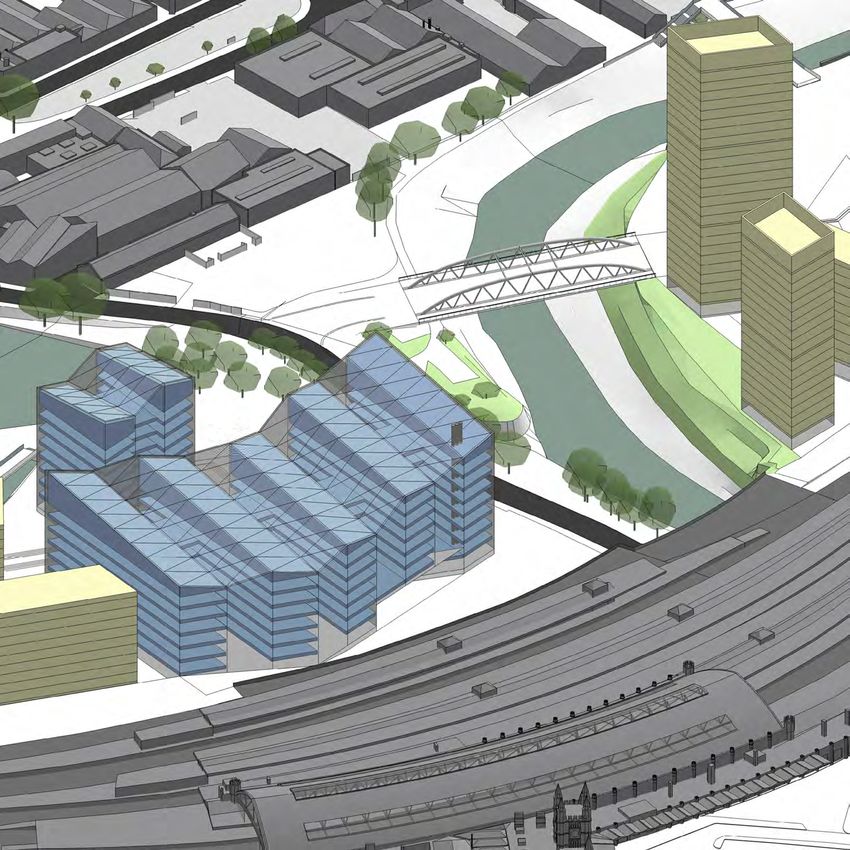
Contents                                                                                                      Foreword
                                                                                                              I am delighted to have the opportunity to present to you in this
                                                                                                              document a range of investment opportunities in Bristol. All
01   Foreword
                                                                                                              are multi-million pounds in scale, covering a variety of themes
02   Investing in Bristol
                                                                                                              including housing, transport and heritage renewal projects. Some
03   UK map
                                                                                                              are investment ready. Other projects are at an earlier stage but
04   Key reasons to invest
                                                                                                              substantial in size. I am keen to give you an early sighting of them
05   Regional map
                                                                                                              and invite you to discuss with me how we could work together to
06   Investment Opportunity: Western Harbour
                                                                                                              take them forward.
08   Investment Opportunity: Bristol Temple Quarter City District
10   Investment Opportunity: Private Rented Residential and Student Housing
                                                                                                              Bristol is a successful city, with one of the highest rates of
12   Investment Opportunity: Bristol Metro
                                                                                                              productivity in the UK. We have strengths in many key growth
13   Early Sighting: Modern Methods of Construction
                                                                                                              sectors, including aerospace, creative industries and digital
14   Early Sighting: Smart City Bristol
                                                                                                              technology. We have a diverse and highly skilled workforce and
16   Early Sighting: Low Carbon Bristol
                                                                                                              offer an excellent quality of life. I am working with partners across
18   Projects Delivered
                                                                                                              the city and we are ambitious about what we can achieve and
19   Coming Soon
                                                                                                              want to ensure that all our citizens can benefit. This package of
20   Contact Details
                                                                                                              investment projects will play a critical part in helping us deliver
                                                                                                              against these aims.

                                                                                                              I am eager to develop firm and long lasting investment partnerships
                                                                                                              with you that deliver for the people of Bristol and look forward to
                                                                                                              beginning discussions with you.

                                                                                                              Marvin Rees
                                                                                                              Mayor of Bristol

                                                                              Bristol and Bath Science Park
                                                                                                                                                                                      1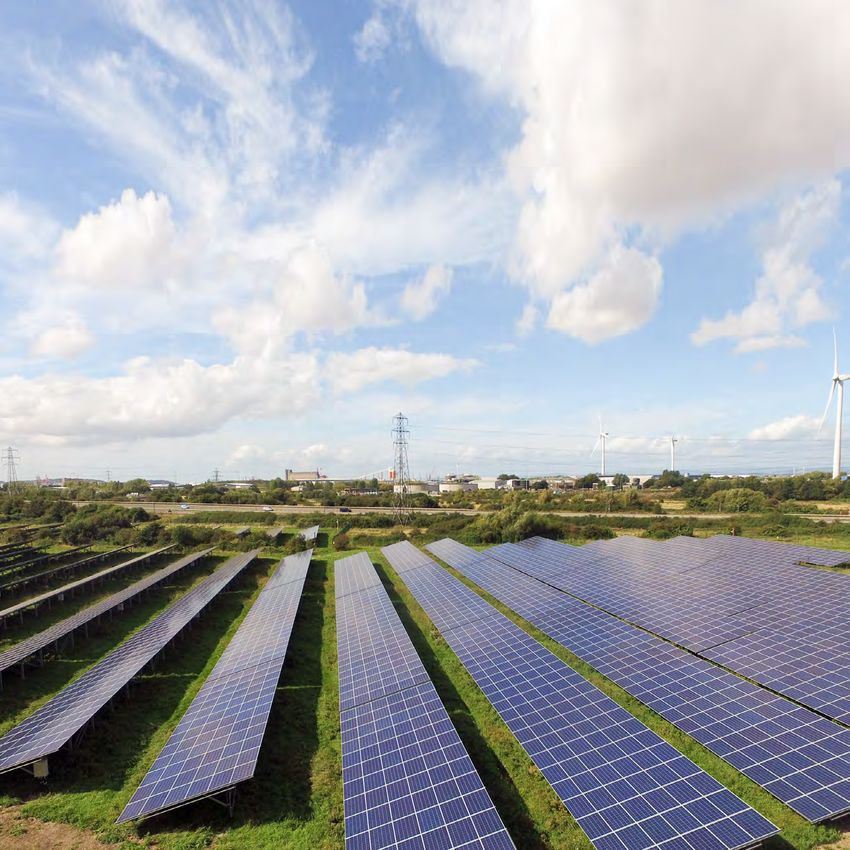
Investing in Bristol
Welcome to a £32bn economy.

Bristol is an economic powerhouse for the UK, the fastest growing
of any major UK city and as part of the Bristol and Bath region generates
£32bn per annum.

Often voted as among the best places to live in the UK, we are recognised
as a world class centre of research and innovation, a smart city that is
transforming places and industry around the world.

We are rich in knowledge with four world class universities and are the region with the highest proportion of
well-educated citizens in the UK.

We are well located. Only 78 minutes from London and Heathrow, with one of the fastest growing and
busiest airports and a strategically located deep-water port.

We are predicting consistent economic growth of 3% year on year over the next 10 years.

• £32bn economy                                             Following regional devolution in the UK, the
• £10bn annual contribution to the Treasury
                                                            city region now has the ability to control its
  £1bn+ investment already in place over the
•
  next two decades                                          own growth. £1bn invested by Government
• £2bn+ GVA if devolved powers are secured                  to add to the £750m of supporting                   London 78mins
• £242m for major schemes in Bristol, Bath and              infrastructure investment is opening up
  Weston-super-Mare (2011-18)                               opportunities for investors to join in and be a
  78 mins Bristol-London by train thanks to
•	                                                         part of our extraordinary global success story.
  2018 electrification
• No.1 best major UK city for quality of life

2                                                                                                                               3
Key Reasons to Invest
                                                                                                                                                                                                                                                                    London
                                                                                                                                                                                                                                                             London 78 mins

                                                                                                                                                                                                                                                                    1hr 20mins

We are the fastest growing city region in the UK and a global leader
in technology and engineering clusters. We have been rapidly
transforming infrastructure to accommodate this growth.                                                                                       M4
                                                                                                                                                                                                                M5

Bristol has the vision and strategy to grow – with Government and private sector
backing to make it happen.
Unlocking land and commerce                                         Faster transport and connectivity
                                                                                                                                                                                            University of the
A long term plan built around investment and regeneration           Investment in motorways, trains, the international airport and                                                          West of England

                                                                                                                                                                  Bristol
in key locations that is now paying true dividends and              port and the region’s broadband network will take your business                                                                                                                 M4
reshaping the region.                                               further - faster.
•	 £1bn devolution deal for the West of England                    •	 100+ flights per day and a growing list of destinations                                                                                 Bristol Temple Quarter
•	 £1.5bn anticipated total investment by YTL in Filton Airfield       from Bristol airport
                                                                                                                                                        Bristol Port   Bristol University
                                                                                                                                                                                                                Bristol Temple Meads station
• £1bn for Weston-super-Mare regeneration                           • 4 motorways affording fast access to all UK regions
                                                                                                                                                   M5
•	 £180m invested in the Bristol & Bath Science Park               • £2.5bn+ investment in upgrading the rail-link to London
•	 £160m investment to unlock strategic sites in                   •	 Frequent Bristol to central London train service
    Temple Quarter                                                  • £200m Greater Bristol MetroBus transport upgrade
•	 £300m investment in Temple Quarter by the                       •	 Faster broadband: Bristol has faster broadband speeds
    University of Bristol                                               than the national average                                                                                                                                     University Of Bath’s
                                                                                                                                                                                                                                      Innovation Centre

                                                                                                                                                                                                                                     Bath
•	 £100m investment to unlock over £1.5bn opportunity in           • £450m investment in the region’s deep sea port                                      Bristol Airport
    Bath’s most strategic riverside site
                                                                    Expanding centres of excellence                                                                                                                     Bath Spa
                                                                                                                                                                                                                        University
Boosting skills and employment                                      The region’s key sectors are all benefiting from higher flows of                                                                                                 University of Bath
Bristol and Bath is renowned for the talented workforce,            public and private sector investment constantly improving the
                                                                                                                                         M5                                                                                                                      Train line
high-calibre graduates and expansive staff catchment area.          region’s global impacts.
                                                                                                                                                                                                                                                                 towards London
• 42m people live within 150 miles                                  • No.1 smart city region in the UK (Huawei 2017)
• 4 top universities                                                •	No.1 region for high value manufacturing (Advanced
• 10,000 graduates every year                                          Manufacturing 2017)
• Most skilled workforce of any English Core City                   • Most productive and highest density tech cluster in the UK
•	Over 80,000 jobs to be created between 2016-2036                 •	£40m investment in future wing design by Airbus and
   in Bristol and surrounding areas                                    the UK Government
• 9 out of 10 residents work locally                                •	£60m investment in automotive research by the
                                                                       University of Bath
                                                                    •	£43m being invested in Quantum Research Technology
                                                                       by the University of Bristol
                                                                    • £580m invested in the region’s top tech businesses in five years
4                                                                                                                                                                                                                                                                             5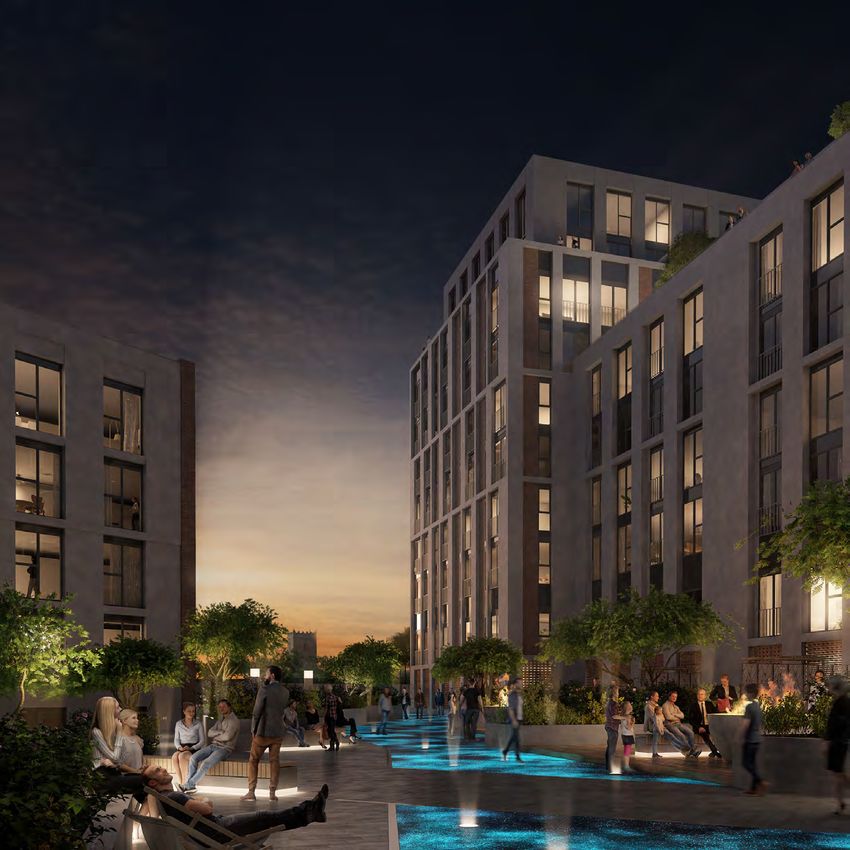
Investment Opportunity:                                                                                             Key features

Western Harbour
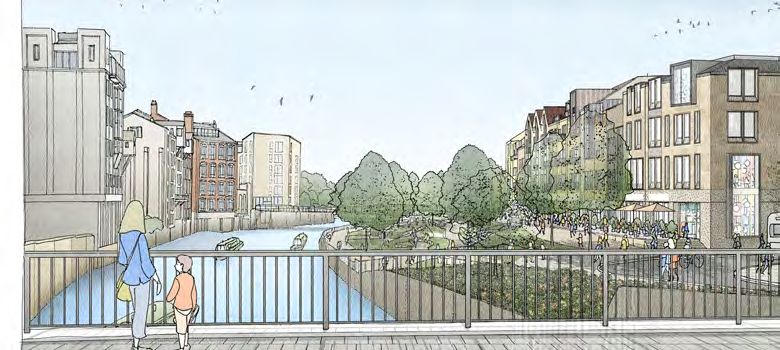
                                                                                                                    • Developable land 15-20ha
                                                                                                                    •	The area has the potential to provide 3,500 homes, plus
                                                                                                                       commercial and leisure space
                                                                                                                    •	The residential elements alone have a gross development value
                                                                                                                       estimated at over £1 billion
Introduction:                                                                                                       •	Land ownership - 75% Bristol City Council with intention to
Regeneration and infrastructure works are revitalising key parts of Bristol’s historic harbour, creating new           purchase remaining land
riverside housing development opportunities at the same time as providing vital climate resilience through          •	Sustainable development – seven minutes segregated cycle ride
flood defence renewal.                                                                                                 to city centre, 25 minutes walk
                                                                                                                    •	New Metrobus Rapid Transit route link to city centre and
Background:                                                                                                            Bristol Temple Meads national railway station launching in 2018
                                                                                                                    • Good links to strategic road network
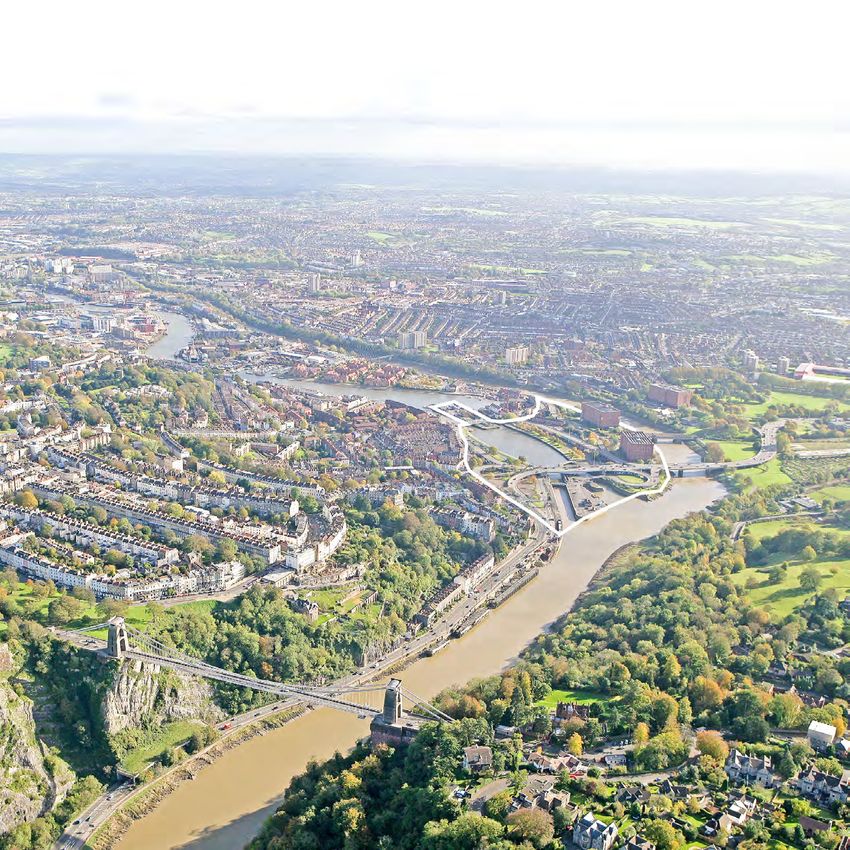
The Western Harbour is a key element of Bristol’s floating harbour. It is the cultural heart for leisure and
entertainment and is increasingly recognised as a highly desirable location for residential development.
With views of Brunel’s world famous Suspension Bridge, the stunning Bristol Gorge, Bristol Harbour, the city
centre and the open green expanses of Ashton Court, the Western Harbour is one of the most desirable
development locations in the UK.
The Western Harbour road system built in the 1960’s covers large parts of this area and prevents
development in this prime, historic location. Removal of the heavy road infrastructure and replacement with
less high impact options will release 15-20 hectares of developable land. The opportunity exists to combine
this with works to support the delivery of a tidal flood risk management strategy for central Bristol, to improve
access to the historic harbour running through the heart of the city whilst providing essential flood defences
resilient to climate change.

6                                                                                                                                                                                        7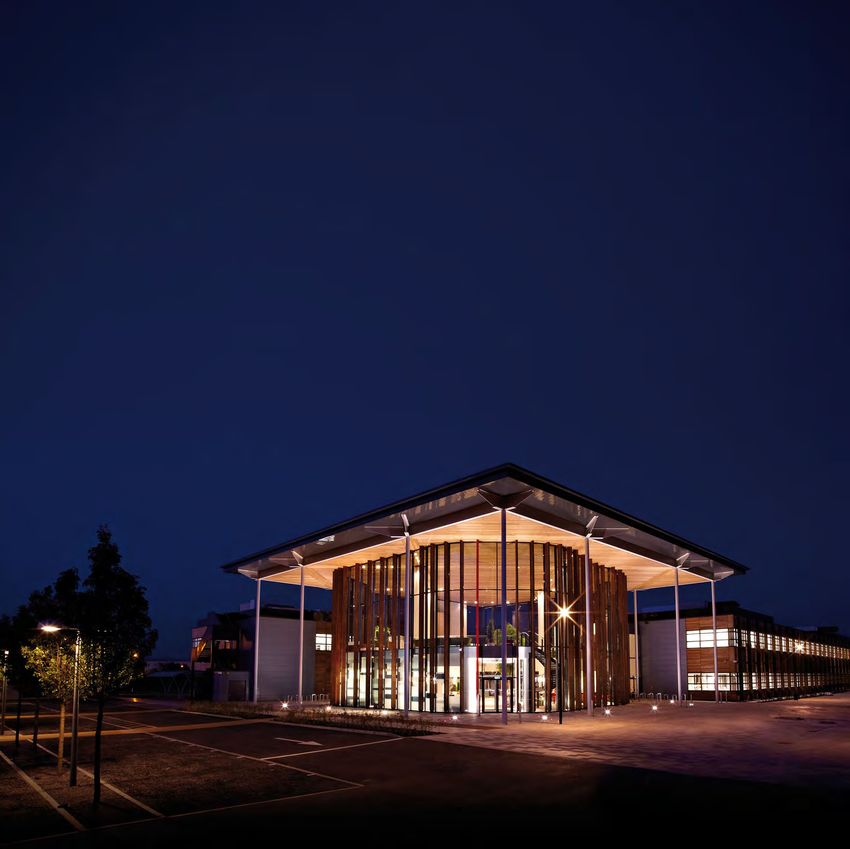
Investment Opportunity:                                                                                               Key features
                                                                                                                      • Development of a new district in the heart of Bristol
Bristol Temple Quarter City District                                                                                  • 11,000 new homes
                                                                                                                      • 22,000 new jobs by 2042
                                                                                                                      • A new university campus focused on digital innovation
                                                                                                                      •	Up to 22m rail passengers per year by 2030
Introduction:                                                                                                            (doubling current capacity)
                                                                                                                      •	One of the most significant operational railway stations in the
One of the UK’s premier regeneration (housing, education and commercial space development) and
                                                                                                                         world brought up to 21st century standards
infrastructure programmes, including the modernisation of Temple Meads Station - one of the world’s most
significant operational railway stations.

Background:
Bristol Temple Quarter is Bristol’s principal growth area. Temple Meads Station sits at its heart and
Government investment in the main line to London will bring new, more frequent, higher capacity and faster
rail journeys to Bristol from December 2018. A new city centre campus for the University of Bristol will open
next to the station in September 2021.
Significant investment opportunities will continue to arise throughout the life of this 30 year project, working in
partnership with public sector bodies to deliver significant housing and commercial schemes.

Temple Meads Station redevelopment
Temple Meads Station is the principal station for Bristol city centre, providing rail connections to London
and Wales as well as to the north and south of England. One of the oldest operational railway stations in
the world, the station is recognised as one of the UK’s foremost heritage buildings.

Major investment is being made in the railway network, with £5 billion invested in upgrading the line to
London, shortening journey times and increasing the frequency and capacity of services by 50%. £300m
of investment is also going into improving commuter routes in the Bristol area centred on Temple Meads.
The station needs upgrading to handle this growth. Early feasibility work suggests approximately £450m
may be required presenting an opportunity for private sector investment.

8                                                                                                                                                                                          9
Investment Opportunity:                                                                                                     Key features
                                                                                                                             • Bristol City Council land available throughout the city for PRS
                                                                                                                                development
 Private Rented Residential and                                                                                              • Bristol City Council actively promoting and bringing forward
                                                                                                                                schemes suitable for PRS

 Student Housing                                                                                                             • Strong economy and projected population growth creating demand
                                                                                                                                for property
                                                                                                                             • Additional PRS operator demand in the city
                                                                                                                             • Attractive long term PRS investment opportunities available in
                                                                                                                                the city
 Introduction:                                                                                                               • Demand also exists for residential accommodation for
 Bristol City Council is seeking to develop transformative new models of delivery for residential developments.                 3,000 - 5,000 students

 Background:
 A combination of consistent economic growth and popularity as a city to live in has created a strong growth in
 the residential market creating significant price inflation.
 The demand for housing is still increasing and there continues to be an undersupply of new homes for ownership
 and rent. House prices rose by 11% in 2015, well above the 6.4% average for England and Wales and just
 behind London’s growth of 12.4%, according to HM Land Registry.
 The Private Rented Sector (PRS) has been proven in London and Bristol currently has around 1100 PRS flats
 in the pipeline. The majority of this new stock is in the city centre. Bristol also has a proven track record of
 institutionally funded and managed student accommodation.
 The PRS model is typically new medium to high density developments where all the properties are built for rent.
 The business model for the PRS development expects that in 15 or 20 years time more people will rent in the UK
 rather than own their homes.
 PRS investors will benefit from rising Bristol rents and the value of their assets increasing over time as property
 prices continue to rise steadily. For this reason, institutional investors are increasingly attracted to the non-volatile
 PRS market as a long term investment vehicle. The majority of the Bristol PRS schemes are forward funded with
 institutional investors.

10                                                                                                                                                                                                 11
Investment Opportunity:                                                                                            Early Sighting:
Bristol Metro                                                                                                      Modern Methods of Construction
Introduction:                                                                                                      Introduction:
Transport infrastructure investment with strong links to housing growth and development and employment             The construction industry needs to expand productivity substantially just to deliver the existing pipeline
creation.                                                                                                          of UK infrastructure projects. Scaling up to build 1m new homes by 2021 and up to 300,000 each year
                                                                                                                   thereafter offers a further challenge and opportunity. Off-site manufacture creates the opportunity to meet
                                                                                                                   the demand.
Background:
Bristol and the surrounding metropolitan area is the only major British city without a major rapid transit
system. The Metro will deliver high speed, high quality, high frequency transport capacity to the region driving
                                                                                                                   Background:
productivity increases through congestion and journey time reduction. Growth will come from re-purposing           The Government has provided a clear intent to promote Modern Methods of Construction (MMC). It has
planned and existing housing and employment sites. All system types will be considered but it is expected that     called on industry to embrace change and address major industry capacity constraints.
some degree of underground running will be required.
                                                                                                                   Bristol City Council intends to secure pipelines of demand for off-site manufactured homes of all kinds,
Funding of the project will be through a mix of sources, making use of locally generated funds as well as
                                                                                                                   including volumetric, panellised, pop-ups, etc. It will assist with identifying and investing in factory space
central grant funding and private sector investment. Policy measures will drive patronage and usage as well as
                                                                                                                   and establish clear links between industry and training providers.
providing funding.

                                                                                                                   The UK needs to attract investment in innovation and production facilities, working with local authorities
                                                                                                                   and other parties to secure supply, training and mortgageability and build accreditation.
Key features
• System length 40-45km
•	Initial cost estimate £2.5-4.5bn dependent on system type with £1.5 to £2bn sought from private sector
                                                                                                                   Key features
   funding partner
                                                                                                                   • Significant opportunity for investment
• Potential patronage 30-50m trips per annum
                                                                                                                   •	120,000 new homes required in the city region over the next 10 years
•	Potential for income over and above operating costs to be explored
                                                                                                                   •	Bristol City Council willing to enter agreement with investors to guarantee market demand
• Medium to high cost benefit ratio
                                                                                                                   •	Possibility of co-investment in factory site and development of appropriate skills for workforce

12                                                                                                                                                                                                                                  13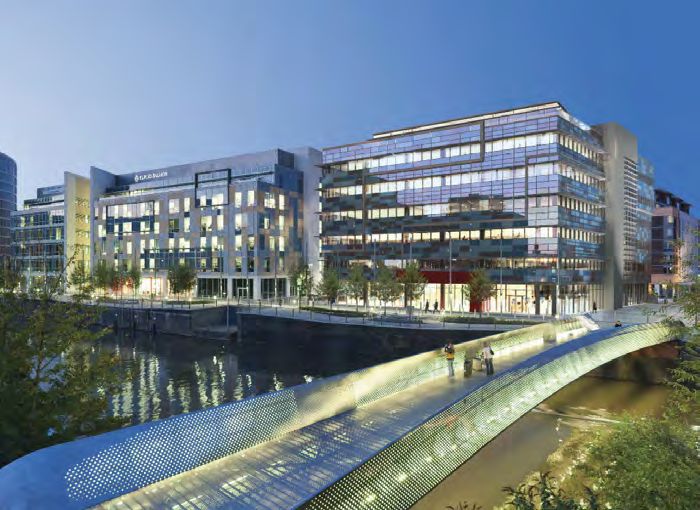
Early Sighting:
Smart City Bristol
Introduction:
Bristol is recognised as the UK’s leading Smart City (Huawei Smart City Index 2017). This
acknowledgement has come as a result of our unique research and development infrastructure, the
strength of its cross sector partnerships and a codified strategy to work with citizens and communities.

Background:
The combination of assets, experience and insights has produced a powerful city-scale laboratory. This
city-wide test bed laboratory is open to businesses and authorities everywhere for large scale, real world
experimentation to develop, test and validate multiple new fixed and wireless technologies, smart products
and services.
The city has developed particular expertise in Smart Energy, Smart Mobility (including autonomous vehicles)
and Smart Data and has recently launched a world leading integrated operations centre, bringing together
key service providers in the city. User focus is a key component of the Smart City programme as set out in
“The Bristol Approach”.

Bristol is Open
Bristol is Open seeks partners from around the world, including large telecom and software companies, small
hi-tech start-ups, public service delivery organisations, academics and others to undertake comprehensive
research and product development for emerging technologies and services.
Bristol is Open is a commercial joint venture between the University of Bristol and Bristol City Council. It
manages the city’s unique Smart City testbed infrastructure.
This is composed of a high-speed fibre optic ring, overlaid by an IoT mesh network and a showcase
wireless zone using a range of wireless technologies, including Wi-Fi, 3G, 4G, LTE and 5G. Software Defined
Networking technology enables participants to access an independent and scalable slice of the network to
work with.

14                                                                                                             15
Early Sighting:                                                                                                  Key features
                                                                                                                 •	The Bristol Heat Network - development of heat
                                                                                                                                                                        •	Domestic energy efficiency - investment in loans
                                                                                                                                                                           for private housing to carry out retrofits. Cost up to
                                                                                                                    networks. Cost up to 2027 is circa £306m               2027 is circa £271m
Low Carbon Bristol                                                                                               •	Grid and smart demand-side projects - to develop
                                                                                                                    significant demand-side measures on the local
                                                                                                                                                                        •	Commercial energy efficiency - low cost loans for
                                                                                                                                                                           small and medium sized enterprises. Cost up to
                                                                                                                    electricity network and to increase the take-up        2027 circa £100m
                                                                                                                    of embedded generation and smart appliance          •	Renewable electricity generation across the city –
Introduction:                                                                                                       systems. Cost up to 2027 is circa £110m                up to 2027 circa £40m
                                                                                                                 •	Marine energy - Collaboration with the South West   •	Electric vehicle charging infrastructure across the
Bristol aims to attract partners to deliver £800m to £1bn of low carbon energy infrastructure investment
                                                                                                                    Marine Accelerator Programme to invest in and          city – cost estimation currently in development
over the next ten years to ensure that Bristol remains on its pathway to meet its 2050 carbon neutrality
target.                                                                                                             develop an array of projects and technology         • We expect return rates to be consistent with
                                                                                                                                                                           long-term infrastructure and pension fund investment

Background:
Bristol City Council has been working across a range of energy and sustainability policies, programmes and
projects for over a decade, including implementing loan programmes for energy efficiency, installation of PV,
wind turbines, bio-mass heating systems, energy efficiency street lighting, sustainable urban drainage systems
and smart technology systems.
The city just surpassed its goal of 50% reduction in carbon emissions from its operations (based on a 2005
baseline), delivering a 60% cut in 2016/17.
However, we are seeking to increase the scale and pace of these projects through partnership, joint ventures
and investment. In early 2018, we will be releasing a prospectus to enable organisations and companies to
discuss with the Council and city partners their proposals and thoughts ahead of a formal partnership tender
to be released in Spring 2018.

16                                                                                                                                                                                                                                  17
Projects Delivered Coming soon
Chocolate Factory
University of Bristol, City Campus Filton Airfield Assembly
Glass Wharf
Law & Professional Services Academy
IAAPS Bath Quays North
Finzels Reach Horizon 38
18 19Contact Details Bristol City Council business@bristol.gov.uk Invest Bristol & Bath invest@bristolandbath.co.uk +44 (0) 117 4286 211 @investbrisbath bristolandbath.co.uk 20
You can also read


