California's MASTER PLAN FOR AGING - Long-Term Services and Supports Subcommittee Meeting #3 December 5, 2019 - California Health and Human
←
→
Page content transcription
If your browser does not render page correctly, please read the page content below

California’s
MASTER PLAN FOR AGING

                        Long-Term Services and
                        Supports Subcommittee
                        Meeting #3
                        December 5, 2019

                                          1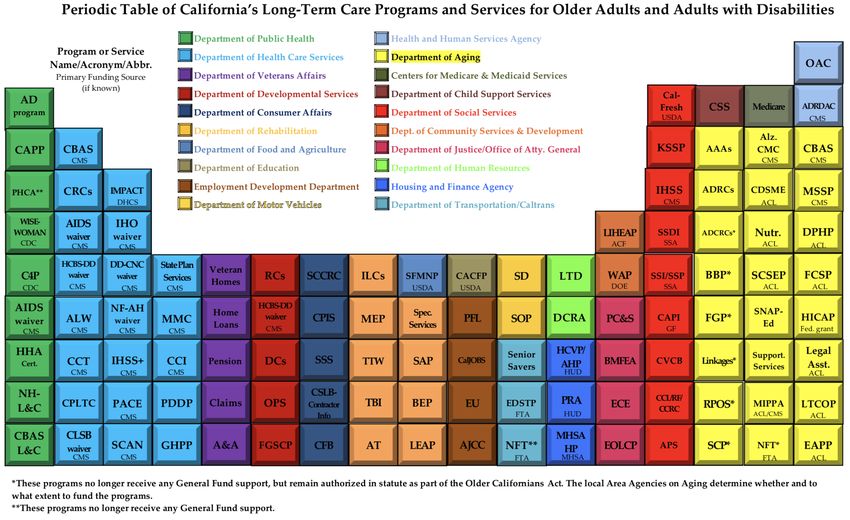
Meeting Logistics

  • The meeting materials are posted online here.
  • Attend in-person or by phone:
     ✓ Call In: 844-291-6362    Access Code: 8056243
     ✓ Ask for Master Plan for Aging meeting

  • For public comment and meeting feedback, go to:
    https://www.surveymonkey.com/r/MPAComment

  • To submit detailed recommendations for MPA, go to:
    https://www.surveymonkey.com/r/MasterPlanRecommendations
  • Accommodations:
     • Simultaneous captioning is available in the room
     • Live telephone access with two-way communication for public comment
                                                                             2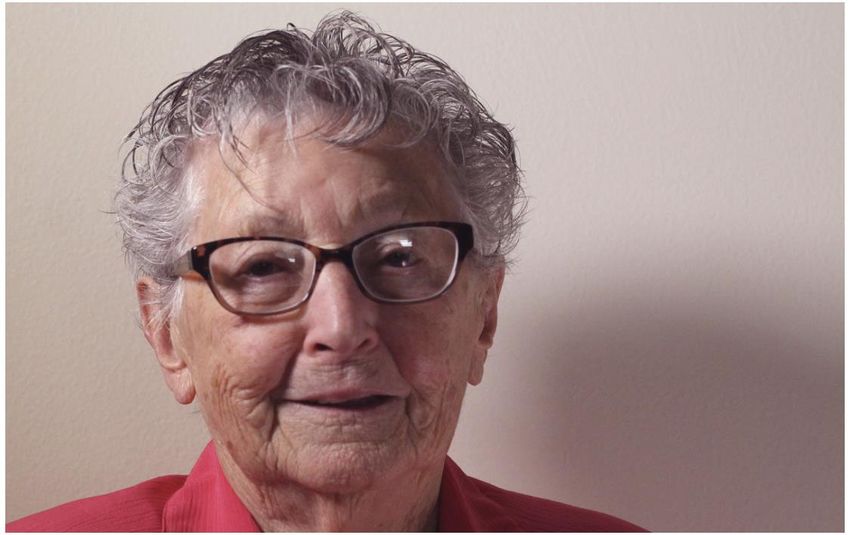
Meeting Agenda
1. Welcome & Overview
2. Topic in Focus: Home- and Community-Based Services (HCBS)*
  • Part 1: Medi-Cal-Funded Programs
  • Part 2: Other State HCBS
  • Part 3: Navigating Private Pay HCBS
3. Review of Emerging LTSS Recommendations
4. Review of Revised Goal 1 Objectives
5. Public Comment
6. Summary of Recommendations and Action Steps

  * All but IHSS, which is Topic in Focus for December 17th LTSS meeting.
                                                                            3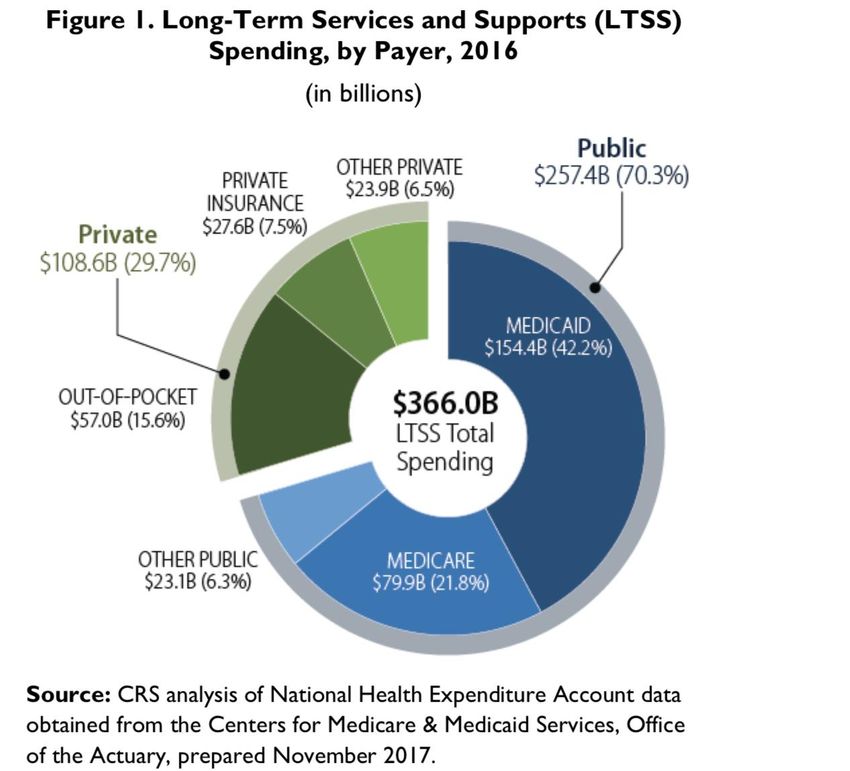
LTSS Subcommittee Meeting Topics & Schedule
• #1 October 28, 2019: Information & Assistance Systems
• #2 November 12, 2019: State LTSS Benefit
• #3 December 5, 2019: Home- and Community-Based Services (HCBS): Medi-Cal, Older
  Americans Act, Private Pay
• #4 December 17, 2019: Home- and Community-Based Services (HCBS): In-Home
  Supportive Services (IHSS)
• #5 January 6, 2019: LTSS Workforce, Family Caregivers & Technology
• #6 January 13, 2020: Group Living: Including Residential Care & Skilled Nursing Facilities
• #7 January 14, 2020: LTSS Financing and Integration
• #8 January 27, 2020: LTSS Report Content and Format
• February 2020 (TBD): Webinar: discuss/review Stakeholder LTSS Report for March 2 SAC
• March 2020: Review SAC feedback and finalize and submit Stakeholder LTSS Report for
  Secretary/Governor
• April to June 2020: Review state plan, local blueprint, toolkit, dashboard and all Master
  Plan components/deliverables                                                          4
Francis
Hi, my name is Francis.
The services offered by my local senior center
keep me healthy and feeling young – I am only
96 years old.
One thing people don’t always realize is how
important it is in life to be recognized or even
get feedback from other people. As you get
older, you don’t get too many accolades or
pats on the back. Without a sense of
accomplishment, a person can get depressed
and even fall ill. The senior center offers me a
chance to volunteer, work with others and give
back. I have no doubt it helps keep me healthy.
Through state programs available to people like
me, I receive taxi vouchers that make it easy to
travel to the senior center. There, I can socialize
and feel needed, exercise and learn better
nutrition, and get healthy meals. The center has
kept me healthy and let me continue to live
independently.

• From Age On. Rage On. Click here to go to the
website.
                                                      5
Older Californians’ Need for LTSS
• The number of individuals age 65 and older across the nation is
  projected to double in the next 50 years, from over 45 million in 2015 to
  over 95 million in 2065.
• California’s age 65 and older population stands at 4 million, which is
  projected to double to over 8 million by 2030.
• The projected life expectancy for all Americans has increased to 81.1
  years for women and 76.1 years for men. For African Americans, it’s
  78.5 years for women and 71.9 years for men.
• Over 20 percent of older adults are living with five or more chronic
  conditions, and 26 percent of them also live with substantial functional
  limitations.
• With these changes in the older adult population, the demand for
  long-term services and supports (LTSS) is expected to increase in
  California and nationwide.
                                                                           6
Who pays
for LTSS?
78
California Department of
 Health Care Services
Medi-Cal HCBS Programs and
          CalAIM

                             9
Medi-Cal Enrollment Fast Facts: June 2019
• Total Medi-Cal Enrollment: 12.8 million
• Dual Eligible (Medicare and Medi-Cal) Certified
Eligibles: 1.4 million
• Medi-Cal-Only Seniors and People with Disabilities:
685,000
Click here to go to Medi-Cal Monthly Enrollment Fast
Facts
10Key DHCS Programs for HCBS
• Home and Community-Based Alternatives (HCBA) 1915(c) Waiver
Enrollment as of October 1, 2019: 3,863
Click here for more information about the Home & Community-
Base Alternatives Waiver
• Assisted Living Waiver (ALW) 1915(c)
Enrollment as of October 1, 2019: 4,310
Click here for more information about the Assisted Living Waiver
• Program of All-Inclusive Care for the Elderly (PACE)
Click here for more information about PACE
11Key DHCS Programs for HCBS (Cont’d)
• Coordinated Care Initiative and Cal MediConnect
Click here for more information about CalDuals
• Cal MediConnect Performance Dashboard (September 2019)
Click here to access the Cal MediConnect Performance Dashboard
12California Advancing and Innovating Medi-Cal (CalAIM)
CalAIM has three primary goals:
1. Identify and manage member risk and need through Whole
Person Care approaches and addressing social determinants of
health;
2. Move Medi-Cal to a more consistent and seamless system by
reducing complexity and increasing flexibility; and
3. Improve quality outcomes and drive delivery system
transformation through value-based initiatives, modernization of
systems and payment reform.
Click here to learn more about CalAIM
13CalAIM Transition to Statewide Managed Long-Term Services and Supports (MLTSS) • Carved-in institutional long-term care in all Medi-Cal managed care plans (MCPs). • Mandatory managed care enrollment for most Medi-Cal populations, including dual eligible beneficiaries. • Discontinue Cal MediConnect and require MCPs to operate Dual Eligible Special Needs Plans (D-SNPs). D-SNPs are Medicare Advantage health care plans that provide specialized care and wrap-around services to dual eligibles. • Require plans to submit local population health management plans, including: an updated initial risk assessment process that includes use or need for LTSS; referrals to LTSS, social services and MCP case manager; integrated wellness and prevention. • Implement new statewide enhanced care management benefit. • Implement in lieu of services (e.g., housing navigation/supporting services, recuperative care, respite, nursing facility transition/diversion, etc.). • Implement incentive payments to drive plans and providers to invest in the necessary infrastructure, build appropriate enhanced care management and in lieu of services capacity statewide. 14
Other Medi-Cal Home- and Community-Based
Services: Stakeholder Recommendations
• Program for All Inclusive Care for the Elderly (PACE)
  • Peter Hanse,l Cal PACE
• Community Based Adult Services (CBAS – Adult Day
  Health Care)
  • Lydia Missaelides, Alliance for Leadership & Education
• Multipurpose Senior Services Program (MSSP)
  • Denise Likar, Independence at Home

                                                             15
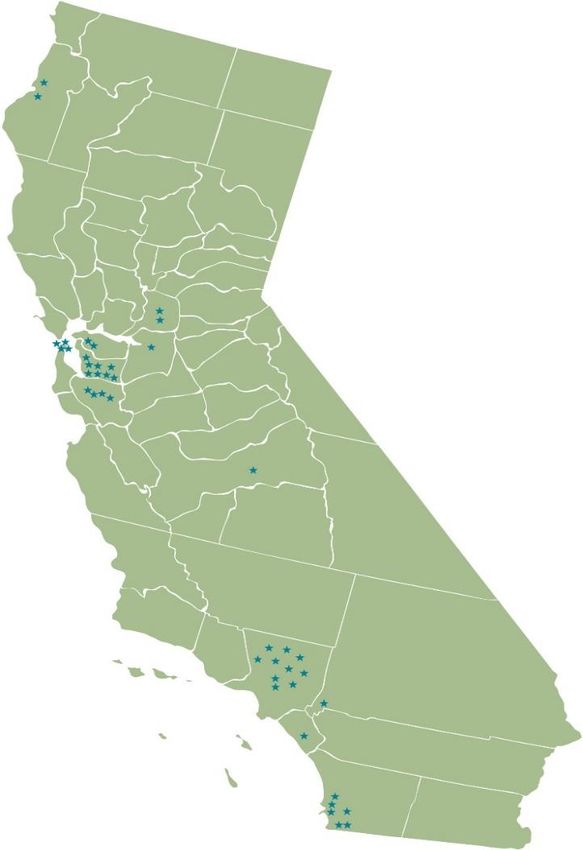
PACE at a Glance • A fully integrated care program for adults 55> who qualify for NH level of care • Provides all care and services covered by Medicare and Medi-Cal as well as other services needed to enable persons to live safely in community • Interdisciplinary teams coordinate services across all settings – home, PACE center, in community • Average age: 77 Percent dually eligible: 73% • Current enrollment: 10,000 • Eligible statewide: 181,000 • Counties served by PACE: 14 • Percentage of eligibles who have access to PACE: 43%
Opportunities and Challenges for PACE

• Opportunities:
  --Growing number of older adults with complex needs who can
    benefit from effective models of integrated care

  --State/federal regulatory environment becoming more supportive
    of PACE

• Challenges:
  • Lack of awareness of PACE

  •   Access barriers – geographic, enrollment

  •   Accessibility for broader population – e.g., Medicare-only, private
      pay
Adult Day Services/Community-Based Adult Services at a Glance Adult Day Services share a common goal to improve the health and well being of people with chronic conditions and disabilities, particularly those who face barriers to accessing needed health and social services care, through the person-centered support of the individual’s interdisciplinary center team. • 247 ADHC/CBAS centers licensed by California Dept of Public Health. CBAS is Medi- Cal certified by California Dept of Aging and contracted with Medi-Cal Managed Care providers, who approve eligibility and services. • 238 Adult Day Support Programs licensed by California Department of Social Services serve older adults. Funded by private pay, AAA respite dollars, or regional centers. Some V.A. funding too. • Population served: 66 percent are over 65 years old and most are Medi-Cal eligible or low to middle income with multiple chronic cognitive, physical and/or psychological conditions. 18
Opportunities & Challenges for Adult Day Services
 Opportunities
 • Lower cost alternative to other settings, especially for dementia care
 • Increasing research interest; positive findings regarding health outcomes and social
   determinants of health
 • Health Home & Whole Person Care
 • More integration into Medicare and Medicaid managed care
 • Value-based reimbursement
Challenges
 • Lack of public awareness among potential users and referral sources
 • Significant gaps in geographic locations, limiting access
 • Workforce competition and increasing uncompensated labor and transportation
   costs
 • Regulatory barriers to person-centered and efficient care, e.g., long wait times for
   admission
 • Excessively long start-up processes for new centers                                    19
Multipurpose Senior Services Program (MSSP)
at a Glance

            Structure                          Service Delivery
• 1915(c) Home and Community-           • Nurse & Social Worker Care
  Based Waiver (Medicaid only)            Team
• Complex health & social care          • In-home assessment, quarterly
  management service                      visits, care planning and
                                          ongoing monthly support and
• Preventing or delaying                  monitoring
  institutionalization                  • Person-centered coordination
• Serves seniors 65+ who have             of health, social and spiritual
  been certified for nursing facility     care
  placement                             • Connects to and uses available
                                          community services & resources
Opportunities and Challenges for MSSP
Opportunities Challenges
• Program Expansion • Waiver limitations/regulatory
• Increase slots burden
• Make statewide • Technology
• More than just Medicaid
• Traditional healthcare system
• Increased state awareness of with limited view of care
benefits of specialty in-home coordination – focus is
care and service coordination telephonic, limited scope and
• Leverage 40+ years of in-home varies in frequency
experience to enhance
healthcare outcomes as a
mandated service within the
continuum of careOther Home- & Community- Based Services From California State Agencies Presented by Irene Walela, California Department of Aging
Older Americans Act (OAA) Programs
• Title IIIB Supportive Services
       • Information and Assistance (I&A)
       • Legal Assistance
       • Transportation
• Title IIIC Nutrition Services Program
       • Congregate
       • Home-Delivered Meals
• Title IIID Disease Prevention & Health Promotion Program
• Title IIIE Family Caregiver Support Program
• Title V Senior Community Service Employment Program
• Title VII Elder Abuse Prevention Program
• Title III and Title VII Long-Term Care Ombudsman Program
                                                             23
Opportunities and Challenges for OAA programs
Challenges Opportunities
• Older adults and caregivers may lack • Lead integrated outreach and
awareness of aging services information efforts by leveraging local
and statewide partnerships
• Data is in silos locally and statewide • Lead data collection and sharing to
show outcomes through local and
statewide collaboration
• Programs are under-resourced for the • Lead through innovation to reimagine
growing aging population resources and structures for delivering
aging services
24California Department of Developmental Services
• The California Department of Developmental Services (DDS) ensures
that over 350,000 Californians who have developmental disabilities
are given the opportunity to lead independent, productive lives in
their community of choice across their life span through a network
of 21 regional centers and state-operated facilities.
• Regional centers: provide a wide array of services for individuals
with developmental disabilities. Each center provides diagnosis and
assessment of eligibility and helps plan, access, coordinate and
monitor services and supports such as residential services, day
programs, and transportation to support needs related to the
developmental disability.
25California Department of Developmental Services
• Initiatives and Priorities Supporting Older Adults with
Developmental Disabilities
• Developmental Services Task Force
• Community Resource Development Funds
• Home and Community-Based Services Final Rule
• Self-Determination Program
26Department of Public Health Alzheimer’s Disease & Related Dementias (ADRD)Program Goal: To relieve the human burden and economic cost associated with ADRDs through research, training and education, quality care, and support services. California Colon Cancer Control Program (C4P) Goal: To increase colorectal cancer screening rates for hard-to-reach low- income, uninsured or under-insured, asymptomatic men and women ages 50- 75 years old. AIDS Medi-Cal Waiver Program (MCWP) Goals: Provide home and community-based services for patients who may otherwise require institutional services; assist participants with HIV home management; improve access to supportive services; coordinate service providers and eliminate duplication of services.
Department of Public Health

Licensing & Certification Programs
Goal: To assess the safety, effectiveness, and quality of
health care through regulatory oversight of licensed
healthcare facilities and professionals.
The L&C Program licenses and monitors several facilities
related to the health of older adults, including the following:
  • Home Health Aid Certification
  • Community Based Adult Services
  • Nursing Home Licensing & Certification
Department of Rehabilitation
•   Independent Living Center (ILC) Program: Provides services including Advocacy, Independent Living
    Skills, Information & Referral, Transition & Diversion at 28 ILC centers across California to all people with
    disabilities
•   Assistive Technology (AT) Program: Provides AT education, lending, advocacy, training and
    demonstration programs across California
•   Traumatic Brain Injury (TBI) Program: Provides rehabilitative and community reintegration services to TBI
    survivors at 7 TBI sites across California
•   Older Individuals who are Blind (OIB) Program: Provides services to older adults who are experiencing
    blindness to assist them with the skills to live independently and to people age 55 and older who are
    visually impaired
•   Mobility Evaluation Program (MEP): Determines needed training, vehicles and/or vehicle adaptations
    to ensure safe and independent drivers
•   Business Enterprise Services (BEP): Promotes independence and employment by providing classroom
    and operational training in food and vending services for qualified DOR consumers who are legally
    blind
•   Limited Examination and Appointment Program (LEAP): Provides an alternate examination and
    appointment process for the recruitment and hiring of individuals with disabilities into State service.
Challenges and Opportunities for DOR programs • DOR HCBS programs engage several different but related networks. How do we maximize collaboration between these networks? • Assistive Technology is a need for both Aging and Disability communities. How do we streamline the systems that provide AT? • TBI is an emerging issue increasingly understood to impact and intersect with many communities. How do we address this emerging area of need?
California Department of Social Services (CDSS)
• Adult Protective Services – helps seniors and adults with disabilities who are unable to
  meet their own needs, or are victims of abuse, neglect or exploitation.
• SSI/SSP – provides a monthly cash benefit to enable aged (at least 65 years old), blind
  and disabled recipients to meet basic living expenses for food, clothing, and shelter.
• Cash Assistance Program for Immigrants (CAPI) – provides monthly cash benefits to
  aged, blind, and disabled non-citizens who are ineligible for Supplemental Security
  Income/State Supplementary Payment (SSI/SSP) solely due to their immigration status.
• California Veterans Cash Benefit Programs (CVCB) – Provides cash assistance to World
  War II veterans who returned to the Republic of the Philippines,
• Deaf Access Program (DAP) – enables deaf and hard of hearing persons to access
  needed social and community services (e.g., communication services, advocacy, job
  development and placement, information and referral, counseling, independent living
  skills instruction, and community education).
• Assistance Dog Special Allowance (ADSA) –provides a monthly payment of $50 to eligible
  persons who use a guide, signal, or service dog to help pay for dog care.
                                                                                        31
CDSS: Challenges and Opportunities
• Deaf Access
• Increasing language access to Deaf individuals who are accessing all
other programs statewide
• Increasing language access and workforce opportunities for Deaf and
hard of hearing individuals who wish to join the workforce
• Finding appropriate interpreters to communicate with Deaf children and
Deaf immigrants
• Better language access for Deaf individuals who need to access APS or
CPS
• APS
• Education around what it means to be a mandated reporter
• Connecting APS clients to the full range of community resources
• Housing and homelessness among APS clients
• Case management and training for APS social workers statewide
32Stakeholder Perspective
• Marty Omoto, California Disability-Senior Community
Action Network
• Shireen McSpadden, San Francisco County Department
of Aging and Adult Services
• Victoria Jump, Ventura County Area Agency on Aging
33Paying for Long-Term Services and Supports
Little Support for Middle-Income
Caregiving Families Squeezed by Costs
Kathleen Kelly MPA, Executive Director
Family Caregiver Alliance, San Francisco
December 2019
For use in planning and discussion of the California Master Plan for AgingFirst: A Bit of Background • 6 million persons over age 65 in California (14% of population) • Of those, 1.2 million of the 65+ persons are enrolled in MediCal (representing 20% of 65+ population and 9% of the total MediCal population) • Almost all policy discussions center on older adults who are eligible to receive services under MediCal HCBS waivers (IHSS, ADHCS, MSSP, ALW) • Rarely do policy discussions focus on the need for services for middle- income individuals and their families – 80% of all 65+ persons This conversation is about the 80% not included in these discussions
Long-Term Care: Who Will Need It, How Long & Cost
52%: Percentage of people turning age 65 who will need some type of long-term care services in their
lifetimes.
47%: Estimated percentage of men 65 and older who will need long-term care during their lifetimes.
58%: Estimated percentage of women 65 and older who will need long-term care during their lifetimes.
2.5 years: Average number of years women will need long-term care.
1.5 years: Average number of years men will need long-term care.
14%: Percentage of people who will need long-term care for longer than five years.

$225 billion: Long-term care expenditures in the U.S., 2015.
57.5%: Percentage of individuals turning 65 between 2015 and 2019 who will spend less than $25,000 on LTC
15.2%: Percentage of individuals turning 65 between 2015 and 2019 who will spend more than $250,000 on
LTC
                   $341,840: Estimated lifetime cost of care for someone with dementia.
Long-Term Care: Who Will Need It, How Long & Cost • Using data from the recent descriptive analyses of the National Health and Aging Trends Study (data: 2015) entitled, The Financial Hardship Faced by Older Americans Needing Long-Term Services and Supports, The Commonwealth Fund (January 29, 2019) found: One-third of Medicare beneficiaries use assistive devices or report difficulty with one ADL (Activities of Daily Living). • One-third of Medicare beneficiaries use LTSS for two or more ADLs. • One-third of Medicare beneficiaries with functional or cognitive impairment have incomes of less than $24,000. • One-fourth of all Medicare beneficiaries spend 20% or more of their income on out-of- pocket expenses and premiums. • Those with high LTSS need have average out-of-pocket costs of $2,759 (does not include insurance premiums). • 3.6% of those with high LTSS need reported annual spending of $9,168 on services. • One in 10 older adults with high LTSS needs receives financial gifts – usually from family members.
Long-Term Care: Who Will Need It, How Long & Cost
•   Annual Private Pay Costs in California (Genworth 2019)
•   Homemaker Health Aide: $64,064 (44 hours/week @ 52 weeks)
•   Adult Day Health Care: $20,020 (5 days/week @ 52 weeks)
•   Assistive Living Facility: $54,000 (12 months; 1 bedroom)
•   Nursing Home Care: $105,120 (semi-private room)

•   In high cost SF Bay Area:
•   Homemaker Health Aide: $75,504
•   Adult Day Health Care: $20,800
•   Assistive Living Facility: $57,000
•   Nursing Home Care: $135,415
Long-Term Care: Who Will Need It, How Long & Cost

• Using data from the recent update of Valuing the Invaluable: 2019
  Update, Charting a Path Forward (AARP Public Policy Institute, Nov
  2019):
• What families are contributing to long-term care costs:
   $470 billion per year in unpaid family caregiving costs from 41
   million caregivers of impaired adults
• What are families paying out-of-pocket for care:
   78% of family caregivers spent, on average, $7,000/year on out-of-
   pocket costs – using personal savings, reducing retirement saving
   contributions, or dipping into current retirement accounts
Take-Aways
• The majority of older adults (80%) are not covered by any insurance
  or public program to help pay for LTSS.
• As age increases, the need for assistance with ADLs and IADLs also
  increases, along with the need for LTSS.
• Failure to plan for the higher percentages of older Californians
  needing LTSS means more will individuals will defer care, medications,
  and basic necessities.
• Families will continue to struggle to provide and pay for care, risking
  their own physical and financial health.
Possible Policy Solutions
• Continue to track experience with Medicare Advantage Plans with
  payment for LTSS.
• Evaluate Washington and Hawaii’s LTC insurance programs for
  possible replication in California.
• Evaluate the experience of service payment for LTSS of programs
  across the states that target middle-income family caregivers and
  older adults (Support at Home – SF county), California Caregiver
  Resource Centers, VAMC Family Caregiver Program).
• Expand the PACE model with sliding fee scale for middle-income older
  adults.
Review of Emerging LTSS Recommendations

• Sarah Steenhausen, The SCAN Foundation

                                           42
Recommendation: Information and Assistance
• Develop a consumer-friendly, branded, standardized, web-based and
digitalized statewide Consumer Assistance system that feeds into local
systems.
• Develop statewide standards for local Consumer Assistance programs
to ensure consistency in program practices and accuracy of local
information and supports.
• Develop a statewide web-based platform that connects consumers
with local Consumer Assistance programs, with a standardized
assessment and protocol to enable access to a curated list of
available local services and supports.
• Designate a 1-800 statewide phone number that connects to local
level services and ensures access to services 24 hours day/7 days a
week through a state-level call center.
43Recommendation: LTSS Benefit
• Recommendation: Create a social insurance LTSS benefit in California.
• Action Items:
• Executive Branch/State Agencies:
• Facilitate CHIS data analysis and dissemination
• Legislative Branch:
• Create public-private partnerships to encourage development of LTSS services in
underserved areas of the state in anticipation of expanded demand for services.
• Pass legislation to create a new LTSS social insurance benefit along with an LTSS Trust
Act.
• Map demographics and existing LTSS services by county to help identify gaps in services.
(See the CAADS CDA grant-funded LTC County Data book as an example.)
• Create public private partnerships to encourage development of LTSS services in
underserved areas of the state in anticipation of expanded demand for services.
• Local Communities:
• Ensure that the LTSS services that local residents need are available to purchase by the
time the new trust is implemented.
44Review of Goal 1 and Objectives
• Goal 1: Services & Supports. We will live where we
choose as we age and have the help we and our
families need to do so.
• Objective 1.1: Californians will have access to the help
we need to live in the homes and communities we
choose as we age.
• Objective 1.2: Californians of all ages will be prepared for
the challenges and rewards of caring for an aging loved-
one, with access to the resources and support we need.
45Public Comment
To submit written public comment, go to:
https://www.surveymonkey.com/r/MPAComment
46Summary of
Recommendations and
Action Steps
47You can also read


