CALLS FOR COACHES Coaching Social and Emotional Skills in Youth Sports - A Nation At Hope
←
→
Page content transcription
If your browser does not render page correctly, please read the page content below

CALLS FOR COACHES Coaching Social and Emotional Skills in Youth Sports
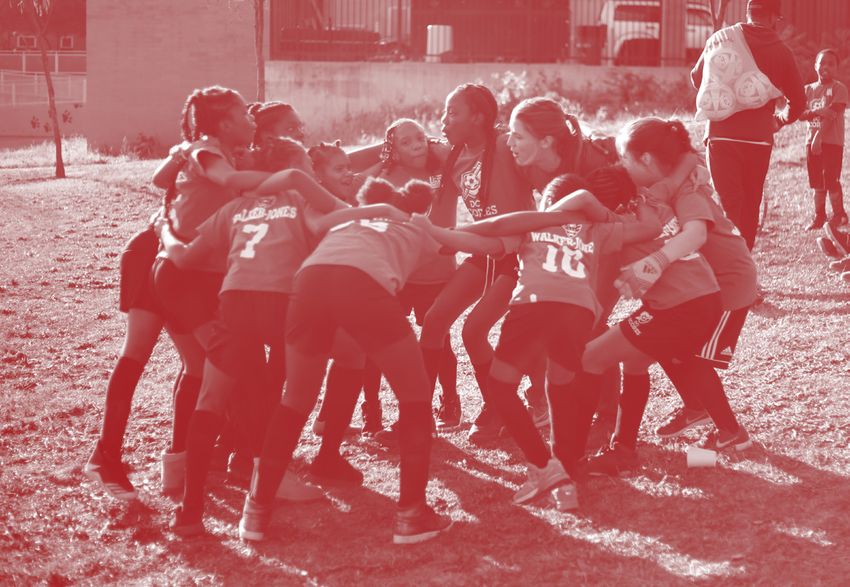
This brief was commissioned by the Susan Crown Exchange (SCE) to explore the role
              sports can play in developing young people's social and emotional skills.

FOREWORD
As a child stepping onto the tennis court, I felt like I grew three feet taller. My first coaches helped build my
self-esteem and self-worth. They made the tennis court a safe place where I was challenged and encouraged
to dream my dreams. And they kept me in the game, when I wanted to quit.

I was 17, facing setbacks, ready to leave the professional tennis world behind. I threw my tennis rackets into the
forest, certain I was done playing. My coach, Tarik Benhabiles, asked me to give him four more months before
I gave up. He challenged me to focus on learning and getting better each day. With Tarik developing my skills
and confidence, I became the number one junior in the world and the world number 14 player the next year
— all because my coach believed in me.

When I started my own programs, I built on what I learned from Tarik. At the Andy Roddick Foundation, we
emphasize the development of social and emotional skills by setting clear goals on what we want children
to achieve. We develop intentional learning opportunities with a focus on the process of learning not just the
specific sports skills, but also on skills like persistence, regulation and communication.

The most important thing we do is build lasting relationships between children and adults. We provide a safe
space, which means creating clear expectations and limits along with room to learn and play. We take the
time to get to know each child personally and appreciate their strengths and areas for growth. We understand
their frustration triggers and how to help them regulate their emotions. We celebrate often and encourage
the children to celebrate each other. Finally, we partner with families, letting them know the great things their
child has done each week — like learning to hit a ball or being a good friend. We tell the families why we are
grateful for them, for simple things like attending the program each day.

We do all of this to help children be confident, resilient and persistent so they are ready to explore their world
and own their future. We understand the profound impact that a coach can have on a kid — something I’ve
experienced firsthand — and this report demonstrates just that. Coaches create safe spaces to learn and know
when to give encouragement, even when we’ve already thrown in the towel. It’s the high-quality relationships
I’ve built with my childhood coaches, including Tarik, that helped me grow into the person I’ve become.

Thank you for everything, Tarik.

Andy S. Roddick
Founder and Chair
Andy Roddick Foundation
WARMUP                                                                                 The Aspen Institute Sports & Society
                                                                                       Program and National Commission
Beyond simply winning games, the purpose of                                            on Social, Emotional, and Academic
coaches is to develop their athletes. When coaches                                     Development have forged a partnership
focus on the social, emotional, cognitive and physical                                 with the goal of exploring the role youth
needs of the whole child, they help youth athletes feel                                sports can play in developing young
safe and supported, they foster important traits such                                  people’s social and emotional skills.
as responsibility and perseverance, they guide them in                                 With funding from the Susan Crown
building an emotional foundation for success, and they                                 Exchange (SCE) and guidance from a
teach teammates to respect and listen to one another.                                  strategic advisory group of researchers,
                                                                                       program providers, coaches, and
Many children play sports, in both structured and
                                                                                       athletes including young people, we
unstructured settings. The Aspen Institute Sports &
                                                                                       commissioned the EASEL Lab at the
Society Program’s State of Play: 2018 report, drawing
                                                                                       Harvard Graduate School of Education
on the most recent Sports and Fitness Industry
                                                                                       to produce a white paper, Coaching
Association data, shows that 69 percent of youth ages
                                                                                       Social and Emotional Skills in Youth
6 to 12 participated in a sport at least one day during
                                                                                       Sports, which synopsizes and explains
2017. The percentage of kids who participated on a
                                                                                       the evidence behind effective strategies
regular basis in a team sport is lower, 37 percent and
                                                                                       youth coaches can use to build these
down from 41 percent in 2013, which has become
                                                                                       skills in their young athletes.
a focus of Project Play, a Sports & Society Program
initiative that helps stakeholders build healthy children                              This brief translates the white paper
and communities through sports. The hallmark of a                                      into actionable calls for coaches
high-quality sports experience is often a young person’s                               to implement in after-school and
relationship with a coach, yet only 36 percent of youth                                community-based sports leagues.
coaches surveyed say they have received training in                                    The brief’s goals are to:
effective motivational techniques.1
                                                                                       •    Help coaches understand why
It’s a missed opportunity. Sports, which combine                                            youth sports is a great venue for
physical activity and play, represent an important                                          developing social, emotional and
environment to intentionally build important skills such                                    cognitive skills.
as teamwork and cooperation, empathy, and planning
and problem solving — just to name a few. However,                                     •    Provide strategies and best
it is important to remember that the development of                                         practices for coaches to name,
these skills requires intentional effort and a structured                                   model and create environments
approach. This brief offers a plan of action for coaches.                                   for youth athletes to develop and
                                                                                            practice these skills.

1   The Aspen Institute Project Play, “State of Play: 2018 Trends and Developments,” (Washington: The Aspen Institute Sports &
    Society Program, 2018).

                                                                                                                                 1
THE FOUNDATION
Coaching Social and Emotional Skills in Youth Sports explains how a positive youth development
approach is critical for physical and emotional well-being. Sports and other physical activities provide
ample opportunities to create an environment built on the foundational characteristics of positive youth
development. Characteristics of positive youth development include:

•       Youth-adult relationships — positive and sustained relationships with adults;
•       Skill development — the practice of social, emotional and cognitive skills in a supportive culture
        and climate; and
•       Opportunities for leadership — the use of these skills to enhance youth voice and choice.

Social and emotional skills can be grouped into three interrelated categories: cognitive regulation;
emotional competencies; and social and interpersonal skills.2

                                                         s                                Op
                                                     ship                                   po
                                                   on                                         rtu
                                                 ti               r, beliefs and min             ni
                                               la           aracte                  dse
                                                          Ch                           ts
                                          re

                                                                                                         tie
                                         d

                                                                                                            sf
                                       ne

                                                                                                              or
                                    tai

                                                                                                                 yo
                                 sus

                                                       COGNITIVE                   EMOTIONAL
                                                      REGULATION                  COMPETENCIES                     uth
                                      d
                           Positive an

                                                                                                                       voice
                                                  If at first                                 It’s how
                                                  you don’t         HIGH-QUALITY              you play
                                                                                                                             and choice

                                                  succeed,             SPORTS                 the game
                                                  try again         ENVIRONMENT
                                                                       Sport for all,
                                                                        play for life

                                                                      SOCIAL &
                                                                INTERPERSONAL SKILLS
                                                                     There’s no ‘I’ in team

                                                                      I t h i nk I c a n
                                                      Su
                                                           pp
                                                                orti                    m ate
                                                                    ve culture and c li

2       J. Kahn, R. Bailey, and S. Jones, “Coaching Social and Emotional Skills in Youth Sports,” (Washington: The Aspen Institute, 2019).

    2
Cognitive regulation can be thought of as the basic skills required to direct behavior toward
setting and reaching goals. This set of skills includes working memory, attention control and flexible
thinking, as well as beliefs and attitudes that guide one’s sense of self and learning style. Children use
cognitive regulation skills whenever faced with tasks that require concentration, planning (including
carrying out intentional physical movement), problem solving, coordination, decision-making or overriding
a strong internal or external desire.

Emotional competencies are a set of skills and understandings that help children recognize,
express and regulate their emotions. This set of skills includes sympathy, empathy and perspective-
taking. Emotional skills allow children to manage their own emotions and cope with different situations
in constructive ways. These skills are fundamental to positive social interactions and critical to building
relationships with peers and adults, which exist at the core of individual and team sports.

Social and interpersonal skills help youth accurately interpret the behavior of others. This set of skills
includes interacting positively with peers and adults and effectively navigating social situations. Social and
interpersonal skills build on emotional competencies. Children must be able to use these skills effectively
in order to contribute to a team, resolve disagreements and coexist peacefully with others.

The development of these skills interacts with character, beliefs and mindsets. Character represents
ways of thinking and habits that support youth working together as friends, family and community. It
encompasses understanding and acting upon core ethical values like integrity, honesty and compassion.
Young people’s beliefs and mindsets about themselves, others, and their circumstances — such as
self-knowledge, motivation and purpose — influence how they interpret and respond to events and
interactions throughout their day. Together, these skills, habits and beliefs lead to success in schooling
and other community-based activities, the workplace, relationships and citizenship.3 Sports and physical
activities provide a promising context for developing these skills.4

It is important to note that there is a developmental progression in which certain skills and competencies
emerge (see next page). As the environment where children learn, grow, and play changes, so do the
demands placed on them. In order to be successful, some social, emotional and cognitive skills are more
or less important at different phases of development. For example, youth must learn to recognize, express
and regulate their emotions before they can be expected to interact with others who are engaged in the
same set of processes.5

3   The Aspen Institute National Commission on Social, Emotional, and Academic Development, “From a Nation at Risk to a Nation
    at Hope: Recommendations from the National Commission on Social, Emotional, and Academic Development,” (Washington:
    The Aspen Institute National Commission on Social, Emotional, and Academic Development, 2019).

4   J. Kahn, R. Bailey, and S. Jones, “Coaching Social and Emotional Skills in Youth Sports,” (Washington: The Aspen Institute, 2019).

5   S. Jones, C. A. Farrington, R. Jagers, and M. Brackett, with J. Kahn, “A Research Agenda for the Next Generation,” (Washington:
    The Aspen Institute National Commission on Social, Emotional, and Academic Development, 2019).

                                                                                                                                      3
How Social and Emotional Skills Develop Over Time

                    Character and                                                                                                        Attitudes, Beliefs,
                    Values                                                                                                                    and Mindsets

                    For example:                                                                                                              For example:
ADOLESCENCE
 (14-17 YEARS)

                    Integrity, honesty,           Applying cognitive         Applying emotional        Navigating complex                    Self-concept,
                    compassion,                   skills to unfamiliar       skills to new             social situations                  self-knowledge,
                    diligence, civic              tasks in flexible          situations in flexible                                                identity,
                                                                                                       Engaging in
                    and ethical                   ways and across            ways and across                                                  self-efficacy,
                                                                                                       healthy
                    engagement, and               contexts (home,            contexts                                                   agency, motivation
                                                                                                       relationships
                    responsibility                school)                                                                                     and purpose
EARLY ADOLESCENCE

                                             Planning, organizing,          Understanding and             Engaging in more
   (11-13 YEARS)

                                             goal-setting and               recognizing more              complex conflict
                                             problem-solving                complex emotions and          resolution and
                                             become more                    situations                    friendships
                                             sophisticated
                                                                            Demonstrating empathy         Collaborating and
                                             Thinking flexibly and          and perspective-taking        working with others
                                             redirecting attention                                        as part of a team
MIDDLE CHILDHOOD

                                     Longer term                     Understanding and recognizing          Understanding social cues
   (7-10 YEARS)

                                     goal-setting and                emotions in oneself and others         and demonstrating basic
                                     planning                                                               conflict resolution
                                                                     Expressing emotions and using
                                                                                                            strategies
                                     Organizing                      strategies to manage emotions
                                     information to solve                                                   Increasing prosocial
                                                                     Emerging empathy
                                     problems                                                               behaviors
EARLY CHILDHOOD

                             Basic planning and                          Understanding and                      Beginning to recognize that
   (3-6 YEARS)

                             goal-setting                                recognizing emotions in                others have different thoughts
                                                                         oneself and others                     and feelings
                             Following multistep
                             directions and activities                   Beginning to use strategies            Emerging prosocial behaviors
                                                                         to manage emotions                     (helping, sharing)

                                     COGNITIVE                                   EMOTIONAL                      SOCIAL AND INTERPERSONAL

                                                                   SKILLS AND COMPETENCIES

Note: This graphic originally appeared in From a Nation at Risk to a Nation at Hope: Recommendations from the National
Commission on Social, Emotional, and Academic Development.

           4
CALLS
FOR
COACHES
We call upon youth sports providers to integrate social,
emotional and cognitive skill building into their programs.
These Calls represent best practices that coaches can use
to develop, model and foster their young athletes’ holistic
development. They build upon practices that coaches
often already do. The Calls highlight strategies that coaches
can use to create safe and supportive environments as
well as forge high-quality relationships with and among
their athletes. In addition, each Call provides coaches with
resources to learn more.

PRACTICE SPOTLIGHT
The Practice Spotlights are simple techniques to promote
the development of these skills. These best practices have
been compiled in partnership with our Strategic Advisory
Group of researchers, coaches, educators and providers.

RESOURCE SPOTLIGHT
Want to learn more about one of the Calls? The free, online resources featured
in the Resource Spotlights have been developed by leading organizations in
social and emotional learning, mentorship, sports-based youth development and
coaching. Links to all the resources are available in the online version at
as.pn/callsforcoaches.

Photo (bottom): DC Girls Baseball                                                5
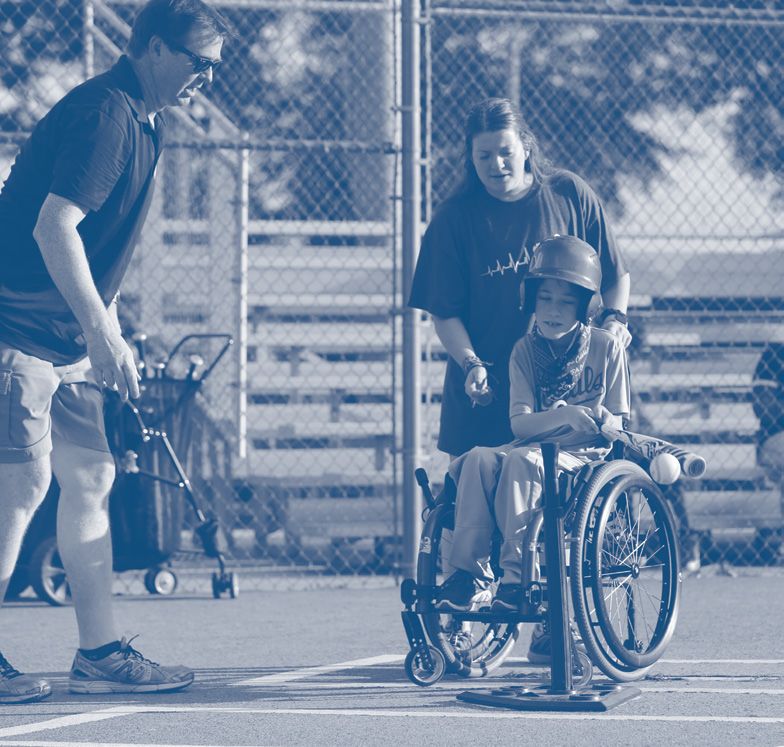
01
                KNOW EVERY
                ATHLETE’S STORY
                Build positive adult-youth relationships

                Building a trusting relationship is foundational for helping each and
                every youth athlete develop skills like the ability to persist in the face of
                challenges and work on a team. Take the time to understand why each
                youth athlete has made the decision to play sports. This reason reflects
                a young athlete’s personality and goals. Furthermore, coaches should
                learn and appreciate individual youth experiences, interests, talents and
                backgrounds. In particular, coaches should understand the impacts that
                trauma can have on young people, on and off the field. Knowing every
                athlete’s story provides insight about how best to create opportunities
                for young athletes to feel like they belong, express their opinions and
                assume leadership.

                PRACTICE SPOTLIGHT:
                •   Ask every player which name they prefer and call
                    them by that name
                •   Ask questions to get to know every youth, their families
                    and their motivations
                •   Talk to every youth at every practice and during every game
                •   Talk with youth athletes about how to seek out and connect
                    with other adults they trust
                •   Organize formal meetings with your players throughout the
                    season in order to help them express their feelings, wants and needs
Take the time
to understand   RESOURCE SPOTLIGHT:
why each
                •   Search Institute: Ideas for Building Developmental Relationships
youth athlete
                •   MENTOR: Success Mentors Trauma-Informed Mentoring Training
has made the        Curriculum
decision to
play sports

 6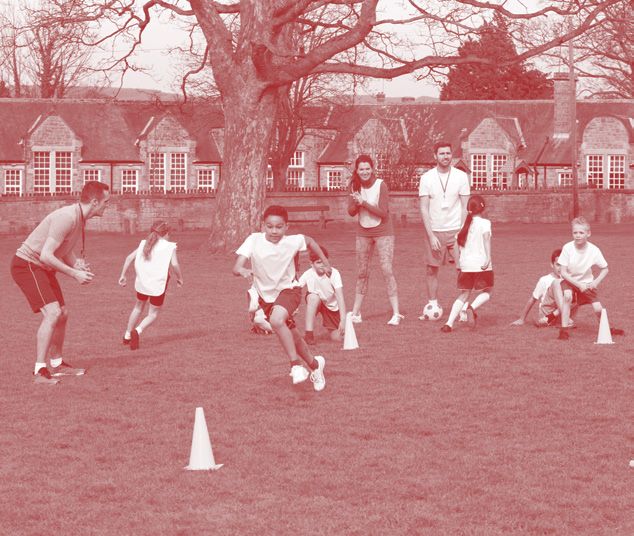
02
               ESTABLISH A
               SUPPORTIVE TEAM
               CULTURE
               Create a safe space that supports social
               and emotional skill development

               Coaches are responsible for establishing a positive team culture
               characterized by support, safety, belonging and respect where young
               people are valued as decisionmakers. Supportive team culture in youth sport
               is built by displaying and encouraging positive attitudes and language, caring
               behaviors and effective emotion management. To ensure that team activities
               are inclusive of youth athletes with different learning styles, abilities and
               backgrounds, develop the unique strengths of each youth. Then, coaches
               should provide opportunities for each young person to shine and show
               leadership, including teaching and mentoring one another.

               PRACTICE SPOTLIGHT:
               Safety, Security & Support
               •   Set high expectations and clear limits on behavior
               •   Ensure the physical environment is free of safety concerns
               •   Get trained in the basics of coaching techniques, including
                   the prevention of physical, emotional and sexual abuse
               •   Start and end practices on time
Display and    •   Adjust the structure of practice, e.g. individual versus team activities,
encourage          to accommodate players’ emotions
positive       •   Establish a code of conduct that prohibits bullying and creates
attitude and       meaningful consequences

language       •   Encourage high-fives or handshakes for greetings
               •   Incorporate team-building activities throughout the season to
                   create dedicated opportunities for building relationships among
                   coaches and teammates

                                                                                               7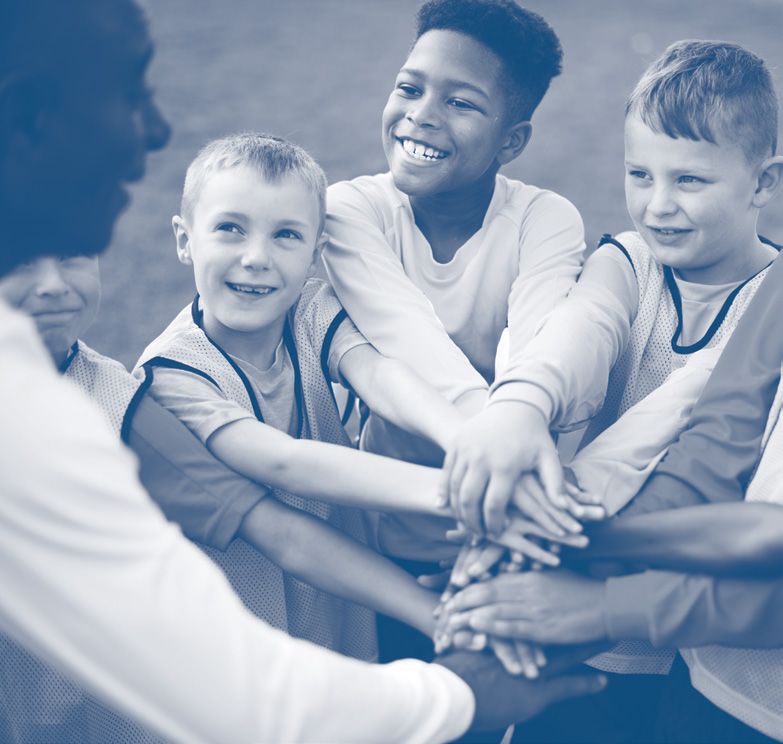
DC GIRLS                          Youth Voice & Choice
BASEBALL                          •   Create specific responsibilities to provide leadership
                                      opportunities for players, e.g. Stretch Captain, Equipment
DC Girls Baseball (DCGB)              Captain or Cheer Captain, and rotate these youth leadership
coaches give a team values            opportunities
sheet to their parents, players
and fans at the start of the
                                  •   Allow youth athletes to make and correct missteps as leaders

tournament season. The team       •   Create community by adopting practices such as composing
values sheet outlines team            a team cheer, selecting a team name, logo or slogan, or
philosophy and goals, specific        incorporating team-building activities into games and practices
expectations of coaches,          •   Give youth athletes the opportunity to clearly define their
parents, players and fans,            goals and objectives
and team needs.
By sharing with                                            •   Engage all youth athletes in co-creating
everyone connected                                             and setting positive norms, rules and
to the team, the                                               routines for practices and games and
team values sheet                                              work with them to consistently reinforce
ensures the whole                                              the structure
group is on the
same page, making
                                                           •   Ensure all youth are included, with
                                                               equitable access to activities in practices
clear that DCGB
                                                               and playing time in games, being
focuses on effort,
                                                               sensitive to different learning styles
encouragement,
sportsmanship and                                          •   Recognize not only extroverted
positivity, rather                                             leadership, but also those who lead
than scoreboards                                               by example
or statistics. Once the
tournament season ends,
DCGB coaches send each            RESOURCE SPOTLIGHT:
player an individualized
                                  •   Futures Without Violence: Coaching with Courage
feedback sheet. These
                                      Training Module (available Spring 2019)
sheets focus on praise on
specific areas within the         •   Alliance for a Healthier Generation: Training Center
athlete’s control, such as        •   National Center on Safe Supportive Learning Environments:
effort, reaction to adversity,        Creating a Safe and Respectful Environment in Our
leadership, teamwork and              Nation’s Classrooms
specific physical skills the
player has been working on.
                                  •   StopBullying.Gov: Bullying Prevention Training Course

They also identify areas for      •   GLSEN: The Safe Space Kit: Guide to Being an Ally to
improvement, growth and               LGBT Students
development that consider the     •   U.S. Center for SafeSport: Online Training
player’s emotional, social and
physical skill needs.             •   Coaching Corps: Coaching for Youth Development Playbook

                                  •   Up2Us Sports: Training Resources

     8                                                                              Photo: DC Girls Baseball
03
CELEBRATE EFFORT
Embody effective leadership
strategies that emphasize effort,
autonomy and learning
Coaches should not limit celebration to only wins, but also celebrate effort and
acknowledge that mistakes are a part of learning. Youth sport teams should value and
reward individual growth as well as the overall improvement of the team. Although
coaches should challenge each
player to do their personal best,
they should also set up their athletes
to experience success. Give sincere,
earned praise, and use words that
refer to specific actions. Conversely,
avoid using criticism or rewards to
shape youth athlete behavior.
PRACTICE
SPOTLIGHT:
• Give shoutouts for achievement, effort and improvement
at the end of the practice: players to players, coach to
GIRLS ON
players and players to coach
THE RUN
• Encourage players to cheer for each other
• Establish a ritual for letting go of mistakes, Girls on the Run (GOTR)
is a nonprofit organization
e.g. a brushing motion across a shoulder
dedicated to empowering
• Create a season-ending event to celebrate skill young women through
attainment, achievement and growth creatively integrating
running into dynamic,
interactive lessons. In
RESOURCE SPOTLIGHT: the GOTR 3rd-5th Grade
• Playworks: RecessLab Lightning Lingo Program, girls and their
running buddies celebrate
• Positive Coaching Alliance: Positive Charting the end of each season
• Mindset Kit: Growth Mindset Toolkit with a non-competitive
5k event to culminate their
• InSideOut Initiative: Overview
10-week curriculum
focused on building social
and emotional skills.
904
FOCUS ON THE
SKILLS THAT
MATTER
Prioritize and provide opportunities
for direct skill building and practice
Coaches should identify and communicate the comprehensive set of skills
(physical, social, emotional and cognitive) they hope to develop in their
youth athletes. Reinforcing all types of skills in team rituals and routines
benefits everyone and builds sports environments that are higher in quality
and, ultimately, more satisfying and valuable for coaches and athletes.
Reflection with athletes on experiences and skills developed in games or
practices creates an opportunity to discuss how to apply that learning at
home, in school and in the community.
PRACTICE SPOTLIGHT:
• Identify and share the particular skills you are aiming to build in your
athletes — whether that’s working as a team, staying motivated,
empathizing with teammates or other key skills
• Encourage parents and caregivers to reinforce these skills by talking
about what they are, what they mean and what these behaviors can
look like at home
• Have players set goals and intentions regarding their physical, social,
emotional and cognitive skill development
• Establish a circle-up ritual at the start of every practice and game and
Have players a reflection ritual at the end of every practice and game that includes
set goals and discussion of the skills being prioritized
intentions • Have conversations about how to use experiences and skills from
games or practices in other settings, e.g. discuss how mistakes are a
regarding their part of learning and improving
physical, social,
emotional and
cognitive skill
development
10RESOURCE SPOTLIGHT:
• Playworks: SEL Game Guide • The First Tee: 9 Core Values
• Playworks: Game Library • Character.org: 11 Principles Sourcebook
• Coaching Corps: Character Building Attributes • Preparing Youth to Thrive: SEL Resources
AMERICA SCORES
America SCORES combines team-
based soccer leagues, poetry and
writing, and youth-led service projects.
America SCORES’ holistic program has
two central tenets. First, it utilizes the
sport of soccer to teach sportsmanship,
discipline, problem-solving and
teamwork as well as to encourage
physical activity. Second, the program
incorporates studying, writing and
performing poetry for
the development of creative
thinking, literacy and speaking
skills. The bonds of trust that
youth build by sharing their
vulnerabilities with each other
through poetry makes them
better soccer teammates. The
confidence they build by
positively affecting their
communities through service
projects makes them better
leaders on and off the field.
These shared experiences
deepen their commitment not
just to their beloved sport, but
to each other and to their team —
resulting in kids who are both physically
and emotionally healthier.
Photos: DC SCORES 1105
BE A ROLE MODEL
Model good character
and decision-making
As leaders in youth sport, coaches should model positive behavior in
their interactions with other adults and youth athletes, with opponents
and referees, and particularly when mediating conflicts. Coaches should
demonstrate and discuss the difference between constructive and
destructive conduct. During frustrating situations, coaches should remain
calm and display appropriate behavior. If you make a mistake, model
accountability by taking responsibility for your actions and owning up. It is
important that youth athletes see that coaches are learning alongside them
while remaining exemplars.
PRACTICE SPOTLIGHT:
• Participate in drills with players
• Practice the positive interactions that are encouraged of players
• Practice self-care and engage in reflection around your own social
and emotional well-being
• Be cognizant of your own and others’ perspectives
• Manage conflicts with calmness and clarity, acknowledging
player feelings and emotions
RESOURCE SPOTLIGHT:
• MENTOR: Mentoring resources and webinars
• National Mentoring Resource Center: Resources,
guides and handouts
• Preparing Youth to Thrive: Self-Assessment
During frustrating • The Rhodes Lab: Natural Mentoring
situations, • Futures Without Violence: Coaching Boys Into Men
coaches should
remain calm and
display appropriate
behavior
1206
BE COACHABLE
Seek opportunities for support, training
and professional development
A key component of teaching social and emotional skills is the ability to assess and manage one’s own
social and emotional state. Coaches should have the mindset that there is always more to learn, and that
there is always room for improvement. To commit to their own continued improvement, coaches should
understand the foundational skills for how we learn and be open to adapting coaching strategies and style.
Free, online resources, included throughout this
brief, are great options for continued learning that
can be accessed anywhere. Additionally, coaches
should seek to learn from their own athletes.
By collecting feedback from athletes and
incorporating it into practices, coaches are
empowering children to use their voices while
improving their coaching competencies.
PRACTICE SPOTLIGHT:
• Participate in learning opportunities with other
coaches in the league or in the community such
as observing other coaches’ practices or practicing in
league-wide professional development HOW TO COACH
• Actively seek out and participate in professional KIDS.ORG
development to grow your coaching skills
The How to Coach Kids
• Get knowledgeable about coaching techniques that website aggregates resources
identify and prevent physical, emotional and sexual abuse to train coaches by sport
• Collect athlete feedback and incorporate into practices and topic in a new, free
30-minute course on
the general principles of
RESOURCE SPOTLIGHT: coaching children through
age 12. Co-developed by
• Team USA: USOC Quality Coaching Framework Nike and the U.S. Olympic
• Positive Coaching Alliance: Development Zone Committee with the help
Resource Center of the Aspen Institute, this
course helps new and novice
• SHAPE America: National Standards for Sport Coaches
coaches plan a great practice,
keep kids safe, use teaching
strategies to help kids learn
and work with families.
1307
JOIN FORCES
Engage with families, schools and
other community organizations
Coaches should think about their role in a child’s web of support and join
forces with other adults in their lives, especially for reflection and debrief.
As part of knowing every athlete’s story, seek to partner with the other
important adults in your athletes’ lives to better provide the support they
need. Coaches should regularly communicate with families — including
sharing team expectations and values — and remain open to conversations
with parents and guardians. As an active member of the community,
coaches should strive to increase opportunities and access for high-quality
sports experiences for all young people.
PRACTICE SPOTLIGHT:
• Host a preseason meeting with families to discuss your program
philosophy, goals and intentions
• Design a practice or family hour for parents/caregivers and siblings
• Learn about the language and strategies used in schools or at home
and, when possible, reinforce these lessons in practices and games
• Collaborate with other coaches to design effective practices
• Talk with parents/caregivers about issues arising with their children
• Find regular opportunities to assess and share progress with families
• Start a conversation around what quality coaching looks like to provide
a healthy and positive sports experience for youth across
your community
RESOURCE SPOTLIGHT:
• National Commission on Social, Emotional, and Academic
Development: Building Partnerships
• Project Play: Teamwork Toolkit (available Fall 2019)
• Project Play: Healthy Sport Index
• Up2Us Sports: Case Studies
• Center for Promise: Defining Webs of Support: A New Framework to
Advance Understanding of Relationships and Youth Development
14 Photo (top): Sports & Society ProgramFLAG STAR FOOTBALL
Flag Star Football, a youth flag football
league, provides four guiding principles for
the parents of participating youth athletes.
The four principles include the following:
Arrive With a Purpose, Set the Tone; Don’t
Be a Jerk; Make (and Encourage) Mistakes;
and Do Better. The guidelines emphasize
the parent as the ultimate role model for
youth athletes by stating that “YOU [the
parent] are in charge of the
environment.” The guidelines
further detail expectations
for parents and provide the
rationale for each.
COOLDOWN AND REFLECTION
As this brief demonstrates, sports presents an incredible and unique opportunity to help all youth athletes
build and practice social, emotional and cognitive skills. Although difficult, measuring the progression of
social, emotional and cognitive skills would be valuable to coaches and youth athletes. There are not yet
research-supported measurement tools that have been utilized in the context of youth sports; this represents
an area for exploration. As these tools are created, the focus should be on helping coaches and athletes
identify strengths and room for growth, recognizing that everyone develops at their own pace.
This opportunity cannot be realized without the backing and understanding of coaches. Coaches lead the way
in building these competencies in their athletes. You, as coaches and important role models in young people’s
lives, have the critical role to elevate the importance of these skills and begin implementing these calls to
strengthen your teams and programs. By intentionally developing social, emotional and cognitive skills in your
players, you are creating a higher-quality sports environment, cultivating a love of sports and preparing your
young athletes to excel in the world of sports and beyond.
Photos: Flag Star Football 15TEAM ROSTER Dr. Jennifer Agans, Assistant Professor, Pennsylvania State
University, College of Health and Human Development;
Paul Caccamo, Founder & CEO, Up2Us Sports; Dr. James
The Aspen Institute P. Comer, Maurice Falk Professor of Child Psychiatry,
The Aspen Institute is a nonpartisan forum for values- Yale Child Study Center; Elizabeth Cushing, President,
based leadership and the exchange of ideas. Playworks; Carl Ehrlich, Founder & CEO, Flag Star
AspenInstitute.org Football; Joe Ehrmann, Co-Founder, InSideOut Initiative;
Dr. Wade Gilbert, Professor, Fresno State University,
College of Health and Human Services; Yesenia Gorbea,
Aspen Institute Sports & Society Program
Senior Program Specialist, Futures Without Violence;
The mission of the Sports & Society Program is to
Dr. Dan Gould, Director, Institute for the Study of Youth
convene leaders, facilitate dialogue and inspire solutions
Sports, Michigan State University, College of Education;
that help sports serve the public interest. An initiative
Bethany Rubin Henderson, Network President, America
of the program, Project Play develops, applies and
SCORES; Bonnie Hoffman, Coach, DC Girls Baseball;
shares knowledge that helps stakeholders build healthy
Dr. Noelle Hurd, Scully Family Discovery Associate
communities through sports.
Professor, University of Virginia, Department of
ProjectPlay.us | SportsAndSociety.org Psychology; Dr. Stephanie Jones, Director, EASEL Lab,
Harvard Graduate School of Education; Jennifer Kahn,
Aspen Institute National Commission Research Manager, EASEL Lab, Harvard Graduate
on Social, Emotional, and Academic School of Education; Doug Karr, President & CEO,
Development Character.org; Dr. John McCarthy, Director, Institute for
Athletic Coach Education, Boston University, Wheelock
The Aspen Institute National Commission on Social,
College of Education; Michael McFarlane, Coach, Flag
Emotional, and Academic Development was created
Star Football; Wayne Moss, Executive Director, National
to engage and energize communities in re-envisioning
learning to support the whole child. The Commission’s Council of Youth Sports; Lauren Puzen, Senior Partnership
culminating report, From a Nation at Risk to a Nation at Manager, Alliance for a Healthier Generation;
Hope, was released in January 2019. Jody Redman, Co-Founder, InSideOut Initiative;
Dr. Allison Riley, Senior Vice President, Programming
NationAtHope.org and Evaluation, Girls on the Run; Suzanne Sillett, Director
of Education and Quality, Coaching Corps;
Susan Crown Exchange Dr. Ashlyn Smith, Senior Manager, Research and
Susan Crown Exchange (SCE) is a Chicago-based Evaluation, Special Olympics; Richard Tagle, Executive
foundation invested in shaping an ecosystem of anytime, Director, Andy Roddick Foundation; Jim Thompson,
anywhere learning to prepare youth to adapt and thrive in Founder & CEO, Positive Coaching Alliance; and Jeff York,
a rapidly changing and highly connected world. Through Vice President, Consumer Research, The First Tee.
grantmaking programs in digital learning and social
and emotional learning, SCE helps identify, codify and And thanks to the additional advisors who consulted
promote high-quality opportunities for young people to on previous drafts of this report:
learn and grow in out-of-school time.
Chris Borland, former NFL player; Kate Carpenter,
SCEfdn.org America SCORES Milwaukee; Janet Carter, Coaching
Corps; Diana Cutaia, Coaching Peace; Delia Hagan,
Strategic Advisory Group MENTOR; Alex Hooker, Bechtel Foundation;
Our deepest thanks to the members of our Strategic Dr. Richard Lerner, Tufts University; Lynne Lee, Coaching
Advisory Group of researchers, coaches, practitioners, Corps; Dr. Will Mayer, Sacred Heart University;
educators and providers. The Strategic Advisory Group Jamison Merrill, Up2Us Sports; Lisa Perry, Alliance for
convened in September 2018 in Washington D.C., and a Healthier Generation; Dudney Sylla, MENTOR;
provided regular support and feedback during the Dr. Maureen Weiss, University of Minnesota; and
development of this brief. Members include: Luella Williams, Up2Us Sports.
16CALLS FOR COACHES
01 KNOW EVERY ATHLETE’S STORY
Build positive adult-youth relationships
ESTABLISH A SUPPORTIVE
02 TEAM CULTURE
Create a safe space that supports social
and emotional skill development
03
CELEBRATE EFFORT
Embody effective leadership strategies that
emphasize effort, autonomy and learning
04
FOCUS ON THE SKILLS THAT MATTER
Prioritize and provide opportunities for
direct skill building and practice
05 BE A ROLE MODEL
Model good character and decision-making
06
BE COACHABLE
Seek opportunities for support, training
and professional development
07
JOIN FORCES
Engage with families, schools and
other community organizationsCHECKLIST
First Practice After Practice / Postgame
Host a preseason meeting with parents to discuss Give shoutouts for achievement, effort and
your program philosophy, goals and intentions improvement at the end of the practice: players to
players, coach to players and players to coach
Ask every player which name they prefer and call
them by that name Collect athlete feedback and incorporate
into practices
Talk with youth athletes about how to seek out
and connect with other adults they trust Talk with parents/caregivers about issues arising
with their children
Co-create and set positive norms, rules and
routines for practices and games Encourage parents and caregivers to reinforce these
skills by talking about what they are, what they mean
and what these behaviors can look like at home
Planning Practice / Pregame
Collaborate with other coaches to design Ongoing: Every Practice, Every Game
effective practices
Reinforce the norms, rules and routines
Ensure the physical environment is free of
safety concerns Ensure all youth are included, with equitable access to
activities, being sensitive to different learning styles
Set high expectations and clear limits on behavior
Establish a code of conduct that prohibits bullying and
Have players set goals and intentions regarding establishes consequences
their physical, social, emotional and cognitive
skill development Ask questions to get to know every youth, their
families and their motivations
Allow athletes to serve in leadership roles and
maintain a rotation schedule so all players have Organize formal meetings with your players
the opportunity to lead throughout the season in order to help them express
their feelings, wants and needs
Be cognizant of your own and others’ perspectives
During Practice / Day of Game Practice self-care, engage in reflection around your
Start and end practices on time own social and emotional well-being
Talk to every youth at every practice and during
Participate in drills with players
every game
Practice positive interactions that are
encouraged of players
Adjust the structure of practice and activities
to accommodate players’ emotions
Learn more at as.pn/callsforcoaches
Create community by adopting practices such as
composing a team cheer, selecting a team name,
logo or slogan, or incorporating team-building
activities into games and practices Commissioned by the
Encourage high-fives or handshakes Susan Crown Exchange
for greetingsYou can also read


