Camel Milk Value Chain - Business Landscaping Report A brief overview of the Camel Milk Value Chain - Desert Resource Centre
←
→
Page content transcription
If your browser does not render page correctly, please read the page content below

Camel Milk Value Chain
   Business Landscaping Report
   A brief overview of the Camel Milk Value Chain
             across the Globe and in India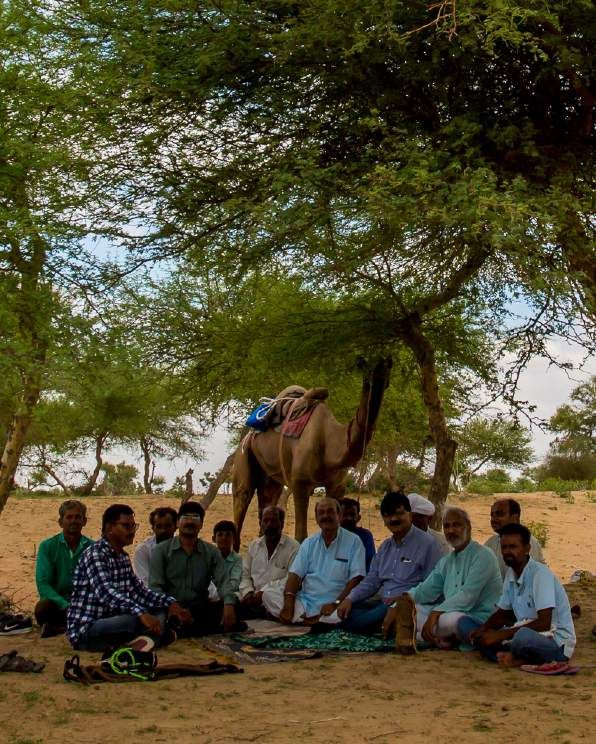
Camel Milk Value Chain
Business Landscaping Report

Author

Ameya Kolhatkar (pgp19.ameya@spjimr.org)
Ameya is a post graduate from SPJIMR, Mumbai in the field of Marketing Management. After
graduation from VJTI Mumbai, he has worked with Bajaj Auto, ZS Associates, and Pidilite Industries in
roles ranging from manufacturing, consulting, and sales and marketing.

Sagar Moondra (pgp19.sagar@spjimr.org)
Sagar is a Chartered Accountant by profession and a post graduate from SPJIMR, Mumbai in the field
of Finance Management. He has worked with PwC, V.K. Baheti & Co. and SBI Capital Markets Ltd.
with fields ranging from Statutory & Tax Audits, to Project Financing and Investment Banking,
working closely with the real estate sector.

Technical Inputs:
Aastha Maggu, Anshul Ojha, Nityanand Rai, and Tatsama Motilal

Images:
Team Desert Resource Centre, Urmul Archives

Design:
Lok Priya

Published By:
Desert Resource Centre
Urmul Trust, Bikaner
Email: mail@urmul.org

Year of Publishing:
October, 2020
T     he Camel Partnership is a full industry creation exercise that aims to mobilize the camel
      herding community, knowledge & potential in the Thar desert. We aspire to facilitate
      camel herders to take charge of their livelihood and drive an inclusive, accountable,
collaborative and sustainable enterprise ecosystem.

With knowledge, technological and infrastructural support from multiple partners, The Camel
Partnership is focusing on creating camel milk value chains in select camel milk clusters in
western Rajasthan -Bajju, Bikaner; Chimana, Jodhpur and Pokaran, Jaisalamer.

Communities:
Crucial to reviving traditional avenues of camel-based livelihood, key community intervention
actions with herding communities include nutrition management, access to timely health care
and vaccination support for camels and awareness generation for integration of camel with
modern economy. Facilitation of formation of Federation of camel herders and Village Level
Committees are also being undertaken parallelly.

Enterprises:
Joint actions and standard operating procedures for quality control and requisite infrastructure
support to establish a robust, streamlined and scalable milk value chain are being formulated.
Capacity building of camel milk suppliers and a cadre of youths from the camel clusters for
logistic operations are being provided.

Policies:
Through focused evidence based policy advocacy measures a vibrant policy ecosystem is being
developed. This would ensure that all the stakeholders render necessary support and their
actions are not carried out in silos. Policy advocacy dialogues with stakeholders across various
levels of governance have been initiated.

                                     Our Partners
Opportunities Galore

Once valued at Rs. 1 lac per camel, the camels of western Rajasthan have low use value and
currently priced at a meager value of Rs. 2500-5000 per camel. Bhanwararam Raika, a camel
herder from Nokh, Bikaner, used to own 60 camels. Despite owning a large herd, his attention
gradually shifted from camel herding to other activities over the decades due to declining
income opportunities. A story of hope brought home by his brother Sriram Raika, encouraged
Bhanwararam to change his course of action.

Sriram Raika, Secretary of one of the Camel Herders’ Federation formed under The Camel
Partnership, had the opportunity to go on an exposure visit to Sarhad Dairy at Bhuj and see for
himself the change that was brought about by camel milk alone. He saw how the camel herding
communities at Bhuj were able to successfully integrate camels into the modern economy.
Thoroughly impressed by the possibility of doing the same within his community, Sriram Raika
returned home to Nokh and shared his insightful experiences with brother Bhanwararam and
the other camel herders.

Sensing the lucrative opportunity of starting his own camel milk business, Bhanwararam has
now purchased 40 new camels - an extremely rare case of in a region where camel herders were
earlier selling off their camels or leaving them astray due to high costs of rearing and lack of
hope. This brings a silver lining to a dark cloud that has been long hovering over the camel
herding communities of the Thar.
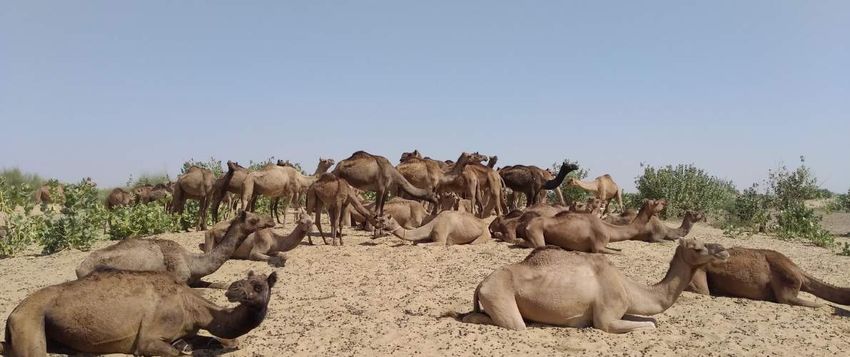
Table of Contents

Gaining Momentum, One Step at a Time           6
Executive Summary                              7
Methodology                                    9
Introduction                                   10
Insights from Primary Interviews               13
Industry Overview                              16
Major Players - Global                         18
Major Players - India                          21
Indian Market – Industry Potential             26
Raika Community                                28
Enacting Change in The Thar Camel Ecosystems   29
Kenya's Success Story                          36
Types of Value-Added Products                  40
Therapeutic Values                             42
Freeze Drying Technique                        46
Distribution Channel                           48
Latest Study to make camel milk safer          49
FSSAI Regulatory Guidelines                    50
Challenges                                     51
Recommendations                                53
Bibliography                                   55

Gaining Momentum,
One Step at a Time

W          ith dialogues around camel milk value quickly gaining momentum around the globe,
           there has been a need to holistically explore, capture and present the plethora of
           business trajectories possible from tapping camel milk potential in India.

This Landscaping Report aims to document the analysis of the camel value chain in India
and globally – along with the opportunities it offers and the challenges it poses. The report
has been created by the means of extensive online secondary research and primary interviews
and aims to serve as a repository of holistic information on the camel milk value chain.

Multiple facets of the value chain have been explored – covering the overall industry scenario,
trends in camel population and camel milk supply chain, major market players, the various
forms of value-added products made from camel milk, the unique benefits offered, and some
key challenges in the value chain. Finally, recommendations on how to effectively enter and
thrive in the camel milk business have also been offered.

We would like to extend our thanks to all the stakeholders who have assisted us in various ways
to complete this report. We would firstly like to thank Ameya Kolhatkar and Sagar Moondra for
authoring this report and consistently coordinating and interacting with every player needed
to get the facts and details right.

We would also like to express our gratitude to all the team members of Desert Resource Center
– Aastha Maggu, Nityanand Rai and Lok Priya - for providing effective technical inputs, design
expertise and aiding in the successful completion of this report.

We hope that the information shared in this report will be beneficial to the reader and
encourage increased engagement in the dialogues and revival initiatives being undertaken by
camel-focused platforms and The Camel Partnership in India.

                                                                                Anshul Ojha &
                                                                              Tatsama Motilal
                                                                                  Urmul Trust

                                               5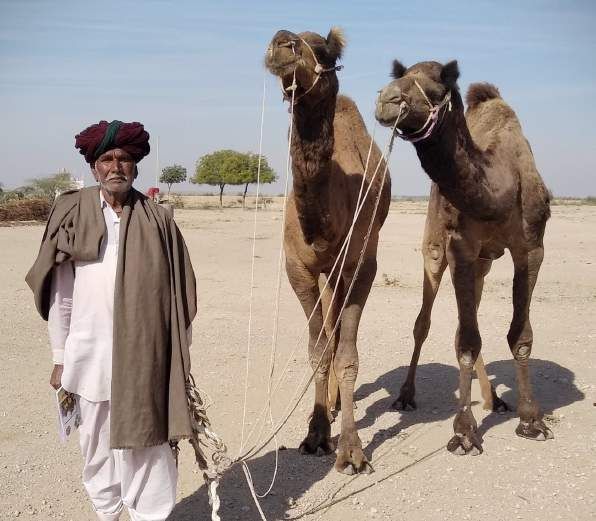
Executive Summary

T       he trend in Indian population over
        the last decade has been the
        converse of the global trend – while
the Indian camel population saw a 37%
decline between 2012 (~4 Million) and
                                               the last decade. Typically, these companies
                                               own the camels they milk and herd them in
                                               enclosures. They serve their home and
                                               neighborhood markets with products like
                                               raw and pasteurized camel milk, powdered
2019 (~2.5 Million), globally, the camel       camel milk, chocolates and desserts, and a
population increased by ~17% in roughly        range of skincare products.
the same period (36 Million in 2018). The
global growth is largely fuelled by the        In India, Aadvik Foods was the first major
increasing demand for camel milk,              commercial player to enter the business in
especially in the USA, Africa, and the Gulf,   2016. Today it has an annual turnover of
brought about by the increasing awareness      over INR 4 crores and deals majorly in
of the unique benefits of camel milk.          freeze-dried powder variants, chocolates,
Currently valued at US$ 5.98bn, the market     and skin products. National player Amul
size is expected to expand at a 10% CAGR       entered the business in 2018 with camel
over till 2027.                                milk chocolates and has expanded into
                                               bottled pasteurized camel milk since 2019.
Camel milk has higher perishability as         While Aadvik Foods has limited physical
compared to milk from other cattle species,    coverage, it is present on all e-commerce
which makes non-pasture procurement of         channels, whereas Amul has expanded its
the product difficult. The finished product    camel milk coverage to all major metros in
too has a lower shelf life unless              India. Both the firms base their value
pasteurized. It is sold in many forms –        proposition on the multitude of health
including pasteurized milk, frozen raw milk,   benefits offered by camel milk. Camel
flavored milk, milk powder, dessert items      Charisma too is a limited capacity operator
like chocolates and ice creams, and a range    that aims to preserve the traditional way of
of skincare products.                          living of the indigenous camel herding
                                               Raika community.
Globally, African countries are the major
producers of camel milk, with Somalia,         The industry faces multiple challenges –
Kenya, and Mali being the leaders in           ranging from unstable demand,
production. In the developed countries,        inconsistent supply, declining camel
companies like Camelicious (UAE), Desert       population, low yield per camel, anda
Farms (USA), and QCamel (Australia) have       shorter lactating period to high
been growing consistently year on year for     perishability of the product. These factors

                                                                                              -7
lead to camels being priced up to 6-10 times   groups like diabetes, lactose intolerance,
higher than that of other cattle species.      and autism patients. Apprehensions about
However, the biggest challenge in the          the taste and smell of the milk from a
category is the lack of awareness about the    relatively-unknown species also
product and its benefits outside special       exacerbate the problem.

Methodology

T      he methodology and the approach
       applied for steering the report
       writing exercise was a
combination of both primary as well as
secondary research, including examining
                                            The RRA Network, HDFC CSR, Selco
                                            Foundation, GEA India and Desert
                                            Resource Center.

                                            Beyond the literature review, we spoke
numerous high-quality research reports      to Mr. Sumer Singh Bhat, a local camel
on camel milk and the United Nation's       herder; Mr. Santosh, a Chennai based
Food and Agricultural Organisation          camel milk entrepreneur; Mr. Nilesh
website for the key statistics related to   Jankar, the plant head of Sarhad Dairy
world camel population and camel milk       that produces camel milk products for
production. We also leveraged the           Amul; Mr. Hitesh Rathi, founder of
valuable reports as maintained by the       Aadvik Foods; Mr. Hanwant Singh, co-
DRC team to obtain key insights             founder of Camel Charisma; and a few
regarding the industry. Apart from this,    end customers to get some valuable
we also kept up to date with the news       insights about their perception regarding
encompassing the camel milk in India as     the camel milk. Apart from this, we also
well as across the Globe.                   attended a webinar on Camel Milk
                                            organized by Ilse Köhler-Rollefson – the
Key insights were obtained from partners    co-founder of Camel Charisma to obtain
and pastoralist networks, webinars and      some deeper insights regarding the
representatives from Lokhit Pashu Palak     plight of the herders.
Sansthan, Urmul Trust, Urmul Seemant,

                                                                                        -9
Introduction

C      amelus dromedarius or Camelus
       bactrianus, more commonly known
       as single-humped and double-
humped camel respectively, are found in
abundance in the Thar desert in India –
                                                    World Camel Day is celebrated on 22nd
                                                    June every year. It was for the first time that
                                                    on the occasion of World Milk Day on 1st
                                                    June'20, the camel milk consumers,
                                                    producers, and experts from across 35
majorly in the Kutch region and western             countries raised a virtual glass of camel
Rajasthan and Nubra Valley in Ladakh,               milk. The camels have been a valuable
respectively. The 4 most common breeds in           source of livelihood for generations in the
India are – Bikaneri, Jaisalmeri, Mewari,           Desert regions. The Raika community in
and Kachchhi (Kharai) breed. The Bikaneri           western Rajasthan has thrived their
and Jaisalmeri breeds are found in the              livelihood through camels for generations
desert regions, whereas the Mewari                  now but have always been against selling
breedis usually found in the hills and the          the milk of the mighty animal as they
Kachchhi breed is found in the Kutch                believe it to contain incredible powers. The
region.                                             camel milk has helped them survive a year-

                        Total Camel Population in India (in lakh)

  12
               10.31
  10                         9.12

   8
                                             6.32
   6                                                       5.17
                                                                             4.0
   4
                                                                                            2.5
   2

   0
           1992          1997         2003             2007           2012           2019

                                    Male      Female    Total
long famine. The community has been Hence, it has become financially unviable
reluctant to commercialize its milk as they for the camel herders to retain their
believe it to be of religious and cultural camels, as the costs outweigh the financial
significance. benefits and many herders have simply let
them free because of their unaffordability.
However, due to urbanization, better- As a result, the camel population has
earning opportunities in metro cities, and declined from 10.31 lakhs in 1992, to
technological advancements, we've almost 2.5 lakhs in 2019.
observed a significant decline in the utility
of camels for transportation and other However, in the same period, the world
purposes.At the same time, the cost of population of camels has risen from 19.92
feeding the camel has also surged owing to million in 1992 to almost 35.52 million in
inflation and decline in the grazing 2018, resulting in a cumulative annual
pastureand, the cost of breeding has also growth rate (CAGR) of 2.75% in the last 15
risen. Also, the incompetent veterinary years. According to FAO, camels have been
system with infrequent medical camps by the 2nd quickest rising herbivores livestock
the government has resulted in poor health in the world over the last 50 years, after
of the camels. buffalo.
Total World Camel Population (in million)
40
35.85
35
30.82
30 28.30
23.87
25
20.37 20.85
20
15
10
5
0
1992 1997 2003 2007 2012 2018
Camel Population (in million)
Source: Food & Agriculture Organisation of the United Nations14
Recently, Australia announced the culling of destroying the infrastructure along their way.
over 10,000 camels in 2020 since the drought The distribution of camels in India is mainly
brought the camels closer to the remote concentrated in the western Rajasthan and
towns in search of food and water and Gujarat regions, with a few numbers in
- 11Haryana and Uttar Pradesh as well. The up in Bikaner in 1995. The research center
number of camels in Rajasthan has declined was established to conduct further studies
significantly, whereas the population of on camel value chain and the potential of
camels in Gujarat has been relatively stable. the camel milk value chain. Apart from the
institute, the country has seen various
To study the various potential socio- NGOs raising awareness about the
economic benefits from the camels, a preservation and potential socio-economic
National Research Centre on Camels was set benefits of the camel milk in the region.
Camel Population Across Major States In India (in Lakh)
3.26
3.5
3
2.5 2.13
2
1.5
1
0.30 0.28 0.19
0.5 0.05 0.08 0.02
0
Rajasthan Gujarat Haryana Uttar Pradesh
2012 2019
Source: Government Livestock Census 06
With the world realizing the nutritious and regions, increase the importance of
therapeutic benefits of consuming camel camels all the more like no other milk-
milk, the economic significance of the producing herbivore would be able to
mighty animal would soon be on the rise. survive the rising temperatures and
Camel milk has proved to be a much produce milk.
healthier alternative to widely available
bovine milk. Having high levels of vitamin C, As a result, India has witnessed various
protein, iron, and lower fat than the cow start-ups setting up camel milk dairies
and buffalo milk, it proves to be a valuable across the camel herding regions in
choice for people suffering from ailments Gujarat and Rajasthan, with demand rising
such as diabetes, autism, blood pressure, not only from India but even across the
and heart diseases. world. The brands have also started
offering various other milk-based
Also, the rising climate temperatures products such as soaps, body lotions, and
across the globe, and especially in the hot flavored powdered milk.Insights from
Primary Interviews
D
ipak Gode is an aspiring dairy business
entrepreneur from Nagpur,
Maharashtra, currently based out of
Bajju, Bikaner, Rajasthan. He has been chalking
the best possible options to revive camel-based
livelihoods in western Rajasthan through the
sale of camel milk and camel hair derived
products.
He has mapped the ground realities and supply
potential of camel milk from herders with
substantially large herds to herders with even a
few camels. With support from Urmul Trust and
access to a 1000 liters bulk milk chilling and
processing center located at Bajju, Dipak is soon
starting a pilot collection of 500 liters of camel
milk per day from about 40 selected villages. At
full scale, the collection capacity could go as
high as 2200 liters. Lack of veterinary care
support and shrinking forage resources are the
most pressing concerns for camel herders. He
believes that addressing these challenges
would ease the financial burden of rearing
camels and encourage them to think of setting
up camel milk social enteprises.
Dipak’s objective is run a profitable and Dipak Gode,
sustainable enterprise that encourages herders Camel Milk Enterprenure
to consider camel husbandry as a serious
livelihood option. He is currently collaborating with a range of players to create premium,
value-added products like aromatic camel milk soaps, camel wool dhurries and shawls, and
exciting camel milk infused food recipes that experiment with traditional and modern flavors.
- 13B ased out of Chennai, Mr. Santosh has been trying to generate
demand for camel milk among special users in metro cities of
southern India. However, the lack of awareness about the
nutritional benefits and the unfamiliarity with camels in southern
regions has been a challenge. Also, by one of his accounts, parents of
autistic children are apprehensive about the actual benefits offered
by the product despite its much-touted potency - a mother who is an
influencer in such circles tried camel milk powder from Camelicious
(from UAE) as a solution to check autism in her son, but with
unsatisfactory results. This is further compounded by supply chain
issues in moving large quantities of camel milk from production
centers in Rajasthan to the south.
Mr. Santosh has been activating the market - especially in the
diabetics' segment by creating awareness among doctors
specializing in Diabetes care about the health benefits offered by
Mr. Santosh, camel milk, i.e. the natural insulin-like compounds present in the
Entrepreneur, Chennai product.
M r. Sumer Singh Bhati is a camel pastoralist and a
camel conservationist based out of Samvat
village in Jaisalmer District, home to the largest
camel population in India. He started a camel milk collection
and processing enterprise in 2017 after undergoing
intensive training from the NRCC (National Research Centre
on Camels) and owns a herd of over 400 camels. Currently,
he has the potential to procure up to 2,000 liters of camel
milk a day, a number that is grossly underutilized due to low
demand for camel milk – just over 100 liters are sold daily.
The rest is consumed by young camels in his herd.
Mr. Bhati has successfully set a small-scale camel milk dairy
in Jaisalmer that caters to the local and tourist populations.
His principal products are lightly treated camel milk – priced
at INR 100 per liter and camel milk ice-cream – priced at INR
40 a scoop. Apart from the local orders, orders in metros like
Jaipur and Mumbai are also catered to, using iceboxes and Sumer Singh Bhati,
intrastate/interstate bus services to transport the milk in a Camel Milk Entrepreneur, Jaisalmer
frozen state.
Outside his dairy enterprise, Mr. Bhati also runs Deghrai Oonth Sharakshan – a camel conservation NGO with
a network of over 30 thousand camels in Jaisalmer district. The NGO organizes camel herders and enables
camel vaccination drives in collaboration with government initiatives and other NGOs. In light of the high
herding and vaccination costs (at least INR 1,500 a year on vaccination per camel), the NGO aims at arresting
the fall in camel population in the region and find alternate ways to sustain the herders' traditional practices.M
r. Hanwant Singh, along with Dr. Ilse Koehler is
the co-founder of LPPS (Lokhit Pashu-Palak
Sansthan), an NGO aimed at camel and camel
community conservation. It aims at providing alternative
sources of income to camel herders of the Raika community
and collects, produces, and distributes camel products like
camel milk, camel cheese, camel wool, camel milk soaps,
and camel dung paper. The NGO collects and processes 40-
50 liters of camel milk every day - merely a fraction of the
possible 20,000L that can be collected via the network of
camel herders that the NGO deals with. Mr. Singh attributes
the small scale of the camel milk business in the industry to a
Hanwant Singh, lack of awareness about the benefits of the product among
Co-founder - LPPS a wider audience.
Efforts to commercialize camel milk production were initiated
in an attempt to make camel rearing viable again, a profession that faced obsolescence in the intra-desert
transport utility after the advent of mechanized transport and national and state highways. Presently, most
of the camel milk produced in the ecosystem is consumed internally among camel offspring or herder
families - adding no additional income to the herders, making camel husbandry an unviable occupation.
This, according to Mr. Singh, has been the primary reason for the decline in the camel population in the
state - a phenomenon that his NGO is trying to stem.
H itesh Rathi is the CEO and founder of Aadvik
Foods, the first major Indian player in the camel
milk value chain. Established in 2016 with
exclusively camel milk products, the firm has reached an
annual turnover of INR 4 crores and now deals in cow and
goat milk products as well.
In its four years of operations, Mr. Rathi has been able to
standardize the processes and the cold chain distribution
of camel milk products. The particularly challenging
product after the inception of the company was raw
camel milk, which has to be frozen at the place of
production and delivered hundreds of kilometers away at
the place of consumption, still in frozen form.
Mr. Rathi emphasizes the need to increase awareness
about the abundant health benefits of camel milk in the Hitesh Rathi,
general population for the segment to grow. Presently, Aadvik Foods
awareness remains limited to special users like diabetics
and patients with autism. The high price of camel milk
compared to milk from other cattle species further inhibits trials and adoption by the general
population.
- 15Industry Overview
T he global market size of camel milk
was approx. US$ 5.98 bn in 20190,
which is dominated by the Middle
East and Africa with approx. 60% share of
the global revenue. Somalia, Kenya, Mali,
major producers of camel milk in the world,
with Somalia and Kenya responsible for
more than 60% of the production. In terms
of consumption, Saudi Arabia leads the list
with per capita consumption of approx. 33
Ethiopia, Saudi Arabia, and Niger are the liters per annum
Top 10 Nations with Highest Camel Population (in million)
8 7.13
7
5.93
6
4.76
5
4 3.05
3
1.71 1.42
2 1.10 1.02 1.00
1 0.44
0
Last 10-Years Average Camel Population (in million)
Source: Food & Agriculture Organisation of the United Nations14
Due to the therapeutic values of camel consumption. The leading company in the
milk, many diabetic consumers in the camel milk segment in terms of revenue is
United States of America and Canada have Desert Farms, a US-based company.
started shifting towards consuming camel Emerging markets such as the USA, India,
milk on account of its higher insulin China, and Russia are projected to broaden
content, thus tipping North America to their scope of producers in the coming
experience the fastest growth in terms of years.According to Dr. Bernard Faye, a estimated to grow at more than 10% in the
veterinarian and chair of the International next decade, thus resulting in more supply
Society of Camelid Research and of camel milk and growth of this sector.
Development, the global camel market is
10 - Years Average Camel Population By Region
Middle-East, 5.52% Europe, 0.03%
Asia, 7.82%
Africa, 86.63%
Source: Food & Agriculture Organisation of the United Nations14
- 17Major Players - Global
G lobal average of the camel milk
production for the last 10 years is
approx. 30lakh tonnes. The top 6
camel milk producing countries in the world
constitute approx. 90% of the total camel
milk produced.
Top 10 Camel Milk Producing Nations
12
10.04
10 8.56
8
6
4 3.32
1.86
2 1.11 1.01 0.60 0.50 0.35 0.26
0
Last 10-Years Camel Milk Production (in million)
Source: Food & Agriculture Organisation of the United Nations14
Coordinates for the Major Market Players – Global as well as Indian
Company Website Country Contact No. Email ID
Camelicious www.camelicious.ae UAE +971 - 4 -2281034 info@camelicious.ae
Desert Farms desertfarms.com USA +1 (800) 430 - 7426 support@desertfarms.com
QCamel www.qcamel.com.au/ Australia +61 - 7 - 5438 7890
Aadvik Foods www.aadvikfoods.com India +91-8800638181 info@aadvikfoods.com
www.amul.com/produc India +91-2692 258506 gcmmf@amul
Amul ts/camel-milk.php
Camel
Charisma www.camelcharisma.com India +91-9660083437 info@camelcharisma.com
The Camel tcp.urmul.org
Partnership India +91-9422893938 kc@urmul.org
Bahula www.bahulanaturals.org India +91-9911438288 tatva.gagan@gmail.com
Naturals
Marugandha +91-9413252415
Enterprise marugandha.urmul.org India marugandha@urmul.orgCompany
A brief overview of the major market players, Global as well as Indian:
Collection Network
Company Country Products Value Proposition
/ Volumes
Camelmilk, Ice-creams,
Camelicious UAE Flavored camel milk, ~1,300Milchcamels; Camel milk products for
Lifestyle Drinks, 11,000liters per day daily consumption
Ghee, Milk Powder
Raw camel milk, The higher nutrient value
Pasteurized milk, of camel milk compared
Desert USA Milk powder, Camel 5,000 camels to cow milk; uses for
Farms
Fat, Kefir, Skin-care lactose intolerance and
products autism
Pasteurized milk, Health benefits like
Camel milk powder, nutrients, healing
Yogurt, Smoothies, properties, and an
Q Camel Australia Feta cheese, 110 camels alternative for lactose
Chocolates, intolerance; organic
Skin creams, Facemasks, camel rearing, ethical
Handwashes, Soaps treatment of its cattle
Health benefits - in the
Camel milk powder,
areas of autism, diabetes,
Frozen camel milk, ~20 camel
Aadvik immunity building and
India Camel milk chocolates, herders; ~1,000
Foods lactose intolerance,
Camel milk soaps, Body liters per day
, natural goodness of
cream and Moisturizers
camel milk
Camel milk, Chocolates, Natural insulin like
~450 camel proteins which help
Amul India Camel milk powder, herders,~1,300 control sugar levels in
Camel milk ice-creams liters per day diabetic consumers
Activist/conservationist
enterprise striving to
Camel India Raw Camel milk,
Charisma ~50 liters per day keep camel husbandry
Camel milk cheese feasible for the Raika
community
Camel-based industry
Camel milk creation exercise focused
The Camel chhena, peda, cheese, ~2200 liters on consolidating camel
Partnership India soap, ice-cream per day herders for developing
camel-based value chains
in milk, hair, dung, etc.
Camel milk energy A range of authentic,
Bahula drinks, Premium ~500 liters per premium gourmet and
India nutraceutical camel milk
Naturals nutraceutical immuno- day
boosters products
Chilled raw camel milk Healthy, nutrient-rich,
Marugandha India in bottles and pouches, ethically procured milk
~1200 liters per day from free-grazing camels
Enterpsise camel milk soap, sweet
dishes with Rajasthani at Pokaran, Jaisalmer - the
largest camel cluster in the
flavours Thar
- 19Camelicious, UAE nutrients and lower fat content in the
edible category.
Based out of Dubai, Camelicious is one of the
largest camel milk product companies in the Desert Farms, USA
middle east regionstarted with a vision to run
and maintain a creative & sustainable camel Incepted in 2014, Desert Farms is a USA
farm. Started in 2006 with 625 company- based camel milk company founded by
owned camels, it owned more than 8000 Wahid Abdul Wahab, a Saudi Arabian
camels (with ~1300 milch camels) in 2019, national. It sources camel milk from 8 major
and employed almost 550 employees. It uses farms and camel herding families spread all
a self-owned farm business model with a across the USA. The brand aims to bring
farm size of over 15 sq. km based in Dubai. around a camel milk revolution worldwide
and plans to expand sales operations to
Saudi Arabia. Initially, it was started for
Camelicious produces more than 4 million health-conscious customers in California. As
liters of camel milk annually (~11,000 liters it expanded, 80% of the demand came from
per day), which it uses to manufacture families with autistic children. It is estimated
multiple products across four categories– that the USA has a camel population of
Fresh Premium Camel Milk (flavored, plain roughly 5000 camels. The firm had ~ 100,000
pasteurized and Laban, a local variant), customers and recorded a revenue of 1.5Mn
lifestyle drinks (coffee, performance drinks, USD in 2016, which is estimated to be at 2.1
family drinks) ice creams, and long-lasting Mn USD in 2020. It also has operations in
variants(ghee, milk powder). In 2017, it was Europe, serving the UK, Germany, and
the first company to pioneer the baby milk Sweden among a few countries.
formula. It primarily uses a physical retail
distribution network, available in all major Desert Farms provides two options in the
modern retail outlets in the UAE. milk form – raw camel milk (which it
delivers in a frozen state), and 'gently
The firm exports to foreign markets including pasteurized' camel milk, each priced at $34
the USA, Europe, Russia, Malaysia, per liter. Both the variants are non-
Singapore, and other Gulf countries. The ice homogenized and come in environmentally
cream product line has been finding success friendly packaging. It also offers edible
in international markets like the products like camel milk powder (priced at
UK.According to the Gulfood channel, it has $370 per kg), camel fat for cooking (as a
witnessed a significant interest in the substitute for butter), camel milk Kefir,
European market after receiving permission along with soaps and multiple other
to operate in the EU. It is now looking to products in the skincare category.
invest in opportunities in cosmeceuticals,
nutraceuticals, pharmaceuticals, and Products are sold on Amazon, the company
beyond. In the Indian market, 1L of camel website, as well as through a network of
milk by Camelicious costs more than INR 500. retail outlets. It offers its customers to sign
In the United States, 500 gm powder (the into a subscription model, wherein it
only variant sold in the country) costs $100. delivers milk periodically to the
subscribers. The brand incentivizes deep
Owing to higher awareness about the involvement/repeat purchases via a loyalty
category in the middle eastern region, the program – that rewards customers for
company offers a value proposition of posting quality reviews online, trying new
unique health benefits – an abundance of products, and interacting on social media.The milk has an expiry period of 2 weeks in pasteurized camel milk, camel milk
refrigerated conditions, and 6 weeks if kept powder, yogurt, smoothies, feta cheese,
frozen. chocolates, skin creams, facemasks,
handwashes, and soaps. It is priced at a
The main value proposition is based on the slight premium compared to competitors
higher nutrient value of camel milk in Australia. The milk offered is 'gently
compared to cow milk and its special uses, pasteurized', with a shelf life of 2.5 weeks
especially for lactose intolerance and from bottling date extendable to up to 6
autism. weeks if stored in a frozen state.
Q Camel, Australia However, the scale of operations is limited,
with only 110 camels serving the demand
Established in 2006, Q Camel is an for camel milk. The group has a distribution
Australian Camel product company based network of over 100 retailers in Australia
out of Queensland. The Australian camel and exports its products to New Zealand
milk industry is estimated to produce and Singapore.
180,000L milk every year (2019), up from
50,000L in 2016 – a CAGR of more than The key value proposition offered by the
50%. The camel farms are open to the company is the health benefits like
public and serve as a boutique tourist nutrients, healing properties of camel milk.
destination after having been featured on It also offers an alternative for lactose
Master Chef Australia. intolerance with the promise of organic
camel rearing, manufacturing, and the
Q camel sells a range of edible and skincare ethical treatment of its cattle.
products made from camel milk, including
Major Players - India
India's Camel Milk Production
18,000
16,000
17,094
14,000 15,804
12,000
10,000 12,460
10,941
8,000
9,271
6,000 7,959
4,000
2,000
-
1991 1994 1997 2000 2003 2006 2009 2012 2015 2018
Camel Milk Production (tonne)
Source: Food & Agriculture Organisation of the United Nations14
- 21In line with the declining camel population, Key trends
camel milk production has also been on a
declining trend in India. The total Since 2018, there has been some revival for
production of camel milk in Indiain 1992 the demand of camel milk products, driven
was 17,094 tonnes, which has gradually by Amul's entry and portfolio expansion
reduced over time to mere 7,959 tonnes in into the camel milk space. Some publicity
2018, while the world camel milk and awareness were also generated among
production has nearly doubled in the same parents of autistic children due to the
period from 15.25 lakh tonnes in 1992 to incident involving the Indian Railways going
31.52 lakh tonnes in 2018. out of its way to deliver camel milk from
World's Camel Milk Production
35
30
31.52
30.51
25
20 24.45
15 19.43
16.89
15.25
10
5
0
1991 1994 1997 2000 2003 2006 2009 2012 2015 2018
Camel Milk Production (in lakh tonne)
Source: Food & Agriculture Organisation of the United Nations14
Rajasthan to Mumbai at the request of an Aadvik Foods
autistic patient's parent during the 2020
nationwide Covid-19 lockdown. Founded in 2016 in Bikaner, Aadvik Foods
was the first camel milk brand in India. In
In India, market players in the camel milk 2019, it saw an annual turnover of INR 4
space operate at different scales and sell a crores and has recently forayed into other
considerable range of camel milk products. categories like cow milk and goat milk as
However, the awareness and adoption of well.The company has a network of ~200
the product and its uses have not reached camel herders spread across Gujarat and
the same levels as in international markets Rajasthan and has a daily collection of up to
like the Gulf and China. Hence, in the 1,000 litersper month. It has offices in
absence of a stable, consistent, and Delhi, Nokha, Bikaner, and Bhuj.
predictable demand, the scale of operations
for most players remains limited. A brief of Aadvik Foods offers a wide range of camel
major players in India follows. milk products with the primary offering offreeze-dried camel milk powder - plain (INR to 1,300 liters per day, down from 2,000
6,300-8,000 per kg, depending on the unit) liters a day at the start of 2019.
and flavored variants (Chocolate, Banana -
INR 4,000 per kg), which have a shelf life of 9 The initial entry into the camel milk business
months.The firm claims that their freeze- with chocolate bars was followed by the sale
drying process in their Baroda plant of 500 ml camel milk pouches in select
preserves all the essential nutrients in regions of Gujarat. Presently, Amul sells
camel milk. It also offers frozen camel milk pasteurized camel milk in the ready-to-drink
in a stock keeping unit (SKU) size of 200 ml, bottled form packaged in two SKU sizes - 500
priced at INR 100 per bottle. In the edible ml and 200 ml - priced at INR 50 and INR 25
category, it also lists a range of camel milk respectively. The shelf life of the milk form is
chocolates, at a price range of ~INR 180 days from the date of production. In
170per100g. In the skincare range, it sells a October 2020, Amul started producing
variety of camel milk soaps, body cream, camel milk powder and ice creams. The
and moisturizers. camel milk powder has a shelf life of 8
months and is expected to help extend the
After starting operations only on their shelf life of milk and extend its availability
website, their online presence has through Amul' distribution network.
expanded to Amazon, Flipkart, eBay, and all As a result of Amul's entry into the camel
major e-commerce players in India. In 2019, milk value chain, camel herders in the Kutch
Aadvik had a recurring customer base of region have been able to gain a new source
~200 across the nation. It has a distribution of income for rearing their cattle stock. This
presence in Major metros like Delhi, has led to renewed interest in camel
Mumbai, Chennai, Bangalore, and herding and has even reversed migration
Hyderabad. It also serves high-demand from cities as the rearers are trying to
nations like the USA, Malaysia, and the increase their stock. The rates of camel milk
Philippines. have doubled in Gujarat as a result, thus
hastening the revival of the sector. The
The primary value proposition for the price of camels has gone up to ~INR 30,000
company is the health benefits and the – a steep increase from INR 1,500 since the
natural goodness of camel milk - in the ban on camel slaughter was imposed in
areas of autism, diabetes, immunity 2014.
building, and lactose intolerance.
Starting with select markets of Gujarat for
Amul the milk category, Amul has leveraged its
distribution network to reach major cities
Amul, a national player in the Indian dairy across the country. It also lists its products
industry with a wide variety of businesses online on all major marketplaces like
like milk, butter, cheese, chocolates, ghee, Amazon and Flipkart, usually in the form of
ice creams, etc., entered the camel milk bundled packs. It is expected to be able to
category in 2018 with the initial offering of cover a wider market after the introduction
camel milk chocolates - a part of its of long-lasting variants like camel milk
chocolate range. Amul's camel milk powder and ice creams.
processing operations are based out of the
Sarhad dairy in the Kutch region, with an The main value proposition by Amul camel
installed capacity of 3,000 liters per day. It milk is the natural insulin like proteins
has a network of 3 cooperative societies which help control sugar levels in diabetic
with 450 members in total, and procures up consumers.
- 23Camel Charisma Raika community by providing alternative
means of income.
Founded in 2010, Camel Charisma was born
out of Ilse Köhler Rollefson's (a German Bahula Naturals
veterinarian residing in India) efforts to
preserve the indigenous Raika community Bahula Naturals is a social enterprise
that is traditionally involved in camel working toward an ulterior mission of
rearing. With improving infrastructure in bringing meaningful change in the lives of
Rajasthan, camels are no longer the primary the farmers and herders it works with.
means of transport in the region, leading to Bahula Naturals creates fair trade value
their obsolescence, and loss of tradition for chains rooted in good practices, traceability
the Raika community. Camel Charisma aims and equitable profits. It is creating thriving
to provide alternative income sources for markets for responsible organic food
sustaining camel husbandry via tapping into production systems through various
their milk and fabric potential. It is based innovative means. A recent entrant into the
out of Sadri, Rajasthan. camel milk space, Bahula Naturals is
currently collaborating with existing and
Presently, Camel Charisma offers only 2 upcoming suppliers in the camel herding
variants of camel milk products - frozen pockets of western Rajasthan to strengthen
pasteurized milk, and cream cheese. The their market linkages. Lack of a well-carved
frozen milk is sold in a 200ml PET SKU, for customer segments is a major hurdle
INR 60 per bottle - with a minimum order towards creating camel milk value chains.
quantity of 25 bottles. In the frozen state, Bahula Naturals plans to give camel milk a
the milk has a shelf life of 3 months and facelift by tabling a range of authentic,
needs to be consumed within 3-4 days after premium gourmet and nutraceutical camel
defrosting. milk products to the market. Subsequently,
it is also engaging rural and urban
It is the only player selling cream cheese in entrepreneurs with capacity building and
India, which is offered in 2 flavors forINR 400 technology support for camel milk
for a 200ml SKU. The cream cheese has a procurement, processing and enterprise-
shelf life of 3 weeks if stored under 4°C. operations.
Other than edibles, the organization also
lists soaps made from camel milk, paper Marugandha Camel Milk Enterprise
made from camel dung, and sweaters made
of camel wool. Project Marugandha under HDFC Bank CSR
is a holistic rural development programme
Camel Charisma has a limited procurement aimed at conservation of camels through
and distribution, when compared to Amul generating income for camel herders in
and Aadvik Foods, with weekly milk western Rajasthan by selling camel-milk
procurement of ~300L. It does not sell its derived products. A federation of camel
products on Amazon or any other herders has been formed to independently
marketplace, and the B2C sales are limited take up camel-based value chain creation
to only their website. and policy advocacy matters in the long run.
A Bulk Milk Chiller of 1000 liter capacity has
The primary value proposition adopted by been set up at Gangaram ki dhani, Pokaran,
Camel Charisma is that of being an for camel milk collection. A processing,
activist/conservationist enterprise striving packaging and distribution unit has been
to keep camel husbandry feasible for the installed at Urmul campus in Pokaran and issupplying milk to buyers in Jaisalmer City, The Camel Partnership aims to mobilize the
Phalodi and Jodhpur City like tea stalls, camel herding community, knowledge &
dairy stores, health care and fitness centers potential and arrest the declining numbers
like gymnasiums and child care hospitals. of the camel population. It aspired to
Anchored by Mr. Nagendra Mathur, the facilitate herders to take charge of their
enterprise sells is currently selling chilled livelihood and drive an inclusive,
camel milk in bottles as well as pouches and accountable, collaborative, and,
plans to set up a camel-themed café and sustainable enterprise ecosystem. This
goodies store in the near future. partnership with the resource, technology,
Completely run by an ecosystem of 350 and knowledge support from multiple
camel herders from 20 villages, the stakeholders and by forging diverse market
Marugandha camel milk enterprise is set to linkages, would develop a resilient camel
be a first of its kind in India, tapping into an derivatives value chain and ecosystem in
initial potential of 1200 liter of camel milk deserts.
per day and eventually scaling it up across
the nation as camel populations and The principles of cluster development have
livelihood of camel herders stabilize. been adopted to ensure the wholesome
connectivity of all the actors in the
ecosystem. TCP aims at working in three
The Camel Partnership – Urmul Trust core verticals - community, enterprises,
and policies - engaging with 6,000
The Camel Partnership (TCP), under the households in the first phase across the
umbrella of Urmul Seemant Samiti, is a three camel milk clusters- Bajju, Chimana,
network aimed at developing a new socio- and Pokhran spread across Rajasthan.
political and economic ecosystem in Across the three focus verticals, the
coherence with the changing scenarios to Partnership plans to systemically engage
support a sustainable camel based industry. with stakeholders, design and promote
It believes that the industry creation will scalable enterprise models.
build a large and capable interest group
who will take care of the different aspects As per the 2020 baseline survey conducted
of the ecosystem in which camel and camel by TCP, the camel population and daily
based production system can sustain and sourcing capacity can be summarized as
thrive. follows:
Clusters Total Male Female Lactating Avg. Daily Yield Total Daily
Camels Camels Camels Female Camels per camel (L) Yield (L)
Chimana 7,250 2,128 5,122 1,516 3.8 5,706
Bajju 3,205 924 2,281 546 3.0 2,037
Pokaran 2038 3377 4.0 1200
Source:Primary Survey Data Desert Resource Center
- 25Indian Market –
Industry Potential
C urrently, the milk production in
India is dominated by Buffalo and
Cow Milk i.e. around 96-97% of
production. The abundance and
prevalence of bovine animals across the
and the prevalence of various diseases such
as diabetes and lactose intolerance, there
is a need for alternatives to the traditional
bovine milk. As a result, the usage and
awareness of other alternative milk drinks
nation have resulted in the accepted use of have been increasing over the period and is
their milk and growth in the cow milk expected to grow. As per Shrey Kumar, co-
industry. founder of Aadvik Foods, alternate milk like
that of goat and camel is expected to rise to
However, with consumers now becoming 5% of the total dairy consumption in India
more aware of the fat content in cow milk from the current share of 3%.
Milk Production in India (in '000 tonne)
Buffalo Cow Goat Sheep Camel
91,817
89,834
86,262
83,634
81,266
78,099
1,00,000
76,459
73,645
90,000
80,000
70,000
60,000
50,000
40,000
30,000
6,166
6,099
5,752
5,378
20,000
202
204
202
201
10,000
9
8
8
8
0
2016 2017 2018 2019
Source:Food & Agriculture Organisation of the United Nations14Autism intolerant, and the prevalence is more in
the southern region than in the northern
The population of India which is less than 14 region in India.
years of age is almost approx. 26.62%, i.e.
365 million. Various studies conducted Diabetes
show a prevalence of autism of approx. 1%
in children, indicating a total of approx. 2 In terms of diabetic patients, India is second
million autism cases in India. in the world with approx. 77 million
patients after China, who leads the list with
Lactose Intolerance approx. 116 million.IDF Diabetes Atlas has
projected the Indian diabetic numbers to
A recent study also indicated that almost reach approx. 134.3 million by 2045,
70% of the Indian population is lactose growing at a CAGR of 2.25%.
Diabetes Cases in India (million)
160 134.24
140
120 100.96
100
77.01
80
50.77
60
40
20
0
2010 2019 2030 2045
Diabetes Cases in India (million)
Source: IDF Diabetes Atlas 23
All the above factors indicate a strong benefits of the camel milk. If the producers
demand market for camel milk subject to can commit to consistent supplies of the
the rate of rising awareness among the camel milk, then this is a golden egg waiting
Indian population regarding the health to be hatched.
- 27Raika Community
C amel has been an integral part of the
economy of the Thar – being actively
utilized in economic activities,
agriculture, trade, and transportation. As a
result, the Raika community, which has
transport, the relevance of camel as a
mode of transport and trade, was driven
obsolete. Finally, a 2014 Policy by the
Rajasthan State Government declaring
camel as the state animal and banning its
been herding camels for hundreds of years slaughter, trade, and transportation
– has been central to the economy and outside the state made the situation worse
trade of the region. Many of the Raika for the herders.
villages (such as Tanwarwala) were
geographically located in areas that were The camel milk business in the UAE, US, and
far away from water resources and arable Australia is usually commercialized, with
land, yet in the junctions and nodes of camels having a limited diet, usually grazing
nomadic trade routes, that traversed the grass or alfalfa and other fodder crops. The
Thar desert thus making them Thar Desert's unique landscape has flora
economically viable locations. which has been increasingly recognized as
having therapeutic values. Thus, there
However, after the partition, most of these arises a possibility that due to the enriching
nomadic trade routes were disrupted (a vegetation found in the Thar desert and
huge part of the Thar lies in today's Aravalli Hills, the region could be producing
Pakistan) and with the coming of motorized the healthiest camel milk in the world.Enacting Change in
The Thar Camel Ecosystems
C amel-based livelihoods were earlier
integrated with other traditional
livelihoods and once had a
wholesome market. Disintegration of
traditional agro-economy and the use of
With high input costs of availing feed,
health services, etc. and low returns on
investments, the overall monetary benefits
accrued from rearing camels have
decreased tremendously. Without a solid
camel as a pack animal in the desert economic backing or a promising future,
gradually decimated the auxiliary camel herders are losing interest in
resources and income that were once continuing this financially burdensome
enjoyed by camel herders. The absence of livelihood and being compelled to reduce
organized markets for camel-derived their herd sizes. Even cultural values of
products made from camel milk, dung, camel rearing are proving insufficient in
fiber, skin and bone, further reduced the keeping this tradition alive.
camels’ utility in the livelihoods of Thar’s
people.Taking stock of the woes of camel herders, The Camel
Partnership was incepted as an industry creation
exercise with the aim to create full-fledged value
chains of camel-derived products across three districts
of western Rajasthan – Bikaner, Jaisalmer and
Jodhpur.
In the first phase, The Partnership proposes to
Vision
strengthen the institutional framework of camel
herding communities and with convergence of
government support, also support the supply chain
interventions for establishing an ecosystem of camel-
based livelihood.The partnership consists of over 9
partner organizations and is working
with 1600 camel herders from 123
villages, targeting a wider outreach of
Coverage over 6000 households affecting 25,000
individuals. The beneficiaries primarily
comprise of members of the dominant
camel herding communities - Raika,
Bishnoi, Jat, Meghwal, Mirassi and Dholi.
Instead of treading the conventional
route of linear change, the programme is
reviving the camel ecosystem through a
cluster development approach with
parallel growth and synergies between
the three pillars of Communities,
Enterprises and Policies.The Journey So Far
Facilitating Joint Actions and Consensus Building from the Ground Up
The Camel Partnership has facilitated the Ÿ Support for boosting value chain
formation of two Camel Herders’ creation efforts around camel milk, hair,
Federations that are liaising with public dung, safaris and eco-tourism, etc.
authorities to highlight the primary
demands of camel herding communities. Village Level Committees have been
established through the programme to
Ÿ Development of common property manage the village commons, ensure the
resources and pasture lands supply of quality milk and negotiate fair
Ÿ Improvement in vetcare for camels pricing with buyers.
Camel vaccination camps are being the spread of mange and tripanosomiasis.
regularly organized in collaboration with Focused interventions and measures to
the National Research Centre on Camel and improve the overall status of camels are
Department of Animal Husbandry, aimed to invoke the interest of the herders
Rajasthan with funding support from Azim to revive their lost livelihoods around
Premji Philanthropic Initiatives to arrest camel-derived products and enterprises.Putting in Place the Required Infrastructure Support
Camel milk procurement is being support from HDFC Bank CSR, Selco
developed at one location in Rajasthan for Foundation and Oracle. a well-equipped
government buy-in. Two 1000 liter Bulk kitchen to produce a new range of bakery
Milk Chillers along with milk processing and and confectionary items made from camel
packaging facilities have been set up at milk have been set up.
Pokaran and Bajju with infrastructural
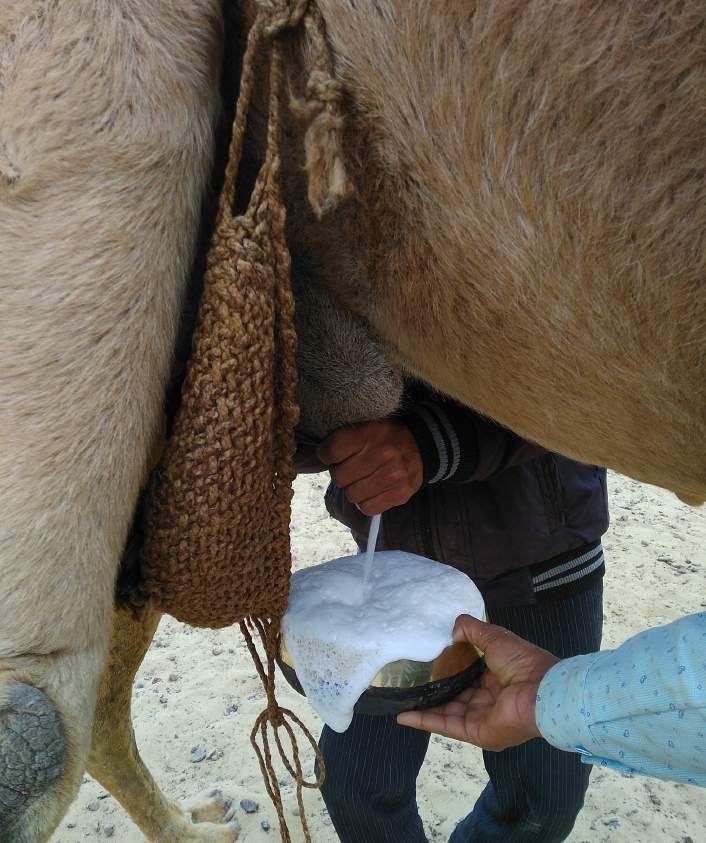
Photo Info:
- 33Desert-centric methods have been for construction to battle the extreme integrated into the construction of the temperatures and ensure natural cooling. buildings to ensure thermal comfort with Locally available materials like lime, sand, reduced costs and carbon footprint. In the gravel, earthen pots and broken bottles desert land, the rat trap bond and the have been used to further the concept of a rammed earth methods are often adopted green building.
Cadres of young, aspirational change-         training for conducting logistical operations
markers are undergoing capacity building      for the milk value chains and enterprises.

Additionally, technical research and          been launched. A value chain and demand-
development for handicrafts like bags,        driven market for camel wool products is
upholstery, shawls, key chains and trinkets   being established under this initiative to
made from refined camel wool have also        boost the camel ecosystem.

          Photo Info:

For more info: visit tcp.urmul.org

                                                                                              - 35
Kenya's Success Story
T he secret behind the staggering
success story of camel milk in Kenya
has been a strong Borana and Somali
community in Isiolo County,for whom the
camel milk is a basic necessity due to the
Thus, the camel milk market is quite
significant, which provides economic
motivations for rearing the camels. The
community sells the milk only to the clan
members in a cooperative social system
geographical conditions and and the aggregate collection from all the
circumstances. In Kenya, the camel milk herders is then transported to meet the
constitutes about 60% of the total nutrients urban demands.
intake of pastoral communities dwelling in
the arid and semi-arid regions. Also, to minimize the spoilage, various
preservation techniques have been
Like India, in Kenya, commercializing camel adopted in the region such as the usage of
milk was considered a taboo amongst the commercial lactoperoxidase systems (LS)
pastoral communities. Moreover, the kits, milk pasteurization, cooling facilities,
camel herders are located in the deep, clean water provision, and training on
remote, arid regions, far away from the hygienic milk handling. Processing the
commercial markets. However, with more camel milk into value-added products such
awareness, the pastoral community has as ghee, cheese, fermented milk (gariss,
realized the economic value associated dhanaan, susaac), yogurt, and butter helps
with the product and has been taking in preserving the camel milk nutrients
appropriate steps to commercialize the especially during off-seasons and milk
same. losses.
Typical Camel Milk Commercialisation Process
Primary Secondary
Production Collection Retailers
Transportation Transportation
Ÿ Production – by the local camel herders
Ÿ Primary Transportation– from local herders to the community collection center
Ÿ Collection – testing, preserving, and packing of the milk
Ÿ Secondary Transportation – from community cooling hubs to urban retailers
Ÿ Retailers – selling to the ultimate consumersOther techniques adopted to reduce the community also utilized simple gunny bags
spoilage include milking with clean hands, soaked in water to cover the milk cans post
cleaning the camel udder, preventing collection to keep it cool during the transit.
contamination from camel urine, insects,
and calf saliva, and smoking of the storage Ultimately, the pasteurized milk was sold in
and milking containers. The herders carried Nairobi for US$ 2.5 perliter, while the
out fumigation of milk to provide flavor and producers obtained US$ 0.30 perliter in the
increase the keeping quality of milk for wet season and US$ 0.69 perliter during the
12–24 hours without refrigeration. The dry season.
Kenya Camel Population and Milk Production
2004 2006 2008 2010 2012 2014 2016 2018 2020
3.50 2.97 2.86 3.27 10.00
3.06
9.00
3.00
9.11 8.55 8.00
8.77
2.50 8.06 7.00
2.00 6.00
5.00
1.50 1.06 4.00
1.00 3.00
3.28 2.00
0.50
1.00
- 0.00
2006 2009 2012 2015 2018
Kenya Camel Population (million) Kenya Camel Milk Production (lakh tonne)
Source: Food & Agriculture Organisation of the United Nations14
From approx. 1 million camel population in When compared to the cattle population,
2006 to almost 3.1 million in 2018, Kenya's the population of cows has risen from 12.42
camel population has risen at a CAGR of million in 2006 to approx. 19.64 million in
9.08%, while the world camel population 2018, resulting in a CAGR of 3.59%,
has risen at a CAGR of only 2.65%. At the whereas the population of goats has risen
same time, the total camel milk production from 10.21 million in 2006 to approx. 26.71
has risen from 3.28 lakh tonnes in 2006 to million in 2018, resulting in a CAGR of
almost 8.54 lakh tonnes in 2018, resulting 7.68%, and the population of sheep has
in a CAGR of 7.64%, which is significantly risen from 8.18 million in 2006 to almost
higher than the World CAGR in the same 19.49 million in 2018, resulting in a CAGR of
period of 4.04%. 6.91%.
- 37You can also read


