CELEBRATING 10 YEARS OF SCIFEST
←
→
Page content transcription
If your browser does not render page correctly, please read the page content below
CELEBRATING
CELEBRATING 10
            10 YEARS
               YEARS OF
                     OF SCIFEST
                        SCIFEST

Contents
  ISTA Council Executive and Branch Representatives                        ISTA                               2
  Welcome                                                             Niall O'Connor                          3
  Diary Dates and Corporate Sponsors                                      ISTA                                 4
  Chairman’s Report                                                   Seán Fogarty                           5-7
  News & Views                                                        Mary Mullaghy                          8-9
  Schrödinger at 75                                                                                           10
  Senior Science Quiz National Final 2017                            Mary Mullaghy                            11
  Naughton Foundation Awards 2017                                   Rachel Naughton                        12-13
  SciFest Project Manager                                               SciFest                               13
  JCT Science Team                                                       JCT                               14-17
  Water Explorer Workshops                                            GAP Ireland                         17
  Hexagonal Thinking                                                  Sinead Kelly                     18-19
  ISTA Annual Conference                                                   ISTA                        20-22
  Pioneers of Science Education                                    Dr. Peter E. Childs                 23-26
  Periodic Table of Poems - New book                                 Peter Davern                         26
  ESA Teacher Workshops                                            Stephanie O'Neill                      27
  Master of Education                                                Trinity College                   28-29
  BT Young Scientist 2018                                            Mary Mullaghy                        30
  Launch of SciFest                                                  Sheila Porter                     31-32
  Sky and Space                                                  Seosamh Ó Braonáin                    32-33
  Science on Twitter                                                       ISTA                           33
  Top Leaving Cert Students                                          Mary Mullaghy                        34
  Planet Maths                                                        Paul Holland                        35
  Junior Cycle Science                                              Declan Kennedy                     36-38
  Energy                                                               Ted Forde                       38-39
  CROSSWORD Win €20                                                   Randal Henly                        40

       March Edition's
       Featured Article
       Turn to pages 31-32 for Sheila
       Porter's article on the Launch
       of SciFest 2018 'Celebrating
       10 years of Science for All'

       Front Cover Picture Source: https://www.limerickpost.ie/2018/02/05/scifest-2018-launches-for-sec-
       ond-level-students-in-limerick/ Picture: Shane O'Neill

SCIENCE | Vol. 53 | Number 2 | March 2018                                                                      1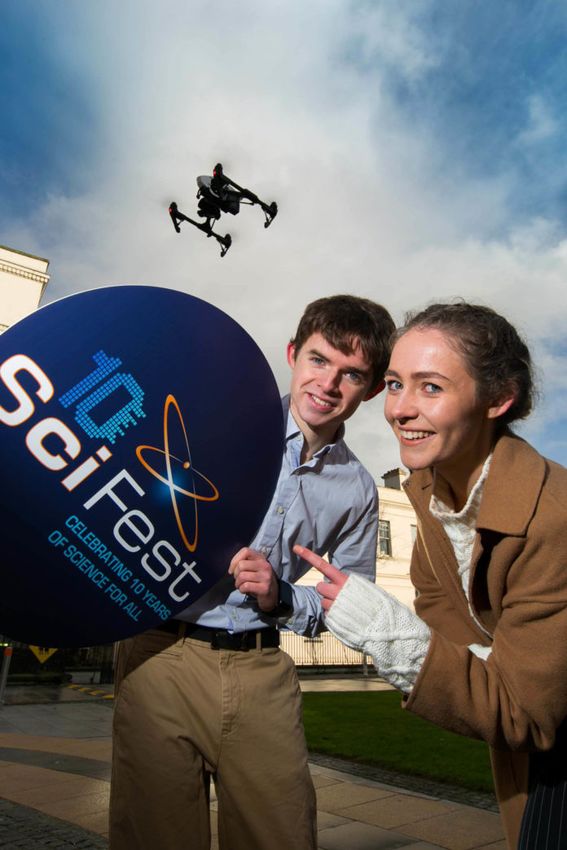
IRISH SCIENCE TEACHERS' ASSOCIATION

    ISTA Council Executive
    Association President
    Dr. Conor O'Brien. Past Chairman of PharmaChemical Ireland. . . . . . . . . . . . . . . . . . . . .conorobrien01@gmail.com
    Chairperson
    Seán Fogarty. Rocklands, Hempfield, Enniscorthy, Co. Wexford. . . . . . . . . . . . . . . . . . . . . . snjnfogarty@gmail.com
    Vice-chairperson
    Mr. John Loughlin. 17 Drom Oir, Knocknacarra, Galway. . . . . . . . . . . . . . . . . . . . . . . . . . . . . . jploughlin@gmail.com
    Honorary Secretary
    Dr. Maria Sheehan. St Caimin’s Community School, Shannon, Co. Clare. . . . . . . . . .mariasheehan400@gmail.com
    Past-chairperson
    Stephanie Leonard. Intermediate College, Killorglin, Co. Kerry. . . . . . . . . . . . . . . . . . . . sholdenleonard@gmail.com
    Treasurer
    John Lucey. ‘Copsewood’, Rock Road, Mallow, Co. Cork. . . . . . . . . . . . . . . . . . . . . . . . . . . . . . . . . . . .jlucey@ucc.ie
    Assistant Treasurer
    Joe Griffin. Intermediate School, Killorglin, Co. Kerry. . . . . . . . . . . . . . . . . . . . . . . . . . . . . . . . .joegriff00@campus.ie
    Membership Secretary
    Dr. Declan Kennedy. Department of Education, UCC. . . . . . . . . . . . . . . . . . . . . . . . . . . . . . . . . . . d.kennedy@ucc.ie
    Website Administrator
    Mary Mullaghy. 26 Bailis Manor, Athlumney, Navan, Co. Meath. . . . . . . . . . . . . . . . . . . . . . . mmullaghy@gmail.com
    Editor of SCIENCE
    Niall O'Connor. 78 The Strand, Donabate, Co.Dublin. . . . . . . . . . . . . . . . . . . . . . . . . . . . . . . . istaeditor@gmail.com

    ISTA Branch Representatives
    Cork
    Sean Finn. 32 Old Avenue, Glanmire, Co. Cork. . . . . . . . . . . . . . . . . . . . . . . . . . . . . . . . . . . . . . . . . . . .s.finn@ucc.ie
    Donegal
    Dr. David Doherty. Gortlosky, Donegal Town, Co Donegal. . . . . . . . . . . . . . . . . . . . . . . daviddoherty@donegaletb.ie
    Dublin
    Dr. Bryan Smith. 53 Weirview Drive, Stillorgan, Co. Dublin. . . . . . . . . . . . . . . . . . . . . . . . . . . . . . .bds53@eircom.net
    Lynn Anderson. 65 Donnybrook Manor, Donnybrook, Dublin 4. . . . . . . . . . . . . . . . . . . . . . . . . . . . . anderslc@tcd.ie
    Mary Sheridan. 83 Lambourn Park, Clonsilla, Dublin 15. . . . . . . . . . . . . . . . . . . . . . . . . .mary.j.sheridan@gmail.com
    Galway
    James Stephens. Banavane, Ballinamore Bridge, Ballinasloe, Co.Galway. . . . . . . . . .jamesstephens24@gmail.com
    Kerry
    Una Moroney. Intermediate College, Killorglin, Co.Kerry. . . . . . . . . . . . . . . . . . . . . . . . . . . unamoroney@eircom.net
    Kildare:
    Dorothy Fox. Scoil Conglais, Baltinglass, Co Wicklow. . . . . . . . . . . . . . . . . . . . . . . . . . . . dorothyfox@wicklowvec.ie
    Kilkenny
    Aodhagán Ó Súilleabháin. Heywood Community School, Ballinakill, Co.Laois. . . . . . . . aosuilleabhain@heywood.ie
    Limerick/Clare
    Maria Sheehan. St.Caimin’s Community School, Shannon, Co.Clare. . . . . . . . . . . . . mariasheehan400@gmail.com
    Monaghan/Cavan
    Catherine Murphy. Carnbane, Smithboro, Co Monaghan. . . . . . . . . . . . . . . . . . . . .catherinemurphy@loretocavan.ie
    John Galligan. Royal School Cavan. . . . . . . . . . . . . . . . . . . . . . . . . . . . . . . . . . . . . . . jgalligan@royalschoolcavan.ie
    North Midlands
    Irene O’Sullivan. Moate Community School, Moate, Co.Westmeath. . . . . . . . . . . . . . . . . osullivan.irene@gmail.com
    Sligo
    Lorna Davey. Na Caisil, Drumiskabole, Ballisodare, Co Sligo. . . . . . . . . . . . . . . . . . . . . . . . . . lornadavey@msletb.ie
    Tipperary
    Paddy Daly. 9 The Spa, Clonmel, Co. Tipperary. . . . . . . . . . . . . . . . . . . . . . . . . . . . . . . . . . . .pdaly2000@eircom.net
    Waterford:
    Mary McDonagh. De La Salle College, Waterford. . . . . . . . . . . . . . . . . . . . . . . . .mmcdonagh@delasallewaterford.ie
    Wexford
    Seán Fogarty. Rocklands, Hempfield, Enniscorthy, Co. Wexford. . . . . . . . . . . . . . . . . . . . . .snjnforgarty@eircom.net

2                                                                                                                             www.ista.ie
IRISH SCIENCE TEACHERS' ASSOCIATION

W
           elcome to the March edition of SCIENCE.
          What a fantastic achievement it has been so far for
          SciFest, celebrating 10 years of science for all. We
have seen their pioneering project work grow from strength to
strength and hope to see it continue to flourish. Check out page
13 for an opportunity to join their team.
The Annual ISTA Conference 2018 will be held in Athlone
IT from March 23rd-25th. Turn to pages 20-21 for the full
programme of exciting primary and secondary workshops and
guest speakers taking place. Early bird registration is now open
at: www.istaconference.com. It'd be great to see you there!

Lastly a huge thank you to everyone who has updated their
membership recently, it really does help to support everything                                         ISTA Website www.ista.ie
the ISTA organises on your behalf as a voluntary organisation.
If you have an article or photo you'd like to submit or have
teaching & learning ideas you would like to share, I would love
to hear from you. You can contact me at: istaeditor@gmail.
com

Don't forget to follow the ISTA on Facebook
@IrishScienceTeachersAssociation, Twitter @IrishSciTeach
and through our website www.ista.ie

                                                                                                   ISTA Facebook Page
Editorial Team
Editor
Niall O'Connor. 78 The Strand, Donabate, Co.Dublin. . . . . . . . . . . . . . . . . . . . . . . . . . . . . . . . . . istaeditor@gmail.com
Assistant Editor for Biology
Siobhán Sweeney. 35 Coliemore Road, Dalkey, Co Dublin. . . . . . . . . . . . . . . . . . . .siobhanscottsweeney@gmail.com
Assistant Editor for Chemistry
Mary Mullaghy. Eureka Secondary School, Kells. Co.Meath. . . . . . . . . . . . . . . . . . . . . . . . . . . mmullaghy@gmail.com
Assistant Editors for Physics
Richard Fox. Wesley College, Ballinteer, Dublin 16. . . . . . . . . . . . . . . . . . . . . . . . . . . . . . . . .richardtw.fox@gmail.com
Seosamh Ó Braonáin. Wesley College, Ballinteer, Dublin 16. . . . . . . . . . . . . . . . . . . . obraonainseosamh@gmail.com
Assistant Editor for Primary Science
Dr. Maeve Liston. Mary Immaculate College, Limerick. . . . . . . . . . . . . . . . . . . . . . . . . . . . . . . . maeve.liston@mic.ul.ie
SCIENCE | Vol. 53 | Number 1 | November 2017                                                                                            3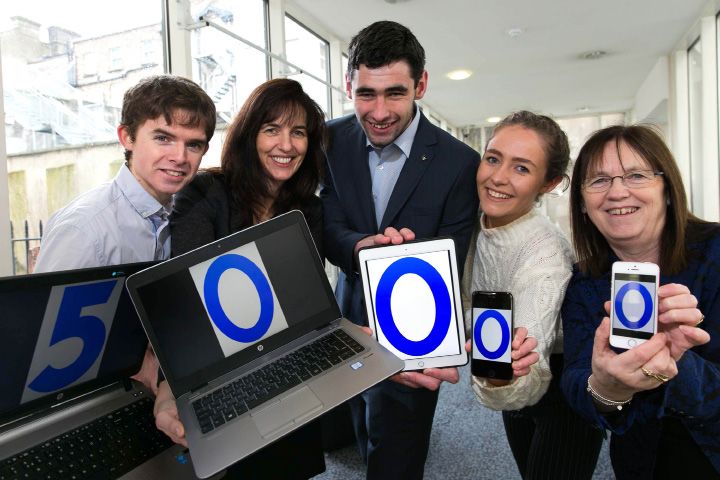
DIARY DATES
    Keep an eye on:

    PDST Biology, Physics, Chemistry teams are on the road with
    Resource Workshops www.pdst.ie

    SciFest Regional Finals - A list of dates and venues can be
    found at www.scifest.ie

    18th March: Physics Busking - Big Day Out
    12-6pm Merrion Square, Dublin
    www.physicsbusking.ie

    24th - 25th March: ISTA Annual Conference, Athlone IT
    www.ista.ie
    www.istaconference.com

    22nd - 28th April: Tech Week.
    www.techweek.ie

    2nd June: Physics Busking - Bloom
    10am-4pm Phoenix Park, Dublin
    www.physicsbusking.ie

    6th - 7th June: RDS Primary Science Fair
    www.rds.ie

    8th - 10th June: ICASE World STEM Conference
    www.icaseonline.net

    21st - 24th June: Robert Boyle Summer School
    www.robertboyle.ie

    26th - 27th June: 7th Annual BASF Summer School for
    Chemistry Teachers. Eureka Centre University College Cork.
    Full details will be emailed to all ISTA members nearer the
    date.

    5th - 6th September: Schrödinger 75 - What is Life
    National Concert Hall
    www.tcd.ie/biosciences/whatislife

    29th September: Frontiers of Physics,
    O'Brien Centre for Science, UCD
    www.iopireland.ie

    5th - 6th October: Féilte - Lifelong Learing: Making
    a Difference, Mary Immaculate College, Limerick
    www.teachingcouncil.ie

    21st October: ChemEd Ireland, Trinity College Dublin

4                                                                 www.ista.ie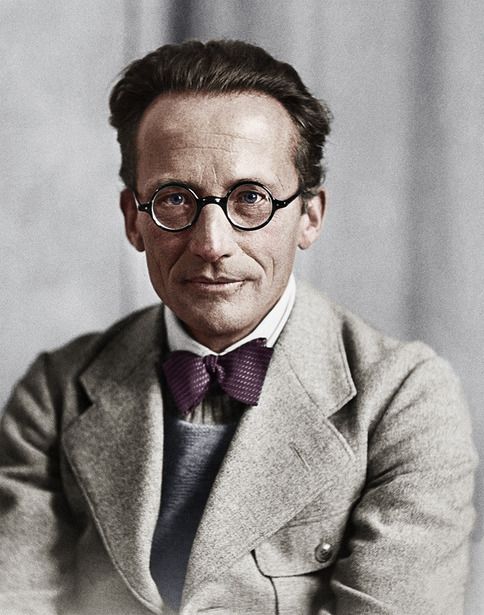
CHAIRMAN'S REPORT

                      A
                           s I begin writing this, my final report for the journal as your chairman, I
                           am thinking of just how fast the time has flown since I became chairman. I
                           wish to thank all who have helped me in my role as chairman – whether it
                      be those who helped run various events including branch meeting, the national
                      science quiz and the annual meetings or those on council or the officers, a big
                      thank you for your help over the past two years but also thanks on behalf of all
                      our members for all the great work you do for the association.

Seán Fogarty          There are many challenges ahead for science             Annual Conference
                      teachers. The importance of science in modern
 Chairman             society is huge and a properly educated
                      population is important if the current anti-science
                      backlash is to be stemmed. John von Neumann
                      worried about science losing public support: “The
                      interests of humanity may change, the present
                      curiosities in science may cease, and entirely
                      different things may occupy the human mind in
                      the future”. While he may have been somewhat            Just a brief reminder that the 56th Annual
                      pessimistic, it is true that in this Trump and          Conference of the Association takes place this
                      Social-Media dominated era that there is an anti-       year in Athlone over the weekend of the 23rd - 25th
                      science sentiment that likes to blame science for       of March. I know that the North Midlands branch
                      many of the world’s problems and leads people           has been working hard putting together a great
                      to reject scientifically validated facts. Other         line-up for the weekend with excellent speakers
                      factors that also increase the difficulty of teaching   and workshops that should make it a great event
                      science is an overly safety cautious society that       as usual. More information on this will appear on
                      results in the likes of banning of Borax for slime      our website soon, so check the website closer to
                      experiments and wanting to end experiments              the event.
                      to grow bacteria in petri dishes along with other
                      activities that get students’ excited about science.    Trial of practical assessment for the
                      As teachers of Junior Certificate science we            Leaving Certificate science subjects
                      have, despite the above issues, the task of
                      encouraging the natural curiosity of our students       Recently the State Exams Commission carried
                      so that those who are inspired by science go            out trials of a mode of practical assessment which
                      on to study it at Leaving Cert and further. We          is being considered for use as part of the leaving
                      also have the task to pass on to all students the       certificate science subjects examinations. It is
                      skill of critical thinking associated with science      an exciting development to see that practical
                      so that they are better placed to analyse the           assessment could become a reality for our leaving
                      facts that they ultimately will have to decide on       certificate students in the not too distant future
                      in this scientific world, even if they do not keep      and we in the ISTA welcome this development.
                      on science in their subsequent studies. This is         While the SEC wanted to use this trial to check the
                      a tall order and is one that must go beyond the         reliability and validity of the method chosen there
                      science classroom and involve a whole school            are also other factors highlighted by the exercise.
                      approach. I remember during my own leaving              From talking to those involved factors like the extra
                      certificate studies, one essay we were asked to         workload for the teacher, cost, disruption to other
                      write for English class. The essay was on the           classes etc. may need to be considered also.
                      pros and cons of nuclear power and came at the
                      time of the Three Mile Island nuclear accident          While cover was provided for teachers involved in
                      in the US (but long before Chernobyl). The              the assessment this still put extra work on them
                      essay, research, discussions and the feedback it        in preparing work for classes they missed and
                      generated was as important in forming opinions          then the work of following up on this as well as
                      as any science or physics class. Likewise, today        catching up on the missed class time. There is
                      subjects from art to religion can all have a part to    also the practical work of preparing solutions and
                      play in the battle to have a scientifically educated    other resources for the assessment and this incurs
                      population. More will need to be done to all            a cost for the school which is expected to have
                      teachers on board if we are to encourage this           the chemicals etc. needed for the assessment.
                      whole school approach                                   We asked members involved to give feedback
                                                                              through an anonymous survey. This survey
                      My hope at the end of my term of chairman of            revealed that the majority are pleased with the
                      your association is that it will continue to help our   process in itself but raised the points I mentioned
                      members in all areas of their science teaching          above as concerns that will need to be addressed.
                      careers and in meeting the challenges we face.          Nearly three-quarters of those who responded
                      I also hope that we will continue to make links to      stated that their schools were not currently in a
                      organisations that promote scientific education in      position to adequately host these assessments.
                      various ways and that fear of how these links are       Reasons included the cost, lack of lab facilities
                      perceived or outdated views shall not hinder us         and the knock-on effect on other science classes.
                      from doing what’s best.                                 Those schools who were in a suitable position
                                                                              mentioned factors such as availability of new
                                                                              labs as a reason they are in a position to host
                                                                              practical assessments. The ISTA has written

SCIENCE | Vol. 53 | Number 2 | March 2018                                                                                        5
CHAIRMAN'S REPORT                                                                                                    MARCH 2018

    to SEC for a copy, when available, of the         facilities by all entrants to the BT YS         120 teams which is a great response
    report they are drawing up regarding the          competition brings up some points. As           for what is a challenging competition
    success or otherwise of these trails from
    their perspective. We await this report with
                                                                                     Chairman's Report
                                                      a teacher who has attempted to get
                                                      groups into the competition and have
                                                                                                      and is also it's first outing. It is hoped
                                                                                                      to run this competition every two
    anticipation.                                     had students regularly enter the SciFest        years. I must sincerely thank Seosamh
                                                      competition, I am aware how the lack of         Sommers of Air City Flyers of California
                                                      facilities affects their abilities to achieve   for his most generous offer to sponsor
                                                      their project goals. But I do feel that the     this competition and for the opportunity
    Your association needs you.                       YS competition in its aim to promote and        for the ISTA to become involved in it.
                                                      reward the best in science is fair and          I sincerely hope that this competition
    There has been lots happening at national         does achieve this goal. It would be to          will grow in strength in the future
    and branch level of the association recently.     the detriment of the overall competition        generating even more interest in
    Between the rounds of CPD on the Earth            if it were to attempt to insist on a level      STEM-based subjects in our students.
    & Space section of the new JC course and          playing field for all entrants and this         Already we have learnt lessons and
    this year’s coursework-b, other branch            would result in the exclusion of some           got ideas from this year’s competition
    meetings, National Science quiz, the AerPrize exceptional talent. The competition has             that we will be able to use to make it
    competition and a presence at the BT              many rewards for all categories, and this       an even more exciting competition next
    Young Scientist competition. All this work is     helps recognise and acknowledge the             time around. So watch this space for
    undertaken by members who give of their time work done by pupils from secondary and               more.
    on a voluntary basis, and if it weren't for them, primary schools all over the country.
    there would be no association. Occasionally
    we get calls and correspondence which             I did call for the provision of more
    would indicate that the some are under the        science resources for all schools. With
    impression that we have a full-time staff along investigative and discovery learning now
    with offices – that we most definitely do not,    part of the curriculum it is reasonable
    so apologies if queries and requests are not      that laboratories in our schools should be
    responded to immediately but all of us in         such that students can undertake more
    the association do endeavour to respond as        realistic investigations for competitions
    quickly as possible to requests and queries       such as the BT YS or SciFest and also
    we get from members and others.                   for general project work in TY and other        Ten things to know about
                                                      areas. In addition to this I also called
    The running of a local branch requires the        for the provision of lab technicians in
    support of its members, who, if they do not                                                       You may have seen a science
                                                      our schools - after all these are the           TV series “10 Things to Know
    put themselves forward to take on roles within norm in the rest of Europe. While both
    the branch run the risk of losing their branch. of these measures would definitely                About...” Presented by Aoibhinn Ni
    The running of the National CPD program,                                                          Shuillebhainn, Kathriona Devereux and
                                                      help improve the facilities available to        Jonathan McCrea. The series aired on
    offered to each branch, by the central council students wanting to enter the competition
    along with online membership application and I also suggested that there needs to be              RTE One in November/December and
    renewal process has reduced considerably                                                          focused on a wide spectrum of topics,
                                                      more co-operation between school and            from human health to the environment
    the workload on branch officers. So I would       third level facilities as well as industry
    call on members to be willing if at all possible, locally where possible. These facilities        and smart technologies. This is the
    to get involved with their local branch and to                                                    second series, and it's a follow-on from
                                                      may be able to provide help and support         three series of The Science Squad
    help out in whatever role they can and maybe for the likes of the YS competition and
    even at a national level if they so wish.                                                         which aired on RTE from 2012-2014.
                                                      with other projects. However these and          We were contacted by the producers,
                                                      other comments I supplied in response           ‘New Decade TV Ltd” who were
                                                      to the initial query were not included          wishing to link with the ISTA in making
    BT Young Scientist Query                          in the final article that appeared in the       these programmes more accessible
                                                      Sunday Times, they were obviously               to teachers and students. I am glad
                                                      not controversial enough to warrant             to be able to tell you that we have
                                                      inclusion. I have included them here as I       now arranged with the company to
                                                      believe that all students require sufficient    put the links to the series on the ISTA
                                                      and satisfactory support in their science       website and you can now find them in
                                                      studies in general and we must move             the ‘Resources’ section of the ISTA.
                                                      forward with more resources and support         ie website. The funders of the series,
    Shortly after this year's BT Young Scientist      for science in school starting with the         who include RCSI, Teagasc, HEA,
    competition, I was contacted by a journalist      modernisation of labs and equipment in          IRC, EPA and ESB have suggested
    from the Times who was writing a piece on the all schools that have not been updated              putting together additional information
    winner and some controversy that surrounded in the last 10 to 15 years and that                   packs about some of the topics that are
    this year’s competition on Twitter. In general, laboratory technician be made available           featured in the programme, e.g. ESB
    the issue was the support the contestant          to all schools.                                 are keen to connect in with schools in
    received from third level facilities. In my                                                       terms of providing more information
    response, I pointed out that we have not had                                                      on clean energy, smart technologies
    any complaints from members regarding                                                             and an innovative engineering repair
    the competition and so we at council have         AerPrize Competition                            method they've helped develop for
    not discussed it. I also mentioned that as                                                        subsea electricity cables. The ISTA is
    long as the help was declared the rules of        By the time you read this the final of our
                                                      AerPrize competition will have taken            delighted to have the opportunity and
    the competition were not breached and that                                                        will work with the company to help
    we had complete confidence in the fairness        place in Cork on the 3rd of March. This
                                                      competition will see two lucky winners          develop these and bring them to you
    of the judging process and its ability to find                                                    shortly.
    students that have shown exceptional abilities get the chance to go to California to train
    and demonstrated originality along with clear for, and hopefully get, their private pilot
    contributions to their projects.                  licence. This is a wonderful prize, and
                                                      I would like to thank all the teams who
    In my reply, I went on to say that access to      entered the competition, we had over
6                                                                                                                         www.ista.ie
CHAIRMAN'S REPORT                                                                                                       MARCH 2018

New Junior Cycle Course                       biology, it will still not be seen as part of     design.
                                              science by students so inevitably science is
                                              being diminished by                               As a final point on this, our presenter did
                                                                                                inform us that the JCT will be reporting
                                              this move. As we are still only in the second     back to the NCCA on the concerns of
                                                                                Chairman's Report
                                              year of this course, it is therefore hard
                                              to say if 200 hours is long enough, the
                                                                                                teachers so I would hope that the NCCA
                                                                                                will listen to these and my renewed call
                                              feedback I have received so far is that the       for full clarification of this ‘syllabus’.
                                              course is taking a lot of time, especially if
                                              it is to be done right. It is a great pity that
I made a few comments in my last              just as the policy on STEM education is
chairman’s report regarding the               launched we are in fact cutting back on           Your Opinion
new Junior Cycle science Syllabus             science education. Along with this, the
and its implementation. It has been           emphases of this syllabus seems to have           I would be very interested to hear from
pointed out to me that “what has              shifted from scientific knowledge to the          members what their feelings are on the
been published by the NCCA is a               process of science. While hugely important,       new Junior Certificate Science course
Curriculum Specification for Junior           I do wonder can the process be properly           – as discussed above – both positive
Cycle Science. This is a different            explored without basic knowledge.                 and negative, with regard to the clarity
document to the syllabi that heretofore                                                         of the specifications, the length of time
would have been our curricular                While many of the comments I have made            allocated for the course, assessment of
document, for Junior Cycle reform is          here and previously are my own, they              the course and any other issues such as
different than the reform of a single         are reflecting what I and others in the           how it prepares students for the leaving
subject. The specification 'specifies'        association have picked up from talking to        certificate science courses. Please feel
how the reform of the subject Science         teachers at various events throughout the         free to email me at snjnfogarty@gmail.
sits within the reform of the entire          year and not just my "personal musings".          com.
lower post-primary curriculum, as             The reaction of teachers at the first
envisaged in A Framework/or Junior            official in-service I attended this February      I would also be interested if members
Cycle (2015)”. However, while the             confirmed what I had already heard.               have any concerns on the knock-on
use of the term Syllabus may not be           While the presenter did an excellent job          effects the introduction of new subjects
the title assigned by the NCCA, it is,        covering the various items on the day's           at leaving certificate, such as PE, may
however, a more accurate term to              agenda she could still not answer the many        have on the provision of subjects such
use as Dr. Declan Kennedy affirms,            questions asking when a ‘proper syllabus’         as physics and chemistry which have a
in an article in this journal, outlining      or clarifications etc. would be issued. This      low uptake in some schools.
the distinction between syllabus and          is not to say the presenter was in any way
specification. I am not sure if what the      deficient in their facilitation of the day,
NCCA produced meets the definition            rather to say that the NCCA has left all of
of a Specification either. If one looks at                                                      STEM Education Implementation
                                              us with a substandard syllabus.                   Advisory Group
the 187 page GCSE ‘Specification’ you
will see a level of detail totally lacking    The day also left me and others with              In my last report, I mentioned the
in our specifications. All I will say is      information overload, especially with regard      release of the STEM Education Policy
that whatever it’s called it still does not   to these classroom- based assessments.            Statement and Implementation Plan
clarify to an acceptable level what is or     I for one will be making a reporting              for Schools. These have now been
is not on the course and I would repeat       booklet for the two CBA's – similar to            released (available at https://www.
my call for a clarification document to       the coursework B booklet – to guide my            education.ie/en/The- Education-
be issued at this stage. This does not        students through the process of filling it in     System/STEM-Education-Policy/).
mean that there are not items on the          and to facilitate assessment. I will make         Implementation will take place over
new course that teachers are delighted        copies available on our website or you can        three phases from 2017 – 2026 and
to embrace – I myself am delighted            email me at snjnfogarty@gmail.com.                will be led and coordinated by the
to see the ‘Earth & Space' section                                                              Curriculum and Assessment Policy Unit
on the course, and indeed teachers            One item in the notes from the day that           in the Department. An Implementation
nationwide will always be delighted with      particularly annoyed me was the assertion         Advisory Group will oversee
new approaches and methodologies.             that “Teachers were an integral part of the       implementation of the actions in the
                                              subject development group for JC Science          STEM Education Policy Statement and
Another worrying aspect raised                and the various consultation processes.
regarding the new Science course                                                                Implementation Plan as well as phase
                                              They helped to shape, in a direct way, the        2 and phase 3 Implementation Plans.
is the reduction in hours to 200.             learning outcomes of JC Science, which
While we were told that this is now                                                             The Implementation Advisory Group will
                                              informed the Features of Quality for the          be chaired by Ruth Carmody, Assistant
a guaranteed 200 hours and other              Classroom Based Assessments (CBAs)”.
pacifying comments, previously our 240                                                          Secretary, Department of Education
                                              The fact is that the voice of teachers was        and Skills. I am glad to report that
hours was only a maximum. However,            completely ignored. The Hyland report
with new timetabling pressures such as                                                          the ISTA has a representative on this
                                              (commissioned by the ISTA and available           group. The ISTA will represent members
reduction in the number of classes per        on our website) clearly showed that syllabi
week and the inclusion of 400 hours                                                             opinions and suggestions in our input
                                              which consist of just a list of learning          to this group, the first meeting of which,
of wellbeing in the junior cycle, it is       outcomes without any depth of treatment
likely principals will now be forced to                                                         to agree terms of reference, will take
                                              are not of international standard. Yet, this      place soon. We will keep you informed
reduce science towards the minimum            is exactly what the NCCA used as the
200 hours. Whether or not we can                                                                of the progress of the STEM policy
                                              template for the Junior Cycle Science             implementation in the journal.
include some of the science course in         syllabus! The ISTA expressed our concerns
the wellbeing hours is yet to be seen.        to the NCCA on several occasions but,
It is also unclear how this might work        as pointed out in the Hyland Report, our
for science as the content of wellbeing       voice was ignored. That is why the ISTA
classes must be defined and even              had to commission an independent expert
with science content such as human            to review the work of the NCCA in syllabus                     Seán Fogarty

SCIENCE | Vol. 53 | Number 2 | March 2018                                                                                                7
NEWS AND VIEWS
                                 Minister of State for Higher Education,
                                 Mary Mitchell O'Connor, TD, launched
                                 the 11th Education Matters - Ireland’s Yearbook of
                                 Education in the National University of Ireland on
                                 Merrion Square. It is a record and think-tank on
                                 education policy, practice and innovation. This issue
                                 marks 30 years of Education Matters and was edited
                                 for the third time by Guidance Counsellor, columnist
                                 and broadcaster, Brian Mooney.

                                                                                           ESA Teacher Workshops
                               New Director of the National Museum of                      The closing date for applications
                               Ireland                                                     for the summer and autumn
                                                                                           workshops is 21st March. ESERO is
                               Lynn Scarff, the Director of Science Gallery Dublin,        offering a bursary of up to ¤150 to
                               will leave her post in May to become the new Director       12 teachers.
                               of the National Museum of Ireland. She is a founding
                               member of the Science Gallery, which is celebrating
                               its 10th anniversary this year and took over the role of
                               director in 2014. Since then, Scarff has been credited
                               for expanding the research of the organisation,
                               securing a number of research grants and continuing
                               the annual growth of visitor numbers.

       Science Technology in Action
       The 13th edition of Science Technology in Action was launched recently
       and hard copies have been delivered to schools, while all the lessons are
       also available online. It contains lots of lessons suitable for TY and might
       inspire project ideas for SciFest, BT Young Scientist Exhibition and other
       competitions.

Keep up-to-date
A comprehensive list of all competitions, news and events is available on our website: www.ista.ie You can also keep up-to-date
with our Facebook and Twitter @IrishSciTeach SFI have asked that we use #ibelieveinscience when tweeting this year.

Prof Luke O’Neill - Keynote speaker at the Annual
Conference in Athlone IT
Luke O’Neill, TCD Professor of Biochemistry won the
Provost Innovation Award. Luke who was also recently
announced as being in the top one per cent of most-cited
researchers in his field, is a world leader in the area of
inflammation and immunology. Published in several top
academic journals, his work has seen practical benefits
from lab work to start-ups, industry collaborations, patents
and licenses. Also responsible for the formation of two
campus companies, much of his work is focused towards
developing new drugs to combat inflammation and the
diseases it causes such as multiple sclerosis, Parkinson’s
disease, Alzheimer’s disease and rheumatoid arthritis.
Provost Patrick Prendergast said that O’Neill is “making
a real difference in society” through his research and the
industry implications. “Trinity academics have consistently
achieved excellence in discovery and innovation, and Luke
is one of our great exemplars in that field”, he added.

8                                                                                                                 www.ista.ie
NEWS AND VIEWS
by Mary Mullaghy
ICHEC (Irish Centre for High-
End Computing) is looking
for your student's help in
naming Ireland's newest
ReelLIFE SCIENCE 2017 supercomputer which will
be made available to all
The winners of ReelLIFE SCIENCE researchers in Ireland. The
2017 are announced as Sooey National supercomputer will be
School, Co. Sligo at primary school SciFest Winner 2017
installed in 2018 to replace
level, Davitt College, Castlebar, Co. “Fionn”, the current system in
Aaron Hannon, from St Muredach's College,
Mayo at secondary school level, and use since 2013. The naming
Ballina, Co. Mayo, won the top award, the SFI
Corofin Foróige Club at Community competition looks to shine
Intel ISEF Award at this year's SciFest National
Level. Their short science videos were a light on a shortlist of six
Final. His project was “EnableArm: The Shaving
selected from almost 200 entries, pioneering Irish scientists
Device for People with Limited Hand Dexterity”.
produced by over 1,500 participants and to educate young
The award includes an all-expenses-paid trip to
in 83 schools and community groups students about their lives and
Pittsburgh, Pennsylvania to represent Ireland at the
around Ireland. Selecting the best achievements. Students are
Intel ISEF 2018 competition next May. Aaron also
videos to share the €5000 prize fund encouraged to vote for a
won the Boston Scientific Medical Devices Grand
were Trinity College Dublin Professor candidate accompanied by a
Award.Aaron's teacher, Mr Kevin Boyle, won the
of Biochemistry and Fellow of the Royal short essay, poster or video
Intel Teacher of Excellence at the National Final. His
Society Prof. Luke O’Neill, NASA and to support their choice.The
award is an all-expenses-paid trip to attend the Intel
Lockheed Martin aerospace engineer Competition Candidates:
ISEF competition in Pittsburgh in May. The Boston
Amber Gell and BT Young Scientist & Kay Antonelli - Computer
Scientific Grand Award consists of a trophy and a
Technologist of the Year 2017, Shane programmer / Francis
cheque for €500.
Curran from Terenure College Dublin. Beaufort - Hydrographer /
Nicholas Callan - Inventor and experimental physicist /
Ellen Hutchins - Botanist / Richard Kirwan - Geologist / Eva
Philbin - Chemist
Prizes: 16 Raspberry Pi-Top devices for primary and
secondary classrooms. These build-it-yourself Raspberry
Pi laptops are particularly suited to introduce coding and
computer science to children through practical experiments
and inventions. ICHEC will also provide coding tutorials
for the winning classes.
To enter the competition, visit nameourcomputer.ichec.ie.
Submissions can take the form of a short essay, poster or
video. Students are encouraged to research all candidates
and incorporate their research into their final submission.
Submissions for the most popular candidate will be judged
by a panel to select the winning entries based on content,
technical and artistic merit.
All submissions
must be made
before 12:00
Friday 20th April.
Global Citizenship through Science
A new resource has been created for JC Science teachers by the national programme for Global
Citizenship Education/Development Education in Ireland. The resource is available for download and
we will soon be uploading the guide as Gaeilge.
The resource allows teachers to explore Global Citizenship through Science and allow students to
explore science through a global lens. The resource is aligned to the new JC specification and the
suggested activities are intended to meet the learning outcomes.
SCIENCE | Vol. 53 | Number 2 | March 2018 9Schrödinger
at 75
Marking the 75th anniversary of Erwin Schrödinger's 1943
What is Life?'" lectures at Trinity College Dublin
5th — 6th September 2018
Tickets — €100
Register — tcd.ie/biosciences/whatislife
1943
"The Future of Life" — Keynote by
Daniel DENNETT, Tufts University, USA
2018
Danielle BASSETT Kathryn HOLT Linda PARTRIDGE
University of Pennsylvania, USA University of Melbourne, Australia Max Planck Institute for the Biology of
"The Future of Complex Systems" "The Future of Infectious Diseases" Ageing, Germany & and Institute of Healthy
Ageing, University College London, UK
Leroy HOOD "The Future of Ageing"
Linda BUCK
Fred Hutchinson Cancer Research Institute for Systems Biology, USA
Center, USA — 2004 Nobel Prize in "The Future of Healthcare" Murray SHANAHAN
Physiology or Medicine Google Deepmind & Imperial College
"The Future of Perception" Saul KATO London, UK
University of California, "The Future of Artificial Intelligence"
Philip CAMPBELL San Francisco, USA
Springer Nature, UK "The Future of Computational Biology" Beth SHAPIRO
"The Future of Scientific Publishing" University of California, Santa Cruz, USA
Christof KOCH "The Future of Extinction"
Karl DEISSEROTH Allen Institute for Brain Sciences, USA
Stanford University, USA "The Future of Consciousness" Thomas SÜDHOF
Stanford University, USA — 2013
"The Future of Brain Editing" Nobel Prize in Physiology or Medicine
Nick LANE "The Future of Molecular Neuroscience"
University College London, UK
Jennifer DOUDNA "The Future of Bioenergetics"
University of California, Berkeley, USA
Susumu TONEGAWA
"The Future of Gene Editing" Massachusetts Institute of Technology,
Ottoline LEYSER
University of Cambridge, UK USA — 1987 Nobel Prize in Physiology
Bernard FERINGA "The Future of Plant Life"
or Medicine
University of Groningen, Netherlands "The Future of Memory Engrams"
— 2016 Nobel Prize in Chemistry
"The Future of Chemistry" John O'KEEFE
University College London, UK — 2014 Kay TYE
Nobel Prize in Physiology or Medicine Massachusetts Institute of Technology, USA
Michael GAZZANIGA "The Future of Systems Neuroscience" "The Future of Emotion"
University of California,
Santa Barbara, USA
"The Future of Cognitive Neuroscience"
Svante PÄÄBO Ada YONATH
Max Planck Institute for Evolutionary Weizmann Institute of Science, Israel
Anthropology, Germany — 2009 Nobel Prize in Chemistry
"The Future of Ancient DNA" "The Future of Structural Biology"
Luke O'Neill, Trinity College Dublin Tomás Ryan, Trinity College Dublin
Mike Murphy, University of Cambridge Dave Fahy, Black Square Events
Cliona O’Farrelly, Trinity College Dublin Zhanna O'Clery, Trinity College Dublin
10 www.ista.ieSENIOR SCIENCE QUIZ NATIONAL FINAL 2017
Colaiste Chríost Rí, Capwell Road, Cork overall winners for 2017.
Dr. Jennifer Cleary (Quizmaster), Dr. Conor O’Brien (Honorary President of ISTA), Luke Quigley, Michal Polak
Szarkowicz, Maxim Chopivskyy, Ms Susan O’Connell (Teacher), Mr. Enda Dempsey (BPCI) & Ms. Mary Mullaghy (National Quiz
Coordinator).
T
he National Finals of the annual facilitated the Regionals Rounds during Congratulations and well done to ALL
ISTA Senior Science Quiz took place Science Week (Sarah Brusey, Maura who participated.
in the Tercentenary Hall in Trinity Conneally, Brendan Duane, Yvonne
Biomedical Sciences Institute on Saturday Higgins, Michelle Lyons, Mary McDonagh, Colaiste Chríost Rí, Capwell Road,
25th November. It was full to capacity with Siobhán Mc Cormack, Tríona Mulcahy, Cork
50 teams of Leaving Certificate science Catherine Murphy, Sam Pearson, Seamus
Crescent College Comprehensive,
students representing 22 counties from all O’Donghaile, Aodhagan O’Suilleabhain,
Dooradoyle, Limerick
around Ireland and their teachers. Almost Seán Reidy, Maria Sheehan & Brian
1100 Leaving Certificate students took part Smyth). Thanks also to the Dublin Branch St Gerard’s Bray, Co. Wicklow
in the Regional Finals held during Science of ISTA who organised the Final. A
Week and the top 150 LC students were special thanks to Prof Luke O’Neill who St. Michael’s, Listowel, Co. Kerry
invited to the National Finals sponsored by welcomed us to Trinity College, Dr. Conor
BioPharmaChemical Ireland O’Brien, current Honorary President of Coláiste Padraig, Lucan, Co. Dublin
ISTA, Dr. Jennifer Cleary who acted as
The charity associated with the quiz this Ashton School, Blackrock Road,
year was the Irish Kidney Association guest quizmaster, BioPharmaChemical
Ireland main sponsor, Trinity College who Cork
highlighting organ donation. Thanks
to Colin White IKA National Projects provided the venue. Also thanks to CJ
The High School, Zion Road, Rathgar,
Manager for attending the quiz and Fallon, Folens, ICI, IoP Ireland, RSC, SEAI
Dublin
accepting a small donation. Thanks also & StudyClix who provided spot prizes and
to Enda Dempsey who represented last but not least the students and their St Mary’s CBS, Portlaoise, Co. Laois
BioPharmaChemical Ireland. teachers who attended.
Calasanctius College, Oranmore, Co.
Thanks to all the local coordinators and Galway
their teams in the 14 Branches who
Davis College, Mallow, Co. Cork
John Daly ISTA Dublin Branch (Head Judge), Dr. Conor O’Brien (Honorary President of ISTA), Dr. Jennifer
Cleary (Guest Quizmaster), Enda Dempsey (BioPharmaChemical Ireland, main sponsor) Ms. Mary
Mullaghy (ISTA Quiz Coordinator) & Colin White (National Projects Manager - Irish Kidney Association)
SCIENCE | Vol. 53 | Number 2 | March 2018 11NAUGHTON FOUNDATION AWARDS 2017
T
hirty-six students from all around the country were presented with the Naughton Awards in the Trinity Biomedical Sciences
Institute recently. They recognise the ambition and talent of students in science, engineering, technology, and maths. They
are due to the generosity and vision of the Naughton family, who have been instrumental in enabling increased focus on
STEM.
The Naughton scholarships were initiated in 2008 in response to universities reporting that they were not getting enough good
applicants to the STEM subjects and employers reporting that there were insufficient talented applicants for jobs in engineering,
technology, science, and computer science.
In the same year that the Naughton scholarships were launched, the Science Gallery in Trinity College was opened, which is
also supported by the Naughton Family. Both the Science Gallery and the Naughton Scholarships are about encouraging and
enabling young people's passion for STEM. by Rachel Naughton
County Carlow
Dillon Cotter, St. Mary’s Academy CBS,
Carlow
Theoretical Physics, Trinity College
Dublin
County Cavan
Ciara Finan, Loreto College Cavan
Nanoscience, Physics and Chemistry
of Advanced Materials, Trinity College
Dublin
County Clare
Fiona Neylon, Coláiste Muire, Ennis
Biological and Chemical Sciences, Engineering, University College Dublin Advanced Materials, Trinity College
University of Limerick Dublin
Dublin Fingal
County Cork County Kilkenny
Jean O’Brien, Castleknock Community
Daragh Crowley, Beara Community College, Dublin 15 Oscar Crowley, Kilkenny College
School, Castletownbere
Theoretical Physics, Trinity College Dublin Engineering, Trinity College Dublin
Electrical and Electronic Engineering,
University College Cork Dublin South County County Laois
Ruth Moriarty, Bruce College, Patrick’s Jack Dunne, St Michael’s College, Ciara Burke, Scoil Chríost Ri, Portlaoise
Hill, Cork Ballsbridge
Engineering, University College Dublin
Theoretical Physics, Trinity College Theoretical Physics, Trinity College Dublin
Dublin County Leitrim
Clíona Nic Shuibhne, Coláiste Cois Life,
Laura Willis, St. Mary’s Secondary Lucan Nuala Parkinson-Coombs, St. Clare’s
School, Mallow Comprehensive School, Manorhamilton
Engineering, University College Dublin
Engineering, University of Limerick Computer Science and Language, Trinity
County Galway College Dublin
County Donegal
Kate Duggan, Coláiste Iognáid, Galway County Limerick
Emily McGill, Abbey Vocational School,
Donegal Town Human Genetics, Trinity College Dublin Finn Hourigan, Castletroy College,
Newtown, Limerick
Applied Physics, Dublin City University Keith Scully, Portumna Community School
Chemical and Biochemical Engineering,
Dublin City Physics, National University of Ireland, University of Limerick
Galway
James Kirwan, Belvedere College S.J., County Longford
Dublin 1 County Kerry
Derek Shaw, Mercy Secondary School,
Mathematics, Trinity College Dublin Niamh O’Connell, Gaelcholáiste Chiarraí, Ballymahon
Tralee
Dublin Dun Laoghaire / Rathdown Engineering, University College Dublin
Engineering, University College Dublin
James Callanan, St Benildus College, County Louth
Kilmacud Road County Kildare
Harry Foley, De La Salle College,
Engineering, University College Dublin Ben Kelly, Confey Community College, Dundalk
Leixlip
Molly Gray, Mount Anville Secondary Engineering, National University of
School Nanoscience, Physics and Chemistry of Ireland, Galway
12 www.ista.ieNAUGHTON FOUNDATION AWARDS 2017
County Mayo Eoghan Moylan, Scoil Mhuire
Strokestown Athlone
Aaron Hannon, St Muredach’s College,
Ballina Engineering, National University of Science, University College Dublin
Ireland, Galway
Engineering, Trinity College Dublin County Wexford
County Sligo
Michael Mitchell, St. Gerald’s College, Joseph Wickham, St Peter’s College,
Castlebar Aoife Kearins, Ursuline College Sligo Wexford
Nanoscience, Physics and Chemistry Mathematics, Trinity College Dublin Aeronautical Engineering, University of
of Advanced Materials, Trinity College Limerick
Dublin County Tipperary
County Wicklow
County Meath Conor Nolan, St Mary’s Secondary
School, Newport Arthur Johnson, East Glendalough
Ruth Sherlock, Scoil Mhuire, Trim School
Physics, University of Limerick
Engineering, University College, Dublin. Engineering, University College Dublin
Breana O’Gorman, Ursuline Secondary
County Monaghan School, Thurles
Oran McElligott, St. Macartan’s College, Process and Chemical Engineering,
Monaghan University College Cork
Science, University College Dublin County Waterford
County Offaly Darragh McGrath, St Augustine’s
College, Dungarvan
Callum Dempsey, Banagher College,
Coláiste na Sionna Chemical and Biochemical Engineering,
University of Limerick
Theoretical Physics, Trinity College
Dublin County Westmeath
County Roscommon Aisling Benson, Our Lady’s Bower,
Applications are invited for the position of SciFest Project Manager.
SciFest is a programme of STEM fairs for second-level students. It is offered at local, regional, and national levels and is
characterised by a strong commitment to inclusivity and diversity. Now in its tenth year, the programme attracted 10,000
participants in 2017 and continues to expand rapidly. The newly created role of project manager provides an opportunity
for an enthusiastic person with a passion for STEM education to make a major contribution to the future development of
the programme. The successful candidate will have a background in STEM and fundraising expertise and experience.
For further details please visit www.scifest.ie/projectmanager
SCIENCE | Vol. 53 | Number 2 | March 2018 13JUNIOR CYCLE SCIENCE
Our Ongoing Conversations
Junior Cycle for Teachers (JCT) Support Service
The JCT Science Team
J
unior Cycle for Teachers the talking points around the changes in Specification shows “how junior
Junior Cycle Science – from the purpose cycle science is linked to central
(JCT) is a dedicated of the changes to the curriculum, to how features of learning and teaching
continuing professional these changes can be managed, and their outlined in the Framework for
development (CPD) support meaning for us and our students. Through Junior Cycle.” (2016, p.6). The
these articles we hope to promote thinking Science Specification outlines
service of the Department of and invite conversation between us as examples of how the learning in
Education and Skills. Our aim Science teachers, for it is ultimately us as Junior Cycle Science is linked to
is to support schools in their teachers who will enact the Specification particular statements of learning
with our students in our classrooms. To and key skills, which informed the
implementation of the new help bring about a deep, meaningful and writing of the learning outcomes. It
Framework for Junior Cycle lasting change in Science education, we provides a rationale and aims for
(2015) through the provision of as Science teachers benefit from having Junior Cycle Science, as well as a
a shared understanding of the purpose of description of each of the strands
appropriate high quality CPD for the changes in Junior Cycle Science, and and its learning outcomes. The
school leaders and teachers, and the broader Junior Cycle reform. Science Specification describes
the provision of effective teaching expectations for students, which
Some of your questions “links learning outcomes with
and learning resources. annotated examples of student
As you are no doubt aware, we have Why do we have a specification instead work” (p.15).
been supporting Science teachers in the of a syllabus? What is the difference?
enactment of the Curriculum Specification for
Junior Cycle Science (Science Specification)
for this last number of years. By the time you
read this edition of SCIENCE, every Science
teacher in Ireland will have received a core
CPD workshop from the JCT Science Team
in 2017/18. Many of you will have attended
some of our elective offerings, from evening
branch workshops hosted by ISTA, to
webinars, and our full-day STE(A)M in Junior
Cycle CPD events. You may have also met
us at various conferences and events, such
as the ISTA national conferences in Limerick
and Kildare, and at recent Chem-Ed and IOP
Conferences. As fellow Science teachers, The Science specification, assessment guidelines, sample questions and
it has been our pleasure and privilege to annotated examples of student work are available at www.curriculumonline.ie
work with you, our colleagues, all across
Ireland these last number of years. Thank Our previous curriculum documents were
you sincerely for your positive engagements known as syllabi. In the case of the 2003 These examples are developed
with us on CPD, and for asking the questions Science Syllabus, “topics and sub-topics by teachers and students in Irish
that need to be asked in a time of significant are described, together with associated Science classrooms and are
curriculum change in lower post-primary learning outcomes. In general, these updated on an ongoing basis.
education. As much as the process of are presented in an increasing order The purpose of the examples
Science teaching and learning unfolds in of difficulty—later investigations and of student work is “to show the
our classrooms, so too has the process of experiments build upon and extend the extent to which the learning
teachers’ professional learning – and we as knowledge and skills developed earlier.” outcomes are being realised
a Science Team are on this learning journey (p.5). With a curriculum specification, in actual cases” (p.15). In this
with you. Conversation is key to this student we are presented with a document that regard, the Science Specification
and teacher learning (“Talk is the sea upon describes what students should be able and its associated assessment
which all else floats” – James Britton, 1970). to do at the end of a unit of learning, with guidelines, along with annotated
We have been listening to you, and talking the possibility of flexible teaching and examples of student work, are
with you, on CPD around the country, and learning approaches to reach those end intended to be a set of interactive,
here we would like to share some of the points (Walshe, 2015, pp. 99-100). All online resources, accessible by
recurring questions you have asked. This subjects are moving to specifications as teachers, students and parents.
is the first in what we hope will be a series part of this wider curricular reform and
the design principles that underpin all In short, a syllabus is a curriculum
of articles in which we address some of document which describes an
specifications are the same. The Science
14 www.ista.ieJUNIOR CYCLE SCIENCE TEAM MARCH 2018
Your Science Team are:
overview of subject content and lists This further promotes the ideals of
what is to be taught. A specification an inclusive education and supports
is a more comprehensive document the vision for Junior Cycle, which
because it shows how a subject sits “places students at the centre of the
within a system change, as opposed educational experience, enabling
to the changing of a single subject and them to actively participate in their
it is interactive, with the purpose of communities and in society and to be
exemplifying the changing expectations resourceful and confident learners in
for Science learning as the subject all aspects and stages of their lives”
progresses. (NCCA, 2011, p.9).
The learning outcomes seem If learning outcomes were unpacked
and a detailed list provided to schools,
broad – could we be given a in their ability to use and apply science in their
it would be done so in the absence
more detailed list of what they everyday lives”. (Science Specification, 2016, p.
of knowledge about local context.
entail? 5). There is a strong focus on engaging students
This could lead to a defining of a
with contemporary issues in Science and society
curriculum path that is not suitable
This is a question we are regularly through evaluation, critique and argumentation.
to the students in your classroom.
asked. Let’s explore this a bit further… This is a welcome addition, for “learning
This could limit the learning of your
outcomes that include argumentation and critique
students, or pitch the learning at a
The Science Specification states that are at the evaluation and synthesis end of the
level that is not appropriate to their
“Science is not just a tidy package of learning taxonomy, and have been up to now
age and stage.
knowledge, nor is it a step-by-step omitted from science curricula in Ireland; yet it
approach to discovery” (Science is only by engaging in these kinds of practice But beyond local context - why not
Specification, 2016, p.4). If the vibrant, can students begin to understand how scientific specify? Why not provide a ‘depth of
ever-changing discipline of Science is to knowledge develops – to begin to get a feel for treatment’? The conversation on the
be truly experienced in our classrooms, the nature of the discipline”. (Walshe, 2015, extent to which learning outcomes
then this must be reflected in how we p.111). Being and becoming a scientist involves should be specific or generic is part
frame our expectations for student more than just acquiring a set of facts - “An of an international discourse on how
learning. One challenge to Science accumulation of facts is no more science…..than curriculum is framed and regulated. On
education internationally has been that a pile of stones is a house” (Henri Poincaré). As the one hand, too much prescription
school Science sometimes projects to students are given rich opportunities to develop can inhibit authentic responses to
teachers and students a rather simplistic as scientists throughout Junior Cycle, they will local environments and needs, as
and narrow account of the world of gain science understanding, develop scientific outlined above. On the other hand, too
Science. This view is problematic in skills and learn to value the discipline of science, little guidance can lead to an under-
that it introduces students to a naïve the work of scientists and the interplay between specification of how learning should
version of the nature of scientific inquiry, Science and society. Through ‘unpacking’ progress (McPhail, 2016, p.526). As
through suggesting a linearity of steps learning outcomes on CPD, we have had you will recall from your core CPD
and a bias towards experimental conversations about the understanding, skills and workshops, we have stressed the point
investigations as being ‘true Science’, values students can develop, and the possibilities that Science teachers are the ones
discounting any other processes or for students on this Science learning journey. best placed to know how, and in what
experiences as being scientific in directions, learning should progress in
nature. The learning outcomes in the The nature of the learning outcomes in the
our classrooms. Guided by the learning
Science Specification are responsive Science Specification is such as to allow
outcomes, the relevant action verbs
to these challenges, as they aim to teachers and students to be responsive to
within them, and the needs of our
“develop students’ evidence-based Science learning in local as well as global
students, we develop the curriculum
understanding of the natural world circumstances. Further, they celebrate that
narrative. Flexible routes, all guided
and their ability to gather and evaluate learning is not linear, and give a degree of
by the same learning, all moving to
evidence: to consolidate and deepen freedom to teachers and students to develop
the same end point at the end of
their skills of working scientifically; to the curriculum narrative that is suitable for
Junior Cycle. This is another benefit of
make them more self-aware as learners their classroom, in their school and for their
teachers unpacking learning outcomes
and become competent and confident community.
collaboratively on CPD and in subject
SCIENCE | Vol. 53 | Number 2 | March 2018 15You can also read


