Children Affected by Grave Violations - TRENDS AND DEVELOPMENTS 2020
←
→
Page content transcription
If your browser does not render page correctly, please read the page content below
© UNICEF / UNI343824 / Alansi

                                   Children Affected by Grave Violations
                                   TRENDS AND DEVELOPMENTS 2020
                                   Violence and hostilities have continued to have a devastating impact on children in 2020. The number of grave viola-
                                   tions verified in 2020 remained high and the COVID-19 pandemic has further exacerbated the vulnerability of boys and
                                   girls to grave violations and impeded verification in some situations.

                                   The report A/75/873-S/2021/437 is available at: undocs.org

                                Impact of the COVID-19 Pandemic on Violations Against Children in Situations of Armed Conflict
                                                         A new study released by the Office of the     COVID-19 pandemic which threaten the increase of certain viola-
                                                         Special Representative of the Secretary-      tions, most notably recruitment and use, sexual violence and attacks
                                                         General for Children and Armed Conflict       on schools and hospitals. The study concludes with a series of
                                                         (OSRSG CAAC) in May 2021 on the impact        urgent recommendations to guide those attempting to alleviate the
                                                         of the COVID-19 pandemic on grave             problems faced by conflict-affected children due to the pandemic
                                                         violations against children exposes how the   and help them cope with possible future crises, including additional
                                                         UN has had to face the challenges posed       support to CTFMRs for staffing and resources. The study further
                                                         by the pandemic and related measures and      encourages the United Nations and partners on the ground to con-
                                                         adapt its capacity to monitor and verify      tinue to analyze 2020 grave violations through a COVID-19 lens,
                                                         grave violations against children in armed    to consider the long-term socioeconomic impacts of the pandemic
                                                         conflict. Ongoing efforts to engage parties   and continue their monitoring, and to adapt programmatic and
                                to conflict to end and prevent the violence have also been hampered.   advocacy responses accordingly.
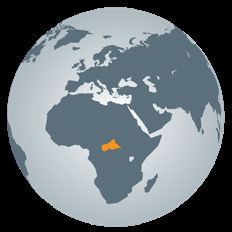
                                The study covers the year 2020 and focuses on five countries on the
                                                                                                       Lessons learned and best practices can further be drawn from
                                CAAC agenda: Afghanistan, the Central African Republic, Colombia,
                                                                                                       successful contexts and should include the sharing of information on
                                the Democratic Republic of the Congo, and the Sudan.
                                                                                                       trends and patterns of violations emanating from COVID-19 between
                                The study highlights push and pull factors brought about by the        CTFMRs to inform the CAAC work on prevention.
Children and Armed Conflict: 2020 at a Glance
19,379
children 3,243
Most children
affected by prevalent
recruitment and use,
violations detained
killing and maiming,
21 for their alleged or
sexual violence, abduction country in 2020 actual association
26,425 situations recruitment and use,
with parties to
14,097 boys grave violations Cameroon, Burkina Faso
killing and maiming and
conflict
4,993 girls including attacks on denial of humanitarian
and Lake Chad Basin
289 unknown schools and hospitals and access
denial of humanitarian
now included Girls
accounted
access
for
25%
of victims
90%
More than increase in
12,643 abductions of
children
children
released 70% increase in
rape and other forms
by armed groups & forces Perpetrators
following of sexual violence of
64% of all grave
UN advocacy children
violations committed by
non-State actors
At least 20% by State actors
17 Action 35 new including International
Plans commitments Forces
currently under
by parties to conflict such as
implementation, the most
command orders, roadmaps
recent ones signed in
or updated workplans,
Myanmar by the DKBA and
mitigation measures during 13% of
in South Sudan by the
Countries with parties listed military operations, violations were
Government
action plans unattributed or
Other situations
resulted from crossfire
between parties,
ERW/IED and
MAP NOTES: The boundaries and names shown and the designations used on this map do not imply official endorsement or acceptance by the United Nations.
Dotted line represents approximately the Line of Control in Jammu and Kashmir agreed upon by India and Pakistan. The final status of Jammu and Kashmir has not yet been landmines
agreed upon by the Parties.
Final boundary between the Republic of Sudan and the Republic of South Sudan has not yet been determined.
Grave Violations1
26,425 grave violations against children (of these 2,479 occurred prior to 2020 but were only verified in 2020).
19,379 children affected by at least one of the four individual violations recruitment and use, killing and maiming,
rape and other forms of sexual violence, abduction
Situations with the highest numbers of children affected: Somalia, the Democratic Republic of the Congo (DRC),
Afghanistan, and Syria.
Recruitment and Use: 8,521 children recruited and used
Situations with the highest numbers of children recruited and used:
DRC, Somalia, Syria, and Myanmar
Killing and Maiming: 8,422 children killed or maimed
Situations with the highest numbers of children killed and maimed:
Afghanistan, Syria, Yemen, and Somalia
Rape and Other Forms of Sexual Violence: 1,268 children victims of sexual violence
Situations with the highest numbers of children raped and sexually abused:
DRC, Somalia, Central African Republic (CAR), and Sudan
Attacks against Schools and Hospitals: 856 incidents
Most affected situations:
DRC, Afghanistan, Syria, and Burkina Faso
Abductions: 3,202 children abducted
Situations with the highest numbers of children abducted:
Somalia, DRC, Syria, and the Lake Chad Basin region
Denial of Humanitarian Access:2 4,156 incidents
Most affected situations:
Yemen, Israel and Occupied Palestinian Territory, Mali, and CAR
1 Numbers include violations committed prior to 2020 and verified at a later date in 2020
2 Not a listable violation
OTHER CONCERNING TRENDS AFFECTING CHILDREN
Detention: At least 3,243 children were deprived of detention: Iraq, Syria, Israel and Occupied Palestinian
liberty for their actual or alleged association with Territory, and Afghanistan
armed parties to conflict, including groups designated
Military use of schools and hospitals: The widespread
as terrorist by the United Nations. The detention of
military use of schools by both armed forces and armed
children for alleged or actual association with parties
groups was in 2020 again a worrying trend, although
to conflict made them particularly vulnerable to the
the military use of hospitals remained marginal. Most
COVID-19 pandemic and related control measures as
cases of military use of schools were verified in Syria,
well as to physical violence and sexual violence, with
Yemen, Myanmar, Iraq and Cameroon. Overall, 127mil-
less protection available to this already highly vulnerable
lion children were out of school in conflict situations
population. The detention of children should only
because of insecurity, attacks on schools or related
be used as a last resort and for the shortest period,
personnel or the military use of schools. Children’s right
alternative to detention should be actively sought and
to education must be protected, especially girls’ right as
reintegration support provided.
they are often the last ones to resume their education
Situations with the highest numbers of children in after schools’ closure.
Children and Armed Conflict, Annual Report of the Secretary-General Summary 2020 3
Measures to Better Protect Children
in Situations of Armed Conflict
In several country situations, enhanced engagement between the UN and parties to conflict in 2020 resulted in the
adoption of measures to better protect boys and girls from hostilities.
Engagement with parties to conflict by the Special Representative and the United Nations on the ground in 2020 included
bilateral engagement, training and capacity building, advocacy and public awareness, development of commitments and
action plans, setting up age assessment mechanisms within armed forces and groups, review and advocacy to reinforce
existing laws governing the criminalization of the six grave violations, advocacy for accountability for perpetrators, issuance
of command orders, screenings for the identification of children to be released in camps and bases, assistance to parties
engaged in peace processes and national dialogues so that they incorporate child protection measures into discussions and
ultimately, peace agreements, development of prevention plans and measures including protocols for handover and release
of children, advocacy for reintegration resources, for greater child protection capacity and for reinforcing the monitoring
and reporting mechanism as well as strengthening CAAC focal points in country and in regional organizations.
Afghanistan Continuous implementation of action plans with
Mouvement Patriotique pour la Centrafrique (MPC),
Implementation of the action plan with
the Afghan National Police (ANP) on Union pour la paix en Centrafrique (UPC) and Front
the recruitment and use of children Populaire pour la renaissance de la Centrafrique
and discussions to broaden it to include (FPRC) covering the four grave violations for which
prevention of other violations the parties are listed (recruitment and use, killing and
maiming, rape and other forms of sexual violence,
Child protection policy launched by the Ministry of attacks on schools and hospitals)
Interior in November 2020 covering the recruitment
and use of children as well as bacha bazi, as part of
the implementation of the 2011 action plan and the Democratic Republic of the Congo (DRC)
2014 roadmap to end and prevent child recruitment
Signature of seven new commitments by
and use
commanders of armed groups and factions
Screening of children in ANP recruitment centres, to end and prevent recruitment and use
with 187 child applicants prevented from enrolment in and other grave violations
2020
Continuous implementation of the
Development of a paper titled “The Integration and action plan with the Armed Forces of the Democratic
Prioritization of Child Protection Issues in the Peace Republic of the Congo (FARDC) to end and prevent
Process in Afghanistan” based on the Practical sexual violence against children
guidance for mediators to protect children in situations
Conviction of Ntabo Ntaberi Sheka, former NDC
of armed conflict published by the OSRSG CAAC, for
leader, to life in prison for war crimes, including child
the promotion of child protection issues in the Afghan
recruitment and use, rape, and sexual slavery
peace process.
Conviction of 17 FARDC soldiers and 11 police officers
for the rape of children
Central African Republic (CAR) 838 children were released in 2020 following
Appointment of a Minister Counsellor to commitments by armed groups commanders
the President on child protection
Additionally, 2,101 children were separated from armed
Promulgation of the Child Protection Code groups in 2020
criminalizing child recruitment and use
The DRC joined the Vancouver Principles on
Convictions of 110 perpetrators of violations against Peacekeeping and the Prevention of the Recruitment
children and Use of Child Soldiers in 2020
4 Summary 2020 Children and Armed Conflict, Annual Report of the Secretary-General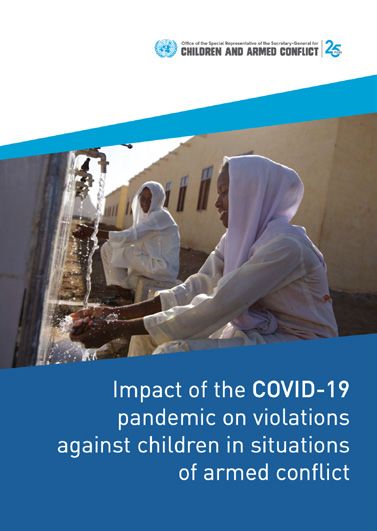
Joint efforts between UN & the National Disarmament,
Lake Chad Basin Demobilization and Reintegration Commission
Handover protocols for children (NDDRC) resulting in the release of 44 children in 2020
associated with armed groups to civilian
child protection actors adopted in Chad
and Niger (2014 and 2017)
Yemen
Continuous implementation by the
Efforts by the Government of Chad to train armed
Government forces, including the Yemeni
forces during 2020
Armed Forces, of the action plan to end
Government of Niger’s interest and action in relation to the recruitment and use of children,
the protection of schools leading to a decrease
Adoption of a Presidential Directive on the prevention
Myanmar of child recruitment and use on 12 February 2020
Signature of an action plan between the Issuance of a military directive on 3 March 2020 as part
Democratic Karen Benevolent Army and of the implementation of the 2014 action plan and 2018
the United Nations to end and prevent roadmap to end and prevent child recruitment and use
the recruitment and use of children Handover protocol signed in April 2020 between
(November 2020), the first action plan with an armed the United Nations and the Houthis and release of
group in the country 68 children by the Houthis from detention centers
Engagement between the Kachin Independence Army Training and high-level workshop on CAAC conducted
(KIA) and the United Nations on recruitment and use in March and May 2021 by the CAAC Office with the
resulting in the release of 26 children Coalition to Support Legitimacy in Yemen
Establishment of a National Complaint Mechanism to Investigation of two incidents of high casualty airstrikes
eliminate forced labor, prohibiting the recruitment and that led to high number of child casualties during 2020
use of children in February 2020 by the Joint Independent Assessment Team (JIAT)
Issuance of four military directives on the use of Continued bilateral engagement with Coalition
children and the development of a roadmap by the members by SRSG CAAC within the framework of
Tatmadaw and the United Nations to end and prevent the Memorandum of Understanding (MOU) of 2019
the use of children and the time-bound program of activities endorsed in
January 2020
Nigeria
Implementation by the Civilian Joint Task
Force (CJTF) of the action plan to end and
ACTION PLANS UNDER IMPLEMENTATION
prevent the recruitment and use of children IN OTHER COUNTRIES
with a significant decrease in recruitment
MALI — Coordination des mouvements de l’Azawad,
Government’s constructive role in the action plan’s including the Mouvement national de libération de
implementation including through investigation into the l’Azawad (recruitment and use, rape and other forms of
sexual violence case attributed to CJTF
sexual violence)
Release of 230 children from detention
SOMALIA — Somali Federal Defence and Police Forces
(recruitment and use, killing and maiming)
South Sudan * now including sexual violence
Comprehensive action plan signed by SUDAN — Sudan Liberation Army/Minni Minnawi
parties to the Revitalized Agreement on the
(recruitment and use); Justice and Equality Movement
Resolution of the Conflict in the Republic
(recruitment and use); Sudan People’s Liberation
of South Sudan signed on 7 February 2020
to address all violations against children
Movement North (SPLM-N) Malik Agar and al-Hilu
factions (recruitment and use)
Progress in the implementation of the comprehensive
action plan including the establishment of national and SYRIA — Syrian Democratic Forces (SDF) (recruitment
state level committees in support of the action plan and use)
Children and Armed Conflict, Annual Report of the Secretary-General Summary 2020 5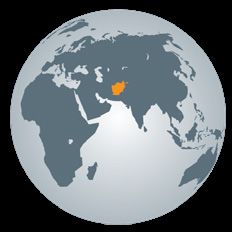
© UNICEF/UNI328125/Haro
Impacts of
armed conflict
on boys and girls
Girls and boys experience conflict differently
and present different vulnerabilities to grave
violations perpetrated by armed forces and
groups. Understanding who is affected and how
they are can inform our interventions to better
address the specific needs of boys and girls.
In 2020, one out of four children victims of grave slavery and forced marriage. Sexual violence
violations were girls remains chronically underreported due to stigma
and lack of legal protection among many factors.
At least 4,993 girls endured one of the four Boys notably face barriers to reporting sexual
individual grave violations in 2020, compared to violence, owing to factors such as cultural taboos,
14,097 boys for the same period harmful social norms, association with emascula-
tion, or fear of persecution.
Girls were mostly affected by rape and other forms
of sexual violence followed by killing and maiming, 23% of abductions affected girls
abduction and recruitment and use
» Abduction primarily affects boys, including
Countries where the greatest number of children, for the purpose of recruitment and use by
both girls and boys, were affected by grave armed forces and armed groups. Girls are often
violations: Somalia, DRC, Afghanistan, and Syria abducted for the purposes of sexual slavery, rape,
forced marriage, but also to be used as suicide
85% of children recruited and used were boys bombers.
» Girls are also recruited and used, mainly in support
27% of killing and maiming affected girls
roles such as cook, cleaner, sex slave and child
brides. In some situations, girls are involved in » In many contexts, boys have greater freedom
hostilities as combatants, weapon cleaners, or of movement and spend more time outside the
carriers of improvised explosive devices – a despi- house, including to go to schools, which places
cable practice of several UN-designated terrorist them at higher risk of being caught in crossfire,
groups, such as Boko Haram affiliated or splinter exposed to attacks on schools and becoming vic-
groups in the Lake Chad Basin region. tims of explosive remnants of war. They are also
particularly targeted by armed actors because
98% of sexual violence was perpetrated against girls
they are more often perceived as a threat than
» SVC is the most underreported grave violation
girls. Conversely, girls carry out domestic and
» Girls are affected by all grave violations against agricultural tasks such as firewood and water
children, but are disproportionately affected by fetching, exposing them to roadside attacks and
sexual violence, including rape, gang rape, sexual sexual violence.
6 Summary 2020 Children and Armed Conflict, Annual Report of the Secretary-General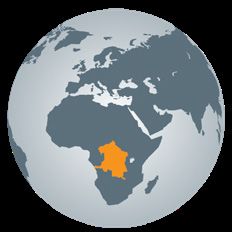
© UNICEF / UNI296648 / Abdullah
BEHIND THE NUMBERS
The plight of boys and girls affected by
conflict is a tragedy beyond words, one
that must not be obscured by statistics.
For behind each number is the heart-
breaking story of a girl or a boy,
a daughter or a son, a sister, a brother.
Recruitment and Use
In Myanmar, a 15-year-old boy was recruited by the Abduction
Kachin Independence Army in 2018 and used until In Nigeria, the Islamic State West Africa Province
2020. His family appealed for his release, including (ISWAP) abducted a 14-year-old girl and her mother
invoking his health issues; when his health deteriorated, from a farm in Borno state. The mother was released
he was sent back to his family and he died in the hospi- the following day, but the girl continues to be held
tal at the age of 17. captive at the time of reporting.
In the Philippines, in Negros Occidental province, a In May 2020, a 17-year-old Yazidi girl returned to Iraq
16-year-old boy who joined the armed group when after having been abducted and held in sexual slavery
he was 11 surrendered from the New People’s Army. by several ISIL fighters in Syria. She was 11-years-old
Security Forces facilitated his handover to social when she was abducted from her home in Sinjar district.
welfare, which provided psychosocial and financial She arrived in Hawl camp in Syria in April 2019, where
assistance for his reintegration into the community. she was identified a year later and returned to Iraq.
Killing and Maiming Attacks on Schools and Hospitals
In Sudan, a 13-year-old boy was killed by a stray bullet The intensification in fighting between the Taliban and
as he was walking along a road in Kadugli, South the Afghan National Defense Security Forces across
Kordofan. Investigations were launched into the inci- the southern region resulted in the closure of 14 differ-
dent, but the identity of the perpetrator has yet to be ent health facilities. Clinics were damaged and looted
established. by unknown perpetrators. Children and their families
were prevented from receiving health care.
In Syria, four boys aged between 11 and 13 were injured
when an ERW exploded while they were playing in a In the DRC, the CODECO Lendu militia in Ituri prov-
field in Homs governate. One boy lost one eye and had ince targeted a school to prevent education opportuni-
his hand amputated. ties for Hema children.
Rape and other Forms of Sexual Violence Denial of Humanitarian Access
In Libya, unknown perpetrators sexually abused a In Somalia, three humanitarian aid workers were
10-year-old refugee boy. Out of fear, the child stopped abducted in May 2020 by Al-Shabaab in a rural area in
going to school. Lower Juba region.
In Mali, a girl held in sexual slavery by unknown per- In Syria, food assistance by a UN partner to some
petrators was liberated during a FAMa operation. The 220,000 people in non-government-controlled areas
Government further issued a public communiqué about of Raqqah was stopped by the Government in early
the incident and urged collaboration to facilitate the October. The UN received confirmation that it could
release of other women and girls held in sexual slavery. restart distributions only in December.
Children and Armed Conflict, Annual Report of the Secretary-General Summary 2020 7
Recommendations
Ending but also preventing grave viola-
tions against children is at the heart of
the children and armed conflict mandate,
as the best way to protect children from
hostilities is to minimize the push and pull
factors leading to their involvement in
armed conflict.
Engagement with parties to
conflict is key to end and prevent
© UNICEF / UNI367271 / Fazel
grave violations against children.
Member States should continue
supporting this undertaking,
including by facilitating the United
Nations’ engagement with non-
State actors. Engagement can lead to
changes in behavior and to significant
improvement in the protection
Public awareness programs to reach communities in
of children.
countries affected by conflict should be prioritized
Strengthening the human capacity dedicated to as communities acting to better protect children
monitoring and reporting on children and armed from the six grave violations are the first line of
conflict in coordination with United Nations system defense for children.
entities should be a priority. At a time when children
Accountability must be pursued and the adoption
are most at risk, the number of child protection
and implementation of legislation criminalizing
experts and advisors should be strengthened.
violations and national accountability measures must
Child protection provisions and capacity should be be included as part of protection frameworks and in
supported politically and financially and included in national and regional action plans for prevention of
all relevant mandates of United Nations peacekeeping violations against children affected by armed conflict.
operations and special political missions, in line with
Reintegration is crucial for the recovery of conflict-
the 2017 Policy on Child Protection in UN Peace
affected children as well as their community. The
Operations. Continued capacity building and support
donor community must continue to provide financial
to Country Task Force monitors for the strengthening
and technical support for sustainable, timely, gender-
of monitoring and reporting imperatives and for their
and age-sensitive, survivor-centred and inclusive
effective engagement with parties to conflict should
reintegration services and assistance programs
be vigorously promoted.
for all children affected by armed conflicts. This
Promotion of best practices and development of includes children separated from parties to the
practical guidance are essential elements to build conflict, children in detention, children screened
effective protection and prevention strategies on out of recruitment centers, and survivors of rape
behalf of children used and abused in, for and by
and other forms of sexual violence.
armed conflict.
International Instruments and Commitments are key
shields to protect children from hostilities. Members The Office of the Special Representative of
States are encouraged to join the Optional Protocol the Secretary-General for Children and Armed Conflict
to the Convention on the Rights of the Child on the has been awarded the Sapienza Human Rights Award 2020
involvement of children in armed conflict (OPAC), if by the University of Rome.
21-00083_GDU
they have not yet done so and endorse and implement
the Paris Principles and Commitments, the Safe More information:
Schools Declaration and the Vancouver Principles. https://childrenandarmedconflict.un.org
8 Summary 2020 Children and Armed Conflict, Annual Report of the Secretary-General
You can also read


