CLEAN COOKING: FINANCING APPLIANCES FOR END USERS
←
→
Page content transcription
If your browser does not render page correctly, please read the page content below
CLEAN COOKING: FINANCING
            APPLIANCES FOR END USERS

                                                                                                                                                     Jon Leary (MECS) 2020

REPORT 2 OF THE FINANCING CLEAN COOKING SERIES

MECS AND ENERGY 4 IMPACT
JULY 2021

Disclaimer: This research is funded by UK aid. However, the views expressed do not necessarily reflect the official policies of the UK government.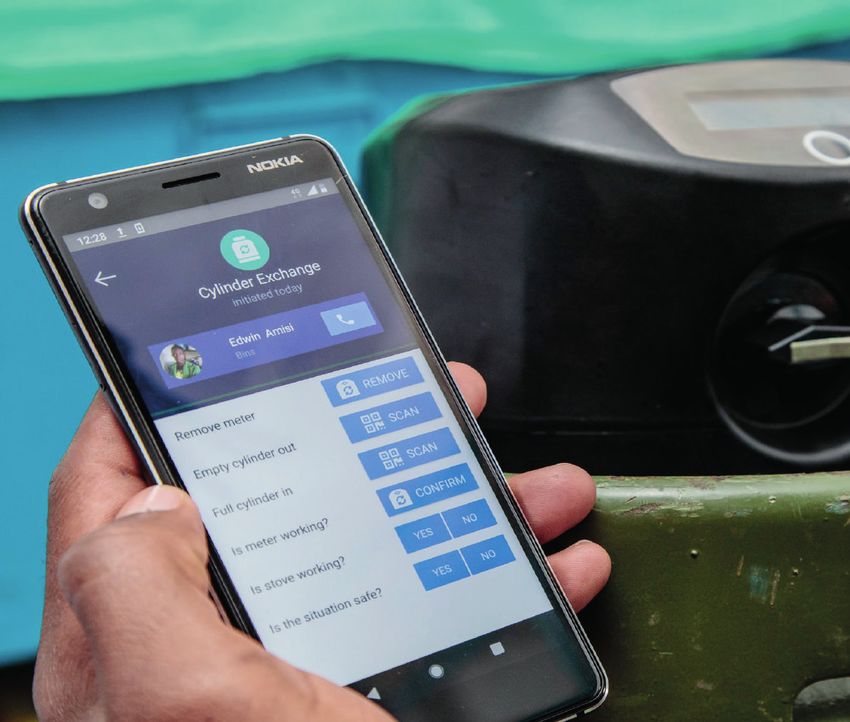
FINANCING CLEAN COOKING CONTENTS
APPLIANCES FOR END USERS: INTRODUCTION
PRICING OF APPLIANCES
4
5
THE BIG PICTURE END USER PAYMENT MODELS 7
CASH & CARRY 9
LAYAWAY SAVINGS 10
• To achieve universal access to modern • Layaway savings schemes are likely to THIRD-PARTY FINANCING PARTNERSHIPS 11
energy cooking services by 2030, become increasingly important for more
PAYGO 11
about $150 billion investment a year is aspirational cooking technologies.
needed. Over $100 billion of this will ENERGY-AS-A-SERVICE 14
need to come directly from household • Many of the poorest households cannot
ASSET FINANCING 15
contributions for stoves and fuels.1 afford the upfront cost of modern energy
cooking devices which typically cost RAZOR AND BLADES 16
• The vast majority of clean cooking between $30 and $100.
UTILITY-LED FINANCING 18
appliances are still sold for cash.
• Consumer credit is critical for these lower- PRICING VERSUS ASPIRATION 20
• Some stove sales have been financed income customers, especially for higher
CALL TO ACTION 23
through local financing institutions, value or less aspirational appliances.
but lending volumes have been
disappointing. • New payment models are emerging, such
as automated pay-as-you-go (PAYGO),
PayGo Energy, 2020
1. MECS and ESMAP, The State of Access to Modern Energy Cooking
energy-as-a-service, specialist asset
Services (2020) financing, and potentially in the future,
financing through electric utility bills.
THE FINANCING CLEAN COOKING SERIES
Energy 4 Impact and Loughborough University, the lead
implementing partner on the UK aid-funded Modern Energy
Cooking Services (MECS) programme, signed an agreement in
2020 to collaborate on research into financing for the clean cooking
sector.
The Financing Clean Cooking series aims to facilitate the transition
to clean cooking through financing and investment. The series is
targeted at a diverse range of public and private stakeholders in
clean cooking, including NGOs, donors, investors, and suppliers.
Clean Cooking: Financing Appliances for End Users is the second
report in the series and provides a snapshot of the state of end
user financing for clean cooking. It looks at the pricing of different
appliances and outlines how the current market is dominated
by cash sales. It explains why consumer credit is important and
examines emerging financing models such as automated pay-
as-you-go and utility-led financing. Finally, it calls upon donors
to make interventions to scale up appliance financing for clean
cooking.
The first report in this series looked at crowdfunding for clean
cooking and subsequent reports will include research into clean
cooking concessions for displaced people in humanitarian settings.
2 | CLEAN COOKING: FINANCING APPLIANCES FOR END USERS WWW.ENERGY4IMPACT.ORG | 3
INTRODUCTION PRICING OF APPLIANCES
Currently around four billion people in This report looks at some of the ideas Most modern energy cooking appliances Retail prices for different clean cooking
the world lack access to clean, efficient, being adopted to address the $100 billion in sub-Saharan Africa are priced appliances vary widely in SSA, from $5 or
convenient, safe, reliable and affordable end user financing challenge. It is based between $30 and $100 and tend to be less for an inefficient unbranded improved
cooking energy2. The rate of access is on the premise that any successful clean sold on a cash basis. biomass stove to over $100 for a multi-
particularly low in sub-Saharan Africa cooking business model depends on functional electric pressure cooker (EPC)
(SSA) with only 10% of the population the price of the clean cooking hardware, One of the key factors determining the or over $500 for a biodigester. Table 1
having access to modern energy cooking the operating costs (mainly the price of uptake of clean cooking is affordability, shows the price ranges for different clean
services3. fuel) and end user financing. While some which is a function of the upfront costs of cooking appliances in SSA – the final price
households may be able to afford the the hardware and fuel, the running costs of an appliance package depends on the
One of the biggest challenges is financing. costs of a new clean cooking technology of the new technology and the availability brand, the size and functionality of the
To achieve universal access to modern because they can transfer their existing of finance. appliance, and whether the package is
energy cooking services, it is estimated spending on polluting cooking fuels sold on credit or not. Interestingly, many
that around $150 billion will have to be to a cleaner alternative, many poorer modern and aspirational cooking solutions
spent every year up to 2030, of which over customers cannot afford the upfront cost such as LPG or ethanol have similar prices
$100 billion would need to come directly of modern cooking devices. to improved biomass cookstoves, with
from household contributions for stoves prices in the $30-40 range.
and fuels. In this report, we examine end user
financing for different clean cooking
technologies, particularly modern
2. The statistics quoted in the first two paragraphs derive from MECS
and ESMAP, The State of Access to Modern Energy Cooking Services energy cooking services such as electric Table 1: Pricing of Clean Cooking
(2020) cooking (e-cooking), ethanol, liquefied
3. ‘Modern energy cooking services’ refers to a household context that
has met the standards of Tier 4 or higher across all six measurement petroleum gas (LPG), biomass gasifiers, Appliance Price range
attributes of ESMAP’s Multi-Tier Framework: convenience (fuel),
availability (a proxy for reliability), safety, affordability, efficiency, and
and biogas. We look at the typical prices
exposure (a proxy for health related to exposure to pollutants from of appliances and the opportunities and Improved biomass stoves $5 to $40
cooking activities). Typically this includes cooking with electricity
and modern fuels such as biogas, liquefied petroleum gas, and challenges around different end user
$30 to $110 (depending on the size of
ethanol. financing models. We explore emerging LPG solutions
LPG cylinder and accessories)
appliance financing mechanisms such as
technology-enabled PAYGO and energy- Ethanol stoves $25 to $36
as-a-service, and the potential for on-bill
Electric hotplates $10 to $30
financing by utilities. Finally, we call upon
donors to make specific interventions in Induction stoves $60 to over $100
these emerging areas.
Microwaves $70 to over $110
Most of the primary research in the report EPCs $60 to over $100
comes from Kenya which is the most
developed market for clean cooking in Gasification stoves $110 to $130
SSA and the one with the widest range Biodigesters $500 to $750
of appliances. However, many of the
concepts are likely to be applicable to Battery-supported e-cooking appliances
$150 to $2000
other countries as well and the report (e.g. solar electric systems)
includes case studies of clean cooking
companies operating in Kenya, Cambodia, Source: Energy 4 Impact
Rwanda, Tanzania and Zambia. Our case research in Kenya and
studies are based on both primary and Uganda; MECS research4
TO ACHIEVE UNIVERSAL secondary research, including interviews
with company management.
ACCESS TO MODERN 4. MECS and ESMAP, Cooking
with electricity: a cost per-
ENERGY COOKING spective (2020).
SERVICES, IT IS
ESTIMATED THAT AROUND
$150 BILLION
WILL HAVE TO BE SPENT
EVERY YEAR UP TO 2030
4 | CLEAN COOKING: FINANCING APPLIANCES FOR END USERS WWW.ENERGY4IMPACT.ORG | 5
END USER PAYMENT MODELS
PayGo Energy, 2019
While most appliances are still sold for In this section, we look at eight end
cash, sales on credit are important for user payment models for clean cooking
increasing the access of low-income devices:
groups to modern energy cooking • Cash & carry
solutions. • Layaway savings
• Third-party financing partnerships and
The vast majority of clean cooking crowd-based micro-lending
appliances are still sold today for cash. • Automated PAYGO
Most of the sales involve improved • Energy-as-a-service PAYGO (currently
biomass cooking devices, but they also only offered by the LPG company
include electric, LPG, ethanol, and other M-Gas in Kenya)
modern energy cooking devices. • Asset financing loans
• Razor and blades
The amount of consumer credit available • On-bill financing by utilities or mini-grids
for clean cooking appliances remains (currently unused as a financing option)
small as a proportion of sales. However,
access to consumer credit and financing Table 2 shows the end user payment
solutions is important to enhance the models in operation in SSA and South Asia
access of low-income groups to modern categorised by clean cooking technology
energy cooking solutions. It is also and type of appliance. The final selection
essential to support market growth for of the payment model depends on factors
the higher value products. Most payment such as the retail pricing point of the
plans involve a small down payment, appliance, the target customer market,
followed by monthly instalments over 6 to and other factors such as the aspirational
36 months. qualities of the appliance.
Modern energy cooking companies have microwaves are commonly available
developed different product packages to but not widely used. Newer energy Table 2: End user payment models for clean cooking appliances in SSA and South Asia
serve different target markets, for example efficient appliances such as EPCs are
different income groups or cooking dishes. emerging and have a clear economic Credit
For some technologies such as LPG, the advantage over polluting fuels and less
Cooking Layaway
product can be adapted for lower-income energy-efficient appliances. EPCs are Technology
Appliance type Cash & Carry
Savings
Third party
financing Asset Razor and On-bill
households by charging no upfront cost particularly well-suited for slow cooking partnerships
PAYGO*
financing Blades Financing
for the device or providing a smaller LPG staple foods and dishes – such as ugali, and Kiva
cylinder that allows households to top up kale, cereals such as beans, green grams
EPCs ( )
small quantities of fuel that fit with their and lentils, plus rice dishes and meat
cashflows. In some cases, LPG competes stews. However, significant challenges ( )
E-cooking Induction stoves
with charcoal users, while in others it around technology and adoption remain
competes with – or is a fuel stacking with other common Kenyan foods such Hot plates
option for – users of e-cooking. as chapatis, mandazi, and meats that are
usually roasted on an open fire5. Similar LPG *
Research by MECS has shown that in trends can also be observed in other SSA Modern
Bioethanol
Kenya electrical appliances including markets. fuels
electric hotplates, ovens and Biodigesters
5. MECS, The Kenya eCookBook: Beans & Cereals Edition (2019) ( )
Biomass gasifiers
Other
Improved biomass
cookstoves
MODERN ENERGY COOKING
COMPANIES HAVE DEVELOPED Note:
* PAYGO energy as a service
actual
DIFFERENT PRODUCT PACKAGES TO ( ) planned or in pilot phase
SERVE DIFFERENT TARGET MARKETS, option, but not yet being piloted
6 | CLEAN COOKING: FINANCING APPLIANCES FOR END USERS WWW.ENERGY4IMPACT.ORG | 7
Table 3 summarises the end use financing all but one are operating or testing This report does not consider receivables sufficient scale and maturity. The clean
strategies of some leading clean cooking automated PAYGO solutions. financing as it is focused on end user cooking market is probably four or five
companies. It is interesting to note that finance. With the exception of a few larger years behind the SHS market and, given
companies, we do not see receivables the dominance of cash sales, we do not
financing as being currently relevant in believe that receivables financing will play
the short term. For example, the PAYGO a major role for some time.
Table 3: Consumer credit and automated PAYGO systems – position of leading clean cooking companies solar home system (SHS) market has only
attracted large-scale receivables financing The remainder of this section will examine
AUTOMATED relatively recently because it has reached each of the major payment model in turn.
CLEAN B2C TRADITIONAL
COUNTRIES PAYGO
COMPANY COOKING OR CONSUMER COMMENTS
OF OPERATION CONSUMER
TECHNOLOGY B2B CREDIT
CREDIT
Cooking products are financed through
10-month payment plan
Solar-Biomass Lesotho ACE One stove can connect with Android
ACE hybrid B2C Uganda Yes Yes smartphone enabling PAYGO. PAYGO
Cambodia stoves sold in Lesotho 1. CASH & CARRY
Partnership with Kiva’s micro-lending
In the cash & carry model, customers Cash sales are also the norm for LPG
platform
pay 100% of the cost of the appliance connections. The pros and cons of the
Cooking products are financed through upfront. This model has been successfully cash & carry model are shown in Table 4
payment plans of up to 30 months scaled by companies such as BURN below.
Partnership with Angaza for PAYGO- Manufacturing and KOKO Networks.
Biodigesters
Cambodia enabled biodigester
ATEC Induction B2C Yes Yes
Bangladesh Patent for PAYGO-enabled electro-
stove
magnetic-induction cooker
Table 4: Cash & Carry model: Pros and Cons
Partnership with Kiva’s microlending
platform
PROS CONS
Kenya No (except Exploring
BURN B2C Rwanda via local asset
All Most products still sold for cash
Manufacturing B2B Tanzania financing financing for For companies: For companies:
Uganda partners) EPCs • Improves the company’s cashflows and reduces their need for • Reduces size of the potential target market.
working capital. • May not work for high price appliances.
Energy-as-a-service PAYGO. No deposit • Saves the company time and resources assessing customer • May not work for non-aspirational products.
requested for LPG connection. credit risk and managing financing scheme.
Circle Gas Kenya
LPG B2C No Yes LPG package includes home delivery of
M-Gas Tanzania
fuel, 24/7 customer service, and use of For customers: For customers:
cylinder and 2-burner stove • Lowers costs for customers as they do not pay for financing costs • Some products are not affordable for lower income customers.
(interest, fees, commissions).
PAYGO technology solution based on
Biomass
ECS B2C Zambia Yes Market-ready Internet of things is ready, but not yet
gasifiers
rolled out
Biomass SSA
Envirofit stoves B2C Latin America Yes (for LPG) Seeking capital to grow PAYGO LPG
LPG Asia
Kenya
KOKO No except via Appliances nearly all sold for cash or
Bioethanol B2C Uganda No
Networks local through layaway savings
India
Yes, but Gas companies decide payment plan for
credit risk LPG connection
PayGo Energy LPG B2B Kenya No
taken by gas
companies
Revenues from gas sales shared with
PayGo Energy
IN THE CASH & CARRY MODEL,
Traditional LPG Gas companies collect deposit to cover
CUSTOMERS
PAY 100%
LPG B2C Multiple No No
companies cost of the cylinder
Note:
B2C Business to Consumer – refers to the process of selling products and services directly between a business
OF THE COST OF THE
and consumers who are the end users of their products and services
B2B Business to Business – refers to the process of selling products and services between one business and
APPLIANCE UPFRONT.
another such as a wholesaler or retailer.
8 | CLEAN COOKING: FINANCING APPLIANCES FOR END USERS WWW.ENERGY4IMPACT.ORG | 92. LAYAWAY SAVINGS 3. THIRD-PARTY FINANCING PARTNERSHIPS
Whilst cash payments are still the most themselves and are particularly well suited Over the years many clean cooking a field partner of the platform. The loans are
common, some customers prefer to for more aspirational cooking devices companies have developed partnerships provided at zero interest to the field partner,
reserve appliances and build up savings because buyers are likely to be more with local financing institutions to finance which then on-lends them to end users,
to pay for them, typically over 1 to 6 disciplined in making the required savings. the sales of stoves. The main advantage of usually at a subsidised interest rate. Some
months. These layaway savings schemes The pros and cons of layaway savings are this approach is that the companies do not clean cooking companies have become
are generally run by the companies shown in Table 5 below. have to get involved in administering loans Kiva field partners, while others have
and are not exposed to end user credit risk. worked with existing MFI field partners.
However, most companies still sell only a
relatively small proportion of their stoves Between 2014 and 2020, $4.2 million of
Table 5: Layaway Savings: Pros and Cons through this channel. loans in the clean cooking sector came
from micro-lending crowdfunding loans
Another important source of clean cooking in Kenya, nearly all from Kiva. These loans
PROS CONS
end user financing in Kenya is Kiva’s micro- remain an important source of funding
lending crowdfunding platform. Kiva is for clean cooking customers, although
For companies: For companies: used by individual or institutional investors volumes have fallen in recent years.6
• Opportunity to attract additional customers by marketing the • Small administrative costs for running layaway schemes – need to provide small loans to end users,
layaway option. to carry out basic checks e.g. customer identity. usually via a microfinance institution, social
• Customers tend to be high quality with strong savings discipline. • May not work for some appliances, e.g. higher ticket, less enterprise, or non-profit organisation that is
6. For more information on crowdfunding and clean cooking, please
see our first report in the Financing Clean Cooking Series.
• Works particularly well with aspirational products since people aspirational products.
are more disciplined in saving towards them.
• Improves the company’s cashflows – the layaway deposits are
provided upfront before delivery of the items.
• Relatively easy to administer – no need to assess credit rating of
customer.
For customers: For customers:
• Retail price for the device is the same as for cash & carry. • Funds locked for 1-6 months until device is handed over.
Also there are no financing costs involved (e.g. interest, fees, • Most layaway schemes require a small down payment (10-20%).
commissions). • Some layaway schemes with supermarkets require customers to
• Fosters discipline to save for aspirational products. pay off the product within 3 months.
4. PAYGO
• Most layaway schemes have a cancellation fee to lock in
customers. One of the most exciting new areas which offers an LPG PAYGO solution to gas
in clean cooking is the emergence of companies.
automated PAYGO models, similar to
those which have transformed the off- The PAYGO model has to be adapted for
grid solar market in the last five years. the specific clean cooking technology, but
The PAYGO technology removes the typically includes many of the following
CASE STUDY KOKO Networks is a venture-backed Historically about 35% of KOKO’s upfront price barrier of the cooking kit, features:
KOKO NETWORKS technology company that delivers liquid customers have paid through the by allowing end users to pay a small
ethanol-based cooking solutions to low- layaway scheme. It is well suited for deposit, or none at all, followed by • The distributor rents or sells consumers
income urban households in Nairobi. In their relatively low price and aspirational affordable installments over time. a clean cooking kit which could be
June 2021, they reached the milestone of product package (cost of $30 to $40) and just a stove or a stove plus related fuel
150,000 customers. removes the need for them to offer credit. Many leading clean cooking companies dispensing equipment.
About 80% of KOKO’s layaway customers have developed PAYGO solutions, • Payments are made by customers
In KOKO’s layaway savings scheme, complete full payment in under 60 days covering a wide range of appliances on a daily, weekly, or monthly basis,
customers pay a small deposit to KOKO and 50% do so in under 30 days. KOKO including EPCs, induction stoves, using mobile money, cash dispensing
upfront and pay off the balance at a time locks in customers by charging a small LPG cooking kits, biomass gasifiers, machines, or other means.
of their convenience. Apart from the penalty fee if they opt out of the scheme. biodigesters, and solar-biomass hybrid • Customer payments are tracked. The
deposit, there is no minimum payment energy systems. cooking kit can be remotely enabled
amount or time limit for making the or disabled if a customer tops up
payments. Customers collect their KOKO Most companies use their PAYGO or falls behind on their payments.
cooker kits on completion of payment. model for end users (the B2C model), The distributor usually has the right
but some offer their PAYGO solution to to repossess a device if a customer
intermediaries (the B2B model). A good defaults on their payments. In practice,
example of the latter is PayGo Energy, repossession of cheaper stoves is
10 | CLEAN COOKING: FINANCING APPLIANCES FOR END USERS WWW.ENERGY4IMPACT.ORG | 11unlikely to happen due to the relatively technologies such as solar home
high cost of repossession versus the systems to manage payments for non- CASE STUDY PayGo Energy is a Kenya based PayGo Energy offers two different
cost of the appliance. metered cooking solutions. Examples technology company, founded in 2015, packages to gas companies:
PAYGO ENERGY
• In some cases, the cooking device include non-metered biomass and that builds hardware and software • Hardware package (outright sale):
can be remotely managed and fuel gasifier stoves on the Angaza PAYGO solutions to help develop markets for LPG. The gas company buys the CSM and
or electricity usage can be tracked platform. There are also examples of PayGo Energy’s patented Cylinder Smart is charged a small monthly software
by smart meters. For modern fuel PAYGO for smaller LPG cylinders where Meter (CSM) is an Internet of things device service fee. In this model, the gas
businesses, arrangements can be made the gas usage is not tracked. that makes clean cooking accessible and company is responsible for managing
to dispatch refills to customers before • Customer service can be supported affordable for low-income households. all aspects of the customer relationship.
they run out. through the use of customer relationship • Metering-as-a-service package (service
• Some PAYGO providers do not use management (CRM) software. The CSM is attached to the top of an LPG model): The gas company is charged
smart meters to track fuel usage cylinder and measures gas consumption a monitoring and service fee for each
because of the high cost. Instead, The pros and cons of the PAYGO model are by the gram. This enables households CSM deployed. In this model, end
they use pre-existing metered PAYGO shown in Table 6 below: to purchase gas in small amounts, using customers are charged a premium over
mobile money with no minimum top-up the prevailing LPG retail price of the
amount. The CSM tracks how much credit gas company which is shared between
the customers have left. When their credit PayGo Energy and the gas company.
Table 6: PAYGO Model: Pros and Cons runs out, the flow of gas is automatically
shut off. The CSM also allows distributors The metering-as-a-service model offers a
PROS CONS to monitor consumption in real time, number of advantages for gas companies:
enabling them to replace the cylinder • It frees up working capital by reducing
before the customer runs out of gas. the average number of cylinders
For companies: For companies:
required per household.
• Increases market for clean cooking devices, especially for lower • Asset financing is very capital intensive – it will constantly require
PayGo Energy started as an LPG service • It enables just-in-time delivery of
income households. new debt and equity to scale up.
• Increases scalability of business – potential economies of scale • Exposes companies to customer credit risk that the cash & carry
company for end users and later pivoted cylinders to households by technology-
and increased access to finance. and layaway models do not. and became a PAYGO technology enabled monitoring and operational
• Particularly attractive for higher ticket items. • Requires different skills to core distribution business e.g. credit service provider for gas companies. mapping.
• Ability to track payments and disconnect non-paying customers. assessment, credit management, portfolio monitoring. This was because the end user market • It makes customer relationships stickier
• Ability to manage remotely and track usage with smart meters, • Cost of repossessions likely to be prohibitively high for some had thin margins and was highly capital and introduces constant data-driven
and potentially dispatch fuel refills in a timely manner. appliances. intensive, requiring significant investment feedback loops with the customer.
• Can support customer service with CRM software. • Smart meters can be expensive. in infrastructure such as refilling and • It creates new markets with lower-
• Some business models for PAYGO still not proven. distribution, and in other areas connected income households that would
to the retail business and cylinder fleets. otherwise not be viable.
For customers: For customers:
• Increases ability to afford larger and more efficient devices by • Higher cost versus cash payments – need to pay the cost of
spreading payments over 6-36 months. financing (interest, fees, commissions).
• Improved customer service. • Need to be confident of meeting payment obligations. Potential
• Fuel refills can be managed more efficiently. to be remotely disconnected by seller or device could be
repossessed.
CASE STUDY ATEC International is a vertically doubling in lead conversion rates and
ATEC integrated social enterprise that designs, a significant increase in monthly sales
INTERNATIONAL manufactures, distributes, and finances volumes. Under the PAYGO scheme,
(CAMBODIA): prefabricated biodigesters for rural customers who cannot afford the upfront
BIODIGESTERS farming households in Cambodia and cost of the biodigester can pay through
Bangladesh. Their biodigesters are seen monthly installments, which are set so
by customers as long-term, aspirational they can be paid out from savings made
purchases, making them ideal for PAYGO by the customer from reduced purchases
sales. of gas and fertiliser.
In 2019, ATEC integrated PAYGO In 2020, ATEC was granted a patent for
functionality into their biodigesters a PAYGO-enabled electro-magnetic
through a collaboration with Angaza, a induction stove. ATEC and their distribution
PAYGO technology company. ATEC had partners can sell the stoves in installments
previously sold the biodigesters for cash for as little as $5 a month7.
or through third-party financing channels.
The introduction of PAYGO led to a 7. Harris, L, 2021, A Cutting Edge Solution to a Global Problem: Why
PAYGO Electromagnetic Induction Stoves Will Become the Leading
Clean Cooking Technology by 2030, NextBillion
12 | CLEAN COOKING: FINANCING APPLIANCES FOR END USERS WWW.ENERGY4IMPACT.ORG | 135. ENERGY-AS-A-SERVICE 6. ASSET FINANCING
Energy-as-a-service is a PAYGO business the only clean cooking company adopting Some specialist asset financiers such as equipment, including clean cooking.
model in which end customers pay for an this model is the LPG company Circle Gas Bidhaa Sasa in Kenya have developed The pros and cons of the asset financing
energy service without having to make which is profiled below. The pros and cons successful businesses providing loans model for different stakeholders are
any upfront capital investment. Currently, of the model are shown in Table 7. for household and productive use shown in Table 8.
Table 7: The Energy-As-A-Service Model: Pros and Cons Table 8: Asset Financing Model: Pros and Cons
PROS CONS PROS CONS
For companies: For companies: For companies: For companies:
• Speeds up customer acquisition process, allowing tool and fuel • Growth strategy relies on selling sufficient quantities of fuel at a Suppliers Suppliers
companies to reach critical mass more quickly. premium. • Increases potential market for clean cooking devices, especially • Suppliers lose direct feedback loop with customers.
• Can create attractive and recurring revenue stream from monthly • Can be highly capital-intensive. for lower income households – suppliers can sell to asset • May not work for higher ticket items.
fuel sales over several years. • Can take several years to get payback from fuel sales. financiers that have existing customers and distribution channels.
• Short customer feedback loops through monthly engagement • No impact on the balance sheet of the supplier if financing is Asset financiers
can create customer loyalty and stickiness. provided by third-party. • Standard asset financing business risks
• No end user credit risk borne by supplier if finance is provided by
For customers: For customers: a third-party.
• Pay no upfront cost for equipment. • Pay a potential premium on fuel over a number of years. • Supplier is able to focus on their core business rather than
financing.
Asset financiers
• Asset financiers have existing customers, so can choose best
customers based on historic purchase and payment records.
• Loans well suited for LPG businesses where customers have user
CASE STUDY Circle Gas is a UK holding company that out. Customers are able to buy very small rights for LPG cylinders, but do not own them (the ownership
CIRCLE GAS provides affordable LPG to low-income quantities of gas, topping up their balance stays with the gas companies).
households. In January 2020, Circle Gas with mobile money as needed. The smart
acquired KopaGas, a Tanzanian LPG meter also tracks usage of the gas, enabling For customers: For customers:
distributor, and their proprietary LPG smart the company to proactively dispatch refills • Ability to afford larger and more efficient devices by spreading • High cost versus cash payments – need to pay the cost of
meter technology, in a transaction worth $25 to customers before they run out. Full LPG payments over time. financing (interest, fees, commissions).
million, making it the largest pure private cylinders are delivered at no additional cost • Ability to buy clean cooking devices together with other
equity investment in the sector to date. to customer homes when their cylinders run household or business appliances.
Safaricom, a Kenyan telecoms company low. The price of the LPG service covers the
and owner of the popular M-Pesa mobile upfront equipment and service costs, but is
payment system, is a strategic investor in still less on a daily basis than cooking with
Circle Gas and a brand partner in the business. charcoal, or financing a cylinder, stove and
refills.
M-Gas, Circle Gas’s subsidiary in Kenya, has CASE STUDY Bidhaa Sasa is a last-mile distribution Gas companies such as Total and Rubis
developed a PAYGO LPG distribution model M-Gas has 20,000 household customers BIDHAA SASA and finance company operating in rural typically ask for an upfront deposit to cover
in which customers pay nothing upfront for in Kenya, making it the largest PAYGO Kenya. It was set up to serve rural women the cost of the cylinder and the gas in the
the LPG cooking kit, but are charged for fuel cooking business in East Africa. M-Gas has customers and make their products cylinder. Bidhaa Sasa has financed 25,000
and services over time. Their product package a depot-based distribution strategy. They affordable by offering payment plans to deposits for new LPG connections for
comprises a 2-burner stove and a 13-kilo filled have identified high population centres and groups of women instead of individual first-time gas users. They have also started
cylinder fitted with a smart meter, enabling established depots to serve customers, for consumers. It has developed a successful selling EPCs, initially targeting sales of
PAYGO cooking and a regulator. Their target example, in a 3 km2 catchment area. Unlike business funding clean cooking equipment 100-200 units. Their clients like the EPCs,
customers are informal settlements and high- traditional LPG companies, M-Gas does not for women in rural Kenya, notably around but there are currently limited suppliers
rise slum households living in single-room use distributors or retailers. Instead, they deposits for LPG cylinders. Over the last 5 in Kenya and the price per unit is high,
dwellings. service customers entirely through in-house years, they have provided asset financing reflecting the small size of the market.
teams of technical sales representatives, for 80,000 products, with all payments Bidhaa Sasa sells EPCs for around $75-90,
The smart meter is fixed to the cylinder and logistics technicians and customer care. being done through mobile money. while their clients’ preferred price point for
is able to release cooking gas to customers Currently, M-Gas has three depots in Nairobi cookers is $50-60. They have responded
until their pre-paid balance — which is tracked and plans to launch many more shortly. Circle by offering payment plans comprising
through an embedded digital wallet — runs Gas also plans to expand KopaGas in Tanzania. 1-month deposit and 9 monthly payments.
14 | CLEAN COOKING: FINANCING APPLIANCES FOR END USERS WWW.ENERGY4IMPACT.ORG | 15CASE STUDY Emerging Cooking Solutions Zambia is a Unfortunately, it has been difficult to
EMERGING COOKING tool and fuel company that sells biomass implement this model and ECS has had
SOLUTIONS gasifier cookstoves and biomass pellet some cashflow challenges. The situation
fuel to low-income households. The has been exacerbated by a significant
7. RAZOR AND BLADES stoves are imported from Mimi Moto depreciation in the Zambian Kwacha and
and the pellets are manufactured in- lower than expected fuel consumption
In the razor and blades model, a product manage to acquire enough customers to house. The target customers of ECS are during the worst months of the Covid
such as a clean cookstove is sold at achieve financial sustainability, reaching the mass market comprising 70% of the pandemic.
a discounted or zero price in order to just over 5,000 customers compared peri-urban population in Lusaka which
increase sales of a complementary to the 100,000 threshold deemed spends between $6 and $16 per month In order to break even on the sale
product such as fuel for the stove. The necessary8. on charcoal for cooking. In order to make of pellets, ECS needs 7,500 paying
razor and blades model is still unproven the product offering affordable and to be customers purchasing an average of 12
at scale for clean cooking. It has been The razor and blades model relies on competitive with the spending patterns kilos of pellets per month. It has taken
adopted by several biomass gasifier sales of fuel growing sufficiently quickly on charcoal, the company sells the stoves much longer than expected to reach this
companies, notably Inyenyeri in Rwanda and fuel prices being high enough to on 36-month payment plans with a “cost point and as a result, the company has
and Emerging Cooking Solutions (ECS) in recoup the low margins from the sale recovery” model based on three pillars: made losses on the sale of fuel, while
Zambia, but with mixed results. of stoves. It is also important that the still making little or no margin on the
local currency used for sales of stoves is • Stoves are sold for little or no margin sale of the stoves. On a positive note, the
Inyenyeri announced in April 2020 that relatively stable against the hard currency (i.e. at or just above the landed cost of average purchase per customer is now
they were going bankrupt and were often used for purchases of stoves. If the goods sold plus direct costs). more than 20 kilos per month.
closing down their business. They leased local currency weakens, distributors of • The monthly price of the pellet fuel is
stoves to customers with no upfront stoves will need to periodically increase competitive with charcoal, their primary Given the cash-intensive nature of the
payment and charged them regularly the local retail price of the stoves. If these substitute fuel. business model, ECS plans to pivot to
for the biomass pellet fuel. They chose a conditions are not met, the end result will • Margins foregone on the sale of the a platform-based business model in
relatively broad target market – namely be cash flow problems. The pros and cons stoves are made up through higher which they offer the stove, IT software,
urban, peri-urban and rural households in of the razor and blades model are shown margins on pellet sales over a period of financing, real-time impact monitoring,
Rwanda – rather than just prioritising the in Table 9. 3 to 5 years. pellets and carbon revenues to other
more profitable urban market. They did not distributors and partners.
8. Clean Cooking Alliance, 2021 Clean Industry Cooking Snapshot.
Table 9: The Razor & Blades Model: Pros and Cons
PROS CONS
For companies: For companies:
• Speeds up customer acquisition process allowing tool and fuel • High risk and unproven strategy that is dependent on selling
companies to reach critical mass more quickly. sufficient quantities of fuel at a profit. Potentially the company
• Can create attractive and recurring revenue stream from monthly risks losing money on both the stoves and the fuel.
fuel sales over several years. • Highly capital-intensive. Can take 24-36 months or more to make
• Short and regular customer feedback loops can create customer enough from fuel sales to compensate for the lack of margin on
loyalty and stickiness. the stoves.
For customers: For customers:
• Access appliances cheaply. • Customers pay premium for fuel to compensate for company’s
low margin on stove sales.
UNFORTUNATELY, IT
HAS BEEN DIFFICULT TO
IMPLEMENT THIS MODEL
AND ECS HAS HAD SOME
CASHFLOW CHALLENGES
16 | CLEAN COOKING: FINANCING APPLIANCES FOR END USERS WWW.ENERGY4IMPACT.ORG | 17Diverse programme management team –
Jon Leary, 2020
While OBF or OBR programmes can leverage
the strengths of utilities, they are based on a
very different business model to what utilities
are accustomed. It is therefore important
that the utility has a diversified programme
management team, including representatives
from finance and billing, sales and marketing,
8. UTILITY-LED FINANCING product development and IT.
Utility-led financing is potentially a powerful on-bill payments for the new stoves were no
Customer selection – The utility will need
tool for reducing the upfront cost of higher than the savings made by customers
to determine parameters for selecting
e-cooking devices and increasing uptake through reduced consumption of electricity.
customers and build an in-house customer
of e-cooking. It can take different forms:
credit scoring system. This should include
In reality, most African utilities are cash-
data on individual customers such as monthly
• On-bill financing (OBF) in which the constrained and are likely to prefer
income, historical electricity consumption,
devices are financed on the balance informal partnerships over OBF and OBR.
payment history on utility bills, and existing
sheet of the utility and the repayments Many are already struggling with payment
experience cooking with electricity. It could
are collected through the utility bill. collections, so will not want to increase the
also include other parameters, such as
• On-bill repayment (OBR) in which the financial burden on their customers through
the strength and reliability of the regional
devices are financed by a third party on-bill payments for appliances. Other
electricity grid and support for low-income
(e.g an asset financier or clean cooking challenges include potential regulatory
and underserved communities.
distributor) and the repayments are hurdles for disconnecting customers,
collected through the utility bill. potential consumer finance regulations and
Stakeholder engagement – It is important to
• Co-marketing and data-sharing in which the likely need to upgrade billing systems.
engage with relevant stakeholders during the
the finance and the billing for the devices
design phase of the programme, including
are done by a third-party, but the utility The benefits of utility-led financing for the
e-cooking manufacturers and distributors,
provides data and other support related cooking companies include access to
financial institutions, technical and safety
to their customers for credit scoring and an existing customer base and payment
standard organisations, energy auditors and
marketing purposes. system, the ability to mitigate payment risk
specialist consultants with experience in OBF
with historic customer data, the ability to
programmes.
We are not aware of any national utility in monitor ongoing stove usage and the ability
Africa adopting an OBF or OBR model for to curtail energy service for non-payment
Quality control and assurance – Quality
clean cooking or other electric appliances, (subject to local regulations).
standards are a critical part of any OBF. It
although several pilots are in progress or
is important to ensure that all appliances
planned in Uganda9 and Sierra Leone. The main benefits for end customers of
are safe and perform to a high standard,
OBF and OBR are increased affordability for
with appropriate warranties. The appliances
The main benefits of utility-led financing energy-efficient devices, financial and other
should be suitable for the local context and
for the utilities are increased electricity benefits from the use of the devices, and
not jeopardise the stability of the local grid.
sales and other potential revenues from the increased awareness of the financial savings
Capacity-building will be needed, both at
appliances. Most utilities in East Africa are of their investments.
the level of the programme administrator sophisticated data analytics platforms that
looking to increase demand on their grid
(probably the utility), and supporting can track energy audit results, customer
and are therefore keen to encourage the Assuming the utilities can overcome the
organisations, such as the local bureau of registrations, payment information, loan
uptake of e-cooking. The same is true of challenges described above, several
standards. There will also be a need for portfolio quality, and customer satisfaction
many private mini-grids, although their tariffs elements need to be considered when
ongoing monitoring to ensure appliances scores. Many of the successful OBF
are generally much higher than the national implementing an OBF or OBR programme:
perform as predicted and safety is not programmes in developed countries have
grid and the costs of locally-sourced wood
compromised. brought in external experts to develop
and charcoal are usually so low that even Programme funding – Most African utilities
tailor-made data management and tracking
the most energy-efficient electric appliances will struggle to fund OBF programmes
Handling non-payment – This is a very services and loan management platforms.
struggle to be cost-competitive. without external support. Much depends on
sensitive matter for both consumers and This will also be needed by most African
whether the utility can get donor funding or
utilities and it will be important to have a utilities.
Some utilities such as Zesco in Zambia is able to easily access the debt or equity
clear and documented process for handling
are keen to switch users to more energy- capital markets. The capital raised must
late payment and non-payment. This can Billing systems – Billing systems will
efficient appliances to reduce the load be competitively priced so any financing
include warnings, notices of disconnection, probably need to be upgraded for
on their power systems and cut load provided to end consumers can also be
or collection of partial payments from OBF programmes to comply with local
shedding. In the case of Zesco, there is competitive. In reality, most utilities will
customers. Any disconnection must comply regulations. Utilities may not be allowed
significant potential to transition to energy- find OBR schemes more attractive since
with local laws and regulations which may to bill customers for energy management
efficient EPCs from hot plates and other the financing is provided by third-parties.
need to be updated for the programme. service fees or repayments on appliance
commonly used but less energy-efficient However, they may still have to offer
loans. Programme administrators will need
appliances. An OBF for energy-efficient customer credit enhancements and make
Data and IT management – It is important to work with regulators to change the billing
stoves could reduce consumer bills if the certain commitments (particularly around
to monitor programme performance systems, which could involve significant
handling non-payments and disconnections)
and evaluate the data coming out of the investment in billing hardware and software
9. There is a data-sharing and co-marketing arrangement for electric to attract third-party funders.
appliances between Umeme and EnerGrow. programme. Most utilities do not have as well as new management processes.
18 | CLEAN COOKING: FINANCING APPLIANCES FOR END USERS WWW.ENERGY4IMPACT.ORG | 19PRICING VERSUS ASPIRATION
Below we examine the end user payment of a particular gas supplier (rather than
models for different clean cooking the cylinders of any gas company which
technologies. While the analysis is mainly was the case before). While cash sales
based on Kenya, many of the findings are are likely to remain the norm, some gas
likely to be applicable to other countries in companies are selling LPG on a PAYGO
The price and aspirational nature of an • Products that are aspirational but
SSA. basis (see case studies of PayGo Energy
appliance directly impacts the end user relatively expensive, such as EPCs,
and Circle Gas above), and some asset
payment model adopted provide an opportunity for credit
In e-cooking, the majority of appliances financiers such as Bidhaa Sasa have
providers to expand the market.
in Kenya are sold through major developed a scalable business offering
The clean cooking market incorporates • Products that are less aspirational but
supermarkets and other retail channels, loans for LPG cylinder deposits and
multiple technologies and business cheap, such as improved biomass
either on a cash & carry basis (the standard connections.
models and this is reflected in the wide stoves, are primarily sold through cash
approach) or through 3-month layaway
range of end user payment models used. & carry.
savings schemes due to the aspirational In biomass gasification, the stoves
But why are biomass gasifiers not sold on • Products that are less aspirational but
nature of the products. Sales on credit and are relatively expensive and lack the
cash & carry? Why have bioethanol stoves expensive, such as biomass gasifiers,
PAYGO distributor schemes will become aspirational qualities of other similar or
been successful with the layaway model? are in a more difficult position and may
more important in the future, but are more cheaply priced cooking technologies
Why have e-cooking appliances not been need to offer long-term credit plans to
likely to remain a relatively small part of such as LPG or ethanol. As a result, these
sold widely on credit? acquire customers.
total sales to middle and high-income stoves are usually sold on credit and often
• Products that are aspirational can
customers. for little or no margin due to competition
The answer partly lies in the pricing and generally be sold through cash & carry
from other types of stoves. The success of
aspirational nature of the appliances, as or the layaway model. Consumer credit
In LPG, the vast majority of connections this model depends on long-term, higher-
shown in Figure 1 below. An aspirational is less likely to be needed except for the
are paid for by cash, mostly because the margin sales of the fuel.
product is a term used in consumer high-value products.
gas companies retain ownership of the
marketing for a product which a large • Other factors influencing the end
cylinders which comprise a large part of In biogas, the biodigesters are very
segment of the market wishes to own. user payment strategy include local
the connection cost. Investment by the expensive and are targeted at rural farm
Our research for this report resulted in a regulations, the distribution strategy,
gas companies depends a lot on local households, so the market for cash sales
number of important findings: the running costs, and the level of
regulations. For example, investments is limited. The future growth of biodigester
• Products that are aspirational and competition.
in Kenya have picked up in the last few companies is likely to depend on credit
relatively cheap, such as bioethanol
years because all LPG refills are now sales and the adoption of automated
stoves, have been successful with
supposed to be done using the cylinders PAYGO systems.
layaway schemes.
Figure 1: Pricing and Aspirational Nature of Clean Cooking Appliances
Double hit Untapped
US$ 150
of high opportunity
price and low for credit
aspiration providers
Biomass
Gasifier
EPC
Aspiration
Lower Higher
Induction
Top LPG
THE CLEAN COOKING MARKET
INCORPORATES MULTIPLE TECHNOLOGIES
Low Electric Reaping
AND BUSINESS MODELS AND THIS IS
price and
REFLECTED IN THE WIDE RANGE OF END
Hotplate
low aspiration = Bioethanol
twin-benefit
Improved of low price
cash sale and Stove
USER PAYMENT MODELS USED.
Biomass stoves
mass market US$ 0 and high
focus aspiration
20 | CLEAN COOKING: FINANCING APPLIANCES FOR END USERS WWW.ENERGY4IMPACT.ORG | 21CALL TO ACTION
In this report, we have described new creditworthy customers. Having access • Integrate clean cooking into clean ENERGY 4 IMPACT AUTHORS:
appliance financing models for clean to a utility’s customer records – for energy programmes. In the past,
cooking, including automated PAYGO example, basic identification, historical multilateral development banks and Arun Gopalan
systems and utility-based OBF solutions. consumption and payment history – other large development finance
In this section, we call on donors to take would allow these companies to target institutions have tended to ignore Barbara Otieno
action to stimulate further growth in these better customers and de-risk their the clean cooking sector due to the
Peter Weston
areas: operations, while also increasing load small size of the projects. Greater
• Support the expansion of PAYGO on the utility’s grid. Care would need to opportunities now exist for these
solutions in the clean cooking sector. be taken to ensure no data protection organisations to integrate clean cooking
ABOUT ENERGY 4 IMPACT
Clean cooking companies have rules were broken. into their clean energy programmes and
developed PAYGO solutions covering in particular to use their lines of credit
Energy 4 Impact is a non-profit organiation
a wide range of appliances including • Set up a first loss concessionary debt as a conduit for consumer finance to
that works to increase the quality of life for
EPCs, induction stoves, LPG cooking facility with technical assistance (TA) support end user appliance purchases.
people in developing countries through
kits, ethanol stoves, biomass gasifiers, to promote end user financing in the
access to energy, including clean cooking.
and biodigesters – see Table 3 above. clean cooking sector. Any organisation
We provide operational, financial and
Donors can play an important role in offering consumer credit could be
technical advice to accelerate the growth
the scale-up of these solutions in the eligible for the funds and TA. It will be
of private sector businesses that deliver
sector. Apart from facilitating payment important to collaborate and avoid
energy access. For more information
collection, the smart meters often used replication with other clean cooking
on our work, please refer to www.
for PAYGO can provide usage data funding initiatives, notably the World
energy4impact.org.
that is relevant for reporting on impact Bank’s Clean Cooking Fund and the
metrics and for impact payments Spark+ fund.
including carbon credits and other
results-based financing schemes. We • Set up a grant programme or first ABOUT MECS
also encourage donors to support loss debt facility to help modern fuel
PAYGO pilots. Further research and cooking companies pilot e-cooking Modern Energy Cooking Services (MECS)
testing is needed to optimise business devices and raise awareness. Many is a five-year programme funded by
models and develop technical solutions fuel companies see e-cooking as an UK aid which aims to spark a revolution
for different appliances. attractive cross-selling opportunity through rapidly accelerating the transition
for their existing customers and also from biomass to clean cooking on a global
• Develop an e-cooking OBF an opportunity to expand impact by scale. By integrating modern energy
programme with an African utility that building a clean fuel stack. Donor cooking services into energy planning,
has excess demand on their electricity funding could be used to support MECS hopes to leverage investment
grid. Some utilities such as Zesco in product development, test different in renewable energy (particularly in
Zambia are looking to reduce demand business models and carry out end user electricity access, both grid and off-
and load shedding by replacing surveys. grid) to address the clean cooking
inefficient e-cooking devices with more challenge. Modern energy cooking is tier
efficient ones such as EPCs. An OBF for • Extend the provision of small grants to 5 clean cooking, and therefore MECS
energy efficient stoves could reduce test the business model for EPCs and also supports new innovations in other
consumer bills if the on-bill payments other e-cooking devices with private relevant cooking fuels such as biogas,
for the new stoves were less than the mini-grids. In many off-grid settings, LPG and ethanol. The intended outcome
savings made by customers through there is a big gap between energy is a market-ready range of innovations
reduced consumption of electricity. affordability and tariffs which needs to (technology and business models) which
be addressed. It is important to consider lead to improved choices of affordable,
• Develop an online customer data both the perspective of the mini-grid reliable and sustainable modern energy
platform with an African utility to operator which wants to increase cooking services for consumers. We seek
help them improve their customer sales of electricity and the mini-grid to have the MECS principles adopted in
management and enable sharing of customer which is more driven by the the SDG 7.1 global tracking framework
their customer data with distributors ongoing cost and user-friendliness of and hope that participating countries
and financiers of electric appliances, e-cooking devices versus traditional will incorporate modern energy cooking
including e-cooking devices. Many wood and charcoal stoves. The grants services in energy policies and planning.
power utilities in East Africa are keen could be used to test different EPC
to increase electricity sales, but are not models, payment plans, and marketing
ready to consider OBF programmes. campaigns, and to educate customers
Clean cooking companies are interested on efficient EPC usage and fuel stacking
in growing sales and financing the most options.
22 | CLEAN COOKING: FINANCING APPLIANCES FOR END USERS WWW.ENERGY4IMPACT.ORG | 23You can also read


