COVID-19 Vaccine(s) Information & Health Plan Updates - Updated: March 11, 2021
←
→
Page content transcription
If your browser does not render page correctly, please read the page content below

COVID-19 Vaccine(s) Information
            &
Health Plan Updates

Updated: March 11, 2021
Introduction

  Questions – Please submit any questions
  in the Q&A window.

  Material – Following this webinar, a copy of
  the materials presented will be sent out.

  Resources – In the Appendix, you will find
  more detailed information about the
  information presented.

                                                 2
Introduction

Presenter Name
Ramiro Zuniga, MD, MBA, FAAFP
Vice President, Medical Director
Health Net, LLC and California Health & Wellness

Today’s Agenda
                        Provider Selection
COVID-19 Vaccines       State and Federal Programs
                        Approach to Mass Vaccination
                        Administration
Vaccine Best Practice   Documentation
                        Adverse Event Notification

                        Communication Strategy
Vaccine Hesitancy
                        Key Points on Communicating About the COVID-19 Vaccine

                        HEDIS Medical Record Collection
Health Plan Updates     State Minimum Performance Measures Released
                        Supplemental Data: Claims and Encounters
                        Regulatory Guidance
Appendix                CDPH Vaccine Enrollment
                        Health Plan Available Resources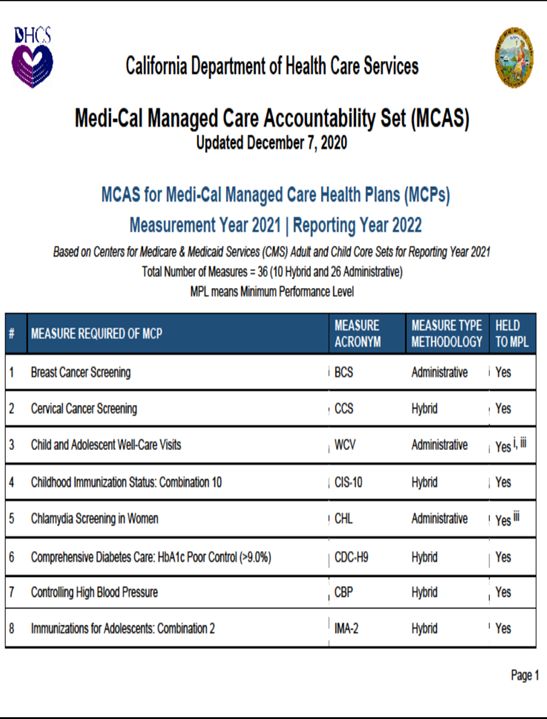
COVID-19 Vaccines
Goals of the COVID-19 Vaccine Strategy
Ensure all members are vaccinated at the right time and place
     1. Promote Provider enrollment in CAIR2
         – CDPH/LDH will invite providers to enroll to become COVID-19 vaccination sites

     2. Connect Members and Providers with vaccination sites

     3. Provider and Member engagement: outreach and education
         – Get vaccinated at the right time and place, 2nd dose reminders
         – Increase vaccine confidence and decrease vaccine hesitance
         – Mitigate disparities

     4. Track and report data
         – Providers enrolled
         – Members vaccinated

                                                                                           6
Approach
Federal government will oversee a centralized system to order, distribute
and track vaccines.

             • Health care workers
                                                                                   Implement as vaccine
Phase 1      • Essential workers                       Phase 2                     supply increases       Phase 3   Based on supply
             • People at increased risk

                                                                                                                                      7
     Source: Official California State Government Website - When Can I Get Vaccinated?
High-Risk Groups
    These groups are at higher risk for COVID-19

     Health
                                                     Health                                       Older             Pregnant              Disabled
      Care
                                                    Conditions                                    Adults            Women                Individuals
     Workers

• Health care                            • Certain medical                               • Risk is due in       • Changes due to     • Decreased
  workers face                             conditions                                      part to changes        pregnancy may        mobility and
  increased risks                          might increase                                  in immune              increase risk of     difficulty with
  of coronavirus                           the risk of                                     defenses with          some infections.     muscle function,
  exposure and                             severe illness                                  increasing age.        Have a higher        lung function or
  infection.                               in adults and                                                          risk of severe       difficulty
                                                                                         • Older adults are                            coughing,
                                           children.                                                              illness.
                                                                                           at greater risk of                          swallowing or
                                                                                           hospitalization or                          clearing fluids.
                                                                                           dying.

    Source: Centers for Disease Control and Prevention - People with Certain Medical Conditions                                                        8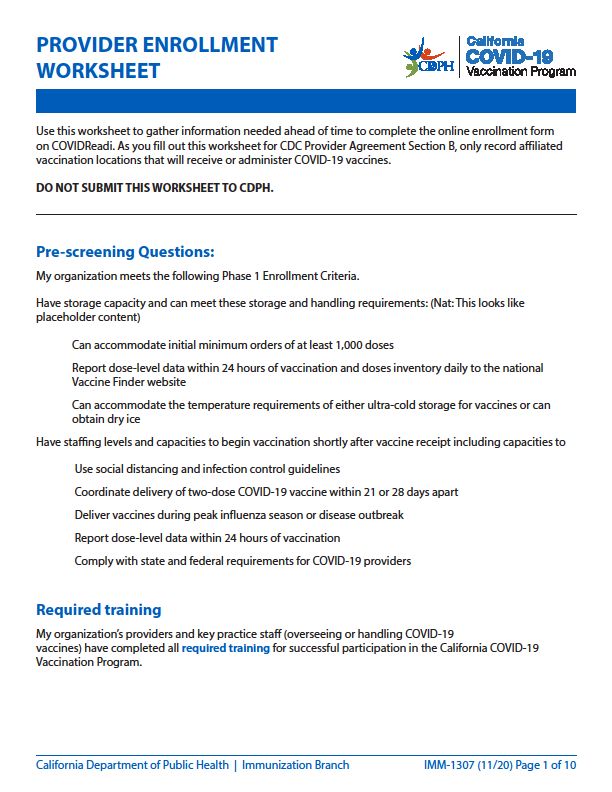
COVID-19 HOSPITALIZATION AND DEATH BY AGE
FACTORS THAT INCREASE                                  CROWDED                         CLOSE / PHYSICAL                         ENCLOSED SPACE                 DURATION
COMMUNITY SPREAD AND                                   SITUATIONS                      CONTACT                                                                 OF EXPOSURE
   INDIVIDUAL RISK

Rate ratios compared   0-4 years          5-17 years        18-29 years        30-39 years        40-49 years        50-64 years     65-74 years   75-84 years         85+ years
 to 18-29 year olds

HOSPITALIZATION¹          4x                 9x            Comparison              2x                 3x                 4x             5x              8x                 13x
                        lower               lower            Group                higher            higher             higher          higher         higher               higher

     DEATH²               9x                16x            Comparison              4x                10x                30x            90x           220x                  630x
                         lower              lower            Group                higher            higher             higher          higher         higher               higher

  ACTIONS TO REDUCE                                                                     SOCIAL DISTANCING                       HAND HYGIENE             CLEANING AND
                                            WEARING A MASK
   RISK OF COVID-19                                                                     (6 FT GOAL)                                                      DISINFECTION

                       ¹ Data source: COVID-NET (https://www.cdc.gov/coronavirus/2019-ncov/covid-data/covidview/index.html,
                       accessed 08/06/20). Numbers are unadjusted rate ratios.
                                                                                                                                     cdc.gov/coronavirus
                       ² Data source: NCHS Provisional Death Counts (https://www.cdc.gov/nchs/nvss/vsrr/COVID19/index.htm,                         CS319360-A 08/10/2020
                       accessed 08/06/20). Numbers are unadjusted rate ratios.
COVID-19 Cases, Hospitalizations, and Deaths, by Race/Ethnicity
Rate ratios American Indian Asian, Black or Hispanic or
compared to White, or Alaska Native, Non-Hispanic African American, Latino persons
Non-Hispanic persons Non-Hispanic persons persons Non-Hispanic persons
Cases¹ 1.8x 0.6x 1.4x 1.7x
Hospitalization² 4.0x 1.2x 3.7x 4.1x
Death³ 2.6x 1.1x 2.8x 2.8x
Race and ethnicity are risk markers for other underlying conditions that affect health, including socioeconomic status, access to
health care, and exposure to the virus related to occupation, e.g., among frontline, essential, and critical infrastructure workers.
How to Slow the Spread of COVID-19
Wear a mask Stay 6 feet apart Wash your hands
1 Data source: Data reported by state and territorial jurisdictions (accessed 11/27/2020). Numbers are ratios of age-adjusted rates standardized to the 2000
cdc.gov/coronavirus
US standard population. Calculations use only the 52% of reports with race/ethnicity; this can result in inaccurate estimates of the relative risk among groups.
2 Data source: COVID-NET (https://www.cdc.gov/coronavirus/2019-ncov/covid-data/covid-net/purpose-methods.html, accessed 11/25/2020).
Numbers are ratios of age-adjusted rates standardized to the 2000 US standard COVID-NET catchment population.
3 Data source: NCHS provisional death counts (https://data.cdc.gov/NCHS/Deaths-involving-coronavirus-disease-2019-COVID-19/ks3g-spdg, accessed CS319360-A11/30/2020
11/27/2020). Numbers are ratios of age-adjusted rates standardized to the 2000 US standard population.Importance of Equity
Promoting fair access to health care
• Reduce disproportionate burden of COVID-19 among different populations at
higher risk for infection, severe illness, and death.
• Address health disparities with a holistic, all-of-response approach.
• Targeted Population and Place-Based Focus: Promote equity through:
– Racial and minority populations – Communication
– People living in rural or frontier areas – Outreach
– Homeless persons – Counseling
– Essential and frontline workers – Access to vaccine sites
– People with disabilities
– People with substance use disorders
– People who are incarcerated
– Non-US born persons
11
Source: Centers for Disease Control and Prevention - COVID-19 Response Health Equity StrategyCalifornia Distribution Framework
Starting March 15, 2021 healthcare providers may use clinical judgement to vaccinate individuals aged 16-64,
deemed at highest risk for severe illness. See California Department of Public Health for allocation updates.
Health care Individuals 65+ Risk of exposure at Individuals 50-64
Phase 1A
Phase 1B Tier 2
Phase 1C
Phase 1B Tier 1
workers work: Transportation years of age
Risk of exposure and logistics,
Long-term care facilities and People 16-64, with an
at work: Education underlying health
residents, and services, critical
and childcare manufacturing. condition or disability
similar settings for staff, emergency
older or medically services, and food Homeless shelters Workers at risk: water
vulnerable and agriculture or group homes and wastewater,
populations defense, energy,
Incarcerated chemical and
individuals hazardous materials,
Refer to CDHP communications and
Allocation IT, financial services,
guidelines for government and
Phase 1A community essential
functions
3 million people 12 million people
Source: Official California State Government Website - Vaccines
12People with Certain Medical Conditions
Effective March 15, 2021, the following people are eligible to receive the
COVID-19 vaccine:
Individuals 16-64 years deemed to be at the very highest risk to get very sick
from COVID-19 because they have the following severe health conditions:
• Cancer, with weakened immune system
• Chronic kidney disease, stage 4 or above
• Chronic pulmonary disease, oxygen dependent
• Down Syndrome
• Immunocompromised from solid organ transplant, leading to a weakened immune system
• Pregnancy
• Sickle cell disease
• Heart conditions, such as heart failure, coronary artery disease or cardiomyopathies (but not
hypertension)
• Type 2 Diabetes, with hemoglobin A1c level greater than 7.5%
• Severe Obesity (BMI > 40 kg/m2 or higher)
13
Source: California Department of Public Health Provider BulletinPeople with Certain Medical Conditions
Effective March 15, 2021, the following people are also eligible to receive
the COVID-19 vaccine:
If as a result of a developmental or other severe high-risk disability, one or more of
the following applies:
• The individual is likely to develop severe life-threatening illness or death from COVID-19 infection
• Acquiring COVID-19 will limit the individual's ability to receive ongoing care or services vital to their
well-being and survival
• Providing adequate and timely COVID care will be particularly challenging as a result of the
individual's disability
14
Source: California Department of Public Health Provider BulletinVaccine Availability & Registration
Availability
The Governor announced that a Third Party Administrator
will coordinate all vaccination efforts in California.
Patients may call 211 or 311
Standardizing Vaccine Registration for information about the
COVID-19 vaccines.
If you are not a designated vaccine site:
• Refer your patients to the Myturn to schedule their These are non-emergency
numbers that are state- and
COVID-19 vaccination city-supported and can help
direct callers to COVID-19
OR vaccine services in their area.
• Refer your patients to their county public health
department. A listing of local health departments by
county is available through the CDPH site
Source: The State of California website - Newsom Administration Supplements Vaccine Delivery System; Announces Creation of Statewide Vaccine Delivery Network to Simplify and Standardize Vaccination Process With Equity as a Core FocusCDC COVID-19 Vaccination Program
Complete the CDC COVID-19 Vaccination Program Provider Agreement.
• Adhere to CDC, Advisory Committee on Immunization Practices (ACIP) , and California
Department of Public Health (CDPH) guidance on administration.
• Completed the required training (step 5) you will be able to start the enrollment process.
Enroll in IIS Storage Equipment Enrollment Notify Contacts Required: CA COVID-19
Guidelines Worksheet Train Your Staff Vaccination Program
Registration in the Your vaccine storage Use the Provider Your organization will Your staff must View program
state’s Immunization equipment must meet Enrollment Worksheet need e-signatures complete required information,
Information System is CDC guidelines and to gather information from the Chief Medical training before your guidelines, and
required to participate be installed prior to needed ahead of time and Chief Executive organization can begin resources. Stay up to
in the program. enrolling in MyCAvax. to complete the online Officers during the the enrollment date with Program
enrollment form. enrollment process. process. communications.
Register for CAIR View guidelines View worksheet Identify key roles Log in to access Stay updated
training 16US COVID-19 Vaccines Pipeline
Non-replicating Adenovirus Spike Protein
mRNA
Vector-based Nanoparticle
Pfizer Moderna Janssen AstraZeneca Novavax
• Two doses, 21d • Two doses, 28d • One dose • Two doses, 28d • Two doses, 21d
• Storage at -70C • Storage -20C • Storage -25C to -15C • Storage -20C • Storage -20C
• Stable at 2-8C ≤ 5days • Stable 2-8C ≤30 days • Stable 2-8C ≤3 months • Stable 2-8C ≤6 months • Stable 2-8C ≤6 months
• Room Temp: 2h • Room Temp: 12h • Room Temp: 12h • Room Temp: 12h • Room Temp: 12h
undiluted, 6h diluted unpunctured, 6h punc.
• Efficacy: • Efficacy: TBD • Efficacy: TBD
• Efficacy: • Efficacy:
• Moderate: 64-72% • FDA EUA ?? • FDA EUA ??
• COVID-19: 95% • COVID-19: 94.1%
• Severe: 81.7–87.6% • Ages ≥18 • Ages ≥18
• Severe: 100% • Severe: 100%
• Death: 100% • Shipment TBD • Shipment TBD
• FDA EUA • FDA EUA
• FDA EUA
12/11/2020 12/18/2020
2/28/2021
• Ages ≥16 • Ages ≥18
• Ages ≥18
• Shipped from Pfizer • Shipped by
McKesson • Shipped by
McKesson
FDA Emergency Use Authorization US Phase 3 Clinical Trials
17
Source: Centers for Disease Control and Prevention, U.S. Food & Drug Administration & Fierce PharmaJanssen Vaccine Efficacy by Country
Stage 3 Clinical Trials Were Conducted on Adults 18 Years and Older
Severity: Moderate Severity:
Country Onset
to Severe/Critical Severe/Critical
>28 days after
Global 65.5% 83.5%
vaccination
>28 days after
United States 72.0% 85.9%
vaccination
>28 days after
Brazil 68.1% 87.6%
vaccination
>28 days after
South Africa 64.0% 81.7%
vaccination
A Single Dose is Effective Against:
• Symptomatic COVID-19 disease Clinical Trials Showed:
• Severe COVID-19 cases • Low risk for adverse events
• Hospitalization and death • No severe allergic reactions
• Newly emerging strains observed in South Africa • No associated deaths during the study
19Pfizer COVID-19 Vaccine
New Storage Requirements as of February 25, 2021
Ultra-Low Temperature Storage Prior to Use*
• Storage temperature -80ºC to -60ºC (-112ºF to -76ºF)
• Length of storage up to the expiry date printed on the label of the vials
• The vaccine must be undiluted
Conventional Temperatures Commonly Found in Pharmaceutical Freezers Prior to Use*
• Storage temperature -25°C to -15°C (-13°F to 5°F)
• Length of storage up to two weeks cumulative
• The vaccine must be undiluted
• Frozen vaccine can be returned one time to the ultra-low temperature storage
Thaw and Then Store Undiluted Vials in the Refrigerator Prior to Use*
• Storage temperature 2ºC to 8ºC (35ºF to 46ºF)
• Length of storage up to 5 days (120 hours)
• The above timeline is for undiluted vials
* For more detailed information please refer to the FDA Fact Sheet on Administering the Pfizer Vaccine
18
Source: FDA - Allows More Flexible Storage, Transportation Conditions for Pfizer-BioNTech COVID-19 Vaccine, & FDA - FACT SHEET FOR HEALTHCARE PROVIDERS ADMINISTERING VACCINECOVID-19 Provider Selection
Provider enrollment will occur in phases, and when invited by the Third Party
Administrator (TPA) or local health department for participation, you must:
• Enroll and participate in MyCaVax, the State’s COVID-19 Vaccination Program
• Enroll and participate in the State Immunization Information System
– (California Immunization Registry (CAIR2), San Diego Immunization Registry (SDIR), or San Joaquin
Immunization Registry (RIDE))
• Complete the California COVID-19 Provider Enrollment Worksheet to participate.
• Complete the CDC COVID-19 Vaccination Program Provider Agreement.
– Adhere to CDC, ACIP, and CDPH guidance on administration.
• Notify contacts, e-signature from Chief Medical and Chief Executive Officer
• Capacity to store the vaccine (up to 1000 doses) and ultra-cold storage temperature.
• Complete the required training and VAERS training.
Source: Centers for Disease Control and Prevention - Clinical Resources for Each COVID-19 Vacciney
20CDC COVID-19 Vaccination Provider Agreement
Providers invited by the TPA or local health department are required
to sign a CDC Provider agreement
Requirements to comply with:
• CDC and Advisory Committee on Immunization Practices (ACIP) recommendations.
• COVID-19 vaccine administration and reporting requirements.
• Safe immunization services practice.
• Vaccine storage and handling.
• Reporting to VAERS.
Vaccination providers must report COVID-19 inventory daily into VaccineFinder, or
report vaccine into CA state selected reporting system for upload, and no later than
72 hours after administration.
21
Source: Centers for Disease Control and Prevention - CDC COVID-19 Vaccination Program Provider Requirements and SupportCOVID-19 Vaccine Best Practices
What You Should Tell Your Patients
• They can get a COVID-19 vaccine at no charge and is free at a location that is most
 convenient for them, including getting their shot at the nearest pharmacy.

• More than one COVID-19 vaccine may be available and some vaccines may
  require a second dose.
• Request your patient register for VaxText COVID-19 Vaccine Second-Dose
  Reminder. It is free, no cost by texting to ENROLL to 1-833-VaxText

• Continue to wash their hands often, keep a social distance, wear a mask or face
 covering until the vaccine is available, depending on their risk.

• They should get all recommended immunizations and vaccines, including the flu
 vaccine, if they haven’t already done so under the direction of their physician.
                                                                                    23
Vaccine Administration
Product/
Authorized Age NDC10/NDC11 Labeler
Drug Code Administration Administration Codes
Groups Product ID (Vial)
93100 (30 µg, 0.3 ml each):
0001A (1st dose) 59267-1000-1
Pfizer- BioNTech > or equal to 16 years three weeks
0002A (2nd dose) 59267-1000-01
(21 days) apart
(100 µg, 0.5 ml):
91301 0011A (1st dose) 8077-273-10
> or equal to 18 years one month
Moderna 0012A (2nd dose) 9077-0273-10
(28 days) apart
91303 (5x10¹⁰ viral 59676-580-05
> or equal to 18 years 0031A (single dose)
Janssen particles/0.5ml) 59676-0580-05
• Vaccines are not interchangeable with other products.
• Two-dose series must be completed.
• Two-dose series should be administered alone, with a minimum of 14 days before or after
administration of any other vaccine.
Refer to the CDC vaccine clinical considerations website for additional information.
Source: Centers for Disease Control and Prevention - Vaccines & Immunizations
24Medicaid COVID-19 Vaccination Coverage
COVID-19 Vaccines
Federal government to pay for the vaccine.
Department of Health Care Services (DHCS) is paying
the vaccine administration fee directly to providers.
Billing specifics will be released
in Medi-Cal Newsflashes. No copay or cost share to members; in-network and out
of-network vaccinations.
Check the
Medi-Cal response webpage Prior authorization not required.
regularly.
Coverage for all vaccine types.
Submit claim directly to Department of Health Care
Services (DHCS).Medicare & Medicare Advantage
COVID-19 Vaccination Coverage
COVID-19 Vaccines
Federal government to pay for the vaccine.
Federal government is paying for the vaccine
administration fee.
Claims submission information
will be updated with current No copay or cost share to members; in-network and out
information by email. of-network.
Prior authorization not required.
Coverage for all vaccine types.
Submit claim directly to Centers for Medicare & Medicaid
Services (CMS) Medicare Administrative Contractor (MAC).Commercial COVID-19 Vaccination Coverage
COVID-19 Federal Government to pay for the vaccine
(funding under the Coronavirus Aid, Relief, and Economic Security (CARES) Act).
Vaccines
Health insurers will pay for the vaccine admin fee.
No copay or cost share to members;
in-network and out-of- network.
Prior authorization not required.
Coverage for all vaccine types.
Claim submission is determined by each Health Plan
Claim submission: Contact the commercial carrier for billing
instructions
For Health Net commercial members, Health Net will pay the FFS claims and,
during the public health emergency (PHE), assume payment responsibility for the
vaccine admin fee for our commercial capitated contracts.Pediatric Distribution and Incentives
Children and Adolescents
Pfizer-BioNTech
• Additional pediatric studies are in authorized age for administration
progress. > or equal to 16 years
• CDC to determine if it will be distributed Moderna
through Vaccines For Children (VFC) authorized age for administration
program. > or equal to 18 years
• Uninsured through federally funded Janssen
Federally Qualified Health Center authorized age for administration
(FQHC) or Rural Health Clinics > or equal to 18 years
(RHC), or Indian Health Services (IHS).
28Vaccination Best Practices
Qualified, skilled, trained
staff, and back-up staff
Vaccine
Coordinator
Report all adverse
events following an Maintain temperature
immunization VAERS Report Adverse Cold Chain control and logs
Event Management
Side effects, Give vaccine Planned approach High-
card & Emergency use risk groups first
fact sheet Patient Target
education
Document vaccines within
Correct dosage, storage,
24 hours, no later than 72
disposal
hours in CAIR Document Administer
29Adverse Events
An untoward occurrence which:
• Follows after immunization.
• Does not necessarily have a causal relationship with
vaccine usage.
• Unfavorable symptom of which the patient
complains.
• Abnormal lab finding, sign or disease found post-
administration.
Vaccine reactions classified as:
• Mild, moderate, or severe.
• Severe – can be serious and non-serious.
30
Source: World Health Organization (WHO) - Global Manual on Surveillance of Adverse Events Following ImmunizationAdverse Event Causes
• Caused or precipitated by the vaccine or property
Vaccine product-related
of the vaccine
• Caused or precipitated by the vaccine that is due
Vaccine quality defect to one or more quality defects of product or
administration device
• Human error, caused by inappropriate handling,
Immunization error reconstitution error, contamination of vaccine or
syringe, or incorrect administration technique
• Arising from anxiety about the immunization and
Immunization anxiety
fear of injection, i.e. fainting and injury from fall
• Event not caused by vaccine or vaccination
Coincidental event
process
31
Source: World Health Organization - Module 4 : Infection prevention and control & World Health Organization (WHO) - Global Manual on Surveillance of Adverse Events Following Immunization (Page 4)Reporting Adverse Events
• Report using Vaccine Adverse Event
Closely adhere to CDC, State of Reporting System (VAERS) online form or
California and California VAERS new downloadable PDF
Department of Public Health
(CDPH) policy
• V-Safe after Vaccination Health Checker
• Complete the reporting forms and • Smartphone app for texts, check-ins and
submit. V-Safe surveys; report side effects in real-time
• Include all available information.
• For serious events, report immediately • National Healthcare Safety Network
(NHSN)
(over telephone) and complete the
• Acute care and long-term care facility
reporting form within 24 hours. system for reporting vaccine adverse
NHSN reactions
32DHCS COVID-19 Vaccine FAQs
For more information, review the
DHCS COVID-19 Vaccine Administration FAQs.
Access the DHCS COVID-19 Response
webpage frequently for updates.
• Beneficiaries and Members
• Waiver Requests and Approvals
• Providers and Partners
• Funding Opportunities for Health Providers
CDPH will be conducting direct-to-provider
webinars.
33Vaccine Hesitancy
Vaccine Hesitancy
What does it mean?

   Delayed Action Despite Supply
   •   Delay in acceptance or refusal of vaccines                          Hesitancy
       despite availability of vaccine services.
                                                                           Accept,
                                                                 Accept,               Refuse,
                                                                            delay
                                                        Accept     but                   but     Refuse
                                                                             and
   Dynamic                                                       unsure                unsure
                                                                           refuse
   •   Is complex and context-specific varying across
       time, place and vaccines.

   Three C’s of Influence                                Discuss to better understand their concerns
                                                                           and fears
   •   Is influenced by factors, such as complacency,
       convenience and confidence.
                                                                                                   35
Understanding Hesitancy
Confidence
• Vaccine stability
• Fear of short-term side effects
• Fear of long-term side effects and/or disability
• Prior emergency vaccine failures
• Unsure of efficacy of vaccine
• Social media negative reports and false news
• Rumors and peer perception of vaccine
Complacency
• Disbelief about threat of COVID-19
Convenience
• Health literacy, transportation access, and other social determinants of health
36
Source: American Pharmacists Association - Vaccine Hesitancy "KNOW THE FACTS"Addressing Vaccine Hesitancy During COVID-19
Build a Trusting Relationship: Be up front about what to expect from vaccines. If
injection site pain or body aches is common, be honest with patients to gain trust.
Address Your Bias: Important to be engaged in the conversation and listen. Be
aware of tone and conscious of non-verbal signals.
Ask about Barriers: Use open-ended questions to learn important information about
why they are reluctant or refusing to get the vaccine
(i.e., “How confident are you that the vaccines are safe?”)
Share Personal Stories: Have a picture of you getting the vaccine. Share your story
with a patient that is reluctant.
Circle Back: If they decide not to vaccinate look for respectful ways to keep the
dialogue going. Take time to address their concerns so they know that they are heard
and their concerns validated.
37
Source: American Pharmacists Association - Vaccine Hesitancy "KNOW THE FACTS"Communication Strategy
Use a participatory approach:
Use a presumptive approach • Identify and address
that they will accept the vaccine: misinformation/rumors and help them
understand the importance and need
• Share key messages about the for the vaccination.
vaccine, its benefits, side-effects,
care and follow-up.
If not eligible for the vaccine:
• If there are questions or concerns,
listen and respond with empathy. • Appreciate their interest. Explain that
Use medical evidence and stores to current guidelines do not indicate they
convey safety, effectiveness and should get it at this time. Advise on
need for vaccination. prevention measures. Provide
information of when the vaccine will be
available to a non-priority group.
38
Source: Module 6, World Health Organization, Communicating with the community about COVID-19 vaccination, Pages 8-10Health Plan Updates
Health Plan Updates
                      HEDIS Medical
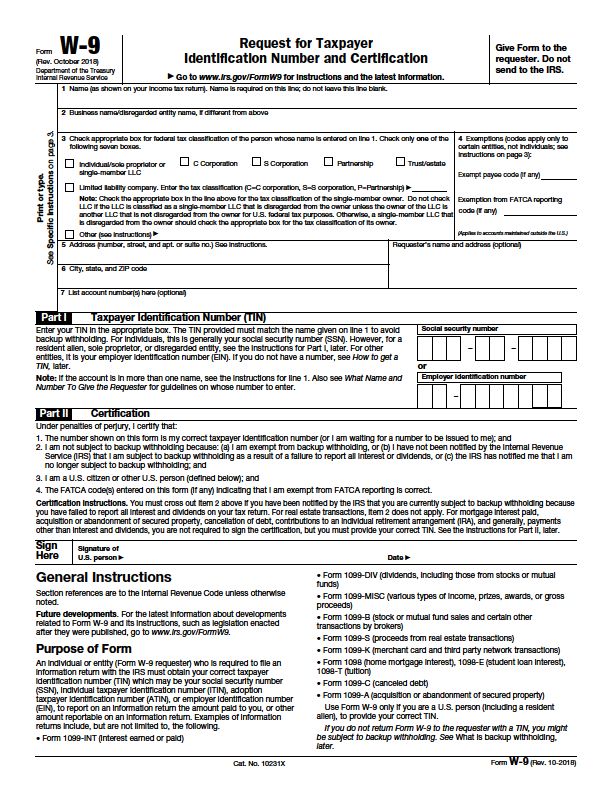
 W9s and Emails
                     Record Collection
    due by:
                         Datafied:
 March 30, 2021
                      (714) 666-0951

                     Logisticare is now
Medi-Cal RX State
 Pharmacy Plan         “Modivcare”
                         effective:
    Delayed
                     January 6, 2021

                                                 Click to download
            Managed Care
          Accountability Set              Submit your completed W-9 to:
               MY 2021                    HNCA_W9_Submissions@CENTENE.COM
          Click to download
COVID-19 Appendix
Regulatory Guidance

• CMS Coverage and Reimbursement
  of COVID-19 Vaccines, Vaccine
  Administration, and Cost Sharing
  under Medicaid, the Children’s
  Health Insurance Program, and
  Basic Health Program.

• CMS Covid-19 Vaccine Policy and
  Guidance.

                                     42
Resources
COVIDReadi Provider Enrollment FAQ COVIDReadi Provider WorkSheet
Click to download click to download
43COVID-19 Vaccine Educational Resources
• Centers for Disease Control and Prevention (CDC) – Health Care Professionals:
Preparing for COVID-19 Vaccination
• Center for Disease Control What Clinicians Need to Know About the Pfizer-
BioNTech COVID-19 Vaccine Training December 13, 2020
• World Health Organization COVID-19 Vaccination Training for health workers
– Includes: Information on COVID-19 disease, vaccine storage, handling,
administration of the vaccine, recording and monitoring adverse events
following immunization, and communication.
44COVID-19 Resources
For Members: For Providers:
• COVID-19 Updates & Alerts • COVID-19 Updates & Alerts
– For Health Net members – For Health Net providers
– For California Health & Wellness members – For California Health & Wellness providers
– For CalViva members – For CalViva providers
• California Department of Health Vaccine Phase
• Finding a Local Testing Site 1 Recommendations
• CDC COVID-19 Vaccine Recommendations
• California's COVID-19 Vaccine • ACIP COVID-19 Resources
Scheduling Site
• COVID-19 vaccine provider selection invitations
will be extended from local health departments.
For more information:
– Email: COVIDCallCenter@cdph.ca.gov
– Call: 1-833-502-1245
Monday through Friday 9 a.m. to 5 p.m. 45Additional Health Plan Resources
• myStrength is a tailored mental health wellness resource for members.
– Health Net’s myStrength site
– California Health & Wellness myStrength site
– CalViva’s myStrength site
• For emergent or routine treatment mental health services, call MHN at
1-888-327-0010 or visit their website.
46Additional Health Plan Resources
• The Nurse Advice Line is available to members 24 hours a day at:
– For Health Net members: 1-800-893-5597 (TTY 711)
– For California Health & Wellness members: 1-877-658-0305 (TTY 711)
– For CalViva members: 1-888-893-1569 (TTY 711)
• Aunt Bertha, a free online search service, allows members to find free and low
cost social services.
– Health Net’s Aunt Bertha site
– California Health & Wellness Aunt Bertha site
– CalViva’s Aunt Bertha site
47Tailor Your Messaging
Risk Group Key Messaging
Help protect you from work exposure while performing your job.
Health worker Reduce risk of COVID-19 transmission to your patients, family, neighbors,
and community.
Elderly or older COVID-19 affects older people more adversely. The vaccine will help
person protect you from becoming severely ill if infected with the virus.
COVID-19 affects people with chronic conditions more adversely. The
People with
vaccine will protect you from COVID-19 infection or from becoming
chronic conditions
severely ill if infected with the virus.
Other essential You encounter other people in your day-to-day routine; the COVID-19
workers vaccine will help protect you from exposure while you are doing your job.
48
Source: Module 6, World Health Organization, Communicating with the community about COVID-19 vaccination, Pages 7Your Role in Crisis Communication
Create Confidence
• Share key messages.
Create • Share your own experience(s) with the
vaccine and your patients.
Confidence
Diminish Fear
• Be empathetic and encouraging.
• Dispel myths and rumors.
• Provide education and guidance.
Increase Diminish Increase Access
Access Fear • Be knowledgeable about local vaccine
centers.
• Refer patients to sites if not already
vaccinated.
• Provide transportation services. 49Health Plan Appendix
Resources
Managed Care Accountability Set
   Measurement Year 2021                W-9

        Click to download         Click to download
                                                      51
You can also read


