Dietary Supplements for Weight Loss - Fact Sheet for Consumers
←
→
Page content transcription
If your browser does not render page correctly, please read the page content below

Dietary Supplements for Weight Loss
Fact Sheet for Consumers

                                  What are weight-loss dietary supplements and
                                  what do they do?
                                  The proven ways to lose weight are eating healthful foods, cutting calories, and
                                  being physically active. But making these lifestyle changes isn’t easy, so you might
                                  wonder if taking a dietary supplement that’s promoted for weight loss might help.
                                  This fact sheet describes what’s known about the safety and effectiveness of many
                                  ingredients that are commonly used in weight-loss dietary supplements. Sellers of
                                  these supplements might claim that their products help you lose weight by blocking
                                  the absorption of fat or carbohydrates, curbing your appetite, or speeding up your
                                  metabolism. But there’s little scientific evidence that weight-loss supplements work.
                                  Many are expensive, some can interact or interfere with medications, and a few might
                                  be harmful.
If you’re thinking about taking   If you’re thinking about taking a dietary supplement to lose weight, talk with your
a dietary supplement to lose      healthcare provider. This is especially important if you have high blood pressure,
weight, talk with your health     diabetes, heart disease, liver disease, or other medical conditions.
care provider.

                                  What are the ingredients in weight-loss
                                  dietary supplements?
                                  Weight-loss supplements contain many ingredients—like herbs, fiber, and minerals—
                                  in different amounts and in many combinations. Sold in forms such as capsules,
                                  tablets, liquids, and powders, some products have dozens of ingredients.
                                  Common ingredients in weight-loss supplements are described below in alphabetical
                                  order. You’ll learn what’s known about whether each ingredient works and is safe.
                                  Figuring out whether these ingredients really help you lose weight safely is
                                  complicated, though. Most products contain more than one ingredient, and
                                  ingredients can work differently when they’re mixed together.
                                  You might be surprised to learn that makers of weight-loss supplements rarely carry
                                  out studies in people to find out whether their product works and is safe. And when
                                  studies are done, they usually involve only small numbers of people who take the
                                  supplement for just a few weeks or months. To know whether a weight-loss
                                  supplement can help people lose weight safely and keep it off, larger groups of people
                                  need to be studied for a longer time.

                                  The next pages provide information on common ingredients found
                                  in weight-loss dietary supplements.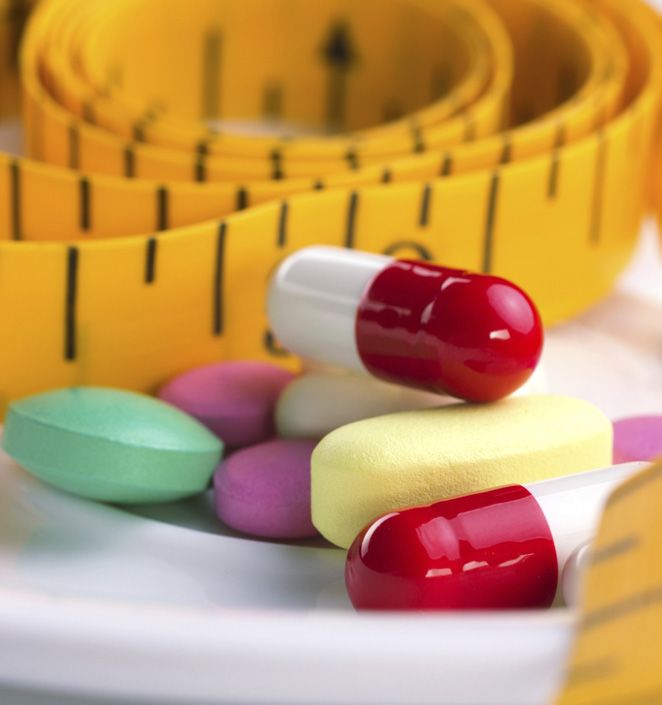
2 • WEIGHT-LOSS SUPPLEMENTS FACT SHEET FOR CONSUMERS

African mango                                                                                    Caffeine
African mango seed extract is claimed to curb the formation                                      Caffeine is a stimulant that can
of fat tissue.                                                                                   make you more alert, give you
Does it work?                                                                                    a boost of energy, burn calories,
African mango might help you lose a very small amount                                            and increase fat breakdown. Of-
of weight.                                                                                       ten added to weight-loss dietary
                                                                                                 supplements, caffeine is found
Is it safe?                                                                                      naturally in tea, guarana, kola
African mango seems to be safe, but its safety hasn’t been         (cola) nut, yerba mate, and other herbs. The labels of supple-
well studied. It can cause headache, sleeping problems,            ments that contain caffeine don’t always list it, so you might
flatulence, and gas.                                               not know if a supplement has caffeine.

                              Beta-glucans                         Does it work?
                              Beta-glucans are soluble dietary     Weight-loss dietary supplements with caffeine might help
                              fibers in bacteria, yeasts, fungi,   you lose a little weight or gain less weight over time. But when
                              oats, and barley. They might         you use caffeine regularly, you become tolerant of it. This
                              slow down the time it takes          tolerance might lessen any effect of caffeine on body weight
                              for food to travel through your      over time.
                              digestive system, making you         Is it safe?
                              feel fuller.                         Caffeine is safe for most adults at doses up to 400‒500
Does it work?                                                      milligrams (mg) a day. But it can make you feel nervous,
Beta-glucans don’t seem to have any effect on body weight.         jittery, and shaky. It can also affect your sleep. At higher
                                                                   doses, it can cause nausea, vomiting, rapid heartbeat, and
Is it safe?
                                                                   seizures. Combining caffeine with other stimulant ingredients
Beta-glucans seem to be safe (at up to 10 grams [g] a day for
                                                                   can increase caffeine’s effects.
12 weeks). They can cause flatulence.
                                                                                                 Calcium
                              Bitter orange                                                      Calcium is a mineral you need
                                Bitter orange contains
                                                                                                 for healthy bones, muscles,
                                synephrine (a stimulant).
                                                                                                 nerves, blood vessels, and many
                                It’s claimed to burn calories,
                                                                                                 of your body’s functions.
                                increase fat breakdown, and
                                                                                                 It’s claimed to burn fat and
                                decrease appetite. Products
                                                                                                 decrease fat absorption.
                                with bitter orange usually also
                                contain caffeine and other                                   Does it work?
ingredients. Bitter orange is in some weight loss dietary          Calcium—either from food or in weight-loss dietary
supplements that used to contain ephedra, another stimulant-       supplements—probably doesn’t help you lose weight or
containing herb that was banned from the U.S. market in            prevent weight gain.
2004 (see the section on Ephedra).                                 Is it safe?
Does it work?                                                      Calcium is safe at the recommended amounts of 1,000 to
Bitter orange might slightly increase the number of calories       1,200 mg a day for adults. Too much calcium (more than
you burn. It might also reduce your appetite a little, but         2,000–2,500 mg a day) can cause constipation and decrease
whether it can help you lose weight is unknown.                    your body’s absorption of iron and zinc. Also, too much
                                                                   calcium from supplements (but not foods) might increase
Is it safe?
                                                                   your risk of kidney stones.
Bitter orange might not be safe. Supplements with bitter
orange can cause chest pain, anxiety, headache, muscle and
bone pain, a faster heart rate, and higher blood pressure.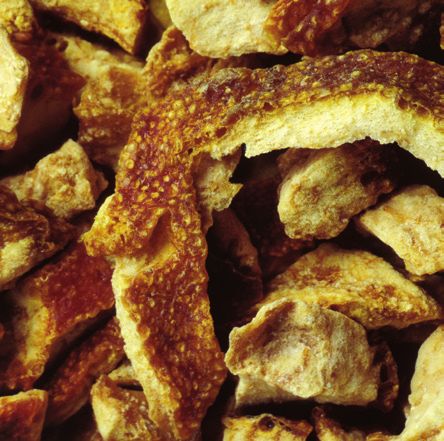
3 • WEIGHT-LOSS SUPPLEMENTS FACT SHEET FOR CONSUMERS

                                Capsaicin                            Chromium
                                Capsaicin comes from chili pep-      Chromium is a mineral that you need to regulate your blood
                                pers and makes them taste hot.       sugar levels. It’s claimed to increase muscle mass and fat loss
                                It’s claimed to help burn fat and    and decrease appetite and food intake.
                                calories and to help you feel full   Does it work?
                                and eat less.                        Chromium might help you lose a very small amount of weight
                              Does it work?                          and body fat.
                              Capsaicin hasn’t been studied          Is it safe?
enough to know if it will help you lose weight.                      Chromium in food and supplements is safe at recommended
Is it safe?                                                          amounts, which range from 20 to 45 micrograms a day
Capsaicin is safe (at up to 33 mg a day for 4 weeks or 4 mg          for adults. In larger amounts, chromium can cause watery
a day for 12 weeks), but it can cause stomach pain, burning          stools, headache, weakness, nausea, vomiting, constipation,
sensations, nausea, and bloating.                                    dizziness, and hives.

Carnitine                                                                                           Coleus forskohlii
Your body makes carnitine, and it’s also found in meat, fish,                                     Coleus forskohlii is a plant that
poultry, milk, and dairy products. In your cells, it helps break                                  grows in India, Thailand, and
down fats.                                                                                        other subtropical areas. For-
                                                                                                  skolin, made from the plant’s
Does it work?
                                                                                                  roots, is claimed to help you
Carnitine supplements might help you lose a small amount
                                                                                                  lose weight by decreasing your
of weight.
                                                                                                  appetite and increasing the
Is it safe?                                                          breakdown of fat in your body.
Carnitine supplements seem to be safe (at up to 2 g a day for 1
                                                                     Does it work?
year or 4 g a day for 56 days). They can cause nausea, vomiting,
                                                                     Forskolin hasn’t been studied much. But so far, it doesn’t seem
diarrhea, abdominal cramps, and a fishy body odor.
                                                                     to have any effect on body weight or appetite.

                                Chitosan                             Is it safe?
                                Chitosan comes from the shells       Forskolin seems to be safe (at 500 mg a day for 12 weeks),
                                of crabs, shrimp, and lobsters.      but it hasn’t been well studied. It can cause frequent bowel
                                It’s claimed to bind fat in the      movements and loose stools.
                                digestive tract so that your body
                                                                                                   Conjugated linoleic
                                can’t absorb it.
                                                                                                   acid (CLA)
                             Does it work?                                                         CLA is a fat found mainly
                             Chitosan binds only a tiny                                            in dairy products and beef.
amount of fat, not enough to help you lose much weight.                                            It’s claimed to reduce your
Is it safe?                                                                                        body fat.
Chitosan seems to be safe (at up to 15 g a day for 6 months).                                    Does it work?
But it can cause flatulence, bloating, mild nausea, constipa-                                    CLA may help you lose a very
tion, indigestion, and heartburn. If you’re allergic to shellfish,   small amount of weight and body fat.
you could have an allergic reaction to chitosan.
                                                                     Is it safe?
                                                                     CLA seems to be safe (at up to 6 g a day for 1 year). It can
                                                                     cause an upset stomach, constipation, diarrhea, loose stools,
                                                                     and indigestion.
4 • WEIGHT-LOSS SUPPLEMENTS FACT SHEET FOR CONSUMERS

                               Fucoxanthin                        Green coffee bean extract
                               Fucoxanthin comes from brown       Green coffee beans are unroasted coffee beans. Green coffee
                               seaweed and other algae. It’s      bean extract is claimed to decrease fat accumulation and help
                               claimed to help with weight loss   convert blood sugar into energy that your cells can use.
                               by burning calories and decreas-   Does it work?
                               ing fat.                           Green coffee bean extract might help you lose a small amount
                             Does it work?                        of weight.
                             Fucoxanthin hasn’t been              Is it safe?
studied enough to know if it will help you lose weight. Only      Green coffee bean extract seems to be safe (at up to 200 mg a
one study in people included fucoxanthin (the other studies       day for 12 weeks). It might cause headache and urinary tract
were in animals).                                                 infections. Green coffee beans contain the stimulant caffeine,
Is it safe?                                                       which can cause problems at high doses or when it’s combined
Fucoxanthin seems to be safe (at 2.4 mg a day for 16 weeks),      with other stimulants (see the section on Caffeine).
but it hasn’t been studied enough to know for sure.
                                                                                                 Green tea and
                               Garcinia cambogia                                                 green tea extract
                            Garcinia cambogia is a tree that                                     Green tea (also called Camellia
                            grows throughout Asia, Africa,                                       sinensis) is a common
                            and the Polynesian islands.                                          beverage all over the world.
                            Hydroxycitric acid in the fruit is                                   Green tea and green tea extract
                            claimed to decrease the number                                       in some weight-loss supplements
                            of new fat cells your body                                           are claimed to reduce body
                            makes, suppress your appetite         weight by increasing the calories your body burns, breaking
and thus reduce the amount of food you eat, and limit the         down fat cells, and decreasing fat absorption and the amount
amount of weight you gain.                                        of new fat your body makes.
Does it work?                                                     Does it work?
Garcinia cambogia has little to no effect on weight loss.         Green tea might help you lose a small amount of weight.
Is it safe?                                                       Is it safe?
Garcinia cambogia seems to be fairly safe. But it can cause       Drinking green tea is safe, but taking green tea extract might
headache, nausea, and symptoms in the upper respiratory tract,    not be. Green tea extract can cause constipation, abdominal
stomach, and intestines.                                          discomfort, nausea, and increased blood pressure. In some
                                                                  people, it has been linked to liver damage.
Glucomannan
Glucomannan is a soluble dietary fiber from the root of the       Guar gum
konjac plant. It’s claimed to absorb water in the gut to help     Guar gum is a soluble dietary fiber in some dietary supple-
you feel full.                                                    ments and food products. It’s claimed to make you feel full,
Does it work?                                                     lower your appetite, and decrease the amount of food you eat.
Glucomannan has little to no effect on weight loss. But it        Does it work?
might help lower total cholesterol, LDL (“bad”) cholesterol,      Guar gum probably doesn’t help you lose weight.
triglycerides, and blood sugar levels.                            Is it safe?
Is it safe?                                                       Guar gum seems to be safe (at up to 30 g a day for 6 months)
Most forms of glucomannan seem to be safe (at up to 15.1 g        when it is taken with enough fluid. But it can cause abdominal
a day for several weeks in a powder or capsule form). It can      pain, flatulence, diarrhea, nausea, and cramps.
cause loose stools, flatulence, diarrhea, constipation, and
abdominal discomfort.                                             Guarana (see the section on Caffeine)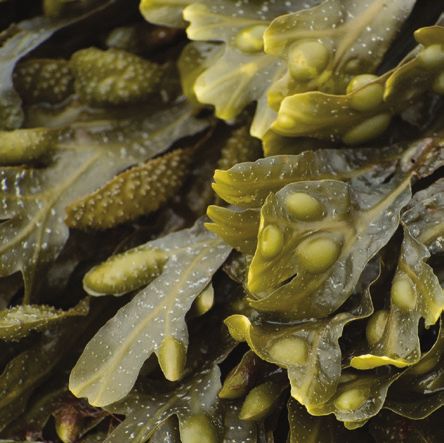
5 • WEIGHT-LOSS SUPPLEMENTS FACT SHEET FOR CONSUMERS

                               Hoodia                                                              Raspberry ketone
                               Hoodia is a plant from southern                                     Raspberry ketone, found in red
                               Africa, where it’s used as an ap-                                   raspberries, is claimed to be a
                               petite suppressant.                                                 “fat burner.”
                               Does it work?                                                         Does it work?
                               There hasn’t been much research                                       Raspberry ketone has only been
                               on hoodia, but it probably won’t                                      studied as a weight-loss aid in
                               help you eat less or lose weight.                                     combination with other ingredi-
Analyses showed that some “hoodia” supplements sold in the          ents and not alone. Its effects on body weight are unknown.
past contained very little hoodia or none at all. It’s not known    Is it safe?
whether this is true of hoodia supplements sold today.              Raspberry ketone hasn’t been studied enough to tell if it’s safe.
Is it safe?
Hoodia might not be safe. It can cause rapid heart rate, in-        Vitamin D
creased blood pressure, headache, dizziness, nausea,                Your body needs vitamin D for good health and strong bones.
and vomiting.                                                       People who are obese tend to have lower levels of vitamin D,
                                                                    but there is no known reason why taking vitamin D would
Kola (or cola) nut (see the section on Caffeine)                    help people lose weight.
                                                                    Does it work?
Mate (see the section on Caffeine)                                  Vitamin D doesn’t help you lose weight.

Probiotics                                                          Is it safe?
Probiotics are microorganisms in foods, such as yogurt, that help   Vitamin D from foods and dietary supplements is safe at the
maintain or restore beneficial bacteria in your digestive tract.    recommended amounts of 600‒800 IU a day for adults. Too
                                                                    much vitamin D (more than 4,000 IU a day) can be toxic and
Does it work?
                                                                    cause nausea, vomiting, poor appetite, constipation, weak-
Probiotic supplements seem to have little to no effect on
                                                                    ness, and irregular heartbeat.
weight loss, but they haven’t been well studied.
Is it safe?                                                                                        White kidney bean/
Probiotics are safe but may cause gas or other gastrointestinal                                    bean pod
problems.                                                                                          White kidney bean or bean pod
                                                                                                   (also called Phaseolus vulgaris)
Pyruvate                                                                                           is a legume grown around the
Pyruvate is naturally present in your body. Pyruvate in weight-                                    world. An extract of this bean is
loss supplements is claimed to increase fat breakdown, reduce                                      claimed to block the absorption
body weight and body fat, and improve exercise performance.                                        of carbohydrates and suppress
Does it work?                                                                                      your appetite.
Pyruvate in supplements might help you lose a small amount          Does it work?
of weight.                                                          Phaseolus vulgaris extract might help you lose a small amount
Is it safe?                                                         of weight and body fat.
Pyruvate seems to be safe (at up to 30 g a day for 6 weeks). It     Is it safe?
can cause diarrhea, gas, bloating, and rumbling noises in the       Phaseolus vulgaris seems to be safe (at up to 3,000 mg a day for
intestines due to gas.                                              12 weeks). But it might cause headaches, soft stools, flatulence,
                                                                    and constipation.

                                                                    Yerba mate (see the section on Caffeine)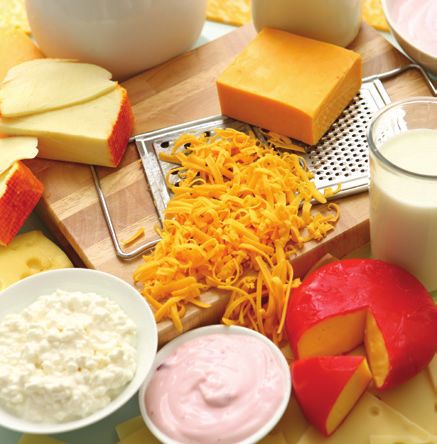
6 • WEIGHT-LOSS SUPPLEMENTS FACT SHEET FOR CONSUMERS

                                 Yohimbe                            Ephedra, an ingredient banned from
                                 Yohimbe is a West African tree.    dietary supplements?
                                 Yohimbe, which contains a
                                 compound called yohimbine,         Ephedra (also called má huáng) is a plant containing sub-
                                 is an ingredient found in some     stances that can stimulate your nervous system, increase the
                                 dietary supplements claiming       amount of energy you burn, increase weight loss, and suppress
                                 to increase weight loss, improve   your appetite. In the 1990s, ephedra was a popular ingredient
                                 libido, increase muscle mass, or   in dietary supplements sold for weight loss and to enhance
treat male sexual dysfunction.                                      athletic performance. In 2004, the U.S. Food and Drug
Does it work?                                                       Administration (FDA) banned ephedra in dietary supple-
Yohimbe doesn’t help you lose weight.                               ments, concluding that it isn’t safe. Ephedra can cause nausea,
                                                                    vomiting, anxiety, mood changes, high blood pressure,
Is it safe?
                                                                    abnormal heartbeat, stroke, seizures, heart attack, and death.
Yohimbe might not be safe (especially at yohimbine doses of
20 mg or higher). Use it only with guidance from your health-       How are weight-loss dietary supplements
care provider because the side effects can be severe. Yohimbe       regulated?
can cause headaches, high blood pressure, anxiety, agitation,       The FDA is the federal agency that oversees dietary
rapid heartbeat, heart attack, heart failure, and death.            supplements in the United States. Unlike over-the-counter
                                                                    and prescription drugs—which must be approved by the
                                                                    FDA before they can be sold—dietary supplements don’t
                                                                    require review or approval by the FDA before they are put
                                                                    on the market. Also, manufacturers don’t have to provide
                                                                    evidence to the FDA that their products are safe or effective
                                                                    before selling these products.
                                                                    When the FDA finds an unsafe dietary supplement, it can
                                                                    remove the supplement from the market or ask the supplement
                                                                    maker to recall it. The FDA and the Federal Trade Commission
                                                                    can also take enforcement action against companies that
                                                                    make false weight-loss claims about their supplements; add
                                                                    pharmaceutical drugs to their supplements; or claim that their
                                                                    supplements can diagnose, treat, cure, or prevent a disease.
                                                                    For more information about dietary supplement regulations,
                                                                    see the Office of Dietary Supplements publication, Dietary
                                                                    Supplements: What You Need to Know.

                                                                    Can weight-loss dietary supplements
                                                                    be harmful?
                                                                    Weight-loss supplements, like all dietary supplements, can
                                                                    have harmful side effects and might interact with prescription
                                                                    and over-the-counter medications. Many weight-loss
                                                                    supplements have ingredients that haven’t been tested in
                                                                    combination with one another, and their combined effects are
                                                                    unknown.
7 • WEIGHT-LOSS SUPPLEMENTS FACT SHEET FOR CONSUMERS

Tell your healthcare providers about any weight-loss                   Where can I find out more?
supplements or other supplements you take. This information
                                                                       For general information on weight-loss
will help them work with you to prevent supplement-drug
                                                                       dietary supplements:
interactions, harmful side effects, and other risks..
                                                                       • Office of Dietary Supplements Health Professional Fact
                                                                         Sheet on Weight-Loss Dietary Supplements
Fraudulent and adulterated products
                                                                       •W eighing the Claims in Diet Ads, Federal Trade Commission
Be very cautious when you see weight-loss supplements with
tempting claims, such as “magic diet pill,” “melt away fat,” and       For publications about weight control, obesity,
“lose weight without diet or exercise.” If the claim sounds too        physical activity, and nutrition:
good to be true, it probably is. These products might not help         • The Weight-control Information Network, National Institute
you lose weight—and they could be dangerous.                             of Diabetes and Digestive and Kidney Diseases, NIH
Weight-loss products marketed as dietary supplements are               • Weight Control, MedlinePlus, NIH
sometimes adulterated with prescription drugs or controlled
                                                                       For more advice on buying dietary supplements:
substances. These ingredients won’t be listed on the product
                                                                       • Office of Dietary Supplements Frequently Asked Questions:
label, and they could harm you. The FDA puts out public
                                                                       Which brand(s) of dietary supplements should I purchase?
notifications about tainted weight-loss products.
                                                                       For information about building a healthy diet:
Interactions with medications                                          •D
                                                                         ietary Guidelines for Americans
Like most dietary supplements, some weight-loss supplements            •M
                                                                         yPlate
can interact or interfere with other medicines or supplements
you take. If you take dietary supplements and medications on           Disclaimer
a regular basis, be sure to talk about this with your healthcare       This fact sheet by the Office of Dietary Supplements (ODS)
provider.                                                              provides information that should not take the place of medical
                                                                       advice. We encourage you to talk to your healthcare provid-
                                                                       ers (doctor, registered dietitian, pharmacist, etc.) about your
Choosing a Sensible Approach to Weight Loss
                                                                       interest in, questions about, or use of dietary supplements and
Weight-loss supplements can be expensive, and they might not
                                                                       what may be best for your overall health. Any mention in this
work. The best way to lose weight and keep it off is to follow
                                                                       publication of a specific product or service, or recommenda-
a healthy eating plan, reduce calories, and exercise regularly
                                                                       tion from an organization or professional society, does not
under the guidance of your healthcare provider.
                                                                       represent an endorsement by ODS of that product, service, or
As a bonus, lifestyle changes that help you lose weight might          expert advice.
also improve your mood and energy level and lower your risk
of heart disease, diabetes, and some types of cancer.

                                                For more information on this and other supplements, please visit our
                                                Web site at: http://ods.od.nih.gov or e-mail us at: ods@nih.gov
                                                Updated: February 1, 2019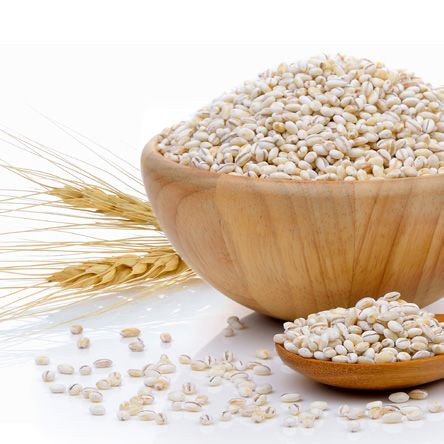

You can also read


