Digital Platforms in Manufacturing Industries - RESULT PAPER
←
→
Page content transcription
If your browser does not render page correctly, please read the page content below

RESULT PAPER

Digital Platforms in       In collaboration with

Manufacturing Industries

Imprint

Publisher
Federal Ministry for Economic Affairs and Energy (BMWi)
Public Relations
11019 Berlin
www.bmwi.de

Editorial responsibility
Plattform Industrie 4.0
Bülowstraße 78
10783 Berlin

Status
March 2021

This publication is available for download only.

Design
PRpetuum GmbH, 80801 Munich

Picture credits
Hello my names is james,I’m photographer. / iStock / (p. 35)
luzitanija / Adobe Stock / Title
onurdongel / iStock / p. 4
Penti-Stock / iStock / Title
Sitthiphong / iStock / p. 18
Thinkhubstudio / iStock / p. 6

Central ordering service for publications
of the Federal Government:
Email: publikationen@bundesregierung.de
Tel.: +49 30 182722721
Fax: +49 30 18102722721

This publication is issued by the Federal Ministry of Economic Affairs and
Energy as part of its public relations work. The publication is distributed
free of charge and is not intended for sale. It may not be used by political
parties or by election campaigners or election assistants during an
election campaign for the purpose of election advertising. This applies to
elections to the Bundestag, the Landtag and local elections as well as to
elections to European Parliament.

2

Table of content

1                           Executive Summary .  .  .  .  .  .  .  .  .  .  .  .  .  .  .  .  .  .  .  .  .  .  .  .  .  .  .  .  .  .  .  .  .  .  .  .  .  .  .  .  .  .  .  .  .  .  .  .  .  .  .  .  .  .  .  .  .  .  .  .  .  .  .  .  .  .  .  .  .  .  .  .  .  .  .  .  .  .  .  .  .  .  .  .  .  .  .  .  .  .  .  .  .  .  .  .  .  .  .  .  .  .  .  .  .  .  .  .  .  .  .  .  .  .  .  .  .  .  .  .  .  .  .  .  .  .  .  .  .  .  .  .  .  .  .  .  .  .  .  .  .  .  .  .  .  .  .  .  .  .  .  .  .  .  .  .  .  .  .  .  .  .  .  .  .  .  .  .  .  .  .  .  .  .  .  .  .  .  .  .  .  .  .  .  .  .  .  .  .  .  .  .  .  .  .  .  .  .  .  .  .  .  .  .  .  .  .  .  .  .  .  .  .  .  .  .  .  .  . 3

2                           Introduction .  .  .  .  .  .  .  .  .  .  .  .  .  .  .  .  .  .  .  .  .  .  .  .  .  .  .  .  .  .  .  .  .  .  .  .  .  .  .  .  .  .  .  .  .  .  .  .  .  .  .  .  .  .  .  .  .  .  .  .  .  .  .  .  .  .  .  .  .  .  .  .  .  .  .  .  .  .  .  .  .  .  .  .  .  .  .  .  .  .  .  .  .  .  .  .  .  .  .  .  .  .  .  .  .  .  .  .  .  .  .  .  .  .  .  .  .  .  .  .  .  .  .  .  .  .  .  .  .  .  .  .  .  .  .  .  .  .  .  .  .  .  .  .  .  .  .  .  .  .  .  .  .  .  .  .  .  .  .  .  .  .  .  .  .  .  .  .  .  .  .  .  .  .  .  .  .  .  .  .  .  .  .  .  .  .  .  .  .  .  .  .  .  .  .  .  .  .  .  .  .  .  .  .  .  .  .  .  .  .  .  .  .  .  .  .  .  .  .  .  .  .  .  .  .  .  .  .  .  .  .  .  .  .  .  .  . 4
                            2.1 Objectives . . . . . . . . . . . . . . . . . . . . . . . . . . . . . . . . . . . . . . . . . . . . . . . . . . . . . . . . . . . . . . . . . . . . . . . . . . . . . . . . . . . . . . . . . . . . . . . . . . . . . . . . . . . . . . . . . . . . . . . . . . . . . . . . . . . . . . . . . . . . . . . . . . . . . . . . . . . . . . . . . . . . . . . . . . . . . . . . . . . . . . . . . . . . . . . . . . . . . . . . . . . . . . . . . . . . . . . . . . . . . . . . . . . . . . . 4
                            2.2 Scope . . . . . . . . . . . . . . . . . . . . . . . . . . . . . . . . . . . . . . . . . . . . . . . . . . . . . . . . . . . . . . . . . . . . . . . . . . . . . . . . . . . . . . . . . . . . . . . . . . . . . . . . . . . . . . . . . . . . . . . . . . . . . . . . . . . . . . . . . . . . . . . . . . . . . . . . . . . . . . . . . . . . . . . . . . . . . . . . . . . . . . . . . . . . . . . . . . . . . . . . . . . . . . . . . . . . . . . . . . . . . . . . . . . . . . . . . . . . . . . . . . 4
                            2.3 Brief Introduction to Platforms . . . . . . . . . . . . . . . . . . . . . . . . . . . . . . . . . . . . . . . . . . . . . . . . . . . . . . . . . . . . . . . . . . . . . . . . . . . . . . . . . . . . . . . . . . . . . . . . . . . . . . . . . . . . . . . . . . . . . . . . . . . . . . . . . . . . . . . . . . . . . . . . . . . . . . . . . . . . . . . . . . . . . . . . . . . . . . . . . . . . 5
                            2.4 Overview of the Document . . . . . . . . . . . . . . . . . . . . . . . . . . . . . . . . . . . . . . . . . . . . . . . . . . . . . . . . . . . . . . . . . . . . . . . . . . . . . . . . . . . . . . . . . . . . . . . . . . . . . . . . . . . . . . . . . . . . . . . . . . . . . . . . . . . . . . . . . . . . . . . . . . . . . . . . . . . . . . . . . . . . . . . . . . . . . . . . . . . . . . . . . . . . . . 5

3                           Examples from Japan .  .  .  .  .  .  .  .  .  .  .  .  .  .  .  .  .  .  .  .  .  .  .  .  .  .  .  .  .  .  .  .  .  .  .  .  .  .  .  .  .  .  .  .  .  .  .  .  .  .  .  .  .  .  .  .  .  .  .  .  .  .  .  .  .  .  .  .  .  .  .  .  .  .  .  .  .  .  .  .  .  .  .  .  .  .  .  .  .  .  .  .  .  .  .  .  .  .  .  .  .  .  .  .  .  .  .  .  .  .  .  .  .  .  .  .  .  .  .  .  .  .  .  .  .  .  .  .  .  .  .  .  .  .  .  .  .  .  .  .  .  .  .  .  .  .  .  .  .  .  .  .  .  .  .  .  .  .  .  .  .  .  .  .  .  .  .  .  .  .  .  .  .  .  .  .  .  .  .  .  .  .  .  .  .  .  .  .  .  .  .  .  .  .  .  .  .  .  .  .  .  .  .  .  .  .  .  .  .  .  .  .  .  .  .  . 6
                            3.1 CADDI – Manufacturing platform for sheet metal bending . . . . . . . . . . . . . . . . . . . . . . . . . . . . . . . . . . . . . . . . . . . . . . . . . . . . . . . . . . . . . . . . . . . . . . . . . . . . . . . . . . . . . . . . . . . . . . . . . . . . . . . . . . . . . . . . . . 7
                            3.2 sitateru – An organizer of supply chain for apparel companies  . . . . . . . . . . . . . . . . . . . . . . . . . . . . . . . . . . . . . . . . . . . . . . . . . . . . . . . . . . . . . . . . . . . . . . . . . . . . . . . . . . . . . . . . . . . . . . . . . . . . . . . . . . 9
                            3.3 Landlog – An IIoT platform for monitoring and managing daily construction activities . . . . . . . . . . . . . . . . . . . . . . . . . . . . . . . . . . . . . . . . . . . . 11
                            3.4	FANUC FIELD system – An IIoT platform for monitoring usage data of robots and machine tools . . . . . . . . . . . . . . . . . . . 14

4                           Examples from Germany .  .  .  .  .  .  .  .  .  .  .  .  .  .  .  .  .  .  .  .  .  .  .  .  .  .  .  .  .  .  .  .  .  .  .  .  .  .  .  .  .  .  .  .  .  .  .  .  .  .  .  .  .  .  .  .  .  .  .  .  .  .  .  .  .  .  .  .  .  .  .  .  .  .  .  .  .  .  .  .  .  .  .  .  .  .  .  .  .  .  .  .  .  .  .  .  .  .  .  .  .  .  .  .  .  .  .  .  .  .  .  .  .  .  .  .  .  .  .  .  .  .  .  .  .  .  .  .  .  .  .  .  .  .  .  .  .  .  .  .  .  .  .  .  .  .  .  .  .  .  .  .  .  .  .  .  .  .  .  .  .  .  .  .  .  .  .  .  .  .  .  .  .  .  .  .  .  .  .  .  .  .  .  .  .  .  .  .  .  .  .  .  .  .  .  .  .  .  .  .  .  .  .  . 18
                            4.1 V-Industry – Brokerage of machine resources  . . . . . . . . . . . . . . . . . . . . . . . . . . . . . . . . . . . . . . . . . . . . . . . . . . . . . . . . . . . . . . . . . . . . . . . . . . . . . . . . . . . . . . . . . . . . . . . . . . . . . . . . . . . . . . . . . . . . . . . . . . . . . . . . . . . . . . . . . . . . . . . 19
                            4.2 Railigent – Application suite for intelligent asset management . . . . . . . . . . . . . . . . . . . . . . . . . . . . . . . . . . . . . . . . . . . . . . . . . . . . . . . . . . . . . . . . . . . . . . . . . . . . . . . . . . . . . . . . . . . . . . . . . . . . . . . 22
                            4.3 GrabCAD – Community-supported collaborative 3D-printing platform . . . . . . . . . . . . . . . . . . . . . . . . . . . . . . . . . . . . . . . . . . . . . . . . . . . . . . . . . . . . . . . . . . . . . . . . . . . . . . . . . 25
                            4.4 MIP – Manufacturing Integration Platform . . . . . . . . . . . . . . . . . . . . . . . . . . . . . . . . . . . . . . . . . . . . . . . . . . . . . . . . . . . . . . . . . . . . . . . . . . . . . . . . . . . . . . . . . . . . . . . . . . . . . . . . . . . . . . . . . . . . . . . . . . . . . . . . . . . . . . . . . . . . . . . . . . . . . 29

5                           Analysis of the Examples .  .  .  .  .  .  .  .  .  .  .  .  .  .  .  .  .  .  .  .  .  .  .  .  .  .  .  .  .  .  .  .  .  .  .  .  .  .  .  .  .  .  .  .  .  .  .  .  .  .  .  .  .  .  .  .  .  .  .  .  .  .  .  .  .  .  .  .  .  .  .  .  .  .  .  .  .  .  .  .  .  .  .  .  .  .  .  .  .  .  .  .  .  .  .  .  .  .  .  .  .  .  .  .  .  .  .  .  .  .  .  .  .  .  .  .  .  .  .  .  .  .  .  .  .  .  .  .  .  .  .  .  .  .  .  .  .  .  .  .  .  .  .  .  .  .  .  .  .  .  .  .  .  .  .  .  .  .  .  .  .  .  .  .  .  .  .  .  .  .  .  .  .  .  .  .  .  .  .  .  .  .  .  .  .  .  .  .  .  .  .  .  .  .  .  .  .  .  .  .  .  .  .  . 35
                            5.1 Pattern of B2B-platforms . . . . . . . . . . . . . . . . . . . . . . . . . . . . . . . . . . . . . . . . . . . . . . . . . . . . . . . . . . . . . . . . . . . . . . . . . . . . . . . . . . . . . . . . . . . . . . . . . . . . . . . . . . . . . . . . . . . . . . . . . . . . . . . . . . . . . . . . . . . . . . . . . . . . . . . . . . . . . . . . . . . . . . . . . . . . . . . . . . . . . . . . . . . . . . . . 36
                            5.2 Summary  . . . . . . . . . . . . . . . . . . . . . . . . . . . . . . . . . . . . . . . . . . . . . . . . . . . . . . . . . . . . . . . . . . . . . . . . . . . . . . . . . . . . . . . . . . . . . . . . . . . . . . . . . . . . . . . . . . . . . . . . . . . . . . . . . . . . . . . . . . . . . . . . . . . . . . . . . . . . . . . . . . . . . . . . . . . . . . . . . . . . . . . . . . . . . . . . . . . . . . . . . . . . . . . . . . . . . . . . . . . . . . . . . . . . . 39

6                           Outlook: Platform Business Model Mechanism .  .  .  .  .  .  .  .  .  .  .  .  .  .  .  .  .  .  .  .  .  .  .  .  .  .  .  .  .  .  .  .  .  .  .  .  .  .  .  .  .  .  .  .  .  .  .  .  .  .  .  .  .  .  .  .  .  .  .  .  .  .  .  .  .  .  .  .  .  .  .  .  .  .  .  .  .  .  .  .  .  .  .  .  .  .  .  .  .  .  .  .  .  .  .  .  .  .  .  .  .  .  .  .  .  .  .  .  .  .  .  .  .  .  .  .  .  .  .  .  .  .  .  .  .  .  .  .  .  .  .  .  .  .  .  .  .  .  .  .  .  .  .  .  .  .  .  .  . 41
                            6.1 Types of Network Effects  . . . . . . . . . . . . . . . . . . . . . . . . . . . . . . . . . . . . . . . . . . . . . . . . . . . . . . . . . . . . . . . . . . . . . . . . . . . . . . . . . . . . . . . . . . . . . . . . . . . . . . . . . . . . . . . . . . . . . . . . . . . . . . . . . . . . . . . . . . . . . . . . . . . . . . . . . . . . . . . . . . . . . . . . . . . . . . . . . . . . . . . . . . . . . . . . 41
                            6.2 Dynamics of Network Effects . . . . . . . . . . . . . . . . . . . . . . . . . . . . . . . . . . . . . . . . . . . . . . . . . . . . . . . . . . . . . . . . . . . . . . . . . . . . . . . . . . . . . . . . . . . . . . . . . . . . . . . . . . . . . . . . . . . . . . . . . . . . . . . . . . . . . . . . . . . . . . . . . . . . . . . . . . . . . . . . . . . . . . . . . . . . . . . . . . . . . . 43

7                           Bibliography  .  .  .  .  .  .  .  .  .  .  .  .  .  .  .  .  .  .  .  .  .  .  .  .  .  .  .  .  .  .  .  .  .  .  .  .  .  .  .  .  .  .  .  .  .  .  .  .  .  .  .  .  .  .  .  .  .  .  .  .  .  .  .  .  .  .  .  .  .  .  .  .  .  .  .  .  .  .  .  .  .  .  .  .  .  .  .  .  .  .  .  .  .  .  .  .  .  .  .  .  .  .  .  .  .  .  .  .  .  .  .  .  .  .  .  .  .  .  .  .  .  .  .  .  .  .  .  .  .  .  .  .  .  .  .  .  .  .  .  .  .  .  .  .  .  .  .  .  .  .  .  .  .  .  .  .  .  .  .  .  .  .  .  .  .  .  .  .  .  .  .  .  .  .  .  .  .  .  .  .  .  .  .  .  .  .  .  .  .  .  .  .  .  .  .  .  .  .  .  .  .  .  .  .  .  .  .  .  .  .  .  .  .  .  .  .  .  .  .  .  .  .  .  .  .  .  .  .  .  .  .  .  .  . 44

Authors and Contributors  .  .  .  .  .  .  .  .  .  .  .  .  .  .  .  .  .  .  .  .  .  .  .  .  .  .  .  .  .  .  .  .  .  .  .  .  .  .  .  .  .  .  .  .  .  .  .  .  .  .  .  .  .  .  .  .  .  .  .  .  .  .  .  .  .  .  .  .  .  .  .  .  .  .  .  .  .  .  .  .  .  .  .  .  .  .  .  .  .  .  .  .  .  .  .  .  .  .  .  .  .  .  .  .  .  .  .  .  .  .  .  .  .  .  .  .  .  .  .  .  .  .  .  .  .  .  .  .  .  .  .  .  .  .  .  .  .  .  .  .  .  .  .  .  .  .  .  .  .  .  .  .  .  .  .  .  .  .  .  .  .  .  .  .  .  .  .  .  .  .  .  .  .  .  .  .  .  .  .  .  .  .  .  .  .  .  .  .  .  .  .  .  .  .  .  .  .  .  .  .  .  .  .  .  .  .  .  .  .  .  .  .  . 45
3

1 Executive Summary

Currently, there are 7 platform companies among the          Nevertheless, efforts by new platform companies can
10 companies with the largest market capitalization. The     increasingly be observed in the manufacturing industry.
business of these companies is based on the operation        These aspects are discussed by Japanese and German
of a digital platform orchestrating a digital ecosystem to   experts. They analyzed concrete examples, scenarios and
increase their usage and thus also of the platform opera-    use cases from Japan and Germany, which are observable in
tor. The result is a “the winner takes it all” phenomenon.   the market, in order to reach a common understanding of
The underlying self-reinforcing network effects have been    the specific mechanisms and impact and to provide guid-
examined and discussed in many ways, for example in the      ance in these complex discussions especially to enterprises,
book “Platform Revolution” by G. Parker, M. Van Alstyne      politics and research.
and S. Choudary.

The large platform companies mentioned have so far
addressed Business-to-Consumer (B2C) markets, but the
ideas and concepts have already been used in various
ways in Business-to-Business (B2B) markets, too, even if
the “winner takes it all” phenomenon has not yet been
observed there. Especially in manufacturing industries
self-reinforcing network effects are more difficult to
achieve with platforms – or take more time to be achieved
with impact on both pace and cost of growth.

4

2 Introduction

2.1 Objectives                                                   observed in the market. Japan and Germany both benefit
                                                                 from such a joint discussion because they have a similar
The Robot Revolution & Industrial IoT Initiative in Japan        understanding of the importance of digitization for the
and the Plattform Industrie 4.0 in Germany have agreed           future of the manufacturing industry.
to work together in the field of “digital business models”.
The overall objective of this cooperation is to illustrate the   Addressed stakeholder of this cooperation is primarily
economic importance of digitization for the manufacturing        the manufacturing industry, to provide guidance in the
industry, driven by the analysis of selected examples, sce-      complex discussions, but also politics and research will be
narios and use cases.                                            addressed.

There are many theses and ideas from a technical perspec-
tive (e.g. security, communication, artificial intelligence,     2.2 Scope
etc.), there are many claims from an economic perspective
(e.g. platform economy, new intermediaries, etc.) and often      The focus of the discussion will be on so called “platforms”.
facts in Business-to-Consumer (B2C) are directly trans-
ferred to Business-to-Business (B2B), but the discussions        Currently, there are seven platform companies among
typically stay on an abstract level and generally do not         the ten companies with the largest market capitalization
reach the business level in the manufacturing industry.          worldwide. The business of these companies is based on
                                                                 the operation of a digital platform via which an ecosystem
Therefore, the results of this cooperation will be based on      is orchestrated to enable strong growth of the ecosystem
concrete examples, scenarios and use cases that can be           and thus also of the platform operator. The result is a “the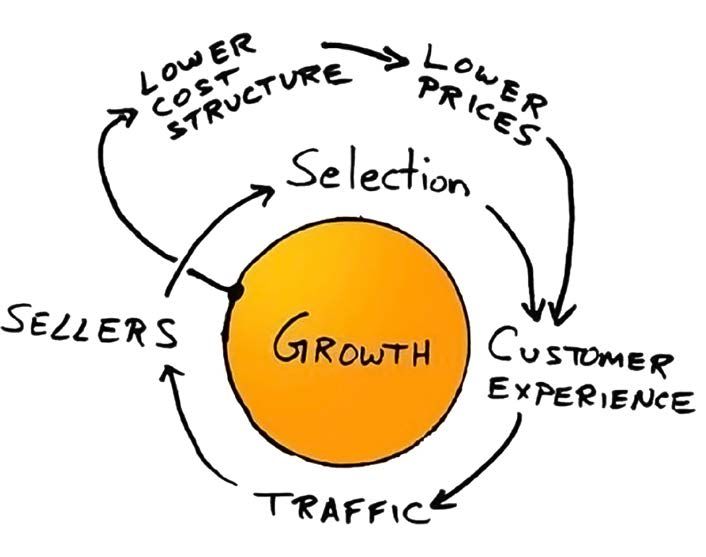
2 INTRODUCTION                 5

winner takes it all” phenomenon. The underlying self-rein-      • Business perspective: Here, platforms are understood as
forcing network effects have been examined and discussed           intermediaries that connect two or more market partici-
in many ways, see for example [1].                                 pants with the help of a technology and enable business
                                                                   interactions. Examples of digital platforms in this sense
The large platform companies mentioned have so far                 are eBay or AirBnB, an example of a non-digital platform
addressed B2C markets, but the ideas and concepts have             is a classic marketplace. In this context platforms are
already been used in various ways in B2B markets, too,             often described in the form of a value network.
even if the “winner takes it all” phenomenon has not yet
been observed there. Especially in manufacturing indus-         Both perspectives are justified, but it is not very effective to
tries self-reinforcing network effects are more difficult to    always change and mix between these two perspectives in
achieve with platforms – or take more time to be achieved       the discussion. In addition, the discussion should differenti-
with impact on both pace and cost of growth. Nevertheless,      ate between digital and non-digital platforms.
efforts by new platform companies can increasingly be
observed in the manufacturing industry.                         The focus of the cooperation between Japan and Germany
                                                                is on the business perspective of digital platforms. The dis-
                                                                cussion of the business perspective of digital platforms is of
2.3 Brief Introduction to Platforms                             interest to companies because it promises great potential
                                                                for growth and scaling.
The term “platform” is used in many ways and is also dis-
cussed in the individual communities with different objec-
tives. Basically, a distinction should be made between a        2.4 Overview of the Document
technical and a business perspective (see Figure 1).
                                                                Based on these considerations, a total of eight examples of
• Technical perspective: Here, a platform comprises             platforms that can be observed in the market were document-
   technological concepts that support companies in the         ed by Japanese and German experts, see chapter 2 and chap-
   development of modular products, services, or tech-          ter 3. The description is based on an extension of the tried and
   nologies. An example of a digital platform in this sense     tested methodology developed by the “Digital Business Mod-
   is Linux or an example of a non-digital platform is a        els” working group of the Plattform Industrie 4.0, see [2].
   kit of mechatronic components for the development
   and production of automobiles. In this context digital       Chapter 4 summarizes the results of the analysis of the
   platforms are often described in the form of a layered       experts from Japan and Germany and chapter 5 describes
   architecture.                                                an outlook on further work.

  Figure 1: Different perspectives on platforms

      technical perspective                                     business perspective

                                     design &
                                    engineering

       artifacts                                  application                           intermediary

            other artifacts
            artifacts of platform                                     value chain

  Source: Plattform Industrie 4.0
6 3 Examples from Japan
3 E X A M P L E S F R O M J A PA N   7

  3.1 CADDI – Manufacturing platform for                                          ing delivery, quality, and customer satisfaction. The regis-
      sheet metal bending                                                          tration and use of CADDI is free of charge for the manufac-
                                                                                   turing partners.
This example is based on the information published at
https://caddi.jp/.                                                                 There is no auction mechanism on CADDI, but CADDI
                                                                                   arranges the orders, where the manufacturing partner can
CADDI is a manufacturing platform offering an online                               accept or reject an order. After the delivery of the com-
shop for the procurement of bended sheet metal compo-                              ponents, the manufacturing partner issues an invoice to
nents. An interested party provides a CAD design data for                          CADDI, which is then paid by CADDI. CADDI takes the risk
the bended sheet metal component to be produced and                                of a payment default.
requests a quote. Based on it, CADDI produces a quote in
an extremely short time, so that the component can be
ordered immediately at a desired delivery date. CADDI                              3.1.1 Value Network
determines the price and delivery date based on its system
for monitoring the states of its suppliers’ production lines,                      See Figure 2: Value network of CADDI
which are provided by them.

The requested components can be ordered through the                                3.1.2 Value Proposition
online shop with a few mouse clicks. CAADI guarantees the
fastest way to procure the bended sheet metal parts at fair                        Because pricing is done by an automated algorithm, the
prices, in high quality and on time delivery.                                      operator of the platform is able to respond almost immedi-
                                                                                   ately to a request for quote from potential buyers of a com-
CADDI’s suppliers are manufacturing service providers                              ponent. CADDI claims that the market prices are quoted.
with different specialization in terms of part size, quantity,                     During the onboarding of a manufacturing service provider,
materials, and area of application. Each company is audited                        the operator of the platform clarifies that the production
before being included in the supplier network. In addition,                        processes and production capabilities of a manufacturing
CADDI monitors the quality of the executed orders regard-                          service provider should be prepared for potential inquiries

  Figure 2: Value network of CADDI

                                                                                                                       buyers of
                                                      CADDI                                                           metal sheet
                                               (operator online shop)      01 request a quote with 3D CAD             components
                                                                   02 quotation is done by algorithm within 2 hours
                                                                                   03 purchase order
                                                                             04 order acknowledgement
                                                                                08 deliver component

                                                                                              06 forwards order without any sales effort
                                price information                                               05 order confirmation with clarification
                                 operation status                                               of production process and capability
                           quality and experience                                                  07 delivers component

                                                    provider A of  provider B of provider C of
                                                    manufacturing manufacturing manufacturing
                                                      services       services      services
            physical value stream
           service value stream

  Source: Plattform Industrie 4.0
8 3 E X A M P L E S F R O M J A PA N
so that brokered contracts for the manufacturing service The fixed asset for processing at providers is managed by
provider are economical. The buyer requests a component themselves.
needed using the online shop. He benefits from the fast
offering of the online shop and – in the case of an order – a If CADDI obtains a better margin by the selection of pro-
takeover of the complete transaction through the platform. viders, it will stay with CADDI.
The provider of manufacturing services receives orders via
the platform and thereby benefits from additional orders 3.1.5 Business Model Innovation
without any sales effort.
The business model changes of the companies considered
in this example can be summarized as follows (see Figure 3).
3.1.3 Revenue Mechanism
The operator of the platform is a new player with a new
The operator of the platform is paid for the production and business model in the value network of manufacturing
delivery of the produced component. He does not receive industries.
any fees for brokering or providing an offer. The strategy of
enhancing over the critical mass is necessary. The business model of a buyer of a sheet metal component
is not innovated: The buyer assembles the same compo-
The buyer of a component pays to the operator of the nents with the same value proposition to the same custom-
platform for production and delivery of the component. ers and applies the same revenue mechanism. However,
the buyer can source the components faster and more
The provider of manufacturing services is paid by the oper- efficiently than before, which is a major benefit especially
ator of the platform for production of the component. when sourcing individual parts in small batches. The buyer
is enabled to speed up prototyping and development as
well as providing customer specific products/solutions.
3.1.4 Business Model Contract Because of the use of this manufacturing platform, the
value chain of the sheet metal component buyer changes
The operator of the platform takes over the full technical structurally.
and business risk regarding compliance to the require-
ments of potential buyers of a component. When the pro- The business model of the provider of bending service is
vider is different from the original candidate in the offer innovated: The company provides the same value proposi-
because of any reason on the candidate, the cost difference tion and does not change the revenue mechanism, but the
for CADDI is covered by CADDI. company has the operator of the platform as an additional
Figure 3: Business model innovations of CADDI
What What What
Value Value Value
proposition proposition proposition
Who Who Who
Revenue Value Revenue Value Revenue Value
mechanism chain mechanism chain mechanism chain
Value How Value How Value How
Operator Buyer Provider
online shop of a component of manufacturing services
No significant change Significant change
Source: Plattform Industrie 4.03 E X A M P L E S F R O M J A PA N 9
customer channel and changes the value network because apparel pattern maker who provides a specification for
of the connection to the platform. their desired products. A staff of sitateru produces a quote
based on the provided specifications so that the apparel
product can be ordered immediately at an agreeable deliv-
3.1.6 Information Sharing and Value of Information ery date. sitateru designs the whole production processes
by arranging the various types of suppliers to make the
The production status of providers is monitored by CADDI. apparel product. They provide price quotes and delivery
The production know-how of providers will be gathered dates based on their in-house system for monitoring the
to CADDI, because CADDI takes all the responsibility of status of suppliers’ production lines.
quality.
Apparel products can be ordered through their online shop
with a few mouse clicks and several online discussions.
3.2 sitateru – An organizer of supply chain sitateru guarantees the optimal way to procure assembled
for apparel companies apparel products at fair prices, in high quality and on-time
delivery.
This example is based on the information published at
https://sitateru.com/. sitateru cooperates with manufacturing service suppliers
with different specialization such as material procurement,
sitateru is an organizer of supply chains for apparel com- cutting, sewing, ironing, and so on. Each company is audited
panies. An interested party provides CAD design data or before being included in the sitateru supplier network.
specification of apparel products to be made and requests a Also, sitateru monitors the quality of the executed orders
quote. When the party is not capable to provide such spec- related to each special area. The registration and use of
ifications, they can request sitateru to arrange a third-party sitateru is free of charge for partnered suppliers.
Figure 4: Value network of sitateru
apparel companies designing
and selling clothing
01 drawing data upload
04 purchase order
02 design proposal & quotation
09 product
sitateru
(platform operator)
03 make a plan of production
possible processes & items
05 inquiry of purchase order
sewing level 07 purchase order
price information
06 order acceptance
operation status
employee number 08 product
quality and experience
material procurement/cutting/
sewing/ironing factories
physical value stream services value stream
Source: Plattform Industrie 4.010 3 E X A M P L E S F R O M J A PA N
There is no auction mechanism on sitateru, but sitateru duced apparel products. The strategy of enhancing the
arranges the orders, where the manufacturing supplier can critical mass is necessary.
accept or reject an order. After the delivery of the apparel
products, the manufacturing supplier issues an invoice to Each supplier of manufacturing service is paid by the plat-
sitateru, which is then paid by sitateru. sitateru takes the form owner for the delivery of its part in the manufacture
responsibility of payment. of the apparel product.
3.2.1 Value Network 3.2.4 Business Model Contract
See Figure 4: Value network of sitateru The operator of the platform takes over the full technical
and business risk regarding compliance to the require-
ments of potential buyers of apparel products. In case of
3.2.2 Value Proposition payment from apparel companies is not done as expected,
sitateru takes the responsibility to pay to its providers.
The apparel companies that do only design and marketing/
sales, can delegate the entire manufacturing process to
the one-stop online shop. They can benefit from the ease 3.2.5 Business Model Innovation
and speed of all the processes being arranged through the
online shop and in case of an order, the platform can take The business model changes of the companies considered
over the complete transaction. in this example can be summarized as follows (see Figure 5).
The suppliers of manufacturing service receive orders via The platform owner is a new player with a new business
the platform and thereby benefit from additional orders model in the value network of apparel industries.
without any sales effort.
The business model of apparel companies is not innovated:
The apparel companies sell the same clothes and so on
3.2.3 Revenue Mechanism with the same value proposition to the same customers
and apply the same revenue mechanism. However, the
The platform owner is paid for the process arrangement, apparel companies can outsource the processes faster and
the production management, and the delivery of the pro- more efficiently, which is a major benefit, especially when
Figure 5: Business model innovations of sitateru
What What What
Value Value Value
proposition proposition proposition
Who Who Who
Revenue Value Revenue Value Revenue Value
mechanism chain mechanism chain mechanism chain
Value How Value How Value How
sitateru Apparel Material procurement/
(platform operator) companies cutting/sewing/ironing factories
No significant change Significant change
Source: Plattform Industrie 4.03 E X A M P L E S F R O M J A PA N 11
sourcing individual process in small batches. The apparel 3.3 Landlog – An IIoT platform for
companies are enabled to speed up prototyping and devel- monitoring and managing daily
opment as well as providing customer-specific products/ construction activities
solutions. Because of the use of this platform, the value
chain of the apparel companies changes structurally. This example is based on information published at
https://www.landlog.info/.
The business model of the provider of processes is inno-
vated: The company provides the same value proposition Landlog is an open innovation platform where about 60
and does not change the revenue mechanism, but the partners are collaborating to develop and sell jointly new
company has the operator of the platform as an additional solutions together for construction. Right now, 10 solutions
customer and changes the value network because of the and several devices to make the job visible are available
connection to the platform. for construction business. Landlog is, at the same time, a
construction platform offering supporting software appli-
cations to enable efficient construction jobs. An interested
3.2.6 Information Sharing and Value of Information construction company can get an appropriate software on
the platform with low cost.
The information who can do what is gathered in the plat-
form from the process providers. These data are used for Some construction machineries can measure the mass
selecting suppliers in the supply chain. The production of sediment that has been lifted, but using this function,
know-how of suppliers will be gathered to sitateru, because it is possible to measure the total amount of sediment
sitateru takes all the responsibility of quality. The produc- movement. In addition, it is possible to know whether the
tion status of providers is also monitored by sitateru. soil was piled up on site or discharged to the outside. On
the other hand, the details of the movement of earth and
sand carried out to the outside can be clarified from the
load capacity of the truck, the moving place and the car-
rying out. Measurements with a drone will also show the
Figure 6: Value network of Landlog
owner
truck & constr.
mach. mgmnt.
truck & constr. services
mgmnt. services Landlog
provider (platform construction report
ERP
operator)
ERP services
ERP services
progress report services construction
services company
provider platform truck & constr. mach.
services mgmnt. services
construction
3D view 3D view truck services machinery services
services data
usage information
3D view drone truck truck constr. construction
services operator services operator mach. machinery
provider supplier operator services
supplier
physical value stream services value stream
Source: Plattform Industrie 4.012 3 E X A M P L E S F R O M J A PA N
Figure 7: Revenue mechanisms of Landlog
owner
for truck & constr.
mach. mgmnt.
truck & constr. services
mach. mgmnt. Landlog
for
services provider (platform
construction
for ERP
operator)
for ERP services
ERP services
for progress report services construction
services company
provider for for truck & constr. mach.
platform mgmnt. services
services for truck for construction
for 3D view services machinery services
services
3D view drone truck truck constr. construction
services operator services operator mach. machinery
provider supplier operator services
supplier
revenue stream
Source: Plattform Industrie 4.0
final topography of the resulting molded location. Truck information for the construction company to make effi-
management seems to be able to manage the number of cient work instructions and maintenance management.
vehicles on the road, optimize travel time, etc. in addition
to the load capacity. An ERP application is also planned to The construction company uses the third-party truck and
be provided, and materials, vendor procurement, cost man- construction machinery service for the physical construc-
agement, delivery date management, etc. can be performed tion job. The platform operator provides an application
efficiently. It seems that Landlog aims to be a platform spe- software to connect to the platform.
cialized in civil engineering and construction and intends
to accumulate data that can improve the accuracy and The platform operator will provide an ERP service, which
ability of each application. is provided by an ERP service provider, to the construction
company.
3.3.1 Value Network • Truck and construction machinery management service
application manages the location, loading weight, move-
See Figure 6: Value network of Landlog. ment, and waiting time of trucks. It also monitors the
operation and condition data, such as vibration and fuel
level, of construction machineries.
3.3.2 Value Proposition
• 3D view service makes the 3D drawings to see the
The platform operator can help a construction company to current land shape from the view data of drones.
run its civil engineering operations efficiently using con-
struction machinery services, truck services, and 3D view
services. Truck and construction machinery management 3.3.3 Revenue Mechanism
service application constantly monitors the usage informa-
tion of trucks and construction machineries and provides See Figure 7: Revenue mechanisms of Landlog.3 E X A M P L E S F R O M J A PA N 13
The construction company pays for progress report ser- 3.3.5 Business Model Innovation
vices, and truck and construction machinery management
services and ERP for future. Since Landlog claims that The business model changes of the companies considered
it is a platform for civil engineering and construction, it in this example can be summarized as follows (see Figure 8).
will charge a usage fee for know-how such as data accu-
mulation. Civil engineering and construction companies • Landlog (platform operator): The platform operator offer
are expected to pay for truck services and construction a infrastructure where construction companies receive
machinery services for their measured result instead of new service to improve its productivity and reputation.
working period, which reduce construction costs, and It also provide connectivity to truck service suppliers
receive orders for more construction because of their and construction machinery suppliers for their main
grown reputation of the business. tenance opportunity.
• Construction company: It is able to minimize cost and
3.3.4 Business Model Contract shorten leadtime by converting some of the tasks that
were previously performed visually on site into efficient
Since the difference between the estimate and the actual operations using applications provided by truck and
result can be analyzed reasonably, it can be expected that contruction machinery management service provider,
the length of construction period and cost will be reduced. 3D view service provider, and ERP service provider.
With the help of visualization, it helps the owners and con-
struction companies to track the bottlenecks and optimize • 3D view service provider: The 3D view service provider
their labor and machinery. provides 3D drawings of the land that is daily changed
by construction machineries.
Figure 8: Business model innovations of Landlog
What What What
Value Value Value
proposition proposition proposition
Who Who Who
Revenue Value Revenue Value Revenue Value
mechanism chain mechanism chain mechanism chain
Value How Value How Value How
Landlog Construction 3D view
(platform operator) company services provider
What What What
Value Value Value
proposition proposition proposition
Who Who Who
Revenue Value Revenue Value Revenue Value
mechanism chain mechanism chain mechanism chain
Value How Value How Value How
Truck & const. mach. ERP services Truck services supplier,
mgmnt services supplier provider constr. mach. services supplier
No significant change Significant change Possibly significant change
Source: Plattform Industrie 4.014 3 E X A M P L E S F R O M J A PA N
• Truck and construction machinery management service: 3.4 FANUC FIELD system – An IIoT platform
This service provide usage information of trucks and for monitoring usage data of robots and
constrution machineries for the construction company machine tools
to make en effective sediment movement.
This example is based on the information published at
• ERP service provider: The ERP service provider will https://www.fanuc.co.jp/en/product/field/index.html.
help the construction comapany for achiving effective
resource management. FANUC FIELD system is a platform offering software appli-
cations to monitor usage status of production asset such
• Truck service supplier and construction machinery sup- as robots and machine tools. An interested manufacturing
plier: These suppliers provide their service to the con- company can select an appropriate software on the plat-
struction company and get information for maintenance form to see the running status of machines and get infor-
from the management service providers. mation related for maintenance. For this purpose, FANUC
Intelligent Edge Link & Drive system (FANUC FIELD sys-
tem) connects all production devices at the manufacturing
3.3.6 Information Sharing and Value of Information site to consolidate information for better productivity and
nonstop production in the factory.
The operation performance of construction machines and
trucks is measured automatically. It helps manufactures From a technical perspective FANUC FIELD system is
of construction machines and trucks to improve their structured according to the following technical layers:
products.
• Machine layer: This layer addresses the machines to be
Since the progress is reported daily to the owner, the qual- connected to an edge layer.
ity and reliability of the construction company’s work can
be evaluated real-time. Thus, the construction companies • Connectivity layer: This layer provides the ability to con-
that do not perform the promised work can be excluded. nect not only the latest FANUC products, but also exist-
Appropriate reports to the owner even in regions with dif- ing machinery in the factory. General communication
ferent commercial customs around the world can respond standards, OPC UA and MTConnect are supported.
to changes in the quality of the contractor.
• Edge layer: This layer comprises interconnected FIELD
Landlog has improved its security system with own WAF in system box units according to the number of connected
addition to the firewall service on the cloud. Additionally, it machines. The applications offered by the management
can protect against the illegal login on the application layer layer can be deployed on the FIELD system box units.
by OAuth2 and 2-step verification.
• Application layer: In this layer not only FANUC applica-
tions like “PMA (Production Monitoring & Analysis)” or
“ZDT (Zero Down Time)” can be used, but also applica-
tions of a manufacturing company or applications from
3rd parties.
• Management layer: A FIELD system manager, located in
FANUC, manages whether the FIELD system box units
in the factories are operating normally. Applications
can be purchased in an online FIELD system store and
downloaded into the FIELD system box units. The FIELD
system is configured with a multilayer defense system
that employs multiple security technologies on all layers.3 E X A M P L E S F R O M J A PA N 15
3.4.1 Value Network 3.4.2 Value Proposition
See Figure 9: Value network of FANUC FIELD system. FANUC offers the following value propositions:
FANUC as platform provider provides applications – for • FANUC provides FIELD system box units to be installed
example “PMA (Production Monitoring & Analysis)” or at customer’s site. This can be hardware devices supplied
“ZDT (Zero Down Time)” –, computing devices (FIELD sys- by FANUC or Cisco.
tem box units), monitoring services and support.
• FANUC provides connectivity capabilities for machines.
Applications can also be supplied by 3rd party app devel- The ability to connect machines is not only restricted to
oper. the latest FANUC products, but also existing machinery
in the factory.
FIELD system box units will be installed onsite at the
machine user. The FIELD system box units can be supplied • FANUC operates a FIELD system store, where – after a
by FANUC (small scale systems) or Cisco (large scale sys- review process conducted by FANUC – applications are
tems). The installation and integration of the FIELD system made available. Afterwards applications can be down-
box units is executed by some system integrator; the role of loaded and installed from there on the FIELD system
the system integrator can be assumed by the machine user. box units.
The provided applications from FANUC or 3rd party app
developer will be deployed on the FIELD system box units. • FANUC operates a FIELD system manager, located in
FANUC, which monitors whether the FIELD system box
The service provider can be assumed by FANUC, an app units in the factories are operating normally. However,
developer, the machine user, or a 3rd party service provider. this function must be enabled by the machine user if
required.
• FANUC operates a support call center.
Figure 9: Value network of FANUC FIELD system
service machine
provider user
provides provides system
services integration services
provides monitoring provides
services computing device
provides app
computing
device
provides app supplier
provides connectivity
provides capabilities and support
app support to FANUC system
developer develop apps integrator
(platform
provider)
physical value stream
service value stream
Source: Plattform Industrie 4.016 3 E X A M P L E S F R O M J A PA N
An app developer provides an application via the FIELD FANUC as platform provider retains a commissioning fee
system store. if an application of a 3rd party app developer is purchased
from the FIELD system store.
A service provider offers services to a machine user based
on usage information collected locally in a FIELD system
box, typically combined with the usage of applications 3.4.4 Business Model Contract
provided via the FIELD system store. These services help a
machine user to run its machines more efficiently. FANUC assumes responsibility for technical properties of
the FIELD system box units provided, such as security or
Cisco provides as a business partner of FANUC FIELD sys- monitoring of system properties.
tem box units for large scale systems.
The responsibility for increasing the productivity of a
A system integrator provides integration services to install machine user must be regulated in a contract between the
the FIELD system box units onsite including the connec- machine user and the service provider.
tion of the machines and the necessary integration services.
3.4.5 Business Model Innovation
3.4.3 Revenue Mechanism
The business model changes of the companies considered
See Figure 10: Revenue mechanisms of FANUC FIELD in this example can be summarized as follows: see Figure
system. 11: Business model innovations of FANUC FIELD system
The machine user pays for the computing device, inte- • FANUC as platform provider has a significantly new
gration services and the services (provided by a 3rd party business model. Especially FANUC has new customers
service provider or by an app provided by an app developer in form of app developer and new revenue streams from
or FANUC). the provision of apps.
Figure 10: Revenue mechanisms of FANUC FIELD system
service machine
provider user
for services for integration services
for computing
device
for app
computing
device
supplier
for app usage
app FANUC system
developer (platforms integrator
provider)
revenue stream
Source: Plattform Industrie 4.03 E X A M P L E S F R O M J A PA N 17
Figure 11: Business model innovations of FANUC FIELD system
What What What
Value Value Value
proposition proposition proposition
Who Who Who
Revenue Value Revenue Value Revenue Value
mechanism chain mechanism chain mechanism chain
Value How Value How Value How
FANUC Cisco (computing Service provider
(platform provider) device supplier)
What What What
Value Value Value
proposition proposition proposition
Who Who Who
Revenue Value Revenue Value Revenue Value
mechanism chain mechanism chain mechanism chain
Value How Value How Value How
App developer Machine user System integrator
No significant change Significant change
Source: Plattform Industrie 4.0
• Cisco as computing device supplier has a partnership 3.4.6 Information Sharing and Value of Information
with FANUC, therefore the value chain changes signifi-
cantly. The FIELD system is configured with a multilayer defense
system that employs multiple security technologies on all
• The business model of a 3rd party service provider and layers. Especially FANUC as platform operator needs to
machine user does not change significantly. Their value log in the FIELD system box units installed locally at the
chain changes due to the involvement of FANUC as plat- machine user using an ID and password, for example to
form operator. monitor whether the FIELD system box units in the facto-
ries are operating normally. The log in must be enabled by
• The app developer uses the FANUC platform as addi- the machine user.
tional sales channel.
The operation performance of machines is measured
• The business model of the system integrator does not automatically. It helps a machine user to improve its pro-
change. ductivity and uptime by the help of an service provider.
Usage information is provided to the service provider for
the service purpose, too, but the machine user will define –
typically based on a legal contract – for which purpose the
service provider may use this information. FANUC as plat-
form operator has no right to use this usage information.18 4 Examples from Germany
4 EXAMPLES FROM GERMANY         19

  4.1 V-Industry – Brokerage of machine                                                 utilization to identify free production resources. On the
      resources                                                                          one hand, the results are used for an optimized matching
                                                                                         with request for manufacturing capacity on the brokerage
The example is based on published information at                                         platform. On the other hand, the results are provided to the
https://v-industry.com/.                                                                 manufacturing company via web-based dashboards. Based
                                                                                         on these utilization data further data-based services will be
For companies to be able to place production orders with                                 offered in the future.
manufacturing companies at short term and in small
quantities, a high administrative effort was previously nec-                             A requester can upload a 3D model of a required product
essary. The search for suitable manufacturing companies,                                 on the platform and specify the manufacturing process and
the request for quotations, price negotiations, contract                                 further requirements. V-Industry uses a matching algo-
design and the transmission of order data requires a lot of                              rithm to select potential providers that currently have the
time and personnel effort. V-Industry operates a platform                                required manufacturing capacities and capabilities. These
that mediates orders between requesters with demand for                                  selected companies will then receive the order information
manufactured goods and providers with available produc-                                  (including the contact details of the requester) and will be
tion capacities. The current focus is primarily on providers                             invited by V-Industry to submit an offer. The requester can
with metalworking machines (lathes, milling or cutting                                   now choose between several offers and will place the order
machines).                                                                               via the platform. Compared to other brokerage platforms,
                                                                                         the requester always knows who will manufacture his
In order to determine the current capacity utilization of                                order.
these machines, V-Industry offers the integration of a hard-
ware component to machines that performs a pre-evalu-
ation of operating data of the machines and enables the                                  4.1.1 Value Network
transfer of operating data for internal analysis by V Indus-
try. V-Industry uses data analysis to determine the machine                              See Figure 12: Value network of V-Industry.

  Figure 12: Value network of V-Industry

                                                                               delivers product

                                                                                V-Industry
                                                                                                   provides connectivity services

                                                                                                     provides connectivity box
                                                                                   system
                                                                                 integrator
                                                        submit order                                     forwards order
                                                       forwards offer                                     provides offer
                                                                                                        provides suitable
                                                makes a request for services                              order requests
                                    requester    and transmits order data        brokerage                                          provider
                                                                                  platform        provides identified
                                                                                                  free machine
                                                                                  operator        capacities
                                                                                                       provides evaluation of
                                                                                                         machine utilization
                                                                provides
                                                             infrastructure                            provides machine data
                                              computing         as basis         data-driven
                                                                                   service
                                            infrastructure
                                               provider

          physical value stream                 data/services value stream

  Source: Plattform Industrie 4.0
20 4 EXAMPLES FROM GERMANY
4.1.2 Value Proposition his ordering system. This enables the requester to place
also short-term even small order quantities with many
The platform operator (V-Industry) offers the following different providers with low administrative effort.
value proposition to the business partners involved in the
value network: • Provider: The provider benefits from the platform by
receiving an evaluation of his machine operating data
• The platform operator provides an infrastructure that and thus a feedback on the utilization of his machines.
simplifies interactions between two independent par- In addition, the provider is given the opportunity to be
ties regarding a service request and a service offering. assigned order requests in case of free production capac-
Through its brokerage service, it offers support and sim- ities and thus to receive additional orders.
plifies processes in the search, awarding and billing of
production orders. Additionally, the platform operator • Infrastructure provider: The infrastructure provider ena-
offers the connectivity of production machines and the bles the platform operator to offer his platform services
transmission of their usage data as basis for the provi- based on a corresponding IT infrastructure.
sion of evaluations of machine usage.
The business partners benefit from the offer of the plat- 4.1.3 Revenue Mechanism
form operator as follows:
See Figure 13: Revenue mechanisms of V-Industry.
• Requester: The requester saves time and personnel
effort for many requests to many companies. In addi- • Platform operator (V-Industry): The platform operator
tion, through a single access point, they receive several receives its income through a commission in the event
offers for the required product, between which they of successful order placement. This commission is cal-
can choose their preferred offer and order it directly culated based on the total amount of the order and is
and without any high effort. The ordering and payment paid in equal parts by the requester and the provider.
process is less time-consuming because the requester Furthermore, the platform operator receives (a monthly
orders and pays directly via V-Industry. Therefore, the paid) fee for the connectivity box and evaluation of the
requester does not have to enter every new supplier into machine usage from the manufacturing provider.
Figure 13: Revenue mechanisms of V-Industry
V-Industry
for connectivity box and
connectivity service
system
integrator
for product and for product
brokerage service
for brokerage service
requester brokerage provider
platform
operator
for infrastructure for machine utilization
services analysis
computing data-driven
service
infrastructure
provider
revenue stream
Source: Plattform Industrie 4.04 EXAMPLES FROM GERMANY 21
Figure 14: Business model innovations of V-Industry
What What What What
Value Value Value Value
proposition proposition proposition proposition
Who Who Who Who
Revenue Value Revenue Value Revenue Value Revenue Value
mechanism chain mechanism chain mechanism chain mechanism chain
Value How Value How Value How Value How
Requester V-Industry Provider Computing
infrastructure provider
No significant change Significant change
Source: Plattform Industrie 4.0
• Requester: The requester pays for the delivered product • The platform operator V-Industry has a significantly
and a percentage commission for the brokerage service. new business model.
In this business model, the platform provider handles the
payment of the ordered product to the manufacturer. • For the requester, the business model does not change
significantly. He continues to produce the same prod-
• Provider: The provider receives payment for its service ucts for the same type of customers with the same
from V-Industry. The provider must pay a percentage revenue mechanism. However, the platform allows him
brokerage fee and must pay additionally a fee for the to expand his customer base with additional orders. His
connectivity box, connectivity services and the machine value network is expanded by the addition of the plat-
usage analysis to the platform operator. form provider.
• Computing infrastructure provider: The computing • For the provider, the business model does not change
infrastructure provider receives payment for its infra- significantly either. The provider continues to manu-
structure service from the platform operator. facture products and sells them to existing customers
to manufacture their products and sell them to existing
customers with the same revenue mechanism. The plat-
4.1.4 Business Model Contract form enables him to optimise his order placement and
administrative processes. His value network is expanded
The operator of the platform takes over the full technical by the addition of the platform provider.
and business risk regarding compliance to the require-
ments of the requester. In case of payment from the • For the computing infrastructure provider, the business
requester is not done as expected, V-Industry takes the model does not change.
responsibility to pay to its providers. For both the requester
and the provider, V-Industry is the direct business and con-
tract partner and therefore the direct responsible for qual- 4.1.6 Information Sharing and Value of Information
ity aspects or payment. There is no direct trade or contract
between the Requester and the Provider. V-Industry collects usage data from the machines con-
nected via the connectivity box. This information helps to
select possible provider and enables data-driven services to
4.1.5 Business Model Innovation improve machine utilization.
The business model changes of the companies considered in
this example can be summarized as follows (see Figure 14:
Business model innovations of V-Industry).22 4 EXAMPLES FROM GERMANY
4.2 Railigent – Application suite for 4.2.1 Value Network
intelligent asset management
The following value network of Railigent focuses on the
The Railigent platform of Siemens Mobility supports own- train provider and train operator but does not consider the
ers and operators of trains, infrastructure and signaling to rail infrastructure and signaling.
achieve added value. The applications in Railigent allow
customers to increase the availability of their trains, infra- See Figure 15: Value network of Railigent.
structure or signaling, improve maintenance and operation,
and reduce costs. For this, Railigent not only uses Siemens’
own application and data analytics, but also integrates 4.2.2 Value Proposition
an ecosystem of partners to offer customers even greater
added value. The platform operator (Railigent) offers the following value
proposition to the business partners involved in the value
Railigent is a cloud-based platform that can record, inter- network:
pret, process, and analyze large amounts of data from the
railway environment. Many applications not only generate • Railigent enables the collection and analysis of usage
relevant insights (for example, that a door is noticeable), information of the trains including the components of
but also generate recommendations for the customer. Raili- the trains. The concrete value proposition depends on
gent uses advanced and sometimes proprietary methods of the respective business case, see section 3.2.4.
machine learning and artificial intelligence. The data and
these algorithms are also made available to the partners to The business partners benefit from the offer of the plat-
enable them to create even more and better applications. form operator as follows:
Figure 15: Value network of Railigent
asset
component asset asset services
supplier provider operator provides user
delivers delivers asset
component asset services
provides data & provides
applications; feeds maintenance
services
provides data & applications;
back insights
provides applications and
provides
insights for Railigent
provides applications,
feeds back insights
insights & services usage
information
provides data & of asset
applications & insights;
feeds back insights asset
maintainer
provides
platform provides IT
services infrastructure provider IT
Railigent® internal IT
Application platform infrastructure
Suite
physical value stream data/services value stream
Source: Plattform Industrie 4.04 EXAMPLES FROM GERMANY 23
Figure 16: Revenue mechanisms of Railigent
asset
component asset asset services
supplier provider operator user
for for for asset
component asset services
for data & applications; for
for insights maintenance
services
for applications, insights &
for data & applications;
services
for insights
for data & applications &
insights; for insights
asset
maintainer
For IT
infrastructure
Railigent® internal IT provider IT
Application platform infrastructure
Suite
revenue stream
Source: Plattform Industrie 4.0
• The asset operator, who provides train services, benefits maintainer may improve the internal service processes,
from an increased availability of the trains, more reliable for example by switching from time-based maintenance
operations, or improved business processes. The asset to condition-based maintenance.
operator may pass this on as a value proposition to the
asset services user, i.e. the passenger using the train, for
example that passengers are compensated for delays 4.2.3 Revenue Mechanism
resulting from technical defects of the trains.
See Figure 16: Revenue mechanisms of Railigent.
• The asset provider delivers the train to the asset opera-
tor. Based on insights from the collection and analysis There are the “classical” revenue streams, where the asset
of usage information of the train, the asset provider may services user pays for the train services, the asset operator
offer for example an availability guarantee covering pays for the train and the maintenance services, the asset
delays resulting from technical defects of the trains. provider pays for the component, and Railigent pays for
the IT infrastructure.
• The component supplier provides a component of the
train. Based on insights from the collection and analysis Railigent is paid for the enablement of collection and
of usage information of the component, the component analysis of usage information of the trains including the
supplier may offer an improved value proposition, for components of the trains, or for the insights delivered, or
example an improved reliability of the component. for the guaranteed outcome. There also may be revenue
streams, where Railigent forwards revenues from a cus-
• The asset maintainer provides maintenance services for tomer to an asset provider, component supplier or asset
the asset operator. Based on insights from the collection maintainer. The concrete revenue stream depends on the
and analysis of usage information of the trains, the asset respective business case, see section 2.5.4.24 4 EXAMPLES FROM GERMANY
4.2.4 Business Model Contract 4.2.5 Business Model Innovation
Railigent orchestrates an ecosystem in the “rail” industry The business model changes of the companies considered
and assumes the role of a value integrator. This means that in this example can be summarized as follows. It must be
the business model contract depends on the consortium on mentioned that there may be different setup for the indi-
which a specific business case is based. Basically, Railigent vidual companies (see Figure 17: Business model innova-
can offer the following different business model contracts: tions of Railigent).
• Managed services: Railigent acts as an IT service pro- The business model of Siemens Mobility – the business
vider, which takes responsibility for the provision of owner of Railigent – will be innovated: The customer
a defined range of services with a focus on the “rail” changes, because today the asset provider – these are
industry for its customers. typically competitors of Siemens Mobility –, component
supplier and asset maintainer typically are not customers
• Software as a service: Railigent offers its customers the of Siemens Mobility. The value proposition is extended
use of software applications with a focus on the “rail” by operating the Railigent platform and offering platform
industry. services to the user of the platform, even based on Railigent
Siemens Mobility can offer outcome-as-a-service. This also
• Insights as a service: Railigent provides its customers implies a change of the revenue model due to additional
with the use of analytics solutions with a focus on the revenue streams generated by the platform services. The
“rail” industry. value chain is changed due to the additional partner (espe-
cially the new role asset maintainer). Even existing partners
• Outcome as a service: Railigent takes responsibility for are integrated differently into the value network through
a contractually agreed outcome regarding its customer, the platform.
such as the technical availability of a train.
Figure 17: Business model innovations of Railigent
What What What
Value Value Value
proposition proposition proposition
Who Who Who
Revenue Value Revenue Value Revenue Value
mechanism chain mechanism chain mechanism chain
Value How Value How Value How
Railgent Asset operator Asset provider
What What What
Value Value Value
proposition proposition proposition
Who Who Who
Revenue Value Revenue Value Revenue Value
mechanism chain mechanism chain mechanism chain
Value How Value How Value How
Component supplier Asset maintainer Asset services user;
provider IT-structure
No significant change Significant change Possibly significant change
Source: Plattform Industrie 4.0You can also read


