Domestic Animal Management Plan 2017 2021 - (Text Version) - Domestic Animal Management Plan 2017 2021 - Bayside City ...
←
→
Page content transcription
If your browser does not render page correctly, please read the page content below
Domestic Animal Management Plan 2017 - 2021

Domestic Animal Management
Plan 2017‐2021
(Text Version)

                                                      i|P a g e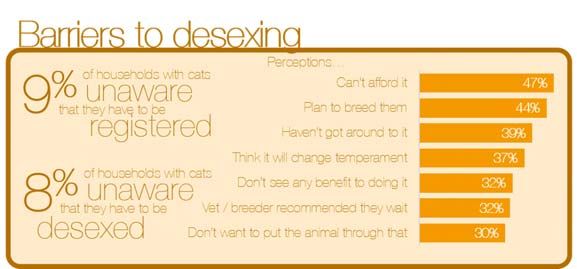
Domestic Animal Management Plan 2017 - 2021

Table of Contents
   1.      Introduction and Context .................................................................. 3
           1.1     Purpose of this Domestic Animal Management Plan.................................. 3
           1.2     Process applied in developing the plan ....................................................... 4
           1.3     Bayside profile ............................................................................................. 5
           1.4     Domestic animal statistics ........................................................................... 6
           1.5     Animal management staffing and operational structure ........................... 7
           1.6     Current programs and services – service levels .......................................... 8
   2.      Statement of Purpose .................................................................................. 9
           Strategic Vision ...................................................................................................... 9
           Strategic Focus Areas .......................................................................................... 10
   3.      Strategic Directions for Domestic Animal Management ........................... 12
           3.1     Animal management officer training and development........................... 12
           3.2     Encouraging responsible pet ownership – community education ........... 13
           3.3     Registration & identification ...................................................................... 18
           3.4     Compliance and enforcement – Local Laws and Orders........................... 19
           3.5     Domestic Animal Businesses ..................................................................... 23
           3.6     Managing dangerous, menacing and restricted breed dogs .................... 24
           3.7     Overpopulation and euthanasia ................................................................ 28
   4.      Performance Monitoring and Evaluation .................................................. 30

   Appendices ......................................................................................................... 31
   Appendix 1 – Domestic Animal Act 1994, Section 68A ............................................... 31
   Appendix 2 – Local Laws and Orders ............................................................................ 33

                                                                                                                              2|P a g e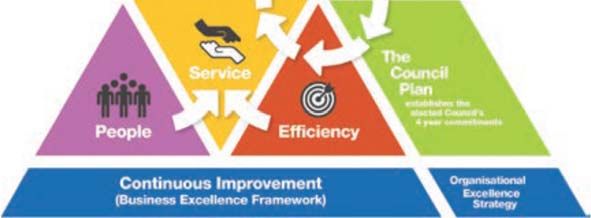
Domestic Animal Management Plan 2017 - 2021
1. Introduction and context
Bayside City Council has prepared the draft Domestic Animal Management Plan 2017‐
2021 to guide decision‐making in relation to the management of dogs and cats in the
community for the next four years. All Victorian Councils are required by State legislation
to prepare a four year Domestic Animal Management Plan.
1.1 Purpose of this Domestic Animal Management Plan
The draft Domestic Animal Management Plan 2017‐2021 (“the Plan”) describes the
services, programs and activities Council will implement to support and encourage
responsible (domestic) animal ownership over the next four years.
The Plan provides a framework for the planning, development, and evaluation of animal
management services and programs delivered by Council and complies with the
requirements of the Domestic Animal Act 1994 (“the Act”).
As required by the Act, the Plan covers the following:
Review of animal management services, programs, procedures and policies
including Council’s Local Law and ‘orders’.
Outline of programs, services and strategies to:
o Encourage responsible ownership of dogs and cats;
o Ensure compliance with State legislation and Council policies;
o Undertake the identification and appropriate management of dangerous
dogs, menacing dogs and restricted breed dogs;
o Minimise the risk of attacks by dogs;
o Minimise over‐population and minimise euthanasia rates for dogs and cats;
o Encourage the registration and identification of dogs and cats;
o Minimise the potential for dogs and cats to create a nuisance; and
o Address other issues that are specific to the needs of Bayside.
Section 68A of the Act is provided as Appendix 1.
3|P a g e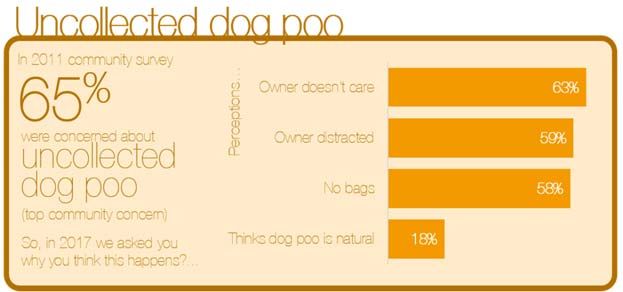
Domestic Animal Management Plan 2017 - 2021
1.2 Process applied in developing the plan
This Plan has been prepared by:
1.    Evaluating the Domestic Animal Management 2012 – 2016 (what worked well and what
      could be improved);
2.    Analysing internally collected data (call centre data, complaints, registrations) to
      understand potential trends for consideration through research and Plan development;
3.    Undertaking community and stakeholder research to understand the needs and opinions
      regarding domestic animal management across Bayside;
4.    Conducting an internal review to ensure the Plan scope aligns with legislated
      responsibilities for local governments with regards to domestic animal management; and
5.    Community consultation on the draft Domestic Animal Management Plan.

Council’s Better Place Approach
provides clarity and focus for
achieving our purpose of making
Bayside a better place. The four
key result areas – Liveability,
Services, People, and Efficiency –
align all of our activity and our
improvements across Council.

Key considerations when aligning the Plan with other Council strategies are as follows:
Community Plan: Recognises that a priority for the entire Bayside community is to encourage
and support people to lead healthier lives.
Health and Wellbeing Plan: Recognises the benefits of pets to social cohesion and expanding
community networks.
Recreation Strategy: Recognises the contribution of pets to an active lifestyle.
Ageing Well in Bayside: Recognises the role pets play in keeping older adults in their home and
active.
Open Space Strategy: There are challenges in providing space for dog owners alongside the
recreation needs of other members of the community. This strategy recognises the benefits
associated with pets and the benefits of accommodating dog walking and exercise within open
space.

                                                                                          4|P a g e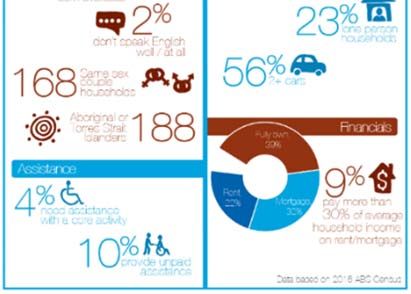
Domestic Animal Management Plan 2017 - 2021
  1.3 Bayside profile
  The City of Bayside is located in Melbourne’s
  middle southern suburbs, between 8 and 20
  kilometres south of the Melbourne CBD. The
  City of Bayside is predominately a residential
  area with some small commercial and
  industrial areas.

   It is estimated that one in four (25%)
   households in Bayside have a dog and/or cat
   (either registered or unregistered), and
   approximately 11% of households have a dog
   or cat that is not registered with Council.

                           Domestic animal registrations over time

                           2013-14     2014-15      2015-16     2016-17
14,000
12,000
10,000
 8,000
 6,000
 4,000
 2,000
    0
           Number of          Number of          Number of         Number of         Number of
         registered dogs    registered cats   households with   households with    households with
                                                one or more       one or more           both
                                              registered dogs    registered cats

                                                                                          5|P a g e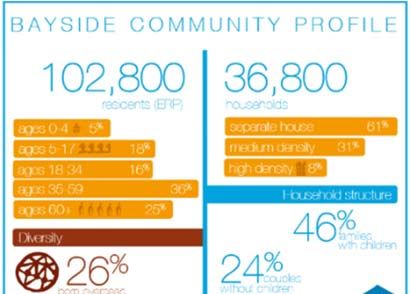
Domestic Animal Management Plan 2017 - 2021
1.4 Domestic Animal Statistics
 Dog Statistics                                               2012/13   2016/17
 Number of registered dogs                                    12,561    12,332
 Number of registered ‘declared’ dogs in Bayside                 6         1
 Number of impounded dogs                                       307       202
 Number of impounded dogs returned to owner                     297       199
 Number of dogs rehoused                                         4         2
 Number of dogs euthanised                                       6         1

 Cat Statistics                                               2012/13   2016/17
 Number of registered cats                                     4411      4,202
 Number of impounded cats                                       67        78
 Number of impounded cats returned to owner                     28        23
 Number of cats rehoused                                        17        14
 Number of cats euthanised                                      22        41

 Service Statistics                                           2012/13   2016/17
 Animal infringements for dogs and cats                         672      462
 Dog poo complaints received                                     9        19
 Animal registration enquiries                                  371      699
 Removal of dead animals                                      No data    137
 Cat trapping program, delivery of cat cages                    68        74
 Dog attack (causing injury)                                    77        91
 Dog rush complaints                                             6        17
 Complaints relating to dog barking (causing nuisance)          319      362
 Complaints regarding dogs on foreshore (restricted or off‐     14        14
 leash)
 Complaints regarding dog off‐leash in leashed areas            71       115
 Dogs picked up by Council or pound                             216      265
 Complaints relating to dogs wandering                          146       86
 Feral/domestic cat to be collected                             39        47
 Other general animal complaints                                127      288
 Calls seeking educational information                          61        52
 Number of prosecutions completed                               82        43
 Number of successful prosecutions                              77        38

                                                                          6|P a g e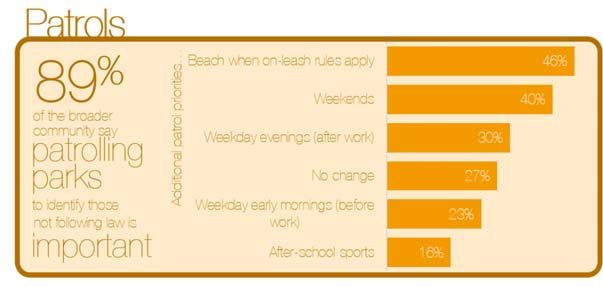
Domestic Animal Management Plan 2017 - 2021
1.5 Animal Management Staffing and Operational Structure
There are four council staff dedicated to domestic animal management in Bayside. The
Animal Management Team sits within the Amenity Protection Department and perform
a number of roles including:
Registration of dogs and cats and compliance through targeted door knocks to
identify unregistered animals;
Providing advice to pet owners and information to the wider community;
Managing neighbourhood issues and complaints relating to pets;
Ensure streets, parks and beaches are patrolled to educate and enforce
responsible pet ownership;
Inspections of domestic animal businesses and applying State legislation and
Council policies to the management of pets and pet related businesses and
activities;
Responding to animal welfare
issues; and
Operation of the pet day care
centre (day holding facility) and
liaison with Council’s pound
provider.
(Including Animal Management)
7|P a g e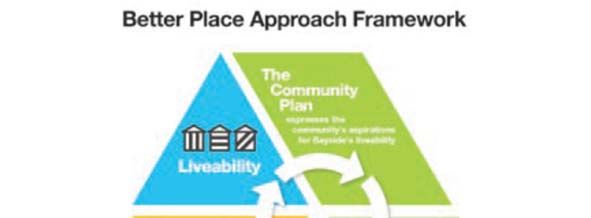
Domestic Animal Management Plan 2017 - 2021
1.6 Current Programs and Services – Service Levels
Program Service Level
Identification and Registration Collection of microchip information
Website information
Prompt reactive enforcement
Mandatory registration of animals prior to
release from Pound
Annual registration audit
Domestic animal complaints Response prioritise by risk
Dangerous Dogs complaints Response high priority
Routine street patrols Weekdays + every 3rd weekend
Pound services (outsourced) 10am – 6pm weekdays
9am – 1pm weekends
Micro‐chipping 1 annual pet expo and microchipping day
Domestic animal business registrations Inspection conducted annually in March and
April
Dangerous/restricted breed dog Inspection conducted annually in March and
inspections April
Desexing voucher program Available at Customer Service Centres
Dogs on/off leash Order in place restricting dogs off leash in
designated areas
33 dog off leash areas
Prohibited areas for dogs Order in place designating prohibited areas
along the foreshore during designated times
Prohibited areas for cats Order in place for night time curfew
Order in place for compulsory de‐sexing
Prosecution for non‐compliance Prosecute unpaid infringements or non‐
compliance through the court systems
8|P a g e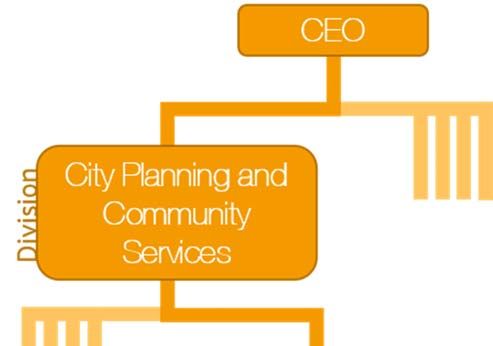
Domestic Animal Management Plan 2017 - 2021
2. Statement of Purpose
The Plan is designed to respond strategically to
the needs of the community as a whole and will
be guided by the following vision and principles.
Council commits to the promotion of responsible
pet ownership and benefits of pet ownership,
whilst managing the impact on other members of
the community, wildlife and the natural
environment. This approach aims to achieve
community harmony and reduce welfare and
nuisance matters.
Strategic Vision
Health Wellbeing & Safety of the Community
Pets are an important part of the Bayside community and bring significant health
and wellbeing and social benefits to owners.
There are people in our community who do not wish to have any contact with dogs
or cats and this needs to be respected.
The community needs to be kept safe and amenity protected.
Welfare of Pets
All animals must be treated humanely.
People caring for pets and domestic animals must:
o Ensure these animals are kept safe and healthy;
o Know and understand their responsibilities under the law as pet owners; and
o Comply with relevant legislation, local laws, and codes of practice.
Responsible Pet Ownership
Strategies are needed to manage issues associated with dogs and cats in the
community, ranging from rewarding good pet owner behaviour, education and
penalties.
New services, facilities and opportunities in relation to pets will be considered in
line with available resources and their sustainability.
9|P a g e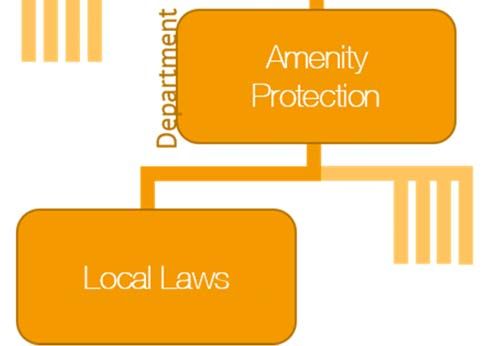
Domestic Animal Management Plan 2017 - 2021
Strategic Focus Areas
The strategic focus areas have been developed to reflect aspects such as the current
performance of domestic animal management services at Bayside and the insights from
the recent community survey. This analysis indicates that domestic animal management
services are largely performing well:
The strongest performance is in terms of relatively low numbers of impounded
dogs, coupled with a high percentage of the dogs being returned to their owner
(99%). This return rate compares to other nearby municipalities which typically
have rates of 50 to 60%;
Bayside ranks highly for Animal Management services according to Know your
Council comparison data. For example, the average number of days it has taken for
Council to action animal management requests is 1.7 days, in contrast to the best
performing council (1.0 day) and the poorest performing council (14.8 days);
Dogs and cats continue to have a strong positive impact on their owners wellbeing;
Animal infringements have reduced from 2012/13 to 2016/17 by 31 %, this can be
attributed to the 34% decrease in the number of impounded dogs.
The analysis also identified areas where more attention or an adjusted approach is
needed:
Complaints have increased by 41% from 2012/13 to 2016/17, with barking dogs
and dog poo complaints being the greatest proportion of total complaints, but dog
off‐leash and dog attack/rush complaints having the most significant percentage
increases;
There appears to be an insufficient understanding within the community of the
importance of ‘under effective control’ when dogs are off‐leash and potentially a
current inability to implement;
Gated, off‐leash areas were identified as needing further attention, with a strong
demand from some dog owners, counteracted by some strong opposition due to
perceptions of increased dog poo and damage;
The bayside area has an aging population and it is increasingly important that
suitable pets are selected for a person’s life stage;
While cat registration numbers are stable, an increasing number of cats needed to
be euthanised in 2016/17 compared to 2012/13.
10 | P a g eDomestic Animal Management Plan 2017 - 2021
The actions in this Plan are listed in the following sections and are aligned with the DEDJTR
template. The actions build on the activities within the current Domestic Animal
Management Plan (2012‐2016), with several key areas of strategic focus woven through
the sections:
Increasing the community understanding of ‘Under Effective Control’ and
implementing initiatives to support dog owners to effectively implement this
approach;
Increasing the community understanding of the most appropriate pets for different
life stages, for example the elderly and families with small children;
Addressing the increased rates of complaints through improved information on pet
management, as well as increased proactive patrols and enforcement;
Reducing cat euthanasia rates through increasing registration, community
information and digital reporting mechanisms; and
Leveraging new technologies to continuously improve council services.
11 | P a g eDomestic Animal Management Plan 2017 - 2021
3. Actions for the next 4 years
This chapter sets out the current and future actions for animal management. The
structure reflects the requirements as set out by the Department of Economic
Development, Jobs, Transport and Resources (“DEDJTR”).
3.1 Animal Management Officer Training and Development
Objective: To ensure staff have the necessary technical and interpersonal skills to
carry out their role.
Council recognises the complexity of managing often divergent community demands,
opinions and expectations in relation to pets. Council has in place robust criteria to
ensure authorised officers are suitably qualified and effective when carrying out their
duties.
3.1.1 Current Activities
Activity Schedule
Certificate IV in Animal Control and Regulation Minimum requirement
Customer service training Annual
Conflict management training Annual
DEDJTR/Domestic Animal Branch training/information Annual
seminars
Australian Institute of Animal Management Annual As required
Conference
Animal handling training As required
Investigation training As required
3.1.2 Priorities for the next 4 years
Council is committed to maintaining staff training and education programs to
ensure the application of best practice technical skills and customer service.
Activity Schedule Evaluation
Review Staff Training Calendar to Annually Review undertaken
ensure appropriate training
opportunities are provided.
All staff to be provided with Council’s Annually Calendar provided
Learning and Development Calendar
Provide training on managing Annually Training provided
expectations of complainants
Establish detailed customer satisfaction Ongoing Increase in customer
survey and implement an improvement satisfaction
program
12 | P a g eDomestic Animal Management Plan 2017 - 2021
3.2 Encouraging Responsible Pet Ownership – Community
Education
Objective 1: To decrease complaints relating to pets.
2016-17 count % increase from 2012-13
Total animal complaints have 111%
increased 52% between 2012/13 to 362
2016/17. In 2016/17 Council
received 362 complaints about 265 62%
barking dogs, this rose by 13% when
30%
compared to 319 complaints in 23%
115
21%
13% 108
2012/13. This is the highest area of 47 19
complaints. Barking dog Dog pick-up Dog off-leash Dog Cat to be Animal litter
attack/rush collected
Uncollected dog poo
Key concern about
dogs in parks and
beaches is dog
droppings. 79% of the
community have seen
uncollected dog poo in
a public space.
However, 87% have
also observed dog
owners doing the right
thing and picking up their dog.
Patrols
Patrols seek to identify
dog owners who are not
following legislative
requirements when in
public places.
Cat curfew
Council has a cat curfew that requires all cats to be confined at night for the safety of
cats, the protection of wildlife and to eliminate nuisance (noise) complaints. The curfew
confines cats to their property between 9pm and 6am in daylight saving time and 8pm
and 6am at other times of the year. 7% of owners of registered and 31% of owners of
unregistered cats are unsure or unaware of the curfew.
13 | P a g eDomestic Animal Management Plan 2017 - 2021
3.2.1 Current Activities
Activity Schedule
Liaison with community support groups Ongoing
Information given to residents for addressing Ongoing
barking dog issues
Information given to residents for addressing cat Ongoing
trespass issues
Issue Pooch Pouch to dog owners (poo removal Ongoing
device)
Distribution of signage (A frames) to be used at As required
sporting events to inform spectators of the
requirement for dogs to be on lead
Continue distributing coasters to café owners and As required
restaurants to educate customers who use
outdoor dining with their dogs of the necessary
etiquette.
Promote regular exercise of dogs Ongoing
Recording and investigating all nuisance Ongoing
complaints
Issuing notice to comply/official Ongoing
warning/infringement notices/charges
Targeted patrols of ‘hot spots’ for complaints Ongoing
(dogs off‐leash, dog droppings)
Liaise with Council’s Recreation Department As required
regarding issues pertaining to dogs in parks
Provision of cat cages and information given to As required
ensure appropriate and humane trapping of cats
14 | P a g eDomestic Animal Management Plan 2017 - 2021
3.2.2 Priorities for the next 4 years
Over the next 4 years Council will introduce strategies to decrease the number
of pet complaints and to increase community awareness and education. We will
continue to work with the community and relevant groups to promote
responsible pet ownership programs.
Activity Schedule Evaluation
Develop a ‘Welcome Pack’ for first time Year 1 Welcome Pack
pet registration implemented
Provide a community education and Year 2 Development of an
awareness program targeting cat Information and
owners about the cat curfew promotional plan
Develop a booklet to assist dog owners Year 2 Book developed
in identifying and dealing with and hard copies
barking/nuisance complaints distributed
Promote and educate the community Year 3 & 4 Education program
about choice of suitable pets for implemented
lifestyle types
15 | P a g eDomestic Animal Management Plan 2017 - 2021
Objective 2: To enhance animal management services in response to community needs
and service management imperatives
Council will focus on communicating the following messages to the general community
through a range of Council owned channels:
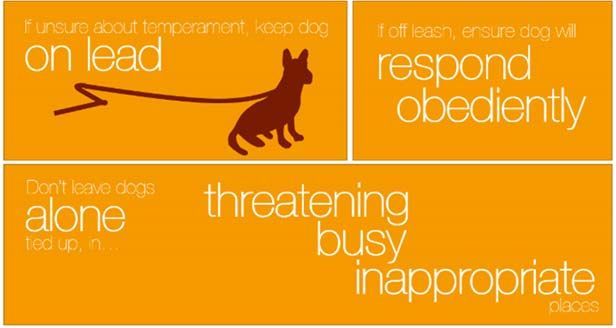
That dogs must be on leash within 20 metres of a playground, sporting game or
picnic area;
That dog owners must have effective control of their dog when off‐leash in a
designated area;
Awareness amongst cat owners of the cat curfew and requirement that cats are to
be desexed;
That people walking their dogs are required to carry bags for the collection of dog
poo.
The Pet Expo provides community members with the opportunity to register their
unregistered pets, as well as receive information from Council on their responsibility as a
pet owner. It is estimated that the number of attendees increased from approximately
1,000 in 2013 to 1,800 in 2016.
3.2.3 Current Activities
Activity Schedule
Information on responsible pet ownership Ongoing
available on Council’s website
Distribution of Pet newsletter & brochures Annual
Host a pet expo Annual
16 | P a g eDomestic Animal Management Plan 2017 - 2021
3.2.4 Priorities for the next 4 years
Council will explore the potential for increased utilisation of social media for
distribution of information about pet ownership and lost pets, and continue to
provide an annual pet expo and pet newsletter.
Activity Schedule Evaluation
Continue providing accessible Years 2‐4 Advertising for the Pet
information through the pet Expo is optimized and
newsletter and pet expo greater newsletters
distributed in Bayside
Explore opportunities to develop Year 2 & 3 Information obtained on
a smart phone application for the feasibility of
community reporting of domestic implementation.
animal management issues Application
implemented
Explore opportunities for Year 2 & 3 Investigated extended
extending usage of social media use with digital and
for community education extended usage
implemented.
Introduce a minimum of 2 Annually Collect relevant data to
information sessions (pop up measure success of
stands) to support Council’s sessions
educative programs
17 | P a g eDomestic Animal Management Plan 2017 - 2021
3.3 Registration & Identification
Objective: To increase and maintain high levels of pet registration and
permanent identification.
All dogs and cats are required to be registered with Council at 3 months of age, which
includes a requirement to be microchipped.
Importantly, registration supports the quick return of pets to their owners, which in turn
minimises the distress to the pet from being confined in an unfamiliar environment
waiting for their owners. It also provides insights to assist with planning local services,
programs and infrastructure.
3.3.1 Current Activities
Activity Schedule
Advertising in local media and Council’s March of each year
newsletter – registration renewals
Microchipping days Annual
Registration reminders – SMS March and April
Wearing of registration tags Reminders on back of
registration forms
Update animal registration database As required
Follow up on “Pet Sale” notifications As required
Compliance Activity Schedule
Issuing registration renewals and reminder March of each year
notices
Animal registration Audit ‐ Door knock August to October
Issuing of infringement notices/’notice to Ongoing
comply’ and penalties relating to the non‐
registration of pets
Check registration details of all dogs Ongoing
encountered on the streets, parks and foreshore
18 | P a g eDomestic Animal Management Plan 2017 - 2021
3.3.2 Priorities for the next 4 years
Potentially up to 11% of households in the municipality have an unregistered
dog or cat. Council will continue to offer the annual microchipping day and
discount pet registration for pensioners and those with a health care card.
Council will introduce strategies to enable user friendly options for pet
registration.
Activity Schedule Evaluation
Develop an online process for Year 2 Payments made online
new pet registration payment for new animal
registrations
Maintain high reclaim rates for Annually Impound and lost dogs
microchipped animals collected and cats don’t increase
by the 24 hour holding service from current trend
Investigate the possibility of Year 2 Information obtained on
emailing animal renewals the feasibility of
implementation.
3.4 Compliance and Enforcement – Local Laws and Orders
Council has a Local Law and various orders in place that dog and cat owners must
comply with if they own or are in charge of animals or manage animal businesses.
Dogs in public places: This order requires dogs to be on leash other than in off‐leash
areas, to be under effective control of their walker, and on‐leash within 20 meters
of a playground, sporting game, picnic area or on‐leash area.
Cat confinement: This order requires cats to be confined to their property between
the hours of 9:00pm and 6:00am in daylight saving time and between 8:00pm and
6:00am at other times of the year.
Desexing of cats: This order requires any cat being registered for the first time to be
desexed.
Keeping and management of animals: The local law stipulates how many animals
can reside at any one property and the requirement for dog walkers to carry a litter
device and pick up their dog’s litter when in public places.
A summary of Bayside City Council’s local laws and orders relating to the
management of domestic animals is provided as Appendix 2.
19 | P a g eDomestic Animal Management Plan 2017 - 2021
Objective: To plan and manage provision for dogs off‐leash in consideration
of other park and foreshore activity needs.
Off‐leash areas in Bayside are frequently used by and are very important to dog
owners. The majority of non‐dog owners also recognise the importance of this
activity.
Four key challenges with the provision of off‐leash areas in the municipality are:
1. The need to accommodate sports activities which are in growing demand,
and are likely to increase in demand with a projected increase in the school
age population (additional 600+ 5‐17 year olds by 2026 compared to 2016);
2. The need to keep some activities separate as it is not appropriate to co‐locate
for safety reasons;
3. The need to restrict access to some natural habitat locations to preserve
ecosystems; and
4. Meeting the community expectations with regards to proactive patrols of dog
off‐leash parks.
Dog off‐leash activities at sporting reserves and other parks
The use of sports grounds for the walking of dogs, and in particular dog off‐leash
activities creates a number of maintenance challenges. Council maintenance staff
and seasonal sporting ground tenants report increased wear and tear because of
dog activities at popular sports grounds. In addition, the incidence of dog poo at
off‐leash sports grounds is far greater than at on leash areas and results in ongoing
regular feedback from sporting clubs and the community.
The removal of gates from off‐leash sports grounds prompted a number of
community members to call for a dedicated fenced off‐leash dog park and/or the
return of the gates.
The general view of the community is that gated environments keep dogs from
escaping, prevent them from running on the road and dog attacks do not occur or
dogs/people are safe from attack as it is presumed the other dogs are either trained
and/or friendly.
The above belief, in addition to the actual maintenance concerns that coincide with
sharing a sports ground, is mistaken for safety. Whilst off‐leash in any environment,
owners have a specific responsibility to keep their dogs ‘under effective control’. In
short, this means that a dog should return to its walker immediately upon voice
command.
It is imperative to educate the community on the important responsibilities and
legislative requirements of ‘under effective control’ and to challenge the
misconception that gated areas are safe environments for themselves and their
dogs. However Council recognises that there may be benefits in the provision of a
gated environment to enable individuals and their pets to learn and test effective
control.
20 | P a g eDomestic Animal Management Plan 2017 - 2021
Foreshore zones for dog off‐leash activities
Council has five designated levels of dog restrictions along our 17km of foreshore
ranging from off‐leash areas, time restricted areas to prohibited dog areas,
depending on the beach and time of year. Restriction parameters were defined
based on extensive consultation, environmental considerations and the areas
within which animal management officers can monitor.
3.4.1 Current Activities
Activity Schedule
Discussions with dog owners when out on patrols Ongoing
about responsible pet ownership expectations –
dog litter collection, dog off‐leash zones
Handing out litter bags as part of targeted Ongoing
promotions
Information handed out at pet expo Annual
‘Responsible pet owner’ ‐ reward dog owners who Ongoing
are doing the right thing
Compliance Activity Schedule
Responding to complaints As required
Verbal warnings As required
Regular patrols of parks including leash and off‐ As required
leash areas
Issuing penalty notices / notices to comply / Ongoing
warnings
Targeted patrols of foreshore areas and inland Ongoing
parks
21 | P a g eDomestic Animal Management Plan 2017 - 2021
3.4.2 Priorities for the next 4 years
Council recognises the challenges in providing off leash activities, whilst
managing and educating the community on the legislative requirements and
definitions of dogs being ‘under effective control’.
Activity Schedule Evaluation
Continue to improve off leash dog Years 1‐3 Signage upgrades to
signage meet community
need
Investigate opportunities to partner Year 2 & 3 Opportunities
with professional dog trainers, to help identified
owners train their dogs to be under
effective control
Investigate methods to recognise and Years 2‐4 Methods
promote positive behaviour of dog investigated and
owners who are doing the right thing program
implemented
Explore opportunities to allocate Years 2‐4 Rostering practices
Animal Management Officers to dog for officers
off‐ leash parks during peak periods
Undertake a feasibility study to assess Years 2‐3 Feasibility study
the practicality of an additional secured undertaken.
dog off‐leash area to enable a learning
and testing environment for effective
control
Investigate extending dog off‐leash Year 3 Identify options for
times along the foreshore sites
22 | P a g eDomestic Animal Management Plan 2017 - 2021
3.5 Domestic Animal Businesses
Objective : To provide education to domestic animal businesses to assist them to
comply with legislative requirements.
Businesses such as animal shelters, pet shops, animal breeding and/or rearing
establishments, and boarding and/or training facilities that are run for profit are known
as Domestic Animal Businesses (DABs). There are five known DABs operating in Bayside.
3.5.1 Current Activities
Activity Schedule
Provide DEDJTR written material Annual
Provide advice on Code of Practice Annual
Compliance Activity Schedule
Registration of DABs Annual
Auditing of DABs Annual
Issuing / enforcement of infringement notices / As required
notices to comply
Patrols and follow‐up of suspected As required
unregistered/new DABs
Uninformed ‘drop‐in’ to ensure compliance As required
generally and with relevant registrations of
animals etc.
Investigate complaints As required
3.5.2 Priorities for the next 4 years
Council will continue to consult with businesses to foster positive community
attitudes towards pets.
Activity Schedule Evaluation
Work with animal businesses Year 2 & 4 Form stakeholders group
to help foster positive to develop strategies to
community attitudes towards foster positive community
pets attitudes
Ensure businesses are Year 2 Implementation of
informed/consulted with Strategy
changes or potential changes
that may impact on them
23 | P a g eDomestic Animal Management Plan 2017 - 2021
3.6 Managing dangerous, menacing and restricted breed dogs
Objective 1: To effectively manage dogs classified as dangerous, menacing or of a
restricted breed.
Council is responsible for declaring a dog as menacing or dangerous. Council does not
prohibit the keeping of these dogs and provides information to owners to ensure they
are aware of their responsibilities and the actions that can be taken to minimise the
likelihood of inappropriate behaviours. Council currently has one declared dangerous
dog within the municipality.
Menacing dogs: A dog that has inflicted a non‐serious bite to a person or animal; shown
aggressive behaviours (snarling, growling, raised hackles) when rushing up to a person;
or chased a person.
Dangerous dogs: A dog that has caused serious injury or death to a person or animal by
biting or attacking.
Dogs can also be declared as dangerous if the owner has received 2 or more infringement
notices for the dog being menacing and hasn’t complied with restraint requirements.
A dog can also be declared dangerous under corresponding legislation in another state
or territory.
A dog that is kept for the purpose of guarding non‐residential premises (Guard dog) is
automatically a dangerous dog under the Domestic Animals Act 1994.
Restricted breed dogs: Dogs of the following breeds are defined by Victorian State
Government legislation. These dogs have not necessarily shown any dangerous
behaviours, but have been classified by the State Government as a higher risk to
community safety than other breeds:
American Pit Bull Terrier
Perro de Presa Canario
Dogo Argentino
Japanese Tosa
Fila Brasileiro
As of a change in State Government legislation in 2017, these dogs can now be registered
by Council provided certain conditions are met.
24 | P a g eDomestic Animal Management Plan 2017 - 2021
3.6.1 Current Activities
Activity Schedule
Information provided at pet expo Annual
Promote Council’s available services relating to dog Annual
attack investigations including the after‐hours
service and contact
Compliance Activity Schedule
Patrols of industrial properties Part of routine patrols
Investigate complaints and take appropriate action As required
eg; declaration, infringements, prosecution.
Inspections As required
Review and update ‘dangerous dog and restricted Annual
breed’ register
Audit of premises for ‘dangerous dog’ owners Annual
3.6.2 Priorities for the next 4 years
Council is committed to the safety of all residents and will continue to educate
and provide information to owners to ensure awareness of responsibilities and
actions they can take to minimise the likelihood of inappropriate behaviours by
their dogs.
Activity Schedule Evaluation
Educate the community on changes to Year 1 & 2 Communication
State legislation regarding restricted plan implemented
breed dogs and actioned.
Update procedures relating to the Year 3 & 4 Procedure reviewed
declaration of a dog as dangerous, and updated.
restricted and/or menacing dog to
ensure it aligns with revised State
Government legislation.
25 | P a g eDomestic Animal Management Plan 2017 - 2021
Objective 2: To minimise the incidence of dog attacks and rushes in the home and
in public places.
From 2014‐2016 the number of reported dog attacks and rushes increased,
however the latest years’ data shows a decline in the annual data.
A key concern for Council is the 125
113
risk of dog attacks to children. 15 108
Research conducted by Kidsafe 24 17
83 86
Queensland1 indicates that the 6 8
majority of dog attacks on
51
children occur in the person’s 110
10 89 91
own home. 77 78
41
Council provides resources to
assist families in understanding
2011/12 2012/13 2013/14 2014/15 2015/16 2016/17
the training needs and risk
Dog attack Dog rush Total
factors regarding dogs, as well
as how to interact with dogs and how to minimise situations that may provoke
inappropriate behaviour from dogs.
Council promotes a range of strategies to the community to help minimise the risk
of injury from dogs. Council encourages and supports the broader community to
educate themselves on appropriate behaviour around dogs to minimise the risk of
a fear response.
Council Pound Services also ensures that dogs rehomed from the pound are
temperament tested to ensure they are suitable for adoption.
Dog attack
standard
operating
procedures are in
place to ensure
safety for staff
involved in
responding to
reports.
1
Kidsafe Queensland inc, Fact Sheet – Dog Attacks
https://www.kidsafeqld.com.au/images/stories/pdfs/inews.2773.1.pdf (accessed August 20 2017)
26 | P a g eDomestic Animal Management Plan 2017 - 2021
3.6.3 Current Activities
Activity Schedule
Information distributed at pet expo Annual
Information available at Council offices Ongoing
Promotion of the need for dogs to be under Annual
effective control, at all times, including the need to
ensure dogs can be effectively contained and /or
fenced on their own property to ensure they
cannot escape
Promote early socialisation of dogs to other Ongoing
animals and humans
Compliance Activity Schedule
Routine patrols of parks Ongoing
Dog attack investigation and documentation As required
3.6.4 Priorities for the next 4 years
A vital role for Council and community is to prevent inappropriate behaviour of
dogs towards people, other dogs and wildlife.
Activity Schedule Evaluation
Run responsible dog ownership course Years 2 ‐ 4 Program
and highlight ways of minimising the planned and
risk of dog attacks implemented
27 | P a g eDomestic Animal Management Plan 2017 - 2021
3.7 Overpopulation and euthanasia
Objective: To minimise the number of pets surrendered, animals without homes, and
animals euthanized
Unowned cats run the risk of not being desexed or carrying disease which results in
unwanted litters and a poor state of health for these animals.
To reduce overpopulation and euthanasia in Bayside it is mandatory for all pet cats to be
desexed and registered. There is a segment of the community who are unaware of the
requirement for cats to be registered and desexed and approximately 4% of households
have an unregistered pet cat.
Council places a limit on the number of animals that can reside in one household to
ensure the health and wellbeing of animals, to minimise any adverse impact on
neighbourhood amenity and inappropriate practices such as hoarding animals.
To help, the most
efficient use of Council
resources is through
offering desexing
discounts, educating the
community on how it will
positively impact on the
pets behaviour and
temperament, and
encouraging consistency
in advice provided by vets.
The incidence of returning lost dogs to their owners or rehoming in Bayside is very high,
with less than 1% of the 202 impounded dogs in 2016‐17 being euthanized (1 animal).
3.7.1 Current Activities
Activity Schedule
Discount desexing vouchers to eligible residents On application
Information in Council Pet Newsletter Annual
Information handed out at Pet Expo Annual
Provide positive information on desexing Ongoing
28 | P a g eDomestic Animal Management Plan 2017 - 2021
Compliance Activity Schedule
Patrols to collect stray and feral cats As required
Enforcement of cat curfew Ongoing
Cat trapping program for trespassing cats As required
Investigation of backyard breeding establishments, As required
animal hoarding in response to complaints
Provide free cat traps to local residents for trapping
nuisance cats trespassing on their property
3.7.2 Priorities for the next 4 years
Council is committed to reducing the number of cats being euthanized, due to a
higher number of unregistered/stray cats being impounded in 2016‐17.
Activity Schedule Evaluation
Implementation of a smart phone Year 3 & 4 Information
application that allows residents to obtained on the
report when they see a stray cat feasibility of
implementation
Continue providing discount desexing Annually Communication
options for low socio‐economic groups plan
and promote these to the community implemented
29 | P a g eDomestic Animal Management Plan 2017 - 2021
4. Performance Monitoring and Evaluation
An annual review will be presented to Council each year, outlining the progress made
against each key activity and evaluating whether the animal control services provided are
adequate.
In undertaking this evaluation, Council will utilise various mechanisms including relevant
data from Council systems, the Local Government Performance Reporting Framework
and the ‘Know Your Council’ website and feedback from the community (including
customer satisfaction results). The current KPIs that Council will use to assess
performance include:
a) Dog and cat registration volumes;
b) Time taken to action animal management requests;
c) Percentage of animals reclaimed from Council;
d) Cost of animal management services;
e) Animal management complaints and prosecutions; and
f) Community and customer satisfaction.
Performance will be assessed on an annual basis because of the complexity of
interpreting outcomes. For example an increase in animal complaints would typically be
seen as a negative outcome, however it could be a positive if it reflects stronger
community awareness and improved complaint reporting channels.
30 | P a g eDomestic Animal Management Plan 2017 - 2021
Appendices
Appendix 1 – Domestic Animal Act 1994, Section 68A
The following is section 68A of the Domestic Animals Act 1994. This section requires every
Council in Victoria to prepare a Domestic Animal Management Plan, to show how the Council
intends to address the Act.
68A Councils to prepare domestic animal management plans
(1) Every Council must, in consultation with the Secretary (of the Department of Primary
Industries), prepare at 4 year intervals a domestic animal management plan.
(2) A domestic animal management plan prepared by a Council must—
(a) set out a method for evaluating whether the animal control services provided by
the Council in its municipal district are adequate to give effect to the requirements
of this Act and the regulations; and
(b) outline programs for the training of authorised officers to ensure that they can
properly administer and enforce the requirements of this Act in the Council’s
municipal district; and
(c) outline programs, services and strategies which the Council intends to pursue in its
municipal district—
(i) to promote and encourage the responsible ownership of dogs and cats; and
(ii) to ensure that people comply with this Act, the regulations and any related
legislation; and
(iii) to minimise the risk of attacks by dogs on people and animals; and
(iv) to address any over‐population and high euthanasia rates for dogs and cats;
and
(v) to encourage the registration and identification of dogs and cats; and
(vi) to minimise the potential for dogs and cats to create a nuisance; and
(vii) to effectively identify all dangerous dogs, menacing dogs and restricted breed
dogs in that district and to ensure that those dogs are kept in compliance with
this Act and the regulations; and
(d) provide for the review of existing orders made under this Act and local laws that
relate to the Council’s municipal district with a view to determining whether further
orders or local laws dealing with the management of dogs and cats in the municipal
district are desirable; and
(e) provide for the review of any other matters related to the management of dogs and
cats in the Council’s municipal district that it thinks necessary; and
(f) provide for the periodic evaluation of any program, service, strategy or review
outlined under the plan.
31 | P a g eDomestic Animal Management Plan 2017 - 2021
(3) Every Council must –
(a) review its domestic animal management plan annually and, if appropriate, amend the
plan; and
(b) provide the Secretary with a copy of the plan and any amendments to the plan; and
(c) publish an evaluation of its implementation of the plan in its annual report.
32 | P a g eDomestic Animal Management Plan 2017 - 2021
Appendix 2 – Local Laws and Orders
Section 68A of the Domestic Animals Act 1994 provides Council with the authority to make
policies (‘orders in Council’) in relation to:
the number of dogs or cats that may be kept on any premises in the municipality
prohibiting or regulating the keeping of dogs or cats in areas where they may be a threat
to native fauna
the requirement for dog owners to dispose appropriately their dogs faces when in public
places.
In addition, the Local Government Act provides Council with the authority to make policies
(‘local laws’).
A summary of Bayside City Council local laws and orders relating to the management of
domestic animals are as follows:
Order No. 4 made under Section 26 of the Act (Effective 8/2/2012)
Key requirements under the order:
Dogs are allowed off‐leash in ‘designated areas’ and in all other areas dogs must be on a
leash. This is other than ‘prohibited areas’ where dogs are not allowed at all.
In dog off‐leash areas they must be under effective control of their carer and must not in
any way interfere with other people or dogs
Dogs must be on a leash when within 20 metres of a playground, sporting game, picnic
area, and the boundary with an on leash area
The order provides a schedule of designated off‐leash areas and hours of access that apply to
these areas. Details of the order are available from Council and in the Victorian Government
Gazette.
Order No. 25 made under Section 25 of the Act (Effective 8/12/11)
Key requirements under the order:
Cats must be confined to their property between the hours of 9.00 pm and 6.00 am in
daylight saving time and between 8.00 pm and 6.00 am at other times of the year.
Order No. 10A made under Section 10A of the Act (Effective 8/11/11)
Key requirements under the order:
Any cat being registered for the first time must be desexed.
33 | P a g eDomestic Animal Management Plan 2017 - 2021
Bayside Local Law No. 2, sections 39‐41 made under Section 111 of the Victorian
LGA (Effective 8/11/11)
Key requirements under the local law:
• Section 39 (Keeping of Animals) stipulates the number and type of animals that can
reside at any one household without the need for a permit.
• Section 40 (Accommodation of Animals) stipulates the requirement to adhere to
accommodation requirements associated with keeping ‘excess animals’ accommodation
requirements.
• Section 41 (Animal Excrement) stipulates that people in charge of animals must remove
their animal’s litter and must carry a device for doing this.
34 | P a g eYou can also read


