Draft Graffiti Management Plan 2021 - 2026 Improving community amenity and safety - Have Your Say
←
→
Page content transcription
If your browser does not render page correctly, please read the page content below
draft
Graffiti
Management
Plan
2021 - 2026

Improving community
amenity and safety
Graffiti Management Plan 2021-2026                                                                                                            2

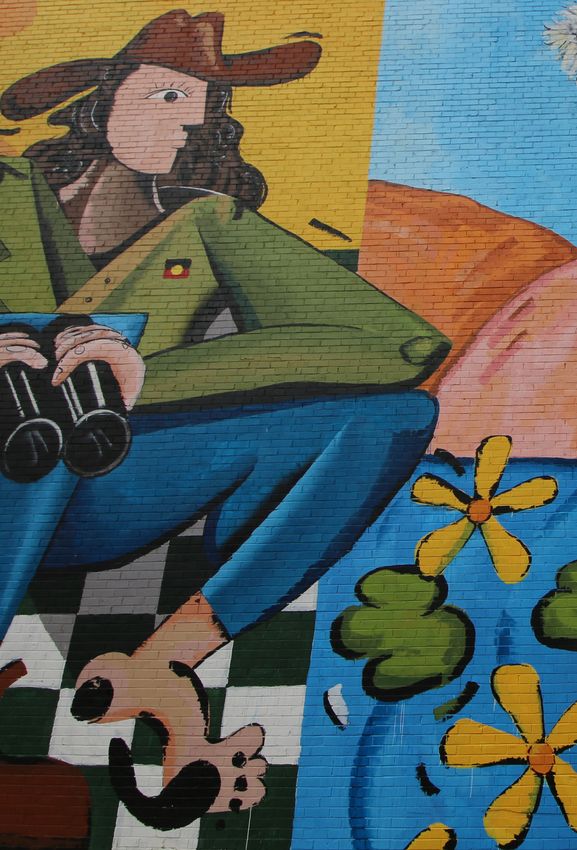
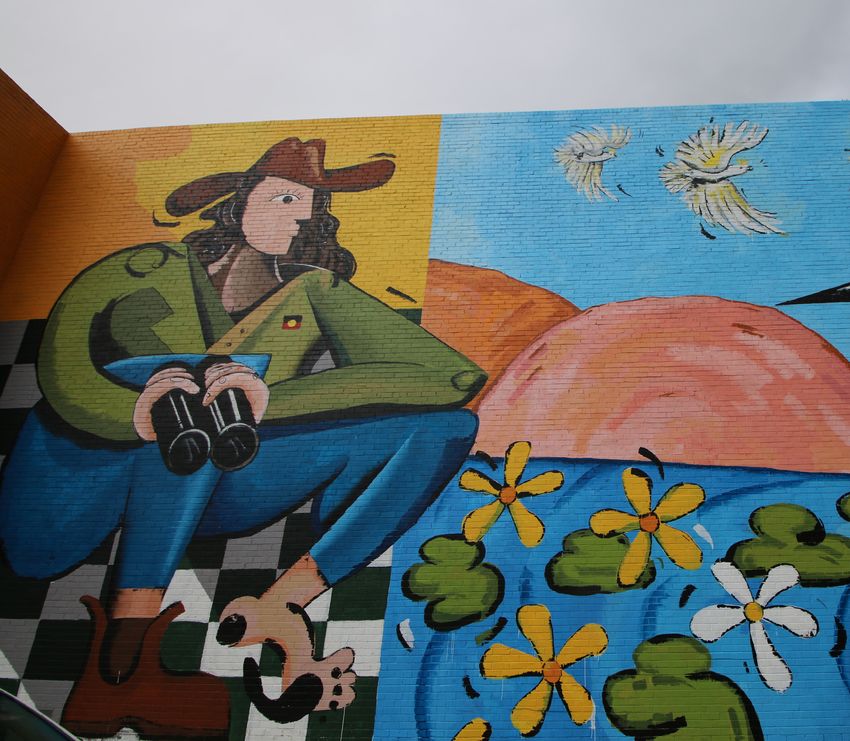
Cover Image: Little Egret, by artist Chris Henderson aka SIRHC - Volt Lane Albury.

Acknowledgement to Country
AlburyCity acknowledges the Wiradjuri people as the traditional custodians of the land in
which we live and work and we pay our respects to Elders past, present and future for they hold
the memories, culture, tradition and hopes of Aboriginal and Torres Strait Islander people that
contribute to our community.

The mural was commissioned in March 2021, as part of the Albury Wodonga Upstream Cultural Festival. The location of this large
installation was chosen as a graffiti prevention measure on a regularly tagged wall to improve the amenity of the Volt Lane shopping
precinct.

The mural is dedicated to all the people who have cared for the land, from First Nations Wiradjuri people who cared for the land pre- and
post-colonisation to the farmer of today who works in regeneration and landcare, this mural is for the land and its carers. It features the
Egret, which is an endangered waterbird that is local to the area.
Graffiti Management Plan 2021-2026                                                                             3

Contents

 Our Vision                                               4

 Our Aim                                                  4

 A Snapshot                                               5

 Our City                                                 6

 Our Story                                                7

 Graffiti explained                                       10

 Way forward                                              14

 We consulted                                             15

 You told us                                              17

 Bringing it together                                     19

 Theme one: Engagement                                    20

 Theme two: Prevention                                    21

 Theme three: Removal                                     22

 Theme four: Enforcement                                  23

 Developing actions                                       24

 Key Sources                                              25

 Glossary                                                 26

 Appendix 1                                               27

 Appendix 2                                               29

Abbreviations                                                       More than 80% of people
ACT       NSW Graffiti Contol Act 2008                           surveyed thought tags and
BOCSAR    NSW Bureau of Crime Statistics and Research          scribble mostly describes the
CPTED     Crime Prevention Through Environmental Design                        meaning of graffiti.
LGA       Local Government Area                                    Results from Graffiti Management Survey 2021.
Plan      Graffiti Management Plan
Graffiti Management Plan 2021-2026                                                                                          4

Our Vision
To enhance our City’s rich tapestry by contributing to a vibrant, united,
caring and inviting community through integrated planning and delivery
of a range of community, social, creative and cultural services.

Stormwater Drain located in Waites Park South Albury, Artist Kade Sarte.
The open stormwater drain system has historically been tagged with graffiti regularly. This reflected poorly on the local
community and the park as a safe place and required costly cleaning. As a prevention measure AlburyCity commissioned
this art installation which has not been graffitied since.

Our Aim
To continue working towards promoting community participation,
inclusiveness, and cohesion in reducing the impact of graffiti vandalism
in our City.
Graffiti Management Plan 2021-2026                                                                5

A snapshot

Graffiti Management Plan
The management of graffiti vandalism is
a complex issue since people often have
polarised opinions on the impact graffiti
has on community space. For some, graffiti
suggests high levels of crime and antisocial      The Plan is built around four central themes:
behaviour, while others consider graffiti an
expressive art form that contributes to the       • Engagement - ensure a collective approach
vibrancy of the City.                               with shared knowledge and resources in the
                                                    management of graffiti.
AlburyCity has delivered a suite of initiatives
throughout the years, which is evident in
some of the images presented throughout           • Prevention - deliver alternative and
this report. However, it is now timely to           preventative measures to minimise the risk
develop a formal framework to build upon            of graffiti occurring in Albury.
successes of past approaches and actions
that we have undertaken particularly in recent    • Removal - protect the amenity of the
years.
                                                    community by improving our public spaces
                                                    through removal of graffiti from property.
The AlburyCity Graffiti Management Plan
is a five-year plan to promote community
participation, inclusiveness, and cohesion        • Enforcement - support the effectiveness
around the issue of graffiti in the city. It        of identifying offenders and promote
provides a clear framework and guidelines           successful enforcement outcomes.
for the management of graffiti within the
AlburyCity Local Government Area (LGA).

The Plan outlines our approach to
dealing with graffiti vandalism, as well as
opportunities to mitigate against future
graffiti and how this aligns with wider
strategies and plans. Significant feedback
from the community has been drawn upon in
the development of the Plan and will provide
a framework for our future planned actions.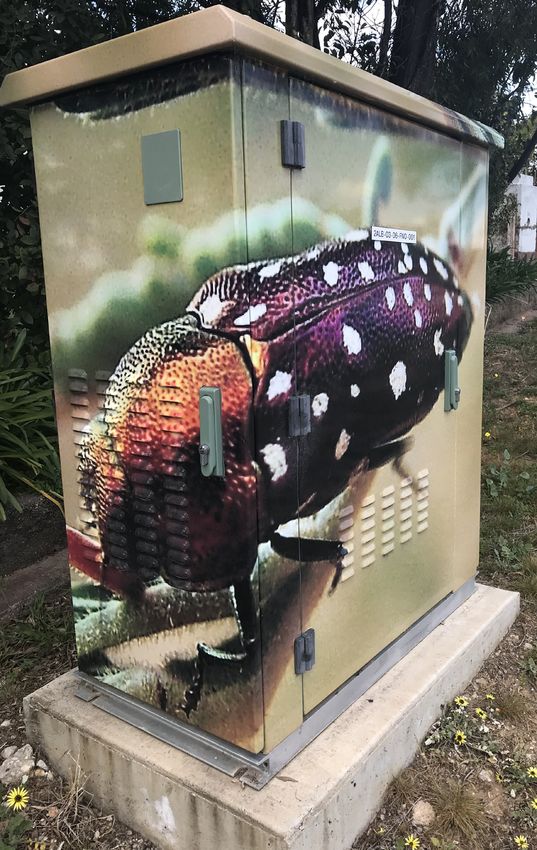
Graffiti Management Plan 2021-2026                                                              6

Our City

A nationally significant regional
city that is vibrant, innovative,
connected, and inspired by
its culture, environment and
location on the Murray River.

Albury at a glance
We are a modern, vibrant city on the
northern banks of the Murray River in the
Riverina region of south-eastern New South
Wales. Located 300 kilometres north-east      Managing graffiti in Albury has been guided
of Melbourne and 570 kilometres south-        by bringing together this high-level vision and
west of Sydney, Albury covers 307 square      direction. An explanation of these strategic
kilometres and has a population of 54,353     actions that has provided a framework for
(ABS, 2019). Our City is the major cultural   managing graffiti is outlined in Appendix 1 at
centre for the region which is a richly       the end of this document on page 27.
diverse and resilient community.
                                              During 2021 we commenced work on
Our work has been based on the                extending the Albury 2030 vision and look
aspirations, knowledge and values             beyond to Albury 2050. Therefore, our work and
expressed by our residents who helped         actions in managing graffiti will then be guided
to create our City’s vision and community     by this new vision and we will adapt our current
values as part of our Community Strategic     Graffiti Management Plan 2021-2026 to
Plan Albury2030.                              incorporate any changed or additional
                                              outcomes as a result.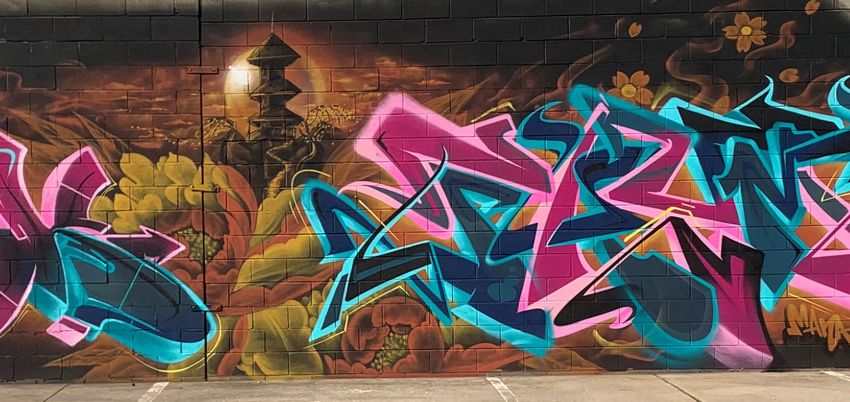
Graffiti Management Plan 2021-2026                                                                                  7

Our story

Background
In 2010, Council adopted its Graffiti Management
Policy which was developed under the four
principles of prevention, continual removal,
prosecution, and education.

In April 2015, a United Campaign Against
Graffiti was launched and representatives from
community agencies, government departments
and utility companies were invited to participate
in this Council-led action group. The group aimed
to garner support from all involved parties for an
ongoing commitment to consultation, support,
and action. During this time a city-wide graffiti
audit was conducted to ascertain the volume
of graffiti damage on assets held by members
of the group. Over time, maintaining the United
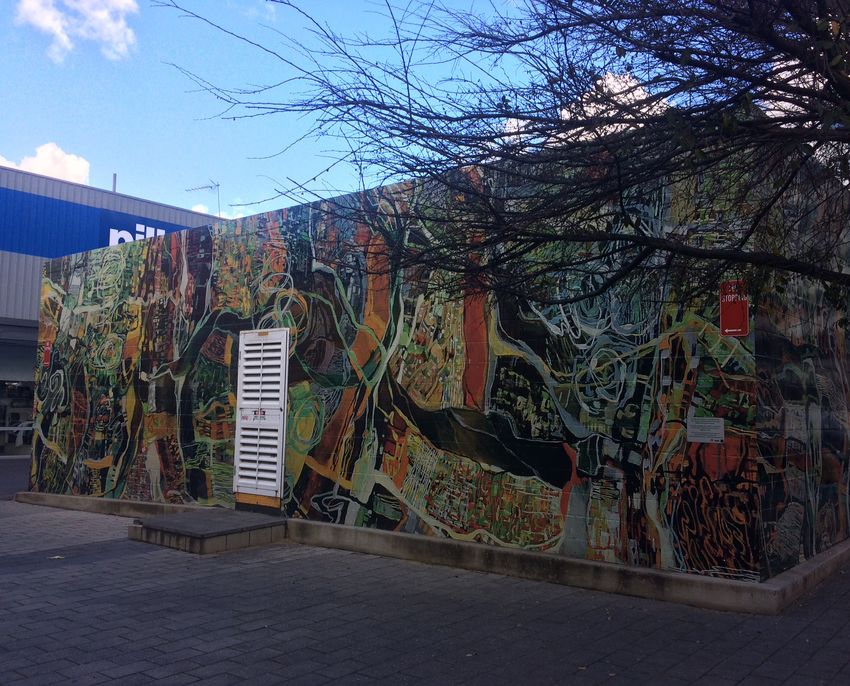
Campaign Against Graffiti as a collective action      Image: Murray River Translating Wetlands by Artist Nat Ward - Essential
group was not sustainable. Many of those same                                     Energy Power Substation Volt Lane, Albury.
organisations involved in the original action
                                                        In a joint initiative between Volt Lane Pty Ltd and AlburyCity as adirect
group have been consulted during the process of
                                                      outcome from the Urban and Public Art Strategy, the application of vinyl
developing the Graffiti Management Plan 2021-
                                                      wrapping has reduced graffiti incidents and introduced a creative way to
2026.                                                          see the City, bringing colour, energy and vibrancy to the precinct.

Concerns around escalating costs of graffiti
removal are a major driver for developing this       Our prior approach
plan. In the period from 2010 to 2020 AlburyCity
                                                     Prior to 2021 and the development of this Plan,
has spent approximately $1,000,000 for the
                                                     the successful management strategies we have
removal of graffiti vandalism. In this time, we
                                                     delivered to limit the impact of ongoing graffiti
have been awarded two grants from the NSW
                                                     vandalism are listed under the four identified
Department of Attorney General and Justice for
                                                     principles and are summarised on the
$101,000 to implement various strategies to
                                                     following pages.
reduce the incidents of graffiti across the City.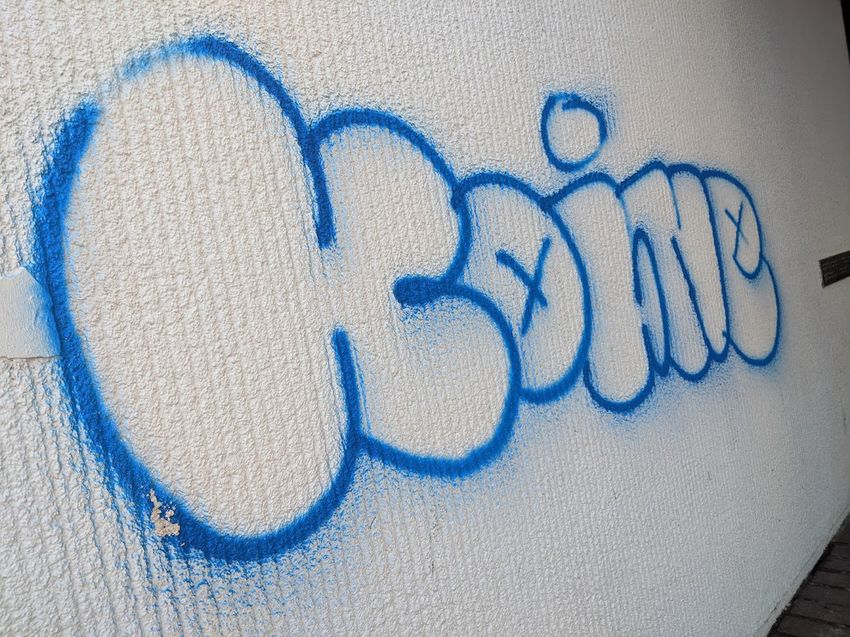
Graffiti Management Plan 2021-2026                                                                                    8

Prevention – reducing opportunities for
offending on high reward sites

These initiatives have taken the approach
based on the principles of Crime Prevention
Through Environmental Design (CPTED).

Adapting design and surface choices on
infrastructure to deter graffiti, such as vinyl
wrapping with artwork other government
agency assets:

• Electrical Substations - 4
• Essential Energy Box - 9
• NBN Boxes - 50
• RMS Traffic Signal Control Boxes - 42
• Water Pump Stations - 5

Deliberate landscaping of public spaces by
considering the position and species of plants
with vegetation, making walls and other
areas inaccessible to graffiti writers, as well
as improving the aesthetic appeal of publicly
                                                                                        "Make Albury a place people
viewed spaces.
                                                                                          can find a reason to visit"
Reducing blank wall space which may be
                                                                                                                                     .
                                                                                         Comments from Graffiti Management Survey 2021
targeted through installing street murals at
some of the locations listed below.

•   David St Skate Park
•   J.C. King Park                                   Image: NBN box vinyl wrap Jewel Beetle - Thurgoona Street, Albur.y
•   Logan Rd off-leash dog park
•   Police Citizens Youth Club                      In a joint project with the NBNCo, AlburyCity has been wrapping street
                                                         infrastructure in vinyl designs that represent different aspects of
•   Waites Park
                                                                       Albury, its history, its flora and fauna, and its people.

Education – consider opportunities for people to   For more than 8 years we have participated in
remove and prevent graffiti                        the national Graffiti Removal Day with the aim
                                                   of highlighting the problem of graffiti across our
                                                   City and encourage people to volunteer their
We have offered opportunities involving the        time to remove and prevent graffiti.
City’s young people by hosting public art
programs and have an educational program           As part of preventing graffiti and adapting
planned to focus on working with school            design and surface choices on infrastructure,
students across the Albury area which may          we have engaged local school students to
divert graffiti activity to more productive        contribute artwork for vinyl wraps.
endeavours.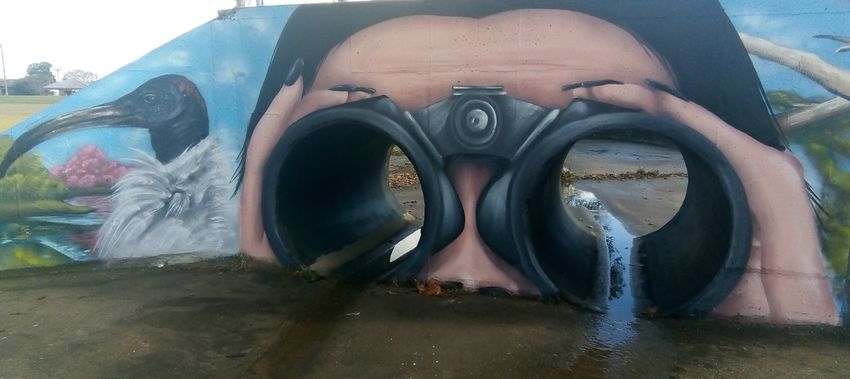
Graffiti Management Plan 2021-2026                                                                              9

Continual removal – to be persistent in
removing graffiti as soon as possible

This approach has focused on undermining the
purpose of graffiti by reducing exposure and
therefore incentive. It is widely supported that
rapid removal of graffiti acts as a deterrent to
graffiti offenders denying them any reward or
satisfaction for recognition of the work.

With this approach, we have scheduled weekly
inspections of our assets which are repeatedly
vandalised, usually focused on public toilets,
carparks and other areas located in areas of
high visibility.

When reported, obscene graffiti is removed
within one day while other graffiti is removed
within three days where possible from Council
owned assets.

We have engaged contractors to remove
graffiti on-hard to-reach sites such as on
bridges, storm water drains and multi-storeyed
buildings and other prominent sites. However,            Image: Albury youth in protection suits ready for removing graffiti
this means graffiti vandalism at these sites                            for the national Graffiti Removal Day, March 2021.
can remain in place for longer as specialised
equipment is needed for its removal.

We have participated in the national Graffiti         Prosecution – prevent graffiti through the legal
Removal Day since 2012 with members of                system
the Youth Council who have been active in
volunteering to remove graffiti from around their     We have looked at ways to support enforcement
community.                                            agencies to find and prosecute offenders
                                                      through maintaining photographic records of
Since 2015, we have provided free of charge           incidents by providing evidence which police
more than 110 graffiti removal kits to the            have used to prosecute offenders.
community which has allowed residents
to remove graffiti on their own property, if          We have offered reward payments of $2,000 for
painting out the graffiti is not an option for bare   information leading to a prosecution.
brickwork, stone, and masonry surfaces.
                                                      Staff attend Youth Justice Conferences in
The kit contains all the necessary equipment          determining sentencing outcomes of juvenile
such as gloves and eyewear protection, clean          offenders.
rags, spray bottle, abrasive scourers, paint
removing solution and instructions.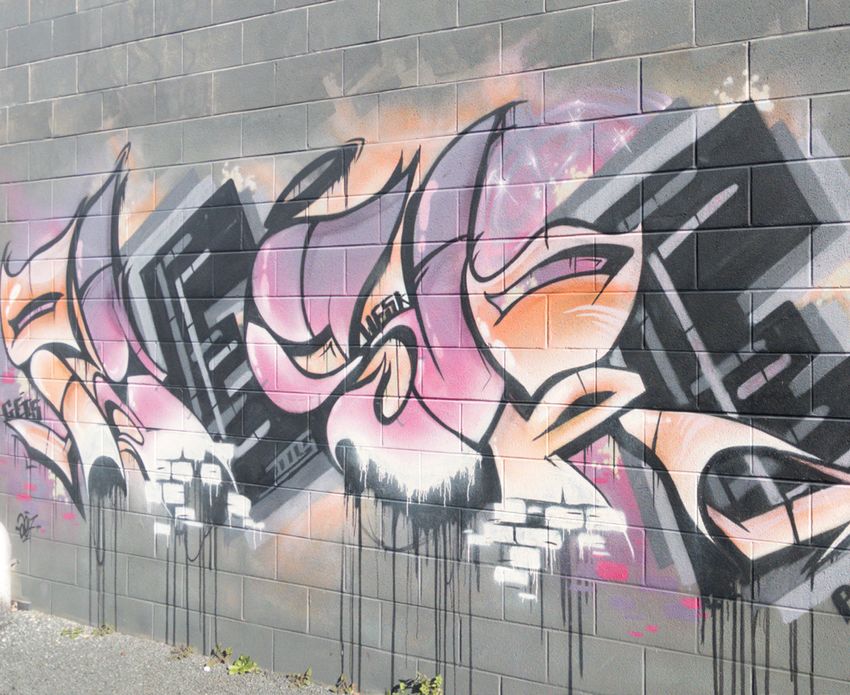
Graffiti Management Plan 2021-2026                                                                                                  10

Graffiti explained

A lot of people get confused between ‘graffiti’,                      Street art
‘street art’ and ‘mural’, which is understandable                     Street art is an installation that has been
as these terms are often used interchangeably                         authorised by the property owner and is
and also because art is a subjective form of                          normally a two-dimensional, visual art form
communication.                                                        presented on surfaces in public places outside
                                                                      of traditional art settings. It can include murals,
Graffiti                                                              graffiti, stencilled painting, paste up or sticker
Graffiti is created on any type of surface in a                       art, video projection, sculpture or material
public space without permission and mainly                            surface treatments. It is an evolving art form as
involves simple one coloured letter based tags                        artists continue to adapt technique with scale
but can also have complex multi-coloured                              and function.
designs.

A graffiti tag is a personalised signature of                         Mural
the graffiti writer usually under a pseudonym.                        A mural is a painting commissioned with
It is predominantly painted using spray paint                         permission of the property owner and artists
cans, marker pens or paint rollers. Some graffiti                     are usually recognised and paid for their work.
writers claim a unique geographical area and                          A mural can be applied directly to walls or
tag within this boundary.                                             ceilings, but some are first painted on a large
                                                                      canvas and then attached to walls, which
Graffiti can include images, writing, posters,                        became a common technique in the 19th
stickers and stencils that are applied by                             century with many murals created during the
writing or drawing, scribbling, scratching,                           Renaissance period.
pasting or otherwise fixing to any surface, on
any structure, without the permission of the                          For more information a more detailed glossary
property owner.                                                       of terms is provided at the end of this report,
                                                                      on page 26.

Type of graffiti style known as a 'throwup'. - QEII Square, Albury.   Type of graffiti style known as a 'piece' - Laneway, Lavington.
Graffiti Management Plan 2021-2026 11
Graffiti Control Act 2008
Graffiti is recognised as a crime in Australia This means that AlburyCity can complete works
controlled by individual State laws. under the Act:
Specifically, the NSW Graffiti Control Act 2008 By agreement from the owner or occupier of
(the Act) sets out the legislative framework for any private land, Council can conduct graffiti
AlburyCity and other stakeholders in relation to removal work to property on that land at
graffiti. The Act was introduced to consolidate our own cost and must compensate for any
all aspects of graffiti law ranging from graffiti damage caused because of the removal work.
offences through to the regulation of the
possession and sale of spray paint to minors, Without agreement from the owner or occupier
and graffiti removal work by local government. of any private land, Council can conduct graffiti
removal work to property on that land at our
Albury City, as a local government agency own cost if it is visible from a public place, and
is required to work within the framework of only if the removal can be completed without
additional NSW legislation. For example, under going onto the land. Council is required to give
the Crimes Act 1900 (NSW) there are penalties prior notice to the owner of our intention to
of up to five years imprisonment for the more remove the graffiti.
serious offence of maliciously damaging
property. Also, the Local Government Act 1993 These restrictions mean it is often difficult
(NSW) outlines the process of how Council’s for AlburyCity to remove graffiti from private
Compliance Officers enforce and enact our property if the owner does not agree, as we
related Local Laws. do not have authority under the Act. In some
instances, graffiti removal is challenging and
very costly because of the risks associated
Removal by Council with the site such as graffiti located in
dangerous locations in the rail corridor or at
The Act does not impose an obligation on height on overhead gantries and bridges for
Council to remove graffiti from private property example.
but can be managed by our own set of
guidelines and agreement directives. The table below illustrates the issues that
different property owners need to consider
If local governments proceed to remove graffiti when removing graffiti and what this means
on private property this is interpreted under the for removal by Council.
Act as either by agreement with the owner or
occupier, or without agreement.
Graffiti Removal Considerations Based on Asset Ownership
* AlburyCity Property/Assets includes for example public buildings and toilets, street signage, open drains.
* Third Party Property/Assets includes for example ARTC - rail line corridor, Essential Energy - poles
and boxes, RMS - street signs and roadside fencing.Graffiti Management Plan 2021-2026 12 Range of offences As of 2021, common offences under the Act include: • A person must not intentionally mark any property unless they have first obtained the consent of the property owner or person in charge of the premises. • A person must not have any graffiti implements (such as spray paints, marker pens or other implements that produce a mark that is not easily removable by wiping with water or detergent) in their possession with the intention to commit an offence. • A person must not intentionally sell an aerosol paint container (can of spray paint) to a person under 18 years of age. Range of penalties The enforcement and prosecution of the Act is the role of the NSW Police. A person who has been convicted of a graffiti offence by a court, whether they are an adult, or a child offender (under 18 years of age), may have imposed by a Magistrate a range of sentencing options. These may include: • Penalty notices to pay a fine • Payment towards cost of repairing damage to the property • Community service orders not exceeding 300 hours or in the case of child offender no more than 100 hours of community clean up work • Driver licence orders such as loss of demerit points, extending learner or provisional licence periods • Imprisonment
Graffiti Management Plan 2021-2026                                                                                        13

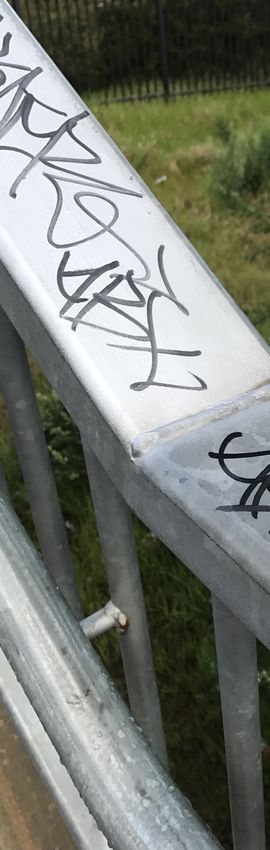
Image: Graffiti Vandalism - Griffith Road, North Albury.
The image above displays graffiti vandalism under the NSW Graffiti Control Act as the property owner did not grant permission
for this work to be completed.

        It is visually impossible to know if an installation is legal or not,
regardless of style, the distinction between graffiti vandalism and street
                   art is simply the property owner has given permission.

Image: Water Tank Artist Kade Sarte - Albury Skate Park.
The above image was commissioned by AlburyCity and is considered Street Art as the artist was given permission from the
property owner to complete this work.
Graffiti Management Plan 2021-2026 14
Way forward
Purpose of a plan
Managing the issues related to graffiti in the
"Encourage street art projects
past was based on a reactive approach to
and stop calling graffiti artists
events and challenges, even though it was
criminals"
directed by policy, it is now timely to develop
Comments from Graffiti Management Survey 2021.
a more proactive approach with an itemised
planned series of actions over time.
The purpose for developing a Graffiti
Management Plan 2021-2026 is to shape
the direction and management of the social,
economic, and environmental impacts of
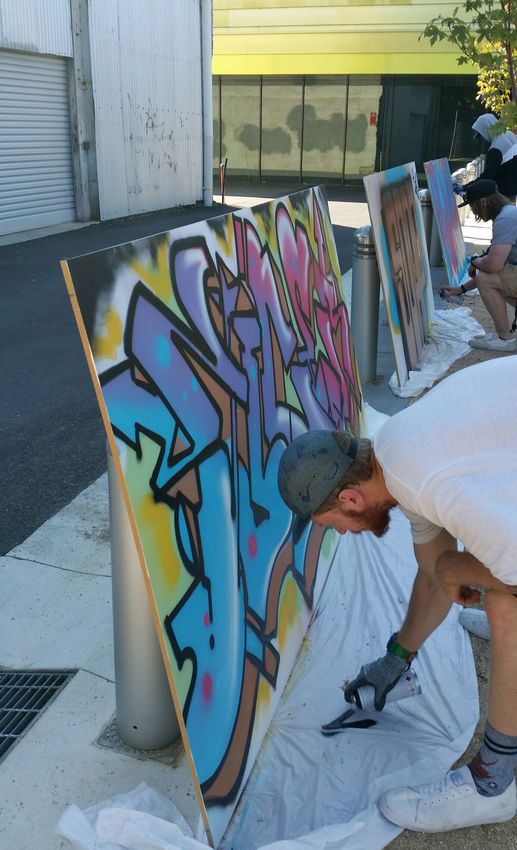
graffiti in a formal framework to consolidate Image: Community members participating in Graffiti style art workshop
approaches and set a collective vision for Retro Youth Program 2017.
enhancing the amenity of the City. That is to
find the balance between managing graffiti
vandalism and encouraging curated street
•
art in a multi-faceted and holistic manner by
Determining priorities
working together with our community.
In determining our approach to graffiti
management, we have drawn upon several
Importance of a Plan
avenues to review and evidence our priorities
and strategic directions, these included:
A Graffiti Management Plan will advance
a holistic and proactive approach and is
important because it offers our community: • Examining statistics - we have reviewed an
extensive set of data collected on graffiti
reported and removed by Council.
• Service level agreements on graffiti removal
and other associated graffiti prevention • Engaging and consulting - with key partners,
measures. stakeholders and agencies on best practice
principles and how we might work together
• Improvements in liveability through the
collaboratively going forward.
provision of accessible resources.
• Community consultation - through a series
• Information and advice as to how we will
of engagement initiatives we have asked our
prioritise collaboration with community.
community for their feedback on services
• A key set of objectives and targets to be currently offered and their priorities for such
achieved to enable the evaluation of success. services in the future.Graffiti Management Plan 2021-2026 15
We consulted
The Plan was informed through Community Participation Plan. Engaging and
consulting with key partners, stakeholders, and
examining and consulting a variety agencies on best practice principles and how
of perspectives. we might work together collaboratively going
forward.
• Examining graffiti statistics in Albury In determining best practice principles, we
• Reviewing our current methods of managing examined the work completed by other local
graffiti governments and agencies across Australia.
• Bench marking best practice methods of These included:
other local governments
• Consulting with key partners to gain their • Central Coast Council
perspectives • City of Port Phillip
• Determining community priorities and issues • City of Yarra
• Seeking community ideas and actions • Wyndham City
• Western Australia Police Force Graffiti Team
Examining statistics In addition, AlburyCity continues to actively
participate in and contribute to the Local
In determining the way forward in managing Government Community Safety and Crime
graffiti we examined the volume and costs Prevention Network, which is a NSW network
to Council in removing graffiti from our own of Community Safety Officers dedicated to
assets. Also examined was how we manage collaboration and sharing of best practice
internal reporting processes not only on our principles.
own assets but also how we manage reports
of graffiti on other infrastructure in the City. Examples of best practice principles include:
The statistics from the NSW Bureau of Crime
Statistics and Research (BOCSAR) agency was • Ensuring that graffiti is removed as rapidly as
similarly examined to determine graffiti hot possible
spot locations and general trends over time. • Actively applying Crime Prevention Through
Environmental Design principles
• Applying a broad range of management
Engaging and consulting tools, including graffiti mitigation
• Focusing on community strengthening
Significant feedback from the community opportunities in areas where graffiti is
has been drawn upon in the development of entrenched
the Plan and provided a framework for our
future planned actions. We consulted through
a variety of structured consultation events,
which was guided by the principles outlined
in our Community Engagement Plan and theGraffiti Management Plan 2021-2026 16
Key stakeholder consultation
An Engagement Consultant, LightBulb Social media posts
Consulting, was contracted to manage our
discussions with key stakeholders and the We promoted the engagement opportunities
broader community to help shape the direction on our Facebook page during March and April
of graffiti management in the City which 2021. Overall, the posts reached 11,655 people.
provided a balanced opportunity for people to
offer feedback. Community survey
Feedback was sought directly from the A Graffiti Management Survey was developed
following key stakeholders: which was open for a month during March and
April 2021 and we received 116 responses.
• Aboriginal Community Working Party The survey was promoted via social media and
on our website, and through existing contact
• Albury Business Connect
databases. Paper copies of the survey and
• Albury Crime Prevention Committee QR code facilities were made available to the
• Albury Liquor Accord public at the Community Centres (Westside,
• Albury Project Glenecho, Orana, Thurgoona and Mirambeena)
• Albury Youth Council and the LibraryMuseum and Lavington Library
locations.
• Australian Rail Track Corporation (ARTC)
• City of Wodonga
• Essential Energy
• Glenecho Community Centre
• NSW Department of Education
• NSW Police – Murray River Police District
• Police Citizens Youth Club (PCYC)
• Retro Youth Management Committee
• Roads & Maritime Services (RMS)
• Volunteer Resource Bureau (CALD
Community)
Community consultation
Listening posts
We held face to face community consultation
sessions at four retail shopping centres –
Lavington, Thurgoona, Myer Centrepoint and "It is unsightly and makes me
West End Plaza during March 2021. These feel like the town is unloved"
involved setting up a stand and encouraging
people to discuss their views on graffiti. Comments from Graffiti Management Survey 2021 .
People also had the option to fill out a survey. "It is unsightly and makes
‘Have your Say’ webpage me feel like the town is
unloved"
Comment from Graffiti Management Survey 2021
A ‘Have your Say’ webpage on the AlburyCity
website was developed for the consultation Image: Graffiti vandalism known as a Tag in foreground and a
process during March and April 2021. This Throwup in background - QEII Square, Albury.
page provided general information about
the project around themes and associated
high-level objectives to guide community
conversations and linked users to a survey.Graffiti Management Plan 2021-2026 17
You told us
We asked our community for their thoughts and input about graffiti in
our City and this is what we learnt.
General feedback
The most disturbing to the community is
tagging, with few considering it an artform
and most describing it as senseless vandalism.
Graffiti, especially tagging, is a problem for
some sectors of the community because it
has an impact on their perception of safety.
Some people reported they felt a graffitied
area is unsafe and avoided going into those Survey key findings
locations. It increased their feelings of fear
and distorted their perceptions around the • Most people (80%) believe tags and scribble
actual level of crime and safety. Graffiti was constitute graffiti.
considered to have a negative impact on the • People generally believe graffiti is being
amenity and their general sense of safety. It removed in a timely manner from AlburyCity
was clearly articulated through the community property, but not from private property or
engagement process there are parts of the city, utility company assets.
particularly around rail assets, where graffiti • Many people (73%) think AlburyCity should
is seen as unsightly and reflects negatively on play a role in the removal of graffiti from
Albury overall. private property.
• The most important measure to reduce the
number of graffiti incidents was reported as
Consultation key findings redirection to other activities, followed by
removal of graffiti, enforcing penalties and
• People did not consider that Albury had a community education.
major issue with graffiti. • The most important strategy to minimise
• People did not feel that graffiti incidents had graffiti was street art, followed by
increased in recent times. landscaping, lighting and applying
• Most people felt satisfied with the timeliness anti-graffiti surfaces.
and efficiency of how we remove graffiti. • Ideas to best manage graffiti by AlburyCity
• Most comments around graffiti were centred included engagement and enforcement. This
around the railway line and rail corridor areas. frequently related to harsher penalties for
• People were in favour of street art and utility offenders and increased programs to engage
box coverings to prevent graffiti. young people in legal art activities.
• Many comments were received about the • Most people (92%) believe that AlburyCity
need for the provision of legal spaces where should provide spaces for legal street art.
people could safely graffiti without fear of the • More than a third of people felt that graffiti
law. impacts their perceptions of personal safety.
• There was low awareness around Council’s
provision of graffiti removal kits.Graffiti Management Plan 2021-2026 18
Community feedback
Here are some of the examples of what our
community had to say about graffiti in Albury.
"Advertise for dashcam footage of graffiti artists
at work. This may make them think twice and it
may also catch a few."
"Provide areas, such as a designated alleyway,
or wall spaces, where graffiti, such as tagging,
is encouraged, while also offering wall spaces
or alley ways where more acceptable forms of
graffiti, such as those created by ‘Banksy’ style
artists, can practice their art form."
"Embrace it. Change YOUR attitude."
"Provide information to every school regarding
the reward on offer for information. Stop calling
it graffiti and tagging. Call it Malicious Damage
as per Crimes Act and promote it as a criminal
offence done by criminals."
"More murals, educational workshops to teach
taggers, create a program to bring to schools."
"Offer Street Art Workshops and Mural Programs.
Create a fun, safe and inspiring space for people
to express themselves, share ideas, and develop
greater social connection, work with young
people, community groups."
"More police patrols."
"Have a register for artists (free) and nominated
areas."
"Just the look of it makes me
"If offenders can be identified, then they help feel uncomfortable"
clean it up as part of their rehabilitation."
.
Comments from Graffiti Management Survey 2021
"More street art, landscaping."
Image: Graffiti vandalism LibraryMuseum, Albury.Graffiti Management Plan 2021-2026 19
Bringing it together
As demonstrated in the community consultation findings, there are
many different reactions to graffiti.
Some people reported little concern and did A key focus is on building community
not identify graffiti as a major problem, as they understanding of graffiti management, increasing
considered it an important form of expression, the community’s support and personal
which enhanced the culture of the city. While for commitment to action.
others, it impacted on their feelings of safety
and well-being. It is clear the way forward is heavily dependent
on the level of contributions made not only by
The management of graffiti vandalism is AlburyCity but also by our partners and the
complex. A critical challenge to an effective community. AlburyCity values the support of our
graffiti management response is navigating partners and the broader community in working
the complex stakeholder environment. There towards any meaningful improvements in the
are numerous government agencies and other management of graffiti in Albury.
organisations accountable for graffiti removal.
Our plan
The range of regulatory obligations in managing
the risks of removal vary according to the
Our Graffiti Management Plan is a high-level,
location and type of asset. For example, these unifying document drawing together the key
assets could include power poles, traffic signal policies and plans to manage graffiti in Albury.
boxes, the railway line and other types of private Provided in Appendix 2, on page 29 is an overview
property. of key actions. More detailed information
and specific actions will be included in yearly
We also acknowledge that broader enforcement Operational Plans over the next five years.
activities sit outside of our jurisdiction, which
are led by NSW Police and the NSW department We have determined that four themes outlined on
of communities and justice the following pages best encapsulates our vision
and are consistent with the directions
of our community.
Image: North Albury Public School murla - Wingara Street Playground.
AlburyCity Youth Council received a monetary prize of $500 as part of the NSW Graffiti Removal Day Art Competition in June 2021.
Students from North Albury Public School designed a large mural artwork for the Wingara Street Playground under the direction
of mural artist Sharee Richardson to deter graffiti. The site is now cleared of all tagging and has not been tagged since. The cash
prize was granted to the North Albury Public School arts program to further encourage students to grow their creative skills.Graffiti Management Plan 2021-2026 20
Theme one: Engagement
Ensure a collective approach with shared knowledge and resources in
the management of graffiti.
The Engagement Theme is a collective
approach to the shared problem of graffiti.
Included in this theme is how the community
can gain a better understanding of
responsibilities and how community members
can feel engaged in the process and the
messaging around this.
1. Develop resources
Examples of possible actions:
Image: Youth Councillors working on removing graffiti 2019.
• Investigate the current public reporting
systems such as ‘graffiti hotline’ and ‘snap
send solve’ and develop and adopt best 3. Develop partnerships
practice methods so people can easily report
graffiti. Examples of possible actions:
• Identify a suitable site for, and implement, • Work in partnership with local schools to
a legal and safe graffiti free wall. build capacity around graffiti awareness and
educational campaigns.
2. Keep the community informed • Investigate a joint agreement between
AlburyCity and the City of Wodonga to engage
Examples of possible actions: contractors to remove graffiti across the two
cities.
• Conduct regular information sessions with
Albury Business Connect and business 4. Foster community involvement
owners advising on Crime Prevention
Through Environmental Design principles Examples of possible actions:
and strategies to manage graffiti on their
properties and reduce the risk of occurrence. • Develop programs that divert young people
from this graffiti activity.
• Review, update and maintain graffiti related
information on AlburyCity’s website and other • Investigate and implement a community
information channels. program where interest groups can be
involved in graffiti removal.
• Investigate partnerships with PCYC to
develop initiatives discouraging graffiti
activity and foster art skills.Graffiti Management Plan 2021-2026 21
Theme two: Prevention
Deliver alternative and preventative measures to minimise the risk of
graffiti occurring in Albury.
The focus on the Prevention Theme is 2. Provide physical barriers & new technologies
concerned with implementing measures to
minimise the risk of graffiti occurring in the first Examples of possible actions:
place. Particularly prevention measures such
as physical barriers like fencing and vegetation, • Continue to use alternative treatments on
the use of wraps around utility boxes for infrastructure such as traffic signal boxes as
example to deter graffiti occurring and a prevention measure for precinct amenity
improved lighting. It also encompasses talking improvement.
to groups which may be considered likely or
potential perpetrators and encouraging their • Establish a process to support and guide
behaviour to be diverted into other activities. residents who have an interest in greening
with vegetation on walls and fences along
their property boundaries.
1. Provide education to community
Examples of possible actions: 3. Provide safe and legal areas
• Develop a graffiti prevention information Examples of possible actions:
sheet for property owners to consider
when designing and altering properties to • Provide designated spaces for free
help minimise graffiti risk based on Crime and lawful posting of advertising posters (bill
Prevention Through Environmental Design posting) in Albury.
principles.
Image: Factory wall - Hume Freeway North Albury.
In 2020, AlburyCity began a trial as a prevention measure for a regularly tagged wall by using a dark paint and planted with grevillea to act
as barrier to graffiti vandals accessing the wall. This wall is highly visible from the Hume Freeway northbound on the outskirts of the City.
It was retagged several days after the installation but has been graffiti free since.Graffiti Management Plan 2021-2026 22
Theme three: Removal
Protect the amenity of the community by improving our public spaces
through removal of graffiti from property.
The Removal Theme sets parameters around 3. Support our community
appropriate timeframes for the removal of
graffiti, whether offensive graffiti and graffiti Examples of possible actions:
in highly visible areas should receive removal
priority. This theme also develops potential • Continue to provide free graffiti removal
partnerships which would assist with the timely kits and investigate issuing discount paint
removal of graffiti in a coordinated response vouchers to assist in the removal of graffiti
across the City. from private property or local business.
1. Responsive approach • Continue to investigate and implement
environmentally safe graffiti removal
Examples of possible actions: methods.
• Continue removal of graffiti that could be • Regularly contact property owners and
considered obscene/offensive/indecent, occupiers in high profile locations advising
racist and/or vilifying from Council property them of services offered to assist with graffiti
within one day of notification. removal.
• Develop a clear workflow for Council 4. Partner with community groups
customer service staff to follow relating to
the reporting of graffiti on private property. Examples of possible actions:
• Review policy and clarify Council’s role in • As part of Council’s community grants
removing graffiti that could be considered program, fund community-based initiatives
obscene/offensive/indecent, racist and/or that seek to reduce the impact of graffiti.
vilifying from public and private property.
• Develop and support an ongoing partnership
with the Youth Council to become graffiti
2. Provide Resources champions in schools.
Examples of possible actions:
5. Enact legislative powers of Local
• Investigate new and sustainable Government
technologies to support graffiti removal.
Examples of possible actions:
• Review The Graffiti Control Act to determine
what further measures it could include to
assist with removal of graffiti from property
not owned by Council.Graffiti Management Plan 2021-2026 23
Theme four: Enforcement
Support the effectiveness of identifying offenders and promote
successful enforcement outcomes.
The activities for the Enforcement Theme
include working with business owners to ensure
items commonly used in graffiti, such as paint
spray cans, are kept according to the legislation.
It also includes incentives for rewarding people
who report offenders and how this can be
expanded, as well as ways in which a register
of frequent tags can be established and shared
between AlburyCity and the NSW Police,
including the City of Wodonga.
1. Collaborate with Enforcement Agencies
Image: Responsible retail paint spray can storage.
Examples of possible actions:
• Establish a register of frequent tags to 3. Collaborate with Business
support Police actions with regular scheduled
reports. Examples of possible actions:
• Work with the NSW Police for relevant • Work with the NSW Police to spot check
statistics and trends on the level of incidents. retailers and enforce the Graffiti Control Act
regarding retailers selling paint spray cans to
minors.
2. Engage with Legislative Services
4. Partner with Community
Examples of possible actions:
Examples of possible actions:
• Engage with legislative services by
establishing a process to determine the • Continue to offer a reward system that leads
outcome of fines and court proceedings for to a conviction for an offence.
offenders.
• Advocate for offence penalties which
reflect community expectations with local
Magistrates.Graffiti Management Plan 2021-2026 24
Developing actions
Action Plan
While the timeframe for the Graffiti This approach is consistent with the
Management Plan spans a five-year period, Integrated Planning and Reporting (IP&R)
Appendix 2 provides an overview of key framework under the Local Government Act
actions on page 29. The delivery of these 1993, which recognises that council plans and
actions will be considered within our annual policies are interconnected.
delivery program and reporting processes to
ensure we best meet the ongoing needs of The performance of the Plan will be reviewed
our community and resourcing available. The formally after four years, but may be reviewed
Action Plan is a flexible document, adapting to more frequently to align with our Community
dynamic influences such as community need, Strategic Plan updates or if required by other
changes in NSW State legislature, Council circumstances.
resourcing and funding or grant opportunities,
as they arise.
NSW Government
Monitoring and Reporting legislative framework
Community Strategic Plan
(Albury2030/Albury 2050)
We will monitor and report on the Two Cities One Community
implementation and success of planned
actions to ensure that priorities are being Graffiti Management Plan
achieved and whether the underlying
assumptions for this Plan are still valid. This Community Engagement
Other strategic plans
Resourcing Strategy
process will be aligned with other Council (including Community
Engagement Plan
(e.g. Crime Prevention Plan) (e.g. Long term financial
planning, workforce man-
reviews and reporting processes as much as and Community
Participation Plan)
agement planning, asset
management planning)
possible, such as: Delivery Program
• Review of our Community Strategic Plan –
Albury2030 and related reporting
wie
Operational Plan
rev
(e.g. Annual Report)
nd
• Review of the new Community Strategic Plan
ra
ito
on
Albury2050 (when adopted in M
the life of this Plan) Annual Report
• Review of other strategic documents
(e.g. the Crime Prevention Plan etc.)Graffiti Management Plan 2021-2026 25 Key Sources • Albury2030 (Community Strategic Plan) (2017) • AlburyCity Crime Prevention Plan (2016-2019) • AlburyCity Graffiti Management Policy • AlburyCity Urban and Public Art Strategy (2010-2020) • AlburyCity Youth Strategy (2018-2021) • Central Coast Council Graffiti Management Strategy 2021-2024 • City of Port Phillip Graffiti Management Plan 2019-2024 • City of Yarra Graffiti Management Framework 2020-2023 • Local Government Community Safety and Crime Prevention Network • NSW Bureau of Crime Statistics and Research (BOCSAR) • NSW Crimes Act 1900 • NSW Graffiti Control Act 2008 No 100 • NSW Local Government Act 1993 No 30 • The Graffiti Vandalism Strategy Western Australia 2019-2021 • Wyndham City Graffiti Management Strategy 2017-2022 Image: Mighty Murray Float by Kade Sarte, Blacklooks Lane Albury. The site of this installation was chosen as part of the Albury Wodonga Upstream Cultural Festival in March, 2021 as a prevention measure to improve the local amenity of the laneway as it was regularly graffitied and very unwelcoming. The wall has not been graffitied since and people have begun using the lane as a thoroughfare.
Graffiti Management Plan 2021-2026                                                                                                26

Glossary
 Term                         Description
 Bills                        Pre-designed art, printed on large posters, and fixed to surfaces in public spaces using sticky
                              tape, zip ties or screws.
 Bomb                         The act of painting many surfaces in an area resulting in dense graffiti completed over a short
                              time using Tags or Throw-ups.
 Buff                         The act of removing or painting over graffiti.
 Capping                      To tag or paint over an existing graffiti mark.
 Crew                         A group of people that work together as a group to paint graffiti in a gang-like manner.
                              A crew disperses the risk of a single person being held accountable for the works.
 Etching                      The use of acid solutions to tag on glazed surfaces.
 Ghost                        Marks left after the removal of graffiti, often due to porous or the aged nature of the surface
                              beneath. This is the mark left after paint or ink has been unsuccessfully buffed.
 Graffer                      A practitioner of graffiti.
 Graffiti                     Is the application of an unauthorised inscription, figure or mark written, painted, drawn or
                              otherwise displayed on any surface.
 Juvenile                     Generally, takes the form of ‘x loves y’ types of messages of lists of first names. They are
                              usually written with marker pens.
 Murals                       Murals are works on walls or similar types of surfaces, generally larger in scale and can be
                              painted, printed or involve mixed media. There is usually a single theme/design for the work.
 Offensive                    Any graffiti which could be offensive to others. This may include any graffiti that is considered
                              obscene, racist, religious, sexist, gender focused or infers discrimination against any person or
                              group.
 Paste Up                     The application of drawings or stencils on paper to a wall using wallpaper paste.
 Piece                        Piece, short for the word ‘masterpiece’, refers to large-scale multi-coloured graffiti painting
                              containing a combination of images, patterns, symbols, and letters which is often complex and
                              takes more time to complete.
 Political / Protest          The communication of a political viewpoint that might challenge the legitimacy of the existing
                              political environment through visual means.
 Scratching                   The scratching or etching into a surface with an implement such as keys or coins.
 Stencils                     Pre-designed art which is sprayed through a stencil. Stencils are commonly applied to
                              footpaths and walls, can vary greatly in their complexity. In recent years, stencil art has become
                              popular with a range of artists and continues to gain recognition in the public arts space.
 Stickers                     Pre-designed art, printed on stickers, and applied in public spaces. Stickers in recent years
                              have significantly increased and generally occur in high numbers in specific areas.
 Street Art                   Street Art is visual art forms developed in public places which has grown out of the graffiti
                              cultural movement. The term can include traditional graffiti styled artwork, sculpture, stencil
                              graffiti, sticker art, street poster art and video projection for example.
 Tags                         A stylised personal graphic identifier depicting names or nicknames, which are often large and
                              in bold colours that is simple and quick to apply. It is usually applied with spray paint or marker
                              pen and is the most common form of graffiti, mostly in areas of high visibility.
 Writer                       A practitioner of graffiti for the purpose of graffiti vandalism.
 Throw Ups                    Fat bubble style outline of a word (usually a tag name) drawn quickly, often with a single infill
                              colour.
Graffiti Management Plan 2021-2026 27
Appendix 1
Relevant Albury2030 Themes and Actions
Managing graffiti has been based on the aspirations, knowledge and values expressed
by our residents who helped to create our City’s Vision and Community Values as part of
Albury2030. To achieve our vision, the following strategic actions are identified and consistent
with the directions of our actions to achieve the higher-level aspirations of the community.
These are grouped under the relevant Albury2030 themes and not in order of priority.
THEME 1 – A Growing Sustainable Economy
Actions
Improve visitor and residents' experiences
• To raise public awareness of and access to local community and cultural heritage.
• Understand, promote and encourage a sense of identity and place in the community.
• Continue to enhance Albury and Lavington CBDs.
• Encourage innovative and modern design for the built and natural environment -
maximise community choice and vibrancy.
• Ensure urban and public art is integral to Albury's landscape.
Albury's infrastructure and assets are well managed and maintained
• Determine infrastructure and service levels through balancing community needs, future
growth, sustainability and heritage values.
• Adopt an integrated approach to planning and understanding of community assets and
infrastructure.Graffiti Management Plan 2021-2026 28
THEME 3 - A Caring Community
Actions
Albury's key community safety indicators continuously improve
• Develop and implement strategies to improve community safety and amenity.
• Advocate to all levels of Government for appropriate resources and strategies
which support a safer community.
The health and wellbeing of the Albury community improves
• Provide programs, services support and facilities for the community to increase
positive social outcomes.
The improved settlement of people from diverse cultures
Promote the value of multiculturalism in the community through opportunities of cultural
expression and awareness.
THEME 4 - A Leading Community
Actions
The community is consulted on all major changes that will affect them
• Council, state agencies and other public service providers develop and implement
community engagement plans to engage the community on a broad range of issues
report results of consultation back to community.
• Use new technologies for engagement and promotion where appropriate - including
on-line engagement and social networking.
• Target the communication with community where possible and identify opportunities
to facilitate and partner in projects and services.
The Albury community provides resources and opportunities to develop future leaders
• Consider the views and needs of children and young people - develop strategies to
allow children and young people to contribute to the City's future.
• Facilitate volunteering opportunities and information about volunteering to all sectors
of the community.
• Showcase the leaders in our community.
Albury plans and leads with good governance
• Ensure technical resources and infrastructure are current and maintained.
• Apply principles of good governance, openness and transparency.
• Support and encourage an innovative community.Graffiti Management Plan 2021-2026 29
Graffiti Management Plan 2021-2026 29
Appendix
Appendix22
Key
KeyActions
Actions
THEME 1: ENGAGEMENT
Ensure a collective approach with shared knowledge and resources in the management of graffiti.
Goal 1.1 Develop resources
Action Responsibility/Partnerships Timeframe Measures and Targets
1.1.1 Investigate the current public reporting AlburyCity Year 1 • Increase in reporting
systems such as ‘graffiti hotline’ and ‘snap graffiti numbers /
send solve’ and develop and adopt best incidents.
practice methods so people can easily report • Positive community
graffiti. feedback.
1.1.2 Identify a suitable site for, and implement, a AlburyCity Years 1-2 • Decrease / reduction in
legal and safe graffiti free wall. Albury Business Connect graffiti.
Community • Decrease in bill posting.
1.1.3 Investigate legal bill posting options. AlburyCity Ongoing • Decrease in the number of
illegal bill postings.
1.1.4 Develop and distribute educational materials AlburyCity Years 3-5 • Number of materials
that will support identified AlburyCity staff produced.
where graffiti impacts their work. • Number of staff
supported.
Goal 1.2 Keep the community informed
Action Responsibility/Partnerships Timeframe Measures and Targets
1.2.1 Conduct regular information sessions with AlburyCity Ongoing • Attendance at network
Albury Business Connect and business owners Business meetings.
advising on CPTED principles and strategies to Residents • Workshops.
manage graffiti on their properties and reduce • Increase uptake of
the risk of occurrence. removal resources.
1.2.2 Review, update and maintain graffiti related AlburyCity Ongoing • Increase traffic / hits on
information on AlburyCity’s website and other website.
information channels. • Current information made
available.
1.2.3 Promote CPTED priorities to the Community. AlburyCity Ongoing • Workshops.
Community Groups • Attendance at network
Residents meetings.
1.2.4 Develop and roll out a campaign that AlburyCity Ongoing • Increased reporting.
encourages residents to take pride in our city Residents • Increase in graffiti kits
and remove graffiti from private properties, Business distributed.
and using ‘snap, send, solve’ to identify and
locate graffiti to be removed.
Goal 1.3 Develop partnerships
Action Responsibility/Partnerships Timeframe Measures and Targets
1.3.1 Seek out and connect with local partners to Community Groups Ongoing • Attendance at network
reduce graffiti. Utility Companies meetings.
Albury Business Connect • Workshops.
Tourist Business Partners
1.3.2 Work in partnership with local schools to build AlburyCity Years 1-3 • Number of Programs.
capacity around graffiti awareness and Education Department • Number of information
education campaigns. sessions.
1.3.3 Investigate a joint agreement between AlburyCity Ongoing • Reduce costs.
AlburyCity and the City of Wodonga to engage City of Wodonga • Audit Outcomes /
contractors to remove graffiti across the two improvements.
cities. • Joint agreement /
strategy.
1.3.4 Participate in stakeholder networks to share AlburyCity Ongoing • Network attendance.
graffiti strategies and approaches. Networks
1.3.5 Investigate the need to implement a Working / AlburyCity Years 1-2 • Participation of relevant
Coordination Group to strategically coordinate teams.
graffiti-based projects across Council, • Attendance at meetings.
including CPTED principles
Goal 1.4 Foster community involvement
Action Responsibility/Partnerships Timeframe Measures and Targets
1.4.1 Develop programs that divert young people AlburyCity Years 2-5 • Number of Programs.
from graffiti activity. Dept. of Community & Justice • Number of Participants.
CALD CommunityGraffiti Management Plan 2021-2026 30
HIVE
Retro Youth Program
1.4.2 Investigate and implement a community AlburyCity Years 2-3 • Number of joint events.
program where interest groups can be involved PCYC • Success of events and
in graffiti removal. attendance numbers.
1.4.3 Investigate partnerships with the PCYC to Community Service Groups Years 2-3 • Number of Community
develop initiatives that discourage graffiti Youth Council Groups.
activity and foster art skills. • Number of locations
cleaned.
• Number of clean up
events.
THEME 2: PREVENTION
Deliver alternative and preventative measures to minimise the risk of graffiti occurring in Albury.
Goal 2.1 Provide education to community
Action Responsibility/Partnerships Timeframe Measures and Targets
2.1.1 Develop a graffiti prevention information sheet AlburyCity Year 3 • Number of packs
for property owners to consider when distributed.
designing and altering properties to help • Number of resources
minimise graffiti risk based on CPTED distributed.
principles.
2.1.2 Provide advice and information to residents on AlburyCity Ongoing • Information developed.
commissioning of murals on private property. Residents • Number of murals
commissioned.
Goal 2.2 Provide physical barriers and new technologies
Action Responsibility/Partnerships Timeframe Measures and Targets
2.1.1 Continue to use alternative treatments on AlburyCity Ongoing • Number of treatments
infrastructure such as traffic signal boxes as a Utility Companies used.
prevention measure for precinct amenity Government Agencies • Number of partners
improvement. engaged.
2.2.2 Establish a process to support and guide AlburyCity Years 2-3 • Number of media
residents who have an interest in greening Residents campaigns.
with vegetation on walls and fences along Albury Business Connect • Number of programs.
property boundaries.
2.2.3 Continue to support the community to provide AlburyCity Ongoing • Number of enquires.
physical barriers and new technologies, as a Residents • Positive feedback.
preventative measure. Business • Views on AlburyCity
website.
Goal 2.3 Provide safe and legal areas
Action Responsibility/Partnerships Timeframe Measures and Targets
2.3.1 Provide designated spaces for free and lawful AlburyCity Years 2-3 • Decrease in unlawful bill
posting of advertising posters (bill posting) in posting.
Albury.
2.3.2 Investigate legal graffiti wall options. AlburyCity Year 1 • Use of wall.
2.3.3 Continue to work with the Youth Council to AlburyCity Ongoing • Number of programs.
deliver youth-led treatments such as mural Youth Council • Number of youth-led
projects that enhance the engagement of treatments.
young people.
THEME 3: REMOVAL
Protect the amenity of the community by improving our public spaces through removal of graffiti from
property.
Goal 3.1 Responsive approach
Action Responsibility/Partnerships Timeframe Measures and Targets
3.1.1 Continue removal of graffiti that could be AlburyCity Ongoing • KPI met.
considered obscene/offensive/indecent, racist
and/or vilifying from Council property within
one day of notification.
3.1.2 Develop a clear workflow for Council Customer AlburyCity Year 1 • Knowledge base up to
Service Staff to follow relating to the reporting date.
of graffiti on private property. • Decrease in enquires to
other teams.
3.1.3 Review policy and clarify Council’s role in AlburyCity Year 1 • Policy reviewed.
removing graffiti that could be considered
obscene/offensive/indecent, racist and/or
vilifying from public and private property.
3.1.4 Develop and maintain a quality assurance AlburyCity Ongoing • Process audit.
process to monitor graffiti removal and • Costs identified.
associated costs.
Goal 3.2 Provide Resources
Action Responsibility/Partnerships Timeframe Measures and Targets
3.2.1 Investigate new and sustainable technologies AlburyCity Ongoing • New technologies
to support graffiti removal. investigated.You can also read


