Education taronga western plains zoo 2019 - LEARNING IN NEW WAYS to TRANSFORM THE LIVES of STUDENTS - Taronga Conservation Society Australia
←
→
Page content transcription
If your browser does not render page correctly, please read the page content below
education �
taronga western
plains zoo 2019
LEARNING IN NEW WAYS to TRANSFORM
THE LIVES of STUDENTS
2
    Front cover: Clancy Job. Inside cover: Student dip netting at an outdoor class session. Photo by Clancy Job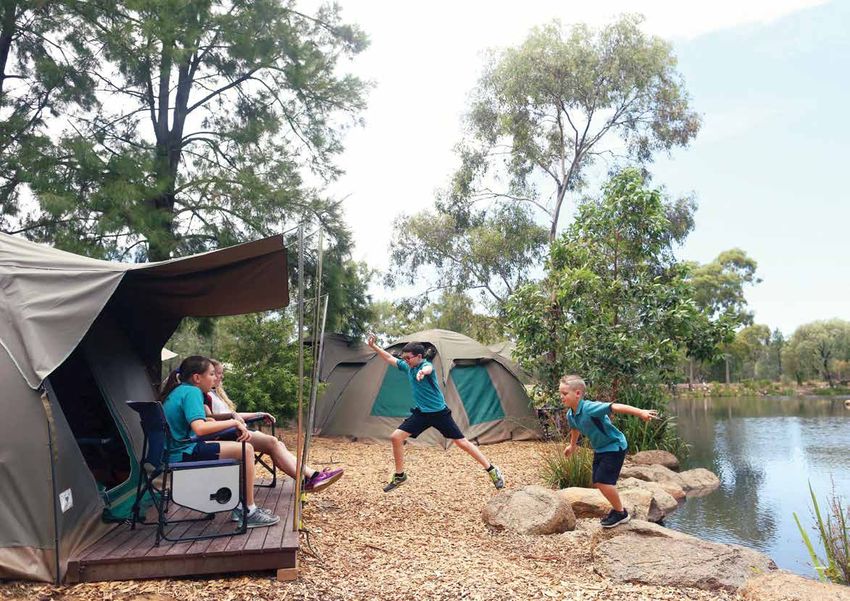
CONTENTS
New Exhibits 		                    4-5

Why Choose Taronga		               6-7

Teaching Resources		               8-9

Self Guided Visits		               10

Workshops		11

     Stages ES1 - 1 		             12 - 13

     Stages 2 - 3 		               14 - 15

     Stages 4 - 5		                16 - 17

     Stage 6		                     18 - 19

Full Day Programs		                20 - 21

Evening and Overnight Programs		   22 - 23

Events for Schools		               24

Digital Engagement		               25

Optional Extras		                  26 - 27

Act for the Wild		                 28

Work Experience		                  29

For Teachers		                     30 - 31

Taronga Education Bookings		       32

                                             3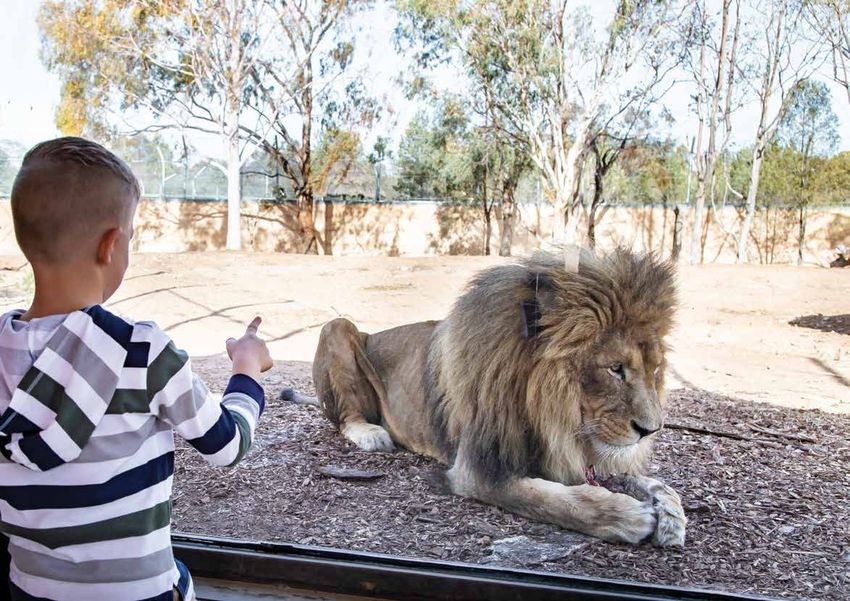
NEW EXHIBITS NOT
    TO BE MISSED!

                                                                                                                                    Wild Herds. Photo by Rick Stevens
    Wild Herds
    The new Wild Herds exhibit offers students a truly immersive experience with a
    deer walk-through and a beautiful outlook to the Zoo’s Takhi herd from a replica
    Mongolian village.
    Wild Herds is home to two species – Takhi, a Mongolian horse also known as
    Przewalski’s Horse, and Fallow Deer. The exhibit showcases the Zoo’s role in
    helping to bring the Takhi back from the brink of extinction.

    Lion Pride Lands
    Come with your students and be transported to the African plains where the
    lion is king!
    Experience both sweeping and up close views of the African Lions. Explore a replica
    African village setting complete with walk-through goat kraals. Learn about how

                                                                                          Lion Pride Lands. Photo by Rick Stevens
    villagers in Kenya live with their domestic livestock in close proximity to lions.
    Wild Herds and Lion Pride Lands can be explored for free with your Zoo entry.

4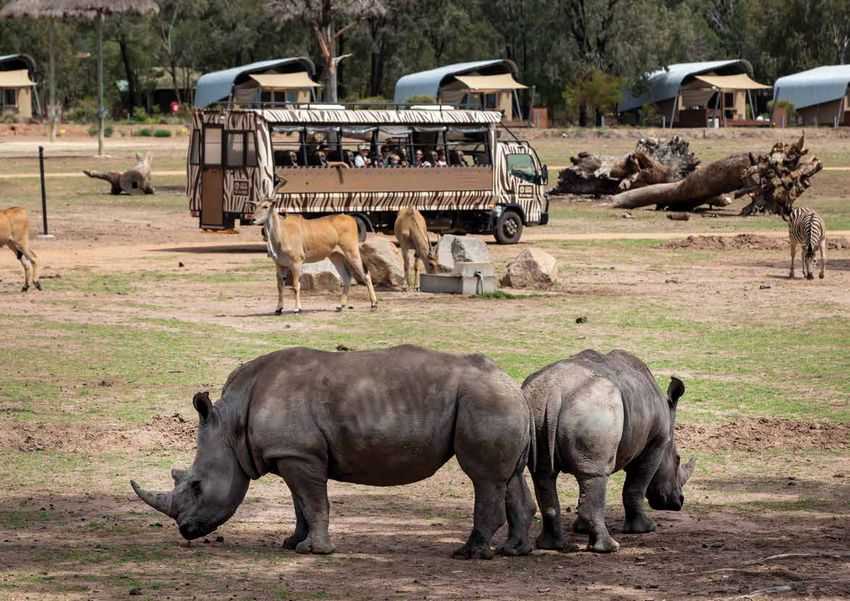
Lion Pride Lands. Photo by Rick Stevens

5
why choose
               taronga
               It can be challenging to select the most valuable
               experiences for your students. At Taronga, we make
               the choice easy.
               Access to experts
               • Senior Education Officers from the NSW Department of Education and Taronga’s
                 qualified teachers guide your visit
               • Taronga’s education programs are developed by experts, including scientists,
                 keepers, qualified teachers and veterinary staff

               Links to curriculum
               • Taronga’s programs align with NSW NESA Syllabuses and strongly integrate the
                 cross-curriculum priorities

               Engaging learning environments
               • The Zoo’s rolling plains offer a highly immersive experience including a 6km circuit
                 that meanders through natural bushland and around large open style exhibits. The
                 connections your students will make with wildlife will last a lifetime

               Teacher resources
               • Free online teacher resources are easily incorporated into your own learning
                 programs before and after a visit. They focus on inquiry-based investigations with
                 a local wildlife context
Rick Stevens

    6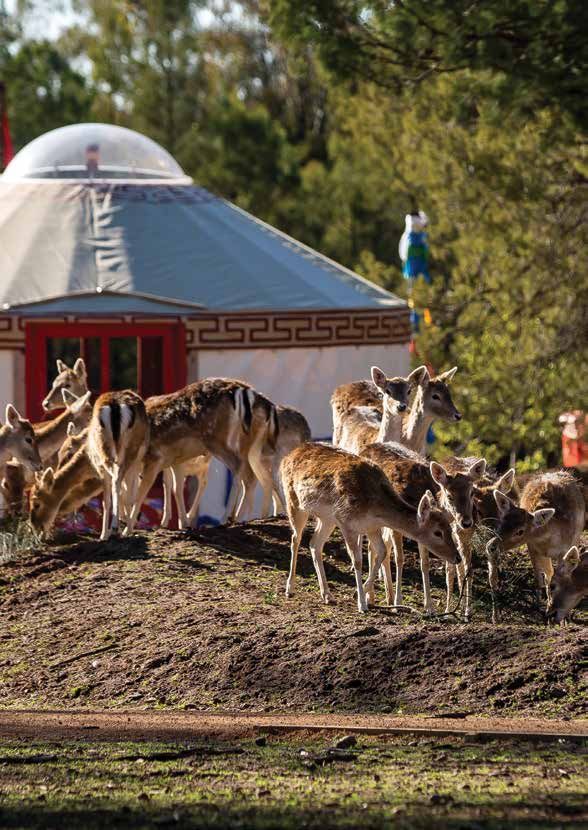
Cross-curriculum priorities
A visit to Taronga Western Plains Zoo is a unique way to encourage student learning
across the curriculum.
Taronga Western Plains Zoo setting together with its education resources provides a
rich and unique opportunity for every teacher to integrate all three priority areas into
their programs.

Aboriginal and Torres Strait Islander histories and cultures
A wide variety of workshops and experiences have been created in partnership
with local Aboriginal communities and Aboriginal Education Officers .

Asia and Australia’s engagement with Asia
Taronga’s conservation campaigns provide a thought provoking and inspiring focus for
investigations that lead to student action. A visit to Taronga Western Plains Zoo ‘Wild
Asian Wetlands’ will highlight the critical conservation issues facing our neighbouring
Asian wildlife and enable students to be the change for the wild!

Sustainability
Taronga Western Plains Zoo’s programs engage and empower teachers to deliver
quality sustainability-focused lessons in their classroom and beyond. Our resources
guide students through a pre and post-visit framework that leads to authentic
sustainability driven changes in their local setting.

                                                                                           7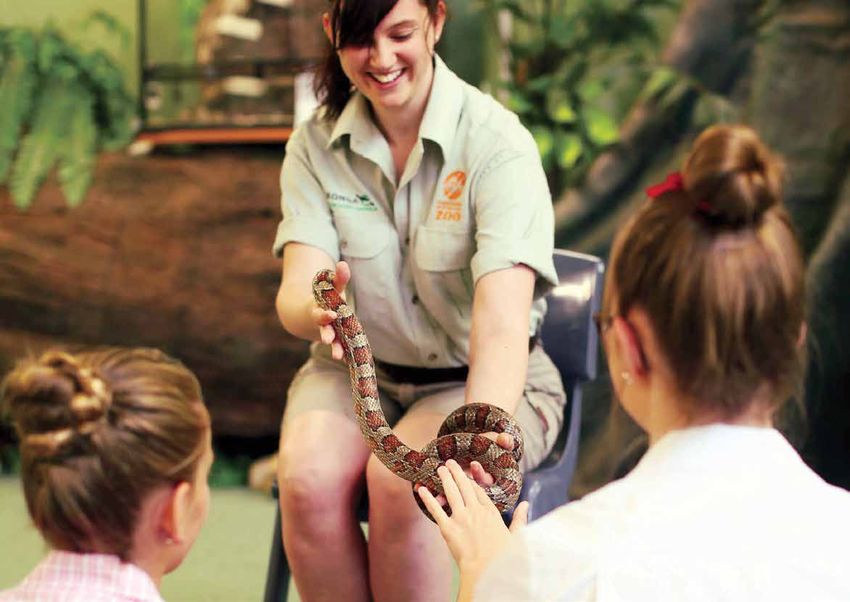
Teaching resources
    A Zoo excursion can be so much more than just a fun day out. Use our ‘project’ style
    resources to structure your students’ learning before, during and after a Zoo visit.

8
Taronga's education 'project'
model resources
                                                                              AT THE ZOO
                                                                            Self-guided visit
                                                               A visit to the Zoo will assist students to further
                                                              develop their ideas and begin designing solutions
        at school                                               to identified issues through access to rich and
                                                             engaging information including animal observation.
                                                                                                                      back at school
      Students investigate                                                                                            Students design and deliver
      an inquiry question.                                                                                               a product or action to
                                                                                                                         help resolve the issue.
                                                                    Curriculum-based workshops
                                                                Animal encounters in the workshops provide
                                                             students an intimate experience to gain inspiration
                                                             and the skills to further evolve their ideas and begin
                                                                                forming solutions.

FREE TEACHER RESOURCES
Free online teacher resources are available for both self-guided visits
and workshops. taronga.org.au/dubbo-teacher-resources

                                                                                                                                                    9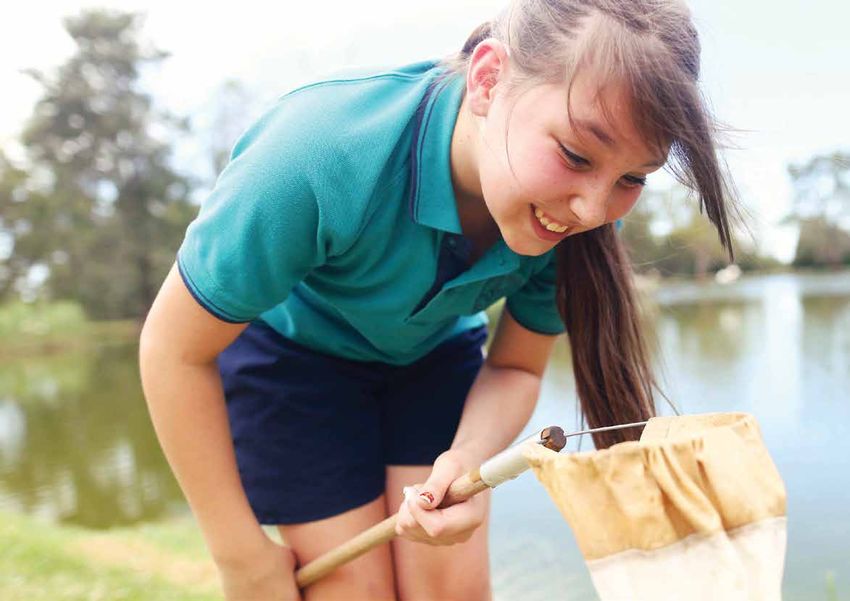
SElf-guided   Bring your students to explore the Zoo at your
                             own pace and encourage your students to be
                             wildlife ambassadors. Take in key animal trails

               visits        focusing on a range of habitats, purpose built
                             education precincts and learning from a range
                             of Keeper talks throughout the day.
                             Taronga Zoo offers schools and teachers interactive learning opportunities that
                             enable students of all ages to engage with wildlife, develop a deeper understanding
                             of conservation, and expand their knowledge of the natural world.
                             Download our free curriculum-linked teaching resources prior to your excursion
                             to further enhance your students’ learning experience before, during and after
                             their Zoo visit.
                             Taronga Western Plains Zoo is an accessible site and caters for all students with
                             special needs. Contact us to discuss options.

                                 For more information
                                 Visit taronga.org.au/dubbo-self-guided
                                 Call 02 6881 1433 | Email twpzeducation@zoo.nsw.gov.au

                                 Book NOW
Rick Stevens

                                 Bookings are essential for all visits and programs.
                                 To book online go to taronga.org.au/book-excursions

10
Workshops
Add an extra layer of learning to your school
excursion with a 45 minute workshop involving
animal encounters.
Delivered by our qualified Taronga Western Plains Zoo Education Officers, these
hands on curriculum-based classes cover a range of key learning areas including
Science, Geography and History.
Curriculum-based Workshops have been created for all stages – from Early Stage 1
through to Stage 6.
For more information
Visit taronga.org.au/dubbo-school-workshops
Call 02 6881 1433 | Email twpzeducation@zoo.nsw.gov.au
Richard Ludbrook
Book NOW
Bookings are essential for all visits and programs.
To book online go to taronga.org.au/book-excursions
11Early Stage 1 ANIMAL ENCOUNTERS
– Stage 1
EARLY STAGE 1 - STAGE 6
Outline
Engage your students in an intimate session meeting fascinating native Australian
animals, learning about their roles in the environment and their unique features that
help them survive in the wild.
DREAMING AND LIVING ON THE LAND
EARLY STAGE 1 - STAGE 1 English, Geography and History
GEE-1, ENE-10C, ENE-11D, HTE-1
GE1-1, GE1-2, EN1-10C, EN1-11D, HT1-1, HT1-2, HT1-4
Outline
Dreaming stories are an integral part of Aboriginal culture and Indigenous Australians
are the pioneers of sustainable land use. In this workshop your students will experience
immersion in a natural environment and intimate native animal encounters. This
reinforces the importance of animals and Dreaming stories to Aboriginal people, their
culture and their connection to Country.
WILDLIFE PATROL
EARLY STAGE 1 Science & Technology
STe-3LW-ST, Ste-1WS-S
Outline
Have you ever spied on the birds in your playground? At Taronga Western Plains Zoo
your students will meet a variety of animals and learn about the needs of living things.
They can take this information back to school and decide what needs to be done to
ensure the birds in your playground are happy and healthy.
Clancy Job
12BACKYARD BUDDIES FOOD AND FIBRE – Aboriginal Perspective
STAGE 1 Science & Technology STAGE 1 Science & Technology
ST1-1WS-S, ST1-4LW-S ST1-4LW-S, ST1-5LW-T
Outline Outline
Which living things in our backyards could use a helping hand? Your students will Learn about the meaning and uses of living things for Aboriginal people and
discover how to create habitats for wildlife and learn how different places provide culture. Explore traditional uses and needs while learning active customs,
the needs of living things. They can put this into practice back at school and get busy practices and their significance.
creating homes that meet the diverse needs of their Backyard Buddy friends.
BUG GARDEN
STAGE 1 Science & Technology
ST1-1WS-S, ST1-4LW-S
Outline
Bugs alive! Invertebrates are crucial in all ecosystems. In this workshop, your students
will examine a rich variety of wild invertebrates and meet some of their predators.
They will learn to identify different types of invertebrates and discover if they are a
pest or a friend. All of this can be applied back at school by designing ways to improve
the bug balance of your gardens.
WORKING MATHEMATICALLY AT THE ZOO
STAGE 1 Mathematics
MA1-4NA, MA1-5NA, MA1-6NA, MA1-7NA, MA1-8NA, MA1.17-SP, MA1.18SP
MA1.9-MG, MA1.10-MG, MA1.12-MG, MA1.14-MG, MA1.15-MG, MA1.16-MG
MA1.1WM, MA1.2WM, MA1.3WM
Outline
Ever thought about going to the Zoo for a maths excursion? Taronga Western Plains
Zoo is trialling a new inquiry-based mathematics program where students develop
their working mathematical skills in a real-life context that is both meaningful and
engaging. In teams, students will embark on this maths adventure drawing on their
understanding of mathematical concepts from across the strands and gathering
information from a variety of sources around the Zoo to solve ‘zoo-focused’
mathematical problems.
13stage 2 - stage 3
FOOD AND FIBRE - Aboriginal Perspective MARRADIR, GARAY, BIRDANY TOUR
STAGE 2 - STAGE 3 Science & Technology STAGES 2 English, History and Geography
ST2-4LW-S, ST2-5LW-T, ST3-5LW-S GE2-1, GE2-2, GE2-3, EN2-6B, EN2-11D, HT2-1, HT2-2, HT2-3, HT2-4, HT2-5
Outline Outline
In Australian Indigenous culture, the production of food and resources had purpose This workshop is a unique, guided walking tour of the Taronga Western Plains Zoo site.
and story. In this workshop, students will compare contemporary practices with Students will engage with Dreaming stories and cultural learning while highlighting
traditional practices of production verses creation. Explore sustainability through the strong connections between Aboriginal people and the natural world.
Aboriginal agricultural practices.
PREDATOR & PREY
LIFE CYCLES STAGE 3 Science & Technology
STAGE 2 Science & Technology ST3-4LW-S, ST3-1WS
ST2-1WS-S, ST2-4LW-S
Outline
Outline Populations of organisms do not remain constant; the number of individuals can
All animals have a lifecycle. Students will learn how the features and needs of animals increase and decrease over time. Predator and prey relationships contribute to these
change and develop as they move from stage to stage. They will meet animals changes. Both predator and prey species have remarkable adaptations which help
with unique life-cycles and by designing habitats for the schoolyard and backyard, them survive in their environment, but what happens when wildlife comes into contact
investigate how they can help overcome the challenges these species face. with human development? Students will meet a variety of predator and prey species
and apply their keen observation skills to differentiate between their adaptations.
After learning first hand from our expert keepers about the causes of human-wildlife
THE EARTH’S ENVIRONMENT conflict, students will explore what they can do to combat the problem and support
STAGE 2 Geography these species in the wild.
GE2-1, GE2-2, GE2-3
Outline
In this workshop students will examine the climate, vegetation and native animals
of Australia and Sumatra. They will discover the ways people value environments,
including Aboriginal and Torres Strait Islander Peoples and learn about the importance
of habitats for animals and people. Students will investigate how our choices impact
these places and how people can use places and environments more sustainably. A
visit to ‘Wild Asian Wetlands’ is a valuable addition to your day post-workshop to
reinforce the concepts discussed.
14Wild Herds Fallow Deer enclosure. Photo by Rick Stevens
ENCLOSURE DESIGN (STEM)
STAGE 3 Science & Technology, Mathematics
STAGE 4 Science, Mathematics, Mandatory Technology
STAGE 5 Science, Mathematics 5.1, Design & Technology
Outline
Modern zoos are education and research facilities that support wildlife conservation
both on-site and in the wild. After undertaking research and observation of animals in
Taronga Western Plains Zoo care, students will develop a design brief for a new animal
enclosure. Animal welfare, enrichment, visitor engagement, safety, functionality, as
well as budgeting and ethical, sustainable design principles are considered as part of
the design process.
WORKING MATHEMATICALLY AT THE ZOO
STAGE 2 Mathematics
MA2-4NA, MA2-5NA, MA2-6NA, MA2-7NA, MA2.18SP
MA2.9-MG, MA2.10-MG, MA2.11MG, MA2.12-MG, MA2.13-MG, MA2.14-MG, MA2.15-MG,
MA2.16-MG, MA2.17MG, MA2.1WM, MA2.2WM, MA2.3WM
STAGE 3 - Mathematics
MA3-4NA, MA3-5NA, MA3-6NA, MA3-7NA, MA3.18SP
MA3.9-MG, MA3.10-MG, MA3.11MG, MA3.12-MG, MA3.13-MG, MA3.14-MG, MA3.15-MG,
MA3.16-MG, MA3.17MG, MA3.1WM, MA3.2WM, MA3.3WM
Outline
Ever thought about going to the Zoo for a maths excursion? Taronga Western Plains
Zoo is trialling a new inquiry-based mathematics program where students develop
their working mathematical skills in a real-life context that is both meaningful and
engaging. In teams, students will embark on this maths adventure drawing on their
understanding of mathematical concepts from across the strands and gathering
information from a variety of sources around the zoo to solve ‘zoo-focused’
mathematical problems.
1516
Students in an animal encounter session. Photo by Clancy Job
Stage 4 – Stage 5ENCLOSURE DESIGN (STEM) EXPLORING ECOSYSTEMS
STAGE 3 Science & Technology, Mathematics STAGE 5 Science
STAGE 4 Science, Mathematics, Mandatory Technology SC5-14LW, SC5-2VA
STAGE 5 Science, Mathematics 5.1, Design & Technology
Outline
Outline Ecosystems are complex, incredibly diverse and come in all different sizes. This
Modern zoos are education and research facilities that support wildlife conservation workshop allows students to explore how energy flows through food chains and food
both on-site and in the wild. After undertaking research and observation of animals in webs as well as considering the importance of keystone species, the threats and
Taronga’s care, students will develop a design brief for a new animal enclosure. Animal challenges to ecosystems and the role we can play in protecting them is investigated.
welfare, enrichment, visitor engagement, safety, functionality, as well as budgeting Students will have the opportunity to meet a range of incredible animals and
and ethical, sustainable design principles are considered as part of the design process. investigate the roles that they play within their native ecosystems.
CLASSIFICATION AND ADAPTATIONS ENVIRONMENTAL CHANGE AND MANAGEMENT
STAGE 4 Science STAGE 5 Geography
SC4-14LW, SC4-15LW, SC4-8WS GE5-2, GE5-3, GE5-4, GE5-5, GE5-7, GE5-8
Outline Outline
Students investigate how scientists group living things and why classification is so Students will develop an understanding of the causes and consequences of human-
important. Through intimate animal encounters and keen observation, students draw induced environmental change in Australia and Sumatra. Students will explore
connections between the structure and function of different animal groups to their worldviews influencing approaches to environmental use and management and gain
classification, survival and reproduction and discover some amazing adaptations that an understanding of the value of a biologically rich landscape. They will evaluate the
give wildlife the edge for survival. management responses to deforestation in both countries, propose ways individuals
can contribute to sustainability and recognise that there are differing views on how
CONNECTING TO COUNTRY sustainability can be achieved.
STAGE 4 - 5 History and Geography
HT4-2, HT4-6, GE4-1, GE4-4
HT5-4, GE5-3, GE5-4, GE5-5
Outline
In this fascinating workshop, students will learn about the importance of the land’s
role in kinship, spirituality and everyday life for Aboriginal and Torres Strait Islander
Peoples. This workshop draws on the location of Taronga Western Plains Zoo culturally
significant site to explore Aboriginal history and identity while reinforcing a connection
to Country. This reinforces the importance of animals and Dreaming stories to
Aboriginal people, their culture and their connection to Country.
1718
Savannah Safari looking to Zoofari Lodge. Photo by Rick Stevens
stage 6BIOLOGICAL DIVERSITY
Photo by Dean Ingwerson
Regent Honeyeater breed-and-release program.
BIO11-5, BIO11-7, BIO11-9, BIO11-10
Outline
Biodiversity is important to balance the Earth’s ecosystems. Students will learn
about the Theory of Evolution by Natural Selection, evidence for evolution and the
effect of various selective pressures, focusing on species observed by Charles Darwin.
Students investigate different types of adaptations and the relationships between
organisms in terms of specialisation, using a range of interesting Australian and
exotic species as examples.
HEREDITY AND GENETIC CHANGE
BIO12-12, BIO12-13
Outline
In this workshop, students will explore how biodiversity is achieved through
reproduction and heredity. Using a range of Australian animals as case studies,
students will investigate a variety of reproductive methods and the influence of
environmental factors on reproductive success and inheritance patterns. Students
will learn how Taronga’s use of contemporary genetic research and reproductive
technologies are helping ensure the conservation of many iconic species.
Photo by Paul Fahy
Bellinger River Turtle breed-and-release program.
IT’S ZOO BUSINESS
MARKETING: H1, H2, H5, H6, H7, H8, H9
Outline
Using the Zoo as a case study, students will investigate the development and
implementation of Taronga’s successful marketing strategies. Dependent on a
strong business model to succeed and achieve set objectives for wildlife care and
conservation, Taronga’s diverse target markets, product offering and promotional
strategies are explored.
19FULL DAY SCHOOLS FOR THE WILD – 10 WEEK UNIT
STAGE 3 English, Geography and Creative Arts
EN3-2A, EN3.5B, EN3-5B, GE3-1, GE3-2, GE3-4, VAS3.2, VAS3.4
PROGRAMS
Unit outline: 10 weeks
This unit uses a project-based learning approach that enables students to explore the
real world challenge of conserving endangered species. Students will be empowered
to take action within their communities, which significantly contributes to the
conservation of Taronga Zoo’s Legacy Species from Australia and Sumatra.
Challenge: To advocate for a threatened species and to take action to help
protect its future.
Download the free unit of work and legacy species fact files here
taronga.org.au/schools-for-the-wild
MEET A KEEPER
Meet a Keeper is for school students aged 14 years and over who have expressed a
The Greater Bilby is one of Tarongas legacy species. Photo by Chris Wheeler
keen interest in pursuing a career at the Zoo or in the captive animal care industry.
This one day intensive program will allow students to find out all they want to know
about a zoo keeping career and experience first-hand a day in the life of a keeper.
For more information:
Visit: taronga.org.au/meet-a-keeper | Call 02 6881 1433
Email twpzeducation@zoo.nsw.gov.au
CAREERS DAY
Open to Years 10 - 12 Students
Taronga Western Plains Zoo is a large employer within regional NSW. When people
initially think about careers in the Zoo, Zoo Keepers come to mind, but Taronga
also offers employment in areas including Human Resources, Marketing/PR, Retail,
Conservation and Research, Guiding and Food and Beverage. This one day intensive
program will allow students to find out all they want to know about potential career
opportunities at Taronga Western Plains Zoo and will have the opportunity to hear
from industry experts about how they got into their chosen fields.
20BIOLOGICAL DIVERSITY STUDY DAYS YEAR 12 DEPTH STUDY - DATING WITH DNA:
STAGE 6 BIOLOGY – Module 3: Biological Diversity Breeding Programs
YEAR 12 Biology
This full day program, developed by the Australian Museum, the Royal Botanic
BIO12-1, BIO12-5, BIO12-6, BIO12-7, BIO12-12, BIO12-13,
Gardens & Domain Trust and Taronga Zoo, explores Charles Darwin’s discovery
of Australia’s diverse Biota. Students will examine fossils, specimens, live animals Outline
and plants to understand biological diversity by explaining the relationships With a rapidly increasing number of wild animal species facing extinction, zoos play a
between a range of organisms in terms of specialisation for selected habitats vital role in sustaining insurance populations through captive breeding, with the aim
and evolution of species. of maintaining the genetic diversity of a species. Through this depth study, students
will develop a practical understanding of how science is used to make predictions
about future changes to populations and will investigate how predictive models of
YEAR 11 DEPTH STUDY - WILDLIFE AT RISK inheritance enable decision-making to maintain genetic diversity in captive animal
YEAR 11 BIOLOGY - BIO11-1, BIO11-5, BIO11-6, BIO11-7, BIO11-10, BIO11-11 populations. Students will also explore the impact of biotechnology on biological
EARTH AND ENVIRONMENTAL SCIENCE - EES11-1, EES11-5, EES11-6, EES11-7, EES11-11 diversity and learn about the work and research of Taronga’s scientists in developing
reproductive technologies for the genetic management of endangered species.
Outline
Biodiversity is not a luxury – it is a necessity. Global trends indicate wildlife population
numbers are decreasing dramatically due to natural and human influences.
Taronga’s Conservation Society is perfectly placed to engage students with depth
studies. Students will engage with Taronga’s scientists and experts to deepen their
understanding of risks threatening populations and conservation efforts. Students
will design initiatives that empower people to take action to reduce threats to wildlife
and ecosystems. This excursion will contribute five hours to a depth study and is
complimented by pre and post-excursion activities.
YEAR 11 DEPTH STUDY - OBSERVING ANIMAL
BEHAVIOUR
YEAR 11 INVESTIGATING SCIENCE - INS11-1, INS11-2, INS11-3, INS11-7, INS11-8
Outline
Behavioural observations allow scientists to collect and record data enabling them to
test hypotheses to ensure animal wellbeing and survival. Taronga Zoo is the perfect
environment to plan, observe and record animal behaviour. Guided by Zoo scientists
For more information
Visit taronga.org.au/dubbo-full-day-programs
and education officers, students will collect primary data through authentic scientific Call 02 6881 1433 | Email twpzeducation@zoo.nsw.gov.au
animal observations. This excursion will contribute five hours to a depth study and is
complimented by pre and post-excursion activities.
Book now
Visit taronga.org.au/book-excursions
2122
Students at Billabong Camp. Photo by Clancy JobEVENING & OVERNIGHT PROGRAMs
Bring your creatures to spend the night with ours!
ZOOSNOOZ - SLEEPOVER AT THE ZOO
Join us for the ultimate overnight excursion that your students will remember for years
to come! Students immerse themselves in a special evening safari tour, an early morning
walk and experience up close animal encounters. Cost includes dinner, accommodation,
breakfast and entry to the Zoo the following day.
Cost *
$85 per student* (with one teachers per ten students free)
Additional Adults: $95
Availability
Monday to Thursday during school terms
5.15pm – 10.00am including Zoo entry the following day
Participants: min 20, max 90
*Prices subject to change
Book NOW
Visit taronga.org.au/dubbo-zoosnooz
Call 02 6881 1433 | Email twpzeducation@zoo.nsw.gov.au
23Rick Stevens
Student dip netting at an outdoor class session. Photo by Clancy Job
NAIDOC Week
7 – 14 July 2019
SCIENCE WEEK
10 – 18 August 2019
Visit one of our Zoos to celebrate NAIDOC Week with Taronga. There will See wildlife through the eyes of a scientist during Science Week. A program of
be a focus on cultural histories, nature, the land and connections with activities will be created to engage your students in conservation science. The
Cammeraigal culture at Taronga Zoo and Wiradjuri culture at Taronga website will be updated with information as details are finalised.
Western Plains Zoo.
24DIGITAL
Rick Stevens
ENGAGEMENT
VIDEO CONFERENCING
ALL STAGES
Can’t make it to Taronga Zoo? Let us connect with you through video conference. All
of our workshops can be delivered digitally via VC. Contact us to arrange an engaging
way to connect with Taronga Zoo Educators and Conservation Experts in real time,
wherever you are!
EXTENSION SCIENCE VIDEOS
STAGE 6
Connect students with the incredible work of Taronga Zoo’s Conservation Scientists
through our new Extension Science videos. These videos are designed to connect
students with contemporary research, fieldwork and data from our inspirational
working scientists.
TARONGA WESTERN PLAINS ZOO APP
Do you want to stay up to date with everything happening during your visit to Taronga
Western Plains Zoo? The free Taronga Western Plains Zoo app provides you with all the
information you will need for a day at the Zoo right at your fingertips. An interactive
map helps you access all areas of Taronga Western Plains Zoo and the convenient
planner ensures that you never miss that unforgettable show or expert keeper talk.
For more information
Visit taronga.org.au/dubbo-zoo/app
Call 02 6881 1433 | Email twpzeducation@zoo.nsw.gov.au
25optional extras Rick Stevens 26
Giraffes at sunrise. Photo by Rick Stevens
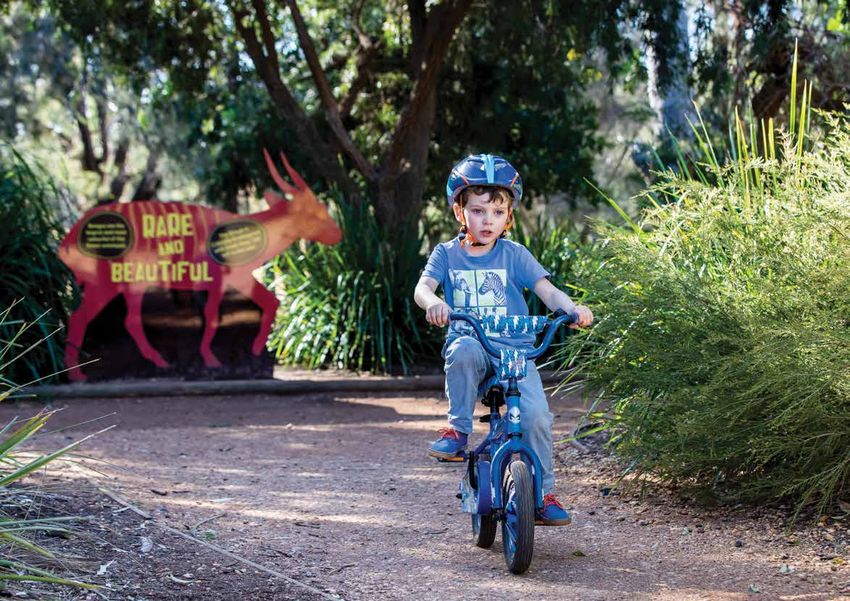
                                             BIKE HIRE
                                             Subject to availability
                                             For a real safari adventure, hire a bike and explore the Zoo’s 5.3km circuit from
                                             a whole new angle.

                                             EARLY MORNING WALK
                                             Starting at dawn when the animals awaken, this leisurely guided walk experience will take
                                             you to see some of the world’s exotic and endangered species before the Zoo opens.
                                             Informative and entertaining, the walk is suitable for people capable of walking 3.8
                                             kilometers, taking approximately 2 - 2.5 hours to complete.

                                             GIRAFFE IN FOCUS
                                             Subject to availability
                                             Don’t let your students miss out on this very unique encounter with our gentle giants.
                                             In this experience students will have the opportunity to feed and have their photo taken
                                             with our giraffes. A very special experience not to be missed!

                                             SAVANNAH SAFARI
                                             Subject to availability
                                             Are you and your students ready to go on safari? Climb aboard our Savannah Safari
                                             truck and experience a unique guided tour amongst herds of African animals such as
                                             Giraffes, Eland and more!

                                             PACKED LUNCHES
                                             Take the fuss out of your excursion by booking packed lunches for your students which
                                             you can pick up and enjoy at one of the lovely picnic areas around the circuit

                                                  For more information
                                                  To find out more information or add on any of these extras to your booking
                                                  Call 02 6881 1433 | Email twpzeducation@zoo.nsw.gov.au

                                                                                                                                         27
act for the wild
Every single day you make an impact on the planet. One simple
choice can make a world of difference to wildlife.
Do you want to inspire your students to create change in their school or community?
Taronga’s community campaigns provide the opportunity for your students, class or
whole school help protect wildlife across the globe.
They’re Calling on You Beads for wildlife
All four subspecies of gorillas are now critically African wildlife is so diverse. Each animal has
endangered. But by recycling old mobile phones, your different physical and behavioural adaptations
school can help protect them. Support our campaign to help them survive in their homeland. Yet,
through your school by bringing the gorillas’ story to your human-wildlife conflict is a leading cause of the
classroom. Collect 10 old mobile phones and you can get decline of wildlife populations and contraction
a free courier pick up service. We’ll also send your class a of their space throughout Africa. We need to
special thank you! find a way for humans and wildlife to coexist,
and the solution lies within communities. By
purchasing these handcrafted beads online or
at our retail store, you will be helping Kenyan
communities generate an alternative income
and to live their lives without damaging the
local environment through charcoal burning
Raise Your Palm and livestock rearing.
Want to make your school tiger-friendly? The school
canteen is a great place to start. If you’ve heard of palm
oil, you’ve probably heard it’s bad for the environment.
But the truth is it doesn’t have to be. The oil itself is not
the problem – the problem lies with how and where it has
been produced. Choose Certified Sustainable Palm Oil
(CSPO) for the best way to protect the environment and Get involved
Visit taronga.org.au/act-for-the-wild
the people and wildlife that live in it.
28WORK
Shallon McReaddie
EXPERIENCE
Taronga Western Plains Zoo Dubbo
offers school work experience
opportunities for students in Years 10,
11 and 12. Placements are available
for students interested in pursuing a
career in zoo keeping and animal
care. Placements open at the
start of term 4 every year.
For more information
Visit taronga.org.au/dubbo-work-experience
Call 02 6881 1433 | Email twpzeducation@zoo.nsw.gov.au
2930
Rick Stevens
30For Teachers
TARONGA TEACHERS ASSOCIATION
ZOO FRIENDS MEMBERSHIP
Taronga Teachers Association (TTA) is a professional membership group that is
committed to supporting and assisting teachers to become inspiring and effective
educators who are passionate about the environment and leading students to create
a more ecologically and socially just world through informed action. Join today and
become a part of our vision of securing a shared future for wildlife and people.
As well as unlimited entry to Taronga Western Plains Zoo and Taronga Zoo in Sydney.
TTA Zoo Friends membership also entitles you to:
• FREE admission for 12 months to Adelaide, Melbourne and Perth Zoos
• 15% discount in all Zoo Shops
• 10% discount at Roar and Snore at Taronga Zoo on select days
• Regular updates from Taronga Education via e-newsletter
• Exclusive member events
• Discounted memberships for family members
• Exclusive pre-sale opportunities and ticket discounts for our best events including
Taronga’s New Year’s Eve party and Twilight Concerts
For more information
Visit taronga.org.au/education/taronga-teachers-association
Email twpzeducation@zoo.nsw.gov.au | Call 02 6881 1433
31Taronga western plains zoo education bookings
Call 02 6811 1433
Email twpzeducation@zoo.nsw.gov.au
taronga.org.au/dubbo-educationYou can also read


