ENGINEERING, COMPUTER & MATHEMATICAL SCIENCES UNDERGRADUATE PROGRAMME GUIDE 2022 - AUT
←
→
Page content transcription
If your browser does not render page correctly, please read the page content below
ENGINEERING,
COMPUTER &
MATHEMATICAL
SCIENCES
UNDERGRADUATE
PROGRAMME GUIDE 2022

                                          1
                                          %
                                    TOP

                                              UNIVERSITIES
                                              WORLDWIDE

AUCKLAND UNIVERSITY OF TECHNOLOGY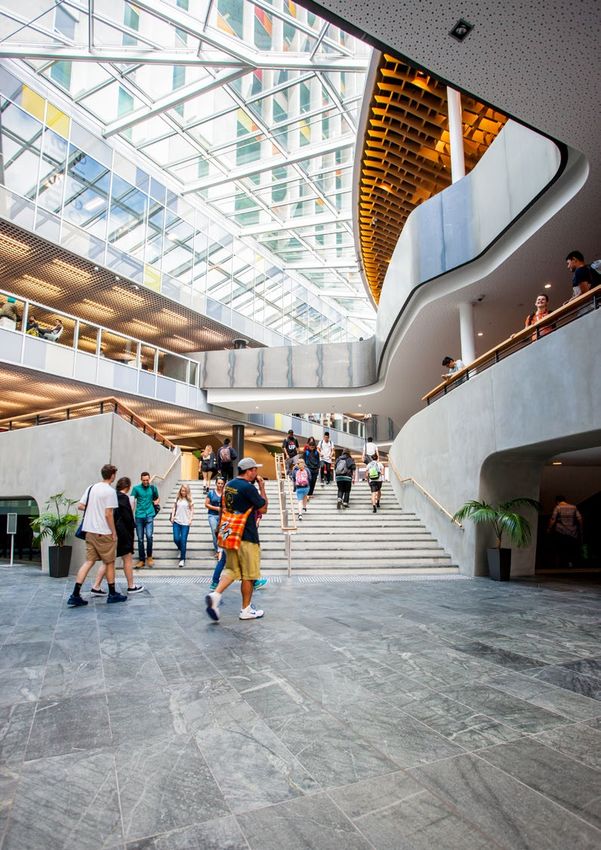
Welcome to AUT

                                                      E ngā mana, e ngā reo
                                                      E te iti, e te rahi
                                                      E ngā mātāwaka o ngā tōpito o te ao
                                                      Ngā mahuetanga iho e kawe nei i ngā
                                                      moemoeā o rātou mā
                                                      Tēnā koutou katoa

FIND                                                  Piki mai rā, kake mai rā,
                                                      Nau mai, haere mai ki tēnei o ngā wānanga
                                                      Whakatau mai i raro i te korowai āhuru
                                                      o Te Wānanga

GREATNESS
                                                      Aronui o Tāmaki Makau Rau

                                                      To the prestigious, the many voices
                                                      The few, the great
                                                      To those of all races and creeds
                                                      We who remain to fulfil the dreams and

                                DENYM BIRD            aspirations of the ancestors
                                BUSINESS CREATOR      Greetings one and all
                                AUT GRADUATE

                                                      Climb, ascend
                                                      Embark on the journey of knowledge
                                                      Let us at AUT embrace and empower you
                                                      To strive for and achieve excellence

At AUT we know that all of our students arrive with
so much potential. It’s our job to help them unlock   Te whakatupu i te kōunga, i te mana taurite me ngā
that potential and use it to find the greatness       tikanga matatika, i ngā pūkenga ako,
within them. For many of our graduates, it was an     i ngā pūkenga whakaako me te āta rangahau hei hāpai
influential lecturer, a conversation with a student   i ngā hāpori whānui o te motu, otirā, o te ao.
mentor, or an educational experience inside or
outside the classroom that gave them clarity and
                                                      To foster excellence, equity and ethics in learning,
opened up new possibilities.
                                                      teaching, research and scholarship, and in so doing
                                                      serve our regional, national and international
Some of our great graduates now share their stories
                                                      communities.
of how their time at AUT helped them uncover what
drives them and inspired them to turn that passion
into something rewarding and meaningful.

aut.ac.nz/great-graduates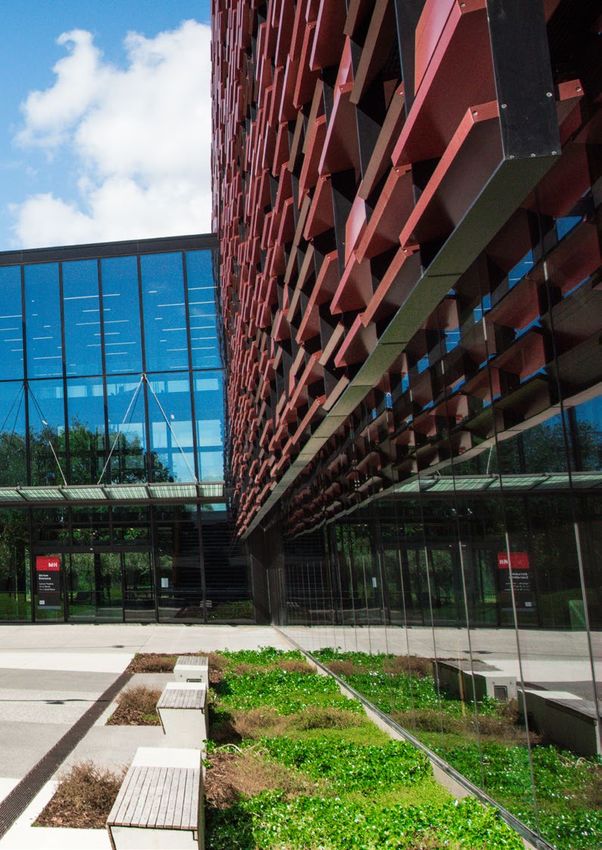
Contents

Course information

Bachelor of Engineering (Honours)                                            Bachelor of Science
10 Overview                                                                  42 Overview
12 Course planners                                                           44 Course planner
19 Architectural Engineering                                                 45 Analytics
20	Construction Engineering                                                 46 Applied Mathematics
21 Electrical and Electronic Engineering                                     47 Astronomy and Space Science
22 Maritime Engineering                                                      48 Computer Science
23 Mechanical Engineering
24 Mechatronics Engineering                                                  49 Certificate in Science and Technology
25 Software Engineering                                                      50 Graduate Diploma in Science/Graduate Certificate
                                                                                in Science
Bachelor of Engineering Technology                                           51 Graduate Diploma & Graduate Certificate in
26 Overview                                                                     Computer and Information Sciences
28 Course planners                                                           52 Overview of our postgraduate qualifications
30 Electrical Engineering
31 Electronic Engineering
                                                                             About AUT
32 Mechanical Engineering
                                                                             02 AUT’s faculties and schools
                                                                             03 Qualifications and study pathways
Bachelor of Computer and Information Sciences
                                                                             04 Why study engineering, computer &
34 Overview                                                                     mathematical sciences at AUT?
36 Course planner                                                            60 Campus maps
37 Data Science
38 Digital Services                                                          Applying for your programme
39 Networks and Cybersecurity                                                54   How to apply
40 Software Development                                                      56   University entrance
                                                                             58   Fees and payment
                                                                             59   Find out more

Key: F/T = full-time, P/T = part-time
Cover
Top 1%: AUT is ranked in the world’s top 251-300 universities (Times Higher Education World University Rankings 2021).
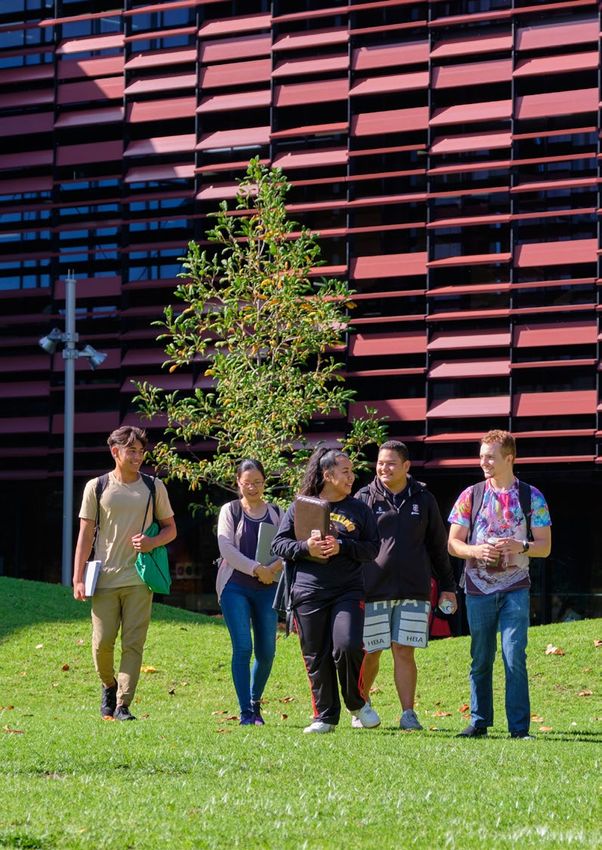
Image #1 on page 5 by Jason Mann.

Disclaimer: Although every reasonable effort is made to ensure accuracy, the information in this document is provided as a
general guide only for students and is subject to change. All students enrolling at AUT should consult its official document,
the AUT Calendar, which is available online at aut.ac.nz/calendar, to ensure that they are aware of, and comply with, all
regulations, requirements and policies.
International students should visit aut.ac.nz/international for entry requirements and detailed application information.
The information contained in this programme guide was correct at the time of print, December 2020.

                                                                                                                                   01
AUT’s faculties and schools

     AUT has five faculties and 16 schools. The light orange box in the diagram below shows where the programmes in this
     programme guide sit within AUT.

       FACULTY OF BUSINESS, ECONOMICS                                 FACULTY OF CULTURE AND SOCIETY
       AND LAW                                                        TE ARA KETE ARONUI
       TE ARA PAKIHI, TE ŌHANGA ME TE TURE
                                                                      School of Education
       Business School                                                Te Kura Mātauranga
       Te Kura Kaipakihi
                                                                      School of Hospitality and Tourism
       Law School                                                     Te Kura Taurimatanga me te Mahi Tāpoi
       Te Kura Ture
                                                                      School of Language and Culture
       School of Economics                                            Te Kura Reo me te Ahurea
       Matauranga Ōhanga
                                                                      School of Social Sciences and Public Policy
                                                                      Te Kura Pūtaiao ā-iwi me ngā Kaupapa Tūmatanui

       FACULTY OF DESIGN AND CREATIVE
       TECHNOLOGIES
       TE ARA AUAHA                                                   FACULTY OF HEALTH AND
                                                                      ENVIRONMENTAL SCIENCES
                                                                      TE ARA HAUORA A PŪTAIAO
       School of Art and Design
       Te Kura Toi a Hoahoa
                                                                      School of Clinical Sciences
       School of Communication Studies                                Te Kura Mātai Haumanu
       Te Kura Whakapāho
                                                                      School of Public Health and
       School of Engineering, Computer and                            Interdisciplinary Studies
       Mathematical Sciences
       Te Kura Mātai Pūhanga, Rorohiko, Pāngarau                      School of Science
                                                                      Te Kura Pūtaiao
       School of Future Environments
       Huri te Ao                                                     School of Sport and Recreation
                                                                      Te Kura Hākinakina

       TE ARA POUTAMA
       FACULTY OF MĀORI AND INDIGENOUS
       DEVELOPMENT

02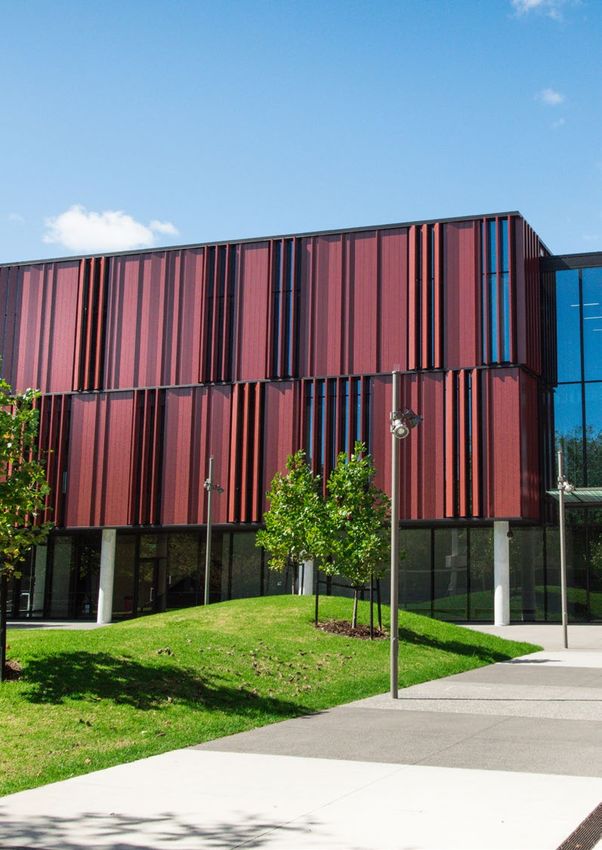
Qualifications and study pathways
CERTIFICATES
 & DIPLOMAS

                                            Certificate in Science and Technology
 UNDERGRADUATE

                                                                                                                                Graduate Certificate/
                                                                                                                                Graduate Diploma in
                                                                                                                                      Science
                                                                     Bachelor of
                                        Bachelor of
                                                                     Computer &                    Bachelor of
                                        Engineering
                                                                     Information                    Science
                                        Technology 1
                                                                       Sciences                                                 Graduate Certificate/
                                                                                                                                Graduate Diploma in
                                                                                                                                    Computer and
                                                                                                                                Information Sciences

                 Bachelor of
                 Engineering
                  (Honours)
 POSTGRADUATE

                                                                                                                              Postgraduate Certificate/
                                                                                                                               Postgraduate Diploma
                                                                                                                                  in Computer and
                                           Postgraduate                                                                         Information Sciences
                                                                                            Bachelor
                                            Certificate/
                                                                                           of Science
                                      Postgraduate Diploma in
                                                                                           (Honours)
                                            Engineering
                                                                                                                              Postgraduate Certificate/
                                                                                                                              Postgraduate Diploma in
                                                                                                                                      Science

                                                                                                             Master of
                                                                               Master of                   Computer and                     Master of
                                                                              Construction                  Information                     Analytics
                                                                              Management 2                    Sciences
                     Master of                    Master of                                                 Master of IT
                    Philosophy                   Engineering                                            Project Management
                                                                               Master of
                                                                              Engineering                    Master of
                                                                                Project                     Information                Master of Science
                                                                              Management 2                  Security and
                                                                                                          Digital Forensics

                                                                          Doctor of Philosophy

1. High-achieving students may progress directly to the Master of Engineering
2. Relevant bachelor’s degree or equivalent plus relevant work experience required for entry
Note:
1) Completion of one qualification doesn’t guarantee entry to a higher-level qualification.
2) Apply for the qualification you are best suited for – you don’t necessarily have to enrol in the qualification that appears at the top of the above diagram.
3) Some qualifications in the above diagram may be prerequisites to – and not credit towards – higher-level qualifications.
For more information, visit aut.ac.nz/ecms
                                                                                                                                                                  03
WHY STUDY
ENGINEERING,
COMPUTER &
MATHEMATICAL
SCIENCES?

    International recognition
   through Engineering New
      Zealand accreditation,
     Sydney and Washington
             Accords

                                     State-of-the-art Engineering,
                                     Computer and Mathematical
                                           Sciences building

               Student access to
            high-tech labs network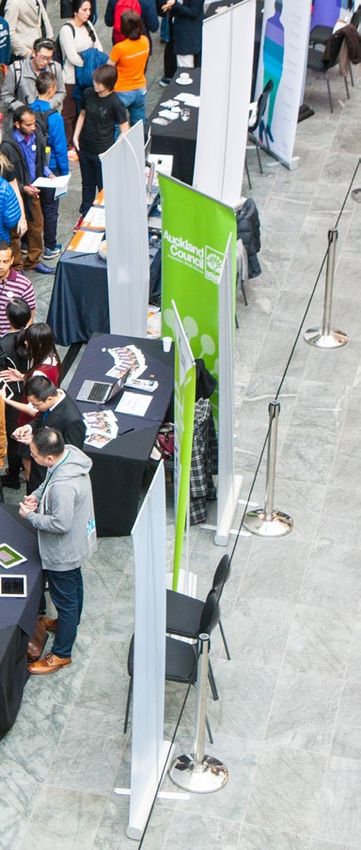
2

                                                                       1            3

1 The new WZ building is the home of AUT’s School of Engineering, Computer and Mathematical Sciences 2 Dr Mahsa Mohaghegh, an expert on artificial
intelligence and machine learning, and her students 3 Astronomy and space science students have access to AUT’s hi-tech astronomy facilities

      A world-class university environment                                       Innovative and relevant research
      We’re proud to be one of the world’s best modern                           AUT is ranked first in New Zealand for global research
      universities – Times Higher Education has ranked                           impact by Times Higher Education. We have a number
      us as the top millennial university in Australasia and                     of internationally-renowned research institutes and labs,
      in the top 1% (251-300) of universities in the world.                      and there are many opportunities for students to work
      Engineering New Zealand recognises our Bachelor of                         with academic staff in these groups. Radio astronomy
      Engineering (Honours) as meeting the Washington                            and space, health informatics, IT security and forensics,
      Accord and the Bachelor of Engineering Technology as                       and intelligent multimedia are just some of the diverse
      meeting the Sydney Accord. The maritime majors at the                      research areas covered. The unique combination of
      Australian Maritime College are accredited by Engineers                    engineering, computer and mathematical sciences
      Australia, and IT Professionals NZ (ITPNZ) recognises                      within one school stimulates interdisciplinary research
      our Bachelor of Computer and Information Sciences as                       across and beyond traditional boundaries. Our research
      meeting the Seoul Accord.                                                  also feeds back into the classroom, and students can
                                                                                 contribute to and learn from our research discoveries.
      Creating world-ready graduates
                                                                                 An outstanding teaching and learning space
      AUT’s mission is to create great graduates, and
      each member of our staff contributes to this. We                           AUT’s three modern campuses have several
      offer exceptional learning experiences that prepare                        award-winning buildings which were created using
      students to be successful wherever in the world their                      sustainable principles and feature inviting, collaborative
      career may take them. We encourage innovation                              and functional learning areas, auditoriums and research
      and entrepreneurship, and the ability to explore new                       spaces. This includes the state-of-the-art Engineering,
      technologies, challenge routine thinking and solve                         Computer and Mathematical Sciences building, which
      problems in new ways. Study with us and you not only                       has unique design features that mean it can be used as
      learn academic knowledge related to your discipline                        a teaching tool and ‘living lab’ where students can get
      but also gain valuable experience of the wider world.                      hands-on experience. We also have a number of
      Workplace experience is at the heart of our degrees,                       world-class facilities including the country’s only two
      and in your final year you complete a research and                         major radio telescopes, which are involved in projects
      development project that could involve creating a                          with international research partners.
      commercial solution for an industry client. It’s one of
      many reasons 9 out of 10 AUT graduates recommend us
      as a great place to study.

                                                                                                                                                     05
Life at AUT                                                   Supporting you into your
                                                              future career
                                                              The AUT Employability and Careers team
AUT is a modern and innovative university with endless        prepares you for your future career by
opportunities and a supportive culture that celebrates        developing job search, interview and networking
diversity. Studying at AUT is your chance to meet new         skills, building your personal brand and more.
people and develop lifelong skills, while getting the
support you need to succeed at university and beyond.
                                                              Connections to the workplace
We’re proactive in enabling all students to succeed, and      We run a full programme of employer
our comprehensive student support services ensure             presentations, events and workshops
that you have an amazing experience inside and outside        throughout the year – on campus and online
the classroom.                                                - with employers offering insights into their
                                                              industries and recruiting future employees. Four
We’re here to help                                            graduate job boards, including an international
                                                              one, offer great work opportunities for AUT
No matter what the problem, our Student Hub advisors          graduates and interns.
are here to help. You can find a Student Hub on each
campus and our specialist staff can help with anything from
enrolment and student ID cards to academic and personal       Gain an edge on the competition
support, fees and financial support, and services for our     The AUT Edge and Beyond AUT Awards help
diverse student communities including the international,      you gain an extra edge in the competitive
disability and rainbow community.                             marketplace by developing highly employable
                                                              skills through volunteering, leadership and
Dedicated support for new students                            employability activities.
From Orientation to our many academic and cultural
support programmes, our Student Services team is              International study opportunities
there to make starting out as a new student as
                                                              An international student exchange offers an
easy as possible.
                                                              amazing opportunity to study overseas as part
                                                              of your degree. Study for a semester or a year
                                                              at one of our partner universities around the
                                                              world, immerse yourself in another culture,
                                                              make lifelong friends and get international
                                                              experience before you graduate.
Helping you succeed in                           Free access to digital tools and resources
your studies                                     We offer students all the digital tools needed to succeed,
Our library and learning support team offers a   including free wifi on campus, the full Office 365 suite for
wide range of services and resources designed    up to five devices and free access to LinkedIn Learning, a
to help develop your academic skills.            world-leading online learning platform.
The Library also runs a range of workshops
to help you get the most out of your studies,
and our peer mentoring programme provides        Getting involved in campus life
academic support from others who have            Joining a club is a great way to meet like-minded people
already completed the same course.               and make lifelong friends outside of lectures. Choose from
                                                 a range of student-run social, sustainability, academic and
Top internships around the world                 cultural clubs – a great way to meet new people, participate
                                                 in events and get involved in campus life.
A good internship can be the foundation of a
great career. That’s why AUT Internz places
students and graduates with top companies in
                                                 Play sport or join the gym
New Zealand, North America, Asia and the UK      AUT is New Zealand’s leading sports university, with state-
– including Paramount Recording Studios, the     of-the-art sports facilities, on-campus gyms, and a huge
Sundance Institute and Westpac Institutional     number of sports teams and events. As an AUT student you
Bank in New York.                                can participate in a wide variety of sports, from social
                                                 on-campus games to elite international competitions.
A launchpad for entrepreneurs
Every entrepreneur starts somewhere.
                                                 Holistic approach to wellness
At AUT, the best place for aspiring              AUT offers comprehensive medical, and counselling and
entrepreneurs is CO.STARTERS@AUT. This           mental health services. We also run Bright Side events
ten-week programme helps you turn your           where students can develop better self-knowledge and a
entrepreneurial ideas into a viable business.    greater sense of purpose and meaning in their lives.

An outstanding                                   Disability student support and resources
learning environment                             Our Disability Support team is committed to helping you
At AUT you study in an innovative and            participate as fully as you can in learning and student life.
interactive environment that embraces            We work with students before they start at AUT to help
creativity, collaboration, and the sharing of    identify their specific needs and ensure they’re set up
ideas and culture. A number of our buildings     for success.
have won prestigious architecture awards,
and we’re constantly improving our built         Getting around
environment to offer students the best
possible learning experience.                    Whether it’s finding your way to campus or getting around
                                                 between lectures, AUT offers a range of resources to help
                                                 you navigate your new environment, including shuttle buses
                                                 that travel between campuses and interactive online maps.

                                                 Safe and friendly campuses
                                                 We make sure our students are safe when they're on
                                                 campus. Our friendly security staff are available day and
                                                 night to help if you have any concerns.

                                                                                                                 07
Michael van Wyk
     South Africa
     Research and Development Engineer, Zero-Cast
     Master of Engineering with First Class Honours

     “My Master of Engineering research was carried out at the AUT BioDesign Lab in
     collaboration with a medical tech start-up in Auckland, and was funded by an R&D
     fellowship grant from Callaghan Innovation. I chose this research because it gave me the
     opportunity to work directly with a local company, giving me valuable work experience
     and being able to contribute to the company’s commercial R&D efforts. It was rewarding
     to work on a real-life industry problem that could potentially impact many lives in
     the future. My research could make a difference to the medical industry, change how
     patients are treated and improve their prognoses.”

08
Connected to industry and business
We’re proud of our strong links with business, industry
and the wider community – industry experts often come
in to share their knowledge with you, key members of
industry organisations provide input on our courses and
many of our academics are still actively involved in their
professional fields. Our ICT and Engineering Careers Fair
is AUT’s largest recruitment event, connecting students
with key employer organisations looking for fresh talent.
Our ever deepening industry connections also mean
that you can choose from a vast number of organisations
to work with for your industry-based research project,
which is at the heart of our degrees.
Our industry partners include:
• Auckland Airport • Fujitsu
• Auckland Council • Fulton Hogan
• Auckland District Health • HortResearch
Board • Institute of IT
• Beca Professionals
• Contact Energy • Microsoft
• DB Schenker • Opus
• Deloitte • Plant & Food Research
• Fiserv • RNZAF
• Fisher & Paykel • SDN IT Solutions
Appliances • Southern Spars
• Fisher & Paykel • Spark
Healthcare • Statistics New Zealand
• Fishpond • Transpower
• Fletcher Building • Wireless Nation
• Fonterra New Zealand • Yellow
Our ICT and Engineering Careers Fair is AUT’s
largest recruitment event
Michelle Elizabeth Edwin
Cloud Engineer, The Instillery
Bachelor of Computer and Information Sciences in Networks and Security & IT Service Science
“To me, the Bachelor of Computer and Information Sciences was a degree that would
be beneficial in any area. Everything is computerised now or is on its way to being
computerised. While I was at AUT, I signed up for the AUT Internz service and the Internz
candidate specialist told me about the cloud engineering role with The Instillery and
wondered if I would be interested to come in for a chat. I liked how the AUT Internz
team got to know me and provided me with all the information I needed. That made the
interview process a lot easier.”
09UNDERGRADUATE
Bachelor of Engineering (Honours) [ BE(Hons) | AK3751 ]
Overview
QUICK FACTS As an engineer you address the key issues we face today, like access to
clean water, sustainable energy systems, waste management, recycling
and environmental pressures. The Bachelor of Engineering (Honours)
Level: 8
prepares you for a rewarding career in engineering. It’s accredited
by Engineering New Zealand, and prepares you for Engineering
Points: 480
New Zealand2 membership. You learn to formulate models and
analyse, predict and monitor engineering systems – essential skills
Duration: 4 years F/T, 8 years P/T
in professional engineering. Through engineering projects and other
practical courses you have plenty of opportunities to apply what you
Campus: City 1
have learnt in class.
Starts: 28 Feb & 18 July 2022
Entry requirements
Minimum entry requirements
University Entrance or equivalent, including:
• NCEA: At least 14 level 3 credits in each of Calculus and Physics
• CIE: A level Mathematics and a minimum of AS in Physics OR A level in
Physics and a minimum of AS in Mathematics
• IB: A grade of 4 or better in Mathematics and Physics
Applicants without UE must demonstrate competency in Calculus and
Physics to at least level 3 or equivalent.
Guaranteed entry
Applicants will automatically be offered a place in this programme if they
have a rank score of 250 or higher, along with 14 NCEA level 3 credits in
each of Calculus and Physics or CIE A levels in Mathematics and Physics.
Megan Burfoot All other applicants who have met the admission requirements will be
Doctor of Philosophy candidate considered on a case-by-case basis.
Bachelor of Engineering (Honours) in
Architectural Engineering
English language requirements
“When I was in high school and thinking IELTS (Academic) 6.0 overall with all bands 5.5 or higher; or equivalent
about university, I couldn't decide
between architecture and engineering. Useful New Zealand school subjects
Then, my career advisor told me that
Chemistry, Digital Technologies, English
AUT had started offering a new degree,
the Bachelor of Engineering (Honours)
in Architectural Engineering, which was Don’t meet the entry requirements?
a mix of both. For me, enrolling in this Consider starting with our Certificate in Science and Technology
degree was a no brainer. The degree
was really enjoyable - it was challenging Majors
and kept me on my toes. I enjoyed
doing the assignments, which were a • Architectural Engineering
mix of maths-based assignments and • Construction Engineering
more creative design projects that were • Electrical and Electronic Engineering
often about finding solutions to real-life
problems. You learn so many different • Maritime Engineering (Marine and Offshore Engineering,
skills and the degree will prepare you well Naval Architecture, Ocean Engineering)
for your future career. I love AUT. I love • Mechanical Engineering
the study environments, and appreciate • Mechatronics Engineering
how approachable the staff are. I've also
• Software Engineering
enjoyed the student life here.”
Maritime majors
This joint venture between AUT and the Australian Maritime College
(AMC) at the University of Tasmania (UTAS) enables New Zealand
10
students to study maritime engineering 1.Students spend the first two years in New Zealand and the final two
years at AMC in Launceston, Tasmania. You can choose from three
majors: Marine and Offshore Engineering, Naval Architecture and
Ocean Engineering.
What this qualification covers
Majors created in response to
Most courses run for one semester and are worth 15 points. You must industry demand
complete 120 points each year. You also need to complete a minimum
of 12 weeks of planned, supervised work experience to graduate, in
addition to completing all your courses.
Year 1
Students in all majors do the same courses in the first year:
• Introduction to • Electrical Principles B
Engineering Design • Engineering Materials I
• Electrical Principles A • Mechanical Principles B
• Engineering Mathematics I • Engineering Workshop Practice
• Mechanical Principles A
• Introduction to Computing
Year 2
You develop an understanding of how to apply mathematical and
engineering sciences across different engineering disciplines.
Year 3
You further develop what you’ve learnt in Year 2, and work on a piece Haneen Alqam
Asset Engineer, Babcock NZ Ltd
of engineering design and analysis under the guidance of an academic Bachelor of Engineering (Honours) in
supervisor. Maritime engineering students move to Tasmania this year. Mechanical Engineering
“From the age of 10, I was interested
Year 4 in understanding how everyday things
In your final year you complete an individual industrial project, working worked, and many of the answers
on a piece of engineering design and analysis for organisations like involved design, science and engineering.
Mighty River Power, Fletcher Building, BECA, SKM, Genesis Energy, I worked hard during high school to
Contact Energy, Fisher & Paykel Appliances, Spark or Auckland Airport. prepare myself for studying engineering
at university, and I chose AUT because
I liked its approach to diversity and the
AUT encourages early application. Places are limited. huge amount of information and support
offered to students. The highlights
of my time at AUT included meeting
lecturers from amazing backgrounds
and great industry experience, the
1. Maritime engineering (Marine and Offshore Engineering, Naval Architecture, Ocean valuable practical course projects that
Engineering) students study the first two years at AUT, and the last two years at made for excellent conversations during
Australian Maritime College (AMC) in Launceston, Tasmania. interviews, and networking and making
2. The Mechanical, Maritime, and Electrical and Electronic Engineering majors are lifelong friends. In my current role, I
professionally accredited and internationally benchmarked. Our more recent degrees
in Construction, Architectural, Software and Mechatronics Engineering have been
focus on maritime engineering asset
provisionally accredited by Engineering New Zealand. management for the Royal New Zealand
Navy, and I’m proud of being able to
support our defence force and help them
prepare for deployments. Many of the
For more details visit aut.ac.nz/ecms courses I studied at AUT directly relate to
the work I do at Babcock now.”
11UNDERGRADUATE
Course planners
Architectural Engineering
YEAR SEMESTER 1 SEMESTER 2
1
Introduction to Engineering Design Introduction to Computing
Electrical Principles A Electrical Principles B
120
points Mechanical Principles A Mechanical Principles B
Engineering Mathematics I Engineering Materials I
2
Engineering Mathematics II Introduction to Structural Engineering
Solid Mechanics I Construction Engineering Management I
120 Construction Materials Quantity Surveying
points
Building Construction I Engineering Design Methodology
3
Architectural Design and Sustainability Illumination Engineering
Geotechnical Engineering Construction Engineering Management II
120 Structural Analysis Engineering Mathematics III
points
Architecture and Design Development I Heating, Ventilation and Air-conditioning Systems
4
Industrial Project (Architectural) (30 points)
Structural Engineering Design Building Construction II
120 Architectural Systems Structural Dynamics
points
Architecture and Design and Development II General elective 1
480 points total
All courses are 15 points unless indicated otherwise. All students also complete Engineering Workshop Practice in the second semester of Year 1.
1. Choose one of the following: Foundation Engineering, Off-Site Construction, Construction Equipment and Utilisation, Construction Technology II or
a course from any other bachelor's degree at AUT.
Kate Molony
Façade Engineer, Mott MacDonald
Bachelor of Engineering (Honours) in Architectural Engineering
“I chose this degree because I was passionate about and interested in architecture and
the built environment, but had stronger skills in maths and science. This degree was
the perfect hybrid for me, and enabled me to apply my engineering skills in a building
context. AUT is the only university in New Zealand that offers architectural engineering,
and so that made it an obvious choice. I was also really drawn towards how new and
modern the campus and the university overall are. I love that AUT has a focus on the
future and continual improvement, and has strong industry connections students can
benefit from.”
12Construction Engineering
YEAR SEMESTER 1 SEMESTER 2
1
Introduction to Engineering Design Introduction to Computing
Electrical Principles A Electrical Principles B
120 Mechanical Principles A Mechanical Principles B
points
Engineering Mathematics I Engineering Materials I
2
Engineering Mathematics II Introduction to Structural Engineering
Construction Materials Construction Engineering Management I
120 Solid Mechanics I Quantity Surveying
points
Building Construction I Engineering Design Methodology
3
Architectural Design and Sustainability Construction Engineering Management II
Geotechnical Engineering Engineering Mathematics III
120 Structural Analysis Concrete Structures
points
Construction Planning Steel Structures
4
Industrial Project (Construction) (30 points)
Structural Engineering Design Structural Dynamics
120 Off-Site Construction ONE OF:
points Construction Equipment and Utilisation OR
Foundation Engineering Construction Technology
Elective 1
480 points total
All courses are 15 points unless indicated otherwise. All students also complete Engineering Workshop Practice in the second semester of Year 1.
1. Choose a course from any level 5 courses in the Bachelor of Engineering (Honours) or from any other bachelor's degree at AUT.
Weixi (Frank) Wang
China
Bachelor of Engineering (Honours) in Construction Engineering
“The construction industry in New Zealand is booming, and AUT launched this
degree to meet the needs of the industry. As a young university, AUT not only
has a very good QS ranking, but also has a more innovative spirit. Throughout my
studies I've appreciated that the lecturers have strong teaching abilities, and always
provide students with the most practical teaching content. No matter what career
plan you have, what you learn at AUT will become a solid foundation for your future
development. Every building contains countless applications of experience and
scientific ideas. I really want to participate in these construction projects and let my
knowledge become part of these outstanding achievements.”
13UNDERGRADUATE
Course planners
continued
Electrical and Electronic Engineering
YEAR SEMESTER 1 SEMESTER 2
1
Introduction to Engineering Design Introduction to Computing
Electrical Principles A Electrical Principles B
120 Mechanical Principles A Mechanical Principles B
points
Engineering Mathematics I Engineering Materials I
2
Engineering Mathematics II Engineering Mathematics III
Electronics Engineering Management I
120 Circuit Theory Signals and Systems
points
Introduction to Microcontrollers Electronics Project
3
Fields and Waves Design Project
Embedded Digital Systems Communication Engineering
120 Power Electronic Systems Instrumentation and Control Systems
points
Engineering Numerical Techniques and
Power Systems Engineering
Statistical Analysis
4
Industrial Project (Electrical) (30 points)
Elective 1 Engineering Management II
120 Optional course 2
Optional course 2
points
Optional course 2 Optional course 2
480 points total
You also complete Engineering Workshop Practice in your second semester of Year 1. 1. Choose a course from any level 5 courses in the Bachelor of
Engineering (Honours) or from any other bachelor's degree at AUT. 2. Year 4, Semester 1 optional courses: Advanced Control Systems, Electrical
Power Systems: Integrated Analysis, Electrical Machines and Drives, Wireless Systems, Sustainable Energy Systems, Digital Signal Processing, Real
Time Systems. Year 4, Semester 2 optional courses: Network Engineering, System Identification and Adaptive Control, Optimal Control, Electrical
Design and Protection, Computer Vision, Power Systems in Quality Management, Digital Systems Design, Embedded Software Engineering,
Specialist Readings B, Specialist Readings D.
Kaisar Nurkhal
Kazakhstan
RF Hardware Developer, Navico
Bachelor of Engineering (Honours) in Electrical and Electronic Engineering
“My job involves many aspects of electronics engineering, including design, CAD,
modelling, component selection, prototyping, testing, validation, some cost analysis and
supporting the production. I'm mainly involved in radio frequency (RF) and microwave
engineering, with a particular focus on marine radars. While we touched on RF
engineering during my studies at AUT, this field was fairly new to me and I've enjoyed
learning more about it. Just knowing that some of my designs are out there contributing
to a better and safer experience on the ocean is something I'm particularly proud of.”
14Maritime Engineering
YEAR SEMESTER 1 SEMESTER 2
1
Introduction to Engineering Design Introduction to Computing
Electrical Principles A Electrical Principles B
120
points Mechanical Principles A Mechanical Principles B
Engineering Mathematics I Engineering Materials I
2
Engineering Mathematics II Offshore and Maritime Engineering
Hydrostatics Engineering Management I
120 Solid Mechanics I Fluid Mechanics and Thermodynamics
points
Ship Design and Production Engineering Mathematics III
Naval Architecture focuses on the design and construction of submarines, naval ships,
luxury yachts, ferries, and cargo vessels. Across multiple branches of engineering, you can
3&4
gain expertise in the shipping, offshore, defence, underwater and recreational industries.
Ocean Engineering focuses on the design, construction and operation of offshore, subsea
and coastal structures. You also learn about applied wave mechanics, underwater technology,
120 marine aquaculture and offshore renewable energy concepts.
points Marine and Offshore Engineering focuses on the design, maintenance, and management
each year
of mechanical and mechanical-electrical systems. You also learn about diverse maritime
engineering topics from oil and gas exploration and extraction to submarine cabling, wind
farms and wave power.
480 points total
All students also complete Engineering Workshop Practice in the second semester of Year 1.
Each specialisation has seven compulsory courses and one elective in Year 3, and seven compulsory courses (including research and design projects)
and one elective in Year 4.
Renee Fuller
Naval Architect, Teknicraft Design Ltd
Bachelor of Engineering (Honours) in Maritime Engineering
“AUT caters to the modern world by adapting its courses to provide students with the
appropriate skillset, ready for the demands of the working world. In my role now, each day
is different, and no two boats are ever the same. My main area of work involves the design
of high-speed hydrofoil-assisted catamarans, predominantly for New Zealand, Australia
and America. Within my team, I help design a range of aluminium passenger ferries,
research vessels and work boats. I start with a 2D general arrangement, transforming the
vessel into 3D. I then conduct structural calculations, design and model the structure and
complete construction drawings for shipyards.”
15UNDERGRADUATE
Course planners
continued
Mechanical Engineering
YEAR SEMESTER 1 SEMESTER 2
1
Introduction to Engineering Design Introduction to Computing
Electrical Principles A Electrical Principles B
120 Mechanical Principles A Mechanical Principles B
points
Engineering Mathematics I Engineering Materials I
2
Engineering Mathematics II Engineering Management I
Manufacturing Technology Engineering Design Methodology
120 Mechanisms and Dynamics of Machinery Fluids and Thermodynamics
points
Solid Mechanics I Engineering Mathematics III
3
Thermodynamics and Heat Transfer Engineering Management II
System Dynamics and Vibrations Engineering Materials II
120 Solid Mechanics II Mechanical Design
points
Engineering Numerical Techniques and
Mechatronics and Control
Statistical Analysis
4
Industrial Project (Mechanical) (30 points)
Optional course 1 Optional course 1
120 Computer Aided Engineering and Analysis Optional course 1
points
Advanced Mechanical Design Elective 2
480 points total
You also complete Engineering Workshop Practice in your second semester. 1. Year 4, Semester 1 optional courses: Advanced Manufacturing
Technology, Biomedical Thermofluids Modelling. Year 4, Semester 2 optional courses: Advanced Operations Management, Internal Combustion
Engines, Industrial Robotics: Mechanics and Planning, Innovation Management, Fracture Mechanics and Failure Analysis, Specialist Readings B,
Specialist Readings D. 2. Choose a course from any level 5 courses in the Bachelor of Engineering (Honours) or from any other bachelor's degree at AUT.
Nick van der Geest
Doctor of Philosophy candidate
Bachelor of Engineering (Honours) in Mechanical Engineering
“My passion is in engineering, and I’ve really enjoyed the environment and the people at
AUT. What I’ve loved most about my time at AUT is being able to experiment, push my
learning without borders and try new ways to solve problems. I would highly recommend
AUT’s engineering programmes to other students. The programmes focus on applying
the science we’re covering to real-life applications, which really helps us understand what
we’re learning. My PhD research now focuses on bio-inspired underwater vessels. This
an extension of the project I created in the final year of my bachelor’s degree, and I was
awarded an AUT Vice-Chancellor’s Doctoral Scholarship to further develop this project."
16Mechatronics Engineering
YEAR SEMESTER 1 SEMESTER 2
1
Introduction to Engineering Design Introduction to Computing
Electrical Principles A Electrical Principles B
120
points Mechanical Principles A Mechanical Principles B
Engineering Mathematics I Engineering Materials I
2
Engineering Mathematics II Minor course 1 1
Introduction to Microcontrollers Electronics Project
120 Solid Mechanics I Engineering Management I
points
Electronics Engineering Mathematics III
3
Minor course 2 1 Minor course 3 1
Object Oriented Programming for Engineers Fluids and Thermodynamics
120 User Interface Design Instrumentation and Control Systems
points
Embedded Digital Systems Software Construction
4
Industrial Project (30 points)
Advanced Control Systems Engineering Management II
120 Minor course 4 1 Embedded Software Engineering
points
Computer Aided Engineering and Analysis Industrial Robotics: Mechanics and Planning
480 points total
All courses are 15 points unless indicated otherwise. All students also complete Engineering Workshop Practice in the second semester of Year 1.
1. A list of minors is available at aut.ac.nz/minors. A minor may be taken with the approval of the programme leader (depending on your
selected minor).
Fraser Borrett
Final-year student, Bachelor of Engineering (Honours) in Mechatronics Engineering
“The way the mechatronics degree is structured and taught leads to a very enjoyable
experience that sets students up well for going into the industry. I enjoyed studying
aspects of the mechanical, electrical and electronic, and software engineering fields, and
being able to learn the theory in the classroom and then apply it is very rewarding. I loved
being able to apply what we learned in the lectures in practical projects. I particularly
enjoyed the final-year project, which entailed using mechanical and electrical principles
to develop the hardware for a hexapod robot, and then using my software skills to develop
the walking gait for the hexapod using nature-inspired computing techniques.”
17UNDERGRADUATE
Course planners
continued
Software Engineering
YEAR SEMESTER 1 SEMESTER 2
1
Introduction to Engineering Design Introduction to Computing
Electrical Principles A Electrical Principles B
120
points Mechanical Principles A Mechanical Principles B
Engineering Mathematics I Engineering Materials I
2
Mathematics for Software Engineering 1 Data Structures and Algorithms
Object Oriented Programming for Engineers Software Construction
120 Logical Database Design Minor course 1 1
points
Data and Process Modelling Operating Systems
3
Software Team Project Engineering Management I
Mathematics for Software Engineering 2 Contemporary Issues in Software Engineering
120 Highly Secure Systems SECMS level 8 course 2
points
Minor course 2 1 Minor course 3 1
4
Industrial Project (30 points)
Formal Specification and Design Engineering Management II
120 User Interface Design SECMS level 8 course 2
points
Minor course 4 1 SECMS level 8 course 2
480 points total
All courses are 15 points unless indicated otherwise. All students also complete Engineering Workshop Practice in the second semester of Year 1.
1. A list of minors is available at aut.ac.nz/minors A minor may be taken with the approval of the programme leader (depending on your
selected minor).
2. Choose one of the following: Software Architecture, Advanced Software Development Methods; Data Interfacing, Networking and Real-time Systems;
High Performance Computing, or choose from other relevant level 8 courses offered within the School of Engineering, Computer and Mathematical
Sciences (SECMS).
18Bachelor of Engineering (Honours)
Architectural Engineering
Businesses, tenants and homeowners expect more from the buildings
they work and live in. They want buildings that are energy efficient
and more sustainable, comfortable to live and work in, offer more
services and are fit for purpose, now and in the future. Architectural
engineers help make this happen.
What this major covers
For courses in this major, refer to the course planner on page 12.
You need to complete 800 hours of planned supervised work
experience to graduate, in addition to completing all your courses.
Year 1
Scott Bristow
Students in all majors do the same courses in the first year. Final-year student, Bachelor of
Engineering (Honours) in Architectural
Year 2 Engineering
You become familiar with construction materials, structural “I knew that there was a major shortage of
engineering, building construction, and quantity surveying. You also workers in the construction industry, and I
develop your analytical and engineering management skills. had a passion for architecture and solving
complex problems. I would absolutely
recommend AUT’s architectural
Year 3
engineering degree if you’re interested in
This year focuses on specialist architectural engineering courses, architecture, engineering, design
including geotechnical engineering, structural analysis, architectural or construction.
design and development, and the specifics of building subsystems,
including illumination engineering and heating, ventilation and “I’m already well into my career thanks to
the requirement for engineering students
air-conditioning (HVAC) systems, and architectural design
to obtain 800 hours of work experience
and sustainability. while working in an engineering role. I’ve
already completed more than 1,000 hours
Year 4 working as a homestar assessor and
In your final year you complete an industrial project, as well as environmental building analyst for the
Building Excellence Group.
compulsory and optional courses that cover advanced analytical
thinking and research experiences. “This involves working closely with the
New Zealand Green Building Council to
Workplace experience improve the standard of New Zealand’s
residential and commercial building
Your industrial project in Year 4 is your opportunity to apply your by improving their eco-friendliness
knowledge on a project for organisations like Fletcher Building, and boosting the quality of life for the
Hawkins, Naylor Love Ltd, Auckland Council, Beca or Jasmax. buildings’ occupants.
“I’ve met so many great friends through
Career opportunities1 my university studies and have formed
a close-knit group of friends. We all
• Architectural design engineer share the same interests and we’re all
• Building services engineering now great friends. I also still fondly
• Project management remember the lectures I had with Dr
Ali GhaffarianHoseini. He led the two
• Building Information Management (BIM) specialist
architectural design papers in my second
and third year, and inspired me to choose
a career in green building engineering
and architectural design development.”
1. This is an engineering qualification. Graduates will not be architects or qualified to
register as architects.
19UNDERGRADUATE
Bachelor of Engineering (Honours)
Construction Engineering
Designing safe, cost effective and environmentally sustainable
buildings and infrastructure is essential to our society. Professional
construction engineers are involved with the design, planning and
construction of the physical infrastructure that surrounds us. AUT’s
construction engineering programme will help you develop skills in
structural engineering, materials technologies, construction systems,
productivity improvement and waste reduction strategies.
What this major covers
For courses in this major, refer to the course planner on page 13.
You need to complete 800 hours of planned supervised work
Divya Kataria experience to graduate, in addition to completing all your courses.
India
Graduate Site Engineer,
Bridges Department, Transmission Gully Year 1
Bachelor of Engineering (Honours) in Students in all majors do the same courses in the first year.
Construction Engineering with First
Class Honours
Year 2
“AUT is well-known for its friendly and
international staff, and for offering a This year you become familiar with construction materials, structural
student-focused environment. The class engineering, building construction and quantity surveying. You also
sizes are small, so the lecturer can pay develop engineering management and analytical skills.
attention to each and every student. The
lecturers are from all around the world,
Year 3
which makes the environment friendlier
and more diverse. This year focuses on specialist construction courses, including
geotechnical engineering, structural analysis and construction
“I also loved the amount of group planning. You also explore the design of concrete and steel structures.
projects we got to work on at AUT. This
showed that AUT has a more practical
approach towards engineering because Year 4
as an engineer you often work in teams In your final year you complete an individual industry project, as well
that also include architects and other as compulsory and optional courses that cover advanced analytical
professionals.
thinking and research experiences.
“As a graduate site engineer, I enjoy
working in the structures, quality and Workplace experience
design departments at Transmission
Gully, and learning about different Your individual industry project in Year 4 is your opportunity to gain
disciplines of civil engineering and how real-life industrial experience in organisations like Fletcher Building,
they come together. It's great to be a Hawkins, Naylor Love Ltd, NZ Strong Ltd and Auckland Council.
part of a national project that will help
connect Wellington better and be a part
of New Zealand's landscape. Career opportunities
“Construction is a big and booming
• Construction design engineer
sector in New Zealand, and studying • Construction delivery systems
construction engineering gave me • Site engineer
an understanding of the various • Project and construction management
opportunities and careers I could go into
once I graduate. It's fascinating how one
major can open up pathways to so many
different and diverse roles. It gives you
the freedom to realise your full potential
and choose what you want to do.”
20Bachelor of Engineering (Honours)
Electrical and Electronic
Engineering
Electrical and electronic engineers work for industries that focus
on creating tomorrow’s solutions for everything from must-have
leisure gadgets to new power and energy sources, and medical
and lifesaving equipment. The field of electrical and electronic
engineering is a multi-billion dollar industry with limitless
career opportunities.
You study a wide range of hardware and software theory at AUT.
At the end of the programme you will be a creative engineering
designer who can solve complex problems across power engineering,
control engineering, telecommunications engineering and embedded
system engineering.
Mansel Jeffares
What this major covers Design Engineer,
Fusion Entertainment
For courses in this major, refer to the course planner on page 14.
Bachelor of Engineering (Honours) in
Electrical and Electronic Engineering with
You need to complete 800 hours of planned supervised work
First Class Honours
experience to graduate, in addition to completing all your courses.
“We’re creating products that are sold
Year 1 all around the world. I’m responsible
for designing, testing, debugging and
Students in all majors do the same courses in the first year. improving electronic circuits involving
both analogue and digital elements.
Year 2 It’s rewarding to be able to take a product
from concept stage all the way through
You explore computers and microcontrollers, signals and systems to mass production, and then see it on
and circuit theory. You also study engineering mathematics and shelves in stores. Having the opportunity
management. to go overseas to our factory in Taiwan
and work with the factory engineers
is amazing.
Year 3
This year focuses on advanced topics including power engineering “The most important skills I learned
and power electronic systems, embedded digital systems and from AUT were the general engineering
instrumentation and control systems. Year 3 also includes a design problem-solving skills that I use every day,
project that increases your ability to design and build engineering and the technical skills I learned provided
an excellent base to build upon in the
(hardware and software) solutions.
real world. Because AUT's first year of
engineering covered both mechanical and
Year 4 electrical concepts, I was able to quickly
move into a project engineer role where
In your final year you complete an individual industry project, as well as
I’m responsible for all technical aspects of
compulsory and optional courses that cover the recent advancements
a product.
in your chosen field.
“I chose to go to AUT because it’s known
Workplace experience for having a more hands-on approach
with smaller class sizes compared to
Your individual industry project in Year 4 will help you gain real- other New Zealand universities with
life industrial experience in an engineering environment, under engineering programmes. The smaller
the guidance of an experienced supervisor. You work on a project class sizes are a huge advantage as you
get more time to speak with the great
for organisations like Mighty River Power, Genesis Energy, Contact
lecturers and share in their knowledge.
Energy, Fisher & Paykel Appliances, Spark and Auckland Airport. The lecturers are keen to share their
subject knowledge above and beyond
Career opportunities what is required for the degree.”
Hardware/software engineer, embedded systems engineer, building
services engineer, power systems engineer.
21UNDERGRADUATE
Bachelor of Engineering (Honours)
Maritime Engineering
Maritime engineering is critical. Across the globe a web of offshore
infrastructure supports the delivery of oil and gas supplies that power
the world’s transportation. Maritime engineers keep these vital vessels
and systems working. Through a joint venture with Australian Maritime
College (AMC), New Zealand students can now study maritime
engineering 1. You start with two years of study at AUT and then
transfer to the AMC in Tasmania for your final two years. There is no
other programme of this kind in New Zealand.
What this major covers
For courses in this major, refer to the course planner on page 15. You
need to complete 12 weeks of planned supervised work experience to
graduate, in addition to completing all your courses.
Year 1
Students in all majors do the same courses in the first year.
Year 2
This year covers the tools to apply mathematical and engineering
sciences to different engineering disciplines. You also become familiar
with hydrostatics and fluid mechanics, ship production and design,
thermodynamics, and offshore and maritime engineering.
Year 3 & 4
You transfer to the Australian Maritime College, University of Tasmania 1
where you study one of: Marine and Offshore Engineering, Naval
Architecture or Ocean Engineering. Refer to our website for details.
Workplace experience
Workplace experience is a key component of the degree, and you
gain exposure to the maritime industry in companies like Alloy Yachts,
Babcock Engineering, Marine Industrial Design and Transfield Worley.
Career opportunities
Graduates of the programme may be eligible for membership of:
Engineers Australia (as Graduate Professional Engineer) As Australia's
preeminent body representing engineers from all disciplines, Engineers
Australia is well-equipped to promote and support engineering in all its
facets.
Royal Institution of Naval Architects The Royal Institution of Naval
Architects (RINA) is an internationally renowned professional institution
whose members are involved at all levels in the design, construction,
maintenance and operation of marine vessels and structures in over
ninety countries.
The Institute of Marine Engineering, Science and Technology As a
member, you become part of the only membership body in the world for
marine engineers, scientists and technologists. You belong to a global
group of marine professionals across over 120 countries.
1. Maritime majors are only open to NZ citizens. Visit aut.ac.nz/ecms for more
22 information.Bachelor of Engineering (Honours)
Mechanical Engineering
Mechanical engineers work with advanced technology across many
fields – from transportation to energy systems, home appliances
to robotics, manufacturing machinery and processes to medical
technologies. In a world where global warming and environmental
degradation are critical issues, mechanical engineers play a key role
in developing new sustainable technologies.
What this major covers
For courses in this major, refer to the course planner on page 16.
You need to complete 800 hours of planned supervised work
experience to graduate, in addition to completing all your courses.
Year 1
Zainab Manasawala
Students in all majors do the same courses in the first year. Product Development Engineer,
Fisher and Paykel Healthcare
Bachelor of Engineering (Honours) in
Year 2 Mechanical Engineering
Courses cover solid mechanics, mechanisms and dynamics of
“I chose mechanical engineering
machinery, engineering design methodology, fluids and
because I wanted to study a degree that
thermodynamics and manufacturing technology. You also further challenged me to think outside the box,
your analytical engineering, management and teamwork skills. learn technical skills but also be creative,
and teach me engineering fundamentals
Year 3 but also management aspects with
industry applications. What I love about
This year covers higher level dynamics, solid mechanics, materials, mechanical engineering is that its
and thermodynamics and heat transfer. You also explore the role and applications are endless and the world is
working environment of professional engineers. my oyster.
“At AUT, your professors, mentors, peers
Year 4 and the community are always there
In your final year you complete an individual industry project, as well to support you - through your degree,
as courses that cover advancements in your field. through life as a student, your career and
even as alumni.
Workplace experience “You'll soon realise that grades are
important, but they aren't everything.
Your individual industry project in Year 4 is your opportunity to gain
Go out there and take advantage of all
real-life industrial experience in an engineering environment, under the incredible opportunities for AUT
the guidance of an experienced supervisor. You work on a project students. You won't realise how fast
for organisations like Mighty River Power, Genesis Energy, Contact your university years will fly by, but what
Energy, Fisher & Paykel Applicances, Spark and Auckland Airport. you will come out equipped with is an
incredible array of experiences, skills and
Career opportunities connections, and of course a degree from
one of New Zealand's most innovative
Engineer and general manager, manufacturing engineer, mechanical universities.
engineer, product designer, project manager.
“In my role now, I'm involved in the
entire process from the initial conceptual
design of a new product to launching it
into the market. This involves designing,
risk and hazard management, process
outcomes, testing and validation, and
liaising with process development, sales
and marketing, and operations. I really
enjoy the hands-on aspects, and it's
incredible to see something you initially
conceptualised in your mind become a
real-life object.”
23UNDERGRADUATE
Bachelor of Engineering (Honours)
Mechatronics Engineering
Mechatronics engineers design and develop smart products
and processes. They use principles of mechanical, electrical and
electronics engineering, and computer science to create solutions
and systems that are effective and viable.
What this major covers
For courses in this major, refer to the course planner on page 17.
Year 1
Students in all majors do the same courses in the first year.
Year 2
This year introduces you to microcontrollers, solid mechanics,
electronics, engineering management and mechatronics design.
You also further your engineering mathematics skills.
Year 3
You learn about embedded digital systems, fluids and thermodynamics,
instrumentation and control and software construction. You also take
part in a software team project.
Year 4
In the final year you grow your understanding of the engineering
industry, robotics and automation, advanced control systems and
embedded software engineering.
Workplace experience
Your individual industry project in Year 4 is your opportunity to gain
real-life industrial experience in an engineering environment, under
the guidance of an experienced supervisor.
You also need to complete 800 hours of planned supervised work
experience to graduate, in addition to completing all your courses.
Career opportunities
• Design of smart products
• Process and service design
• Systems integration
• Design of medical and sports device
24You can also read


