HIV & Mental Health: ACTHIV
←
→
Page content transcription
If your browser does not render page correctly, please read the page content below

4/12/19

                                                                                                                          HIV & Mental Health:
                                                                                                                      Focus on Depression & Anxiety
                                                                                                                      Nivedita Roy, LPC, LCAS                               S. Todd Wallenius, MD
                                                                                                                      Director of Behavioral                                    Medical Director
                                                                                                                          Health Services
                                                                                                                                 Western NC Community Health Services, Inc.
                                                                                                                                              Asheville, NC
            ACTHIV 2019: A State-of-the-Science Conference for Frontline Health Professionals
ACTHIV 2019: A State-of-the-Science Conference for Frontline Health Professionals               ACTHIV 2019: A State-of-the-Science Conference for Frontline Health Professionals

                                                                                                                                                                                                         1
4/12/19

                                                                                                   Faculty and Planning Committee Disclosures
    Learning Objectives                                                                            Please consult your program book or the Conference App.
    Upon completion of this presentation, learners should be better able to:
    1. Describe interconnections between HIV, depression, anxiety & trauma
    2. Outline strategies for incorporating skills before & with pills into
                                                                                                   Off-Label Disclosure
       comprehensive treatment plans
                                                                                                   The following off-label/investigational uses will be discussed in this presentation:
    3. Explain the rationale for adopting a trauma-responsive whole-person                         • Discussion of off-label uses is noted in Slides 25 & 26
       team-based approach to caring for People Living with HIV/AIDS
       (PLWHA)
    4. Summarize the benefits of providing co-located, integrated medical
       and behavioral health services      Discussion of off-label uses are noted
                                                                        with each medication

ACTHIV 2019: A State-of-the-Science Conference for Frontline Health Professionals              ACTHIV 2019: A State-of-the-Science Conference for Frontline Health Professionals

                                                                                                                                                                                               2
4/12/19

                                  HIV & Mental Health:                                  HIV & Depression
                              Focus on Depression & Anxiety                         • Most common psychiatric condition in PLWHA: 57% (70% HCV co-infected)
                                                                                    • Prevalence is 2-3x general population
•    Epidemiology
                                                                                    • Underdiagnosed and un- & undertreated
•    Screening                                                                           – 50% w/out an appropriate diagnosis in Problem List
•    Management                                                                          – 33% not receiving needed mental health services
•    Team based care                                                                • Depression in HIV can be life threatening: Suicide risk 3-5x
•    Case Presentation                                                              • Depression Screening Tools include the PHQ-2 & PHQ-9
•    Vicarious trauma                                                               • Treatment of depression is associated with improved health outcomes
•    Self-care                                                                        including increased ARV adherence
•    Summary                                                                        G. Triesman, et al, Johns Hopkins HIV Guide, Aug 24, 2011; J Hsu, et al, Johns Hopkins HIV Guide, Nov 2, 2011; SM Asch, et al, J Gen Intern Med
                                                                                    2003; 18:450-60; SL Taylor, et al, J Behav Health Serv Res 2004; 31: 149-163; BW Pence, et al, PubMed 2007; SC Kalichman, et al, PubMed 2004

ACTHIV 2019: A State-of-the-Science Conference for Frontline Health Professionals   ACTHIV 2019: A State-of-the-Science Conference for Frontline Health Professionals

                                                                                                                                                                                                                                           3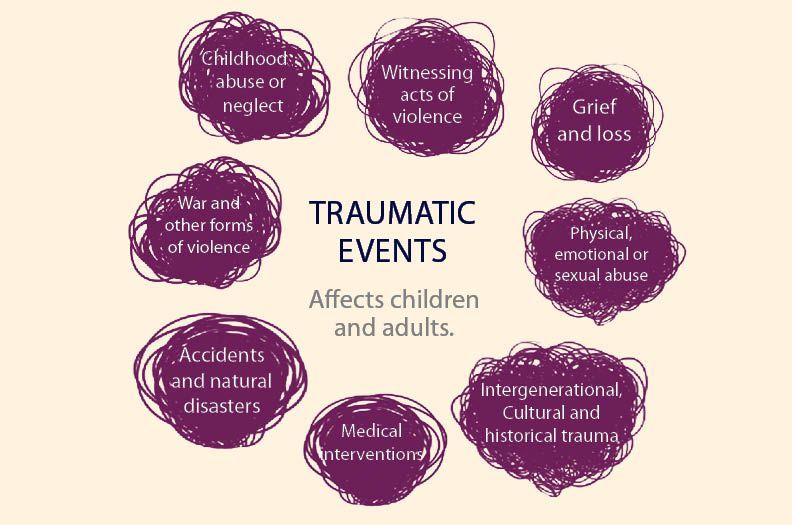
4/12/19

HIV & Anxiety/Post Traumatic Stress Disorder (PTSD)                                                                                               Integrated Behavioral Health Services
• Among PLWHA:
     –   72% experience symptoms of anxiety (M:F 1:2)
                                                                                                                                                  • Patient centered with integrated or co-located services
     –   Up to 40% have a diagnosable anxiety disorder & >50% have comorbid depression                                                            • Diverse teams of clinical and nonclinical providers
     –   Up to 54% of PLWHA meet criteria for PTSD v 6-9% US Gen’l Population                                                                     • A site culture that promotes a stigma-reducing environment
     –   Up to 40% identify their HIV diagnosis as the traumatic stressor
                                                                                                                                                  • Availability of comprehensive medical, behavioral health, and
• Trauma exposure increases risk for PTSD, substance misuse
                                                                                                                                                    psychosocial services
• Co-occurrence reduces self-care practices & increases HIV risk behavior
                                                                                                                                                  • Effective communication strategies
• More rapid HIV disease progression, poorer survival, greater utilization & cost
                                                                                                                                                  • Focus on quality
  in services, and lower treatment adherence
    G. Triesman, et al, Johns Hopkins HIV Guide, Aug 24, 2011; J Hsu, et al, Johns Hopkins HIV Guide, Nov 2, 2011; SM Asch, et al, J Gen
    Intern Med 2003; 18:450-60; SL Taylor, et al, J Behav Health Serv Res 2004; 31: 149-163; BW Pence, et al, PubMed 2007; SC Kalichman, et           B Ojikutu, et al, Interdisciplinary HIV care in a changing healthcare environment in the USA, AIDS Care 2014 26(6): 731-735.
    al, PubMed 2004; C Brandt, et al, Clin Psychol Rev 2017 Feb: 51: 164-184; VR Nightingale, et al, AIDS Behav 2011 Nov: 15(8): 1870-1878;
    CR Pearson, et al, AIDS Behav 2019 Mar: 23(3): 695-706; D Fawcett, TheBodyPRO May 01,2017.

ACTHIV 2019: A State-of-the-Science Conference for Frontline Health Professionals                                                             ACTHIV 2019: A State-of-the-Science Conference for Frontline Health Professionals

                                                                                                                                                                                                                                                                                          4
4/12/19

                     HIV
                                                Western NC Community Health Services
                                                                                                                      WNCCHS’ Responses: #1 SKILLS
                  Depression       Opioid
                                                                   Of 15,835 unduplicated patients served             • Program (not Provider) Driven
    Trauma                                                               §94%
4/12/19

Why Provide Trauma Responsive Care                                                                                                                 Trauma Manifestations in Health Care Settings
• Traumatic experiences have direct impact on our patient’s health                                                                             • People who have experienced                                         1.    Invasive procedures
  and on how patients engage in health care.                                                                                                     traumatic life events often are Very                                2.    Removal of clothing
                                                                                                                                                 Sensitive to situations that remind
• When a patient discloses current or past trauma, we need to                                                                                    them of the people, places or things
                                                                                                                                                                                                                     3.    Physical touch
  know how to respond.                                                                                                                           involved in their traumatic event
                                                                                                                                                                                                                     4.    Personal questions that may be
                                                                                                                                                                                                                           embarrassing/distressing
• Knowing about the impact of trauma can improve patient                                                                                       • These reminders, also known as
                                                                                                                                                                                                                     5.    Gender of healthcare provider
  outcomes & help us better manage risk.                                                                                                         Triggers, may cause a person to relive
                                                                                                                                                 the trauma and view the health care                                 6.    Vulnerable physical position
• As many as 95% of PLWHA report at least one severe traumatic                                                                                   setting & organization as a source of                               7.    Holiday decorations
  stressor and up to 54% meet criteria for post traumatic stress                                                                                 distress rather then a place of healing                             8.    Perfume
  disorder (PTSD).                                                                                                    Integration.samhsa.gov
                                                                                                                                                 and wellness                                                        9.    One’s tone of voice
                                  The Effects of Traumatic Stressors and HIV-Related Trauma Symptoms on Health and Health Related Quality                                                                                                   www.integration.samhsa.gov
                                       of Life: Vienna R. Nightingale, Tamara G. Sher, Melissa Mattson, Sarah Thilges, and Nathan B. Hansen

ACTHIV 2019: A State-of-the-Science Conference for Frontline Health Professionals                                                              ACTHIV 2019: A State-of-the-Science Conference for Frontline Health Professionals

                                                                                                                                                                                                                                                                              6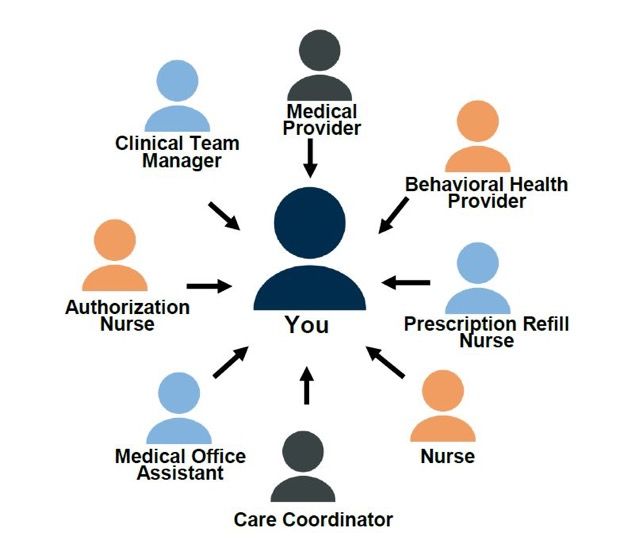
4/12/19

                                                                                                          Impact of Trauma
                                                                                                      • Trauma Changes Brain Neurobiology
                                                                   Trauma is similar to a rock
                                                                                                          vPrefrontal Lobe – language
                                                                   hitting the water’s surface. The
                                                                                                          vAmygdala – emotional regulation
                                                                   impact first creates
                                                                                                          vHippocampus – memory and experience assimilation
                                                                                                          vMedial Prefrontal Cortex –regulates emotion and fear responses
                                                                   the largest wave, which is         • Biological Reactions: Fight Flight Freeze
                                                                   followed by ever expanding, but    • Adoption of Health Risk Behaviors as Coping Mechanisms (Eating
                                                                   less intense, ripples                Disorders, Smoking, Substance Abuse, Self-Harm, Sexual
                                                                                                        Promiscuity, Violence) Felitti VJ, et al. The relationship of adult health status to childhood abuse and
                                                                                                                                 household dysfunction. American. Journal of Preventive Medicine. 1998; 14:245-258.

ACTHIV 2019: A State-of-the-Science Conference for Frontline Health Professionals                     ACTHIV 2019: A State-of-the-Science Conference for Frontline Health Professionals

                                                                                                                                                                                                                           7
4/12/19

    Trauma Informed Care: The Four Rs                                                                                 Trauma Informed Care: The Four Cs
                                                                                                                   • Calm: Pay attention to how you are feeling. Breathe and calm
    • Realizes: widespread impact of trauma and understands                                                          yourself to help model and promote calmness for the patient
      potential paths for recovery                                                                                 • Contain: Ask the level of detail of the trauma history that will allow
    • Recognizes: signs and symptoms of trauma in patients,                                                          patient to maintain emotional and physical safety; respect the
      families, staff, and others involved with the system                                                           time-frame for your interaction; and allow you to offer the patient
                                                                                                                     further treatments.
    • Responds: by fully integrating knowledge about trauma
      into policies, procedures, and practices                                                                     • Care: Emphasize good self-care and compassion
                                                                                                                   • Cope; Emphasize skills to build upon strength, resiliency and hope.
    • Resists: seeks to actively resist re-traumatization
                                                                                    From SAMHSA’s Concept Paper                                                                                       From SAMHSA’s Concept Paper

ACTHIV 2019: A State-of-the-Science Conference for Frontline Health Professionals                                 ACTHIV 2019: A State-of-the-Science Conference for Frontline Health Professionals

                                                                                                                                                                                                                                         8
4/12/19

    Responses to Reflect that You’re Trauma Informed                                                             Teach patients tools to soothe an activated limbic system
    • “I am sorry that happened to you; no one has the right to hit
      another person/force another person to have sex.”                                                             1. Bilateral Stimulation: alternately tap arms or legs for 2+
                                                                                                                       minutes
    • “Growing up in an environment of violence is so difficult for a
      child – no one should have to face such upsetting and scary                                                   2. Heart Hug: apply gentle pressure on the vagus nerve for 2+
      situations.”                                                                                                     minutes paired with deep breathing
    • “We know that there is a direct relationship between these                                                      – stimulates the parasympathetic system
      experiences and a person’s physical health; have you ever had                                                   – promotes feelings of safety, connection with self &
      a chance to explore these?”                                                                                         containment
    • “You are safe here, we have staff who can help you.”                                                              Trauma Informed Care: Linda K. Harrison, LPCS, CCS, MAC, First at
                                                                                                                                                    Blue Ridge, Black Mountain, NC, 2017
                                                                                    www.integration.samhsa.gov

ACTHIV 2019: A State-of-the-Science Conference for Frontline Health Professionals                                ACTHIV 2019: A State-of-the-Science Conference for Frontline Health Professionals

                                                                                                                                                                                                          9
4/12/19

     Mirror Neurons                                                                                                                  Review: Skills set the stage for Pills
 • Specialized cells in the brain that spontaneously create brain-
   to-brain links between people                                                                                                  • Create a soothing physical environment in the healthcare setting
 • Our brain waves, chemistry and feelings can literally mirror                                                                   • Train all staff (not just direct providers) in the principles of trauma
   the brain waves, chemistry and feelings of people who we are
                                                                                                                                    informed approaches
   communicating with.
 • Allow us to instantly empathize with others and to know                                                                        • Take time to get to know the patient and create a sense of safety
   what they are feeling and experiencing.                                                                                          and respectful relationship
 • If you are activated, the patients will mirror you. If you are                                                                 • Adopt collaborative/person centered approaches
   calm, centered and grounded, they are more likely to pick the
   cues from you and respond in a similar manner!                                                                                 • Offer choices and options to maximize patient sense of control
                                                                                    www.soulconnection.net/mirror_neurons.html                                                                                       Integration.samhsa.gov

ACTHIV 2019: A State-of-the-Science Conference for Frontline Health Professionals                                                ACTHIV 2019: A State-of-the-Science Conference for Frontline Health Professionals

                                                                                                                                                                                                                                                  10
4/12/19
Audience Response Survey WNCCHS’ Responses: #2 PILLS
Which of the following do you consider most important when selecting a • Accessible
psychotropic medication regimen:
1. Patient preference
• Affordable
2. Efficacious • Sustainable
3. Simplicity
• Efficacious
4. Affordability
• Tolerable
5. Evidence based
• Simple
6. Sustainability
7. Tolerability • Evidence based
8. Accessibility • Broadly applicable across the mood spectrum
ACTHIV 2019: A State-of-the-Science Conference for Frontline Health Professionals ACTHIV 2019: A State-of-the-Science Conference for Frontline Health Professionals
114/12/19
WNCCHS Formulary WNCCHS Formulary – Top 5 Meds
• Mood Stabilizers • SSRIs • Mood Stabilizers
• SSRIs • Other • Antipsychotics • Other • Antipsychotics
– Carbamazepine – Carbamazepine
– Citalopram – Mirtazapine • Chlorpromazine – Citalopram – Mirtazapine • Chlorpromazine
– Divalproex Sodium – Divalproex Sodium
– Fluoxetine – Trazodone – Fluoxetine – Trazodone
• Clozapine* – Lamotrigine • Clozapine* – Lamotrigine
– Paroxetine • Antianxiety – Paroxetine • Antianxiety
• Fluphenazine – Lithium – Sertraline • Fluphenazine – Lithium
– Sertraline – Buspirone – Buspirone – Valproic Acid
Haloperidol – Valproic Acid Haloperidol
– Hydroxyzine • • SNRIs – Hydroxyzine •
• SNRIs Olanzapine* • Extrapyramidal Sxs Olanzapine* • Extrapyramidal Sxs
• PTSD • – Duloxetine* • PTSD •
– Duloxetine* • Benztropine • Benztropine
– Prazosin • Risperidone • TCAs – Prazosin • Risperidone
• TCAs • Trihexyphenidyl • Trihexyphenidyl
– Topiramate • Risperidone – Amitriptyline – Topiramate • Risperidone
– Amitriptyline • Attention Deficit • SA/MAT • SA/MAT
consta*
• Buprenorphine/nalox
– Doxepin • Attention Deficit consta*
• Buprenorphine/nalox
– Doxepin – Atomoxetine* Thioridazine – Imipramine – Atomoxetine* Thioridazine
• one* • one*
– Imipramine – Methylphenidate – Nortriptyline – Methylphenidate • Varenicline*
• Thioxthixene • Varenicline* • Thioxthixene
– Nortriptyline * available through Medication Assistance * available through Medication Assistance
ACTHIV 2019: A State-of-the-Science Conference for Frontline Health Professionals ACTHIV 2019: A State-of-the-Science Conference for Frontline Health Professionals
124/12/19
WNCCHS Top 5 Meds for Depression & Anxiety WNCCHS Top 5 Meds offer treatment for:
• Citalopram (SSRI) • Lamotrigine (Mood Stabilizer) – Depression1,2,3,5 – Peripheral neuropathy (4) DM (5)
KEY:
– FDA: Depression – FDA: Bipolar maintenance, Seizures – Anxiety 5 (1,2,3) – Neuropathic pain (4) 1. Citalopram (SSRI)
2. Trazodone (Other)
– Off-Label: Anxiety, OCD – Off-label: Peripheral neuropathy – PTSD (3,5) – Musculoskeletal pain 5 (3) 3. Amitriptyline (TriCyclic
Antidepressant)
• Trazodone (other) • Duloxetine (SNRI) – OCD(1,5) – Fibromyalgia 5 4. Lamotrigine (Mood
– FDA: Depression with/without anxiety – FDA: Depression, GAD, DM PN, FM, – ADD/ADHD (5) – Migraines/Headaches (3,5) Stabilizer)
5. Duloxetine (SNRI)
– Off-Label: Insomnia; Anxiety/Panic, Chr MS Pain – Bipolar4 – Irritable Bowel Syndrome (3)
Superscripts:
SSRI-induced sexual dysfunction – Off-Label: PTSD, OCD, ADD/ADHD, – Insomnia (2,3) – SSRI-induced sexual dysfunction (2) BOLD = FDA Approved
Italics = Off Label
• Amitriptyline (TriCyclic) Smoking cessation, Migraines/HAs – Smoking Cessation(5)
– FDA: Depression See Dr. Wallenius’ 2017 ACTHIV Presentation for details on
– Off-Label: Anxiety/Panic, PTSD, Pain prescribing & counseling
ACTHIV 2019: A State-of-the-Science Conference for Frontline Health Professionals ACTHIV 2019: A State-of-the-Science Conference for Frontline Health Professionals
134/12/19
WNCCHS Team Based Case Discussion: WNCCHS’ PLWHA Intake
Whole Person Care All Team members speak from the same script using plain language
RN Care Manager: Focuses on retention in care, identifying barriers to care
and addressing social determinants of health
Behavioral Health Provider: Provides brief psychoeducation on trauma &
depression as possible contributing health concerns for HIV+ diagnosed
Pharmacist patients & reviews screening tools completed by patient during check-in
process
Medical Provider: Reviews HIV life cycle, medication options, readiness for
treatment
Pharmacist: Dispenses Medication, Reinforces Adherence, Answers Questions
ACTHIV 2019: A State-of-the-Science Conference for Frontline Health Professionals ACTHIV 2019: A State-of-the-Science Conference for Frontline Health Professionals
144/12/19
Primary Care Post Traumatic Stress Disorder-5 (PC PTSD-5) Patient Health Questionnaire-9
Sometimes things happen to people that are unusually or especially frightening, horrible or Over the last 2 weeks, how often have you been bothered by any of the following problems?
traumatic. For example: a serious accident or fire, a physical or sexual assault or abuse, an (0 = not at all; 1 = several days; 2 = more than one half the days; 3 = nearly every day):
earthquake or flood, a war, seeing someone be killed or seriously injured, having a loved one 1.Little interest or pleasure in doing things
die through suicide or homicide.
2.Feeling down, depressed, or hopeless
Have you ever experienced this type of event? If Yes, in the past month have you:
3.Trouble falling or staying asleep or sleeping too much
1. Had nightmares about the event(s) or thought about the event(s) when you did not want
to? 4.Feeling tired or having little energy
2. Tried hard not to think about the event(s) or went out of your way to avoid situations that 5.Poor appetite or overeating
reminded you of the event(s)? 6.Feeling bad about yourself or that you are a failure or have let yourself or your family
3. Been constantly on guard, watchful, or easily startled? down
4. Felt numb or detached from people, activities, or your surroundings? 7.Trouble concentrating on things, such as reading the newspaper or watching television
5. Felt guilty or unable to stop blaming yourself or others for the event(s) or any problems 8.Moving or speaking so slowly that others have noticed, or the opposite
the event(s) may have caused? 9.Thoughts that you would be better off dead or hurting yourself in some way
ACTHIV 2019: A State-of-the-Science Conference for Frontline Health Professionals ACTHIV 2019: A State-of-the-Science Conference for Frontline Health Professionals
154/12/19
Case Discussion: WNCCHS’ PLWHA Intake
• PC PTSD: Score of 3-5 considered a positive screen for PTSD follow-up
Audience Response Survey
• PHQ-9: Score of 15+ considered positive for Moderate to Severe Depression In your service area, what is the most common barrier to your HIV+
• Positive Scores are followed up by appropriate Behavioral Health & patients receiving comprehensive care:
Psychotropic Medication interventions 1. Lack of substance abuse services
• Patients learn that co-occurring medical and behavioral health conditions 2. Lack of mental health services
are equally important for treatment planning 3. Unstable housing
• Treatment compliance improves when the whole person is attended to by 4. Lack of insurance
all team members simultaneously 5. Lack of access to medications
• Team Based Collaborative Care also ensures cohesiveness and support of 6. Lack of transportation
providers in working with patients with these complex needs 7. Other
• We’re in this together for the patient & for the providers!
ACTHIV 2019: A State-of-the-Science Conference for Frontline Health Professionals ACTHIV 2019: A State-of-the-Science Conference for Frontline Health Professionals
164/12/19
Case Presentation: “WJ” Case Presentation: “WJ”
Meet & Greet 12/07/2018 Medical Director identifies
51yo white MSM • Diagnosed HIV+ 2007
RN Care Manager identifies • Out of HIV Care & off HAART since 2017
• Housing insecurity – elderly aunt kicked out middle of winter; moved into • Reported Chronic Diseases: Crohn’s Disease, Bipolar, Depression, Anxiety,
Hypertension, Anemia, Obesity, GERD
homeless shelter
• Hospitalized every other month 2017-2018 for exacerbations of Crohn’s Disease;
• Transportation insecurity - lives 2 hrs away in rural town s/p partial colectomy
• Food insecurity • Reported medications at Hospital D/C 2 wks ago: Bictegravir/emtricitabine/
• Uninsured tenofovir alafenamide, sulfamethoxaxole/trimethoprim DS, Lamotrigine,
• Unemployed Sulfasalazine, Pantoprazole
• Unable to recall last CD4 & Viral Load
ACTHIV 2019: A State-of-the-Science Conference for Frontline Health Professionals ACTHIV 2019: A State-of-the-Science Conference for Frontline Health Professionals
174/12/19
Case Presentation: “WJ” Case Presentation: “WJ”
Behavioral Health Director identifies Baseline Lab Results: CD4 68 & Viral Load 180
• Isolation with minimal support system– aunt unaware of HIV status; Follow-up Team Care
• Medications accessed via HIV Drug Assistance Program
divorced; alienated from two children • Consistently engaging in Integrated Behavioral Health Care, expressing appreciation & relief for
• Readily identifies with ACES, adult traumatic experiences – Helping him understand the connection between physiologic and mental health symptoms of stress
and trauma
• Admits history of methamphetamine use; in remission since 2013
– Creating the opportunity to address his underlying undiagnosed & untreated PTSD
• Screening Tests reveal PHQ-9=9 & PC PTSD=5 • Also receiving RN Care Management Services
• Denies previous diagnosis of PTSD or receipt of Trauma related services • Has not required hospitalization since initiating care at WNCCHS
• Engaging with other Health Care Team Members
• Surprised & grateful to finally acknowledge trauma as an ongoing behavioral – Disability Specialist assisted with Disability Application; approved 03/07/2019
health concern – Dental Team for cleaning, extractions and reconstruction
• Receptive & motivated to engage in Trauma Responsive care Truly whole person care
ACTHIV 2019: A State-of-the-Science Conference for Frontline Health Professionals ACTHIV 2019: A State-of-the-Science Conference for Frontline Health Professionals
184/12/19
Special Considerations for You the Helper Vicarious Trauma (VT)
• Process of change that happens because
– you care about other people who have been hurt
– feel committed or responsible to help them
• Over time VT can lead to changes in your psychological,
physical and spiritual well-being
• As a humanitarian worker VT will almost certainly impact you,
your family, your organization & the people you are working to
help
L Pearlman & L McKay, Understanding and Addressing Vicarious Trauma, Headington Institute, 2008
ACTHIV 2019: A State-of-the-Science Conference for Frontline Health Professionals ACTHIV 2019: A State-of-the-Science Conference for Frontline Health Professionals
194/12/19
Coping with Vicarious Trauma (VT) Summary
• The prevalence of depression, anxiety, and posttraumatic stress disorder is
• Identify strategies to proactively
significantly higher in PLWH
manage VT & prevent burnout
• Higher HIV acquisition & transmission risks are associated with certain mental
• Invest in activities that help you escape, disorders & co-existing substance use disorders often mediate this link.
rest & play • Mental disorders have been associated with decreased treatment access &
• Transforming VT requires identifying adherence, and predict worse HIV disease outcomes.
ways to nurture a sense of meaning & • Practical screening tools for use in the primary care setting should be brief,
hope. easily scored, free, evidence-based, and accessible to a range of providers
• What gives your life and work meaning, without requiring specific training.
and what instills or renews hope? • Integrating behavioral health care into health care teams improves the HIV
L Pearlman & L McKay, Understanding and Addressing Vicarious Trauma, Headington Institute, 2008 treatment cascade & health outcomes.
ACTHIV 2019: A State-of-the-Science Conference for Frontline Health Professionals ACTHIV 2019: A State-of-the-Science Conference for Frontline Health Professionals
204/12/19
Audience Response Question
Which of the following will you implement first:
1. Strategize integration of behavioral health services into your practice
2. Implement a Trauma Responsive Approach at all levels in your clinic
3. Design a Skills Before & With Pills approach to care
4. Develop your organizations’ list of Top 5 Sustainable Medications for
Depression, Anxiety & PTSD
5. Build awareness of vicarious trauma
6. Replenish your well
ACTHIV 2019: A State-of-the-Science Conference for Frontline Health Professionals
ACTHIV 2019: A State-of-the-Science Conference for Frontline Health Professionals ACTHIV 2019: A State-of-the-Science Conference for Frontline Health Professionals
21You can also read


