HUMANITARIAN 9RESPONSE PLAN - LIBYA - ReliefWeb
←
→
Page content transcription
If your browser does not render page correctly, please read the page content below
HUMANITARIAN
        RESPONSE PLAN
 2019

                           JANUARY-DECEMBER 2019

                                                   NOV 2018

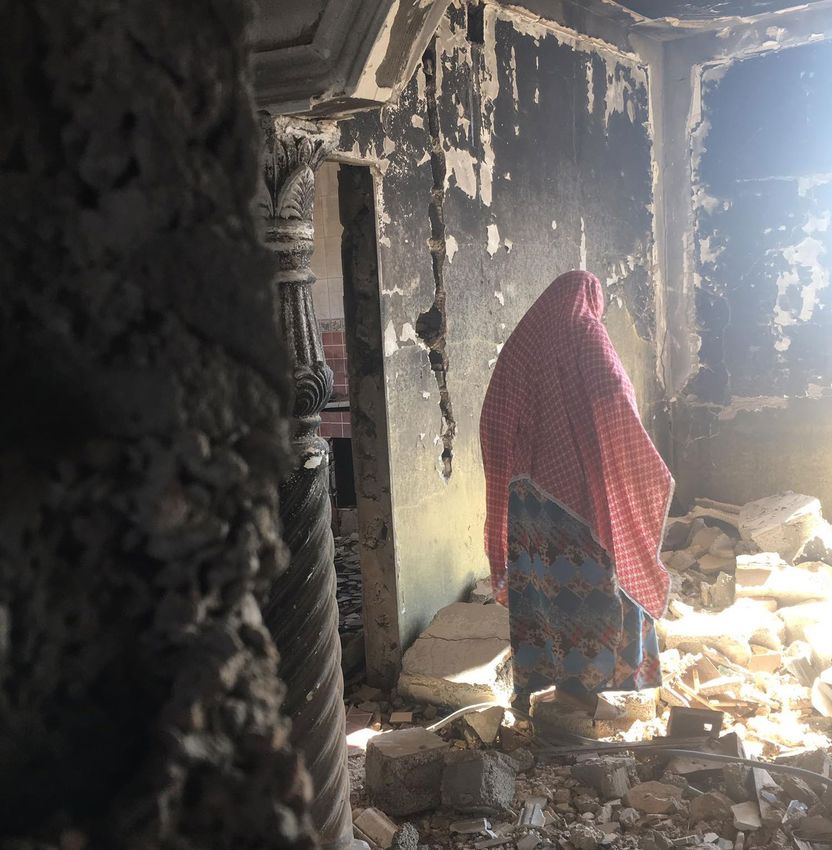
 Photo: AU UN IST/Tobin Jones

LIBYA
PART I:
TOTAL POPULATION OF LIBYA PEOPLE IN NEED PEOPLE TARGETED FUNDING APPEALING
REQUIREMENTS ORAGANIZATIONS
6.6M + 0.67M 823K 552K $ 202M 23
Libyans Migrants/Refugees
ITALY GREECE
Tripoli
Aljfara
Mediterranean
Zwara Sea Al Jabal
Al Akhdar
TUNISIA (1%) Azzawya Almargeb
Migrants coming Misrata Derna
from Morocco Benghazi
Almarj
02
Sirt Tobruk
Nalut Al Jabal
Al Gharbi
ALGERIA
(4%) Ejdabia
Migrants Wadi Ashshati Aljufrah
coming from
Burkina Faso, EGYPT (16.5%)
Gambia, Mali, Migrants coming
Morocco and from Egypt, Sudan
Senegal Sebha
and Syria
Ghat Ubari
Murzuq
Alkufra
NIGER (52%)
Migrants coming CHAD (10%)
from Burkina Faso, Migrants coming
Cameroon, Ghana, from Chad,
Gambia, Mali, Nigeria, Cameroon,
NUMBER OF TARGETED and Sudan
Senegal and Benin
POPULATION SUDAN (14.4%)
Migrants coming
150,000 from Sudan, Egypt,
Ethiopia, Eritrea,
and Somalia
50,000
IDPs, Returnees &
Host/non-displaced
3,000
Migrants
Data source: DTM Libya round 21, August 2018, sectors refugees & Asylum seekersPART I:
TABLE OF CONTENT
PART I: COUNTRY STRATEGY
Foreword by the Humanitarian Coordinator
The humanitarian response plan at a glance
Overview of the crisis
Strategic objectives
CYPRUS
Response strategy
Operational capacity
Humanitarian access
Response monitoring
Summary of needs, targets & requirements
03
PART II: OPERATIONAL RESPONSE PLANS
Protection
Health
Food security
Water, Sanitation & Hygiene (WASH)
Shelter and Non-Food Items (NFIs)
Education
Multi-Purpose Cash Assistance
Common Services (Logistic, Emergency Telecommunication,
Coordination)
PART III: ANNEXES
Objectives, indicators & targets
Participating organizations & funding requirements
Planning figures: people in need and targeted
What if? ... we fail to respondPART I: Foreword by the humanitarian coordinator
FOREWORD BY
THE HUMANITARIAN
COORDINATOR
Seven years of instability and insecurity have taken their toll As Humanitarian Coordinator for Libya this is the second
on the wellbeing of many children, women and men in Libya. Humanitarian Response Plan I have launched. During
Each passing year people struggle to withstand the impacts of that time partners have kept making important progress
the crisis that has destabilized the country, put them in harm’s increasing humanitarian access, building strong relations
way, driven up food prices, and ravaged the economy. and partnerships with national and local organisations, and
opening up to civil society.
Libya is now producing well over one million barrels of oil a
day. However, this has not yet translated into tangible benefits Moving forward into 2019 we have a better understanding of
for people. Many Libyans get poorer every year. Basic health the humanitarian situation in Libya than ever before, which
and education services decay, and frustrated citizens cannot has enabled us to build a response plan based on strong
understand why oil production and increased government evidence. We intend to support the most severely affected
revenue does not lead to improved living standards, security and vulnerable people, many of whom are in the South. We
04 and well-being for all in Libya. will continue to support Libyans struggling to access essential
services and basic household items, we will work closely with
Vulnerable people and families are unable to afford food,
development partners and together help displaced people
water, and basic household items and are forced to resort to
get back to their homes and support them in rebuilding their
taking desperate measures and adopting degrading coping
lives, and we will continue to address the plight of refugees
mechanisms just to get through these difficult times.
and migrants who need our protection and assistance.
Refugees and migrants face grave human rights violations
Ultimately, the future of Libya is very much in the hands of
and abuses in the absence of rule of law, many of them young
the Libyans. Progress on the political, security and economic
people from sub-Saharan Africa looking for opportunities
reform are essential in ensuring sustainable pathways to
to work and for a better life. They face high risks of arbitrary
stability and peace, and many efforts are ongoing in this
detention and exploitation, often simply because of the colour
regard. But right now, while people are suffering, it is
of their skin.
absolutely critical that the international community work
together with national partners to make sure vulnerable
people are supported and protected.
Maria do Valle Ribeiro
Humanitarian Coordinator for LibyaPART I: The Humanitarian Response Plan at a glance
THE HUMANITARIAN RESPONSE PLAN
AT A GLANCE
STRATEGIC OBJECTIVE 1 PEOPLE IN NEED POPULATION IN NEED AND TARGETED BY POPULATION GROUP
823K
Provide and improve
safe and dignified access POPULATION GROUP PEOPLE TARGETED PEOPLE IN NEED
to essential goods and
critical public services in IDPS 73K 97K
synergy with sustainable
PEOPLE TARGETED
development assistance.
116K 165K
552K
RETURNEES
STRATEGIC OBJECTIVE 2
HOST &
Enhance protection and NON-DISPLACED 130K 148K
promote adherence to REQUIREMENTS (US$)
International Humanitarian REFUGEES 56K 125K
202M
Law, International
Human Rights Law, and $
International Refugee Law. MIGRANTS 179K 288K
05
POPULATION IN NEED AND TARGETED BY SECTOR POPULATION TARGETED BY LIBYAN AND NON-LIBYAN
SECTOR PEOPLE TARGETED PEOPLE IN NEED Aljfara
Al Jabal
Tripoli Benghazi Al Akhdar
Zwara
HEALTH 388K 554K Azzawya
Almargeb
Derna
Almarj
Misrata
Sirt Tobruk
PROTECTION 234K 490K Nalut Al Jabal
Al Gharbi
Ejdabia
Wadi Ashshati Aljufrah
FOOD SECURITY 197K 298K
Sebha
Ubari
SHELTER & NFI 195K 292K Ghat
Murzuq
Alkufra
WASH 150K 267K
NUMBER OF TARGETED POPULATION
EDUCATION 71K 93K
150,000
IDPs, Returnees
& Host/non-displaced
MULTI 50,000 Data source:
Migrants
PURPOSE CASH 74K 3,000 refugees & Asylum seekers
DTM Libya round 21,
August 2018, sectors
FUNDING REQUIREMENT BY SECTOR FUNDING REQUIREMENT BY POPULATION TARGETED BY
LIBYAN AND NON-LIBYAN LIBYAN AND NON-LIBYAN
PROTECTION HEALTH FOOD MULTI SHELTER & NFI COMMON EDUCATION WASH
SECURITY PURPOSE CASH SERVICES FEMALE MALE TOTAL
NON-
LIBYAN
$126M $76M IDPS, RETURNEES
& HOST/NON- 163K 156K 319K
LIBYAN
IDPS,
RETURNEES & 62% 38% MIGRANTS
REFUGEES &
DISPLACED
HOST/NON- ASYLUM SEEKERS
DISPLACED MIGRANTS
$53.9M $43.5M $24.4M $23.2M $18.3M $16.5M $12.2M $9.5M REFUGEES & 51K 182K 233K
ASYLUM SEEKERSPART I: Overview of the crisis
OVERVIEW OF
THE CRISIS
An estimated 823,000 people, including around 248,000 children, are in-need
of humanitarian assistance in Libya as a result of persisting political instability,
conflict and insecurity, the breakdown of the rule of law, a deteriorating public
sector and a dysfunctional economy. People in-need of assistance include
internally displaced persons, returnees, non-displaced conflict affected people
and host communities, and refugees1 and migrants. ITALY GREECE
As highlighted in the Humnaitarian Needs Overview (HNO) SEVERITY AND SCALE OF NEEDS
for 2019, key humanitarian needs in Libya are linked to i)
protection, ii) access to critical services such as healthcare and
Aljfara
education, and safe drinking water and sanitation, and iii) Tripoli
Al Jabal
Zwara Al Akhdar
access to basic household goods and commodities including Azzawya Almargeb
food and essential non-food items. These humanitarian Misrata
Benghazi
Almarj Derna
needs reflect life-threatening risks from exposure to violence, W E S T
Sirt
vulnerability, and the inability to cope with human rights Nalut
Al Jabal
Al Gharbi Tobruk
06 violations and abuses, and the deprivation of essential services
and commodities. Wadi Ashshati Aljufra
Ejdabia
The protracted crisis in Libya continues to be of grave concern Sebha
Ghat Ubari S O U T H E A S T
with both Libyans and non-Libyans paying a high price for
seven years of instability and insecurity. Approximately half
of the people in need of humanitarian assistance are Libyans. Murzuq
Alkufra
Refugees and migrants in or transiting through Libya make
up the other half. The majority of people in need are found in
urban areas in the western and eastern regions of the country.
However, many of the most severe needs are in the southern PEOPLE IN NEED BY MANTIKA *
mantikas2 of Murzuq, Sebha and Al Kufra, although severe 190,000
needs are also found in Sirt, on the north-coast. 70,000 MIGRANTS
REFUGEES & ASYLUM
IDPS, RETURNEES &
HOST +NON-DISPLACED
SEEKERS
6,000
While the impacts of the crisis on people in all affected groups
1 For the purpose of this document, the term “refugee” shall be used to
include refugees as well as asylum-seekers.
2 The term ‘mantika’ describes a major administrative and geographic area of Libya. There are twenty-two mantikas in Libya.
Oct 2011 Jul 2012 Jun 2014 Jul 2014 Dec 2015
Between 100,000 and 150,000 Election and transfer Second parliamentary HOR leaves Tripoli and re-establishes itself UN facilitates the
people are internally displaced by of power from NTC elections held to elect the in Tobruk; GNC re-establishes itself in signing of the Libyan
clashes. The National Transitional to General National House of Representatives Tripoli; UN pulls out; Operation Dawn Political Agreement in
Council (NTC) declares the Congress (GNC) launched ousting Zintan forces from the city Skhirat, Morocco
liberation of LibyaPART I: Overview of the crisis
VULNERABLE GROUPS
Severely affected women with Children at risk and exposed to Out-of-school or unemployed Severely affected elderly Crisis affected persons
gender specific vulnerabilities hardship, violence and abuse youth, and young migrants persons including those with with disabilities
and refugees specific healthcare needs
IDPs living in informal Vulnerable refugees and Vulnerable refugees and
Tawergha Refugees and Migrants in
settlements and IDPs unable migrants in or transiting migrants from East- and
community Detention Centres
to return to their homes through Libya sub-Saharan African countries
have been severe, needs vary according to the characteristics disabilities and elderly persons without support networks and
and contextual situation of different populations. Of note, with no access to healthcare assistance, unemployed young
refugees and migrants often face specific protection issues men at risk of being recruited into armed groups, and young
including grave human rights violations and abuses by state and refugees and migrants from sub-Saharan African countries.
non-state actors given their irregular status, lack of domestic Also identified as particularly vulnerable are Tawergha
support networks, impunity for crimes committed against communities, refugees and migrants transiting through Libya,
foreign nationals, racism and xenophobia, and policies linked refugees and migrants in detention centres, and displaced
to the control of mixed migrations flows to Europe. people living in informal settlements and/or being prevented
to return home due to security threats and risks. Persons of
People identified as vulnerable are individuals or families who
have specific circumstances that undermine or limit their
undetermined legal status (PULS) who consider themselves 07
Libyan but are not officially recognized as citizens and cannot
resilience to withstand the impacts of the crisis. Vulnerabilities
access documentation are also considered vulnerable, as a
are mainly related to gender, age, disabilities, ill-health,
marginalized group without access to the rights and benefits
nationality, and legal status. People who have been forced to
that come with citizenship.
adopt emergency level negative coping mechanisms due to
socio-economic challenges are also considered vulnerable.
The most vulnerable groups suffering as a result of the situation
in Libya are those who are exposed to insecurity and conflict,
people who are socio-economically disadvantaged, and/
or foreign nationals who face discrimination and prejudice.
Amongst these groups, women, children, youth, people with
disabilities, and older persons have been severely impacted
by the crisis, in particular female-headed households, women
and girls victims of Gender-Based Violence (GBV), children
survivors of violence, migrant and refugee women living in
detention centres, unaccompanied children, and children
out of school. Other specific groups also include people with
Sep 2016 Dec 2016 Jul 2017 Jul 2018 Aug 2018
LNA takes over control Pro-GNA Rivals Prime Minister LNA forces oust IS and LNA takes over Conflict
of the oil crescent, oil forces oust al-Serraj and General Benghazi Mujahideen control of Derna between rival
production increases IS from Sirt Haftar agreed to a Shura Council from after heavy forces in Tripoli
ceasefire and to hold Benghazi fighting
elections in 2018.PART I: Strategic Objectives
STRATEGIC
OBJECTIVES
1 2
Provide and improve safe and dignified Enance protection and promote adherence
access to essential goods and critical public to International Humanitarian Law, Interna-
services in synergy with sustainable devel- tional Human Rights Law, and International
opment assistance. Refugee Law.
Seven years into the crisis, people across Libya have Protection needs are amongst the most commonly
been increasingly impacted by the deterioration of public reported needs in Libya for all people affected by the crisis,
services. The dysfunctional public health system, challenges in whether Libyan or foreign nationals. Protection needs are
the education sector, and non-functional water and sanitation primarily driven by exposure to conflict and violence, human
services have resulted in a lack of access to primary and rights violations and abuses, contamination from explosive
secondary healthcare, children struggling to access quality hazards in urban centres, breakdown of the rule of law, and
08 education, and limited access to water supply and poor waste major challenges related to impediments to access critical
management. Moreover, people most in need have not been services and essential goods and commodities. Refugees
able to afford basic food items, such as bread, due to low and migrants face similar protection challenges as Libyans,
incomes, inflated prices, limited or exhausted savings, and being directly exposed to conflict and increased criminality
challenges to access cash as a result of the liquidity crisis. throughout the country. However, they also face additional
Refugees and migrants are amongst the poorest and most protection issues as a result of racism, discrimination, lack of
discriminated against people in Libya. They are often denied tribal and family support networks, impunity for perpetrators
access to essential services and face difficulties in buying basic of criminal acts that target them, taking advantage of their
household items. vulnerabilities including their irregular status and poor socio-
economic standing in Libya.
The humanitarian community will assist the most severely
affected people in need through the provision of food, water, Humanitarian partners aim to prevent and mitigate
sanitation, hygiene materials, non-food items and cash, and protection risks and respond to protection needs, by working
support both the delivery of and access to safe primary and with communities and local authorities to create a protective
secondary healthcare and education. Humanitarian aid will environment in which International Humanitarian Law,
complement development and stabilization assistance that is International Human Rights Law, and International Refugee
rehabilitating basic services facilities, such as medical centres, Law is promoted and adhered to, and critical protection
schools, and water and sewerage systems, undertaken as part assistance is made available to the most severely in-need and
of the UN Strategic Framework. These interventions aim to vulnerable people in Libya.
address many of the underlying causes of humanitarian needs.
Humanitarian assistance will be delivered in a principled, a strong presence in Libya and deliver assistance working
inclusive, accountable, dignified and timely manner, and guided with local partners, building their capacity and together
by solid evidence, based on a robust analysis of humanitarian overcoming operational and access challenges. Achieving the
needs and a human rights based approach. The humanitarian above objectives is contingent upon the availability of sufficient
community is committed to continuing its efforts to ensure resources and humanitarian access.PART I: Response strategy
RESPONSE
STRATEGY
The response strategy in 2019 is focused on people with the most severe
humanitarian needs across Libya, aiming to protect the vulnerable and help
those struggling to meet their basic needs by enabling access to essential
services, and household goods and commodities. Working to overcome
challenges in a complex operating environment with humanitarian access
constraints, humanitarian partners will support Libyans, refugees, and migrants
through principled humanitarian assistance based on both the needs and rights
of affected people.
Planning scenario Political fragmentation and economic decline
The Humanitarian Response Plan (HRP) is based on a series Fragmentation of the country related to political and
economic interests, political instability, and the fragility
of planning assumptions which the HCT believes reflect the
and dysfunctionality of state institutions and public-service 09
most likely situation in Libya in 2019. As the HRP is a flexible
framework that should support a relevant, adaptive and agile providers is expected to continue. The fragmentation of the
response, it will be revised should the situation differ from the health system will continue to hamper the roll-out of an
planning assumptions in the coming 12 months. Essential Health Service Package model in Libya. Challenges
to access cash due to the liquidity crisis and the overall
A protracted crisis resulting in a worsening humanitarian inflation of prices is also likely to continue in 2019, having a
situation negative impact on people’s ability to access essential goods
The HRP is based on the assumption that political instability, and services. Further erosion of the public sector will lead to
security and economic challenges will continue, leading to a continued challenges in terms of healthcare and education
worsening of the humanitarian situation, and an increasing service provision, mains electicity, water supply, and
scale and severity of humanitarian needs as more families sanitation management.
and individuals become more vulnerable, less resilient to the Protection crisis
impacts of the crisis, and no longer able to ensure their basic
safety, security and welfare. Outbreaks and/or the spread of People’s need for protection, mental health and psychosocial
infectious diseases will continue to remain major public health support assistance will remain high and should be a priority
threats. Outbreak of acute watery diarrhea and the spread for the international community. Protection needs will
of Tuberculosis along with other respiratory infections are continue as a result of people’s exposure, vulnerability,
considered highly likely, particularly in overcrowded living and inability to cope with conflict and violence, human
conditions areas such as detention centres. ˙ rights violations and abuses, contamination from explosive
hazards in urban areas, breakdown of rule of law, and major
Conflict-driven displacement challenges related to impediments to access critical services
Continued localized conflicts and insecurity, including fighting and essential goods and commodities.
among armed groups and militias competing for power, Migration flows
territory and natural resources are expected to remain the main
drivers behind population movements in Libya. While returns Even though irregular migration flows by sea to Europe from
to areas where armed conflicts have subsided have increased Libya have significantly decreased in 2018, Libya is expected
over the past year, insecurity and protection issues including to remain a transit and destination country for migrants and
threats of violence and fear of reprisals is likely to continue to refugees in 2019. Both refugees and migrants will continue
prevent many returns. Libyans who plan to move back to their to face dire living conditions and be vulnerable to physical
homes will require humanitarian assistance in line with the and mental abuse, discrimination, exploitation, gender-based
principles of safe, dignified and voluntary return. violence, arbitrary arrest and detention.PART I: Overview of the crisis
Attacks on Healthcare interventions, but have not been used to define the scope of
the plan.
In 2018, multiple attacks and threats towards healthcare
facilities and workers were recorded across Libya, including The parameters of the response were determined through
violence, kidnapping, and assassinations of health service consultations with Libyan national and local authorities,
providers. These attacks and threats are expected to continue donors, UN agencies and other humanitarian partners,
with high frequency, endangering healthcare providers and including national and international NGOs, under the
ultimately depriving people of urgently needed assistance. direction and guidance of the Humanitarian Country Team
The full extent of these attacks is expected to be significant, (HCT), supported by the Inter-Sector Coordination Group
negatively affecting both access to short-term healthcare (ISCG).
services and the longer-term health and well-being of affected
Demographic scope
populations.
The response scope includes severely affected people in
Access challenges
need of humanitarian assistance as a result of the crisis in
Overall, both international and national humanitarian Libya. Included are Libyans, and refugees and migrants, the
response capacities will continue to face challenges primarily majority of whom are from sub-Saharan African countries.
as a result of security-driven access limitations, administrative The response covers populations in-need in all mantikas of
constraints, rapidly changing situations and shifts in areas Libya, including critical interventions targeting the most
of control, and operational bottlenecks along major supply severely affected people in the South, though the majority of
routes often in the hard-to-reach locations, impacting the operations will be delivered in the highly populated urban
capacity of humanitarian actors to meet the increasing needs areas along the north coast.
of the most vulnerable people.
Following the decision of lifting the evacuation status in SEVERITY OF NEEDS AND TARGETS BY MANTIKA
February 2018, humanitarian actors have started relocating
international staff in Libya, and will continue to make efforts
to progressively scale up their operational capacity and
10 presence on the ground, security situation permitting. Aljfara
Tripoli
Al Jabal
Zwara Al Akhdar
Azzawya Almargeb
Almarj Derna
Scope of the response
Misrata
Benghazi
W E S T
Al Jabal Sirt
The overarching scope of the response was determined based Nalut Al Gharbi Tobruk
on an analysis of HNO findings, humanitarian access analysis,
a review of development and stabilization assistance in Libya, Wadi Ashshati Aljufra
Ejdabia
humanitarian aid being provided by partners outside the Sebha
HRP, the planning scenario for the coming year, and analyses Ghat Ubari S O U T H E A S T
by sectors/partners in terms of projected response capacity in
2019. Murzuq
Critical Alkufra
Programmatic scope Severe
Major
Medium
Humanitarian action in 2019 will aim to prevent loss of life Low
and reduce suffering. This represents a significant focus of the PEOPLE TARGETED BY MANTIKA *
programmatic scope of the response compared to 2018, which 150,000
included some restoration of basic physical infrastructure, 50,000
IDPS, RETURNEES &
HOST/NON-DISPLACED
MIGRANTS
REFUGEES & ASYLUM SEEKERS
319K
re-establishment of public services and livelihoods recovery. 3,000
233K
Humanitarian organisations will continue supporting durable
solutions for refugees and migrants such as voluntary home Key principles of the collective response: centrality
return, resettlement, and family reunification outside the of protection, engagement with communities and
scope the 2019 HRP. Accountability to Affected Populations (AAP), gender,
Humanitarian actions identified in the HRP are based on age and diversity.
the evidence provided by the HNO, on key humanitarian
Centrality of protection
needs and the scope and severity of needs across the country.
While needs severity, both inter-sectoral and sectoral, has The crisis in Libya is characterized by major protection
informed prioritization response approaches, the response issues, including widespread human rights violations and
covers the entire country and does not limit its geographical abuses, violence against women and children, and arbitrary
scope exclusively to the mantikas with the highest needs and unlawful detention of refugees and migrants, who are
severity. Similarly, vulnerabilities have informed inter-sectoral subjected to live in inhumane conditions, and suffer torture
and sectoral targeting and the definition of priority response and the denial of basic services such as medical care.PART I: Overview of the crisis
Protection is at the centre of the humanitarian response in Gender, Age and Diversity: link to vulnerability
2019, with all humanitarian activities aiming to support analysis in the HNO, responses tailored to the specific
people in need with full respect for the rights of the needs of vulnerable groups
individual. All interventions will aim to promote and ensure
the safety, dignity and rights of affected people, and reduce Women, Children and Youth
or mitigate exposure to additional risks, applying the do-no- Women, children and yough represent around 50 per cent of
harm principle and through conflict sensitive approaches. the people in need of humanitarian assistance and are among
The centrality of protection is an integral part of each sector the most vulnerable groups in Libya.
strategy and the broader HRP strategy for Libya. To this end, Based on the inter-sector needs analysis, an estimated 278,000
the HCT has taken concrete steps to ensure each project in women are identified as in need of humanitarian assistance
the 2019 HRP integrates protection-related components, such including 150,000 women facing protection issues including
as a protection risks analysis of the specific needs of different GBV, an estimated 170,000 women facing challenges to access
population groups, barriers to people’s access to humanitarian to relevant and sufficient healthcare services. An estimated
assistance, the need to address inequalities or protection 36,000 girls need support to access quality education. An
threats (i.e. violence, coercion, exploitation, deprivation, or estimated 134,000 children (54,000 girls and 80,000 boys) are
neglect), safety and dignity of affected people. in need of child protection services.
While responding to humanitarian needs, the HCT will As highlighted by the HNO, severely affected women are
continue to advocate for people’s protection and access to considered particularly vulnerable to risks and exposed
humanitarian assistance, empowering crisis-affected people, to threats as a result of the crisis in Libya. Many refugee
ensuring
Percentage peoples
of projects voices are heard,
integrating AAPand promoting respect
measures and migrant women and girls have specific vulnerabilities,
for international humanitarian law and the principles of primarily based on a combination of risks linked to their
humanity, neutrality, independence and impartiality. As part irregular status and social issues related to sexism, racism and
% of projec ts based on a prote ction risk analysis considering the
of its commitment to enabling a protective 76% for
environment
spe cific needs of different popula tion groups
violence in Libya and in neighbouring transit countries.
vulnerable communities, the HCT will develop a protection
% of projec ts providing beneficiaries with information about the
strategy that raises awareness The crisis is also taking a heavy toll on lives of children
ontohumanitarian
assistance be provided issues,82
monitors and mitigates/addresses protection risks, and and youth in Libya. Children and young people suffer
% of projec ts designed and informed based on consultations
11
undertakes access analysis and security
with affec ted people, 85
from the direct consequences of war and armed violence,
risk management.
The strategy being exposed to risks of physical injuries, loss of life,
will also aim to empower communities, families
% of projec ts having a built-in feedback and/or complaint
and individuals on how to address protection
mecha nisms concerns,91build
trauma, displacement, and recruitment by armed groups.
partnerships Unaccompanied children, children at risk of being perceived
with all key actors, and strengthen operational
% of projec ts inc luding community engagement in its monitoring
capacity to respond, particularly andthe
evaluacapacity
tion? 91 and
as affiliated with armed groups, child survivors of physical
of national
local partners. and sexual violence, children with disabilities, out-of-school
children, and children who are arbitrarily detained and at risk
of being trafficked are among the most vulnerable in Libya.
PERCENTAGE OF PROJECTS INCLUDING CENTRALITY OF Refugee and migrant children are particularly exposed to
PROTECTIONPercentage of projects including Centrality of Protection
risks and face grave human rights abuses across Libya and in
detention centres, including sexual exploitation and abuse,
% of projects measuring dignity of beneficiaries? 74% beatings and other forms of violence.
% of projects identifying and addressing barriers to access that In 2019, humanitarian actors plan to assist the most
74
different population groups could face in relation to the project
vulnerable children, including children with disabilities
and child survivors of violence including GBV, through
% of projects measuring safety of beneficiaries? 76
integrated case management and individual follow up and
% of projects measuring access of beneficiaries? 76 response/referral to services to restore dignity and prevent
further distress. The Continuum of Care for Reproductive,
% of projects seeking to address inequalities or protection
threats, i.e. violence, coercion, exploitation, deprivation, or… 82 Maternal, Newborn and Child Health will be a major priority
of the health sector partners in order to improve access of
% of projects taking into consideration protection from sexual
exploitation and abuse issues 96 mothers and children to integrated package of health services
at primary and secondary levels. Such specialized services
will include best interest assessments and determination
for refugee and migrant children, structured and sustained
psychosocial support and rehabilitation and reintegration
services for children affected by armed conflict. Case
Funding requirement management, including referrals, will be a priority for
by project priority and Libyans and non- the international response. In addition, the humanitarian
Libyans community aims to increase children’s access to quality
emergency education, through provision UNofStrategic Framework
non-formal and (UNSF)
requiremen
Non-
47 27.8
LibyansPART I: Overview of the crisis
formal education opportunities, life skills and vocational Accountability to Affected Population and
training. The response will enhance the learning environment Communication with Communities
in conflict-affected schools, through provision of temporary
learning centres and classroom equipment, and provide Putting people at the centre of humanitarian action and
psychosocial support to conflict affected students, while strengthening accountability to affected people in need are
addressing violence in schools in collaboration with Child priorities for the response in 2019.
Protection actors. Since the beginning of the crisis in 2014, remote and semi-
Persons with Disabilities remote management of humanitarian operations has been
applied to overcome significant challenges to regular and
Humanitarian actors aim to address the needs of persons with effective engagement with communities. Reliance on a limited
disabilities, particularly those who have been heavily impacted number of implementing local partners able to reach people
by direct exposure to conflict and violence. Within crisis- in need and use of third-party monitoring mechanisms
affected communities, children and adults with disabilities have been some of the most common modalities adopted
are usually among the most marginalized, yet they often are by humanitarian partners to reach and communicate with
not included and fail to benefit from humanitarian assistance, communities and obtain their feedback on their needs and
and face challenges in accessing appropriate basic services. assistance provided.
They also have specific needs related to their vulnerabilities
such as requiring rehabilitation support, and assistive devices. Assessments and studies including the MSNA, and an
Information on persons with disabilities in Libya is limited, Internews, UNHCR and Mercy Corps study, have driven the
however, humanitarian partners are committed to increased humanitarian response forward in improved communication
efforts to improve the availability and quality of data regarding with communities, highlighting key priority issues such as
people with disabilities. the main information needs of affected people being related
to health and medical issues, access to assistance, information
Elderly People on education and safe places to live, and security, political
As highlighted by the HNO, the elderly population (over 64 and economic developments. The humanitarian community
years old) represents 5.1 per cent of the overall population in now also better understands that the most trusted sources of
Libya. Elderly persons are considered vulnerable in Libya due information for affected people are family, friends, neighbours
12 to having less resilience against the impacts of the crisis due and religious and tribal leaders, and that the main tools for
to challenges related to physical frailty and limited availability accessing information are mobile phone applications, the
of public services that are sufficient to meet their needs. internet, and events including social gatherings, noting that in
Around 59 per cent of the elderly population in Libya suffer certain communities, where conservatism is growing, face to
from chronic diseases, of which 76 per cent face challenges face communication is a key information source for women.
due to a lack of access to medicines. In 2019, humanitarian Improved communication with communities has also meant
actors are committed to enhance collective efforts to deepen communities being much more engaged in response planning,
their understanding of age-related vulnerabilities through particularly at partner project development stages.
monitoring and assessments. They will also enhance efforts
to ensure response interventions are tailored to the distinct
and specific needs of all population groups, including elderly PERCENTAGE
Percentage ofOF PROJECTS
projects INTEGRATING
integrating AAP MEASURES
AAP measures
people.
Improving Vulnerability Analysis % of projec ts based on a prote ction risk analysis considering the
spe cific needs of different popula tion groups 76%
In 2019, the humanitarian community is committed to % of projec ts providing beneficiaries with information about the
82
continuing to enhance and deepen its understanding of assistance to be provided
vulnerabilities through sectoral and inter-sectoral monitoring % of projec ts designed and informed based on consultations
85
and assessments, including gender-based vulnerabilities, and with affec ted people,
to ensure a more gender and age sensitive determination of % of projec ts having a built-in feedback and/or complaint
91
mecha nisms
humanitarian needs. Partners will also further strengthen
their efforts to improve quality of sex and age-disaggregated % of projec ts inc luding community engagement in its monitoring
91
and evalua tion?
data, and to systematically collect information on the impact
of age and gender-based vulnerability using participatory
and inclusive needs assessment tools, including multi- Having identified that efforts to ensure AAP are currently
sectoral needs assessments and monitoring mechanisms. limited to measures by individual organizations gathering
Humanitarian partners will also strengthen the provision of feedback on the delivery and
specialized GBV services to survivors by scaling them up to
Percentage ofimpacts
projectsofincluding
projects, the HCT of Protectio
Centrality
is moving forward with a system-wide approach on AAP
areas previously hard-to-reach, such as Sebha and Sirt and to through an inter-agency feedback mechanism in order to
new locations, such as Alkufra and Murzuq. Strengthening % of projects measuring dignity of beneficiaries?
hold the humanitarian community accountable to the people 74%
local capacity to respond to and prevent GBV cases, and it aims to serve.
% of projects Such
identifying andaaddressing
mechanismbarriers towould
access thataim to collect
provide a full package of mental health and psychosocial different population groups could face in relation to the project 74
feedback directly from communities on their needs, priorities
support will also be a key priority for the response. and expectations, ensure assistance responds to the specific
% of projects measuring safety of beneficiaries? 76
% of projects measuring access of beneficiaries? 76
% of projects seeking to address inequalities or protection% of projec ts designed and informed based on consultations
with affec ted people, 85
PART
% of projec ts having I: Overview
a built-in of the
feedback and/or complaint crisis
mecha nisms 91
% of projec ts inc luding community engagement in its monitoring
and evalua tion? 91
needs of different population groups and reaches the most as part of the collective response. The highest numbers of
vulnerable people. It would be supported by the ET sector, and people in need by mantika are found in Tripoli, Benghazi,
developed in close collaboration with all sectors. Sirt and Misrata.
Protection from Sexual Exploitation and Abuse (PSEA) 4. UrgencyPercentage
and importance: oflife-saving,
projects time including
critical Centrality
and of Pr
critically enabling actions are prioritized. Life-saving and
The humanitarian community is committed to ensuring
time critical assistance can include interventions such
Protection from Sexual Exploitation and Abuse (PSEA) % of projects measuring dignity of beneficiaries? 74%
as ensuring access to critically needed medicines and
is a central principle of the humanitarian response in
medical
% of projects services,
identifying ensuringbarriers
and addressing accessto to safethat
access drinking water,
Libya. Under the leadership of the HCT, the humanitarian
mine
different clearance
population groupssupport,
could face mine risk
in relation education,
to the project protection 74
community will work together to establish a collective
referral mechanisms, access to food, nutritional
system on PSEA, to raise awareness on the issue, ensure that
screening. Critically
% of projects enabling
measuring safety assistance can include
of beneficiaries? 76
robust measures to prevent sexual exploitation and abuse by
logistics, coordination, and/or advocacy support that
humanitarian workers are in place, and to ensure appropriate
opens essential
% of projectshumanitarian
measuring access access.
of beneficiaries? 76
complaints mechanisms are established, and procedures are in
place to address PSEA issues. To this end, with the support of 5. Integrated
% programming:
of projects seeking projectsor that
to address inequalities have inter-sectoral
protection
UNFPA and UNICEF, the roll out of the interagency PSEA has threats, i.e. violence, coercion, exploitation, deprivation, or… programmes,
complementarity with other projects, joint 82
been initiated in Libya. The key priorities for 2019 incudes the and multi-sectoral projects have been prioritized, as they
% of projects taking into consideration protection from sexual
establishment of a community-based complaints mechanism are expected to be highly efficient and effective.
exploitation and abuse issues 96
to share information on the PSEA policy and channels to
These criteria were applied to the projects included in the
report incidents and the establishment of an in-country
HRP. HRP projects meeting five out of six prioritization
network that will foresee the development of SEA prevention
criteria were labelled as “critical priority”, projects meeting
and response strategy for Libya.
three to four criteria were scored as “high priority”, and
projects meeting less than three criteria were assessed as
Inter-sectoral Priorities and Integrated Response “medium/low priority”. Funding requirement
Intersectoral prioritization by project priority and Libyans and non-
FUNDING REQUIREMENT BY PROJECT PRIORITY AND
Libyans
Response priorities are focused on providing the most LIBYANS AND NON-LIBYANS 13
critically needed support to the most severely affected and
most vulnerable people in Libya. While overarchingly the
response aims to prevent loss of life and reduce suffering, Non-
47 27.8
the humanitarian community has prioritized response Libyans
interventions based on six inter-agency agreed criteria. These
include: 68.6
Libyans 56
1. Inter-sectoral severity: humanitarian partners have 0.99
0.11
prioritized the response to target mantikas with critical
and high needs severity, these include Alkufra, Murzuq, Critical High Med/Low
Sebha and Sirt.
2. Vulnerabilities: response interventions targeting more
Integrated Response Approaches
than one vulnerable group have been prioritized. The
HNO identified ten vulnerable groups including women
(e.g. women-headed households, women victims of GBV,
Total #Integrated responses are a key a feature of humanitarian
of Entities/Agencies Providing SDG
action in Libya in 2019, with the objective of maximizing
migrant and refugee women living in detention centres, Support impact. through various
To this end, SF Pillars
the humanitarian community has
etc.), children (e.g. unaccompanied children, children committed to scale up integrated programming approaches
out of school and at risk of drop-out), youth (particularly and foster inter-sectoral complementarity across projects, as
unemployed young men at risk of being recruited well as multi-sectoral interventions.
17 (Partnerships for the Goals)
into armed groups, and young men from sub-Saharan
The HNO highlighted key areas of need that have
Africa), elderly persons, persons with disabilities, and the
16 (Peace, Justice and Strong Institutions)
guided inter-sectoral level response planning to ensure
Tawergha community. The HNO also included refugees
complementarity
15 (Life on Land) between projects. As a result, four integrated
and migrants in or transiting through Libya, sub-
response approaches have been identified. These include
Saharan migrants and refugees, refugees and migrants
responses
14 (Life in schools, health facilities, detention centres and
below Water)
in Detention Centres and IDPs living in informal
support to IDPs and returnees.
settlements, abandoned and/or public buildings as being 13 (Climate Action)
vulnerable. The integrated response approaches are built around both
12 (Responsible Production and
key thematic areas of intervention (i.e. schools/education and
Consumption)
3. Scale of needs: though the scope of the response is
health facilities), and geographical locations of people in need
countrywide, interventions targeting mantikas with theCities and Communities)
11 (Sustainable
(i.e. detention centres and areas of dispalcement and return).
highest number of people in need have been prioritized
10 (Reduced Inequalities)
9 (Industry, Innovation and Infrastructure)
8 (Decent Work and Economic Growth)PART I: Overview of the crisis
1. Integrated response in schools contaminated with harmful bacteria.
Sectors involved: Education, WASH, Food Security, Protection The Food Security Sector will work closely with education
(Child Protection and GBV), and Health sector partners to deliver a school feeding programme to
support 20,000 children in schools in the most severely
affected areas.
The Health Sector will work with the other sectors to
implement a school health program which is essential for
learning and increasing cognitive ability. Health, Education,
WASH and Food Security sectors will collectively launch
IN SCHOOLS a Focusing Resources on Effective School Health (FRESH)
framework that will be used as a platform to bring the
four sectors together to respond to the basic needs of the
schoolchildren, boost child care and development, ensure
better educational outcomes, and achieve greater social
IN SCHOOLS
equity. The FRESH framework will remain a coordination
mechanism at school level to strengthen an effective
The HNO findings indicate multiple serious issues in schools partnership between teachers and health care workers, and
including, overcrowding, access to safe drinking water and community partnership and awareness of students.
sanitation facilities, and challenges related to child protection.
2. Integrated response in health facilities
The Education sector will work closely with other sectors
to ensure a holistic humanitarian response approach in Sectors involved: Health, WASH and Protection (CP and
schools. The CP and GBV Working Groups will work closely GBV).
with the Education Sector to ensure that education staff are
IN HEALTH FACILITIES
adequately trained in CP and GBV referral mechanisms and
existing services, to promote a safe environment in schools
through feedback and complaints mechanisms, code of
14 conduct for teachers, and to integrate CP and GBV messaging,
amongst other activities. The Education Sector will focus on
IN HEALTH FACILITIES
providing psychosocial support for boys and girls, enhancing
teaching methodologies for teachers to improve the learning
environment for children. The Sector will also work in
community centres where vulnerable children can access
various services such as protection and non-formal education
services. The GBV Working Group will collaborate with
the education sector in assessing the capacity of education
programmes to safely and ethically respond to incidents of Based on HNO findings some of the most severe and
GBV reported by students. widespread needs in Libya are linked to challenges to access
IN DETENTION CENTRES
The CP Working Group will also strengthen its collaboration
primary and secondary healthcare services. The Health
Sector will work closely with WASH and Protection partners
with the Food Security Sector to ensure referrals of at-risk to deliver integrated services that mitigate health risks and
children and their families to food security services and contribute to enabling the effective delivery of healthcare
promote safe participation of at-risk adolescents to livelihoods services. Partners will adopt integrated protection and
and life skills activities. A feedback mechanism will also be
established. In addition, the GBV working group will enhance
INtoDETENTION
health activities CENTRES
maximize coverage of vulnerable groups
(especially women and children) and to allow flexibility
awareness of food security staff on basic issues related to to respond to unpredictable escalations of violence in the
gender, GBV, human rights, social exclusion and sexuality, wider community, whilst retaining the capacity to intervene
including knowledge of where survivors can report risk and where women and children are particularly exposed to risks.
access care, linkages between food security programming and Programmatic synergies between WASH and Health sectors
GBV risk reduction. include the improvement of sanitation systems in health
The WASH Sector will undertake small scale repair and facilities, ensuring the availability of clean and safe water in
rehabilitation of gender-sensitive WASH facilities in public targeted health facilities, integration of hygiene promotion
DISPLACED PEOPLE AND forRETURNEES
and community schools, including refugees and migrants, activities into health education sessions, distribution of
ensuring schools most in need of support are reached in a water purifying Aquatabs through medical teams and health
timely and effective manner. As highlighted in the HNO, awareness programming, and working closely together in
around 67 per cent of children in schools have limited the prevention and treatment of water borne diseases. Both
access to water, 96 per cent have limited access to sanitation Health and WASH sectors will link to rapidly respond to the
alerts raised by the diseases surveillance reports.
services, while 4 per cent have no sanitation services at all. An
estimated 10 per cent of schools have water supplies that are
DISPLACED PEOPLE AND RETURNEES
The Health and Protection sectors will work together toIN SCHOOLS PART I: Overview of the crisis
ensure community engagement, accountability to affected assistance and conduct protection risk monitoring and
people, and equal access to health services. Both sectors assessment for more than 6000 refugees and migrants in
will ensure the delivery of a comprehensive package of need of support in DCIM facilities at any given time. This
mental health and psychosocial support at both clinical and will include specialized services to particularly vulnerable
community levels. Furthermore, GBV Working Group will individuals in detention, such as GBV survivors, victims of
further collaborate with the Health Sector to implement trafficking and children, with a specific focus on separated and
strategies that maximize the quality of survivor care at health unaccompanied children, and children exposed to violence
facilities including implementation of standardized guidelines and abuse.
for the clinical care of sexual assault, establishing private
IN HEALTH
consultation rooms, maintainingFACILITIES
adequate supplies and
Protection support services will include psychological,
legal, family tracing and advocacy for release, and
medical drugs, and providing follow-up services.
placement alternatives to detention for the most vulnerable.
3. Integrated response in detention centres Considering the ensuing challenges in providing practical
case management in the detention centres, the GBV Working
Sectors involved: Protection (CP and GBV), Food Security,
Group, seeks to collaborate with the Health Sector to increase
WASH, Shelter, and Health.
the accessibility of health and reproductive health services that
integrate GBV-related interventions.
WASH partners will work closely with other partners
to ensure detained people have access to safe water and
sanitation facilities in detention centres. Shelter and NFI
partners will work to ensure detained people have access
IN DETENTION CENTRES
to critically needed NFIs, to alleviate suffering in harsh
conditions during detention.
Health sector partners will link with the WASH and
Protection sectors to deliver a minimum package of primary
health care services that will include immunization services,
out-patient screening and treatment, safe motherhood
The humanitarian community strongly opposes the services, management of common illnesses and referral 15
arbitrary detention of people in detention centres. However, of complicated cases. Partners will coordinate with the
partners acknowledge that detained people require national health programs under the umbrella of national
critical humanitarian support and protection. As a result, centre for disease control to identify and refer migrants with
humanitarian partners face an ethical dilemma, where on the complicated illnesses including but not limited to Tuberculosis
one hand the provision of assistance in detention centres may (TB), HIV, mental health disorders and other conditions to
contribute to sustaining the existence of detention facilities secondary health facilities without discrimination. The Health
and the perpetuation of violations and abuses, and on the Sector will support other sectors that have interventions
DISPLACED
other hand PEOPLE
humanitarians ANDbyRETURNEES
are driven the principle of in the detention centres to develop a Minimum Assistance
humanity and the obligation to deliver assistance and provide Package (MAP) that includes available, accessible, appropriate
effective protection to minimize suffering wherever it is found. and affordable services. The Health Sector will also negotiate
with health authorities at national and local levels to ensure
Libyan authorities are the primary duty bearers to provide full access of migrants to secondary services without any
humane treatment to detainees, and they have the resources discrimination.
to do so. Therefore, the provision of services and supplies by
international actors should not substitute the role of Libyan
authorities that manage detention centres.
According to HNO findings, people in detention centres are
considered some of the most vulnerable and are subjected to
some of the most dire living conditions and risks. As a result,
responding to the needs of people in detention centres is a
priority, though the total number of people in Directorate for
Combatting Illegal Migration (DCIM) run centres is low.
Over the course of 2019 humanitarian partners will provide
emergency meals to approximately 20,000 people who at some
point during the course of the year are detained in DCIM
facilities. Food will be provided on an emergency basis for the
first days of detention until the DCIM establishes the regular
provision of sufficient food in detention facilities.
Protection partners will provide life-saving protectionPART I: Overview of the crisis
uding Centrality of Protection
74% IN DETENTION CENTRES
4. Integrated
74 response to support internally displaced The Humanitarian-Development-Peace nexus
people (IDPs) and returnees
This plan is based on the understanding that a multitude
76 involved: WASH, Shelter, Food Security, Education,
Sectors of actors are pursuing humanitarian, development and
Health and Protection (CP, GBV and Mine Action) stabilization objectives in parallel to help the country move
76 forward. While the HRP aims to address severe and critical
humanitarian needs, activities targeting other issues including
82 those related to structural and economic challenges in Libya,
will be addressed by development and stabilization assistance.
96 To enable complementarity between humanitarian action and
development support, the HCT will increase joint efforts to
DISPLACED PEOPLE AND RETURNEES explore ways for humanitarian and development partners to
better coordinate assistance. This approach is in line with the
Secretary General’s Agenda for Humanity, the Grand Bargain
global commitments and the principles of the New Way of
Working, calling for collective and coherent support to reduce
ent people’s needs and vulnerabilities, based on comparative
ans and non- advantages and over a multi-year horizon.
Based on the HNO findings, there are an estimated 97,000
IDPs and 165,000 returnees in need of assistance. Based on UNUNStrategic Framework (UNSF) programmes funding
STRATEGIC FRAMEWORK (UNSF) PROGRAMME
analysis of humanitarian access, needs severity, and response requirements
FUNDING REQUIREMENTS
capacity in 2019, partners in the HRP aim to target 65,000
IDPs and 85,500 returnees, providing critical support during
displacement and supporting people to return to their homes.
With displacement and returns expected to remain as
prominent features of the crisis, the humanitarian community Total
16 aims to work together to provide support to both displaced Shortfall requirements Funding
w people and to support safe, dignified and voluntary returns
in 2019, in line with the Guiding Principles on Internal
71% $378M 29%
Displacement.3 It is critical that the primary role of the
national authorities in providing support and respecting the
rights of displaced people is acknowledged and considered in
humanitarian response implementation.
For many displaced people aiming to return, key priorities
Critical sectors for linking humanitarian aid and development
include ensuring conflict has ceased, areas of return are
assistance include the Health, Education and WASH sectors,
safe and clear from Explosive Remnants of War (ERW)
which have suffered significantly as a result of the inability
contamination, and no threats from neighbouring
of the Government to perform core government functions
communities or militias. Immediate support including but not
leading to a continuous deterioration of public services. For
limited to food, WASH, Shelter and NFI, Protection, and cash UN Strategic
example, Framework
while providing (UNSF)and
medical supplies programmes
equipment funding
assistance is required. Access to functional public services
including healthcare facilities and schools is also critical. In
through humanitarian requirements by result
aid, health partners group
have also been
working very closely with government institutions and the
the longer term, however, social cohesion between host and
Ministry of Health to rehabilitate destroyed or partially
displaced communities, and support to rebuild communities, 206
damaged medical facilities, strengthen capacity of medical
and re-establish income-generating and livelihoods
personnel, and reform the public health system through
opportunities is critical for durable solutions to displacement.
stabilization and development interventions. Last year, the
Building on the foundations of the humanitarian response,
Health Sector also adopted a Minimum Health Service142
these should be provided through stabilization and Required budgetthat93M
Package (MHSP) standardizes the 79 primary and secondary
development assistance.
health services, piloting the package in four districts of Libya.
In 2019, theShortfall 68 will advocate
Health Sector
In 2019, the Displacement Tracking Matrix (DTM) will 58for the integration
64
continue to track displacement patterns, trends and needs in of MHSP into the
Funding district
25 development plans with the use
20
of
Libya, complemented by assessments such as the Multi-Sector available national resources in order to minimize the reliance
I - Governance II - Economic III - Access to
Needs Assessment (MSNA) and many others highlighted in on international aid and shift gradually from emergency
and Rule of Recover y and Social Services
the HNO. response based onLaw ad-hoc plans to long-term
Outcome Growth development
Outcome Area
plans. The ultimate goal Areais to transition to the implementation
Outcome
of Essential Health Service Package (EHSP) with a fully-
fledged health system.
3 https://www.unocha.org/sites/dms/Documents/GuidingPrinciplesDispl.pdf While the WASH Sector assists people in need through water
Funding requirement
by sector and nationalityYou can also read


