Investor Presentation - June 2020 - Sage Therapeutics, Inc.
←
→
Page content transcription
If your browser does not render page correctly, please read the page content below
Investor
Presentation
June 2020

Safe Harbor Statement
•   The slides presented today and the accompanying oral presentations contain forward-looking statements, which may be identified by the use of words such as “may,” “might,” “will,” “should,” “expect,” “plan,” “anticipate,” “believe,” “estimate,”
    “project,” “intend,” “future,” “opportunity”, “goal”, “potential,” or “continue,” and other similar expressions.
•   Forward-looking statements in this presentation include statements regarding: our plans and expectations for ZULRESSO, including our revenue expectations and the factors that may impact revenues; our expectations as to the development and
    regulatory path forward and filing requirements for zuranolone; our development plans, goals and strategy for our product candidates and the potential results of our development efforts; the anticipated timing of clinical trial initiation and reporting
    of results, including our belief as to our ability to mitigate the possible impact of the COVID-19 pandemic on our clinical development timelines; the potential profile and benefit of our product candidates; our belief in the potential of our product
    candidates in various indications; the estimated number of patients with the disorders and diseases we are studying or plan to study; our financial expectations, including with respect to year-end cash; our belief that existing cash will support
    operations into 2022; and our expectations as to the goals, opportunity and potential for our business.
•   These forward-looking statements are neither promises nor guarantees of future performance, and are subject to a variety of risks and uncertainties, many of which are beyond our control, which could cause actual results to differ materially from
    those contemplated in these forward-looking statements, including the risk that:
     –    We may never be able to generate meaningful revenues from sales of ZULRESSO or to generate revenues at levels necessary to justify our investment; the impact of the COVID-19 pandemic on sales of ZULRESSO may last longer than
          we expect or may reoccur in waves; our post-restructuring focus on geographies where there are existing, active ZULRESSO treating sites may not be sufficient for us to achieve success from the sale of ZULRESSO or to generate revenues
          at meaningful levels or at levels necessary to justify our investment even after the impact of the COVID-19 pandemic lessens; we may not be able to overcome the barriers to treatment with ZULRESSO or we may continue to encounter
          other issues or challenges in commercializing ZULRESSO which could further limit the potential of ZULRESSO and the timing and amount of future.
     –    Results achieved with use of ZULRESSO in the treatment of PPD in commercial use may be different than observed in clinical trials, and may vary among patients.
     –    We may encounter delays in initiation or conduct of our planned clinical trials, including slower than expected site initiation or enrollment or other delays or problems, including problems with our data, that may impact our ability to meet our
          expected time-lines or require the need for additional analysis or data. Such issues with any trial could cause delay in completion of the trial, availability of results and timing of future activities and could result in an increase in costs.
     –    We may not be able to mitigate the impact of COVID-19 on our clinical development timelines and the impact may be more significant than we expect and may negatively impact expected site initiation or enrollment in our clinical trials, or
          cause us to pause trials or not be able to use data, in each case which may significantly impact our ability to meet our expected time-lines or may significantly impact the integrity or sufficiency of the data from our trials or increase our costs
          or cause us to have to change our plans.
     –    Success in pre-clinical studies or in prior clinical trials of our product candidates may not be repeated or observed in ongoing or future studies involving the same compound or other product candidates, and future non-clinical and clinical
          results for our product candidates may not support further development of the product candidate or regulatory approval on the timelines we expect or at all or may require additional clinical trials or nonclinical studies.
     –    Even if our planned development programs are successful, we still may not achieve regulatory filing, review or approval, despite prior regulatory advice, and regulatory authorities may ask for additional trials or data.
     –    The number of people with the disorders or diseases we are studying or plan to study, or the unmet need for additional treatment options, may be significantly smaller than we expect. Even if our products are successfully developed and
          approved, the number of patients with the diseases or disorders our products treat, and the actual market for such products may be smaller than our current estimates; or we may not achieve market acceptance or reimbursement at
          acceptable levels.
     –    We may encounter unexpected safety or tolerability issues with respect to any of our product candidates or marketed products, including, for our product candidates, as a result of an increase in dosing in clinical trials or co-initiation with
          other products.
     –    We may not be able to obtain and maintain adequate intellectual property protection or other forms of data and marketing exclusivity for its products, or to defend ours patent portfolio against challenges from third parties.
     –    We may face competition from others developing products for similar uses as those for which our products are being developed.
     –    Our operating expenses may be higher than forecasted, and we may also face unexpected expenditures which could cause us to change our plans. Our expectations as to expenses, year-end cash and cash needs may prove not to be
          correct for other reasons such as changes in plans or actual events being different than our assumptions. We may also be opportunistic in our future financing plans even if available cash is sufficient;
     –    Funding to support operations may not be available, when needed, on reasonable terms or at all, or may result in significant dilution to existing shareholders;
     –    We may not be able to establish and maintain key business relationships with third parties on we may encounter technical and other unexpected hurdles in the manufacture and development of our products.
•   For additional disclosure regarding these and other risks Sage faces, see the disclosure contained in the "Risk Factors" section of our most recent quarterly report, and in our other public filings with the Securities and Exchange Commission,
    available on the SEC's website at http://www.sec.gov. Any forward-looking statement represent our views only as of today, and should not be relied upon as representing our views as of any subsequent date. We undertake no obligation to update
    or revise the information contained in this presentation, whether as a result of new information, future events or circumstances or otherwise.

                                                                                                                                                                                                                                  Sage Therapeutics © 2020          2
Who We Are: Sage Therapeutics
       • Developing innovative treatment options with the
         potential to transform the lives of people with brain
         health disorders
       • We continue to advance an industry-leading pipeline
         of novel brain health assets:
           – First and only product approved specifically for
             postpartum depression
           – 5 NCE clinical candidates across 8 indications
           – In-house library of >6K proprietary compounds
           – $875M cash-on-hand as of March 31, 2020

                                                                 Sage Therapeutics © 2020   3

Abbreviations: NCE = new chemical entity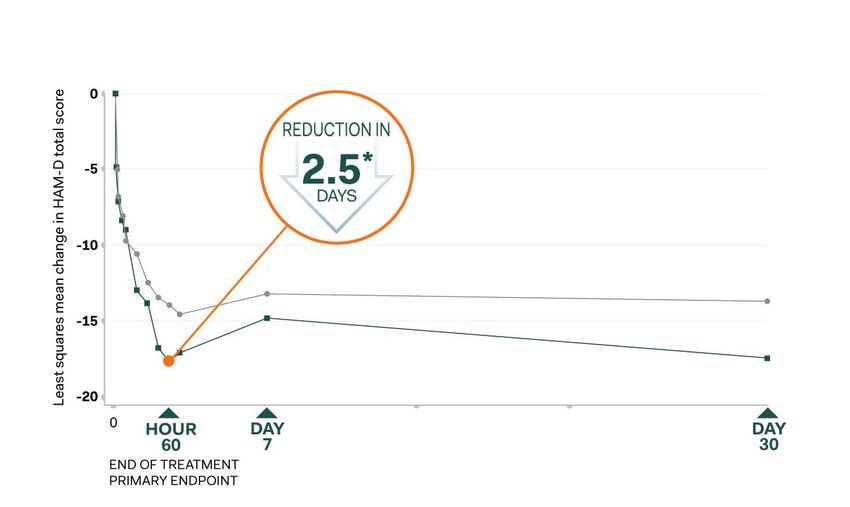
A Leading Brain Health Portfolio
  COMPOUND                              INDICATIONS                        PRECLINICAL   PHASE 1   PHASE 2   PHASE 3         MARKETED
DEPRESSION FRANCHISE
 ZULRESSO™
 (brexanolone) CIV injection     Postpartum Depression

 zuranolone (SAGE-217)           Postpartum Depression
                                 Major Depressive Disorder (MDD)
                                 •   Acute Rapid Response Therapy
                                     when initiated with new ADT
                                 •   Episodic treatment
                                 Treatment Resistant Depression

NEUROLOGY FRANCHISE
 SAGE-324                        Essential Tremor
                                 Epileptiform Disorders
                                 Parkinson’s Disease

NEUROPSYCHIATRY FRANCHISE
 SAGE-718                        Cognitive Disorders
                                 Huntington’s Disease
EARLY DEVELOPMENT
 SAGE-904                        NMDA Hypofunction
 SAGE-689                        GABA Hypofunction
 Undisclosed                     NMDA Hypofunction
 Undisclosed                     GABA Hypofunction

                    Light shades indicate trials in the planning or evaluation stage                                                              4
                                                                                                                       Sage Therapeutics © 2020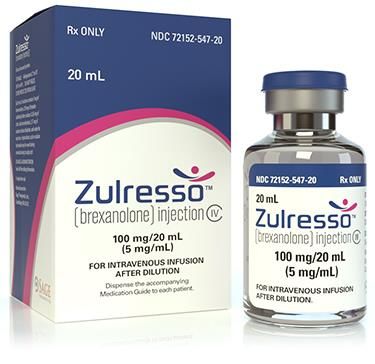
Depression
Franchise

             Sage Therapeutics © 2020   5
Psychiatry as Medicine
Our goal is to develop medicines to treat
depression with potentially unique efficacy
and tolerability profiles that:
• Allow treating-as-needed
• Act rapidly
• Reduce stigma

                                              Sage Therapeutics © 2020   6
Sage Leading Second Wave of Neuropsych Innovation
      First new MOA in 60 years
                                                                                                                                                                                                    Monoamine
                                                                                                                                                                                                    modulation
                                                                                                                                                                                                    Neurosteroid
                                                                        Tetracyclic and Dopamine-
                                                                          Targeting Treatments                                                                                                      NMDA
                     Tricyclic Antidepressants and                                                                                                                                                  antagonist
                     Monoamine Oxidase Inhibitors

                                                                                                                   SSRI, SNRIs
                                                                                                                                                  Specific Targeting of
                                                                                                                                                 Monoamine Receptors
                                                                                                                                                                          New Wave of
                                                                                                                                                                           Innovation

                                                                                                                                                                                         ZULRESSO™
                                                                                                                                                                                         (brexanolone) CIV
                                                                                                                                                                                         injection in PPD
                                                                                                                                                                                         Spravato CIII
                                                                                                                                                                                         (esketamine)

         FIRST WAVE: MONOAMINE MODULATION                                                                                                                                    SECOND WAVE
         1950                      1960                     1970                      1980                      1990                     2000            2010     2017       2019

                                                                                                                                                                                    Sage Therapeutics © 2020     7

Source: Thomas, D., & Wessel, C. (2017). The State of Innovation in Highly Prevalent Chronic Diseases: Volume I: Depression Therapeutics. BIO.
Depression Remains an Area of Significant Unmet Need,
            Reflecting Lack of Innovation
                                   14

                                   12
                                                                                                                        Despite substantial increases
                                                                                                                        in therapies for depression
      MDE in last 12 months (%)

                                   10                                                                                   during the first wave (i.e.,
                                                                                                                        monoamine modulation),
                                    8                                                                                   rates of major depressive
                                                                                                                        episodes (MDE) have
                                                                                                                        increased from 2009 to 2017
                                    6

                                    4

                                                                                                               18–25
                                    2                                                                           26–49
                                                                                                               50+

                                  FIRST WAVE: MONOAMINE MODULATION                                                               SECOND WAVE
                                  2009          1960         1970                 1980           1990   2000    2010    2017     2019

                                                                                                                                        Sage Therapeutics © 2020   8

Sources: J Abnorm Psychol. 2019 Apr;128(3):185-199. doi: 10.1037/abn0000410. Epub 2019 Mar 14.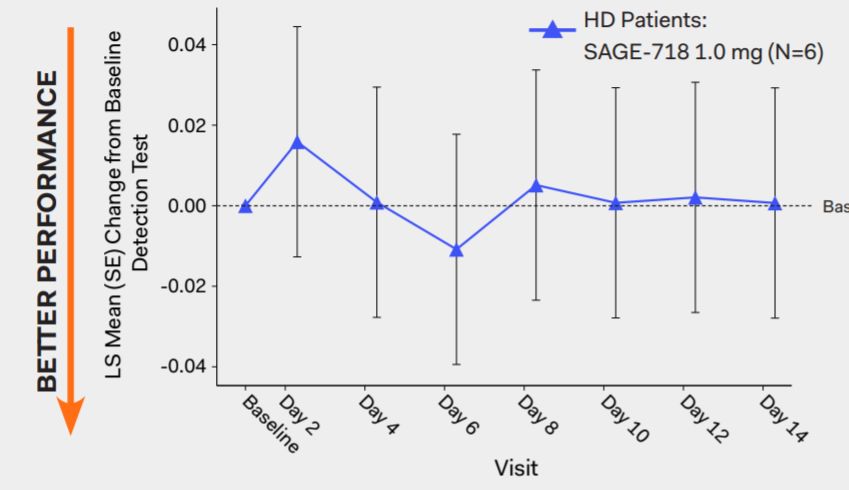
Zuranolone’s (SAGE-217) Landscape Program
        Potential to reshape the depression landscape
                                              SKYLARK                              MOUNTAIN        WATERFALL         REDWOOD          SHORELINE         RAINFOREST
     STUDY               PPD-201                                    MDD-201                                                                                                         MDD-305
                                              (PPD-301)                            (MDD-301)       (MDD-301B)        (MDD-302)         (MDD-303)         (MDD-304)

                                                                                                                                                        Co-morbid MDD
     Indication             PPD                   PPD                   MDD            MDD             MDD               MDD               MDD                                          MDD
                                                                                                                                                         and Insomnia

       Phase           Pivotal Ph. 2         Pivotal Ph. 3         Pivotal Ph. 2   Pivotal Ph. 3   Pivotal Ph. 3     Pivotal Ph. 3      Pivotal Ph. 3    Pivotal Ph. 3            Pivotal Ph. 3

                                                                                                                     Efficacy of a                                                   Efficacy,
                                                                                                                                          Safety,
                         Efficacy in           Efficacy in                           Efficacy in     Efficacy in          fixed,                                                   compared to
                                                                                                                                      tolerability of
                       the treatment         the treatment       Efficacy in the   the treatment   the treatment       repeated                          Efficacy in the            placebo, in
                                                                                                                                       as-needed
                              of                    of            treatment of            of              of           treatment                          treatment of            the treatment
     Objective                                                                                                                            repeat
                            PPD                   PPD            MDD compared           MDD             MDD           regimen in                              sleep               of MDD when
                                                                                                                                        treatment
                         compared              compared            to placebo        compared        compared               the                             efficiency              co-initiated
                                                                                                                                      over a 1-year
                         to placebo            to placebo                            to placebo      to placebo      prevention of                                                  with open-
                                                                                                                                          period
                                                                                                                         relapse                                                    label SSRI

                                                                                                                                       Enrollment for
                                                                                                                                       30 mg cohort
                                                                                                                                      complete, with
                                            Planned 2020                                                               Enrollment     topline data by     Enrollment             Planned 2020
                                                                                                     Ongoing;
                                              initiation;                                                            paused; future   year-end 2020;    paused; future             initiation;
       Status            Complete                                    Complete       Complete       topline data in
                                            topline data in                                                           re-evaluation       ongoing        re-evaluation           topline data in
                                                                                                        2021
                                                 2021                                                                    planned       enrollment for       planned                   2021
                                                                                                                                       50 mg cohort
                                                                                                                                        with topline
                                                                                                                                        data in 2021

                                                                                                                                                                    Sage Therapeutics © 2020      9
Abbreviations: MDD = major depressive disorder, PPD = postpartum depression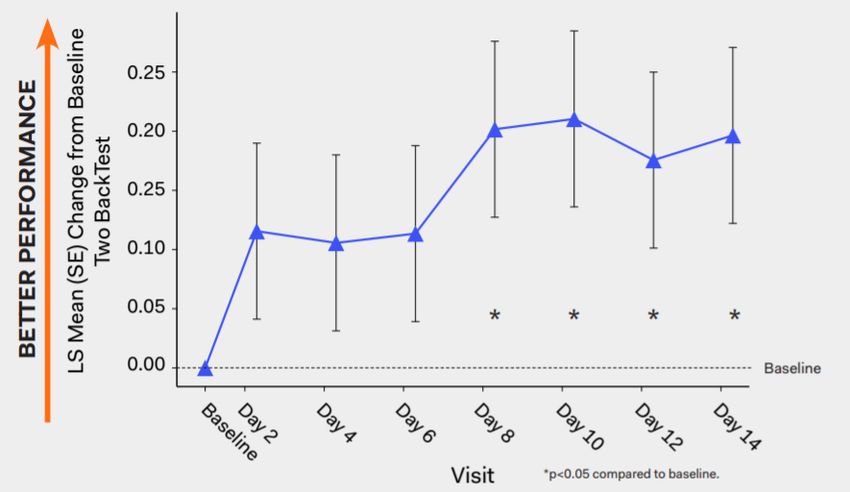
Development Plan for Zuranolone Creates Flexibility to Pursue an
 Efficient and Expedited Pathway to Filing
Potential for 3 distinct indications
 ORAL POSTPARTUM DEPRESSION              SKYLARK (PPD-301): Placebo-controlled              Previously completed
 (PPD) THERAPY                           trial evaluating a two-week course of              studies; no additional                   Distinct
                                         zuranolone 50 mg in women with PPD,
                                                                                      +     long-term follow-up                    indications
                                         with additional short-term follow-up               expected to be required               enable Sage
                                                                                                                                  to efficiently
 ACCUTE RAPID RESPONSE (RRT)              MDD-305: Placebo-controlled trial                                                       pursue NDA
                                                                                            Previously completed
 IN MAJOR DEPRESSIVE DISORDER             evaluating a two-week course of                                                            filing for
                                                                                            studies; no additional
 (MDD) WHEN COINITIATED WITH              zuranolone 50 mg, when co-initiated with    +     long-term follow-up                    zuranolone
 NEW ADT                                  an open-label SSRI, in patients with MDD,         expected to be required                   and, if
                                          with additional short-term follow-up                                                     successful,
                                                                                                                                    bring this
 EPISODIC THERAPY IN PATIENTS            WATERFALL (MDD-301B): Placebo-                     Previously completed                  treatment to
 WITH MDD                                controlled trial evaluating a two-week             acute treatment studies                  patients
                                         course of zuranolone 50 mg in patients       +     and long-term safety data,
                                                                                                                                      quickly
                                         with MDD, with additional short-term               including data from
                                         follow-up                                          REDWOOD (MDD-302)

                    Sage is also currently evaluating the ongoing zuranolone clinical pharmacology and
                    safety program and plans to finalize requirements to support a potential future NDA                                             10
                                                        with the FDA.                                                    Sage Therapeutics © 2020
ZULRESSO™ (brexanolone) CIV Injection
Commercial efforts primarily focused on geographies that have existing, active
treating sites
• Support in existing geographies: Primary focus on
working with healthcare providers and supporting
women with PPD in geographies with active
ZULRESSO treating sites
• Customized case management: Sage Central,
Sage’s national patient support center, continuing to
provide customized case management support to
women with PPD
ZULRESSO is only available at certified healthcare settings through a restricted
program called the ZULRESSO REMS due to the risk of serious harm resulting from
11
excessive sedation or sudden loss of consciousness Sage Therapeutics © 2020Neurology
Franchise
Sage Therapeutics © 2020 12Next-generation Asset Positioned for
Neurological Conditions
• SAGE-324
– Novel next-generation positive allosteric modulator (PAM) of
GABAA receptors
– Chronic dosing: long half-life provides consistent plasma
concentrations with minimal daily fluctuations after multiple doses
– Potential therapy for neurological conditions, such as essential
tremor, epilepsy and Parkinson’s disease
Sage Therapeutics © 2020 13SAGE-324 in Essential Tremor
On-track to initiate Phase 2 placebo-controlled study
Essential tremor (ET) is the most common movement disorder Estimated
6M
where standard of care may be inadequate for many
• Symptoms progressively worsen over time and can significantly
+ people have ET
in the U.S.
impair activities of daily living and independence
• Patients with tremor resulting in impaired functioning or disability
are treated with pharmacotherapeutic interventions 1
Up to
• Approximately 50% of diagnosed patients receive
pharmacotherapy for ET2 1M
people with ET
SAGE-324 well-suited for development in ET seek treatment
• Pathophysiology of ET is associated with reduced GABAergic tone
in regions of the brain controlling motor function – GABA PAMs
mechanistically have the potential to address that deficit by of patients seeking care
•
improving GABA receptor function
Long half-life supports low peak-to-trough ratio and provides
flexibility in dosing paradigms – beneficial for ET where stable
levels are a clinical challenge
50% do not respond or have a
sub-optimal response to
standard of care3
1. Rajput AH, Rajput A. Medical treatment of essential tremor. Journal of Central Nervous System Disease 2014:6. 2. Louis ED. Medication non-adherence in
essential tremor. Parkinsonism Relat Disord. 2015 February ; 21(2): 138–141. 3. Louis ED, Rios E, Henchcliffe C. How are we doing with the treatment of essential Sage Therapeutics © 2020 14
tremor (ET)? Eur J Neurol. 2010;17(6):882–884.On-Track to Initiate Phase 2 Study in Essential Tremor
Phase 1 open-label study evaluating the safety and pharmacokinetics of SAGE-
324 in patients with ET
SAGE GABA PAMs REDUCE TREMOR SAGE-324 EFFECT OBSERVED AFTER A SINGLE DOSE
20 Total upper limb combined score change after SAGE-324
zuranolone
10 brexanolone
dosing in people with ET as measured by accelerometer
0 0
% Reduction in Tremor
% Change from Baseline
SAGE-324 (n=6)
-10
-10
-20
-20
-30
-40 -30
-50
-40
-60
-50
-70
10 20 30 40 50 60 70 0 6 12 18 24
Total Plasma (ng/mL) Time (Hours)
SAGE-324 was well-tolerated in Phase 1 studies; most common AEs (>5%)
included somnolence, dizziness, and feeling of relaxation
Sage Therapeutics © 2020 15
Abbreviations: AEs = adverse eventsNeuropsychiatry
Franchise
Sage Therapeutics © 2020 16Sage’s First-in-Class NMDA PAM Endogenous & Exogenous
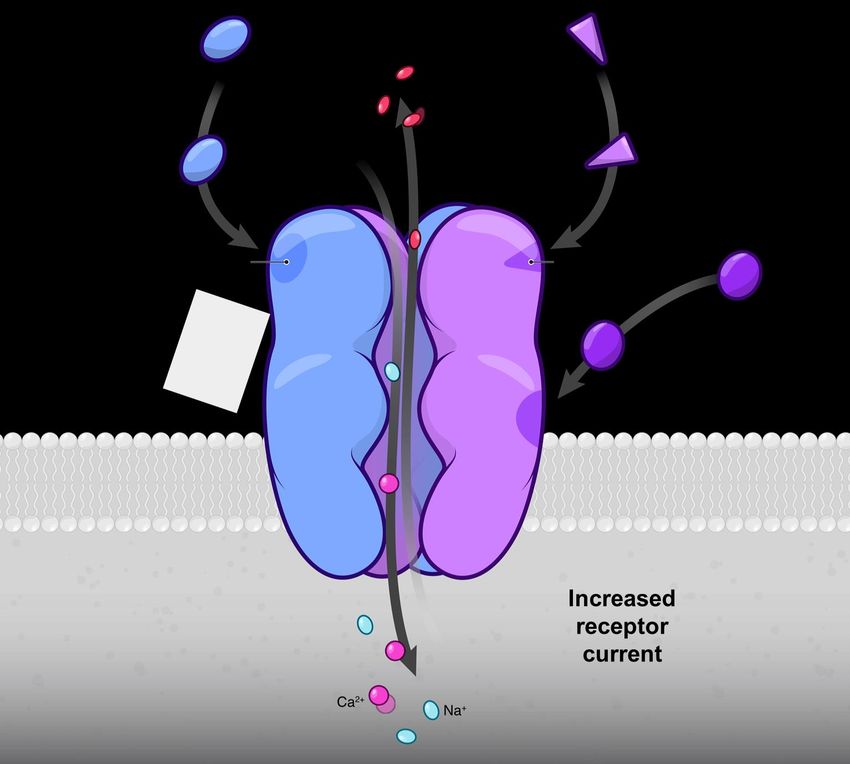
Ligands at the NMDA Receptor
• NMDA receptors are thought to play a
key role in a host of cognitive and
behavioral processes
• Sage identified an endogenous
modulator of the NMDA receptor
(24S-hydroxycholesterol)
– Yields potential biomarkers for activity
and drug development
• Sage has built a library of thousands of
novel NMDA modulators, with unique
profiles, that are in various
stages of development, the first of
these being SAGE-718
Sage Therapeutics © 2020 17In Phase 1 HD Cohort, SAGE-718 Demonstrated Consistent Activity on
Executive Functioning
Improvement on two tests of executive functioning, not driven by performance on other domains
TWO-BACK TEST
GROTON MAZE TEST DETECTION TEST
(Complex Working Memory and Executive
(Executive Function) (Psychomotor Speed)
Function)
HD subjects demonstrated numerical improvement Improvement on tests of executive functioning was
HD subjects demonstrated numerical improvement
on the Two-Back test at all post-baseline visits, and not driven by performance on simpler tests of
on the Groton Maze Test at all post-baseline visits,
demonstrated statistically-significant (pFirst Quarter 2020 & First Quarter 2019 Financial Results
Strong financial position with $875M in cash
Item 1Q ‘20 1Q ‘19
Revenue: $2.3M $0.5M
• Zulresso • 2.3M • -
• Collaboration • - • 0.5M
R&D Expense $63.6M $86.4M
SG&A Expense $70.1M $83.9M
COGS $0.2M -
Total Operating Costs and Expenses $139.9M $170.3M
Net Loss ($126.7M) ($163.4M)
Cash and Marketable Securities $875M $1.4B
• Sage anticipates a cash balance of at least $550 million at end of 2020, which the Company anticipates will support
operations into 2022 based on current operating plans.
• The Company expects de minimis revenues from sales of ZULRESSO in the second quarter of 2020. The Company
does not plan to provide revenue guidance for the balance of 2020.
Sage Therapeutics © 2020 19Appendix
Sage Therapeutics © 2020 20ZULRESSO™ (brexanolone) CIV Injection
Treated patients experienced rapid improvement of depressive symptoms
Change from baseline in HAM-D total score over time in Study 1
with the recommended target dosage of ZULRESSO (90 mcg/kg/h)i,ii
Durable therapeutic effect
At Hour 60, a 62.3% Target dosage:
A prespecified secondary efficacy endpoint was the mean
reduction for patients on ● ZULRESSO
90 mcg/kg/hour (n=41)‡
change from baseline in HAM-D total score at Day 30i
ZULRESSO vs a 49.0%
reduction on placebo ● PLACEBO (n=43)‡ In Study 1, significantly greater symptom reduction vs
placebo was observed at Day 30i,ii
In Study 2, the 90 mcg/kg/hour arm maintained
therapeutic effect at Day 30, but did not show a greater
reduction vs placebo
The most common adverse reactions (incidence of
≥5% and at least twice the rate of placebo):
• Sedation/somnolence
• Dry mouth
P=0.0481† • Loss of consciousness
P=0.0252†
• Flushing/hot flush
* 2.5 days=Hour 60
† Statistically significant after multiplicity adjustments
‡ Intention to treat population
Individual results may vary
ZULRESSO is only available through the ZULRESSO Risk Evaluation and Mitigation Strategy (REMS), a safety program to manage the risk of serious harm resulting from
excessive sedation and sudden loss of consciousness during the ZULRESSO infusion. To administer ZULRESSO, sites of care must be certified in the ZULRESSO REMSiii
Please see full Prescribing Information, including Boxed Warning available with this presentation
Sage Therapeutics © 2020 21
Sources: i. ZULRESSO Prescribing Information. Cambridge, MA: Sage Therapeutics, Inc., ii. Meltzer-Brody S et al. Lancet. 2018;392(10152):1058-1070, iii. ZULRESSO REMS. https://zulressorems.com/#PublicZULRESSO™ (brexanolone) CIV Injection
Boxed warning
WARNING: EXCESSIVE SEDATION AND SUDDEN LOSS OF CONSCIOUSNESS
See full prescribing information for complete boxed warning.
• Patients are at risk of excessive sedation or sudden loss of consciousness during administration of
ZULRESSO. (5.1)
• Because of the risk of serious harm, patients must be monitored for excessive sedation and sudden
loss of consciousness and have continuous pulse oximetry monitoring. Patients must be accompanied
during interactions with their child(ren). (5.1)
• ZULRESSO is available only through a restricted program called the ZULRESSO REMS. (5.1, 5.2)
Sage Therapeutics © 2020 22ZULRESSO™ (brexanolone) CIV injection
Important Safety Information
What is ZULRESSO? How will I receive ZULRESSO?
ZULRESSO™ is a prescription medicine used to treat Postpartum Depression in adults. ZULRESSO is given to you by continuous intravenous (IV) infusion into your vein. The infusion will last for a total of 60 hours (2.5
days).
IMPORTANT SAFETY INFORMATION
What should I avoid while receiving ZULRESSO?
What is the most important information I should know about ZULRESSO?
• ZULRESSO may make you feel dizzy and sleepy. Do not drive a car or do other dangerous activities after your ZULRESSO
ZULRESSO can cause serious side effects, including:
infusion until your feeling of sleepiness has completely gone away. See “What is the most important information I should
• Excessive sedation and sudden loss of consciousness. ZULRESSO may cause you to feel very sleepy (excessive know about ZULRESSO?”
sedation) or pass out (loss of consciousness). Your healthcare provider should check you for symptoms of excessive sleepiness
• Do not drink alcohol while receiving ZULRESSO.
every 2 hours while you are awake.
What are the possible side effects of ZULRESSO?
• During your ZULRESSO infusion, tell your healthcare provider right away if you feel like you cannot stay awake during the
time you are normally awake or if you feel like you are going to pass out. Your healthcare provider may lower your dose or ZULRESSO can cause serious side effects, including:
stop the infusion until symptoms go away.
• See “What is the most important information I should know about ZULRESSO?”
• You must have a caregiver or family member with you to help care for your child(ren) during your ZULRESSO infusion.
• Increased risk of suicidal thoughts or actions. ZULRESSO and other antidepressant medicines may increase suicidal
• Because of the risk of serious harm resulting from excessive sedation or sudden loss of consciousness, ZULRESSO is only thoughts and actions in some people 24 years of age and younger. Depression or other serious mental illnesses are the most
available through a restricted program called the ZULRESSO REMS. important causes of suicidal thoughts or actions.
Before receiving ZULRESSO, tell your healthcare provider about all your medical conditions, including if you: How can I watch for and try to prevent suicidal thoughts and actions?
• drink alcohol • Pay close attention to any changes, especially sudden changes in mood, behavior, thoughts, or feelings, or if you develop
suicidal thoughts or actions.
• have kidney problems
• Tell your healthcare provider right away if you have any new or sudden changes in mood, behavior, thoughts, or feelings.
• are pregnant or think you may be pregnant. It is not known if ZULRESSO will harm your unborn baby.
• Keep all follow-up visits with your healthcare provider as scheduled. Call your healthcare provider between visits as
• There is a pregnancy registry for females who are exposed to ZULRESSO during pregnancy. The purpose of the registry
needed, especially if you have concerns about symptoms.
is to collect information about the health of females exposed to ZULRESSO and their baby. If you become pregnant during
treatment with ZULRESSO, talk to your healthcare provider about registering with the National Pregnancy Registry for Tell your healthcare provider right away if you have any of the following symptoms, especially if they are new, worse, or
Antidepressants at 1-844-405-6185 or visit https://womensmentalhealth.org/clinical-and-research- worry you:
programs/pregnancyregistry/antidepressants/
• Attempts to commit suicide, thoughts about suicide or dying, new or worse depression, other unusual changes in behavior
• are breastfeeding or plan to breastfeed. ZULRESSO passes into breast milk. Talk to your healthcare provider about the risks or mood
and benefits of breastfeeding and about the best way to feed your baby while receiving ZULRESSO. Tell your healthcare
The most common side effects of ZULRESSO include:
provider about all the medicines you take, including prescription and over-the-counter medicines, vitamins, and herbal
supplements. • Sleepiness, dry mouth, passing out, flushing of the skin or face.
ZULRESSO and some medicines may interact with each other and cause serious side effects. These are not all the side effects of ZULRESSO.
Especially tell your healthcare provider if you take other antidepressants, opioids, or Central Nervous System (CNS) Call your doctor for medical advice about side effects. You may report side effects to FDA at 1-800-FDA-1088.
depressants (such as benzodiazepines). Please see Full Prescribing Information including Boxed Warning and Medication Guide for ZULRESSO™ and discuss any
Know the medicines you take. Keep a list of them to show your healthcare provider and pharmacist when you get a new medicine. questions you may have with your healthcare provider.
Your healthcare provider will decide if other medicines can be taken with ZULRESSO.
Sage Therapeutics © 2020 23Strategic Zuranolone Collaboration with Shionogi
• Expansion of Global Footprint
– Goal of collaboration to accelerate development of a potentially
groundbreaking medicine to patients in key Asian markets
– Sage maintains exclusive rights to develop and commercialize
$90M
zuranolone outside of those geographies
• Expert Partner in Key Asian Markets
– Shionogi is responsible for clinical development and
commercialization of zuranolone in Japan, Taiwan, and South Upfront payment
Korea
– Shionogi has strong presence in Asia in developing &
commercializing therapeutics for CNS disorders
• Attractive Terms
– Sage to receive tiered royalties on sales averaging in the greater
than 20% range, if commercialized
$485M
Potential development &
– Shionogi has also granted Sage certain rights to co-promote
zuranolone in Japan across all indications commercial milestones
Sage Therapeutics © 2020 24MDD-201 & ROBIN Studies
Rapid onset of activity with generally well-tolerated safety profile
MDD-201 ROBIN (PPD-201)
Treatment (2 weeks) Follow-up Period Treatment (2 weeks) Follow-up Period
Placebo (n=44) Placebo (n=74)
0 zuranolone 30 mg (n=45) 0 zuranolone 30 mg (n=76)
Change From Baseline
*
LS Mean HAM-D-17
* p5%) in the PPD-201 study included somnolence, headache, dizziness, upper respiratory tract infection, diarrhea, and sedation
Sage Therapeutics © 2020 25
Abbreviations: AEs = adverse eventsMOUNTAIN (MDD-301) Study
Displays rapid, robust onset similar to prior pivotal studies
0
Placebo (n=157)
LS Mean HAM-D-17 Change From Baseline
0
zuranolone 20 mg (n=159) Zuranolone was generally
zuranolone 30 mg (n=166) well-tolerated in the study
-2 * p5%) included headache
dizziness, somnolence, fatigue,
-6
* -6.7
diarrhea, sedation and nausea
-7.1
-7.8
*
-8.3 -8.4
-8 Rapid onset of effect for
-9.9 zuranolone 30 mg was seen
zuranolone 30 mg -9.9 *
-1.5; p=0.016 -10.2 beginning at Day 3 with
-10 -11.2
zuranolone 30 mg -11.5 maintenance of effect through
-2.1; p=0.008 -12 Day 15; statistical separation
-12 -12.6
zuranolone 30 mg
from placebo observed
zuranolone 30 mg Days 3 – 12
-2.0; p=0.018
-1.4; p=0.115
-14
0 3 8 12 15
Time (Day)
Sage Therapeutics © 2020 26
Abbreviations: AEs: = adverse eventsStudy Design:
Completed Studies
Sage Therapeutics © 2020 27Completed SAGE-217 Studies
Pivotal Ph. 2 in PPD (ROBIN; PPD-201)
KEY
End of treatment
Primary endpoint (Day)
Randomized, Double-blind Phase End of study
Naturalistic Follow-up
Screening Period Outpatient Administration R Subjects randomized
Day 15 to 45
Day 1 to 14
SAGE-217 30 mg
R Placebo
Off study drug; follow up
STUDY OVERVIEW
• Major Depressive Episode that began no earlier than the third trimester and
Randomization: 1:1 no later than the first 4 weeks following delivery, as diagnosed by the SCID-I
Key Inclusion Primary
Arms • SAGE-217 30 mg • Subject is ≤ six months postpartum • Change from baseline in HAM-D total score*
Criteria Endpoint
• Placebo • Ceased lactating at screening or, if still lactating or actively breastfeeding at
screening, must agree to temporarily cease giving breast milk to her infant(s)
• Active psychosis
• Safety and tolerability compared with
• Attempted suicide associated with current episode of PPD (Note, suicidal
placebo as assessed by:
Key Exclusion ideation is not an exclusion; other protocol-defined inclusion/exclusion Secondary
Dosing Regimen 2-week, once-nightly • Incidence of AEs, vital signs, clinical
Criteria criteria may apply) Endpoints
laboratory evaluations, ECG parameters**
• Medical history of seizures, bipolar disorder, schizophrenia, and/or
• C-SSRS**
schizoaffective disorder
*During double-blind phase; **During double-blind and follow-up periods Sage Therapeutics © 2020 28
NCT02978326. Available from: clinicaltrials.gov [accessed November 2019]Completed SAGE-217 Studies
Pivotal Ph. 2 in MDD (MDD-201)
Randomized, Double-blind Phase
Day 1 to 14
Inpatient Outpatient
administration administration Follow-up Period
Screening Period Day 1 to 7 Day 8 to 14 Day 15 to 42
SAGE-217 30 mg
R Off study drug; follow up
Placebo
STUDY OVERVIEW
Randomization: 1:1
Inclusion • Diagnosis of MDD with symptoms that have been Primary
Arms • SAGE-217 30 mg • Change from baseline in HAM-D*
Criteria present for at least a 4-week period Endpoint
• Placebo
• Safety and tolerability of SAGE-217 as assessed by:
o Frequency and severity of AE/SAE**
• History of suicide attempt o Physical examination**
• Active psychosis o Clinical laboratory measures, vital signs, electrocardiograms, suicidal ideation using C-
• Medical history of seizures, bipolar disorder, SSRS*
schizophrenia, and/or schizoaffective disorder o Stanford Sleepiness Scale (SSS) score*
Dosing Exclusion Secondary
2-week, once-nightly • History of treatment-resistant depression, defined • Reduction in depressive symptoms, compared to placebo, as assessed by:
Regimen Criteria Endpoints
as persistent depressive symptoms despite o Change in the 17-item HAM-D total score from baseline at all time points**
treatment with adequate doses of antidepressants o HAM-D response, HAM-D remission**
from two different classes for an adequate amount o Change from baseline in MADRS total score, HAM-A total score, at Day 15 and all other
of time time points**
o HAM-D subscale and individual item scores at all time points**
o CGI-I response**
*During double-blind phase; **During double-blind and follow-up periods Sage Therapeutics © 2020 29
NCT03000530. Available from: clinicaltrials.gov [accessed November 2019]Completed SAGE-217 Studies
Phase 3 MOUNTAIN (MDD-301)
KEY
End of treatment
Randomized, Double-blind Phase Primary endpoint (Day)
Outpatient Administration Controlled Follow-up Period Naturalistic Follow-up Period End of study
Screening Period Day 1 to 14 R Subjects randomized
Day 15 to 42 Day 43 to 223
SAGE-217 30 mg
Off study drug; follow up
R SAGE-217 20 mg Off study drug; follow up
Placebo
STUDY OVERVIEW
Status Complete • Diagnosis of MDD with symptoms that have been present for at least a 4-week period
Inclusion Criteria
Indication MDD • MADRS total score ≥32 and HAM-D total score ≥22 at screening and Day 1 (prior to dosing)
Phase Phase 3 • Active psychosis
Start/End Date* Exclusion Criteria • Attempted suicide associated with the current episode of MDD
Sep. 2018; Dec. 2019 • Medical history of bipolar disorder, schizophrenia, and/or schizoaffective disorder
*topline data announced
Double-blind, randomized: 1:1:1
Arms Primary Endpoint • Change from baseline in HAM-D total score*
• SAGE-217 20 mg, SAGE-217 30 mg, placebo
• Change from baseline in HAM-D, HAM-A, MADRS, CGI-I, CGI-S**
Dosing Regimen 2-week, once-nightly Secondary Endpoints
• Incidence and severity of AE/SAE**
Use of antidepressants, antianxiety or insomnia medications restricted during controlled follow-up period; however, these medications may be used during the
naturalistic follow up period as indicated by clinical judgement of the Investigators
Sage Therapeutics © 2020 30
*During double-blind phase; **During double-blind and follow-up periods; NCT03672175. Available from: clinicaltrials.gov [accessed January 2020]Completed SAGE-324 Study
Open-label essential tremor study (324-CLP-101E)
Follow-up Period
Single Open Label Treatment
Screening Period Up to Day 14
KEY
End of treatment
SAGE-324 45 mg or SAGE-324 60 mg Primary endpoint
Off study drug; follow up End of study
or SAGE-324 60 mg + propranolol
STUDY OVERVIEW
Status Completed • Diagnosis of ET consisting of
• bilateral upper limb action tremor
• at least 3 years duration
Inclusion Criteria
Indication Essential Tremor (ET) • with or without tremor in other locations
• absence of other neurological signs
• Combined TETRAS upper limb total score of ≥ 8 on the performance subscale part 4
Phase Phase 1 • History or evidence of clinically relevant medical disorders (with exception of ET)
Exclusion Criteria • Current or recent exposure to tremorgenic drugs or drug withdrawal state
Start/End Date Aug. 2018 / Dec. 2019 • Previous surgery for the treatment of ET
Open-label study:
• SAGE-324 45 mg
Cohorts Primary Endpoint • Safety and tolerability as assessed by frequency and severity of AE/SAE
• SAGE-324 60 mg
• SAGE-324 60 mg + propranolol
Dosing Regimen Single dose Secondary Endpoints • PK profile of SAGE-324
Exploratory Endpoint • Change from baseline over time in TETRAS performance subscale and Kinesia™ accelerometer scores
Sage Therapeutics © 2020 31Completed SAGE-718 Study
Open-label Cohort of Patients with Huntington’s Disease (CLP-102 Part B)
Screening and Open-label Phase Controlled
Admission Period Inpatient Administration Follow-up Period
Day -14 to -1 Day 1 to 14 Day 15 to 21 KEY
Start of treatment
End of treatment
Primary endpoint (Day)
End of study
Off study drug;
SAGE-718 1 mg
follow up
STUDY OVERVIEW
Status Completed • Positive for mutant HTT (documented CAG repeats ≥ 36 units)
Inclusion Criteria • Total Functional Capacity (TFC) score > 6
Indication Huntington’s Disease Cognitive Impairment • Score 28 or less on the MoCA at Screening
Phase Phase 1
Start/End Date* Exclusion Criteria • Unstable co-morbid medical conditions
Jan. 2019 / Dec. 2019
*topline data announced
• Incidence of adverse events and serious adverse events, and changes from baseline in vital signs,
Arms Open-label SAGE-718 1 mg oral solution Primary Endpoint
safety EEGs, ECGs, laboratory parameters, and Columbia-Suicide Severity Rating Scale (C-SSRS).
Secondary and • PK profile of SAGE-718 following administration of multiple doses of SAGE-718 oral solution
Dosing Regimen 2-week, once daily
Other Endpoints • Change from baseline on a computerized cognitive battery
Sage Therapeutics © 2020 32Study Design:
Planned / Ongoing Studies
Sage Therapeutics © 2020 33Zuranolone (SAGE-217) - 50 mg
New placebo-controlled MDD study (MDD-301B)
Randomized, Double-blind Phase
Outpatient Administration Controlled Follow-up Period
Screening Period Day 1 to 14 KEY
Day 15 to 42
End of treatment
Primary endpoint (Day)
End of study
R Subjects randomized
SAGE-217 50 mg
Off study drug; follow up
R
Placebo
STUDY OVERVIEW
Status Planned 2020 Initiation • Diagnosis of MDD with symptoms that have been present for at least a 4-week period
Inclusion Criteria
Indication MDD • HAM-D total score ≥24 at screening and Day 1 (prior to dosing)
Phase Phase 3 • Active psychosis
Exclusion Criteria • Attempted suicide associated with the current episode of MDD
Start/End Date May 2020 / TBA • Medical history of bipolar disorder, schizophrenia, and/or schizoaffective disorder
Double-blind, randomized: 1:1
Arms Primary Endpoint • Change from baseline in HAM-D total score at Day 15
• SAGE-217 50 mg, placebo
• Change from baseline in HAM-D, HAM-A, MADRS, CGI-I, CGI-S
Dosing Regimen 2-week, once-nightly Secondary Endpoints
• Incidence and severity of AE/SAE
Use of antidepressants, antianxiety or insomnia medications restricted during controlled follow-up period
Sage Therapeutics © 2020 34Zuranolone (SAGE-217) - 50 mg
SHORELINE (MDD-303; 50 mg cohort)
KEY
End of treatment
Screening Period Outpatient Administration Follow-up Period Observation Period^ End of study
Day 1 to 14 Day 15 to 28 Day 29 to 364
SAGE-217 50 mg Off study drug; follow up SAGE-217 50 mg (treat as needed)
Non-responders do not move forward to observation period
^ In-person visits with HCP required every 2 months; patients with confirmed
recurrence of symptoms will qualify for retreatment
50 mg will be examined in subjects having already received 30 mg, as well as enrollment of a new cohort of 50 mg only subjects
STUDY OVERVIEW
• MDD, as diagnosed by SCID-5-CT, with symptoms that have been present for at least a 4-week period
Status Enrollment Complete (3Q 2019) Inclusion Criteria • Subject is in good physical health and has no clinically significant findings, as determined by the Investigator, on physical examination,
12-lead ECG, or clinical laboratory tests
• Attempted suicide associated with the current episode of MDD
• Medical history of bipolar disorder, schizophrenia, and/or schizoaffective disorder
Data Timing TBA Exclusion Criteria
• Subject has had vagus nerve stimulation, electroconvulsive therapy, or has taken ketamine (including esketamine) within the current
major depressive episode
Non-randomized; • Safety and tolerability of the initial treatment and re-treatment as assessed by: incidence and severity of AEs; suicidal ideation and
Arms Primary Endpoint
SAGE-217 50 mg behavior using C-SSRS*
• Need for re-treatment, as assessed by time to first re-treatment, number of subjects achieving the requirements for re-treatment,
number of re-treatment cycles for each subject*
• Response of initial treatment and/or retreatment, as assessed by:
Secondary
Dosing Regimen 2-week, once-nightly • Change from baseline in HAM-D, CGI-S*
Endpoints
• Percent of subjects achieving: HAM-D response (≥50% reduction) and HAM-D remission (HAM-D total score ≤7) at the end
of each 14-day treatment period*
• Percent of subjects achieving CGI-I*
35
*During double-blind and follow-up periods Sage Therapeutics © 2020 35
NCT03864614. Available from: clinicaltrials.gov [accessed November 2019]Zuranolone (SAGE-217) - 50 mg
New active-controlled RRT in MDD study (MDD-305)
Randomized, Double-blind Phase
Outpatient Administration Controlled Follow-up Period
Screening Period Day 1 to 14 KEY
Day 15 to 42
End of treatment
Primary endpoint (Day)
End of study
R Subjects randomized
SAGE-217 50 mg and open-
label SSRI
Off blinded study drug
R Continue Open-label SSRI
Placebo and open-label
SSRI
STUDY OVERVIEW
Status Planned 2020 Initiation • Diagnosis of MDD with symptoms that have been present for at least a 4-week period
Inclusion Criteria
Indication MDD • HAM-D total score ≥24 at screening and Day 1 (prior to dosing)
Phase Phase 3 • Active psychosis
Exclusion Criteria • Attempted suicide associated with the current episode of MDD
Start/End Date TBA • Medical history of bipolar disorder, schizophrenia, and/or schizoaffective disorder
Double-blind, randomized: 1:1
Arms • SAGE-217 50 mg, placebo added to open-label Primary Endpoint • Change from baseline in HAM-D total score at Day 15
SSRI
• Change from baseline in HAM-D, HAM-A, MADRS, CGI-I, CGI-S
Dosing Regimen 2-week, once-nightly Secondary Endpoints
• Incidence and severity of AE/SAE
Use of antidepressants, antianxiety or insomnia medications restricted during controlled follow-up period
RRT = rapid response therapy
Sage Therapeutics © 2020 36Zuranolone (SAGE-217) - 50 mg
New placebo-controlled PPD study (PPD-301)
Randomized, Double-blind Phase
Outpatient Administration Controlled Follow-up Period
Screening Period Day 1 to 14 KEY
Day 15 to 42
End of treatment
Primary endpoint (Day)
End of study
R Subjects randomized
SAGE-217 50 mg
Off study drug; follow up
R
Placebo
STUDY OVERVIEW
Status Planned 2020 Initiation • Diagnosis of MDD with symptoms that have been present for at least a 4-week period
Inclusion Criteria
Indication PPD • HAM-D total score ≥26 at screening and Day 1 (prior to dosing)
Phase Phase 3 • Active psychosis
Exclusion Criteria • Attempted suicide associated with the current episode of PPD
Start/End Date Jun. 2020 / TBA • Medical history of bipolar disorder, schizophrenia, and/or schizoaffective disorder
Double-blind, randomized: 1:1
Arms Primary Endpoint • Change from baseline in HAM-D total score at Day 15
• SAGE-217 50 mg, placebo
• Change from baseline in HAM-D, HAM-A, MADRS, CGI-I, CGI-S
Dosing Regimen 2-week, once-nightly Secondary Endpoints
• Incidence and severity of AE/SAE
Use of antidepressants, antianxiety or insomnia medications restricted during controlled follow-up period
Sage Therapeutics © 2020 37SAGE-324
Placebo-controlled Essential Tremor study (324-ETD-201)
Double-Blind Treatment Period
Day 1 to 28 Follow-up Period
Screening Period KEY
Day 29 to 42
End of treatment
Primary endpoint (Day 29)
End of study
R R Subjects randomized
SAGE-324 60 mg
Off study drug; follow up
R
Placebo
STUDY OVERVIEW
Status Ongoing • Diagnosis of ET consisting of
• bilateral upper limb action tremor
• at least 3 years duration
Inclusion Criteria • with or without tremor in other locations
Indication Essential Tremor (ET) • absence of other neurological signs, sudden onset or evidence of stepwise deterioration of tremor
• Score of at least 1.5 for each TETRAS performance subscale part 4 items with total score for the dominant upper
limb of at least 5.5
Phase Phase 2 • Presence of known causes of enhanced physiological tremor
• Recent exposure to tremorgenic drugs or presence of alcohol withdrawal state
Exclusion Criteria • Direct or indirect injury or trauma to the nervous system within 3 months before the onset of tremor
Start/End Date TBA • Previous procedure for the treatment of ET, deep brain stimulation, brain lesioning, or magnetic resonance guided
procedure
Double-blind, randomized: 1:1
Arms Primary Endpoint • Change from baseline in TETRAS performance subscale part 4 upper limb tremor score on Day 29
• SAGE-324 60 mg: placebo
• Change from baseline in TETRAS performance subscale part 4 upper limb tremor score at all other timepoints
Dosing Regimen 28 days, once-daily Secondary Endpoints
• Change from baseline in Kinesia ONE accelerometer scores
Sage Therapeutics © 2020 38SAGE-718
New Open-label Mild Cognitive Impairment Study
Screening Baseline Open-label Phase Controlled
Period Period Outpatient Administration Follow-up Period
Day -21 to -8 Day -7 to -1 Day 1 to 14 Day 15 to 28 KEY
Start of treatment
End of treatment
Primary endpoint (Day)
End of study
SAGE-718 3 mg Off study drug; follow up
STUDY OVERVIEW
Status Start-up TBA
Inclusion Criteria
Indication Cognitive impairment
Phase Phase 2
Exclusion Criteria TBA
Start/End Date TBA
Arms Open-label SAGE-718 3 mg oral tablet Primary Endpoint • Incidence of treatment-emergent adverse events (TEAEs)
• Change from baseline in vital signs, clinical laboratory analytes, electrocardiograms, and responses
Secondary and
Dosing Regimen 2-week, once daily on the Columbia–Suicide Severity Rating Scale (C-SSRS)
Other Endpoints
• Change from baseline on comprehensive neurocognitive and neuropsychiatric batteries
Sage Therapeutics © 2020 39You can also read


