ISSUES OF SIGNIFICANCE - Schedule of 2021 2025 - Knowledge Auckland
←
→
Page content transcription
If your browser does not render page correctly, please read the page content below

Schedule of
ISSUES OF
SIGNIFICANCE
2021 - 2025
2     Independent Māori Statutory Board                                                Schedule of Issues of Significance to Māori in Tāmaki Makaurau   3

                   Rārangi take
                   Contents
                                                                   “
                                                                   Kaua e rangiruatia
                                                                   te hāpai o te hoe;
                    4

                    6
                             essage from the Independent
                            M
                            Māori Statutory Board Chairman

                            I ntroduction to the Schedule         e ū ki uta
                                                                                  “
                                                                   e kore tō tātou waka
                             of Issues of Significance

                    8        tructure of the Schedule
                            S
                            of Issues of Significance

                    10       hanaungatanga
                            W
                            Develop Vibrant Communities

                    12       angatiratanga
                            R
                            Enhance Leadership and Participation

                    16       airuatanga
                            W
                            Promote Distinctive Identity

                    18       aitiakitanga
                            K
                            Ensure Sustainable Futures
                                                                              “Do not lift the paddle out of unison,
                    20       anaakitanga
                            M                                             or our canoe will never reach the shore.”
                            Improve Quality of Life

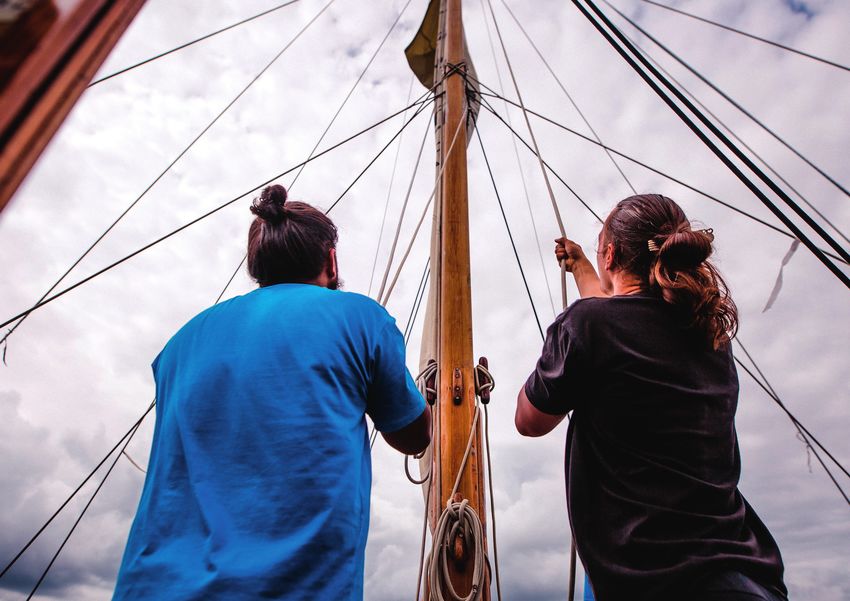
Nā Erica Sinclair Photography rāua ko Rawhitiroa
Photography i tango ēnei whakaahua.
Nā Authentic Media Ltd tēnei pūrongo i waihanga.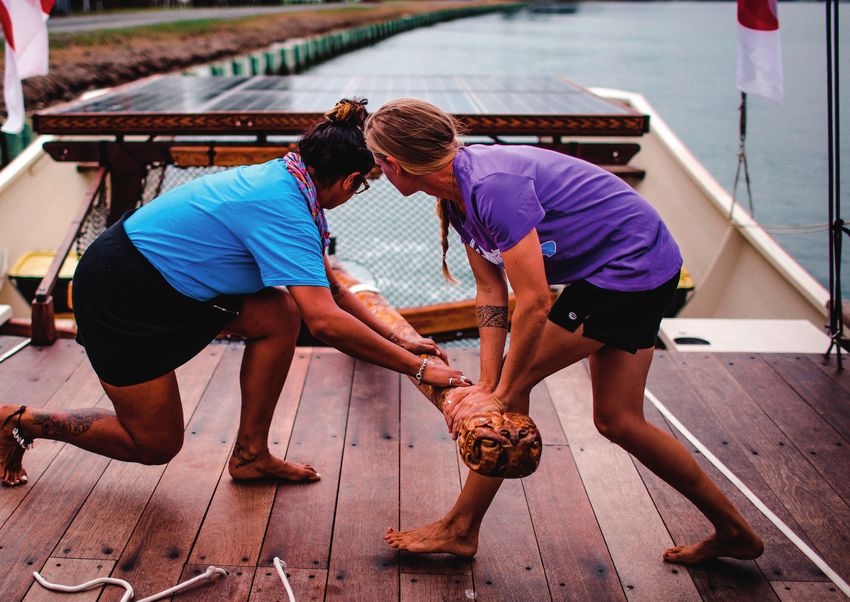
4   Independent Māori Statutory Board                                                                                       Schedule of Issues of Significance to Māori in Tāmaki Makaurau   5

    Message from the                                                           Ko Tangaroa te atua o te moana
                                                                             Ko Hinemoana te whaea o te moana
    Independent Māori                                                           Ka moe a Hinemoana i a Kiwa
                                                                                 Koia ko te Moana nui a Kiwa
    Statutory Board                                                                    Tīhei Mauriora!

    Chairman                                            E pari ana rā ngā tai o mihi ki a koutou,   canoe) managed by Te Toki Waka                 reviewed and updated to ensure
                                                        kei ngā mana, kei ngā reo, kei ngā          Hourua Trust, led by Hoturoa Kerr              that it continues to provide strong
                                                        karangaranga maha, mō koutou i              who is committed to ensuring                   connections with and direction for
                                                        whakapeto ngoi ki te whai oranga i          ancestral knowledge and practices              Auckland Council.
                                                        te takiwā o Tāmaki Makaurau,Tāmaki          of ocean navigation remain alive.
                                                        Herenga Waka.                                                                              The Board is without precedent in
                                                                                                    We have also incorporated a stylised           central or local government and so
                                                        Me pēwhea e kore ai e mihi ki ngā           image of te kāpehu whetū, the                  presents us with the unique
                                                        mate tāruru nui o te wā, haere koutou       star compass that our pioneering               opportunity to lead in the development
                                                        ki te mūnga o te tini, te moenga o te       ancestors used to read the night               of a successful partnership with Māori
                                                        mano. Otirā tātou ngā mahuetanga o          sky and navigate their waka hourua             and local government and ensure
                                                        rātou ma, tēnā koutou katoa.                around Te Moana Nui-a-Kiwa (the                accountability and transparency in
                                                                                                    Pacific Ocean).                                delivering to the Board’s legislative
                                                        The establishment of the Independent                                                       requirements.
                                                        Māori Statutory Board in 2010 was           Just as Hoturoa and other Pacific
                                                        a historical development in the local       Island navigators are reclaiming that          I take this moment to acknowledge
                                                        government reforms that created the         knowledge of navigating by the rising          all those who have contributed to the
                                                        largest council in Aotearoa,                of the sun and stars and them setting          Board’s mission since this journey
                                                        the Auckland Council. The Board             on the horizon, we have adopted the            began in 2010: past and present Board
                                                        has a statutory responsibility to           symbolism of te kāpehu whetū to                members, members of Parliament,
                                                        monitor Auckland Council against its        guide us in our role to address critical       Auckland Mayors and councillors,
                                                        Treaty of Waitangi obligations and          issues with Auckland Council.                  Auckland Council staff and experts
                                                        promote issues of significance to                                                          who have assisted us, and most
                                                        Māori in Tāmaki Makaurau, using this        However, our guiding lights are not            certainly - Māori of Tāmaki Makaurau.
                                                        document.                                   stars on the horizon, but our five core
                                                                                                    values, manaakitanga, wairuatanga,             I also look forward to working with
                                                        We see the Schedule of Issues of            whanaungatanga, kaitiakitanga and              you as we chart the next decade of our
                                                        Significance to Māori in Tāmaki             rangatiratanga which we use to help            journey to achieve tangible outcomes
                                                        Makaurau as a compass that guides           us be responsive to the evolving               for Māori in Tāmaki Makaurau.
                                                        the Board’s direction, including key        needs and priorities of Māori within           As the whakataukī mentioned earlier
                                                        partnerships with Auckland Council,         Tāmaki Makaurau.                               reminds us – we will never reach
                                                        and highlights the many issues and                                                         our destination if we do not work in
                                                        opportunities to be considered in           The Board is committed to updating             unison. Ki te hoe!
                                                        planning and resourcing.                    the Issues of Significance, which
                                                                                                    succinctly outlines key issues of              Ngā manaakitanga
                                                        The cover of this iteration of the Issues   interest to Māori in Tāmaki Makaurau
                                                        of Significance features an image of        and helps to define where Auckland             David Taipari
                                                        Haunui, a replica of a waka hourua,         Council has a major responsibility             Chairman for the Independent
                                        DAVID TAIPARI
                                                        (traditional double-hulled voyaging         for action. This document has been             Māori Statutory Board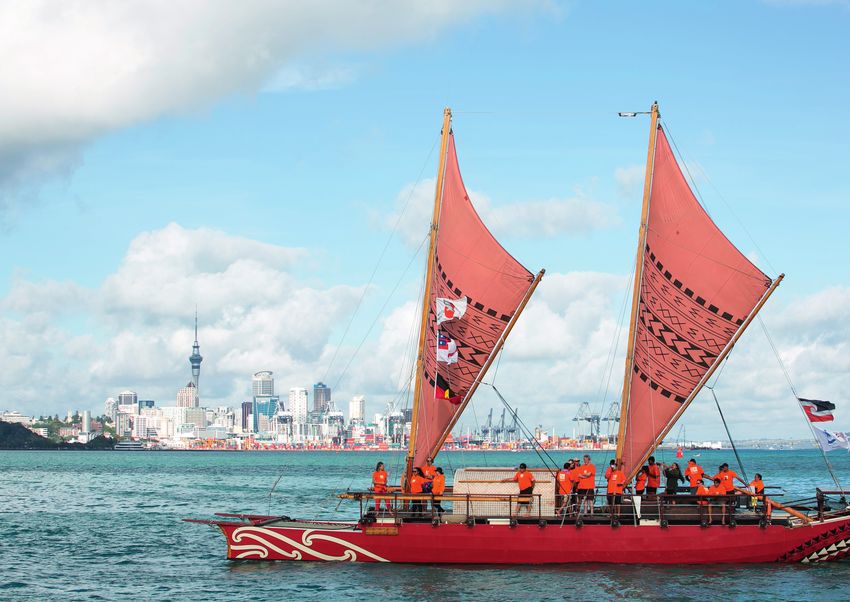
6    Independent Māori Statutory Board                                                                                                                          Schedule of Issues of Significance to Māori in Tāmaki Makaurau   7

    Introduction to the
    Schedule of Issues                                                                                                                                           The Local Government Auckland

    of Significance
                                                                                                                                                                 Council Amendment Act 2010 (the
                                                                                                                                                                 Act) established the Independent
                                                                                                                                                                 Māori Statutory Board and Auckland
                                                                                                                                                                 Council. Sections within the Act
                                                                                                                                                                 relevant to this report state:
    The Schedule of Issues of Significance (IoS) is a statutory document prepared
    by the Independent Māori Statutory Board (the Board) to promote and advocate
    to Auckland Council for and on behalf of Māori in Tāmaki Makaurau.

                                                                                                                                                                 SECTION 81
                                                                                                                                                                 Establishment and purpose of the Board

    At the core the Schedule of Issues        to gather feedback, in particular      Report, Statements of Intent,       connections with Council’s Kia Ora
                                                                                                                                                                 This part establishes a board whose purpose is
    of Significance must:                     from rangatahi Māori.                  Long-term Plan, the Auckland        Tāmaki Makaurau performance
                                                                                                                                                                 to assist the Auckland Council to make decisions,
                                                                                     Unitary Plan and Auckland Plan)     measurement framework; and
                                                                                                                                                                 perform functions, and exercise powers by:
    • Address social, cultural,               Drawing on the IoS, the Board        • Decision-making on strategies,      pointing out clearer links from
      environmental and economic              works to address issues of             policies, plans and investments     each action to ownership and
      wellbeing for Māori in Tāmaki           relevance to mana whenua and           on Auckland Council committee       accountability by Auckland Council      a) Promoting cultural, economic, environmental
      Makaurau                                mātāwaka, and to direct Auckland       agendas and ensuring that the       Group.                                     and social issues of significance for
    • Record issues of significance to        Council’s focus on how to              input of mana whenua and                                                        i. Mana whenua groups; and
      mana whenua and mātāwaka                operationalise positive outcomes       mātāwaka has been included.         The intent has been to provide a            ii. Mātāwaka of Tāmaki Makaurau; and
    • Reflect the views of mana whenua        for Māori in Tāmaki Makaurau. As     • Advising and monitoring             document with current actions           b) Ensuring that the Council acts in accordance
      and mātāwaka groups.                    such, the IoS provides a platform      Auckland Council programmes         relevant for promoting positive            with the statutory provisions referring to the
                                              for the Board’s advocacy towards       of action, such as Auckland         Māori outcomes, while encouraging          Treaty of Waitangi
    The IoS brings together issues that       Auckland Council Group, including      Council's Kia Ora Tāmaki            consistent referencing to the Issues
    are enduring to Māori in Tāmaki           Local Boards and CCOs.                 Makaurau performance                by Council staff in any strategy,
    Makaurau. In comparison, the                                                     measurement framework, and          planning and policy development in
                                                                                                                                                                 SECTION 84
    Board’s Māori Plan states Māori           The IoS further enables the Board      Māori outcomes funding.             collaboration with Māori in Tāmaki
                                              to prioritise issues and promote                                           Makaurau.
                                                                                                                                                                 Board general functions
    aspirations for Māori wellbeing, and
    takes a long term view with a 30 year     opportunities that support the       The 2021 update of the IoS aims
                                                                                                                                                                 The Board’s general functions are:
    horizon, while the loS is focused on      development of robust partnerships   at increasing the profile and         The Board will regularly monitor
    Council Group activities that can         between mana whenua and              effectiveness of the IoS within       and report on the actions at its
    help realise the Issues with a short to   mātāwaka and local government in     Auckland Council Group, by            joint meeting with the governing        a) To develop a schedule of issues of significance
    medium-term focus.                        Tamaki Makaurau.                     reviewing actions through direct      body; regularly monitor and report         to mana whenua groups and mātāwaka of
                                                                                   engagement with Council Māori         on the actions as per the Board’s          Tāmaki Makaurau, and give priority to each issue,
    The 29 issues in the IoS were derived     More specifically, the Board         Outcome leads and managers;           internal monitoring framework; and         to guide the board in carrying out its purpose;
    from extensive consultation in 2011-      undertakes the following             assessing stronger alignment          continually identify opportunities
    2012. This included 23 hui with mana      activities:                          with existing priorities in Council   in Council Group to promote the         b) To keep the schedule up to date;
    whenua and mātāwaka, and ten                                                   strategies; considering operational   issues and drive positive outcomes
    with rangatahi Māori. In addition, a      • Advising on Auckland Council's     guidance such as Statements of        for Māori in Tāmaki Makaurau.
    Facebook site, an online survey and         plans, budgets and reports         Intent 2021-2024 and the CCO
    community events were also used             (such as Annual Plan and Annual    Review 2020; ensuring strong
8   Independent Māori Statutory Board                                                                                    Schedule of Issues of Significance to Māori in Tāmaki Makaurau   9

                                                                                                                           Wellbeing Areas

                                                                                                                           The wellbeing areas refer to the four pou -

    Structure of the                                                                                                       social, cultural, economic and environmental
                                                                                                                           - that stem from the Board's purpose, which
                                                                                                                           is to assist the Auckland Council to make

    Schedule of Issues
                                                                                                                           decisions, perform functions and exercise
                                                                                                                           powers by the promotion of social, cultural,
                                                                                                                           economic and environmental issues.

    of Significance                                                    The Māori Values
                                                                                                                           Issues of Significance
                                                                       The Māori Values emerged from the Board’s
                                                                       initial robust engagement hui. They reflect the
    The Schedule of Issues of Significance are anchored in Māori       overarching goals or aspirations that mana          The issues reflect the wide-ranging issues
    values, emphasising the idea that Māori contribute their own       whenua and mātāwaka want for their own              of significance for Māori within the Auckland
    worldviews and practices to policies and plans that affect Māori   iwi, organisations and communities. The key         Council region and covers issues relevant to
                                                                       directions sit alongside the Māori values to        both central and local government action.
    in a way that is meaningful and enduring.
                                                                       ensure that Māori worldviews are embedded
                                                                       and integral to the loS.
    The Schedule of Issues of Significance is structured as follows:

                                                                       The Māori Values are:                               Actions

              MĀORI VALUES                                             Whanaungatanga
                                                                       Develop Vibrant Communities -
                                                                                                                           The actions focus on changes to put into effect
                                                                                                                           better policy, improved processes and specific
                                                                       "A city and region that caters for diverse          projects that will have a transformational

              WELLBEING AREAS
                                                                       Māori lifestyles and experiences"                   and enduring impact on Māori outcomes.
                                                                                                                           Most actions are attributed to Auckland
                                                                       Rangatiratanga                                      Council, including all parts of its governance
                                                                       Enhance Leadership and Participation -              including Local Boards and Council Controlled

              ISSUES OF SIGNIFICANCE                                   "People engaged in their communities"               Organisations (CCOs).

                                                                       Manaakitanga

              ACTIONS                                                                                                      Monitoring
                                                                       Improve Quality of Life -
                                                                       "Satisfaction with our environments
                                                                       and standard of living"
                                                                                                                           One of the purposes of the Board is to measure
                                                                       Wairuatanga                                         progress or change in Māori outcomes over time.
                                                                       Promote Distinctive Identity -                      The Board's internal IoS monitoring framework
                                                                       "Recognised sense of identity, uniqueness           will ensure timely follow-up and monitoring of
                                                                       and belonging"                                      Council action and provides an accountability
                                                                                                                           mechanism to ensure that Auckland Council and
                                                                       Kaitiakitanga                                       other agencies are responsive to Māori issues
                                                                       Ensure Sustainable Futures -                        and deliver actions that make positive change to
                                                                       "lntergenerational Reciprocity"                     Māori wellbeing.
10   Independent Māori Statutory Board     Schedule of Issues of Significance to Māori in Tāmaki Makaurau   11

 The stylised kāpehu whetū, the star
 compass above, has four mangopare
 at the centre, which symbolise the
 Independent Māori Statutory Board’s
 four critical areas of focus to address
 social, cultural, economic and
 environmental wellbeing for Māori
 in Tāmaki Makaurau.
12 Independent Māori Statutory Board Schedule of Issues of Significance to Māori in Tāmaki Makaurau 13
“ A city and region that caters for
“
diverse Māori lifestyles and experiences
Whanaungatanga Issues of Significance Actions by Auckland Council Group
Develop Vibrant Communities Access to infrastructure
services / development -
• Enable a meaningful and timely process for Māori to be informed and
engaged on infrastructure plans and services (this includes but is not
Māori receive ongoing access limited to the Infrastructure Strategy and the Future Development
to safe, operational and Strategy).
reasonably priced infrastructure • Monitor any Auckland Transport initiatives within transport funding,
services. fuel tax and pricing, to ensure equitable access for Māori to transport
services across Tāmaki Makaurau.
Social
Māori are enabled to actively • Delivery of Te Ara Haepapa programme for mana whenua and
and meaningfully contribute mātāwaka to increase road safety and reduce Māori road injuries and
to the decision-making fatalities.
process of future infrastructure • Ensure that infrastructure in Māori communities is made more resilient
projects. to the effects of climate change, such as coastal inundation and more
frequent extreme weather events.
• Council to identify Māori social procurement opportunities among
infrastructure and environment activities, such as recycling and waste
management, design and construction and conservation activities.
Issues of Significance Actions by Auckland Council Group
Tamariki and Rangatahi • Develop proposals for funding of specific rangatahi and tamariki
Marae Development - • Monitor uptake of Council’s Kia Ora Te Marae strategic plan across Development - programmes in key Local Boards.
Māori are enabled to have Council Group and the reporting on marae operational plans and KPIs at Māori are enabled to nurture • Monitor the reach of Council grants (local boards and regional grants)
Economic
existing marae developed least biannually. tamariki and rangatahi to into Māori communities, with the aim of supporting better connected
by a Council that respects • Council-allocated funding for marae have adequate lead-in times for develop to their full potential in communities through Council rangatahi and tamariki-focused activities.
and genuinely considers the design, delivery, and full use of funding by Council Group. Council a culturally appropriate way. • Review education programmes in libraries and sports and recreation
importance of marae to Māori. ensures that the marae funding envelope is utilised fully and that facilities to assess reach and frequency of use by Māori rangatahi and
identified funding gaps are addressed from 2022 onwards. tamariki.
• Ensure that design and construction of transport infrastructure supports
Cultural
marae development (e.g. entry and exits onto State Highways or arterial
roads). Sites of Significance - • Regularly review policies for renaming, co-naming and creating new
• Council works with marae to address building standards and the Mana Whenua are enabled names for sites to reflect Māori heritage and history.
impacts of new urban development, freshwater and water regulations. to maintain and protect sites • Council and mana whenua to review in partnership the approach
• Measure and report on the effectiveness of their relationship of significance to reaffirm to assessing Sites of Significance (and sites of value that includes
management with all marae in Auckland, in particular with regards to connections to the whenua consideration of cultural landscape policy and objectives) and make any
supporting Māori communities to adapt to climate change effects and preserve for future necessary changes to the approach.
(i.e., coastal inundation, freshwater supply, infrastructure). generations. • Implement and report on the use of non-regulatory methods to identify,
• Council builds on learnings from marae emergency management Environment protect and maintain highly valued Māori cultural heritage sites.
during the 2020-2021 Covid-19 lockdowns to develop an agile process • Finalise the approach and measures for the Māori provisions of the
for funding marae civil defence needs. Unitary Plan by end of 2021 and ensures that kaupapa such as Wāhi
Tapu and their outcomes are monitored and reported by Council.
Community Development - • Council and Local Boards report regularly on the implementation of • Promote the development and greater use of iwi management plans
Māori recognised as Relationship Agreements between Local Boards and mana whenua and in Council planning and activities, making these more directional to
playing an important role mātāwaka; and report on improvements. Council.
Social
in the development of local • Council and Local Boards establish consistent protocols and processes • Develop and fund a programme in partnership with Māori to mitigate
communities through the to allow Local Boards to meaningfully engage with and implement any undesired effects from climate change on marae and other areas
inclusion of Māori in Local mana whenua and mātāwaka outcomes through their Local Board of importance to Māori, including wāhi rongoā, mahinga kai, wāhi tapu,
Board decision-making. Agreements/Plans and delivery of projects. wāhi taonga and Sites of Significance.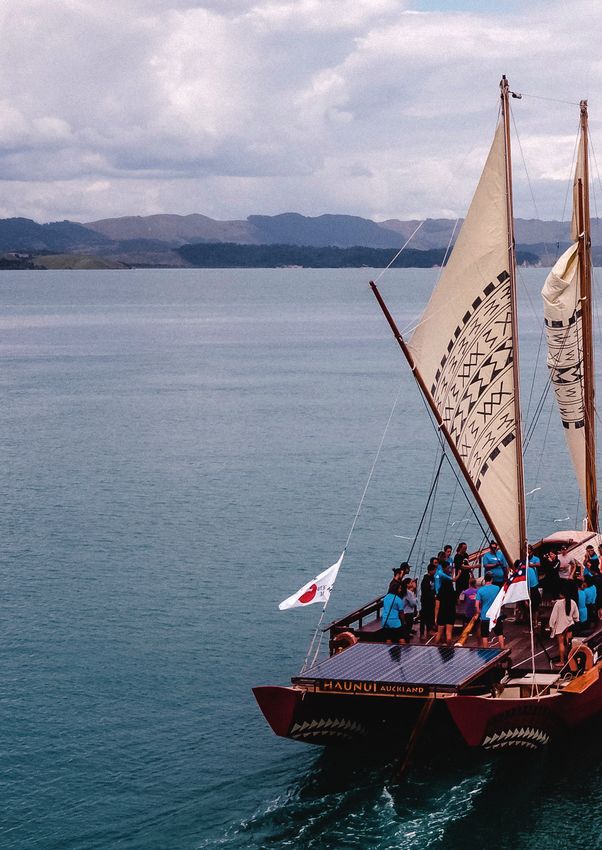
14 Independent Māori Statutory Board Schedule of Issues of Significance to Māori in Tāmaki Makaurau 15
“
“People engaged in their communities
Rangatiratanga
Enhance Leadership Issues of Significance Actions by Auckland Council Group
and Participation Engagement / Consultation / • Strengthen Māori participation by finalising Te Hoanga and Relationship
Inclusion in Decision-making - Agreements between Council and mana whenua, and report quarterly on
Māori are empowered to this to the Board.
actively and meaningfully • Identify and put in place best practice engagement protocols to build
contribute to the development working relationships with mana whenua and mātāwaka to seek their
of Auckland, through input on the development of Council policy and budgets (including Long-
consultation and inclusion in term Plans, regional strategies/plans, and Annual Budgets).
decision-making processes • Council and CCOs to engage regularly with the Board on implementation
and future plans. of the CCO Review programme, Te Tiriti o Waitangi Audit
recommendations and Māori Responsiveness Plan actions.
Regional Planning and • Council and CCOs to engage with mana whenua (where appropriate) at
Development - the earliest stage of the development of the Auckland Plan, changes to
Māori are recognised as the Unitary Plan, Development Strategy, and any Local Area plans (e.g.
playing an important role in masterplans for Panuku Development Auckland precinct projects).
the development of the • Council to be responsive to requests by mana whenua to enter into Mana
Auckland region. Whakahono-ā-Rohe agreements to enhance Māori participation in RMA
Issues of Significance Actions by Auckland Council Group
Social
resource management and decision-making processes.
• Council to engage with mana whenua in developing Council submissions
Māori Representation - • CCOs and Council to develop a policy for increasing Māori representation on proposals to reform or amend the RMA.
Māori are enabled to on decision-making bodies (Local Boards, CCO Boards, Council
actively and meaningfully committees) and co-governance entities. Council Controlled • Develop a programme for succession and recruitment of Māori directors
contribute to the long-term • CCO Board members meet annually with the Board members on their Organisations - onto Council-Controlled Organisations (CCO) Boards and for Māori
future of Auckland through Māori Responsiveness Plans and Māori outcomes. Council Controlled appointments to senior executive positions in CCOs (as part of expanding
representation on Council. Organisations recognise the Council’s Māori employment strategies).
critical role of Māori in making • CCOs to commit to programmes that achieve the outcome of “Māori
Cultural
Auckland the world’s most identity as Auckland’s point of difference in the world” by integrating
Mātāwaka - • Identify and put in place best practice engagement protocols to build “liveable city”. Māori culture and te reo Māori expression in bilingual signage,
Council recognises the relationships with mātāwaka. communication channels, infrastructure, art design and service design.
importance of mātāwaka • Implement Council procurement policy, strategy and processes to enable • Ensure better tracking and reporting on CCO progress to achieve
organisations for Māori in mātāwaka businesses to participate in Auckland Council procurement initiatives outlined in the Māori responsiveness plans, especially those
Auckland. opportunities, including the social procurement strategy. addressing the Board’s priorities as outlined in the Issues of Significance
• Partner with urban Māori authorities and mātāwaka marae to develop and the Treaty audits.
programmes for engaging with whānau Māori to participate in culturally • Ensure the consistent inclusion of Māori impact statements in all CCO
supportive activities pertaining to te reo, tikanga and whakapapa. board reports.
Continued on next page16 Independent Māori Statutory Board Schedule of Issues of Significance to Māori in Tāmaki Makaurau 17
Rangatiratanga continued
Issues of Significance Actions by Auckland Council Group
Treaty Settlements - • Define post-settlement partnership approaches and protocols with
Council recognises the iwi, with Council being responsive to iwi objectives for the use and
importance and value of development of Treaty settlement land and achievement of kaitiakitanga-
Treaty settlements and is focused outcomes (mainly with regards to harbours and waterways).
proactive in engaging with iwi
to understand Council’s role in
fulfilling the objectives of
Treaty settlements.
Economic
Economic Development - • Council Group’s Economic Development Strategy and plans substantively
Māori are a critical and address the interests and priorities of both mana whenua and mātāwaka,
active part in the economic particularly skills development and progression to future jobs.
development of a more • Council to recognise the need of place-based initiatives due to existing
productive, high value inequities in conditions for growing local prosperity in different parts of
economy for Auckland. Tāmaki Makaurau, mainly in the South and West.
• Implement Council processes to enable mana whenua and mātāwaka
businesses to participate in Auckland Council procurement opportunities,
including the social procurement strategy.
Customary Rights - • Review existing local regulations and policies to ensure there are
Iwi are empowered to adequate processes, policies and training in place to protect:
exercise a range of a) customary rights codified in Treaty of Waitangi settlements
customary rights by a b) future management interests and rights of coastal and maritime areas.
Council that understands, • Council and CCOs to use iwi management plans regularly as a source
Environment
respects and genuinely of guidance to assist with planning, budgeting and regular reporting to
considers the customary council committees and CCO Board meetings.
rights of iwi. • Council to work with iwi to ensure they have sufficient resources to
maintain and update their iwi management plans and Mana Whakahono-
ā-rohe agreements.
• Council to support data initiatives enabling transparency and facilitation
of developmental projects, e.g. the Tiaki Tāmaki conservation portal and
RURU bio information database initiatives.18 Independent Māori Statutory Board Schedule of Issues of Significance to Māori in Tāmaki Makaurau 19
Issues of Significance Actions by Auckland Council Group
Wairuatanga
Thriving Business Networks - • Deliver a programme for Māori business interests to identify economic
Māori business owners are growth opportunities in key industries, e.g. infrastructure, digital,
enabled and supported to tourism and creative.
develop stronger business • Actively support implementation of Council procurement policy,
Promote Distinctive Identity
networks that will facilitate strategy and processes to enable Māori businesses to participate in
Economic
further business growth Auckland Council procurement opportunities.
opportunities and support • Partner with mana whenua and mātāwaka at Local Board level in South,
promotion of Māori businesses West and Waitematā to enable participation in local planning and
“
to the wider business delivery of economic benefits.
Recognised sense of identity,
“ community. • Develop protocols for taking flexible approaches to any priority needs as
set by Māori businesses – i.e. enabling Māori businesses to partner with
existing contractors to build larger business consortia; connecting with
uniqueness and belonging
training providers to support successful delivery of projects and support
of other networking opportunities.
Built Environment - • Work in partnership with mana whenua to develop a scholarship
Māori cultural values, history and internship programme through the Cultural Values Assessment
and heritage are reflected programme.
within the built environment • Council and CCOs to commit to programmes that achieve the
Environment
through design, architecture outcome of “a Māori identity as Auckland’s point of difference in the
and the inclusion of uniquely world” by integrating Māori culture and te reo Māori expression in new
Issues of Significance Actions by Auckland Council Group Māori design principles in developments, signage, communication channels, infrastructure, art
public spaces. design and service design.
• Te Aranga Māori Urban design principles are incorporated into projects
Distinctive Identity - • Council and CCOs to commit to programmes that achieve the
through Auckland Transport’s engagement framework and other
Māori retain a sense of place outcome of “Māori identity as Auckland’s point of difference in the
guiding documents, such as Auckland Transport’s Māori Engagement
and identity, and the wider world” by integrating Māori culture and te reo Māori expression in new
Guide for Project Management.
community understands the developments, signage, communication channels, infrastructure, art
value of diversity and embraces design and service design.
Cultural
our unique culture. • Increase the capacity of the Māori design team to promote and advise
on Māori design aspirations across Council Group’s infrastructure,
development and community facilities programmes.
• Council to co-design with mana whenua expansions of Te Herenga
Waka, Matariki, Te Wiki o Te Reo Māori and Waitangi Day.
• Take place-based approaches towards integration of te reo Māori and
Māori design elements in the review of policies for renaming, co-
naming and creating new names for sites to reflect Māori heritage and
history.
Cultural and Spiritual • Marae are climate change ready and prepared to adapt to the effects
Connection - of climate change - this includes Council Group efforts to ensure that
Māori are enabled to maintain Māori are connected to their marae and that Māori communities as a
a social, cultural and spiritual whole are connected and safe.
Social
connection to our uniquely • Increase Council resourcing into organised community collectives to
cultural support systems advocate for policy changes relevant to particular Māori community
including marae and wānanga. needs.
• Support school programmes aiming to enhance the spiritual connection
with places of meaning, such as Sites of Significance and guided
maunga walks.20 Independent Māori Statutory Board Schedule of Issues of Significance to Māori in Tāmaki Makaurau 21
Kaitiakitanga
Ensure Sustainable Futures Issues of Significance Actions by Auckland Council Group
“
Tourism - • Support commissioning and positioning of Māori sculptures, art and
lntergenerational “ Māori are actively supported
to participate in tourism
taonga in significant places around Auckland, making expressions of Māori
culture highly visible to international and domestic visitors.
Economic
opportunities and recognised • Support Māori businesses to lead the development of a Māori tourism
reciprocity
for the unique value-add to strategy - with a particular focus on Covid-19 recovery and contingency
the Auckland tourism sector. preparation for any future emergency situations.
• Deliver a work programme focusing on product development, content
development and capability building for Māori tourism operators, as
outlined in the Destination Auckland Recovery Plan.
Environmental Resilience, • Develop and strengthen co-governance and co-management approaches
Protection and Management - with mana whenua for sites of significance and areas of importance to
Māori are empowered and Māori cultural heritage preservation.
Issues of Significance Actions by Auckland Council Group treasured in their customary • Work in partnership with Māori on resourcing and support for Māori
role as kaitiaki over lands, communities to plan for and adapt to climate change effects (i.e. coastal
cultural landscapes, sites of inundation).
Arts and Culture - • Support the provision of an ongoing programme of wānanga with Toi significance and wāhi tapu. • Ensure that Māori are partners in the development and maintenance of all
Māori are enabled to Māori and contemporary Māori arts practitioners that ensure that Māori infrastructure pertaining to coast, land, air and water that supports Māori
Environment
continue to practice our cultural practitioners are enabled to preserve and promote their craft. environmental outcomes.
Cultural
unique cultural heritage, to • Develop a cultural arts centre to promote Māori art and culture locally • Support the development and application of a mana whenua framework to
ensure the retention and and internationally, which could be linked to the development of a Māori the Coastal Management Plan.
protection of mātauranga precinct in Tāmaki Makaurau.
Māori across Tāmaki Makaurau. • Partner with mana whenua and mātāwaka on cultural storytelling at Resource Consents - • Review the implementation of policies for resource consenting and the
Local Board level. Māori actively and meaningfully use and participation of Māori in cultural value assessments.
contribute to the resource • Review measures for the increased use of Māori Hearings Commissioners.
Papakāinga Housing - • Remove any remaining constraints for Māori to build papakāinga on consent decision-making • Council to seek input from the Board when appointing hearings
Māori have access to ancestral land including general title and in various Auckland Unitary process that is simple, commissioners to hear plan changes and resource consents of relevance
Social
papakāinga housing and Plan zones and overlays. efficient and value for money. to mana whenua (to ensure the appointment of Māori Hearings
are supported to develop • Review and adjust policies and processes for supporting papakāinga Commissioners).
papakāinga housing initiatives. developments for both mana whenua and mātāwaka.22 Independent Māori Statutory Board Schedule of Issues of Significance to Māori in Tāmaki Makaurau 23
Issues of Significance Actions by Auckland Council Group
Manaakitanga Health -
Māori have access to high
• Assess Council health programmes with regards to increasing the quality
of engagement and responsiveness to Māori community needs for parks,
Improve Quality of Life
Social
quality healthcare and sports and recreation facilities.
culturally appropriate • Work in partnership with Māori for emergency management responses in
resources and practices. Tāmaki Makaurau including identification of funding needs pertaining to
emergency health services.
“ Satisfaction with our Rates - • Become a leader in Māori land rating by recognising the values and
environments and
“ Māori require a fair and just
rating system that recognises
and reflects the status of
tangata whenua.
principles associated with Māori land through:
- seeking input from Māori and experts on Māori land
- promoting and tracking the uptake of Māori freehold land rates remission
and postponement policies
standard of living - research on Māori land ratings
- advocacy to government for enabling provisions for Māori land and its
valuation.
• Council and CCOs to address cultural, social and economic impacts
on Māori and Māori businesses in the designing and implementing of
new funding and rating tools, e.g. regional petrol tax, road pricing and
targeted levies.
Economic
Issues of Significance Actions by Auckland Council Group
Affordable Housing - • Council addresses and progresses priority actions from the Kāinga Strategic
Affordable and improved Action Plan:
Te Reo Māori - • Monitor and report on Council Groups implementation of Te Reo Action quality housing is a priority - access to Council land
Te Reo Māori is recognised Plan 2020 – 2023, including the progress of the Taumata Reo advisory for increasing the standard - inclusionary zoning
as a taonga and an integral panel. of living and quality of life of • Actively work with government and non-government agencies to advance
part of Māori cultural • Ensure that Council and CCOs te reo Māori policies are implemented Māori. Māori housing interests in Tāmaki Makaurau.
expression within Tāmaki and monitored against the Boards expectations and Council’s Kia Ora Te • Progress Council’s internal homelessness action plan “Ka whai kāinga ki ā
Cultural
Makaurau. Reo performance measures. tātou katoa” and develop actions specifically aimed at supporting homeless
• Monitor the consistency of any new signage – including temporary and Māori.
emergency signage - in accordance with the Auckland Council Bilingual • Council with central government to support the capability and capacity
Signage Manual. building of Māori housing providers in Tāmaki Makaurau through wānanga
• Deliver a number of te reo Māori initiatives by CCOs, including signage that will assist them to attain community housing provider (CHP)
(regional signage, placemaking, wayfinding) and announcements on the registration.
public transport network.
Water Quality - • Review current decision-making policies and processes regarding
Access to Justice - • Support community-based initiatives that facilitate access to legal The mauri of our waterways water quality including reporting on its real time measurement, water
Māori have equal, ongoing and advice, financial literacy and budgeting for Māori. is restored, maintained management, storm water management and sewerage management to
speedy access to justice. and preserved for future ensure Māori concerns and ongoing engagement with Māori is provided.
generations. • Allocate some of Council’s targeted water rate to Māori-led water
Education - • Facilitate access by local Māori educational groups to Council grants Environment remediation projects.
Māori have access to high supporting community education programmes. • Encourage restoration of local streams, e.g., Waipapa, Waiparuru,
quality,culturally appropriate, • Advocate that Auckland Unlimited, Te Pūkenga, Ministry of Education Newmarket streams and support programmes that improve biodiversity in
Social
lifelong educational and the Regional Skills Committee develop a long-term Māori education the Hauraki Gulf.
opportunities. strategy and plan for Māori in Tāmaki Makaurau, acknowledging • Mana whenua are active participants in Manukau Harbour improvement
education as a pathway to employment. programmes funded by its targeted water rate.
• Strengthen pathways from education to skills and employment through • Investigate the quality of water supply for marae to identify and support
work within Council Group and with partners to expand rangatahi cadet issues for remediation and the provision of access to clean water
schemes, internships and work opportunities for rangatahi and report • Encourage the recognition of mātauranga Māori, particularly in developing
on measures as part of Council Māori employment strategies. mauri monitoring indicators for water.Ground Floor 16 Viaduct Harbour Ave Auckland 1010 Tel: 09 308 3262 Email: patai@imsb.maori.nz www.imsb.maori.nz
You can also read


