Kanara Malara - One People 2019-2021 - Internal Redland City Council Reconciliation Action Plan
←
→
Page content transcription
If your browser does not render page correctly, please read the page content below
Kanara Malara – One People
2019–2021

Internal Redland City Council Reconciliation Action Plan

FRONT COVER ART
ARTIST JOSH WALKER
Creator of the Reconciliation Artwork, ``Kanara
Malara’’ – One People, Quandamooka Traditional
Owner and recipient of 2019 Redlands Coast
Australia Day Reconciliation Award.

Kanara Malara story
“The red triangle line work on the outside of the
canvas represents the red earth, while the yellow
circle patterns represent the sand and waters.
                                                      the Indigenous and non-Indigenous people
The serpents in the middle of the emu and
                                                      sitting in their camps discussing reconciliation,
kangaroo tracks represent wisdom.
                                                      and sending three delegates from each side to sit
The emu and kangaroo tracks represent the             in the middle and talk about reconciliation and
Australian Coat of Arms that Indigenous and           how they can move forward together in harmony
non-Indigenous brothers-in-arms fought under,         like the Emu and Kangaroo families that marry
not forgetting the women who served also in the       into one another.
defence of our nation.
                                                      The red ‘U’ shapes represent the Indigenous
The emu and kangaroo also represent the               people of Australia.
Indigenous marriage system, Emu People marry
                                                      The yellow ‘U’ shapes represent the non-
Kangaroo People and create a sacred relationship
                                                      Indigenous people of Australia.
and are forbidden to fight or swear at one
another and can’t say no to one another, keeping      The large semi-circle shapes on either side of the
in mind that this relationship is reciprocal.         canvas, one yellow, the other red, represent the
                                                      people having empathy for the other side while
The concentric circles on either side of the canvas
                                                      discussing reconciliation and moving forward for
that are surrounded by the ‘U’ shapes represent
                                                      a better future for all.”

                                                      Quandamooka Traditional
                                                      Owner and contributing artist
                                                      Josh Walker
CONTENTS
   FOREWORD BY DR ROBERT ANDERSON (OAM), UNCLE BOB.....................................................5
   MESSAGE FROM THE MAYOR...................................................................................................6
   MESSAGE FROM THE CEO.........................................................................................................7
   MESSAGE FROM THE RECONCILIATION COMMITTEE.................................................................8
   OUR VISION FOR RECONCILIATION............................................................................................8
   REDLANDS COAST ON QUANDAMOOKA COUNTRY.................................................................9
   OUR JOURNEY SO FAR.............................................................................................................10
   	Reconciliation in action
     Goompi Trail shares the heritage on our doorstep...............................................................11
   	Reconciliation in action
     Honour and sacrifice...........................................................................................................13
   	Reconciliation in action
     Recognition and mutual respect..........................................................................................17
   OUR RAP PHASES 2019-2021 AND BEYOND............................................................................18
   OUR RECONCILIATION PRINCIPLES...........................................................................................19
   ONE TEAM FOR RECONCILIATION – DELIVERING ACTIONS......................................................20
   NATIONAL AND LOCAL ABORIGINAL AND TORRES STRAIT ISLANDER CALENDAR
   OF SIGNIFICANT DATES...........................................................................................................26
   RAP STEERING COMMITTEE.....................................................................................................27

ACKNOWLEDGEMENT OF QUANDAMOOKA COUNTRY
Redland City Council recognises that the                        of the sand and sea. Council recognises
Quandamooka People are the Traditional                          and respects their lands, winds and waters
Owners of the Moreton Bay area,                                 that provide for our community. It also has
descendants of those who lived there prior                      deep respect for the Quandamooka People’s
to British arrival in 1788. The Quandamooka                     Ancestors who have walked and managed
People are a society united in, and by,                         them as the traditional custodians and
their continued acknowledgement and                             caretakers for many generations.
observance of traditional laws and customs.                     Council also welcomes and respects its
Through this, the Quandamooka People                            partnership with the Quandamooka People’s
maintain an unbroken connection to their                        Elders, who are the knowledge holders,
country, and, since July 2011, the Australian                   teachers and foundation of their community,
legal system has recognised them as the                         and with young people, the future leaders
Traditional Owners of this area.                                who represent hope for a bright future.
The Quandamooka People comprise the                             Council recognises that, for all time, our
Nunukul, Ngugi and Goenpul clans. Nunukul                       community continues to live and prosper on
and Goenpul belong to the Jandai language                       Quandamooka country.
group. The Ngugi belong to the language                         Source: Quandamooka Country
dialect of Gowar. Together they are people                      Statement of Recognition
Readers are advised this document may contain images of deceased persons.

                                                                     3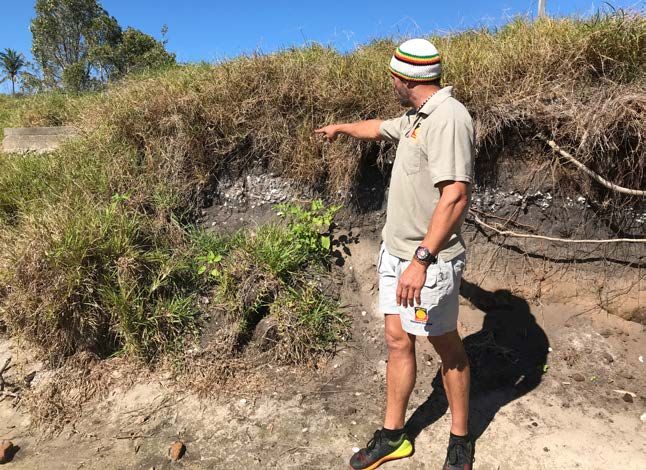
Uncle Bob at a Council employee cultural day

4
FOREWORD
DR ROBERT ANDERSON (OAM), UNCLE BOB
“A united Australia which respects this land     us their bounties sustaining our bodies and
of ours; values the Aboriginal and Torres        strengthening our spirits.
Strait Islander heritage; and provides justice   The Quandamooka peoples are a society
and equity for all.”                             who carry out their responsibilities to their
The genesis of the Reconciliation movement       cultural estate. Each year, events during the
followed a recommendation contained              Quandamooka Festival celebrate who we
in the Aboriginal Deaths in Custody              are as a society such as Buangan Biyigi, Yura
Report. It introduced a 10-year process          Yalingbila, Kunjiel.
of Reconciliation in the lead up to the
                                                 I encourage you to see what interests we
centenary of Australian Federation in 2001.
                                                 share in common. It may be reconciliation
Patrick Dodson, known as the ‘Father of
                                                 or our love of the beautiful waters
Reconciliation’, was the first Chairperson
                                                 of Moreton Bay.
of the Council for Aboriginal Reconciliation
established in 1991.                             As Australia, a multicultural society,
                                                 embraces the First Nations’ calls for
In 1996, Uncle Bob Anderson was
                                                 Voice, Treaty and Truth, we will no longer
appointed Chair of the inaugural
                                                 be bereft, suffering loss, deprived by
Queensland State Reconciliation Committee,
                                                 dispossession. We will no longer suffer ill
the Queensland State Organisation of the
                                                 will, racism, rancour or malice.
Council for Aboriginal Reconciliation.
                                                 We are making our journey through two
Redland City Council Reconciliation              systems of law yet sharing a common
Action Plan - Walking together                   destiny, the ancient Laws of Indigenous
                                                 Peoples and the Western Law of
Yura,
                                                 modern Australia.
You are invited to walk together with the
Quandamooka Peoples in harmony on your           When the concept of reconciliation is a part
journey of Reconciliation to celebrate the       of peoples’ hearts and minds, the concept
gifts of Yoolooburrabee.                         begins to flourish.
Yoolooburrabee refers to the people of           I wish you well as we walk together,
the sand and water and calls to mind the         Uncle Bob Anderson,
many lakes and streams that proliferate our      Dr Robert V Anderson OAM
Lands and our Seaways that bestow upon           Ngugi Elder, Quandamooka

                                                     5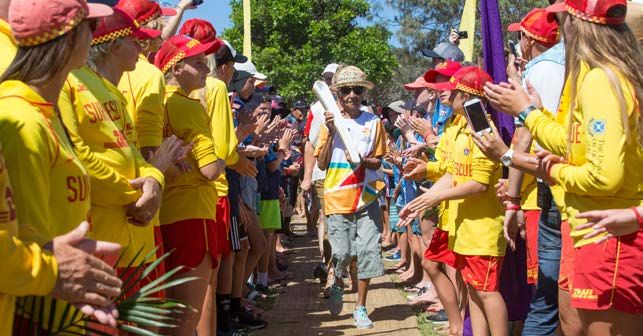
MESSAGE FROM THE MAYOR
The lands, seas and waters of Redlands       It aims to encourage greater understanding
Coast are of great social, cultural and      and respect and ensure that Council
spiritual importance to the Quandamooka      employees and elected representatives
People, who have lived in this area for at   are able to actively contribute to the
least 21,000 years.                          reconciliation process.
Redland City Council is committed            Its focus is on what we can do internally
to building meaningful and positive          to help better inform our employees
relationships with the Quandamooka           and grow their cultural awareness and
People as Traditional Owners of much of      knowledge of Aboriginal and Torres Strait
Redlands Coast. This commitment extends      Islander history and culture.
beyond the formal obligations of our
                                             The RAP will be an important tool in
shared Indigenous Land Use Agreement
                                             strengthening Council’s ability to be a
2011, to many other initiatives undertaken
                                             culturally safe, inclusive and resilient
with our community partners.
                                             workplace. This in turn will ensure we are
It is important we recognise that
                                             well positioned to create and strengthen
reconciliation is much broader than a
                                             effective and lasting relationships
local conversation. Council also seeks to
                                             with local Aboriginal and Torres Strait
extend the spirit of respect and cultural
                                             Islander communities, and explore
safety to all Aboriginal and Torres Strait
                                             new opportunities for a sustainable
Islander people who live and work on
                                             shared future.
Redlands Coast.
                                             Our approach to reconciliation is one of
From the Quandamooka Statement
                                             leadership and collaboration. I believe that
of Recognition outside our Cleveland
chambers, to the ongoing delivery,           through the actions of this and future
or sponsorship of, community events,         RAPs, Redland City Council will continue
every step – small or large – moves us       to develop a culture of inclusiveness and
further in our reconciliation process. Our   celebration of the cultures and traditions
Reconciliation Action Plan (RAP) is our      of the First Nations People of this land.
next step forward.
This Reconciliation Action Plan is about
building strong foundations on which to      Cr Karen Williams
continue our investment in reconciliation.   Mayor of Redland City
                                       6
MESSAGE FROM THE CEO
The development of Redland City Council’s           I am particularly proud of the way this
first Reconciliation Action Plan is a significant   Plan was compiled. Utilising the passion,
milestone for our organisation.                     experience and dedication of a self-
We know that significant work has                   selected group of Council employees,
already been undertaken to advance our              this internal-facing document is focused
                                                    on increasing our people’s knowledge of
reconciliation process. A most noteworthy
                                                    our shared history and the challenges of
milestone in that journey has been the
                                                    today. This will better equip our employees
signing of Council’s Indigenous Land
                                                    to build the strong, mutually beneficial
Use Agreement with the People of
                                                    and productive relationships we seek to
Quandamooka on 4 July 2011, the same day
                                                    have with all Aboriginal and Torres Strait
of their landmark Native Title determination.
                                                    Islanders who call Redlands Coast on
Council has many other external                     Quandamooka Country home.
achievements worthy of acknowledgment;
                                                    It is a firm starting point, but is designed to
art exhibitions, NAIDOC showcases
                                                    be a living document that will be reviewed
and Council’s founding and continuing               and adjusted as opportunities arise.
sponsorship of the Quandamooka Festival
                                                    I encourage all employees to view this
being just some of those, but all come with
                                                    document not only as a guide of direction,
the understanding that reconciliation is a
                                                    but a source of inspiration.
process without an end date. And there is
still much to do.                                   Embrace its actions, and bring its ambitions
                                                    and ideals to life in your efforts to best serve
In this RAP, we have now formalised an
                                                    Council and our Redlands Coast community.
internal vision and set of principles that
will guide the way we work, along with
an agenda of action outlining the practical
things we will do to advance reconciliation         Andrew Chesterman
in our organisation.                                CEO of Redland City

                                                       7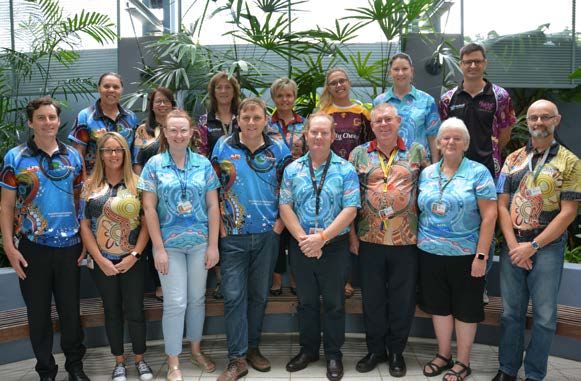
MESSAGE FROM THE
RECONCILIATION COMMITTEE
Enriched by our different backgrounds and brought together by our
collective passion to ensure Redland City Council is a culturally safe place for
all Aboriginal and Torres Strait Islander employees, the Committee is proud
to champion “Kanara Malara – One People”, Council’s first Reconciliation
Action Plan 2019-2021 (RAP).
The purpose of the RAP is to acknowledge the importance of reconciliation
and demonstrate the commitment to building cultural knowledge,
understanding and capability within our organisation.
The RAP identifies the specific and practical actions needed to lead and
embed reconciliation in our hearts, minds and thinking. Our actions will give
voice to our motivation.

OUR VISION FOR RECONCILIATION
Council’s vision for reconciliation is to be an inclusive organisation that
welcomes, celebrates and deeply values Aboriginal and Torres Strait
Islander peoples, heritage and cultures.
The vision builds on the Redlands 2030 Community Plan outcomes and
goals in which we committed to ‘strengthening reconciliation through
partnership’ by:
• Shared responsibilities and strong relationships
• Working together in the spirit of cooperation
• Ensuring an enduring and living culture that is widely understood
Guided by our mission to ‘Make a difference. Make it Count.’ Council is
deeply committed to reconciliation, as a journey of life-long learning and
we believe that we can achieve much more together than we can apart.

                          8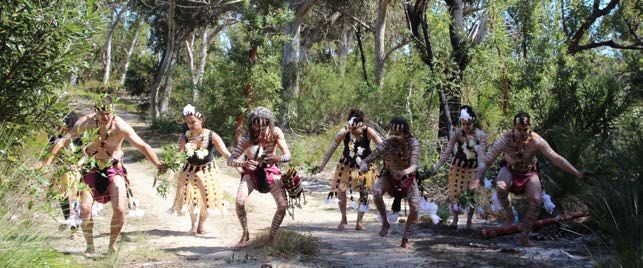
REDLANDS COAST ON
                                                                 ‘Quandamooka’ is a word
QUANDAMOOKA COUNTRY                                              from the Jandai language
Our Region                                                       used to describe Moreton
Redlands Coast is located along the southern coast
of Moreton Bay within South-East Queensland. It is a
                                                                    Bay and the islands
diverse region with approximately 335km of unique                 within it. Therefore, the
coastline, six residential islands and a mainland with
coastal townships, rural areas, bushland, national
                                                                 Quandamooka People are
park, internationally significant coastal wetlands and          the people of Moreton Bay.
other waterways.
The area is the ancestral homeland of the
Quandamooka People with archaeological evidence
dating the occupation of North Stradbroke Island
(Minjerribah) at approximately 21,000 years. The
traditional lands of Quandamooka extend beyond the Redlands Coast, including Moreton
Island (Moorgumpin), South Stradbroke Island and the mainland from the mouth of the
Brisbane River, Wynnum, Chandler, Lytton, Belmont, Tingalpa, south to Cleveland and
the Logan River.
Today, Redlands Coast has an estimated resident population of 156,863 (ABS, 2018). The
City has an annual average growth rate of 0.9% and is expected to reach a population of
over 192,000 by 2041.
An estimated 2.3% of the Redlands Coast community identify as an Aboriginal and or
Torres Strait Islander person. This marks an increase from 2,620 in the 2011 Census
to 3,431 in 2016. However, the Australian Bureau of Statistics believes a significant
undercount exists for Aboriginal and Torres Strait Islander people in the region and that
the actual figures are likely to be considerably higher.
While Quandamooka People comprise a significant number of our Aboriginal and Torres
Strait Islander population, there is a growing number of other First Nations People that are
also calling Redlands Coast their home or place of work.

Our Council
Local governance of the Redlands Coast area dates back to the 1880s. Redland Shire
Council was established in 1949 and became Redland City Council in 2008. Council is
a major employer in the community with approximately 1,000 employees. At present,
Council does not record employee data of who identifies as being Aboriginal and/or Torres
Strait Islander, but will seek to do so as a desired action of this RAP.
Council has had a dedicated Senior Adviser Indigenous Partnerships since 2012 and has
a target for recruiting Aboriginal and Torres Strait Islander people through its traineeship
program. However, there are still many gaps and this RAP will be a step towards
strengthening our recruitment and training activities to bring about further opportunities.
Council is also a major provider of training and procurement opportunities for the
community and local businesses. As part of our current and future reconciliation activities,
Council is committed to identifying opportunities that can help ‘close the gap’ in these key
areas for our Aboriginal and Torres Strait Islander people and businesses. Cultural tourism
is also an emerging industry in our local economy and we will continue to identify and
promote opportunities for partnerships to drive growth and investment in this sector.

                                                    9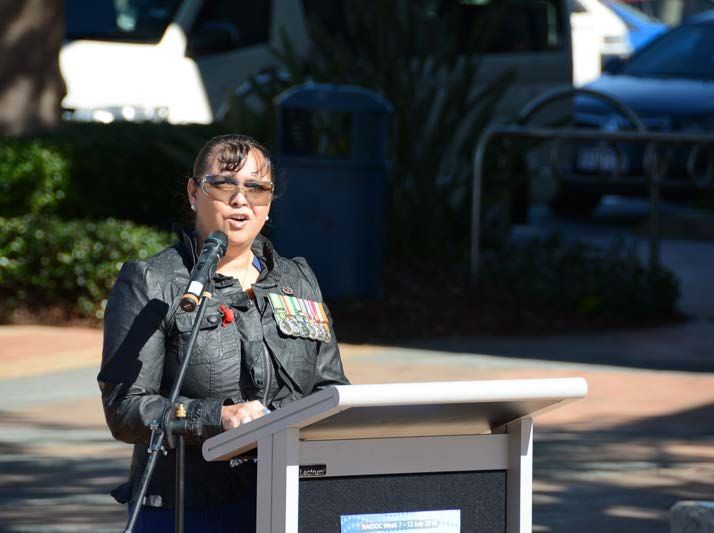
OUR JOURNEY SO FAR
Our Reconciliation Journey                           On Monday 4 July 2011, the Federal
Council’s first formal journey began in              Court of Australia made two native title
1997 with the signing of the Native Title            consent determinations recognising the
Process Agreement between Redland                    Quandamooka People’s native title rights
Shire Council and the Quandamooka Land               and interests. On the same day, Redland
Council marking an important step towards            City Council and the Quandamooka People
reconciliation for Redlands Coast.                   signed an historic Indigenous Land Use
                                                     Agreement, setting out broad principles
In 2008 Council adopted the Indigenous
                                                     and mechanisms for how the parties will
Community Policy as a significant milestone
                                                     work together to benefit the community.
in Council’s acknowledgement of cultural
protocols. Since then the Aboriginal and             Since then Council has worked together
Torres Strait Islander flags are raised              with the Quandamooka People to
outside Council’s Cleveland chambers                 improve opportunities and promote the
every business day that Council operates,            aspirations of the Aboriginal and Torres
Acknowledgement of Country is made                   Strait Islander community. The journey
at Council meetings and other Council                has not been without its challenges and
public events, and Council participates              with an improved cultural understanding
in National Reconciliation Week and                  and awareness within Council, there is the
NAIDOC celebrations.                                 potential to achieve more.

Commemorative Statement of Recognition plaque

                                                10
Reconciliation in action
Goompi Trail shares the heritage on our doorstep
In the spirit of ongoing learning, Council offers artefacts and how tools continue to be made and
employees the opportunity to take part in a used today.
cultural information session on North Stradbroke
In having first-hand experiences, staff are
Island (Minjerribah).
able to share this information with others and
The Goompi Trail, (being the Jandai word
use their learnings about Aboriginal Cultural
for Dunwich), is hosted by Quandamooka
heritage to inform their daily work and
Traditional Owner Matthew Burns, who shares
provide understanding to take further steps in
his knowledge of local Aboriginal culture.
reconciliation.
The open air training allows participants to
visit sites of significance and learn about their These sessions have proven extremely popular
importance to Traditional Owners as well as and are now offered monthly through Council’s
gaining insights into bush medicines, local food, regular internal training schedule.
Quandamooka Traditional Owner Matthew Burns shares sites of significance along the Goompi Trail, North Stradbroke Island (Minjerribah)
11Milestones
1997 Council and the Quandamooka Land Council sign the Native Title Process Agreement
2001 Council commences a joint three-year planning process to develop the North Stradbroke Island (Minjerribah) Planning and
Management Study
2005 Council is a signatory to the Shared Responsibility Agreement between the Quandamooka people, the Federal Government,
the Queensland Department of Aboriginal and Island Policy and Redland Shire Council
2007 Council commences an Indigenous cultural protocols project
2008 Council adopts a new cultural plan ‘Our City, Our Culture’
Council adopts an Indigenous Community Policy and action framework
Council commissions the Murren Report to provide advice on a strategic policy framework to guide Council’s relationship with
and support to the Indigenous community
2010 Council adopts the Redlands 2030 Community Plan with a specific outcome and goals for ‘Quandamooka Country’ including
strengthening reconciliation through partnership
2011 Council and the Quandamooka People sign the Indigenous Land Use Agreement recognising Quandamooka People’s native
title rights and interests over North Stradbroke Island (Minjerribah) and surrounding islands and waters of Moreton Bay
2012 Council commences the implementation of the ILUA, including supporting the land management aspirations of the
Quandamooka People
Council commits to funding the Quandamooka Festival and participates in other significant events such as National
Reconciliation Week and NAIDOC Week
2015 The Quandamooka Statement of Recognition is installed at the front of Council’s Cleveland Administration Building
(June 2015)
Council establishes an annual NAIDOC Ambassadors Awards program
2017 Over 500 Council employees engage in the 2017 National Reconciliation Week program
CEO Vision Statement for the organisation makes a commitment to developing our own Reconciliation Action Plan (RAP)
2018 Council adopts a new Public Art Framework that promotes Aboriginal and Torres Strait Islander art and themes
A RAP Steering Committee is established to lead the development of Council’s first RAP
2019 Work commences on the development of a draft RAP
RAP committee members promote cultural awareness across Council
2017 National Reconciliation Week
12Reconciliation in action
Honour and sacrifice
In 2014, Council worked with the community to The exhibition culminated in a public event,
create a public exhibition of Aboriginal and Torres attended by hundreds of community members,
Strait Islander war memorabilia. where the names of Aboriginal and Torres
As part of this process, following collaboration Strait Islander servicemen and servicewomen of
with local families and research by the Senior Redlands Coast were announced by their family
Advisor of Indigenous Partnerships, a special members or Quandamooka People.
‘Honour Roll’ poster listing the names of local
Aboriginal and Torres Strait Islander servicemen This moving event went on to create significant
and servicewomen was created. media interest
Decorated servicewoman and Quandamooka woman Lorraine Hatton announcing names
13Highlights to date
Redland City Council has also been proactive in building relationships and is proud to
highlight some of our achievements to date:
• Redland Art Gallery and Redland Performing Arts Centre are proactive in recognising
local artists and holds Indigenous art and themed exhibitions and annual showcase
events within National Reconciliation and NAIDOC Weeks.
• Redland Libraries coordinate a series of programs focusing on Aboriginal culture and
history. This has included pop-up libraries during NAIDOC week, school visits, children’s
story time and readings with Quandamooka authors including Sandra Delaney.
• Council works with the community to develop a display of Aboriginal and Torres
Strait Islander War Memorabilia, culminating in a public event with Quandamooka
representatives doing a roll-call of local Aboriginal and Torres Strait Islander Servicemen
and Servicewomen.
• Creation of two meeting rooms available for use by residents that commemorate the
Council’s commitment to National Reconciliation Week. The Elders Room in Cleveland
Library displays the photos of twenty-seven local Elders and a number of local Aboriginal
artworks to represent the rich Aboriginal history of the Redlands.
• Naming of the Mil Binnung room which translates to, “listen and observe” which
features a photo of Dr Robert (‘Uncle Bob’) Anderson OAM along with the speech he
gave at the Consent Determination Hearing when native title was granted in 2011.
• Council encourages and provides funding for community event operators to include
Quandamooka experiences at all local events such as the 2019 Straddie Salute Triathlon
Festival, RedFest, Redlands Easter Family Festival, Goompi NAIDOC Community Day,
2019 Straddie Assault, Kozi Iron Challenge and Come to Coochie with Bay FM.
• Council actively engages Quandamooka Elders and artists to participate in Council events
to perform Welcome to Country including Citizenship Ceremonies, Australia Day Awards,
Christmas by Starlight, Mayoral Prayer Breakfast, Redland Performing Arts Centre events,
Redland Art Gallery events, and Redland Library events.
• Council collaborated with Quandamooka Elders and artists to develop the city’s new
place brand ‘Redlands Coast – Naturally Wonderful’. Quandamooka Coast has been
integrated with the Redlands Coast place brand and is showcased throughout the
marketing campaign for ‘Discover Naturally Wonderful’.
The Art of Reconciliation 2015
14• Dual Quandamooka naming throughout content in tourism marketing material including
the ‘Redlands Coast on Quandamooka Country’ Holiday Guide.
• Dual Quandamooka naming on Wellington Point Village (Cullen-Cullen) signage.
• Quandamooka Welcome (Yura) in prominent position at new Redlands Coast Visitor
Information Centre at Raby Bay.
• Council supports the Quandamooka Festival run by the Quandamooka Yoolooburrabee
Aboriginal Corporation (QYAC) through grant funding and media promotion. Council
also coordinates a series of arts events on the mainland throughout the festival.
• Council’s biennial Community Satisfaction Survey includes a measure of awareness of
Quandamooka culture.
• Inclusion of Acknowledgement of Country on all Council website pages, email signatures
and regular snapshot advertisement in Redland City Bulletin.
• Implementation of internal procedures and training for Council employees to ensure
the correct method for managing Native Title and Cultural Heritage matters for works
undertaken by Council.
• Cultural awareness information in all employee inductions commenced in 2018 together
with a Quandamooka Cultural Day now available to all employees. Aboriginal Cultural
Heritage training for the Executive and Senior Leadership Team is offered by QYAC
during the year.
• Establishment of the largest Land for Wildlife area on Redlands Coast (1400 hectares)
in 2015 in a partnership between QYAC, Council and Healthy Land & Water.
• QYAC representation on Local Disaster Management Group.
• Redland Libraries launched ‘Remembering them: Honouring the First World War
servicemen and women of the Redlands’ in April 2018, highlighting the contribution
of 12 local indigenous servicemen and servicewomen.
Songlines in the Redlands 2016
15Aunty Rose as Baton Bearer on North Stradbroke Island (Minjerribah) for the Queens’ Baton Relay 2018
Quandamooka is the
ancestral homeland of
the Nunukul, Ngughi and
Goenpul peoples, the sub-
groups that make up the
Quandamooka People.
Artwork at Raby Bay, Cleveland by Craig Tapp for the Queens’ Baton Relay 2018
Opening of the Quandamooka Festival 2016
16Reconciliation in action
Recognition and mutual respect
Two sculptural metal panels recognising the connection to Redlands Coast, stretching back
Quandamooka People’s traditional identity and tens of thousands of years.
culture were unveiled at the front of Council’s The panels were more than a year in the
Cleveland Customer Service Centre during making, with a design focussing on foundations
National Reconciliation Week 2015. of respect, acknowledgement, commitment,
The unveiling of the Quandamooka Statement of friendship and peace.
Recognition represented a proud milestone in the The installation of the Statement of Recognition
relationship between Council and the Traditional at the heart of Redland City Council, where much
Owners of our region. of the planning for the future of our community
Designed by local artist Sandra Delaney, a takes place, serves as an ongoing public
Quandamooka woman from North Stradbroke statement of what we hope to achieve in the
spirit of reconciliation and mutual respect.
Island (Minjerribah), the two panels tell a
powerful story of the Quandamooka People’s
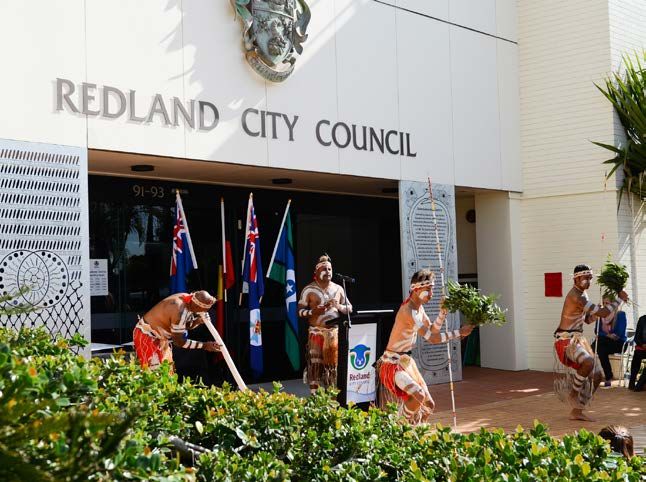
Ceremony and traditional dance marked the unveiling of the Quandamooka Statement of Recognition
17Minjerribah fire trail sod turning 2016
OUR RAP PHASES 2019-2021 AND BEYOND
The first phase of the RAP is the development of an inward-facing document with a set of actions to
help create greater organisational focus on reconciliation and the work and operations of Council.
Within these actions there are also transitional steps to establish an outward-facing RAP that will
be developed in partnership with the Aboriginal and Torres Strait Islander community. The RAP will
then continue to evolve through innovation and improved relationships.
First RAP Second RAP Future RAPs -
(2 Years) - (2-3 years) - outward facing
inward facing outward facing Organisational focus
Organisational focus Organisational on innovation and
on cultural awareness focus on engaging actively working with
and setting measurable and co-partnering the Aboriginal and
targets to embed with the Aboriginal Torres Strait Islander
reconciliation within and Torres Strait Community to
the organisation Islander Community advance reconciliation
Council NAIDOC Ambassadors 2019
18OUR RECONCILIATION PRINCIPLES
Resilience
Knowledge
We will strengthen the
resilience of Council to We will foster a
champion reconciliation continuous process
by bringing of unlearning and
together people, relearning our
knowledge and ideas. shared history –
Respect
right the future by
We will work in a learning from the past.
meaningful and
respectful way with
Aboriginal and Torres
Strait Islander peoples.
Understanding
We will foster a deep
Safety understanding of
Aboriginal and Leadership
We will create a culture
Torres Strait Islander We will support
of safety where
peoples, their corporate bravery
Aboriginal and Torres
histories and cultures. and empower
Strait Islander peoples
individuals to lead
feel valued, understood
reconciliation
and empowered to
within Council.
actively participate
within Council.
Redlands Coast logo - a collaboration with Quandamooka artist Delvene Cockatoo-Collins
19ONE TEAM FOR RECONCILIATION – DELIVERING ACTIONS
The Reconciliation Action Plan Steering Committee and Corporate Governance will be the lead in
delivering identified actions, together with critical partners across the organisation.
Understanding the journey
Outcomes and Drivers Deliverables Timeline Critical Partners
1. Establish an internal RAP Establish a RAP Steering Committee that will December 2018 Office of the CEO
Steering Committee to develop oversee the development, endorsement and launch
a RAP and allocate tasks to of the RAP.
responsible groups.
Undertake consultation with key internal April-June 2019 Corporate
Provide a strong foundation to stakeholders including the Senior and Executive Governance
drive our reconciliation journey. Leadership Teams to ensure actions included in the
RAP are deliverable and supported.
Host a Council event to launch the RAP to the August 2019 Corporate
organisation. Governance
2. Raise internal awareness of the Develop and implement a communications plan to August 2019 Communication,
RAP. raise awareness amongst all employees across the Engagement and
Engage with the organisation organisation about our RAP commitments. Tourism
about the RAP, its initiatives and Develop and implement a plan to engage December 2019 Corporate
outcomes. and inform key internal stakeholders of their Governance
responsibilities within our RAP.
Design a Reconciliation @ Redland City Council December 2019 People and Culture
presentation/pack for inclusion in the corporate
induction process.
Include an annual organisational RAP awareness Annually Corporate
workshop to share activities and progress on the Governance
RAP on the staff training calendar, such as part of
the Organisational Leadership Team agenda.
Install the RAP artwork in a place of significance at August 2019 Corporate
the Council Cleveland Administration Building. Governance
Publish the RAP on the Council intranet for easy August 2019 Corporate
access by employees. Governance
3. Explore opportunities for Incorporate Indigenous design into Council’s August 2020 Corporate
integrating Indigenous design into corporate uniform and merchandise suite. Governance
Council’s corporate branding.
Incorporate the RAP artwork in corporate Ongoing Communication,
Provide visibility of the RAP communications around reconciliation where Engagement and
artwork and other Indigenous appropriate. Tourism
design.
Identify opportunities to wrap selected Council May 2020 Fleet Services
fleet vehicles with our RAP artwork and relevant
key messages.
20Raising cultural awareness
Outcomes and Drivers Deliverables Timeline Critical Partners
4. Recognise and celebrate Coordinate a series of activities and displays across Annually (27 May – Corporate
National Reconciliation Week Council that celebrate the theme of NRW and raise 3 June) Governance
(NRW). awareness about the history of reconciliation.
Provide opportunities for
Provide opportunities for Council employees to Annually (27 May – Corporate
employees to learn about our
participate in NRW community events. 3 June) Governance
RAP and begin to learn more
about indigenous history.
5. Recognise and celebrate Organise a NAIDOC Week initiative for Council Annually (July) Corporate
NAIDOC Week and other dates of employees to showcase Aboriginal and Torres Strait Governance
cultural significance. Islander artists, storytellers and performers. Redland Performing
Provide opportunities to Arts Centre
celebrate the history, culture and
Promote stronger understanding of, and Annually (July) Communication,
achievements of Aboriginal and
opportunities for, Council employees to participate Engagement and
Torres Strait Islander peoples.
in NAIDOC week community events. Tourism
Continue to coordinate Council’s NAIDOC Annually (July) Corporate
Ambassador Awards Program to recognise Council Governance
employees who have contributed to reconciliation
at Council and in the community.
Increase internal awareness of Council’s online Ongoing Communication,
Aboriginal and Torres Strait Islander cultural events Engagement and
calendar and encourage employee participation. Tourism
Continue to recognise and support the Annually (June- Redland Performing
Quandamooka Festival and identify opportunities August) Arts Centre
to run parallel events that celebrate Aboriginal and
Torres Strait Islander art and culture.
6. Create opportunities for cultural Develop and implement a program to increase Ongoing Corporate
awareness and knowledge sharing cultural awareness of employees across Council Governance
for employees. that includes:
Provide regular opportunities to • Fact sheets on Australia’s history, local history
build cultural awareness through and ‘myth busting’.
Aboriginal and Torres Strait • A series of short film, book and performance
Islander arts, film and literature. reviews.
• A series of news and media reviews.
Share this information and Good News Stories Ongoing Communication,
across Council including through Council’s intranet Engagement and
and Yammer. Tourism
Expand welcoming, inclusive and educational Ongoing Redland Art Gallery
spaces within our physical work space that
celebrate Aboriginal and Torres Strait Islander
cultures (such as placement of appropriate items
in our physical work space – examples may include
plaques, photos, artwork, artefacts)
21Outcomes and Drivers Deliverables Timeline Critical Partners
7. Explore/create opportunities for Support employee participation in the National RAP Annually Corporate
cultural learning and development. Conference or relevant reconciliation summit event Governance
Provide new opportunities for annually.
staff to increase their cultural
Conduct a review to determine cultural awareness June 2020 People and Culture
knowledge and understanding.
training needs within the organisation, including Internal Audit
areas for development and method of delivery.
Support the RAP Steering Committee to build Ongoing Corporate
up a knowledge base that would contribute to Governance
the development of a formal training tool for
employees.
Encourage employee participation in existing Ongoing People and Culture
cultural awareness and Aboriginal Cultural Heritage
training.
Hold annual organisational workshops and or guest Annually Corporate
speaker series to increase organisational cultural Governance
awareness.
8. Raise understanding of Increase awareness and understanding Ongoing Corporate
Aboriginal and Torres Strait of the meaning and significance behind Governance
Islander cultural protocols. Acknowledgement of Country and Welcome to
Continue to build cultural Country protocols.
understanding and confidence Install Acknowledgement of Country statements in February 2020 Facility Services
around the use of cultural key Council meeting rooms and facilities.
protocols.
Develop Acknowledgement of Country cards to August 2019 Communication,
support employees and communicate opportunities Engagement and
for appropriate usage. Tourism
Update internal style guides on appropriate February 2020 Communication,
terminology to use when communicating about Engagement and
Aboriginal and Torres Strait Islander people Tourism
and issues and promote appropriate usage to
employees.
22Fostering a culturally inclusive workplace
Outcomes and Drivers Deliverables Timeline Critical Partners
9. Investigate opportunities to Ensure Council’s new Human Resource Information September 2019 People and Culture
improve Aboriginal and Torres System is leveraged to collect data on employees
Strait Islander employment that identify as Aboriginal and/or Torres Strait
outcomes within our workplace. Islander to inform future employment initiatives
Engage with existing and targets.
Aboriginal and Torres Strait Engage with Aboriginal and Torres Strait Islander March 2020 People and Culture
Islander employees and create employees to gain feedback on employment that
opportunities across the includes:
organisation for employment • Human resource policies and procedures
and development pathways. including flexible work arrangements to allow
employees to meet extended family and
community cultural obligations.
• Attraction and retention strategies including
professional development opportunities such
as mentoring, coaching and learning and
development.
Target job advertisements with job boards that Ongoing People and Culture
specialise in Aboriginal and Torres Strait Islander
recruitment.
Continue to commit at least one traineeship Ongoing People and Culture
position each intake period for an Aboriginal and/
or Torres Strait Islander person.
Develop a process to identify genuine positions August 2020 People and Culture
across the organisation to be filled by Aboriginal
and Torres Strait Islander applicants, where there
is a genuine occupational requirement and/or to
promote equal opportunity in strategic priority
areas.
10. Identify opportunities to foster Explore opportunities for creating a culturally safe November 2020 People and Culture
a supportive and culturally safe workplace for Aboriginal and Torres Strait Islander
work environment for Aboriginal employees such as interfacing with Council’s
and Torres Strait Islander Diversity and Inclusion Program.
employees.
Support the Indigenous Partnership and Program May 2020 Corporate
Build awareness of creating a Coordinator to explore the establishment of an Governance
culturally inclusive and safe work Aboriginal and Torres Strait Islander employee peer
environment, where Aboriginal support network.
and Torres Strait Islander
employees feel welcomed,
valued and respected.
23Strengthening connections
Outcomes and Drivers Deliverables Timeline Critical Partners
11. Explore opportunities to Initiate up to two partnerships with Councils with May 2020 Corporate
establish alliances with other local RAPs or similar Indigenous strategies to share Governance
governments that actively support lessons and opportunities.
reconciliation.
Investigate opportunities for employee exchanges May 2020 Corporate
Promote exchange and learnings with Councils in the RAP network. Governance
around local government work in
reconciliation.
12. Reflect on existing Council Document and share past and current Council August 2020 Corporate
activities, initiatives and work reconciliation activities, initiatives and work Governance
practices to identify touch points, practices and identify opportunities for learning
gaps and opportunities for and collaboration.
learning and collaboration.
Promote a better understanding across Council of June 2020 Corporate
Provide opportunities for learning the Indigenous Land Use Agreement (ILUA) and Governance
and collaboration with existing Council’s Diversity and Inclusion Program and how People and Culture
Council reconciliation activities and this supports reconciliation.
initiatives.
13. Provide opportunities for Develop an Aboriginal and Torres Strait Islander August 2020 Redland Performing
strengthening connections with guest speaker series such as ‘Aunties Yarning Up’ Arts Centre
Aboriginal and Torres Strait and ‘Uncles Yarning Up’.
Islander community members as
Review existing relationships with Aboriginal Ongoing Corporate
the RAP moves into the second
and Torres Strait Islander organisations and Governance
phase.
communities and consider ways to ensure these
Provide opportunities for relationships are valued and managed. Consider
employees to engage and learn other organisations, communities and individuals
directly from Aboriginal elders with whom we need to build relationships to
through storytelling and other support our reconciliation efforts.
activities
Promote and advocate for Council employees to Ongoing Corporate
attend local and regional Aboriginal and Torres Governance
Strait Islander cultural events and activities (for
example Sunshine Coast community and the Bunya
Nut Festival)
Develop a business case for a ‘Redlands Coast February 2021 Corporate
on Quandamooka Country’ summit to inform Governance
Council’s future reconciliation plans, exchange
knowledge, yarn and inspire.
24Tracking progress and next steps
Outcomes and Drivers Deliverables Timeline Critical Partners
14. Establish governance Establish a RAP Implementation Committee chaired August 2019 Office of the CEO
mechanisms to support the by the CEO that will oversee implementation and
successful implementation of the reporting on the RAP.
RAP.
Define systems and processes to track, measure September 2019 Corporate
Drive implementation and report and report on RAP activities. Governance
RAP achievements, challenges and
learnings. Report bi-annually on RAP progress to the Bi-annually (November Corporate
Executive Leadership Team and Council. and May close to Governance
Reconciliation Week)
Publish information on the RAP in Council’s Annual Annually Corporate
Report. Governance
15. Establish an annual barometer Include questions on cultural awareness in the Ongoing People and Culture
to measure cultural awareness and MySay and MySay Pulse surveys and ensure data
RAP progress. is leveraged to review approaches to increasing
Measure and monitor the level cultural awareness.
of cultural awareness across the Record and track employee participation at Ongoing People and Culture
organisation. reconciliation-related initiatives. Communication,
Engagement and
Tourism
16. Review, refresh and update Review the RAP based on lessons learned, March-May 2020 Corporate
the RAP. acknowledge ongoing challenges and celebrate Governance
Establish a learning and achievements.
engagement process that will take Establish a process for developing our second RAP March-May 2020 Corporate
the RAP into the next phase. based on learnings, challenges and achievements Governance
that involves the Redlands Coast community.
Establish a new RAP Steering Committee which August 2020 Office of the CEO
includes community stakeholders that will oversee
the development of our second RAP.
25NATIONAL AND LOCAL ABORIGINAL
AND TORRES STRAIT ISLANDER
CALENDAR OF SIGNIFICANT DATES
26 January Australia Day/Day of Mourning
13 February National Apology Day
21 March National Close the Gap Day and
National Harmony Day
26 May National Sorry Day/National Day of Healing
27 May – 3 June National Reconciliation Week
1 June – 30 August Quandamooka Festival
3 June Mabo Day
1 July Coming of the Light Festival (Torres Strait
Islander celebration)
4 July Anniversary Quandamooka People’s Native Title
Determination and signing of ILUAs with State
Government and Redland City Council
First week of July NAIDOC Week
4 August National Aboriginal and Torres Strait
Islander Children’s Day
9 August International Day of the World’s Indigenous People
5 September Indigenous Literacy Day
Parts of Quandamooka
Country exist in four
Queensland local
government areas –
Brisbane City,
Redlands Coast, Logan City
and Gold Coast.
26RAP STEERING COMMITTEE
The following employees formed the Redland City Council Reconciliation Action
Plan Steering Committee that developed this Reconciliation Action Plan (2019 to 2021).
Jonathon Lamb, Team Leader, City Planning and Assessment (Co-Chair)
Christine Cartwright, External Funding Manager, Corporate Strategy and Performance (Co-Chair)
Jeanette Adams, Operations Manager IndigiScapes, Environment and Regulation
Jason Atherinos, Service Manager Business Innovation and Development, Corporate Services
Ross Barnett, Adviser Public Place Design, City Infrastructure
Jenny Cross, Project Officer, Strategy and Governance
Laura Denmeade, Senior Business Support Officer, City Planning and Assessment
Craig Dickson, Business Systems Analyst, Corporate Services
Siobhan Hessing, PA to General Manager Community and Customer Services
Brett Hookway, Principal Strategic Planner, City Planning and Assessment
Merrin Mcculloch, Senior Talent Acquisition and Engagement Adviser, People and Culture
Noreen Orticio, Senior Adviser – Strategic Economic Development, Community and
Economic Development
Megan Praeger, Executive Officer – Office of CEO
Tom Short, Applications Support Officer, Corporate Services Group
David Scott (not present in photo), Community Development Officer, Community
and Economic Development
Di Andrews, Former Senior Adviser Indigenous Partnerships (Former Co-Chair)
The RAP Steering Committee
27Disclaimer
The information contained in this document or its attachments is to the best of our knowledge accurate at the time of
authorising the printing of the publication in July 2019. Any representation, statement, opinion or advice, expressed or
implied in this publication is made in good faith for general information purposes but and on the basis that the Redland
City Council, its agents and employees are to the extent permissible by law, not liable (whether by reason of negligence,
lack of care or otherwise) to any person for any damage or loss whatsoever that has occurred or may occur in relation
to that person taking or not taking (as the case may be) action in respect of any representations, statement or advice
referred to above.
28You can also read


