Maine Cancer Genomics Initiative Forum - Rockland, ME April 7, 2018 Andrew Hertler, MD FACP
←
→
Page content transcription
If your browser does not render page correctly, please read the page content below
Maine Cancer Genomics Initiative Forum

                          Rockland, ME
                           April 7, 2018

Andrew Hertler, MD FACP

Chief Medical Officer

New Century Health
INTEGRATION OF
    GENOMICS INTO
    CLINICAL
    PATHWAYS

    Precision Medicine & Decision Support

2

     Copyright 2016 | Proprietary and Confidential
DISCLOSURE

    Dr. Hertler: Stock Options - New Century Health; Employee - New Century Health

3

      Copyright 2016 | Proprietary and Confidential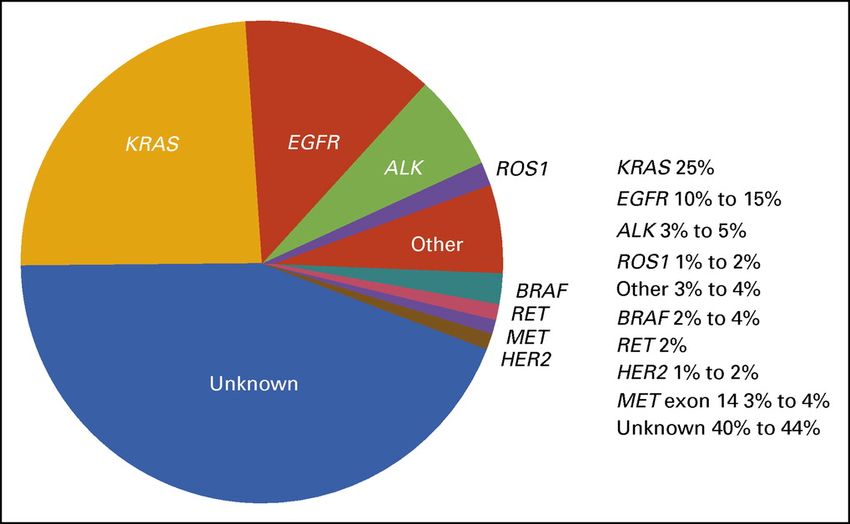
Bio
Andrew Hertler, MD, FACP is employed by New Century Health
– Nationally recognized leader in medical oncology clinical and quality practice
management
– Experienced oncologist with more than 25 years of experience in community
and academic-based practice
– Member of American Society of Clinical Oncology (ASCO) Clinical Practice,
Quality of Care and Payment Reform Committees
– Previously Administrative Medical Director for Physician Practices at Maine
General Medical Center and the Medical Director of the Harold Alfond Center
for Cancer Care in Augusta, Maine
– MD from the University of Michigan and BA from Dartmouth College
4
Copyright 2016 | Proprietary and Confidential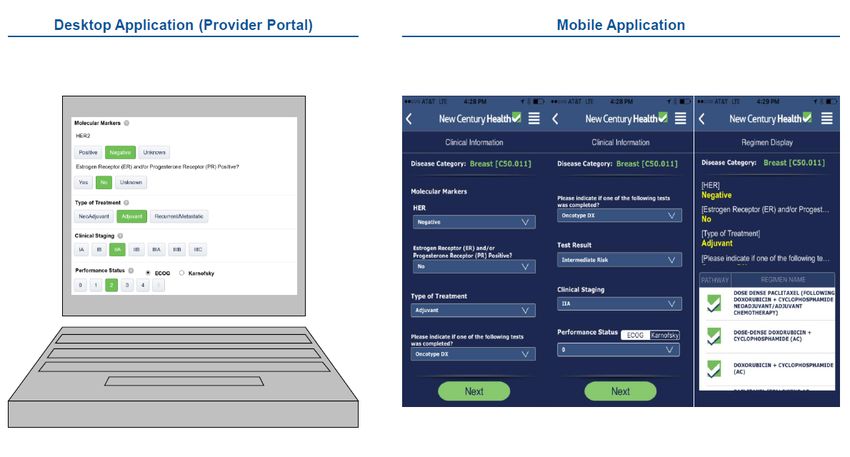
Learning Objectives

• The attendee will understand what clinical pathways are and the role they play as
  a decision support tool in medical oncology

• The attendee will understand the role clinical pathways can play as a decision
  support tool which can assist physicians in selecting the appropriate molecularly
  driven therapy.

• The attendee will understand the need for rapid updating of clinical pathways
  given the rapid advances occurring in the field of “Precision Medicine”

• The attendee will understand the role of clinical pathways as a quality
  measure, assuring patients of care which incorporates the latest scientific
  advances.

5

    Copyright 2016 | Proprietary and Confidential
Agenda

o What are pathways?                                     Examples

o How to manage increasing clinical                      1.   Chronic myeloid leukemia (CML)
  complexity?                                                 pathways

                                                         2.   Non small cell lung cancer
o How does precision medicine fit in
                                                              (NSCLC)
  a value-based world?

o Elements and considerations of
  precision pathways

              6
        New Century Health Presentation | Confidential
   Copyright 2016 | Proprietary and Confidential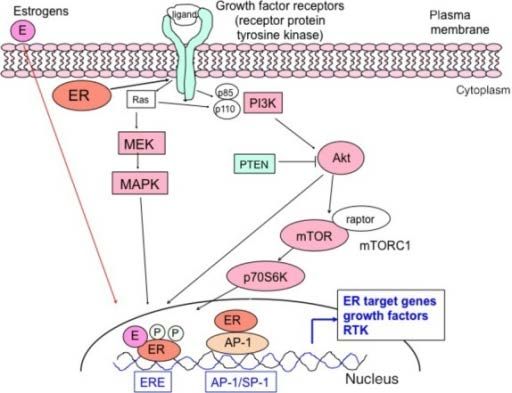
What Is Precision Medicine?

7

    Copyright 2014 | Proprietary and Confidential
What Are Pathways?

                                                    • Breadth of pathways

                                                    • Depth of pathways

                                                    • Collaboration with providers

                                                    • Criteria for preferred pathways

8

    Copyright 2016 | Proprietary and Confidential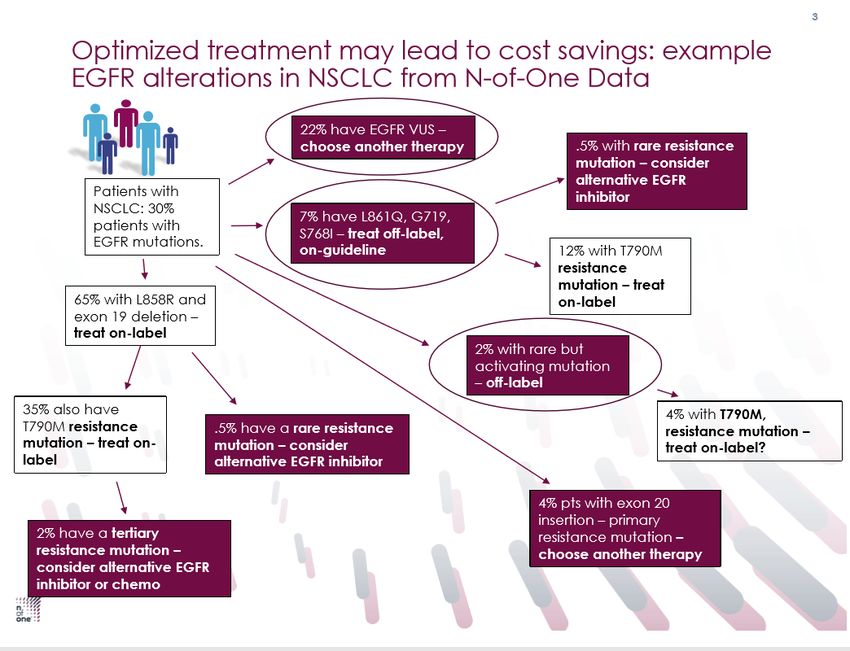
The Clinical Compendia and Categories of Evidence

• American Hospital Formulary Service –
  Drug Information (AHFS-DI)

• National Comprehensive Cancer Network
  (NCCN) Drugs and Biologics Compendium

• Lexi-Drugs

• Micromedex Drug Dex

• Clinical Pharmacology

9

    Copyright 2016 | Proprietary and Confidential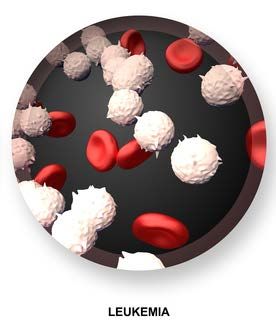
Pathway Development Leverages Internal and External Experts

                                   New Century Health Pathway Development Process

  Technology Platform                                                                      Gather Evidence
  Load pathways into                                  7                                1   on all regimens for
  proprietary IT platform                                                                  a particular disease

                                                                Continuous
  Medical Policy /                                              Monitoring                 Seek input from
  Compliance                                          6                                2   practicing
  Adoption                                                                                 oncologists

                                                          Quarterly & Ad Hoc Reviews
  Pathway Revision                                        • New Drugs                      First Draft
                                                          • FDA Implications
  National Scientific                                 5                                3   Internal Team
                                                          • Compelling Clinical Data
  Advisory Boards

                                                      Disease Specific
                                             4        Review
                                                      External Experts
 10

      Copyright 2016 | Proprietary and Confidential
NCH Pathway Development Considerations Beyond
Efficacy, Toxicity and Cost
Clinical Considerations
Therapies • Is the regimen curative or palliative?
• NCH is more tolerant of toxicity and cost in the curative setting
• What other options are available – many or few?
• What is the accepted community standard?
• What is the ease of administration?
• What is patient acceptance?
• Is there data regarding the hospitalization rate?
Clinical Research • Overall Survival or Progression Free Survival rather than Response Rate
Methodology • Hazard Ratio of 0.8 or less
• Strong p values (statistical significance)
• How generalizable is the data?
• Highly selected clinical trial vs. community setting where patients
have many comorbidities
• Cancer Stages: Stages 1-4
• Treatment Intent: Adjuvant, Palliative
• Health Status: ECOG Status 1-5
11
Copyright 2016 | Proprietary and ConfidentialNCH Pathway Value Index
Leading the Way in Evidence Based Pathway Development
An Objective, Disciplined and Standardized Approach to Pathway Development
df
12
Copyright 2018 | Proprietary and ConfidentialNCH Pathway Value Index
Leading the Way in Evidence Based Pathway Development
Urothelial Cancer: Subsequent Therapy
• There are 5 Immuno-Oncology agents (PD-1/PD-L1 inhibitors), that have
been approved by the FDA, for the treatment of recurrent urothelial cancer,
after failure on platinum-based therapy.
• All 5 Immuno-Oncology agents are included in the NCCN Guidelines for
Bladder cancer as subsequent therapy options.
• FDA approvals, and NCCN recommendations, are based on different levels
(quality) of evidence, ranging from a phase 1b expansion cohort of a dose
escalation trial (avelumab) to a randomized phase 3 trial comparing
pembrolizumab to chemotherapy (e.g., a taxane).
• Amongst, the above studies, there was just ONE randomized, phase 3 trial
that demonstrated an improvement in overall survival : pembrolizumab versus
conventional chemotherapy (HR 0.73; 95% CI, 0.59 to 0.91; P=0.002).
13
Copyright 2018 | Proprietary and ConfidentialNCH Pathway Value Index-Pathway Recommendation to OSAB
Recommended for
Pathway Selection
14
Copyright 2018 | Proprietary and ConfidentialDesign and Logic of Clinical Pathways and Guidelines
Regimen Regimen Regimen Regimen Regimen
1. Efficacy A B C D E
Regimen Regimen Regimen Regimen
2. Side Effects B C D E
Regimen Regimen Regimen
3. Cost B D E
Breast Cancer Nab Paclitaxel Docetaxel Paclitaxel
Payer Cost $22,289 $2,448 $260
Regimen Regimen
NCH
D E Preferred
Pathways
15
Copyright 2015 | Proprietary and ConfidentialHow NCH Develops Pathways: Case Study
Pemetrexed/Platinum Doublets for NSCLC
Pemetrexed: Clinical Evidence
Study 1: Scagliotti et al., published 2008
• Cisplatin/pemetrexed was compared to cisplatin/gemcitabine.
• For the entire cohort, overall survival and progression-free survival in the pemetrexed arm
were non-inferior to the controls.
• A subgroup analysis indicated that the pemetrexed-containing doublet exhibited a higher
median survival over controls in nonsquamous histologies
• Those with squamous cell histologies exhibited better survival with cisplatin/gemcitabine
over cisplatin/pemetrexed
Study 2: Grønberg et al., published 2009
• Compared carboplatin/pemetrexed to carboplatin/gemcitabine
• Study eligibility and treatment setting was similar to the Scagliotti study
• Overall survival and quality-of-life was not statistically significantly different between the
groups.
• Additionally, this study did not confirm the finding by Scagliotti with improved survival in
nonsquamous histology; multivariate analyses did not show any associations between
histologic subtype and survival
16
Copyright 2016 | Proprietary and ConfidentialHow NCH Develops Pathways: Case Study
Pemetrexed/Platinum Doublets for NSCLC
Pemetrexed: Clinical Evidence
Study 3: Rodrigues-Pereira et al., published 2011
• Compared carboplatin/pemetrexed to carboplatin/docetaxel in patients with
nonsquamous, stage IIIB or IV NSCLC.
• There were no statistically significant difference between the two treatment groups with
respect to efficacy endpoints: overall survival, progression-free survival, and duration of
response
Study 4: Senan et al., published 2015
• Pemetrexed-cisplatin and pemetrexed consolidation were not superior to etoposide-
cisplatin and consolidation for advanced NSCLC.
• Randomized phase III trial planned for 598 patients with advanced nonsquamous, non–
small cell lung cancer
• There was no significant difference in overall survival between patients randomized to
receive pemetrexed-cisplatin or etoposide-cisplatin, leading to early discontinuation of
the trial because it had met the prespecified definition of futility
17
Copyright 2016 | Proprietary and ConfidentialSlide updated to
How NCH Develops Pathways: Case Study reflect pathways
(Live 4/01/2016)
Pemetrexed/Platinum Doublets for NSCLC
18
Copyright 2016 | Proprietary and ConfidentialEasy-to-Use Clinical Decision Support Tools Facilitate Adoption
of NCH Pathways
Oncology Management Program Opportunities
Powering the new era of specialty care
19 New Century Health Presentation | ConfidentialPathways and Precision Medicine
• Pathways drive standardization of care based on the best available
pathway evidence for a population
• Precision medicine is individualized care
• Does there need to be conflict between pathways and precision
medicine?
• Personalized care?
• Standardized care?
20
Copyright 2015 | Proprietary and ConfidentialTargeted Therapy Is Not New
21
Copyright 2014 | Proprietary and ConfidentialHow Targeted Therapy Works
Estrogen
Receptors
Oncology Management Program Opportunities
Molecular mechanisms regulating
the hormone sensitivity of breast
Powering the new era of specialty care cancer
Bottom Line: Approximately 70% of breast
cancers are estrogen receptor (ER) positive.
New Century Health Presentation | ConfidentialOncologists Required to Manage Increasing Clinical Complexity
23
Copyright 2016 | Proprietary and ConfidentialParadigm Shift in Oncology Treatment: Keytruda
(pembrolizumab)
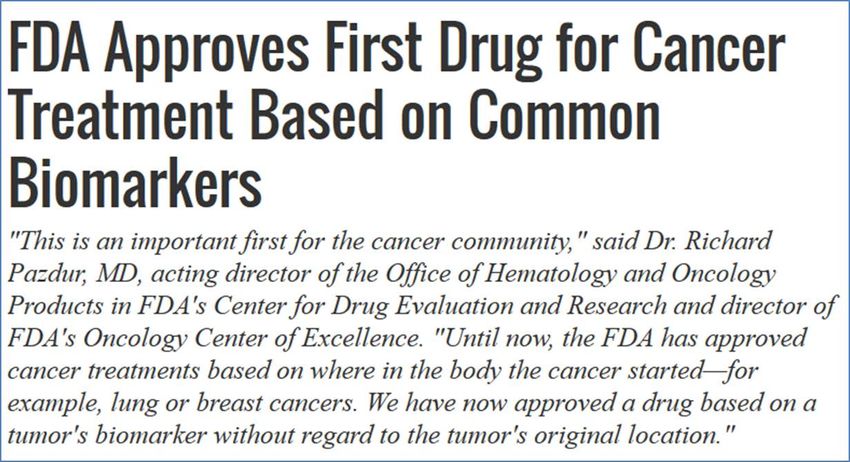
FDA approves first cancer treatment for
any solid tumor with a specific genetic
feature
FDA. FDA news release. FDA approves first cancer treatment for any solid tumor with a specific genetic feature. May 23, 2017.
https://www.fda.gov/newsevents/newsroom/pressannouncements/ucm560167.htm. Accessed August 19, 2017.
Copyright 2016 | Proprietary and ConfidentialPathways Can Guide Clinical Decisions
NSCLC = non-small cell lung cancer.
Copyright 2016 | Proprietary and ConfidentialPrecision Medicine Drives Value
Paradigm Shift in Oncology Treatment

                                                Implications

                                                Oncologists    • Value-based care
                                                                 delivery
                                                               • Stakeholders

Copyright 2016 | Proprietary and Confidential
Anticipated Implications of Treatment Paradigm
Shift
Copyright 2016 | Proprietary and ConfidentialChallenge for Oncologists Copyright 2016 | Proprietary and Confidential
Precision Pathways

                                  Elements
                                  A. Diagnostic strategy
                                  B. Interpretive strategy
                                  C. Treatment strategy

                                   Elements to consider
                                   1. Genomics
                                   2. mRNA
                                   3. Protinomics

                                   Examples
                                   • CML
                                   • NSCLC

CML = chronic myeloid leukemia.
   Copyright 2016 | Proprietary and Confidential
Copyright 2016 | Proprietary and Confidential
Companion Diagnostic Devices

                                        • Used prior to treatment to determine whether
                                          treatment should be given

                                        • Can be an in-vitro diagnostic device or an
                                          imaging tool that provides information that is
                                          essential for the safe and effective use of a
                                          corresponding treatment drug

                                        • The companion diagnostic device test is
                                          licensed together with the corresponding
                                          treatment drug, and the test determines if the
                                          treatment can be used safely and effectively

Copyright 2016 | Proprietary and Confidential
Molecular Diagnosis Methods NSCLC – I Copyright 2016 | Proprietary and Confidential
CAP, IASLC, AMP Updated Molecular Testing Guideline for
the Selection of Lung Cancer Patients for Treatment with
Targeted Tyrosine Kinase Inhibitors
•     Testing for ROS1 mutations is new and strongly recommended for all lung cancer patients
      regardless of clinical characteristics.
•     Multiplexed genetic sequencing panels (eg, next-generation sequencing testing) are
      preferred over multiple single-gene tests to identify other treatment options beyond EGFR,
      ALK, and ROS1; however, single-gene assays are still acceptable.
•     When next-generation sequencing is performed, several other genes are also
      recommended—BRAF, ERBB2, MET, RET, and KRAS. However, these genes are not
      essential when only single-gene tests are performed.
•     Testing in relapse is required for EGFR (T790M), but not for ALK, as the differential
      sensitivities of second-line ALK inhibitors in the setting of specific acquired mutations in ALK
      has not yet sufficiently matured and is still investigational.
•     Testing for EGFR T790M in relapse may be done by biopsy or cell-free circulating
      DNA. However, cell-free DNA is not appropriate for initial diagnosis at this time, unless a
      tissue or cytology sample cannot be obtained.

•   https://doi.org/10.5858/arpa.2017-0388-CP

      Copyright 2014 | Proprietary and Confidential
Copyright 2016 | Proprietary and Confidential
Precision Medicine in Oncology:
                       Key Points

Copyright 2016 | Proprietary and Confidential
Goal of Levels of Evidence Copyright 2016 | Proprietary and Confidential
Somatic Alterations

           Somatic
          Alterations

Copyright 2016 | Proprietary and Confidential
Tumor Genetic Testing Copyright 2016 | Proprietary and Confidential
Is There a Compendium for Somatic Mutations?

• To communicate the clinical utility of individual mutant alleles (mutant form of a
  gene), clinical data bases are needed which annotate the predictive and
  prognostic significance of somatic mutations.

• The data bases need to identify actionable mutations.

• The data bases must recognize that the effects of targeted inhibitors vary by tumor
  lineage.

• Treatment implications need to be stratified by level of evidence similar to the
  NCCN Compendia

• Similar to the compendia, these data bases can be used as the basis for the
  inclusion of targeted agents in clinical pathway tools

40

     Copyright 2016 | Proprietary and Confidential
JAX-Clinical Knowledge Base Copyright 2016 | Proprietary and Confidential
OncoKB:
  A Precision Oncology Knowledge Base

Copyright 2016 | Proprietary and Confidential
Levels of Evidence
                        Levels                  Levels
                        1 or 2A                  2B, 3

                                                Preferably clinical trial
                             Standard of Care
                                                (identified by pathway)

                                                  Compassionate use

                                                 Pay for performance
                                                (drug is covered by the
                                                payer if patient benefits)

Copyright 2016 | Proprietary and Confidential
Maintenance of Genomics in Pathways Copyright 2016 | Proprietary and Confidential
Examples

                                       1. CML pathways

                                       2. NSCLC pathways

Copyright 2016 | Proprietary and Confidential
Level 1 Medical Oncology Pathways
CML
Regimen Options
Copyright 2016 | Proprietary and ConfidentialNSCLC Precision Pathway:
Molecular Diagnostics
GENERAL
PRINCIPLES:
Copyright 2016 | Proprietary and ConfidentialNSCLC Precision Pathway:
Molecular Diagnostics (cont’d)
Copyright 2016 | Proprietary and ConfidentialMultiple Other Driver Mutations in Adenocarcinoma of the Lung
49
Copyright 2016 | Proprietary and ConfidentialCurrent New Century Health NSCLC Pathway
50
Copyright 2016 | Proprietary and ConfidentialManaging Increasing Clinical Complexity in a
Value-based Care Delivery Landscape
New Century Health level 1 pathways for NSCLC
Copyright 2016 | Proprietary and ConfidentialManaging Increasing Clinical Complexity in a
Value-based Care Delivery Landscape
New Century Health level 1 pathways for NSCLC (Cont’d)
Copyright 2016 | Proprietary and ConfidentialConclusion
1. There does not need to be a conflict between pathways and precision
medicine if sufficient granularity is built into the pathways to allow for
individualization
2. Pathways are a required tool for physicians to manage increasing
clinical complexity
3. The incorporation of genomics and precision medicine into pathways
holds potential for improvement in outcome without increased
health care costs
4. Interpretation of genetic variants remains a challenge
5. There is a need for active and regular curation of the tumor genetic
data base
6. Well-designed and regularly maintained pathways can assure patients
of care incorporating the latest scientific advances
Copyright 2016 | Proprietary and ConfidentialQuestions Copyright 2016 | Proprietary and Confidential
You can also read


