Massachusetts Statewide 2017-2021 Cancer Plan - ICCP Portal
←
→
Page content transcription
If your browser does not render page correctly, please read the page content below

Massachusetts Statewide 2017-2021 Cancer Plan
This publication was prepared by:

The Massachusetts Comprehensive Cancer Prevention and Control Network
Massachusetts Department of Public Health
250 Washington Street, 4th Floor Boston, MA 02108

This publication was supported by the Centers for Disease Control and
Prevention Cooperative Agreement NumberNU58DP003920. Its contents
are solely the responsibility of the authors and do not necessarily represent
the official views of the Centers for Disease Control and Prevention.

Suggested citation: Massachusetts Statewide 2017–2021 Cancer Plan.

Boston, MA: Massachusetts Comprehensive Cancer
Prevention and Control Network, January 2017.

Copyright information: All material in this Plan is public domain and may be
reproduced or copied without permission; appropriate citation is requested.
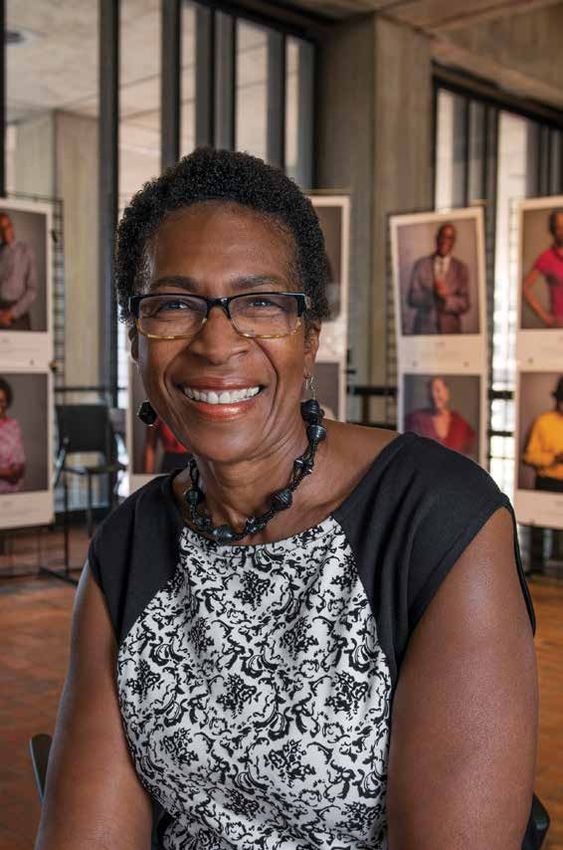
Letter from    Dear Cancer Partners,

               As co-chairs of the Massachusetts Comprehensive Cancer Steering Committee,

the Steering   we would like to present the 2017-2021 Comprehensive Cancer Plan. This plan
               represents input from stakeholders from around the state including, survivors, health

Committee
               care professionals, community members, advocates and academic institutions.

               Cancer is the leading cause of death in Massachusetts and represents a significant

Co-chairs      burden for all residents impacted by this disease. In the development of the
               plan, in addition to incidence and mortality data, issues experienced across
               the entire cancer continuum, lead to the identification of 4 areas of focus:

               •   Prevention
               •   Secondary Prevention
               •   Diagnosis and Treatment including Palliative Care
               •   Survivorship

               Within this context, the plan identifies and builds upon current work being done
               within Massachusetts to address these areas. The plan seeks to implement
               innovative, evidence-informed strategies that focus on policy, systems and
               environmental changes that are potentially sustainable. The Steering Committee
               is committed to the development of an implementation plan to assure active
               engagement of stakeholders in meeting the plan's goals and objectives. Our
               ultimate goal is to reduce the cancer burden in Massachusetts and improve
               the health and quality of life of those who experience this condition.

               We hope that you will find this plan useful in guiding your work in addressing the
               cancer burden in MA and we welcome you to partner with us to accomplish the
               goals set forth in the plan.

               Respectfully,

               Anita Christie RN MHA CPHQ                    Stephenie Lemon, PhD
               MA Department of Public Health                University of Massachusetts
                                                             Worcester Prevention Research Center

                                                           Massachusetts Statewide 2017-2021 Cancer Plan   1
Letter from the                                                                                                                      VISION
                                                                                                                        Optimal health and well-being for
                                                                                                               all people in Massachusetts, supported by a strong
                                                                                                               public health infrastructure and healthcare delivery.

Commissioner                                                                                                                        MISSION
                                                                                           Prevent illness, injury, and premature death; ensure access to high quality public health and
                                                                                        health care services; and promote wellness and health equity for all people in the Commonwealth.

                                                                                                   DATA                      DETERMINANTS                         DISPARITIES
                                                                                         We provide relevant, timely         We focus on the social           We consistently recognize
                                                                                           access to data for DPH,        determinants of health – the         and strive to eliminate
                                                                                            researchers, press and         conditions in which people             health disparities
                                                                                           the general public in an         are born, grow, live, work         amongst populations in
                                                                                         effective manner in order to     and age, which contribute to        Massachusetts, wherever
                                                                                             target disparities and             health inequities.                 they may exist.
                                                                                               impact outcomes.

                                                                                                                            EVERYDAY EXCELLENCE
                                                                                                                           PASSION AND INNOVATION

Dear Colleague,                                                                                                     INCLUSIVENESS AND COLLABORATION

I am excited to introduce the Massachusetts Statewide 2017-2021           •   Data: DPH both provides and uses data in order to identify
Cancer Plan, and to ask for your help in supporting its vital work.           inequities, target our strategies, and impact outcomes
Created by the Massachusetts Comprehensive Cancer Prevention              •   Determinants: This refers to the Social Determinants of Health,
and Control Network, the Plan is a comprehensive 5-year guide to              the conditions in which people are born, grow, live, work and
address cancer, the leading cause of death in the Commonwealth.               age, which contribute to health
Although the overall cancer incidence rate decreased in                   •   Disparities: DPH is committed to recognizing and eliminating
Massachusetts between 2009 and 2013, there is still an average                unjust health disparities amongst populations in Massachusetts
of over 36,000 new cancer cases diagnosed each year and, on
                                                                          I particularly want to thank the Network for highlighting in this plan
average, cancer causes nearly 13,000 deaths each year.
                                                                          the inequities in outcomes that are the result of racism within our
The Plan’s action steps will guide the statewide efforts of the           communities, our organizations and our systems, including the
Network and its partners, and foster collaboration between                healthcare system. African American men and women are especially
agencies, nonprofits, healthcare providers, patient advocates,            impacted by this structural racism and it is only by recognizing and
cancer survivors and others.                                              talking about racism and developing policies, programs and practices
                                                                          that address it that we can achieve justice and fairness in health. It is
As a member of the Network, the Department of Public Health will
                                                                          exciting to be part of a Network that is invested in such work.
use the Plan to work toward our vision of optimal health and well‐
being for all people in the Commonwealth, by:                             Please read the Plan to see how you can contribute to its success, and
                                                                          help us reduce the burden of cancer in Massachusetts, as we work to
•   Preventing illness, injury, and premature death,
                                                                          eliminate unjust disparities, promote wellness and health equity, and
•   Ensuring access to high quality public health and health care
                                                                          raise the quality of life for all residents of the Commonwealth.
    services, and
•   Promoting wellness and health equity.                                 I look forward to hearing from you how this plan has helped your work.

The Plan is also consistent with the three main pillars of what I refer   Sincerely,
to as the “DPH House,” which are key areas of focus that we use
                                                                          Monica Bharel, MD, MPH
when addressing our goals:
                                                                          Commissioner

2     Massachusetts Statewide 2017-2021 Cancer Plan
Table of Contents
Acknowledgements.......................................................................4           Goals, Objectives, and Recommended Strategies.......................30

Introduction...................................................................................8       Primary Prevention..................................................................31

     Our Framework: Policies, Systems, and                                                             Secondary Prevention.............................................................44
     Environmental Change............................................................9
                                                                                                       Treatment: Diagnosis through Palliative Care..........................54
     Cross-Cutting Themes............................................................10
                                                                                                       Survivorship.............................................................................60
Summary of 2017-2021 Cancer Plan Goals and Priorities...........12
                                                                                                   Appendix A: Data Surveillance and Evaluation.............................66
From Planning to Action: What You Can Do to Impact
the Burden of Cancer in Massachusetts.......................................15                     Appendix B: Glossary of Terms and Acronyms.............................73

The Last Five Years: Progress and Accomplishments..................19                              Appendix C: References...............................................................76

The Burden of Cancer in Massachusetts......................................23

     Cancer Incidence and Mortality..............................................24

     Leading Cancers in Massachusetts........................................24

     Cancer Stage at Diagnosis......................................................26

     Cancer Disparities...................................................................27

                                                                                                                                       Massachusetts Statewide 2017-2021 Cancer Plan                 3
Acknowledgments
Appreciation is extended to the following individuals and organizations who
contributed their time, energy, and hard work to the development of the
Massachusetts Statewide 2017-2021 Cancer Plan.
Massachusetts Comprehensive Cancer                                  Christopher Banthin, JD, Director, Tobacco Control Resource
                                                                    Center/Senior Staff Attorney, The Public Health Advocacy Institute,
Prevention and Control Network Steering                             Northeastern University School of Law
Committee
                                                                    Connie Dahlin, ANP, BC, ACHPN, FPCN, FAAN, Palliative Care
Anita Christie, RN, MHA, CPHQ, Director, Office of Clinical         Practitioner and Consultant
Preventive Services, Division of Prevention and Wellness, Bureau
of Community Health and Prevention, Massachusetts Department        Gerry Thomas, MPH, Director, Community Initiatives Bureau,
of Public Health*                                                   Boston Public Health Commission

Stephenie Lemon, PhD, Director, Prevention Research Center,         Johanna Cain, MD, Professor OB/GYN and Radiation Oncology,
University of Massachusetts Medical School*                         UMass Medical School

*Steering Committee Co-chairs                                       Karen Burns White, MS, Deputy Associate Director, Initiative to
                                                                    Eliminate Cancer Disparities, Dana-Farber/Harvard Cancer Center
Alfred DeMaria Jr., MD, Medical Director, State Epidemiologist,
Bureau of Infectious Disease and Laboratory Service,                Kate-Marie Roycroft, MPA, Director, Public Policy, Alliance of
Massachusetts Department of Public Health                           Massachusetts YMCAs

Andrea McKee, MD, Chairman Department of Radiation Oncology,        Keith Denham, Managing Principal and National Director,
Sophia Gordon Cancer Center, Lahey Clinic                           CohnReznick Advisory Group

Anne Levine, M. Ed., MBA, Vice President of External Affairs,       Leslie Bradford, MD, Assistant Professor, OB/GYN, Division
Dana-Farber Cancer Institute                                        of Gynecologic Oncology, UMass Medical School

Casey Harvell, Director, Public Policy, American Lung Association   Lisa Leydon, Account Representative, State Health Systems,
of the Northeast                                                    American Cancer Society

4    Massachusetts Statewide 2017-2021 Cancer Plan
Lynne Graziano Morin, Advocate                                    Subcommittees
Marc Hymovitz, Director of Government Relations, American         PRIMARY PREVENTION
Cancer Society Cancer Action Network
                                                                  Alfred DeMaria Jr., MD
Mark Kennedy, MBA, Director of Outreach, Prostate Health
Education Network                                                 Casey Harvell

Milagros Abreu, MD, Executive Director and Founder, The Latino    Christina Nordstrom, M.Ed., Director Obesity Prevention
Health Insurance Program, Inc.                                    Program, Division of Prevention of Wellness, Massachusetts
                                                                  Department of Public Health
Robert Knorr, PhD, Director, Environmental Epidemiology
Program, Bureau of Environmental Health, Massachusetts            Lisa Leydon
Department of Public Health
                                                                  Marc Hymovitz
Roger Luckmann, MD, MPH, Associate Professor, UMass
Medical Center                                                    Mary Brush, Community Liaison, Division of Prevention and
                                                                  Wellness, Massachusetts Department of Public Health
Sanja Percac-Lima, MD, Assistant Professor, Physician Leader
for Cancer Outreach Programs, Massachusetts General Hospital      Philomena Asante, MD, MPH, Director, Division of Child and
Center for Community Health Improvement                           Adolescent Health, Boston Public Health Commission

Susan Gershman, MS, MPH, PhD, CTR, Director, Massachusetts        Rebecca Vanucci, Program Coordinator, Immunization Program,
Cancer Registry, Office of Data Management and Outcomes           Division of Epidemiology and Immunization, Bureau of Infectious
Assessment, Massachusetts Department of Public Health             Disease and Laboratory Service, Massachusetts Department of
                                                                  Public Health
Susan Lett, MD, Medical Director, Immunization Program,
Division of Epidemiology and Immunization, Bureau of Infectious   Robert Knorr, PhD
Disease and Laboratory Service, Massachusetts Department
of Public Health                                                  Stephenie Lemon, PhD

                                                                  Susan Lett, MD

                                                                                           Massachusetts Statewide 2017-2021 Cancer Plan   5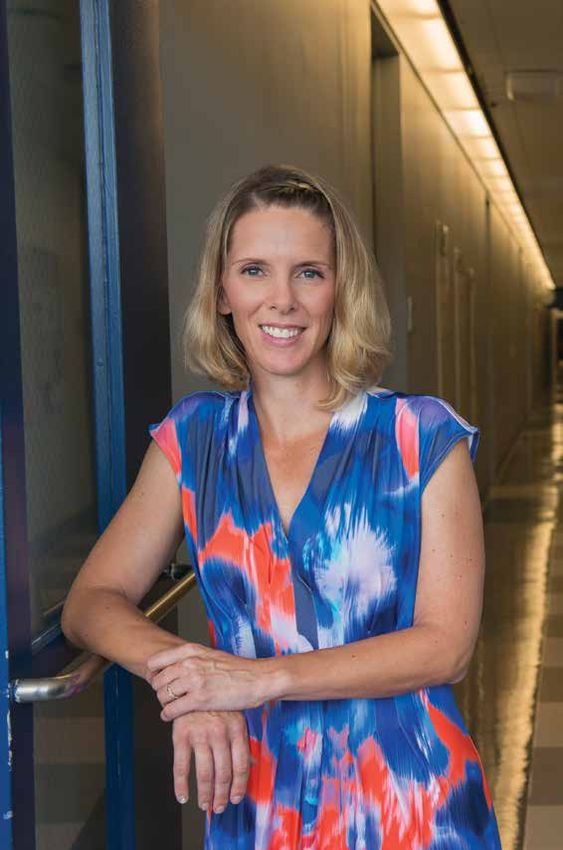
SECONDARY PREVENTION                                             Karen Burns White

Andrea Borondy-Kitts, MPH, Lung Cancer and Patient               Karen Pimentel, Program Manager, The Adult Survivorship
Advocate, Consultant                                             Program, Dana-Farber Cancer Institute

Andrea McKee, MD                                                 Kate-Marie Roycroft

Lisa Leydon                                                      Kim Sprunck, MSW, MPH, Associate Director of Adult Survivorship
                                                                 Research, Dana-Farber Cancer Institute
Lori Van Dam, Executive Director, Susan G. Komen for Cure,
Southern New England                                             Larissa Nekhlyudov, MD, MPH, Brigham & Women’s Primary Care
                                                                 Associates; Associate Professor, Harvard Medical School
Mark Kennedy
                                                                 Lynne Graziano Morin
Milagros Abreu, MD
                                                                 Megan Bettencourt, Executive Director, Cancer Support
Rebecca Perkins, MD, MSc, Associate Professor, OB/GYN,           Community-MA South Shore
BU School of Medicine/Boston Medical Center
                                                                 Samantha Morton, JD, Executive Director, Medical-Legal
Roger Luckmann, MD, MPH                                          Partnership Boston

Shawn Regis, PhD, Lung Screening Patient Navigator, Associate    Susan Gershman, PhD
Research Scientist, Lahey Hospital & Medical Center
                                                                 TREATMENT AND PALLIATION
SURVIVORSHIP
                                                                 Anne Levine
Ann Partridge, MD, MPH, Director, Program for Young Women with
Breast Cancer, Dana-Farber/Brigham &Women’s Cancer Center;       Connie Dahlin, ANP, BC, ACHPN, FPCN, FAAN
Director, Adult Survivorship, Dana-Farber Cancer Institute;
Assistant Professor, Harvard Medical School                      Gerry Thomas

Anne Levine                                                      Marybeth Singer, MS, ANP-BC, AOCN, ACHPN, Oncology NP
                                                                 and Patient Program Manager, Tufts Medical Center
Christina Nordstrom
                                                                 Susan Gershman, PhD
Fred Kemper, JD, Pickering Fellow, Medical-Legal
Partnership Boston

6    Massachusetts Statewide 2017-2021 Cancer Plan
Staff and Contributors                                              CONTRIBUTORS

OFFICE OF CLINICAL PREVENTIVE SERVICES, DIVISION OF                 Eileen Lind, RN, MSN, CPNP, Pediatric Oncology Nurse
PREVENTION AND WELLNESS, BUREAU OF COMMUNITY                        Practitioner, Dana-Farber Cancer Institute
HEALTH AND PREVENTION, MASSACHUSETTS
DEPARTMENT OF PUBLIC HEALTH                                         Georgia Simpson-May, MS, US Dept. Health and Human
                                                                    Services, Office of Minority Health, Regional Director
Cherline Gene, MSW, Program Coordinator
                                                                    J. Jacques Carter, MD, MPH, FACP, Assistant Professor of
Gail Merriam, MSW, MPH, Director, Massachusetts                     Medicine, Harvard Medical School, Beth Israel Deaconess
Comprehensive Cancer Prevention and Control Network                 Medical Center

Joshua Nyambose, PhD, Senior Epidemiologist, Office of Statistics   Peter Hopewood, MD, Cape Cod Healthcare
and Evaluation, Massachusetts Department of Public Health
                                                                    David Binder, Photography
UNIVERSITY OF MASSACHUSETTS DONAHUE INSTITUTE
                                                                    Jennifer Kennedy, Writer/Editor
Kathryn Swaim, MS, Senior Program Manager
                                                                    Tara Hall, Graphic Design and Layout
Pamela Jaegar, M.Ed., Consultant

                                                                                            Massachusetts Statewide 2017-2021 Cancer Plan   7
01
                                                        Introduction
                                   T      he Massachusetts Statewide 2017-2021 Cancer Plan sets forth a
                                          comprehensive cancer control blueprint for action to reduce the cancer
                                   burden in our state. It is designed as a guide for statewide, local, and community
                                   efforts in preventing and controlling cancer. It is for community health and faith-
                                   based coalitions, disease prevention and advocacy organizations, healthcare
                                   providers, researchers, policy makers, public health officials, cancer survivors,
                                   and individuals interested in cancer activities.

                                   As a collective of stakeholders, the Massachusetts Comprehensive Cancer
                                   Prevention and Control Network (MCCPCN) developed the Plan as the
                                   centerpiece of comprehensive cancer control efforts in the state over the
                                   next five years.

                                   According to the Centers for Disease Control and Prevention (CDC),
                                   comprehensive cancer control is a coordinated and strategic approach to
                                   preventing or minimizing the impact of cancer in communities. It involves
                                   cooperative input and concerted action to reduce cancer risk, find cancer
                                   earlier, improve and increase access to quality cancer care, especially
                                   palliative care, and improve the health and well-being of cancer survivors.

8   Massachusetts Statewide 2017-2021 Cancer Plan
Building on the previous five-year plan from 2012-2016, this health in a community. Many of the policies, systems, and
Plan applies a Policy, Systems, and Environmental (PSE) change environments of our neighborhoods, workplaces, schools, and
framework to address the challenges along every aspects of healthcare settings shape our lives and our health (Table 1).
the cancer continuum. This Plan also continues the previous
commitment to achieving health equity and strives to broaden For example, evidence demonstrates that healthy choices about
the reach of the state’s cancer prevention and control activities nutrition, physical activity and tobacco can be influenced by policy
by calling on a wide range of individuals and organizations and environmental factors such as which neighborhood a person
throughout the Commonwealth to take action and contribute lives in, access to healthy food, requirement of physical activity in
to the Plan’s success. schools, or the intensity of tobacco industry targeting of youth.
Our Framework: Policy, Systems, and The Plan intends to address the social determinates and related
risk factors that contribute to cancer in our communities by
Environmental Change considering the policies, laws, and environments that impact
Using a framework of Policy, Systems, and Environmental change our behavior and create social and physical environments that
offers new ways of thinking about how to effectively improve promote good health for all.
TABLE 1. EXAMPLES OF POLICY, SYSTEMS AND ENVIRONMENTAL CHANGES.
DEFINITION SETTING EXAMPLES
Interventions that create or amend laws, State legislatures, city councils / Prohibiting the sale of tobacco in
ordinances, resolutions, mandate, boards of selectman, boards of health, pharmacies and other health care
POLICY regulations, or rules. other government administrations, institutions.
worksites, schools, organizations,
healthcare institutions.
Interventions that impact all elements of Health care institutions, insurance Institutionalizing provider education
an organization, institution, or system. organizations, schools, worksites, on shared decision making at major
SYSTEMS
transportation, communities, health care delivery institutions in
neighborhood groups. the state.
Interventions that involve physical or Parks, schools, neighborhoods, Incorporating sidewalks, paths and
material changes to the economic, stores, doctor’s offices. recreation areas into community planning
ENVIRONMENT
social, or physical environment. and design in low-income neighborhoods.
Massachusetts Statewide 2017-2021 Cancer Plan 93
Cross-
HEALTH EQUITY AND ACCESS
Disadvantages that create inequitable or unequal
Cutting
access to resources and opportunities result in
disparities or differences in health and health
outcomes for certain groups of people. Our Plan’s five-year
Themes
objectives seek to address root causes for these differences
and to achieve equity by increasing access to quality services,
healthcare, and resources in a timely manner and creating
environments for people to achieve their highest health potential.
Within the framework of Policy, Systems, and Environmental DATA-DRIVEN AND EVIDENCE-BASED
change, the Plan identifies and promotes three important cross-
cutting themes. These common elements represent a form Research and practice-tested strategies and
of operating principles woven throughout each objective and interventions offer ideas that are vital for expanding and
strategy to help ensure successful implementation of the Plan. building knowledge based on innovative, effective, and
evaluated practices. Our strategies are developed using local or
state-level data with known evidence of progress in implementation.
Consistent and comprehensive evaluation of our Plan’s
performance measures will allow us to monitor progress and the
overall effectiveness of the Plan’s five-year goals and objectives.
COMMUNICATION
Effective messaging, interaction and exchange of
ideas are the critical connection we have across
collaborations and with each and every group we
need to reach to accomplish our comprehensive cancer control
goals and objectives. Strategies focus on steps to educate
partners and stakeholders about emerging issues; disseminate
and promote health information through social media and earned
media; encourage advocacy and community mobilization on
key strategies; and prioritize communication that is responsive
to cultural differences, languages, and health literacy needs.
10 Massachusetts Statewide 2017-2021 Cancer Plan“ The MCCPCN Steering Committee
made an intentional decision to focus
on the PSE framework because it
allows us to broadly reach as many
people as possible who are at risk for
and affected by cancer. This is hugely
powerful with regard to collaboration
on multiple levels and maximizing our
resources to impact the most lives.”
—Stephenie Lemon, PhD, MCCPCN
Steering Committee Co-Chair
Massachusetts
Massachusetts Statewide
Statewide 2017-2021
2017-2021 Cancer
Cancer PlanPlan 1102
Summary of 2017-2021
Cancer Plan Goals and Priorities
T he Massachusetts Statewide 2017-2021 Cancer Plan outlines
goals, objectives, and priority strategies organized into four
areas of focus to reduce the burden of cancer in Massachusetts
over the next five years.
12 Massachusetts Statewide 2017-2021 Cancer PlanPRIMARY PREVENTION TREATMENT AND PALLIATIVE CARE
Goal 1: To reduce the risk factors related to cancer by advancing Goal 1: Ensure equity in access to timely and high-quality
policy, systems, and environmental change that support, promote, treatment for all Massachusetts residents.
and enhance equity.
Goal 2: Ensure that all Massachusetts residents have access
Priorities: Decrease tobacco use and obesity, increase human to palliative care upon diagnosis of cancer.
papilloma virus (HPV) and hepatitis B vaccinations to prevent
infectious disease-related cancers, and reduce exposure to Priorities: Reduce barriers to treatment, decrease disparities in
radon and other harmful environmental elements to reduce prostate cancer and breast cancer deaths, and improve access to
the risk of cancer. and public awareness of palliative care.
SECONDARY PREVENTION SURVIVORSHIP
Goal 1: Ensure the optimal implementation of evidence-based in- Goal 1: Optimize the health outcomes, including medical and
terventions for promoting appropriate cancer screening and shared psychosocial, for all Massachusetts residents who are living with,
decision making for all Massachusetts residents. through and beyond cancer.
Goal 2: Ensure that all Massachusetts residents have equal access Goal 2: Promote high quality, equitable, and affordable systems
to the interventions that are effective in promoting cancer screening of care for cancer survivors in Massachusetts.
and to screening tests, especially groups with higher than average
mortality and low screening rates. Priorities: Improve health and wellness of cancer survivors by
reducing smoking and obesity rates, promoting access to care
Priorities: Promote shared decision making, increase evidence- plans and treatment summaries, and increasing knowledge of
based screening rates, and ensure access to cancer screening tests health care providers to manage survivorship as a distinct phase
and follow up to find cancer early and reduce late-stage diagnosis. of cancer care.
Massachusetts Statewide 2017-2021 Cancer Plan 1314 Massachusetts Statewide 2017-2021 Cancer Plan
03
    From Planning to Action:
 What You Can Do to Impact the
Burden of Cancer in Massachusetts
   A     successful Massachusetts Statewide 2017-2021 Cancer Plan
         starts with you! Everyone has a role to play, and our progress
   depends on a valuable statewide network and important partnerships
   among dedicated individuals, professionals, communities, and cancer
   survivors who work in concert, sharing their expertise and resources.

   Using this Plan as a guide, you can take action in many ways to help
   advance our statewide goals to prevent cancer and reduce the burden
   of cancer in Massachusetts.

                                                                       Massachusetts Statewide 2017-2021 Cancer Plan   15
INDIVIDUALS CAN EMPLOYERS CAN
• Eat healthy and be active. • Implement workplace wellness approaches.
• Avoid tobacco and limit alcohol. • Promote a tobacco-free workplace and provide tobacco
cessation benefits to employees.
• Practice sun safety and get appropriate screenings.
• Influence healthcare policies, reimbursement, and industry
Joseph Feaster, a prostate cancer survivor, took charge of his practices to support the fight against cancer.
journey by focusing on things he could control. He maintains
his physical health by walking and shared his story in the
Wellness Guide for Cancer Survivors. HOSPITALS CAN
ACADEMIC PARTNERS CAN • Understand barriers to care.
• Inform diagnostic and treatment decision tools. • Develop interventions to help facilitate access to timely
screening and treatment of cancer.
• Collect and manage data.
• Establish systems to provide the best care for cancer patients,
• Train the next generation of healthcare providers, including including palliative care and survivorship programs.
specialty care like survivorship and palliative care.
Based on findings from a Cancer Disparities Project
The UMASS Medical School established prostate cancer needs assessment conducted by the Greater Lowell
screening guidelines, which include the use of shared decision Health Alliance (GLHA), the Lowell General Hospital
making and were adopted by the Massachusetts Health Quality increased access to tobacco cessation programs
Partners. The prostate cancer work group developed shared for vulnerable populations by training bi-cultural and
decision making tools to help promote the guidelines. bilingual staff to provide tobacco cessation services.
16 Massachusetts Statewide 2017-2021 Cancer PlanHEALTHCARE PROVIDERS AND ASSOCIATIONS CAN LOCAL PUBLIC HEALTH ORGANIZATIONS AND
COMMUNITY LEADERS CAN
• Share best practices that ensure patients get the best quality
of care related to screening and diagnostic care. • Disseminate information to their stakeholders about healthy
lifestyles that prevent cancer.
• Provide follow up care for cancer survivors that includes
treatment summaries and care plans. • Disseminate information about appropriate cancer screenings
and increase public awareness of palliative care.
• Refer to palliative care at the point of diagnosis.
• Mobilize their communities to advocate for
HEALTH INSURANCE PLANS AND POLICYMAKERS CAN healthy environments.
• Understand the cancer burden in Massachusetts. To promote colon cancer screening among the Hispanic
population, the Greater New Bedford Allies engaged
• Encourage and support use of evidenced-based screening trusted community leaders and community health
guidelines and promote prevention messages. workers to provide education on FOBT/FIT kits for
colorectal cancer screening, including an educational
• Provide reimbursement and support access to and coverage video to demonstrate how to successfully complete a
ofsmoking cessation benefits, nutrition programs, and FIT kit. As a result, there was a significant increase in the
appropriate cancer treatment. number of returned FIT kits for colorectal screening.
Massachusetts Statewide 2017-2021 Cancer Plan 17“ The work set out in this Plan is part
of a longer, continuous effort to reduce
the cancer burden in Massachusetts.
Policies that improve public health
and community engagement to
get more people involved will have
significant impact on this work.”
—Anne Levine, M. Ed., MBA,
Steering Committee
“ In prevention, we can’t change
factors like our family history, but we
can eat healthier, be more physically
active, and live tobacco free to reduce
the risk of cancer and other chronic
health conditions. Many of our Plan’s
goals highlight work with communities
to implement changes they want—
changes that promote health and well-
being, but also link back to prevention.”
—Gerry Thomas, MPH,
Steering Committee
18 Massachusetts Statewide 2017-2021 Cancer Plan04
The Last Five Years:
Progress and Accomplishments
STRUCTURAL REORGANIZATION
In 2013, the Massachusetts Department of Public Health in conjunction with the
Comprehensive Cancer Prevention and Control Program conducted a strategic
review of the structure of the state partnership leading to the implementation of
the following changes:
• Improvements in plan tracking, communication, and visibility of the MCCPCN.
• New partnership levels with three tiers of engagement, including an expanded
Steering Committee of 25 members focused on plan implementation,
accountability, and visibility of the partnership; a stronger Work Group level
focused on implementation of key initiatives and projects; and a new Network
level to connect and leverage efforts across the state.
• A change in name to the Massachusetts Comprehensive Cancer
Prevention and Control Network.
Massachusetts Statewide 2017-2021 Cancer Plan 19HEALTH EQUITY • Media campaigns in these communities demonstrated
increased knowledge of the link between obesity and cancer.
The MCCPCN Disparities/Health Equity Work Group led numerous
efforts to increase access to care and increase education among Other prevention activities elevated key prevention messages
high risk and vulnerable populations. about the HPV vaccine, including:
Through the Cancer Disparities Project, MCCPCN assisted three • School based health centers provided HPV education
community-based organizations to: for students.
• Build a collection of evidence-informed strategies to • The newly created HPV/oral health task force educated and
improve equity. mobilized dentists and dental hygienists to share information
about the importance of the HPV vaccination and early
• Develop a cancer needs assessment, an action plan, detection of oral cancer.
a sustainability plan, and increased evaluation capacity.
• Implement community-based interventions in collaboration SECONDARY PREVENTION
with trusted partner organizations and academic and
clinical institutions that resulted in increased education of MCCPCN joined the Women’s Health Network Care Coordination
colorectal cancer screening among Hispanic and Portuguese Program to better understand the factors that influence
communities; increased access to smoking cessation and cervical cancer care delays in non-Hispanic Black women:
nutrition programs among the Khmer community; additional
cultural competency and sensitivity training for local providers • Focus groups revealed that fear, cultural beliefs, and
at all levels; and a program to identify and track patients compounding factors related to poverty, gender roles, and
at high risk of poor prostate cancer outcomes. health system barriers create delays to screening and follow-
up care for Black women. In addition, unconscious bias
PRIMARY PREVENTION among providers, therapeutic delays, and miscommunication
were important factors impacting continuity of care.
MCCPCN forged new partnerships with four Mass in Motion
communities (Chelsea, Somerville, Weymouth, and Waltham) • Improved cervical cancer programming provided culturally-
to put local strategies addressing obesity and the increased risk specific cervical cancer prevention education initiatives and
of cancer into action for populations at highest risk. As a result: interventions for Black women, as well as strategies to improve
patient-provider relationships.
• Improved local walking trails, increased CSA shares, increased
access to nutrition counseling, new healthy community gardens, • A “Talk to Your Provider” communications campaign was
and a new park with exercise equipment were developed in the launched and focused in areas of the state with low breast
Mass in Motion communities. cancer screening rates.
20 Massachusetts Statewide 2017-2021 Cancer PlanMCCPCN established a Prostate Cancer Work Group in 2013 • Seven regional action planning forums were convened across
to provide balanced information for men and providers about the state to engage stakeholders in identifying community
the new Massachusetts prostate cancer screening guidelines, needs and assets and to build capacity for community
which promote the use of shared decision making: partnerships that increase access to quality palliative care.
• The Prostate Cancer Work Group produced a video, an online
shared decision making tool and a prostate cancer screening SURVIVORSHIP
website to help men understand how to talk to their doctor
about the PSA test. The Work Group also developed a The MCCPCN Survivorship Work Group led multiple projects to
continuing medical education module about shared decision improve the health and well-being of cancer survivors, including
making for providers. the following:
TREATMENT AND PALLIATIVE CARE • A Health Behaviors for Cancer Survivors in Massachusetts data
bulletin was created in collaboration with the Massachusetts
In 2013, Hunt et al. published a paper that demonstrated large and Behavioral Risk Factor Surveillance System (BRFSS), focusing
growing disparities among Black women in breast cancer mortality on health-related behaviors and other health measures for
in the United States and many of its largest cities during the period cancer survivors.
1990–2009. As a result:
• A Wellness Guide for Cancer Survivors was developed to help
• MCCPCN joined and participated in the newly formed Boston survivors navigate and communicate their needs and to help
Breast Cancer Coalition to further explore the disparities in providers understand and anticipate the needs of cancer
breast cancer mortality outcomes for Black women in Boston. survivors. The Guide presents valuable information across the
six dimensions of wellness, including: Physical, Emotional,
The Palliative Care Work Group survey of healthcare providers in Social, Spiritual, Work, and Thinking. The Guide also features
Massachusetts found that access, quality, and delivery of palliative inspiring video stories of Massachusetts cancer survivors and
care services are fragmented at best. As a result: empowering expert interviews.
Massachusetts Statewide 2017-2021 Cancer Plan 21“ We are blessed in Massachusetts
with so much that is needed for good
health outcomes, yet at the same time,
when we look at the data, we see there
is so much more to be done to reduce
the unequal burden of cancer on those
who are disproportionally affected.
Projects like Faces of Faith help us
begin to break down the silence that
exists in some communities around
having the cancer. When we keep the
doors to conversation open, we keep
health equity at the top of our agenda.”
—Karen Burns White, MS,
Steering Committee
22 Massachusetts Statewide 2017-2021 Cancer Plan05
The Burden of Cancer
in Massachusetts
T he burden of cancer in both the United States and Massachusetts
remains high. In fact, according to the American Cancer Society,
one in two men and one in three women will develop cancer at some
1
point in their lives.
In 2006, cancer surpassed heart disease as the leading cause of death
in Massachusetts, and today more people die from cancer than from
2
any other cause of death. In addition, cancer has high economic
costs. Massachusetts spent $3.3 billion in 2010 in total direct medical
costs; accounting for inpatient hospital stays, outpatient care, and
3
prescription medications, and is projected to spend $6.1 billion by 2020.
Massachusetts Statewide 2017-2021 Cancer Plan 23Cancer Incidence and Mortality Leading Cancers in Massachusetts
Cancer incidence is the number of new cancer cases diagnosed According to the American Cancer Society, cancer is not just one
in a year. Although the overall cancer incidence rate decreased in disease. There are more than 100 types of cancers, which can start
6
Massachusetts between 2009 and 2013, there is still an average almost anywhere in the body.
of over 36,000 new cancer cases diagnosed each year. The age-
adjusted incidence rate for all cancers combined in Massachusetts Different cancers are caused by different risk factors, and can grow
was 480.4 cases per 100,000 during this period, with men having or spread in different ways. Four cancers in particular are the most
4
higher cancer incidence rates than women. common and cause the greatest number of cancer deaths in
Massachusetts—lung cancer, breast cancer, prostate cancer, and
On average cancer caused 12,909 deaths each year in colorectal cancer.
Massachusetts between 2009 and 2013, and the number of cancer
deaths was higher among men than among women. The age- Among women, breast cancer was the most commonly diagnosed
adjusted mortality rate for all cancers combined in the state was cancer from 2009 to 2013, representing almost one-third of all
162.9 deaths per 100,000. new cancer cases in women. Prostate cancer was the leading
cancer among men, accounting for one-quarter of new cancer
7
Cancer deaths overall decreased in Massachusetts during this time, cases from 2009 to 2013. The top cause of cancer deaths in
and the Massachusetts age-adjusted cancer mortality rates were both men and women in Massachusetts between 2009 and 2013
5 8
significantly lower than national rates for both males and females. was lung cancer (Figure 1).
24 Massachusetts Statewide 2017-2021 Cancer PlanFIGURE 1. LEADING CANCER INCIDENCE AND MORTALITY BY GENDER, 2009-2013
Data sources: Massachusetts Cancer Registry, Massachusetts Vital Statistics
MASSACHUSETTS CANCER INCIDENCE AMONG FEMALES MASSACHUSETTS CANCER MORTALITY AMONG FEMALES
MASSACHUSETTS CANCER INCIDENCE AMONG MALES MASSACHUSETTS CANCER MORTALITY AMONG MALES
Massachusetts Statewide 2017-2021 Cancer Plan 25Cancer Stage at Diagnosis FIGURE 2. CANCER STAGE AT DIAGNOSIS, % OF TOTAL
CANCER CASES BY TYPE, 2009–2013
The stage of cancer refers to the extent of the cancer based on
indicators such as where a tumor is in the body, how large a tumor Data source: Massachusetts Cancer Registry
is, or if it has spread. Some cancers, such as melanoma, prostate
cancer, and female breast cancer, were most often diagnosed at
earlier stages in Massachusetts, compared to lung cancer, which
was usually diagnosed at a later stage after cancer cells spread
away from the primary tumor (Figure 2).
Staging helps healthcare providers determine appropriate treatment
plans. Tracking the stage at diagnosis for common cancers is
also an effective way to monitor the impact of cancer screening
to detect cancers early.
CANCER STAGE DEFINITIONS
UNKNOWN: There is not enough information available to
determine the stage.
DISTANT: Cancer cells have broken away from the primary
tumor and spread to other parts of the body.
REGIONAL: The tumor has spread to nearby tissue, organs,
or lymph nodes.
9
LOCALIZED: The cancer is limited to the place where it started.
26 Massachusetts Statewide 2017-2021 Cancer PlanCancer Disparities
The burden of cancer varies by race and ethnicity as well as among
men and women, and the reasons for these variations are complex.
Understanding where the disparities exist is important to identifying
the appropriate interventions that can help address the differences
and gaps in health outcomes.
Looking specifically at cancer incidence in Massachusetts, the
disparities are evident. Between 2009 and 2013, Black non–
Hispanic men and White non-Hispanic women had the highest
incidence rate of all cancer types combined among all
racial/ethnic groups. During the same period, Black non-Hispanic
women had the highest colorectal and cervical cancer incidence
rates among all racial/ethnic groups.
Disparities in mortality rates for the leading cancer sites are
prevalent as well. Black non-Hispanic men had the highest
mortality rate of all cancer types combined compared to other
racial/ethnic groups between 2009 and 2013, while White non-
Hispanic and Black non-Hispanic women had the highest mortality
rate among women. Black non-Hispanic men in Massachusetts had
significantly higher prostate cancer mortality rates compared to the
other racial/ethnic groups in the state between 2009 and 2013.
Similarly, despite having lower breast cancer incidence, Black
non-Hispanic women had significantly elevated breast mortality
rates compared to the other racial/ethnic groups.
Massachusetts Statewide 2017-2021 Cancer Plan 27TABLE 2. AGE-ADJUSTED INCIDENCE AND MORTALITY RATES* FOR SELECTED CANCER SITES AMONG MASSACHUSETTS
MALES BY RACE, 2009-2013
WHITE, BLACK, ASIAN,
CANCER SITE ALL RACES HISPANIC
NON-HISPANIC NON-HISPANIC NON-HISPANIC
INCIDENT RATE
All Sites 523 520.4 575.6 331.7 424.2
Prostate 125.1 115.2 215.5 65.1 138.9
Lung 72.8 74.3 74.3 60 43.8
Colorectal 43.9 43.8 51.8 34.2 36
Melanoma 26.3 28.2 † † †
MORTALITY RATE
All Sites 195.9 199.4 220.6 120.4 128.7
Prostate 19.3 19 40.3 7.5 14.7
Lung 52.9 54.4 51.6 37.6 26.6
Colorectal 16.1 16.4 19 9.1 12.1
Melanoma 4.2 4.6 † † †
28 Massachusetts Statewide 2017-2021 Cancer PlanTABLE 3. AGE-ADJUSTED INCIDENCE AND MORTALITY RATES* FOR SELECTED CANCER SITES AMONG MASSACHUSETTS
FEMALES BY RACE, 2009-2013
WHITE, BLACK, ASIAN,
CANCER SITE ALL RACES HISPANIC
NON-HISPANIC NON-HISPANIC NON-HISPANIC
INCIDENT RATE
All Sites 453.8 466.3 401.8 300.9 325.6
Breast 135.8 141.4 119.3 87.4 89.9
Lung 61.8 65.4 44.8 32.1 26.9
Colorectal 34.9 34.9 38 29.3 26.9
Cervical 5.2 4.7 8.7 6.8 8.5
Melanoma 17.9 19.7 † † †
MORTALITY RATE
All Sites 141.1 145.3 145.8 78.7 88.5
Lung 38.4 41 27.7 15.7 12.6
Breast 19.2 19.7 23.5 8.4 10.8
Colorectal 11.4 11.3 14.2 9.8 9.9
Cervical 1.3 1.3 2.2 † †
Melanoma 1.9 2.2 † † †
*Rates are age-adjusted to the 2000 U.S. Standard Population, per 100,000
†An age-adjusted incidence rate was not calculated when there were fewer than 20 cases.
Source: Massachusetts Cancer Registry, Massachusetts Vital Statistics
Massachusetts Statewide 2017-2021 Cancer Plan 29“ When we look at all cancers across
the cancer landscape, we see the biggest
disparity in the burden of prostate cancer
among Black men; a disparity larger than
in any other major cancer. Black men are
diagnosed with prostate cancer 60 percent
more often than Caucasian men and Black
men die 2.3 times more often. This trend in
mortality is inching downward, partially due
to effective approaches to shared decision
making and vocal efforts to educate the
public and providers about prostate health.”
—Mark Kennedy, MBA, Co-chair of
the Prostate Cancer Work Group
“ It’s important for cancer survivors to
maintain relationships with all the doctors
involved in their care. Their primary care
physician can answer many of the questions
that come up following treatment, watch
for side effects related to treatment, and
monitor routine things, like blood pressure or
cholesterol levels, to help keep them healthy.”
— Jacques Carter, MD, MPH, FACP,
Prostate Cancer Work Group
30 Massachusetts Statewide 2017-2021 Cancer Plan06
Goals, Objectives, and
Recommended Strategies
T he goals, objectives, and strategies of the Massachusetts
Statewide 2017-2021 Cancer Plan provide a roadmap for action
to address the burden of cancer in Massachusetts. Informed by state-
specific data patterns of cancer incidence, mortality, disparities, and
screening, the Plan outlines key strategies based on evidence and best
practices. Performance measures and targets (Appendix A) offer
benchmarks for measuring progress over the five-year timeframe of this
Plan, from 2017-2021.
The information in this section is organized within four main focus areas:
• Primary Prevention
• Secondary Prevention
• Treatment: Diagnosis through Palliative Care
• Survivorship
Massachusetts Statewide 2017-2021 Cancer Plan 31Primary Prevention youth, strengthen local retail policies, and increase community
engagement and knowledge. The objectives laid out in this plan
Preventing cancer before it starts is essential to reducing the align with the priorities of the Massachusetts Tobacco Cessation
cancer burden in Massachusetts. Many distinct factors contribute and Prevention Program (MTCP). This program works with
to an increased cancer risk, from age and family history to lifestyle partners such as MCCPCN to carry out strategies to reduce
and environmental hazards. tobacco use in Massachusetts.
The Plan is focused on changes that allow more people to benefit OBESITY
from healthier choices in their communities to help prevent or limit
known cancer risks. Such interventions include encouraging Growing evidence suggests that lifestyle and health behaviors
healthy behaviors, reducing environmental exposures, and such as physical activity and nutrition have a greater impact on
increasing vaccines for cancer-causing infectious disease. cancer risk than known before. In fact, being overweight, obese
and physically inactive together are associated with a 20-30
13
TOBACCO percent increased risk of cancer.
Tobacco use remains the overall leading cause of cancer and Similarly, poor diet and obesity are linked to a number of chronic
preventable cause of death in the Commonwealth and in the United diseases, including heart disease, diabetes, and stroke.
States. It is also the greatest avoidable risk factor for cancer and
many chronic diseases, responsible for about one in five cancer In Massachusetts, 24.3 percent of adults and 11 percent of high
10
deaths annually or 1,300 deaths every day. school students are obese. While the Commonwealth has one of
the lowest obesity rates in the country, the number of obese adults
14,15,16
Over the past decade, youth use of cigarettes has fallen to a in the state has been gradually increasing.
historic low – from 20.5 percent in 2005 to 7.7 percent in 2015.
Nearly nine in ten (84.2 percent) Massachusetts high school The burden of obesity-related cancers can be prevented by
students reported not currently using cigarettes, cigars, or emphasizing policy, systems, and environmental strategies that
smokeless tobacco at least one day during the past 30 days in also impact chronic disease in Massachusetts. By addressing root
2015. However, youth use of other tobacco products (OTP) such causes, such as access to healthier foods, or safe, “walkable”
as flavored cigars and smokeless tobacco have increased and communities, health outcomes should improve across cancer and
youth now use OTP at a higher rate than cigarettes (12.4 percent other chronic diseases as well.
11
verus 7.7 percent).
The objectives laid out in this plan align with the priorities of
In the case of adult smokers in Massachusetts, in 2015 14 percent the Mass in Motion program and initiatives carried out under
of Massachusetts adults reported being current smokers and 66 the CDC grant for State Public Health Actions to Prevent and
12
percent of adults who ever smoked have now quit smoking. Control Diabetes, Heart Disease, Obesity and Associated
Risk Factors and Promote School Health. These programs
Tobacco use can be reduced by focusing on evidence-based work with partners such as MCCPCN to carry out strategies
prevention strategies to address tobacco-industry targeting of to improve nutrition and reduce obesity in Massachusetts.
32 Massachusetts Statewide 2017-2021 Cancer PlanVACCINES EMERGING ISSUES:
Vaccinations offer a path to eliminating certain cancers, such Obesity among children and adults is increasing
as vaccines against the Hepatitis B virus, which can cause liver
cancer, and vaccines against the Human Papilloma Virus (HPV). in the United States. In fact, recent CDC reports
estimate almost 38 percent of U.S. adults
HPV is known to cause 70 percent of cervical cancer cases, in and 20 percent of teenagers are obese.
17
addition to oral cancers and other types of cancers. However,
HPV immunization rates remain very low among female and male Over the past decade, evidence has shown that
18
adolescents in Massachusetts. obesity and being overweight are growing risk
factors for many cancers, including colorectal,
19
Many systems-level changes in particular, such as those that breast, uterine, and kidney cancers.
HPV
promote provider and community education and increase access
to vaccines, can increase vaccination rates and reduce many Human Papilloma Virus (HPV) causes an
preventable cancers. The objectives laid out in this plan align estimated 26,000 cancers in men and women
20
with the priorities of the Massachusetts Immunization Program. combined every year, with cervical cancer
This program works with partners such as MCCPCN to carry being the most common cancer associated
out strategies to increase immunizations in Massachusetts. with HPV among women and oral cancers most
21
common among men. The HPV vaccine can
ENVIRONMENTAL HEALTH prevent these cancers from ever developing.
While many cancer-causing elements can be protected against, The CDC estimates that HPV vaccine coverage
other dangerous chemicals are harder to avoid when they are in similar to the flu vaccination in the United
the air we breathe or elsewhere in our environments. In addition to States could prevent future HPV-attributable
secondhand smoke and ultraviolet (UV) radiation, radon, pesticides, cancers and potentially reduce racial and ethnic
22
and heavy metals are also environmental factors known to cause disparities in HPV-associated cancer incidence.
cancer. Cancer risk can be reduced by eliminating long-term
exposure to radon through proactive radon testing and increasing Hepatitis B and Hepatitis C virus cause a type of
public awareness and access to information about other cancer- liver infection that can result in an increased risk
causing elements in the environment. of liver cancer. In Massachusetts, liver cancer
diagnoses increased by 4 percent per year among
23
The Massachusetts Environmental Public Health Tracking men between 2009 and 2013, with similar rising
program links information on environmentally-related diseases, trends occurring nationally.
human exposures, and environmental hazards through a web-
based tool that documents information about health conditions Liver cancer is not only posing a higher burden of
related to the environment. The objectives laid out in this plan new cancer cases annually, but is also presenting
align with the priorities of the Bureau of Environmental Health. challenges in its high cost of treatment.
Massachusetts Statewide 2017-2021 Cancer Plan 33“ The HPV vaccine is the only vaccine that
we know can prevent cancer. Yet many who
start the vaccine don’t complete it. We need to
change the norms and stigmas around talking
about HPV, educate more parents, young
people, pediatricians, and others about the
importance of the vaccine, and make access
as easy as possible and equal for all.”
—Eileen Lind, RN, MSN, CPNP, Co-chair
of the HPV/Cervical Cancer Work Group
“ The MCCPCN Steering Committee
is a unique partnership experience with
so many talented people who are
knowledgeable about cancer. The diversity
of the group offers such different vantage
points—practitioners, advocacy groups,
survivors, and nonprofit organizations—
working together to make a difference in the
outcomes around cancer in Massachusetts.”
—Lisa Leydon, Steering Committee
34 Massachusetts Statewide 2017-2021 Cancer PlanGoal: To reduce the risk factors related to cancer by advancing policy, systems,
and environmental change that support, promote, and enhance equity.
TOBACCO STRATEGIES FOR OBJECTIVE 1:
OBJECTIVE 1: By 2021, increase the number of 1. Continue to engage stakeholders on the local level,
municipalities that have “strengthened” tobacco retail policy including youth and field staff through meetings with
by passing 3 of 5 priority policies set by MTCP by 30%. cities and towns.
2. Continue to provide technical assistance to cities and
towns for decision making around policy, systems, and
125 163 environmental change through policy formulation,
Baseline* 2021 Target adoption, implementation, and communication.
3. Educate communities through varied and collaborative
*Data Source: Massachusetts Tobacco Cessation Program, 2016 community partnerships, for example Asthma Coalition,
American Lung Association, American Cancer Society
(ACS), local public health, and funded tobacco
control programs.
DEFINITIONS
4. Utilize the infrastructure of the environmental tracking
The definitions below describe the terms used system to track tobacco retail adoption in cities and towns.
in this Plan:
5. Continue to support and leverage existing communication
GOALS: Broad statements of program purpose that describe strategies and partnerships.
the expected long-term effects of a program. Goals represent
a general focus area.
OBJECTIVES: Statements that describe results to be achieved.
Objectives indicate what will be done, not how to make it happen.
STRATEGIES: Specific processes or steps undertaken to
achieve objectives.
Massachusetts Statewide 2017-2021 Cancer Plan 35OBJECTIVE 2: By 2021, increase “the percent of STRATEGIES FOR OBJECTIVE 2:
students who did not currently smoke cigarettes,
cigars or smokeless tobacco on at least 1 day during 1. Leverage existing technical assistance providers and funded
tobacco control programs to provide technical assistance
the 30 days before the survey” from 84.2% to 90%.
and education to local boards of health and community
members around local policy strategies to address tobacco
industry targeting of youth.
84.2% 90.0%
High School Students High School Students 2. Implement communication campaigns/mobilization.
Baseline * 2021 Target
3. Conduct outreach to local coalitions and community groups
and provide education that will increase community’s
*Data Source: YRBS, MYHS, 2015 knowledge about youth’s access to tobacco and strategies
to protect youth from tobacco industry tactics.
4. Provide training and technical assistance to municipal
boards of health to enforce sales laws directed at tobacco
retailers to reduce tobacco industry influence in retail
establishments.
5. Promote local policies regulating minimum package size
for cigars; conduct surveillance of local tobacco retailers
to monitor the price of tobacco products; and educate
stakeholders about the impact of price in reducing
tobacco use.
36 Massachusetts Statewide 2017-2021 Cancer PlanNUTRITION AND PHYSICAL ACTIVITY STRATEGIES FOR OBJECTIVE 3:
OBJECTIVE 3: By 2021, decrease the percent of obesity 1. Distribute public information materials, developed by the
among Massachusetts adults and youth by 5%. Massachusetts Physical Activity Community of Practice, to
stakeholders on the benefits of implementing formal “shared
community use agreements” and community design
24.3% 23.1% standards to support and promote “walkability” and
increase opportunities for residents to be physically active.
Adult Baseline* Adult 2021 Target
2. Participate in local school wellness advisory committee
11.0% 10.5% strategic planning meetings to promote adoption of the
CDC’s Comprehensive School Physical Activity Program
High School Student High School Student
in Massachusetts school districts.
Baseline† 2021 Target
8.9% 8.5%
3. Serve as subject matter experts in meetings of the Early
Childhood Nutrition and Physical Activity Work Group to
Middle School Student Middle School Student promote implementation of the Massachusetts regulation
Baseline‡ 2021 Target requiring licensed childcare programs to provide 60 minutes
of daily physical activity to children in full-time care.
* Data Source: BRFSS, 2015
† Data Source: YRBS, MYHS, 2015 4. Participate in meetings of the School Wellness Task Force,
‡ Data Source: MYHS, 2013 which oversees coordination of trainings for Massachusetts
school districts in the development of quality school
wellness policies that address school meals, competitive
food and beverage guidelines, the promotion of farm-to-
school initiatives, BMI screening, and increased
opportunities for physical activity for all students.
5. Provide relevant content, including data, for stakeholder
education initiatives (for example, for a community health
center) that shows the relationship between obesity and
chronic disease including heart disease, diabetes, and
cancer (for example, breast, colon, and prostate cancers),
particularly in targeted populations.
Massachusetts Statewide 2017-2021 Cancer Plan 37You can also read


