MSS Sustainability Training Package Release 3.0 - IBSA
←
→
Page content transcription
If your browser does not render page correctly, please read the page content below

MSS Sustainability Training Package Release 3.0
Case for Endorsement

April 2019

www.ibsa.org.au
manufacturing@ibsa.org.au
(03) 9815 7099
Level 11, 176 Wellington Parade
East Melbourne, Victoria, 3002
Prepared on behalf of the Sustainability IRC for the Australian Industry and Skills Committee (AISC)
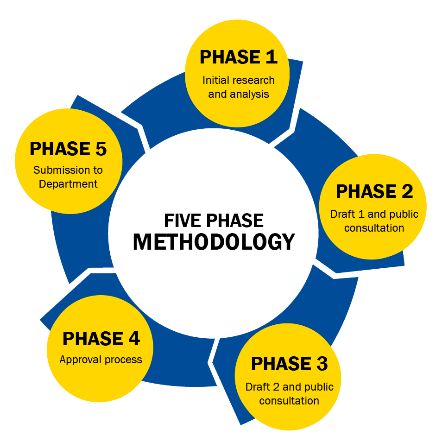
Table of contents

Required information ........................................................................................................................ 5
   A.       Administrative details of the Case for Endorsement ................................................................ 5
   B.       Description of work and request for approval ......................................................................... 5
        Decision being sought by the AISC ....................................................................................................................... 6
        Training Package components submitted for endorsement ................................................................................ 6
        Training Package components submitted not requiring endorsement ............................................................... 7
   C.       Evidence of Industry support .................................................................................................. 8
        Research Findings ................................................................................................................................................. 9
        Technical Advisory Committee (TAC) ................................................................................................................. 10
        State/Territory engagement............................................................................................................................... 11
        Reports by exception .......................................................................................................................................... 13
        Support by Industry Reference Committee ......................................................................................................... 13
        Units marked for deletion ................................................................................................................................... 13
   D.       Industry expectations about training delivery ....................................................................... 13
        Training delivery ................................................................................................................................................. 13
        Delivery as an Australian Apprenticeship ........................................................................................................... 14
        Entry requirements ............................................................................................................................................ 14
   E.       Implementation of the new training packages ...................................................................... 14
        Occupation and licensing requirements............................................................................................................. 14
        Implementation issues and management strategy ............................................................................................ 14
   F.       Quality assurance reports ..................................................................................................... 15
        Statement of evidence against the Training Package Quality Principles ........................................................... 15
        Declaration ......................................................................................................................................................... 17
   G.       Implementation of the COAG Industry Skills Council reforms to training packages ................. 17
   H.       A copy of the full content of the proposed training package component(s) ............................ 18
  I. Continuous Improvement ..................................................................................................... 18
Appendix A: Activity Order Reference number: IBSA/TPD/2017-18/001 ............................................ 19
Appendix B: MSS components .......................................................................................................... 21
Draft components requiring endorsement ........................................................................................ 21
   NEW MSS unit of competency ...................................................................................................... 21
   Reviewed existing MSS units of competency ................................................................................ 21
   Deleted MSS units of competency ................................................................................................ 21
  New MSS skill sets ....................................................................................................................... 21
Draft components requiring endorsement – UNITS OF COMPETENCY ................................................ 22
   MSS Release 2.0 Units of Competency – mapped to MSS Release 3.0 Units of Competency ........... 22
  Imported units of competency ...................................................................................................... 30
Appendix C: Consultation process, feedback and participants ........................................................... 31
        TAC meetings for Draft 1 .................................................................................................................................... 31
        Summary of changes made in Draft 1 ................................................................................................................ 31
        Draft 1 Public consultation ................................................................................................................................. 33
        TAC meetings for Draft 2 .................................................................................................................................... 34
Summary of changes made in Draft 2 ................................................................................................................ 35
Draft 2 public consultation ................................................................................................................................. 36
TAC meetings for Final Draft .............................................................................................................................. 36
Appendix D: Key stakeholder engagement ....................................................................................... 40
Appendix E: Letter of Support .......................................................................................................... 45
Appendix F: Quality Report .............................................................................................................. 46
Section 1 – Cover page..................................................................................................................... 46
Section 2 – Compliance with the Standards for Training Packages 2012 ............................................ 48
Section 3 – Compliance with the training package quality principles ................................................. 52Required information
A. Administrative details of the Case for Endorsement
Name of allocated IRC
The Sustainability Industry Reference Committee (IRC) is presenting this Case for Endorsement.
Name of SSO
IBSA Manufacturing, a Skills Service Organisation (SSO), is submitting this Case for Endorsement on
behalf of the Sustainability IRC.
Activity Order details
Reference number: IBSA/TPD/ 2017-18/001. Details of the activities to be completed as part of this
activity order can be found in Appendix A.
The Case for Endorsement, outlines how the new/modified components will support implementation
of the November 2015 COAG Industry and Skills Council training package reforms summarised at:
www.education.gov.au/vocational-education-and-training-reform.
B. Description of work and request for approval
The concept of Corporate Social Responsibility (CSR), often referred to simply as ‘Sustainability’ and
sometimes expressed as ‘Shared Values’, presents both an opportunity and a challenge for industry
stakeholders. Increasingly their customers and clients are demanding that businesses measure and
disclose their sustainability policies and activities that meet National and International legislative
frameworks, standards or business/finance sector developed benchmarks. The release of the United
Nations Sustainable Development Goals (SDG) has provided a framework for business and specific
targets to be achieved by 2030. Since their release, there has been a growing and tangible shift
towards Australian businesses wanting to demonstrate behaviours consistent with meeting these UN
SDGs, including best practice environmental practises, waste reduction and product sustainability,
energy and water efficiency, impact on community focus, gender equality, and ethical treatment of
employees (both internal and in external supply chains).
The work included extending skills for Sustainability job roles to consider the increasing importance
and focus by organisations to meet ‘Corporate Social Responsibility’ expectations. This includes
adherence to National and International standards and striving to achieve goals consistent with the
17 United Nations Sustainable Development Goals including carbon, energy and greenhouse gas
reduction.
Work involved:
• creating improved career pathways and workforce development opportunities
• supporting the COAG Industry and Skills Council reforms to training packages
• creating industry defined and supported national training products
Page 5 of 59
IBSA Manufacturing
MSS Sustainability Training Package – Draft Case for Endorsement, April 2019• examining and addressing the specialist skill needs of workers in Corporate Social
Responsibility
• reviewing the units and qualifications to ensure they meet:
• industry needs
• Standards for Training Packages 2012
• Training Package Products Policy
• Training Package Development and Endorsement Process Policy
Decision being sought by the AISC
Training Package components submitted for endorsement
This submission covers the MSS Sustainability Training Package Release 3.0.
The following components are submitted for endorsement:
Units of Competency
New Units
• one new unit of competency developed:
• MSS015039 Develop response to corporate social responsibility
Existing Units
• 31 existing units of competency which have been upgraded :
• MSS015035 Report to Global Reporting Initiative Standards
• MSS015036 Develop response to sustainability related regulation
• MSS015037 Develop regulated sustainability reports
• MSS015038 Establish and review metrics for social sustainability
• MSS027020 Coordinate water quality management activities
• MSS027021 Coordinate air quality management activities
• MSS027022 Coordinate noise management activities
• MSS027023 Coordinate site remediation or rehabilitation activities
• MSS027024 Select, commission and maintain environmental monitoring
instruments
• MSS403052 Map an office value stream
• MSS403053 Map an operational process
• MSS403054 Facilitate breakthrough improvements
• MSS403055 Facilitate continuous improvement through the use of
standardized procedures and practices
• MSS404054 Apply statistics to operational processes
• MSS404085 Undertake proactive maintenance analyses
• MSS404086 Assist in implementing a proactive maintenance strategy
• MSS404087 Support proactive maintenance
• MSS405008 Analyse and map a value stream
• MSS405009 Manage a value stream
• MSS405015 Manage relationships with non-customer external
organisations
• MSS405016 Manage workplace learning
• MSS405054 Determine and improve process capability
• MSS405063 Develop the application of enterprise control systems in an
organisation
Page 6 of 59
IBSA Manufacturing
MSS Sustainability Training Package – Draft Case for Endorsement, April 2019• MSS405064 Determine and establish information collection requirements
and processes
• MSS407018 Review use of competitive systems and practices tools
• MSS407019 Facilitate improvements in the internal value chain
• MSS407020 Undertake a qualitative review of a process change
• MSS407021 Respond to a major non-conformance
• MSS407022 Facilitate improvements in the external value chain
• MSS408009 Develop models of future state operations practice
• MSS408010 Analyse data for relevance to organisational learning
Deleted Units
• one unit is proposed to be deleted to reduce duplication and remove obsolete units:
• MSS403013 Lead team culture improvement (superseded by MSS405013)
Skill Sets
• two new skill sets have been developed:
• MSSSS00014 SS14 Direct Corporate Social Responsibility
• MSSSS00015 SS15 Lead Response to Corporate Social Responsibility
Qualifications
• No qualifications require endorsement
Please refer to Appendix B for a complete list and mapping of the components submitted for
endorsement, credit arrangements and modification history. The final draft training package
components have been transferred to the Training Package Content Management System.
Training Package components submitted not requiring endorsement
The following changes to Release 3.0 components are also noted but are not requiring endorsement:
Units
• MSS405013 Facilitate holistic culture improvement in an organisation has
undergone a minor update not categorised as ‘significant’. The changes and
impacts are as follows:
• the removal of the range of conditions and duplication in the Performance
Evidence
• minor clarification of existing text to ensure consistent interpretation
when implementing (requirements unchanged)
• the elements and performance criteria remain almost identical
• no impact to the vocational/job outcome of the unit
Page 7 of 59
IBSA Manufacturing
MSS Sustainability Training Package – Draft Case for Endorsement, April 2019Qualifications
The following MSS qualifications will be updated to reflect the changes to unit codes submitted for
endorsement, which are all listed as electives only in the following qualifications:
• MSS30316 Certificate III in Competitive Systems and Practices
• MSS40118 Certificate IV in Sustainable Operations
• MSS40316 Certificate IV in Competitive Systems and Practices
• MSS50118 Diploma of Sustainable Operations
• MSS50316 Diploma of Competitive Systems and Practices
• MSS60316 Advanced Diploma of Competitive Systems and Practices
• MSS80118 Graduate Certificate in Sustainable Operations
• MSS80218 Graduate Certificate in Environmental Management
• MSS80316 Graduate Certificate in Competitive Systems and Practices
• MSS80416 Graduate Diploma in Competitive Systems and Practices
The Qualification Description for some qualifications was updated to improve clarity and to better
reflect industry requirements. There was also a minor change to the entry requirements for
MSS80118 Graduate Certificate in Sustainable Operations and MSS80316 Graduate Certificate in
Competitive Systems and Practices. These changes are all considered minor, and therefore do not
require endorsement.
N.B. Two qualifications (MSS40216 Certificate IV in Environmental Monitoring and Technology and
MSS50216 Diploma of Environmental Monitoring and Technology) were not considered within the
scope of the project due to consultation feedback that identified ‘corporate social responsibility’ as
being more aligned to the sustainable operations qualifications, and to a lesser extent the
competitive systems and practices qualifications.
C. Evidence of Industry support
Details about the project were made available on the IBSA website at www.ibsa.org.au/consultation-
project/corporate-social-responsibility-project for the life of the project. Stakeholder engagement
was achieved through a variety of methods, including:
• oversight by the Sustainability IRC to ensure appropriate and adequate industry
consultation occurred, monitoring project progress and validating outcomes and
draft training package components. The IRC Letter of Support is included in Appendix
E.
• formation of a Technical Advisory Committee (TAC) to provide technical advice and
sector expertise around the detail of the training package components developed
and reviewed
• seeking specific technical advice from highly skilled and experienced industry
specialists on the TAC as a group and on an individual basis to target specific areas of
expertise
• conducting two rounds of broader public consultation (total of 6 weeks) where
materials were uploaded to the IBSA website and all relevant stakeholders alerted,
this included:
Page 8 of 59
IBSA Manufacturing
MSS Sustainability Training Package – Draft Case for Endorsement, April 2019• a distribution list of key industry organisations (Appendix C & D)
• State/Territory Training Authorities and Industry Training Advisory Bodies
(ITABs)
• all RTO’s with qualifications on scope of delivery.
• workshops and webinars to discuss the proposed changes and seek
stakeholder participation
The IBSA website included an option for stakeholders to sign up for project updates. By project’s end,
a total of 176 interested parties had subscribed – an increase of nearly 50%.
All stakeholders were emailed to alert them when drafts were available for public review. Key
stakeholders were also contacted by phone to alert them of the opportunity to provide input and
discuss particular issues. Further evidence of consultation with all relevant stakeholders is detailed
below.
Research Findings
The research stage included desktop investigation and analysis of roles, training package
components, legislation and local and international standards and goals relating to corporate social
responsibilities. Although there are no current Australian or New Zealand Standards (AS/NZS) in
Corporate Social Responsibility, more progressive organisations would look to ISO26000: Social
Responsibility for guidance in establishing a framework. Training package components were
examined in the context of ISO26000, United Nations Sustainable Development Goals (SDG), the
Global Reporting (GRI) Standards, and the ASX Reporting framework. The TAC highlighted the
relevance of the ASX Reporting framework, not just for ASX listed companies, but also to guide best
practice for smaller private companies and SME’s and to meet obligations to comply with some of its
aspects because of their involvement in supply chain activities. It was noted the ASX Reporting
framework is currently under review.
Research revealed that Global Reporting Initiative Guidelines had been superseded by Global
Reporting Initiative Standards. This would require MSS015006 Report to Global Reporting Guidelines
to be rewritten as per new standards that came into effect 1 July 2018.
It was determined by the TAC and IRC that existing training components be examined, and any new
development work should apply cross sectors and therefore be relevant to all organisations
implementing CSR initiatives. It would need to be generic enough to cater for all types of
organisations.
Analysis of all Training Package units around Corporate Social Responsibility uncovered only 1 unit,
BSBMGT624 - Develop and implement corporate social responsibility, that could potentially be used
to implement CSR. However, initial research and analysis of that unit and the CSR guidelines found
that more depth might be required around assessing current status of CSR performance and being
able to analyse cost-benefit and more detailed knowledge would be required.
The TAC and the IRC determined that the priority for industry was to create two cross sector skill
sets. The first would be focusing on establishing the organisation’s directives for corporate social
responsibilities, and the second skill set would focus on implementing the strategies. According to
the TAC and IRC, the skill gaps related more to skills in senior management level prioritising and
deploying corporate social responsibility initiatives. It was determined that it would be useful to
target this from a bottom up approach by ensuring middle management had skills in accessing and
Page 9 of 59
IBSA Manufacturing
MSS Sustainability Training Package – Draft Case for Endorsement, April 2019interpreting standards, developing a case for change and seeking approval, implementing
improvements, communicating with stakeholders and reporting. This would allow middle
management to take the lead to initiate CSR strategies when they are not forthcoming from the
organisation’s senior management team. It would also give middle managers skills to interpret and
implement directives that do come from senior management who were prioritising CSR.
Technical Advisory Committee (TAC)
The Sustainability TAC was established, under the direction of the IRC, to provide advice around the
detail of the components developed and reviewed. The TAC provided advice for the components
which focussed on corporate social responsibility skills, current global and Australian best practice,
guidelines and standards.
TAC members were selected based on one or more of the following criteria:
• technical experience working in the job role
• technical experience directly supervising those in the job role
• specific expertise in subject through experience with the sector or service provision.
The TAC worked under the direction of the IRC. The IRC ensured adequate industry consultation
occurred, monitored the TAC’s progress, and validated outcomes and draft Training Package
components.
The final membership of the TAC included industry representatives currently involved in the
sustainability sector to provide significant breadth and depth of technical knowledge and expertise.
The IRC approved the following TAC members:
First Name Family Name Organisation State
Andrew Petersen Business Council for Sustainable NSW
Development
Bradley Anderson Office of Environment and Heritage, NSW NSW
Govt
Terry Lawler Industry Skills Advisory Council NT (ISACNT) NT
Jessica French Brickworks Building Products NSW
Their key deliberations included various phone calls and emails, and included the following formal
TAC meetings:
TAC Date Purpose
Meeting
1 July 26, 2018 Scoping, development of R1 drafts
August 13, 2018
2 September 26, 2018 Review R1 feedback, develop R2 drafts
3 November 8, 2018 Review R2 feedback, develop final drafts
4 December 18, 2018 Sign-off final drafts for endorsement
Broader industry engagement was achieved through regular contact with identified stakeholders
across relevant industry sectors. They were regularly kept informed of project work and notified of
opportunities to inform training package development and review.
Page 10 of 59
IBSA Manufacturing
MSS Sustainability Training Package – Draft Case for Endorsement, April 2019This training package development project followed the standard IBSA Manufacturing Training
Package Development and Endorsement Process Policy and used a five-phase methodology. The
approach to all training package development work is to consider industry skills needs, Council of
Australian Governments (COAG) Industry and Skills Council (CISC) priorities and 2012 Standards for
Training Package Development. Any opportunities to remove obsolete products, minimise
duplication, provide more information on industry’s expectations of training delivery and support
individuals to move more easily across occupations are investigated.
Phase 1 – Initial research and analysis
Establishment of a TAC to validate project scope and undertake a
job role functional analysis.
Phase 2 – Draft 1 and public consultation
Develop first draft of training package components for feedback.
Phase 3 – Draft 2 and public consultation
Respond to feedback and develop second draft of training package
components.
Phase 4 – Approval process
Adjust training package components in response to further feedback and seek approval from
respective committees and endorsement from state training authorities.
Phase 5 – Submission to Department
Submit to the Department of Education and Training for AISC approval.
Consultation is driven by the standards and principles for training product development, in an effort
to provide an outcome which is industry-led and guided by broad and transparent stakeholder
consultation.
Responsiveness to industry skills needs and priorities, and speed to market are key to our training
product development. Internal processes and practices are established to support efficient and cost-
effective delivery of high quality and independently validated training products.
An overview of the TAC meeting content and deliberations, public consultation and feedback
received, and draft changes made can be found in Appendix C – Consultation process, feedback and
participants. Appendices C and D also lists the organisations consulted throughout the project, with
many organisations circulating project information to their networks/members.
State/Territory engagement
IBSA Manufacturing has actively engaged with all State and Territory Training Authorities (STAs)
throughout the project, providing an initial briefing, maintaining open dialogue and requesting
comments or issues raised on Draft 1 and Draft 2 (validation) components. STAs also had two weeks
at the end of the project to review and provide feedback on the final drafts of training package
components, as required by the Training Package Development and Endorsement Products Policy.
No objections were noted, and support was received from the New South Wales, Queensland,
Northern Territory, Victorian, and Western Australian State Training Authorities.
Page 11 of 59
IBSA Manufacturing
MSS Sustainability Training Package – Draft Case for Endorsement, April 2019STA Personnel
ORGANISATION NAME STATE
State Training Authorities (STA)
ACT Government Jodie Kafer ACT
Association of Independent Schools of NSW (AISNSW) Julie Sheridan NSW
Catholic Education Commission NSW (CENSW) Gerard Delany NSW
NSW Education Standards Authority (NESA) Catherine Tucker NSW
NSW Department of Education Robyn Pemberton NSW
NSW Department of Industry Marilyn Ng NSW
NSW Department of Industry Son Ly NSW
NSW Department of Industry Susan Bearfield NSW
Northern Territory Government Nelson Brown NT
Northern Territory Government Howard Lai NT
Department of Education and Training Anthea Brazel QLD
Department of Education and Training Chris Buchanski QLD
Department of Education and Training Vicki Lundh QLD
South Australia Government Marina Borrello SA
South Australia Government Irina Ferouleva SA
South Australia Government Juliana Fitzpatrick SA
Skills Tasmania Bec Evans TAS
Skills Tasmania Bridget Hillier TAS
Skills Tasmania Linda Seaborn TAS
Skills Tasmania Stuart Hollingsworth TAS
Department of Education & Training Michael Segrave VIC
Department of Education and Training Jacqui Spencer VIC
Chisholm Institute Paul Saunders VIC
Department of Training and Workforce Development Lisa Barron WA
Department of Training and Workforce Development Paul Muenchow WA
Department of Training and Workforce Development Lucinda Pita WA
Industry Training Advisory Bodies (ITAB)
Forestworks Industry Training Advisory Bodies Tim Cleary NSW
Food Fibre and Timber Industry Training Advisory
Kay Gerard WA
Council (FFTITAC)
Logistics Training Council Jillian Dielesen WA
Queensland Manufacturing Industry Solutions (QMI) Sam Nicolosi QLD
Manufacturing Skills Australia (MSA) Leon Drury NSW
Page 12 of 59
IBSA Manufacturing
MSS Sustainability Training Package – Draft Case for Endorsement, April 2019Industry Skills Advisory Council
Industry Skills Advisory Council Northern Territory
Terry Lawler NT
(ISACNT)
Industry Skills Advisory Council Northern Territory
Claire Monks NT
(ISACNT)
Industry Skills Advisory Council Northern Territory
Neda Aleksic NT
(ISACNT)
Training Council
UEEA Training Council Inc (UEEA) Jason Cullen WA
UEEA Training Council Inc (UEEA) Mark Harper WA
Feedback and expressed competing views were dealt with through consultation and the outcomes
were approved in IRC meetings.
Reports by exception
There are no reports by exception.
Support by Industry Reference Committee
In January 2019, a fully constituted Sustainability IRC approved the draft components for submission
to the Australian Industry and Skills Committee for endorsement. See Appendix E for letter of
support.
Units marked for deletion
This submission also includes the proposed deletion of one (1) unit of competency, to reduce
duplication and remove obsolete units:
• MSS403013 Lead team culture improvement
This unit appears as an elective and is repetitious. The content is more adequately covered in
MSS405013 Facilitate a holistic culture improvement in an organisation which appears both as a core
and an elective in MSS qualifications. The Consultation Paper provided with R1 components
specifically mentioned that repetitious units would be identified and listed in R2 consultation for
comment, along with a request for feedback on units that could be removed. The R2 Consultation
specifically referenced the unit that had been earmarked for removal, along with a request for
specific feedback. No feedback on the unit earmarked for removal was received. The TAC approved
the removal of 1 unit.
D. Industry expectations about training delivery
Training delivery
The Companion Volume Implementation Guide includes advice about industry’s expectations of
training delivery. Duration of training, delivery modes and pathways, work-based learning strategies,
assessment and learner characteristics are included in the Implementation Guide.
Page 13 of 59
IBSA Manufacturing
MSS Sustainability Training Package – Draft Case for Endorsement, April 2019The Companion Volume Range of Conditions includes all Range of Condition that were in the original
units. As more MSS units are revised, this Guide will also be revised. Range of Condition were
deemed as useful information for training implementation and industry requested they be retained.
Delivery as an Australian Apprenticeship
The Sustainability IRC and Sustainability TAC agree that there have been no changes since MSS
Training Package Release 2.0 in terms of suitability of qualifications for delivery as
apprenticeships/traineeships. They confirmed the Sustainable Operations and Competitive Systems
streams in the MSS Sustainability Training Package are not recommended for a traineeship or
apprenticeship. The Certificate IV and Diploma in Environmental Monitoring and Technology are
suitable to be undertaken as part of a formal training contract with an employer under an Australian
Apprenticeship arrangement.
Entry requirements
There were no changes to entry requirements.
E. Implementation of the new training packages
Occupation and licensing requirements
No licensing or certification requirements apply to the units or qualifications included in this
submission. There are regulations, standards and/or external accreditation requirements that may
apply to the various sectors using this training package. Because the requirements vary between
jurisdictions, the following statement has been added to all units of competency:
No licensing or certification requirements exist at the time of publication. Relevant legislation,
industry standards and codes of practice within Australia must be applied.
The qualifications include the following statement:
No licensing, legislative, regulatory or certification requirements apply to this qualification at
the time of publication.
Implementation issues and management strategy
All units of competency have been analysed, the range of conditions removed, and assessment
requirements clarified and made more succinct.
These changes will not require RTOs to update their scope of delivery, however it will be essential for
them to review and update training and assessment plans, and review and update training and
assessment materials.
The only exception is the unit MSS015035 Report to Global Reporting Initiative Standards which is
not equivalent. Any RTO that has the unit MSS015035 explicitly listed on scope would need to
update their scope. According to training.gov.au, only two RTOs have this unit on scope, but it is
implicit within their qualification scope. Therefore, they will not need to update their delivery scope
for this unit.
Page 14 of 59
IBSA Manufacturing
MSS Sustainability Training Package – Draft Case for Endorsement, April 2019The transition period for MSS Sustainability Training Package Release 2.0 and Release 3.0 versions of
the qualifications will be 12 months, in line with the Standards for RTOs (2015), and new learners
must not commence training in a unit of competency that has been removed or deleted from the
National Register.
Learners currently enrolled in units that are proposed to be deleted will have two years to finalise
completion.
Funding arrangements will need to be reviewed by states and territories.
F. Quality assurance reports
IBSA Manufacturing declares that the proposed components of the MSS Sustainability Training
Package Release 3.0 meet the requirements of the Standards for Training Packages 2012, Training
Package Products Policy and Training Package Development and Endorsement Process Policy.
This declaration is confirmed by the independent Quality Assurance report, included at Appendix F.
The Companion Volume Implementation Guide has been quality assured through the IBSA
Manufacturing internal process, and through the independent quality assurance process. It is
available with this submission and will be available on the VETNet website
https://vetnet.education.gov.au/Pages/TrainingPackages.aspx at endorsement.
Statement of evidence against the Training Package Quality Principles
Training Package Quality Evidenced by:
Principles
1. Reflect identified workforce Changes made demonstrate a link back to relevant AISC
outcomes decisions commissioning the work, the IRC Skills Forecast and
Proposed Schedule of Work, National Review Schedule and the
Case for Change and include:
• development of one new unit of competency to address the
skill needs of workers responding to corporate social
responsibilities (CSR).
• development of 2 new skill sets. The first to address the
skill needs of managers directing CSR policy and strategies
and the second for those leading the implementation of
CSR.
• consequential modification and update of 32 units of
competency and update of eight qualifications to include
the new components listed above and refine the work tasks
to better align with real industry outcomes.
• Training package components are compliant with the
Standards for Training Packages 2012, the Training Package
Products Policy and the Training Package Development and
Endorsement Process Policy, as evidenced by the following
Quality Assurance report
• Evidence that the training package components respond to
Ministers’ policy initiatives, in particular the 2015 training
Page 15 of 59
IBSA Manufacturing
MSS Sustainability Training Package – Draft Case for Endorsement, April 2019package reforms, including the removal of duplication and
obsolete components where one unit has been deleted.
• Open and inclusive consultation and validation
commensurate with scope and impact has been conducted,
as described in the Case for Endorsement.
2. Support portability of skills • Packaging rules, qualifications framework, and pathways
support movement within and across sectors, as described
and competencies including
in the MSS Companion Volume Implementation Guide,
reflecting licensing and Release 3.0
regulatory requirements • Identification of skill sets that respond to client needs,
including the development of the following:
o MSSSS00014 SS14 Direct Corporate Social
Responsibility
o MSSSS00015 SS15 Lead Response to Corporate
Social Responsibility.
• Other national and international standards for skills are
considered.
• No licensing or certification requirements exist at the time of
publication.
3. Reflect national agreement • Active engagement across industry has sought to achieve a
national consensus about the advice being provided to the
about the core transferable
AISC, as described in this Case for Endorsement.
skills and core job-specific
skills required for job roles as
identified by industry
4. Be flexible to meet the • Provide flexible qualifications that enable application in
different contexts.
diversity of individual and
employer needs, including the • Provide multiple entry and exit points, as described in the
capacity to adapt to changing MSS Companion Volume Implementation Guide, Release
3.0
job roles and workplaces
5. Facilitate recognition of an • Provide pathways from entry level into work, and between
VET and higher education qualifications, as described in the
individual’s skills and
MSS Companion Volume Implementation Guide, Release
knowledge and support 3.0.
movement between the
school, vocational education
and higher education sectors
6. Support interpretation by • Industry advice about delivery is provided via a Companion
Volume Implementation Guide ready for publication at the
training providers and others
same time as the Training Package. A Companion Volume
through the use of simple, Range of Conditions will also be available.
concise language and clear • Units of competency and their associated assessment
articulation of assessment requirements are clearly written and have consistent
requirements breadth and depth.
• Components comply with the TGA/National Register
requirements for publication.
Page 16 of 59
IBSA Manufacturing
MSS Sustainability Training Package – Draft Case for Endorsement, April 2019• Implementation advice is provided in a Companion Volume
Implementation Guide that is ready for publication at the
same time as the Training Package.
Declaration
IBSA Manufacturing, the SSO for the Sustainability IRC, declares that the proposed training package
component(s) meet the requirements of the Standards for Training Packages 2012, Training Package
Products Policy and Training Package Development and Endorsement Process Policy.
Furthermore, IBSA Manufacturing, the SSO for the Sustainability IRC, declares that the Companion
Volume Implementation Guide is available and has been quality assured.
G. Implementation of the COAG Industry Skills Council reforms to training packages
The decision being sought from the AISC will support the COAG Industry and Skills Council reforms to
training packages. Completion of the training package development work outlined in the Case for
Change, together with extensive consultation confirms that this work:
• has removed superfluous information from units of competency, does not duplicate
qualifications and units from other training packages, utilises units from other training
packages where possible
• includes information about industry’s expectations of training delivery (i.e. duration of
training, mode of delivery and learner characteristics) in the MSS Companion Volume
Implementation Guide, Release 3.0
• has improved qualification design to clarify the AQF outcomes and enable individuals to move
easily from one related occupation to another
• improved the efficiency of the training system through the creation of units of competency
that can be owned and used by multiple industry sectors (new unit)
• fostered the development of two skill sets, MSSSS00014 Direct Corporate Social
Responsibility Skill Set, and the MSSSS00015 Lead Response to Corporate Social Responsibility
Skill Set.
Ensure that more information about industry’s expectations of training delivery is available to
training providers to improve their delivery and to consumers to enable more informed course
choices
A Companion Volume Implementation Guide will accompany the Training Package, helping to
support implementation of training across a range of settings. An additional Companion
Volume – Range of Conditions has been created to retain all ‘Range of Conditions’ that were in
the original units.
Ensure that the training system better supports individuals to move easily from one related
occupation to another
No prerequisite units have been added and the skills required in industry have been clearly
articulated and these skills are transferable between occupations.
Conditional prerequisites have been removed from 2 units (MSS027007 & MSS027009)
Page 17 of 59
IBSA Manufacturing
MSS Sustainability Training Package – Draft Case for Endorsement, April 2019Improve the efficiency of the training system by creating units that can be owned and used by
multiple industry sectors
Training package components have been developed so they are applicable across job roles and
across industries given the multi sectorial nature of the Sustainability training package. For
example, it is expected that the new unit and skill set which have been developed will apply
across in multiple industry sectors and be relevant to a large variety of professional settings.
Foster greater recognition of skill sets
Based on feedback collected during industry consultation, stakeholders identified the need for
skill sets both in directing and implementing corporate social responsibilities which could be
used to readily upskill a range of job roles to meet cross industry requirements and multiple
industry sectors. This review ensured that industry is provided with critical skills to be able to
direct CSR policies, develop strategies, implement those strategies, report on progress, comply
with National and International agreements and standards, communicate with stakeholders
and fulfil community expectations, whilst remaining a viable and competitive entity.
The skill sets and associated units support long term global and local initiatives, emerging
expectations and industry best practice around ‘corporate social responsibility’ for Australian
organisations across all sectors.
H. A copy of the full content of the proposed training package component(s)
The AISC will be provided with a copy of the developed training package components to be approved
under the Case for Endorsement.
All components have been developed to comply with the requirements of the National Register and
include a modification history.
I. Continuous Improvement
The following issues/errors from IBSA’s ongoing Continuous Improvement Register have also been
actioned and will be uploaded on training.gov.au as part of this review.
NEW Unit / EXISTING Unit / Issue How Resolved
Qualification Qualification
N/A MSS80118 Entry requirement change Clarification of entry
missing from previous release. requirement terminology in
The ambiguous use of the word MSS80118 Graduate
“should” was to be replaced Certificate in Sustainable
with “must” as per STA Operations outstanding
feedback. from Release 2.
N/A MSS015024 Clarification of knowledge Knowledge requirement
requirement missing from clarified.
previous project to ensure cross
sector application of unit.
Page 18 of 59
IBSA Manufacturing
MSS Sustainability Training Package – Draft Case for Endorsement, April 2019Appendix A: Activity Order Reference number: IBSA/TPD/2017-18/001
Details of the activities to be completed as part of this activity order as follows:
Undertake the necessary training package review and development work for the following:
• 9 qualifications:
o MSS40116 Certificate IV in Sustainable Operations
o MSS40216 Certificate IV in Environmental Monitoring and Technology
o MSS50116 Diploma of Sustainable Operations
o MSS50216 Diploma of Environmental Monitoring and Technology
o MSS80116 Graduate Certificate in Sustainable Operations
o MSS80216 Graduate Certificate in Environmental Management
o MSS40316 Certificate IV in Competitive Systems and Practices
o MSS50316 Diploma of Competitive Systems and Practices
o MSS80316 Graduate Certificate in Competitive Systems and Practices
• 33 units of competency reviewed and modified in consultation with industry
• 1 new unit of competency:
o Develop response to corporate social responsibility
• Revise an existing Skill Set to address the specialist skill needs of workers in Corporate Social
Responsibility.
• Ensure a broader consultation process is undertaken as part of training package development
activities.
• Ensure that the project aligns with any development work undertaken as part of the
Environmental Sustainability Cross-Sector Project.
During the scoping of the project feedback from industry stakeholders and desktop research, TAC
members discussed the content of the current Training Package and the skill requirements for
corporate social responsibility. They determined priorities for the needs of workers in the corporate
social responsibility sector and made recommendations for:
• development of 2 draft skill sets that focused on (1) establishing the organisation’s directives
for corporate social responsibility and (2) implementing an organisation’s corporate social
responsibility strategy that could be used across all sectors. The existing MSSSS00006 Reduce
Sustainability Risk did not provide an adequate framework to modify to address the
requirements required and was therefore not redeveloped.
• development of one new unit focusing on facilitating an organisation’s response to and
strategy for corporate social responsibility
• review of 33 units
In January 2018 and again in March 2018, Mr Peter Nemtsas, the Sustainability IRC Chair,
communicated with both Skills Impact (SSO) and the AISC re contributing to the Environmental
Sustainability Cross-Sector Project. While his correspondence and the willingness of the Sustainability
IRC to participate in this cross sector project was acknowledged, at the time of writing there has
been no further updates to this project in 2018, so it was agreed by the IRC that the CSR project
Page 19 of 59
IBSA Manufacturing
MSS Sustainability Training Package – Draft Case for Endorsement, April 2019continue as intended, or until such time that the cross sector project commences and any alignment
work needs to be undertaken.
The TAC also confirmed that the following competencies previously developed for the energy audit
skill set and qualifications were also required and consistent with corporate social responsibility roles
including:
• Business case development
• Leadership and management
• Strategic planning
• Continuous improvement
• Project management
• Change management
• Risk management
• Stakeholder management
In this context, it was deemed that a new unit of competency was required by the TAC and the IRC,
as the possible existing BSBMGT624 Develop and implement corporate social responsibility did not
meet industry requirements as previously discussed. It was also confirmed that additional electives
added to the Sustainable Operations qualifications to meet the above requirements will continue to
support workers undertaking Sustainability job roles.
The TAC and IRC also leveraged off an extensive and varied network across multiple industries and
sectors to help frame this development to ensure its cross-sector appeal. A full list of organisations
consulted directly and indirectly by TAC and IRC members is listed in Appendix C and D.
Page 20 of 59
IBSA Manufacturing
MSS Sustainability Training Package – Draft Case for Endorsement, April 2019Appendix B: MSS components
Draft components requiring endorsement
The following components require AISC endorsement:
NEW MSS unit of competency
• MSS015039 Develop response to corporate social responsibility
Reviewed existing MSS units of competency
• MSS015035 Report to Global Reporting Initiative Standards
• MSS015036 Develop response to sustainability related regulation
• MSS015037 Develop regulated sustainability reports
• MSS015038 Establish and review metrics for social sustainability
• MSS027020 Coordinate water quality management activities
• MSS027021 Coordinate air quality management activities
• MSS027022 Coordinate noise management activities
• MSS027023 Coordinate site remediation or rehabilitation activities
• MSS027024 Select, commission and maintain environmental monitoring
instruments
• MSS403052 Map an office value stream
• MSS403053 Map an operational process
• MSS403054 Facilitate breakthrough improvements
• MSS403055 Facilitate continuous improvement through the use of standardized
procedures and practices
• MSS404054 Apply statistics to operational processes
• MSS404085 Undertake proactive maintenance analyses
• MSS404086 Assist in implementing a proactive maintenance strategy
• MSS404087 Support proactive maintenance
• MSS405008 Analyse and map a value stream
• MSS405009 Manage a value stream
• MSS405015 Manage relationships with non-customer external organisations
• MSS405016 Manage workplace learning
• MSS405054 Determine and improve process capability
• MSS405063 Develop the application of enterprise control systems in an
organisation
• MSS405064 Determine and establish information collection requirements and
processes
• MSS407018 Review use of competitive systems and practices tools
• MSS407019 Facilitate improvements in the internal value chain
• MSS407020 Undertake a qualitative review of a process change
• MSS407021 Respond to a major non-conformance
• MSS407022 Facilitate improvements in the external value chain
• MSS408009 Develop models of future state operations practice
• MSS408010 Analyse data for relevance to organisational learning
Deleted MSS units of competency
• MSS403013 Lead team culture improvement (superseded by MSS405013)
New MSS skill sets
• MSSSS00014 SS14 Direct Corporate Social Responsibility
• MSSSS00015 SS15 Lead Response to Corporate Social Responsibility
Page 21 of 59
IBSA Manufacturing
MSS Sustainability Training Package – Draft Case for Endorsement, April 2019Draft components requiring endorsement – UNITS OF COMPETENCY
The following table lists the changes made to MSS Sustainability units of competency. These
components are required for endorsement by the AISC.
MSS Release 2.0 Units of Competency – mapped to MSS Release 3.0 Units of Competency
MSS Sustainability Training MSS Sustainability Training
Package Package
Release 2 Release 3
Code Title Code Title Comments E/ NE/
New
No change to vocational outcomes. Code NE
updated. Name changed. Application and
licensing statement simplified. Unit
template updated to meet policy
Report to Global Report to Global
requirements. Changes to performance
Reporting Reporting
MSS015006 MSS015035 criteria. GRI Guidelines superseded.
Initiative Initiative
Updated to reflect new GRI Standards.
Guidelines Standards
Range of conditions moved to Companion
Volume. Assessment requirements
amended. Assessment conditions simplified,
and superfluous information removed.
No change to vocational outcomes. Code E
updated. Application and licensing
Develop statement simplified. Unit template
Develop response response to updated to meet policy requirements.
MSS015014 to sustainability MSS015036 sustainability Changes to performance criteria. Range of
related regulation related conditions moved to Companion Volume.
regulation Assessment requirements amended.
Assessment conditions simplified, and
superfluous information removed.
No change to vocational outcomes. Code E
updated. Application and licensing
statement simplified. Unit template
Develop Develop
updated to meet policy requirements.
regulated regulated
MSS015017 MSS015037 Changes to performance criteria. Range of
sustainability sustainability
conditions moved to Companion Volume.
reports reports
Assessment requirements amended.
Assessment conditions simplified, and
superfluous information removed.
Page 22 of 59
IBSA Manufacturing
MSS Sustainability Training Package – Draft Case for Endorsement, April 2019MSS Sustainability Training MSS Sustainability Training
Package Package
Release 2 Release 3
Code Title Code Title Comments E/ NE/
New
No change to vocational outcomes. Code E
updated. Name changed. Application and
licensing statement simplified. Unit
template updated to meet policy
Establish and
Establish/review requirements. Changes to elements and
review metrics
MSS015019 metrics for social MSS015038 performance criteria. Range of conditions
for social
sustainability moved to Companion Volume. Foundation
sustainability
skills information added. Assessment
requirements amended. Assessment
conditions simplified, and superfluous
information removed.
Develop New
response to
MSS015039 corporate social New unit.
responsibility
No change to vocational outcomes. Code E
updated. Application and licensing
statement simplified. Unit template
updated to meet policy requirements.
Coordinate water Coordinate Changes to elements and performance
quality water quality criteria. Range of conditions moved to
MSS027006 MSS027020 Companion Volume. Foundation skills
management management
activities activities information added. Assessment
requirements amended. Assessment
conditions simplified, and superfluous
information removed.
No change to vocational outcomes. Code E
updated. Application and licensing
statement simplified. Unit template
Coordinate air Coordinate air updated to meet policy requirements.
quality quality Conditional pre-requisites removed.
MSS027007 MSS027021
management management Changes to elements and performance
activities activities criteria. Range of conditions moved to
Companion Volume. Foundation skills
information added. Assessment
requirements amended. Assessment
Page 23 of 59
IBSA Manufacturing
MSS Sustainability Training Package – Draft Case for Endorsement, April 2019MSS Sustainability Training MSS Sustainability Training
Package Package
Release 2 Release 3
Code Title Code Title Comments E/ NE/
New
conditions simplified, and superfluous
information removed.
No change to vocational outcomes. Code E
updated. Application and licensing
statement simplified. Unit template
updated to meet policy requirements.
Coordinate
Coordinate noise Changes to elements and performance
noise
MSS027008 management MSS027022 criteria. Range of conditions moved to
management
activities Companion Volume. Foundation skills
activities
information added. Assessment
requirements amended. Assessment
conditions simplified, and superfluous
information removed.
No change to vocational outcomes. Code E
updated. Application and licensing
statement simplified. Unit template
Coordinate site Coordinate site updated to meet policy requirements.
remediation or remediation or Conditional pre-requisites removed.
MSS027009 MSS027023
rehabilitation rehabilitation Changes to performance criteria. Range of
activities activities conditions moved to Companion Volume.
Assessment requirements amended.
Assessment conditions simplified, and
superfluous information removed.
No change to vocational outcomes. Code E
updated. Application and licensing
Select, Select,
statement simplified. Unit template
commission and commission and
updated to meet policy requirements.
maintain maintain
MSS027011 MSS027024 Changes to performance criteria. Range of
environmental environmental
conditions moved to Companion Volume.
monitoring monitoring
Assessment requirements amended.
instruments instruments
Assessment conditions simplified, and
superfluous information removed.
No change to vocational outcomes. Code E
updated. Application and licensing
Map an office Map an office statement simplified. Unit template
MSS403007 MSS403052
value stream value stream updated to meet policy requirements.
Changes to performance criteria. Range of
conditions moved to Companion Volume.
Page 24 of 59
IBSA Manufacturing
MSS Sustainability Training Package – Draft Case for Endorsement, April 2019You can also read


