Nepal Country Strategy 2017-2021 - WASH Matters
←
→
Page content transcription
If your browser does not render page correctly, please read the page content below
Nepal Country Strategy 2017-2021
Lari Tamang, 57, at the
                                                                      temporary tapstand near
                                                                      her home, after the 2015
                                                                      earthquake, in Nagarkot,
                                                                      Bhaktapur.
                                                                      WaterAid/ Miguel Samper

We are WaterAid

Our vision
is of a world where everyone, everywhere has safe
water, sanitation and hygiene by 2030.

Our mission
is to transform lives of the poorest and most
marginalised people by improving access to safe water,
sanitation and hygiene.
                                                         Contents
                                                         5    Executive summary
                                                         7    Introduction
                                                         9    Our role and niche
                                                         10   Opportunities and challenges
                                                         14   Change and how it will
                                                              happen
                                                         21   Our approach
                                                         29   What will success look like?
                                                         30   Our organisation and
                                                              resources
                                                         32   Risk management
                                                         34   Log frame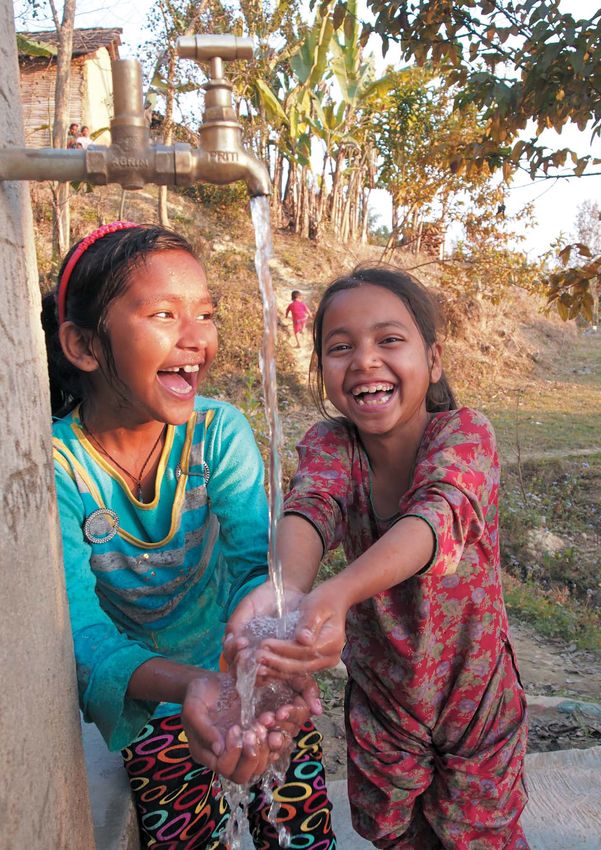
Executive summary

                               Background                                     landslides and earthquakes. In April and
                                                                              May 2015 the country was devastated by

                               W
                                         aterAid’s global vision is to        two huge earthquakes, which damaged
                                         reach everyone everywhere            thousands of homes and buildings, and
                                         with safe water, sanitation and      heavily affected WASH facilities.
                               hygiene by 2030, helping them to live
                               healthy and dignified lives.                   Our approach
                               WaterAid Nepal’s goal over the next            WaterAid Nepal has been working on
                               five years is to ensure that marginalised      WASH issues since 1987. We team up
                               groups and individuals, and people             with local partners, technical experts,
                               living in vulnerable situations in Nepal       governments and communities to support
                               have access to safe water and improved         the delivery of integrated WASH services
                               sanitation facilities, and are able to         in hard to reach communities, helping to
                               practise good hygiene behaviour. This is       transform lives.
                               where our work can have the most impact,
                               and it is the next crucial step towards        In our last strategy period, alongside
                               achieving our overall vision.                  our partners, we focused on delivering                      5
                                                                              these essential services to the most
                               In recent years, Nepal has made                vulnerable people in Nepal. We designed
                               impressive progress in its WASH                and implemented sustainable and
                               development, yet there are still 2.3           appropriate solutions tailored to meet the
                               million people living without access to        WASH needs of communities and their
                               safe water and 15 million people with no       surrounding environments.
                               access to sanitation facilities. Water and
                               sanitation-related diseases are among          Over the next five years, we will focus
                               the top ten most serious public health         on supporting the delivery of such
                               issues and the top five reasons for death      critical services primarily to the most
                               in children under five.                        marginalised groups and individuals,
                                                                              while also working to empower people,
                               Nepal faces major challenges in access         so that they manage WASH resources
                               to water, sanitation and hygiene (WASH)        sustainably and take actions for their
                               because of its extreme political, social,      rights to water and sanitation.
                               geographical and economic barriers.
                               Without proper WASH infrastructure in          We will work to influence, promote
                               place, critical areas like health, education   accountability and support local and
                               and economic growth are also affected,          national governments for delivering WASH
                               holding back the country’s development.        services to the people of Nepal, and
Joshna Khatri, 7, and Sarita                                                  encourage them to respond to the needs
Lamichhane, 8, at the          Nepal is vulnerable to climate change          of vulnerable groups.
tapstand in Kamalamai          and natural disasters such as floods,
Municipality, Sindhuli.
WaterAid/ Mani Karmacharya

                                                                                                             Country Strategy 2017-2021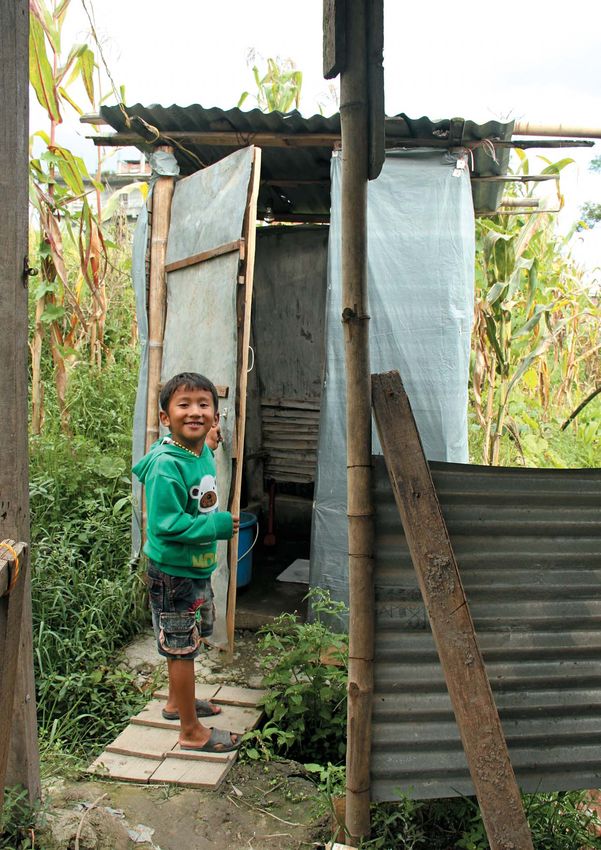
We will seek to partner with like-minded        Where we work will be determined by
                                                                                                                  Introduction
                    organisations inside and outside the            need, based on the Human Development
                    sector, for mutual benefits and to effect        Index (HDI).
                    wider change. We will raise awareness

                                                                                                                  W
                    of water, sanitation and hygiene as             We plan to work in 16-20 districts                       aterAid Nepal has been in                              In the same year, the first WASH Sector
                    fundamental building blocks for all areas       between 2017-2021, if funding is                         operation since 1987. We are                           Development Plan was drafted and the
                    of development, with a specific focus on        secured. We will focus on the areas with                 part of the global WaterAid                            Ministry of Water and Sanitation was
                    integration with the health and education       the lowest ranking HDI number and severe      family, which works in 37 countries and                           formed, with water and sanitation gaining
                    sectors, where WASH is critical to success.     water and sanitation issues, compounded       has a vision to reach everyone everywhere                         attention as a national development
                                                                    by social discrimination through gender       with safe water, sanitation and good                              priority. Globally, the Sustainable
                    We will invest in new research and              and the complex caste system.                 hygiene by 2030. Over the past five years,                        Development Goals were adopted by
                    technology that is cost effective,                                                             WaterAid Nepal has helped to transform                            the United Nations, presenting a unique
                    sustainable and locally relevant, so            We will know our strategy has been            the lives of more than 317,915 people                             opportunity through Global Goal 6:
                    that we can be flexible and adaptable,          successful if:                                with access to safe water, 455,379 people                         “Ensure availability and sustainable
                    demonstrate sustainable models for                Marginalised groups and individuals,        with sanitation facilities and 241,754 with                       management of water and sanitation for
                    WASH, and to ensure that we are always            and people in vulnerable situations are     hygiene promotion.                                                all”.
                    using the best approach.                          living healthier and more dignified lives
                                                                      as a result of their sustainable access     In our last strategy period, from 2010                            This is a huge step forward for WASH
                    The change we want to see                         to safe water, sanitation and hygiene.      to 2015, significant gains were made in                           development and it creates an immense
                    WaterAid Nepal has identified four key            Governments put policies and                the national WASH sector. Nepal ranked                            opportunity for WaterAid Nepal as we
                    objectives for the next five years to make        mechanisms in place to help exercise        third overall1 amongst countries making                           continue to strive for our vision of safe
6                   change happen:                                    the right for everyone in Nepal for         remarkable progress in basic sanitation                           water, sanitation and hygiene for all. This                               7
                                                                      equitable access to safe water and          coverage, moving from 46% in 2001 to                              strategy outlines our plans for the next
                       Enable marginalised communities and            sanitation.                                 68% in 2011,2 and water infrastructure                            five years as we work with communities,
                       individuals, and people in vulnerable          The WASH sector is working together         and services have now reached 85% of                              partners, governments and sector actors
                       situations to take action for their rights     and demonstrating leadership.               the total population.3 This success in                            to make change happen.
                       to water and sanitation.                       WaterAid Nepal is well-known as a           sanitation coverage can be attributed
                       Promote greater accountability and             champion for the rights to water and        to effective leadership from the Nepal
                       effectiveness for delivering WASH               sanitation of marginalised groups and       Government, and coordination and
                       services.                                      individuals in Nepal.                       determination from within the sector.4
                       Influence and demonstrate WASH
                       as foundational to all aspects of            To deliver our strategy, we will build        Nepal is an active member of a number of                                 sanitation coverage
                       development, with a focus on health          on the strengths and potential of             global initiatives dedicated to improving                                       2001
                       and education.
                       Apply new research, holistic
                                                                    our organisation and team, who are
                                                                    passionate about achieving our goals. We
                                                                                                                  and delivering equitable access to WASH
                                                                                                                  for all. This commitment to change,
                                                                                                                                                                                                   46%
                       approaches and innovative technology         will invest in our four flagship programmes   coupled with Nepal’s new constitution,
                       to WASH.                                     to help us reach as many people as            which was announced in September
                                                                    possible with WASH.                           2015 and recognises access to water and
                    To support these objectives, four                                                             sanitation as a fundamental human right,                                                         sanitation coverage
                    interconnected flagship programmes              We hope to secure funding for longer-         signals positive progress for the country.                                                              2011
                    have been designed:                             term projects that will help to rebuild
                       Reaching the Unreached                       and maintain the local infrastructure and                                                                                                              68%
                       Recovery and Resilient WASH                  economy, and support us in reaching the
                                                                                                                  1.   WaterAid (2015) It’s No Joke: The State of the World’s Toilets 2015.
                       Hygiene                                      people of Nepal with safe and sustainable     2.   WHO/UNICEF (2015) Joint Monitoring Programme report 2015.
                       Sector Effectiveness                          WASH.                                         3.   Nepal census data 2011 (however, there is variable data on coverage in different government and sector reports).
                                                                                                                  4.   Success can be attributed to the Nepal Sanitation and Hygiene Master Plan 2011 and Joint Sector Reviews adopted in 2011,
                                                                                                                       which created synergy, purpose and government leadership.

    Country Strategy 2017-2021                                                                                                                                                                                                   Country Strategy 2017-2021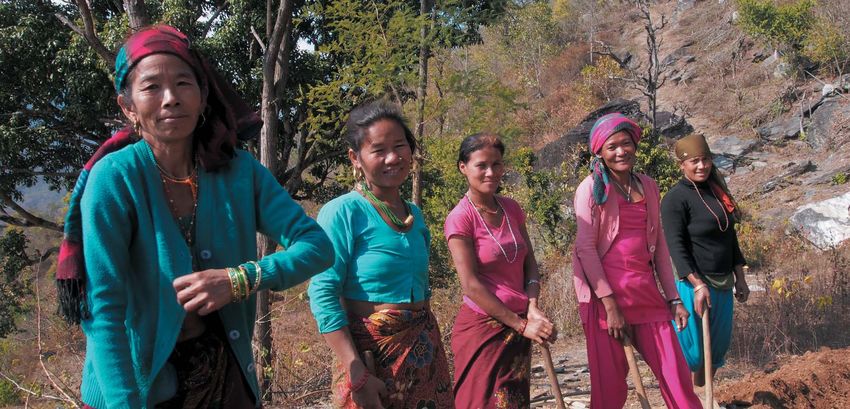
Our role and niche

                              W
                                         aterAid Nepal is considered         government efforts, providing technical
                                         a leading expert on WASH            support, guiding decision-making and
                                         issues, through our work with       monitoring projects to ensure they are still
                              partners and communities, as well as           functioning years from now.
                              through contributing to global policies
                              and initiatives. We are recognised by          We will continue to be a driving force,
                              governments, partners, communities and         bringing together communities, sector
                              supporters for our contribution to the         actors, governments, partners and other
                              WASH sector, and are often invited to play     like-minded organisations to effect
                              an active role in formulating national-level   change through collective leadership.
                              WASH policies and strategies.                  We will identify opportunities to work
                                                                             collaboratively with different sectors,
                              We specialise in delivering integrated         building relationships to deliver complete
                              WASH in one distinct programmatic              and long-lasting systems. We must be
                              approach. We are confident delivering          well-connected within the sector and
                              programmes in challenging environments         outside, working with governments,
                              and circumstances. We have worked              communities and movements, and be
                              with some of the most marginalised and         a facilitator to bridge connections of                       9
                              vulnerable groups in Nepal to successfully     local, national and global WASH initiatives
                              deliver these three critical components,       to influence greater change. We will
                              helping to transform lives.                    devote time and energy into maintaining
                                                                             these networks while strengthening their
                              In the past we have focused on delivering      ability to reach and influence others.
                              basic water and sanitation services in
                              hard to reach communities, whether the         We are a transparent and communicative
                              barriers are geographical, socio-cultural      organisation. We will provide regular
                              or economic. Over recent years more            updates and insight into our work for
                              emphasis has been given to influencing         governments, the sector and our donors,
                              governments because we believe                 audiences, partners and supporters. As a
                              that ensuring the delivery of robust           learning organisation we will share our
                              WASH services is ultimately the Nepal          successes, challenges and lessons learned
                              Government’s responsibility.                   through reports, stories and images. We
                                                                             will also seek to learn from others.
                              We know from experience that if our
                              projects are to succeed, we have to            We will continue to invest in new
                              work closely with communities, helping         research, approaches and technology.
                              them to understand their rights to water       We need to be at forefront of change,
                              and sanitation and enabling them to            working as an agile organisation. We must
Raju Shrestha, 35, project    take ownership of their future. To create      be adaptable and make sure the work we
supervisor, inspecting the    sustainable systems, we will act as a          do is relevant and timely, so that we can
newly constructed reservoir   support network for communities and            stand up to new challenges whenever they
tank in Hardeni, Udayapur.
WaterAid/ Mani Karmacharya    partners contributing to local and national    arise.

                                                                                                             Country Strategy 2017-2021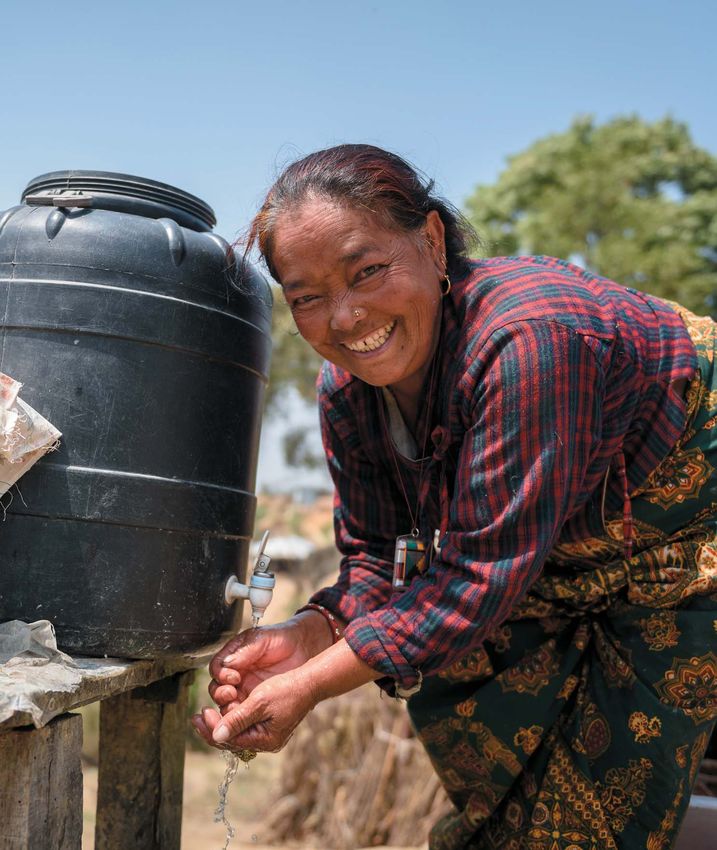
Opportunities and challenges

                     O
                             ver the past five years, Nepal has                          smaller areas – a move that is contested
                             made good progress against its                              by different political groups. These
                             water and sanitation goals, and in                          changes to the country’s structure are
                     September 2015 the country adopted a                                likely to impact on the way international
                     new constitution that recognises access                             organisations such as WaterAid operate at
                     to water and sanitation as a fundamental                            the local, state and national level.
                     human right: “Every citizen shall have
                     the right to access clean drinking                                  The country faces serious socio-cultural
                     water and sanitation”. But there is still a                         issues, and common beliefs and practices
                     long way to go. Nepal remains one of the                            affect access to WASH. Women and
                     poorest nations in Asia, ranked 145th in                            girls often face the biggest challenges
                     the United Nations HDI, with 21.3%5 of its                          when it comes to education, health and
                     population living below the poverty line.                           citizenship, and they are excluded from
                                                                                         society during menstruation. In poorer
                     The national economy is fragile and at                              communities, women and girls might
                     risk from natural disasters and continued                           spend two or three hours a day collecting
                     political instability. The country is                               water for their families, hampering
10                   struggling to recover from extensive                                their development. This is made more
                     losses in local trade, transport, tourism                           complicated by a deep-rooted and
                     and financial services caused by two                                prevalent caste system.
                     huge earthquakes in 2015 and an acute
                     fuel crisis in September 2015.6 Nepal’s                             Despite progress, the water and sanitation
                     gross domestic product (GDP) fell to                                situation remains poor. More than 2.3
                     3% in 2015, from 5.1% in 2014, and                                  million people have no access to clean
                     is predicted to grow by only 1.7% in                                water and 15 million live without safe
                     2016. Meanwhile, inflation continues to                             sanitation and although national water
                     undermine living standards.7                                        and sanitation coverage has risen in
                                                                                         recent years, the proportion of services
                     Since 2002, there have been frequent                                that are safe and properly functioning is
                     changes to the national government and                              much lower. Toilet coverage is reported
                     no elected local bodies, making progress                            to have risen from 30% in 2001 to 61%
                     slow and difficult. The announcement of                               in 2011,8 but improved coverage is only
                     the new constitution, although a positive                           27%.
                     step, also signals further political unrest.
                     It proposes a reworking of Nepal with                               Water and sanitation–related diseases
                     several new federal states divided into                             are among the top ten most serious public

                     5.   Government of Nepal National Planning Commission (2015) Nepal Earthquake 2015: Post Disaster Needs Assessment.
                          (Volume B: Sector Reports). Kathmandu, Nepal. Available at
                          http://www.npc.gov.np/images/download/PDNA_volume_BFinalVersion.pdf                                                         Balkumari, 11, washing her
                     6.   Guardian (2015) ‘Nepal border blockade ‘threatens the future of the country itself’, says UN’. Available at: https://www.   hands at the tapstand in
                          theguardian.com/global-development/2015/nov/18/nepal-border-blockade-india-threatens-future-un-unicef (accessed 7
                          November 2016).
                                                                                                                                                      Sajbote Siruwani, Hardeni,
                     7.   The World Bank (2016) Nepal country data. Available at: http://data.worldbank.org/country/nepal (accessed 8 June 2016).     Udapaypur.
                     8.   Nepal census data 2011.                                                                                                     WaterAid/ Mani Karmacharya

     Country Strategy 2017-2021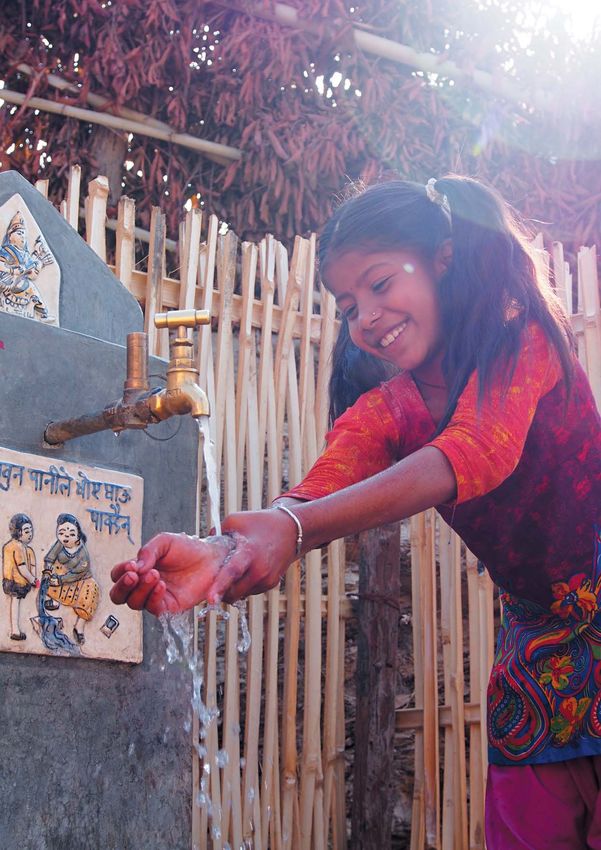
use of only 70% of the annual national
WASH budget over the last four years.
Numerous government policies have been
designed to address water and sanitation
issues, but with the arrival of the new
constitution, these need to be reviewed
and mechanisms put in place to ensure
citizens’ rights to water and sanitation12
can be progressively realised.
Responsibilities for delivering WASH
are complex. Multiple government bodies
support different components, and there
is little integrated working and no proper
processes in place to address issues such
as the competing demands and usage of
water for drinking, agriculture and energy
(L-R) Sapani Rai, Gangamaya Jimi, or urban sanitation challenges. Despite a
Kabita Lamjel, Sarita Rai and Khakumari number of strong development actors13 in
BK working on the community pipeline the WASH sector, effective collaboration,
project in Aankhibhui, Sankhuwasbha.
robust planning and rigorous processes
WaterAid/ Mani Karmacharya
for gathering useful data and monitoring
progress are still lacking, as are the
resources and funds needed to deliver 13
health problems and the top five reasons difficult to deliver. another 3,500 systems are in need of against commitments for equitable
for death in children under five. In 2011, repair. In some places, sources have and sustainable WASH. Cross-sector
86% of people in Nepal were reported to Nepal is the fourth most vulnerable dried up entirely, and water quality issues coordination remains sparse.
have access to water supply,9 but these country in the world to climate change, have increased because of the damage.
figures hide whether the services are and its diverse terrain leaves it at Around 220,000 toilets were left broken Hygiene
properly functioning and the quality of risk from natural disasters such as and unusable.10 The Nepal Government behaviour
water being delivered. earthquakes, floods and landslides. In has allocated a substantial budget for change
April and May 2015 Nepal was hit by reconstruction, but has not been able to continues to
In urban areas, waste is dumped into two major earthquakes killing more meet the needs of those affected quickly be overlooked
open drains or waterways, polluting than 8,500 people and injuring 22,000. enough. Weak governance and limited as a critical 15m
people live without
groundwater and water sources. The Houses were destroyed across 14 districts capacity have hindered rehabilitation and element of
sanitation facilities
growing population puts a strain on and, as a result of the quakes, another 3% development plans. many basic
water and sanitation services, causing of the population has been pushed into WASH, health
environmental pollution and water quality poverty. The total damage is estimated The annual government spend on WASH and education
issues. Safe drinking water is available, at $6.6 billion, while the recovery and is around 3% of the national budget, with programmes, and there is
but at extortionate prices. In remote reconstruction of water and sanitation a funding gap of 30 billion Nepalese no proper data available
villages people often have to walk long
distances in dangerous conditions to
infrastructure and services is estimated at
$165 million.
rupees (approx. $280 million11) to meet
current needs. The government has made
to reasonably assess the
hygiene situation. people have no access
2.3m
collect water from unsafe sources. The to safe water
10. Government of Nepal National Planning Commission (2015) Nepal Earthquake 2015: Post Disaster Needs
harsh and mountainous landscape makes Around 1,570 water supplies have Assessment. Available at: http://www.npc.gov.np/images/download/PDNA_volume_BFinalVersion.pdf (accessed 7
water systems expensive to build and been completely destroyed, and November 2016).
11. Nepal Water Sanitation and Hygiene Sector Development Plan (2015) Chapter 9: Cost estimate and investment plan. Retrieved
from: http://www.seiu.gov.np/index.php/documents/download-file?path=SDP%2B-%2BFinal-%2BEng.pdf
9. Department of Water Supply and Sewerage (2014). Nationwide Coverage and Functionality Status of Water Supply and
12. On 28 July 2010, through Resolution 64/292, the United Nations General Assembly recognised the human rights to water and
Sanitation in Nepal. (NMIP, 2014). Kathmandu, Nepal. Retrieved from
sanitation, and acknowledged that clean drinking water and sanitation are essential to the realisation of all other human rights.
http://www.seiu.gov.np/index.php/blog/36-nmip-launched-latest-report-on-water-and-sanitation-status-in-nepal
Nepal’s constitution 2015 recognises access to water and sanitation as a human right.
13. WaterAid Nepal (2015) Assessment of the WASH sector.
Country Strategy 2017-2021 Country Strategy 2017-2021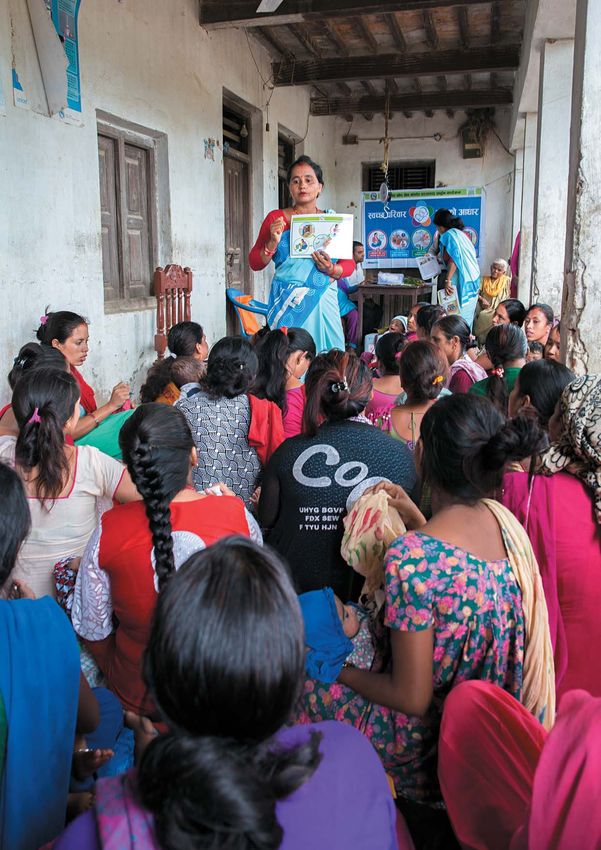
Change and
                     how it will
                     happen

                     N
                              epal faces some critical challenges
                              to meet its water, sanitation
                              and hygiene targets by breaking
                     through its complex socio-cultural,
                     political, geographic and economic
                     barriers.

                     It is most often people from marginalised
                     groups or in vulnerable situations, such
                     as women and girls, people from lower
                     castes, people with disabilities, and urban
                     and rural poor communities living in
                     remote parts of the country who struggle
14                   to access to safe water, sanitation and
                     hygiene.

                     Over the next five years our goal is
                     to ensure that these marginalised
                     groups and individuals, and people in
                                vulnerable situations have
                                     access to equitable safe
                                        water and improved
                                         sanitation, and
                                          practice good
                                           hygiene behaviour
             by 2030
            a world where everyone
                                           so that they can
                                           lead healthy and
         everywhere has access to safe    dignifi ed lives.
             water and sanitation
                                        We believe this change
                                     is a crucial step in helping
                                to realise WaterAid’s vision
                     of a world where everyone everywhere
                     has access to safe water and sanitation
                     by 2030. We consider the following
                     conditions as essential for this change to     Students washing their hands at the
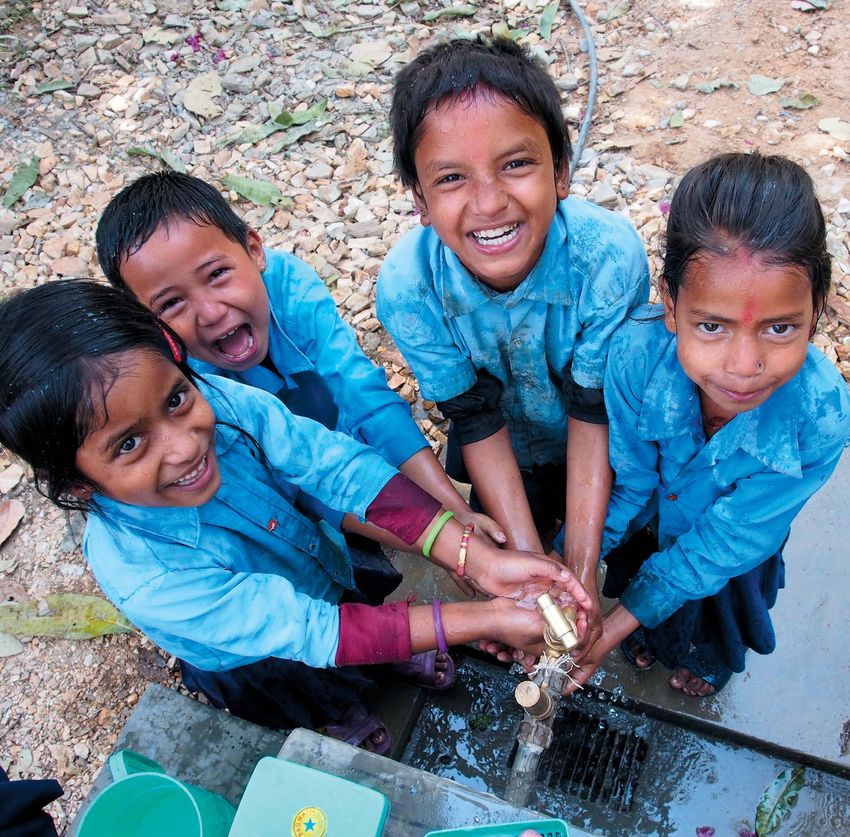
                     be achieved.                                   newly built tapstand at a school in Sajbote
                                                                    Siruwani, Hardeni, Udayapur.
                                                                    WaterAid/ Mani Karmacharya

     Country Strategy 2017-2021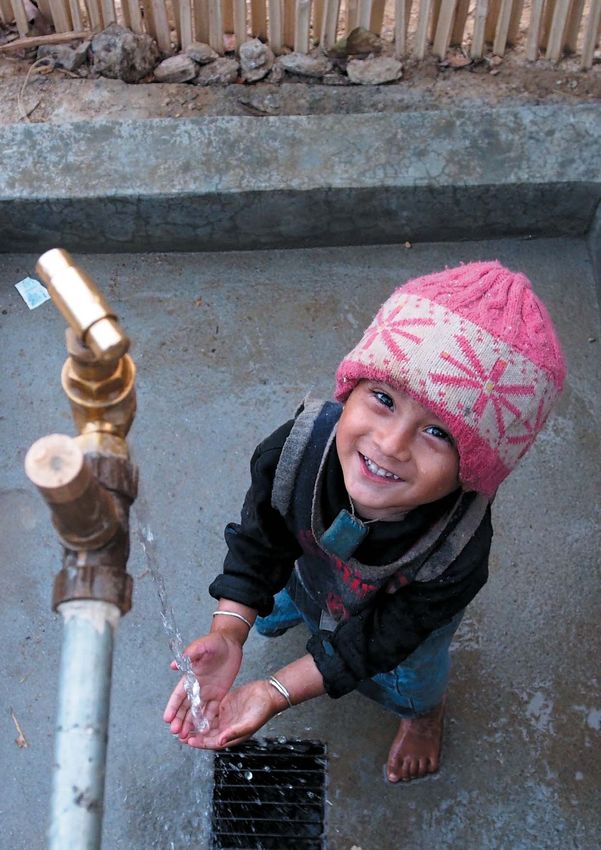
How change will happen The three key conditions needed to such as health and education, to
reach everyone everywhere with safe make it more effective. If healthcare
water, sanitation and hygiene are: centres and schools adopt best practice
1. Accelerated, equitable and increased WASH standards, the overall hygiene
Impact – desired Marginalised people lead healthy and dignified lives, with access to safe water
change and sanitation, and practise good hygiene behaviours access to sustainable, improved water and health of communities is improved,
sources for drinking and domestic use. and education and well-being are
2. Increased numbers of people using enhanced.
improved sanitation with the right 5. WASH sector actors must
People gaining equitable People using improved People practising good technology, systems and services for collaborate meaningfully to
access to sustainable sanitation with the right hygiene supported by
Outcomes – improved water sources technology, systems improved water and the next generation. overcome challenges, promote mutual
key conditions for drinking and domestic and services for the next sanitation 3. Good hygiene practice becoming benefits and efficient use of resources,
use generation
commonplace in communities, develop high impact approaches, and
supported by improved water sources bring about change. It is important to
and sanitation facilities. reach outside the sector to help make
Communities Government WASH actors WASH sector WASH WASH a priority and to emphasise its
aware of accountable delivering collaborating prioritised
Intermediate rights, taking for helping their to influence and To ensure these conditions are possible, critical nature for the success of other
changes – pre- actions and marginalised commitments programmes integrated by five intermediate changes must come key development areas such as health,
conditions actively people and and and policies other sectors about: education, nutrition, the economy and
managing delivering demonstrating for everyone,
WASH WASH models everywhere 1. Marginalised groups and livelihoods.
individuals,14 and people in
vulnerable situations must be aware Underpinning our theory of how change
of and take action for their rights can happen are some assumptions we
Enabling and Promoting Innovation Demonstrating
empowering accountability and research and influencing to water and sanitation, as well have made about the key stakeholders in
WaterAid Nepal’s people to of WASH actors for WASH for WASH as actively managing their WASH the change process:
contributions 17
demand their for sustainable approaches integration
rights to WASH delivery of WASH and technology
systems and services, motivated by 1. Communities, including marginalised
the will to keep their homes and local groups and individuals, and people
environments clean and safe. in vulnerable situations, will prioritise
2. The government must be active their WASH needs within other areas
and ultimately accountable for of development and be part of the
the delivery of sustainable WASH process.
services to the people of Nepal, 2. The government will be willing to
leading on the processes needed to respond to the WASH needs of
reach the most deprived groups and marginalised groups and individuals.
ensuring access to improved water and (Although it may have limited capacity,
sanitation remains affordable. it should be actively working on these
3. The WASH sector actors must issues).
deliver against their commitments, 3. WASH sector stakeholders will be open
monitor progress, demonstrate to and support each other to drive
model ways of working, contribute to change.
strengthening systems and capacity to 4. NGOs and like-minded institutions will
deliver and sustain services, generate proactively engage with the issue.
evidence to influence pro-poor 5. There will be a willingness from other
programmes and policies, and test new sectors and actors to recognise the
technology and approaches. importance of including WASH plans
4. WASH must be prioritised in other across all areas of development, and
sectors’ policies and programmes, they will work together to achieve this.
14. WaterAid (2015) Steps to inclusive WASH. Available at:
www.wateraid.org/~/media/.../Steps-to-inclusive-WASH.pdf?la=en. Accessed 7 November 2016.
Country Strategy 2017-2021 Country Strategy 2017-2021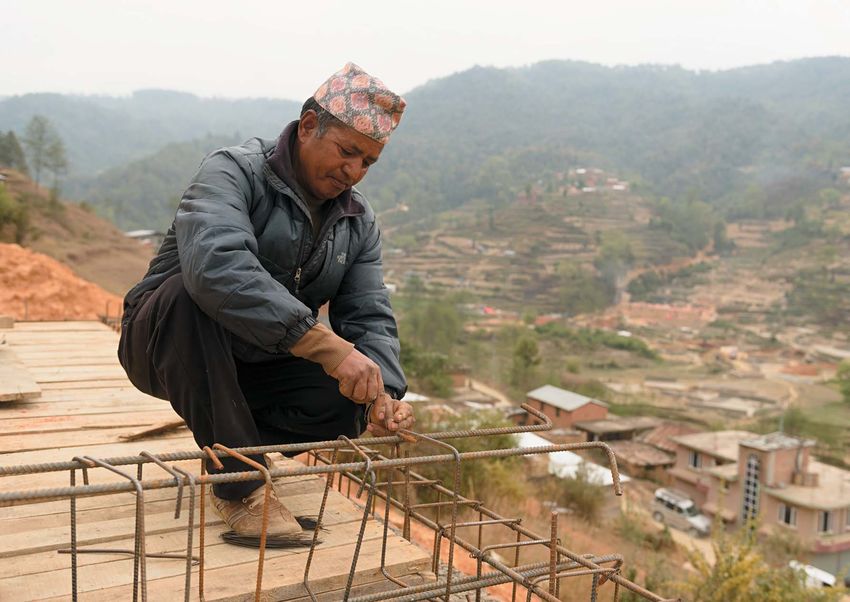
For any of this to be successful, we
                     will need to develop a working
                     understanding of the underlying issues
                     of inequality and discrimination faced
                     by people who lack access to water,
                     sanitation and hygiene. There has to
                     be continuous analysis to ensure our
                     interventions are relevant and effective
                     enough to bring change. We should help
                     design approaches, systems and methods
                     to deliver inclusive WASH services
                     that are built to last. For example, if a
                     toilet is constructed that cannot be used
                     by someone with a physical disability,
                     or without private space for women and
                     girls to safely manage their periods, then
18                   it is not possible to say that everyone
                     everywhere is being reached. In addition,
                     we need to support communities to
                     sustain these changes in the long-term
                     and, given the volatile environment, to
                     develop systems that are resilient to
                     climate change, disasters and shocks.

                     The Nepal Government, NGOs working on
                     WASH, sector actors, the private sector,
                     and civil society groups have a huge
                     responsibility to support communities
                     to achieve their development
                     ambitions. These groups should work
                     together to encourage each other to
                     respond to WASH demands and be
                     accountable for ensuring that sustainable
                     and equal access services are put in place.

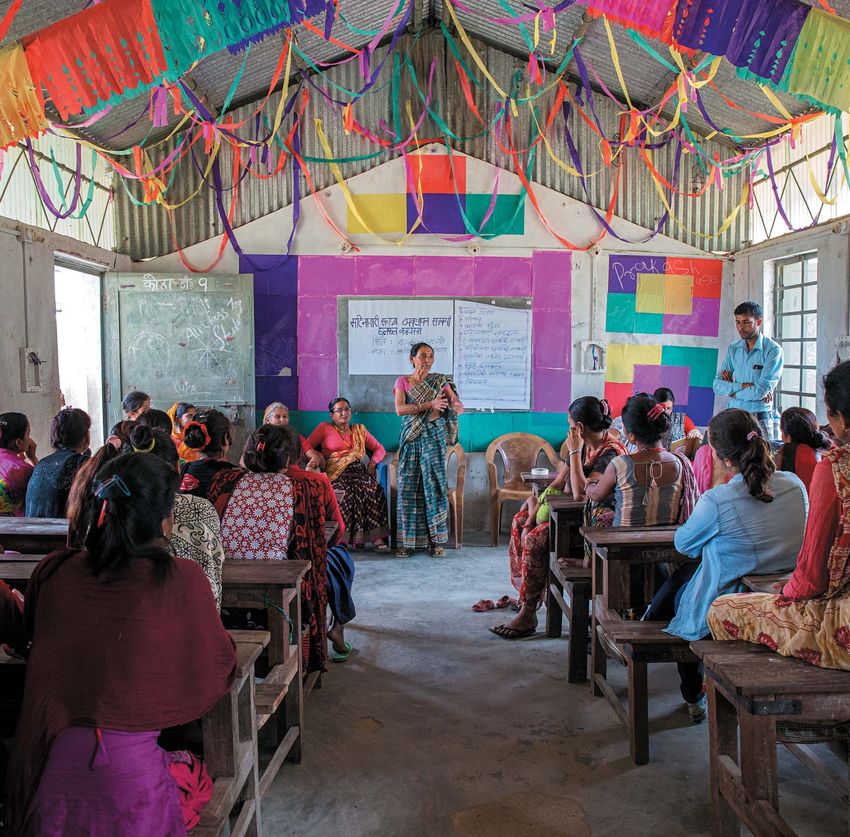
                                                                   A community meeting at
                                                                   Shree Arunodaya Secondary
                                                                   School in Sirthauli, Sindhuli.
                                                                   WaterAid/ Mani Karmacharya

     Country Strategy 2017-2021
Our approach
Our vision is of a world where everyone everywhere has safe water,
sanitation and hygiene by 2030.
Our mission is to transform lives of the poorest and most
marginalised people by improving access to safe water, sanitation
and hygiene.
Our goal is to ensure that marginalised groups and individuals, and
people in vulnerable situations have equitable access to safe water,
improved sanitation and are practising good hygiene behaviour, so
they can lead healthy and dignified lives.
W
e chose to focus our goal on understanding of their rights to water and
reaching marginalised groups sanitation.
and individuals first because
this is where we believe our work can have Sector strengthening builds on our 21
the most impact, in terms of progress belief that to deliver sustainable services,
towards our overall vision. We will be an accountable and responsive WASH
guided by our programmatic approach, sector, which has the capabilities to
which puts human rights at its core and deliver at scale, is needed. We will focus
is comprised of three main components: on the essential building blocks for a
empowerment, sector strengthening and well-functioning sector,15 promoting a
partnerships. sector-wide approach16 at the national
level and a district-wide approach17 at the
The central idea of empowerment local level.
stresses the direct participation of
marginalised groups and individuals, For sustainable and equitable WASH to
and people in vulnerable situations, with reach everyone everywhere, we believe
human development as its fundamental partnerships play a fundamental role.
concern, so people can take action for We will seek to work with a diverse
sustainable WASH through an informed range of actors to promote sustainable
15. WaterAid (2008) Aid Compacts Built around National Plans. Available at:
http://www.wateraid.org/~/media/Publications/aid-compacts-national-plans-discussion-paper.pdf (accessed 8 November
2016).
16. The sector-wide approach is an approach to international development that “brings together governments, donors and other
stakeholders within any sector. It is characterised by a set of operating principles rather than a specific package of policies or
activities. The approach involves movement, over time, under government leadership towards broadening policy dialogue;
developing a single sector policy (that addresses private and public sector issues) and a common realistic expenditure
Lila Bhattarai, female community health programme; common monitoring arrangements; and more coordinated procedures for funding and procurement.” (World Health
volunteer, explaining the importance of Organization, World Health Report 2000)
practicing good hygiene in Ramnagar, 17. The district-wide approach provides a platform for WaterAid to scale up interventions and support the development of the
conditions necessary for universal WASH coverage at the district level. Attaining district WASH coverage then becomes the
Nawalparasi.
foundation of influencing national policy.
WaterAid/ Mani Karmacharya
Country Strategy 2017-2021development and access to WASH. We will strengthening the sector’s effectiveness
create partnerships based on a common and its capacity to deliver services. We
interest for WASH development in Nepal, will aim to enable, facilitate and, where
to help support our strategic vision. crucial, deliver WASH services to improve
the situation of the marginalised groups
Our programmatic approach will allow us and individuals, and people in vulnerable
to work with a spectrum of stakeholders to situations, while contributing to and
identify the needs of communities, work influencing policies and programmes to
with partners, and contribute towards reach everyone everywhere.
Our strategic objectives
Building on our understanding of how change will happen, our
four key objectives will help to bring about the key conditions and
intermediate changes necessary to achieve safe water, sanitation
and hygiene for marginalised groups and individuals, and people in
vulnerable situations in Nepal. These interconnected objectives will
inform all of WaterAid Nepal’s work over the next five years.
Objective 1 Objective 2
Enable marginalised communities and Promote greater accountability and
individuals, and people in vulnerable effectiveness for delivering WASH 23
situations to take action for their rights services.
to water and sanitation.
There are many different organisations
We know there are many different focused on WASH in Nepal, but they
barriers to accessing WASH, such as typically work in isolation. We need
social exclusion, gender, geographical to encourage sector actors to work
location, age and economic status. We will collaboratively and contribute to
apply a comprehensive analysis of these our common goal to reach everyone
issues to our designs and programmes, everywhere with safe and improved WASH.
making them more inclusive. Along We must play a part in strengthening
with our partners, we will help people government leadership and capacity
to understand their rights to water and to accelerate progress on their WASH
sanitation, making sure their voices commitments. We will advocate for the
are heard where it counts and helping conditions needed for people to realise
them take action to realise their rights their rights to water and sanitation. We
and play an active role in improving will look to work together with sector
water and sanitation management. We actors to drive change, encourage
will help build capacity and promote investment, strengthen systems and
hygiene so communities are motivated to capacity for sustainable delivery of WASH,
adopt improved practices, change their monitor performance, learn from each
behaviour and practise good hygiene. other and ultimately speed up the WASH
Pratik Shrestha, 6 outside the development process.
newly-built toilet at his home
in Ugrachandi Nala, Kavre.
WaterAid/ Mani Karmacharya
Country Strategy 2017-2021Objective 3 Objective 4 Recovery and Resilient WASH promotion of good hygiene behaviour
Influence and demonstrate WASH Apply new research, holistic We will work to provide access to safe within routine government immunisation
as foundational to all aspects of approaches and innovative technology WASH for excluded and vulnerable people programme. The second promotes
development, with a focus on health for WASH. in places most affected by the 2015 safe menstrual hygiene management
and education. earthquakes. Our projects will continue for women and girls, allowing them
We should be continuously adapting to cover four affected districts – Kavre, to manage their periods in a secure
WASH must be prioritised in other areas of our approaches, so that we are always Lalitpur, Gorkha and Bhaktapur – with environment.
development if we want to reach everyone using the most appropriate solution plans to work in more districts according
everywhere by 2030. We need to partner or system for any context or situation. to need. Sector Effectiveness
with other sectors, putting emphasis We will develop and strengthen holistic We want to make sure the sector is
on the importance of inclusive WASH approaches; test new technologies that We will design systems, tools, technology working in the best way it can to reach
in public places, such as schools and are cost effective, sustainable and locally and approaches to WASH, so that everyone everywhere with safe water,
healthcare facilities, where a lack of these relevant; run critical research; and adopt communities are able to cope with natural sanitation and hygiene by 2030. This
basic services and good hygiene practice water security measures and designs disasters when they occur. Through means holding governments and other
would be detrimental. By developing plans that can stand up to climate change and our recovery work, we will demonstrate sector actors, including ourselves, to
and actions together, we are more likely to natural disasters. We will build on the local approaches to strengthen water security, account for delivering basic services
achieve overall success. knowledge of communities, helping them explore new, resilient technologies, and and using inclusive approaches for
be more resilient to emerging challenges. share what we learn to contribute to communities and public places where
resilient WASH development for others. water and sanitation systems are needed.
How we will deliver on these objectives: Our Hygiene We will do this by influencing within our
flagship programmes Good hygiene is vital to people’s overall own sector, as well as promoting the
health and well-being, but is often missed importance of WASH to other areas, such
24 We have designed four interconnected programmes that work out of basic WASH programmes and as health and education, and developing 25
together to support our main objectives and contribute to the health and education initiatives. This new joint policies and frameworks for greater
change we want to see. programme puts hygiene first, especially impact and reach.
in relation to health and education. It is
Reaching the Unreached will champion unheard voices and support not enough to have access to clean water We will prioritise our work on sector
We will analyse barriers to access and people to become agents of change in and sanitation facilities alone; without performance with a focus on sector
inequities within the different local their communities. We will work to design proper hygiene practice, communities financing, gender equality and social
contexts we work in that affect access to and deliver WASH services in partnership will still be susceptible to disease and inclusion (GESI) and sector performance
WASH for excluded and vulnerable groups, with these communities, while also infection. monitoring. We will seek collaboration
such as social, geographic and cultural ensuring they are able to manage their with sector actors and key stakeholders,
barriers, and economic deprivation. This own water and sanitation resources over We will focus on building understanding including the government, to enhance
will inform our designs and programmes time. around critical hygiene behaviour, our efforts and joined-up actions towards
to make sure they are working for such as handwashing with soap before common WASH goals.
everybody. We will work to influence and contribute to meals, after using the toilet and after
improved sector effectiveness in reaching touching waste or dirt. We will develop We recognise that WASH sector
We will enable marginalised communities the unreached, through contributing the materials and facilities needed to stakeholders should have both the
and individuals, and people in vulnerable to sector capacity, accountability and support these changes. We will also look willingness and capacity to deliver and
situations to take action for their rights building on our experiences on the at the safe and hygienic disposal of critical sustain services, so while promoting
to water and sanitation and play an ground. waste, safe management of water for accountability we will actively engage
active role in improving water and domestic use, and food hygiene. in contributing to strengthening sector
sanitation management. We will work with Our Reaching the Unreached programme capacity as well.
governments and stakeholders to help will cover rural, urban and peri-urban To support our hygiene work, two
protect and realise those rights, ensuring areas. programmes are running across seven
sustainable delivery of WASH services. We districts. The first looks at integrating the
Country Strategy 2017-2021 Country Strategy 2017-2021Where we will work
We plan to work in 16 districts over the next five years,
extending to a further four districts if funding is secured.
1 3
4
5
26 2 27
Far-Western Region
7
6
9
10
Mid-Western Region 14
8
11
12
Western Region Sindhulimadi
1. Bajhang 9. Rasuwa 13 15
2. Kailali 10. Dolakha
3. Mugu 11. Kavre Central Region 16
4. Jumla 12. Sindhuli
5. Kalikot 13. Sarlahi
6. Bardiya 14. Sankhuwasabha
7. Gorkha 15. Udaypur Eastern Region
8. Kapilvastu 16. Siraha.
Country Strategy 2017-2021 Country Strategy 2017-2021Achieving our vision
What does success
Sustainable Development Goal 6: Clean Water and Sanitation
look like?
Ensure availability and sustainability management of water and sanitation for all.
WaterAid’s global aims Country objectives Flagship programmes
T
he marginalised groups and of people leading healthy and dignified
Equality 1. Enable excluded and Reaching the Unreached
We will tackle and challenge vulnerable people to take
individuals, and people in lives.
the inequalities that prevent action for their rights to Recovery and Resilient WASH vulnerable situations we work
the poorest and most water and sanitation. with are living healthier and more WaterAid Nepal is well-known as a
marginalised people from 4. Apply new research, holistic Sector Effectiveness dignified lives as a result of their increased champion for the water and sanitation
realising their rights to safe approaches and innovative
water and sanitation. technology for WASH.
access to safe water and sanitation rights of marginalised groups and
services supported by the government. individuals, and is recognised for its good
Sustainable services 2. Promote greater Sector Effectiveness They are informed on their rights to water quality work and innovative solutions. We
We will support governments accountability and and sanitation, speaking out about their are a partner of choice for WASH issues,
and service providers to effectiveness for delivering Recovery and Resilient WASH
rights to decision makers, independently and work with different and diverse
strengthen the systems and WASH services.
capabilities required to deliver 4. Apply new research, holistic Reaching the Unreached managing their own resources, practising partners to make our work as effective,
sustainable WASH services. approaches and innovative good hygiene and sharing these lessons. sustainable and far-reaching as possible.
technology for WASH. People and communities proactively hold
Integration 3. Influence and demonstrate Hygiene
governments and other organisations How success will be
We will work with others to WASH as foundational to to account for their water and sanitation measured
28 develop plans and activities all aspects of development, Sector Effectiveness provisions. 29
that accelerate change with a focus on health and To ensure we are making good progress
by integrating WASH into education. Governments have put policies, against our strategic aims, we will embed
sustainable development.
provisions and mechanisms in place rigorous planning, monitoring, evaluation
Hygiene 3. Influence and demonstrate Hygiene to help everyone in Nepal exercise their and collaborative learning processes for
We will positively influence WASH as foundational to right to access safe water and sanitation. measuring success.
hygiene behaviour to maximise all aspects of development, Sector Effectiveness This translates to clear roles and
the benefits of access to safe with a focus on health and
water and sanitation. education. responsibilities, planning and budgeting We will run detailed baseline analyses
4. Apply new research, holistic effectively for the delivery of national and with our partners before any project
approaches and innovative local WASH services that respond to the begins to make sure we are always
technology for WASH. WASH needs of excluded and vulnerable working in the areas most in need of
people and communities. The government WASH and to reach the marginalised
is better resourced, with greater capacity groups and individuals of Nepal.
and more funding for WASH, with
demonstrated leadership. We will use a results tracking system and
perform quality sample assessments
WASH sector actors demonstrate across all of our programmes. We will
collective leadership.18 The WASH sector schedule quarterly reviews to make
promotes and enables collaborative sure our projects are on track and work
work, and other sectors, such as health with independent agencies for a final
and education, are successfully working evaluation of our country strategy.
together in pursuit of their common goal
18. Sanitation and Water for All (2015) SWA Collaborative Behaviours. Available at:
http://sanitationandwaterforall.org/about/the-four-swa-collaborative-behaviours/. Accessed 7 November 2016.
Country Strategy 2017-2021 Country Strategy 2017-2021Our organisation and develop collaborative methods that help
to grow community skills and capacity
earthquake status of the country, WaterAid
Nepal hopes to secure funding for longer-
resources so that people can operate their services
independently of our team and partners
in the future. We will put time and effort
term projects that will help to rebuild
and maintain the local infrastructure and
economy.
into strengthening government processes
so that they can best support WASH Our fundraising will be facilitated and
development in communities. supported by our international fundraising
Our values offices, and we are keen to work with
We will develop inclusive designs so that individual donors, trusts or partners
Respect Courage we can provide accessible water and who are interested in supporting our
We treat everyone with dignity and We are bold and inspiring in our actions sanitation services for the excluded and programmes and the national WASH
respect, and champion the rights and and words, and uncompromising in our vulnerable people of Nepal, for example, development plans in Nepal.
contribution of all to achieve a fairer determination to pursue our mission. accessible toilets, or private washrooms
world. for women and girls. Locally, we will seek to partner with
Innovation institutional donors who provide the
Accountability We are creative and agile, always learning, We will create quality standards for our majority of development funding in Nepal,
We are accountable to those whose lives and prepared to take risks to accelerate projects to make sure the water and channelled through the government, local
we hope to see transformed, to those we change. services we deliver to communities, and international NGOs and the private
work with and to those who support us. homes and public facilities are sector.
Integrity consistently measured and safe to use.
Collaboration We act with honesty and conviction, and Corporate partnerships could provide a
We work with others to maximise our our actions are consistent with openness, Funding priorities great opportunity for WaterAid Nepal,
30 impact, respecting diversity and difference equality and human rights. although the sector is not very well 31
in pursuit of common goals. With the current economic climate, developed and options for funding in this
and especially given the fragile post- area are currently limited.
Our people and culture Financial resources
To deliver our strategy, we will build on We will project reasonable and
the strengths and potential of our people. manageable growth of our organisation so
We will seek to retain, attract, develop that we can continue to work effectively.
and engage people who are passionate We will invest in our four priority
about driving and delivering our work. programmes – Reaching the Unreached,
We will develop our culture based on our Recovery and Resilient WASH, Hygiene
values and invest in skills development, and Sector Effectiveness – to help us
employee engagement, management and reach as many people as possible with
leadership at all levels. We will promote WASH.
diversity in our organisation. We will
ensure our organisational policies are We will focus our resources on enhancing
designed to be relevant, serve a purpose our programme work to go beyond basic
and enhance systems, so that they are services, ensuring that the systems we
efficient and agile enough to enable build are sustainable and can be easily
quality programme delivery. managed by communities. We will
Country Strategy 2017-2021 Country Strategy 2017-2021Risk
management
N
epal has only recently emerged
from a decade-long armed conflict
and still faces political instability.
The political parties continue to struggle
to find common ground for rebuilding and
restructuring the country. There is much
civil unrest in response to the formation
of the new constitution, often resulting in
violent protests.
WaterAid Nepal must ensure it has a
good understanding of the political
situation, and employ an agile and flexible
approach, so that it can continue to
function successfully in this unpredictable
32 environment.
Nepal is extremely vulnerable to climate
change and natural disasters, such as
earthquakes, floods and landslides.
Following the major earthquakes in 2015,
managing operations in the country has
been challenging. This is coupled with
the fragile state of the economy, unstable Dhruba Shrestha, 63, head mason, works
political conditions and an ongoing power on a new disaster resilient water tank in
Lele, Lalitpur.
crisis. WaterAid/ Miguel Samper
Our team should be trained and prepared
to carry out project work effectively, even
in these difficult situations. We will be The announcement of the new slowing development progress. WaterAid compliances, taking steps to comply with
an active member of relevant working constitution and several new federal Nepal should be aware and ready for relevant changes.
groups set up to deal with emergencies, states is likely to result in additional local- these changes, and seek legal advice if
and will partner with other NGOs and the level policies and procedures being put in necessary.
government to further strengthen support place, as well as increased bureaucracy.
networks. We will ensure operations are This may have an impact on the way that To ensure accountability as a development
maintained with adept risk and crisis international development agencies are actor in Nepal, we will have to update
management, and remain vigilant for staff able to operate in Nepal, by creating organisational policies and keep abreast
welfare and security. lengthy legal processes and further of changing government policies and legal
Country Strategy 2017-2021 Country Strategy 2017-2021Log frame
Narrative summary Performance measures Means of verification Key assumptions
Impact: Marginalised people and those in vulnerable Prevalence of waterborne and sanitation-related diseases Government data and Conducive political
situations lead healthy and dignifi ed lives, practising good reports International environment and supportive
hygiene behaviour and having access to safe water and Status of child and maternal health donors, UN and INGOs government
sanitation data and reports
Evidence of reducing inequities in access
Intermediate result 1: People have equitable access to long Proportion of population who have access to an improved water Availability of sufficient
term improved water sources for drinking and domestic use source for drinking and domestic use Research and studies by funds and resources
reputed institutions and
Intermediate result 2: People use improved sanitation Proportion of population who have access to improved agencies
facilities with the right technology, systems and services for the sanitation facilities
next generation. Active participation of
Appropriate evidence and measures for critical hygiene marginalised and vulnerable
Intermediate result 3: People practise good hygiene, behaviours Country strategy review people
supported by improved water and sanitation facilities and end line study
Outcome 1: Marginalised people and those in vulnerable Communities aware of their rights to water and sanitation
situations are aware of their rights and are taking action for Meaningful collaboration
WASH service Communities demanding and taking action for WASH services Programme review and and coordination among
from local government and other stakeholders evaluation WASH actors
Outcome 2: Government and WASH actors accountable for Evidence of government policy, procedures and systems in place
effective delivery of WASH services at different levels to deliver WASH services
WaterAid and partner Positive attitude of
studies and reports education and health
Collaborative eff orts by WASH actors
sectors
Status of WASH financing
Outcome 3: Integrated WASH services in the health and Health and education policies and plans are integrated with WaterAid capacity in
education sectors WASH plans research and technological
demonstration
Number of health institutions with integrated WASH services
Number of schools with integrated WASH services
Outcome 4: New research, holistic approaches and innovative Number of research and studies initiated in the sector
technology being used in WASH
Innovative approaches and technology demonstrated
Evidence of adoption of innovative technologywww.wateraid.org WaterAid is a registered charity: Australia: ABN 99 700 687 141. Canada: 119288934 RR0001. Sweden: Org.nr: 802426-1268, PG: 90 01 62-9, BG: 900-1629. UK: 288701 (England and Wales) and SC039479 (Scotland). US: WaterAid America is a 501(c) (3) non-profit organisation. Front cover image: WaterAid/ Mani Karmacharya Prabin Khatri, 3, playing at the tapstand near his home in Sajbote Siruwani, Hardeni, Udayapur.
You can also read


