Oroua Downs School Charter 2018 2020 - "Challenging students to be successful community and global citizens."
←
→
Page content transcription
If your browser does not render page correctly, please read the page content below
Oroua Downs School
            Charter
           2018‐2020

“Challenging students to be successful
   community and global citizens.”

           Whaia te pae tawhiti:
         Pursue the distant horizon

                                  Oroua Downs School Charter 2018‐2020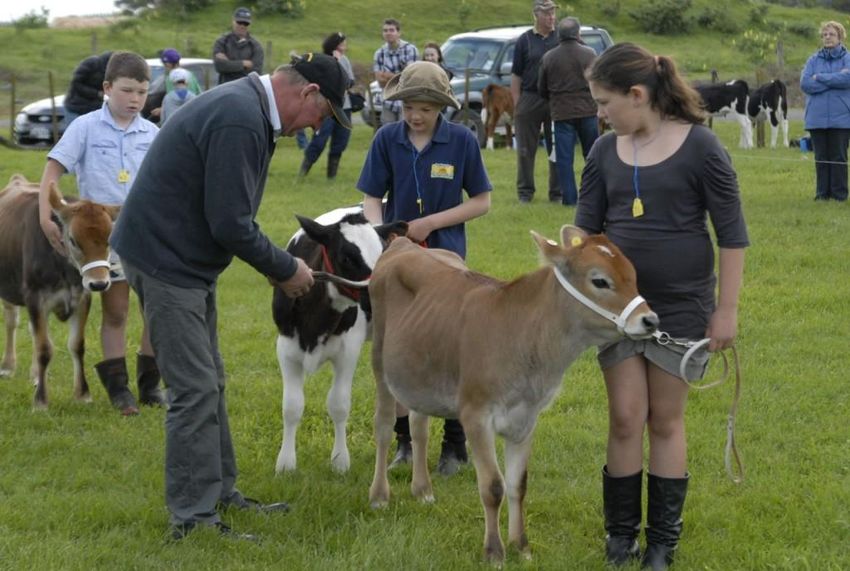
Table Of Contents

Mission
Vision
Motto
Our Virtues (Values)
Our School Community                                                                                  4,5
Our Beliefs About Teaching And Learning                                                                6
Māori Achievement Statement                                                                            6
Special Needs Achievement Statement                                                                   7,8
Strategic Direction 2018‐2020                                                                         ,10
2018 Annual Plan: Strategic Section
2018 Annual Plan: Goal 1
2018 Annual Plan: Goal 2
2018 Annual Plan: Goal 3
2018 Annual Plan: Goal 4
2018 Annual Plan: Achievement Section
Target 1: Improve Student Achievement In Writing                                                      16
Target 2: Improve Student Achievement In Reading
Target 3: Improve Student Achievement In Mathematics
2018‐2020 Self‐Review, Monitoring, Reporting & Consultation Schedule

                                                               Oroua Downs School Charter 2018‐2020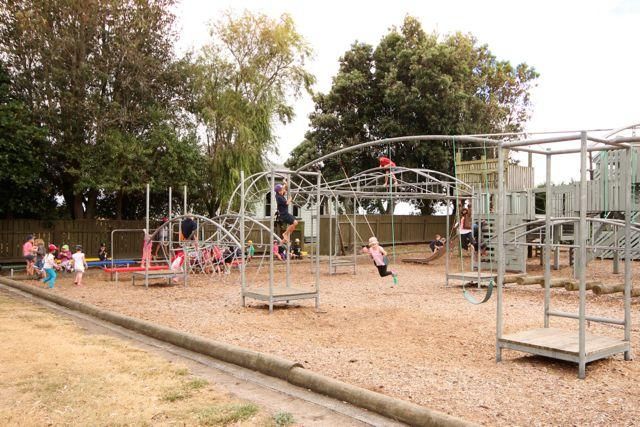
Mission
At Oroua Downs School all students will strive to:
    ● recognise and pursue their talents
    ● be reflective and valuable contributors to the community
    ● have strengths in Literacy and Numeracy
    ● be active, inquiring learners
    ● have an awareness and appreciation of their local environment.

Vision
Challenging students to be successful community and global citizens.

Motto
To be developed.

Our Virtues (Values)
Students at Oroua Downs School aspire to the values as described in the New Zealand Curriculum which are
represented through our school virtues. We believe the school virtues represent our beliefs about what is
important or desirable in our school and community members. Our virtues are demonstrated through the
ways in which our students, parents and staff think and act.
    ● Creativity
    ● Excellence
    ● Teamwork
    ● Respect

                                                                        Oroua Downs School Charter 2018‐2020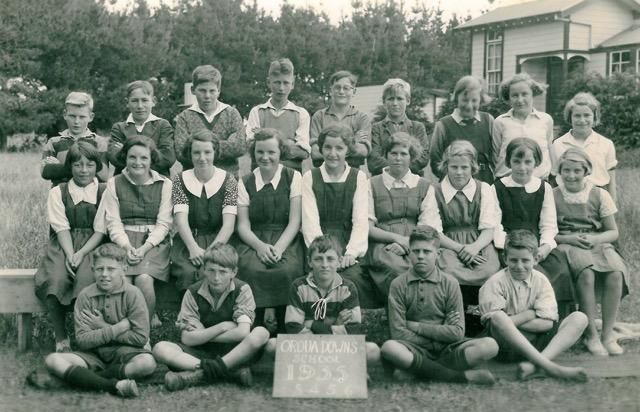
Our School Community
Oroua Downs School is a well‐established country school which has delivered primary education to Year 0
– 8 students for over 100 years. The school is situated on SH 1, 42 kilometers west of Palmerston North and
12 kilometres north of Foxton. The locality of the school ensures a diversity of students and families from
Himatangi Beach, lifestyle blocks, and farms. The majority of students travel to school by bus.

Today the school operates 4 classrooms with learning
supported by up‐to‐date resources, a well‐stocked
library, two swimming pools, extensive playing fields,
courts, and a large adventure playground. The
extensive playing fields hosts the annual Lamb and Calf
Day, presently called Pet Day, for which cups and
ribbons have been awarded to participating students
since 1938tbc.

The Community contributes an active part in supporting
activities at the school. The Oroua Downs School trail bike ride fundraiser has been running for over 5 years
and is the joint effort of the wider school community and the Foxton Rotary. This event is well‐supported
by many local farming families who have a long history of attachment to Oroua Downs school and the
district.

Community is a central tenet in the Oroua Downs
School history. It was the community who decided to
open a school on 21 October 1903 with a roll of 23
pupils. It was the community who rallied together
financially and practically in 1907 to obtain a new
building on the present site when the roll grew to 53
and the building was over utilised catering for other
social activities in the district (like dances, church
services and meetings). The school was originally
named Himatangi School, reflecting perhaps the view of
some residents who wanted the new school built at
Himatangi, but was changed to Oroua Downs School in 1910. Mr Francis C Raikes was the first principal and
Raikes is the name of one of the school House teams (the other 2 houses being Hammond and Hartley).

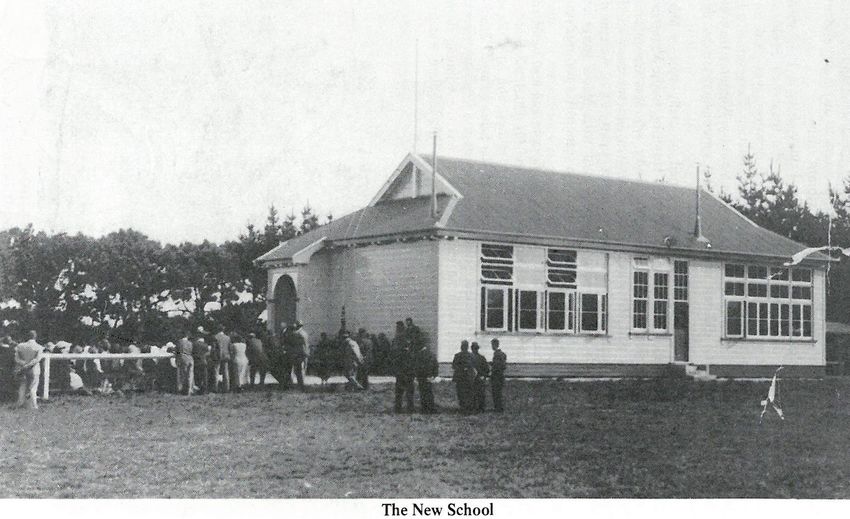
The school has experienced building developments and a fluctuating roll over the years. Significant
historical events include the fire in 1936 which
destroyed the school building and much of the early
history. A new school with 2 classrooms was built the
following year. A swimming pool was first constructed
in 1945 and a learner pool added in 1970. The
modifications and continued operation of two school
pools is a testimony to a dedicated school and
community who had the forethought to create and
maintain it over the decades.

                                                                           Oroua Downs School Charter 2018‐2020
In 2012 with the assistance of the Environmental Arts
Trust, Creative New Zealand, and the Ceramic Studio,
students researched the history of the area and
collected stories that could be told in pictures painted
on tiles. Long‐time residents talked to the children
about their memories of Oroua Downs. This work of art
and history is located on the Western wall of the former
school dental clinic.

For further insight into the School and Oroua Downs History
we recommend The Downs ‐ History of Oroua Downs &
district for the School Centenary 1903‐2003 by Beth Hunt ISBN
0‐473‐09602‐1.

                                                                Oroua Downs School Charter 2018‐2020
Our Beliefs About Teaching And Learning
The core purpose of Oroua Downs School is to ensure that every student can attain the highest possible
standard in their learning. As a community we have identified the underpinning beliefs that guide and
support the vision we have for our learners and for them to demonstrate our virtues of excellence,
creativity, teamwork and respect in everything they do.
                                               Our Learners
      Excellence                    Creativity                 Teamwork                      Respect
To be the very best that we      Seek out, use and create               Learning together creates            Respect and care for people
can be.                          knowledge. Our goal is for             opportunities for success. We        and the environment. We
We want our students to:         students to:                           want our students to:                expect our students to:
●    be self motivated and       ●    generate new ideas and            ●    support each other in           ●    make positive choices
     drive their own learning         solve problems                         achieving their goals           ●    be friendly, honest and
●    dream big                   ●    be curious, ask questions         ●    shape their learning                 trustworthy
●    set goals and critically         and seek answers                       through sharing and             ●    take responsibility for
     reflect on their learning   ●    use their learning in new              interacting with others              themselves and their
●    have high expectations           situations                        ●    be effective collaborators           actions
     for themselves and their    ●    have the confidence to                 and communicators               ●    include others in all areas
     learning                         take risks and try new            ●    listen to and cooperate              of school and learning
●    be resilient and                 things                                 with students and adults        ●    treat everyone equally
     persevere                   ●    think outside the box and         ●    be actively involved and        ●    acknowledge and
●    be excited and look              use their imagination                  contribute to school and             celebrate our diversity
     forward to learning         ●    be confident in the arts.              learning                             and culture
●    articulate what they are                                           ●    be able to reason and           ●    demonstrate fair play
     learning and why.                                                       negotiate with others.               and sportsmanship.

         Inspiring                                            Real Life                                            Partnerships
Our teachers are inspirational   Learning is shaped around real life contexts. Learning will:                We are a community of
and passionate role models.           ●     be practical and link to problem based situations                connected learners. We
They:                                 ●     include active and hands on opportunities                        believe that:
●    are passionate about             ●     go beyond the classroom                                          ●    learning is a partnership
     their role as teachers           ●     prepare students for the future.                                      between home, whānau,
●    are motivating and                                                                                           school and the
     inspiring, providing the                                 Learning                                            community
     spark to engage students                                                                                ●    students can learn with
     in learning                 Learners will achieve success through a variety of experiences. These            and from different
●    are friendly and            will:                                                                            people and at different
     approachable                      ●   allow all students to be successful                                    times and places
●    build strong meaningful           ●   be meaningful, interesting, engaging and challenging
     relationships with                ●   build on interests, passions, questions and wonderings of
                                                                                                             ●    students are connected
     students and parents                  the students                                                           in a global world.
●    are committed to                  ●   develop life skills, teamwork, commitment, dedication and
     recognising, encouraging              resilience
     and building on student           ●   allow students to explore new opportunities and
     strengths                             environments
●    are caring and                    ●   develop creativity and expression in the arts
     compassionate                     ●   involve students in making decisions about their learning.
●    are learners themselves
     who are open to
     continuous improvement
     and change
●    have high expectations of
     all students
●    consider the learning
     needs of each student as
     a priority
●    work as a team.                                       Environment

                                 Learners will have a variety of tools and environments to support
                                 their learning. They will:
                                       ●     self select appropriate tools to help them learn
                                       ●     use digital technologies to enhance and support learning
                                       ●     learn within a variety of environments and spaces catering
                                             for their diversity.

                                                           Foundations

                                                                                                Oroua Downs School Charter 2018‐2020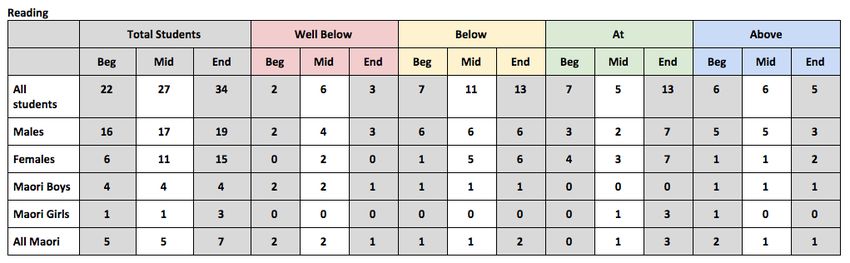
Learning to Learn                    Community Engagement                                Treaty of Waitangi
   Reflecting on learning processes.      Connecting with wider lives, whanau and      Acknowledging bicultural foundations of NZ.
           High Expectations                            community                                       Coherence
Empowerment through personal exellence.              Cultural Diversity                  Making links withing and across learning.
             Future Focus                 Valuing the histories and traditons of all                     Inclusion
      Exploring significant issues.                       people.                      Students’ needs are recognised and affirmed.

                                                                                       Oroua Downs School Charter 2018‐2020
Māori Achievement Statement
At Oroua Downs School we acknowledge New Zealand’s cultural diversity and in doing so recognise the
unique position of Māori as tangata whenua. The school strives to provide opportunities that support its
students’ in Te Reo and Tikanga Māori.
Oroua Downs School has high expectations for all students and their educational progress and
achievement. Achievement of Māori students is reported regularly to the Board and we will continue to
ensure that Māori can enjoy educational success as Māori.
A range of opportunities are currently provided:
● Ongoing school wide Te Reo programme for all students
● School singing programme enriched with waiata
● Ka Hikitia and Tātaiako cultural competencies regularly discussed in staff meetings.
Oroua Downs School Board of Trustees is actively looking at ways to increase knowledge, understanding
and use of Te Reo and Tikanga Māori for students, staff and the school community. It seeks to:
● Undertake a scoping exercise to gather student and whānau voice and expectations
● Engage with the Māori community as part of its ongoing review and curriculum development
● Acknowledge that the Māori community are key stakeholders in the school
● Actively engage and involve whānau through school and community events
● Utilise internal and external expertise for guidance and teaching in te ao Māori
● Develop a Māori Student Achievement Strategy
● Develop curriculum contexts for learning focusing on Tikanga Māori e.g. Mātāriki, harakeke
● Engage in professional learning and development opportunities to deepen staff and Board
understanding of all things Māori, including Ka Hikitia, Tātaiako and Te Tiriti o Waitangi.
Special Needs Achievement Statement
The Oroua Downs School Board of Trustees believe every child has the right to learn and to reach their
potential. We aim to improve learning outcomes for all students including students with special education
needs.
Effective partnerships between the Boards of Trustees, school personnel, specialists and particularly
parents, caregivers, families and whānau will provide a strong platform for meeting the special education
needs of all students enrolled at Oroua Downs School.
As a Board and school we see our role is to:
● Acknowledge and promote opportunities for parent, caregiver, family and whānau involvement in
the development, review and implementation of all learning programmes and strategies related to
their child
● Promote the elements, and short and long‐term benefits, of building and maintaining successful
partnerships
● Encourage open consultation and communication with and between staff, specialists, parents and
caregivers and families, whānau, agencies and the community
● Create an environment where everyone listens to and respects others' point‐of‐view
● Ask questions and seek information from other schools and outside expertise to find answers.
Oroua Downs School Charter 2018‐2020The Oroua Downs School Board of Trustees supports students with special needs in a number of ways
including:
● Using external expertise such as Resource Teacher of Literacy, Resource Teacher of Learning and
Behaviour, Children and Family Mental Health, Alcohol and Drug Service, Social Worker in Schools,
and the Ministry of Education Special Education services.
● Supporting and developing early literacy through reading support programme.
● Employing teacher aides to work alongside identified students in close collaboration with external
expertise and classroom teacher.
● Giving opportunities for students to work with teacher aides in special programmes such as the
Rainbow Reading, Early Words and Fast Fingers.
● Trialing a number of ways to support and engage learners with special needs including technology
and specific software/apps for learning.
● Working with parents and caregivers and families, whānau and agencies in developing Individual
Education Plans for high needs students.
● Identification of students through analysis of formal and informal data reflected in teacher inquiry,
target groups and appraisal goals.
● Regular monitoring, reporting and long term reviews of achievement data and learning, teaching
and support programmes.
● Provision of a management unit for SENCo responsibilities.
The Oroua Downs School Board of Trustees is always seeking improvement to ensure the success of all
learners. The Board and staff acknowledge that they can always get better at identifying and supporting the
needs of any students with special educational needs. We seek to:
● Improve internal systems for tracking and recording interventions and outcomes for special needs
students (including gifted and talented students).
● Provide professional learning opportunities for staff to target areas of student need.
● Proactively engage external expertise to support and guide learning and teaching programmes.
● Ensure that communication between staff, specialists, parents and caregivers and families, whānau,
agencies and the community the school is open and transparent.
● Develop systems to identify gifted and talented students.
● Provide opportunities to support and further develop gifted and talented students.
● Ensure that learning programmes extend students to reach their learning potential.
● Develop early intervention programmes for students who are at risk of not achieving.
Oroua Downs School Charter 2018‐2020Strategic Direction 2018‐2020
NAG 2 states that each BOT with the principal and teaching staff are required to develop a strategic plan
which documents how they are giving effect to the National Education Guidelines through their policies,
plans and programmes, including those for curriculum, assessment and staff professional development.
The Oroua Downs School strategic goals outline the priorities for the school as it moves forward over the
next 3 years. They are based on the following underlying principles. They:
● Set the direction for Oroua Downs School as it looks ahead proactively
● Clarify the values, shared vision, and guiding philosophy
● Manage change to the best advantage of the school
● Manage future risks
● Give direction yet are flexible to enable response to changed circumstances
Oroua Downs School Charter 2018‐2020Vision: “Challenging students to be successful community and global citizens.”
Kairangatira/Excellence Auahatanga/Creativity Mana/Respect
Goal 1: Our Learning Goal 2: Our Learning Environment Goal 3: C
Effective Practice for All learners will be supported to achieve All learners are able to experience learning in To establish p
Improvement and Learner through the NZC and ODS curriculum as our safe and engaging learning environment in stud
Success evidenced by progress and achievement in order to achieve their goals
relation to NS.
To increase the number of students achieving at The cultures within our school are represented Staff and boar
Stewardship or above the National Standard in Reading, around our school environment becoming cultu
Writing and Mathematics responsive mem
The range of equipment and areas for play are
Leadership of conditions for To increase the number of Maori, Pasifika and engaging, desired with appropriate risk Staff and board
equity and excellence Asian students achieving at or above the management deeper underst
National Standard in Reading, Writing and school virtues fro
Mathematics. Continue Board of Trustee SelfReview to ensure
we are as effective as possible in our roles
To further progress and extend those students at
or above National Standard in Reading, Writing
and Mathematics
Board of Trustees and Staff
Our children are engaged with voice and choice Our learning spaces are creative, encourage Māori learners wi
Responsive Curriculum, regarding our curriculum development and their collaboration and have the flexibility to include all belonging to Orou
effective teaching and learning activities learners’ needs
opportunity to learn All learners will
Our school/Kura curriculum is flexible, adaptive Provide tools for learning that support our practice our scho
and responsive to the needs of all our learners pedagogy and learner agency (student’s ability to perspective
drive their own learning)
Professional capability and Teachers are learners striving to be more To recognize a
collective capacity effective in our support and extension of our community
learners
School/Kura
Whānau will
Family/whanau are also learners building their Family/whanau contribute to the environmental and increasingly c
Educationally powerful capacity to understand how they can be more associated learning needs of our school and tamariki.
connections and effective in our support of our learners. learners.
relationships Whānau will fee
integral part o
School.
Family/Whanau/Community
Oroua Downs School Charter 2018‐20202018 Annual Plan: Strategic Section
NAG 2 states that each BOT with the principal and teaching staff are required to develop a strategic plan
which documents how they are giving effect to the National Education Guidelines through their policies,
plans and programmes, including those for curriculum, assessment and staff professional development.
The Oroua Downs School strategic goals outline the priorities for the school as it moves forward over the
next 3‐5 years. They are based on the following underlying principles. They:
• Set the direction for Oroua Downs School as it looks ahead proactively
• Clarify the values, shared vision, and guiding philosophy
• Manage change to the best advantage of the school
• Manage future risks
• Give direction yet are flexible to enable response to changed circumstances
Oroua Downs School Charter 2018‐2020Pe
rs Goal One: Our Learning All learners will be supported to achieve through the NZC and ODS curriculum as evidenced by progress and
on
ali Excellence/Kairangi
sa
tio Strategic Aim Goals Specific Actions
n
th
ro
ug To increase the number of students 80% of students ● Use of learners voice and choice in learning activities
ho achieving at or above the National achieving at or ● Moderation school and wider school community
ut Standard in R, W and M (with an above in reading ● Professional Readings
all additional focus on Maori, Pasifika ● Use a variety of technologies to motivate learners to experience r, w and m with
ele and Asian students) 80% in writing ‘real’ audiences and purpose.
m ● Follow our annual goals and actions related to cultural responsiveness.
en 80% in maths ● Work with family/whanau around ways to support learner’s progression.
ts ● Development and ongoing refinement of learner profiles
of ● Celebrate the progress made within achievement bands
ou ● Ongoing analysis of data to inform moderation and teacher practice
r ● Ongoing wide selfreview as per school schedule
sc ● Build practices and implement initiatives that build student social, motivational
ho and emotional wellbeing
ol/
ku
Our children are engaged through Learners are ● Consistent approach from teachers to engage students through all inquiries
ra
voice and choice regarding our engaged, motivated beginning with voice and choice
(C
curriculum development and their and progressing ● Professional Readings and critical thinking and discussion on student voice and
ult
learning activities towards being more choice
ur
selfmanaging ● Regular professional discussion regarding experiences in learning environments
e,
successes and challenges in order to bring about best practice school wide.
So
cia
l,
Our school/Kura curriculum is Our curriculum ● Learners and family/whanau have opportunities to influence our school/Kura
In
flexible, adaptive and responsive to provides curriculum throughout the year.
ter
the needs of all our learners opportunities for ● Learner profiles are developed and updated regularly; therefore ensuring our
est
our learners needs curriculum is responsive to current needs.
s)
Teachers are learners striving to be Teachers develop ● Teachers involved in TAI with specific goals pertaining to learner agency,
more effective in our support of our ability to cultural responsiveness and a goal of choice.
learners. personalise learning ● Professional readings and discussions, critical friends, appraisal system,
walkabouts and learning walks.
Family/whanau are also learners Family/Whanau
building their capacity to support at home for ● Family/Whanau learning support workshops held throughout the year
understand how they can be more learners is enhanced ● Sharing of effective learning strategies, tips and information through the school
effective in our support of our app, newsletter, website and Facebook
learners. ● Family/Whanau have opportunity to share their skills and experiences at school
building their capacity for teaching and learning
Pe
rs Goal Two: Our Learning Environment All learners are able to experience learning in our safe and engaging learning environment
on
ali Creativity/Auahatanga
sa
tio Strategic Aim Goals Specific Actions
n
th
ro
ug To ensure that our learning spaces are Further development of innovative learning ● Optimise collaborative school learning spaces
ho responsive to our learners and spaces through effective use of MOE and BOT funds.
ut teachers needs
all
Oroua Downs School Charter 2018‐2020ele
m Our learning spaces are creative, Develop a ODS pedagogical approach to ● Professional learning provided for all staff around
en encourage collaboration and have the designing learning spaces that enhance collaboration, effective teamwork and education
ts flexibility to include all learners’ collaborative coteaching and learning literature.
of needs. which enhances outcomes for all
ou ● Inclusion within teachers TAI
r
sc Continue Board of Trustee To provide a schedule of review that informs ● Develop and maintain schedule of review for
ho SelfReview to ensure we are as our next steps throughout the school systems 20162919
ol/ effective as possible in our roles ● Share, discuss and make appropriate decisions based
K on review understandings for the future
ur
a
(C Provide tools for learning that support We develop our understanding of being able ● Inquiry based approach to the learning tools and
ult our pedagogy and learner agency to apply our learning tools to suit our pedagogical relationship
ur (student’s ability to drive their own pedagogy and learners needs
e, learning)
So
cia
l, The cultures within our school are Children identify strongly with ‘our place’ ● Artwork and design features representative on
In represented around our school and have confidence in their role as learners individuals and cultures around school
ter environment. at ODS. ● Te Reo signage apparent on all buildings and
est instruction
s) ● Cultural opportunities for all learners such as
Whanau Hui, Kapa Haka etc.
●
The range of equipment and areas for Children are engaged, challenged and have ● Learners review/voice on range of play opportunities
play are engaging, desired with opportunity for skill development and available and desired
appropriate risk management. enjoyment ● Planning with learners for implementation of new
activities and equipment
● All equipment is assessed and risks managed
Goal Three: Culturally Responsiveness To establish partnerships with our Māor
Mana/Respect
Strategic Aim Goals Specific Actions
Staff and board members will work Developed understanding of Trustees and ● Unpack Tataiako and Hautu with Trustees and Staff
towards becoming culturally staff to be more culturally responsive in (incl Self Review)
competent and culturally responsive supporting our learners and their learning ● Learning conversations
members of our school community. journeys ● Sharing of both staff and BOT members knowledge
of cultural competence through school app,
newsletter, Facebook and website
Staff and board members will work School members show an ability to deeply ● Workshops and PLG’s scheduled to build shared
towards a deeper understanding and articulate our school virtues using a Maori understanding of school virtues with through a
outworking of our school virtues from cultural perspective. Maori perspective.
a Māori cultural perspective. ● Sharing of learning’s by BOT and Staff shared
through school app, newsletters, Facebook and
website
Māori learners will feel a sense of Range of cultures within school community ● Mihi by all learners
connection and belonging to Oroua and nationally celebrated and valued ● Mapping of our multicultural community
Downs School. ● Kapa Haka performing in assemblies and other
community gatherings
● Values to be bilingual with deeper meaning
● School wide values translated to Maori concept
● Kapa Haka started and promoted
● Tuakana/Teina programme implemented
● Powhiri, Matariki, Marae experienced by our learners
and community throughout the year
Oroua Downs School Charter 2018‐2020All learners will be cognisant of and Learners achievement enhanced through ● Further focus on school virtues including within from
put into practice our school virtues cultural responsiveness a Maori cultural perspective in classroom learning
from a Māori cultural perspective. programmes
● Schoolwide extension learning opportunities
Whānau will feel that staff are Whanau have confidence in staff’s ability to ● Regular capturing of both student and family/whanau
becoming increasingly culturally be culturally responsive to tamariki voice around culturally responsiveness
responsive to their tamariki.
Whānau will feel a sense of Family/Whanau provide more of a ● Development of learner profiles
connection and be an integral part of supporting role in their children’s learning ● Learning Celebrations (student/parent/teacher
the fabric of Oroua Downs School. conferences)
Enhanced understanding of their children’s ● Whanau Hui
learning and progression. ● Involvement through learning activities (Kapa Haka,
Marae stay)
● Brain Spew (learning reflection) books
Pe
rs Goal Four: Our Community To build a professional learning community across our school/Kura and community to improve student, fam
on
ali Teamwork/Kapa
sa
tio Strategic Aim Goals Specific Actions Responsibility
n
th
ro
ug Engagement with all of community To create learning opportunities for ● Walk the walls Principal, DP
ho related to enhancement of support for family/whanau to be able to engage ● Professional learning evenings
ut learners meaningfully with their child’s learning. ● Book look
all ● Blog postings, newsletter, FB
ele
m Develop learner agency Students/Teachers/Family/Whanau all ● School in action invitations Principal, DP
en understanding and support from all take ownership of their own learning ● School professional learning
ts within the community and the relationship between all full blogs
of school community ● Coteaching opportunities
ou
r
sc Our resources are available to our To develop new, extend and enrich the ● Opportunities advertised in Principal, DP,
ho community for their use current community partnerships newsletter, FB and website Teachers, BoT,
ol/ ● Community garden
ku ● After school care education
ra relationship
(C ● Utilised for gatherings
ult
ur Work collaboratively with our wider To build relationships and knowledge to ● Other school visits for ODS goal Principal, DP, BoT
e, education network progress ODS Curriculum and capacity progression
So to provide for our learners ● School blogging of journey
cia (transparency)
l, ● School partnerships brought
In about by Communities of
ter Learning
est ● Transition process including
s) early childhood, intermediate and
secondary
● Provide understanding of career
options and relevant study
preceding
Oroua Downs School Charter 2018‐2020Oroua Downs School Charter 2018‐2020
2018 Annual Plan: Targeted Achievement Section
NAG 1 states that Oroua Downs School, on the basis of good quality assessment information, identifies
students and groups of students:
    ● who are not achieving;
    ● who are at risk of not achieving;
    ● who have special needs (including gifted and talented students); and
    ● aspects of the curriculum which require particular attention.
Oroua Downs School will develop and implement teaching and learning strategies to address the needs of
students and aspects of the curriculum identified.

The Board of Trustees, after analysis of the 2015 assessment data, has identified areas of need and has set
the following achievement targets for 2016:
    1. Improve student achievement in writing
    2. Improve student achievement in reading
    3. Improve student achievement in mathematics

These targets form the basis of the annual plan and relate directly to Strategic Goal 1: To focus on quality
teaching and learning.

                                                                            Oroua Downs School Charter 2018‐2020
Target 1: Improve Student Achievement In Writing
Rationale
● The process of becoming literate is intensely complex. The literacy learner has to develop a
knowledge base, a repertoire of strategies, and awareness of how to put their knowledge and
strategies together. Students acquire literacy through planned activities that give them rich
experiences with texts and related language activities. A knowledge of how learners acquire literacy
underpins the teaching practice of effective teachers and gives them well‐founded confidence.
(Effective Literacy Practice in and Writing Years 1‐4, p. 8‐9).
Possible Actions
● Robust data gathering, analysis and next steps for individuals and cohort groups (year levels,
classes, gender, ethnicity)
● Setting of annual achievement goals in writing
● Regular reporting of achievement data and next steps to Board as part of the ongoing monitoring
and review cycle
● Regular moderated analysis of student learning for school wide consistency of overall teacher
judgment
● Ongoing review of classroom writing programmes
● Implementation of new school curriculum for writing
● Integration of elearning pedagogies throughout the teaching and learning of writing
● Targeted purchasing of resources aligned to goals and student need
● Targeted use of teacher aides to support enhanced learning in writing
Success Indicators
We will know when we have achieved this when we:
1. Increase the number of students achieving at or above expectations against the New Zealand
Curriculum by the end of 2018.
2. Ensure all students make progress towards being at or above expectations against the New Zealand
Curriculum by the end of 2018.
3. Show improved achievement in Writing for the following cohort groups identified in the 2017
end‐of‐year achievement data:
● 10 Year 1‐3 students (6 male, 4 female) (2 Maori male, 1 Maori female)
● 5 Year 4‐5 students (5 male)
● 9 Year 6‐8 students (6 male, 3 female) (3 Maori male, 2 Maori female)
TARGET FOR RAISING STUDENT ACHIEVEMENT IN WRITING
Links to Oroua Downs School Strategic Goals: Goal 1: To focus on quality teaching and learning.
Supporting beliefs from our Charter that we aim for in our teaching and learning:
● Our teachers are inspirational and passionate role models.
● We are a community of connected learners.
● Learning is shaped around real life contexts.
● Learners will achieve success through a variety of experiences.
● Learners will have access to a variety of tools and environments to support and extend their learning.
2018 Annual Achievement Targets:
● To increase the number of students achieving at or above expectations against the New Zealand Curriculum by the end
of 2018..
● To ensure all students make progress towards being at or above expectations against the New Zealand Curriculum by the
end of 2018.
● To target the following cohort groups as identified in the 2017 end‐of‐year achievement data:
o 10 Year 1‐3 students (6 male, 4 female) (2 Maori male, 1 Maori female)
o 5 Year 4‐5 students (5 male)
o 9 Year 6‐8 students (6 male, 3 female) (3 Maori male, 2 Maori female)
Baseline Data:
Year 0‐3
Oroua Downs School Charter 2018‐2020● 59% of all students at or above at beg of year ● 50% of all males at or above at beg of year
● 53% of all students at or above at end of year ● 53% of all males at or above at end of year
● 40% of all Maori at or above at beg of year ● 33% of all females at or above at beg of year
● 60% of all Maori at or above at end of year ● 82% of all females at or above at end of yea
Year 4‐8
● 68% of all students at or above at beg of year
● 55% of all females at or above at beg of year
● 71% of all students at or above at end of year
● 87% of all females at or above at end of year
● 18% of all males at or above at beg of year ● 25% of all Maori at or above at beg of year
● 56% of all males at or above at end of year ● 55% of all Maori at or above at end of year
Planned Actions Timing Responsibility Resourcing
Collect and analyse school As per school assessment and Principal, teachers No cost
wide data in writing. reporting schedule.
Reporting to BOT of As per Self‐Review, Principal, teachers, BOT No cost
achievement in writing. Monitoring, Reporting &
Consultation Schedule
Continued staff meetings Ongoing Principal, teachers No cost
focused on the analysis of
data, delivery of effective
teaching and learning
programmes.
Oroua Downs School Charter 2018‐2020Writing ‘Learning Walks’ Term 2 and 4 Principal No cost
observations to monitor
writing programmes in
practice.
Maintain high level of teacher Ongoing Principal, SENCo, teacher Teacher aides x 2 @ $18,200
aide support and programmes aides
in literacy.
Collect student voice to capture student perspectives and attitudes to the learning and teaching of writing.
● As part of school inquiry ongoing Teachers, Principal As per TAI costs
● As part of TAI Terms 1 and 4 Teachers As per TAI costs
● As part of performance Terms 2 and 4 Principal No cost
appraisal/walkthroughs
Visit schools of best practice Term 2 and 3 School Visits Staff As per PLD and TAI costs
to observe and discuss
strategies and approaches of
effective literacy teaching.
Internal moderation of Term 2, 3 and 4 and as Principal, classroom teachers No cost
writing samples against ODS required
Writing Matrix and National
Standards for Writing
External/cluster moderation Term 2 and 3 Te Kawau cluster. No cost
of writing. Local ALL schools.
Continued use of external Ongoing Principal, SENCo, RT Lit, RTLB,
expertise and agencies to Speech Language Therapy
support students with high
learning needs.
Investigate a range of strategies/approaches to enhance the teaching and learning of writing, especially for our priority learners.
● Writing clubs/workshops Ongoing Teachers, principal
● Whole school phonics
cross grouping
● Gender classes
● Writing project groups
● Increasing visibility of
published writing
● Use of technology e.g.
iPads
● Team teaching/flexible
learning spaces
Oroua Downs School Charter 2018‐2020Target 2: Improve Student Achievement In Reading
Rationale
● Learning to read and write is a complex, cumulative process. Students build on their existing
expertise and use their developing knowledge and skills in different ways. There are skills,
knowledge and attitudes that students must develop in order to read and write the texts that will
enable them to engage with all learning areas of the curriculum (Reading and Writing Standards for
years 1‐8, p. 8‐9).
Actions
● Robust data gathering, analysis and next steps for individuals and cohort groups (year levels,
classes, gender, ethnicity)
● Setting of annual achievement goals in reading
● Regular reporting of achievement data and next steps to Board as part of the ongoing monitoring
and review cycle
● Regular moderated analysis of student learning for school wide consistency of overall teacher
judgment
● Ongoing review of classroom reading programmes
● Teacher professional goals in reading integral to Performance Management plans
● Development of up‐to‐date school curriculum documentation for reading
● Integration of elearning pedagogies throughout the teaching and learning of reading
● Targeted purchasing of resources aligned to goals and student need
● Targeted use of teacher aide to support enhanced learning in reading
Success Indicators
We will know when we have achieved this when we:
1. Increase the total number of students achieving at or above expectations against the New Zealand
Curriculum by the end of 2018.
2. Ensure all students make progress towards being at or above expectations against the New
Zealand Curriculum by the end of 2018.
3. Show improved achievement in Reading for the following cohort groups identified in the 2017
end‐of‐year achievement data:
● 10 Year 1‐3 students (7 male, 3 female) (4 Maori male, 1 Maori female)
● 7 Year 4‐5 students (4 male, 3 female) (1 Maori male, 1 Maori female)
TARGET FOR RAISING STUDENT ACHIEVEMENT IN READING
Links to Oroua Downs School Strategic Goals: Goal 1: To focus on quality teaching and learning.
Supporting beliefs from our Charter that we aim for in our teaching and learning:
● Our teachers are inspirational and passionate role models.
● We are a community of connected learners.
● Learning is shaped around real life contexts.
● Learners will achieve success through a variety of experiences.
● Learners will have access to a variety of tools and environments to support and extend their learning.
2015 Annual Achievement Targets:
1. To increase the total number of students achieving at or above expectations against the New Zealand Curriculum by the
end of 2018.
2. To ensure all students make progress towards being at or above expectations against the New Zealand Curriculum by
the end of 2018.
3. To target the following cohort groups as identified in the 2017 end‐of‐year achievement data:
o 10 Year 1‐3 students (7 male, 3 female) (4 Maori male, 1 Maori female)
o 7 Year 4‐5 students (4 male, 3 female) (1 Maori male, 1 Maori female)
Baseline Data:
Oroua Downs School Charter 2018‐2020Year 0‐3
● 59% of all students at or above at beg of year ● 50% of all males at or above at beg of year
● 53% of all students at or above at end of year ● 53% of all males at or above at end of year
● 40% of all Maori at or above at beg of year ● 33% of all females at or above at beg of year
● 60% of all Maori at or above at end of year ● 82% of all females at or above at end of year
Year 4‐8
● 71% of all students at or above at beg of year ● 55% of all males at or above at beg of year
● 81% of all students at or above at end of year ● 80% of all males at or above at end of year
● 50% of all Maori at or above at beg of year ● 90% of all females at or above at beg of year
● 91% of all Maori at or above at end of year ● 83% of all females at or above at end of year
Planned Actions Timing Responsibility Resourcing
Collect and analyse school As per school assessment and Principal, teachers STAR test @ $200
wide data in reading. reporting schedule. NZCER Online Marking Site @
$300/pa
Reporting to BOT of As per Self‐Review, Principal, teachers, BOT No cost
achievement in reading. Monitoring, Reporting &
Consultation Schedule
Staff meetings focused on the Ongoing Principal, teachers No cost
analysis of data, delivery of
effective teaching and
learning programmes,
unpacking NZC Reading
exemplars and moderation.
Oroua Downs School Charter 2018‐2020Reading ‘Learning Walks’ Term 2 and 3 Principal, DP No cost
observations to monitor
reading programmes in
practice.
Maintain high level of teacher Ongoing Principal, SENCo, teacher Teacher aides x 2 @ $18,200
aide support and programmes aides
in literacy.
Collect student voice to capture student perspectives and attitudes to the learning and teaching of reading.
● As part of performance Terms 2, 3 and 4 Principal No cost
appraisal/walkthroughs
Visit schools of best practice Term 2 and 3 Staff As per PLD and TAI costs
to observe and discuss
strategies and approaches of
effective literacy teaching.
Commitment to MOE PLD and student support programmes.
● Reading Together Term 2 Lead teacher, principal Teacher release & catering
etc: ($800)
Prioritise professional learning and resourcing in literacy.
● Targeted purchasing of As required Principal, teachers Reading curriculum budget
reading texts $2000
o Novels (Yrs
4‐8)
o Phonics
resources
o Gaps in junior
readers
Oroua Downs School Charter 2018‐2020Target 3: Improve Student Achievement In Mathematics
Rationale
● Current data about the numeracy of adults in the workforce gives cause for concern. Significant
proportions of New Zealand students in the upper primary years do not currently meet the
expectations. Unless this situation is addressed, many of these students will not achieve in
mathematics at a level that is adequate to meet the demands of their adult lives (Mathematics
Standards for years 1‐8, p. 6).
Actions
● Robust data gathering, analysis and next steps for individuals and cohort groups (year levels,
classes, gender, ethnicity)
● Setting of annual achievement goals in mathematics
● Regular reporting of achievement data and next steps to Board as part of the ongoing monitoring
and review cycle
● Regular moderated analysis of student learning for school wide consistency of overall teacher
judgment
● Ongoing review of classroom maths programmes
● Development of up‐to‐date school curriculum documentation for mathematics
● Integration of elearning pedagogies throughout the teaching and learning of mathematics
● Targeted purchasing of resources aligned to goals and student need
● Targeted use of teacher aide to support enhanced learning in mathematics
Success Indicators
We will know when we have achieved this when we:
1. Increase the total number of students achieving at or above expectations against the New Zealand
Curriculum by the end of 2018.
2. Ensure all students make progress towards being at or above expectations against the New Zealand
Curriculum by the end of 2018.
3. Show improved achievement in Mathematics for cohort groups identified in the 2017 end‐of‐year
achievement data:
o 10 Year 1‐3 Students (7 male, 1 female) (2 Maori male)
o 4 Year 4‐5 Students (2 male, 2 female) (1 Maori female)
TARGET FOR RAISING STUDENT ACHIEVEMENT IN MATHEMATICS
Links to Oroua Downs School Strategic Goals: Goal 1: To focus on quality teaching and learning.
Supporting beliefs from our Charter that we aim for in our teaching and learning:
● Our teachers are inspirational and passionate role models.
● We are a community of connected learners.
● Learning is shaped around real life contexts.
● Learners will achieve success through a variety of experiences.
● Learners will have access to a variety of tools and environments to support and extend their learning.
2015 Annual Achievement Targets:
1. To increase the number of students achieving at or above expectations against the New Zealand Curriculum by the end
of 2018.
2.
3. To ensure all students make progress towards being at or above expectations against the New Zealand Curriculum by the
end of 2018.
4.
5. To target the following cohort groups as identified in the 2017 end‐of‐year achievement data:
o 10 Year 1‐3 Students (7 male, 1 female) (2 Maori male)
o 4 Year 4‐5 Students (2 male, 2 female) (1 Maori female)
Baseline Data:
Oroua Downs School Charter 2018‐2020Year 0‐3
● 95% of all students at or above at beg of year ● 93% of all males at or above at beg of year
● 68% of all students at or above at end of year ● 53% of all males at or above at end of year
● 87% of all females at or above at beg of year ● 80% of all Maori at or above at beg of year
● 87% of all females at or above at end of year ● 57% of all Maori at or above at end of year
Year 4‐8
● 57% of all students at or above at th beg of year ● 55% of all males at or above at beg of year
● 79% of all students at or above at end of year ● 88% of all males at or above at end of year
● 60% of all females at or above at beg of year ● 12.5% of all Maori at or above at beg of year
● 74% of all females at or above at end of year ● 55% of all Maori at or above at end of year
Planned Actions Timing Responsibility Resourcing
Collect and analyse school As per school assessment and Principal, teachers NZCER Online Marking Site @
wide data in maths. reporting schedule. $300/pa
Reporting to BOT of As per Self‐Review, Principal, teachers, BOT No cost
achievement in maths. Monitoring, Reporting &
Consultation Schedule
Internal PLD in maths focusing Ongoing Principal, teachers As per PLD and TAI costs
on developing communities of
mathematical inquiry.
Maths ‘Learning Walks’ Term 2 and 4 Principal No cost
observations to monitor
communities of mathematical
inquiry.
Oroua Downs School Charter 2018‐2020Maintain high level of teacher Ongoing Principal, SENCo, teacher Teacher aides x 2 @ $18,200
aide support and programmes aides
in maths.
Collect student voice to capture student perspectives and attitudes to the learning and teaching of maths.
● Personalised Learning Terms 2, 3 and 4 Teachers No cost
● As part of performance Terms 2 and 3 Principal No cost
appraisal/walkthroughs
Visit schools of best practice School Visits Terms 2 and 3 Staff As per PLD cost
to observe and discuss
strategies and approaches of
effective maths teaching.
Prioritise use of elearning tools to enhance the learning and teaching of reading.
● Prodigy Ongoing Principal, Maths Lead Free
Investigate a range of strategies/approaches to enhance the teaching and learning of maths, especially for our priority learners.
● Basic facts ladders/races Ongoing Principal, teachers
across whole school
● Maths
competitions/tickets/priz
es/virtues
● Experiences embedded
in our developing
curriculum beliefs
Oroua Downs School Charter 2018‐20202018‐2020 Self‐Review, Monitoring, Reporting & Consultation
Schedule
What you know about students’ learning ‐ engagement, progress and achievement in your school comes
from your school’s self‐review processes. Your self review will always include information on how well
Māori students are succeeding as Māori. As a result of information from your self review, you have
designed a curriculum and teaching and learning programmes to address the educational priorities for your
students in this context at this particular point in time. In this way your school’s curriculum is unique. (ERO
Framework for School Reviews, 2011).
Regular questioning and discussion will ensure the Board, school leaders and teachers are informed to
make decisions and drive change.
● Are we doing what we have to do?
● Does this align to our strategic plan? Are we doing what we said we would do?
● What progress are we making? How well are we doing? What does our self review tell us? What
does our evidence look like?
● Are there better ways of doing things? What can we learn from our experience?
● What else do we need to work on this year?
Self‐Review Schedule – Governance
Student Community
2018 Monitor Review Policy
Achievement Consultation
Term 1 ‐ 1 Finance Budget & Charter SENCo Professional EOTC
Adoption Development
Leadership Report
Term 1 ‐ 2 Finance Strategic Goals 1 & SOY Achievement Meeting Process
2 Data
Leadership Report
Term 2 ‐ 1 Finance Strategic Goals 3 & SENCo Beginning Teacher Wellbeing
4 Development and
Leadership Report Support
Term 2 ‐ 2 Finance Professional Achievement in International Fee
Learning and relation to NZC Paying Students
Leadership Report Development
Annual
Achievement
Targets
Term 3 ‐ 1 Finance Budget Sick Leave PE/Health
Leadership Report Strategic Goals 1 &
2
Term 3 ‐ 2 Finance BOT Operation SENCo EOTC Camp
Leadership Report
Oroua Downs School Charter 2018‐2020Strategic Goals 3 &
4
Term 4 ‐ 1 Finance Achievement in Fundraising Charter
relation to NZC
Leadership Report
Annual
Achievement
Targets
Term 4 ‐ 2 Finance Professional Child Protection
Learning and
Leadership Report Development
Draft Budget
Analysis of Variance
(Charter)
Student Community
2019 Monitor Review Policy
Achievement Consultation
Term 1 ‐ 1 Finance Budget & Charter Career Education Communication
Adoption
Leadership Report
Term 1 ‐ 2 Finance Strategic Goals 1 & SOY Achievement Treaty of Waitangi
2 Data
Leadership Report
SENCo
Term 2 ‐ 1 Finance Strategic Goals 3 & Maori Achievement Te Reo/Tikanga
4
Leadership Report
Term 2 ‐ 2 Finance Professional Achievement in Consultation with
Learning and relation to NZC Maori
Leadership Report Development
Annual
Achievement
Targets
Term 3 ‐ 1 Finance Budget SENCo Equal Employment Health and Safety
Opportunity
Leadership Report Strategic Goals 1 &
2
Term 3 ‐ 2 Finance BOT Operation Recording of Illness
and Injury
Leadership Report Strategic Goals 3 &
4
Oroua Downs School Charter 2018‐2020Term 4 ‐ 1 Finance Attendance Charter
Leadership Report
Term 4 ‐ 2 Finance Professional Achievement in Sensitive
Learning and relation to NZC Expenditure
Leadership Report Development
Annual
Draft Budget Achievement
Targets
Analysis of Variance
(Charter) SENCo
Student Community
2020 Monitor Review Policy
Achievement Consultation
Term 1 ‐ 1 Finance Budget & Charter Privacy Future Focused
Adoption Learning
Leadership Report
BOT Operation
Term 1 ‐ 2 Finance Strategic Goals 1 & SOY Achievement Sexual Harrasment
2 Data
Leadership Report SENCo
Principal Job
Description
Term 2 ‐ 1 Finance Strategic Goals 3 & Cybersafety The Arts
4
Leadership Report
Term 2 ‐ 2 Finance Professional SENCo Health and Safety
Learning and
Leadership Report Development Achievement in
relation to NZC
Annual
Achievement
Targets
Term 3 ‐ 1 Finance Budget School Uniform Community
Involvement
Leadership Report Strategic Goals 1 &
2
Term 3 ‐ 2 Finance BOT Operation SENCo Pandemic
Leadership Report Strategic Goals 3 &
4
Oroua Downs School Charter 2018‐2020Term 4 ‐ 1 Finance Achievement in Planning and Charter
relation to NZC Assessment (incl
Leadership Report reporting to
Annual Parents)
Achievement
Targets
Term 4 ‐ 2 Finance Professional Copyright
Learning and
Leadership Report Development
Draft Budget
Analysis of Variance
(Charter)
Oroua Downs School Charter 2018‐2020You can also read


