Partnering with councils to finance infrastructure investment - Ma- te huruhuru ka rere te manu - NZ Local Government Funding ...
←
→
Page content transcription
If your browser does not render page correctly, please read the page content below

Partnering with
councils to finance
  infrastructure
    investment
  Ma– te huruhuru
  ka rere te manu

     Annual report
      30 June 2018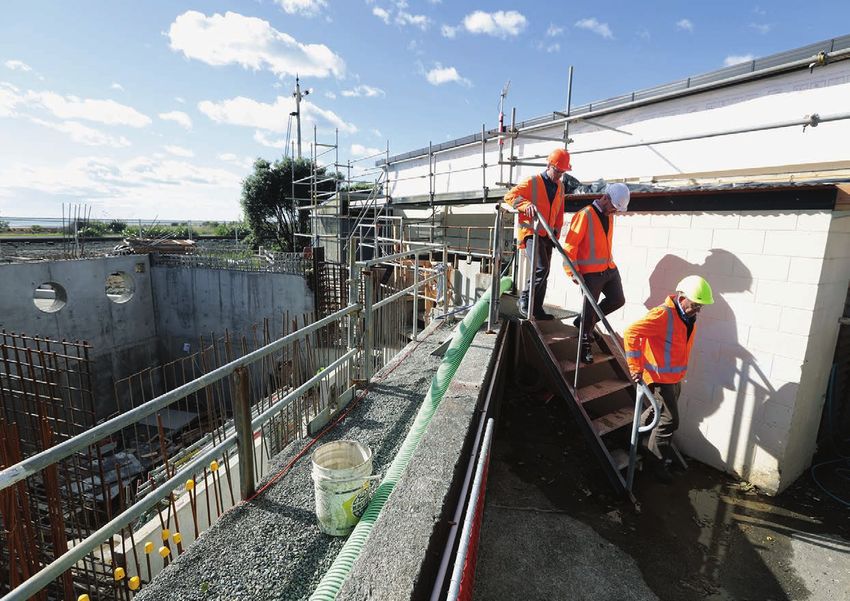
Ma- te huruhuru ka rere te manu
    is a traditional saying literally meaning
            ‘birds need feathers to fly’.
           Its wider meaning is that
      ‘investment is needed for success’.

2                                           LGFA Annual Report 2018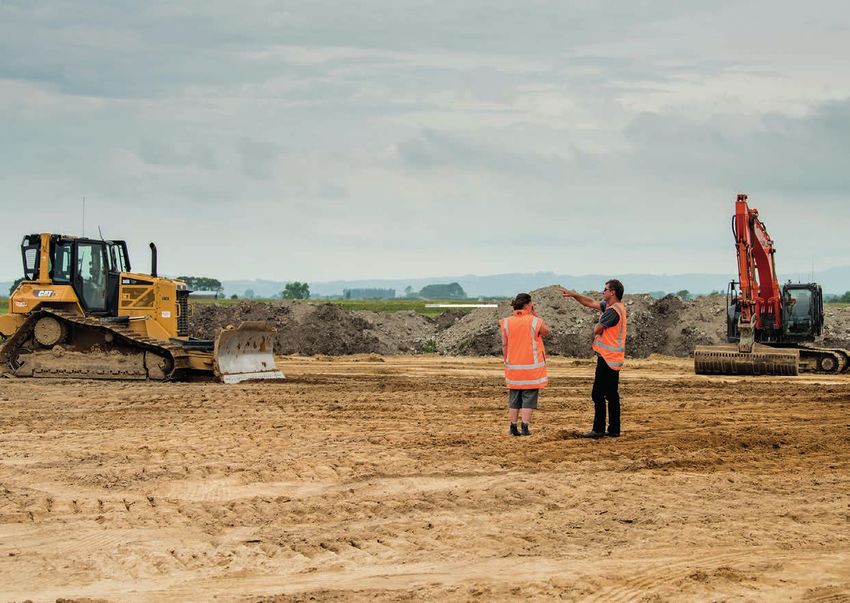
Contents
Ihirangi

04
About us
                          10
                          Message from
                                                                               14 Performance
Ko nga-i ma-tou           the Chair                                               highlights
                          He karere mai                                           Putanga mahi
                          i te Toihau                                             Matua

16
Corporate
                          28
                          Treasury risk
                                                                                32Performance
governance                management                                              against objectives
 -
Arahitanga                Whakahaeretanga                                         Tutukinga mahi
a--rangato-pu-            a--mo-rearea                                            ki o-na wha-inga

44
                          Directors’ declaration������������������������������������������������������������44
                          Statement of comprehensive income��������������������������������������������������������� 45
                          Statement of changes in equity�������������������������������������������������������������������� 46

Financial                 Statement of financial position�������������������������������������������������������������������� 47
                          Statement of cash flows�������������������������������������������������������������������������������� 48
statements
                          Notes to financial statements����������������������������������������������������������������������� 49
Taukı- pu-tea
                          Auditor’s report���������������������������������������������������������������������70

74
Other disclosures
                          75
                          Directory
Wha-kitanga               Ra-rangi tauwaea
LGFA Annual Report 2018                                                                                                                 3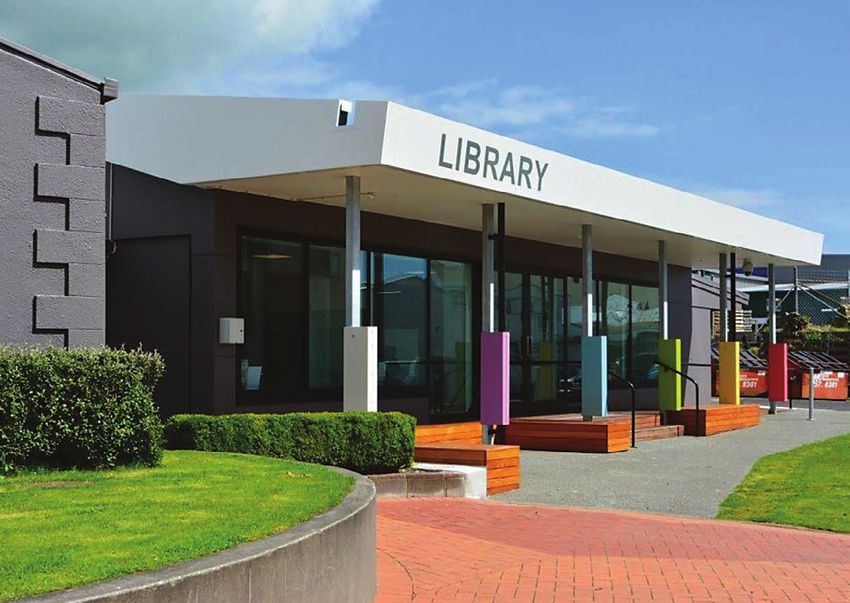
About us
         –   –
    Ko ngai matou

    Establishment
    The New Zealand Local Government Funding Agency Ltd (LGFA) specialises in funding the New Zealand
    local government sector, the primary purpose being to provide more efficient funding costs and diversified
    funding sources for New Zealand local authorities. LGFA was established to raise debt on behalf of local
    authorities on terms that are more favourable to them than if they raised the debt directly.

                                                                     Council-
        Incorporated                    Enabled
                                                                    controlled
       on 1 December                    by Local
                                                                   organisation
       2011 under the                 Government
                                                                  under the Local
         Companies                     Borrowing
                                                                   Government
          Act 1993.                     Act 2011
                                                                     Act 2002.

    Ownership

                                                                                    20%
              45
                                                                                    New Zealand

            million ordinary
            shares on issue
                                                         31
                                                         shareholders
                                                                                    Government

                                                                                    80%
                                                                                    30 councils
                                                                                    Share ownership is restricted
                                                                                    to New Zealand Government
                                                                                    or councils.

    20
             million of which
             remain uncalled.

    Guarantee structure
    LGFA’s securities obligations are                           All council shareholders must be
    guaranteed by the councils that                             a Guarantor as well as any council
    are Guarantors.                                             with aggregate borrowings over
    LGFA is not guaranteed by the                               $20 million.
    New Zealand Government
4                                                                                 About LGFA LGFA Annual Report 2018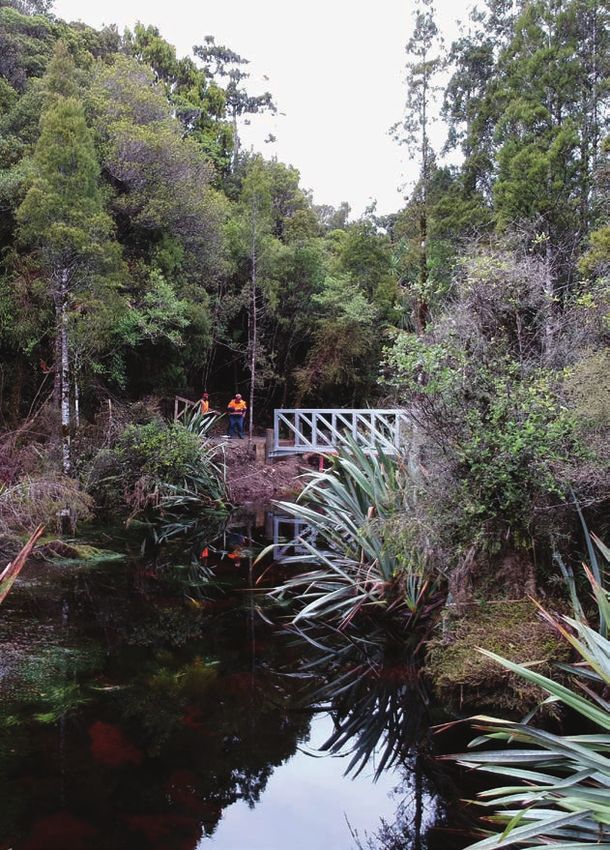
Credit rating
as at 30 June 2018

Domestic Currency AA+ / Foreign Currency AA (Stable Outlook)
Standard & Poor’s
Domestic Currency AA+ / Foreign Currency AA (Stable Outlook)
Fitch Ratings
These credit ratings are the same as the New Zealand Government ratings.

Face value of bonds on issue                                                Bills on issue
as at 30 June 2018 (NZ$ million)                                            as at 30 June 2018 (NZ$ million)

$8,119                million
                                                                                      $475          million

                      $1,470                $1,479
$1,290
                                                                $1,106
           $1030                                      $1019

                                                                                                       $475
                                                                             $405
                                $320

Mar 19     Apr 20     May 21    Apr 22      Apr 23    Apr 25      Apr 27     Apr 33                    Various
                                                                                                      maturities

Issuance history                                                                                       $8,119
                                                                                        $7,855
(NZ$ million)

                                                                       $6,220

                                                       $4,955

                                      $3,695

                      $2,475
                $1,640                         $1,500                           $1,635
                            $1,220                             $1,265                           $1,279
$835 $835

    2012              2013           2014            2015            2016             2017           2018

     Annual funding            Total face value of bonds on issue
                               (including $400 million of treasury stock – refer note 9, page 65)

LGFA Annual Report 2018 About LGFA                                                                                 5
Governance overview

       20%
       Shareholding       80%                     31 Shareholders
                          Shareholding            New Zealand Government shareholding reduces
      New Zealand                                 to 11.1% if a call is made on uncalled capital
      Government          30 councils
                                                  of the 30 council shareholders.

                      LGFA Shareholders’ Council, comprising five
                      to ten appointees from the Council Shareholders
      Shareholders’   and the New Zealand Government. Role of the
        Council       Shareholders’ Council is to:
         page 27      Review and report performance of LGFA and the Board;
                      Recommendations to Shareholders as to the appointment,
                      removal, replacement and remuneration of directors;
                      Recommendations to Shareholders as to any changes to
                      policies, or the SOI, requiring their approval;
                      Update Shareholders on LGFA matters and to coordinate
                      Shareholders on governance decisions.

                      LGFA Board, is responsible for the strategic
                      direction and control of LGFA’s activities.
                      The Board guides and monitors the business
      LGFA Board      and affairs of LGFA, in accordance with:
         page 17
                      •   Local Government Act 2002;
                      •   Local Government Borrowing Act 2011;
                      •   Companies Act 1993;
                      •   LGFA’s Constitution;
                      •   LGFA Shareholder Agreement;
                      •   LGFA Annual Statement of Intent.
                      The Board comprises five independent
                      and one non-independent directors
                      appointed by shareholders.

                       Issue of securities to the
       Bonds listed   public under the Financial               Supervised by
       on NZX Debt    Markets Conduct Act and                   independent
          Market        regulated by Financial                     trustee
                          Markets Authority

6                                                                  About LGFA LGFA Annual Report 2018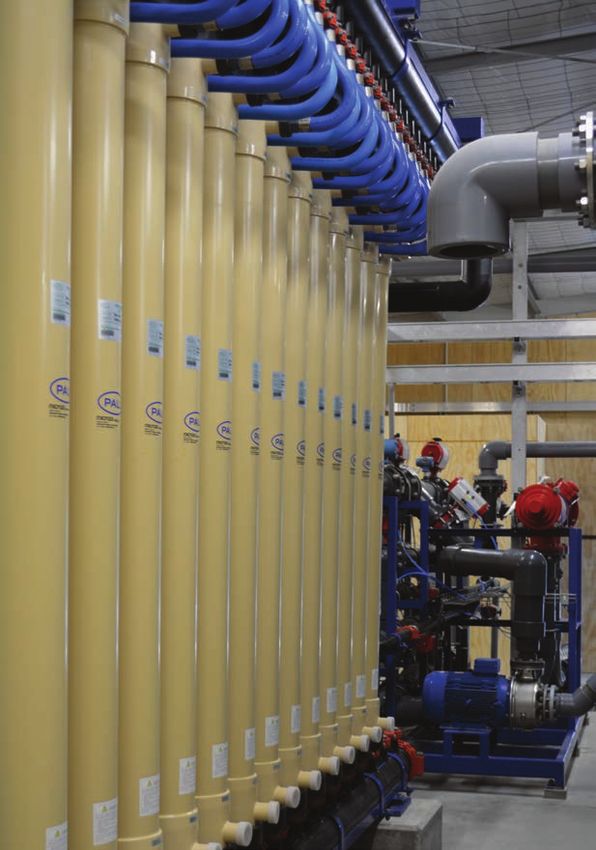
Our history                                    Commenced
                                              bond issuance
                                              February 2012
   Dec
   2011                                               $
                     Incorporated                                       2015 and 2017 bonds
                     December 2011                                             issued
                                                                                                       June
                    INFINZ award for                                      KangaNews NZ                 2012
                     Best Bond issue           2019 bond                 Domestic Issuer of
                         of 2012                 issued                   the Year – 2012

  Inaugural LGFA
 Borrowers Forum
                                                       2021 and 2023 bonds
                                                              issued
             June                                                                        June
             2013                                                                        2014
                               Inaugural dividend
                                of $1.5m declared                                             2020 and 2027
      Transitioned front/                            Successful refinancing of                 bonds issued
      middle/back office                             April 2015 bond maturity
        from NZDMO                                      and council loans

                                 New Treasury                                        Bespoke lending
                               Management System                                       introduced
  June                            implemented
  2015                                                                      Commenced
                                           Commenced LGFA                short-term lending
                                             Bill issuance                   to councils

                      LGFA Bonds                                                 $
                     listed on NZX
                     November 2015                                                         Transitioned to
                                                                                          Financial Markets
                                                                                             Conduct Act
                                 April 2033 bond
                                      issued
             June                                                                        June
             2017                                                                        2016
                                                             Bond lending
                                                          facility established
 Successful refinancing of                                   October 2016
   December 2017 bond
 maturity and council loans

                                                    June
                                                    2018
                    April 2022 bond
                         issued

       First bond not matched to a New Zealand
              Government bond maturity

LGFA Annual Report 2018 About LGFA                                                                            7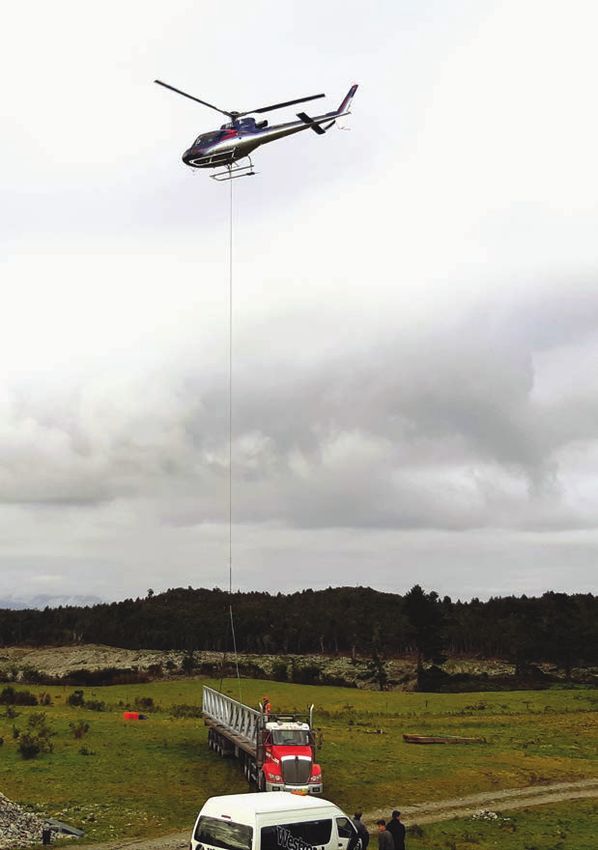
LGFA’s 56 participating councils with year of joining
    North island
    2011-12 Auckland Council                      Shareholder
    2011-12 Bay of Plenty Regional Council        Shareholder
    2011-12 Greater Wellington Regional Council   Shareholder
    2011-12 Hamilton City Council                 Shareholder
    2011-12 Hastings District Council             Shareholder
    2011-12 Masterton District Council            Shareholder
    2011-12 New Plymouth District Council         Shareholder
    2011-12 South Taranaki District Council       Shareholder
    2011-12 Taupo District Council                Shareholder
    2011-12 Tauranga City Council                 Shareholder
    2011-12 Waipa District Council                Shareholder
    2011-12 Wellington City Council               Shareholder
    2011-12 Western Bay of Plenty District Council Shareholder
    2011-12 Whangarei District Council            Shareholder
    2012-13 Far North District Council            Borrower and Guarantor
    2012-13 Gisborne District Council             Shareholder
    2012-13 Hauraki District Council              Shareholder
    2012-13 Horowhenua District Council           Shareholder
    2012-13 Hutt City Council                     Shareholder
    2012-13 Kapiti Coast District Council         Shareholder
    2012-13 Manawatu District Council             Shareholder
    2012-13 Matamata-Piako District Council       Borrower and Guarantor
    2012-13 Palmerston North City Council         Shareholder
    2012-13 Rotorua District Council              Borrower and Guarantor
    2012-13 Thames-Coromandel District Council    Shareholder
    2012-13 Waikato District Council              Borrower and Guarantor
    2012-13 Whakatane District Council            Shareholder
    2012-13 Whanganui District Council            Shareholder
    2013-14 Horizons District Council             Borrower and Guarantor
    2013-14 Upper Hutt City Council               Borrower and Guarantor
    2014-15 Opotiki District Council              Borrower
    2014-15 Porirua City Council                  Borrower and Guarantor
    2014-15 Tararua District Council              Borrower
    2015-16 Kaipara District Council              Borrower and Guarantor
    2015-16 South Wairarapa District Council      Borrower
    2016-17 Central Hawkes Bay District Council   Borrower
    2016-17 Northland Regional Council            Borrower
    2016-17 Waitomo District Council              Borrower and Guarantor
    2017-18 Rangitikei District Council           Borrower
    2017-18 Stratford District Council            Borrower

                                                                      South island
                                                                       2011-12 Christchurch City Council           Shareholder
                                                                       2011-12 Otorohanga District Council         Shareholder
                                                                       2011-12 Selwyn District Council             Shareholder
                                                                       2011-12 Tasman District Council             Shareholder
                                                                       2012-13 Ashburton District Council          Borrower and Guarantor
                                                                       2012-13 Grey District Council               Borrower
                                                                       2012-13 Marlborough District Council        Shareholder
                                                                       2012-13 Nelson City Council                 Borrower and Guarantor
                                                                       2012-13 Queenstown Lakes District Council   Borrower and Guarantor
                                                                       2012-13 Timaru District Council             Borrower and Guarantor
                                                                       2012-13 Waimakariri District Council        Shareholder
                                                                       2013-14 Hurunui District Council            Borrower and Guarantor
                                                                       2015-16 Buller District Council             Borrower
                                                                       2015-16 Canterbury Regional Council         Borrower and Guarantor
                                                                       2015-16 Gore District Council               Borrower
                                                                       2017-18 Westland District Council           Borrower

8                                                                About New Zealand Local Government LGFA Annual Report 2018
Participating councils
 Borrower Type              Number of        Amount          Percentage
                             Councils       Borrowed          of total
                                          (NZ$ million)      borrowing

Guarantors                     45             7,846             98.6
Non Guarantors                 11             130               1.4

Total                          56            7,976              100

Councils’ borrowing
All councils (NZ$ million) calendar year

2,500

2,000

1,500

1,500

 500

   0
           2008      2009       2010      2011        2012     2013       2014   2015    2016       2017

                  From LGFA             From other sources                              Source: PWC, LGFA

New member Councils
LGFA welcome the following three councils who joined as eligible borrowers in the year-ended 30 June 2018:

        Westland District                        Stratford District                Rangitikei District
            Council                                   Council                          Council

LGFA Annual Report 2018 About New Zealand Local Government                                                   9
Message from
     the Chair
     He karere mai
     i te Toihau
      For the year ended 30 June 2018

     “LGFA continues to be the leading
       provider of cost-effective funding
       to New Zealand councils while
       offering investors a highly rated,
       higher yielding alternative to
       New Zealand Government Bonds.”
     Craig Stobo, Chair LGFA Board

10                                          LGFA Annual Report 2018
Directors are pleased to record another period of Borrowing activity
strong financial and non-financial performance
LGFA issued $1.279 billion of bonds over the
to 30 June 2018 and to highlight the following
financial year and outstandings now total $8.119
developments over the past year.
billion (including $400 million of treasury stock)
across eight maturities from 2019 to 2033. A
Strong financial and operational highlight was the debut issuance of an April 2022
performance bond which provides a new mid curve maturity for
LGFA total interest income for the financial year of investors. The issuance of the April 2022 bond was
$342.8 million was a 6.9% increase over the 2016-17 a change from our previous strategy of issuing into
financial year result of $320.7 million while net New Zealand Government Bond (NZGB) maturities
operating profit of $11.80 million for the financial but, after careful consideration, it was decided to
year was a 6.8% increase on the 2016-17 financial issue the new maturity to help reduce the mismatch
year result of $11.05 million. between LGFA bond issuance and on-lending to
councils.
Net interest income and operating profit exceeded
both the previous year’s result and the Statement of LGFA is the largest issuer of NZD securities after
Intent (SOI) forecast due to the early refinancing the New Zealand Government and our bonds are
of loans by councils maturing in December 2017 and amongst the largest and most liquid New Zealand
a higher level of liquid assets held than forecast. dollar debt instruments available for investors. It
was pleasing to see our estimated offshore investor
Expenses have been managed under budget over holdings grow to 39% from 31% a year ago.
the past year as lower personnel costs and lower
fees from a reduced utilisation of the standby facility The performance of LGFA bonds over the past year
relative to forecast were offset by higher legal costs was mixed with LGFA bond spreads to both swap
from the establishment of an Australian Medium and NZGB tighter on maturities out to 2021, but
Term Notes Programme and lending activities above spreads wider on maturities beyond 2023. Outright
budget. yields declined between 28 bps (0.28%) on the 2033
maturity and 55 bps (0.58%) on the 2021 maturity
While we achieved strong financial and operating over the year.
performance and delivered value to stakeholders,
we did not meet all SOI specific performance targets LGFA continues to issue short-dated LGFA Bills
outlined on page 43 of this Annual Report. The average ranging in maturities from three months to 12
margin on loans to councils was higher than the SOI months through a combination of monthly tenders
target due to many councils borrowing from LGFA and private placements. Outstandings under the
for longer tenors at higher margins. For the coming programme have reached $475 million. These
year, we have adopted a flat margin structure for instruments provide a source of funding for short-
councils, irrespective of loan tenor. Our lending to dated lending to our council borrowers and assist
councils was lower than expected due to the timing LGFA with liquidity management.
of the March 2019 loan refinancing. This led to
LGFA not achieving our target for lending volumes Lending to the sector
for the first time in six years and we will work closer
LGFA was established in December 2011 to provide
with councils in the coming year regarding the
long-dated borrowing, certainty of access to markets
timing of their borrowing.
and to reduce the borrowing costs for the local
LGFA bonds continue to be an attractive investment government sector. The original 31 shareholders
for investors, while LGFA has also delivered savings including the New Zealand Government remain as
in borrowing costs and extended the tenor of lending shareholders. Over the past year, we added three new
available to our council borrowers. members with Stratford, Rangitikei and Westland
The financial strength of LGFA was reaffirmed District Councils joining as non-guarantors. Total
in late 2017 by credit rating agencies Standard & membership is now 56 councils, and this is expected
Poor’s and Fitch who both maintained our credit to rise in the coming year as several councils have
rating at ‘AA+’, which very importantly is the same included joining LGFA in their Long-Term Plans.
as the New Zealand Government. In May 2018, Long-dated lending over the 2017-18 year totalled
S&P announced the introduction of a new ratings $1.088 billion with much of the lending activity being
methodology for non-US public sector funding the refinancing of council loans maturing on 15
agencies such as LGFA and subsequently affirmed December 2017. The tenor of borrowing by councils
our local currency long term rating as ‘AA+’ on shortened slightly to an average term of borrowing
13 July 2018. of 6.9 years over the 12-month period.
LGFA Annual Report 2018 Chair’s report 11Short-dated lending for terms less than 12 months
has been well received by councils and as at 30 June
2018, LGFA had $236 million of short-term loans
outstanding to 19 councils.
The sector outlook and impact on LGFA
The success of LGFA over the past six years has
been in part due to its ability to evolve and adapt
to meet the needs of the local government sector.
This has been apparent with the introduction
of short-term lending, bespoke lending and the
introduction of long-dated bond maturities allowing
councils to undertake long-dated borrowing.
Following the change in central government
in October 2017, there has been several policy
announcements regarding the need to hasten
delivery of housing infrastructure, the establishment
of an inquiry by the Productivity Commission
into local government funding and financing and
the review of the management of drinking water,
stormwater and waste water (the Three Waters
review). The outcome of these initiatives may have
a significant impact on the wider local government
sector, so LGFA is assisting where possible both
central and local government to work through
the issues.
Our council members are also currently in the
process of publishing their Long-Term Plans and we
would expect both higher infrastructure investment
and increased borrowing requirements from the
sector over the next 10 years. We are confident that
LGFA can meet the needs of our council members.
Acknowledgments
The Agency’s work cannot be implemented
without the support of our staff, fellow directors,
Shareholders’ Council and the New Zealand Debt
Management Office (NZDMO), whose efforts all
should be acknowledged. I would like to also thank
Mark Butcher, our Chief Executive, for his leadership
of the organisation over the past year. Directors
believe the Agency’s future remains positive and
look forward to working with all stakeholders in
the year ahead.
Craig Stobo
Chair, LGFA Board
12 Chair’s report LGFA Annual Report 2018Award winning
redeveloped
Stratford District
Library.
Stratford District
Council
Stratford water
treatment plant.
The $7.0m project was
undertaken to meet
the new Drinking
Water Standards.
Stratford District
Council
LGFA Annual Report 2018 Chair’s report 13Performance
highlights
Putanga mahi matua
Bonds issued over Lending to councils
financial year over financial year
$1.279 billion
$1.088 billion
Total interest income
$342.8
$342.8
$320.7 million
$278.1 million
million
$222.8
million
million $149.1
million
6.9%
increase over the 2016-17
financial year 2014 2015 2016 2017 2018
Net operating profit
$11.8
$11.8
$11.0 million
$9.2 $9.5 million
million million
$6.9
million million
6.8%
increase over the 2016-17
financial year 2014 2015 2016 2017 2018
14 Performance Highlights LGFA Annual Report 2018Total assets Liquidity as at 30 June 2018
$8,491 $8,835
million
$7,257 million
million
$5,412
million Cash Marketable securities
$3,919
million $50m $231m
2014 2015 2016 2017 2018 Deposits Government committed
liquidity facility
$201m
$600m
Shareholder funds 30 June 2018
Fully paid Retained
shares earnings
$25m $39m
Shareholder equity Shareholder funds and
borrower notes / total assets
$64.3
million
$53.9 2.26%
million 2.25% 2.25% 2.19%
$44.2 2.11%
$36.2 million
$28.8 million
million
2014 2015 2016 2017 2018 2014 2015 2016 2017 2018
Borrower Notes are subordinated convertible debt
instruments subscribed for by borrowing councils.
LGFA Annual Report 2018 Performance Highlights 15Corporate
governance
–
A rahitanga
a– -rangato–pu–
NZX Corporate Governance Best Practice Code
The LGFA Board is committed to ensuring the The Company considers that its governance
Company demonstrates ongoing commitment to practices have not materially differed from the NZX
strong and sound corporate governance. Code for the year ended 30 June 2018. Areas where
LGFA is a listed issuer on the NZX Main Board and the Company has implemented alternative measures
this section sets out the Company’s compliance to the Code are as follows:
with the eight core principles underpinning the NZX
Corporate Governance Best Practice Code 2017.
An Issuer should establish a nomination committee The process for the nomination and remuneration
to recommend director appointments to the Board. of directors is documented in the Constitution of
New Zealand Local Government Funding Agency
An Issuer should establish a remuneration committee
Limited and outlined below.
to recommend remuneration packages for directors
to shareholders.
The following governance documents referred to in this section are available on the LGFA website:
lgfa.co.nz/about-lgfa/governance:
• LGFA Constitution
• Shareholders Agreement
• Code of Ethics
• Board Charter
• Audit and Risk Committee Charter
• Internal Audit Charter
• Diversity Policy
16 Corporate governance LGFA Annual Report 2018Principle 1 Directors should set high standards
of ethical behaviour, model this
Code of ethical behaviour and hold management
behaviour accountable for delivering these
standards throughout the organisation.
Code of Ethics setting out our standards for expected behaviour.
In addition, the policy sets out the Company’s
LGFA has adopted a formal Code of Ethics, commitment to behave in a fair and reasonable
incorporating both our Conflicts of Interest Policy manner to employees, while providing a fair and safe
and Code of Conduct Policy, which sets out the working environment.
standards that both directors and employees of
LGFA are expected to follow to reflect the values Protected Disclosures and
of LGFA.
Whistle Blowing
The Company recognises impartiality and
transparency in governance and administration The Company has adopted a Protected Disclosures
are essential to maintaining the integrity of LGFA. and Whistle Blowing Policy which provides
Accordingly, the Conflicts of Interest Policy formally procedure, support and protection to persons who
provides guidance to employees and directors of disclose information which they reasonably believe
LGFA in relation to conflicts of interest and potential to be about serious wrong-doing in or by LGFA.
conflicts of interest, including specific guidance on
the process for managing potential conflicts that Financial Products Trading
may arise for non-independent directors. Directors Policy
and employees are expected to avoid all actions,
relationships and other circumstances that may LGFA has formally adopted a Financial Products
impact on their ability to exercise their professional Trading Policy, which applies to all directors,
duties. employees and contractors, and details LGFA’s
policy on, and rules for dealing in, listed debt
The Code of Conduct Policy requires employees and
securities issued by LGFA and any other quoted
directors to carry out their roles while maintaining
financial products of LGFA.
high standards of integrity and conduct by clearly
To ensure an effective Board, there Principle 2
should be a balance of independence,
skills, knowledge, experience and Board composition
perspectives. and performance
LGFA Board Charter regard to its role the Board will direct, and supervise
the management of, the business and affairs of the
The LGFA Board has adopted a Board Charter Company, including:
which describes the Board’s role and responsibilities
• e nsuring that the Company goals are clearly
and regulates the Board’s procedures. The Board
established, and that strategies are in place for
Charter states that the role of the Board is to ensure
achieving them (such strategies being expected to
the Company achieves the Company goals. Having
originate, in the first instance, from management);
LGFA Annual Report 2018 Corporate governance 17• establishing policies for strengthening the
performance of the Company;
• ensuring strategies are in place for meeting
expectations set out in the current Statement
of Intent and monitoring performance against
those expectations, in particular the Company’s
primary objective of optimising the debt funding
terms and conditions for participating local
authorities;
• monitoring the performance of management;
Craig Stobo
• appointing the CEO, setting the terms of
Independent Chair
the CEO’s employment contract and, where
necessary, terminating the CEO’s employment BA (Hons) Economics. First Class, Otago
with the Company;
Craig has worked as a diplomat, economist,
• deciding on whatever steps are necessary investment banker and Chief Executive Officer of BT
to protect the Company’s financial position Funds Management (NZ) Limited. He has completed
and the ability to meet its debts and other the Advanced Management Programme at Wharton
obligations when they fall due, and ensuring Business School in Philadelphia, authored reports
that such steps are taken; to the New Zealand Government on the Taxation
• ensuring that the Company’s financial of Investment Income (which led to the PIE
statements are true and fair and otherwise regime), and the creation of New Zealand as a funds
conform with law; domicile. He currently chairs the listed companies
• ensuring that the Company adheres to high Precinct Properties New Zealand Limited, and AIG
standards of ethics and corporate behaviour; Insurance (NZ Board). He has directorship and
and private equity interests in financial services and
other businesses. He was chair of the Establishment
• ensuring that the Company has appropriate risk
Board and acting Chief Executive of LGFA. He
management/regulatory compliance policies
is chair of the Establishment Board of the Local
in place. In the normal course of events, day-
Government Risk Agency.
to-day management of the Company will be
in the hands of management. The Board will
satisfy itself that the Company is achieving
the Company goals; and engaging and
communicating with Shareholders’ Council
Board composition
The LGFA Board comprises five independent
Directors and one non-independent Director.
An independent director is a director who, within
five years prior to appointment, was not an employee
of any shareholder, employee of a Council Controlled
Organisation owned by a shareholder, or a councillor John Avery
of any local authority which is a shareholder. Independent Director
The directors of LGFA as at 30 June 2018: LLB, C.F.Inst.D
John was managing partner, then Chairman of
Hesketh Henry. He was a director of The Warehouse
Group Limited, several start-up businesses, a
number of CCOs, an industry cooperative ‘ITM’,
Regional Facilities Auckland Limited and Spider
Tracks Limited. He is currently an independent
director of Strategic Pay Limited, Fund Managers
Auckland Limited and a trustee of the New Zealand
School of Dance.
18 Corporate governance LGFA Annual Report 2018Philip Cory-Wright Mike Timmer
Independent Director Non-Independent Director
LLB (Hons), BCA Business Management, CA, BBS, BAgrSci, INFINZ (Cert), M.Inst.D
INFINZ (Cert), C.F.Inst.D
Mike has worked for Citibank in its financial market
Philip is a solicitor of the High Court of New Zealand section and held accountancy and treasury roles
and Victoria. He has worked as a corporate finance in the health sector and is presently Treasurer
adviser in New Zealand to the corporate sector on at the Greater Wellington Regional Council.
debt and equity matters for more than 25 years. He is Chairman of the Finance Committee of
He is currently a director of South Port New Zealand Physiotherapy New Zealand Incorporated and past
Limited, Papa Rererangi i Puketapu (New Plymouth Deputy Chair of the LGFA Shareholders’ Council.
Airport) and strategic adviser to clients in the energy
and infrastructure sectors. He was a member of the
Local Government Infrastructure Expert Advisory
Group tasked with advising the Minister of Local
Government on improvements in local government
infrastructure efficiency.
Anthony Quirk
Independent Director
BCA Hons (First Class), INFINZ (Fellow),
M.Inst.D
Anthony is an experienced financial services
Linda Robertson sector professional with over thirty years executive
Independent Director experience in the sector, including nine years as
B.Com, Dip Banking, INFINZ (Distinguished Managing Director of Milford Asset Management.
Fellow), C.F.Inst.D, GAICD He has a varied portfolio of governance interests
with an emphasis on areas that improve or
Linda is a professional director with nearly 20 contribute to communities.
years governance experience and over 30 years
He is a Fellow of the Institute of Finance
experience in executive finance roles, having worked
Professionals New Zealand (INFINZ) and is a former
in the banking and energy sector in New Zealand.
Chairman of that organisation. He was previously
She is Chair of Pacific Radiology Group, a director
Chair of the Asset Management Advisory Board
of Auckland Council Investments Limited, Dunedin
of the New Zealand Exchange, Deputy Chair and
City Holdings Limited, Dunedin City Treasury
Board member of the New Zealand Society of
Limited, NZPM Group Limited and Crown Irrigation
Investment Analysts and a previous member of the
Investments Limited. Linda is also a member of the
Financial Reporting Standards Board of the New
Audit and Risk Committee for the Ministry of Social
Zealand Society of Accountants.
Development, a member of the Treasury Advisory
Committee of the New Zealand Export Credit Office
and Chair of the Audit and Risk Committee for
Central Otago District Council.
LGFA Annual Report 2018 Corporate governance 19Name of Director Nature and extent of interest
Craig Stobo (Chair) Director General disclosure
Precinct Properties New Zealand Chair, Establishment Board,
Limited Local Government Risk Agency
Elevation Capital Management Limited
Saturn Portfolio Management Limited
Stobo Group Limited
AIG Insurance NZ Limited
Bureau Limited
SouthWest Trustees Limited
Appello Services Limited
Biomarine Group Limited
Legend Terrace Limited
John Avery Director General disclosure
Fund Managers Auckland Limited The New Zealand School of Dance
Strategic Pay Limited (Trustee)
Strategic Pay Trustee Service Limited New Zealand Dance Advancement Trust
(Trustee)
Stinger Trust (Trustee)
Philip Cory-Wright Director
South Port New Zealand Limited
Papa Rererangi i Puketapu
(New Plymouth Airport)
Anthony Quirk Director General disclosure
Evolve Education Group Chairman, New Zealand Water Polo
Non-Executive Director and Board member, Graeme Dingle
Shareholder, Milford Asset Management Foundation, Wellington
Deputy Chair, Compass Housing NZ
Linda Robertson Director General disclosure
RML Consulting Limited Central Lakes Trust
Dunedin City Holdings Limited Audit and Risk Committee,
Dunedin City Treasury Limited Ministry of Social Development
NZPM Group Limited Technical Advisory Committee,
Auckland Council Investments Limited NZ Export Credit Office
Crown Irrigation Investments Limited Trustee, Central Otago District Council
Pacific Radiology Group Limited Chair, Audit and Risk Committee
(Chairman)
Mike Timmer General disclosure
Officer, Greater Wellington Regional
Council
Chairman of Finance Committee,
Physiotherapy New Zealand
20 Corporate governance LGFA Annual Report 2018Nomination of Directors Retirement and re-election
Director nominations can only be made by a of Directors
shareholder by written notice to the Company and Directors are appointed to the Board by an Ordinary
Shareholders’ Council, with not more than three Resolution of shareholders. At each Annual General
months, nor less than two months before a meeting Meeting, two directors must retire and, if desired,
of shareholders. All valid nominations are required seek re-election. The directors who retire each
to be sent by the Company to all persons entitled year are one each of the independent and non-
to attend the meeting. independent, who have been longest in office since
their last appointment or, if there are more than one
of equal term, those determined by lot, unless the
Board resolves otherwise.
Director tenure
As at 30 June 2018
Director Originally appointed Last reappointed/ Tenure
elected
Craig Stobo (Chair) 1 December 2011 19 November 2013 6 years, 7 months
John Avery 1 December 2011 24 November 2015 6 years, 7 months
Philip Cory-Wright 1 December 2011 24 November 2016 6 years, 7 months
Anthony Quirk 21 November 2017 21 November 2017 7 months
Linda Robertson 24 November 2015 24 November 2015 2 years, 7 months
Mike Timmer 24 November 2015 24 November 2016 2 years, 7 months
Abby Foote, Independent Director, retired from the Board on 21 November 2017. Abby was appointed to the
LGFA Board on 1 December 2011 and served as a Director for 6 years.
Meetings of the Board
The table below shows attendances at Board, committee and strategy meetings by directors during the year
ended 30 June 2018. In addition to the scheduled meetings, additional meetings are convened as necessary
to consider specific issues.
Director Board Audit and Risk
Committee
Craig Stobo (Chair) 6/6 --
John Avery 6/6 --
Philip Cory-Wright 6/6 4/4
Abby Foote 1 2/2 2/2
Anthony Quirk 2 4/4 2/2
Linda Robertson 6/6 4/4
Mike Timmer 6/6 4/4
1. Abby Foote retired from the Board on 21 November 2017.
2. Anthony Quirk was elected to the Board on 21 November 2017.
LGFA Annual Report 2018 Corporate governance 21Board performance review Gender diversity of directors
The Board has established an annual formal self-
assessment procedure to assess director, board
and committee performance. In addition, Board
performance is reviewed by external consultants
on a periodic basis. 2018 2017
Female 1, Male 5 Female 2, Male 4
Director training
Gender diversity of employees
As part of LGFA’s commitment to ongoing director
education, LGFA regularly invites directors to attend
relevant industry conferences and training events,
as well as organising for industry experts to attend
and present to directors at Board meetings.
2018 2017
Female 2, Male 4 Female 2, Male 4
Diversity
The LGFA is committed to promoting a culture that Indemnities and insurance
supports both workplace diversity and inclusion
Under the Company’s constitution, LGFA has
within the organisation.
indemnified directors for potential liabilities and
The Company has formally adopted a Diversity costs they may incur for acts of omission in their
Policy which applies to both LGFA employees capacity as directors. LGFA has arranged directors’
and directors. Diversity and inclusiveness at and officers’ liability insurance covering directors
LGFA involves recognising the value of individual and management acting on behalf of the Company.
differences and managing them in the workplace. Cover is for damages, judgements, fines, penalties,
Diversity in this context covers gender, age, legal costs awarded and defence costs arising
ethnicity, cultural background, sexual orientation, from wrongful acts committed while acting for the
religious belief, disability, education and family Company. The types of acts that are not covered are
responsibilities. dishonest, fraudulent, malicious acts, or omissions,
wilful breach of statute or regulation, or duty to
Appointments to the LGFA Board are made in
the Company, improper use of information to the
accordance with the Constitution of the Company
detriment of the Company, or breach of professional
and the Shareholders Agreement.
duty.
22 Corporate governance LGFA Annual Report 2018Principle 3 The Board should use committees
where this will enhance its effectiveness
Board in key areas, while still retaining board
committees responsibility.
Audit and Risk Committee • The governance framework and process;
The LGFA Audit and Risk Committee is a committee • Policies, processes and activities to ensure
of the Board. compliance with legislation, policies and
procedures; and
The Audit and Risk Committee is governed by an
Audit and Risk Committee Charter, which states that • Statutory/regulatory disclosure and reporting
the purpose of the Audit and Risk Committee is to and performance against Statement of Intent
provide advice, assurance and observations to the targets.
Board relating to the effectiveness and adequacy Audit and Risk Committee members are appointed
of internal control and risk management systems, by the Board. Membership comprises at least
processes and activities across LGFA. It assists the three directors, the majority of whom must be
Board to fulfil its duties by considering, reviewing independent. The members of the Audit and Risk
and monitoring: Committee as at the date of this Annual Report are:
• Risk management framework and processes; • Linda Robertson (Chair)
• Internal control environment and mechanisms; • Philip Cory-Wright
• Processes relating to the preparation and audit • Anthony Quirk
of financial statements of LGFA;
• Mike Timmer
• The integrity of performance information,
including financial reporting;
The Board should demand integrity Principle 4
in financial and non-financial reporting,
and in the timeliness and balance of Reporting and
corporate disclosures. disclosure
The Board is committed to ensuring the highest are appropriate processes and activities to ensure
standards are maintained in financial reporting and compliance with relevant regulatory and statutory
disclosure of all relevant information. requirements.
The Audit and Risk Committee has responsibility to The Company has adopted a formal Continuous
provide assurance to the Board that due process has Disclosure Policy, the requirements of which
been followed in the preparation and audit of the ensure that LGFA meets the continuous disclosure
financial statements of LGFA and to ensure there requirements of the NZX Listing Rules.
LGFA Annual Report 2018 Corporate governance 23Principle 5 The remuneration of directors
and the CEO should be transparent,
Remuneration fair and reasonable.
The remuneration of the Board reflects the size and The remuneration of the CEO is determined by the
complexity of the Company and the responsibilities, Board and is reviewed on an annual basis taking
skills, performance and experience of the directors. into consideration the scope and complexity of the
A specialist independent adviser may be used to position with reference to the remuneration of CEOs
ensure the remuneration is appropriate. of similar organisations. A specialist independent
adviser may be used to ensure the remuneration
Board remuneration is determined by an Ordinary
is appropriate.
Resolution of shareholders. The current board
remuneration was approved by shareholder The CEO remuneration package comprises a fixed
resolution at the Annual General Meeting on cash component of $504,000 per annum as at 30
21 November 2017. June 2018 ($480,000, 2017) and an at-risk short-term
incentive of up to 15% of the fixed cash component.
Approved Director annual fee The short-term incentive payment is made annually
at the Board’s discretion subject to the CEO and the
breakdown Company meeting a range of specific performance
Position. Fees per annum 2018 2017 objectives for the respective financial year.
Chief Executive remuneration
Board Chair $97,000 $90,000
2018 2017
Audit and Risk Committee Chair $60,000 $54,000
Director $55,000 $51,000
Salary 504,000 480,000
Director remuneration Taxable benefits - -
Director 2018
Subtotal 504,000 480,000
Pay for Performance STI 75,600 72,000
Craig Stobo $97,000
Total remuneration 579,600 552,000
John Avery $55,000
Philip Cory-Wright $55,000 Staff remuneration
Abby Foote 1
$23,500 Total remuneration 2018
Anthony Quirk 2
$33,611
Linda Robertson 3 $58,056
$120,000 to $129,999 2
Mike Timmer $55,000
$220,000 to $229,999 1
Total 377,167 $270,000 to $279,999 1
1. Abby Foote retired from the Board on 21 November 2017. $570,000 to $579,999 1
2. Anthony Quirk was elected to the Board on 21 November 2017.
3. Linda Robertson was appointed Audit and Risk Committee Chair
Total staff receiving $100,000 or more 5
on 21 November 2017.
24 Corporate governance LGFA Annual Report 2018Directors should have a sound under-
standing of the material risks faced by
the issuer and how to manage them. Principle 6
The Board should regularly verify that
Risk management
the issuer has appropriate processes
that identify and manage potential
and material risks.
LGFA recognises that an effective risk management LGFA has treasury exposures arising from its
framework is a critical part of its business structure. normal business activities that principally relate
LGFA is exposed to both business and treasury to the raising and on-lending of funds. A detailed
related risks because of its normal business activities description of LGFA’s risk management processes
that relate to raising and on-lending funds to local for treasury exposures is detailed in the Treasury
councils. Risk Management section of this report.
LGFA adopts the three lines of defence model to
ensure that essential risk management functions are Internal audit
completed using a systematic approach that reflects LGFA has established an internal audit function to
industry best practice: provide assurance that LGFA’s risk management,
• The first line of defence relates to the governance and internal controls are operating
operational risk and control within the business. effectively.
Managers within the business are responsible The Audit and Risk Committee has responsibility
for identifying controls, maintaining effective for oversight of the internal audit function, including:
controls, assessing the controls and mitigating
risks. The first line of defence establishes risk • Reviewing the Internal Audit Charter,
ownership within the business. the operations of the internal audit and
organisational structure of the internal audit
• The second line of defence relates to function;
establishing risk control within the organisation.
The second line of defence involves reviewing • Reviewing and approving the annual audit plan;
risk reports, checking compliance against the • Reviewing the effectiveness of the internal audit
risk management framework and ensuring that function; and
risks are actively and appropriately managed.
• Meeting separately with the internal auditor
• The third line of defence establishes risk to discuss any matters that the Audit and Risk
assurance using both internal and external Committee or Internal Audit believes should
audit functions to highlight control weaknesses be discussed privately.
and inefficiencies to management. The audit
functions provide independent assurance on Health and safety
the risk governance framework.
LGFA is committed to a safe and healthy work
The Audit and Risk Committee assists the Board environment and has formally adopted a LGFA
by considering, reviewing and monitoring LGFA’s Health and Safety Policy that clearly sets out
risk management framework and processes, and the the duty of directors, LGFA and staff under the
internal control environment and mechanisms. Health and Safety at Work Act 2015. A staff health
LGFA continually reviews its core business risks. and safety committee has been established with
This review process includes the identification and responsibility to continuously review health and
assessment of core business risks which are ranked safety issues and ongoing compliance with the Act,
using predetermined criteria for both the likelihood with reporting to the Board on health and safety
and potential impact of each risk. LGFA maintains issues at each Board meeting.
a company-wide risk register which records all
identified risks, potential impacts and the controls
and mitigation strategies used to manage the risks.
LGFA Annual Report 2018 Corporate governance 25Principle 7 The Board should ensure the
quality and independence of
Auditors the external audit process.
External audit The external audit of LGFA is conducted in
accordance with a formal external audit plan which
The external audit of LGFA is conducted in is reviewed and approved by the Audit and Risk
accordance with Section 14 of the Public Audit Act Committee on an annual basis.
2001, including the appointment of the external
auditors of LGFA by the Auditor-General. The external auditor attends the Company’s Annual
General Meeting.
The Audit and Risk Committee has responsibility
for all processes relating to the audit of financial
statements, including the setting of audit fees and
ensuring the independence and objectivity of the
auditors.
The Board should respect the rights of
shareholders and foster relationships
Principle 8
with shareholders that encourage Shareholder
them to engage with the issuer. rights and
relations
LGFA has 31 Shareholders, comprising the New Zealand Government (20%) and 30 councils (80%).
New Zealand Government Otorohanga District Council
Auckland Council Palmerston North City Council
Bay of Plenty Regional Council Selwyn District Council
Christchurch City Council South Taranaki District Council
Gisborne District Council Tasman District Council
Greater Wellington Regional Council Taupo District Council
Hamilton City Council Tauranga City Council
Hastings District Council Thames-Coromandel District Council
Hauraki District Council Waimakariri District Council
Horowhenua District Council Waipa District Council
Hutt City Council Wellington City Council
Kapiti Coast District Council Western Bay of Plenty District Council
Manawatu District Council Whakatane District Council
Marlborough District Council Whanganui District Council
Masterton District Council Whangarei District Council
New Plymouth District Council
26 Corporate governance LGFA Annual Report 2018Foundation documents LGFA Shareholders’ Council
The LGFA Constitution and the Shareholders’ The LGFA Shareholders’ Council comprises five
Agreement are foundation documents of the to ten appointees from the Council Shareholders
Company. and the New Zealand Government. The role of the
Shareholders’ Council comprises the following:
The LGFA Constitution defines the rights and the
exercise of powers of shareholders, the acquisition • Review and report performance of LGFA and
and redemption of Company shares, proceedings the Board;
of shareholder meetings, voting at meetings and the
• Recommendations to Shareholders as to
right to demand polls, shareholder proposals and
the appointment, removal, replacement and
review of management.
remuneration of directors;
The Shareholders’ Agreement is an agreement
• Recommendations to Shareholders as to any
between the Company and its shareholders
changes to policies, or the Statement of Intent
which clearly defines the Company’s business, its
(SOI), requiring their approval;
objectives, the role of the Board, the establishment
of the Shareholders’ Council and the approval rights • Update Shareholders on LGFA matters and
of the shareholders. to coordinate Shareholders on governance
decisions.
Members of the Shareholders’
Council as at 30 June 2018
• Alan Adcock, Whangarei District Council, Chair
• John Bishop, Auckland Council, Deputy Chair
• David Jensen, Tauranga City Council
• David Bryant, Hamilton City Council
• Kumaren Perumal, Western Bay of Plenty
District Council
• Mat Taylor, Bay of Plenty Regional Council
• Martin Read, Wellington City Council
• Mike Drummond, Tasman District Council
• Carol Bellette, Christchurch City Council
• Richard Hardie/David Stanley, New Zealand
Government
LGFA Annual Report 2018 Corporate governance 27Treasury risk
Management
Whakahaeretanga
a– -mo–rearea
The Local Government Funding Agency (LGFA) funds • Provide timely reporting to the LGFA Board
itself through domestic and international wholesale with meaningful and accurate reporting of
and retail debt capital markets, with the funds interest rate exposures, liquidity, asset and
raised on-lent to participating New Zealand Local liability maturity, funding, counterparty credit,
Authority borrowers. LGFA activities are governed performance and Policy compliance.
by the Local Government Borrowing Act 2011, the
Specific treasury exposures relate to liquidity,
Local Government Act 2002, and the Companies
interest rate/market risk, foreign exchange,
Act 1993. In addition, the company is required
counterparty credit, operational and lending risks.
to comply with ‘Foundation Policies’ outlined in
the Shareholders Agreement. Any change to the Liquidity risk
Foundation Policies require shareholders’ consent.
Liquidity risk refers to the potential inability of LGFA
LGFA has treasury exposures arising from its to meet its financial obligations when they become
normal business activities that principally relate to due, under normal or abnormal/stressed operating
the raising and on-lending of funds. LGFA manages conditions.
treasury exposures under a Board-approved
Treasury Policy. The objectives for the Treasury Liquidity risk is managed using a forecasted
Policy are to: cashflow approach measured over 30 day, 90 day
and one year periods. LGFA is required to maintain
• Effectively manage balance sheet and interest sufficient liquidity (comprising a government
rate risk within the interest rate risk control standby facility and holdings of cash and liquid
limits to protect LGFA’s capital position and investments) to support 12 months operating and
Net Interest Margin over time. funding commitments.
• Fund participating local authorities in the most
cost-effective manner and in accordance with
Interest rate risk / market risk
the operating principles, values and objectives Interest rate risk is the risk that financial assets may
of the LGFA. re-price/mature at a different time and/or by a
different amount than financial liabilities.
• Protect LGFA’s assets and prevent unauthorised
transactions. Market risk is managed using Value at Risk (VaR)
and Partial Differential Hedge (PDH) limits to
• Promote professional expertise of financial and
mitigate the potential change in value of the balance
management control to all external parties.
sheet due to changes in interest rates.
• Minimise operational risk by maintaining
• PDH risk measures the sensitivity of a portfolio
adequate internal controls, systems and staffing
to a one basis point change in underlying
competencies.
interest rates. For example, a PDH of
28 Treasury risk management LGFA Annual Report 2018NZD$40,000 means that the portfolio value will Financial instruments are not entered into if
increase by NZD $40,000 for a one basis point the systems, operations and internal controls
fall in interest rates. do not satisfactorily support the measurement,
management and reporting of the risks.
• Value at Risk is used to measure market risk.
The VaR model calculates the amount LGFA’s Lending risk
portfolio could be expected to lose 5% of the
time over a given time period. It is calculated The LGFA provides debt funding solely to New
using historical changes in underlying risk Zealand Local Government ie. the Local
variables and applying those changes to the Government borrowing counterparty will be
current portfolio. the Council itself and will not be any Council
Controlled Organisation, Council Controlled Trading
LGFA measures VaR over a daily time horizon Organisation, Council joint venture or partially
with a 95% confidence interval. A daily 95% owned entity.
VaR exposure of $100,000 means that there is a
5% chance that the portfolio will lose more than The LGFA Board will have ultimate discretion on
$100,000 over the next business day. approving term funding to councils.
All Local Authorities that borrow from the Company
Counterparty credit risk will:
Counterparty credit risk is the risk of financial loss
• Provide debenture security in relation to
to LGFA (realised or unrealised) arising from a
their borrowing from the Company and
counterparty defaulting on an investment, security
related obligations, and (if relevant), equity
and/or financial instrument where LGFA is a holder
commitment liabilities to the Company and
or party.
(if relevant) guarantee liabilities to a security
Counterparty credit risk is managed through: trustee approved for the Company’s creditors.
• Counterparty limits for investments. These • If the principal amount of a Local Authority’s
are determined as a function of the term of borrowings is at any time equal to, or greater
investment, liquidity and credit quality of the than, NZD 20 million, then it is required to
counterparty (as measured by credit rating). become a party to a deed of guarantee and
an equity commitment deed.
• Counterparty risk on derivative contracts
is mitigated by utilising the NZDMO as the • Issue securities (bonds/floating rate notes/
counterparty to derivative contracts. commercial paper) to the Company (ie. not
enter into facility arrangements).
Investment is restricted to approved financial
investments listed in the Treasury Policy. • Comply with their own internal borrowing
policies.
Foreign currency risk
• Comply with the financial covenants outlined
Exposure to foreign exchange could exist if LGFA in the following table, provided that:
accesses foreign capital markets for funding
purposes. • Unrated Local Authorities or Local
Authorities with a long-term credit rating
Foreign exchange risk is managed through a lower than ‘A’ equivalent can have bespoke
requirement for LGFA to fully hedge back to floating financial covenants that exceed the:
rate NZD the full amount and term of all foreign
• L
ending policy covenants outlined in the
currency funding and cash flows.
following table only with the approval of
Operational risk the Board;
• Foundation policy covenants outlined in
Operational risk, with respect to treasury
the following table only with the approval
management, is the risk of financial and/or
of an Ordinary Resolution of shareholders.
reputation loss because of human error (or fraud),
negligent behaviour, system failures and inadequate • Local Authorities with a long-term credit
procedures and controls. rating of ‘A’ equivalent or higher will not be
required to comply with the lending policy
Operational risk is managed using internal controls
covenants in the following table and can have
and procedures across LGFA’s operational functions.
bespoke financial covenants that exceed the
Segregation of duties between staff members who
foundation policy covenants outlined in the
have the authority to enter transactions with external
following table only with the approval of an
counterparties and the staff who control, check and
Ordinary Resolution of shareholders.
confirm such transactions is a cornerstone internal
control principle, that is always complied with.
LGFA Annual Report 2018 Treasury risk management 29• Any Board or Ordinary Resolution approval
of bespoke financial covenants will only be
provided after a robust credit analysis and any
approval must also include bespoke reporting
and monitoring arrangements.
Financial covenant Lending policy covenants Foundation policy covenants
Net debt / total revenueA bridge being
helicoptered and
laid onto the
West Coast
Wilderness Trail.
Westland District
Council
Staff
oversee work
being carried out
on the Rangita- iki
Floodway Project.
Bay of Plenty
Regional
Council
LGFA Annual Report 2018 Treasury risk management 31Performance
against objectives
Tutukinga mahi
ki o–na wha– inga
The statement of service performance details LGFA’s performance
against the objectives and targets set out in the LGFA Statement
of Intent 2017-18 (SOI)
Performance against primary i. Providing savings in annual interest costs
for all Participating Local Authorities on a
objectives relative basis to other sources of financing;
This section sets out LGFA’s performance for the
LGFA aims to minimise its issuance margin over swap
year ended 30 June 2018 against the two primary
rates to provide cost-effective funding to councils.
objectives set out in the 2017-18 SOI.
The LGFA margin to swap will depend upon several
1. LGFA will operate with the primary factors including the relative demand and supply of
objective of optimising the debt funding high grade bonds, general credit market conditions,
terms and conditions for Participating performance of New Zealand Government bonds and
Local Authorities. Among other things this swap rates, investor perceptions of LGFA and the
includes: issuance volume and tenor of LGFA bonds.
32 Performance against objectives LGFA Annual Report 20182017-18 performance objectives
The SOI set out two primary performance objectives and eight additional objectives for LGFA for the year
ended 30 June 2018:
Primary objectives iii. LGFA will work closely with the Department
of Internal Affairs (DIA), Office of the Auditor
1. LGFA will operate with the primary objective of General (OAG) and Local Government New
optimising the debt funding terms and conditions Zealand (LGNZ) on sector and individual
for Participating Local Authorities. Among other council issues; and
things this includes:
iv. LGFA will take a proactive role to enhance
i. Providing savings in annual interest costs the financial strength and depth of the local
for all Participating Local Authorities on a government debt market
relative basis to other sources of financing;
ii. Making longer-term borrowings available
to Participating Local Authorities; Additional objectives
iii. Enhancing the certainty of access to debt 1. Operate with a view to making a profit sufficient
markets for Participating Local Authorities, to pay a dividend in accordance with its stated
subject always to operating in accordance Dividend Policy set out in section 6;
with sound business practice; and
2. Provide at least 50% of aggregate long-term debt
iv. Offering more flexible lending terms funding to the Local Government sector;
to Participating Local Authorities.
3. Ensure its products and services are delivered at a
2. LGFA will monitor the quality of the asset cost that does not exceed the forecast for issuance
book so that it remains of a high standard by and operating expenses set out in section 4;
ensuring it understands each Participating Local
4. Take appropriate steps to ensure compliance with
Authority’s financial position and the general
the Health and Safety at Work Act 2015;
issues confronting the Local Government sector.
This includes: 5. Maintain LGFA’s credit rating equal to the New
Zealand Government sovereign rating where both
i. LGFA will review each Participating Local
entities are rated by the same Rating Agency;
Authority’s financial position, its financial
headroom under LGFA policies and visit each 6. Achieve the Financial Forecasts (excluding the
Participating Local Authority on an annual impact of AIL) set out in section 4;
basis; 7. Meet or exceed the Performance Targets outlined
ii. LGFA will analyse finances at the Council in section 5; and
group level where appropriate; 8. Comply with its Treasury Policy, as approved
by the Board.
Given that LGFA tends to match fund its on-lending LGFA spreads to swap have consistently narrowed
to councils, ie. tends to issue bonds in the same since it first began issuing bonds in February 2012
tenor and volume as its on-lending, then LGFA only and over the past year, spreads to swap as measured
has influence over investor perception amongst the by secondary market levels have narrowed on the
above factors that determine LGFA spreads to swap. shorter LGFA bond maturities and widened on
the long-dated maturities.
There will be periods within the interest rate
and credit market cycles when LGFA bonds will
outperform its benchmarks (spread narrowing) and
there will be periods of time when LGFA bonds
underperform (spread widening).
LGFA Annual Report 2018 Performance against objectives 33You can also read


