PLANNING AWARDS 2020 Westin Hotel, Dublin 27th February 2020 - Irish Planning Institute
←
→
Page content transcription
If your browser does not render page correctly, please read the page content below
PLANNING AWARDS 2020 Westin Hotel, Dublin 27th February 2020

IR IS H P LANNI NG I NS T I T UTE                                                                       I R I S H PL A N N I N G AWA R D S 2 0 2 0

    PRESIDENT’S WELCOME                 Welcome to the 2020 Irish Planning Awards.

                                        The Irish Planning Institute seeks, through the
                                                                                            This year the Panel of Judges were

                                                                                            •    Ms Rachel Kenny FIPI – Director of
                                        Irish Planning Awards, to highlight innovation           Planning, An Bord Pleanála
                                        and excellence in Irish planning. These Awards
                                        acknowledge the diverse range of plans taking       •    Professor    Peter             Roberts            –
                                        place locally and nationally in complex and              Chairman, NIHE
                                        dynamic planning environments.
                                                                                            •    Ms Orla Hegarty MRIAI RIBA – Assistant
                                        The calibre and quantity of projects submitted           Professor, UCD School of Architecture,
                                        to the Irish Planning Awards has greatly                 Planning and Environmental Policy
                                        improved this year, reflecting the output of the
                                        Planning Sector across the country. We feel         •    Mr Paul Hogan – Acting Chief Planner,
                                        these shortlisted projects clearly demonstrate           Department of Housing, Planning and
                                        the advantages of the participatory planning             Local Government
                                        process, facilitated and enabled by professional
                                        planners. The shortlisted projects show how         •    Mr Tom Enright – Chief Executive,
                                        the cooperation and direct participation of              Wexford County Council
                                        stakeholders can have a synergistic effect of
                                        benefit to the whole planning process. The          •    Dr. Conor Norton MIPI – President of the
                                        Institute are delighted to confirm a significant         Irish Planning Institute
                                        increase in the quantity and quality of projects
                                                                                            The President’s Awards were chosen personally
                                        submitted for consideration. In total the Panel
                                                                                            by my predecessor, outgoing President Joe
                                        of Judges have shortlisted 34 projects across
                                        7 categories from a total entry of 56 projects.     Corr MIPI.

                                        This year our panel of judges noted in particular   Every project shortlisted this evening has
                                        the strong interest in two new categories.          demonstrated excellence and innovation in
                                        Climate Change was introduced this year as an       Planning. Our panel of Judges were struck by
                                        Award category and recognises the necessity         the dedication and energy of each shortlisted
                                        to link planning and climate action for climate     entry and we look forward to the realisation
                                        change to be effectively addressed. The             of these projects in the months and years
                                        Planning Workplace of the Year recognises           ahead. As Planners, we sometimes struggle
                                        employers of planners who demonstrate               to share the good news and the success
                                        excellence in customer service and business         of our profession. As a colleague from the
                                        processes and who contribute to the industry        Department of Housing Planning and Local
                                        and profession.      Organisations shortlisted      Government pointed out at one of our Planning
                                        under this category have been particularly          Conferences last year – bad planning roars at
                                        dynamic in assisting their employees with their     you – good planning is more subtle. Tonight, we
                                        professional development.                           celebrate the “subtle”.

                                        The Institute are extremely grateful to the         My congratulations to every local authority
                                        Department of Housing, Planning and Local           and every consultant who has had a project
                                        Government for their generous support for the       shortlisted. My thanks again to the Department
                                        Awards Programme. We are also grateful to           of Housing Planning and Local Government for
                                        Failte Ireland who have generously sponsored        their generosity and support for the Awards
                                        the Planning and Economic Development               programme, and my thanks to my fellow judges.
                                        Category. We are very grateful to colleagues
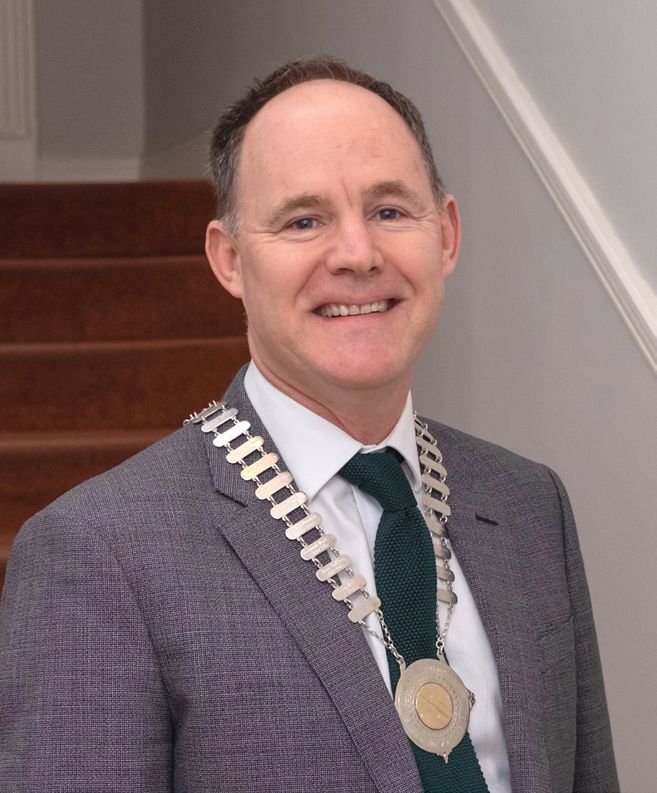
                                        who gave generously of their time to participate    Dr Conor Norton MIPI
                                        with me on our Panel of Judges.                     President, Irish Planning Institute 2020/2021

2                                                                                                                                                        3
IR IS H P LANNI NG I NS T I T UTE I R I S H PL A N N I N G AWA R D S 2 0 2 0
Plan Making Category The Regional Spatial and Economic Strategy
(RSES) for the Eastern and Midland Region
e. An investment Framework – Included
for the first time within a Regional Plan,
the Investment Framework is aligned to
This category is for plans representing the best of the art and science of spatial planning. This The RSES is the first plan of its kind prepared
the National Development Plan and is
can include plans, projects, strategies and the innovative use of technology in such plans. and successfully adopted in Ireland. The
committed to the delivery of the National
strategy is a strategic plan and investment
• The Regional Spatial and Economic Strategy (RSES) for the Eastern and Midland Region Planning Framework through the essential
framework to shape the future development of
means of the RSES.
the Region to 2031 and beyond. Prepared in
• South Dublin County Council – Clonburris SDZ accordance with the provisions of the Planning f. An implementation and Monitoring
and Development Act 2000, as amended, the Roadmap – Committed to ensuring that the
• Portlaoise 2040 and Beyond – A Vision for Portlaoise: A Strategy for a Better Town
strategy defines a holistic vision for the Regional RSES is delivered over the lifespan of the
Centre
and provides a blueprint in plan making that for Strategy, providing clear mechanisms as to
the first time combines a spatial, economic and how the Strategy will be finalised.
• Dublin City Council – Cherry Orchard Local Area Plan
climate strategy, whilst ensuring that people 2. The approach and input of the Planning
• Tipperary County Council – Design and Best practice Guidelines for Cluster Housing and quality of life are central in shaping the Team: - Providing Evidence Driven Policy,
Schemes in Rural Villages multitude of places within the most diverse Facilitating Meaningful Consultation and
Region of the state. Ensuring Delivery.
A number of complementary factors have The formation of policy was supported by a
contributed to the pioneering nature of the Socio-Economic Evidence Baseline Report,
Strategy. This includes: prepared in collaboration with the All -Ireland
1. The publication of an original and novel final Research Observatory (AIRO) at Maynooth
document consisting of many firsts for Irish University. In addition, substantial qualitative
Planning including; - research was carried out through the
3. production of a number of thematic research
1. a. A Spatial Strategy – Allied to International
Park West - Cherry Orchard Local Area Plan
2019
papers which were used to inform the process,
and European best practice, backed by
4. stimulate debate amongst stakeholders,
evidence and developed to manage future
2. including Local Authorities, and validate the
growth and ensure the creation of healthy
5. approach of the Planning Team. This was
and attractive places to live, work, study,
preceded by qualitative research carried out
visit and invest in.
on ‘Ensuring a Rigorous and Effective RSES
Published November 2019 1. The Regional Spatial and b. An Economic Strategy – A new mandate for Process’, which was prepared to develop and
Economic Strategy (RSES) for the
Irish Planning, the Economic Strategy builds ripen the RSES planning concept. The RSES
Eastern and Midland Region
on the Region’s strengths to sustain a strong also incorporated a pioneering Asset- Based
2. Tipperary County Council economy and support the creation of quality Approach’ in order to credibly determine
– Design and Best practice jobs that ensure a good living standard for strategic sites and settlements for the Region
Guidelines for Cluster Housing
all. Strategic sites and settlements were selected,
Schemes in Rural Villages
c. A Climate Action Strategy – Explicitly in consultation with local authorities.
3. Dublin City Council – Cherry
included in a strategic Irish planning The planning team ensured that the
Orchard Local Area Plan
document for the first time, the Climate consultation process allowed for collaborative
4. Clonburris SDZ Action Strategy is built in to accelerate working in partnership with a number of
climate action, ensuring mitigation coupled stakeholders. The new found approach of the
5. Portlaoise 2040 and Beyond – A with building resilience through adaptation. planning team, to ensure the RSES actively
Vision for Portlaoise: A Strategy
drives regional development, has opened up
for a Better Town Centre d. A Metropolitan Area Strategic Plan (MASP)
new opportunities to deliver the Regional
for Dublin – The first MASP within the
Strategic Outcomes through relationship
Country to be prepared, the Plan takes a
building, joint research prospects and
holistic approach, planning to become a
implementation funding mechanisms that are
smart, climate resilient and global city region,
intertwined within the Regional Assembly’s
expanding access to social and economic
functions.
opportunities and improved housing choice,
travel options and quality of life.
4 5IR IS H P LANNI NG I NS T I T UTE I R I S H PL A N N I N G AWA R D S 2 0 2 0
Design and Best practice Guidelines for also included a number of worked examples in tradition of development which is unique to Collaboration with key stakeholders added
Cluster Housing Schemes in Rural Villages – village in the county, from infill, to brownfield rural Ireland. It is believed that the publication, significant value to the project by ensuing that
Tipperary County Council to greenfield sites supported by the demonstrator project will an integrated Planning Scheme was prepared
have significant and positive impact on both by implementing a multi-disciplinary approach
Tipperary, like many rural local authorities has National Guidelines on residential development
planning practice and in ensuring the viability to addressing the opportunities and challenges
faced many challenges including decline in have to date focused on high to medium design
of villages in County Tipperary and beyond. presented by the SDZ lands. The SDZ Planning
population, loss of services and community residential development in our urban cities
facilities. The future viability, and in many and towns. This publication is the first of its Clonburris SDZ – South Dublin County Team was the central actor in the coordination
cases the survival of villages is one of the key kind in providing a best practice approach in Council of a range of professions and stakeholders
challenges for rural Ireland and for national developing schemes which offer viable and which resulted in a collaborative and iterative
In December 2015, a Government Order approach to the plan making process and
and local policy makers, communities and sustainable alternatives to building homes in
designated 280 hectares as an SDZ at which ultimately resulted in a multifaceted
stakeholders. the open countryside. The design approach
Clonburris. Clonburris SDZ is the largest sustainable Planning Scheme.
can be applied successfully in any village and SDZ in Ireland and is identified as a Major
Following the establishment of Tipperary
therefore as a model for development across Urban Housing Development Site (MUHDS). The Masterplanning approach added significant
County Council in 2014, the Planning
the country. The Planning Scheme was approved by An value to the project by ensuring the Planning
Department and the Elected Members began
the preparation of the first county-wide rural Facilitating the development of cluster schemes Bord Pleanala subject to modifications and Scheme captured the most up to date and best
settlement strategy. A number of workshops on a phased basis was raised at a consultation clarifications in May 2019. practice approaches to concepts, urban design
were held with the Elected Members with event– as demand often only exists for 1-2 and SDZ development. The SDZ Planning
The incubation of Clonburris SDZ at such
discussion centred around the revitalisation of houses at a time, the guidelines demonstrate Team led a range of urban design workshops
a pivotal time in Irish planning history has
our village and what the Council could do to how the local infrastructure can be developed throughout the plan making process.
resulted in a final Planning Scheme which
reverse this trend. The discussions concluded on a phased basis, with road and water will be an outstanding model in sustainable Each of the workshops served as a participatory
that a strong policy response was needed, services infrastructure built in tandem with the community development, including the forum for multi-disciplinary teams.
whereby a local need would apply in all areas individual houses. The Council also updated integration of green infrastructure, sustainable
in the countryside, supported by a pro-active the Taking in Charge Policy providing new 10 The phasing approach added significant value
urban drainage and the consideration of energy to the project by ensuing the Scheme is centred
policy response to promote low density and standard and guidance to streamline the taking and climate change mitigation options.
viable alternatives to one-of housing in all our in charge process for cluster housing schemes. on the balanced delivery of infrastructure,
villages. The strategic site of Clonburris SDZ has urban centres and community services in
Many of our villages do not benefit from the potential to become an exemplar and tandem with projected population increase, in
The preparation of the Cluster Guidelines is public waste water treatment systems or distinctive new community into the future, order to ensure sustainable communities and
both a direct response to delivering Project have capacity issues which are often seen as centred on the provision of a choice of high- place making.
Ireland 2040 and a rural spatial planning and a significant barrier to development. However, quality homes and access to a range of local
development priority. The ambition for the following comprehensive background research, The Scheme delivers a network of high-quality
services and amenities, together with the
document is to make a national contribution including consultation with Irish Water and green and blue infrastructure spaces and
delivery of reliable public transport options.
in rural housing design and place-making and the EPA, the team determined that small scale public parks while protecting, enhancing and
Open spaces and parks will be a central feature
help to ensure that our villages remain at the housing schemes (subject to environmental sensitively upgrading the natural, built and
of this sustainable community and the public
heart of rural communities for generations to assessment and individual treatment plants) cultural assets of the Clonburris lands.
realm to be created at Clonburris will be critical
come. may be supported. in place making and ensuring that pedestrians The scheme is designed to be highly accessible
In order to develop best practice in placemaking, The Planning Department is now embarking on and cyclists have maximum access to a range of for pedestrians and cyclists and to promote a
a multi-disciplinary approach was required. The the design and development of a demonstrator local facilities and amenities. sustainable modal shift for shorter journeys.
Planning Department led the direction of the project ‘on a site in Kilsheelan Village, located The Planning Scheme demonstrates an
The development of the entire Planning
document in all aspects, including research 8km east of Clonmel on the banks of the River integrated approach to land use zoning and
Scheme is expected to deliver a target of:
requirements stakeholder consultation, and Suir. This project seeks to use public owned transportation.
design and guidance. land to support the regeneration of the village, • 9,416, new homes
The SDZ Planning Team sought to expand
by offering opportunity for local people to buy • A Minimum of 7,300 sq. m gross the scope of consultation and developed a
The Guidelines are structured around a ‘5
a site and build the first home and live in a rural community floorspace Consultation Strategy with particular emphasis
step approach’ in designing and developing a
community. placed on web-based consultation with
Cluster Housing Scheme, addressing each step • A Maximum of c. 22,520 sq. m gross retail
in the process. The Planning Department and Villages are the heart of our rural communities; floorspace and supplementary ‘face to face’ interaction with
the team also agreed at the outset that the they are part of our heritage and culture, and the public. This resulted in a level of public
• A Minimum of 30,000 sq. m employment participation which went beyond planning
document should be ‘easy to read and easy contribute to quality of life in our rural areas.
floorspace.
to use’. With this in mind, the publication is a These guidelines seek to deliver on an objective professionals and landowners and reached the
short (40 pages), avoids jargon. The document of Project Ireland 2040 and address a type and wider non-technical community.
6 7IR IS H P LANNI NG I NS T I T UTE I R I S H PL A N N I N G AWA R D S 2 0 2 0
Ensuring the involvement and participation The core aim of the plan was to make Portlaoise Cherry Orchard Local Area Plan Dublin City • Ability to plan for all sectors of housing
of a range of professionals in the plan making Ireland’s first Low Carbon Town centre. The Council need and inclusiveness;
process resulted in the delivery of a robust, approach was to utilise the potential of
The Park West Cherry Orchard Local Area • Enhancing the health of the community by
comprehensive and multifaceted framework, the natural and built environment from the
Plan (LAP) covers an area of approximately encouraging and facilitating more active
considerate of an extensive range of issues perspective of ‘ecosystem services’ and ‘green
267.51 hectares and contains approximately lifestyles by creating a more walkable and
to ensure proper planning and sustainable infrastructure’.
46 hectares of land available of development. cycle friendly urban environment.
development of the area. The end result is
One of the key innovations of the Project to The Park West Cherry Orchard Local Area Plan
a Planning Scheme which is built upon an • Placemaking initiative to foster the
deliver participation and engagement has been sets out the framework for the regeneration
evidence-based approach to plan making and a creation of viable communities,
the development of a bespoke Environment and sustainable development of a strategic
foundation of extensive research and baseline underpinned by exemplary urban design.
Information Model (EIM) for Portlaoise Town area of the City. The LAP is a key strategic
studies The Cherry Orchard LAP seeks to create a
Centre. This resource allows for local people, planning document of the City Council and a
Portlaoise 2040 and Beyond – A Vision for business and other stakeholders as well as the road map for active land management. It has legible built environment by capitalising on
Portlaoise: A Strategy for a Better Town Local Authority to visualise, understand and a key role to play in delivering the City’s vision existing assets. Within Cherry Orchard it is
Centre Laois County Council and Avison influence the Town’s development. and core strategy as set out in the Dublin City proposed to consolidate the existing hub of
Young Development Plan 2016-2022. community uses at the church, school and
The Planners’ role was to bring a strategic
community centre through the provision of
A Vision for Portlaoise’ is a plan that re-examines but delivery–focused approach with which The LAP for Park West – Cherry Orchard
new local retail units along Cherry Orchard
the Town Centre of Portlaoise to succeed in a to take stakeholders through a dynamic and provides a strategic vision and development
Avenue, in order to create an identifiable
changing social, environmental and economic adaptive plan-making process. This required strategy for the coordinated development of
neighbourhood centre, with improvements to
context to 2040 and beyond. The primary the team to integrate strategic vision with local key land banks within the Plan area, to provide
the streetscape and landscaping.
achievement of the project to date has been knowledge and micro-level understanding housing and employment opportunities to
formalising a shared vision that focuses on of how Portlaoise functions, with the aim of serve the existing and future population, Extensive consultation at the pre-draft issues
improving the public realm, underpinned by a developing a suite of interventions that would while simultaneously contributing to wider paper stage enabled a multitude of voices
more coherent spatial framework. transform Portlaoise Town Centre for a better regional and national policy objectives. This to be heard and for local concerns and
future. will be underpinned by a strong placemaking objectives to be encapsulated in the plan.
The project involved the development of a
strategy, which will implement public realm The planning team was then tasked with the
plan that focussed on the contemporary public The core aim of the project was to put in
improvements within existing neighbourhoods. need to balance local needs and requirements
spaces and buildings and the development of place a platform to reinvigorate Portlaoise
Furthermore, the LAP endeavours to with National and Regional policy objectives.
linkages and walkways between the heritage Town Centre as a people-focussed town; the
improve and enhance connections to the The resulting LAP expertly merges these
assets of the Town. The plan-making methods ‘People’s Town’. The need to retain a town that
existing communities, while capitalising on requirements, maintaining a strong local focus.
sought to improve legibility and usability of was for local residents and businesses, and
existing assets such as the Grand Canal and The presence of large vacant sites, suitable
Portlaoise by delivering a public realm that one that they could be proud of and continue
Gallenstown Waterworks, which can become for development that are located along key
provides well-connected and useable urban to invest in over a long-term period was
catalysts for economic development, tourism public transport corridors and adjoining
spaces for residents, businesses and visitors. recognised by the project team. An adaptive
and recreation. a range of existing social and community
and comprehensive approach alongside the
The project has brought a strategic approach
cohesive and holistic output made the project By re-imagining this part of the City there is facilities, places the development of this area
that fuses public realm improvement with land
original and innovative. real potential to create a high density attractive firmly to the fore in its ability to deliver future
use and spatial planning. A main feature of
residential and employment hub, that can take sustainable communities. Since its adoption
the project is its dual nature as a public realm
full advantage of the available public transport on the 7th October 2019, the City Council
enhancement strategy, and also as a town
systems, proximity to City Centre and proximity has already begun the process of setting
centre plan that deals with transportation,
to nearby social and community infrastructure. up an implementation team to drive future
movement, green infrastructure and land use
By redeveloping this land, the following development and to develop and regenerate
planning. Initially focussing on public realm
outcomes are possible: this strategic land bank within the City
enhancement, the project evolved to resolve
alongside the local community and key local
broader and more fundamental issues of • Reduced greenfield land take;
stakeholders.
how the town functioned and which would
• Utilisation of existing infrastructure, and
heavily influence the form and potential of the
reducing the need to travel long distances,
future public realm. This demanded that the
thus reducing energy consumption and
project team resolve traffic flows, car parking,
carbon emission;
public transport, green infrastructure and the
utilisation of heritage assets within the Town • Improved viability of public transport
centre. services;
8 9IR IS H P LANNI NG I NS T I T UTE I R I S H PL A N N I N G AWA R D S 2 0 2 0
Participation and Engagement Category Portlaoise 2040 and Beyond – A Vision for
Portlaoise: A Strategy for a Better Town
Local Authority to visualise, understand and
influence the Town’s development.
Centre - Laois County Council with Avison
This category is for plans, studies, strategies and projects which demonstrate how public The Communication Strategy set out concisely
Young
participation has been effective in changing outcomes. It can include measures to increase the Who, When and How of the engagement
engagement and awareness of planning or innovative public consultation. A Vision for Portlaoise’ is a plan that re- process, and how stakeholders at the different
examines how the Town Centre of Portlaoise stages of the process would be consulted. The
• Portlaoise 2040 and Beyond – A Vision for Portlaoise: A Strategy for a Better Town will succeed in a changing social, environmental project not only engaged fully with stakeholders
Centre Laois County Council & Avison Young and economic context to 2040 and beyond. The but also sought to reflect their identity in the
primary achievement of the project to date has urban design and plan output.
• Church Lane Heritage Regeneration Project – Donegal County Council
been formalising a shared vision that focuses The core aim of the project was to put in place a
on improving the public realm, underpinned
• Limerick City and County Living Georgian City: A Strategy for Compact Growth platform to reinvigorate Portlaoise Town Centre
by a more coherent spatial framework. The as a people-focussed town; the ‘People’s Town’.
• Ireland’s Collaborative Town Centre Health Check Training Programme – Heritage project involved the development of a plan that The need to retain a town that was for local
Council and Project Partners focussed on the contemporary public spaces residents and businesses and one that they
and buildings and the development of linkages could be proud of and continue to invest in
• Galway Public Realm Strategy – Galway City Council with Allies & Morrison and walkways between the heritage assets of over a long-term period was recognised by the
the Town. project team.
The Planners’ role was to bring a strategic Overall, the Portlaoise 2040 process
approach with which to take stakeholders was ‘geared to hear’ and respond to local
through a dynamic and adaptive plan-making stakeholder ideas and concerns and to bring
process, following the preparation of the interested parties through an inclusive process
project Communication Strategy. This provided towards a common vision. All of the elements
1. 2 a step-by-step approach which outlined Avison of the consultation were synthesised into the
Young’s systematic but innovative view on final Portlaoise 2040 And Beyond – A Vision
3 4 stakeholder engagement. The main phases of for Portlaoise: A Strategy for a Better Town
consolation were built around the following Centre.
5.
flagship events:
Church Lane Heritage-Led Regeneration
• Public Workshop 1 Project Donegal County Council
• Public Workshop 2 The heritage-led regeneration project is
• Shared Vision Workshop an innovative partnership project between
Planning Services and Culture Division, Donegal
• Presentation of the Draft Plan
County Council, Letterkenny Cathedral
These were the main consultations events Quarter Group, the local community and with
which served as focal points within a wider the benefit of the expertise from Dedalus
programme of engagement with the Planning Architecture to proactively initiate a package
Authority, Strategic Planning Committee and of capital works for a high quality urban living
Municipal District. The project team sought and working environment within the historic
to engage with local people, including young core of Letterkenny. The project consisted of a
adults and schools. This was a fundamental package of capital works to conserve and repair
1. Portlaoise 2040 and Beyond – A Vision for Portlaoise: A Strategy for a Better
Town Centre Laois County Council & Avison Young goal as participation within the town has been seven properties, reinforce civic pride in the
poor historically and reversing this trend was an area, enhance attractiveness and promote the
2. Church Lane Heritage Regeneration Project – Donegal County Council important priority for the Local Authority. tourism potential of the town’s historic core by
putting into action relevant plans, policies and
3. Limerick City and County Living Georgian City: A Strategy for Compact One of the key innovations of the Project to
strategies for this area.
Growth deliver participation and engagement has been
the development of a bespoke Environment The historic core of Letterkenny like so many
4. Ireland’s Collaborative Town Centre Health Check Training Programme –
Heritage Council and Project Partners Information Model (EIM) for Portlaoise Town Irish towns has suffered vacancy and dereliction
Centre. This resource allows for local people, over the years requiring, regeneration and
5. Galway Public Realm Strategy – Galway City Council with Allies & Morrison business and other stakeholders as well as the investment to attract people back into living in
10 11IR IS H P LANNI NG I NS T I T UTE I R I S H PL A N N I N G AWA R D S 2 0 2 0
the centre of the town to realise these national Donegal County Council planning services The LGC programme focussed on three key • The LGC programme implementation
targets. The project focused on heritage-led undertook a public participation process for pillars (Pillar 1: Investment Modal/ Governance team included LCCC Senior Architect,
regeneration as a key stage of reversing this the preparation of the Local Area Plan in 2018 Feasibility, Pillar 2: Demonstration and Capital and two planners from the Housing
trend and of bringing life back into the heart of in which approximately 700 people took part. Works and Pillar 3: Citizen Solutions) Development Directorate of LCCC.
this once vibrant traditional market town. Donegal County Council planning services
Under Pillar 1, the LGC programme considers • The planners involved in the programme
worked with Queen’s University Belfast in
Church Lane is a key street within the historic the financial, governance, procurement and led on the development of a cross-
2018 on a Collaborative Town Centre Health
core of the town centre and contributes to regulatory mechanisms for land and building professional working relationship within a
Check working directly with the Cathedral
the setting for Letterkenny’s most important activation. Design enabling and review based multi-disciplinary team.
Quarter Group and local residents.
historical structures. These modest 19th on the successful UK CABE model will be • The development of a distinct vision and
century buildings are incredibly important to The Donegal County Council Culture Division investigated and implemented in Limerick physical, economic and social framework.
the area’s sense of place. Buildings on Church has facilitated the Cathedral Quarter Group’s with a view to inform a similar model for local
Lane had deteriorated over a long period of and local residents’ vision of the area becoming authorities nationally. • The development of pillars and work
time and many on lower Church Lane were a cultural quarter through supporting various programme. The preparation of an
vacant, derelict and close to collapse. events such as Cultural Night and Heritage Under Pillar 2, four demonstration projects are economic input/output model to test the
Week. being enabled by local authority buildings and viability of the LGC programme.
The Church Lane Historic Towns Initiative has land with the intent to replicate throughout the
resulted in conservation works to seven historic The Church Lane project is essentially a city and indeed will form the basis of a new • The preparation and adaption at
properties that include roof and chimney place-making and place regeneration project model of city centre regeneration through the Management Team level of a planning led
repairs, installation of cast-iron rainwater that owes its success to the cooperation of country. At a micro level, these projects realise programme.
goods, reinstatement of timber sash windows the local partners. The lasting impact will be significant levels of subsequent benefits to local • The promotion of LGC through meetings,
and doors, and the repair of a historic shopfront through the repeated delivery of plans and
businesses, reduction in energy costs, creation talks and publications.
using traditional materials and informed by best projects that build on this foundation of trust
of jobs and reduction in welfare payments.
conservation practices. and collaboration. • The effective liaison with key partners to
By enabling Limerick City and County Council use their expertise and enthusiasm and to
Visually this project has transformed Church Limerick City and County Council Living
(LCCC) owned property in the first instance drive forward opportunities for the LGC
Lane’s streetscape and has been the final major Georgian City – A Strategy for Compact
as demonstrators, other landowners will be programme.
milestone in ‘Saving Church Lane’. Regeneration Growth
attracted to consolidate and proactively land The LGC programme is a replicable programme
works has had a positive visual impact on the
Limerick’s Living Georgian City (LGC) assemble to unlock the future compact growth
old town centre and ensure that cultural and for urban regeneration nationally and
programme involves making positive, of the city. Extending these benefits to the
built heritage is a key contributor to the quality internationally. It demonstrates how city centre
innovative and transformational change to wider city would have significant impacts.
of the built environment in Letterkenny. It is living and redevelopment is economically viable,
Newtown Pery, the heart of Limerick city’s
hoped that this development will encourage Pillar 3 focuses on citizen-centric solutions engenders a sense of community, and delivers
outstanding Georgian architectural heritage.
appropriate new investment, halt the decline that leverage the value of Horizon 2020, enjoyable places where people want to live
The Georgian District is a key piece of the
and reinforce the traditional town centre as a substantial EU-funded project of and work. It harnesses the active commitment
architectural and cultural heritage of Limerick
the heart of the town and will complement the €6.5 million awarded to LCCC in July 2018 of local government, public bodies, and other
but has suffered from high levels of vacancy,
work of the Planning Services in implementing to develop Ireland’s first lighthouse smart stakeholders to support citizens to effectively
underinvestment and speculative land-
the Urban Regeneration and Development city. Key deliverables impacting directly on engage in the LGC process to deliver place-
banking. The Living Georgian City programme
Fund investments in the town centre. LGC to geographically network. The scale and based change.
is exemplary of urban regeneration in a
The level of community participation and historic city centre development, which is impact of this element of the proposal will,
engagement was significant. The project built environmentally and physically sustainable, therefore, have a wide-ranging impact on the
upon the community-led initiative begun by socially just, economically inclusive and development of policies in city and town centre
the Letterkenny Cathedral Quarter group to embraces smart city living. development both locally and nationally.
conserve their historic built environment.
The LGC programme focusses on targeted
Donegal County Council Planning Services,
interventions and underutilised stock, to
were involved in the Heritage Streets Alive
increase the level of residential use in the
Project in 2015 undertaken by architect
city, showcase the transition to a low carbon
and community engagement animator Mary
and resilient city, deliver compact growth,
Kerrigan. This engendered the creation of a
strengthen the economy through innovation
shared vision for Church Lane among residents,
and enhance the existing public amenity and
the local community and the local authority.
heritage. These interventions are in accordance
with national, regional, county and local policy.
12 13IR IS H P LANNI NG I NS T I T UTE I R I S H PL A N N I N G AWA R D S 2 0 2 0
Ireland’s Collaborative Town Centre Health Town Renewal Plan. The collaborative and Galway Public Realm Strategy – Galway City The project has brought people together to
Check Training Programme – Heritage participative approach adopted includes the Council with Allies & Morrison forge a shared vision of Galway City Centre.
Council and Project Partners operation of a ‘Rotating Chair’ at all meetings. The importance of accessibility, arts and
Those who live and work in Galway know their
This is to ensure that the representatives sustainability rose in significance. The result
Ireland’s collaborative Town Centre Check city; they possess immense local knowledge of
involved have a collective voice and role in has been a public realm strategy for Galway
Programme, created by the Heritage Council the way Galway is, both in terms of what really
the project, i.e. 12 no. representatives from which is rooted in local knowledge, and much
and its Partners in 2016, aims to establish makes the city special, and understanding
various partner groups, including the Heritage stronger for it.
a collaborative and robust approach to what are they key priorities for change. A
Council Programme Coordinator. The CTCHC
undertaking Town Centre Health Checks in commitment to consultation at the outset and Planners and designers from Allies and
Programme coordinator is project manager
Irish Towns. This informs the design, delivery a belief that people can positively shape the Morrison and Galway City Council worked
on a day to day basis working closely with the
and evaluation of economic development, strategy underpins the Public Realm Strategy. collaboratively to design, deliver and facilitate a
keep partners.
regeneration and investment programmes – consultation programme which was ambitious
Consultation was central to Galway City
both public and private – at various levels. The The 15 – step CTCHC process commenced and rooted in best practice principles of
Council policy approach and brief. The project
CTCHC Training Programme strongly supports in earnest with Dundalk IT undertaking key engagement.
began with a two-day pop up event asking
the implementation of the National Planning steps including, a land use survey, using a
people what works, what doesn’t and what The public Realm Strategy sets out the
Framework and National Development Plan classification and GIS colour coding town centre
improvements could be made to Galway’s following six principles:
2018 – 2027 – project Ireland 2040. land use, which was formulated by the CTCHC
streets and spaces. Being at the outset of the
Programme Coordinator in cooperation with • Celebrating Galway’s uniqueness
CTCHC Training programme is based on the project, the feedback set priorities and focus
the MyPlan team with the Department of • Making Galway inclusive
premise that changing demographics and for the Strategy going forward; making streets
Housing. Dundalk IT also undertook footfall,
living/travel to work patterns, along with places for people rather than cars was a top • Making space
traffic counts and car parking surveys in the
changing consumer preferences and trends, are priority, all the while protecting the traits that
town centre. Ina addition, following a public • Getting around the city
all impacting on the overall vitality and viability make Galway so special and not making it feel
tender organised by the Heritage Council, Red
of our historic town centres. In addition, like anywhere else. The times and location of • Greening Galway
C was appointed to undertake fieldwork (400
existing available information and data the event were carefully selected to be easily
no. people sample size) in relation to Step 5 • Delivering Quality
about traditional town centres needs to be accessed by a diverse range of people, including
of the 15 step CTCHC process in November
significantly upgraded as it is currently limited groups who are typically hard-to-reach. The Galway Public Realm Strategy explores
2018, using a detailed consumer questionnaire
in scope and is out of date – i.e. the programme the current condition of central Galway’s
that was supplied by the programme All the events were advertised using a range of
seeks to close the gaps. townscape and network of public and green
coordinator. In addition, Dundalk BID carried channels and maximising the use of databases
spaces, and sets out a vision and strategy
There are currently 13 towns involved in the out commercial surveys with 30 no. randomly of stakeholders, including the community
for improvements to guide investment and
CTCHC Training programme with over 70 – selected business owners in the town centre voluntary sector (PPN) and allowed people to
development in the future. The strategy looks
project partners involved from the public, – the programme Coordinator provided a engage in either Irish or English.
to further the previous innovative steps which
private and civic sectors in Ireland and further questionnaire to support this key step. Following the first engagement event, the team have already been taken, such as creating the
afield. In addition, there are currently 13 towns
The innovative and transformative Dundalk carried out a baseline analysis and collated and pedestrianised zone, investment in the Fish
on a waiting list wishing to join the programme.
CTCHC Project, which is part of the CTCHC analysed the comments to develop emerging market and Eyre Square, and the opening of
It is anticipated that a further strand to cover/
Training Programme, has overwhelmingly principles. A stakeholder workshop and waking the riverside walk.
service the East of the country will be created if
enhanced and improved evidence – based audit to delve further into the details around
additional resources are made available.
planning and economic development practice the issues and opportunities identified and to
In October 2018, the first-ever Dundalk and processes in Dundalk. The project has test emerging principles.
CTCHC Project was established by the created solid and long-lasting partnerships, To continue the conversation, a weekday
Programme Coordinator, in partnership with relationships and networks, which did not and weekend pop-up were held to share the
Dundalk Business Improvement District (BID), exist before the project was established. Strategy and to ask whether it succeeded in
Dundalk IT, Louth County Council and Dundalk Fundamentally, the project has created a new delivering the community’s ambitions for their
Credit Union. Monthly project meetings and way for the public, private and civic sectors city.
the delivery of agreed actions commenced in to engage and work together on the planning
November 2018 and continue as the project and economic development of this important
moves from Phase 1 (preparation of Dundalk Border Town.
14 15IR IS H P LANNI NG I NS T I T UTE I R I S H PL A N N I N G AWA R D S 2 0 2 0
Design Category Design & Best Practice Guidelines for Cluster
Housing Schemes in Rural Villages- Tipperary
also included a number of worked examples in
village in the county, from infill, to brownfield
County Council to greenfield sites
This category rewards the best in design from urban design or public realm plans to individual
projects which respond to their context in an urban or rural setting. Tipperary, like many rural local authorities has National Guidelines on residential development
faced many challenges including decline in has to date focused on high to medium design
1. Design & Best Practice Guidelines for Cluster Housing Schemes in Rural Villages – population, loss of services and community residential development in our urban cities
Tipperary County Council facilities. The future viability, and in many and towns. This publication is the first of its
2. Portlaoise 2040 and beyond – A vision for Portlaoise: A Strategy a Better Town Centre cases the survival of villages is one of the key kind in providing a best practice approach in
challenges for rural Ireland and for national developing schemes which offer viable and
3. Cherrywood Town Centre Urban Form Development Framework
and local policy makers, communities and sustainable alternative to building homes in the
4. Carrick–on–Shannon Public Realm Improvement Scheme stakeholders. open countryside. The design approach can be
5. Marianella, Rathgar, Dublin – Cairn Homes plc applied successfully in any village and therefore
Following the establishment of Tipperary
6. Dublin Landings – Ballymore as a model for development across the country.
County Council in 2014, the Planning
7. Galway Public Realm Strategy 1. 2. 3. Department and the Elected Members began Facilitating the development of cluster
the preparation of the first county-wide rural schemes on a phased basis was raised at a
8. Rejuvenation of Fitzmaurice Place Portlaoise
4. 5. 6. settlement strategy. A number of workshops consultation event– as demand often only
9. 2018 Public Realm Plan for Sligo City were held with the Elected Members with exists for 1-2 houses at a time, the guidelines
7 8. 9. discussion centred around the revitalisation of demonstrate how the local infrastructure can
our village and what the Council could do to be developed on a phased basis, with road and
reverse this trend. The discussions concluded water services infrastructure built in tandem
that a strong policy response was needed, with the individual houses. The Council also
whereby a local need would apply in all areas up-dated the Taking in Charge Policy providing
in the countryside, supported by a pro-active new 10 standard and guidance to streamlines
policy response to promote low density and the taking in charge process for cluster housing
viable alternatives to one-of housing in all our schemes.
villages.
Many of our villages do not benefit from
The preparation of the Cluster Guidelines is public waste water treatment systems or
both direct responses to delivering Project have capacity issues which are often seen as
Ireland 2040 and a rural spatial planning and a significant barrier to development. However,
development priority. The ambition for the following comprehensive background research,
document is to make a national contribution including consultation with Irish Water and
in rural housing design and place-making and the EPA, the team determined that small scale
help to ensure that our villages remain at the housing schemes (subject to environmental
heart of rural communities for generation to assessment and individual treatment plants)
come. may be supported.
In order to develop best practice in placemaking, The Planning Department is now embarking on
a multi-disciplinary approach was required. The the design and development of a demonstrator
Planning Department led the direction of the project ‘on a site in Kilsheelan Village, located
document in all aspects, including research 8km east of Clonmel on the banks of the River
requirements stakeholder consultation, and Suir. This project seeks to use public owned
design and guidance. land to support the regeneration of our village,
by offering opportunity for local people to buy
The Guidelines are structured around a ‘5
a site and build the first home and live in a rural
step approach’ in designing and developing a
community.
Cluster Housing Scheme, addressing each step
in the process. The Planning Department and Villages are the heart of our rural communities;
the team also agreed at the outset that the they are part of our heritage and culture, and
document should be ‘easy to read and easy contribute to quality of life in our rural areas.
to use’. With this in mind, the publication is a These guidelines seek to deliver on an objective
short (40 pages), avoids jargon. The document of Project Ireland 2040 and address a type and
16 17IR IS H P LANNI NG I NS T I T UTE I R I S H PL A N N I N G AWA R D S 2 0 2 0
tradition of development which is unique to One of the key innovations of the Project to and cycling environment was provided within • Retail (20,284 sqm);
rural Ireland. It is believed that the publication, deliver participation and engagement has been the urban and built form.
• High Intensity Employment (22,946 sqm);
supported by the demonstrator project will the development of a bespoke Environment
The UFDF focus is to masterplan a new Town
have significant and positive impact on both Information Model (EIM) for Portlaoise Town • Non-Retail including a primary care unit
Centre for Cherrywood and surrounding areas
planning practice and in ensuring the viability Centre. This resource allows for local people, (31,115 sqm);
which would have a rich urban diversity, whilst
of villages in County Tipperary and beyond. business and other stakeholders as well as the • Community uses including a new library
respecting the historical and natural setting, as
Local Authority to visualise, understand and (1,437 sqm);
Portlaoise 2040 and Beyond – A Vision for well as facilitating innovation and creativity.
influence the Town’s development.
Portlaoise: A Strategy for a Better Town Cherrywood was planned to be a place • Associated roads, public spaces and
Centre – Laois County Council with Avison The Planners’ role was to bring a strategic which would develop a cohesive yet diverse services infrastructure;
Young but delivery – focused approach with which community, promote economic growth and
to take stakeholders through a dynamic and provide a safe and attractive environment for • Reconciling levels across the site.
A Vision for Portlaoise’ is a plan that re-examines
adaptive plan-making process. This required employees, residents and visitors. Overall the town Centre can accommodate
the Town Centre of Portlaoise to succeed in a
the team to integrate strategic vision with local 362,909 sqm of development including circa
changing social, environmental and economic The UFDF considers urban and built design
knowledge and micro-level understanding 1,600 apartments.
context to 2040 and beyond. The primary quality to create active frontages and vitality,
of how Portlaoise functions, with the aim of
achievement of the project to date has been in addition to the treatment of buildings to Carrick-On-Shannon Public Realm
developing a suite of interventions that would
formalising a shared vision that focuses on ensure interesting and attractive facades. The Improvement Scheme – Leitrim County
transform Portlaoise Town Centre for a better
improving the public realm, underpinned by a Plan also focusses on the treatment of spaces Council
future.
more coherent spatial framework. between buildings, with guidance on materials
The core aim of the project was to put in Leitrim County Council is presently undertaking
The project involved the development of a and finishes to provide a high quality, legible
place a platform to reinvigorate Portlaoise a transformative urban regeneration and
plan that focussed on the contemporary public and inclusive environment. The UFDF is an
Town Centre as a people-focussed town; the development project in the historic core
spaces and buildings and the development of all-encompassing framework which guides
‘People’s Town’. The need to retain a town that of Carrick-On-Shannon. Following the
linkages and walkways between the heritage planning, design and implementation, whilst
was for local residents and businesses, and announcement of the URDF Scheme, the Chief
assets of the Town. The plan-making methods maintaining a focus on the quality of the
one that they could be proud of and continue Executive appointed the Senior Planner to lead
sought to improve legibility and usability of finished environment.
to invest in over a long-term period was the preparation of the application on behalf of
Portlaoise by delivering a public realm that The UFDF is a clear example of a successful
recognised by the project team. An adaptive Leitrim County Council. There was no agreed
provides well-connected and useable urban urban design and public realm project that
and comprehensive approach alongside the Master Plan in place in which to ground such
spaces for residents, businesses and visitors. has moved from design to implementation –
cohesive and holistic output made the project an application for funding. The design team
The project has brought a strategic approach original and innovative. including starting the construction of the single was procured within six weeks of the scheme
that fuses public realm improvement with land largest development application in the history being announced and work began in earnest
Cherrywood Town Centre Urban Form
use and spatial planning. A main feature of of the State – in 2 years. in devising and designing the contents of the
Development Framework – Dun Laoghaire
the project is its dual nature as a public realm application.
Rathdown County Council The influence of the planning team is also
enhancement strategy, and also as a town
evident in the masterplan preparation process; The planning authority engaged with the
centre plan that deals with transportation, Cherrywood Town Centre Urban Form
building on the land uses set out in the Planning Elected Members of the Carrick on Shannon
movement, green infrastructure and land use Development Framework (UFDF) for
Scheme, the UFDF builds and layers detail in Municipal District from the outset. The project
planning. Initially focussing on public realm Cherrywood Town Centre forms part of the
terms of urban grain, land use arrangement, team also engaged with the Town Team in
enhancement, the project evolved to resolve Cherrywood Planning Scheme. The Planning
building form, frontages, activation, primary addition, the Design Team met with the owners
broader and more fundamental issues of Scheme area extends over a 360ha site and
and secondary civic spaces and thoroughfares, of both cruise hire businesses who occupy a
how the town functioned and which would plans for a Town Centre, 3 villages, 6 schools,
and streetscapes. critical interface to the water edge in the town.
heavily influence the form and potential of the 3 main parks, circa 8,500 new hoes and
future public realm. This demanded that the associated infrastructure. The UFDF puts in place the planning and The agreement to include lands in private
project team resolve traffic flows, car parking, design guidance necessary for the detailed ownership was considered critical to indicating
The preparation of the UFDF was considered
public transport, green infrastructure and the design and development of the new Town the catalyst effect which the project could
necessary dur to the design challenge the town
utilisation of heritage assets within the Town Centre. It is essential to guide the creation of develop in time. The other landowners who
centre site presented in terms of ground levels
centre. world-class streetscapes, quality public realm, would be affected by the proposals to develop
as well as the scale of the project which will form
and a vital and viable new town. the proposed car park were also met with and
The core aim of the plan was to make Portlaoise the heart of Cherrywood. The development of
their support was secured for the submission of
Ireland’s first Low Carbon Town centre. The the four town Centre quadrants, identified as Via the first application (TC1. TC2 and TC4) the
the application.
approach was to utilise the potential of TC1, TC2, TC3 and TC4, had to relate to the project will see the delivery of:
the natural and built environment from the ground level established by the luas line viaduct Following the application being submitted, the
• 191,115sq.m in 15 blocks including;
perspective of ‘ecosystem services’ and ‘green which spans the town centre site. The challenge Planning Authority continued the next stage of
18 infrastructure’. was to ensure that a comfortable pedestrian • 1,269 no. residential units (115,332 sqm); the design of the project that included bringing 19IR IS H P LANNI NG I NS T I T UTE I R I S H PL A N N I N G AWA R D S 2 0 2 0
the project through the Part 8 consultation They include: Buildings were then designed to continue the The ability of planners in large schemes such as
process. When the application received woodland character of the area. this to work together with a large team of sub-
• Significant enhancement of the quality
the green light for funding from the URDF consultants and specialists is vital to delivering
and extent of the public realm of the town The urban pattern is based on the principle
Scheme the next stage in the process was the quality homes and spaces. Marianella is
centre. of ease of movement and a logical sequence
application to confirm Compulsory Purchase a high-quality example of this successful
• Strengthening the town’s physical from the public realm to the private domain.
Order of the lands to develop the car park to collaboration and innovative features within
infrastructure through the provision of off The layout is organised with a series of public
An Bord Pleanála. Following an Oral Hearing the scheme such as the residential amenity
street car parking. spaces, streets and small courtyards. It is
in June 2019, the CPO was confirmed by the space, sensitive extension to the gate lodge
designed to respect the existing content and
Board without modifications on 11 September • Increase footfall and facilitation of visitors protected structure, high tech specification
neighbouring properties while providing for
2019. The project is currently in procurement through the extension of existing routes and furnishing of apartments, trees projecting
quality public, shared and private open space. through the podium from below and swales
stage for the appointment of contractors with and the creation of new links.
construction expected to commence January The development considers the existing within the amenity space.
• Celebrating the town’s commercial
2020. character of surrounding lands and streets, Dublin Landings - Ballymore
development by improving visitor
The availability of funding under the URDF while also recognising the scale and presence
facilities. Dublin Landings is a new urban quarter in
Scheme allowed for individual policies to of the previously existing Marianella monastery
• Celebrating the town’s cultural strengths buildings. Traditional houses (reflecting the Dublin’s Docklands, comprising 1 million sq
be brought together in the preparation of ft of workspace and retail spaces, as well as
through a high-quality public realm villa typology of Orwell Park) are located
a comprehensive Master Plan, from which residential accommodation over 13 buildings.
addition. along the southern boundary in response
emerged the Public Realm Improvement On completion the site will comprise 560,000
Scheme. It has also allowed the Local Authority • Increasing the residential potential and to the neighbouring existing character and
scale. Apartment buildings in the remainder sq. ft. of Grade A office space, around 300 one,
to begin a meaningful dialogue with the owners quality of the town.
two and three bed apartments and a number
of the international boating hire companies of the site, bounding and defining the new
Marianella, Rathgar, Dublin – Cairn Homes of retail units. It will be home to 5,500 people
along the riverside to reimagine their interface public park, while interspersed with landscape
PLC who will live and work in the area, creating a
with the river, to open up private lands for gardens eastward towards Saint Luke’s land.
vibrant new community in a dynamic, new part
the enjoyment of the general public but also Cairn Homes PLC acquired the former
Each unit has access to a private outdoor of the city.
enhance the connectivity of the town centre. Redemptorist Congregation Monastery site at
space, terrace or balcony. A variety of semi-
Orwell Road, Rathgar, Dublin 6, along with a At the outset of the scheme, Ballymore held
The project will have gone from inception private open space is arranged in courtyards,
planning permission for an apartment. A number an architectural competition to explore design
to construction including the obtaining of terraces and gardens. The design maximises
of amendments were made to the planning potential and kick start the development
the necessary planning consent, the need the number of homes with dual aspects. The
applications to maximise the development proposals. This exercise created a compelling
to pursue the acquisition of the site through that would enhance its surrounding area and location of fenestration has been arranged
urban vision which has been refined in the
CPO which necessitated an Oral Hearing, the architecture, John Spain Associates were the to provide privacy for the existing and new process of dialogues with the commercial
procurement of consultants and contractors planning consultant on the parent application. residents. stakeholders, planners, utility providers and
within the space of approximately 18 months. The units are also aimed at the downsizer contractors – without losing the focus on the
Leitrim County Council would therefore Marianella is an infill development on a
previously underutilised central, serviced site. market i.e. those who have raised their families benefits for the key stakeholder group.
contend that the Carrick on Shannon Public and willing to sell family homes that are often
The consolidation of the urban area through The resulting aesthetic has largely been
Realm Improvement Scheme demonstrates dated and inefficient and costly to maintain.
high quality, high density infill development inspired by the heritage of this area of the
both effective and innovative management
has been a central tenet of the planning The development therefore helps other people city, with the new buildings influenced by the
and success in delivery in planning, The Chief
system for the past 15 years. In the midst of a stay in their local area while releasing older architecture, through augmented by a clean
Executive demonstrated his thrust in the
housing crisis, the provision of over 300 units family homes to new families interested in and modern aesthetic. Much of the inspiration,
contribution of planners in the management,
in a central established residential area is a moving into the area or in some cases facilitating for the materials, comes from the immediately
and project management. Planners held a
significant planning gain. redevelopment and the more sustainable use adjacent waterfront – with the traditions robust
central leadership role within multi-disciplinary
teams, in forging and maintaining relationships The primary objective of the overall design of urban land. By bringing new people into materials previously used in the docklands
with key stakeholders, and use of work was to ensure it complements and enhances the area, the development helps support local employed in the buildings’ designs. Durable
programmes for delivery. the existing surroundings, reinforcing a sense businesses and services, such as local schools. materials such as wood, bricks and darkly
of place by creating distinctive and individual A new public park is a welcome addition to the painted iron feature prominently.
An overall masterplan was developed which
buildings of quality. The centrepiece of the amenities in the area. The development also The aesthetic is already evident in Buildings 1
provided the basis for a series of projects that
design is a new public park that faces onto includes social housing which in an area where and 2 which are now complete, with feature
are interdependent and rooted in the fabric of
Orwell Road, which incorporates the existing there is a shortage of such units, contributes façade clad in precast brick panels, glazed
the town.
landscape assets of mature trees and enhances greatly to social integration in the area. screens with anodised aluminium and a large
the existing sylvan character of Rostrevor Park.
20 21You can also read


