POLICY BOOK www.sdfu.org - South Dakota Farmers Union
←
→
Page content transcription
If your browser does not render page correctly, please read the page content below
www.sdfu.org

        2021
POLICY BOOK
TABLE OF CONTENTS

  SOUTH DAKOTA FARMERS UNION 2021 PROGRAM AND POLICY STATEMENT

I. MISSION.....................................................................................................................................5

II. AGRICULTURAL PROGRAMS ...........................................................................................5
    A. Commodities ........................................................................................................................5
       1. Commodity Research and Promotion Programs ............................................................5
       2. Marketing .......................................................................................................................5
       3. Grain ..............................................................................................................................6
       4. Specialty Crops ..............................................................................................................6
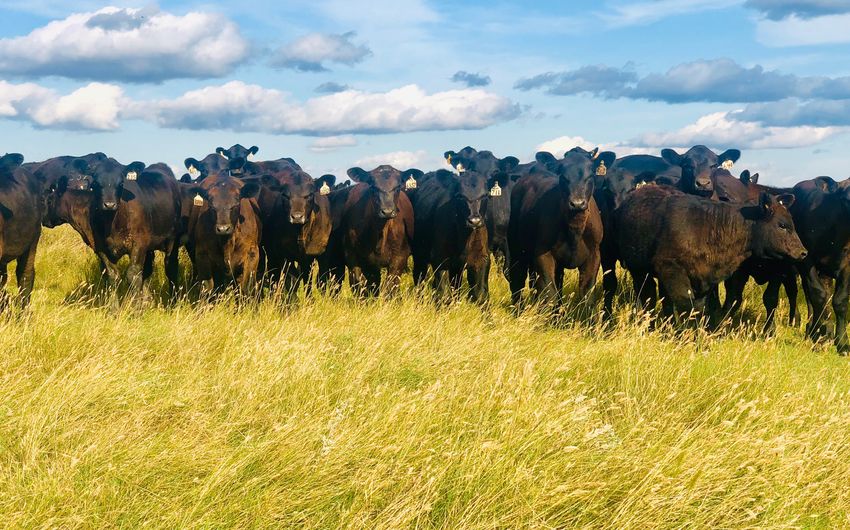
       5. Livestock ........................................................................................................................7
    B. New and Beginning Farmers and Ranchers ....................................................................8
       1. Lending Programs ..........................................................................................................8
       2. Recruitment ....................................................................................................................8
    C. U.S. Department of Agriculture .......................................................................................8
       1. Animal, Plant, Health Inspection Service ......................................................................8
       2. Labeling .........................................................................................................................9
       3. Crop Insurance ...............................................................................................................9
       4. Risk Management Agency (RMA) ................................................................................9
       5. Farm Service Agency (FSA)..........................................................................................9
       6. Grain Inspection, Packers and Stockyards Administration .........................................10
       7. Marketing and Research ..............................................................................................10
       8. Payment Limitations ....................................................................................................10
       9. Agricultural Data .........................................................................................................10
    D. South Dakota Department of Agriculture .....................................................................10
       1. Agricultural Services ...................................................................................................10
       2. Animal Industry Board ................................................................................................11
       3. Brand Board .................................................................................................................11
       4. Marketing and Research ..............................................................................................11
       5. Mediation .....................................................................................................................11
       6. Office of the Secretary .................................................................................................11
       7. State Fair ......................................................................................................................11

III. COOPERATIVES .................................................................................................................11
    A. Elections ............................................................................................................................11
    B. Credit Unions ...................................................................................................................12
    C. Farm Credit System.........................................................................................................12
    D. Marketing and Promotion...............................................................................................12
    E. Taxation ............................................................................................................................12
    F. Value-Added .....................................................................................................................12

IV. EDUCATION.........................................................................................................................13
    A. Ag Education in the Classroom .......................................................................................13
    B. Extension Service...............................................................................................................13

                                                                       1
C. Federal................................................................................................................................13
     D. Higher Education ..............................................................................................................13
     1. S.D. Board of Regents .......................................................................................................13
     2. South Dakota State University ...........................................................................................13
     3. University of South Dakota ...............................................................................................13
     4. South Dakota Technical Colleges ......................................................................................14
     E. Public Education ..............................................................................................................14
     F. South Dakota Board of Education..................................................................................14

V. CONSERVATION AND LAND USE ...................................................................................14
   A. Conservation .....................................................................................................................14
   B. Land Use ...........................................................................................................................15
       8. Eminent Domain ..........................................................................................................15
       9. Fifth Amendment .........................................................................................................15
       10. Planning and Zoning ....................................................................................................16
       11. Private Property ...........................................................................................................16
       12. Public Lands.................................................................................................................16
   C. Natural Resources Conservation Service ........................................................................16
       1. Conservation Reserve Program....................................................................................16
       2. Environmental Quality Incentive Program ..................................................................16
       3. Watershed and Flood Prevention .................................................................................16
   D. Mineral Rights ...................................................................................................................16
   E. Mining ................................................................................................................................17
   F. Oil and Gas .........................................................................................................................17
   G. Outdoor Recreation ..........................................................................................................17
   H. Pipelines .............................................................................................................................17
   I. Predator Control ................................................................................................................17
   J. South Dakota Game, Fish and Parks ...............................................................................18
   K. U.S. Army Corps of Engineers ........................................................................................18
   L. Water ..................................................................................................................................18
       1. Law ..............................................................................................................................18
       2. Rural Water Resource Development Program .............................................................18
       3. Rural Water System .....................................................................................................19
       3. Watersheds ...................................................................................................................19
   M. Waste .................................................................................................................................19
   N. Weed and Pest Control ....................................................................................................19
   O. Wetlands ...........................................................................................................................19

VI. ENERGY AND TELECOMMUNICATIONS....................................................................20

     A. Energy ................................................................................................................................20
        1. Biodiesel and Ethanol ..................................................................................................20
        2. Development ................................................................................................................20
        3. Electricity .....................................................................................................................21
        4. Federal Energy Regulatory Commission .....................................................................21
        5. Missouri River Dams ...................................................................................................21

                                                                       2
6. Public Power ................................................................................................................21
        7. Rural Electrification Administration............................................................................22
        8. Transmission ................................................................................................................22
        9. Wind Energy ................................................................................................................22
     B. Telecommunications..........................................................................................................22
        1. Deregulation .................................................................................................................22
        2. Infrastructure ................................................................................................................23
        3. Rates .............................................................................................................................23
        4. South Dakota Public Utilities Commission .................................................................23
        5. Universal Service Fund ................................................................................................23

VII. ECONOMICS ......................................................................................................................23
   A. Anti-Monopoly Policies ...................................................................................................23
   B. Federal Reserve Board ....................................................................................................24
   C. Loans .................................................................................................................................24
   D. Fees and Licenses .............................................................................................................24
   E. National Debt....................................................................................................................24
   F. Producer Income ..............................................................................................................24
   G. Rural Development ..........................................................................................................24
   H. Taxation ............................................................................................................................25
       1. Carbon Carrier Pipeline Tax ......................................................................................25
       2. Contractor’s Excise Tax .............................................................................................25
       3. Excess-Profits Tax .....................................................................................................25
       4. Federal Estate Tax......................................................................................................25
       5. Income Tax ................................................................................................................25
       6. Investment Tax Credit................................................................................................25
       7. Mineral Severance Taxes ...........................................................................................25
       8. Motor Fuel Taxes .......................................................................................................25
       9. Property Taxes ...........................................................................................................26
       10. Sales Tax ...................................................................................................................26
       11. Tax Code ...................................................................................................................26
       12. Water Tax..................................................................................................................27
       13. Tax Freezes ...............................................................................................................27
       14. Trust Fund Tax ..........................................................................................................27

VIII. PUBLIC AFFAIRS ............................................................................................................27
   A. Agricultural Practices .......................................................................................................27
       1. Corporate Farming .......................................................................................................27
       2. Land Ownership ...........................................................................................................27
       3. Sustainable Agriculture ................................................................................................27
   B. Consumer Protection ........................................................................................................28
   C. Corporations ......................................................................................................................28
   D. Drug Abuse & Addiction ..................................................................................................28
   E. Gambling ............................................................................................................................28
   F. Governmental Reform ......................................................................................................28
       1. Campaign Finance .......................................................................................................28

                                                                      3
2. Civil Liberties ..............................................................................................................29
         3. Discrimination..............................................................................................................29
         4. Elected Officials...........................................................................................................29
         5. Elections .......................................................................................................................29
         6. Equal Access to Justice Act .........................................................................................29
         7. Line Item Veto .............................................................................................................29
         8. S.D. State Legislature ..................................................................................................29
         9. State Agencies ..............................................................................................................30
         10. Tort Law.......................................................................................................................30
     G. Health Care .......................................................................................................................30
     H. Mental Health ....................................................................................................................31
     I. Humanitarian Aid .............................................................................................................31
     J. Medicaid and Medicare .....................................................................................................31
     K. Nutrition ............................................................................................................................31
     L. Occupational Safety and Health ......................................................................................32
     M. Retirement System ...........................................................................................................32
     N. Seniors ................................................................................................................................32
     O. Social Security ...................................................................................................................32
     P. South Dakota Public Broadcasting ..................................................................................32
     Q. Transportation ..................................................................................................................33
         1. Highways .....................................................................................................................33
         2. Railroads ......................................................................................................................33
     R. U.S. Postal Service .............................................................................................................34
     S. Veterans ..............................................................................................................................34
     T. Working People .................................................................................................................34

IX. INTERNATIONAL AFFAIRS.............................................................................................34
    A. Aid ......................................................................................................................................34
    B. Embargos ...........................................................................................................................35
    C. Imports ...............................................................................................................................35
    D. Military Armaments .........................................................................................................35
    E. Peace Corps ........................................................................................................................35
    F. Trade Negotiations ............................................................................................................35
    G. United Nations ...................................................................................................................35

X. APPENDIX .............................................................................................................................36
   A. Membership .......................................................................................................................36
   B. Education ...........................................................................................................................36
   C. Cooperatives ......................................................................................................................37
   D. Legislation ..........................................................................................................................37
   E. Foundation .........................................................................................................................38
   F. Long-Range Farm Policy – The Parity of Income Plan .................................................38

XI. ACROYNMS AND TERMS GLOSSARY..........................................................................39

XII. SPECIAL ORDERS OF BUSINESS .................................................................................40

                                                                        4
LONG TERM PURPOSES AND POLICY PROGRAM OF
                              SOUTH DAKOTA FARMERS UNION

                  2021 PROGRAM AND POLICY STATEMENT OF THE
        SOUTH DAKOTA FARMERS UNION AS ADOPTED BY THE DELEGATES AT THE
                  SOUTH DAKOTA FARMERS UNION CONVENTION
                               DECEMBER 9, 2020

 1   I. MISSION                                         38       ii. We urge National Farmers Union
 2                                                      39   (NFU) to act as a contracting agent of the
 3   Uniting farmers, ranchers, and communities         40   National Beef Checkoff whenever possible.
 4   to strengthen South Dakota.                        41       iii. Imports should be excluded from the
 5                                                      42   checkoff collection and U.S. Beef Checkoff
 6   II. AGRICULTURAL PROGRAMS                          43   dollars should be used to promote U.S. beef
 7                                                      44   only.
 8   A. Commodities                                     45       iv. We urge complete separation
 9                                                      46   between the beef checkoff and the National
10   1. Commodity Research and Promotion                47   Cattlemen’s Beef Association (NCBA).
11   Programs                                           48   c. South Dakota Beef Industry Council
12   a. Checkoff Programs                               49   (SDBIC)
13       i. We will support research and                50       i. We       support    at    least    three
14   promotion programs financed by deductions          51   representatives from South Dakota Farmers
15   from the proceeds of sales by producers of         52   Union (SDFU) on SDBIC.
16   agriculture commodities, if the following          53       ii. We urge the representation of the dairy
17   criteria are met:                                  54   cattle industry.
18            A. Checkoff Board Appointment             55
19   Producers affiliated with a foreign owned          56   2. Marketing
20   entity should be prohibited from serving on a      57   a. We urge that appropriate steps be taken to
21   Checkoff board. United States Department           58   establish federal protections for all
22   of Agriculture should ensure that there is no      59   agricultural commodities.
23   conflict of interest among Checkoff board          60   b. We support federal appropriations for
24   appointments.                                      61   grants-in-aid to state-operated programs of
25            B. That disbursement of funds             62   seed and fertilizer inspection, plant and
26   collected is controlled by boards of all           63   livestock, pest disease eradication and
27   producers elected by the producers assessed.       64   control, forest fire prevention, market news
28            C. The operations of the program are      65   and warehouse licensing and other farmer
29   controlled by those producers’ boards,             66   and consumer protective and marketing
30   excluding individuals with ties to foreign         67   services including those carried out by the
31   entities.                                          68   Food and Drug Administration (FDA) as well
32            D. The programs are voluntary at the      69   as by the U.S. Department of Agriculture
33   point of sale.                                     70   (USDA).
34            E. At least 75 percent of all collected   71   c. We also demand that the Commodity
35   checkoff dollars each year are spent.              72   Futures Trading Commission (CFTC) fully
36   b. National Beef Checkoff                          73   enforce existing laws, rules, regulations and
37       i. We believe in beef checkoff reform.         74   the CFTC deny any request for an increase in

                                                        5
1   the number of positions that may be held by       46       ii. We ask Congress to enact legislation
 2   any individual trader.                            47   making it illegal for major grain traders to sell
 3                                                     48   more grain than they owned during a delivery
 4   3. Grain                                          49   month.
 5   a. Bonding                                        50   d. Protections
 6       i. The cost of elevator bonding has           51       i. We support a contract grower’s bill of
 7   created recurring problems for farmers and        52   rights.
 8   their cooperatives during recent years. We        53       ii. We support the establishment and
 9   urge continued monitoring of bonding costs        54   enforcement of international grain standards
10   and a review of possible alternatives.            55   designed to protect the interests of
11       ii. We support a study of bonding             56   agricultural producers and consumers
12   requirements or other producer protection         57   throughout the world.
13   methods be undertaken by the South Dakota         58       iii. Producers should have full flexibility
14   Public Utilities Commission (PUC) because         59   to make their own planting decisions.
15   of growing concerns that some elevators are       60       iv. We support the validity of a farmer’s
16   not bonded sufficiently to protect their          61   warehouse receipt as proof of his ownership
17   customers.                                        62   of stored grain in an elevator. We also
18    b. Inspection                                    63   support legislation prohibiting seizure of said
19       i. We urge Congress to review the             64   grain by elevator creditors upon foreclosure
20   adequacy of the grain inspection system with      65   of elevators.
21   emphasis on prohibiting conflicts of interest     66       v. We support grain pool indemnity
22   between inspectors and grain traders.             67   fund, as modeled after North Dakota.
23       ii. We urge Congress to review the            68       vi. Grain sales and voluntary credit sales
24   adequacy of the grain inspection system with      69   would be covered by the funds.
25   emphasis on providing penalties for               70       vii. The Farmer-Owned Grain Reserve
26   noncompliance including revocation of             71   (FOR) should be restored and strengthened to
27   license, suspension of operations, fines          72   serve as an “ever-normal granary” for both
28   and/or imprisonment. The export of grain          73   producers and consumers. The reserve
29   handling license of any firm found guilty of      74   should be expanded to include all non-
30   adulteration of grain moving in international     75   perishable     farm      commodities         and
31   trade should be revoked for a period of not       76   strengthened to provide for at least one year’s
32   less than 10 years.                               77   consumption and a strategic feed grain
33       iii. We urge Congress to continue to          78   reserve dedicated to renewable energy
34   investigate grain companies as to the total       79   production.
35   pricing system and any quality discounts          80       viii. We support removing grain
36   such as vomitoxin levels and scab.                81   regulations from the PUC, and to be
37   c. Sale                                           82   regulated by the Secretary of Agriculture.
38       i. We urge that an equivalent bushel          83
39   concept (EBC) be adopted, which can be            84   4. Specialty Crops
40   done by having a standard base moisture           85   a. We support growing specialty crops
41   level for each grain and the producer would       86   including but not limited to fruits,
42   be paid for that level. This can be a deterrent   87   vegetables, dried fruits, nursery crops,
43   to the illegal practice of adding water to dry    88   floriculture and horticulture including turf
44   grain, bringing it up to standard moisture        89   grass, sod, pulse and herbal crops.
45   content.                                          90   b. We support policy allowing South Dakota
                                                       91   Farmers to grow and process industrial

                                                       6
1   hemp under state law following federal            46   production to the public as long as adequate
 2   standards.                                        47   labeling is provided.
 3                                                     48       iv. We support the family dairy industry
 4   5. Livestock                                      49   and statewide efforts for continued
 5   a. Animal Welfare                                 50   development of dairy production and
 6       i. We support continued cooperation           51   manufacturing.
 7   with other agricultural organizations to          52   d. Development
 8   combat misinformation and support good            53       i. Livestock production is essential to
 9   animal husbandry practices.                       54   the well-being of S.D.
10       ii. We support all efforts to refute anti-    55       ii. We        actively   promote      the
11   meat campaigns. Farmers Union members             56   development of livestock production in S.D.
12   are urged to write letters and contact the        57   as a vital component in maintaining a healthy
13   media with accurate information on the use        58   agricultural sector.
14   and benefits of all meats.                        59       iii. We support the implementation of
15       iii. We recommend that SDFU assign a          60   anaerobic digesters at facilities which
16   person to monitor the activities of animal        61   provide green energy and will provide more
17   rights advocates.                                 62   efficient fertilizer.
18       iv. We oppose the ideologies and              63       iv. We support the establishment of a
19   agendas of extremist organizations.               64   clean-up fund for large-scale livestock
20       v. We favor the humane treatment of           65   facilities. Revenues should be collected
21   animals; however, we urge caution in passing      66   annually from operators of confinements
22   laws regarding animal rights so that sound        67   with 1,000 animal units or more and
23   management practices are not adversely            68   deposited into a fund to provide for clean-up
24   affected.                                         69   of wastes attributable to such facilities,
25       vi. We support agricultural industry          70   including newly closed or abandoned
26   established standards for the management,         71   facilities.
27   care and treatment of animals in agriculture,     72   e. Marketing
28   commerce and research.                            73   We support the following efforts and
29   b. Antibiotics                                    74   programs aimed at increasing the farmer’s
30   Ionophores should not be defined as an            75   and rancher’s share of the consumer’s meat
31   antibiotic and all subsequent research            76   dollar:
32   statistics should be defined as separate          77        i. We support development of farmer
33   entities.                                         78   and rancher-owned and/or local or regional
34   c. Dairy                                          79   meat packing and retail cooperatives.
35       i. We support regional milk marketing         80       ii. We support continuous monitoring of
36   compacts provided they:                           81   livestock and meat imports to properly assess
37            A. Address the price of all classes of   82   their impact on domestic markets.
38   milk — not just Class I.                          83      iii. When state inspection guidelines
39            B. Set the compact price at the cost     84   meet or exceed Federal guidelines, we
40   of production.                                    85   support interstate distribution of state
41       ii. We support a dairy pricing system that    86   inspected meats.
42   protects a profit margin.                         87   f. Transportation
43       iii. We understand health measures but        88       i. We support transportation of all
44   resist further consolidation and burdensome       89   livestock, including horses, for slaughter
45   restrictions on raw milk sales from on-farm       90   domestically and internationally.

                                                       7
1 ii. We support a permanent rule change 47
2 to the Electronic Logging Device (ELD) rule 48 2. Recruitment
3 that allows flexibility for truckers hauling 49 a. We encourage SDFU to develop and
4 livestock. These rules should take into 50 maintain a registry for aspiring farmers as
5 consideration the time sensitive manner of 51 well as for established farmers who desire to
6 hauling livestock and the safety 52 pass their operation on to a beginning farmer.
7 considerations of both the public and 53 b. SDFU should develop an educational tool
8 livestock. 54 to highlight that there are also many
9 55 opportunities in agriculture other than the
10 B. New and Beginning Farmers and 56 predominant mega-crop and livestock farms
11 Ranchers 57 and ranches of the state.
12 58
13 1. Lending Programs 59 C. U.S. Department of Agriculture
14 a. We believe that the federal government’s 60
15 status as a guarantor of loans by commercial 61 1. Animal, Plant, Health Inspection
16 lenders must be balanced with direct lending 62 Service
17 programs targeted at assisting beginning 63 a. Animal Disease Traceability (ADT)
18 farmers. Direct loans should be viewed as 64 i. The stated purpose of the ADT is to
19 “yardstick” credit to keep interest on private 65 identify specific animals and record their
20 loans and government-insured loans at the 66 movements to enable a 48-hour trace back of
21 lowest possible levels. 67 any disease or exposed animal.
22 b. Efforts should be made to increase the 68 A. We support a universal RFID ear-
23 number of loans at lower interest rates with 69 tagging system along with the support of
24 emphasis to beginning farmers. 70 COOL as long as there is federal cost sharing
25 c. In times of drought, natural or price 71 so producers do not bear the entire cost.
26 disaster, low-interest loans should be made 72 B. We support local control of the
27 available to farmers and ranchers with a 73 S.D. data (the S.D. Animal Industry Board).
28 proven loss on their operation. Interest and 74 C. Confidentiality of collected data
29 principal payments on existing loans should 75 is essential to the integrity of the program.
30 be deferred. We further recommend that 76 Also, an exemption from Freedom of
31 during the period that a moratorium shall 77 Information Act (FOIA) and limiting
32 apply, principal repayment time be extended 78 producer liability after an ownership change
33 equally to the crop years lost by disaster and 79 would need to be included in any program.
34 interest repayments should be deferred 80 D. We would not support requiring
35 without prejudice during this same period. 81 4-H and National FFA Organization (FFA)
36 d. Operators should be given the 82 youth to sign up their parents with a premise
37 opportunity to refinance at a lower rate of 83 identification.
38 interest. Farm operating loans should bear 84 b. Health Research
39 interest of 5 percent or less. Emergency and 85 i. We support the continued testing of
40 disaster loans should be limited to the 86 plants and animals for research and disease
41 operating costs of the next year’s production. 87 control.
42 e. In addition, we propose that loan 88 ii. All testing should be open and
43 payments to the Farm Service Agency (FSA) 89 transparent.
44 be placed in a state FSA revolving fund 90 iii. USDA should create a
45 which would then be made available for 91 comprehensive plan for all test results.
46 future loans within the state.
81 iv. We believe cattle processing plants 45 c. Crop insurance should be subsidized on a
2 should be allowed to test for Bovine 46 declining scale, with a regional adjustment to
3 Spongiform Encephalopathy (BSE) in 47 premium cost
4 individual animals. 48 d. Conservation compliance should be
5 c. Pest Control 49 mandatory for government-subsidized crop
6 We urge establishment of a USDA/farmer 50 insurance.
7 cost-sharing program for insect and pest 51 e. Lending institutions should not be
8 control during times of emergency. 52 allowed to sell crop insurance.
9 53 f. There should be no penalty to hay or graze
10 2. Labeling 54 prevent plant acres after regional average
11 a. Country-of-Origin Labeling (COOL) 55 killing frost date.
12 i. We support mandatory COOL for meat 56
13 products. Animals must be born, raised, 57 4. Risk Management Agency (RMA)
14 harvested, and processed in the U.S. to 58 We support Inventory Management Soil
15 receive a U.S. origin label such as “Product 59 Enhancement Tool (IMSET) as a mechanism
16 of USA”. 60 for farmers to voluntarily use annually to
17 ii. We recommend that USDA and 61 enhance individual farmers’ pricing
18 Congress reinstate mandatory COOL similar 62 inventory while enhancing their land’s
19 to the current WTO compliant Australian 63 marginal soil.
20 model. 64
21 b. Genetically Modified Organisms 65 5. Farm Service Agency (FSA)
22 (GMOs) 66 a. We reaffirm our support for the farmer-
23 The rights of both GMO and non-GMO 67 elected committee system. This proven
24 producers should be respected as appropriate 68 system should not be compromised through
25 regulatory agencies continue to research and 69 the addition of non-farm or non-ranch
26 evaluate these concerns, including but not 70 appointees.
27 limited to required consumer labeling for 71 b. Farmer-elected committees ought to have
28 goods made from or containing GMOs. 72 more power over day-to-day decision making
29 c. Lab Cultured Protein 73 involved in administration of the farm
30 Any alternative protein, including soy 74 program.
31 based, vegetable based, synthetic protein and 75 c. We urge uniform interpretation of rules
32 cultured cells are to be prevented from using 76 and regulations between county and state
33 the term “meat” on their product. 77 offices.
34 d. Milk 78 d. We oppose efforts to dismantle the FSA
35 Any alternative product, not derived from 79 delivery system through office closures and
36 lactating mammals, cannot be labeled as 80 elimination of county office employee jobs.
37 milk. 81 Efforts to reduce spending ought to be fairly
38 82 balanced among all agencies of the USDA
39 3. Crop Insurance 83 and federal government.
40 a. We support yield adjustments for disaster 84 e. We support the continuation of the
41 losses and the encouragement of expansion 85 limited resource loan program and urge that
42 for specialty crops and livestock. 86 35 percent of FSA loans be set aside for this
43 b. We continue to favor expansion of the 87 program.
44 revenue assurance program. 88 f. We urge loans for construction and/or
89 improvement of farm/ranch homes be made
90 available.
91 g. We continue to support the major 47 techniques and educational programs to assist
2 provisions of the 1987 Farm Credit Act and 48 farmers and foresters in the best and safest
3 demand that FSA observe the intent of that 49 use of pesticides, other agricultural chemicals
4 legislation. In cases of an appeal, the State 50 and other means to assure wholesome food
5 Mediation Board should be used to ensure 51 and a clean environment.
6 impartiality. 52
7 53 8. Payment Limitations
8 6. Grain Inspection, Packers and 54 a. So-called multiple entity rules allowing
9 Stockyards Administration (GIPSA) 55 farms to be artificially divided in order to
10 a. We urge the USDA to continually 56 avoid payment limitations should be
11 monitor the operation of the mandatory 57 abolished.
12 livestock price reporting system. 58 b. We are opposed to the use of commodity
13 b. We urge that the Packers and Stockyards 59 certificates or any other means of exceeding
14 Act be fully enforced with equal attention 60 payment limitations.
15 paid to the problems of monopolistic control, 61
16 manipulation of prices, deception and fraud. 62 9. Agricultural Data
17 c. GIPSA must be maintained and 63 We support the property rights of all
18 adequately funded to accomplish its mission. 64 producers in relation to their agricultural
19 It should be prepared to fully coordinate 65 data. This includes but is not limited to yield
20 research and investigative work with the 66 maps, variable rate fertilizer, variable rate
21 Federal Trade Commission (FTC). 67 seeding, dual hybrid planters, and all
22 d. We urge GIPSA to review and revise its 68 livestock data.
23 livestock buyer bonding requirements to 69
24 ensure adequate protection to the sellers of 70 D. South Dakota Department of
25 livestock. 71 Agriculture (SDDA)
26 e. We support the break-up of multinational 72
27 companies and incentivize local and regional 73 1. Agricultural Services
28 processor development, and prevent harmful 74 a. We recommend that the SDDA provide
29 vertical integration. 75 for poultry inspection as a part of the state
30 76 meat inspection program.
31 7. Marketing and Research 77 b. We encourage the expansion of the S.D.
32 a. We strongly urge the Agricultural 78 Pesticide Disposal Program as a way of
33 Marketing Service (AMS) to utilize the best 79 preventing ground water contamination.
34 and most accurate information for releasing 80 c. We urge the SDDA to continue the
35 crop and livestock production reports. 81 voluntary credit counseling service for
36 b. It is very important that the USDA 82 economically hard-pressed family farmers
37 provide accurate, up-to-date information to 83 and ranchers.
38 the public with regard to farm prices, income 84 d. We support legislation to provide
39 and parity levels. 85 adequate funding for uniform inspection of
40 c. The USDA Secretary should present the 86 moisture and protein measuring devices by
41 facts concerning the costs and benefits of 87 the SDDA.
42 public expenditures and of the small share of 88 e. We urge the legislature to increase
43 the consumer food dollar received by farmers 89 funding for insect control and we urge the
44 and ranchers. 90 SDDA to take advantage of federal funds that
45 d. We urge continued research for USDA at 91 are available.
46 universities to develop better pest control
101 f. The SDDA should be adequately funded 46 alternative crops may be viable with further
2 to enable it to: 47 development.
3 i. Research, identify and develop 48
4 markets for S.D. agricultural products. 49 5. Mediation
5 ii. Encourage the continual tailoring of 50 a. We support continuation of the Farm
6 S.D. agricultural production to both general 51 Credit Mediation Program. It has been
7 and specific market demands. 52 demonstrated that this program reduces the
8 iii. Promote the processing of S.D. 53 number of farm bankruptcy filings and helps
9 products in S.D. 54 to alleviate tensions between lenders and
10 iv. Conduct ongoing research on 55 borrowers.
11 marketing, distribution and production and 56 b. We further express our support for Rural
12 develop recommendations for new policies 57 Renewal Coalition efforts to expand the
13 and institutional mechanisms. 58 mediation program to cover additional areas
14 59 of conflict involving farmers, ranchers,
15 2. Animal Industry Board (AIB) 60 government agencies and other entities.
16 a. Strong controls are needed to prevent and 61 When one party asks for mediation all parties
17 eradicate livestock and poultry diseases. 62 must participate.
18 b. Domesticated wild animals, birds and 63 c. Fees ought to be regularly reviewed and
19 dogs should be treated as livestock. 64 reduced if their impact would deny access to
20 c. We must communicate with the AIB and 65 the program or jeopardize future federal
21 the state veterinarian in order to ensure 66 funding.
22 affirmative action that will be beneficial to 67
23 the livestock industry. 68 6. Office of the Secretary
24 d. Horse farms and companion pet breeders 69 We support the concept of an elected
25 should be added to the jurisdiction of the 70 Secretary of Agriculture.
26 AIB. 71
27 72 7. State Fair
28 3. Brand Board 73 a. We support the S.D. State Fair in Huron.
29 a. Every member of the brand board must be 74 b. We support legislation that would allow
30 the owner of a registered brand and elected 75 the State Fair to keep all sales tax revenues
31 from districts from which the board members 76 collected on the fairgrounds.
32 and voters reside. 77 c. We need research to enhance the State
33 b. We recommend that a detailed, audited 78 Fair.
34 report be submitted to the Legislature on an 79 d. We ask that the Legislature reinstate the
35 annual basis. 80 voting power of the State Fair Commission.
36 c. Anyone buying cattle should be given a 81 e. We support the state investing in capital
37 reasonable length of time to rebrand 82 improvements at the State Fair.
38 purchased cattle. 83 f. We support State Fair funding as a line
39 84 item in the state budget.
40 4. Marketing and Research 85
41 a. We support SDDA expanding marketing 86 III. COOPERATIVES
42 and branding efforts of South Dakota 87
43 agricultural products. 88 A. Elections
44 b. We support expanding research into 89
45 adapting crops in S.D. and recognize 90 We recommend that all cooperatives use the
91 secret ballot on controversial issues and
111 elections and prohibit employees from 47 a. To promote cooperatives.
2 actively campaigning in any cooperative 48 b. To provide expertise and advice in the
3 election. 49 establishment of new credit unions and
4 50 cooperatives.
5 B. Credit Unions 51 c. To provide expertise and resources in
6 52 establishing cooperative goals and to provide
7 1. We support the expansion of credit 53 information on local demographics for
8 unions. 54 planning.
9 2. We encourage Farmers Union groups to 55 d. To act as an impartial advisor to
10 be aggressive in forming and furthering 56 financially troubled cooperatives.
11 credit unions and promoting legislation on 57 3. We strongly urge that the farm
12 their behalf. 58 cooperative system pursue the development
13 3. We oppose efforts to tax credit union 59 and marketing of grain-based alcohol fuels
14 earnings prior to their allocation to members. 60 through its network of local and regional
15 4. We oppose proposals to merge the Credit 61 cooperatives to enable producers to retain
16 Union Insurance Fund with the Federal 62 some control over their commodities.
17 Deposit Insurance Corporation (FDIC). 63 4. We support development of a program to
18 64 encourage cooperatives and governmental
19 C. Farm Credit System (FCS) 65 bodies to organize local collection points for
20 66 material that can be recycled.
21 1. The FCS provides a substantial portion of 67
22 the credit used by American farmers and 68 E. Taxation
23 ranchers. 69
24 2. Member control by the democratic 70 1. We oppose any governmental action that
25 process of these cooperative financial 71 attempts to dictate the time and manner of
26 institutions is essential to their continued 72 returning cooperative patronage earnings or
27 success and survival. 73 refunds.
28 3. We support local control over these key 74 2. We strongly support the Capper-Volstead
29 rural lending institutions. 75 Act and urge Congress to enforce it.
30 4. We urge that all borrowers be charged the 76 3. Taxation of cooperatives must be
31 same rate of interest for similar loans. 77 consistent with the Federal Internal Revenue
32 5. All borrowers should be required to 78 Tax Code.
33 purchase stock in the cooperative. 79
34 6. FCS institutions should be required to 80 F. Value-Added
35 participate in farm loan mediation programs. 81
36 7. We do not support the POA granting to 82 1. We strongly support value-added
37 lender on operating notes. 83 cooperatives.
38 84 2. We support the S.D. Value-Added
39 D. Marketing and Promotion 85 Agriculture Development Center and efforts
40 86 to build and develop additional farmer-
41 1. We support designating October as 87 owned, value-added cooperatives in our state.
42 Co-op Month. 88 We welcome the fact that more than a dozen
43 2. We urge the appropriation of funds to 89 other organizations and cooperatives have
44 staff a cooperative division in the SDDA 90 been willing to join with Farmers Union in
45 capable of promoting cooperatives as 91 providing support for this endeavor. We do,
46 required by law; 92 however, believe that many traditional
121 cooperatives could do more in the way of 45 4. We support federal Perkins funding to
2 assistance, experience and cooperation for 46 local school districts that offer career and
3 the expansion of new value-added 47 technical education curriculum.
4 cooperatives. 48 5. We oppose any cuts of federal funds for
5 3. We call on the Internal Revenue Service 49 special education programs in S.D. school
6 (IRS) and/or Congress to amend any rules 50 districts.
7 preventing farmers from organizing 51
8 cooperatively to add value to their livestock. 52 D. Higher Education
9 53
10 IV. EDUCATION 54 1. S.D. Board of Regents
11 55 a. We recommend that the state legislature
12 A. Ag Education in the Classroom 56 and the S.D. Board of Regents as well as
13 57 academic faculty and administrators direct,
14 We support legislation and utilization of 58 divert, and prioritize state legislative
15 agriculture in the classroom in elementary 59 appropriations in research funding to our
16 and secondary schools. However, 60 state land grant institutions toward the
17 educational materials must be carefully 61 implementation of research and development
18 selected and should exclude any literature 62 of organic farming and alternative uses of our
19 promoting specific organizations or political 63 crops.
20 points of view. 64 b. We encourage all S.D. colleges and
21 65 universities to pursue research and grants that
22 B. Extension Service 66 would help and enhance the agricultural
23 67 industry.
24 1. We support expansion of extension 68
25 services at the county level along with well- 69 2. South Dakota State University (SDSU)
26 trained 4-H county advisors. 70 a. We urge SDSU to maintain research
27 2. Unbiased field specialist expertise and 71 independent of bio-technology companies to
28 experimental farm research are vital to S.D. 72 allow unbiased research.
29 3. We encourage continued education of 73 b. We urge SDSU to place greater emphasis
30 extension personnel and urge reduced tuition 74 on increasing farm and ranch profitability
31 for all. 75 through improved farm management and
32 76 marketing. We also urge emphasis on courses
33 C. Federal 77 pertaining to rural life studies which
34 78 emphasize the contributions made by family
35 1. We urge Congress to maintain and 79 farmers and ranchers.
36 increase funds available for student loans. 80 c. We urge continued research for USDA at
37 2. We believe young people should also be 81 universities to develop better pest control
38 given the option of participating for at least 82 techniques and educational programs to assist
39 two years in a national service corps as partial 83 farmers and foresters in the best and safest
40 or complete repayment of student loans. 84 use of pesticides, other agricultural chemicals
41 3. The “Every Student Succeeds” federal 85 and other means to assure wholesome food
42 education program should be fully funded to 86 and a clean environment.
43 implement the federal requirements or 87
44 eliminated if not fully funded. 88 3. University of South Dakota (USD)
89 We encourage USD graduate doctors to stay
90 and practice medicine for ten years in rural
131 S.D. in return for the payment of their entire 47 programs. We recognize that FFA should be
2 tuition by the state. 48 considered an intra-curricular part of
3 49 agriculture education.
4 4. South Dakota Technical Colleges 50 7. We recommend that cooperative
5 We recognize South Dakota Technical 51 education, farm economics and the
6 Colleges education programs as an important 52 importance of the family farm to the
7 part of agricultural education in South 53 economy be included as a part of the
8 Dakota. 54 curriculum in any free enterprise course in
9 55 public schools.
10 E. Public Education 56 8. We support adult farm management
11 57 courses in S.D.
12 1. SDFU has consistently supported our 58 9. We support the S.D. Literacy Council and
13 educational system. We strongly recommend 59 its accomplishments.
14 the continued support of these institutions of 60 10. We oppose any unfunded mandates
15 learning in their endeavors to enhance the 61 regarding education.
16 cultural and economic life of the people of 62 11. We support additional state funding to
17 our state and nation. 63 schools that offer career and technical
18 2. We recommend that the percentage of 64 education classes such as agriculture
19 state funding to elementary and secondary 65 education, family and consumer sciences,
20 public schools general funds be increased, 66 and trade and industrial training programs.
21 with the formula weighted to benefit small 67 12. We urge state lawmakers to increase the
22 schools. 68 per-student allocation for English as a second
23 3. The formula for granting monetary aid to 69 language program (ESL) for students.
24 students should be based on the need of the 70 13. We support the study of Pre-K education
25 individual. Rural school districts should be 71 and funding in South Dakota.
26 assured of their fair share of federal and state 72
27 aid to education. Federal and state 73 F. South Dakota Board of Education
28 educational requirements ought to be funded 74
29 with federal and state aid. 75 We urge the Board of Education to restore
30 4. We recommend that the “scarcity factor” 76 funding support for extended service
31 and the “declining enrollment factor” be 77 contracts for agriculture education
32 given adequate consideration in determining 78 instructors. Loss of this funding greatly
33 the level of state aid to individual school 79 reduces the effectiveness of agriculture
34 districts. These are important factors for 80 education instruction at S.D. high schools
35 rural districts where per-pupil busing costs 81 and reduces the educational opportunities for
36 are substantially higher. 82 students who may not have access to project
37 5. We recommend that elementary and 83 advice from agriculture education instructors
38 secondary schools periodically evaluate their 84 during the key summer months.
39 position on fundamental subjects to keep a 85
40 strong emphasis on basic education. There 86 V. CONSERVATION AND LAND USE
41 should be a limit to the classroom time lost to 87
42 extracurricular activities by students and 88 A. Conservation
43 teachers. 89
44 6. We fully support agriculture education, 90 1. We support conservation programs
45 including Family and Consumer Science 91 funded at levels that ensure continued
46 (FACS), trade and industrial training 92 protection of our soil, water, and native sod.
141 2. We favor a paid land diversion program 47 8. Eminent Domain
2 with environmental benefits. 48 a. We understand that issues of eminent
3 3. Base acres established prior to entering 49 domain are significant for landowners. Every
4 any farm program, or being displaced by 50 effort should be made to adequately resolve
5 natural disasters for multiple years, should be 51 these issues. However, it is important that the
6 preserved for times when land comes back 52 welfare of the entire state receive equal
7 into production. 53 consideration.
8 4. We urge the state of S.D. to restore a 54 b. We believe eminent domain should be
9 shelter belt incentive program as a means of 55 reserved for public projects. Where eminent
10 encouraging the planting and renovation of 56 domain may eventually be used, individual
11 shelterbelts. 57 notification and public hearings must be held
12 58 before the project is allowed to proceed.
13 B. Land Use 59 c. We support severance damages including
14 60 payment for the diminution of remaining land
15 1. We favor multiple uses of appropriate 61 values and increased expenses and
16 national forest and other public and private 62 inconvenience suffered by affected
17 lands to include grazing of livestock and the 63 landowners and operators. After initial court
18 raw resources industries, commensurate with 64 expenses, including attorneys’ and
19 family-sized farm and ranch operations. 65 appraisers’ fees, additional expenses must be
20 2. We support a comprehensive land use 66 borne by the constructing agency in
21 policy that recognizes the objectives of land 67 condemnation proceedings.
22 tenure, promotion of family farms, 68 d. We believe eminent domain
23 population distribution, stabilizing farm 69 consideration should be given to routes that
24 income and production, conservation of 70 minimize adverse human impact.
25 natural resources and providing land for 71 e. We call upon federal authorities to
26 public use. 72 resolve eminent domain and environmental
27 3. Land use regulation should be left to local 73 impact issues to provide greater competition.
28 government except in situations that lead to 74 f. We oppose further expansion of eminent
29 multi-county or interstate problems. 75 domain for private industry and for private
30 4. We oppose the acquisition of productive 76 use.
31 farmland to extend wildlife habitat. The 77 g. We oppose the use of eminent domain to
32 arbitrary designation of farm units for 78 exchange property to only increase tax base
33 wildlife mitigation without negotiation with a 79 for state income.
34 willing farm operator is disruptive and 80
35 destructive to the efficiency of family farm 81 9. Fifth Amendment
36 management. Land to extend wildlife habitat 82 a. We support the Fifth Amendment of the
37 should be acquired only by short-term lease 83 United States Constitution which declares
38 or rental contract. 84 that government cannot seize property
39 5. We urge both governmental and private 85 without just compensation.
40 groups to continue expanding their efforts to 86 b. We urge Congress to define in law “a
41 take action to rectify pollution problems. 87 taking” as any action by the government
42 6. We support county commissioners 88 which deprives citizens of use of their
43 having the final decision on the sale of 89 property or reduces the value of that property.
44 property to government entities. 90
45 91
46 92
15You can also read


