Pudong's Skyscraper Economy - The Driving Force Behind Shanghai Becoming a Landmark Global City - Colliers International
←
→
Page content transcription
If your browser does not render page correctly, please read the page content below

Colliers Radar
Office Property | East China
18 April 2018

Pudong’s Skyscraper Economy
The Driving Force Behind Shanghai Becoming a Landmark
Global City

After thorough analysis, Colliers draws the following
Timothy Chen                                                conclusions about the future of Pudong’s office market:
Director | Research | East China                            1. While demand for prime offices in Pudong will
timothy.chen@colliers.com                                      maintain healthy and steady growth, the future
                                                               supply in CBDs will be extremely limited, driving
Pudong plays a key role in realising Shanghai’s                demand to spill over to DBDs with sufficient supply.
vision of becoming an “excellent global city”,              2. In terms of demand, the financial sector (especially
and prime offices in the CBDs will be a driving                foreign institutions) should benefit from new plans
force in its development. Compared to the                      and policies, and see growth accelerate. Meanwhile,
                                                               the TMT sector should maintain rapid growth, and so
leading global cities, London and New York,
                                                               diversify the tenants in Pudong’s prime office market.
Pudong’s CBD lacks a high number of top
companies and clusters of modern service                    3. In terms of district, new supply beyond core Lujiazui
                                                               will expand eastwards and southwards. New Bund-
activities; its occupier base is also too narrow.              Expo and the North Riverfront will be development
                                                               hotspots in the short to mid-term, and the Huamu-
Colliers expects demand for prime office space                 Longyang road cluster should emerge as a financial
in Pudong to stay firm, with demand spilling                   and business district once the development of the 19
over from the CBD to the DBDs. Finance                         plots adjacent to Longyang Road station is complete.
tenants will benefit from new policies, but                 4. In terms of leasing strategy, more tenants will prefer
demand from TMT tenants should grow faster.                    models which offer flexibility to adapt to a dynamic
By area, new supply beyond core Lujiazui                       environment. Flexible workspace, which is
                                                               expanding fast in the office market, should therefore
should expand east and south; New Bund-                        become a normal option for companies in the future.
Expo and the North Riverfront will be new
                                                            Colliers makes the following recommendations to three
development hotspots; and the Huamu-
                                                            major stakeholders in Pudong’s future:
Longyang road cluster will eventually emerge
                                                            The city government should:
as a financial and business district. Big tenants
should focus on these areas for expansion.                  >   Accelerate the opening-up of the finance and service
                                                                sectors to attract more global company headquarters
Colliers recommends that the Shanghai city                      and top service groups. This should boost Pudong’s
government accelerate the opening-up of the                     influence and its connections to the global economy;
finance and service sectors to attract more                 >   As in London and New York, guide diversification in
global company headquarters and top service                     prime office buildings with a focus on technology and
businesses. The government should also guide                    creative businesses to enhance interaction and
diversification in prime office buildings with a                collaboration among tenant sectors.
focus on technology and creative activities.                Large office landlords should:
Landlords must heed the growing importance                  >   Heed the growing importance of foreign financial and
of foreign financial and TMT groups as tenants,                 TMT groups as tenants, and plan services
and plan services accordingly. They should                      accordingly;
also study flexible workspace and devise more               >   Study the flexible workspace sector, and develop
innovative and flexible leasing models.                         leasing models that respond to tenants’ increasing
                                                                demand for flexibility and innovation.
Executive Summary                                           Large occupiers should:
Pudong plays a key role in realising Shanghai’s vision of
becoming an “excellent global city”. The “Skyscraper        >   Consider flexible office leasing models to adapt to
Economy”, i.e. the prime office environment in the CBD,         the dynamic market environment;
will be a driving force in Pudong’s development.
Compared to the so-called Alpha++ global cities, London     >   Pay attention to the new office supply in New Bund-
and New York, Pudong’s CBD requires further                     Expo and North Riverfront clusters over the next 3-5
development in the following areas: a) number and               years for expansion or upgrading; and consider the
calibre of multi-national companies (e.g. Fortune 500           new completions in the Huamu-Longyang Road
groups); b) number of clustered modern service                  cluster over the next 5-8 years as part of a long-term
businesses; c) diversity of occupier sectors.                   leasing strategy (especially for financial companies).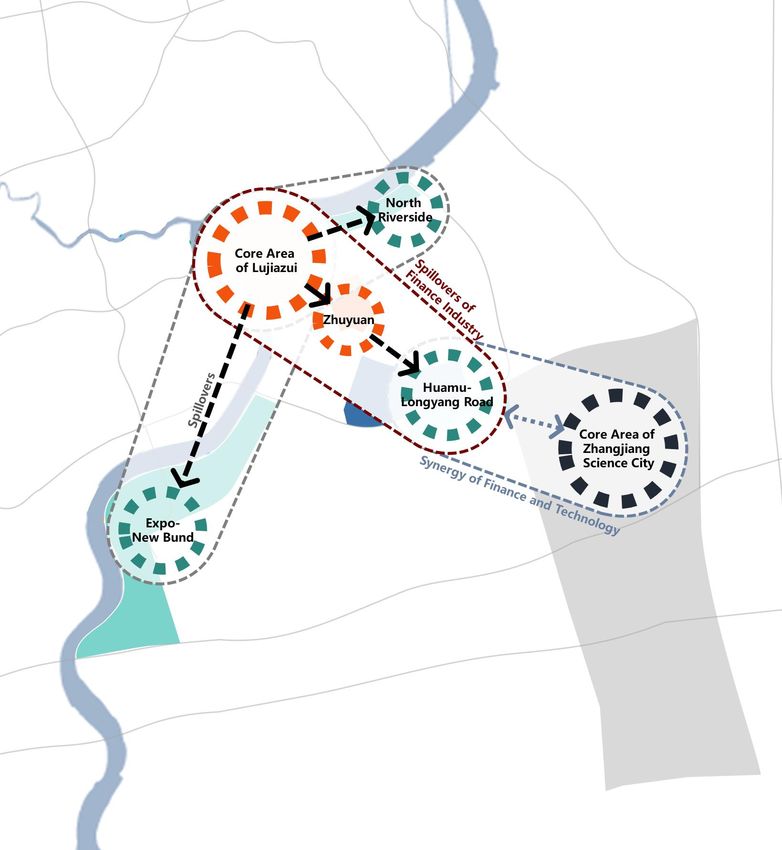
Table of Contents
                                                     Executive Summary ........................... 2

                                                     Research Background........................ 4

                                                         Shanghai’s master plan and GaWC ........ 4

                                                         Pudong is the key area to realize
                                                         Shanghai's vision ..................................... 4

                                                         Strategic role of “Skyscraper Economy”
                                                         in transformation of landmark global city
                                                         ................................................................... 4

                                                     Status of Pudong’s Prime Office
                                                     Market .................................................. 6

                                                         Brief introduction and submarkets......... 6

                                                         Tenant-mix and trends ............................. 7

                                                     Outlook for Pudong’s Prime Office
                                                     Market .................................................. 7

                                                         Industry trends and opportunities .......... 7

                                                         Expansion Routes: Southward and
                                                         Eastward ................................................. 12

                                                         Outlook: Office rent in Pudong’s CBD
                                                         will increase in next five years .............. 16

                                                         Outlook for leasing strategy: tenants
                                                         adopting new leasing models with
                                                         flexible workspace becoming the norm16

                                                     Conclusions and Recommendations
                                                     ........................................................... 17

3   Pudong’s Skyscraper Economy: The Driving Force Behind Shanghai Becoming a Landmark Global
    City | April 2018 | Office Property | East China | Colliers International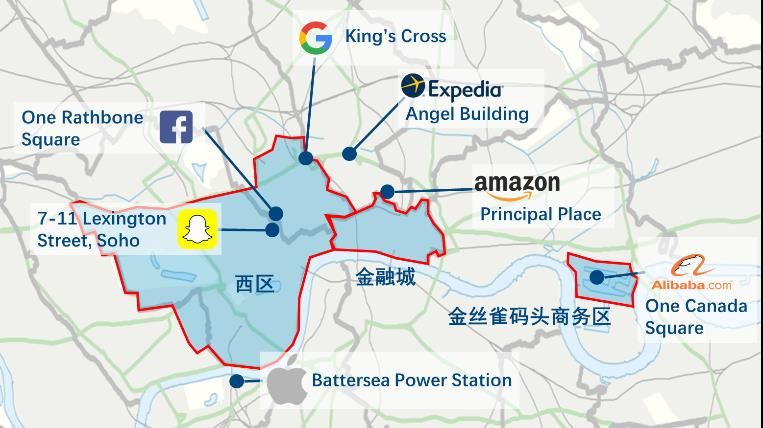
Pudong is the key area to realize Shanghai's
Research Background                                            vision
Shanghai’s master plan and GaWC                                Consisting Lujiazui Financial City, Zhangjiang Science
                                                               and Innovation City, Shanghai Free-Trade Zone and
In January 2018, Shanghai officially issued The                Yangshan Port, Pudong is set to play a key role in
Shanghai Master Plan 2017-2035 (hereafter referred to          realising Shanghai’s vision. The 13th Five-Year Plan of
as "Shanghai 2035"), which confirms the ambition of the        Pudong declares the district’s objective to be “Striving to
city of Shanghai to be “one of the chief municipalities of     be a landmark core area of a global city” and “Central
China and the core of a world-class city cluster in the        functional district” of the “Four Centres” (finance,
Yangtze River Delta area. Shanghai is also an                  technology, trading, and shipping centres).
international centre of economy, finance, trade and
shipping, scientific and technological innovation and a        In 2017, Pudong’s GDP increased by 8.7% YOY to
cultural metropolis as well as a national historical city,     RMB965.1 billion (USD153.4 billion), accounting for 32%
Shanghai will be an excellent global city and a modern         of Shanghai’s total; the amount of Utilised FDI rose by
socialist international metropolis with world influence." It   11.2% YOY to USD7.8 billion, accounting for 46% of the
also sets the vision of Shanghai in 2035: to build an          city’s total; and the Total Import and Export Value
excellent global city, an admirable city of innovation,        increased by 11.2% to RMB1,957 billion (USD311.1
humanity and sustainability, a modern socialist                billion), accounting for 60.7% of the city’s total. As of
international metropolis with world influence.                 August 2017, the number of regional headquarters of
                                                               multinational companies in Pudong reached 277,
The term “Global City” or “World City” is taken from the       accounting for 45.4% of the city’s total. Pudong is clearly
Globalisation and World Cities (GaWC) Research                 playing a key strategic role of connecting to the world
Network at Loughborough University, UK. As a global            while Shanghai transforms itself in the process of
leading thinktank on cities in globalization, GaWC             globalisation.
regards global cities as nodes in the world’s economic
system and classifies them into levels of world city
network integration. Shanghai was classified as an             Table 1: Key Economic Indicators of Shanghai
Alpha+ city in “The World According to GaWC 2016”,             and Pudong (2017)
while the Alpha++ category includes only two cities,
                                                                   Economic               Pudong     Shanghai          Proportion
London and New York. By adopting "excellent global                 Indicators
city" as its vision, Shanghai demonstrates a desire for
integration and an ambition to achieve as much global              Gross Domestic         965        3,013             32.0%
                                                                   product (Billion)
influence as London and New York in the future.
                                                                   Utilised Foreign       7.8        17                46.0%
                                                                   Direct Investment
                                                                   (FDI) (Billion USD)
Figure 1: The World According to GaWC 2016
(Class Alpha)                                                      Total industrial       1,006      3,399             29.6%
                                                                   output (Billion RMB)
                                                                   Total Retail Sales     3,645      11,312            32.2%
                                                                   (Billion RMB)
                                                                   Total Import-Export    1,957      3,224             60.7%
                 Alpha++           London,                         Value (Billion RMB)
                                   New York                     *No. of MNCs’          277           610               45.4%
                                                                Regional
                                                                Headquarters
                                                               “*”As of August of 2017
                            Singapore, Hongkong,
            Alpha+           Paris, Beijing, Tokyo,            Source: Shanghai Statistics Bureau, Government of Pudong New
                              Dubai, Shanghai                  District, Invest Shanghai

                                                               Strategic role of “Skyscraper Economy” in
                       Sydney, Sao Paulo, Milan, Chicago,
                                                               transformation of landmark global city
                         Mexico City, Mumbai, Moscow,          “Skyscraper Economy” is an expression referring to the
    Alpha                  Frankfurt, Madrid, Warsaw,
                     Johnnesburg, Toronto, Seoul, Istanbul,    economic activities and benefits generated by
                       Kuala Lumpur, Jakarta, Amsterdam,       developing and leasing prime office properties in the
                              Brussels, Los Angeles            context of urban development to form business districts
                                                               and clusters, which usually attract value-added
                                                               industries, and therefore cultivate sources of tax revenue
                                                               and drive the local economy. 1
Source: GaWC
                                                               1
                                                                * Source: A theoretical study on the development of skyscraper
                                                               economy, Haibo Tao, March 2010

4       Pudong’s Skyscraper Economy: The Driving Force Behind Shanghai Becoming a Landmark Global
        City | April 2018 | Office Property | East China | Colliers International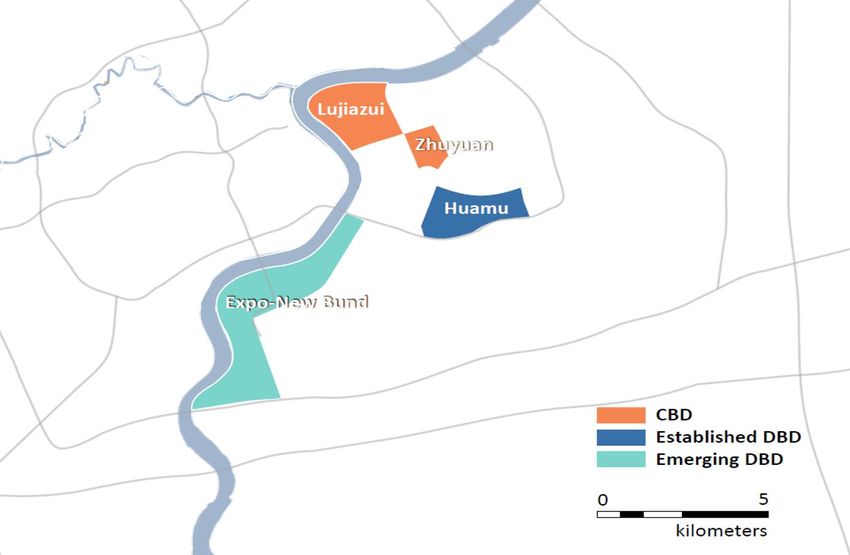
The “Skyscraper economy” contributes to the                                 2. Prime office properties promote clusters of modern
agglomeration of resources and capital. As of Q1 2017,                         service businesses, enhancing the city’s influence on
there were over 239 office properties with eight stories or                    regional and global economy
above in Lujiazui Financial City, of which 90 paid an
annual tax of at least RMB100 million. These tax                                  Globalisation drives inter-city cooperation and flows
revenue streams have become a key income source for                               of goods, capital, talent and information, and through
the Pudong and Shanghai municipal governments. In                                 prime office properties districts are able to attract
addition, the “skyscraper economy” plays the following                            clusters of value-added service industries and so
strategic roles in realising Shanghai’s vision of                                 attract professional talent. According to the Pudong
integration and global influence.                                                 government, Lujiazui Financial City is home to nearly
                                                                                  800 licensed financial institutions, 727 financial
                                                                                  service firms and 4,000+ professional service firms
1. Prime office properties accommodate business
                                                                                  as of end-2016. This aggregation coupled with
   headquarters, which promote the city’s position in
                                                                                  business headquarters empowers Shanghai to have
   global cooperation.
                                                                                  further influence on the regional and world economy.
       While globalisation transforms businesses, global
       and regional headquarters make decisions to                          “Cluster Effect” – London Financial City and
       allocate resources. Take Alpha++ global cities as an                 Manhattan Financial District
       example, New York City is home to 44 global
       headquarters of 2017 Fortune 500 companies, while                    By the end of 2017, the City of London has a 9.37 million
       London has attracted the European headquarters of                    sq m (10.1 million sq ft) stock of prime office properties
       nearly one-third of Fortune 500 companies, and                       within its 2.6 sq km land area. The City contributes
       houses branches of almost all major global financial                 GBP48.1bn (USD67.8bn) in Gross Value Added (GVA),
       institutions. In recent decades, the Pudong                          equal to 13% of London’s or 3% of the UK's output 1. In
       government has successfully attracted corporate                      2016, the City’s finance sector generated nearly half of
       headquarters to its CBDs, including Core Lujiazui                    London’s financial value, or 27% of the UK’s.
       and Zhuyuan. By the end of 2017, over 300
       headquarters had been registered in Lujiazui                         The Financial District is located at the downtown
       Financial City, including 90 regional headquarters,                  Manhattan in New York City with a land area of 2.1 sq
       which account for 40% of Pudong’s total and one                      km. Its 9.06 million sq m of prime office properties (2017)
       fifth of Shanghai’s. These headquarters not only                     are home to over 3,000 financial and insurance
       generate tax revenues, but also tighten the city’s                   companies and 10,000+ professional service firms from
       connection to the world economy, laying a concrete                   various industries, in addition to key institutions like
       foundation for realising Shanghai’s vision of being an               NYSE and NASDAQ. Similar to the two global financial
       “excellent global city”.                                             districts, Lujiazui Financial City has attracted clusters of

    Table 2: Skyscraper cluster effect (Pudong CBD, London City, Manhattan Financial District)
                       Pudong CBD, Shanghai                       City of London                            Manhattan Financial District, NYC
     Land Area         Approx. 2.6 sq km                          Approx. 2.6 sq km                         Approx. 2.1 sq km
                       (core Lujiazui and Zhuyuan)
     Total stock of    2.86 million sq m (Grade A)                9.37 million sq m (Grade A & B)           9.06 million sq m (Grade A & B)
     prime office      (30.8 million sq ft)                       (100.9 million sq ft)                     (97.5 million sq ft)
     Average rents:    About RMB11.8 psm per day                  About RMB17.8 psm per day                 About RMB12.0 psm per day
     Grade A office    (USD1.88)                                  (USD2.83)                                 (USD1.90)
     Cluster effect:   13 national and municipal factor           Key institutions such as London Stock     Keyl institutions such as New York
     Factor markets    markets of futures, diamonds, oil,         Exchange, Lloyd’s of London, London       Stock Exchange, American Stock
                       financial futures, talents, agricultural   Metal Exchange, London International      Exchange, NASDAQ, New York
                       products, chemical industry and gold.      Financial Futures and Options             Futures Exchange, etc.
                                                                  exchange, etc.
     Cluster effect:   Over 300 headquarters, including 90        European headquarters of 1/3 of Fortune   10 global headquarters of 2017
     Headquarters      regional headquarters, accounting for      500 companies.                            Fortune 500 companies.
                       40% of Pudong’s total and 1/5 of
                       Shanghai’s.
     Cluster effect:   Nearly 800 licensed financial              Most of the 24,000+ companies are         Over 3,000 financial and insurance
     Modern service    institutions, and more than 4,000          finance and business service providers,   companies and 10,000+ professional
     businesses        business service firms; 1128 shipping      and 75% of the total employed             service firms from various industries.
                       agencies, including 911 shipping           population is concentrated in these
                       services firms.                            areas.

Source: Public information, Colliers International, Pudong Government, City of London Corporation and Fortune.com

1
 * Source: GLA Economics, July 2016, as quoted on the City of
London website. Figures are for 2014.

5        Pudong’s Skyscraper Economy: The Driving Force Behind Shanghai Becoming a Landmark Global
         City | April 2018 | Office Property | East China | Colliers International
resources and capital in its prime office properties.          2.18 million sq m (23.5 million sq ft), followed by
However, compared to the so-called Alpha++ global              Zhuyuan with a stock of 680,000 sq m (7.3 million sq ft).
cities, Pudong’s CBD requires further development in the
following areas:
                                                               Table 3: Stock and rents of Pudong Grade A
1. Number and calibre of multi-national companies              office submarkets (2017)
   (e.g. Fortune 500 groups);                                   2017            Core       Zhuyuan   Huamu   Expo   New    Others
                                                                                Lujiazui                            Bund
2. Number of clustered modern service businesses.               Stock
                                                                                  218          68     54     17     15       9
                                                                (‘000 sq m)

Status of Pudong’s Prime                                        Rent
                                                                (RMB/sqm/day)
                                                                                  12.5         9.5    8.2    6.7    6.4      -

Office Market                                                  Source:Colliers International

                                                               The vacancy rate of the Pudong CBD market including
Brief introduction and submarkets                              core Lujiazui and Zhuyuan increased 5 percentage
                                                               points YOY to 13.2% at end-2017, mainly due to new
Major submarkets in Pudong include core Lujiazui and
                                                               completions, such as Shanghai Tower, China Life
Zhuyuan as CBDs, and Huamu, New Bund and Expo as
                                                               Finance Centre, Century Link T2, and Lujiazui Financial
decentralised business districts (DBDs). As New Bund
                                                               Holdings Plaza. The average rent of Pudong CBD
and Expo are still under development, they are currently
                                                               showed a slight drop to RMB11.8 psm per day (USD
classified as emerging clusters. As of end-2017, the total
                                                               1.88) at year-end after years of steady growth.
stock of Pudong’s Grade A office was 3.81 million sq m
(41.0 million sq ft). Core Lujiazui has the biggest stock of

Figure 2: Pudong key existing Grade A office submarkets

Source:Colliers International

6      Pudong’s Skyscraper Economy: The Driving Force Behind Shanghai Becoming a Landmark Global
       City | April 2018 | Office Property | East China | Colliers International
Figure 3: New supply, net absorption and The Pudong grade A office market recorded several
vacancy of Pudong’s CBD market (2008-2017) major leasing transactions from the finance, professional
services and TMT sectors in 2017. The largest three
500 25% transactions by area were all from domestic firms,
000' sqm
400 20% showing a firm growth through the year. Notably, a few
transactions from law firms were more than 10,000 sq m
300 15%
(107,650 sq ft), which rarely happened in the past.
200 10%
100 5% Table 4: Major leasing examples in Pudong
0 0% Grade A office market (2017)
2008
2009
2010
2011
2012
2013
2014
2015
2016
2017
Tenant Sector Leasing Project Cluster
Area
Pudong New Supply Pudong Net Absorption (sqm)
Pudong Vacancy Rate
China Finance 17,000 China Life Lujiazui
Guangfa Bank Finance
Source:Colliers International Centre
Bank of 14,000 BaoSteel
Finance Expo
Tianjin Riverside
Figure 4: Average rent and growth rate of Changjiang Century
Finance 10,000 Zhuyuan
Pudong’s CBD market (2008-2017) Securities Link T1
Century
14 20% PICC Finance 9,000 Zhuyuan
Link T1
RMB p sqm per day
12
10% Professional Shanghai
10 Dentons 15,000 Lujiazui
Service Tower
8 0%
Allbright Law Professional Shanghai
6 -10% 10,000 Lujiazui
Offcies Service Tower
4
-20% Professional
2 Zhong Lun 7,800 IFC 1 & 2 Lujiazui
Service
0 -30%
LJZ
2008
2009
2010
2011
2012
2013
2014
2015
2016
2017
10,000 Century
Apple TMT Zhuyuan
(Expansion) Metropolis
Pudong Average Rent Growth Rate T4
Century
Facebook TMT 2,400 Zhuyuan
Link T1
Source:Colliers International
Source: Colliers International
Tenant-mix and trends
In 2017, 51% of the total leasing transactions in Pudong
office market were from the financial sector, making it
Outlook for Pudong’s
the segment with the highest gross take-up, followed by
professional service (25%) and Technology, Media and
Prime Office Market
Telecoms (TMT) (13%). The financial industry still
dominates the office leasing market in Pudong’s CBD, Industry trends and opportunities
and forms the driving force behind its skyscraper
economy. Foreign enterprises will lead financial sector’s
spill over
Figure 5: Pudong Grade A office take-up by
Status: Financial industry keeps rising, driving
business sector (2017)
demand to spill over
Medical & Health Education Others
Trading
2% 1% 1%
1% The proportion of tertiary industry within Shanghai’s total
Industrial Manufacturing
Coworking 2% 1% GDP increased rapidly from 52% in 2006 to 69% in
3% 2017. This expansion has helped drive the rapid
development of Shanghai's prime office market in recent
TMT
13%
years. At the same time, the proportion of finance
industry within the total grew at a fast pace, increasing
Finance from 10.3% in 2008 to 17.3% in 2017. According to
51%
Pudong’s leasing transactions recorded in 2017, 51% of
Professional the transactions came from finance companies. Looking
Service forward, foreign financial institutions should benefit from
25%
the opening policy, and we expect that the finance sector
will continue growing steadily in the future.
Source:Colliers International
7 Pudong’s Skyscraper Economy: The Driving Force Behind Shanghai Becoming a Landmark Global
City | April 2018 | Office Property | East China | Colliers InternationalFigure 6: Added value of Shanghai’s tertiary Figure 8: Proportions of leasing transactions
industry and proportion of total GDP (2008- from financial businesses in Shanghai’s CBD
2017) and DBD office markets (by number of tenants,
2013-2017)
25000 100%
100%
20000 80%
15000 60% 80%
10000 40% 60%
5000 20% 40%
0 0%
2008 2009 2010 2011 2012 2013 2014 2015 2016 2017 20%
Added Value of Tertiary Industry Proportion of GDP 0%
2013 2014 2015 2016 2017
CBD DBD
Source: Shanghai Statistics Bureau
Source:Colliers International
Figure 7: Added value of Shanghai’s financial
industry and its proportion of total GDP (2008- Planning for financial and service industries
2017)
One of Shanghai’s objectives in its 13th Five-Year Plan
6000 30% is to ‘strive to be a top global financial centre’. Meanwhile
5000 25% Shanghai 2035 sets the target for the financial industry’s
4000 20% added value to reach 18% of the city’s GDP, which
3000 15%
indicates that finance and related service industries will
continue to play a leading role in Shanghai’s economic
2000 10%
growth over the medium to long run.
1000 5%
0 0%
2008 2009 2010 2011 2012 2013 2014 2015 2016 2017
Pudong has also set numerous related economic
objectives, including that “the added value of tertiary
Added Value of Financial Industry Proportion of GDP
industry should remain above 70% of total GDP”, that
“regional headquarters of multinational companies and
Source: Shanghai Statistics Bureau domestic enterprises should increase by a total of 50 in
five years”, that the added value of shipping service
As the development of the Lujiazui CBD has been industry should reach 5% of city’s GDP’, and that ‘the
saturated in recent years, the new demand has shown value of service trading should account for 50% of the
sustained spill-over into other areas. According to the total’. These ambitious targets should drive the
leasing transactions that we have monitored, more and development of Pudong’s financial and service sectors
more financial businesses are flowing to decentralised
with sufficient government support, and therefore
areas. Three reasons can explain the trend:
stimulate demand for high quality office space.
1. Supply of Grade A office buildings in the CBDs is
limited Influential policy: further opening financial sector
2. DBDs has an obvious rental advantage The cross-border flow of factors in the context of
3. Accessibility and infrastructure are mature in many globalisation has been pushing China to open its
DBDs after years of development financial sector, and China has indeed gained power in
global finance affairs by doing so. After the 19th CPC
Therefore, demand from financial businesses for office
National Congress at the end of 2017, China introduced
space in core Lujiazui has spilled over to surrounding
submarkets like Zhuyuan and Huamu. Considering the a new agenda for opening its financial sector, including
growth trend of the sector and beneficial plans and relaxing or eliminating ownership limits in commercial
policies, demand will probably stay strong and continue banks, securities, futures, asset management and
to spill over to decentralised districts. insurance companies. The Shanghai government
followed this path immediately by issuing a memo to
reduce many restrictions on market access for foreign
financial and service businesses. These policies should
8 Pudong’s Skyscraper Economy: The Driving Force Behind Shanghai Becoming a Landmark Global
City | April 2018 | Office Property | East China | Colliers Internationalhave a positive impact on Shanghai’s financial industry Figure 9: Proportion of foreign and domestic
from several perspectives: financial institutions’ take-up (2013-2017)
1. The total amount of Shanghai’s financial institutions
will increase, strengthening the sector’s ability to 100%
support the real economy.
80%
2. Foreign institutions will spur domestic firms to be
60%
more competitive, regulated and globalised.
40%
3. The policies should lead to more reciprocal openings
for Chinese capital, gaining China a better position in 20%
global financial market.
0%
The opening policy ensures the financial industry of 2013 2014 2015 2016 2017
Shanghai a sustainable growth in the future. Domestic Institutions Foreign Institutions
Source: Colliers International
Influential policy: Free trade port establishment
According to the Shanghai Municipal Government, on
The 19th Party Congress Report pointed out that “Free February 6, 2018, more than 60 global asset
trade zones should be enabled to implement more management institutions initiated the establishment of
reforms, and explore opportunities to establish free trade the Global Asset Management Association of Lujiazui
ports.” The world’s well-known free trade ports including (GAMAL) in Shanghai. The total asset under GAMAL
Hong Kong, Singapore, Hamburg, and Rotterdam are institutions’ management exceeds USD30 trillion and
also global hub ports, and have strong and sustainable accounts for 40% of the total scale of global asset
local economies. In general, the implementation of free management. Next, Lujiazui will continue to attract
leading international asset management and investment
trade port policy should benefit Shanghai’s economy in
institutions in accordance with the opening process of
the following two ways in particular: the financial industry.
1. Free trade port will accelerate cross-border capital We believe that the financial sector will still play a key
flow and currency exchange, which will attract more role in Pudong’s prime office market according to plans,
domestic and foreign financial institutions to settle in policies and market trends, and foreign institutions will
the area. accelerate their growth to strengthen Shanghai’s
connectivity with the world and achieve the goal of global
2. A complete eco-system of shipping industry, financial centre.
including financing, trading and brokerage can be
established by eliminating restrictions on
international shipping. Hong Kong and Singapore
are perfect examples of implementing this strategy
and have gained power in the global shipping
industry. While Yangshan Port already ranked first in
the world on annual trade throughput, Pudong will
take the opportunity of beneficial policy to enhance
its position on the value chain and attract more
global shipping financial and service businesses.
Market trend: Proportion of foreign financial firms’
take-up stabilized
According to Collier’s recorded leasing transactions, the
take-up proportion from domestic financial businesses
increased sharply throughout the past five years.
However, the figure for foreign firms stabilised at 22% in
2017. Given the opening-up policies, we expect that
foreign financial firms will grow and will be more active in
Pudong office market.
9 Pudong’s Skyscraper Economy: The Driving Force Behind Shanghai Becoming a Landmark Global
City | April 2018 | Office Property | East China | Colliers InternationalTable 5: Major plans and policies for Shanghai’s financial industry
PLAN AND POLICY PROVISIONS RELATED TO FINANCIAL INDUSTRY
• In 2020, Shanghai will establish the fundamental framework of an innovation center of science
and technology with global influence and basically build itself into an international centre of
Shanghai Master Plan (2017-2035) economy, finance, trade and shipping as well as a modern socialist international metropolis.
• The proportion of financial industry’s added value ought to reach 18% of the overall GDP by
2035 (the current figure is 17.3% by the end of 2017).
• To establish an global financial centre corresponding to the nation’s real economy and the
The Thirteenth Five-Year Plan for international position of RMB, to develop channels that incorporates the innovation , exchange,
Economic and Social Development in pricing and liquidation function of RMB products, to establish a world-class multilevel,
Plan Shanghai competitive, influential financial market for domestic and international investors, and effectively
improve financial regulations and risk monitoring.
The Development Plan for Shanghai • To build a strong global financial market dominated by RMB products to allocate financial
To Strive for A Global Financial Centre resources, and develop a fair, open, innovative and cooperative financial service system.
During the Thirteenth Five-Year
• Strive for a central district of global financial centre and improve the its proportion of financial
The Thirteenth Five-Year Plan for sector’s added value to reach 50% of city’s total by 2020.
National Economic and Social • Connect Lujiazui, Expo, Zhangjiang, Jinqiao and Waigaoiao clusters and relevant
development in Pudong New District neighborhood to develop a “1+4+N” multi-hub strategy, in order to meet the rapid growing
demand of financial sector, particularly the emerging financial businesses
Propositions on accelerating the • In service sector, eliminate restrictions for auditing, architect and design, credit rating
opening process of the outward- institutions, relax restrictions for banks, security companies, security investment funds, futures
oriented economy companies, insurance brokerages, and continue pushing to further open telecom, internet,
culture and transportation with order.
19th CPC National Congress Report • Free trade zones should be enabled to implement more reforms, and explore opportunities to
establish free trade ports.
Policy
Accelerate financial innovation in Free • Extend cross-border exchange and use of RMB, further open financial service sector, and
Trade Zone to help develop Shanghai improve financial regulations to better leverage free trade zone as financial innovation pilot
into global financial centre area to achieve the city’s goal of global financial centre.
• Relax financial institutions’ ownership restriction to 51% for both direct and indirect foreign
Ministry of Finance investors, including securities, fund management and futures company's, and there will be no
restrictions on ownership after 3 years of implementation of the policy above.
Source: Public information, consolidated by Colliers International
As one of three major demand sources, TMT Figure 10: TMT sector’s share of leasing activity
sector will be leading tenants’ diversification in Pudong Grade A office market (2013-2017)
Market trend: TMT's share of transactions in prime 40%
office market showing steady increase
30%
Colliers’ leasing transaction data indicates that the TMT
industry’s share of yearly leasing transactions in 20%
Pudong’s Grade A office market has maintained steady
growth since 2013. In 2017, the proportion represented 10%
by the TMT sector reached 13.1%.
0%
Colliers’ Radar report "Impact of Artificial Intelligence on 2013 2014 2015 2016 2017
Real Estate" issued in October 2017, which provides an
by area by number of tenants
in-depth analysis of changing trends affecting technology
sector occupiers, suggests that technology companies
Source: Colliers International Research
will potentially consider prime office buildings in the
CBD or CBD fringe as their work space option in
In fact, leasing activity from the TMT sector in prime
addition to business parks. The major reason for this
office buildings accounts for a substantial portion of the
key conclusion is that acquiring and retaining talent is
premium office market in London and New York.
the greatest challenge facing the technology sector,
According to Colliers’ leasing data for the City of London,
and talent is concentrated in prime locations offering
the TMT sector accounts for about 25% of the
metropolitan lifestyle amenities and convenient
transaction volume in the prime office market in the
public transportation.
region. In contrast, Pudong still has a significant growth
potential. While we believe that disruptive technologies
such as artificial intelligence and blockchain will enjoy
rapid growth in China, it is foreseeable that the
10 Pudong’s Skyscraper Economy: The Driving Force Behind Shanghai Becoming a Landmark Global
City | April 2018 | Office Property | East China | Colliers Internationaltechnology sector’s share of leasing transactions in the Innovation and Development of the Cultural and
Pudong prime office market will rise accordingly. Creative Industries of Shanghai” (abbreviated as
“Cultural and Creative 50”). It set several ambitious goals
Table 6: Major TMT occupiers in Pudong CBDs, for the industries, e.g. “in the next five years, the added
Manhattan financial district, and City of London value of Shanghai's cultural and creative industries will
account for about 15% of the city's GDP; by 2030, the
Pudong CBD added value of Shanghai's cultural and creative
Manhattan industries will account for about 18% of the city's GDP;
Financial District and by 2035, Shanghai will be fully recognized as a
cultural and creative centre with international influence.”
City of London
Outlook: TMT industry and emerging clusters will
Source: FT.com, Colliers International Research lead diversification of Pudong office’s tenants
Figure 11: Financial districts’ take-up While government support and disruptive technologies
comparison by business sector (2017) coupled with capital should boost TMT industries,
Pudong's future supply of office buildings will be
80% concentrated in the key emerging clusters, e.g. New
70% Bund, meaning the rent will also have an advantage over
TMT, 7% the CBDs. These well-planned areas with excellent
60% TMT, 23%
Professional TMT,
environment and transportation facilities, high quality
50% Service, 16% 25% office buildings and competitive rental will continue
Professional attracting tenants from growing sectors such as TMT,
40% Service, 15%
Professional high-end manufacturing and flexible workspace.
30% Service, 16% Pudong's tenant mix will therefore become more
Finance, 45% diversified.
20%
Finance, 34%
10% Finance, 23%
Case Study: Diversification of tenants in London’s
0% business districts
Lujiazui Financial City Manhattan Financial London Financial City
District
As the UK has promoted the development of TMT sector
in recent years, media and technology companies have
Source: Colliers International Shanghai, London, New York been increasing their shares of the office market in the
business districts, particularly in the West End area. In
Plans and policies: to advance technology and 2017, the proportion of yearly leasing demand (by area)
cultural and creative industries from the media and technology sector reached 25% of
the district’s total amount. In addition, the same figure for
Shanghai has successively introduced a series of plans flexible workspace (a considerable portion of which is
and policies for the development of technology and also occupied by technology and media companies) was
cultural and creative industries over the past two years. 22%, making it the second largest group.
"Shanghai’s Master Plan 2035" stated that the city is " an
international centre of scientific and technologic Figure 12: West End take-up by business sector
innovation" as well as a "culture metropolis". It also sets. (2017)
certain specific goals on this matter as sub-targets. For
Legal, 1% Healthcare,
example, by 2035, the total research and development Energy & 1%
Public Sector,
1%
(R&D) expenses should reach 5.5% of Shanghai’s GDP; Utility, 2%
Other, 4%
meanwhile the proportion of employees in the cultural Retail &
Leisure, 8%
and creative sector should account for about 10% of the Media and
city’s total employment population. Tech, 34%
Financial
Services,
In July 2017, China’s State Council issued the 13%
"Development Plan for New Generation of Artificial
Intelligence”. In the same year, the 19th National Business
Services, Flexible
Congress report mentioned that China needs "to 15% Workspace,
promote further integration of artificial intelligence and 19%
the real economy", which means that artificial
intelligence has become a nation-wide development Source: Colliers International London
strategy. In December 2017, the Shanghai Municipal
Government announced the “Opinions on Accelerating
11 Pudong’s Skyscraper Economy: The Driving Force Behind Shanghai Becoming a Landmark Global
City | April 2018 | Office Property | East China | Colliers InternationalAs one of the most powerful financial districts, the City of Besides corporate headquarters, the Expo area plays a
London adds about 1,200 start-ups each year, of which key role in advancing the city’s cultural and arts industry
45% are professional service providers and 13% are IT with key facilities including the Mercedes-Benz Cultural
and communication firms. (Source: City of London Centre, Chinese Art Palace, and Expo Exhibition Centre.
Corporation). Similarly, about 70% of tenants were
financial companies in Canary Wharf 10 years ago, and The New Bund cluster is currently under mass
today this proportion has dropped to around 55% development, and most of the projects are expected to
(Source: Canary Wharf Group). The diversification of be completed within the next two years. In February
tenants has made the area’s office market more resilient 2018, Swire Properties announced that it would acquire
to financial market cycles. Compared to London’s a 50% stake in a piece of land to develop a landmark
business districts, tenants in Pudong have a tremendous retail project partnering with Shanghai Newbund
potential for diversification in the future, and the TMT Industrial Development. The cluster so far has attracted
sector with government support will likely lead the numerous well-known developers including Lujiazui
process. Group, Tishman Speyer, Hong Kong Lands, COFCO
Properties, and Swire Properties. In the meantime, the
Figure 13: TMT occupiers in London’s business New Bund has a “media city” plan with a construction
districts area of 198,000 sq m targeting cultural and creative
industries.
Planning and positioning
The Expo area is positioned to be a demonstration area
for the integration of business, culture, entertainment,
and residence in Shanghai's city planning, including the
following key terms in both Shanghai and Pudong’s “13th
Five-Year Plan”:
• Shanghai’s 13th Five-Year Plan: Leveraging the
New Development Bank BRICS to attract more
influential financial institutions and multilateral
organizations.
Source: FT.com • The Expo area should promote functions of business
headquarters, cultural exhibition, tourism and leisure,
Expansion Routes: Southward and and strive to be Shanghai’s centre of cultural
exchange and public activities.
Eastward • Pudong’s 13th Five-Year Plan: A “1+4+N” multiple-
Coupled with Zhuyuan, Lujiazui is the core of Shanghai hub strategy should be deployed to meet the
or even the country’s financial industry. Despite the demand of the expanding financial industry,
recent new completions such as the Shanghai Tower, including Lujiazui, Expo, Zhangjiang, Jinqiao,
China Life Finance Centre, and Century Link, the new Waigaoqiao and other related clusters.
supply of office buildings in the area has not kept up with
• The Expo area should aim to be a riverfront modern
the demand for quality office space. Seeking expansion
service belt integrating headquarters, financial and
possibilities for new developments beyond the area
professional service firms, as well as cultural and
therefore has become an urgency.
creative industries. The New Bund area should focus
on the development of emerging finance and
Short term: Southward, Expo-New Bund emerging media industries.
clustering corporate headquarters, TMT and
emerging finance Opportunity
Status
Compared with Lujiazui CBD, the Expo-New Bund area
has strong competitive advantages of rental cost for
As a part of Shanghai’s Free Trade Zone, the Expo-New enterprises. As the public transportation system will be
Bund cluster enjoys dedicated support from the completed soon, it is likely to keep attracting more
government and favourable infrastructure conditions built decentralised headquarters and emerging businesses to
for Shanghai’s Expo. Domestic financial giants including settle in the area. Key cultural resources including the
China UnionPay, China CITIC Bank, Shanghai Pudong Mercedes-Benz Cultural Centre, Chinese Art Palace,
Development Bank, and many insurance and investment and Expo Exhibition Centre will also create a favourable
companies’ headquarters are already located in the atmosphere for cultural and creative industries’ demand
area, as well as leading SOEs such as China for upgrading office.
Commercial Aircraft, State Grid, China Huaneng Group,
China Huadian Group, China Aluminum, and Baosteel.
12 Pudong’s Skyscraper Economy: The Driving Force Behind Shanghai Becoming a Landmark Global
City | April 2018 | Office Property | East China | Colliers InternationalShort-midterm: Eastward, the North Riverfront The Pudong Government approved the development
transforming to a mixed-use demo area with plan for 19 plots adjacent to Longyang Road metro
station in 2017, with a total land area of 254,000 sq m
office, retail and residential properties (2.73 million sq ft). They were then acquired by a
Planning and positioning consortium led by Shanghai Real Estate Group for
RMB13.77 billion (USD2.12 billion) on February 13,
As proposed in Pudong’s 13th Five-Year Plan, the North 2018. The total GFA of 1.38 million sq m (14.85 sq ft)
Riverfront is repositioned to be a 4-kilometre long world- consists of 1.04 million sq m (11.19 sq ft) of office space
class waterfront, integrating prime office properties, high which accounts for 75% of the total GFA, 275,000 sq m
end shopping centres, high quality residential (2.96 million sq ft) of retail and 63,000 sq m (678,132 sq
complexes, cultural and entertainment facilities and a ft) of cultural facilities. According to the agreement, the
yacht park to supplement core Lujiazui on business and consortium is required to own all properties permanently.
lifestyle amenities. The Plan also confirms the North The development will be fully completed no later than
Riverfront’s significant role in the development of 2026 and will be positioned as a sustainable low carbon
Yangjing International Shipping Innovation Pilot Zone to multi-functional business hub. The location and
upgrade the modern shipping service sector including transportation advantages of the development are
shipping finance, shipping insurance, and shipping predicted to enable to attract financial, professional
brokerage. service and technology industries.
Location and transportation Location and transportation
Adjacent to core Lujiazui, the North Riverfront is at the The integrated Huamu-Longyang Road cluster is located
frontier to accommodate office demand spill over. Its in-between of core Lujiazui and Zhangjiang Science &
accessibility will be significantly improved soon when Innovation City. It is adjacent to financial exchange
Metro Line 14 is completed, which runs through the institutions and governmental regulatory agencies -
North Riverfront from east to west and links several Shanghai Banking Regulatory Bureau and Shanghai
mature business districts, such as Lujiazui, the Bund, Securities Regulatory Bureau, which is another
Huaihai Road and Jingan Temple. superiority to attract financial institutions.
Future opportunities Longyang Road Station is the only metro hub in
Shanghai where five metro lines intersect (Line 2, Line 7,
Driven by the Harbour City project (shipyard area), the Line 16, Line 18, MegLev and the planned airport
North Riverfront ought to attract a substantial amount of express), the new supply of the 19 plots therefore has
spill-over demand from financial and professional service incomparable accessibility——15 minutes to both core
businesses from core Lujiazui. The renovation of the Lujiazui and Pudong international airport.
historical shipping wharf and industry plants will also
accommodate shipping service firms and cultural & Future opportunities
creative companies as planned in Pudong’s 13th Five-
Year Plan. The Longyang Road development will create a financial
and business hub in-between core Lujiazui and
Mid-long term: Eastward, Huamu-Longyang Zhangjiang Science & Innovation City, guiding the
Road will emerge as a financial district financial industry to expand further east. It will probably
bridge interactions between financial and technology
Status sectors, and hatch development opportunities for fintech
and emerging financial industries. A similar case of such
According to local media reports, the Shanghai municipal urban planning and development is the regeneration of
government is considering setting new exchange centres Canary Wharf in London, which sets an excellent
for securities, futures and other financial derivatives at example for Huamu-Longyang Road cluster to draw
the east end of Century Avenue near Century Park, lessons from.
guiding the finance industry to expand eastward.
Located on the Pudong’s “Lujiazui-Zhangjiang”
development axis, Zhuyuan benefits from by its
convenient location, four-metro line infrastructure and
NYU Shanghai’s talent resources, and is currently the
most attractive district for financial sector’s spill-over
from core Lujiazui. However, due to lack of future supply
of prime office space in both Zhuyuan and Huamu
markets in the future, seeking new areas to
accommodate rapid growing demand becomes an
urgency.
13 Pudong’s Skyscraper Economy: The Driving Force Behind Shanghai Becoming a Landmark Global
City | April 2018 | Office Property | East China | Colliers InternationalFigure 14: Pudong prime office market expansion routes: southward and eastward
Source: Colliers International
14 Pudong’s Skyscraper Economy: The Driving Force Behind Shanghai Becoming a Landmark Global
City | April 2018 | Office Property | East China | Colliers InternationalCase Study: Canary Wharf – a financial centre approximately six kilometres east of the City. This area
guided by transportation infrastructure was once one of the most prosperous piers along the
River Thames, waning when manufacturing was driven
As a traditional centre of finance, global trading and out of the city centre in the 1970s. Canary Wharf was
international shipping services, London is one of the two redeveloped during the regeneration of Docklands, but
GaWC Alpha++ global cities. With three major business the real pivot was the completion of the Jubilee Line in
districts, most financial services cluster in the City and 2000. The increased accessibility attracted a large
Canary Wharf, whereas professional services, as well as number of businesses and talent in a short time,
cultural and creative industries cluster in the West End. including the global and European headquarters of
leading financial firms.
Figure 15: Locations of three major business
According to Colliers International London, the total
districts in London
stock of prime office space of these three business
districts reached 200 million sq ft (18.64 million sq m) by
the end of 2017, with the City accounting for nearly half
of this. While Canary Wharf has a comparatively small
stock, its accessibility, high quality office properties and
City of
Longdon relatively low rent make it a qualified competitor. As seen
in Figure 16, rents in Canary Warf enjoy a huge discount
West to the average rent of the City and the West End. The
End
working population was 39,800 in 2017, with a total GDP
Canary Wharf of over GBP40 billion (RMB355.2 billion) and growing.
Canary Wharf not only accommodates spill over demand
for office space, but also strengthens London’s financial
industry and its leadership as a global financial centre .
Source: Public information, Colliers International Figure 17:stock and rent of prime office
properties in the three business districts,
The City of London was established as a global financial London
centre even before the industrial revolution. Its influence
declined temporarily as Wall Street emerged, but 120 100
million sqft
recovered rapidly from the1960s. Meanwhile, the West 90
100
80
End is a world-renowned drama centre on a par with
70
Broadway, hosting numerous museums and cultural 80
60
amenities. 60 50
40
Leveraging its cultural and performing arts resources, 40
30
the local government started strategically cultivating the 20
20
area in the 1970s, leading to professional services firms 10
as well as cultural and creative agencies clustering here. 0 0
City West End Canary Wharf
Unlike the two traditional business districts, Canary Prime Office Stock Average Rent (GBP per sqft per month)
Wharf was an emerging business district led by urban
regeneration and metro line development. The Source: Colliers International London
development of prime office properties attracted demand
from financial institutions spilling over from the City of
London. Located in Docklands, Canary Wharf is
Figure 16: A development timeline of London’s business districts
Source: Public information
15 Pudong’s Skyscraper Economy: The Driving Force Behind Shanghai Becoming a Landmark Global
City | April 2018 | Office Property | East China | Colliers InternationalOutlook: Office rent in Pudong’s Forecast of Rent and Vacancy (2018-2022)
CBD will increase in next five years The vacancy rate of Pudong’s CBD area should fall in
the next five years as demand should remain strong and
Future Supply in Pudong’s CBD supply will be limited, pushing rents upwards. This strong
> Short-midterm future supply (2018-2022) – New demand in the CBD ought to push cost conscious
Bund is the hotspot tenants to the emerging DBDs where large quantities of
new supply are coming online.
The New Bund as an emerging cluster will be Pudong’s
development hotspot over the next five years, hosting Figure 20: Forecast of new supply, net
just over 50% of the 1.65 million sq m (17.76 million sq absorption and vacancy rate of Grade A Office
ft) of supply scheduled to come online. In contrast, only in Pudong’s CBD (2018-2022)
310,000 sq m (3.4 million sq ft) of new completions will 500 25%
000' sqm
be in the CBDs, and there will be nearly no new supply
400 20%
after 2019. The demand spill over for office space
300 15%
therefore will likely to continue. The greater part of the
new supply will be completed in 2018 and 2019, 200 10%
providing an annual average of 600,000 sq m (6.46 100 5%
million sq ft) to the office market.
0 0%
2019F
2018F
2020F
2021F
2022F
2008
2009
2010
2011
2012
2013
2014
2015
2016
2017
Figure 18: Future supply of Pudong’s Grade A
office properties (2018-2022, ’000 sq m) Pudong New Supply Pudong Net Absorption
700 Source: Colliers International
600
500 Figure 21: Forecast of rent and growth rate of
400
Grade A office in Pudong’s CBD (2018-2022)
300
14 20%
RMB/sqm/day
200 12
10%
100 10
8 0%
0
2018 2019 2020 2021 2022 6 -10%
4
CBD DBD -20%
2
0 -30%
2022F
2018F
2019F
2020F
2021F
2016
2008
2009
2010
2011
2012
2013
2014
2015
2017
Source: Colliers International
Pudong Average Rent Growth Rate
Figure 19: Pudong’s future supply of prime
office properties by Submarkets (2018-2022) Source: Colliers International
North
Riverfront
Zhuyuan
3%
Huamu
2%
Outlook for leasing strategy:
6% tenants adopting new leasing
models with flexible workspace
Others becoming the norm
11%
Technology is driving companies to have more flexible
and agile real estate strategies in order to adapt to
New Bund
Expo 51% rapidly changing market environments. Concurrently,
11% flexible workspace operators have provided companies
with alternative leasing options. According to Colliers’
white paper The Flexible Workspace Outlook Report
Lujiazui 2018, the flex and core and city campus leasing models
16%
are rapidly emerging in the office market. More models
are expected to appear as landlord, tenants, and flexible
Source: Colliers International
workspace operators evolve and interact in the future.
16 Pudong’s Skyscraper Economy: The Driving Force Behind Shanghai Becoming a Landmark Global
City | April 2018 | Office Property | East China | Colliers InternationalMarket Trend: Flexible workspaces keep calibre of multi-national companies (e.g. Fortune 500
expanding in prime office projects groups); b) number of clustered modern service
businesses; c) diversity of occupier sectors.
Led by WeWork, flexible workspace operators expanded
significantly in Shanghai’s prime office properties in After thorough analysis, Colliers draws the following
2017. Colliers’ Flexible Workspace Outlook 2018 argues conclusions about the future of Pudong’s office market:
that with sufficient financing, flexible workspace has 1. Demand in Pudong’s prime office space will remain
taken up prime office space in Grade A office properties healthy, and future supply in the CBDs will be
in CBDs. As of 2017, there were 285 flexible workspace extremely limited, driving demand to spill over to new
centres operating in Shanghai, with an average rent of supply in the DBDs.
RMB2,030 per desk per month (USD 321.6).
2. Demand will increase, specifically in the financial
Table 7:Major leasing transaction by flexible sector, and particularly from foreign institutions as
workspace (2017) they benefit from revised plans and policies from the
city government, accelerating their growth.
Size
Operator Project District Additionally, the TMT sector will maintain rapid
(sqm)
growth, diversifying the tenant mix in Pudong’s prime
WeWork SB 1-1 project Lujiazui 15,000
office market.
WeWork Kerry Parkside Huamu 8,000
3. Geographically, new supply beyond the Lujiazui core
Krspace Century Link T2 Zhuyuan 5,000
will expand eastwards and southwards. New Bund-
Atlas Bank of Shanghai Tower Lujiazui 3,700 Expo and the North Riverfront will be the
Star Space Century Link T1 Zhuyuan 2,500 development hotspots in next 3-5 years, and the
Huamu-Longyang road cluster will emerge as a
WeWork IFC One Lujiazui 2,300
financial and business district with the development
Source: Colliers International of the 19 plots adjacent to Longyang Road Station.
In the meantime, operators and landlords have been 4. Tenants will increasingly prefer flexible leasing
evolving through competition and cooperation. We have strategies in order to adapt to a dynamic market
identified three trends since the second half of 2017 in environment. This will push flexible workspaces,
the flexible workspace sector in China: already aggressively expanding, to become a
1. Driven by sufficient financing, leading operators have mainstream alternative for tenants.
aggressively taken up prime office space in Colliers makes the following recommendations to three
Shanghai’s business districts and keep expanding major stakeholders in Pudong’s future:
their market share by acquiring direct competitors. The city government should:
2. Operators have been expanding their scope of > Accelerate the opening-up of the finance and service
offerings (e.g. social activities, F&B, and fitness sectors to attract more global company headquarters
facilities) to fit tenants’ lifestyles rather than focusing and top service groups. This should boost Pudong’s
on workspace operation. influence and its connections to the global economy;
3. Traditional tenants are using innovative leasing > As in London and New York, guide diversification in
models by working with operators to adapt to the prime office buildings with a focus on technology and
rapidly changing market. creative businesses to enhance interaction and
Compared to leasing traditional offices or business collaboration among tenant sectors.
centres, flexible workspace provides tenants with a cost- Large office landlords should:
competitive option. As a large quantity of new supply in
emerging clusters arrives in the next two years, we > Heed the growing importance of foreign financial and
expect flexible workspace to continue its relentless TMT groups as tenants, and plan services
growth in 2018 and 2019, and become a more accordingly;
mainstream option in tenants’ real estate portfolios. > Study the flexible workspace sector, and develop
leasing models that respond to tenants’ increasing
Conclusions and demand for flexibility and innovation.
Recommendations Large occupiers should:
> Consider flexible office leasing models to adapt to
Pudong plays a key role in realising Shanghai’s vision of the dynamic market environment;
becoming an “excellent global city”. The “Skyscraper
Economy”, i.e. the prime office environment in the CBD, > Pay attention to the new office supply in New Bund-
will be a driving force in Pudong’s development. Expo and North Riverfront clusters over the next 3-5
Compared to the so-called Alpha++ global cities, London years for expansion or upgrading; and consider the
and New York, Pudong’s CBD requires further new completions in the Huamu-Longyang Road
development in the following areas: a) number and cluster over the next 5-8 years as part of a long-term
leasing strategy (especially for financial companies.
17 Pudong’s Skyscraper Economy: The Driving Force Behind Shanghai Becoming a Landmark Global
City | April 2018 | Office Property | East China | Colliers InternationalYou can also read


