QUEENSLAND TOURISM AND TRANSPORT STRATEGY - DRAFT FOR CONSULTATION - The Queensland ...
←
→
Page content transcription
If your browser does not render page correctly, please read the page content below
QUEENSLAND TOURISM
AND TRANSPORT
STRATEGY DRAFT FOR
         CONSULTATION
Foreword
    The Queensland Government acknowledges that transport
    is a vital component of a successful tourism industry–for
    getting visitors here, getting them around and providing
    unique experiences.
    The Queensland Tourism and Transport Strategy is our plan to improve
    access across Queensland and enhance the visitor experience to help
    grow the tourism industry–an industry which contributes an estimated
    $11.2 billion directly and $11.6 billion indirectly to the Gross State Product
    and provides around 135,000 jobs for Queenslanders and supports
    a further 84,000.

    The strategy forms an integral part of the Queensland Government’s
    strategic priorities for tourism. As a companion document to Advancing
    Tourism 2016–20, the Queensland Tourism and Transport Strategy will help
    increase jobs, overnight visitor expenditure and visitor numbers. This will
    be achieved by coordinating government and industry efforts to invest in
    infrastructure and services that enhance access and improve connectivity.

    Significant work has already been done across individual transport modes
    and the strategy aims to build on these achievements. This strategy
    addresses the immediate future while also providing a framework for long
    term tourism growth. It includes a mix of aspirational and future focussed
    outcomes to guide government and industry efforts, balanced with
    activities that can make a meaningful difference in the short term.

    This strategy takes a holistic view of tourism and transport, placing visitor
    needs front and centre, to ensure we can achieve the vision of providing
    an exceptional journey for every visitor. The vision will be achieved
    through strengthening partnerships across all levels of government
    and with industry.

    This strategy contributes to the Queensland Government’s commitment
    to growing a strong tourism sector and improving visitor access across
    Queensland. The strategy has been developed in consultation with
    key stakeholders, including representatives from local government
    and industry.

    We welcome your feedback on the draft strategy to ensure it meets visitor
    transport needs and supports tourism growth.

      The Honourable              The Honourable               The Honourable
       Jackie Trad MP              Kate Jones MP               Mark Bailey MP
      Deputy Premier,          Minister for Education         Minister for Main
    Minister for Transport          and Minister             Roads, Road Safety
      and Minister for           for Tourism, Major         and Ports and Minister
        Infrastructure             Events and the            for Energy, Biofuels
        and Planning           Commonwealth Games             and Water Supply

                                                              Cover images:
                                                              Top right: Queensland Rail
                                                              Top left: Tourism and Events Queensland

2       Queensland Tourism and Transport Strategy
Queensland Tourism and Transport Strategy 3 3

Providing an exceptional journey for every visitor

     The Queensland Tourism Industry Council applauds          Efficient and convenient transportation solutions
     the Queensland Government on the development              are also critical for our global destination
     of a statewide tourism and transport strategy–a           competitiveness, providing a quality visitor
     necessary and innovative approach.                        experience.

     Tourism is a key economic driver in all Queensland        The Queensland Tourism Industry Council is
     regions, supporting regional employment and               confident that the state tourism and transport
     community growth. The needs and travel patterns of        strategy will help coordinate industry and
     visitors to Queensland differ from those of residents,    government, support the research needs of these
     as do their requirements for amenities and services       inter-related areas and create more effective tourism
     in our tourism destinations.                              and transport policy outcomes for Queensland.

     Transportation and accessibility are key factors
     in building tourism and economic development.
     It is critical that the tourism sector be strategically
     integrated into the state’s transport and
     infrastructure plans. Multi-modal transport and easy
     access, into and between urban centres and regional
     destinations, will encourage more Australians                                   Daniel Gschwind
     and international visitors to explore the variety of                            CEO, Queensland Tourism
     locations that Queensland offers.                                               Industry Council

4     Queensland Tourism and Transport Strategy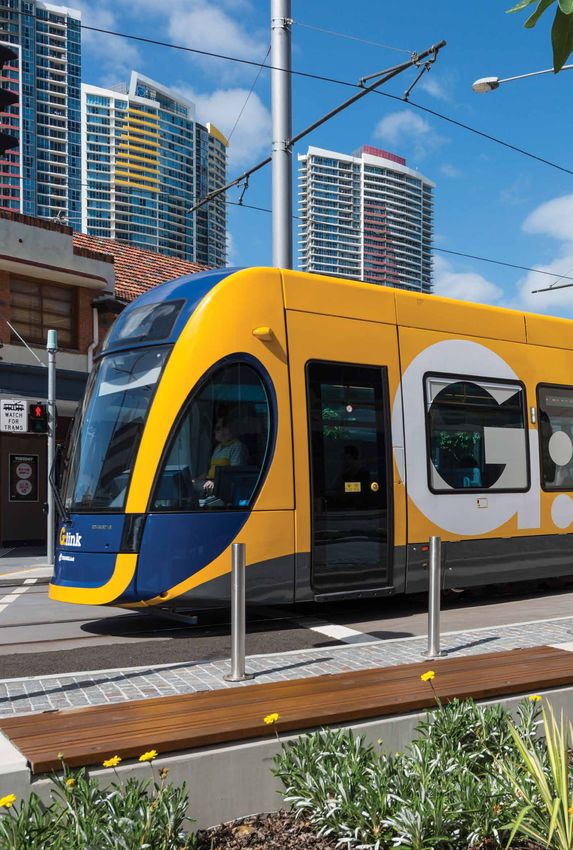
Contents

Source: Tourism and Events Queensland
                                                   Recent achievements                     7

                                                   Introduction                           8

Have your say                                      Strategy development                   9

The Queensland Government wants to                 Tourism and transport in Queensland 11
hear your views on the draft Queensland            Global context                         12
Tourism and Transport Strategy. Feedback
on the principles, directions and actions          Looking to the future                  13
within the strategy will ensure it reflects
                                                   Guiding principles                     14
the views of all stakeholders.
                                                   Innovation                             14
How to get involved                                Partnerships                           14
To provide feedback on the                         Themes for action                      16
draft Queensland Tourism
and Transport Strategy visit:                      Theme 1: Visitor information           18
www.qld.gov.au/tourismtransport                    Theme 2: Transport services            22
                                                   Theme 3: Ticketing and products        26
Feedback will be used to help finalise
the strategy for release in mid-2017.              Theme 4: Planning and investment       30

                                                   Where to from here                     34

                                              Queensland Tourism and Transport Strategy        5
Executive summary

    The Queensland Tourism and Transport                The strategy addresses the transport needs and
    Strategy is a key deliverable of Advancing          expectations of visitors to support tourism growth in
                                                        Queensland. It includes a strong focus on innovative
    Tourism 2016–20, which outlines the
                                                        approaches, products and services, and partnerships
    Queensland Government’s strategic priorities        between governments and industry. This is vital to
    to grow Queensland’s tourism industry.              stimulating and sustaining a competitive edge and
    A well-connected, multi-modal transport             driving growth.
    network supported by quality information            To provide an exceptional journey for every visitor,
    systems is essential to making Queensland’s         consideration must be given to every phase of the
    wide variety of experiences accessible to           visitor journey. The strategy has taken these phases
    visitors. It enables visitors to plan and explore   into account, which include: before arriving, getting
    Queensland with ease and encourages greater         here and away, getting around and sharing the journey.
    dispersal, in turn generating business and          The strategy is centred around four themes: visitor
    employment growth.                                  information, transport services, transport ticketing and
                                                        products, and planning and investment.
                                                        Digital and physical visitor information must be
                                                        clear, relevant and readily accessible in commonly
                                                        understood languages and forms. This will enable
                                                        visitors to confidently navigate the transport system
                                                        and access more destinations around Queensland
                                                        more easily.
                                                        High quality transport services must be seamlessly
                                                        integrated across transport modes, operators and
                                                        geographic boundaries to simplify the visitor journey
                                                        and ensure a world-class visitor experience.
                                                        Offering innovative ticketing and transport products
                                                        that embrace emerging technology will make it simpler
                                                        for visitors to get around Queensland and enable
                                                        industry to better meet visitor demands.
                                                        Continuing to incorporate evidence-based tourism
                                                        priorities in the planning and investment of transport
                                                        infrastructure and services will improve access and
                                                        help to drive real growth in tourism opportunities
                                                        and jobs.
                                                        The Queensland Tourism and Transport Strategy
                                                        details directions and actions to respond to identified
                                                        challenges and opportunities over the short, medium
                                                        and long-term.

               Source: Tourism and Events Queensland
6      Queensland Tourism and Transport Strategy
Recent achievements

A diverse range of projects, products and initiatives            The Queensland Tourism and Transport Strategy
which benefit visitors and the tourism and transport             acknowledges and provides an opportunity to build
sectors have recently been delivered by both the                 on these achievements, which include:
Queensland Government and industry.

     9,000km                                              Nine additional
                                                           international                   $160 million
 of state roads repaired
through Natural Disaster                                    services into                      road funding for
   Relief and Recovery                                                                        Gold Coast 2018
                                                          Brisbane, Cairns                  Commonwealth Games
      Arrangements                                        and Gold Coast

              lt
           adu

                                                          Funding for Wi-Fi at
                        Gold Coast                                                                              State
                                                         37 visitor information
                      go explore card                                                                    Infrastructure Plan
       g                                                         centres

                                                 i
  Visitor information centre
     app integration into
                                    150 iBeacons                        Queensland Cycle
                                                                       Strategy 2011–2021                 48%
                                        providing information                                     patronage increase on
   This is Queensland app
                                              to visitors                                         Spirit of the Outback in
                                                                                                          2015–16

                   Next Generation Tourism
                     Planning Guideline
                                                                   Market-led proposals
                                                                       framework

   Best Practice
 Guide to Roadside                                                                     Streamlined
    Rest Areas
                                    $20M                                             applications for
                                                                                  tourism road signage
                             Supporting Drive Tourism
                               Investment Package

                                                            New tourism
                                                              signage

                                                                                                           $3.2M
                    Network of dump points                                                                Scenic Lookout
                      for campervan and
                     motorhome travellers
                                                                Supporting drive                         Upgrade Program

                                                                   tourism

                                                                           Queensland Tourism and Transport Strategy           7
Introduction

    Tourism plays an important role in sustaining              The Queensland Tourism and Transport Strategy
    Queensland’s economic growth. A thriving                   identifies priorities, directions and aspirational
                                                               outcomes to guide the decision making and innovation
    tourism industry requires a safe, reliable and
                                                               needed to achieve the vision of ‘providing an
    easy-to-use transport system.                              exceptional journey for every visitor’. The strategy
    Queensland has a diverse tourism market which              considers the common transport issues facing the
    includes international, interstate and local visitors      state, while recognising Queensland’s diverse
    who travel for business, leisure or to visit friends and   nature and the unique transport requirements
    relatives. Naturally, visitors to a region require more    of individual regions.
    assistance than local commuters to plan and complete
                                                               The strategy adopts a multi-modal approach
    their journey. Applying a visitor lens to the transport
                                                               encompassing all forms of transport including aviation,
    network can help to identify opportunities to further
                                                               cruise, long distance coach and rail, drive, local public
    improve the visitor experience.
                                                               transport, and active travel. It provides cohesive
    The visitor experience was a key consideration in the      direction to address longer-term tourism and transport
    development of the Queensland Tourism and Transport        challenges and opportunities across all travel modes.
    Strategy. Four key steps were identified in the visitor    It also identifies how new partnerships, policies and
    journey: before arriving, getting here and away, getting   innovative approaches can effectively respond to the
    around and sharing the journey.                            transport needs of domestic and international visitors.
    Before arriving, the visitor needs simple, user-friendly   In establishing a prosperous tourism sector for
    and reliable transport information to plan their trip.     Queensland, the strategy considers: the visitor’s
    Once here, the gateways through which visitors enter       expectation of seamless and connected travel; the need
    and exit Queensland should create a positive, lasting      for industry to develop new and innovative products to
    impression. In travelling around Queensland, visitors      remain competitive; and the requirement for state and
    require access to effective transport links to reach       local government to continue to consider tourism in
    destinations and regional areas as well as a range of      transport planning.
    transport options to access attractions and tourism
                                                               The strategy is centred around four themes that
    precincts. Sharing their holiday experience with friends
                                                               encompass the major challenges and opportunities
    and family is a natural part of the journey and is great
                                                               identified by industry as key areas of focus for tourism
    for the tourism economy.
                                                               and transport: visitor information, transport services,
                                                               ticketing and products, and planning and investment.
                World class visitor experience                 Each of the four themes inform immediate and
                                                               longer term priorities for the next 15 years and are
                                                               underpinned by the guiding principles of innovation
                                   Getting                     and partnerships.
                                   here and
                                    away                       The strategy has been guided by government policy
                                                               objectives and will inform transport planning primarily
                                                               through Regional Transport Plans. Infrastructure
                                                               investment identified in the strategy will be considered
                                                               in line with the priorities of the State Infrastructure
                Before                             Getting
               arriving                            around      Plan; with committed investment detailed through the
                                                               Queensland Transport and Roads Investment Program.

                                   Sharing
                                     the
                                   journey

                              The journey

    Image: The keys steps of the visitor journey

8        Queensland Tourism and Transport Strategy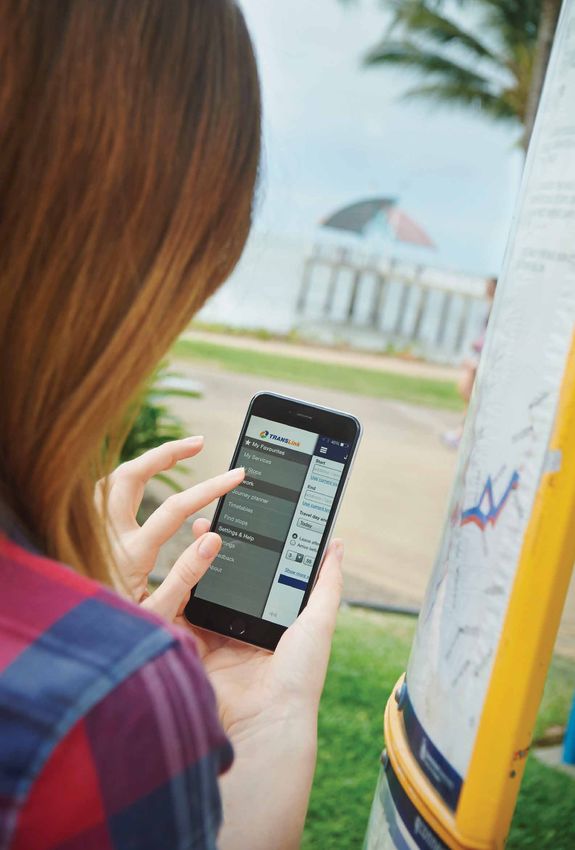
Introduction

Strategy development
                                                         Industry Reference Group membership
Transport was identified as a priority for industry
through DestinationQ, which operates as a partnership    Members of the Industry Reference Group include
between the tourism sector and the Queensland            representatives from the following organisations:
Government. The Queensland Tourism and Transport         • Brisbane Airport Corporation
Strategy was developed by the Department of Tourism,
                                                         • Brisbane City Council
Major Events, Small Business and the Commonwealth
Games and the Department of Transport and                • Brisbane Marketing
Main Roads. Close collaboration with an Industry         • Cairns Airport
Reference Group, made up of representatives from         • Capricorn Enterprise
the tourism and transport industries, and state
                                                         • Carnival Australia
and local governments, has also played a critical
role. The strategy is based on extensive research,       • City of Gold Coast
including a benchmarking analysis undertaken by          • Department of State Development
Monash University of public transport systems in key     • Department of Tourism, Major Events, Small
Queensland cities against national                         Business and the Commonwealth Games
and global tourism destinations.                         • Department of Transport and Main Roads
Consultation activities which have informed the          • Local Government Association of Queensland
strategy include the Tourism and Transport Masterclass   • Outback Aussie Tours
held at the 2015 DestinationQ Forum, consultation on
                                                         • Ports North
the discussion paper in late-2015 and a Ministerial
roundtable with the Industry Reference Group.            • Queensland Bus Industry Council
                                                         • Queensland Tourism Industry Council
Analysis of the consultation feedback identified key
themes which were important to, and consistent           • Royal Automobile Club of Queensland
across, industry. These themes have be carried through   • Tourism and Events Queensland
to the Queensland Tourism and Transport Strategy.        • Tourism and Transport Forum
The directions and actions for each theme have also      • Visit Queensland
been determined from feedback through consultation.

                                                                                Source: Tourism and Events Queensland

                                                                 Queensland Tourism and Transport Strategy         9    9
Key
International Airport
Domestic Airport
Key
Key Cruise Port
International Airport
Airtrain
Domestic Airport
State Strategic
Key Cruise Port
Touring Route
Airtrain
Rail Network
Thursday Island State Strategic
Gold Coast Light
Touring Rail
Route
Horn Island
Rail Network
Gold Coast Light Rail
Weipa
ß
Sunshine Coast
SunshineAirtrain
ß
Coast
Brisbane Airport Port of Brisbane
Brisbane Transit Centre Portside Wharf
Airtrain
Brisbane Airport Port of Brisbane
Brisbane Transit Centre Portside Wharf
Gold Coast
Cooktown Light Rail
Toowoomba
Coolangatta Airport Gold Coast
Light Rail
Toowoomba
Port Douglas
Kuranda Coolangatta Airport
Cairns ß
ß
Karumba
Mt Garnet
Burketown Normanton
Mt Surprise
Croydon
Forsayth
Townsville
Camooweal Charters Towers Airlie Beach
Cloncurry Richmond Proserpine
Mount Isa Julia Creek Hughenden Mackay
Winton
Boulia Clermont
Barcaldine Emerald Rockhampton
Longreach
Gladstone
Bedourie
Blackall Biloela
Rolleston
Bundaberg
Tambo
Windorah
Hervey Bay
Gayndah
Taroom Maryborough
Birdsville
Charleville Roma Gympie
Quilpie Miles Sunshine Coast
Dalby
Thargomindah Brisbane
St George Moonie
Cunnamulla Toowoomba
see
N Warwick inset Coolangatta
Barringun Hebel Goondiwindi
10 Queensland Tourism and Transport Strategy WallangarraTourism and transport in
Queensland
Tourism in Queensland Transport in Queensland
The tourism sector is a major contributor to the Transport is the backbone of the tourism industry.
Queensland economy, directly accounting for Well-connected, integrated and active cities and
5.8 per cent of jobs and 9.4 per cent indirectly. regions are key to creating destinations which are
In 2015, Queensland had 52,200 tourism related attractive to visitors and encourage expenditure
businesses–61 per cent were located in regional in regional areas.
areas and 94 per cent were non-employing,
Queensland’s transport network is well positioned to
micro and small businesses.1
support the tourism sector with an expansive system
Tourism is particularly important to regional of infrastructure, including those outlined below.
economies. With recent downturns in the resources
• The state and national road network, supported
sector, it has played an increasingly important role
by a larger network of roads managed by local
in supporting jobs and growth.
governments which support drive tourism.
Domestic tourism is Queensland’s largest • Cruise facilities at key ports along the coast,
market with 20.1 million visitors in the year ending supporting the cruise market which is one of
September 2016, an increase of 1.6 per cent from the fastest growing travel sectors.
the previous year.2
• Five international passenger airports in Cairns,
International visitation is also significant and Townsville, Sunshine Coast, Brisbane and the Gold
grew strongly in the year ending December Coast, supported by a network of domestic airports
2016. Queensland welcomed close to 2.6 million connecting major centres with rural and regional
international visitors, a 10.2 per cent increase, destinations.
which was bolstered by an increase in Asian • A public transport network that provides a
visitors of 17.7 per cent. This rise in international sustainable alternative to private vehicle travel
visitation contributed to a 10.6 per cent uplift in in cities and major regional centres.
visitor expenditure to $5.1 billion.
• The state’s long distance rail network, the largest in
China is Queensland’s largest international market Australia, with iconic tourism rail journeys operating
in terms of visitor expenditure, recording a 24.1 per both along the coast and west into the outback.
cent increase to $1.02 billion in the year ending • Cycling infrastructure and programs delivered in
December 2016. In addition to this, China has now partnership with local governments that encourage
surpassed New Zealand as Queensland’s largest ‘more cycling, more often’.
source market by visitor numbers. The United
States of America, United Kingdom and Japan are
the next major source markets, with substantial
growth from other countries across Asia.3
33,000km
$11.2 billion state-controlled road
network
direct contribution
to Gross State Product
20
countries directly connect
22.7 million to Queensland by
scheduled air services
total visitors in the year
ending December 2016
20%
growth in ship
visits during
2015–16
1 Tourism Research Australia, Tourism Businesses in Australia 2011–15, 2016.
2 Tourism and Events Queensland, Domestic Tourism Snapshot, 2016.
3 Tourism and Events Queensland, International Tourism Snapshot, 2016.
Queensland Tourism and Transport Strategy 11Global context
Queensland operates in a highly competitive While global best practice provides new concepts
global tourism market. Our growth prospects and potential opportunities for Queensland, it should
be acknowledged that across Queensland, industry
must be understood in the context of what
and government are delivering innovative solutions
competing destinations are doing and what in many areas, inluding the following examples.
Queensland is doing to enhance its value
• Travel information–TransLink’s MyTransLink app
proposition. The Queensland Tourism and
includes real-time data to make public transport
Transport Strategy has been developed with information easy and reliable for visitors, as well
this in mind. as a stop announcer to assist unfamiliar users.
The strategy considers what Queensland can learn from • Tourist information–This is Queensland,
best practice around the world, and how these lessons the state’s official tourism website, provides
can be applied in a Queensland context. Such as the information in eight languages across a range
following examples. of devices. The This is Queensland app includes
resources to locate Wi-Fi and visitor information
• London’s adoption of contactless technology
centres and uses leading-edge beacon technology
in mobile phones and personal bankcards to travel
to provide visitors with tailored destination
on public transport.
information.
• Hong Kong’s Octopus card enables travellers
• Visitor experience–Brisbane Airport’s Digital
to both access public transport and purchase goods
Departure Card allows visitors to enter personal
and services at a wide range of commercial outlets.
information for the departure card onto their mobile
• Efforts in the United States to provide a best-in- device prior to arrival which is converted into a
class international arrivals experience supported by QR code and scanned and printed at kiosks
airport-specific action plans to enhance the arrivals throughout the terminal. Brisbane Airport has also
process for international travellers. expanded Smart Gate Automated Border Control
• The Travel Japan Wi-Fi app provides an ads-for- facilities to reduce passenger queuing times.
access service providing travellers with free access • Customer service–Airports and cruise facilities
to over 240,000 Wi-Fi hot spots in return for viewing right across Queensland already deliver a range of
sightseeing information and sales promotions. The customer service and welcome programs to greet
app collects information on user habits and GPS and assist visitors.
records of their journey which can be used to
inform tourist marketing strategies.
• Belgium’s public transport ambassadors program
recruits senior citizens to disseminate transport
information and assist people seeking further
information about travel options.
• Melbourne’s Skybus airport transfer service
provides an online booking service and digital
ticketing via smartphone, free Wi-Fi and tourist
information videos. Skybus has also partnered with
accommodation providers to provide an optional
door to door shuttle service.
12 Queensland Tourism and Transport StrategyLooking to the future
Tourism and transport continues to evolve The World Travel and Tourism Council estimates the
rapidly, driven by technology and global travel and tourism sector will grow at four per cent and
the middle class in emerging and developing countries
economic shifts. These influences will
will grow by 400 million in the next five years.4
continue to shape expectations, change
the way visitors travel and create new Looking further ahead, the Asian middle class is
expected to increase from around 500 million today,
opportunities.
to 3.2 billion by 2030.5 Queensland is being positioned
Through the Queensland Government, CSIRO was to capitalise on major growth opportunities across
commissioned to undertake a foresight study to Asia, including ‘wave 2’ Asian growth from secondary
identify and understand the ‘megatrends’ likely to Chinese cities, a resurgent Japan, Taiwan, and India.
affect tourism in Queensland over the next 20 years. Increasing numbers of free and independent travellers
Key trends impacting on travel include: from foreign countries has implications for how
• a shift in the global economy from west to businesses engage with this segment and deliver
east and north to south, creating new markets products and services.
and new sources of competition Aviation and cruise infrastructure are identified as
• changes in the way people access priorities and need to keep pace with demand to ensure
and trust information in the online world Queensland’s economic potential is realised. The
• an increasingly mobile global population–trade, cruise ship market is one of the fastest growing sectors
business, education and healthcare are causing of the tourism industry. International air travel is
people to travel further and more frequently predicted to grow strongly to 2030 with both domestic
and international passenger movements through
• the disappearance of ecological habitats
capital cities almost doubling.
globally, making Queensland’s unique natural
assets a drawcard. Technology will continue to influence the way
people travel. The continued evolution of fare collection
technologies will create new innovative marketing
opportunities. Advancement in autonomous and
electric vehicles will significantly change the
transport landscape.
Social media continues to evolve. It plays an
increasingly important role in the planning and
booking process for visitors and how they share
their experiences with family and friends.
4 World Economic Forum, The Travel and Tourism, 2015
Competitiveness Report 2015: Growth Through Shocks, 2015
5 PwC Australia, Australia’s Jobs Future, 2015.
Queensland Tourism and Transport Strategy 13Guiding principles: Innovation
Innovation is necessary to stimulate the economy,
Innovation and grow industry and create jobs, meet the future needs of
consumers, and respond to megatrends. Innovation is
partnerships critical to grow and sustain the tourism industry.
Queensland has been at the forefront of innovation in
the transport domain, with significant advancements
such as Australia’s first integrated ticketing system.
The Queensland Government continues to lead
innovation through the Advance Queensland agenda to
grow industries through innovation.
To remain competitive, the Innovation-led growth improves Queensland’s
competitive position and will deliver sustainable jobs
Queensland Government and for Queenslanders. Advance Queensland empowers
the tourism and transport industry. It supports the development of new or
sectors will need to pursue the optimisation of existing products, processes
or services and facilitates new partnerships and
innovative approaches and knowledge transfer between industry and research
products, and work together organisations. The Queensland Tourism and Transport
Strategy is an example of how industries can work
in partnership. These together to deliver a customer journey that is better
principles, innovation and than Queensland’s competitor destinations.
partnerships, underpin the
Partnerships
Queensland Tourism and
The Queensland Government acknowledges the
Transport Strategy vision transport system is vital to support economic
and directions. prosperity, however, its delivery cannot be achieved in
isolation. All levels of government and industry must
continue to work in partnership to address transport
challenges and deliver better outcomes for visitors.
The strategy was developed in partnership
Advance Queensland between government and industry. Its successful
implementation will be reliant on the continuation and
is the Queensland strengthening of these partnerships.
Government’s $405 million Tourism and transport operators and industry bodies
transformational agenda already collaborate in a variety of ways and the strategy
aims to identify new partnership opportunities to
to spur innovation-led enhance outcomes for both the tourism and transport
growth. This investment sectors. Public and private partnerships with a
represents a comprehensive commercial focus will be key to achieving desirable
transport outcomes.
suite of programs based
The Queensland Government will also continue to
on international evidence partner with other levels of government to deliver,
of ‘what works’ that will manage and maintain Queensland’s transport assets.
harness strengths and It will build on existing relationships with local
government, which play a crucial role in creating
transition Queensland for attractive destinations that people want to visit. The
the knowledge economy Australian Government will continue to be a vital
of the future. partner in delivering infrastructure for Queensland.
For more information visit: Strong partnerships enable development of clear
strategies and plans, to help achieve a single
www.advance.qld.gov.au. integrated transport system accessible to everyone.
14 Queensland Tourism and Transport StrategyRegional Transport Plans
The Queensland Government is developing
Regional Transport Plans that will guide
transport investment priorities for Queensland’s
regions over the next 10–15 years.
These plans will consider demographic trends,
economic priorities across a range of sectors,
including tourism, as well as local government
land use and transport planning. Regional
Transport Plans will consider other important
planning and economic development documents
such as statutory regional plans and Destination
Tourism Plans, and will inform the State
Infrastructure Plan.
There will be opportunities for industry to
advance regional tourism transport priorities
through consultation on Regional Transport
Plans. Destination Tourism Plans are also
an important avenue by which industry can
identify tourism priorities for the Queensland
Government to consider when planning transport
infrastructure and service investments.
Source: Tourism and Events Queensland
Queensland Tourism and Transport Strategy 15Themes for action
Four themes have been identified
as priorities for the Queensland Tourism and
Transport Strategy. The themes were informed
by consultation with government, industry
and other stakeholders, and are supported
by the guiding principles: innovation and
partnerships.
16 Queensland Tourism and Transport StrategyIN
NO
VA
TI
ON
Theme 1: Theme 2:
Visitor information Transport services
Understanding the visitor, taking a Providing safe, integrated transport
new, interactive approach to providing services that allow visitors to explore
tailored transport information. everything Queensland has to offer.
Theme 3: Theme 4:
Ticketing and Planning and
products investment
Developing innovative, user-friendly ticketing Promoting the role of transport as an
and transport products that maximise economic enabler, delivering long-term
commercial opportunities, harness new tourism growth.
technologies and meet visitor needs.
PA
RT
NE
RS
HIP
S
Source: Tourism and Events Queensland
Queensland Tourism and Transport Strategy 17Theme 1: The Queensland Government is committed
to improving and sharing visitor transport information
Visitor information to support tourism growth. Consumers are increasingly
connected to a wide range of information and expect
ready access to high quality transport information
when they need it, especially when navigating
unfamiliar transport systems. Conversely, government
and the tourism and transport industries need access
to data to inform planning and the development of
products and services that capitalise on opportunities
and meet visitor expectations.
Finding the information needed to easily plan and
travel is a key component of an exceptional journey.
Understanding the visitor, Visitors access information from multiple sources.
While digital channels such as social media and travel
taking a new, interactive websites are major influences on travel decisions,
approach to providing wayfinding signage, visitor information centres and
tailored transport accommodation and tourism operators are also key
sources within destinations. It is therefore important
information. to understand what information visitors need, and
how, where and when they want to access it. Ensuring
information is comprehensive, accurate and well
communicated enables visitors to get around more
easily and experience more of what Queensland
has to offer.
Strong growth in strategic Asian markets has
fuelled a rapid increase in non-English speaking
visitors to Queensland, highlighting the need to
provide information in multiple languages. To maximise
yield and visitor satisfaction, multilingual information
should be tailored to localised visitor demand. This
task is made easier by digital technology, but also
requires attention to traditional media such as
signage, information sheets and maps.
Collecting relevant information from visitors and
sharing insights empowers industry and government
to work together to improve the visitor experience.
Digital platforms, which are fast becoming an essential
aspect of the visitor journey, have made it easier to
gather information through methods such as ‘sign-in’
“ Understanding the local pages for Wi-Fi access. Information sharing between
industry and government will enable improved market
public transport network
analysis to inform transport policy and planning and to
is the most significant develop holistic solutions, partnerships and evidenced-
challenge for visitors. The based proposals to benefit the tourism industry and
increase visitor yield.
fare structure and ticketing
system can be confusing, Seamless provision of accurate travel information has
also been improved through the innovative use of real-
information difficult to time public transport and traffic data. The Queensland
access and often not in Government will continue to provide a broad range of
their native language.” open data sets to support industry in developing and
refining tools tailored to visitor needs.
Tourism and Transport Forum
18 Queensland Tourism and Transport StrategyChallenges Technological innovation in location and wayfinding
is opening opportunities to significantly enhance
• Understanding visitor needs and expectations
Queensland’s drive tourism experience, including
of transport services and how and when they
for non-English speaking visitors. The Queensland
require access to information.
Government will work alongside the tourism and
• Providing accurate, clear, accessible and transport industries to assess the effectiveness and
relevant information about travel options, potential for emerging technologies such as digital
destinations and ticketing. in-vehicle signage to seamlessly provide important
• Providing multilingual information to cater tourist, travel and safety information in real time.
to non-English speaking visitors.
The rapid takeup of internet-enabled devices across
• Providing travel and safety information which the globe has elevated Wi-Fi availability as a significant
is clear, accessible and easy-to-understand, factor influencing travel decisions and the quality of the
particularly for international visitors. travel experience. Visitors look for information online
and want to share their experiences in real-time on
Directions social media. While many urban centres have publicly
The Queensland Government will continue available Wi-Fi, there are significant commercial
to embrace and advocate the use of innovative online opportunities to further capitalise on this demand
solutions to make it easier for visitors to access by expanding internet availability to public spaces
multilingual information to plan, book and travel such as transport and tourism hubs.
around in Queensland. The government will encourage As the internet’s role in tourism increases, the
commercial transport providers, such as tour and Queensland Government will continue to collect and
shuttle bus operators, to promote their services online, release data about tourism and transport. Similarly,
providing information in easy formats as part of one industry has a role to play by identifying what data they
integrated, multi-modal transport system. can contribute to the public domain. Better information
sharing between government and industry will improve
visitor insights and help to better inform transport
planning and investment, tourism marketing and
product development.
Case study: smartphone applications
Emerging smartphone applications are Applications such as Quxxit in Germany also provide
integrating a wide range of transport information mechanisms for users to book and pay
and making it easier for visitors to understand and for local and long distance public transport, vehicle
make the best use of all transport options hire, flights, active transport (such as bike hire
available in destinations. schemes), and personalised transport services
in one integrated system.
Known as ‘Mobility as a Service’ (MaaS),
these applications now allow users to plan trips These innovative approaches to packaging
and compare journeys based on cost, time and public, private and active transport allows visitors
number of connections. In Los Angeles, the GoLA to easily navigate to and around destinations
app integrates a variety of transport information, without the need for preparing complicated travel
providing visitors with a unified and comprehensive itineraries. Further integration with tourism
information source. destination and accommodation information
could provide a number of new business
opportunities and give visitors the ability to
research, plan and even book accommodation,
experiences and transport in one application.
Queensland Tourism and Transport Strategy 19Theme 1: Visitor information
Proposed action Indicative timeframes
Build capacity to collect and share industry and government data that can enable Short
development of innovative tourism and transport information products, tailored
to domestic and international markets.
Work with tourism operators, transport operators and accommodation providers Short
to increase the understanding of the value of accurate, multi-modal transport
information through:
• promoting existing data feeds
• educating industry on their use.
Enhance promotion of existing drive tourism routes through: Short
• continued rollout of State Strategic Touring Routes signage upgrades
• digital promotion.
Support growth of the active tourism sector through: Short
• further promotion of cycling and walking tourism routes and events
• improving information provision about active transport options for accessing
destinations and events.
Improve visitor safety through easily accessible, multilingual information Short
materials and videos about safety practices and requirements in Queensland.
Maintain and build on opportunities for destination marketing to be included Short
in digital messaging across Queensland.
Provide opportunities for the private sector to invest in making Wi-Fi available in Medium/long
and around transport and tourism hubs to improve visitor access to information.
Work with local governments to develop and implement a standardised approach Medium/long
to wayfinding for transport services and infrastructure that provides clear, useful
and multilingual information to visitors.
Work with the private sector to investigate opportunities to include visitor Medium/long
information services at new service centres approved in Queensland.
Timeframes: short (1–4 years), medium/long (5–15 years)
“There is growing reliance on
mobile devices to plan and book
Transport and Main Roads will accommodation, travel, tours
continue to undertake visitor and other experiences, including
travel surveys to inform planning
and publish the data online
progressively ‘on the ground’,
for industry. which need to be accommodated.
‘How to get there’ links should be a
Transport and Main Roads standard feature of all destination
is developing an improved websites and should not simply link
13 19 40 traffic information
service which will include a
to the local English-language site.”
new website and app. Local Government Association of Queensland
20 Queensland Tourism and Transport StrategyQueensland Tourism and Transport Strategy 21
Theme 2:                                 The Queensland Government is commited to
                                                 considering the visitor experience in the planning

        Transport services                       and delivery of transport services and infrastructure.
                                                 The Queensland Tourism and Transport Strategy
                                                 reinforces that commitment by creating opportunities
                                                 to better meet visitor needs through partnerships
                                                 and innovation with industry.
                                                 Destinations in Queensland are located across a vast,
                                                 diverse area and the transport network for each differs
                                                 considerably in design and complexity. What remains
                                                 the same is the need for visitors to easily and efficiently
                                                 travel across all transport modes–including drive,
                                                 aviation, cruise, public and personalised transport,
        Providing safe, integrated
                                                 cycling and walking–to maximise their dispersal and
        transport services that                  quality of experience. High-quality and connected
        allow visitors to explore                transport networks provide visitors with the freedom
                                                 to travel around easily, using the most efficient
        everything Queensland                    type of transport suited to their needs. Rather than
        has to offer.                            compartmentalising modes of travel, it is important
                                                 that the entire system is viewed holistically to achieve
                                                 the best transport mix for the visitor. Detailed state
                                                 and regional planning and improved knowledge of
                                                 the marketplace will help achieve the best transport
                                                 mix for the visitor.
                                                 A seamless and connected transport system requires
                                                 modes that complement each other and operate
                                                 in an integrated manner. This includes enhancing
                                                 connections to and from gateways such as airports, and
                                                 ensuring timetables across modes and operators align.
                                                 Options to support active travel, such as the transport
                                                 of bicycles on public transport, will assist growth in
                                                 the active and adventure tourism sectors.
                                                 A robust and adaptive transport network is also
                                                 essential to accommodate peaks in demand such
                                                 as during major events, severe weather and natural
                                                 disasters. Intelligent transport systems incorporating
                                                 in-vehicle signage, vehicle-to-vehicle and vehicle-to-
                                                 infrastructure technology can help to achieve this.
                                                 These digital solutions also present significant cost
                                                 benefits in terms of production and maintenance. By
                                                 providing relevant information, such as road and traffic
      “ Connectivity to and within               conditions to drivers in real-time and in a variety of
                                                 languages, the transport network can be managed
        the destination is also                  more safely and efficiently.
        critical to its growth. Visitors         It is also vital that regulatory frameworks can adapt
                                                 to rapid economic, technological and social change.
        need convenient staging                  Regulation should consider visitor needs, ensuring
        points and need to be able to            transport services continue to be affordable,
                                                 accessible, reliable and safe. Achieving this balance
        move across the city safely              is key to allowing innovation while ensuring
        and efficiently.”                        a high-quality visitor experience.

        City of Gold Coast

22   Queensland Tourism and Transport Strategy
Challenges Directions
• Providing safe, easy and accessible travel across The Queensland Government recognises the
regions and jurisdictional boundaries to meet visitor importance of multi-modal options and connectivity
needs and expectations. in providing a quality transport service for visitors
• Ensuring the transport network can cope to reach attractions, events and destinations. The
with fluctuating visitor demand and adapt government will focus on maximising visitor mobility
to environmental change. by improving coordination and integration between
regions and involving all modes of transport, both
• Identifying regulatory gaps or hindrances which
public and private. This will include integrating active
restrict innovation and the delivery of quality
travel with other transport modes through improved
transport services for visitors.
infrastructure and information.
• Leveraging advancements in transport options
created by technological innovation. Future tourism growth will be underpinned by
improved connectivity to key markets. As part of a
• Providing more frequent and diverse travel options
concerted effort to capitalise on opportunities in Asia,
throughout regional Queensland.
the Queensland Government will leverage its $33.5
• Incorporating the growth of active travel tourism million Advance Queensland: Connecting with Asia
with more traditional modes of transport. Strategy, which includes a $30 million fund to build
connections to key Asian markets. The fund will help
secure more direct international aviation access to
Queensland’s major airports and enhance regional
connectivity to drive visitor dispersal. In addition, the
Queensland Government will build on the successes of
the Attracting Aviation Investment Fund and continue
to target new airline route opportunities from priority
markets.
Regulatory frameworks influence a wide range of
issues such as how, where, when and by who transport
services are provided. The Queensland Government will
ensure its regulatory framework is responsive to visitor
needs, and supports safe, reliable, cost-effective and
innovative transport services.
Case study: Gold Coast Light Rail Stage 2
Gold Coast Light Rail Stage 2 will deliver the Gold Coast Light Rail will support the
missing link between the Helensvale heavy rail movement of 6,500 athletes and team officials,
station and the existing light rail from Southport 16,000 workers and volunteers, and an estimated
to Broadbeach. Once completed, the route will 1.5 million ticketed spectators during the
seamlessly connect Brisbane and the Gold Coast, Commonwealth Games.
providing one-transfer travel between key tourism
This project is jointly funded by the Queensland
destinations in South East Queensland, visitor
Government, Australian Government, and the City
gateways (including Brisbane Airport), as well
of Gold Coast and delivered via a public-private
as residential and commercial areas.
partnership with GoldLinQ consortium.
Scheduled to be fully delivered before the
Gold Coast 2018 Commonwealth Games, the
light rail system is an excellent demonstration of
integrated transport services that meet the needs
of Queensland’s tourism sector.
Queensland Tourism and Transport Strategy 23Theme 2: Transport services
Proposed action Indicative timeframes
Enhance road, rail, cruise and aviation intra and inter-regional connections Ongoing
to support regional tourism development.
Generate new economic activity from increased airline capacity into Queensland Ongoing
by:
• continuing to attract new direct international flights to Queensland from priority
markets through the Attracting Aviation Investment Fund and the Advance
Queensland Connecting with Asia Strategy
• reviewing the Queensland Tourism Aviation Blueprint to 2016 and holding
a Queensland Government Aviation Forum to examine both the capacity
challenges of Queensland airports, in responding to future tourism demands
and the strategic route development priorities for Queensland.
Deliver improved road, rest area and destination infrastructure through initiatives Short
such as:
• the Transport and Tourism Connections Program
• the Tourism Demand Driver Infrastructure Program
• the Drive Tourism Support Package
• the Scenic Lookout Upgrade Program
• targeted research into further improvements.
Work with the rental vehicle industry to improve driver safety and enhance Medium/long
the drive tourism experience through investigating opportunities for:
• visitor-focused in-vehicle signage
• improved trip preparation tools
• autonomous vehicles.
Identify and implement opportunities to reform regulatory frameworks to Medium/long
enable innovative transport business opportunities, reduce unnecessary burden
on visitors and businesses and create efficiencies in government.
Timeframes: short (1–4 years), medium/long (5–15 years)
The $20 million Supporting Drive Tourism The Gold Coast 2018
Package is providing new and improved Commonwealth Games will
road infrastructure such as signage, rest deliver legacy infrastructure and
area and road upgrades to support drive services and inform future event
tourism across the state. transportation strategies.
Transport and Tourism Connections program
To improve transport access to Queensland’s wide variety of tourism experiences, the Queensland
Government has committed $10 million to support local governments in Western Queensland and
the private sector through the Transport and Tourism Connections program.
The program will provide a maximum of $1 million on a 50:50 basis for projects that improve transport and
road access to established tourist attractions on the state-controlled and local government road networks.
The program will focus on boosting tourism in Western Queensland and support the increasingly vital role
that tourism plays as part of a more diversified economy.
Delivery of the program is expected to be completed by mid-2018.
24 Queensland Tourism and Transport StrategyQueensland Tourism and Transport Strategy 25
Theme 3:                                 To ensure the Queensland tourism sector remains
                                                 globally competitive, the Queensland Government

        Ticketing and                            is committed to working with industry and other levels
                                                 of government to deliver ticketing and tourism products

        products                                 that attract and support visitors.
                                                 Visitor needs and expectations of the transport
                                                 network differ to those of other users. To provide an
                                                 exceptional journey, tickets and products must make
                                                 travel more convenient and meet their specific needs.
                                                 This includes having the information available to plan
                                                 and the products and services to get here, away and
                                                 around Queensland.
                                                 Integrated transport tickets and products which are
                                                 easy to understand, purchase and use can improve the
        Developing innovative,                   visitor experience and boost spending by encouraging
        user-friendly ticketing                  exploration of more destinations and attractions.
                                                 They can also allow visitors to maximise reach and
        and transport products                   explore destinations efficiently. New and emerging
        that maximise commercial                 technologies offer greater scope for improving this
        opportunities, harness                   aspect of the visitor travel experience.
        new technologies and                     Event organisers, tourism operators and
                                                 accommodation providers could add value and
        meet visitor needs.                      convenience for visitors by incorporating a variety of
                                                 transport options into their products. This may include
                                                 tickets to get to an attraction or accommodation, or
                                                 combined transport and event entry tickets.
                                                 In some instances, the transport journey itself
                                                 is a tourism experience. Iconic touring routes, ferries,
                                                 cruises and rail journeys provide a great opportunity
                                                 for visitors to see Queensland’s natural attractions and
                                                 key destinations. Enhancing the on-board experience
                                                 of regional travel can help increase visitation by making
                                                 it a key part of the experience, and opening up new
                                                 opportunities for tourism products and packages.
                                                 Initiatives such as out-of-port cruise stopovers also
                                                 provide opportunities for visitors to explore more
                                                 of Queensland’s sights and attractions.
                                                 Active tourism routes are emerging as a popular
                                                 option for visitors. The European experience suggests
       “Partnered product                        that there is potential for growth in this market. This
                                                 might include developing cycle tourism routes and
        development and                          rail trails which can raise Queensland’s profile as
        cooperative marketing are                an adventure and nature-based travel destination.
        needed as an incentive                   Innovation and product development can support
                                                 the specialised needs of this market.
        to leverage private and
        government assets to
        sustainably achieve the
        growth for the tourism
        guarantee.”
        Outback Aussie Tours

26   Queensland Tourism and Transport Strategy
Challenges Directions
• Understanding the preferences of visitors The Queensland Government recognises the
in purchasing transport tickets and products. importance of the visitor economy and will consider
• Developing cost-effective partnerships to provide visitor needs in determining the ticketing products
the services that visitors want. available and the channels through which these are
advertised, sold and delivered.
• Leveraging technological developments to
improve transport ticketing and to take advantage Development of new or improved transport products
of new business opportunities incorporating and services will also consider how to apply innovative
tourism and event packages. global best practice while retaining Queensland’s
unique tourism offering.
The Queensland Government will continue to build
partnerships with the tourism and transport industries
to encourage the development of market driven, multi-
modal, integrated ticketing products that improve the
mobility of visitors and the accessibility of attractions,
facilities and events.
The Queensland Government and industry will
work together to ensure Queensland is at the forefront
of advancements in transport ticketing and payment
technology that is attractive, hassle free and visitor
friendly.
Case study: the future of ticketing
The next generation ticketing system, currently Hong Kong’s Octopus card enables travellers to
under development, will revolutionise how access public transport, and also purchase goods
visitors and residents access public transport and services at a wide range of commercial outlets.
in South East Queensland. It is expected the new
These next generation ticketing initiatives
ticketing system will enable simple and seamless
demonstrate the breadth of possibilities available to
travel for commuters across multiple trips and
the private sector to improve the visitor experience
transport modes. International examples point
and encourage seamless travel to destinations.
to the possibilities for Queensland’s next
Removing barriers such as the need for visitors to
generation ticketing.
find, purchase, understand, and use a different
London transit users are able to use ticketing system can encourage visitors to see more
contactless technology in mobile phones and of Queensland’s destinations. These examples
personal bankcards to travel on public transport, also highlight the importance of partnerships
ensuring visitors have a public transport ticket and technological innovation to improving visitor
when they arrive. mobility.
Queensland Tourism and Transport Strategy 27Theme 3: Ticketing and products
Proposed action Indicative timeframes
Upgrade the current go card system with next generation ticketing, ensuring Ongoing
there is scope for an account-based system that offers tourist-friendly products
and supports the potential for commercial opportunities.
Continue to work with event organisers and transport operators to increase the Ongoing
integration of event and transport ticketing that is cost effective and easy-to-use.
Partner with tourism and event organisers in South East Queensland to strengthen Short
uptake and streamline distribution of the go access Corporate Events Card.
Work with tourism operators, attractions and accommodation providers to Short
enhance and promote visitor-specific public transport ticketing.
Work with local governments to plan and promote iconic cycle touring routes. Medium/long
Support the development of new and enhanced drive tourism experiences Medium/long
through:
• developing new touring experiences, including those targeted at priority
markets
• continuing to support the sustainable development of the existing State
Strategic Touring Route network.
Investigate options to provide innovative ticketing and products outside South Medium/long
East Queensland.
Timeframes: short (1–4 years), medium/long (5–15 years)
Sponsorship of events such as Cycle Delivery of the New Generation Rollingstock
Queensland which take participants on a will increase the current fleet of trains in
planned tour route and promotes tourism South East Queensland by 30 per cent.
spend in rural and regional areas.
Queensland Cycling Strategy
Active tourism is an emerging global market segment, providing an alternative transport option for visitors to
explore destinations across Queensland. There are opportunities for accommodation providers and tourism
operators to take advantage of this growing sector by offering amenities such as bicycle parking, repair
services and end of trip facilities.
The Queensland Government is developing a new cycling strategy for Queensland to replace the current
Queensland Cycle Strategy 2011–2021.
The strategy will set out the direction, policies and priorities for the next 10 years to get more people
cycling more often. An associated two year action plan will guide the next steps to increase cycling across
Queensland.
The strategy creates an opportunity to further partnerships between the Queensland Government, local
government and industry to deliver cycling promotion programs, safety initiatives and the planning and
delivery of cycling infrastructure which benefits residents and visitors alike.
28 Queensland Tourism and Transport StrategyYou can also read


