REMOXY ER (oxycodone) Abuse Deterrent, Extended-Release Capsules FDA Advisory Committee Meeting - June 26, 2018
←
→
Page content transcription
If your browser does not render page correctly, please read the page content below
REMOXY™ ER (oxycodone)
Abuse Deterrent, Extended-Release Capsules
FDA Advisory Committee Meeting
June 26, 2018

                                             1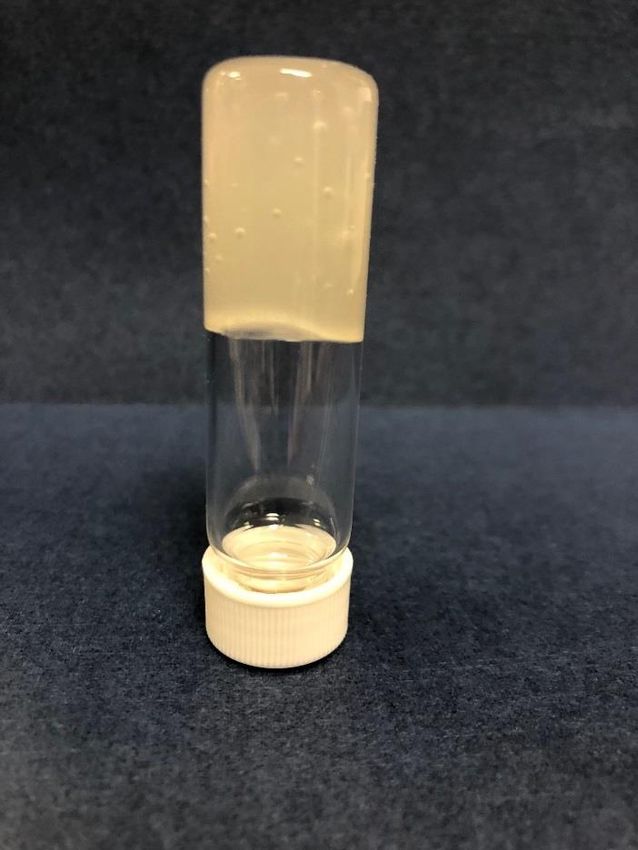
Introduction
Remi Barbier
Founder and CEO
Pain Therapeutics, Inc.

                          2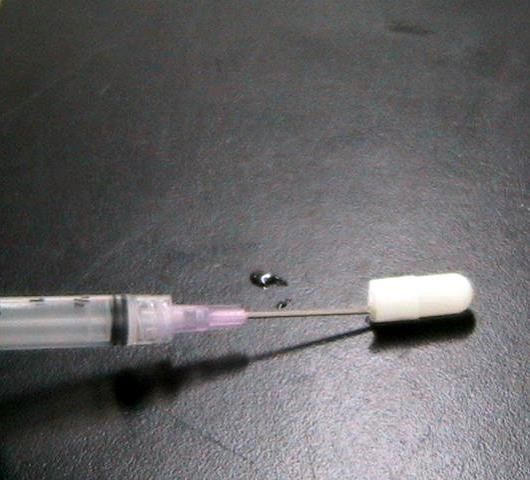
Agenda
Remi Barbier               Introduction

Michael Crowley, PhD       In vitro Abuse Deterrence

Lynn Webster, MD           In vivo Abuse Deterrence

Nadav Friedmann, PhD, MD   Clinical Development

Stephen Montgomery, PhD    Excipient Risk Assessment

Michael Marsman, PharmD    Risk Mitigation and Summary

                                                         3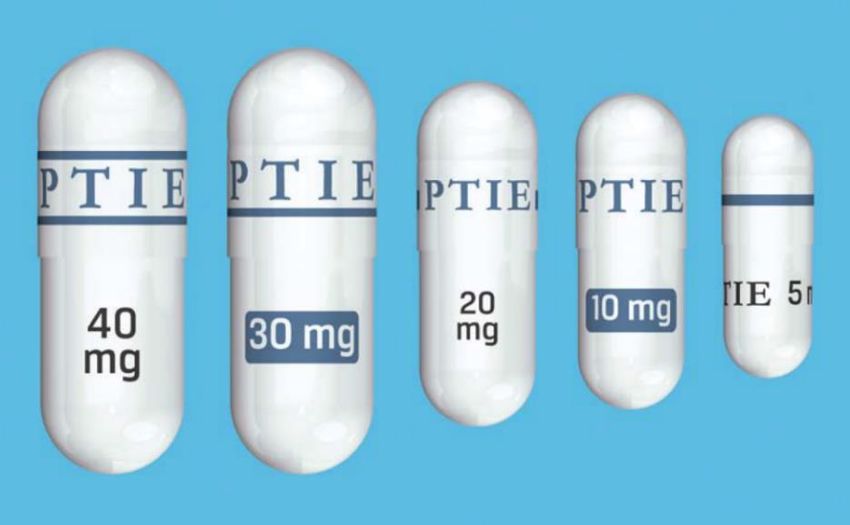
About Us
▪ Pain Therapeutics, Inc. is the sponsor of REMOXY ER

▪ We are a clinical-stage company based in Austin, TX

▪ Our research programs are focused primarily on CNS drug
  discovery and development

                                                            4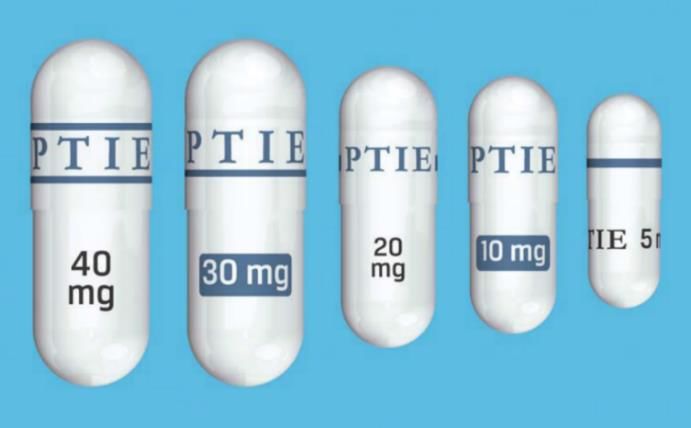
Disclosures
▪ The term “abuse-deterrent” as used in these materials is not intended
  to designate a medical claim but rather a general description of
  properties to address the misuse, abuse and diversion of opioids.

▪ Consultants who are presenting for the Sponsor have a financial
  relationship, such as payment of professional fees, expenses, honoraria
  or an equity interest, that may be perceived as a conflict of interest:

                    ➢ Michael Crowley, PhD
                    ➢ Lynn Webster, MD
                    ➢ Stephen B. Montgomery, PhD
                                                                            5
REMOXY ER

▪ REMOXY ER is in registration with the FDA as an extended-release capsule
  formulation of oxycodone.

▪ REMOXY ER has properties which are expected to deter formulation abuse.

▪ The Sponsor seeks label claims against abuse by the injection, snorting and
  smoking routes of abuse.
                                                                                6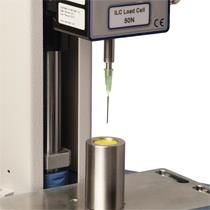
Abuse Deterrence
▪ FDA Guidance Document defines abuse deterrent properties as
  “those properties shown to meaningfully deter abuse, even if they
  do not fully prevent abuse.”

▪ The design goal of an Abuse Deterrent Formulation (ADF) is a
  robust extended-release mechanism that resists “dose-dumping”
  under common conditions of abuse.

                 Abuse deterrence is never abuse-proof.

                                                                      7
Positive Impact of ADFs
▪ Novice abuser: ADFs can eliminate quick, easy, common methods of
  formulation abuse, such as crushing.

▪ Recreational abusers: ADFs can discourage abusers from transitioning to
  non-approved routes of administration, such as snorting, smoking or injection.

▪ Advanced abusers: ADFs can render manipulations more difficult, expensive
  and time-consuming to abuse, making manipulated drug product less
  rewarding.

                                                                                   8
Limitations
▪ ADFs alone will not prevent prescription drug abuse.
- ADFs represent just one tool within a larger policy framework to improve
the safe use of prescription drugs.
▪ ADFs do not address longstanding issues with opioids, such as
euphoric effects, tolerance, dependence or potential for addiction.
9Abuse Deterrence Needs to Evolve
▪ Persistent abuse of prescription opioid drugs indicates a need
for more robust ADFs.
▪ Reformulated, ADF OxyContin was approved in 2013.
‒ According to Cicero, "Although the reformulation produced an
immediate drop in abuse rates, a definite ceiling effect appeared
over time, beyond which no further decrease was seen.”1
1 Cicero & Ellis, JAMA 2015 May;72(5):424-30.
10Overall Message
▪ ADFs can play a critical role in the fight against opioid abuse,
while ensuring appropriate access to patients, but additional
ADF solutions are needed.
▪ REMOXY ER may:
- Advance the science of abuse deterrence
- Provide additional treatment options for physicians/patients
- Address vulnerabilities of existing ER oxycodone products
- Encourage uptake of effective solutions
- Incentivize technology innovation
11Agenda
Remi Barbier Introduction
Michael Crowley, PhD In vitro Abuse Deterrence
Lynn Webster, MD In vivo Abuse Deterrence
Nadav Friedmann, PhD, MD Clinical Development
Stephen Montgomery, PhD Excipient Risk Assessment
Michael Marsman, PharmD Risk Mitigation and Summary
12Category 1
In vitro Abuse Deterrence
Michael Crowley, PhD
Acting Vice President, Drug Delivery Technologies
Pain Therapeutics, Inc.
13Overview
▪ Eleven Category 1 lab studies were conducted, consistent
with the FDA Guidance Document.
▪ These studies characterized the abuse-deterrent
properties of REMOXY ER, including the degree of
effort required to bypass or defeat those properties.
- All studies were conducted by 3rd party laboratories.
- FDA reviewed the protocols and provided input.
14Methods
▪ Category 1 methods were based on:
- The physical and chemical properties of REMOXY ER;
- Methods and routes of abuse for ER opioids;
- The FDA Guidance, specific input from FDA experts, clinical
and scientific consultants, and recreational opioid abusers.
15Data Generated
▪ > 9,000 unique data points generated.
▪ All results from Category 1 studies are in the
REMOXY ER New Drug Application.
▪ Due to time constraints, representative results that
include worst case are presented.
- Codes for experimental conditions are included in the closed
session briefing document.
16Comparators
▪ The FDA Guidance states, “Abuse-deterrent properties
can generally be established only through comparison to
another product.”
▪ Comparators were OxyContin ER, Xtampza ER or
Roxicodone IR.
- Intact and manipulated
17Comprehensive Category 1 Studies
Manipulation Extraction
pH
Simple
Technique Ionic Strength
Tools Polarity
Stress
Extract Volume
Steps
Agitation
Effort
Temperature
Complex
Time
18Routes of Abuse Studied
Route of
Abuse Practice Study Objective
Abuse
Manipulated, Impact of tools
Oral Volume D Extractions Evaluate drug extraction
Assess syringeability and
Syringe & Injection
injectability
Injection
Manipulated, Impact of tools
Volume A, B & C Extractions Evaluate drug extraction
Solidify
Nasal Manipulated
Reduce particle size
Smoking Simulated Inhalation Quantify drug vaporized
19Conditions Evaluated
▪ Abuse deterrent properties were evaluated by:
▪ 12 Manipulation Methods ▪ 24 Solvents
▪ 24 Tools ▪ 4 Solvent Volumes
▪ 3 Stress Conditions ▪ 4 Agitation Methods
▪ 4 Extraction Temperatures
▪ Per Guidance, REMOXY ER was tested to failure
20REMOXY ER Properties
▪ REMOXY ER’s high viscosity formulation
does not flow.
- Difficult to snort, syringe or inject
▪ REMOXY ER is sticky.
- 20 to 30% loss of mass
▪ Smoking REMOXY ER liberates irritating
vapors and oxycodone degrades.
214X Thicker than Vaseline™
REMOXY ER 250,000
Vaseline 64,000
Motor Oil 500
Water 1
0 50,000 100,000 150,000 200,000 250,000 300,000
Viscosity (cPs) @ Room Temperature
22Oral Abuse Simulation
Oxycodone extraction from Intact REMOXY ER
after soaking for Time O using Mixing A
100
80
Percent of 60
49
Dose
Extracted 40
28
22 Intact REMOXY ER
20
after soaking in
7
Solvent S6 for Time O
0
S1 S2 S5 S6
Solvent
Study Conditions: Volume D, Temperature B, Mixing A
23Oral Abuse Simulation
Extraction of Manipulated REMOXY ER and Comparators
100 Remoxy Intact
Remoxy RM1
Remoxy RM2
80
Remoxy RM3
Remoxy RM4
Percent of 60 Remoxy RM7
Dose Remoxy RM8
Extracted Remoxy RM8 + Stress B
40
Remoxy RM9
Remoxy RM9 + Stress B
20 OxyContin Intact
OxyContin OM1
0 Roxicodone IRM1
0 20 40 60 80 100 120
D G J K
Time
Study Conditions: Solvent S1, Volume D, Temperature B
24Oral Abuse Simulation: Most Effective Solvent
Extraction of Manipulated REMOXY ER and Comparators
Remoxy Intact
100
Remoxy RM1
Remoxy RM2
80 Remoxy RM3
Remoxy RM4
Percent of 60 Remoxy RM7
Dose Remoxy RM8
Extracted Remoxy RM8 + Stress B
40
Remoxy RM9
Remoxy RM9 + Stress B
20 OxyContin Intact
OxyContin OM1
Roxicodone IRM1
0
0 20 40
D G J60 80 100 120
K
Time
Study Conditions: Solvent S5, Volume D, Temperature B
25REMOXY ER Was Tested To Failure
▪ RM10 was worst-case manipulation method.
- Per guidance, REMOXY ER tested to failure
- Sophisticated manipulation, required 6 tools, 6 steps
- Process must be done in a certain order
▪ Under RM10, REMOXY ER retained rate control in
3 of 5 solvents through Time J.
▪ Under similar conditions, OxyContin ER retained rate
control in 1 of 5 solvents through Time J.
26Oral Abuse Simulation: Most Effective Method
Study Conditions: Solvent S1, Volume D, Temperature B
Time
Manipulation Method A D G J K L M O
RM9 0 1 3 6 9 11 15 26
RM9 + Tool 12 0 2 3 7 9 11 16 26
RM9 + Stress C + Tool 12 0 1 3 6 8 11 15 27
RM10 (Tool 16 + 6x Tool 12) 54 78 91 94 94 97 97 97
OxyContin ER OM1 (Tool 16 + Tool 12) - 85 86 88 87 87 86 86
Study Conditions: Solvent S1, Volume D, Temperature F
Time
Manipulation Method A D G J K L M O
RM9 2 17 40 63 84 95 103 105
RM9 + Tool 12 3 22 46 73 90 98 104 104
RM9 + Stress C + Tool 12 1 15 33 61 83 93 103 104
RM10 (Tool 16 + 6x Tool 12) 83 92 94 95 95 96 94 95
OxyContin ER OM1 (Tool 16 + Tool 12) - 85 83 85 85 85 85 84
27Extraction in Solvents S6 – S16
REMOXY ER resisted extraction in S6 – S16 compared to OxyContin ER
10 REMOXY RM9
8
8 REMOXY RM9
7 7
+ Stress C
# of Solvents 6 OxyContin OM1
Extracting
> 75% of the Dose 4 4
4
2 2
2
1 1
0
Time D Time J Time K
Extraction Time
Study Conditions: Volume D, Temperature B
28REMOXY ER Resists Snorting
▪ REMOXY ER could not be converted to a form suitable
for snorting.
▪ Stress A with methods RM4, RM5 and RM6 failed to
convert REMOXY ER into a form suitable for snorting.
29IV Abuse Simulation
REMOXY ER Resists Extraction Compared to OxyContin ER
100
REMOXY RM2
+ Stress B
80
REMOXY
RM11
Percent of 60
Dose REMOXY
Extracted RM11 + Stress B
40 Xtampza ER
XM1
20 OxyContin OM2
+ Stress B
0 0 5 10 15 20 25 30
B D F H
Time
Study Conditions: Solvent S19, Temperature B, Volume C
30IV Abuse Simulation
REMOXY ER Resists Extraction Compared to OxyContin ER
100
REMOXY RM11
80
REMOXY RM11
+ Stress C, Time D
Percent of
Dose 60 REMOXY RM11
Extracted + Stress C, Time F
40 REMOXY RM11
+ Stress C, Time H
OxyContin OM2 +
20
Stress B
0
0 5 10 15 20 25 30
B D F H
Time
Study Conditions: Solvent S24, Temperature D, Volume B
31IV Abuse Simulation: Worst Case
REMOXY ER Resists Extraction Compared to OxyContin ER and Xtampza ER
100 REMOXY RM2
+ Stress B
80 REMOXY RM11
60 REMOXY RM11
Percent of + Stress B
Dose
Extracted Xtampza ER
40
XM1
OxyContin OM2
20 + Stress B
0
0 5 10 15 20 25 30
B D F H
Time
Study Conditions: Solvent S20, Temperature F, Volume C
32Syringe Study
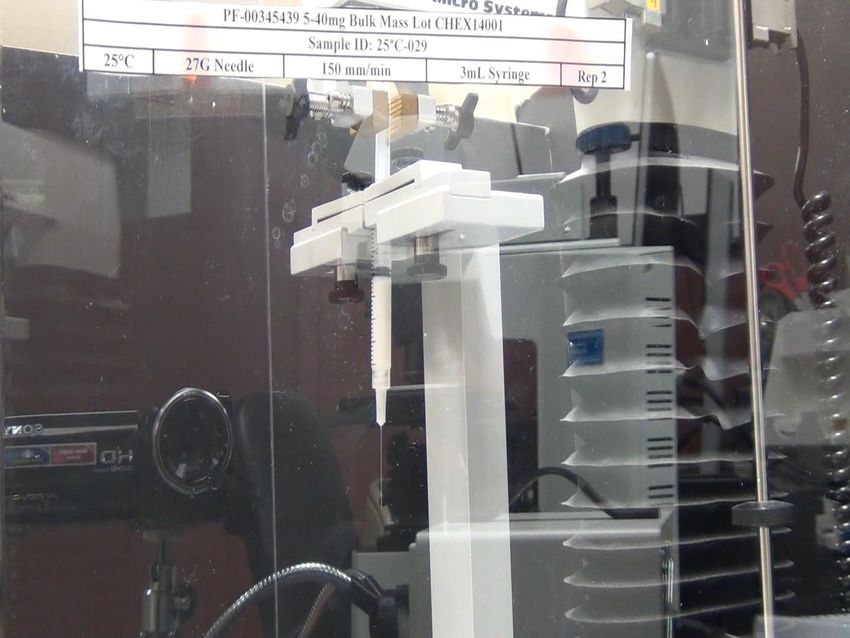
▪ Attempts to draw REMOXY ER
into a syringe failed.
▪ 4 needle gauges were tested
(Size A-D).
▪ Study was conducted by an
independent lab.
33Injection Study
▪ Attempts to inject from a syringe
filled with REMOXY ER
formulation failed.
▪ Different needle sizes, injection
rates & temperatures were tested.
▪ Study was conducted by an
independent lab.
34Injection Study: Barrel Failure
Needle Size D, Temperature B
35Simulated Smoking Study
▪ REMOXY ER carbonizes at Temperature I.
▪ Study was conducted by an independent laboratory.
36Simulated Smoking Study
▪ Minimal oxycodone was recovered from REMOXY ER.
▪ An irritating vapor was liberated.
▪ More oxycodone was recovered from the vapor of OxyContin than
from REMOXY ER.
Percent of Oxycodone Recovered
REMOXY ER OxyContin ER
RM12 +
Time RM2 RM12 Stress B OM4
D 2.9% Undetected Undetected 8.8%
F 3.8% Undetected Undetected 10.7%
37Category 1 Summary
▪ The physical and chemical characteristics of
REMOXY ER impart abuse deterrent properties.
‒ Provides resistance to manipulations and extractions
‒ Sticks to tools
‒ Difficult to syringe and inject
‒ High viscosity gel could not be snorted
‒ Minimal oxycodone released when vaporized
38Agenda
Remi Barbier Introduction
Michael Crowley, PhD In vitro Abuse Deterrence
Lynn Webster, MD In vivo Abuse Deterrence
Nadav Friedmann, PhD, MD Clinical Development
Stephen Montgomery, PhD Excipient Risk Assessment
Michael Marsman, PharmD Risk Mitigation and Summary
39Category 2 and 3
In vivo Abuse Deterrence
Lynn Webster, MD
Vice President, Scientific Affairs
PRA Health Sciences
40HAP Overview
▪ Two human abuse potential (HAP) studies were conducted with
REMOXY ER.
- HAP oral study (B4501016) – initiated 2013
- HAP nasal study (PTI-821-C08) – initiated 2017
▪ HAP studies assessed parameters that are objective
(pharmacokinetics - PK) and subjective (pharmacodynamics - PD).
41Oral HAP Study Objective
▪ Primary study objective was to rigorously assess the
preferences for REMOXY ER versus IR oxycodone in
a population of non-dependent, recreational opioid
abusers with a history of oral opioid abuse.
42Oral Study Design
▪ Legacy HAP study, conducted prior to 2015 issuance of
FDA Final Guidance Document.
- Study protocol was reviewed by FDA and comments incorporated.
▪ Randomized, triple-dummy, double-blind, single-center,
4-way crossover study in recreational abusers (N=46).
- Screening Phase
- Qualification Phase (naloxone challenge)
- Drug Discrimination Phase
- Treatment Phase
43Treatments
▪ Blinded treatments:
- REMOXY ER 40 mg, intact
- REMOXY ER 40 mg, chewed for 5 minutes
- IR Oxycodone 40 mg, crushed in solution
- Matching placebos
44Primary Endpoints
▪ 4 co-primary pharmacodynamic (PD) endpoints.
- Drug Liking Peak Effect (Emax)
- Drug High Peak Effect (Emax)
- Drug Liking Area Under the Effect Curve (AUE0-2)
- Drug High Area Under the Effect Curve (AUE0-2)
▪ REMOXY ER versus IR oxycodone.
45PD Endpoint Measures
▪ Unipolar VAS scale was used to measure PD endpoints
- For example, each subject was asked the following question regarding
“Overall Drug Liking”:
“Do you like the drug effect you are feeling now?”
Not at all Extremely
▪ Data was generated from 46 completers
46Study Results
▪ REMOXY ER chewed vs IR oxycodone met 2 of 4
co-primary endpoints
- Drug Liking (AUE0-2) (p < 0.0001)
- Drug High (AUE0-2) (p < 0.0001)
▪ REMOXY ER chewed vs IR oxycodone did not meet
2 of 4 co-primary endpoints
- Drug Liking (Emax)
- Drug High (Emax)
47PK Results - Early Timepoints
Chewed REMOXY ER showed
Lower Drug Concentrations at Early Timepoints
100
90
80
70
Mean Plasma 60
Oxycodone
50
Concentration
SD (ng/mL) 40
30
20
10
0
0 0.5 1 1.5 2 2.5 3 3.5 4
Time (hours)
REMOXY ER Intact REMOXY ER Chewed Oxycodone IR Crushed
48PD Results - Drug Liking
Chewed REMOXY ER Showed
Less Drug Liking at Early Timepoints
100
p < 0.0001 p = 0.0004 p = 0.038 p = 0.11
80
Drug Liking 62.3 61.6
60 57.3
VAS 52.5 50.6
(Unipolar 46.3 47.5
0-100) 40
19.0
20
6.4 7 7.3 5.2
0
0.5 1.0 1.5 2.0
Time (hr)
Placebo REMOXY ER Chewed Oxycodone IR Crushed
49PD Results - Drug High
Chewed REMOXY Showed
Lower Drug High at Early Timepoints
100
p < 0.0001 p < 0.0001 p = 0.0041 p = 0.14
80
64.0 64.2
Drug High 60 57.6
VAS 51.8 51.7
46.7 45.7
(Unipolar
0-100) 40
20 15.8
6.8 6.4 8
5.5
0
0.5 1.0 1.5 2.0
Time (hr)
Placebo REMOXY ER Chewed Oxycodone IR Crushed
50Oral HAP Study Conclusions
▪ Study met 2 of 4 Primary PD Endpoints (p< 0.0001).
- PD results are consistent with PK results
▪ At the early time-points post-dose, abusers preferred IR
oxycodone over chewed REMOXY ER.
▪ Chewing REMOXY did not defeat extended-release
characteristics.
51Nasal HAP Study Objective
▪ Primary objective of study PTI-821-C08 was to compare the
relative abuse potential of nasal REMOXY ER (manipulated
and intact) vs. nasal IR oxycodone in a population of non-
dependent, recreational opioid abusers.
▪ A separate open-label arm compared PK parameters of
intranasal REMOXY ER to OxyContin ER.
▪ Nasal HAP study was completed in 2017.
52Nasal Study Design
▪ Randomized, double-blind, single-center, 4-way crossover study in
recreational opioid abusers (N=36).
- Screening Phase
- Qualification Phase (naloxone challenge)
- Drug Discrimination Phase
- Treatment Phase
▪ Following double blind portion of the study, an Open Label comparison
to OxyContin ER (N=20).
▪ Study was developed in accordance with final FDA Guidance document.
- Study protocol and statistical analysis plan were reviewed by FDA
and comments incorporated
53Treatments
▪ Four blinded treatments (N=36)
- REMOXY ER 40 mg, intact
- REMOXY ER 40 mg, manipulated
- IR Oxycodone 40 mg, crushed
- Placebo
▪ One non-blinded treatment (N=20)
- OxyContin ER 40 mg, manipulated
54Primary Endpoint
▪ Primary endpoint was Drug Liking (Emax)
- REMOXY ER versus oxycodone IR
▪ Bipolar VAS scale was used to measure PD endpoints
- For example, each subject was asked the following question
regarding “Drug Liking’:
Do you like the drug effect you are feeling now?
55Statistical Analysis
▪ Statistical analysis plan was pre-specified in the protocol,
reviewed by FDA, and FDA comments were incorporated
- Data were generated for 36 completers from blinded portion
- Data were generated for 20 completers from the open portion
56PK Results
Significantly Less Drug Absorption from REMOXY ER
70
REMOXY ER Manipulated
60 REMOXY ER Intact
Oxycodone IR Ground
50 OxyContin ER Manipulated
Mean Plasma 40
Concentration
(ng/mL) 30
20
10
0
0 2 4 6 8 10 12 14 16 18 20 22 24
Time (Hr)
57PK Results – Cmax
Significantly Lower Cmax for REMOXY ER
100 p < 0.001
80
Mean 60
Plasma
Concentration
SD (ng/mL)
40
20
0
REMOXY ER REMOXY ER Oxycodone IR OxyContin ER
Manipulated Intact Ground Manipulated
Cmax 16.5 17.9 67.0 68.5
58PK Results – Tmax
Significantly Longer Tmax for REMOXY ER
8
P = 0.0001
P = 0.0002
6
P = 0.0001
P < 0.0001
4
Time SD
(hr)
2
0
REMOXY ER REMOXY ER Oxycodone IR OxyContin ER
Manipulated Intact Ground Manipulated
Tmax 3.1 3.4 2.0 1.5
59Study Results – Primary Endpoint
REMOXY ER Met Primary Endpoint
p = 0.0079
100
p = 0.0073
90
Drug Liking
80
Emax SD
(Bipolar
0-100)
70
60
50
REMOXY ER REMOXY ER Oxycodone IR
Placebo
Manipulated Intact Ground
Emax 54.0 65.9 67.6 89.8
60PD Results – Emax
Significantly Lower Drug High Emax for REMOXY ER
p = 0.0001
100
90 p = 0.0001
80
70
Drug High
60
Emax SD
(Bipolar 50
0-100)
40
30
20
10
0
REMOXY ER REMOXY ER Oxycodone IR
Placebo
Manipulated Intact Ground
Mean 8.85 32.1 33.0 78.2
61PD Results – Drug Liking
Significantly Lower Drug Liking for REMOXY ER
100
REMOXY ER Manipulated
90 REMOXY ER Intact
Oxycodone IR Ground
80
Placebo
Mean Drug
Liking VAS
(Bipolar 0-100) 70
60
50
40
0 1 2 3 4 5 6 7 8 9 10 11 12
Time (hours)
62PD Results – Take Drug Again
Significantly Lower Take Drug Again (12 hrs) for REMOXY ER
p < 0.0001
100
80
Take Drug
Again
VAS SD
(Bipolar 0-100)
60
40
REMOXY ER REMOXY ER Oxycodone IR
Placebo
Manipulated Intact Ground
Mean 49.7 58.5 62.4 87.3
63Nasal Results – Take Drug Again
Significantly Lower Take Drug Again (24 hrs) for REMOXY ER
p < 0.0001
100
90
80
Take Drug
Again
VAS SD 70
(Bipolar 0-100)
60
50
REMOXY ER REMOXY ER Oxycodone IR
Placebo
Manipulated Intact Ground
Mean 50.4 55.9 61.2 84.4
64Drug Effects Questionnaire
Drug Effects Questionnaire were all
statistically significant in favor of REMOXY ER.
65Nasal Study Conclusions
▪ Study met Primary Endpoint (p< 0.001), indicating Drug Liking was
significantly lower for nasal REMOXY ER vs. nasal oxycodone IR.
- Abusers significantly preferred IR oxycodone over nasal REMOXY ER
at all measured time-points
- Secondary endpoints follow primary results
- PD results are consistent with PK results
▪ REMOXY ER maintained its extended-release profile when
manipulated and demonstrated less abuse potential than the
comparators.
66Agenda
Remi Barbier Introduction
Michael Crowley, PhD In vitro Abuse Deterrence
Lynn Webster, MD In vivo Abuse Deterrence
Nadav Friedmann, PhD, MD Clinical Development
Stephen Montgomery, PhD Excipient Risk Assessment
Michael Marsman, PharmD Risk Mitigation and Summary
67Clinical Development
Nadav Friedmann, PhD, MD
Chief Operating and Medical Officer
Pain Therapeutics, Inc.
68Agenda
▪ REMOXY ER Product Profile
▪ Goals & Methods of Clinical Program
▪ Safety and Efficacy Profile
69REMOXY ER - Product Profile
Description: oxycodone base (CII) inside a sealed capsule
Formulation: gel, extended-release, with abuse deterrent properties
Proposed Indication: for the management of pain severe enough
to require daily, around-the-clock, long-term opioid treatment
and for which alternative treatment options are inadequate
Dosage and Administration: twice-daily, oral
Dosage Strengths: 5, 10, 20, 30 and 40 mg
70Development Goals & Methods
▪ Demonstrate safety and efficacy of REMOXY ER in patients
with moderate-to-severe chronic pain.
▪ Clinical efficacy program for REMOXY ER was developed
in close collaboration with FDA through a Special Protocol
Assessment (SPA).
- Under an SPA, study design, clinical endpoints, and statistical analyses
are all acceptable for FDA evaluation
71Phase III Efficacy Study
▪ Study PTI-821-CO compared the analgesic effects of
REMOXY ER to placebo in a chronic pain population.
▪ Double-blind, randomized, placebo-controlled, multi-center
study in patients (N=412) with moderate-to-severe chronic
pain due to osteoarthritis of the hip or knee.
72Phase III Efficacy Study Design
SCREENING RANDOMIZATION END OF PAIN ASSESSMENT
REMOXY ER (BID)
20mg BID
4-day
15mg BID
3-day Double-Blind Treatment
10mg BID
12 weeks
4-day
5mg BID Placebo BID
3-day
Washout Open-Label Titration: 4-week Fixed Does: 8-week Taper: 0-15 days
Titration: 2-week
73Met Primary Endpoints
Phase III Study for REMOXY ER met Primary Endpoint
Change in Pain Intensity Over 12 Weeks (P=0.007)
Placebo (N=205) REMOXY ER (N=201)
0
-10
-20
Mean Pain Intensity AUC
-30
-40
-50
-60
-70
74Met Secondary Endpoints
▪ Phase III efficacy study for REMOXY ER met all
secondary endpoints related to pain
Quality of Analgesia p = 0.004
Global Assessment p = 0.007
SF-12 Health Survey: physical component p = 0.003
WOMAC OA Index: pain subscale p = 0.023
75Phase III Study - Safety
Adverse Events ≥ 5%, similar to other ER opioids
Placebo REMOXY ER
N (%) N (%)
Gastrointestinal Disorders 39 (18.8) 84 (41.0)
Constipation 9 (4 .3) 35 (17.1)
Diarrhea 12 (5.8) 9 (4.4)
Nausea 20 (9.7) 41 (20.0)
Vomiting 6 (2.9) 29 (14.1)
Nervous System Disorders 23 (11.1) 45 (22.0)
Dizziness 9 (4.3) 17 (8.3)
Headache 11 (5.3) 10 (4.9)
Somnolence 4 (1.9) 23 (11.2)
76Exposure to REMOXY ER
▪ >2,400 subjects were treated with REMOXY ER.
- 469 patients were treated for 6 months
- 381 patients were treated for 1 year
▪ Overall, side effect profile was similar to those of other
ER opioid drug products.
▪ No new or unexpected adverse events were noted.
77Summary of Safety and Efficacy
▪ Phase III Study (PTI-821-CO) with REMOXY ER met
the primary efficacy endpoint (p = 0.007).
- Pain-related secondary endpoints confirmed the primary result
▪ Safety profile was consistent with other ER opioids.
78Agenda
Remi Barbier Introduction
Michael Crowley, PhD In vitro Abuse Deterrence
Lynn Webster, MD In vivo Abuse Deterrence
Nadav Friedmann, PhD, MD Clinical Development
Stephen Montgomery, PhD Excipient Risk Assessment
Michael Marsman, PharmD Risk Mitigation and Summary
79Excipient Risk Assessment
Stephen Montgomery, PhD
Regulatory and Toxicology Consultants, LLC
80In Vitro Excipient Extraction Study
▪ Conducted by an independent contract laboratory.
▪ REMOXY ER (40 mg) Capsule samples manipulated and extracted
according to Category 1 conditions:
- Manipulations: (i) RM11, (ii) RM11 + Stress B, and (iii) RM11 + Stress C at Temp H
- Extraction: Solvent S19 (Volume B) with agitation (Mixing Type D) at Temps B and E
▪ Analytical Methods developed for each excipient and decomposition
products.
- GC-MS, UPLC-CAD, SEC-RI, or RA
- Limit of Quantitation (LOQ) for excipients ranged from < 1 to 80 µg/mL
- LOQ for decomposition components ranged from 50 to 600 µg/mL
81In Vitro Excipient Extraction Study - Results
▪ Quantifiable low levels of only two excipients were detected:
- Triacetin
- Hydroxyethyl cellulose (HEC)
▪ Quantifiable low levels of only two excipient decomposition
products were detected:
- Acetic acid
- Myristic acid
82In Vitro Excipient Extraction – Data Summary
Extraction in Solvent S19, Volume B, with Mixing Type D
Material Limit of Manipulation RM11 Manipulation Manipulation RM11
Identification Quantitation RM11 + Stress B + Stress C at Temp H
(LOQ)
Extraction Temp E Extraction Temp B Extraction Temp E
(mg/mL)
Time D Time J Time D Time J Time D Time J
Formulation Excipients (mg/mL)
Triacetin 0.02 8.31 18.63 3.44 10.14 3.29 7.05
HEC 0.02 0.16 1.52 LOQ 0.16 LOQ LOQ
Decomposition Products of Excipients (mg/mL)
Acetic Acid 0.07 LOQ 0.15 LOQ LOQ LOQ LOQ
Myristic Acid 0.6 0.6 LOQ LOQ LOQ LOQ LOQ
83Safety Assessment by Alternate Routes of Administration
▪ Searched the published scientific literature.
‒ PubMed, TOXLINE, HSDB, IPSC INCHEM, WHO/FAO, FDA, EPA, and Google
▪ Focused on toxicity associated with intravenous (IV) injection of the
excipients and decomposition products quantified in the extracts.
▪ Attempted to identify a No Observed Adverse Effect Level (NOAEL)
with IV injection.
▪ Margin of Safety
‒ Based on the IV NOAEL (mg/kg) divided by the highest level of the extracted
excipient or decomposition product from 2 REMOXY ER (40 mg) capsules (mg/kg)
84Safety Assessment of Triacetin with IV Injection
▪ It is rapidly metabolized systemically to endogenous constituents.
▪ It is listed in the FDA Inactive Ingredient Database (IID) for use in approved
oral drug products.
▪ It has been experimentally evaluated as a component of total parenteral
nutrition.
▪ The intravenous LD50 in animals ranges from 870 mg/kg to 2300 mg/kg.
‒ Clinical observations of muscle weakness and ataxia were noted
▪ Animals receiving 31600 mg/kg by IV infusion daily for 7 days showed no
evidence of toxicity.
▪ Safety Margin = 10096-fold the amount extracted in 2 REMOXY ER
(40 mg) capsules.
85Safety Assessment of Triacetin with Inhalation Exposure
▪ No toxicity occurred in animals with inhalation exposure to 8200 ppm
(saturated vapor) for 6 hours per day for 5 days.
▪ No toxicity occurred in animals with inhalation exposure to 250 ppm
for 6 hours per day, 5 days/week for 13 weeks.
▪ Slight ocular irritation in one animal study was reported with direct eye
application.
86Safety Assessment of HEC with IV Injection
▪ It is an approved IV drug product for hypovolemia/dehydration with a
maximum recommended dose of 3000 mg/kg/day.
▪ It is listed in the FDA IID for use in approved oral drug products.
▪ It does not readily undergo metabolism systemically and is eliminated through
the reticuloendothelium system and kidney.
▪ Acute IV injection of a 2.3% solution in animals produced hemodilution
without toxicity.
▪ Repeated IV infusion of a 10% solution to animals produced hypervolemia
without toxicity.
▪ Safety Margin = 12000-fold the amount extracted from 2 REMOXY ER
(40 mg) capsules.
87Safety Assessment of Acetic Acid with IV Injection
▪ It is a natural constituent readily metabolized in most tissues with endogenous
plasma concentrations ranging from 13.5–22.8 µg/mL.
▪ It is listed in the FDA IID for use in approved IV drug products at levels up to
0.4% (Injection) and 1% (Infusion).
▪ It was detected at a level equivalent to 0.015% at a single temperature
timepoint.
▪ Toxicity is a consequence of its irritant property.
▪ The IV LD50 (undiluted) in animals is 525 mg/kg with clinical signs of CNS
toxicity.
▪ Margin of Safety relative to the LD50 = 21000-fold the amount extracted in
2 REMOXY ER (40 mg) capsules.
88Safety Assessment of Myristic Acid with IV Injection
▪ It is a natural C14 fatty acid metabolized via β-oxidation pathway;
endogenous human plasma concentrations range from 2.4 – 2.6 µg/mL.
▪ It is listed in the FDA IID for use in approved oral drug products;
but it is a component of parenteral nutrition therapy at levels of 0.1% to 5.5%.
▪ It was detected at a level equivalent to 0.06% at a single temperature timepoint.
▪ IV LD50 (undiluted) in animals was reported to be 43 mg/kg.
▪ IV (but not IP) injection of 1 - 5 mg/kg to animals transiently lowered platelet
counts, similar to stearic (C18), palmitic (C16), and lauric (C12) acids.
▪ Margin of Safety based on IV LD50 = 4300-fold the amount extracted in
2 REMOXY ER (40 mg) capsules.
89Summary of Safety Margins
Maximum Amount
Material Extracted Safety Margin*
Identification
(mg/mL)
Formulation Excipients
Triacetin 18.63 10096
HEC 1.52 12000
Decomposition Products of Excipients
Acetic Acid 0.15 21000
Myristic Acid 0.6 4300
* Based on the amount extracted from 2 REMOXY ER (40 mg) capsules
90Conclusion
▪ In vitro extraction of the manipulated REMOXY ER (40 mg) capsule
formulation detected two excipients and two decomposition products
▪ Systemic exposures to Triacetin and the two decomposition products are
expected to be transient relative to their rapid metabolism to endogenous
constituents
▪ Systemic exposure to HEC is eliminated by the reticuloendothelial system
(RES) over a longer duration
▪ Results show a very low (negligible) risk for toxicity, and consequently,
a very low potential for adverse effects with misuse
91Agenda
Remi Barbier Introduction
Michael Crowley, PhD In vitro Abuse Deterrence
Lynn Webster, MD In vivo Abuse Deterrence
Nadav Friedmann, PhD, MD Clinical Development
Stephen Montgomery, PhD Excipient Risk Assessment
Michael Marsman, PharmD Risk Mitigation and Summary
92Risk Mitigation and Summary
Michael Marsman, PharmD
Sr. Vice President, Regulatory Affairs
Pain Therapeutics, Inc.
93Responsible Use
▪ The Sponsor is committed to encouraging responsible and safe use of
REMOXY ER.
▪ Sponsor will assure appropriate post-marketing safety initiatives and
risk mitigation strategies are in place, as follows.
- Full participation in class-wide ER/LA Risk Evaluation and Mitigation Strategy (REMS)
- Comprehensive drug safety and pharmacovigilance programs
- Safe packaging, storage, disposal program for REMOXY ER
▪ Sponsor currently has observer status in the REMS consortium and plans
to convert to full voting membership after approval of REMOXY ER.
94REMOXY ER Risk/Benefit
▪ REMOXY ER demonstrates a favorable risk/benefit profile.
- REMOXY ER met the clinical endpoints in a large, well-controlled Phase III
efficacy study.
- Safety profile of REMOXY ER is similar to other ER opioid products.
No new or unexpected adverse events.
- Based on the totality of Category 1, 2 and 3 study results, REMOXY ER can be
expected to meaningfully deter injection, nasal, and smoking routes of abuse.
95Conclusion
▪ ADFs such as REMOXY ER can play an important role against
prescription opioid abuse, while still ensuring appropriate access
to patients suffering from chronic pain.
▪ REMOXY ER’s unique formulation advances the science of abuse
deterrence.
- Increases the range of available abuse-deterrent technologies
- Provides another treatment option for chronic pain
- Addresses vulnerabilities of existing ER oxycodone products
- Demonstrates properties that can be expected to deter abuse by the nasal, injection,
and smoking routes
96THANK YOU
Open for Questions
97Backup Slides Shown
1REMOXY ER Steady-State PK Parameters
PTI-821-CX Collegium Study CP-OXYDET-18
PK Parameter REMOXY ER 40 mg Xtampza ER 40 mg OxyContin ER 40 mg
Cmax (ng/mL), 64.4 26.3 77.7 23.6 77.1 17.8
mean SD
Tmax (hr), 4.3 1.5 3.5 * 4.5 *
mean SD (1.0 - 5.5) (1.0 - 6.5)
Cmin (ng/mL), 25.6 7.1 21.3 7.1 21.2 6.4
mean SD
AUCtau (hr*ng/mL), 510.2 156 511 116 532 118
mean SD
% PTF (12-hour 87.9 33.3 134 35.8 127 18.9
dosing interval) **
* Tmax values are reported as median (range)
** % PTF = Percentage of peak-trough fluctuation within dosing interval
2Remoxy Development: Preclinical Overview
A comprehensive preclinical toxicological program was conducted to support the
safety of REMOXY when taken by the intended clinical route of administration and
consisted of the following studies in multiple species:
- Acute, sub-chronic, and chronic oral toxicity
- Genotoxicity
- Carcinogenicity
- Reproductive toxicity
- Other toxicity
The preclinical program was conducted in accordance with current FDA/ICH
guidelines and discussions with FDA
The nonclinical safety assessment of the oxycodone in the novel delivery matrix and
of the inactive ingredients is complete and supports market registration of REMOXY
for the intended clinical indication 3You can also read


