Report and Action Plan - For Manitoba's Northern Economy - Province of Manitoba
←
→
Page content transcription
If your browser does not render page correctly, please read the page content below

Report and Action Plan
For Manitoba’s Northern Economy


Report and Action Plan

Table of Contents
SECTION ONE
    What We Did.................................................................................8
SECTION TWO
    What We Discovered.............................................................13
SECTION THREE
    Action Plan....................................................................................27
SECTION FOUR
    Next Steps.....................................................................................35

Prepared by: Look North Economic Task Force, October 2017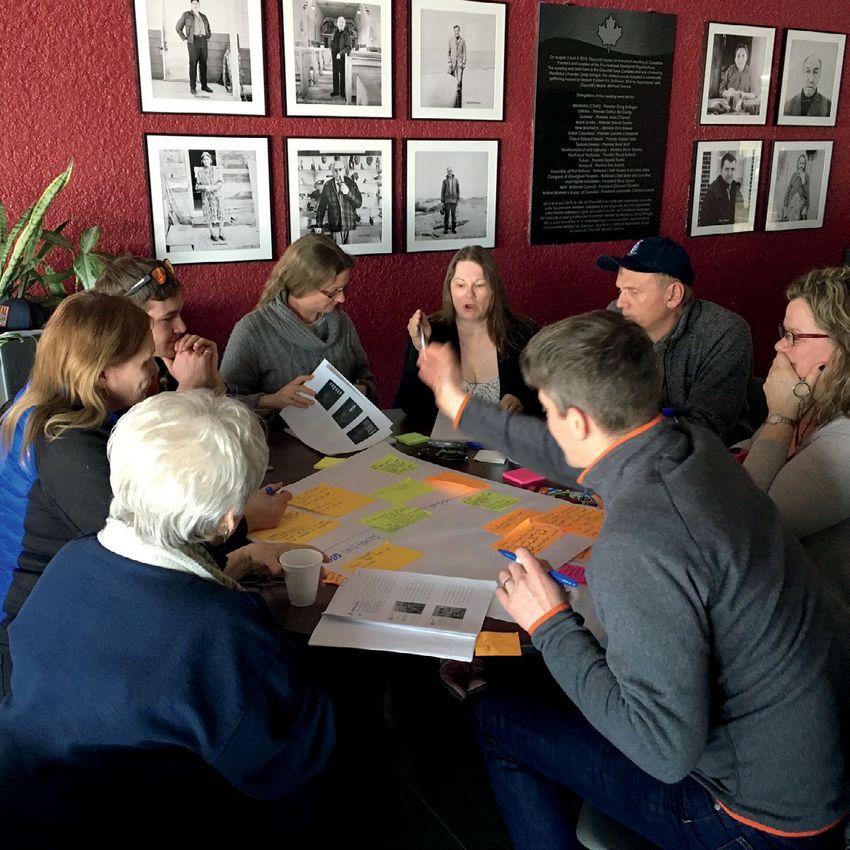
Look North
Task Force Co-Chairs
           Christian Sinclair                                                Chuck Davidson
           Co-Chair                                                          Co-Chair
           Onekanew (Chief) Opaskwayak Cree Nation                           President & CEO
                                                                             Manitoba Chambers Of Commerce
           Tansi. As a proud member of Opaskwayak Cree
           Nation and northern Manitoban, I am honoured                      As someone who grew up in northern Manitoba,
           and humbled to be serving as Co-Chair. We                         and still considers myself a northerner, the two
           heard from many northerners and this roadmap                      attributes that set those that live and work in
           has been designed based on the dreams and                         the north apart from others is their resilience
           aspirations of the people of northern Manitoba. It                and optimism.
           is a challenge, but at the same time it is a great
                                                                             With the current challenges facing the north it was
           opportunity to enable social and economic
                                                                             made clear during discussions and consultation
           development in the north.
                                                                             that people are no longer looking for quick fixes,
           As Co-Chair, I am pleased that we were able to                    they want long-term solutions that will lead to
           engage an Indigenous economic development                         greater economic development that will benefit all
           leader to guide us through this process. As a                     communities.
           northerner where my heart lies, I am personally
                                                                             This report and action plan is not the end, it
           committed to ensuring the success of this
                                                                             marks a beginning. It is a living document that will
           strategy and am confident we will create a model
                                                                             continue to evolve as we continue engagement,
           of success that communities and northerners can
                                                                             and build collaboration, within and across,
           build on for future generations.
                                                                             northern communities.
           I am pleased to share this strategy that shows
                                                                             My belief is that the Look North initiative can
           when Indigenous peoples are engaged as
                                                                             be the catalyst that will lead to a prosperous
           partners, everyone benefits and successes will be
                                                                             and reinvigorated northern Manitoba for decades
           shared with all of Manitoba and Canada. Ekosani.
                                                                             to come.

  PAGE 4                                                        LOOK NORTH ECONOMIC TASK FORCE REPORT AND ACTION PLAN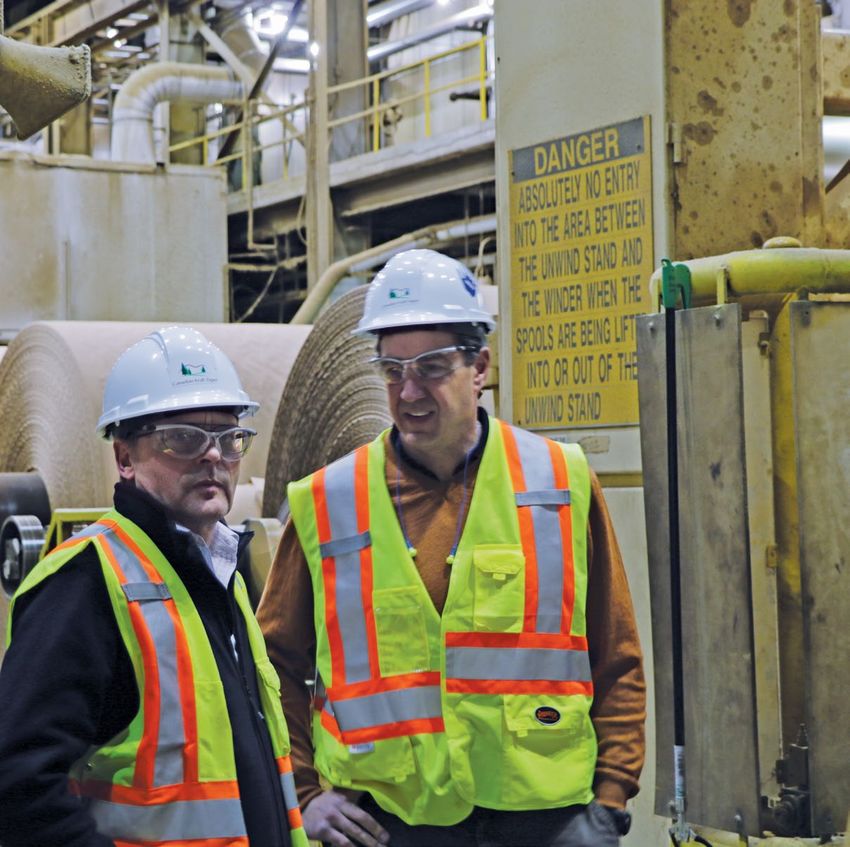
Look North
Task Force Members
                   Tony Mayham                          David Kobliski                                    Mark Scott
                    CEO                                 Manager                                           Board Chair
                    Keewatin Railway                    Nelson House                                      Mining Association of
                    Company                             Development                                       Manitoba
                                                        Corporation

                    Norman                              Dianne Russell         TECHNICAL SUPPORT PROVIDED BY
                    Glen Ross                           President
                                                                                                         Oswald Sawh
                    Independent Advisor                 Flin Flon & District
                                                        Chamber of Commerce                              CEO
                                                                                                         Communities Economic
                                                                                                         Development Fund

                    Julyda                              Mike Spence
                    Lagimodiere                         Mayor
                                                        Town of Churchill
                                                                                                         Doug Lauvstad
                    Minister of Justice &
                                                                                                         President
                    VP Thompson Region
                                                                                                         University College
                    Manitoba Metis
                                                                                                         of the North
                    Federation
                                                                                                         (former Executive
                                                                                                         Director of Northern
                                                        David Lee Roy                                    Manitoba Sector
                    Mike Pyle
                                                        Muswaggon                                        Council)
                    CEO
                                                        Member
                    Exchange Income
                                                        Pimicikamak Okimawin   and by the Province of Manitoba
                    Corporation
                                                        Executive Council

LOOK NORTH ECONOMIC TASK FORCE REPORT AND ACTION PLAN                                                                      PAGE 5
Introduction
           Karl Wixon                         It has been an honour and privilege to      We have a Māori (Indigenous) proverbial

           Lead Consultant                    work with the Look North Task Force, and    saying in New Zealand:
           Arahia & Biggar Ideas              to engage with the many communities,
                                                                                          He aha temea nuio teAo? Makue kiatu.
           Partnership for Look North         organizations and leaders who have

           Director & Indigenous              contributed to and shaped this report       He tangata, he tangata, he tangata.
           Development Consultant             and action plan. Thank you.
                                                                                          What is the most important thing in the
           Arahia Pathfinders • New Zealand
                                              This Report and Action Plan was             world? I will tell you.
                                              developed by the people for the people.
                                                                                          It is people, it is people, it is people.
                                              This report and action plan is the result
                                                                                          While data paints a bleak picture of
                                              of hundreds of contributions through
                                                                                          northern Manitoba, I encountered a lot
                                              conversations, workshops and
                                                                                          of warm and passionate people rich
                                              roundtable meetings, combined with
                                                                                          in ideas, committed to the north and
                                              desktop research.
                                                                                          committed to growth. The positive spirit
                                              It is people who implement strategy         and determination provides confidence
                                              and it is many people taking actions,       that people of the north are well poised
                                              big and small, that create long-term        for growth.
                                              economic growth.

  PAGE 6
THE CURRENT SITUATION                                    It is these circumstances that gave rise to the
                                                         establishment of the Look North Economic Task
With 67% of Manitoba’s land area and just over
                                                         Force to find a way forward.
7% of its population, northern Manitoba has been
a long-term net contributor to the economic              The Task Force held its first meeting on
prosperity of all Manitoba, as the source of some        December 13, 2016 in Opaskwayak Cree Nation
of the province’s richest natural resources and          and agreed on the following purpose:
tourism icons.
                                                         • Inspiring an economic movement in northern
Today however, it is a region in decline, suffering        Manitoba.
significant job losses in key industries and anchor      • Identifying sustainable and long-term solutions
companies – around which infrastructure and                that lead to economic growth and diversification.
communities have been built and become reliant.          • Building understanding and collaboration
The current suspension of rail service to Churchill        across communities.
due to flood damage highlights the critical and
                                                         This report and action plan will provide a framework
volatile nature of infrastructure and the importance
                                                         for progress and pointers for growth. It reports,
of it for servicing northern industry and communities.
                                                         without filtering, what was discovered.
In a region where nearly 75% of the population self
                                                         This plan sits within a context of other provincial
identify as Indigenous, with nearly 50% living on
                                                         and sector strategies, many of which provide more
First Nations where unemployment is typically above
                                                         detail than will be evident in this document. It is
75%, where 52% of the population do not have a
                                                         positioned as a companion to those strategies,
grade 12 education, and a growing youth population,
                                                         not a replacement. The next stages demand a
this trend demands response.
                                                         deep look into identified areas of focus.

                                                         This document points to areas for action and
                                                         a deeper dive.

                                                                                                                Photo: HudBay Minerals

                                                                                                                              PAGE 7
SECTION ONE

What We Did

Shaping Our Approach
A comprehensive engagement process was launched knowing that
people of the north best understand their own needs. A broad approach
around community enterprise, local enterprise, commercial enterprise
                                                                             Community Enterprise
and government was used to build an understanding of needs, gain             Collaboration and social enterprise for local needs
insights and explore ideas.

                                                                             Local Enterprise
COMMUNITY ENTERPRISE: There is a clear need to build a deeper
understanding of community needs and to foster and facilitate
collaboration between the public and private sector to develop solutions     Developing enterprise culture and small business
to those needs. New solutions could be delivered through building a
local social enterprise and NGO sector. This is needed in areas such as

                                                                             Commercial Enterprise
housing, education, health and social services. A key need here is to
engage the population in the economy.

LOCAL ENTERPRISE: There is a clear need to develop enterprise culture        Realizing industry growth potential
and to help business start-ups and small and medium enterprise (small
business) to succeed in local communities.

COMMERCIAL ENTERPRISE: There is clear need to support large                  Government
companies and industries to realize their growth potential.                  Regulatory enablement, resource alignment and
GOVERNMENT: Has a clear role to play in facilitating growth through          growth investment
regulatory enablement, e.g. regulation and policy reform to better enable
growth, through better alignment of government resources and support
services with need. This could require review of taxation policy and
incentives, and taking a long-term view of investment in infrastructure to
generate long-term growth.

                                                                                                                                   PAGE 9
Engaging with Northerners
The development of the Look North Report and             Engagement to date has included:
Action Plan was based on engagement with
northerners, trusting that people of the north           DECEMBER 2016
best understand their own needs, challenges and          • Meetings in Thompson with industry
opportunities and will ultimately be the ones to drive     representatives from Vale & Mining Association of
their own future growth.                                   Manitoba and local leadership.

Engagement will be ongoing as work on this plan          • Meetings in The Pas with industry representatives

continues and collaborations are formed to turn            from Canadian Kraft Paper & American Industry

plans into actions.                                        Acquisition Corporation, Paskwayak Business
                                                           Development Corporation (PBDC) and community
                                                           leadership.
                                                         • Meetings in Flin Flon with industry representatives
                                                           from Hudbay and University College of the North
                                                           (UCN).
                                                                                                                      Chief Ron Evans speaking at the Look North website
                                                         • Meeting in Portage La Prairie with the Manitoba       launch with Premier Brian Pallister and Cliff Cullen, former
                                                           Rural Economic Development Strategy Steering          Minister of Growth, Enterprise and Trade (current Minister
                                                                                                                        of Crown Services) looking on. February 21, 2017.
                                                           Committee.

                                                         JANUARY – MARCH 2017
                                                         • Conversations with individuals and organizations
                                                           e.g. Travel Manitoba.
                                                         • Presentation to Nunavut Economic Development
                                                           Association Conference – February 15, 2017.
                                                         • Presentation to the Thompson Chamber of
                                                           Commerce on the launch of the Look North
                                                           Website and the engagement process –
                                                           February 21, 2017.
                                                         • Presentation to the Hudson Bay Regional
                                                           Roundtable – March 30, 2017.

       PAGE 10
APRIL 2017 FEBRUARY – JUNE 2017
(NORTHERN SUMMIT (CEDF ROUNDTABLE
TOUR) MEETINGS)
Community engagement in ‘hands- • Cross Lake Community Council
on’ workshops exploring local needs, and Administration
challenges and developing potential • Sherridon Community Council
solutions, in Opaskwayak Cree Nation, • Oxford House First Nation
Thompson and Churchill.
• God’s Lake First Nation
Meetings with:
• God’s Lake Narrows Community
• Opaskwayak Cree Nation & Council
Paskwayak Business Development
• St. Theresa Point First Nation
Corporation
• Wabowden Community Council
• Manitoba Hydro
& Administration
• Manitoba Prospectors &
Developers Association ONLINE ENGAGEMENT
• Provincial Departments • Community members were able
to submit ideas online through
MAY – JUNE 2017 the Look North website at
Presentations and Discussions: www.looknorthmb.ca and
contribute through social media.
• Hudson Bay Route Association AGM
• Between February 21st and May
• Hudson Bay Regional Roundtable
31st, nearly 3,800 Manitobans
• Annual Deputy Ministers Dinner
visited the site and more than 1,100
• Manitoba Chambers of Commerce
engaged through social media
Look North Breakfast
through Twitter and Facebook.
• Vision Quest
• Plan Nord Conference
• Nunavut Economic Developers
Association
• Northern Lights Conference
PAGE 11Desktop Research
A Desktop Review Report was provided to the • Northern Development Strategy. 2000. • Fraser Institute – Why First Nations Succeed,
Look North Economic Task Force March 2017. The Province of Manitoba. Flanagan, T, November 2016.
following documents were reviewed to gain both • Manitoba Cooperative Community Strategic • National Aboriginal Economic Development Board
intel and insight, as well as to identify high level Plan 2014-2019. Province of Manitoba, Manitoba – Reconciliation: Growing Canada’s Economy by
recurring themes. Cooperative Association Inc. $27.7 Billion, November 2016.
It is worth noting that findings of the desktop • Manitoba Social Enterprise Strategy.
research were cross-referenced with findings from February 2015. Canadian Community Economic
TOURISM
meetings and workshops in order to identify and Development Network & Province of Manitoba. • Travel Manitoba – The Benefits of Tourism,
validate areas of focus or priority. 2014 and Tourism Indicators, 2016.
MINING • Tourism North – Growing Stronger Together. 2016.
DATA • Mining Association of Manitoba Draft Strategic
Plan 2016-2019 and 2015 Annual Report. TRADE
• Population statistics by census divisions
• Fraser Institute Survey of Mining Companies and • The Council on International Trade – International
19, 21, 22, 23, 2015.
Permit Times for Mining Exploration, February Trade Strategy for Manitoba, June 2011.
• The Pas, Opaskwayak Cree Nation & RM of Kelsey –
2017.
Regional Economic Analysis Process Report. April MANITOBA HYDRO
2016. Manitoba Growth, Enterprise and Trade. • Manitoba Prospectors and Developers Association
• 2015-2016 Manitoba Hydro Annual Report.
• Northern Region Economic Profile, 2015, Manitoba – Advancing a project – success & barriers, 2017.
• Corporate Strategic Plan, November 2013.
Growth, Enterprise and Trade.
FIRST NATIONS AND METIS
OTHER INFO
STRATEGY • Manitoba Keewatinowi Okimakanak Inc (MKO)
• Declaration of Northern Values, 2015.
• Draft Rural Economic Development Strategy. – Community based economic action plan for
Northern Manitoba First Nations, May 2016. • Manitoba Research Centre – Maximizing
June 2016. Association of Manitoba Municipalities,
Manitoba’s Potential, January 2017.
Economic Developers Association of Manitoba, • Manitoba Metis Federation (MMF) – Manitoba
Community Futures Manitoba, Manitoba Chambers Metis Economic Development Strategy Final
of Commerce, Rural Development Institute and Report, September 2008.
Economic Development Council for Manitoba • Fraser Institute – The Duty to Consult with
Bilingual Municipalities (CDEM). Aboriginal Peoples. A patchwork of Canadian
• Thompson Economic Development Working Group policies, Bains, R and Ishkanian, K, May 2016.
Action Plans.
PAGE 12SECTION TWO What We Discovered
Economic Summit Findings
Opaskwayak Cree Nation

• UNTAPPED POTENTIAL: The Pas and surrounding communities
  (including Flin Flon) still hold a lot of under utilized facilities and
  resource potential, despite the current trend of decline in mining
  and forestry.
• COMMUNICATION & INFORMATION: There is a general lack of
  information, coordination and planning to realize opportunities.
• NEED FOR COLLABORATION: There needs to be a shift in mindset for
  change to occur, in particular moving from a competitive paradigm to
  a collaborative one. The CKP story showed what kind of turnaround is
  possible when minds are collectively turned toward problem solving
  and people get onboard with change.
• INFRASTRUCTURE: Is seen as both a barrier and an enabler – with road
  and rail improvement being seen as necessary to open up industry
  and trade corridors. Access to broadband is also a key economic
  driver to unlocking the potential of small and remote communities by
  opening up access to information and support and as an important
  communication tool for building an online economy.
• COMMUNITY UNITY: All groups recognized the need for working closer
  together as a community to understand needs, develop solutions and
  create opportunities.

        PAGE 14
Economic Summit Findings
Thompson
• YOUTH: There was a single clear agenda shared by all in regard to
a need for focus on youth to provide long-term economic growth,
getting them engaged in learning, engaged in the community, engaged
in enterprise and the local economy.
• HOUSING: There was a clear and compelling proposal to establish
a social housing co-op, using local skills and expertise to respond
to northern housing needs. This could make better use of existing
public spending on housing, while returning benefit to the community
through training and employment in the sector. This model could be
expanded to The Pas and Churchill.
• ALL WEATHER ROAD: There was evident appetite for all weather roads
and to address the feasibility of their development and the need for a
clear business case.
• COMMUNITY COLLABORATION: In all cases there was an evident
need for broader collaboration between educational institutions,
industry and government to realize opportunities.
• INSPIRATION: There are success stories, best practices and
partnership models that need to be more widely shared as sources
of inspiration and guidance.
Photo: Delfin de Ramos, MDS AeroTest
LOOK NORTH ECONOMIC TASK FORCE REPORT AND ACTION PLAN PAGE 15Economic Summit Findings
Churchill
• COLLABORATION: There was an evident need for better engagement
and collaboration to be able to develop solutions to local needs and
create opportunities, particularly Indigenous engagement.
• EXTERNAL COMPETITION: There was recurring discussion about
outside competition that is often quicker to create opportunities
and yet does not have a long-term vested interest in Churchill and
do not reinvest profit in the community.
• MB HOUSING CONSTRAINTS: The limitations placed on use of
Manitoba Housing for home business is limiting opportunity when
the scale of community does not make standalone business
premises viable and Manitoba Housing represents about 80%
of the housing stock.
• RELIABLE INFRASTRUCTURE SUPPORT: Churchill is reliant upon
access and infrastructure being functional for business to be viable.
At times response is slow in terms of clearing road, air access and
repairs and maintenance. This can inhibit business.
• BEYOND PORT ENTERPRISE: There is a wide range of potential
opportunities that could be realized, if effective engagement and
support is provided.
• DISCONNECT: There appears to be a general disconnect between
what people outside of Churchill think that Churchill needs and what
Churchill residents say they want and need. For example, people
outside of Churchill speak of the need for an all-weather road to
Churchill, while workshop attendees agreed they did not want one.
Note: This workshop occurred prior to suspension of the rail service to Churchill. While the rail
line was discussed in this workshop, it was not a critical issue at that stage, of course that is
Photo: Doug Lauvstad
now a key issue for Churchill.
PAGE 16Things That Matter Most
This document presents a distilled Other important resource sectors such ITEM 3 identify new models that better meet
and synthesized version of findings as forestry, fishing, hydro, agriculture, STRATEGIC the needs in northern Manitoba.
from hundreds of inputs across energy and tourism also provide INFRASTRUCTURE However, many of the proposed
communities, industries and individuals. opportunities for new partnerships INVESTMENT solutions would require policy
However, there are some things that and growth. ‘All weather roads’, ‘rail’, ‘air’ and changes to support local solutions
rise above the rest, things that are front There needs to be a strong and unified ‘broadband’ were among the and new models.
of mind for many and talked about a lot, partnership between public and private most common topics to arise in
ITEM 5
things warranting focus and concerted sectors to knuckle down and get on conversation in the north, however,
ENTERPRISE ECO-SYSTEM
effort, things that have the potential to with the jobs to be done. they are topics that still give rise to
OF SUPPORT
create the biggest quantum shifts, or more questions than answers. It is
ITEM 2 An enterprise eco-system needs to
act as catalysts for wider change. time for answers and they will only
INDIGENOUS be built, providing a clear pathway for
These are the things we heard often, come from continued engagement
ENGAGEMENT enterprise growth and connection to
that matter most to many. plus a concerted effort to conduct
AND PARTNERSHIPS sufficient analysis to mount any case
the right support at the right time. This
ITEM 1 will require a lead entity to coordinate.
Indigenous peoples and communities for investment.
NORTHERN MINERAL are ready for models, protocols and It starts with developing enterprise
The current suspension of the Gillam
AND OTHER RESOURCE supports to enable the development culture in schools, and then needs to
to Churchill rail service highlights
POTENTIAL of partnerships. This warrants a
the importance of infrastructure to
inspire and stimulate enterprise from
Despite current industry decline and joint effort between Indigenous start-up all the way through to growth
northern prosperity.
massive job loss in the northern mining communities and industry, and and expansion.
industry, the latent mineral potential supported by government, to identify ITEM 4
ITEM 6
of the north is perhaps still the single partnership opportunities for increased HOUSING CHALLENGES
EDUCATION, TRAINING
most likely source of long-term economic development that will AND OPPORTUNITIES
AND WORKFORCE
northern prosperity. contribute to local economies and the The poor state of housing, over-crowding
and low levels of home ownership in
DEVELOPMENT
It has sustained the north for close to broader Manitoba economy.
northern Manitoba, has significant Improved alignment between identified
80 years, and with the right support and
impacts on the economy. These local industry and community
investment could sustain the north for
challenges will require all parties to needs with education and training
another 80 years. The problems are
bring together the skills and knowledge opportunities is necessary to build new
known and visible, as are many of the
that exists in northern communities to ‘industry-fit’ education pathways.
solutions. The greatest barriers to growth
are regulatory, procedural and relational.
PAGE 17General Observations
A GAP BETWEEN RESOURCE LONG-TERM GOVERNMENT NEED FOR YOUTH ENGAGEMENT
POTENTIAL AND REALITY DEPENDENCE AND FOCUS
There are evident gaps between natural resource In many communities there has been long-term Everywhere we went, and nearly every meeting
potential and current reality. For example, in 2015 dependence on government funding which and workshop held, the need to invest in youth
the Manitoba mining industry was worth $1.3B generates a default expectation that government engagement and development was identified.
(below $1B today), compared to Saskatchewan will always provide. While youth are the fastest growing portion of the
and Ontario that were worth $8.5B and $10.7B population and future of the economy, in many
respectively. Similarly, current annual cut allowances DISCONNECTS cases, youth cannot see opportunity or future in the
in timber are not being fully optimized. There are disconnects across and within the region north and question the relevance of their education.
Both of these scenarios paint a picture of industries between:
NEED FOR STRONG LEADERSHIP
that actually have significant head-room for growth – • Support provided and support needed.
AND ADVOCACY
if the barriers to growth can be addressed and timely • Education provided, and local industry and
support provided. There are many leaders in the north, but a general
community needs.
lack of coordinated leadership for the north.
• Communities and leadership.
LONG-TERM RELIANCE
• Winnipeg and the south, and the north.
ON KEY COMPANIES HAS
• Sectors, and within sectors.
LIMITED INNOVATION AND
• Indigenous communities and their adjacent
ENTREPRENEURSHIP
communities.
Long-term stability and reliance on key companies
• Municipal, provincial and federal government.
has not prepared people for innovation and
enterprise. There is a general absence of an In many cases it is simply the absence of a
enterprise mindset in the region. relationship that is hindering progress and limiting
the identification of opportunity.
PAGE 18LOCAL SOLUTIONS FOR LOCAL NEEDS
Too often, solutions that come from outside of the community have
failed to connect with local needs. In some cases this is due to a reliance
on outside support, skills or capability. In other cases it is distance to
available services. We encountered recurring frustrations about people
and organizations from ‘outside’, who drive or fly in and out, and do not
have a vested interest in the well-being of the communities in which
they operate.
There are models within the mining industry that have shown leadership
in this regard as they have had a vested interest in employee retention
and have seen the benefit of long-term pathway development for
employees and productive relationships with Indigenous communities.
NEED FOR MODELS OF SUCCESS
In order to develop local solutions, there is a need to look at models
of success and adapt for local needs. Communities tend to be inward
looking, and this is limiting their ability to identify and connect with
new opportunities and models to achieve them. In many cases, new
models or solutions exist in other provinces or outside of Canada, for
example models for Indigenous engagement, education, enterprise and
economic development.
PAGE 19Enhancing Opportunities
in Indigenous Communities
As the most significant and fastest growing portion The ‘crab in the bucket’ culture spoken of can First Nations also expressed the need for a clearer
of the northern population, it is imperative that First have a tendency to entrap people at the lowest understanding of the process including the
Nations potential is ‘unlocked’. common level. mining cycle, management of natural resources,
consultation processes and resource revenue
From what we heard it feels ‘locked up’ by structural The regulatory and structural constraints imposed
sharing opportunities. Indigenous involvement in
and regulatory constraints, long-term government on First Nations appear to be continuing the intent of
all aspects of mineral development will result in
dependence, limitations placed on First Nations their creation, to isolate and control the Indigenous
greater economic benefits to all parties.
communities, and some within First Nations spoke population. What we are witnessing now is typical
of a ‘crabs in the bucket’ culture of pulling down of long-term impacts and the consequences of Establishing a collaborative and clear pathway
those who rise. systemic policies and governance structures. forward on mineral development that addresses
the challenges described by both Industry and
There was talk of untapped potential, talent, skills and The long-term solution to this has to start with
Indigenous communities will enable investment
work ethic associated with traditional economies, asking and facing the hard questions, questions of
and development.
such as hunting, trapping and fishing. First Nations structural and regulatory reform, questions of policy,
communities need to shift from places that limit and internal questions to be asked and explored
SHARING MODELS FOR SUCCESS
development, to places that enable it. within First Nations.
There is a clear need to provide and share models
Some are on this journey and need to be supported for success that demonstrate benefits to everyone,
CHALLENGES TO MINERAL
in that quest. whether they be service delivery models, housing
DEVELOPMENT
We heard multiple accounts pointing to constraints models, partnership models or resource revenue
There are significant opportunities for exploration
‘on reserve’, such as inability to build inter- sharing models.
and future mine development in northern Manitoba.
generational equity in housing, start and run a However, the current experience felt by industry
privately owned business or build independence. is one of uncertainty, which can be a barrier to
We heard accounts of people moving ‘off reserve’ investment. Land tenure, the consultation process
to escape these constraints, then having other with Indigenous communities and unknown
consequences, such as being disowned or regulatory timelines all affect industry’s ability to
disenfranchised by the community and cost of living. secure investment for mineral development.
PAGE 20Community Enterprise
HOUSING INFRASTRUCTURE YOUTH CONNECTION THROUGH
Housing is a recurring issue across the north Questions and statements regarding infrastructure EDUCATION
in terms of high level of need and low levels of arose in every community, whether it be all-weather There were recurring points raised in regard to youth
ownership, meaning houses readily fall into disrepair roads, rail, air or broadband. engagement, particularly in education. Disconnects
and neglect where there is no value to be derived between the education youth are receiving and
The evident barrier in all cases is the need for more
from their upkeep or improvement. local/industry needs identified the opportunity to
robust analysis and business case development,
bridge this gap and train for local jobs. The lack
Barriers to housing development, including access drawing upon data from across multiple stakeholder
of enterprise capability, thinking, learning and
to water and waste infrastructure, power and trades groups to gain a true understanding of potential
curriculum was also raised.
people, were also talked about. return on investment. There are multiple existing
cost studies, but they tend to be out of date and
A potential opportunity also arose to enable APPETITE FOR PILOT PROJECTS
written from the perspective of one industry or
enterprise by addressing the inability to operate Communities want the opportunity to try new
community of interest.
home based business from Manitoba Housing units. approaches in order to develop better local solutions.
Building capacity and skilled labour in communities PEOPLE POTENTIAL They seek support to pilot new approaches to
is a more cost effective alternative and a long-term improve community outcomes.
The rate of job loss in large companies is seeing
solution to addressing the need for local housing qualified and skilled people in communities looking
solutions and a trades-pool for life-cycle repairs COMMUNITY ENGAGEMENT AND
for new opportunities. Similarly, a seeming lack of
and maintenance. opportunity means there are people in communities
COLLABORATION
that could and should be contributing positively and All communities identified the need for greater levels
A Northern Housing Network could be established
productively to local communities and the economy. of communication, collaboration and coordination
quickly with the right regulatory and policy support
within and between northern communities. They see
favouring local procurement and provision of This demands a more concerted effort to
value in gathering, sharing intel and insights, and see
housing solutions. understand what that talent base is and to find
value in taking ownership and co-creating solutions.
creative means for it to create, or engage in,
enterprise. The proposed Housing Network is one They see value in ‘joining the dots’ between needs
such example that may provide an opportunity for and opportunities and a need for leadership,
the development of local incubators or simple ‘make networks and facilitation to drive increased
places’ to provide a place for people to try new ideas. collaboration.
PAGE 21Small Business
A LACK OF ENTERPRISE CULTURE In an environment of increasing uncertainty, There is a need for a pathway you can connect
where the only constant is change, the ability to with and which can provide wrap-around supports
In general, there is a lack of enterprise culture and
adapt, innovate and apply fresh thinking to solving through a single window approach. There are
mindset. As described earlier in this document,
problems and identifying opportunities, is vital opportunities starting from school through to start-
long-term reliance and stability in large anchor
to survival. As change occurs, new needs and ups, small business, medium enterprise and all other
companies has reduced the need for enterprise and
opportunities emerge and the skill of identifying and stages of the growth journey such as scaling up or
innovation. If ‘necessity is the mother of invention’
converting those opportunities into profit, can be going to new international markets.
then long-term comfort based on stability and
fostered, taught and supported.
continuity of employment has generated an absence This needs a physical and visual point of connection,
of need. Additionally, long-term dependence on This then is a behavioral challenge that starts with such as a lead entity, and needs to provide
government, also suppresses enterprise where raising awareness and increasing knowledge in order incubation support at the community level. It also
learned helplessness prevails and the drive for to change attitudes and behavior to make enterprise needs a campaign idea and platform for community
independence can be further suppressed by the new ‘business as usual’. engagement, and a communications strategy that
‘crab bucket’ culture. can inspire and stimulate enterprise through sharing
A NEED FOR VISIBLE local success stories.
These combined conditions have suppressed and
limited enterprise and consequently there are few
AND COORDINATED SUPPORT
For those who pursue an enterprise pathway,
IMMEDIATE NEED FOR SUPPORT
start-ups and small businesses. Business start-up
is generally not front of mind as an option, when the support is largely invisible unless you are ‘in the All of the Look North economic summits conducted
prevailing mindset has been about ‘jobs’. There are know’ or know and connect with someone who is. in Opaskwayak Cree Nation, Thompson and
also a number of factors inhibiting start-ups, such Often that support is also geographically distant Churchill identified opportunities in need of such
as difficulty in establishing business in First Nation from need and is thinly resourced. There is a clear support now.
communities and in Manitoba Housing units. and identified need to better coordinate support
Support is needed to take these early stage ideas
in line with small business and enterprise needs,
This has all served to limit and suppress enterprise through due diligence and proof of concept stages
aligned with their enterprise journey.
thinking and culture as normal, or as a viable to then justify the investment of time, resources and
path to financial independence and long-term effort into their realization.
A NEED FOR DEVELOPMENT
economic growth.
PATHWAYS Identified opportunities are documented in
Start-ups are the foundation of the economy and workshop reports and the need for follow up is noted
This was best articulated by summit participants
if that base is narrowed, then the future of the in the Action Plan.
in Thompson as the need for an ‘Enterprise
economy is also narrowed. Development Pathway’.
PAGE 22Industry Needs and Opportunities
MINING long-term plan and investment, to deliver long-term who has given up smoking still being labelled as
benefit. a smoker.
Despite the evident current trend of industry decline,
mining has been, and still shows potential to be, the It will take government and industry partnership and This strategy does not go into deep detail as to
greatest source of economic growth in the north. targeted investment to turn a trend of decline into a what has to be done, as what is also evident is that
trend of growth, if the regions mineral potential is to the industry and industry bodies are very clear
If you are looking for a ‘magic bullet’, then mining
be realized. on the issues and barriers they face, and in their
could still very well be it, albeit one that is slow to
identification of solutions. What we have discovered
deliver. When you get it right the benefit and value The upside of this long-term investment could
through Look North simply aligns with, and serves
endures for decades, just as the mines opened then be measured in billions in terms of value and
to reinforce, their point of view.
up in the 1950s and 1960s continue to deliver decades in terms of enduring impact and legacy,
benefit today. just as the ‘roads to resources’ program and policies The Mining Association of Manitoba and the
of 1957-63 opened up access to develop the Manitoba Prospectors and Developers Association
The evident geological potential is well beyond
industries we have reaped the benefit of to this have both engaged with Look North proactively and
current value, and despite decline, adjacent
very day. are very supportive of the agenda.
provinces have shown growth and were cited by
many as having more advanced regulatory support, Companies like Vale and Hudbay have arguably done What really needs to happen is a closer and more
better investment attraction policies, better First more for the north recently than other private or direct partnership between government, industry,
Nations partnerships and stronger investment. public organizations, despite their trend of decline. First Nations and other stakeholders to address
barriers to growth and redirect the industry from
What we are experiencing now is the downstream Their investment in workforce and community
its current path of decline to one of long-term
effect of under-investment in grass-roots development, and initiatives like TEDWG (Thompson
growth. This needs to be viewed in terms of inter-
exploration and survey, coupled with downturn in Economic Development Working Group) and
generational return on investment, rather than cost,
global commodity prices, increased environmental partnership with education providers like UCN, is
as the short term costs to turn the industry around
pressure, more complicated consultation processes, significant. They have been more proactive in their
have the potential to deliver inter-generational
some long-serving mines reaching the end of their relationships with First Nations than is evident in
outcomes for the future of the north.
life-cycle, while others sit inactive and ‘locked up’ most other sectors.
by permits. The Task Force proposes establishment of a
The mining industry continues to suffer from a
Joint Action Group for this purpose.
Investment in growing the ‘grass-roots’ of the prevailing public perception that it is a ‘dirty’ industry,
industry in survey, exploration, prospecting and First despite raised environmental standards and
Nations engagement, is needed to expand the base increased effort in minimizing impact and investment
and future potential of the Industry. This justifies a in environmental restoration. It is a bit like the person
PAGE 23Industry Needs and Opportunities
INDUSTRY NEEDS AND There are obvious key barriers to international visitor FISHERIES
OPPORTUNITIES attraction in terms of distance and cost, when a flight Regulatory liberation of the fishing industry from a
from Winnipeg to Churchill for instance can cost single channel operation, to an open market one,
TOURISM
more than the flight from country of origin. opens up new opportunities for collaboration and a
A ‘Northern Manitoba Tourism Strategy: 2017-2022’
The tourism sector is the second largest employer more targeted higher value market approach.
has been drafted through a partnership between
in the region behind health services, but given the The industry then is in its infancy in terms of an open
Tourism North and Travel Manitoba and will be a
largely domestic market of the cluster, this is not a market model and will need to go through some
companion strategy to this.
significant contributor to attracting export revenue. maturing to reach its potential.
The Tourism sector in Manitoba represents close to
Tourism does however provide opportunity for small The open market model will create opportunities
3% of GDP.
local operators to gain a livelihood so the economic for value growth in quota species, and will likely lead
It is relatively immature as a sector when viewed value of the domestic market is not to be under- to more open competition. This may see operators
from a global perspective, particularly in terms of estimated and provides scope for local growth. quick to collaborate and thrive, while others may
international tourism.
Areas of strength and potential growth are identified struggle to adjust.
The majority of tourism revenue is domestic at 87% in the report down to individual community level. Non-quota species could also provide new and less
with 9% from other provinces, 3% from USA (which
limited market opportunities for those who seek to
could be considered semi-domestic given proximity FORESTRY
commercialize them, and this will need to be closely
to market), and 1% from overseas. The forestry industry still has room for growth,
monitored to assure sustainability.
both in terms of optimizing sustainable annual
Overseas visitors are by far the biggest spenders
cut allowances, but also in industry innovation, The commercial value of one fish sold is still less
in the north spending an average $2,229.00 per
diversification and value add. than the economic value of one fish caught, if the
person compared to $184.00 per person per visit
angler has invested in lodging, food, travel and gear,
from Manitobans. While there are significant barriers and complexity
within the local economy.
to optimizing annual cut allowances, including
While there are many businesses working with Travel
the necessary capital required, there is evident
Manitoba to promote the region, the prevailing
opportunity to explore the wider forest and timber
strategy is a push, not pull, one i.e. based on product
eco-system to identify new opportunities.
development and marketing what the region has to
offer, rather than responding to deep market insights.
PAGE 24Infrastructure
RAIL AIR INTERNET / BROADBAND
Rail is perhaps the most topical area of infrastructure The cost of air services is seen as a barrier to Nearly every community spoke of the need for
need due to current issues and interests, particularly northern tourism and development, and the access to high speed internet as a means of
given the recent suspension of the rail service to economics of operating airport infrastructure is connection, communication and for development
Churchill. evidently challenging. There was also an identified of a digital economy.
need to rationalize the two airports in The Pas, but
The Town of Churchill is now only accessible by air
different groups have a vested interest in each HYDRO
(year round) and by sea through a short shipping
so opinions on this issue differ. This needs to be Hydro development has had a significant impact
season (July to October). This has significant
addressed by the parties concerned in partnership on Indigenous communities in northern Manitoba.
impacts for supplying critical and essential goods
with the airlines. Recent Manitoba Hydro projects including
to the community.
Wuskwatim, Keeyask and Bipole III have provided
Manitoba Emergency Measures Organization ALL WEATHER ROADS new models for equity sharing with partnering
established an intergovernmental team to A need for all weather roads arose in a number of communities. Industry focused skills training has
coordinate efforts across three levels of government meetings and workshops and some analysis has led to significant employment of approximately
and with the private sector in order to assess been undertaken, such as the Nunavut-Manitoba 5,000 jobs in the north. As these projects come to
impacts and develop solutions to support Churchill. all weather road initiative exploring possible all a completion, there is need for planning to address
Actions were taken to address immediate needs of weather route through to Churchill and up as far the challenges and opportunities of retaining this
food affordability, fuel supply and transportation/ as Rankin Inlet. skilled workforce in the north.
logistics.
The key barrier in every case is cost justification.
The Look North Economic Task Force recognizes the It was also stated that not having these roads
significance of rail service to Churchill and the region increases costs of service delivery for public sector
and as an immediate challenge for the well-being and has other social and economic impacts. Actual
of northern communities that will require support to data would be needed to assess this properly.
explore potential long-term strategies.
There needs to be more detailed cost/benefit
analysis across multiple sectors of interest to
develop a more comprehensive basis for justification
of priorities and areas for investment.
PAGE 25Sustainability
NATURAL TENSIONS NEED TO WORK WITH – THE DECLARATION OF
Everyone seeks a sustainable future for northern NOT AGAINST NORTHERN VALUES
Manitoba, although different groups of interest have There is a clear need for industry, environmental This declaration arose at a number of meetings and
differing views of what that means. groups, First Nations, Metis and government, to work workshops as a possible starting framework for a
with each other, rather than in opposition to each more unified approach to regional sustainability. It
For most the bottom line is environmental
other on environmental matters. has a wide range of existing signatories.
sustainability, for some sustainability of a company
or industry is front of mind. For families it can simply A combative ‘back and forth’ process tends to have The agreed values are:
be about sustainability of a job or home. Economic significant time and cost implications for all involved
• Prosperity
sustainability is all of these things. and is only good at making lawyers rich.
• Balance
Universally, everyone we met shared a desire for There is a need for a more open facilitated forum for • Cooperation
environmental sustainability, but recognizes that consultation, that is more collegial than combative, • Community Benefits
a natural resource based economy can place this and a need for more expedient processes of
• Rights and Respect
at risk, creating tension in decision making and negotiations for decision making.
• Financial Attractiveness
consideration of benefits versus impacts.
• Knowledge
All of the northern industries encountered through
• Clarity
this process have a genuine commitment to
www.northernvalues.ca
environmental sustainability and enhancement, and
have made great progress towards improvement,
but they also experience strong pressure from
environmental lobby groups and at times federal
government initiatives, such as the creation of parks.
PAGE 26SECTION THREE Action Plan
Action Plan
The Action Plan is organized by the six things that matter most to
northern Manitobans.                                                            1 Northern Mineral and
This is a living, working document and further engagement will continue           Other Resource Potential
to develop the actions, work plans and identify partners to lead and
implement the strategy.

In the current environment of fiscal restraint, this is not necessarily about   2 Indigenous Engagement
finding and investing new money, it is about being more targeted, more            and Partnerships
accountable, and more focused, on where limited resources can be
applied for maximum impact.

In many cases what is needed is closer and more targeted private                3 Strategic Infrastructure
and public sector ‘Joint Action Groups’ to tackle issues head-on and
develop more detailed specific strategies. The need to establish such
                                                                                  Investment
‘JAGs’ has been identified in a number of areas.

The following pages set out KEY ACTIONS and NEXT STEPS in                       4 Housing Challenges and
each area.
                                                                                  Opportunities
The next round of engagement will also be looking to identify
key stakeholders for each areas and look for best practice models
and case studies in areas of action.
                                                                                5 Enterprise Eco-System
                                                                                  of Support

                                                                                6 Education, Training and
                                                                                  Workforce Development

       PAGE 28
1
Northern Mineral KEY ACTIONS NEXT STEPS
and Other Resource Working with government to address barriers Work with government in establishing a mining
Potential
to realizing the potential of the mining industry ‘Joint Action Group’ for industry growth.
to grow from $900M to $5B in 10-15 years
(barriers and constraints have been identified
and included in the Mining Association of
Manitoba strategy).
Mining industry partnership to drive the Establish a ‘Joint Action Group’ to drive
necessary reform to turn around the turnaround of the mining industry from trend of
mining industry. decline to trend of growth.
Note: The Manitoba government has established
The Mineral Development Protocol and this
process is underway.
Natural resource optimization. Carry out a comprehensive audit of the natural
resources of the region and their commercial
potential (forestry, mining, agriculture and other
resources).
Accelerating evolution of the fishing industry Identify growth options and models for the
from FFMC model to open-market higher fishing industry, drawing upon best practices
value models. from other jurisdictions. Convene fisheries
roundtable to explore ideas and broker
collaborations for industry development.
Building a tourism sector – including authentic Continue to work alongside Tourism North,
experience and cultural tourism (link with Travel Manitoba and partner organizations to
Tourism Strategy). ensure strategic alignment and support for
identified growth strategies.
PAGE 292
Indigenous KEY ACTIONS NEXT STEPS
Engagement and Development of ’best practice’ models and Engage with current government initiatives
Partnerships
exemplars for Indigenous engagement and to develop an improved ‘Duty to Consult’
resource revenue sharing partnerships. framework and policy to ensure it engages with
and meets Indigenous, industry and community
needs as identified through Look North.
Identify models, procedures and support to Develop Duty to Consult JAG to ensure Best
improve Duty to Consult. Practice Models and ‘How to Guides’ being
developed meet needs.
Note: The Manitoba government has already
established a JAG for this and is well into the
process of developing new policy and models.
PAGE 303
Strategic Infrastructure KEY ACTIONS NEXT STEPS
Investment Development of detailed business case Convene a cross-sector and community
for any investment in road, rail, air and working group, to explore and conduct
broadband infrastructure. infrastructure options analysis through a multi-
layered approach to considering cost benefit
and opportunity cost.
Work with government to build business case
for long-term infrastructure plans that provide
return on investment.
4
Housing Challenges KEY ACTIONS NEXT STEPS
and Opportunities Development of a northern Manitoba Housing Convene a stakeholder roundtable to explore
Network of community based social housing issues and opportunities for development of
providers and other stakeholders to discuss northern Manitoba Housing Network.
best practices in social housing management,
availability of resources, home ownership,
jurisdictional challenges, regulatory environment,
procurement and home-based business.
Regulatory and policy review for housing to Work with all levels of government and other
address barriers and to support and enable stakeholders to drive the necessary policy
the development of northern Housing changes to facilitate the establishment and
Network solutions. implementation of northern Housing
Network solutions.
PAGE 315
Enterprise KEY ACTIONS NEXT STEPS
Eco-System of Development of an enterprise development Identify or establish a lead entity and establish
Support pathway from start-up to success and wrapping
support services around it
a Northern Business Network and convene
a roundtable of enterprise support providers
and stakeholders to map the enterprise eco-
system, identify clutter, fill gaps, and create a
development pathway.
Hold small focus group(s) with entrepreneurs
to identify clutter, gaps and barriers.
Exploring enterprise support options including Review existing resources, support and
establishment of local enterprise coordinators / services to better align with northern needs
navigators / mentors, local biz networks,
Explore opportunities to establish navigator
and incubators.
roles, local small biz networks and incubator
hubs.
Work with communities to provide
economic data and information that is
accessible to communities.
Maintain momentum in regard to enterprise Coordinate collaborative response to immediate
opportunities identified in April economic opportunities identified through April workshops.
summits – treat as collaborative pilot project for Seek support and resource to establish annual
support providers. Also seek to establish regular or annual local enterprise forums / events.
forums / events.
PAGE 32KEY ACTIONS NEXT STEPS
Business diversification and value added. Work with government to develop business
innovation and diversification plans to identify
development opportunities.
Capability development for First Nations, Metis Identify exemplary case studies of community
and small communities to support development and social enterprise to share, and opportunities
of social enterprise. for social enterprise training.
Development of community food production Explore opportunities for transfer of food
and retail co-ops. Primarily to supply local needs, production and retail co-op models and
but with growth business growth potential. possible creation of a northern Food Co-op and
sustainable business models.
Addressing barriers to private enterprise in First Conduct a survey of First Nations to better
Nation communities. understand barriers to enterprise.
Local needs analysis to inform enterprise. Carry out a general survey of needs within
northern Communities to identify opportunities
for community enterprise.
Incentivizing start-ups and SMEs through Work with government to explore options for
tax breaks – particularly during bridging from creating tax incentives for start-ups and early
unemployment and establishment or capital stage enterprise, particularly for unemployed.
intensive stages.
To inspire and stimulate enterprise through Develop a communications and promotions
sharing local success stories. strategy to inspire and engage drawing on
northern success stories.
PAGE 336
Education, Training KEY ACTIONS NEXT STEPS
and Workforce Development of ‘Industry Fit’ education Convene a regional working group to use labour
Development pathways through industry partnerships and
labour market analysis.
market data to explore what a ‘fit for purpose’
northern education might look like.
Developing a youth enterprise program with Working group to explore opportunities for
schools based on partnership with local industry. connection with schools, youth enterprise and
industry partnerships.
Provide procurement policies, and employment Develop procurement policies, and employment
targets for northerners. targets for northerners.
Targeted youth engagement. Initiate an annual youth forum that brings
together existing youth councils to advance and
advocate for youth needs.
PAGE 34SECTION FOUR Next Steps
What’s Next?
CONTINUE THE CONVERSATION                                GET MOVING                                             STRATEGIC ALLIANCES
This report and action plan is just a starting           While some of these actions may require investment     AND LEAD ENTITIES
point. It is intended to fuel conversation through       of resources and effort, there is no reason            The Task Force recommends establishing a northern
further engagement.                                      this cannot get moving, particularly advancing         steering committee and supporting structure to
                                                         discussions on those things that matter most as        oversee and coordinate the implementation of the
This document is the first wide reflection of findings
                                                         set out on page 17:                                    Look North Action Plan.
back to those who contributed, in many cases from
their own spheres or sectors of interest. In addition,   1. Northern Mineral and Other Resource Potential       Strategic alliances will need to be formed with key
the following reports have been provided to the Look     2. Indigenous Engagement and Partnerships              stakeholders in each area of strategic focus, in
North Economic Task Force and act as companion           3. Strategic Infrastructure Investment                 order to:
documents to this strategy:                              4. Housing Challenges and Opportunities                • Identify interests in the focus areas and actions.
• Desktop Review Report. March 18, 2017.                 5. Enterprise Eco-system of Support                    • Identify opportunities for strategy resourcing and
• Opaskwayak Cree Nation. Workshop Report.               6. Education, Training and Workforce Development         integration into existing work-streams or programs
  April 2017.                                                                                                     of work.
• Thompson. Workshop Report. April 2017.
                                                         COMMUNICATIONS AND
                                                                                                                • Identify appropriate, willing and able strategy
                                                         ENGAGEMENT                                               leaders or performing entities to take up leadership
• Churchill. Workshop Report. April 2017.
                                                         A companion communications strategy needs to be          for each area of strategy and set of actions.
                                                         developed with northern stakeholders to drive the      • Establish ‘Joint Action Groups’ for each of the six
                                                         next stages of engagement and development. The           key areas identified.
                                                         development of a northern brand is needed to build
                                                         pride and movement, tell the northern story, inspire   MONITORING AND REPORTING
                                                         confidence and position the north as a region ready    The development of KPIs and a system for
                                                         for investment.                                        monitoring and reporting progress across multiple
                                                                                                                entities will need to be agreed and established
                                                                                                                between partners.

       PAGE 36
You can also read


