Road Safety Plan 2021 - NSW Government
←
→
Page content transcription
If your browser does not render page correctly, please read the page content below
Road Safety Plan 2021
Contents

Minister’s foreword                      02

The Plan at a glance                     04

The road trauma challenge in NSW         08

The Safe System saves lives              10

No body is built for speed               11

Priority areas:

   Saving lives on country roads         12

   Liveable and safe urban communities   14

   Using the roads safely                16

   Building a safer community culture    18

   New and proven vehicle technology     20

   Building a safe future                22

A strong evidence base                   24

The Road Safety Plan 2021 development    25

Community Road Safety Fund               26

Research and sources                     28

                                               01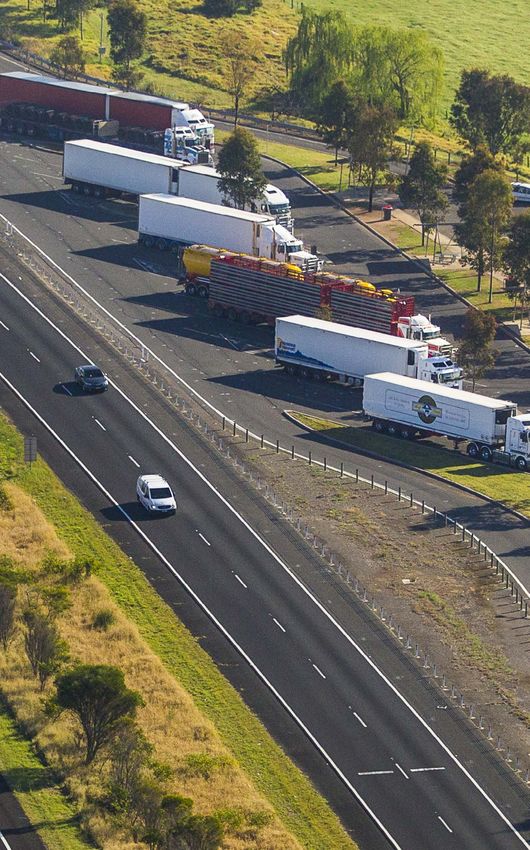
Minister’s
     foreword

     I am pleased to release the Road Safety Plan 2021            \\   Using the roads safely – preventing risky road
     that details the NSW Government’s commitment to                   behaviour, such as drink and drug driving.
     improving safety on our roads.
                                                                  \\   Building a safer community culture – working in
     The Plan is a priority for the Government to improve              partnership with local and state road authorities,
     road safety, which is why we set a State Priority Target          education providers, business and industry, vehicle
     to reduce road fatalities by 30 per cent by 2021 (from            manufacturers, community organisations and road
     2008–10 levels).                                                  safety advocates to build a safety culture.

     We have made progress in saving lives on NSW roads,          \\   New and proven vehicle technology – leveraging
     achieving the lowest road toll of 307 in 2014 – the               advances in technology to prevent crashes and
     lowest since records began in 1923. While we are                  minimise human error which contributes to around
     nowhere near the peak of 1,384 fatalities in 1978, the            94 per cent of crashes.
     road toll has been slowly increasing since 2015.
                                                                  \\   Building a safe future – ensuring that when we plan,
     In 2017, 392 people lost their lives on our roads,                develop, design, operate and maintain our roads,
     almost 70 per cent of these fatalities occurred on                safety is at its core.
     country roads. That’s 272 people dying in our regions.
     Country people are a third of the NSW population,            Building on the NSW Road Safety Strategy 2012–2021,
     yet consistently account for more than two thirds of         the Plan reprioritises our focus and delivers targeted
     deaths on our roads. In addition, we see over 12,000         initiatives to help us reduce the daily trauma on our
     total serious injuries every year as a result of crashes     roads. Importantly, the Plan will also reinforce strong
     on our roads.                                                partnerships between government, local councils,
                                                                  stakeholders and the community to bring about
     In developing the Plan, we engaged extensively with          real change.
     the NSW community as well as road safety experts –
     sharing evidence about what saves lives and reduces          As we strive towards the ultimate goal of zero deaths
     serious injuries. From this, we have identified issues       and serious injuries, the Road Safety Plan 2021 provides
     and trends that need to be tackled and there is strong       us with the next course of action for how we work
     community support for more action.                           together to save lives, reduce serious injuries and deliver
                                                                  safety as the standard we all live by on NSW roads.
     Our priority areas for action include:

     \\   Saving lives on country roads – improving road
          safety infrastructure, including targeting high-risk                           The Hon. Melinda Pavey MP
          roads and behaviours, as the fatality rate on country                          Minister for Roads,
          roads is four times the rate on metropolitan roads.                            Maritime and Freight
     \\   Safe urban places – addressing crashes in busy local
          areas, including pedestrian trauma which accounts
          for around 17 per cent of all deaths in NSW and
          9 per cent of serious injuries.

02    Road Safety Plan 2021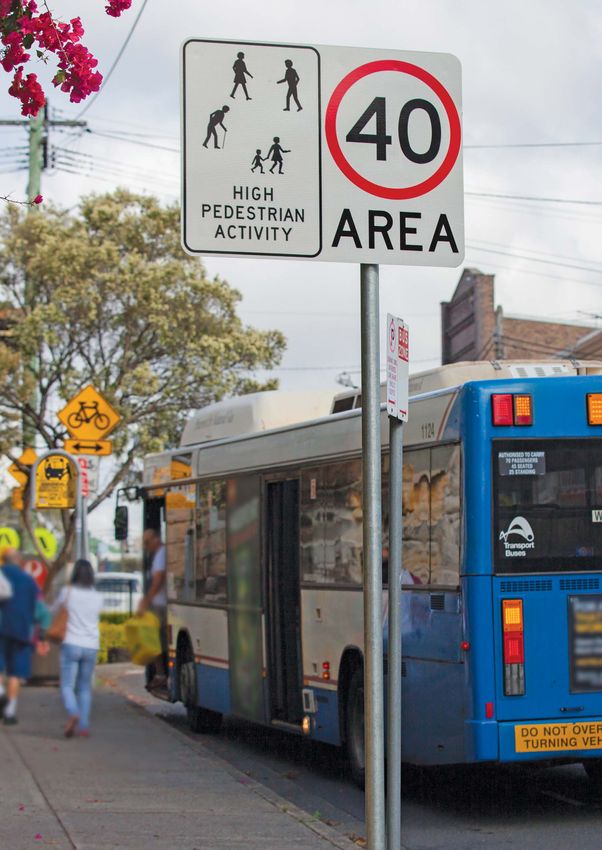
Someone is killed
or hospitalised every

 because of a crash
   on NSW roads

                        03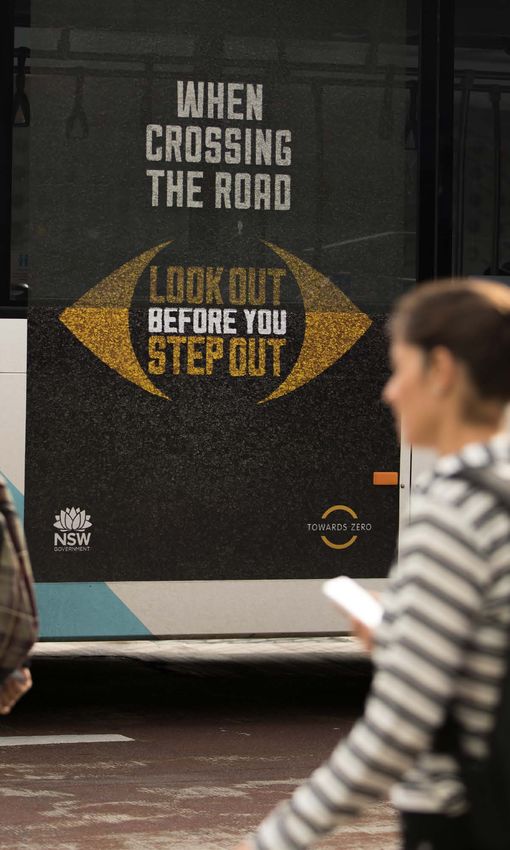
The Plan
     at a glance

     In NSW, we have been successful in reducing road trauma by taking co-ordinated
     action to improve the safety of roads and vehicles, set safer speeds and to ensure
     safer road user behaviour – but more can be done.

     In 2017, 392 people were killed, and more than           A plan for moving Towards Zero trauma
     12,000 suffered serious injuries – many with lifelong
     consequences for themselves and their families.          We are now halfway through implementation of the
                                                              NSW Road Safety Strategy 2012–2021, and this Plan
     The Road Safety Plan 2021 features targeted and          has been developed to set new priorities.
     proven initiatives that will help us to progress
     towards our road safety goals, addressing key            The Plan outlines how we will work towards the
     trends, behaviours and the types of crashes              State Priority Target of reducing fatalities by
     occurring on NSW roads.                                  30 per cent by 2021 (compared to average annual
                                                              fatalities over 2008–2010).
     If NSW had the same fatality rate as countries with
     the best road safety records such as Sweden or the       The Plan also aligns the Towards Zero vision with
     United Kingdom, the lives of more than 180 people        Future Transport 2056, which aims to have a NSW
     would have been saved in 2017.                           transport network with zero trauma by 2056.

     Clear and ambitious targets and the adoption of a        The Plan brings together everything we know that
     Safe Systems approach have helped NSW achieve            is proven to prevent and reduce the impact of
     reductions in the road toll.                             crashes and reflects the internationally recognised
                                                              Safe System approach to improving road safety.
     However more can be done. Enhanced road
     design, safer speeds, safer vehicle technology           It has been developed based on evidence and
     and equipment, robust laws, education and                expert advice from across Australia and countries
     enforcement work together to save lives.                 with the safest roads in the world.

     Everyone has a role to play. Road builders and           The Plan also takes on board feedback from
     managers, vehicle and technology designers,              across the community, gathered from forums and
     lawmakers, Police, educators, industry bodies and        online engagement.
     all road users need to collaborate.
                                                              Transport for NSW will report annually on the
                                                              progress of the priorities outlined in the Plan.

                                                                  STATE PRIORITY
                                                                     TARGET
                LIVES LOST IN 1970       LIVES LOST IN 2017                                  2056 VISION
                                                                LIVES LOST IN 2021

                   1310                     392                    287                          0
                                                                   OR FEWER

04    Road Safety Plan 2021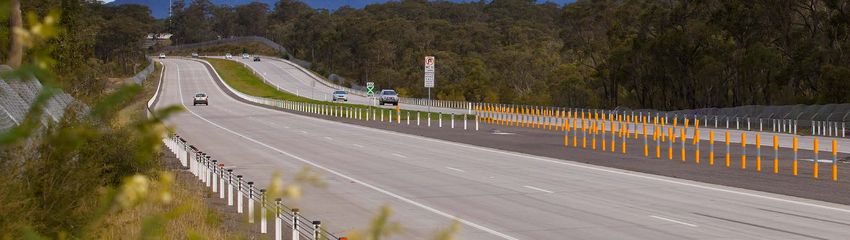
Taking action to save lives                               �   Implement legislative changes to allow
                                                              camera based technology to enforce mobile
Over the next five years, the NSW Government                  phone use offences, and further analyse the
will deliver across six priority areas, including:            role of distraction in the road toll.

�    Deliver a new Saving Lives on Country
     Roads program to address the challenge of            The NSW Government will also
     more than two thirds of fatalities occurring on      continue to:
     country roads, including:
                                                          �   Deliver the Safer Roads Program – annual
     –    Safety infrastructure upgrades targeting
                                                              improvements to road safety infrastructure
          high risk curves and key routes, including
                                                              across the network, including local roads.
          local roads
     –    Delivery of the first, targeted NSW country     �   Review and invest in road safety education
          roads public education campaign                     campaigns targeting key behavioural issues
                                                              and at-risk groups, including understanding of
     –    Partnering with local councils, community
                                                              and compliance with the Road Rules.
          groups and industry to support grassroots
          Towards Zero initiatives.                       �   Ensure mandatory curriculum based road
                                                              safety education from early childhood
\\   Tackle drink and drug driving behaviour
                                                              through schooling – ensuring every child in
     by strengthening penalties and enhancing
                                                              NSW develops an understanding of how to
     enforcement, including
                                                              use roads safely as they grow.
     ––   Increased penalties for driving under the
          influence                                       �   Work as a member of the Australasian
     ––   Swift, strong and certain penalties for lower       New Car Assessment Program (ANCAP)
          range drink driving and drug presence               to encourage the development, testing and
          first offenders                                     purchase of safer new and used vehicles.
     ––   Alcohol interlocks for mid-range offenders      �   Partner with the NSW Police to deliver the
     ––   Doubling mobile drug testing to 200,000             Enhanced Enforcement Program, which
          tests by 2020 and adding cocaine testing            targets and deters unsafe road use across
          to the regime.                                      the state.

�    Develop a new NSW Police enforcement                 �   Support the Local Government Road
     strategy for regional and metropolitan NSW               Safety Program and councils in their role as
     to target high risk behaviour.                           custodians of the vast local road network.

�    Increase safety for vulnerable road users by         �   Implement the Speed Camera Strategy,
     providing pedestrian crossings, refuges and              ensuring drivers and riders travel at safe
     traffic calming devices, as well as expanding            speeds across the network.
     40km/h zones in high pedestrian and local areas.
                                                          �   Develop young drivers through the
�    Work with the heavy vehicle industry to                  Graduated Licensing Scheme which has
     develop a new heavy vehicle strategy to                  seen the number of fatalities involving young
     improve operational safety and increase the              drivers halve since 2000.
     uptake of safety technology.
                                                          �   Provide high quality and enhanced fatal
�    Enhance NSW Government vehicle fleet                     and serious injury crash data and analysis
     policy to increase the number of vehicles on             made available to the public and road safety
     our roads that become part of the used car               delivery partners, and implement a robust
     market with lifesaving technologies, including           research program.
     autonomous emergency braking and other
     driver assist technologies.

                                                                                                               05
06 Road Safety Plan 2021
NSW’s road
       safety targets
 Ambitious but achievable trauma reduction targets
 help to guide our investment, and reflect the NSW
 Government’s commitment to make NSW roads the
                safest in the country.

                      2021
          Reduce road fatalities by at least
     30 per cent from 2008–2010 levels by 2021.
          This is our State Priority Target.

                      2026
New road safety targets will be set every 10 years, and
 reviewed every five years, to make sure we continue
to move Towards Zero fatalities and serious injuries on
                      our roads.

                      2056
 NSW has set an aspirational target of zero fatalities
    and serious injuries on our roads by 2056.

                                                          07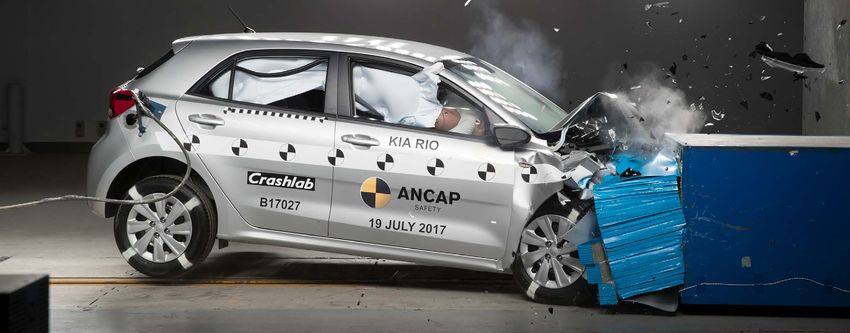
The road trauma
     challenge in NSW
     Each year, over two-thirds of fatalities in NSW occur on country roads

     Fatalities by urbanisation

         Metro                               Country         More than 70 per cent of
         33%                                    67%
                                                             people who die on country
                                                             roads are country locals

     Fatalities per 100,000                                  Fatalities by gender
     population (2017)
     The fatality rate in country NSW is around
     4 times the rate in metropolitan NSW                         Female                  Male
                                                                  29%                     71%
              Metro – 2.3
                                       Country – 10.3
                       All NSW – 5.0

     Behavioural factors in NSW fatalities
                                       Tired drivers    Drink              Seat belt   Illicit drugs
                 Speeding              and riders       driving            non-usage   present

                 42%                   18%              15%                12%         19%

     Serious injuries by urbanisation

         Metro                               Country         However, the majority of
         63%                                    37%
                                                             serious injuries happen in
                                                             metropolitan areas

08   Road Safety Plan 2021
Total serious injuries by year
14000 Unlike our long
Number of serious injuries
12000 term downward
10000
trend in fatalities,
8000
6000
the number of
4000 serious injuries
2000 per year is not
0
declining
2006
2007
2008
2009
2010
2011
2012
2013
2014
2015
2016
People who walk or ride a bicycle or motorcycle are vulnerable in
a crash as the unprotected body can only tolerate so much force
Fatalities by road user Total serious injuries by road user
Motorcyclist Bicycle rider Pedestrian Other
17% 2% 9% 5%
Pedestrian Driver Bicycle rider Driver
17% 47% 16% 35%
Passenger Motorcyclist Passenger
17% 21% 14%
And the NSW vehicle fleet continues to grow each year
In 2009 there were 4.5 million
registered vehicles on NSW roads.
Overall, light vehicle
registrations are
now growing at
2.6%
By 2017, this had grown by 2.4 per cent each
3.8%
21%
year, but some types
of vehicles are growing
at a faster rate. 5.0%
09The Safe System
saves lives
The Plan adopts the internationally \\ Roads, roadsides, travel speeds and vehicles
need to be designed to help avoid a crash or
recognised Safe System approach, reduce the impact of a crash if it happens.
which is a holistic and proven approach
\\ Road safety is a shared responsibility. We all
that acknowledges: need to make decisions with safety in mind,
from the design of our roads and vehicles,
\\ The human body has physical limits to investments, laws and education, to each road
withstanding the impact of a crash. user acting safely every day.
\\ People sometimes make mistakes – but this Since adopting a Safe Systems approach in 1997,
shouldn’t cost anyone their life. Sweden has reduced their fatality rate by more
than half.
Sa
fe
ds
a
sp
ro
ee
fe
ds
Sa
Towards Zero
death and serious
injury through a
safe system
Sa
fe
le
ve
op
ic
pe
h
le
s fe
Sa
10 Road Safety Plan 2021No body is built
for speed
Safe vehicles and equipment Our bodies are not designed to
Innovation in vehicle technology, design and withstand the forces of a crash. And the
equipment can help avoid a crash or reduce bodies of children and older people are
the impact when a crash occurs. This includes
even more fragile.
features designed into vehicles, such as
improved braking systems, lane keep assist
and airbags as well as equipment like helmets, If you’re involved in a crash, vehicle speeds, the
child restraints and motorcycle rider clothing. safety features of the road and your vehicle will
determine whether you survive. If you survive
Continuing to support smarter safer vehicle a crash, the impact speed will determine how
design, increasing the number of vehicles seriously you are hurt.
with lifesaving technology and increasing
the number of people that choose the safest The same principle – increased impact speed
vehicles, is key. means increased consequences – applies to all
crashes. At the same time, vehicle safety features,
safety equipment and road design features will help
minimise the impact of a crash or contribute to the
Safe roads and speeds
crash being avoided.
Country roads need the road design features
How fast you travel is within the control of every
that allow people in regional NSW to move
driver and rider.
about safely, including protection from run off
road and head on crashes.
Urban streets move people and goods For every extra 1km/h of speed:
around densely populated areas, so roads
need to be designed for the separation of
vulnerable road users and with speeds that The stopping distance increases
are safe.
More time is needed to react and avoid a crash
Safe people The impact of a crash is more severe
From the day we leave hospital in a safety
The likelihood of serious injury or death increases
capsule through to school, adulthood and
older age, we need to have the knowledge,
skills, attitudes and information to make safe
choices on our roads.
11Sa
fe
ds
PRIORITY AREA
a
sp
ro
ee
fe
ds
Saving lives
Sa
Towards Zero
death and serious
injury through a
on country roads
safe system
Sa
fe
le
ve
op
ic
pe
h
le
s fe
Sa
Reducing fatalities on country roads is What we know
one of our biggest challenges and a key Infrastructure safety upgrades on country roads
focus of the Plan. save lives. There are a range of proven, cost
effective options available that can build safety into
country roads.
The fatality rate on country roads is four times that
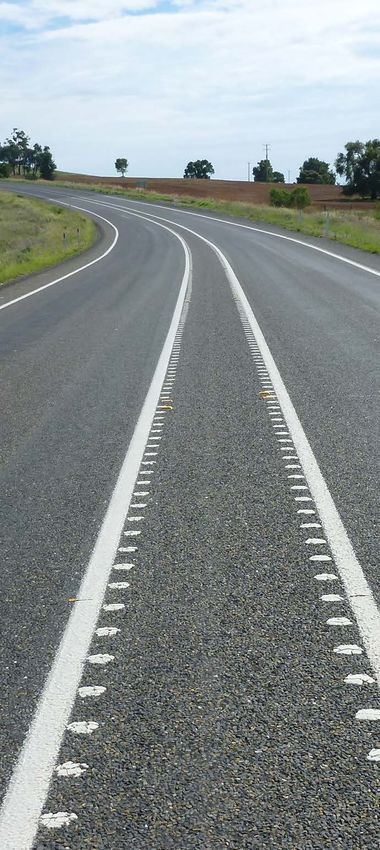
of metropolitan roads. In 2017, 272 people lost their Audio tactile (rumble) line marking and wide centre
lives on a country road. This trauma affects local lines reduce crashes like running off road by up to
country communities and families. On average, over 35 per cent and can be implemented quickly and
70 per cent of the lives lost on country roads are cost effectively on long stretches of our highest
locals, country residents. risk roads.
Roads are crucial to country life, linking people Flexible barriers effectively separate oncoming
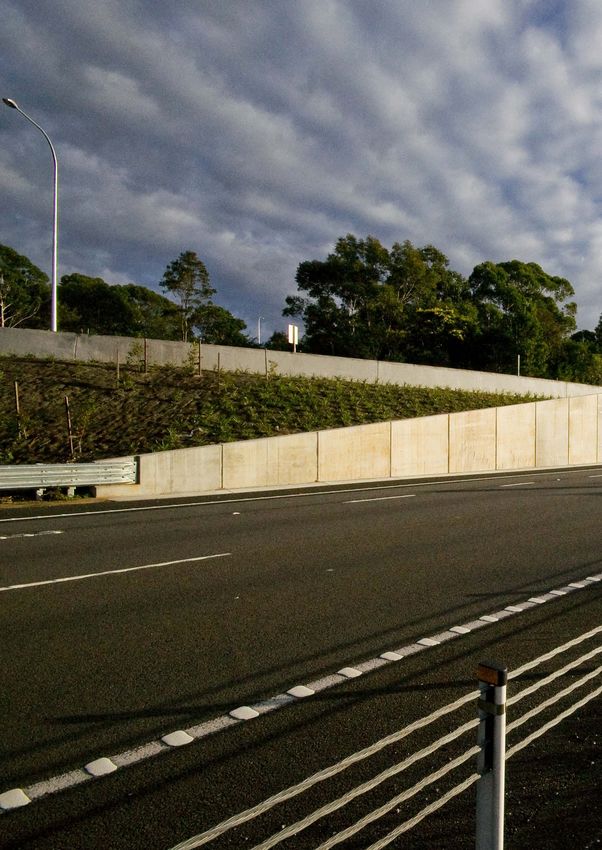
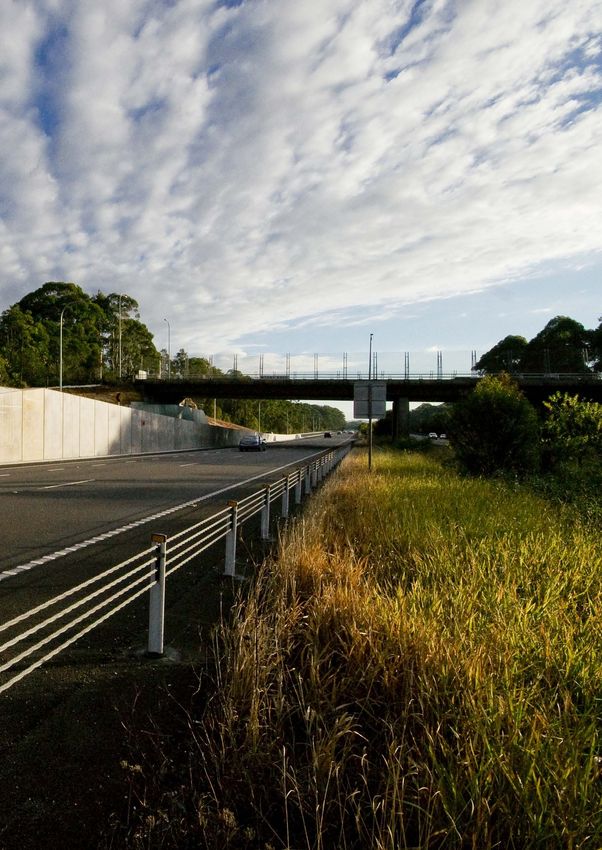
and goods to regional and economic centres traffic and protect vehicles from roadside hazards.
and connecting NSW to the rest of Australia. These barriers can reduce key crash types on
Fewer transport options means people living country roads by up to 85 per cent, and are
outside of major centres rely on the vast country especially important as a safety solution on our key
road network. transport corridors.
But these roads can lack the safety features that In countries with the safest roads, the road design
help prevent a crash or protect road users if a crash and safety features reflect the volume of traffic and
occurs, especially at higher speed. the risks, as well as the role that the road plays for
the community and economy. Providing passing
Almost 8 in 10 fatalities on country roads that have
lanes, coupled with wide centre lines, audio tactile
a speed limit of 100km/h or higher involve the
line marking or safety barrier systems (such as 2+1
vehicle crossing the centre line (54 per cent) or
road design) can reduce the risk of run off road and
running off the road to the left (23 per cent). Many
overtaking crashes and facilitate safe movement of
of these crashes can be prevented, or the harm
goods and people for the NSW economy.
reduced, with simple road infrastructure upgrades.
There is strong community support for these types
At the same time as making the roads safer, we
of treatments, which will form the basis of our
need people driving safer vehicles, continued
Saving Lives on Country Roads Program.
education and communications, all underpinned
by enforcement measures, including highly
visible policing.
More than two thirds of
fatalities are on country
roads – that’s 250 lives
lost each year
12 Road Safety Plan 2021“I wasn’t wearing a seatbelt when the car crashed.
Not only did my life change forever, but so did
the lives of my parents, family and friends. I’m in a
wheelchair for the rest of my life.”
Sam Bailey, Crash survivor
What we will do
To address trauma on country roads, the NSW \\ Enhancing planning and design of major road
Government will: projects and upgrades with safety at the core.
This will increase the proportion of travel on
\\ Implement a new Saving Lives on Country roads with proven safety features.
Roads Program to install and upgrade safety
features on country roads and reduce run off \\ Identifying high risk roads and, in consultation
road crashes, crashes on curves and head with the community, review travel speeds
on crashes. This program will also coordinate where there are limited road safety features
infrastructure with education, enforcement protecting people if there is a crash.
and engagement, and includes:
\\ Continuing to deliver the Safer Roads
–– Addressing high risk curves through Program to improve road safety on country
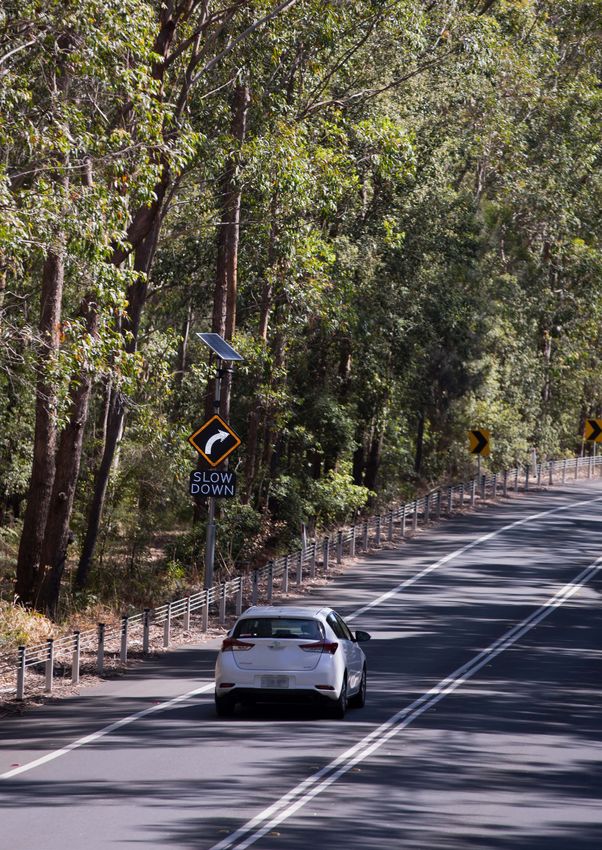
improved curve signage, widened roads, including works to upgrade features on
shoulders, vehicle activated signage and regional motorcycling routes.
safety barriers
These targeted, new or enhanced initiatives
–– Reducing crash types commonly related will be integrated with complementary actions
to lane departure and driver fatigue by throughout the Plan and together will deliver a
installing wide centre lines, flexible barriers, safer road system in country NSW.
audio tactile (rumble) line marking and
sealed shoulders This includes measures to increase the uptake
of safe vehicles by country residents, enhance
–– A targeted Saving Lives on Country Roads enforcement to shift unsafe behaviour, deliver
public education campaign, the first of its targeted public education and engage country
kind for NSW communities, councils and businesses.
–– Partnerships with local councils,
community groups and industry to support
grassroots Towards Zero initiatives
–– Ongoing targeted Police enforcement to
reduce risky behaviour common in crashes
on country roads.
13Sa
fe
ds
PRIORITY AREA
a
sp
ro
ee
fe
ds
Liveable and safe
Sa
Towards Zero
death and serious
injury through a
urban communities
safe system
Sa
fe
le
ve
op
ic
pe
h
le
s fe
Sa
NSW is a booming state and with Urban intersection upgrades such as installing
right arrows can cut dangerous turning crashes
more economic activity comes more
by up to 80 per cent, and simple signal changes
movement on our roads. that give more time or priority to cross protect
people crossing.
The global trend towards more on-demand
The community recognises the importance of
services and a delivery culture is making our urban
these types of initiatives, with strong support
environments busier. Increased numbers of people
for slowing traffic in high pedestrian and bicycle
on local roads, including more trucks, pedestrians
rider areas, while providing separation through
and bicycle riders, means we have to design roads
infrastructure treatments.
to be shared and safe for everyone.
Pedestrians make up 17 per cent of NSW fatalities
and 9 per cent of all serious injuries, while bicycle
riders make up 16 per cent of all serious injuries.
Most of these casualties occur on our urban streets.
The challenge is to keep our urban places liveable
and safe. Our vibrant streets must allow people to
move about safely as demand increases.
Roads around busy areas such as shopping centres,
entertainment and sporting precincts, hospitals,
education facilities and transport interchanges
must be safe for the movement of people, goods
“Our little boy, Tom, died on a
and services. local street as the result of road
What we know trauma. We started the Little Blue
We know that smarter road and intersection design, Dinosaur Foundation to increase
combined with lowering the speed limit in areas of child pedestrian safety awareness
high pedestrian activity, results in safety outcomes.
and to prevent these kinds of
An evaluation of 40km/h high pedestrian activity
areas in NSW found there was a 33 per cent tragedies happening to other
reduction in crashes causing serious injuries and
children and their families.”
deaths between 2005 and 2015. These zones include
busy shopping precincts and neighbourhoods. The
Michelle McLaughlin, Founder
benefits are not only for pedestrians, but for traffic
Little Blue Dinosaur Foundation
efficiency and all road users.
14 Road Safety Plan 2021Each year, 50 people
What we will do
To improve the safety of people in our urban
are killed and
thousands seriously
places, the NSW Government will:
\\ Install traffic calming, pedestrian refuges
and crossings in busy urban places across
NSW, to improve pedestrian and bicycle
injured on our
rider safety, and reduce casualty crashes.
neighbourhood streets
\\ Partner with local government to expand
40km/h in high pedestrian activity
and local areas to reduce crashes and
protect pedestrians.
\\ Explore options to accelerate safety
upgrades at intersections through the
Safer Roads Program, including:
–– Works that deliver safer and more
controlled vehicle turning to reduce the
risk of dangerous side impact crashes,
especially in locations with older and
vulnerable road users
–– An expanded pedestrian protection
(green on green removal) program and
ongoing review of new technology and
signal changes for safer pedestrian and
bicycle rider movement
–– Raised intersection platforms, profile
treatments, and innovative roundabout
designs at more urban intersections to
reduce serious injuries.
\\ Maximise safety integration in bicycle
network programs to facilitate safer
movement, provide separation from other
traffic, where appropriate, and manage
vehicle speeds.
These initiatives will be integrated with
complementary actions outlined in the Plan,
including communications and enhancements
to road safety content in driver licensing to
increase safe walking, cycling and vehicle
interaction, and enforcement of unsafe road
use in urban areas.
15Sa
fe
ds
PRIORITY AREA
a
sp
ro
ee
fe
ds
Using the
Sa
Towards Zero
death and serious
injury through a
roads safely
safe system
Sa
fe
le
ve
op
ic
pe
h
le
s fe
Sa
Our community expects everyone to We will continue our education and
communications campaigns to underpin safer road
take responsibility for sharing the road
use, and continue to tailor messaging to address
safely with others. new or emerging challenges as well as review and
monitor the effectiveness of our campaigns.
All road users are supported by robust licensing
What we know schemes. Young driver deaths have reduced
by 50 per cent since the Graduated Licensing
In NSW, we have had great success in informing Scheme was introduced in 2000. Ongoing effective
and motivating people to use the roads safely, and enforcement and penalties complement and
this has helped reduce road trauma. support education approaches.
In 1980, more than 380 people were killed in alcohol There is strong community support for action that
related crashes in NSW. We have tackled this balances education and enforcement. This includes
challenge by combining education, random breath high visibility policing and speed camera use,
testing, a zero alcohol limit for novice drivers, alcohol interlock devices and ongoing enforcement
tough penalties and improvements in vehicle and programs testing for alcohol and drugs.
road design – a successful Safe System approach.
In 2016, 59 people were killed in alcohol related
crashes, with 85 per cent of these on country roads
– a drastic reduction, but more can be done.
The NSW Government takes a whole of life
approach to road safety education that supports
safe road use – from early childhood education to
first becoming licensed to choosing a child restraint
and even retiring from driving.
“It’s hard for me to see people
texting or using their phone
while driving. That’s what my
daughter Brooke was doing when
she crashed. We need to get
the message out there that this
costs lives.”
Vicki Richardson, Founder
Don’t Txt n Drive Foundation
16 Road Safety Plan 2021What we will do \\ Work in collaboration with the NSW
Sentencing Council to review sentencing of
To encourage people to use the roads more high risk, repeat traffic offenders who may
safely, the NSW Government will: pose an ongoing risk to the community.
� Develop a new NSW Police enforcement \\ Investigate opportunities to use in-car
strategy that will maximise the benefit of dashboard camera footage to report
enforcement, reduce deaths on country roads illegal behaviour.
and serious injuries in urban areas, and ensure
safe heavy vehicle movements. \\ Complete a review of road safety public
campaigns to ensure messaging is effective,
� Tackle drink and drug driving with stronger engaging and targeted.
penalties and more enforcement, including:
\\ Implement changes to the law to allow
–– Increasing penalties for driving under the camera based detection of mobile
influence of a drug, and powers to take phone offences.
offenders off the road after an offence
� Expand the heavy vehicle average speed
–– Doubling mobile drug testing to 200,000 camera program to metropolitan areas
tests by the end of 2020 to address risks associated with greater
truck movements.
–– Including cocaine testing in roadside
drug enforcement � Review the penalty framework for speeding
offences, including demerit points and fine
–– Ensuring tough penalties, including
levels, the potential to apply intelligent speed
licence suspension notices and fines, are
technology to repeat offenders, and consider
consistently and swiftly applied to all lower
options to test for and reduce driving tired.
range drink driving and drug presence
first offenders \\ Continue to refine the current initiatives that
inform and motivate road users, including:
–– Extending the requirement for mandatory
alcohol interlocks to mid-range offenders –– Communications about new and
misunderstood road rules, to address
–– Exploring the option for vehicle sanctions
the different road safety issues in
at the roadside for high risk offenders
country and urban areas and to reinforce
–– Extending the availability and requirement enforcement activity.
to complete a proven impaired driving
–– Ongoing review of options to optimise
education course to more offenders.
the Road Rules, regulations and
\\ Identify appropriate restrictions and safety legislation.
safeguards to reduce the risk of driving while
–– The enhanced Graduated Licensing
impaired by prescription drugs, balanced with
Scheme for drivers and the Safer
the needs of people taking medication.
Drivers Course.
17Sa
fe
ds
PRIORITY AREA
a
sp
ro
ee
fe
ds
Building a safer
Sa
Towards Zero
death and serious
injury through a
community culture
safe system
Sa
fe
le
ve
op
ic
pe
h
le
s fe
Sa
Road trauma touches many people and What we know
can have lifelong consequences. There are already organisations in the community
that are actively bringing change, such as
We need to bring people with a passion and employers who support the safety of their workers
commitment for road safety together and support through safer vehicles and workplace practices.
them to take action to improve road safety from the
Similarly, partnering with local councils to further
grassroots and up.
embed the safe system approach into planning and
The Plan will be underpinned by a strong and everyday operations will help them work Towards
growing partnership between NSW Government Zero in their own communities. Highlighting road
agencies, local and state road authorities, safety across local communities will help bring
education providers, business and industry, vehicle awareness and support for action.
manufacturers, community organisations and road
The aim is for everyone to adopt ways of making
safety advocates.
every journey a safe journey.
By focusing on road safety as a joint responsibility,
we can work in partnership to build a safety
culture and accelerate innovative solutions to move
Towards Zero.
“A driver licence means you have the
freedom to move around and assist
your community. You have more
chance of getting a job, can attend
events and help your elders. I help my
mob get their licence and keep safe,
it is a very rewarding job”.
Uncle Bucky Robinson,
ACE College Senior Aboriginal Driving Instructor
18 Road Safety Plan 2021Around 1 in 3 NSW road users
report that they, or someone
close to them, have been
involved in a serious crash
What we will do \\ Develop integrated communications about
licensing, safer transport and health factors
To improve safety through partnerships, the and driving for older road users, their family/
NSW Government will: carers and the medical network.
\\ Develop a new heavy vehicle safety strategy \\ Develop new platforms and enhanced road
and partnerships with the heavy vehicle safety content in driver testing, including safe
industry, including champions of change, to interaction with heavy vehicles, motorcyclists,
improve safety of the freight task across NSW. bicycle riders and pedestrians, and support
with new digital education for young drivers
\\ Continue to implement the Motorcycle
and their parents/carers.
Safety Action Plan 2017–2019 and review the
motorcycle Graduated Licensing Scheme. \\ Update early childhood and school
road safety education resources to
\\ Enhance communications, initiatives and tools
embrace technology, social media and
to help employers and industry embed a road
emerging platforms and reflect the latest
safety culture – especially for work related
education approaches.
journeys and high risk shift workers.
\\ Develop a new partnership framework for
\\ Increase access to licensing, safe and legal
road safety education advocates, community
driving and improve social outcomes by
and commercial road safety education
expanding support and mentoring programs
providers, including by reviewing driver
for disadvantaged people.
training courses offered in NSW.
\\ Develop and implement an Aboriginal
\\ Continue to deliver and refine the key
community engagement and capacity
programs which inform and motivate road
building program to support road safety in
users, including:
Aboriginal communities.
–– Mandatory road safety education for
\\ Identify the road safety needs and priorities
every child in NSW and safety around
for culturally and linguistically diverse road
schools initiatives
users and new residents.
–– Local Government Road Safety Program –
\\ Work with fleet owners to increase proactive
delivering road safety in local communities
use of alcohol interlocks in fleet vehicles,
across the state through local council road
and other safety features such as automated
safety officers
emergency braking and lane assist.
–– Community Road Safety Grants – exploring
\\ Develop a Towards Zero community
how communities can further encourage
partnership with local government,
grassroots action.
institutions and business to improve local road
safety across NSW.
19Sa
fe
ds
PRIORITY AREA
a
sp
ro
ee
fe
ds
New and proven
Sa
Towards Zero
death and serious
injury through a
vehicle technology
safe system
Sa
fe
le
ve
op
ic
pe
h
le
s fe
Sa
We all know that the design of your car Fleet buyers, including Government, also play a
role in ensuring the safety of the used car market
makes a huge difference to your safety
by purchasing and on-selling vehicles with more
in a crash. safety technologies.
Research and innovation in vehicle safety is moving
Vehicle safety technologies that help prevent us
at a rapid pace, so it is important that the NSW
from crashing are becoming more widely available.
Government works with the vehicle manufacturing
While fully automated vehicles may seem a long
industry to lead and support the introduction of
way from reality, automated technology is already
vehicles with new safety technologies. The road
in many of the new vehicles on the market.
environment also needs to support emerging
safety features, like lane keep assist, as vehicle
automation increases.
What we know
Technology can also help improve safety
Existing technologies, such as lane keep assist, equipment, such as child restraints, protective
auto emergency braking and side curtain airbags motorcycle clothing, and helmets. The opportunity
can reduce the risk of a crash, or the severity provided by proven and emerging technology in
of an injury if a crash cannot be avoided. Auto the design of safety equipment and vehicles – cars,
emergency braking has been found to reduce light trucks, heavy vehicles and motorcycles – is
rear end crashes by 38 per cent. However, the therefore a key element of a Safe System.
deployment of these technologies is mostly in
newer vehicles, which is reflected in crash trends.
Only 38 per cent of cars and other light vehicles on
NSW roads are Australasian New Car Assessment
Program (ANCAP) 5-star safety rated.
To accelerate consumer uptake of the safest
vehicles, the NSW Government is a founding
member of ANCAP, which conducts independent
testing of safety features in vehicles to promote
safer choices for new cars. Often those who most
need the safest vehicles, such as less experienced “I hit a cow on a high speed road at
young drivers or more physically frail older drivers,
night. If I didn’t have airbags and a
drive the least safe vehicles.
newer model car, I would not be here.
ANCAP has been successful in providing a market
based motivation to supply the safest cars available I had just dropped off my two year old
for people to purchase. Used Car Safety Ratings
are also supported by the NSW Government to
grandchild, I’m so grateful she wasn’t
help people in the market for a used car to buy the in the car with me.”
safest car they can afford.
Peter Smith, Crash survivor
20 Road Safety Plan 2021Of those killed in cars on our roads,
around 40 per cent were in cars
15 years old or older compared to around
15 per cent in cars less than 5 years old
What we will do \\ Adopt the highest safety standards in
connected and automated vehicle trials
To improve the safety provided by new and and early uptake, and work to deliver
proven technology, the NSW Government will: supporting road and regulatory conditions for
new technology.
\\ Increase the uptake of new safety technology
in the fleet by leading the way: \\ Work with the Australian Government to fast-
track the adoption of new technologies into
–– Update our policies so as many NSW
vehicle standards, including for commercial
Government fleet vehicles as possible have
and heavy vehicles.
the latest and proven safety technologies,
including auto emergency braking, other \\ Continue to deliver and refine the current
driver assist technology and 5-star rated programs improving vehicle and equipment
commercial vehicles, where available safety through:
–– Explore options to ensure Government –– Ongoing commitment to ANCAP, including
contractor vehicles meet the testing for pedestrian safety, and Used Car
same standard. Safety Ratings
\\ Increase uptake of safer new and used –– Continued research and testing of child
vehicles, particularly by younger and restraints, helmets, crash avoidance
older road users, country residents technology on all types of vehicles and
and fleet managers through new other safety equipment
public communications.
–– Testing motorcycle protective clothing and
\\ Investigate with the insurance industry promotion of the safest clothing options
opportunities to reduce premiums for
customers who adopt safer vehicle –– Enhancing post-crash response initiatives,
technology and telematics. including automated crash notification
(e-alert) systems
\\ Partner with the heavy vehicle industry to:
–– Supporting the Australian Naturalistic
–– Increase safety features in the fleet, Driving Study, Cooperative Intelligent
such as blind spot monitoring and under Transport Initiative and FleetCat initiative
run protection which enable us to build research
understanding and trial fatigue and
–– Enhance integration of fleet safety into
distraction monitoring and crash avoidance
heavy vehicle access policy.
technologies.
21Sa
fe
ds
PRIORITY AREA
a
sp
ro
ee
fe
ds
Sa
Towards Zero
death and serious
injury through a
safe system
Building a
safe future
Sa
fe
le
ve
op
ic
pe
h
le
s fe
Sa
As the NSW population, road network Star ratings are based on road design elements
known to influence the likelihood of a crash and
and trips continue to grow, we have
its severity such as lane and shoulder width, road
the opportunity to make sure new and curvature and the presence of safety barriers.
upgraded roads are safe by designing in Roads are assigned a score from one star (least
safe) to five stars (most safe).
the latest proven safety features.
The rating system can help plan future road
How we plan, develop, design, operate and maintain improvements, and ensure the roads that
roads is fundamental to ending road trauma. more people use have the right safety features
Smarter and integrated planning can prevent and systematically reduce the overall risk of
crashes from occurring. If a mistake happens, better road trauma.
road design can mean that the impact of the crash
Looking to the future, it will be important that
doesn’t result in death or serious injury.
we ensure road network infrastructure is ready
and able to support new technologies that allow
vehicles and roads to communicate for improved
What we know safety (for example, communicating the speed limit,
or incidents ahead to road users).
By making sure we consider how customers
interact with our road network, we can determine
the safety features a road needs.
For a safe system, we need to understand and
reduce risks across the network, not just focus on
black spots. Star rating road assessment involves
reviewing the safety features of a road and the way
it is used to provide a ‘star’ score.
22 Road Safety Plan 2021Upgrading a road from
What we will do
To improve the safety of the network, the
a 2 star to 3 star safety
NSW Government will:
rating can reduce
\\ Set road safety targets to drive the
investment strategy for the state network, fatal and serious
including targets for the proportion of
travel on four and five star roads, and injury crash costs by
the proportion of the road network with
safety features, including median and
roadside barriers.
around 60 per cent
\\ Enhance the core safety feature
requirements for road design and road
network corridor planning for different
road types (including Smart Motorways)
based on the road function, its star
rating and the vehicle mix – including
the emerging needs of connected and
automated vehicles.
\\ Review and identify enhancements to
road maintenance programs to better
include low cost safety features, such as
enhanced line marking, wide medians,
and audio tactile (rumble) line marking in
ongoing programs.
\\ Test and implement new technological
solutions to better manage and report on
road safety infrastructure and options to
improve maintenance.
\\ Increase education and training on the
Safe System approach and road safety
requirements for state and local road
authorities who are responsible for day-
to-day management and maintenance
of roads.
\\ Continue to trial and research the
latest infrastructure innovations,
such as new barrier, signage and
connected infrastructure technology, in
NSW conditions.
\\ Review international safety systems and
standards that help road authorities and
other organisations take a robust, safe
system approach to road safety.
23A strong What we will do
evidence base To support the success of the Plan and
delivery of initiatives, the NSW Government
will continue to have an evolving and robust
research program that includes:
NSW has some of the most extensive and high
\\ Research into connected and emerging
quality information on road crashes in the world.
vehicle and infrastructure technology,
This has been achieved through strong partnerships
telematics and other emerging
between agencies and means we now have a
vehicle applications.
clearer understanding of the true extent of serious
injuries than ever before. \\ Behavioural and policy reform research
to support and inform priority initiatives
Since the release of the NSW Road Safety Strategy
and education. Areas include, but are
2012–2021, we have enhanced our dataset to
not limited to, drink and drug driving,
include the incidence and detail of serious injuries
driver distraction and mobile phone use,
on NSW roads, a previously hidden toll affecting
speeding, fatigue, and workplace driving.
over 12,000 people each year.
This quality data helps us understand and better \\ Trials of new and promising road and
respond to what is causing road trauma, so it roadside safety products, such as
is important that we continue to enhance data barrier technology and signs, coupled
collection and supporting systems to increase with reviews of new and innovative
our understanding. road design approaches and safety
programs internationally.
Given the importance of this information, we make
it available to road safety practitioners, delivery \\ Program evaluation research to improve
partners and the community. how we implement programs, ensuring
they are delivering expected outcomes.
Ensuring we have a strong research agenda will
see that road safety professionals have detailed \\ Safe system analysis of fatalities and
understanding of lifesaving vehicle safety features serious injuries to help us understand all
and equipment, innovative road design and the reasons why crashes have occurred
roadside safety features and the motivations behind and how our systems can prevent these.
unsafe driving behaviour. We need this valuable
\\ Enhance data collection, information
insight to overlay with our policies and programs to
systems and safety performance indicators
make sure they are saving lives.
and continue to make information
available, including to local councils,
research partners and the community.
24 Road Safety Plan 2021The Road Safety Plan 2021 was
developed with our key partners
and the community
Achieving our aspirational goal of moving \\ Consultation with local council representatives,
Towards Zero trauma will require ongoing, whole and the community through a series of
of government collaboration and support and community forums across NSW.
action from businesses, road safety advocates
and every member of the community. That’s why \\ Release of the draft Plan for comment in
development of the Plan involved: conjunction with Future Transport.
\\ Ongoing consultation with the NSW \\ Workshop with key Aboriginal stakeholders to
Government’s Road Safety Advisory Council. identify issues and culturally appropriate actions.
\\ Review of best practice to identify key initiatives
in partnership with road safety researchers,
experts and practitioners.
We also surveyed over 2,800 people asking them which measures they felt were important to achieving our
goal and vision. Support for initiatives included:
Flexible road barriers (90%). Slowing traffic in high
Noise/vibration strips along pedestrian and
the edge of the road (87%). bicycle rider areas (87%).
Sa
Safer turning at fe Police enforcement
ds
intersections (87%). of speed limits (85%).
a
sp
ro
ee
fe
Bicycle paths and separated Red-light speed
ds
Sa
bicycle lanes (85%). cameras (76%).
Towards Zero
death and serious
injury through a
safe system
Licensing programs for
Sa
Auto Emergency young people (90%).
fe
le
Braking (86%).
ve
op
ic Road safety education of
pe
h
le
Fatigue alarms/devices (86%). s e
S af children and young people
Under-run barriers on in school (90%).
trucks or buses (86%). Alcohol and drug testing (90%).
Lane Departure Warning (84%). Alcohol interlock devices for
drink driving offenders (84%).
In total, more than 4,000 people helped to develop the Plan,
and a further 16,000 were engaged online
25The Road Safety Plan 2021 builds on
what has already been delivered through
the Community Road Safety Fund
Since the establishment of the Safer Roads Program
Community Road Safety Fund in 2013, The Safer Roads Program is a statewide targeted
the NSW Government has delivered infrastructure improvement program that delivers
programs that are saving lives and projects targeting a variety of road safety issues
such as blackspots and dangerous intersections.
preventing serious injuries. A snapshot The 10 year program commenced in 2014, with
of these programs include: $70 million on average invested in road safety
upgrades each year. The 2017–2018 program
will see 200 projects funded, of which almost
Graduated Licensing Scheme reforms
70 per cent are in regional areas.
The Graduated Licensing Scheme (GLS) prepares
New and used car safety ratings and
new drivers to be safe and low risk from L, P1 and
P2 licence through to a full licence. Recent changes vehicle research
have been implemented to the GLS in efforts to
continue improving and making our novice drivers The NSW Government has partnered with other
safer. The changes are complemented by the Safer states and road safety advocates to deliver the
Drivers Course which assists learner drivers develop ANCAP and the Used Car Safety Ratings program to
low risk driving practices through a combination of test new vehicles, promote safer vehicle purchases
classroom teaching and practical on-road coaching. and rate the safety performance of used cars.
Over 80,000 young people have completed Innovation is supported by the NSW Government’s
this course. world-class Crashlab, which completes research
and commercial testing of vehicles and safety
Public education campaigns
equipment and underpins programs to support
the purchase of safer child restraints and
Road safety public awareness campaigns have
motorcycle helmets.
resulted in changed attitudes toward road safety
issues and improved safety behaviour. Campaigns
Flashing lights at schools
during 2016–2017 included ‘Look Out Before You
Step Out’, ‘Mobile Drug Testing’, ‘Get Your Hand Every school in NSW now has at least one set of
Off It’, ‘They’re Counting on You’, ‘Plan B’, ‘Don’t school zone flashing lights. Additional sets of school
Trust Your Tired Self’, ‘Road Rules Awareness zone flashing lights have been installed at school
Week’, ‘Think Twice’, ‘Ride to Live’, ‘Be Bus Aware’ zones with multiple busy entrances. Over 6,000
and ‘Towards Zero’. In December 2017, two new flashing lights have been installed since March 2011.
campaigns ‘Saving Lives on Country Roads’ and
‘Stop it or cop it’ were launched.
26 Road Safety Plan 2021Road safety education for children and Mandatory Alcohol Interlock Program
young people
Motorists convicted of serious or repeat drink
The Road Safety Education Program provides driving offences since February 2015 are required
educational resources and professional to participate in the Mandatory Alcohol Interlock
development for school teachers and early Program. At December 2016, more than 7,516
childhood educators throughout NSW. As part interlocks had been ordered by the courts.
of the formal school curriculum, road safety is
supported by quality education resources, including Road safety delivery through partnerships
Safety Town, a website for primary school students,
Delivery of road safety initiatives by partners
teachers and families, which has more than
and stakeholders is critical to reducing the road
50,000 users.
toll, including grassroots projects across local
Enhanced police and speed camera enforcement communities. This includes our Local Government
Road Safety Program, where 77 officers work
NSW Police are funded annually to provide across local councils to develop and deliver
additional on-road policing in high risk periods and targeted programs in their communities.
areas with trauma trends and to deliver roadside
Local initiatives are also supported through
drug testing.
Community Road Safety Grants, with 76 local
Speed cameras are in place to support the work of projects with a total value of over $880,000 funded
NSW Police and include fixed, mobile and red-light over three years since 2015–16.
speed cameras. Consecutive annual performance
reviews have found that speed cameras save lives
and prevent injuries. For example, the 2016 annual
review found that at fixed speed camera locations,
there had been a 92 per cent reduction in fatalities.
Towards Zero Strategy
The Towards Zero Strategy commenced in May
2016 with a campaign highlighting the human
element of the road toll, the role we must all play
and that no death is acceptable which is why we are
working Toward Zero. The campaign is supported
by a range of targeted road safety actions to help
drive down crashes, fatalities and serious injuries.
27Research and
sources
Some of the key references used in the Larsson, M., Candappa, N. and Corben, B. Flexible
barriers systems along high-speed roads: A
development of this Plan include: lifesaving opportunity. Monash University Accident
Research Centre, report no. 210, 2003.
Budd, L., Scully, M., Newstead, S.V. and Watson, L.
The potential crash and injury reduction benefits of Lie, A. et al. The effectiveness of electronic stability
safer vehicle choices for older drivers in Australia control (ESC) in reducing real life crashes and injuries.
and New Zealand. Monash University Accident Traffic Injury Prevention, 2006, 7(1): pp. 38-43.
Research Centre, report no. 315, 2012. Norstrom, T. and Laurell, H. Effects of the lowering
Bureau of Infrastructure, Transport and Regional of the legal BAC Iimit in Sweden. Proceedings of
Economics (BITRE). Evaluation of the National the International Conference on Alcohol, Drugs and
Blackspot Program Volume 1, 2012. Traffic Safety, 1997.
Elvik, R. Effects on road safety of converting Soole, D.W., Watson, B.C. and Fleiter, J.J. Effects of
intersections to roundabouts: review of evidence average speed enforcement on speed compliance
from non-US studies. Transportation Research and crashes: A review of the literature. Accident
Record: Journal of the Transportation Research Analysis & Prevention, 2013, 54: pp. 46-56.
Board, 2003, 1847: pp. 1-10. TfNSW Centre for Road Safety. Evaluation of 40
Fildes, B. N., Langford, J. W., Andrea, D. J. and km/h speed limits. Evaluation report prepared by
Scully, J. E. Balance between harm reduction and Martin Small Consulting for Transport for NSW, 2017.
mobility in setting speed limits: A feasibility study. TfNSW Centre for Road Safety. Review of Crash
AP-R272/05, Austroads, Sydney, 2005. Reduction Factors – Research Report, 2015.
Fildes, B., Newstead, S., Rizzi, M. et al. Evaluation of TfNSW Centre for Road Safety. Speed Camera
the effectiveness of anti-lock braking systems on Programs: 2016 Annual Review, 2016.
motorcycle safety in Australia. Monash University
Accident Research Centre, report no. 237, 2015. TfNSW Centre for Road Safety, Safety Technologies
for Heavy Vehicles and Combinations, June 2017.
Fildes, B., Keall, M., Bos, N. et al. Effectiveness of
emergency autonomous braking on real-world rear US Department of Transportation, National
end crashes. Accident Analysis & Prevention, 2015, Highway Traffic Safety Administration (NHTSA).
81: pp. 24-29. Evaluation of the New Mexico Ignition Interlock
Program, DOT HS 811 410, November 2010.
Grundy, C., Steinbach, R., Edwards, P. et al. 20 mph
zones and road safety in London: A report to the Wramborg, P. A New Approach to Safe and
London Road Safety Unit. London: LSHTM, 2008. Sustainable Road Structure and Street Design for
Urban Areas. Proceedings of the Road Safety on
Koornstra, M., Lynam, D., G. Nilsson et al. SUNflower: Four Continents Conference, 2005.
a comparative study of the development of road
safety in Sweden, the United Kingdom, and the
Netherlands . SWOV Institute for Road Safety
Research, Leidschendam, Netherlands, 2002.
28 Road Safety Plan 2021NSW road trauma data
Fatality data reflects the average of 2015-2017
provisional data unless otherwise specified. 2017
fatality data is provisional and is correct as at
1 January 2018.
Serious injuries data is an average of matched
serious injury data from 2014-2016 unless stated as
‘all’ or ‘total’ serious injuries (which includes both
matched and unmatched data combined). Matched
serious injuries data are where a police report has
been matched to hospital admissions data.
As a proxy for neighbourhood street crashes the
analysis uses data relating to unclassified roads with
a speed limit of 50km/h or lower.
Extensive trauma data is regularly updated
and available on the Transport for
NSW’s Centre for Road Safety website
at www.roadsafety.transport.nsw.gov.au
29Transport for NSW, Centre for Road Safety T 02 8265 7149 E roadsafety@transport.nsw.gov.au W roadsafety.transport.nsw.gov.au towardszero.nsw.gov.au Level 4 18 Lee Street Chippendale NSW 2008 PO Box K659 Haymarket 1240 February 2018 © Transport for NSW The information in this brochure is intended as a guide only and it subject to change at any time without notice. It does not replace relevant legislation. ISBN 978-1-925737-51-6
You can also read


