St. Regis Mohawk School 1 - Salmon River ...
←
→
Page content transcription
If your browser does not render page correctly, please read the page content below
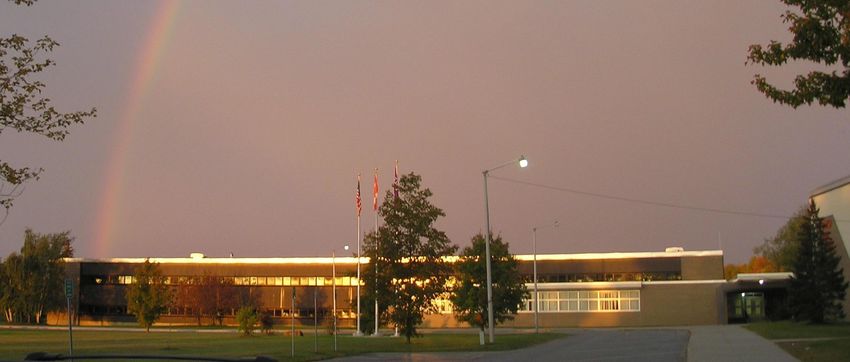
       Professional Development Plan

                 2018-2021


                Salmon
  River
  Elementary
  School

                  Salmon
  River
  Middle
  School

                   Salmon
  River
  High
  School

                    St.
  Regis
  Mohawk
  School


                  Approved by SRCSD BOE, 8/22/18


                                                                     1
I. Introduction

       This Professional Development Plan for the Salmon River Central School District
describes a vision for adult learning that is collaborative, continuous, embedded in daily
practice and focused on student achievement. This model builds on and strengthens the
successes already evident in the district. We strive to strengthen this culture that
supports adult learning by providing a framework that affords every educator an
opportunity to enrich his/her practice. Throughout this document, we reference the
ultimate goal of professional development: improved student learning.

        The scope of professional development (PD) at Salmon River Central will not be
limited to attending a workshop or participating in a seminar with a visiting expert.
Professional development will consistently be an ongoing process that involves
sustainable improvement in student learning and instructional practices. This requires
evaluation of student performance and teacher self- assessment, identifying possible
courses of action, testing new approaches, assessing results and then beginning the
process anew. This work is best done with colleagues and not alone, because each of
us is limited by our own perception of the problem and knowledge of possible solutions.
SRC has begun to implement Professional Learning Communities (PLC) and will work
to sustain this structure as one of our PD avenues. Instructional support staff in the
District will support building principals to implement PD on an on-going basis.
District Administration supports the idea of creating common planning time
within the master schedule to provide teaching staff with opportunities for PD
with consultants, with principals and IST, and also to enable teachers to
collaborate to share best practices with colleagues.

       In the Salmon River Central School District, our approach to professional
development is to make certain that all educators have the best possible skills,
content knowledge, and preparation for teaching. The needs of learners in the
twenty-first century demand innovative, progressive, and cutting-edge instruction. As
such, the quality of our professional development programs is influenced by a variety of
factors.

                                                                                        2
The National Staff Development Council recognizes these variables as the
essential standards for professional development in education. The standards are:

CONTEXT
Learning Communities: Staff development that improves the learning of all students organizes
adults into learning communities whose goals are aligned with those of the school and district.

Leadership: Staff development that improves the learning of all students requires skillful school
and district leaders who guide continuous instructional improvement.

Resources: Staff development that improves the learning of all students requires resources to
support adult learning and collaboration.

PROCESS

Data-Driven: Staff development that improves the learning of all students uses disaggregated
student data to determine adult learning priorities, monitor progress, and help sustain
continuous improvement.

Evaluation: Staff development that improves the learning of all students uses multiple sources
of information to guide improvement and demonstrate its impact.

Researched-Based: Staff development that improves the learning of all students prepares
educators to apply research to decision making.

Design: Staff development that improves the learning of all students uses learning strategies
appropriate to the intended goal.

Learning: Staff development that improves the learning of all students applies knowledge about
human learning and change.

Collaboration: Staff development that improves learning of all students provides educators with
the knowledge and skills to collaborate.

CONTENT

Equity: Staff development that improves the learning of all students prepares educators to
understand and appreciate all students, create safe, orderly, and supportive learning
environments, and hold high expectations for students’ academic achievement.

Quality Teaching: Staff development that improves the learning of all students deepens
educators’ content knowledge, provides them with research-based instructional strategies to
assist students in meeting rigorous academic standards, and prepares them to use various
types of classroom assessments appropriately.

                                                                                                 3
Family Involvement: Staff development that improves the learning of all students provides
educators with knowledge and skills to involve families and other stakeholders appropriately.

        Quality professional development is a dynamic and fluid process. If appropriate
structures are in place (context), a variety of best practices (processes) are used, and
appropriate knowledge and skill acquisition are occurring (content), then professional
development will impact student achievement.

                                                                                                4
II. New York State Education Department Regulations and Requirements

        This Professional Development Plan meets the requirements of the 100.2 (dd)
Regulations of the State of New York. The purpose of this plan is to improve student
learning by providing meaningful, focused, professional development opportunities that
are aligned with the Learning Standards of New York State (NYS). Additionally, public
school districts are required to have a professional development plan which describes
how it will provide all of its teachers, teaching assistants and long-term substitute
teachers with substantial professional development opportunities and how it will provide
its professional certificate holders with opportunities to maintain such certificates in
good standing based upon successfully completing 100 clock hours of professional
development every five years.

       The SRCS District maintains staff professional development credits with My
Learning Plan. It is ultimately the teacher’s responsibility to monitor their own
certificate progress and requirements.

       All professional development activities will be provided by NYSED approved
providers. Employees who provide PD will be covered under the district’s sponsor
approval. Other providers of professional development to Salmon River staff will
include the following entities:

          ●   All 37 BOCES in NYS
          ●   Capital District/North Country RSE-TASC – special education, intervention
          ●   NYS School Boards Association – assorted topics
          ●   Capital Area School Development Association (CASDA)
          ●   NYS Council of School Superintendents (NYSCOSS)
          ●   Guercio & Cuercio, LLP and Honeywell Law Firm – DASA, Title IX, Civil Rights
          ●   APL Associates – Effective Teaching/Instructional Skills
          ●   Buck Institute – Project Based Learning
          ●   A+ (A Plus) Educators/WozU and affiliated consultants/presenters
          ●   Dr. William R. Daggett/International Center for Leadership in Education
          ●   Mike Fisher – common core, curriculum mapping
          ●   Professional Development Partnership with SUNY Potsdam
          ●   Clarkson University, STEM/Robotics
          ●   James McDougal – DDI, RTI, Intervention, School Improvement Planning
          ●   Adirondack Teacher Center
          ●   North Country Teacher Resource Center, Plattsburgh
          ●   SUNY Oswego Technology Conference
          ●   NYS School Music Association workshops
          ●   Institute for Learner Centered Education/Standards-based Constructivist
              Conference
          ●   NERIC – Model Schools Program
          ●   McGraw Hill, PD for Wonders Reading and Science series
          ●   Seiman’s and King & King Sponsored Project Based Learning workshops
          ●   Webinars associated with software and curriculum materials

                                                                                             5
●   Title VII endorsed Mohawk Cultural Sensitivity Training – D.Tonemah, St. Regis
              Mohawk Tribal Services
          ●   Math and Movement Training – Consultant/Trainer/Turn-Key Trainings
          ●   The Omega Institute -Rhinebeck , NY – Leadership and Mindfulness in the
              classroom
          ●   NYSED – DTSDE trainings
          ●   NYS Approved Speech/Language Trainings
          ●   NYS AHPERD (Health, PE, Recreation, Dance)
          ●   Committee for Children, Second Step Curriculum Trainers
          ●   John Mighton, Jump Math
          ●   McGraw Hill Curriculum Trainers
          ●   PBIS trainers
          ●   Teachers College, Columbia University, Reading and Writing Project
          ●   Dave Weber and Associates

III. Philosophy

        The purpose of the Salmon River Central School District’s professional
development plan is to improve the quality of teaching and learning, and to directly align
this plan with our continued commitment to putting students first, professionalism,
instructional technology, respect for all, high expectations, learning standards, and
shared decision-making. Professional development is a multi-faceted, information-
based process that is strategically planned to provide individual, school and district
solutions to targeted areas in need of improvement or strengthening. Our professional
development program is intentionally designed to build skills and capacities for
improvement through comprehensive and ongoing learning. We believe that sound and
practical professional development programs are positive links to establishing effective
instructional practices that will enhance the knowledge of curriculum content, design
and delivery. These practices are designed to enhance pedagogical skills, curriculum
knowledge, instruction and assessment. Professional development for administrators
will be focused largely on leadership and systemic processes.

    Research in the field of education and professional development has revealed a
series of characteristics and practices observed in exemplary programs. These
principles focus a school district’s attention and resources on professional development
strategies for improving student learning and achievement. In addition, there are a
variety of conditions that are salient when implementing sound and effective
professional development programs. As such, professional development at Salmon
River Central School will:

   ●   reflect a commitment to ongoing and continuous professional development that is
       based on the analyses of multiple sources of data

   ●   include sufficient time and follow up support provided to staff to master new
       content and strategies


                                                                                               6
●   ensure that content of professional development focuses on what students need
         to know and be able to do and is explicitly linked to the effect on student learning

     ●   make certain that content of professional development will provide opportunities
         to gain an understanding of the theory underlying the knowledge (context) and
         skills being learned

     ●   support the implementation of best practices as evidenced by research

     ●   provide both a focus on instructional repertoire and content-specific skills.
         Instructional improvement requires that teachers possess a deeper
         understanding of both their academic disciplines and of specific
         pedagogical approaches

     ●   impart opportunities to explore, question, and debate in order to integrate new
         ideas into classroom practice

     ●   ensure that differentiated and developmental approaches are incorporated
         to meet individual and district needs relating to the teaching and learning
         process

     ●   involve teachers in the identification of what they need to learn and in the
         development of the learning experiences in which they will be involved

     ●   include the use of flexible times and models are essential for successful
         implementation of professional development


         Although professionals at Salmon River Central School are continually improving
         their craft and honing their skills through their own self-improvement efforts,
         systemic change and growth requires collective and sustained efforts. Our
         comprehensive professional development plan promotes student achievement by
         providing learning opportunities for staff that is aligned with major school and/or
         district goals identified through regular needs assessments and a professional
         development planning process. The professional development planning process
         is:

1. Identify school/district educational goals

     • Review existing educational goals for state, district and schools
     • Analyze student achievement data: past, present, projected trends
     • Diagnose areas of student need
     • Establish improvement with measurable goals expressed in terms of desired
     outcomes and within the context of the learning standards and district’s priorities
     whenever possible

  2. Plan for implementation

     ●   Outline flexible and integrated professional development strategies and activities
         that address the needs as identified through school and district goals


                                                                                                7
●   Identify sources of expertise to assist with identified needs and goals

   ●   Select professional development content and process at each level (district,
       school, team, or individual)

   ●   Identify sources and uses of financial resources


3. Implement professional development strategies

   ●   Integrate learning models that provide choice, differentiated learning, sustained
   collaboration and ongoing support

   ● Incorporate best practices into teaching, learning and leadership

   ● Identify critical factors for successful implementation


4. Monitor progress

   ●   Identify success measures for professional development activities

   ●   Identify data sources and gathering method for each measure

   ●   Plan for articulation of findings

   ●   Keep records of PD implementation, participation and feedback


IV. Needs Assessment

As part of the ongoing professional development planning cycle, the Salmon River
Central School District reviews multiple sources. The following items are analyzed
annually to determine the focus and content of the professional development plan:

Student Data

   ●   School Report Card

   ●   NYS and District Assessments (e.g., 3-8 testing and Regents exams)

   ●   Disaggregated Student Achievement Data

   ●   Report Cards

   ●   School Safety and Educational climate (SSEC), formerly known as
       VADIR/DASA

   ●   Student Attendance and Discipline reports

   ●   Graduation and Drop-out Rates

   ●   Special Education Data

   ●   NYS Learning Standards; Next Generation Standards will be our focus

   ●   College Acceptance data

   ●   Academic Intervention Services Record

   ●   Elementary Benchmark Reading Assessment

   ●   Star Reading and Math; we will be implementing I-READY Diagnostic and
       Progress Monitoring assessments beginning with the 18-19 school year


                                                                                           8
●   SAT/ACT Data

    ●   Title I Data

    ●   DIAL 3 (and 4) Pre-K/Kindergarten; we will begin to utilize the Brigance
        screening and monitoring system beginning with the 18-19 school year

    ●   Reading Plus Assessment


Surveys

    ●   Professional Development Needs Assessment Survey

    ●   Professional Development Evaluation/Feedback Surveys

    ●   Technology Survey

    ●   PLC Data Triangle Surveys


Additional Data Sources

• BEDS Data
• Longitudinal Student Performance Data
• Teacher Attendance, Retention, and Turnover Rates
• Professional Performance Reviews and Observations/Evaluations
• Program Evaluations
• Feedback from Building Teams
• SED Regulations and Mandates
• Mentor Program Feedback

V. Theory of Action

Goals and Implementation Plans for 2018-2021 Professional Development

The following professional development goals and objectives have been identified for
the 2018-2021 school years. The data collected, generated and analyzed by the
Salmon River Central School District in conjunction with district and school level plans

                                                                                           9
will support the goals, objectives, strategies, activities, and evaluations of this
professional development Plan.

The district goals and each of the objectives designed to achieve such goals (all of
which are detailed on subsequent pages) were identified through completion of needs
assessments using FEH BOCES needs assessment. Additionally, recurring and
ongoing annual commitments to professional development are noted.

Goal #1: Align program practices with all NYS (Transitioning from Common Core
to Next Generation) Learning Standards (NGLS), Annual Professional
Performance Review (APPR), and data-driven decision making.

Objective 1.1: Train instructional leaders and faculty in all frameworks, practices, and
requirements of the NYS Next Generation Learning Standards.

Essential Question: How can learning standards be used to inform instruction and
develop literacy and numeracy skills required for college and career readiness?

Activities and Strategies

   ●   Continue to revise curricula and programs for alignment to NYS P-12 Next
       Generation Learning Standards for ELA and Mathematics


   ●   Continue to provide training and support for implementation of NYS P-12 Next
       Generation Learning Standards for ELA and Mathematics in accordance with
       the following NYS timeline:


                     Phase I: Raise Awareness (Winter 2018-Winter/Spring 2019): Professional
                     development on NYS Next Generation Learning Standards; two-day
                     assessments measuring the 2011 P-12 Learning Standards.
                     Phase II: Build Capacity (Spring 2019-Summer 2020): Professional
                     development continuing on NYS Next Generation Learning Standards; two-day
                     assessments measuring the 2011 P-12 Learning Standards.
                     Phase III Full Implementation (September 2020 – ongoing): Full
                     implementation of the NYS Next Generation Learning Standards.
                     Spring 2021: New grade 3-8 tests measuring the NYS Next Generation
                     Learning Standards. The timeline regarding the full-implementation/assessment
                     alignment at the high-school level has not yet been determined and will be
                     forthcoming; however, full-implementation/assessment alignment will not be
                     before the school year 2020-2021.
   ●   Provide training and support for the implementation of Project-Based Learning

                                                                                                10
and integration with humanities and arts.


Actions                 Evidence                    Responsibility              Timeline

Create awareness,       Communication Artifacts-     Asst. Supt. For           Ongoing
fluency and develop     (meeting agendas, minutes, Curriculum &
a common language       materials, online            Instruction/Data
supporting NG           collaborations, guidance     Coordinator , Building
standards               documents, etc.) Observation Principals, Instructional
implementation          and feedback surveys and     Support Teams
                        notes
Share NYSED
Transition timeline
with all staff (2018-
2021)

                                                                                Ongoing
Assess capacity for Communication Artifacts       Teacher lesson plans
full implementation of (meeting agendas, minutes, and observation
NGLS and ensure        materials, etc.)           documentation
successful transition
for the school years
2018-2021

Support faculty in       Curriculum                 Asst. Supt. For             Ongoing
understanding and        documents/maps/calendars   Curriculum &
implementation of        aligned with common core   Instruction/Data
NGLS aligned             and inclusive of aligned   Coordinator, Building
curricula, instructional units/modules for          Principals, Instructional
models,                  implementation             Support
modules/units &
projects

Objective 1.2: Annual Professional Performance Review: Support instructional
leaders and faculty in implementation of performance evaluations.

Essential Question: How can annual professional performance reviews (APPR) and
evidence of student learning be utilized to sustain professional growth and maximize
student achievement?

                                                                                           11
Activities and Strategies

    ●   Revise local APPR plans and tools to align with NYS Education Law §3012-d
        (and future updates to this law) and the Commissioner’s Regulations

    ●   Provide training for teachers and evaluators on evidence-based observation,
        Teaching Standards Rubric

    ●   Provide training and calibration for rater reliability and utilization of adopted
        rubrics for evaluation


Actions                 Evidence                     Responsibility          Timeline

Review local APPR       Communication Artifacts-     Asst. Supt. For         Annually
plan and tools to       (meeting agendas, minutes, Curriculum &
maintain alignment      materials, guidance          Instruction/Data
with NYS Education      documents, etc.) Observation Coordinator, Building
Law §3012-d (and        and feedback, and notes      Principals, SRTA
any future updates to
the law) and the        Revised bargaining
Commissioner’s          agreements/contracts
Regulations

Objective 1.3: Instructional Support Teams: Provide ongoing training for data-
informed instruction.
Essential Question: How can local and NYS student assessment data be
effectively utilized by collaborative teams to inform instruction and maximize
student learning?

Activities and Strategies

    ●   Maintain Instructional Support Teams and processes for ongoing and
        collaborative review of student assessment data

    ●   Provide training for teachers and leaders on effective assessment
        practices, data collection and analysis, and data-informed instruction and
        decision making

    ●   Provide training and support for timely and effective use of data systems
        (local and NYS)


                                                                                            12
Actions                 Evidence                    Responsibility        Timeline

Assess the quality of   Communication Artifacts-  Superintendent of        annually
each school’s           (meeting agendas,         Schools, Asst. Supt. For
implementation of       minutes, materials,       Curriculum &
data-informed           guidance documents, etc.) Instruction/Data
instruction and                                   Coordinator, Director of
                        Grade level meetings,
decision making                                   Special Education,
                        Dept. meetings, - I-Ready
                        and curriculum related    Building Principals,
                        assessments               Instructional Support

                        Interim Assessment
                        Analysis and Action Plan
                        meetings
                        Building Level School -
                        Wide Plans (title 1)
                        SCEP (SR Middle School)
                        /DCIP 2018-19
                        Improvement plans with
                        SMART goals
                        MS Self Reflection
                        (DTSDE)
                        DCIP 17-18 Plan Reveiw

                        Action Research Process

Goal #2: Continue to support the integration of advanced technology applications
to improve instruction, enhance student engagement and maximize learning in a
21st century classroom.

                                                                                      13
Objective 2.1: Train instructional staff in the application of instructional
technologies (projection systems, interactive whiteboards, and Google Apps for
Education).
Essential Question: How can effective applications of instructional technologies
enhance student engagement, learning and achievement?

Activities and Strategies

    ●   Provide a variety of opportunities for staff to develop technology skills for instruction,
        communication, and presentation, including workshops conducted by current staff with
        expertise (build in-house capacity)

    ●   Provide opportunities for staff to develop instructional skills enhanced by use of
        technologies

    ●   Provide training in instructional tools such as: projection systems, interactive whiteboards,
        active response systems, IPads, Chromebooks and Google Apps

    ●   Provide staff with opportunity to learn current advancements in web-based technology
        resources


Actions               Evidence                  Responsibility              Timeline

Successful and          Communication           Asst. Supt. For             ongoing
consistent offerings to Artifacts (meeting      Curriculum &
accomplish objective agendas, minutes,          Instruction/Technology
                        materials, guidance     Committee Chair,
                        documents, etc.)        Building Principals,
                                                Technology committee
                      District Technology
                      Plan

Turnkey training and Communication              Asst. Supt. For             ongoing
sharing at grade level Artifacts (meeting       Curriculum &
and faculty meetings agendas, minutes,          Instruction/Technology
                       materials, guidance      Committee Chair,,
                       documents, etc.)         Building Principals,
                      Observation/feedback      Technology team- reps,
                                                NERIC Instructional
                                                Specialist, Director of
                                                Technology

                                                                                                        14
Share exemplar uses   Lesson plans and staff Building Principals,        ongoing
of technology for     meetings               Technology Committee
instruction and                              Reps, Instructional Staff
                      District Technology
learning through
                      Plan
grade level and
faculty meetings,     Exit surveys
during and after
school.

Use of access and      Building calendars for Asst. Supt. For            ongoing
usage data to identify use sign out and use Curriculum &
preferred              of hardware/labs       Instruction/Technology
technologies                                  Committee Chair,
                       BrightBytes Survey of
                                              Director of Technology,
                       staff, students and
                                              Building Principals,
                       parents to identify
                                              Technology team
                       technology needs and
                       suggest training
                      System report tools
                      (e.g.,papercut, )
                      District Technology
                      Plan

                                                                                   15
Objective 2.2: Continue support of teachers, secretaries and administrators in the use of Student
Management Systems (SchoolTool), and School Management Systems (AESOP, WINCAP)
Essential Question: How can web-based applications enhance the ease of access, effective use
and management of student information/data?

Activities and Strategies

    ●   Provide a variety of opportunities for staff to develop the skills needed for effective use of
        Student Management Systems

    ●   Provide administrators and clerical staff with necessary skills for technical and
        administrative management of systems

    ●   Develop supporting documentation and start-up guides to ease transition to information
        applications


Actions               Evidence                  Responsibility              Timeline

Administrative and      Communication           Business Executive,Asst.
technical trainings for Artifacts (meeting      Supt. For Curriculum & ongoing
configuration of        agendas, minutes,       Instruction/Technology
Student Management materials, guidance          Committee Chair,
System (SMS) and documents, etc.)               Building Principals,
School Management                               Instructional staff,
                        Feedback notes from
Systems                                         Teachers, Clerical Staff,
                        Building Principals,
Continued trainings District, & Instructional   and NERIC Staff
and support for SMS staff
                      Development of annual
                      master schedule

Required trainings for Communication            Asst. Supt. For
utilization of systems Artifacts (meeting       Curriculum &
by clerical and        agendas, minutes,        Instruction/Technology
                                                                          ongoing
teaching staff and     materials, guidance      Committee Chair,
ongoing support        documents, etc.)         Building Principals,
                                                Instructional staff,
                                                Clerical Staff, NERIC,
                                                nurses, and
                                                transportation supervisor

Guided-work           Communication             Asst. Supt. For           ongoing
sessions for          Artifacts (meeting        Curriculum & Instruction,
sustained training    agendas,materials.)       Building Principals,
and support                                     Instructional staff,
                                                Clerical Staff, NERIC

                                                                                                         16
Access for Office     Communication            Asst. Supt. For           As needed
Staff to attend       Artifacts (meeting       Curriculum & Instruction,
training for general  agendas,materials.)      Building Principals,
applications to                                Business Executive,
enhance                                        NERIC, Director of
administrative                                 Special Education
effectiveness (email,
spreadsheets,
WORD, Google
Applications,
calendar, etc.)

Goal #3: Ensure that all members of the Salmon River Central School
professional staff develop the skills, knowledge and strategies to effectively
implement curriculum and best instructional practices.
Objective 3.1: Promote literacy development K-12 and in all content areas
Essential Question: How can reading and writing across the disciplines positively
affect learning and achievement?

Activities and Strategies

   ●   Sustain long-term commitment to professional development in literacy via targeted learning
       of best instructional practices

   ●   Include NGLS literacy frameworks in curriculum maps for each discipline or ensure that
       literacy is embedded in lesson plans

   ●   Continue to support teachers’ administration for RTI Progress Monitoring

   ●   Continue to develop collaborative structures for literacy coaching at the elementary and
       middle school level

   ●   Maintain strong partnerships with higher education (e.g., Clarkson University
       (STEM/Robotics), SUNY Potsdam)

   ●   Facilitate Curriculum Mapping with continued focus on workshop structures and alignment
       with RTI plans,NG Standards, curriculum calendars, etc.


                                                                                                    17
Actions                      Evidence                     Responsibility            Timeline

Develop curriculum           Curriculum maps,             Assistant                   ongoing
maps for integration of      Lesson Plans, and            Superintendent, Director
NG literacy frameworks       documentation for            of Special Education,
for subjects other than      communication                Building Principals,
ELA and Math;                                             Instructional Support
                                                          Staff , Instructional Staff

Begin to implement
vertical alignment for all
subjects, beginning with
ELA and Math; assess
gaps in curriculum as
well as student skill
deficits to support
supplemental
instruction.
Continue to integrate Lesson Plans,
writer’s workshop     curriculum maps,
methods into K-8 ELA observations

Incremental planning    Completed RTI for High            Assistant                   Review and update
and implementation of School reading                      Superintendent,             annually
Response-to-                                              Language Arts Teachers,
                        Completed RTI for
Intervention frameworks                                   Salmon River High
                        Middle School reading
for elementary, middle                                    School Principals,
school and high school Communication                      Instructional support staff
literacy and reading    Artifacts (meeting                for ELA
instruction and         agendas, minutes,
interventions           materials, guidance
                        documents, etc.)
                             Rates of referrals for
                             Interventions at all tiers

                             Documentation of
                             intervention plans
                             Student progress
                             monitoring data

                                                                                                          18
Grade Level/            Communication            Office of Instruction,     ongoing
Department meetings,    Artifacts (meeting       Building Principals,
PLCs in all buildings   agendas, materials,      Instructional support
                        guidance documents,      staff, Special Education
                        etc.)                    Director, QIP team
                        Completed trainings
                        with evaluations of
                        efficacy and further
                        needs analyses

Objective 3.2: Content Area Development: Provide opportunities for staff to
enhance their content knowledge and learn appropriate teaching strategies based
upon Next Generation learning standards and best practices in respective
disciplines.
Essential Question: How can professional development strengthen content
knowledge and pedagogy of all content area teachers?

Activities and Strategies

• Content Area Development – Learning research-based instructional techniques to improve
student achievement in content areas

o Reading, Writing, and Language Arts approaches, including use of rigorous
vocabulary/Guidance for Balanced Literacy including Guided Reading and Writing, etc.,
o Math, Science and Social Studies
o Special Education including Speech and Language, OT, PT
o Foreign Language
o Counseling/Guidance
o Fine Arts including Music and Art
o Physical Education and Health
o Library, Media, and Instructional Technology
o CTE/Career Pathways
o Business Education, Technology Education, and Family and Consumer Science
   ●   Through orientation and mentoring, provide knowledge of Salmon River programs and
       their relationship to NYS and NG learning standards

   ●   Provide mentoring to new teachers in using appropriate teaching strategies; help new
       teachers to become familiar with expected instructional practices

   ●   Provide PD to help staff design, use, evaluate, and revise instructional practices related to

                                                                                                       19
identified gap groups and student need


Actions                Evidence                    Responsibility           Timeline

Provide responsive     PD evaluation surveys       Office of Instruction,   Ongoing
and targeted           to measure                  Building Principals,
professional           participation rates and     BOCES, Director of
development            collegial sharing related   Special Education
opportunities in all   to content, student
content areas and      achievement and
specialties            learning standards.
                       My Learning Plan &
                       reports
                       PD
                       Evaluation/Feedback
                       Forms
                       Communication
                       Artifacts (meeting
                       agendas, minutes,
                       materials, guidance
                       documents, feedback
                       forms, etc.)

Assess alignment of My Learning Plan               Superintendent, Office of Ongoing
PD offerings with                                  Instruction, Building
                    Regional Survey and
identified needs                                   Principals, Instructional
                    District Requests
(departments and                                   Staff, Director of Special
school)                                            Education

Develop and            Communication               Superintendent, Office of Ongoing
implement protocols    Artifacts (meeting          Instruction, Building
and procedures for     agendas, minutes,           Principals, Director of
data informed          materials, guidance         Special Education
planning for           documents, feedback
professional           forms, etc.) from PLC’s
development.           and Interim Analysis
                       Observation/feedback
                       notes from Building
                       Principals
                       Documented evidence
                       of concurrent planning
                       by Instructional Support
                       Team for needs-based
                       professional
                       development

                                                                                       20
Objective 3.3: High Quality Assessments – Train and support instructional
teams in design, creation and application of high quality assessments.
Essential Question: How can teacher-created high quality assessments be used
to improve student learning and achievement?

Activities and Strategies

   ●   Ongoing consultation and training in design of performance-based assessments

   ●   Continue to research and/or develop required assessment tools and databases that target
       student needs for interventions and DDI process

   ●   Implement selected assessment models. Professional development will be provided to
       ensure fidelity in administration and scoring and effective use of data

   ●   Identify and review annually the progress monitoring assessments required for RTI,
       special education and AIS

   ●   Provide PD to administrators, teachers and support staff for the transition to NG- aligned
       assessments


Actions              Evidence                   Responsibility              Timeline

Provide ongoing      Subject and/or grade-      Office of Instruction,      ongoing
consultation and     level based                Director of Special
training in          performance-based          Education, Building
development of       assessments                Principals, Instructional
performance-based                               technology team,
                     Communication
assessments                                     Instructional Support
                     Artifacts (meeting
including interim                               team
                     agendas, minutes,
assessments and
                     materials, guidance
curriculum-based
                     documents, feedback
assessments
                     forms, etc.)
                     Procedures for
                     administration and
                     scoring of assessments
                     Creation of high quality
                     rubrics

                                                                                                    21
Review scoring and       Communication                Office of Instruction,      ongoing
use of assessments       Artifacts (meeting           Director of Special
for instruction (i.e.,   agendas, minutes,            Education, Building
state tests, Regents,    materials, guidance          Principals, Instructional
pre/post tests for       documents, feedback          Staff
APPR where               forms, etc.)
applicable)

                         Training on written
                         protocols of test
                         directions and test
                         administration
                         completed

Objective 3.4: Differentiated Instruction- Provide professional development to
help staff design, use, evaluate, and revise instructional techniques pertaining to
differentiated instruction
Essential Question: How can differentiated instructional practices improve student
learning and support our transition to a comprehensive response to intervention
model?

Activities and Strategies

    ●   Plan and implement PD programs designed to prepare staff to meet individual student
        needs through targeted and differentiated instruction

    ●   Build capacity and skill amongst staff via study groups, building teams, grade level teams,
        and department task forces

    ●   Construct tools and mechanisms for timely exchange of ideas, strategies and instructional
        applications to individualize teaching through differentiated instruction

    ●   Facilitate and support action research in differentiated instruction


Actions                  Evidence                     Responsibility              Timeline

Plan and implement       PD evaluation surveys        Office of Instruction,      Ongoing
opportunities for        to measure participation     Building Principals,QIP
collaborative study      rates and collegial          team, Instructional
of differentiated        sharing related to           Support
instructional            differentiated instruction
practices (study
                         Inclusion of instructional
groups, inservice,
                         practices in lesson plans
peer observation,

                                                                                                      22
etc)                   Communication Artifacts
                       (meeting agendas,
                       minutes, materials,
                       guidance documents,
                       feedback forms, etc.)

Monitor through        Communication Artifacts     Office of Instruction,   Ongoing
direct observation     from school RTI teams       Building Principals,
the correlation        (meeting agendas,           Special Education
between                minutes, materials,         Director
differentiated         guidance documents,
instruction and        feedback forms, etc.)
identified needs for
                       Observation/feedback
successful
                       notes from Building
implementation of
                       Principals
Tier I interventions

Develop               Inclusion of instructional   Office of Instruction,   ongoing
differentiated        practices in lesson plans    Building Principals,
instructional                                      Instructional Staff,
practices to inform                                Special Education
lesson planning and                                Director
Tier I interventions.

Goal #4: Establish a community focused on the prevention of harassment and
discriminatory behaviors through the promotion of education measures meant to
positively impact school culture and climate.
Objective 4.1: School Culture, Climate and Safety - Provide professional
development to help staff understand and follow DASA regulations, all revisions to
the District’s Code of Conduct and Board policies, mental health education, and
social and emotional programming.
Essential Question: How can a safe and respectful school community foster
learning and student achievement?

Activities and Strategies

       ●   Plan and implement PD programs designed to prepare staff to fully implement practices
           and expectations articulated in DASA regulations and the Code-of-Conduct and Board
           policies


                                                                                                   23
●   Build capacity and skill amongst staff via study groups, building teams, and district-wide
       committee for Cultural Diversity and Inclusion, Safe and Respectful Schools, promotion of
       Social and Emotional Learning, and mental health education.

   ●   Facilitate and support action research in the areas of bullying and school climate, cultural
       diversity, social and emotional learning and mental health education.


Actions                Evidence                   Responsibility          Timeline

Plan and implement     Inclusion of               Office of Instruction,    Ongoing
opportunities for      instructional practices    Building Principals,
presentation of:       in common curriculum       Building Level Culture
                       and school-wide            Committees, Instructional
  ●    DASA
                       presentations              Staff, Mental Health
  ●    Mental
                                                  Professionals:
       Health          Communication
       standards       Artifacts (meeting         psychologists,
       and             agendas, minutes,          counselors
       programming materials, guidance
  ●    Civics          documents, feedback
       lessons         forms, etc.)
       integration in
                       PLCs
       High School
  ●    code- of-       Grade Level Meetings
       conduct         Department Meetings
       developed for
       district at all
       levels

Prepare and            Inclusion of revised    Building Principals ,      Ongoing
distribute to all      codes-of-conduct in all Dean of Students, Staff
stakeholders           parent and student
developmentally        handbooks
appropriate versions
                       Posting of all codes and
of the codes-of-
                       policies on district web
conduct
                       site
                       Promotion of behavioral
                       expectations in all
                       schools and
                       classrooms

                                                                                                      24
Elementary and         Inclusion of            Office of Instruction,      Ongoing
Middle School:         instructional practices Building Principals
                       in curriculum
Training for PBIS and                          Instructional Support
                       documents/maps
Second STep
Curriculum             Direct observation of
                       instructional practices
                       by evaluators
High School :
                       Reinforce Character
Develop curricular     Education practices
links and modeling     through Student of the
which promote          Month celebrations,
civility, citizenship, Book of the Month
and character          Activities
education on a
consistent and
ongoing basis

PBIS and consistent Communication                Office of Instruction,    Ongoing
use of effective      Artifacts (meeting         Building Principals,
behavioral strategies agendas, minutes,          counselors,
                      materials, guidance        psychologists, behavior
                      documents, feedback        specialist, Special
                      forms, etc.)               Education Director,
                                                 Instructional Staff

Other Annual Professional Development Commitments
Goal: To continuously improve teaching and learning by being demonstrating
competence in knowledge of skills both in area of specialization and methods of
teaching.
                                Objective: To induct, train and support new teachers.

                                                                                                   Performance
Strategy                        Activity (ies)        Who                             Time Frame
                                                                                                   Measure

                                Standards/Best
                                Practices

                                DDI (Data Driven
                                Instruction)
                                                      New teachers, Instructional                  My Learning Plan
New Teacher Training                                                                  Annually
                                Cultural              Support Staff, Administrators
                                Responsiveness

                                APPR

                                Responsive

                                                                                                    25
Classroom
                                techniques

                                School District Tour

                                Lifelines/Suicide
                                Prevention

                                Guidance from
                                Teacher Mentors

                                Classroom
                                Management             Mentors, Teachers,              Ongoing
Mentor Program                                         New Teachers, Asst. Supt. for                  Mentor Logs
                                Instructional          Curriculum and Instruction
                                Strategies

                                Practices and
                                Procedures

Violence Prevention/ Bullying   Training during                                        Throughout     My Learning Plan &
                                                       District Staff, New Teachers,
Awareness/Sexual                Superintendent’s                                       the School     Completion
                                                       Teaching Assistants
Harassment Trainings            Day                                                    Year           Certificates

                                Department
                                meetings

                                Faculty meetings
                                                       New Staff, Teacher Mentors,
Additional New Teacher
                                                       Instructional Support Staff,                   Agendas, Meeting
support on curriculum,          Grade Level
                                                       Building Principals, BOCES,Asst. Ongoing       Minutes, My
standards, and assessment,      Meetings
                                                       Supt. for Curriculum and                       Learning Plan
APPR evaluation
                                                       Instruction
                                PLC Meetings

                                New Teacher
                                meetings

                                                    Objective: To use technology as a
                                                    tool for curriculum development.

                                                    Activity                           Time Performance
Strategy                                                         Who
                                                    (ies)                              Frame Measure

Teacher and TA Technology Topics Training                     Teachers, Technology                Teacher Feedback,
                                                    Workshops Committee, BOCES     Ongoing        Teacher Usage, Student
Planbookedu.com, Teachingchannel.com,                         NERIC, Staff                        Projects

                                                                                                       26
Schooltool, Reading A-Z, School website, My
Learning Plan, Khan Academy, Edoctrina,
Reading Plus, I- READY

                   Objective: To meet the needs of diverse students in the
                   classroom.

                                                                              Time        Performance
Strategy           Activity (ies)                 Who
                                                                              Frame       Measure
Continued
coaching and        Review and planning using
planning for Bully Second Step materials and
                                                  Principals, Teachers        Ongoing     My Learning Plan
Prevention/Cultural PBIS best practices to
Responsiveness in preventing bullying
classrooms

Strategies to
support
                  Workshops, book studies,
Mindfulness,                                                                              Teacher feedback,
                  meetings, PLCs, TurnKey         Principals, Teachers, TAs   Ongoing
Growth Mindset,                                                                           observation
                  Training
Teaching Students
in Poverty

                   Workshops on effective
Classroom                                         Teachers, Teacher                       Teacher Feedback,
                   strategies for classroom                                   Annually
Management                                        Assistants                              Observations
                   management

                                                 Asst. Supt. for Curriculum
                   Workshops, Meetings, Speakers
DASA                                             and Instruction , Building   Yearly      My Learning Plan
                   (as needed)
                                                 Principals, BOCES

Student
Engagement -                                      Teachers, BOCES Network                 Teacher Usage,
                   Workshops, PLCs                                            Ongoing
Active Learning                                   Team, QIP team, SETRC                   Classroom Walkthroughs
Strategies

Interim                                           Teachers, Instructional
                                                                                          Interim Analysis Action
Assessment         Meetings                       Support Staff, Building     Quarterly
                                                                                          Plan
Analysis                                          Principal

Objective: To support teaching and learning by integrating New York State NG Learning
Standards into curriculum and to address meaningful assessment.

                                                                                    Time       Performance
Strategy                        Activity (ies)          Who
                                                                                    Frame      Measure

                                                                                                  27
Grade Level and Department       Meetings held monthly                                            My Learning Plan,
meetings on standards,                                                                            Meeting Minutes,
                                                         Principals, Teachers          Ongoing
assessments, and curriculum                                                                       Curriculum
mapping                          PLC Meetings                                                     Calendars

                                 Summer work to align
                                 curriculum with New York                                         Projects, project
                                                                                       Annually
                                 State NG Learning                                                dissemination,
Summer Curriculum Projects                                Teachers                     each
                                 Standards, Create                                                teacher self-
                                                                                       summer
                                 integrated PBL projects                                          evaluation
                                 for authentic learning

Conferences – A + Educators/
Effective Schools conference,                                                                     Feedback through
Model Schools conference (Bill                         Teachers, Administrators,                  reports from
                               Teacher and
Daggett), Native American                              Instructional Support Staff ,   Ongoing    teachers,
                               Administrator Workshops
Educators Conference,                                  Teachers                                   administrators, and
Behavior Management,                                                                              staff
Advanced Placement Courses

Student Engagement, Higher
                                 Workshops for Pre K-8   Asst. Supt. for Curriculum
level questioning, Writing
                                 Teachers, Special       and Instruction, Instructional Ongoing   Teacher evaluation
Workshop in Elementary and
                                 Education Teachers      Support, Principals
Middle School Grades

Student Engagement, Higher                               Asst. Supt. for Curriculum
level questioning, Writing in    Secondary teachers      and Instruction, Instructional Ongoing   Teacher evaluation
Middle/High Level                                        Support, Principals

                                                         Superintendent, Asst. Supt.
Data Teams, Data Driven          Meeting with teams from for Curriculum and
                                                                                     Ongoing      My Learning Plan
Instructional Strategies         each building.          Instruction , Building
                                                         Principals, Teachers

                                                         Consultants, Building
Evidence Based
                                                         Principals, Teachers,
Practices/Strategies with a
                                 Workshops               Director of Special           Ongoing    My Learning Plan
focus on higher level thinking
                                                         Education, Asst. Supt. for
and engagement
                                                         Curriculum and Instruction

                                                         Buck Institute, OCM BOCES,
Project-Based Learning           Workshops               Teachers and Instructional Annually      My Learning Plan
                                                         Support Team

                                                                                                    28
Appendix A
Salmon River Central School
Professional Development Plan

                         NEW TEACHER MENTORING PLAN

I.    New Teacher Mentoring

      The New Teacher Mentoring Program is designed to ensure that every new
      teacher is successful and effective during his or her first years of teaching. New
      teachers certified after 2/2/04 who are seeking the professional certificate are
      required to have a mentored experience in the first year of employment unless the
      candidate completed two years of teaching experience prior to such teaching in the
      public schools. Also substitute teachers in teaching assignments for forty plus
      days are required to have a mentored experience.

II.   The Mentor Program will help ensure success for all newly hired teachers through
      collaboration, observation, inquiry and dialogue about excellent teaching with
      excellent teachers serving as positive role models.

                                                                                     29
III.   Beliefs

       We believe that successful mentoring:
       a. Gives new teachers explicit expectations, training in those expectations and
          coaching/feedback to implement and master those techniques.
       b. Involves all members of the educational community.
       c. Enhances recruitment and retention of newly hired teachers.
       d. Provides a structured system for teachers to gain new ideas, share their
          expertise, and seek advice.
       e. Provides an atmosphere where peers can examine classroom procedures and
          teaching methods in pursuit of continuous improvement.
       f. Contributes to student success through the use of instructional methods of best
          practice.
       g. Promotes the development of a common vocabulary relative to effective
          teaching practices.

IV.    Effective Monitoring

       As a result of participating in an effective mentoring program new teachers will:
            a. Become confident in themselves, their practice and their place in the
               classroom.
            b. Feel valued and supported by the entire school community.
            c. Be able to verbalize a clear understanding of effective teaching and
               learning.
            d. Consistently plan and deliver effective, sound fundamental
               lessons/instructions.
            e. Assess student learning and make adjustment as needed.
            f. Confidently practice strong classroom management skills.

V.     Characteristics of Effective Mentors
           a. Attitude and Character
              1. Possesses a clear understanding of the Salmon River School District
                  philosophy of teaching and learning.
              2. Will be a role model for other teachers.
              3. Exhibits strong commitment to the teaching profession.
              4. Willing to receive training to improve mentoring skills.
              5. Demonstrates a commitment to life long learning.
              6. Is reflective and able to learn from experiences.
              7. Is eager to share information and ideas with colleagues.
              8. Is resilient, flexible, persistent and open-minded.
              9. Exhibits good humor and resourcefulness.
              10. Enjoys new challenges and solving problems.

            b. Communication Skills

                                                                                           30
1.   Is able to articulate effective instructional strategies
         2.   Listens attentively.
         3.   Ask questions that prompt reflection and understanding
         4.   Provides feedback in positive/productive ways.
         5.   Is efficient with use of time.
         6.   Conveys enthusiasm for teaching.
         7.   Maintains confidentiality.
         8.   Practices effective principles of feedback

      c. Professional Competence and Experience
         1. Is regarded by colleagues as an outstanding teacher.
         2. Has excellent knowledge of subject matter and standards.
         3. Demonstrates excellent classroom management skills.
         4. Feels comfortable being observed by other teachers.
         5. Collaborates well with other teachers and administrators.
         6. Is willing to learn new teaching strategies to share with and model for
            new teachers.
         7. Can model expected practice.
         8. Can verbalize teaching/learning expectations.

      d. Interpersonal Skills
         1. Is able to maintain a trusting professional relationship.
         2. Is approachable; easily establishes rapport with others.
         3. Is patient.

VI.   Mentoring Roles and Responsibilities

      a. The mentor role is providing guidance and support.
      b. The mentors’ responsibilities include but are not limited to:
         1. Attend mentor training
         2. May attend new teacher orientation
         3. Collaboratively develop a plan of activities with the new teacher to
            provide:
            a. Goal setting
            b. Feedback on lesson design
            c. Observation of mentor and other teachers
            d. Observe new teachers
            e. Timeline for implementation
            f. Guidance on curriculum
            g. Assist new teachers in developing appropriate contacts
            h. Lesson design feedback/co-planning
            i. Assessment design/analysis
            j. Classroom management strategies/case studies
            k. Discussion/Reflection

                                                                                   31
4. Facilitate completion of the mentoring activity log.
             5. Maintain Confidentiality

   VII.   Mentoring Activities

          The Mentor will submit a monthly plan to the Director of Instruction. This plan
          will include approximate time and dates and which mentoring activities will be
          conducted. Listed below are the approximate outside school day hours that
          will be available for mentoring:

                    August/September     5 hours
                    October                    5 hours
                    November             5 hours
                    December             4 hours
                    January                    4 hours
                    February                   4 hours
                    March                3 hours
                    April                3 hours
                    May                  3 hours
                    June                 4 hours

                             Total       40 hours

Listed below are some possible mentoring activities:

     A.   Modeling instruction
     B.   Observations
     C.   Joint lesson planning
     D.   Team teaching
     E.   Reflecting with the new teacher on lesson outcomes
     F.   Coaching
     G.   Orientation to the school culture
     H.   Discussion of practice
     I.   Discussion/Reflection
     J.   Lesson design feedback/co-planning
     K.   Assessment design/analysis
     L.   Classroom management strategies/Case studies
     M.   Relationship building
     N.   Routines and procedures
     O.   Discussion of individual needs and possible resources

                                                                                       32
VIII. Mentor Administrative Coordinator

      The Director of Instruction working in partnership with the mentors will be
      responsible for coordinating and facilitating the mentoring program. Inherent in this
      position is an understanding and respect for the confidential nature of the new
      teacher/mentor relationship. The administrative coordinator will have
      responsibilities including:

      A.  Facilitating the mentor program.
      B.  Identifying and distributing resources supporting mentoring
      C.  Supporting the district mentors by:
          1. Planning and facilitating mentor training and meetings
          2. Facilitating the creation, distribution, collection and collating of forms
             including the mentoring activities log
       D. Making individual contact with, answering questions and providing support for
          mentors.
       E. Contacting/collaborating with other mentoring programs
       F. Fulfilling the mandated recording and documentation of mentoring activities.

IX.   Mentor Pool

      The Salmon River Central School District will maintain a mentor pool. Positions for
      mentors will be posted and mentors will be hired as soon as possible at the
      beginning of each new school year, according to the Salmon River Teachers
      Association.

      Mentors will be matched with new teachers based upon:
      A. Common Building
      B. Common Certification
      C. Common Teaching Assignment

X.    Mentor Preparation

      Mentor training will include, but not be limited to:

      A.   Peer/cognitive coaching training
      B.   Adult learning theory
      C.   Teacher development theory (inc. beginning teacher needs)
      D.   Conferencing skills
      E.   Reflective questioning skills
      F.   Time management
      G.   Reading/Writing in and across the content areas
      H.   Teaching Standards

                                                                                        33
I. APPR-related topics
J. Other topics as needed, content area support for example

                                                              34
You can also read


