SCHOOL EMERGENCY RESPONSE PLAN 2020-21 - Batchwood School
←
→
Page content transcription
If your browser does not render page correctly, please read the page content below
SCHOOL EMERGENCY
  RESPONSE PLAN

     2020-21

                   1
Batchwood School
                                                      EMERGENCY PLAN

SECTION 1 - ACTIVATION......................................................................................................................3
   1.1 Notification of incident .....................................................................................................................3
   1.2 Initial action .....................................................................................................................................5
   1.3 Initial contact details…………………………………………………………………………………………7
   1.4 Guidance from Hertfordshire County Council…………………………………………………………..11

SECTION 2 - ROLES AND RESPONSIBILITIES ...................................................................................15
   2.1 Roles and responsibilities - co-ordination ......................................................................................15
   2.2 Roles and responsibilities - business continuity.............................................................................17
   2.3 Roles and responsibilities - communications .................................................................................18
   2.4 Roles and responsibilities - log-keeping ........................................................................................19
   2.5 Roles and responsibilities - media management ...........................................................................20
   2.6 Roles and responsibilities - resources ...........................................................................................21
   2.7 Roles and responsibilities - welfare ...............................................................................................22
   2.8 Roles and responsibilities - educational visit leader ......................................................................23
   SECTION 3 - FURTHER CONTACT DETAILS……………………………………………………………..24
   3.1 Contact details - extended services...............................................................................................26
   3.2 Contact details - local authority .....................................................................................................27
   3.3 Contact details - local radio stations ..............................................................................................28
   3.4 Contact details - other organisations .............................................................................................29
   3.5 Contact details - for completion during an emergency ......................Error! Bookmark not defined.
APPENDIX 1 - POST INCIDENT SUPPORT..........................................................................................30
APPENDIX 2 - BUSINESS CONTINUITY ..............................................................................................33
APPENDIX 3 - SITE INFORMATION .....................................................................................................35
APPENDIX 5 - EVACUATION ...............................................................................................................36
APPENDIX 6 - SHELTER IN PLACE ………………………………………………………………………….40
APPENDIX 7 - LOCKDOWN..................................................................................................................39
APPENDIX 8 - SCHOOL CLOSURE .....................................................................................................40
APPENDIX 9 - COMMUNICATIONS ......................................................................................................41
APPENDIX 10 - BOMB THREATS ........................................................................................................45
APPENDIX 11 - SUSPICIOUS PACKAGES ..........................................................................................44
APPENDIX 12 - LOG-KEEPING GUIDELINES......................................................................................45
APPENDIX 13 - EVERBRIDGE - SCHOOL CLOSURE SYSTEM …………………………………………50
APPENDIX 14 - EXERCISING AND TRAINING……………………………………………………………...58
APPENDIX 15 - BUDDY SCHOOL……………………………………………………………………………..59
APPENDIX 16 - SCHOOL DETAILS AND PLAN ADMINISTRATION……………………………………..60

                                                                                                                                                          2
SECTION 1 - ACTIVATION
1.1 Notification of incident

Information about an incident may come from a number of sources (e.g. member of staff, pupil, parent /
carer, member of the public, the emergency services, and the local authority). Whoever receives the
alert should ask for, and record, as much information as possible.

+   Maintain a written record of your actions.

+   Offer reassurance and support. Be aware that all those involved in the incident (both directly
    and indirectly) may be suffering from shock or may panic.

+   Find out what has happened. Obtain as clear a picture as you can.

+   Discuss with the informant what action needs to be taken and by whom.

Name of informant:                                      Date and time of call:

Contact details of informant:                           Date and time of incident:

Exact location of incident:

Details of incident:

Where is the informant now, and where are they going?

People affected (including names, injuries, where they are, where they are being taken to):

What arrangements are in place for people not directly involved in the incident?

What advice have the emergency services given?

                                                                                                         3
Who has been informed?
Police
Headteacher
Fire & Rescue Service
School staff
Ambulance Service
Governors
Local authority
Pupils
Health and Safety Executive
Parents / carers
Foreign & Commonwealth Office
Extended services
Media
Insurance company
Trade union
Does anyone else need to be informed?
Are any other actions required?
+ If the incident happened on an educational visit please ask the questions below. You might
already have these details but it could be useful to seek confirmation.
Name of educational visit leader: Number of pupils on educational visit:
Nature of educational visit: Number of staff on educational visit:
Location of educational visit:
If the incident happened abroad, does the Foreign & Commonwealth Office need to be notified?
4
1.2 Initial action

Immediately inform the headteacher or nominated emergency contact. If neither is able to respond (they
may be involved in the incident) the senior person present should follow the instructions below.

+   Assess the situation and establish a basic overview of the incident.

+   Take immediate action to safeguard pupils, staff and visitors.

+   Attend to any casualties and administer first aid, if appropriate.

+   If appropriate, dial 999 for the emergency services and provide them with an overview of the
    situation. If in doubt, dial 999.

The emergency services notify each other of incidents but consider speaking directly to each
organisation required. This will ensure that each service has the information they need to respond
appropriately.

                                     Dial 999, if appropriate.
                            Speak to each emergency service required.

                                                                  Outside office hours contact:
              Jonathan Kemp                                         Geoff Stickings Caretaker
               Head teacher                                      Tom Tansey Head of Wellbeing
                                                               Inform of the situation and request
                                                                         help, if required.
                                                                Inside office hours contact Office:
                                                                           01727 868021

            Ross Whitaker-Deputy Headteacher
             Tom Tansey –Head of Wellbeing

                    Jo Murphy - SENCO
              Lisa Harvey – Finance Manager

     Emergency Call Cascade as detailed on Page 10
                     if applicable

                                                                                                      5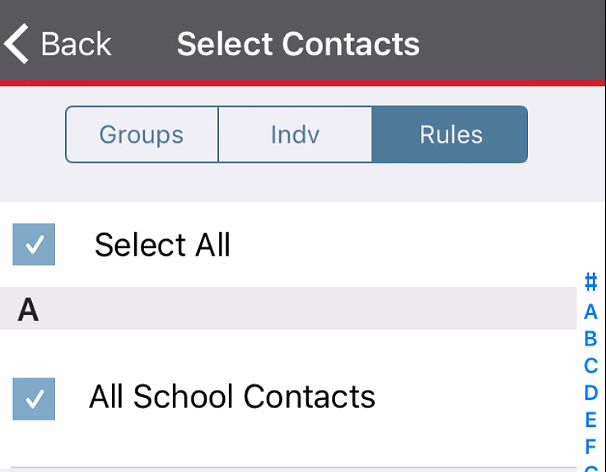
These contact details should only be used in an emergency. Do not give them to the media, pupils,
parents / carers or members of the public. ( A copy of the plan will be available on the schools website
without staffs contact details)

+   Fetch any equipment that may prove useful (e.g. first aid kit, grab bag).

+   Log all communications and actions.

+   Notify school staff. Consider assembling a School Emergency Management Team (SEMT) to
    assist with the response.

+   Refer to the list of emergency contact numbers for additional support if required.

+   Where possible, avoid closing the school and try to maintain normal routines, especially if
    exams are being undertaken. Consider though is this the correct environment for
    examinations to continue. If not, lock away exam papers in fire proof box and store within
    Admin if appropriate and safe to do so.

                                                                                                           6
1.3 Contact details - school staff and governors

* Leave this field blank for use during an emergency; you may need to record alternative contact details.

                                                                             Alternative     Notes
                                 SEMT role(s)
Name            Job title                                Contact details     contact         (e.g. first
                                 (if applicable)
                                                                             details *       aid trained)

Jonathan        Headteacher      SEMT
Kemp                             Strategy

Ross            Deputy           SEMT
Whitaker        Headteacher      Implementation
                                 Strategy

Debbie          Lead TA                                                                      First Aider
Hawkes                                                                                       Meds
                                                                                             Admin

Tom Tansey      Head of          SEMT                                                        First Aider
                Wellbeing &      Wellbeing
                SLT

Sarah Slater    Teacher          SEMT
                Middle           Implementation
                Leader           Contact Teachers
                                 Contact Exams
                                 Timetable

Paul            Middle           SEMT
Billingham      Leader           Implementation
                                 Contact Teachers

Amanda          Health &
Clewlow         Safety
                Manager

Clair Wilson    Teaching                                                                     First Aider
                Assistant

Claire Adam     Teaching
                Assistant

Geoff           Caretaker
Stickings

Adam Kemp       Teaching                                                                     First Aider
                Assistant

Gracia          Behavior
Dunkley         Support

Kim Morgan      Teaching                                                                     First Aider
                Assistant

Robin Hunter    Psychologist

                                                                                                           7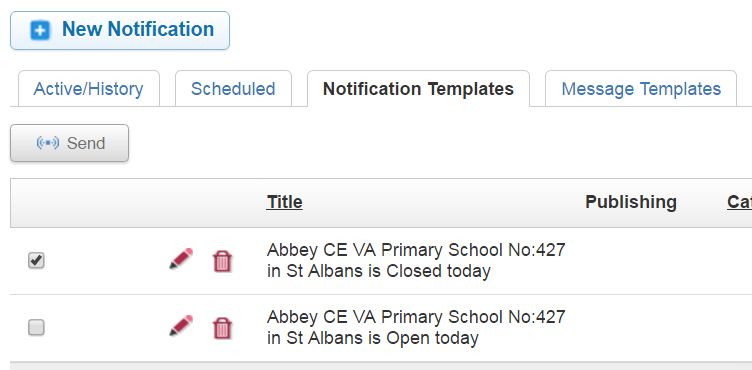
Kamla Gopaul    Middle leader   SEMT
                                Implementation
                                Contact Teachers

Laura           Teacher &       SEMT
Graham          SLT             T&L
                                Curriculum
                                Timetable

Mark Hurley     Teacher

James Bell      Teacher                            Sports First
                                                   Aid

Alison Lowth    Teaching                           First Aider
                Assistant                          Meds
                                                   Admin

Jessica Avery   Teaching
                Assistant

Lars            Teacher                            First Aider
Burkhardt

Charlotte       Teacher
Maxen

Joanne          (SENCO)         SEMT
Murphy

Lisa Harvey     SBM             SEMT
                                Finance
                                Admin

Deborah         Teaching                           First Aider
Parsonage       Assistant                          Meds
                                                   Admin

Marg Robin      Teaching
                Assistant

Will Adam       Teaching                           First Aider
                Assistant

Yasmin          Head of         SEMT
McLaggan        Pastoral care

Emma            Teacher
McCabe

Emma            Receptionist                       First Aider
Corless                                            Meds
                                                   trained

Madula          Receptionist                       First Aider
Spokes                                             Meds
                                                   trained

                                                                 8
Nina Waters Teacher First Aider
Meds
Admin
Mark Pearson Teacher .
Ashley Teaching First Aider
Hussain Assistant
Emma Hair &
Sheldrake Beauty
Santana Behavior TA First Aider
Leatham
Clair Wilson Foodtech
teacher
Tara Gathard Teaching
Assistant
Sharon Teaching
Fitzgerald Assistant
Katharine Interventions
Lane
Mark Noble Teaching
Assistant
Katy Noble English
teacher &
Literacy
interventions
Anna Giering Cook
Maggie Smith Cook
On-site personnel but not Batchwood payroll
Alternative Notes
SEMT role(s)
Name Job title Contact details contact (e.g. first aid
(if applicable)
details * trained)
Chris Lodder Psychiatric
Nurse
Graham Outdoor
Couling learning/Forest
Schools
Nick Beesley Counsellor
9Polly-Anne Counsellor
Hammond
Dawn Chair of
Laverick- Governors
Brown
Richard Vice Chair
Hattrell
Dougal H&S Governor
Hutchinson
10CALL CASCADE
Mr Jonathan Kemp
Headteacher
Local SLT
Authority Jonathan Kemp
Chair of Governors
Ross Whitaker
Dawn Laverick-
Tom Tansey
Brown
Laura Graham
Lisa Harvey
Jo Murphy
Middle Leaders Governors
SBM
Sarah Slater Lisa Harvey
Paul Billingham
Kamla Gopaul
Admin
Madula Spokes
Emma Corless
Health & Safety: Amanda Clewlow
Teachers & TAs Site: Geoff Stickings
Staff not on payroll Catering: A Giering & M Smith
Parents
Mentors
Taxis
Lettings
Cleaners
Follow HCC guidelines
EdExcel exams
Counsellors
1:1 support
111.4 GUIDANCE FROM HERTFORDSHIRE COUNTY COUNCIL
SCHOOL CLOSURE
The decision to close a school in severe weather, or when responding to a public emergency, should be
taken by the headteacher based on the following:
local conditions
this guidance
an assessment of risk
direct guidance from the local authority
Schools with reduced teaching staff should consider staying open and providing group activities to limit
the impact on working parents.
If the Director of Education and Early Intervention takes a decision to close a school or group of schools
urgently in a public emergency the HCC Warn and Inform procedure will be followed. See section Warn
and Inform.
Where possible we will endeavor to provide advanced. Where this has been issued, schools should
consider how this might impact on their establishment, for example:
Staffing issues
Fuel supplies
Catering supplies
Transport issues, e.g. Passenger Transport Unit, taxis etc.
Where it is likely that there will be prolonged severe weather or closures related to a public
emergency, a local authority team will be set up to coordinate and support services. Regular emails
will be sent to heads giving the county picture and any new information as it becomes available.
Schools should use the Closure Notification System (CNS) to inform the local authority and parents
of closures. Messages received by this system will be posted on a public facing noticeboard linked
from Hertsdirect.org. An email will also be automatically generated and sent to your nominated radio
station. Please allow up to 10 minutes for the message to show on the noticeboard.
Should the school require any additional assistance, for example if the premises has sustained
serious damage, follow the guidance in the School Emergency Response Plan and use the contact
numbers below:
Monday – Friday 08.30 -17.30 Tel: 01438 737261
Saturday 09.00 – 16.00 Tel:01438 737261
At all other times Tel: 0800 547547 (State you are declaring a Critical Incident)
STAFFING
Unless specifically told otherwise, staff will be expected to use their best endeavors to attend work
without putting themselves or others at risk. When the Police recommend that motorists undertake only
essential journeys this is considered to include travel to work and school.
Headteachers should ensure there is an up to date list of home contact/mobile phone details of all staff
and parents. Up to date lists can be found on SIMS, Parentmail and the Teachers Shared Drive.
Where it is deemed too unsafe or difficult for staff to attend their workplace, other options should be
considered.
12Teaching staff that can not get to their school should try wherever possible to offer to help out at any
nearby school. The headteacher will decide if the staff member has sufficient identification and allocate
suitable supervised tasks. Acceptable identification would consist of a CRB disclosure, a recent payslip
and photo ID such as a driving licence or passport.
PREPERATION FOR SEVERE WEATHER
In severe weather make sure that the heating is left on during ‘out of hours’ periods for frost protection
purposes. Where appropriate, ensure there is adequate fuel for prolonged closures.
Brief staff in advance to ensure they know what is expected of them.
Brief parents, children, taxis, mentors etc. in advance to ensure they understand how they can get up to
date information, e.g. local radio, parentmail. Hertsdirect.org etc. Last communication of procedures
issued to parents January 2017 & also on the school website.
Ensure regular suppliers/contractors are informed of procedures and confirm arrangements are in place
for essential services/deliveries. Where schools are open, risk assessments must be undertaken to
ensure the health and safety of staff, pupils and all site users, inspections of paths, walkways are carried
out regularly and are documented and kept by the school. This should include local arrangements for
clearing and salting when ice or snow appears, as well as any failures to the necessary surfaces.
If the schools are insured with HCC, the council's insurance section will deal with any liability issues that
arise. Any claim that is made to the school should be passed to the insurance section immediately. The
team will then process the claim and deal direct with the claimant, or their appointed representatives.
Where gales or high wind warnings have been issued, the site should be checked for dead or damaged
branches/trees and other potential hazards to people or property.
Where it is not possible for some staff and/or children to return home, schools should ensure there are
plans in place to provide warmth and hot refreshments.
In extreme conditions HCC may request that schools or other non-school establishments be used as rest
centres for members of the public.
RE-OPENING OF SCHOOLS FOLLOWING CLOSURE
When the severe weather has passed, establishments should check their premises before announcing
that it will reopen. The manager or key-holder should inspect the premises for signs of damage, e.g.
heating failure, flooding, burst pipes or damaged trees.
School sites that have experienced damage serious enough to warrant declaring a Critical Incident,
should follow the guidance in the School Emergency Response Plan and use the contact numbers
below:
Monday - Friday 08.30 – 17.30 Tel: 01438 737261
Saturday 09.00 – 16.00 Tel: 01438 737261
At all other times Tel: 0800 547547 (State you are declaring a Critical Incident)
Asbestos Helpline Tel: 0845 603 0369
Headteachers should use their school contact systems for advising staff of the situation and update the
schools status on the closure notification system.
13Responding to severe weather
Schools do not need to call the local authority or local radio stations. The Closure Notification System
will inform both the local authority and radio stations.
Each school will have a nominated a radio station(s). An email is automatically sent to the nominated
radio station(s) when a text is received. The radio stations can then decide if they are able to read out
school closures, host them on their websites or point listeners to Hertsdirect.org.
Please remember that in very extreme cases the radio stations may be overloaded and you should use
all other means possible to inform parents and others that the school will be closed.
publish information on your own website
tell parents to look on Hertsdirect.org
leave a message on the answer machine (no answerphone facilities as at 2017)
have contact numbers for staff and parents and others to hand and
use a cascade system where possible – page 9
leave a message on the main entrance or gate and, in the case of schools, ensure someone is
there to meet any children/parents etc who may turn up. Tom Tansey responsible.
let parents and others know that you will use the above methods
If at all possible, access the Everbridge Schools Closure System and notify parents of your school's
closure between midday and mid-afternoon of the day before. All messages are cleared from the
Closure Notification System each day at midday.
If you cannot make a decision until the morning, please send the text as early as possible to reach
parents and children before they set off for school. Please allow up to 10 minutes for the message to
show on the noticeboard.
Warn and inform
If the Director of Education and Early Intervention takes a decision to close a school or group of schools
urgently in a public emergency the following procedure will be followed.
A text message will be sent from the following number +44 7797 80 53 17 to the mobile phone
numbers provided by the school for the headteacher, member of SLT and chair of governors, as
emergency contacts on Solero.
This number (+44 7797 80 53 17) should be saved in all emergency contacts’ phones as 'HCC
Warn and Inform' in order that recipients recognise this as a genuine message from the local
authority. It is an outgoing message service only.
The system will also send an identical email simultaneously from hccemergency@imodus.com to
the head@ email address of the school.
14SECTION 2 - ROLES AND RESPONSIBILITIES
During an incident, the following roles and responsibilities need to be designated to separate members
of staff. However, depending on school arrangements, it may be that roles could be taken on by more
than one member of staff, or that a member of staff takes on more than one role.
2.1 Roles and responsibilities - co-ordination
Ref’ Co-ordination - initial response Tick / sign / time
C1 Establish a basic overview of the incident.
C2 If the incident has occurred on an educational visit:
Liaise with the educational visit leader on a regular basis
Consider sending extra staff to support the educational visit leader
Discuss with the educational visit leader the arrangements for
notifying parents / carers
Consider how parents / carers and pupils will be reunited.
C3 Wherever possible, assign members of staff to relevant School
Emergency Management Team (SEMT) roles:
Business continuity
Communications
Log-keeping
Media management
Resources
Welfare
C4 Remember to:
Allocate tasks amongst the SEMT
Ensure that staff are clear about their designated responsibilities
Establish the location and frequency of SEMT / staff briefings
Ask staff to maintain a log of actions made and decisions taken
Assign a log-keeper to provide administrative / secretarial support.
C5 Inform all other staff of the incident. Ensure staff are briefed (and given
tasks) on a regular basis.
C6 Take action to protect property.
C7 Work closely with other organisations (e.g. emergency services, local
authority) as required. Provide accurate and factual information to those
arriving on-scene.
C8 Ascertain the whereabouts of all pupils, staff and visitors (using
timetables, registers and visitor books may help). Ensure the emergency
services are aware of anyone who is unaccounted for.
C9 Inform governors as appropriate.
C10 Decide the most appropriate method of contacting relatives of pupils /
staff affected by the incident. If the matter is very serious (such as a
fatality) liaise with the Police about informing next of kin.
15Ref’ Co-ordination - ongoing response Tick / sign / time
C11 Act as the main contact for co-ordination of the response. Continue to
liaise with the emergency services and other organisations.
C12 Continue to allocate tasks amongst the SEMT. Work closely with the
SEMT to co-ordinate their actions and help to resolve any complications
or difficulties that arise.
C13 If the response is likely to last for a significant amount of time, consider
staff rotation / shift patterns.
C14 Ensure that regular briefings are given to:
Staff
Pupils
Parents / carers
Governors
Extended services
C15 Work closely with the ‘media management’ role to provide regular
briefings to the media. Seek support from other organisations if
necessary.
C16 Check that everyone who should have been notified of the incident has
been informed.
C17 In the event of a serious injury or fatality, report the incident to the
Health and Safety Executive (HSE) as soon as possible.
C18 Seek advice on legal and insurance issues, if appropriate.
C19 If the incident is a crime scenes (or subject to a fire investigation) seek
advice from the Police and / or Fire & Rescue Service.
Ref’ Co-ordination - recovery Tick / sign / time
C20 Act as the main contact for the recovery process. Continue to allocate
tasks amongst the SEMT and other staff.
C21 Ensure that post incident support is available to all who may require it
(please refer to appendix 1 for more information).
C22 Work closely with the ‘resources’ role in organising remedial work to
property and liaise with insurance companies, salvage specialists and
loss adjusters as appropriate.
C23 Complete any necessary forms / paperwork.
C24 Arrange a debrief for school staff involved in the response.
C25 Represent the school at other debriefs which may take place (e.g. one
organised by the local authority or Local Resilience Forum).
C26 Initiate a review of the school emergency plan.
C27 Consider contacting the headteachers of nearby schools to inform them
of any important issues relating to the incident.
162.2 Roles and responsibilities - business continuity
Please refer to appendix 2 for more information on business continuity arrangements.
Ref’ Business continuity - initial response Tick / sign / time
BC1 Assess the nature of the incident, e.g.:
Loss of utility supply
Loss of supplier
Loss of premises
Loss of personnel
Loss of telecommunications.
BC2 Establish what effect the emergency will have on the operation of the
school. Try to ascertain how long the disruption will last.
BC3 Consider how the incident will affect any extended services that use the
school premises. Liaise with these services as necessary.
BC4 Attempt to recover important documentation; records and equipment if
safe to do so (consult the emergency services for advice if necessary).
BC5 If appropriate, contact organisations which can assist in document
restoration.
Ref’ Business continuity - ongoing response Tick / sign / time
BC6 Minimise any disruption to the provision of education. Put arrangements
in place to keep the school open and try to maintain normal school
routines (e.g. teaching, exams) wherever possible.
BC7 Seek support from other organisations (e.g. buddy schools, the local
authority, suppliers / contractors) as required.
BC8 Work with the ‘communications’ role to ensure staff, pupils and parents /
carers are informed of any changes to the school routine.
BC9 In the event of a public health incident (e.g. pandemic influenza),
consider ordering infection control supplies and increasing the cleaning
regime.
Ref’ Business continuity - recovery Tick / sign / time
BC10 Work with school staff and other organisations to restore the usual
school routine as a matter of urgency.
BC11 Put in place arrangements for remote learning and exam sitting, if
necessary.
BC12 Make an inventory of any equipment which has been damaged. Arrange
for important items / documentation to be salvaged, restored or
replaced.
172.3 Roles and responsibilities - communications
Please refer to appendix 6 for more information on communication arrangements.
Ref’ Communications - initial response Tick / sign / time
CO1 Dedicate telephone lines for incoming and outgoing calls. Arrange extra
support at reception if necessary.
CO2 Record a new message on the school answer phone if appropriate.
Consider setting it to ‘answer only’ mode. (currently not an option on
school phone system 2017)
CO3 Support staff with any communication needs they may have.
CO4 Inform those involved in the response of any communication difficulties
(e.g. poor mobile signal in the area).
Ref’ Communications - ongoing response Tick / sign / time
CO5 Ensure regular information is provided to:
Pupils
Parents / carers
Governors
Extended services.
CO6 Consider the most effective arrangements for contacting pupils and
parents / carers (please refer to appendix 6). Ensure that records of calls
made to parents / carers are maintained.
CO7 Liaise with the ‘media management’ role about contacting local radio
stations.
CO8 Update the school answer phone on a regular basis.
CO9 Liaise with the ‘co-ordination’ role in sending a letter home to parents /
carers. This could include information on:
What has happened
How their child was involved
The actions taken to support those involved
Who to contact if they have any concerns or queries.
CO10 In the event of a major emergency, seek support from the local
authority; they may be able to establish a helpline for enquiries from the
public.
Ref’ Communications - recovery Tick / sign / time
CO11 Provide regular briefings to pupils and parents / carers.
CO12 Assist the ‘business continuity’ role in providing remote / virtual learning.
CO13 Check that any information in the public domain (e.g. website content) is
accurate and up-to-date.
182.4 Roles and responsibilities - log-keeping
Please refer to appendix 9 for more information on log-keeping.
Ref’ Log-keeping - initial response Tick / sign / time
LK1 Attend SEMT briefings. Keep a log of important information, actions
taken and decisions made.
LK2 Ensure that each member of staff keeps an incident log.
Ref’ Log-keeping - ongoing response Tick / sign / time
LK3 Provide administrative support to the SEMT.
LK4 Keep accurate records of anyone admitted to hospital or treated by the
emergency services.
LK5 Record details of any expenditure incurred by the school.
Ref’ Log-keeping - recovery Tick / sign / time
LK6 Collate all incident logs, making copies if necessary.
LK7 Ensure records related to the incident are archived securely but make
these available to authorised staff for future reference (e.g. in the event
of a de-brief or enquiry).
192.5 Roles and responsibilities - media management
Ref’ Media management - initial response Tick / sign / time
M1 Seek support from other organisations (e.g. emergency services, local
authority) in responding to media requests.
M2 Ensure media access to the site, staff and pupils is controlled. Do not let
the media onto the school site or give them access to pupils unless
there is a specific reason for doing so and permission / consents are in
place. Ask for support from the Police if necessary.
M3 Designate a specific area for the media away from the main entrance to
the school, so they do not prevent or intimidate people entering and
leaving the site.
M4 Develop a brief media statement (designed to provide reassurance) on
behalf of the school. Information given must be limited until the facts are
clear and all parents / carers have been notified.
M5 Arrange for an appropriate member of staff to act as a spokesperson
(preferably this person will have received media training). If a suitable
spokesperson is unavailable the Police or local authority may be able to
undertake this role.
M6 Be prepared to be interviewed by the media.
Ref’ Media management - ongoing response Tick / sign / time
M7 Devise an ongoing strategy for responding to media requests. Work
closely with the media to establish what information they require and
when their deadlines are.
M8 Gather information from the SEMT, emergency services and other
organisations as appropriate.
M9 Provide regular statements to the media. Ensure each message
conveys an accurate, consistent and reassuring message. All press
releases should be checked and agreed by the emergency services
(and other organisations as appropriate).
M10 Advise staff on where to direct media enquiries. Ask staff, pupils and
parents / carers to avoid speculation when talking to the media.
M11 Try to prevent the spread of misinformation (especially through the use
of mobile phones).
Ref’ Media management - recovery Tick / sign / time
M12 Keep the media informed of developments in the recovery process.
Present a positive and reassuring image to the public.
M13 Be aware of media interest in memorials or anniversaries of the event.
202.6 Roles and responsibilities - resources
Ref’ Resources - initial response Tick / sign / time
R1 Take action to protect property. Consider turning off utility supplies.
R2 Ensure the emergency services can access / egress the school without
hindrance. Consider sending a member of staff to the school entrance to
prevent people restricting access by parking in unsuitable places.
R3 Advise the emergency services of any property related issues / hazards
(e.g. asbestos, chemical stores). Consider providing personnel with a
site map.
R4 Work with other staff and the emergency services to control access to
the school:
Advise staff and governors that they might have to prove their
identity before the emergency services will grant them access.
Provide authorised visitors with identification badges and ensure
they sign-in and sign-out.
Ensure that media access to the site is controlled.
Ref’ Resources - ongoing response Tick / sign / time
R5 Liaise with utility suppliers as required.
R6 Establish safe and secure areas to assist the response. E.g.:
SEMT briefing room
Briefing area for parents / carers
Media briefing room.
R7 Work closely with staff and other organisations to provide access to
facilities and resources as required. This may involve opening or closing
parts of the school.
R8 Ensure the school site is secure (e.g. provide temporary fencing around
damaged areas, arrange for broken windows to be boarded).
R9 Work with the ‘business continuity’ role to arrange temporary
accommodation, if required.
Ref’ Resources – recovery Tick / sign / time
R10 Work closely with the ‘co-ordination’ role in organising remedial work to
property and liaise with insurance companies, salvage specialists and
loss adjusters as appropriate.
R11 Arrange a site visit with relevant personnel (e.g. emergency services,
utility suppliers, local authority) involved in the recovery phase.
R12 Procure temporary classrooms if appropriate.
212.7 Roles and responsibilities - welfare
Ref’ Welfare - initial response Tick / sign / time
W1 Establish arrangements to meet the welfare needs of pupils, staff,
parents / carers, visitors and responders.
W2 Identify pupils who may require additional support:
Those with Special Educational Needs (SEN)
Those with medical needs
Those with Personal Emergency Evacuation Plans (PEEPs)
Anyone who may be particularly vulnerable or badly affected (e.g.
those who were involved in, or witnessed, the incident).
Ref’ Welfare - ongoing response Tick / sign / time
W3 Assess the welfare and emotional needs of all those involved. Continue
to monitor and support those who may be particularly affected by the
incident.
W4 Make arrangements for reuniting pupils with their parents / carers.
Ensure that a member of staff is present to meet and greet them.
W5 In groups as small as practicable, inform pupils about the incident.
Consider the best way to convey bad news. In the event of a tragic
incident, consider seeking support from educational psychologists about
the best way to inform and support pupils..
W6 Where possible, every child should to be spoken to, and asked if they
are alright, before they leave school.
W7 Take account of religious and cultural factors. Consider contacting
religious leaders within the community for support.
W8 Ensure that staff take regular rest periods.
Ref’ Welfare – recovery Tick / sign / time
W9 Please refer to appendix 1 for information on welfare arrangements and
post incident support after the emergency response.
222.8 Roles and responsibilities - educational visit leader
Ref’ Educational visit leader - initial response Tick / sign / time
E1 Ascertain the whereabouts of all pupils and staff. Ensure the emergency
services are aware of anyone who is unaccounted for.
E2 Contact the headteacher (or nominated emergency contact) to ask for
support. Remember to clarify international dialling codes if abroad.
E3 Establish a basic overview of the incident. Ensure that accurate, factual
information is available for those arriving on-scene.
E4 Establish arrangements to meet the immediate welfare needs of pupils
and staff.
E5 Identify pupils with Special Educational Needs (SEN) and anyone who
may be particularly vulnerable. Inform the emergency services of any
pupils or staff with known medical conditions or requirements.
E6 Ensure that a member of staff accompanies any pupils to hospital but
remember the safety of everyone else, even if unharmed. Do not leave
anybody on their own and try to maintain an adequate adult / pupil ratio.
E7 Ensure other staff are briefed (and given tasks) on a regular basis. Ask
staff to maintain a log of actions taken and decisions made.
E8 Keep a log of important information, actions taken and decisions made.
E9 Remember to retain any important items / documents. E.g.:
Contact details
Consent forms (including medical and next-of-kin details)
Maps
Tickets
Insurance policies
Proof of identity
Passports (if abroad).
E10 Avoid making comments to the media until parents / carers have been
informed.
E11 Do not discuss legal liability with others.
23Ref’ Educational visit leader - ongoing response Tick / sign / time
E12 Continue to assess any risks to pupils and staff. Take action to prevent
further harm if necessary.
E13 Act as the main contact for co-ordination of the response and work
closely with the headteacher / nominated emergency contract. Continue
to liaise with the emergency services and other organisations.
E14 Continue to brief staff and allocate tasks on a regular basis.
E15 Monitor and reassure pupils. Make arrangements for the longer-term
welfare needs of pupils and staff.
E16 Consult the headteacher (or nominated emergency contact) about
arrangements for notifying parents / carers and reuniting them with their
children.
E17 Liaise with the tour operator / provider, if appropriate.
E18 Try to obtain the names and contact details of any witnesses to the
incident. If possible, obtain a written account from them.
E19 If abroad, contact the Foreign & Commonwealth Office for support.
E20 If abroad, check your insurance policy and seek insurance / legal advice
before incurring any substantial expense (e.g. medical treatment).
E21 Retain any receipts / documentation for insurance purposes. E.g.:
Records of expenditure
Medical certificates / hospital admission forms
Police incident number.
E22 Check that everyone who should have been notified of the incident has
been informed. Remember that information given must be limited until
the facts are clear and all parents / carers have been notified.
E23 Ask the headteacher (or nominated emergency contact) to assist with
developing a media statement, with support from other organisations as
appropriate. Devise an ongoing strategy for dealing with media
requests.
E24 Ask pupils and staff to avoid speculation when talking to the media. Try
to prevent the spread of misinformation (especially through the use of
mobile phones).
Ref’ Educational visit leader - recovery Tick / sign / time
E25 Please refer to appendix 1 for providing welfare arrangements and post
incident support after the initial emergency response.
E26 Complete any necessary forms / paperwork.
24SECTION 3: FURTHER CONTACT DETAILS
253.1 Contact details - extended services
* Leave this field blank for use during an emergency; you may need to record alternative contact details.
Type / description Alternative Notes
Name Operating hours Contact details
of extended service contact details * (e.g. key holder)
263.2 Contact details - local authority
* Leave this field blank for use during an emergency; you may need to record alternative contact details.
Name / role of contact Alternative
Organisation Contact details Notes
(if applicable) contact details *
Emergency number 999
Children’s services
Media / communications
Property
Transport
Website Updates
Educational visits
Emergency planning
Health and safety
Risk / insurance
Legal
Human resources
Educational psychology
Occupational health
273.3 Contact details - local radio stations
* Leave this field blank for use during an emergency; you may need to record alternative contact details.
Name / role of contact Alternative Notes
Radio station Contact details
(if applicable) contact details * (e.g. coverage, frequency)
Heart FM Radio Station Everbridge
Radio Verulam Everbridge
NOTE : HCC WILL ADVISE LOCAL RADIO STATIONS WHEN WE ADVISE THEM OUR SCHOOL IS CLOSED;.
283.4 Contact details - other organisations
* Leave this field blank for use during an emergency; you may need to record alternative contact details.
Name / role of
Alternative
Organisation contact Contact details Notes
contact details *
(if applicable)
Police 999 101(non-
emergency no)
Fire & Rescue 999
Service
Ambulance Service 999
This table should be left blank so it can be used to record additional contact details during an
emergency.
Name Contact details Notes
29APPENDIX 1 - POST INCIDENT SUPPORT
Ref’ Post incident support - assistance for pupils and parents / carers Tick / sign / time
P1 Introduce a strategy to monitor pupils and staff who may be particularly
affected by the incident. Ensure that staff are aware of this strategy.
P2 Offer pupils and staff the opportunity for psychological support and
counselling. Ensure staff and pupils know that support is available and
arrange access to these services as necessary.
P3 Consider which pupils need to be briefed, how, and by whom.
P4 Provide opportunities for pupils to discuss their experiences (e.g.
promoting discussion during class, arranging a special lesson). Do not
discourage pupils from talking about their experiences.
P5 Consider providing relevant books in the school library.
P6 Arrange for a member of staff to visit those affected (at home or at
hospital). Ask for consent from parents / carers before doing this.
P7 Make arrangements to express sympathy to those who have been hurt.
Consider encouraging pupils to send cards / messages to those
affected.
P8 Be sensitive about the demands practical issues might make on pupils
(e.g. deadlines for coursework, imminent exams).
P9 Send a letter to parents / carers with information on:
The nature of the incident
How their child was notified of the incident
Arrangements for support organised by the school
Who to contact if they would like additional support.
P10 Maintain regular contact with parents / carers.
P11 Do not make public any sensitive / confidential information about
individuals unless consent has been given by pupils and parents /
carers.
P12 Consider organising an event for parents / carers to discuss any issues
or concerns they might have.
P13 If pupils who were particularly affected by the incident leave school (e.g.
transferring from primary to secondary education) consider, sensitively
and confidentially, notifying the headteacher of the new school.
30Ref’ Post incident support - general actions Tick / sign / time
P14 Request support from educational professionals trained in psychological
debriefing, critical incident stress debriefing, bereavement counselling
and trauma management if appropriate.
P15 Consider requesting support from other organisations. E.g.:
Teacher Support Network
Samaritans
Cruse Bereavement Care.
Local hospices
P16 Manage any distress that could be caused by ongoing Police enquiries,
legal proceedings and media attention.
P17 Cancel or rearrange any events which are inappropriate.
P18 Plan appropriate support for staff to enable them to cope with any
questions or discussions pupils might have about the incident.
P19 Ensure that any new roles given to staff do not place too great a burden.
Over time, staff may need to be relieved of any additional
responsibilities given to them.
P20 Ensure that new staff are aware of the incident, which pupils were
involved and how they were affected.
P21 Consider any actions which can be taken to support the local community
if affected by the incident (e.g. fund raising).
Ref’ Post incident support - returning after a period of absence Tick / sign / time
P22 Negotiate with parents / carers a suitable date for returning to school
after a period of absence.
P23 Consider if any additional support could be provided which would make
the return easier. E.g.:
Initial part-time attendance
Alternative methods of teaching
A sanctuary that pupils could use if upset during the school day.
P24 Brief pupils who may be able to help in the process of resettling (e.g.
close friends).
P25 Ensure that all staff are aware of the need for sensitivity. Put in place
special arrangements for:
Missed work
Rescheduling projects
Exams.
31Ref’ Post incident support - funeral arrangements Tick / sign / time
P26 Contact bereaved families to express sympathy on behalf of the school.
P27 Take account of religious and cultural factors (e.g. some faiths wish to
hold funerals within 24 hours of death). Consider contacting religious
leaders within the community for support.
P28 Consult parents / carers sensitively about funeral arrangements. Try to
establish if representatives from the school will be invited to the service.
It may be useful to consider:
Closing the school on the day of the funeral as a mark of respect
A senior member of staff attending the funeral on behalf of the
school
If staff and pupils can be allowed time off school to attend the funeral
Providing transport to take pupils and staff to the funeral
Providing pupils with information about what happens at funerals
Arranging floral tributes and / or donations.
Ref’ Post incident support - remembrance Tick / sign / time
P29 Taking into account the wishes of the family, consider providing a
suitable memorial at the school:
Garden
Seating area / bench
Tree
Book of condolence
Fountain
Sculpture
Painting
Photograph
Prize (e.g. a sporting / academic trophy for older children).
P30 Be aware of important dates which may need to be prepared for. E.g.:
Birthdays
Christmas
Mother’s day
Father’s day
Anniversary of the event.
P31 Discuss with governors, staff, parents / carers and pupils how to mark
anniversaries and other important dates. E.g.:
Commemorative service
Special assembly
Concert
Display
Sports event.
P32 Be aware of renewed media interest near anniversaries of the event.
32APPENDIX 2 - BUSINESS CONTINUITY
Important paper-based records should be kept in a secure location (e.g. a fire-proof safe). During an emergency do not attempt to recover any records or
equipment unless safe to do so.
Effect of loss Back-up measures /
Paper-based records Where are they stored?
(short-term, medium-term, long-term) restorative arrangements
Coursework Locked fire proof box – S Slater office Exam board need contacting – to
explain situation
Examination papers Locked in fire proof box in Admin Exam board need contacting – to
cupboard explain situation
Asset registers / Admin – Finance Office Asset registers also stored on shared Daily back up on icloud
equipment inventories area
Financial information Admin – Finance Office Bank to be contacted for replacement Daily back up on icloud
(bank account details etc) statements
Insurance documentation Admin- Finance Office Insurance companies to be contacted Daily back up on icloud
(policy details etc) for replacement certificates
Effect of loss Back-up measures /
Electronic records Where are they stored?
(short-term, medium-term, long-term) restorative arrangements
Coursework All work is stored on computers Exam board need contacting – to Back-up tapes are stored in fire proof
explain situation safe, changed daily from Monday to
Friday
Contact details SIMS/Parentmail As above
Financial information Stored on computer – K drive As above
(bank account details etc)
Insurance documentation Stored in Finance Office Insurance companies to be contacted
(policy details etc) for replacement certificates
33Medical information Stored on SIMS & paper copies in hub
Remote learning Notes / instructions
Website / extranet
Email
Post
Parentmail login details:
34APPENDIX 3 - SITE INFORMATION
Utility supplies Location Notes / instructions
Gas Double white doors outside
kitchen door on right.
Water On far end classroom
wall facing the upper
entrance
Electricity Cupboard under stairs on
the main thoroughfare
towards top end of school.
Heating Heating controlled by
boilers situated in Boiler
Room entrance behind
gates at front of school
Internal hazards Location Notes / instructions
Asbestos In most ceilings throughout
the school
Chemical store(s) Science
Pre-designated areas Location Notes / instructions
SEMT briefing area Headteacher’s office
Media briefing area Headteacher’s office
35APPENDIX 5 – EVACUATION
An evacuation is to move people away from a real or potential danger to a safe place. This may be
evacuating to another area of the school building or an evacuation of the whole site. You may have a
routine assembly point that is identified for fire evacuations, however other types of incident, such as a
bomb threat, will require an assembly point that is much further away from the building. If you can,
identify a secondary assembly point for bomb threats, if you cannot identify a location it will have to be
dealt with proactively during the emergency.
Batchwood School uses the fire bell for all evacuation.
Signals
Signal for fire evacuation Continuous ringing bell
Signal for bomb evacuation Continuous ringing bell
Signal for all-clear Continuous ringing bell
Assembly points - fire evacuation
Fire evacuation assembly point A School Playground – Top Field
Fire evacuation assembly point B Gardenfields School
Assembly points - bomb evacuation
Bomb evacuation assembly point A Gardenfields School
Bomb evacuation assembly point B Heathlands School, Heathlands Drive, St Albans, AL3 5AY
If the school has been evacuated and pupils are not able to return to school (or go home) it may be
possible to relocate temporarily to another building (e.g. buddy school or place of safety).
Pre-identified buddy school / place of safety / rest centre
Name of premise Gardenfields School
Type of premise Primary School
Contact name and details 01727 890440 (Gardenfields School)
of key holder(s)
Address Townsend Drive, St Albans Herts AL3 5RL
Directions / map
Estimated travel time 1 minute walk
(walking, with pupils)
Estimated travel time N/A – Walking distance as adjacent school
(by coach, with pupils)
Capacity All students from Batchwood
Capacity (sleeping) N/A
36Facilities / resources Hall, toilet facilities, water, telephone
Notes
37APPENDIX 6 – SHELTER IN PLACE
Shelter in Place is when there is a hazard outside of the school building. This could be environmental,
such as a smoke cloud or suspected chemical leak, or an intruder in the school’s grounds. Actions to be
taken include closing doors and windows and ensuring ventilation systems are switched off.
Different warning signals should be used for these different circumstances. What signals used should be
decided upon by individual schools as alarms system capabilities differ between schools. It may be that
they can be set to sound the normal fire bell noise and also a separate pulsating signal to signal shelter
in place. If your alarm does not have this capability then an air horn or manual bell could be used.
Signals
Signal for shelter Staff informed verbally
Signal for all-clear Staff Informed verbally
Upon hearing the shelter signal, take the action below.
Ref’ Initial response - shelter Tick / sign / time
S1 Ensure all pupils are inside the school building.
S2 If appropriate, move pupils away from the incident (e.g. to the other side
of the building).
S3 Dial 999, if appropriate. Dial once for each emergency service that you
require.
S4 If sheltering from an environmental hazard (e.g. a smoke plume) ensure
all doors and windows are closed and ventilation / air circulation systems
are switched off.
S5 Check for missing / injured pupils, staff and visitors. Check refuge area
(School house)for staff member and students with PEEP
S6 Reassure pupils and keep them engaged in an activity or game.
S7 Notify parents / carers of the situation via parent mail
S8 Remain inside until an all-clear has been given, or unless told to
evacuate by the emergency services.
38APPENDIX 7 - LOCKDOWN
Signals
Signal for lockdown Message via telephone system tannoy
Signal for all-clear Verbally advised
Lockdown
Rooms most suitable for lockdown Students to be kept in classrooms
Entrance points (e.g. doors, All entrance points are kept closed throughout the day – PE
windows) which should be secured back door would need checking
Communication arrangements All classrooms have a phone or walkie-talkie
Notes
Upon hearing the lockdown signal, take the action below. If someone is taken hostage on the premises,
the school should seek to evacuate the rest of the site.
Ref’ Initial response - lockdown Tick / sign / time
L1 Ensure all pupils are inside the school building. Alternatively, ask pupils
to hide or disperse if this will improve their safety.
L2 Lock / secure entrance points (e.g. doors, windows) to prevent the
intruder entering the building.
L3 Dial 999. Dial once for each emergency service that you require.
L4 Ensure people take action to increase protection from attack:
Block access points (e.g. move furniture to obstruct doorways)
Sit on the floor, under tables or against a wall
Keep out of sight
Draw curtains / blinds
Turn off lights
Stay away from windows and doors.
L5 Ensure that pupils, staff and visitors are aware of an exit point in case
the intruder does manage to gain access.
L6 If possible, check for missing / injured pupils, staff and visitors.
L7 Remain inside until an all-clear has been given, or unless told to
evacuate by the emergency services.
39APPENDIX 8 - SCHOOL CLOSURE
Ref’ Generic actions - initial response Tick / sign / time
SC1 Assess the need for closure. Consider whether any mitigation measures
are possible, such as:
Partially opening the school to some pupils
Asking a buddy school for assistance
Purchasing infection control supplies (in the event of a public health
incident).
SC2 If necessary, assemble an SEMT.
SC3 Seek support from other organisations (e.g. the local authority) as
appropriate.
SC4 Ensure that everyone who needs to be aware of the closure is notified,
using the most suitable options in appendix 6. It may be appropriate to
inform:
Pupils
Parents / carers
Staff
Governors
Local radio stations
The local authority
SC5 If the closure takes place during the school day, arrange transport for
pupils as necessary.
SC6 If the closure takes place outside school hours, at least one member of
staff should be present at the school entrance at the beginning of the
school day, to ensure that any pupils who do arrive are informed of the
closure, and to check pupils are able to return home safely.
SC7 Make alternative arrangements for exams if necessary.
If the school is likely to be closed for a significant period of time, consider the actions below.
Ref’ Generic actions - ongoing response Tick / sign / time
SC8 Ensure pupils, parents / carers, governors and the media are regularly
informed of developments.
SC9 Consider how pupils with Special Educational Needs (SEN) or medical All students SEN
needs may be affected if the school remains closed for an extended
period of time.
SC10 Ensure the security of the school premises.
SC11 Put in place arrangements for remote learning (please see appendix 2).
40APPENDIX 9 - COMMUNICATIONS
Designated telephone lines Contact number Location of telephone
Incoming calls 01727 868021 Reception
All relevant parties should be updated at regular intervals on the incident; even if no significant
developments have occurred since the last time of contact.
Methods of Notes / instructions
communication
Answer phone No
School website / Log-in details
extranet authorised / trained to edit the website
Use Everbridge for Herts County website
Text messaging system Yes - Parentmail
Local radio stations Instructions for reporting school closures.
Telephone tree See Call Cascade Page: 6
Sign at school entrance Yes – Caretaker to put up sign and greet anyone who arrives
Newsletter Reminder to be posted on school website from next newsletter
Email Via Parentmail
Letter Letter to all parents January 2019
Preferred methods of communication are included below (although these may change depending on the
exact nature of the incident).
Group Preferred method of contact Contact details are available from
Pupils No details held on record
Parents / carers Telephone and Parentmail SIMs and on Parentmail
Governors Telephone Computer shared area and
Parentmail
Mentors Telephone/email Computer shared area and
Parentmail
Cleaners Telephone GS to call Haywards
41You can also read


