SERVICE DELIVERY PLAN APRIL 2021 - MARCH 2022 - SAFER, STRONGER COMMUNITIES, SAFE, EFFECTIVE FIREFIGHTERS
←
→
Page content transcription
If your browser does not render page correctly, please read the page content below
SERVICE DELIVERY PLAN
APRIL 2021 - MARCH 2022

SAFER, STRONGER COMMUNITIES,
SAFE, EFFECTIVE FIREFIGHTERS

                     SAFER, STRONGER COMMUNITIES,
                       SAFE, EFFECTIVE FIREFIGHTERS   1
CONTENTS

        1.1 Introduction											4
        1.2 Corporate Mission & Aims									6
        1.3 Our Core Values											7
        1.4 About Merseyside										8
        1.5 Risk, Demand & Vulnerability								12
        2.1 The Services Provided by the Fire & Rescue Authority			 18
        Operational Preparedness									18
        Operational Response										20
        Lead Authority National Resilience								22
        Prevention												23
        Protection												24
        Our People												26
        3.1 Financial												27
        3.2 The Authority’s Budget									28
        4.1 Performance Indicators									30
        4.2 Performance for 2020/21									32
        Comments on Key Performance Indicators						34
        Key Performance Indicators for 2021/22 (with targets)				            36
        5.1 Integrated Risk Management Plan (IRMP) 2021-25				 39
        5.2 Functional Plans 2021/22									48
        6.1 Service Delivery Plan Action Points 2020/21					                 50
        7.1 Equality, Diversity & Inclusion								58
        7.2 Equality Objectives 2021/24								60
        8.1 Station Community Risk Management Plans 2021/22			               66
        9.1 Consultation & Communication							68
        General MFRA Glossary of Terms								70
        Appendix 1 - Organisation Chart								74
        Appendix 2 - Planning Processes								75
        Appendix 3 - Station Plans 2021/22								77

2   2                                     SAFER,
                                           SAFER,
                                            SAFE,
                                                 STRONGER
                                             SAFE,
                                                   STRONGER
                                                  EFFECTIVE
                                                            COMMUNITIES,
                                                             COMMUNITIES,
                                                            FIREFIGHTERS
                                                    EFFECTIVE FIREFIGHTERS   33
1.1 INTRODUCTION
But we won’t stop there. We will with our focus on older Merseyside
continue to work to make sure residents.
that our organisational culture
We will do this and more against the
is welcoming to people from all
backdrop of the continuing pandemic
backgrounds and everyone feels
and its legacy, the impact of the UK
that they belong. We will continue
leaving the EU, the second national
to support our communities during
fire and rescue service inspection
Welcome to our Service Delivery Plan for 2021/22. This the pandemic and beyond, including
and ongoing government funding
Plan brings together in one document Merseyside Fire and increasing our support for the
challenges. We believe that we can
Rescue Authority’s plans and priorities for 2021/22 including Ambulance Service, whilst continuing
make all our proposed changes within
those set out in our Draft Integrated Risk Management Plan to improve, our own front line services
our planned budgets by continuing
(IRMP) 2021-24. At the time of writing the IRMP is being over the three years of this Plan.
the work we started in our IRMP
consulted upon and will be approved in July 2021. In our IRMP and this Service Delivery Supplement 2019/21 and doing things
Plan our focus once again includes differently, including using a range of
Since our last Service Delivery Our amazing staff have also stepped an increase in our front line response, ways of staffing fire stations and fire
Plan was published we have all up to help partner organisations and to our knowledge this is not engines flexibly to meet demand and
lived through what must be the when they needed it most, including mirrored anywhere else in the country. risk.
most challenging twelve months delivering food, medical supplies The specialisms and capabilities
of our lives, with the impact of the and prescriptions, supporting mass This Service Delivery Plan anticipates
of our staff and the equipment we
pandemic still being felt, but the testing and vaccination and working those proposals and includes actions
provide will be enhanced to meet all
promise of hope on the horizon. with all Merseyside Local Resilience that will help us deliver them during
the known and emergent risks on
Forum partner organisations to help the next year, but it is flexible enough
Like all organisations, the pandemic Merseyside.
Merseyside communities deal with to adapt, should the IRMP public
has resulted in many changes for Over the three years of the IRMP consultation result in any changes to
the impact of the pandemic.
Merseyside Fire and Rescue Authority we propose to build a new state of the final IRMP.
including an increase in agile In addition, Merseyside Fire and the art Training and Development
working and the use of Information Rescue Service led the pandemic Whatever challenges the next twelve
Academy which will allow us to
Technology, changes in the way we response for the whole of the UK fire months presents, you can be assured
expand and increase our training, with
work to ensure we can still deliver all and rescue service, helping to make that Merseyside Fire and Rescue
the potential to become a centre of
our services including our emergency a difference all over the country. Service will continue to provide
excellence for national training. As
response and work to make all our A national fire and rescue service the highest levels of service to the
part of that project, we also want to
buildings Covid-secure. Covid-19 inspection was strewn with communities of Merseyside and
create a new super-station to replace
examples of notable practice, which beyond.
Some of this has been challenging, two fire stations that are reaching the
demonstrated that our response to end of their useful life, whilst securing
but there have also been a lot of
the pandemic has been efficient and an improvement in our response
positives to take away from the
effective for Merseyside communities times.
last year, particularly how we have
and that we took good care of our
responded to the pandemic. Our We plan to increase our ability
staff.
excellent emergency response to inspect high risk buildings
has not been affected; at times it It is no wonder then that our most and assist building owners and
improved and many incident types recent staff survey, held in November occupiers to comply with fire safety
have reduced. Our Prevention and and December 2020, showed that law by recruiting more fire safety
Protection staff have continued 88% of our staff are engaged with inspectors and we will broaden our
to provide support and advice to the organisation, support what we fire prevention activity to include Phil Garrigan Cllr Les Byrom
vulnerable residents and to building are doing and feel valued. This is an providing free home fire safety checks
Chief Fire Officer Chair of the
owners, and we have taken action excellent result and we couldn’t be Fire Authority
for vulnerable people living in more
when needed, to keep people safe. prouder of what our staff have done deprived areas as well as continuing
and continue to do every day.
4 4 SAFER,
SAFER,
SAFE,
STRONGER
SAFE,
STRONGER
EFFECTIVE
COMMUNITIES,
COMMUNITIES,
FIREFIGHTERS
EFFECTIVE FIREFIGHTERS 55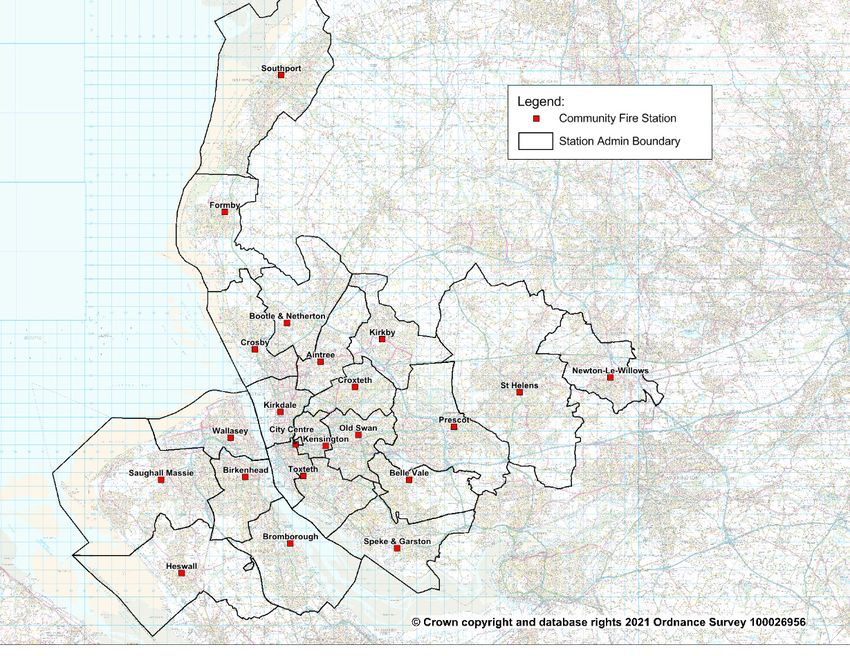
1.2 CORPORATE MISSION & AIMS                                                      1.3 CORE VALUES

                                                                                  We shape our actions by embedding our core values into the way we deliver
OUR MISSION IS TO ACHIEVE:                                                        our services:
Safer, Stronger Communities - Safe, Effective Firefighters                        Make a positive difference to our community
                                                                                  We will build upon our unique position of trust and respect within the
OUR AIMS ARE:
                                                                                  community and the professionalism of our staff to tackle the real underlying
Excellent Operational Preparedness                                                factors which affect risk. We will achieve this by seeking partnerships in areas
We will provide our firefighters with the training, information, procedures and   where we believe we can contribute to making communities safer from fire
equipment to ensure they can safely and effectively resolve all emergency         and other emergencies.
incidents.
                                                                                  Provide an excellent and affordable service
Excellent Operational Response                                                    We will manage our emergency response flexibly, with an emphasis on
We will maintain an excellent emergency response to meet risk across              those most at risk. We will do this by managing the number and type of
Merseyside with safety and effectiveness at its core.                             appliances which are available to respond to emergencies at different locations
                                                                                  throughout the day, night and at different times of the year to more accurately
Excellent Prevention and Protection (Legislative Fire Safety)                     reflect the changing level and location of risk.
We will work with our partners and our community to protect the most              Everyone matters
vulnerable through targeted local risk reduction interventions and the robust
                                                                                  We aim to reduce risk in every home on Merseyside to a tolerable level, with
application of our legal powers.
                                                                                  no homes being assessed as high risk after we and our partners have offered
Excellent People                                                                  support to the resident. To achieve this, we will be more sophisticated in the
                                                                                  way we commit resources to reduce risk; we will continue to offer free Home
We will develop and value all our employees, respecting diversity, promoting
                                                                                  Fire Safety Checks to the most vulnerable residents of Merseyside, but our
opportunity and equality for all.
                                                                                  key focus will be to work with our partners to identify and provide assistance
                                                                                  to those individuals within the community who are most at risk from fire and
                                                                                  other emergencies.

                                                                                  Respect our environment
                                                                                  We will fulfil our responsibilities for protecting the built and natural
                                                                                  environment, with support and commitment at the highest level. We will
                                                                                  continue to identify and manage our activities, which have an impact on the
                                                                                  environment, without compromising our operational response or our service
                                                                                  delivery to the communities of Merseyside.

                                                                                  Our people are the best they can be
                                                                                  We will ensure our workforce has the necessary knowledge, skills and values to
                                                                                  make a difference. We will support them in their role and encourage them to
                                                                                  contribute their ideas to continually improve the Service to deliver our mission.

     6                                                                                                                        SAFER, STRONGER COMMUNITIES,
                                                                                                                                SAFE, EFFECTIVE FIREFIGHTERS         7
1.4 ABOUT MERSEYSIDE

Merseyside is an area in the north west of England, on both sides of the
mouth of the river Mersey and includes the metropolitan districts of Knowsley,         MERSEYSIDE FIRE & RESCUE SERVICE FIRE STATION LOCATIONS
Liverpool, Sefton, St Helens and Wirral.
Merseyside spans 249 square miles (645 Km2) of land containing a mix of built
up urban areas, suburbs, semi-rural and countryside locations, but most of the
land use is urban. It has a central business district at the heart of Liverpool City
Centre, though each of Merseyside’s metropolitan districts has at least one
major town centre and outlying suburbs.
Mid 2019 population figures show that Merseyside has a population 1,429,910.
Since the 2011 census, the population of Merseyside has grown by 3.5% with
each metropolitan district showing overall increases.
Digging deeper into the population of Merseyside, we see:
•    Slightly more females than males in Merseyside (51.1% female against
     48.9% male)
•    Based on the 2011 Census, of the total population of over 65s in
     Merseyside 98.4% are classed as White and 1.6% Black and Minority Ethnic
Merseyside is one of the most deprived areas in England, with Knowsley being
the 3rd most deprived local authority in England and Liverpool being 4th.
There are better off areas, for example in West Wirral and North Sefton, but
large areas of Merseyside fall within the highest ratings of social deprivation,
which has the side effects of high levels of poverty, social exclusion and crime.

     8                                                                                                               SAFER, STRONGER COMMUNITIES,
                                                                                                                       SAFE, EFFECTIVE FIREFIGHTERS   9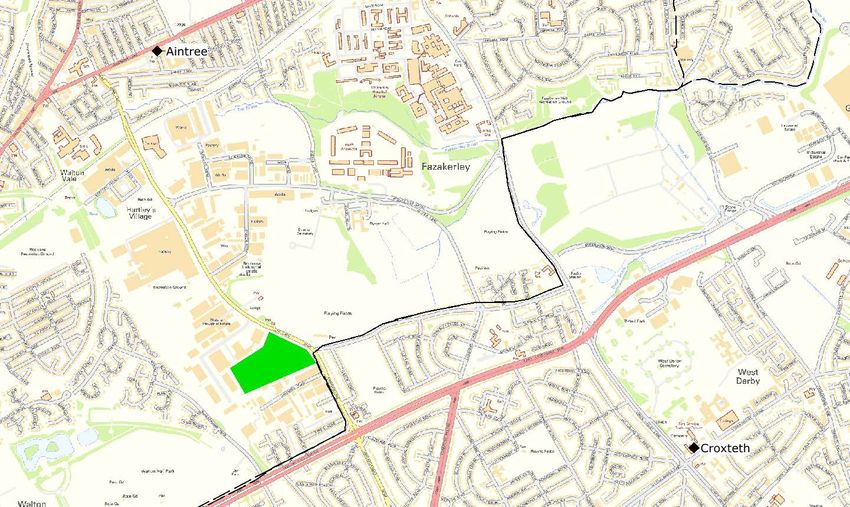
KNOWSLEY
                                        Population: 150,862
                                        Land Area: 86 sq km
                                        Homes: 66,027
                                        Roads: 368.5 miles
SEFTON                                  Ranked 3 out of 317 local authority
 Population: 276,410                    areas in the IMD 2019.
 Land Area: 216 sq km
 Homes: 125,082                                                               ST HELENS
                                                                              Population: 180,585
 Roads: 614.4 miles
                                                                              Land Area: 136 sq km
 Ranked 89 out of 317 local authority
 areas in the IMD 2019.                                                       Homes: 81,261
                                                                              Roads: 460 miles
                                                                              Ranked 40 out of 317 local authority
                                                                              areas in the IMD 2019.

WIRRAL
Population: 324,011
Land Area: 220 sq km
Homes: 146,155
Roads: 756.6 miles
Ranked 77 out of 317 local authority
areas in the IMD 2019.

                                                                              LIVERPOOL
                                                                              Population: 498,042
                                                                              Land Area: 162 sq km
                                                                              Homes: 212,446
                                                                              Roads: 894.6 miles
                                                                              Ranked 4 out of 317 local authority
                                                                              areas in the IMD 2019.

   10                                                                         SAFER, STRONGER COMMUNITIES,
                                                                                SAFE, EFFECTIVE FIREFIGHTERS        11
1.5 RISK DEMAND                                                                                 MAP IDENTIFYING POTENTIAL RISKS IN MERSEYSIDE

& VULNERABILITY

PREPARING OUR PLANS
This Service Delivery Plan includes details of how we will deliver our Integrated
Risk Management Plan Proposals in 2021/22 and the performance indicators
we will use to show whether what we have done has been a success.
The Integrated Risk Management Plan proposals are based on three
main factors; the risks in Merseyside, the demand for our services and the
vulnerability of our communities and people who live in them. These three
themes all make a difference to the safety of people, buildings and places in
Merseyside:
During preparation for the Integrated Risk Management Plan 2021-24 extensive
work was completed around the National Security Risk Register and the
Community Risk Register created by the Local Resilience Forum https://www.
merseysideprepared.org.uk/
Through this work we have identified six high impact incident types that we
should focus on in Merseyside:
•   Terrorist Related Incidents		 • Marine Incidents
•   Wildfire						• Flooding
•   Fires in large buildings			   • Fires at recycling and waste
    							 processing plants
Knowing these risks helps to focus on areas of greater risk when planning our
Service Delivery Plan and at a local level, our Station Plans.
Plotting these risks on a map of the Merseyside region allows us to identify
where our risks are and place our resources to meet these risks, as illustrated in
the map on page 13.

                                                                                     There are areas on this map which are important to the infrastructure of
                                                                                     Merseyside supporting the prosperity and heritage of the area. This includes
                                                                                     some of our buildings, museums and galleries. We recognise the importance
                                                                                     of our role in preserving these precious and valuable assets and what a loss
                                                                                     they would be to the Liverpool City Region should an incident occur.
                                                                                     To ensure we can respond appropriately to these risks we will have operational
                                                                                     plans for these places, ensuring we have the right people, with the right
                                                                                     equipment in the right place at the right time.

      12                                                                                                                       SAFER, STRONGER COMMUNITIES,
                                                                                                                                 SAFE, EFFECTIVE FIREFIGHTERS    13
DEMAND FOR OUR SERVICES
Knowing where emergency incidents happen helps us plan where we base our       We also know that demand fluctuates between the day and night, crews are
fire stations, fire engines (and other specialist equipment) and people.       twice a busy during the day than at night. Using this knowledge, we ensure
                                                                               we have our fire engines, in the right place at the right time to respond.
The map below shows all incidents in 2020 and it shows that incidents aren’t
evenly spread across Merseyside:

                                                                                                 ALL INCIDENTS: 01/04/2015 - 31/03/2020
           MAP SHOWING NUMBERS OF ALL INCIDENTS IN 2020

                                                                                                            Day               Night

                                                                                      Count               48,879             28,409

                                                                                      Proportion          63.24%             36.76%

                                                                                     INCIDENTS BY HALF HOUR DURING 2010/11, 2015/16 AND 2019/20

     14                                                                                                                 SAFER, STRONGER COMMUNITIES,
                                                                                                                          SAFE, EFFECTIVE FIREFIGHTERS      15
VULNERABILITY IN MERSEYSIDE                                                         We also map deprivation and consider how deprivation and fires are
                                                                                    connected.
We also need to know where vulnerable people live to help us plan how to
deliver our services to help prevent fires and other emergencies. We receive
information about people aged over 65 from the NHS that we use to target our               ACCIDENTAL DWELLING FIRES IN RELATION TO DEPRIVATION
prevention services at this most vulnerable group of people and we work with
other partner agencies too to help their vulnerable clients.
The graphs below show the success of our Prevention activities showing how
the number of both deliberate and accidental dwelling fires have fallen and are
projected to fall in the future. We also use this information to help us plan for
the future.

          ACCIDENTAL DWELLING FIRES AND FATALITIES - 10 YEARS

              Accidental Dwelling Fires and Fatalities - 10 Years

          DWELLING FIRE INCIDENTS ATTENDED AND PROJECTED

                                                                                    Through our plans we deliver activities and resources tailored to respond to
                                                                                    local risk.
                                                                                    Our priorities become objectives in our Integrated Risk Management Plan,
                                                                                    functional and station community risk management plans.
                                                                                    Details of these objectives are contained in Sections 5 and 6.
                                                                                    Our priorities support collaboration with partner agencies and we work
                                                                                    together to make our communities safer and more resilient.

     16                                                                                                                         SAFER, STRONGER COMMUNITIES,
                                                                                                                                  SAFE, EFFECTIVE FIREFIGHTERS     17
2.1 THE SERVICES PROVIDED BY
                                                                                     Our Equipment and Stores teams research and review fire engines and
                                                                                     equipment and follow developments in new fire kit and uniform to keep
                                                                                     firefighters safe.
THE FIRE & RESCUE AUTHORITY                                                          The department also looks after National Resilience assets which are
                                                                                     appliances, equipment and specialist vehicles that are based on some of our
                                                                                     fire stations. National Resilience assets are provided by the Government for use
                                                                                     all over the UK if an unusual or large scale incident occurs (such as widespread
                                                                                     flooding).
Around 1,000 people are employed           able to increase our fire engines         Our Search and Rescue Team (including international search and rescue),
by Merseyside Fire and Rescue              and firefighters by using the money       the Marine Rescue Unit and Merseyside Fire and Rescue Control (which
Authority at 22 Community Fire             we have differently. Our 2021-2024        also provides National Resilience control services) are also managed by this
Stations, a Marine Rescue station, our     draft IRMP proposes to meet some          directorate.
Training and Development Academy,          emerging risks with an innovative way
Headquarters, Fire Control and vehicle     of crewing appliances to continue         Fire Control are responsible for receiving 999 and other emergency calls and
workshops.                                 increasing front line services; details   sending the right fire engines and officers to emergency incidents. Fire Control
                                           can be found in the IRMP section.         staff know where all fire engines, officers and specialist appliances are across
Merseyside Fire & Rescue Authority                                                   Merseyside and whether they are available to attend an emergency. Our Fire
provides the highest level of response     Our IRMP and Service Delivery Plan        Control also co-ordinates National Resilience assets for the whole of the UK. We
to fires and other emergencies, as         set out how we will tackle the risks to   have recently successfully recruited eight new fire control staff to enhance the
well as offering a range of services       our communities.                          resilience of our Fire Control team.
to reduce and respond to risk in our
                                           The main aspects of the services we       Operational Preparedness provides firefighters and officers with training
communities. In recent years we have
                                           carry out are outlined on the following   and information so they can deal with all emergency incidents safely and
had to deal with significant budget
                                           pages.                                    effectively. We also run our own Training and Development Academy to help
cuts but more recently we have been
                                                                                     us do this.
                                                                                     We also have a duty to collaborate with other emergency services (Policing
OPERATIONAL PREPAREDNESS                                                             and Crime Act 2017) and we do this through our Blue Light Collaboration team
The Operational Preparedness directorate considers all the foreseeable fire          who work with our blue light partners to improve efficiency and effectiveness.
and rescue related risks that could affect our communities, whether they             The Operational Preparedness department also includes our Transport and
are local, national or international; from fires to terrorist attacks. Operational   Workshops teams who manage and maintain the fire engines and all other
Preparedness staff work alongside partners, such as local councils, the NHS,         MFRA cars and vans and our Estates team who manage all our buildings.
the Police and the Ambulance Service.
These organisations make up the Local Resilience Forum which produces the
Community Risk Register; this includes our plans to prevent and reduce the
impact of risks that affect Merseyside. This means that our firefighters are
prepared for and can respond effectively and efficiently to any emergency.
Operational Preparedness organises our business continuity arrangements
(which we must have under the Civil Contingencies Act 2004). The business
continuity plan shows how we would deliver our services (plus how we will
deliver our National Resilience duties) when something unexpected happens.
These plans have been extremely well tested through the COVID-19 Pandemic.
Operational Planning and Intelligence teams work with the Local Resilience
Forum on major events such as the Grand National.

      18                                                                                                                        SAFER, STRONGER COMMUNITIES,
                                                                                                                                  SAFE, EFFECTIVE FIREFIGHTERS      19
OPERATIONAL RESPONSE
The Operational Response Directorate is responsible for the frontline
emergency response to fires and other emergencies. It is made up of three
areas: Service Delivery, Health and Safety and Operational Assurance. The
directorate supports and protects the safety of firefighters when training
or at incidents, improves how we respond to incidents and makes sure that
standards of performance are met.
Our 23 fire stations (22 Fire Stations and the Marine Rescue Unit) are
strategically placed across Merseyside and the stations are staffed using a
variety of shift patterns (working arrangements) to make sure we can provide
an effective and efficient response to any incident. The shift patterns range
from Wholetime, LLAR (Low Level Activity and Risk), Day Crewing Whole Time
Retained and Hybrid (more details can be found on the next page and maps
below). There is more information about the different working arrangements
in Our Response to Emergency Incidents, on page 21.
All stations are ready to respond, combining duty systems to protect the
people of Merseyside 24 hours a day, seven days a week.
Each fire station is staffed by professional firefighters, trained to the highest
standards in dealing with incidents, providing community fire safety advice
and equipment, inspecting water supplies and gathering risk information. To make sure we make the most efficient and effective response to all
Firefighters complete a 14-week initial training course and then continually incidents we use a variety of staffing systems including:
train, refresh and update skills throughout their career.
The Health and Safety (H&S) Department works to ensure the Health, Safety WHOLETIME - crewed 24 hours a day, 7 days a week
and Welfare of all employees and any members of the public that may be
LLAR (LOW LEVEL ACTIVITY AND RISK) – firefighters are available 1000-
affected by what we do (in accordance with the Health & Safety at Work
2200hrs on station, then available from accommodation on or near the station
etc. Act 1974 and the Management of Health & Safety at Work Regulations
during the night
1999). The team also manages performance monitoring systems, carries
out investigations following accidents and other events and supports all DAY CREWING WHOLE TIME RETAINED – firefighters are available 12 hrs
departments with risk assessments, technical advice and training. a day on station then on a 30 minute recall to provide resilience on stations
during busy periods
The Operational Assurance Team (OAT), along with Senior Officers, are
responsible for the monitoring of how we respond to incidents and how HYBRID - during the day 2 fire engines available on station with a 3rd
we follow agreed procedures and consider the health and safety of all our available on a 30 minute recall to duty (retained element) and at night 1 fire
staff when responding to or dealing with fires and other emergencies. The engine will be available on station with 2 available on a 30 minute recall
team looks at how we can learn and improve following incidents attended (retained element) for resilience. This innovative system allows a flexible
and training. They will recommend training, equipment or changes that working approach for the staff that work within the system and allows the Fire
are needed to improve how we work and protect the safety of our staff and and Rescue Authority to have more resources to call upon when needed at
communities. busy times or when we are dealing with a major incident.
20 SAFER, STRONGER COMMUNITIES,
SAFE, EFFECTIVE FIREFIGHTERS 21PREVENTION
Some of the most important services
that we provide help prevent fires
in people’s homes. This includes a
range of activities managed by our
Prevention Function and delivered
using two approaches; first is our
Home Safety Strategy which includes
our “Home Fire Safety Check”. Each
year our fire crews carry out approx.
50,000 of these checks. We also
provide around 10,000 “Safe and
Well Visits” which are carried out
by our Prevention Advocates across other deliberate fires, improve road
Merseyside. The Safe and Well Check and water safety and set out how we
LEAD AUTHORITY FOR NATIONAL RESILIENCE focuses on key aspects of health work with young people. We work
Merseyside Fire and Rescue Authority (MFRA) is responsible for the and in most cases connects people across Merseyside, mainly in the most
coordination and management of National Resilience and works closely with with partner agencies for further challenging places.
the Home Office to do that. The Home Office provides additional funding for assessment as well as addressing fire
this. safety concerns in the home.
National Resilience refers to arrangements that reduce the impact of national Supporting the Home Safety Strategy, Our strategies help us set clear
risks including large scale building collapses, major transport incidents, we have Community Safety Strategies expectations for all our prevention
terrorist attacks, major floods and wildfires. The arrangements managed by that help us to reduce arson and activity. They are based on a range
MFRA include providing specialist people, vehicles and equipment that are of information of local, regional and
based around the country to deal with these types of incidents. national data sources and we use a
targeted risk based approach that
The National Resilience Assurance Team (NRAT) are responsible for the day to
prioritises people and communities
day management of all areas of National Resilience. This team includes staff
that are most vulnerable. We also
seconded to MFRA from fire and rescue services around the UK. The team
make sure that our services are
provides 24/7 specialist cover throughout the year in order to provide support,
connected to what our local councils,
advice and expertise to anywhere that is experiencing a large scale incident.
other partner organisations and
MFRA also has responsibility for National Resilience Fire Control (NRFC) which other fire and rescue services are
works with NRAT in providing specialist assets to wherever they are required. planning, to make sure we contribute
MFRA also looks after National Resilience training; a programme of national to campaigns and make the best
courses that ensure staff working with National Resilience vehicles and use of our own staff and resources to
equipment are well trained. improve people’s lives. Sharing our
knowledge and understanding of
MFRA also manages the vehicles and equipment maintenance, making sure risks in Merseyside and working in
they are serviced and checked regularly and equipment is replaced/updated. partnership with other organisations
also increases our efficiency and
effectiveness in the use of resources
to help us improve safety for the
communities of Merseyside.
22 SAFER, STRONGER COMMUNITIES,
SAFE, EFFECTIVE FIREFIGHTERS 23PROTECTION (LEGISLATIVE FIRE SAFETY)
We have a legal duty to enforce visit a further 6,336 low to medium Our Building Regulations Team work is preparing for the Phase 2 report
the Fire Safety Order and promote risk premises. with local councils to ensure that which is due in late 2021.
fire safety in places such as offices, buildings and the people who use
During the period of this Service Following the publication of the
factories, shops, public buildings them are protected from the effects
Delivery Plan we will be introducing a Grenfell Tower Fire Phase One
and high rise buildings. This helps of fire. The Building Regulations Team,
new Management Information System Report in April 2020 the Government
us to reduce the impact of fire in our including our Fire Engineer, respond
and mobile technology that will help announced £20 million in additional
communities, keep our firefighters to over 1000 consultations in a normal
us manage the work we need to do one-off grant funding to Fire and
safe and protect our heritage and the year. We will continue to respond to
and be more efficient and effective. Rescue Services to assist with
environment. This helps reduce the all applications within the specified
increased Protection activity.
number of fire related injuries, loss As well as the Fire Safety Order, we are period of 15 days.
of life and cost to businesses and the responsible for enforcing other laws We will use the extra money from the
Following the Grenfell Tower fire on
community. We support business and related to fire safety. This includes Government to increase the number
June 14th, 2017, we have committed
communities to meet their legal fire the safe storage of explosives and of Fire Safety Inspectors and Auditors
to inspect all High Rise Residential
safety duties. petroleum-spirit to reduce the risk of and to improve the knowledge of our
Buildings during the first 12 months
fire and explosion. We do this under current team and to recruit from our
We have used local and national of this Plan and to work with building
the Health and Safety at Work Act communities’ new staff to become
information to help us identify over owners to assess external wall systems
1974. During the lifespan of our IRMP Fire Safety Inspectors and Auditors.
65,000 places in Merseyside that need and to take action to make safe
our Fire Safety Inspectors will visit New starters who do not currently
to comply with the Fire Safety Order. unsuitable cladding. We will also
every registered Petroleum storage have the high level of technical skills
Over the life of our IRMP our highly be working with the new Building
site in Merseyside. We will also to operate in this environment will
skilled and competent Fire Safety Safety Regulator which will be created
monitor and assess all applications receive the appropriate training and
Inspectors will visit 7,500 very high in 2021. The department has plans
for new Explosive Storage Licences practical experience in order to be
and risk premises, including all of the in place and has started making
as well as responding to complaints effective and efficient in their role.
High-Rise-Residential Buildings in changes following the Grenfell
received relating to any of these sites.
Merseyside, and our firefighters will Tower Inquiry Phase 1 report, and
24 SAFER, STRONGER COMMUNITIES,
SAFE, EFFECTIVE FIREFIGHTERS 25OUR PEOPLE
Our aim at MFRA is to have Excellent 3.1 FINANCE
People. We will develop and value all
our employees, respecting diversity,
promoting opportunity and equality
for all to ensure that we continue to
recruit, train, develop and empower all Like all organisations, MFRA has a set budget
our staff to deliver our services making to spend on our staff (including our firefighters),
the best use of their capabilities and our equipment and our services; we receive our
professionalism. money from grants from central government
We take a positive action approach and Council Tax payments. When deciding how
to recruitment and promotion that to tackle Risk, Demand and Vulnerability we also
means we encourage applications have to think about how we spend our budget to
from people who might not usually make sure we have the most positive impact on our
think of being a firefighter as a career communities.
for them (such as women or some
Merseyside Fire and Rescue Authority uses a set of Budget
minority ethnic groups).
Principles to make effective and efficient decisions about how it
We want all the people living in allocates resources. The Principles are as follows:
Merseyside to see people who look
like them amongst our workforce, Our People Plan is one of our three
so we work with community groups, key plans, alongside our Integrated PRINCIPLE 1
schools and colleges to explain how Risk Management Plan and Medium To allocate resources in a way that contributes towards the achievement of
being a firefighter is such a rewarding Term Financial Plan and a revised MFRA’s Mission, Aims and Outcomes.
career and over recent years we have People Plan will be published at the
introduced a range of different ways PRINCIPLE 2
same time as our final IRMP, in July To continue to seek to avoid compulsory redundancy (if possible, given the
of working that allow flexibility for 2021.
staff too. difficult financial circumstances).
PRINCIPLE 3
To choose budget options which minimise negative impact on the delivery of
front line services or on firefighter safety.
SUPPORT SERVICES (OUR INTERNAL FRONTLINE)
PRINCIPLE 4
Although most people will see These departments include direct To consider budget approaches which ensure the right balance between local
our firefighters and Prevention support for our emergency response and national funding levels and considers the views of local people on the right
and Protection staff out in our staff, Finance, Legal services and level of council tax balanced against aspirations for service levels.
communities, we also have a number Human Resources departments
of support staff working behind the and Estates Management, PRINCIPLE 5
scenes to make sure the Service runs communications, vehicle To allocate resources having considered the impact on our diverse communities
efficiently and that front-line staff are management and ICT and information and our employees.
able to carry out their work effectively. management services.
26 SAFER, STRONGER COMMUNITIES,
SAFE, EFFECTIVE FIREFIGHTERS 273.2 THE AUTHORITY’S BUDGET
If any organisation wants to be successful, its budget setting and medium
term financial plan must allocate resources to support its key strategic aims
and priorities. This is a vital consideration when organisations face periods of
severe financial challenge.
The Integrated Risk Management Plan (IRMP) is the key driver in the allocation
Merseyside Fire and Rescue Authority has an excellent record for dealing of the Authority’s resources in response to the risks facing Merseyside. The
with any financial challenge it faces. For many years now the Authority has Authority’s IRMP states the main strategic themes that the Authority is
maintained a comprehensive Medium Term Financial Plan (MTFP) and capital progressing and its plans for the future. The MTFP includes an allocation
programme. of resources to deliver the IRMP, including a new £25m Training and
Development Academy. The MTFP prioritises the allocation of resources to
During 2010 to 2020 the Government implemented an austerity plan in an deliver the Authority’s mission and aims.
attempt to reduce national debt. A significant element of the plan was to
reduce the level of Government funding for local government (this includes fire The pie chart below shows that most expenditure 52.8% goes on emergency
and rescue authorities). As the Authority had a relatively low council tax base and specialist response. In addition, 9.5% goes on Operational Preparedness
it was more reliant upon Government grant funding to support its revenue and 8.3% on Protection, Prevention & Community Safety. Therefore 70.6% of
budget and therefore suffered a more proportionate financial loss than expenditure is on the “front line” services. The 15.3% on capital costs relates
almost every other fire and rescue authority in the country. The cumulative mostly to previous investment in front line assets, fire stations, vehicles and
percentage reduction in Government revenue support for the Authority equipment. The remaining 14.1% is on support services.
between 2010/11 (£46.3m) and 2019/20 (£30.8m) equated to a 33% cash
reduction or approximately 50% in real terms. That resulted in unavoidable
reductions in the front line operational services over this period. 2021/22 NET BUDGET BY SERVICE
In 2010 the Authority: The current budget provides for:
• employed approximately 1,000 Full • 642 permanent FTE firefighter,
Time Equivalents (FTE) firefighters (36% lower)
• employed 42 FTE fire control staff • 33 fire control FTE, (21% lower)
• employed 425 FTE support and • 290 FTE support and technical staff,
technical staff (32% lower)
• had 42 wholetime fire appliances • Appliances:
immediately available and 1 o Days: 27 immediately available
retained - 43 appliances in total plus 3 on a 30 minute recall
• had 26 full time fire stations. o Night: 21 immediately available
plus 9 on a 30 minute recall
• 22 fire stations maintained by a
variety of demand led duty cover
systems.
The updated MTFP covers a five-year period, 2021/2022 – 2025/2026. It takes
into account the Government’s 2021/2022 financial settlement and delivers a
balanced financial position in 2021/2022 and 2022/2023. A potential financial
challenge from 2023/2024 has been identified but due to significant
uncertainty over future Government support and future costs (particularly pay
Our Medium Term Financial Plan (agenda item 6) provides more information.
awards and the impact of the McCloud remedy in relation to pensions), this
challenge has been noted at this time.
28 SAFER, STRONGER COMMUNITIES,
SAFE, EFFECTIVE FIREFIGHTERS 294.1 PERFORMANCE INDICATORS
Performance indicators measure areas of performance that are important to
us and they help us understand how well we are serving our communities.
They help managers to manage and react to changing situations to ensure
we are achieving our objectives. Targets are set at the beginning of the year
using, where possible, five years’ historical performance data and professional
judgement to ensure trends are analysed and taken into account to give
accurate and achievable performance targets.
We review our Performance Indicators every year to ensure that they are still
relevant for the organisation. The way performance indicators are monitored
and reported is divided into four strands:
• Key Performance Indicators (KPI) – Summary Indicators – Reported to
Authority
• Key Performance Indicators – Outcome indicators (e.g. Reduction in fires
and other incidents) - Reported to Authority
• Tier 1 Local Performance Indicators – Outputs (e.g. Number of home It should be noted that the targets for the majority of KPIs will be unchanged
fire safety checks) – some minor outcomes – Reported to Performance from the targets set during 2020/21. This is due to the impact of the pandemic
Management Group and local/national lockdowns limiting the work that we were able to do around
• Tier 2 Local Performance Indicators – lower level outputs – Reported to preventing fires and other community based work. As a result we were unable
Function and Station Management Teams to achieve some of our targets during 2020/21, however these targets are still
viewed as appropriate and therefore we wish to keep the same for 2021/22.
Reporting of performance against KPIs is presented at Authority meetings
using a traffic light system to update Authority members on the performance The estimated performance for 2020/21 is detailed from page 32 (using actual
against targets set for the year. These reports focus on KPIs but data from April 2020 to December 2020). This will be replaced with the final
also illustrate performance from related Tier 1 and 2 indicators. end of year figures in June. Where there is no target the status is shown as
Other performance data can be requested by members of the ‘Quality Assurance’. These are Performance Indicators where we either do
public by emailing foiteam@merseyfire.gov.uk not want to reduce or are unable to influence this incident type such as some
types of Special Service calls. Many are related to assisting partner agencies
For 2021/22, targets will be set for KPIs (outcome indicators) and a number such as the Police and the Ambulance Service, particularly related to providing
of LPI’s which require an outcome such as the number of Home Fire Safety assistance and helping them enter buildings. Incident types we can influence
Checks, Simple Operational Fire Safety Audits and Site Specific Risk Risk such as road traffic collisions and water rescue incidents exist as separate
Information (SSRI) visits completed and achieving the targets will be managed indicators. Performance Indicators have been recorded in themed groups for
locally on station on an annual basis. reporting to the Authority.
Due to the uncertainty around Covid 19, estimated sickness figures are difficult
to predict, so cumulative figures have been used to flatten extremes. Actual
sickness figures will be added in the update of performance in June 2021.
30 SAFER, STRONGER COMMUNITIES,
SAFE, EFFECTIVE FIREFIGHTERS 314.2 ESTIMATED PERFORMANCE
Estimated
Performance Target
KEY PERFORMANCE INDICATORS Performance Status
2019/20 2020/21
2020/21
FOR 2020/21
NON DOMESTIC PROPERTY
On target
NC11 Number of deliberate fires in non domestic premises 73 81 35
On target
NC12 Number of accidental fires in non domestic premises 165 179 114
ANTI SOCIAL BEHAVIOUR
Estimated On target
Performance Target AC11 Number of deliberate vehicle fires attended 459 569 319
BENCHMARK KEY PERFORMANCE INDICATORS Performance Status
2019/20 2020/21
2020/21
On target
Quality Quality AC12 Number of accidental vehicle fires attended 206 197 169
TO00 Total number of emergency calls received 20679 20224
Assurance Assurance
On target
On target AC13 Number of deliberate anti-social behaviour fires (small) 2774 4,157 3020
TC01 Total number of incidents attended 15193 16273 15762
On target Target
AC14 Number of accidental small fires attended 771 740 1590
TC02 Total number of fires in Merseyside 5638 7159 6399 missed
AC15 Number of ‘other’ primary fires attended 171 217 199 On target
Total number of primary fires attended On target
TC03 2093 2262 1789
ROAD TRAFFIC COLLISIONS
On target
TC04 Total number of secondary fires attended 3545 4897 4610
Quality Quality
RC11 Number of road traffic collisions (RTC) attended 718 563
Assurance Assurance
Quality Quality
TC05** Total number of special services attended 3911 3795
Assurance Assurance Quality Quality
RC12 Number of injuries in road traffic collisions attended 343 238
Assurance Assurance
Target
TC06 Total number of false alarms attended 5644 5497 5568
missed Quality Quality
RC13 Number of fatalities in road traffic collisions attended 7 7
Assurance Assurance
Attendance standard – first attendance of an appliance at On target
TR08* 93.9% 90.0% 96.0%
a life risk incidents in 10 mins New: Number of killed & seriously injured (KSI) in RTCs Quality Quality
RC14 426 374
across Merseyside. Based on partnership RTC data Assurance Assurance
The % of available shifts lost to sickness absence, all per- On target
TD09 4.05%. 4.00% 3.71%
sonnel New: Number of KSIs affecting 16-21 age group - Based on On target
RC15 71 110 40
partnership RTC data
On target
TE10 Total carbon output of all MFRS buildings 58.5 65.0 56
FALSE ALARMS
DWELLING FIRES The number of false alarm calls due to automatic fire
FC11 570 583 434 On target
alarm equipment in Non Domestic properties
DC11 Number of accidental dwelling fire 867 960 786 On target
The number of false alarm calls due to automatic fire
FC12 3137 2949 2926 On target
alarm equipment in Domestic properties
DC12 Number of deaths in accidental dwelling fires 5 8 7 On target
Total number of false alarms attended discounting False Quality Quality
FC13 3940 3465
DC13 Number of injuries in accidental dwelling fires attended 87 98 55 On target Alarm Good Intent Assurance Assurance
Number of deliberate dwelling fires in occupied FC22 Number of Malicious False Alarms attended 233 222 119 On target
DC14 136 150 149 On target
properties
Target
Number of deliberate dwelling fires in unoccupied FC23 Number of False Alarm Good Intent attended 1704 1743 2089
DC15 16 33 17 On target missed
properties
STAFF WELFARE, RISKS & COMPETENCY RELATED INCIDENTS
DC16 Number of deaths in deliberate dwelling fires 1 1 0 On target
% of available shifts lost to sickness absence per
Target WD11 3.88% 4% 3.52% On target
DC17 Number of injuries in deliberate dwelling fires 15 15 17 wholetime equivalent GREY book (operational) personnel
missed
% of available shifts lost to sickness absence per
WD12 wholetime equivalent GREEN & RED book (non 4.29% 4% 4% On target
uniformed) personnel
WD13 Total number of operational staff injuries 26 47 38 On target
*Attendance standard is measured from the time the fire appliance is alerted to an
incident to the point that it books in attendance. ** Some Special Service attended Within 10% of target
generate income such as lift rescue and effecting entry. This indicator includes a
Target achieved
wide range of different incident types including road traffic collision, water rescue,
flooding, animal rescue, assisting the police, rescues from height etc.. We are not Within 10% of target
10% worse than target
always in a position to influence a reduction in some of these incident types and
Target achieved
this will be reflected in our 2019/20 targets where we will class some Special
Services as ‘Quality Assurance’ and not set a target unless we are in a position 10% worse than target
to influence reductions in incident types eg. RTC’s.
32 SAFER, STRONGER COMMUNITIES,
SAFE, EFFECTIVE FIREFIGHTERS 33COMMENTS ON KEY PERFORMANCE INDICATORS THAT HAVE COMMENTS ON KEY PERFORMANCE INDICATORS WHERE THE
ACHIEVED THEIR TARGET TARGET HAS NOT BEEN ACHIEVED
TC03 Total number of primary fires AC14 Number of accidental small fires attended
The number of primary fires (1789) attended during 2020/21 is less than in There has been an increase in Accidental Small Fires (1590) when compared to
2019/20 (2093) and is 473 under the annual target (2262). This is possibly linked 2019/20 (771) although there has been a reduction in the number of deliberate
to the Covid 19 lockdown as homes have been occupied, fewer businesses small fire (antisocial behaviour fires). During the year we have worked hard
being open and due to movement restrictions - fewer deliberate acts against to make sure that we are always reporting the cause of these types of fire
others and their property. accurately, so incidents that might have been reported as deliberate in
other years are now more accurately described as accidental. The reduction
Primary fires involve an insurable loss and includes all property related fires, or
in deliberate small fires is the result of the continued work of our Arson
large scale secondary fires where five or more appliances are in attendance.
Reduction team as well as this improvement in reporting.
Targets for 2021/22 will be adjusted to reflect this change. The total number of
TR08 Attendance Standard – first attendance of an appliance at a life risk
secondary fires remains the same as 2020/21, but the 2 indicators that make up
incident in 10 minutes
this KPI (Small ASB Fires and Accidental Small Fires) have been rebalanced to
Despite the impact of the pandemic, fire crews improved on our Attendance
account for the change in reporting, with the target increasing for accidental
Standard, which is to respond to life risk incidents within 10 minutes on 90% of
fires and reducing for deliberate fires.
occasions. They achieved this on 96% of occasions.
This commentary will be updated when final 2020/21 performance data is
available in June 2021
DC11 Number of accidental dwelling fires
Estimated performance for 2020/21 (786) shows a reduction in accidental
dwelling fires when compared to 2019/20 (867). This performance reflects the
continued success of the Home Safety and Arson Reduction Strategies. This
is particularly of note due to almost all residents being at home in lockdown
for a large part of this year. Due to the pandemic we had to stop providing
some of our prevention services in the home and we switched to supporting
partner agencies instead; but we continued to carry out home visits for people
at a higher risk from fire and larger scale campaigns to reassure people after
serious fires.
AC11 Number of deliberate vehicle fires
In previous years deliberate vehicle fires have been an area of concern in
Merseyside both for the fire service and Merseyside Police. However, during
2020/21 the number of deliberate vehicle fires has fallen from 459 in 2019/20 to
319 in 2020/21. This is considerably less than the target of 569.
TD09 % of available shifts lost to sickness absence, all personnel
During 2020/21 Covid related absence understandably increased sickness at
times but targets have been achieved due to the swift action of the Authority
and staff by managing the risks and making all property and vehicles covid
safe, promptly putting in place measures to prevent spread and protect staff
and the public.
34 SAFER, STRONGER COMMUNITIES,
SAFE, EFFECTIVE FIREFIGHTERS 354.2 KEY PERFORMANCE
INDICATORS FOR 2021/22
KPI REF NARRATIVE TARGET 2021/22 KPI REF NARRATIVE TARGET 2021/22
SUMMARY / BENCHMARK KEY PERFORMANCE INDICATORS ANTI SOCIAL BEHAVIOUR
T000 Total number of emergency calls received Quality Assurance AC11 Number of deliberate vehicle fires in Merseyside 569
TC01 Total number of incidents attended 16273 AC12 Number of accidental vehicle fires attended 197
TC02 Total number of fires in Merseyside 7159 AC13 Number of deliberate anti-social behaviour small fires in Merseyside 3208
TC03 Total number of primary fires attended 2262 AC14 Number of accidental small fires attended 1689
TC04 Total number of secondary fires attended 4897 AC15 Number of ‘other’ primary fires attended 217
TC05 TOtal special service calls attended Quality Assurance ROAD TRAFFIC COLLISIONS
TC06 Total number of false alarms attended 5497 RC11 Total number of road traffic collisions (RTC) attended
Attendance standard – first attendance of an appliance at a life risk inci- RC12 Number of injuries in RTCs attended
TR08 90%
dents in 10 mins
Quality Assurance
RC13 Number of fatalities in RTCs attended
TD09 The % of available shifts lost to sickness absence, all personnel 4%
New: Number of killed & seriously injured (KSI) in RTCs across Merseyside.
RC14
TE10 Total carbon output of all MFRS buildings 65 Based on partnership RTC data
New: Number of KSIs affecting 16-21 age group - Based on partnership RTC
DWELLING FIRES RC15 110
data
DC11 Number of accidental dwelling fire 861 FALSE ALARMS
DC12 Number of deaths in accidental dwelling fires 8 The number of false alarm calls attended due to automatic fire alarm
FC11 583
equipment in Non Domestic property
DC13 Number of injuries in accidental dwelling fires attended 90 The number of false alarm calls attended due to automatic fire alarm
FC12 2949
equipment in Domestic properties
Number of deliberate dwelling fires in occupied
DC14 138 The number of false alarm calls attended, discounting false alarm good
properties FC13 Quality Assurance
intent.
Number of deliberate dwelling fires in unoccupied
DC15 20
properties STAFF WELFARE, RISKS AND COMPETENCY
DC16 Number of deaths in deliberate dwelling fires 1 % of available shifts lost to sickness absence per wholetime equivalent
WD11 4%
GREY book (operational) personnel
DC17 Number of injuries in deliberate dwelling fires 13
% of available shifts lost to sickness absence per wholetime equivalent
WD12 4%
GREEN and RED book (non uniformed) personnel
NON DOMESTIC PROPERTY FIRES
WD13 Total number of operational staff injuries – on duty 47
NC11 Number of deliberate fires in non-domestic premises 81
NC12 Number of accidental fires in non-domestic premises 179
36 SAFER, STRONGER COMMUNITIES,
SAFE, EFFECTIVE FIREFIGHTERS 375.1 INGTEGRATED RISK
MANAGEMENT PLAN 2021-24
Our Integrated Risk Management Plan (IRMP) sets out how we will balance the
risks and needs of our communities against our duties as a Fire and Rescue
Authority and the resources we have available. We published a three year
IRMP in 2017 and a two year supplement to that Plan in July 2019 to reflect
changing risks and demands.
At the time of publication of this Service Delivery Plan we are in a period of
consultation prior to approval of the final IRMP 2021-24 on 1st July 2021.
Our draft IRMP 2021-24 proposes continued reinvestment in our front line
response, specialist fire stations with crews trained to meet foreseeable
risks, an increase in our ability to inspect commercial (particularly high rise)
buildings while still providing free Home Fire Safety Checks for vulnerable
people on Merseyside. We also propose building a state of the art Training
and Development Academy to enhance our training capabilities and a new
superstation on the same site. Full details of our proposals are detailed on the
following pages.
38 SAFER, STRONGER COMMUNITIES,
SAFE, EFFECTIVE FIREFIGHTERS 39OUR DRAFT INTEGRATED RISK
MANAGEMENT PLAN 2021-24 PROPOSALS
These proposed changes will help us We believe that we can do this and
deal more efficiently and effectively improve our response to emergencies
with the risks in these areas (e.g. – our research shows us that the
there are more high rise buildings average response time from the
EMERGENCY RESPONSE - FIRE ENGINES & FIREFIGHTERS in Liverpool, so it makes sense to new super-station location (shown
We propose to make changes to our operational response that will increase locate a longer aerial appliance there) below) would be slightly faster than
fire engines from 29 (plus the Special Rescue Appliance) to 31 (plus the Special and allow us to replace two old fire it is at the moment because Long
Rescue Appliance) by expanding our Hybrid duty system. stations and an outdated training Lane is closer to the East Lancashire
centre with new buildings (at Long Road (there is more information in
Lane, Aintree). the section about the Training and
We want to: Development Academy on page 43).
• Introduce a Hybrid duty system at The introduction of two new Hybrid
Kirkdale fire station stations at Kirkdale and Aintree IRMP IRMP IRMP 2021-24
• Combine the stations at Aintree (proposed Long Lane site) creates two 2017-20 Supplement 2019-21 Proposed Long Lane Site
and Croxteth fire stations to create additional fully retained appliances
Performance Performance Performance
a superstation (Hybrid/Specialist available 24/7 on 30 minute delay. KPI
(%)
KPI
(%)
KPI
(%)
Rescue station) along with a Our aerial appliances would be based Overall Overall Overall
new Training and Development 91.7% 93.7% 93.9%
at: Performance Performance Performance
Academy to be built on land at Average Average Average
Long Lane, Aintree • Liverpool City (45m Combined
Response 6m 7sec Response 5m 52 sec Response 5m 50sec
Platform Ladder) – crewed 24/7
• Combine the duty systems at Time Time Time
Liverpool City and Kensington fire • Southport (34m Combined
stations to create a Dual Station Platform Ladder) – complementary
Hybrid – including a Specialist crewed – it will respond with the
Command and Control function fire engine and crew who will
operate the appliance
• Introduce a Stinger/Scorpion fire
engine at St Helens to replace the • Saughall Massie (34m Combined
complementary crewed Combined Platform Ladder) – complementary
Platform Ladder. This type of crewed
appliance would allow us to fight • St Helens (Stinger/Scorpion) –
all normal fire types, but it can be crewed 24/7 or retained
used as a water tower and also has
a lance attached that can be used
on roof spaces or light industrial
buildings.
40 SAFER, STRONGER COMMUNITIES,
SAFE, EFFECTIVE FIREFIGHTERS 41CREATING SPECIALIST CAPABILITIES TRAINING & DEVELOPMENT
The work we have done to analyse the risks on Merseyside has helped us As mentioned above, our Training and Development Academy is outdated
understand how moving our specialist appliances to new locations will provide and too small for our needs, it is also in an area where there is very little room
better response to emergencies. The appliances will be based in locations to expand. Making sure our staff are well trained is essential to how well we
where there is more likelihood of a particular type of risk occurring and as well deliver all our services and we believe it is important to invest in new facilities
as the appliances being based at these locations, the firefighters working there to continue to do this well and to develop a centre of excellence in the future.
will have extra training to give them a higher level of knowledge about these
We want to:
risks and how to deal with them.
We want to create specialist fire stations at: • Build a £25m state of the art Training and Development Academy. This
would see the combination of the fire stations at Aintree and Croxteth to
create a superstation (Hybrid/Specialist Rescue station) along with the
LIVERPOOL CITY – Command and Control (Incident Command Unit and
new Training and Development Academy to be built on land at Long Lane,
Welfare Pods) - provided on a retained basis (deployed within 30 minutes)
Aintree
WALLASEY – Marine and Ships Firefighting (Off Shore capability) – Breathing
Apparatus Support Unit (BASU), General Purpose Unit (GPU) and Marine & • We are also looking into how a new Training and Development Academy
Tunnel Pods - provided on a retained basis (deployed within 30 minutes) could be used to provide training for other fire and rescue services to
support our role as National Resilience Lead Authority and we are working
ST HELENS – Hazmat – Hazmat Environmental Protection Unit (HMEPU) & Bulk to find funding to help with this
Foam Unit Pods - provided on a retained basis (deployed within 30 minutes)
• We used research and analysis to find the best location for a new Training
LONG LANE – Search & Rescue (Urban Search and Rescue Mods – Specialist and Development Academy and fire station, and the Long Lane site is the
Rescue Appliance) – immediately available supplemented on a retained basis most suitable for us to maintain our level of emergency response for the
KIRKDALE – Terrorist Response Specialist Capability and Flood Response (Mass Croxteth and Aintree areas
Decontamination Unit (MDU) / Marauding Terrorist Attack (MTA) Specialist
Responder) – immediately available supplemented on a retained basis
BELLE VALE – Water (High Volume Pump) inc all LLAR stations – staffed on a
whole time (permanent) basis
HESWALL – Wildfire – All terrain vehicle – Complementary crewed
FORMBY– Wildfire – All terrain vehicle – Complementary crewed
The proposal to introduce specialist teams will have an initial impact on the
time taken to train our firefighters (skill acquisition), so we propose to also
create a temporary capability (a 32nd fire engine) during 2021 aligned to the
Comprehensive Spending Review to ensure there are no negative impacts
on our emergency response due to specialist training. We will also use this
opportunity to explore different flexible and family friendly duty systems and
approaches to emergency response.
Also, we will continue to work with North West Ambulance Service to develop
an Integrated Demand Management Programme for times of high demand,
such as during the Covid 19 pandemic. This is a development on our previous
IRMP action to enter into Emergency Medical Response alongside the
Ambulance Service.
42 42 SAFER,
SAFER,
SAFE,
STRONGER
SAFE,
STRONGER
EFFECTIVE
COMMUNITIES,
COMMUNITIES,
FIREFIGHTERS
EFFECTIVE FIREFIGHTERS 43You can also read


