Solutions for Local Leaders to Improve Mental Health and Well-Being During and Post-COVID-19 - SUPPORTING A NATION IN CRISIS
←
→
Page content transcription
If your browser does not render page correctly, please read the page content below

SUPPORTING A NATION IN CRISIS

Solutions for Local Leaders
to Improve Mental Health
and Well-Being During and
Post-COVID-19

ACKNOWLEDGEMENTS

This publication was written by Rachel Hare Bork, Senior Research and Evaluation Officer, and Moriah Gendelman, Research Associate, of the de Beaumont Foundation, with support
of the de Beaumont Foundation’s and Well Being Trust’s policy and communications teams.

de Beaumont Foundation                            Well Being Trust                     Other Contributors                                    Brenda Velazquez, PhD
                                                                                                                                             Executive Director of Research,
Brian C. Castrucci, DrPH, MA                      Tyler Norris, MDiv                   Cindy Cox-Roman, MAG                                  NYC Mayor’s Office of Criminal Justice
President and Chief Executive Officer             Chief Executive                      Chief Executive Officer, WIT Consulting LLC
                                                                                                                                             Katrina Forrest, JD
Grace Guerrero-Ramirez, MPH                       Albert Lang                          Jeffrey Hom, MD, MPH                                  Co-Executive Director, CityHealth
ASPPH Philanthropy Fellow                         Communications Director              Policy Advisor, Philadelphia Department
                                                                                       of Public Health                                      Catherine Patterson
Katie Sellers, DrPH, CPH                          Benjamin F. Miller, PsyD                                                                   Co-Executive Director, CityHealth
Vice President of Impact                          Chief Strategy Officer               Sarah Seegal
                                                                                       Chief Executive Officer,                              Designed by Elizabeth Fowler
                                                  Laura Blanke, MPH                    Affect Mental Health                                  Collectively Creative
                                                  Policy Associate

SUGGESTED CITATION

Bork, Rachel H., & Gendelman, M. “Supporting a Nation in Crisis: Solutions for Local Leaders to Improve Mental Health and Well-Being During and Post-COVID-19,”
de Beaumont Foundation. August 2020. https://www.debeaumont.org/wp-content/uploads/2020/08/mental-health-action-guide.pdf.

The de Beaumont Foundation creates and invests in bold solutions that improve the health of communities across the country. Its mission is to advance policy, build partnerships,
and strengthen public health to create communities where people can achieve their best possible health.

Well Being Trust is a national foundation dedicated to advancing the mental, social, and spiritual health of the nation. Created to include participation from organizations across
sectors and perspectives, Well Being Trust is committed to innovating and addressing the most critical mental health challenges facing America, and to transforming individual
and community well-being.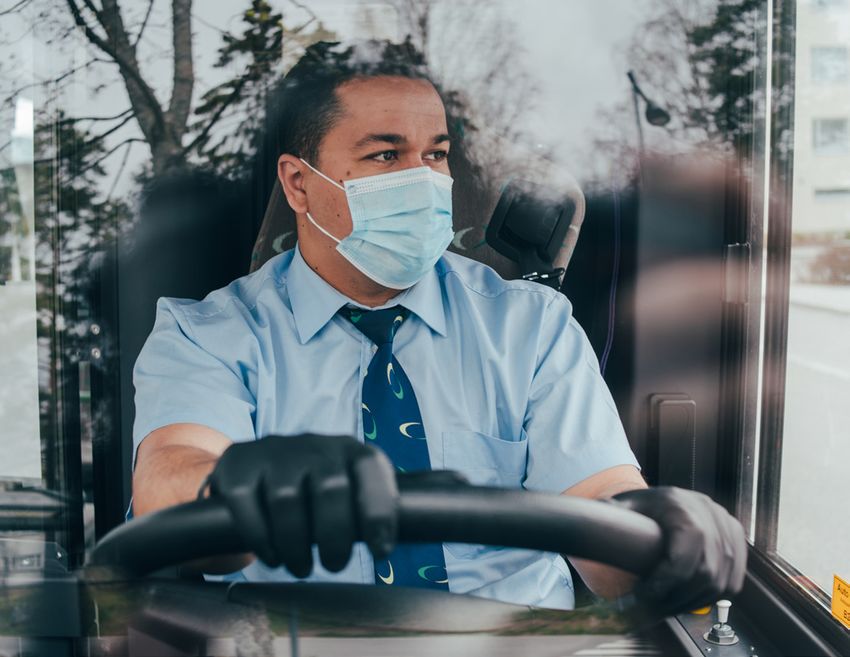
TABLE OF CONTENTS

4    Introduction

8    Immediate response

14   Long-term recovery

18   Populations uniquely affected by COVID-19

     19    Health professionals and first responders

     20    Youth and families

     22    Formerly incarcerated individuals reentering society

     23    Individuals with substance use disorders

     25    Older adults

     26    	Victims of intimate partner violence, child abuse, and elder abuse

     28    People of color

     29    Undocumented immigrants

30   Conclusion

32   References
4     SUPPORTING A NATION IN CRISIS

INTRODUCTION

During the COVID-19 pandemic, social           Just as local communities have been on the front lines          both the immediate response and recovery phases of
                                               of fighting the COVID-19 pandemic, so too will local            the pandemic. This guide also highlights a handful of
isolation and loneliness caused by social      government and community-based partners be at the               focus populations uniquely affected by the mental health
distancing, coupled with overwhelming          forefront of responding to the anticipated increase in mental   challenges of COVID-19 and suggests community-specific
                                               health and substance misuse issues. The stress and trauma       tactics to address these needs. While this does not
loss of life and widespread economic           of this communal experience will be with us for months and      represent an exhaustive list, the well-being of these groups
crisis, create a perfect storm for affecting   years to come as the nation transitions from the immediate      has been fundamentally altered by the pandemic.
                                               response into the recovery period of this pandemic.
Americans’ mental health and well-being.1                                                                      Essential workers, including those who operate buses
                                               Adding to the mental health impacts of coronavirus are          and trains, serve as cashiers, and work in restaurant
We know from prior pandemics and
                                               the preexisting systemic inequality and racial injustice        kitchens, may fall into one or more of these categories
natural disasters that COVID-19 and its        in our nation. Long before the pandemic, low-income             (e.g., essential workers with young families, essential
                                               communities and communities of color had been                   workers over 65, and essential workers of color), so many
implications have the potential to trigger
                                               subjected to chronic underinvestment in mental health           of the strategies will benefit them. Essential workers,
or worsen anxiety, depression, addiction       care and large numbers of “deaths of despair” — deaths          as defined here, have low-wage jobs that generally
                                               due to drugs, alcohol, and suicide. The killings of George      cannot be carried out remotely, which increases their
issues, suicide, and other mental health
                                               Floyd, Breonna Taylor, Rayshard Brooks, and other Black         potential exposure to the virus. These types of jobs often
challenges.2 Researchers estimate that         Americans by police officers have also exacerbated the          do not provide benefits like paid sick leave or health
                                               decline in the nation’s mental health, particularly among       insurance. Plus, the pay is typically not high enough to
this pandemic could lead to an additional
                                               Black Americans. COVID-19 is yet another trauma on top          facilitate adequate savings, so most essential workers
75,000 deaths related to alcohol and drug      of the myriad of other social and economic conditions           are effectively being forced to work, even if they have
                                               disproportionately affecting many minority communities.6        underlying health conditions that put them at increased
misuse and suicide.3 One-third of Americans
                                                                                                               risk for COVID-19 infection. People of color make up the
are now showing signs of clinical anxiety      This action guide is intended for local policymakers            majority of essential workers in food and agriculture
                                               and civic institutions (e.g., anchor institutions such as       (50 percent) and in industrial, commercial, and residential
or depression,4 and the percentage of U.S.
                                               universities, hospitals, and other enduring organizations       facilities and services (53 percent).7 Many essential
adults who can be described as “thriving”      that play a vital role in their local communities and           workers are immigrants, sometimes undocumented.8
                                               economies; chambers of commerce; philanthropies; and            Strategies particularly relevant to essential workers, such
has dropped to the lowest level since the
                                               multi-sector collaboratives). It provides recommendations       as those that mitigate the impact of economic insecurity,
Great Recession in December 2008.5             that can be implemented to address mental health in             are identified throughout the report.
5

                                                                        One-third of Americans
THE FOCUS POPULATIONS

Health professionals and
                                                                        are now showing signs of clinical anxiety and depression
first responders

Youth and families
                                 The recommended strategies are evidence informed responses to help ease the mental health and addiction challenges
Formerly incarcerated
                                 stemming from the pandemic. Implementation of these recommendations will look different in each community. Local
individuals reentering society   leaders will need to make decisions based on their community’s needs, circumstances, and resources. Also, all of these
                                 suggestions can be implemented without the explicit help of federal and state partners. Although it is ideal to use a
Individuals with substance
                                 comprehensive approach to mental health and substance misuse that engages all levels of government,9 local leaders
use disorders
                                 cannot wait for federal or state direction before addressing these issues.
Older adults                     Some recommendations in this guide are revenue-neutral, while others will require additional resources — both human
                                 and financial. This pandemic has come at a time when our nation was already woefully underprepared for a surge in mental
Victims of intimate partner      health issues.9 For example, 111 million Americans live in areas with a shortage of mental health professionals.9 Plus, a
violence, child abuse, and       mental health office visit with a therapist is five times as likely to be out–of network as a non-mental health office visit.9
elder abuse                      However, there are strategies that can help all Americans receive the mental health and addiction resources they need even
                                 in the face of local financial constraints.10 Low-cost or revenue-neutral strategies are identified throughout the report.
People of color

Undocumented immigrants
                                       Strategies for Essential Workers             Low-Cost/Revenue-Neutral Strategies
6     SUPPORTING A NATION IN CRISIS

This action guide uses Healing the Nation and Pain in the Nation in how it approaches issues
of mental health and addiction. Developed by Well Being Trust and partners, Healing the
Nation is both a federal policy guide and framework for advancing policy. At the heart of this
report is the Framework for Excellence in Mental Health and Well-being — a belief that a
vision for excellence should begin with the person, extend into the community, and connect
seamlessly to clinical settings. The framework asserts that “if we are serious about tackling
mental health and addiction in our country, we must leverage all the places and spaces
people present with needs and provide support accordingly.”9 The Pain in the Nation report,
developed by Trust for America’s Health, highlights more than 60 research-based policies,
practices, and programs to reduce substance use, alcohol misuse, and suicide — and
promote better well-being for all Americans.

7

FRAMEWORK FOR EXCELLENCE IN MENTAL HEALTH AND WELL-BEING

      PROMOTION               PREVENTION                                                                       TREATMENT                                                              MAINTENANCE

      VITAL COMMUNITY CONDITIONS                                                    COVERAGE                                  ENGAGEMENT                                                 OUTCOMES
                                                        BARRIE
                                                              RS

             Belonging &        Thriving                                                                                      HEALTH SYSTEMS
                                                                                                                   Primary Care / Emergency Department / Hospital                         Improved
             Civic Muscle     Natural World
                                                                                                                                                                                      community conditions
                                                                    Stigma /

                                                                                       Affordability
                                                                                                                                                                                      Increased affordability
                                                                                                                                                                                    and available access to care
                                                                                                         WORKPLACE & UNEMPLOYMENT                              WHOLE
                                                                             Cost

         Reliable      Lifelong      Meaningful                                     Comprehensiveness                Employees / Employers                   COMMUNITY                Advanced integration
                                                    / Social Is

      Transportation   Learning     Work & Wealth
                                                                                                                                                                               Structures for evidence informed care
                                                                                         Parity
                                                                                                                                                                              Individual and family reported outcomes
                                                               olation /

                                                                                                           JUDICIAL SYSTEM                    EDUCATION SYSTEM
             Humane         Basic Needs For                                                                                                                                            Enhanced efficiency
                                                                                                        Diversion / Treatment / Re-entry     Students / Teachers / Programs
             Housing        Health & Safety
                                                                         Access

                                                                                                                                                                                    Smarter use of technology
                                                                                                                           FOCUS POPULATIONS
8    SUPPORTING A NATION IN CRISIS

IMMEDIATE RESPONSE

As local leaders grapple with the coronavirus pandemic, it is essential that they
simultaneously address the immediate mental health and addiction needs of
their communities. This section details recommendations and corresponding
strategies that can be implemented immediately to improve mental health and
promote well-being.

9

RECOMMENDATION 1                                                STRATEGY 3                                                     STRATEGY 4
                                                                Encourage local “influencers’’ and celebrities to tell their   Draw upon personal experiences to humanize mental
Explicitly talk about and destigmatize mental health.           own stories and disseminate information about mental           health and substance misuse. Boston Mayor Marty Walsh
Leaders from all sectors need to talk about and help            health through social and traditional media campaigns.         has openly spoken about recovering from alcoholism,
normalize the communal trauma that many Americans,              For example, Half of Us aims to initiate a public dialogue     such as when he spoke at the 2016 Democratic National
both infected and not infected with COVID-19, may               to raise awareness about the prevalence of mental              Convention, and he continues to do so when speaking
experience as the country begins to recover. Mental             health issues and connect students to the appropriate          with constituents. Former Florida Governor Jeb Bush,
health issues affect all of us, either directly or indirectly   resources to get help by sharing the stories of people         Texas Senator Ted Cruz, and U.S. Surgeon General Jerome
through family members, friends, colleagues, or others.         in the entertainment industry. Instagram created a             Adams also have spoken publicly about family members
                                                                #HereForYou campaign to break down the stigma that             who have experienced addiction.
STRATEGY 1                                                      surrounds discussions about mental health issues and to
Discuss both mental and physical health when addressing         let others know that they’re not alone. Many celebrities,
                                                                                                                               STRATEGY 5
the health of the community. Separating physical health         such as Michael Phelps, Kendrick Lamar, Lady Gaga,
from mental health creates a false dichotomy that often         and Selena Gomez, often use their public platforms to          Host virtual town halls on mental health to spread
stigmatizes mental health issues. Physical and mental           share their personal experiences with mental health            awareness and discuss communal mental health
health should be thought of as a continuum and portrayed        and substance misuse. In addition, leaders may want to         challenges. At the beginning of May 2020, Mayor Greg
as highly intertwined. Inseparable is an example of an          explore ways to use “micro-influencers” who might not          Fischer of Louisville, Kentucky, and two local mental
advocacy group working to advance parity between                be national in scope, but have a dedicated following in a      health professionals discussed mental and physical care
mental and physical health care.                                particular place or space. Micro-influencers can reach a       during a tele-town hall.
                                                                more targeted subset of the population than a national
                                                                celebrity. And while micro-influencers may reach
STRATEGY 2
                                                                fewer people than national celebrities, their impact
Use people-first language11 to humanize conversations           in a particular market can be far greater.
when discussing mental health and substance misuse. It is
important to convey that people are not their conditions,
and language can reflect a more comprehensive approach
to health. For example, instead of talking about the number
of COVID-19 cases or patients, discuss the number of
people infected with COVID-19.
10 SUPPORTING A NATION IN CRISIS
RECOMMENDATION 2 experts, drawn from the community, deliver certain
services in a community setting, instead of clinical
Increase the capacity and role of the local workforce to providers offering them in specialty settings. Not only has
recognize mental health issues and refer community task-shifting shown great promise in addressing HIV and
members to appropriate services. mental health, but it also creates much-needed jobs and
economic opportunity.
STRATEGY 1
STRATEGY 3
Train staff on Mental Health First Aid — a skills-based
training course that teaches participants about mental Train health professionals, first responders, and social
health and substance-use issues — to help city and needs providers to conduct mental health screenings and
county workers identify, understand, and respond to provide appropriate referrals. Activities such as primary
signs of mental illnesses and substance use disorders. care visits, consults with professionals from the Special
These trainings can provide the existing local workforce Supplemental Nutrition Program for Women, Infants, and
with knowledge to identify those who may be developing Children (WIC), or interactions with first responders are
or experiencing a mental health or substance use issue good opportunities for a quick mental health screening
and the basic skills to respond. The Johns Hopkins Center and referral.
for Public Health Preparedness has created a mental
health first-aid training model called RAPID, or Reflective
Listening, Assessment, Prioritization, Intervention, and
Disposition.
STRATEGY 2
Employ task-shifting12 to increase the capacity of
the front lines. Task-shifting refers to the process of
reassigning appropriate health-related tasks to non-
clinical experts. It is grounded in the premise that more
people can be helped in a timely manner if non-clinical11
RECOMMENDATION 3 STRATEGY 3 testing for those who were concerned about exposure.
Collect and disseminate information for residents on where Leaders across all levels of government also need to
Publicize and support the existing networks of they can get help for mental health and substance misuse. help identify ways that low-income and uninsured
organizations providing mental health and substance For example, New York City put together a list of COVID-19 people can access medical care as a result of long-term
misuse services. digital mental health resources on its NYC Well website. complications from COVID-19.
311 operators should also be trained to connect callers to
STRATEGY 1 appropriate service providers when needed. STRATEGY 2
Build upon current programs designed to help Place an extended moratorium on evictions, rent,
communities deal with trauma, such as violence and STRATEGY 4 mortgage, and utility payments to support individuals
abuse. One example is the San Francisco Department facing the financial impacts of COVID-19. The moratorium
Provide or facilitate small grants and/or technical
of Public Health’s Trauma-Informed Systems Initiative, should be coupled with a missed payment pay-back
assistance to community-based organizations to help
a model to address trauma at the systems level. program that prevents balloon payments at the end of the
them overcome challenges as they change their in-
The South Texas Trauma-Informed Care Consortium moratorium period. San Francisco is giving tenants until
person services to virtual services. December 30, 2020 to make any missed rent payments
is a collaboration between child-focused community-
based organizations and the San Antonio Metro due to the financial impacts of COVID-19. Princeton
Health Department to address the impact of trauma.
RECOMMENDATION 4 University’s Eviction Lab lists all the changing eviction
policies as a result of COVID-19.
In addition, the Boston Neighborhood Trauma Team Reduce stress, fear, and anxiety exacerbated by the
brings together individuals, families, and communities economic fallout and financial insecurity of COVID-19
impacted by community violence. STRATEGY 3
that affects Americans across socioeconomic groups
and highlights systemic inequities. Create a network of community health workers14 to
expand the capacity of already strained services and
STRATEGY 2
provide a much-needed source of income to those who
Create a way for residents to get immediate mental health STRATEGY 1
have experienced job loss or reduction during this time.
assistance by phone or text. This can be accomplished Offer and publicize free COVID testing that does not This community-based workforce can fill gaps in the public
through the creation of a three-digit prevention lifeline require an appointment or doctor’s note to meet the health infrastructure (e.g., contact tracers) and other
number9 (e.g., 988) or a crisis text line for mental health needs of low-income and uninsured residents. In the critical community needs. Public-private partnerships
and substance misuse services, such as the one created in wake of the Black Lives Matter protests, Illinois offered should be leveraged to secure funding for the creation
New York City.13 These alternatives to national lines can be free testing to all people, even those without symptoms. of this workforce. See HealthBegins’ Community-Based
helpful for individuals seeking localized care. In San Francisco, city officials set up free, pop-up mobile Workforce Strategy for some guiding principles.12 SUPPORTING A NATION IN CRISIS
RECOMMENDATION 5 STRATEGY 3
Repurpose unused hotels, dorms, or other facilities
Augment the social safety net to ensure that social
into emergency housing for individuals seeking shelter.
needs are met.
City and county officials in Austin, Texas, have set aside
hotel rooms for individuals experiencing homelessness
STRATEGY 1 who may need to quarantine or isolate if they are
Integrate social care with health care. Facilitate suspected of having COVID-19 or are at higher risk
formal linkages, communication, and financial referral of infection.
relationships between the health care and social care
sectors. For example, Health Leads champions social
health integration, establishing relationships with health
care systems and community partners to ensure that
patients’ social needs are met alongside their health
care needs.
STRATEGY 2
Provide assistance to residents experiencing food
insecurity. Local leaders should provide locations for
families to pick up meals that children would normally
receive in school and through summer meals; partner
with higher education institutions where students do not
have access to subsidized meal plans, campus housing, or
campus food services because of school closures; enlarge
food pantries; set up curbside pick-up for WIC benefits;
and facilitate Supplemental Nutrition Assistance Program
(SNAP) sign-up. Examples of cities engaging in these
policies include New Orleans, Indianapolis, and Seattle.13
14    SUPPORTING A NATION IN CRISIS

LONG-TERM RECOVERY

The following recommendations can improve the vital community conditions
conveyed in the “Framework for Excellence in Mental Health and Well-being” in
Healing the Nation. Even though they may not be traditional mental health policies,
they directly contribute to long-term promotion of health and well-being and
prevention of disease and injury. Cities across the nation have currently enacted
many of these recommendations even though some have been preempted by state
or federal levels of government — that is, the “higher” authority has eliminated
or reduced the authority of a “lower” jurisdiction on a given issue.15 COVID-19
and the ensuing trauma will be with the nation for years to come, and these
recommendations can help city and county leaders build a healthier future.
15

RECOMMENDATION 1                                               STRATEGY 3
                                                               Institute proactive rental inspection (PRI) and code
Incentivize builders and real estate developers to create      enforcement policies to ensure that all housing on the
affordable, humane, and safe housing options through           rental market is habitable. Under a PRI program, registered
new construction or repair of existing properties.             rental units are inspected on a periodic basis to ensure
                                                               that they are safe and habitable. When housing violations
STRATEGY 1                                                     are found, landlords are required to remediate them within
Use inclusionary zoning to require developers to set           a set period of time or before units can be leased again.
aside a portion of housing units for low- and moderate-        PRI policies effectively reduce health risks associated with
income residents. While inclusionary zoning works best         housing code violations. A study of PRI in North Carolina
in “hot” markets to promote affordable options alongside       found a decline in complaints and violations as well as a
new development, it’s an important policy for all cities       50 percent decrease in residential fires.17
to consider before demand outstrips supply. While six
states expressly preempt inclusionary zoning and two           STRATEGY 4
others have invalidated the approach by court decision,
inclusionary zoning remains an effective housing policy        Pass source of income (SOI) protection laws that
tool in cities such as Chicago, New York, and Los Angeles.     increase housing voucher acceptance by prohibiting
                                                               discrimination based on income sources such as housing
                                                               choice vouchers or other public benefits. SOI laws to
STRATEGY 2                                                     help increase renter choice by enabling voucher holders
Create affordable housing trusts that dedicate public          to access housing in higher opportunity neighborhoods.
revenue to create and sustain affordable housing. Trusts       Memphis, St. Louis, and Iowa City are examples of
create a dependable source of affordable housing funding,      localities that have passed SOI laws.18
help leverage other sources of funding, and provide
flexibility in meeting local needs.16 Because housing trusts
are typically funded by non-federal sources, they enable
local jurisdictions to design programs that best meet
their needs. Housing trusts can be used for preservation,
new development of affordable rental/for-sale housing,
homebuyer assistance, and rental housing subsidies.
16 SUPPORTING A NATION IN CRISIS
RECOMMENDATION 2 on the size of the employer, to accommodate for the controlled trial in Philadelphia, a greening intervention
higher cost of living in those areas. The legal minimum showed a significant decline in the number of
Create work environments that meet the health and wage in the United States is $7.25 per hour, which is participants feeling depressed or worthless, especially
safety needs of employees and address financial not enough to sustain a family in many urban parts in low-income neighborhoods.24
insecurity concerns. Long-term planning should include of the country. Many states with higher-than-federal
worker protection policies associated with health and minimums also have acted to automate the process of
STRATEGY 2
wealth, including those for essential workers. adjusting the minimum wage, rather than leaving it to
year-by-year legislative decision-making. In seven states, Set up programs that allow residents to purchase vacant
the minimum wage rises annually based on an inflation lots after a period of improving them. In St. Louis, there
STRATEGY 1 is a “Mow-to-Own” ordinance, in which individuals
or cost-of-living index, with the intent of preserving the
Implement earned sick leave ordinances that require minimum wage’s current purchasing power.21 While with a vacant lot contiguous to their home can choose
employers to allow people to take time off for illness or many states preempt raising the minimum wage, the to pay a $125 fee to the city’s land bank, the St. Louis
injury for themselves and other family members, such Massachusetts Institute of Technology has a living wage Land Rehabilitation Authority. If the lot is maintained for
as spouses, domestic partners, children, or parents. calculator available to help determine the appropriate two years, the deed to the land is transferred to them.
Workers can use this time to see a doctor or to stay living wage for a specific metropolitan region. In Chicago, city residents can buy vacant lots for $1,
home until they are healthy enough to work again, provided they fence them, maintain them, and pay the
without concern for lost wages or job loss. People annual property taxes.
without earned sick days are 1.5 times more likely to go
RECOMMENDATION 3
to work with contagious illnesses.19 While many states STRATEGY 3
Ensure that all people have access to green space.22
have preempted paid sick leave policies, Los Angeles and
Higher levels of green space in a neighborhood are Join coalitions that advocate for access to green space.
San Diego both have both successfully passed earned
associated with significantly lower levels of depression, The Trust for Public Land advocates for all Americans
sick leave ordinances.20
anxiety and stress.23 to have a park no more than a 10-minute walk from
their homes, the campaign is called the 10-minute
STRATEGY 2 walk challenge. Children & Nature Network invests in
STRATEGY 1
Increase the local minimum wage to a living wage based communities to drive innovative solutions and policy
Institute “greening” interventions such as removing trash
on the local cost of living. For example, New York City has change to ensure children and families have access
from vacant lots, planting grass and trees, and building
set a minimum wage of $15 an hour and Seattle has set to nature.
low fences around perimeters. In a randomized
a minimum hourly wage of $13.50 to $16.39, depending17
18     SUPPORTING A NATION IN CRISIS

POPULATIONS UNIQUELY AFFECTED BY COVID-19

Although the COVID-19 pandemic is taking a toll on all Americans, the mental health effects may
be felt differently by certain populations. Below are eight focus populations that may require extra
attention during the response and recovery, with population-specific recommendations.

     Health professionals and first              Older adults
     responders
                                                 Victims of intimate partner violence,
     Youth and families                          child abuse, and elder abuse victims

     Formerly incarcerated individuals           People of color
     reentering society
                                                 Undocumented immigrants
     Individuals with substance use
     disorders

This list is not exhaustive. These groups were selected as examples of populations whose
well-being has been uniquely changed as a result of COVID-19. There is considerable overlap
between these communities and essential workers, so many of the recommendations are
broadly applicable. This is truly a global pandemic that is affecting all people regardless of
race, religion, or creed. Many of the following strategies should be implemented now to meet
immediate needs and maintained long term to create sustained resilience.
19
HEALTH
PROFESSIONALS AND
RECOMMENDATION STRATEGY 3
FIRST RESPONDERS
Create peer support programs and groups as a way to
Build resilience among health professionals and first provide specialized support to health professionals and
responders by breaking down social and cultural first responders and extend the breadth of mental health
barriers and ensuring that specific resources are services offered to this population. Peer support programs
created and set aside to meet their unique needs. train health professionals to support their colleagues
Health professionals and first responders, through adverse or emotionally stressful situations.27
such as those working in public health STRATEGY 1 Research has shown that health professionals are most
departments and hospitals, are uniquely Health system, health department, community health likely to seek support from each other during or after
agency, fire, and law enforcement leaders should talk a crisis.27 Brigham and Women’s Hospital in Boston
vulnerable to the mental health toll of this established a robust peer support program in 2008 that
openly and honestly about the physical and mental
pandemic.25,26 These frontline workers traumas their workers at all levels have experienced due has been replicated in other hospitals.
are being overworked and are confronted to COVID-19. This type of transparency can begin to
break down the social and cultural barriers to seeking
with the most severe tragedies of the mental health care that exist among health professionals.
pandemic. Burnout, which was felt by a
large number of health professionals prior STRATEGY 2
to the pandemic, negatively impacts the Health leaders should ensure that distinctive mental
mental health and subsequently patient health resources are dedicated to the health professional
and first responder workforces. Due to the nature of their
care and retention of health professionals.26 work, health professionals and first responders will need
Furthermore, many health professionals to process their experiences differently from the rest of
and first responders have a “whatever it the public.25 Additionally, mental health providers who
are dedicated to health professionals and first responders
takes” and perfectionist mentality, which can focus their efforts, rather than switching gears
fosters an environment where seeking between various populations with differing needs.25
mental health services is seen as a sign
of weakness. 25,2620 SUPPORTING A NATION IN CRISIS
YOUTH AND
FAMILIES
RECOMMENDATION 1 STRATEGY 3
Create comprehensive school mental health systems that
Enhance the ability of schools to address the promote positive school climates, social and emotional
mental health needs of youth and build their learning, and mental health and well-being and reduce
emotional intelligence. the prevalence and severity of mental illness.30 This
The COVID-19 pandemic has completely public health approach to school mental health begins
disrupted the lives of youth and families, STRATEGY 1 with hiring well-trained educators and specialized
greatly impacting their well-being. Ensure that all students have access to broadband instructional support personnel (e.g., school counselors,
internet and a usable device (e.g., laptop or tablet) to social workers and school psychologists, school nurses,
Parents of young children are struggling complete online assignments and remain connected to occupational therapists, and other professionals). It also
to balance the roles of caregiving and their schools. For example, Des Moines Public Schools requires that schools engage community partners to
and Mediacom shared the cost to provide broadband create a multi-tiered system of support that addresses
working without the support of childcare
internet at no charge to as many as 1,800 student the mental health needs of students within and outside
and in-person school. Older youth are households that lack access. of the school setting. Schools should consider adapting
dealing with anxiety and the loss of their mental health systems for distance learning to
address students’ immediate needs.
many social benchmarks of childhood STRATEGY 2
and adolescence, such as graduation School leaders should implement social and emotional
STRATEGY 4
learning (SEL) curricula in online28 and face-to-face
and prom. Young children were abruptly formats29. Adopting SEL curricula can help children Create school-based health centers (SBHC) to provide
separated from their friends, and many and youth process their emotions and learn empathy, comprehensive primary care services in schools
resilience, and relationship-building.29 Fall-Hamilton year-round. SBHCs provide medical, dental, social,
have become frustrated and confused as
Elementary School in Nashville uses a whole-child, and mental health services, and education to enrolled
they try to comprehend the pandemic. trauma-informed SEL curriculum to address adverse students and children of enrolled students.31 In 2016–17,
Furthermore, many children are fearful childhood experiences among their students. there were 2,584 SBHCs located in the District of
Columbia, Puerto Rico, and 48 states (all but North
that loved ones could fall sick or die as a Dakota and Wisconsin).32
result of COVID-19.21
RECOMMENDATION 2 STRATEGY 2
Employers should work with parents to adjust work
Advocate for the needs of parents and caregivers schedules to maintain productivity while reducing
who have been thrust into a world where they must additional stress. Parents taking care of children while
balance work while simultaneously being forced to be working part- or full-time jobs are being stretched thin.
educators, social workers, and parents. Local leaders should communicate to the business
community that the concept of 24/7 work or even
STRATEGY 1 “normal working hours” is unsustainable for parents
with young children.34
Local government, public schools, pediatricians, and
other organizations that interact with families should
work together to make sure parents are aware of local
mental health and well-being services. Schools and
pediatricians should encourage parents and caregivers
to access telemedicine services to evaluate children
who may be suffering from anxiety and other mood
disorders.33 Cities can also facilitate improving mental
health integration within pediatric primary care. For
example, DC MAP (Mental Health Access in Pediatrics)
offers consultation and training to pediatricians to help
them manage the mental health concerns of patients and
their families.22 SUPPORTING A NATION IN CRISIS
FORMERLY
INCARCERATED
RECOMMENDATION STRATEGY 3
INDIVIDUALS
Local government officials should work with corrections
REENTERING SOCIETY Swiftly strengthen, expand, and adapt reentry administrators and housing and business leaders to
programming and procedures to provide individuals ensure that individuals reentering society have housing
reentering society with services that support their that protects their health. Correctional systems should be
physical and emotional needs and aid in stabilizing encouraged to reassess probation and parole restrictions
Even before the pandemic, formerly their lives at a time when society is largely unstable. that require congregate housing, such as halfway houses
incarcerated individuals faced multiple where individuals might be living in close quarters.38
STRATEGY 1 Additionally, local government officials, corrections
barriers to reentering society. These Corrections administrators should encourage reentry administrators, housing leaders, and business leaders
pressures have only increased as planners and other corrections staff to use COVID- should work together to shift resources to create other
specific reentry checklists made specifically to help housing options, such as hotels, that allow for quarantine
correctional facilities across the country
individuals effectively plan to transition back into society or isolation. For example, after testing positive, an
have released many incarcerated people during this time. These checklists can cover basic needs, individual living at a halfway house in Fargo, North
to reduce the size of their populations COVID considerations, legal considerations, and other Dakota, was moved to a hotel.
health and treatment needs. See the Council of State
and the spread of COVID-19.35 Individuals Governments’ Justice Center for an example.
reentering the community are also at
high risk of experiencing mental health STRATEGY 2
and substance-use problems, making Corrections leaders should work with local Centers for
Medicare and Medicaid Services (CMS) to expedite
them extremely vulnerable at this time.36
enrollment and reduce barriers to care often faced by
Moreover, since the U.S. Department of those reentering the community.38 This link is critical,
Justice can refuse to fund “sanctuary cities” especially in the COVID-19 era, to ensure a successful
reentry39 and reduce reliance on and burden to
that do not share information with federal
emergency departments for needs that can be fulfilled in
immigration authorities, cities are even a primary care or other ambulatory care setting.38
more financially responsible for providing
services to those leaving detention.3723
INDIVIDUALS WITH
SUBSTANCE USE
RECOMMENDATION 1 RECOMMENDATION 2
DISORDERS
Increase access to naloxone, the opioid overdose Increase access to evidence informed treatments
reversal drug. for opioid use disorder, specifically methadone and
Individuals with substance use disorders buprenorphine, which have been shown to save
STRATEGY 1 lives.43 Regulatory changes that have been adopted to
often face challenges in receiving
increase access during the COVID-19 pandemic should
appropriate and effective treatment Make naloxone readily available in public places such
be made permanent.
as post offices, libraries, and recreational centers in
as they are more likely to experience addition to providing it to law enforcement and first
homelessness, have a lower socioeconomic responders.9 In September 2019, Philadelphia hosted a STRATEGY 1
status, and be under- or uninsured.40 series of naloxone giveaway days in collaboration with Advocate for state-wide approval for take-home dosing
Additionally, nearly half of those who the Free Library of Philadelphia, where health department of methadone for the treatment of opioid use disorder.
staff distributed free naloxone and trained individuals on
experience a substance use disorder also The Ohio Department of Mental Health and Addiction
administering it. Philadelphia’s health department also Services worked with Substance Abuse and Mental
have mental health challenges and vice leads regular naloxone trainings for the public, including Health Services Administration (SAMHSA) to define
versa.41 The pandemic has disrupted most virtual trainings during COVID-19. cases in which take-home dosing should be approved.
addiction treatment and services, including
support programs and peer groups that STRATEGY 2 STRATEGY 2
can aid recovery.40 Almost twice as many Local elected officials should partner to advocate for a Local leaders should work with health systems to
unemployed individuals experience state-wide collaborative pharmacy practice agreement increase buprenorphine or improve the care provided to
that allows pharmacists to prescribe naloxone to at-
substance use disorders as those who people following an overdose. Buprenorphine training
risk individuals without a prescription from a medical can be completed online, which further supports physical
are employed, and unemployment has provider. See the collaborative pharmacy practice distancing recommendations, and buprenorphine
skyrocketed because of COVID-19.42 agreement enacted in Tennessee. induction can now be done via telemedicine.
Local leaders must ensure that individuals
struggling with substance use disorders
are able to get necessary support and
treatment and access the tools to prevent
overdoses and other crises.24 SUPPORTING A NATION IN CRISIS
STRATEGY 3 STRATEGY 2 STRATEGY 2
Officials should ensure comprehensive drug treatment is Install permanent drug donation boxes in a variety of Strengthen age verification procedures for online alcohol
offered in all correctional facilities. In Rhode Island, in the public places, such as post offices or libraries. In many sales to address concerns about youth consumption.
year following implementation of a program that offered jurisdictions, permanent drug donation boxes exist Before the pandemic, one study found that 59 percent
methadone, buprenorphine, and naltrexone within its mainly at law enforcement facilities, which can be a of online vendors used weak, if any, age verification. Age
unified prison/jail system, the state’s Department of barrier to use.45 verification at delivery was not always done and failed
Corrections observed a 60 percent decrease in overdose more than half the time it was attempted.49
deaths among those recently incarcerated.
RECOMMENDATION 4
RECOMMENDATION 3 Regulate alcohol sales to reduce long-term
dependence and combat new drinking patterns.
Increase opportunities to safely dispose of unused Temporarily lifted restrictions on alcohol sales that have
medications to reduce unintended adverse effects such allowed for pickup and delivery of alcoholic products
as misuse or experimentation by children, teens, and have provided much-needed relief to restaurants and
young adults or detrimental medication interactions small business.46 However, with in-store alcohol sales up
often caused by taking a stored medication without 26 percent and online sales up 477 percent at the end of
physician or pharmacist knowledge.44 April,47 substance misuse experts are concerned there
will be dangerous consequences.46
STRATEGY 1
Host a local Drug Take Back Day event that honors social STRATEGY 1
distancing requirements but allows individuals to safely Limit per-person alcohol purchase quantity, as many
dispose of unused medications. While the April 2020 grocery stores do with items like toilet paper and eggs. The
Drug Enforcement Administration Spring Take Back Day World Health Organization warns that drinking alcohol
was cancelled due to COVID-19, and it is possible that makes people more susceptible to the coronavirus, and
future take back day events will be cancelled as well. is urging governments to uphold, or even strengthen,
restrictions on buying alcoholic products.4825
OLDER ADULTS
RECOMMENDATION 1 RECOMMENDATION 2
Increase access to easy-to-use technology and/or Facilitate virtual civic engagement and learning
Social isolation and loneliness in older provide technology training to older adults to help them programs and telehealth service delivery to decrease
adults was well documented as a public remain connected to family, friends, their community, depression/anxiety and increase feelings of personal
and health providers. Once older adults master agency and purpose.
health issue even before the onset of the technology, many make the internet a regular part of
pandemic.50 AARP found that 1 in 3 adults their daily lives.53 STRATEGY 1
age 50 to 80 reported feeling a lack of Offer virtual participatory arts, exercise, and learning
STRATEGY 1 programming directed to older adults and their
companionship at least some of the time,
Mobilize volunteers to keep older adults connected specific needs. For example, Around Town DC is an
and 27 percent said they sometimes or and reduce feelings of loneliness. Community-based event directory that offers learning, fitness, and arts
often felt isolated.51,52 Existing mental organizations, such as faith-based organizations and programming online for adults ages 60 and up.
local senior centers, should mobilize volunteers to
health issues in the era of COVID-19 can provide technology training and/or friendly check-ins
STRATEGY 2
be exacerbated by the need to limit social over the phone. For example, the Baltimore Neighbors
Network, an alliance of community partners, trains Provide volunteering opportunities. For example, the
interactions; awareness that older adults Illinois Retired Teachers Association has organized for its
volunteers to provide company and refer older adults to
are more at risk of death; openly ageist community resources by phone. members to provide virtual tutoring sessions to students.
dialogue about the expendability of older
STRATEGY 3
people; and general anxiety related to STRATEGY 2
Enable access to virtual telehealth services. Clinicians
the pandemic. Leaders in senior services should work with the business
and technology communities to provide specialized, can use the help of a family member, caregiver, or friend
easy-to-use technology to older adults who might need before the telehealth visit to familiarize older adults
it. For example, older adults who are hard of hearing may with video-call technology. Alternatively, mental health
need a transcribing phone to maintain conversations. professionals serving older adults can provide services
over the phone.26 SUPPORTING A NATION IN CRISIS
VICTIMS OF INTIMATE PARTNER VIOLENCE,
CHILD ABUSE, AND ELDER ABUSE
RECOMMENDATION 1
Increase awareness and availability of resources to
report and exit abusive situations.
The response to COVID-19 is exacerbating the conditions that often lead to abuse,
STRATEGY 1
such as isolation, stress, economic anxiety, job loss, and substance use.54 Since the
Leaders should consider openly discussing the underlying
start of the pandemic, the rates and severity of intimate partner violence, child abuse, causes and consequences of abuse using a framing
and elder abuse have increased. It is projected that a lockdown duration of three method called an explanatory chain. This approach starts
a few steps back from the problem being highlighted,
months leads to a 20 percent increase in violence, or an additional 15 million cases.55 explains systems-level causes, and highlights collective
Strategies used to fight COVID-19, specifically stay-at-home orders and home solutions to garner a deeper understanding of the issue.
isolation, have left victims more vulnerable. Abusers are able to easily take advantage
STRATEGY 2
of common tools of intimate partner violence such as isolation, constant surveillance,
Local government officials, abuse victim advocates,
strict rules for behavior, and restrictions to basic necessities.56 Children have been
and abuse shelter administrators should work with the
left to fend for themselves without common reporters of child abuse looking out for housing and business sectors to create other emergency
them, such as teachers, coaches, and other trusted members of the community.57 shelter options, such as hotels or dorms that are
otherwise unoccupied at this time. In Chicago, Mayor
Elders and their caregivers are experiencing increased stress and loneliness, which Lori Lightfoot forged a partnership with Airbnb to
are known risks to increased physical and financial elder abuse.58 provide emergency housing to individuals who need to
leave violent situations.27
RECOMMENDATION 2 STRATEGY 3
Advocates for abuse victims should work within their
Adapt victim safety nets and support systems and networks to come up with creative interventions that
other interventions to prevent and address abusive could mitigate and prevent abusive situations. For
situations. example, the Butler County Alliance for Children in Butler,
Pennsylvania, started the Play Safe, Stay Safe Initiative to
STRATEGY 1 collect and deliver games to at-risk families to facilitate
bonding, family time, and entertainment.
Leaders in health care should work with victim advocates
and social workers to screen patients for abuse or
mistreatment, even in telemedicine appointments. For
example, the American College of Surgeons advocates
for the use of the SAFE screening technique. SAFE
stands for four focus areas for screening patients: Stress/
Safety, Afraid/Abused, Friends/Family, and Emergency.
For telemedicine appointments, the Canadian Women’s
Foundation developed a one-handed sign someone can
use to signal for help.
STRATEGY 2
Abuse victim advocates should partner with social
workers, faith-based organizations, and other
community-based organizations to set up networks to
check in via phone or video chat with at-risk individuals.
A faith-based organization in the Bronx, New York, did
just this, creating intergenerational “Emunah Groups” of
seven families or individuals to check in and support each
other through a one-hour call once a week.28 SUPPORTING A NATION IN CRISIS
PEOPLE OF COLOR
RECOMMENDATION
Engage communities of color in authentic and
Mental health and substance misuse impact all people regardless of race. Although meaningful ways that acknowledge their cultural norms.
anyone can develop a mental health problem, Black Americans sometimes experience
STRATEGY 1
more severe forms of mental health conditions due to unmet health and social needs
Co-create targeted and culturally appropriate messages
and other barriers that result from systemic racism. According to the U.S. Department to different communities to reduce barriers and stigma to
of Health and Human Services’ Office of Minority Health, Black Americans are 10 accessing treatment. Michigan’s Department of Health
and Human Services recommends a number of ways
percent more likely to experience serious psychological distress as compared to white
to accomplish this, such as finding trusted community
people.59 The recent attention to police violence toward Black Americans has also messengers to disseminate information or partnering
heightened mental health issues during COVID-19. While Latinx communities show with community-based organizations to tailor materials.
similar susceptibility to mental illness as the general population, they experience
STRATEGY 2
disparities in access to and quality of treatment. This inequality puts Latinos at a
Engage faith-based organizations,61 a pillar of many
higher risk for more severe and persistent forms of mental health conditions.60 communities, to identify and respond to specific needs.
Faith-based organizations should promote awareness
of mental health issues; support individuals with
mental health issues and encourage them to seek help;
strengthen the connections between mental health
services and their communities; and positively influence
attitudes about mental health conditions and those who
experience them.61 See the SAMHSA Faith-based and
Community Initiatives for more information about ways
to engage the faith community around well-being and
substance misuse.29
UNDOCUMENTED IMMIGRANTS
RECOMMENDATION
Protect undocumented immigrants from enforcement
Mental health and substance misuse issues affecting minority communities are often authorities and provide needed financial, health care,
compounded by the effects of poverty and immigration status. In 2017, immigrants and social services support.
living in the U.S. made up 13.6 percent of the nation’s population and more than half STRATEGY 1
(50.6 percent) were not citizens.62 Undocumented immigrants face the greatest Local government and organizations should terminate
challenges because they are unable to access federal financial assistance, including any form of collaboration and communication with
immigration enforcement authorities during the
unemployment benefits, and many are afraid to seek needed medical care and social
pandemic to encourage immigrant use of social services.
services due to fears of being deported or denied permanent residency. A study
conducted among undocumented Mexican immigrants found that almost one- STRATEGY 2
quarter (23 percent) met the criteria for a mental health disorder, most commonly Create dedicated economic assistance funds for
depression and anxiety.63 The lack of resources and unwillingness to seek help undocumented individuals and mixed-status households.
Since undocumented people cannot access stimulus funds
experienced among a majority of undocumented immigrants, puts these individuals from the federal Coronavirus Aid, Relief, and Economic
at higher risk for both the physical and mental effects of COVID-19. Security (CARES) Act, many undocumented and mixed-
status families may face major financial burdens during
the pandemic. Both California and Illinois have created
financial assistance funds, as have some nonprofits.64
STRATEGY 3
Mobilize mental health professionals, community health
workers/promotoras, and/or trained volunteers to provide
virtual wellness gatherings and/or phone-based support.
California offers mental health services, as well as virtual
wellness sessions where facilitators provide educational
and interactive activities for young undocumented people.30 SUPPORTING A NATION IN CRISIS
CONCLUSION
The recommendations and strategies in this action guide can be implemented For more general and COVID-specific information about well-
being and substance misuse please see the following resources:
now during the COVID-19 response and later during the recovery to address the
collective mental health challenges of this era. This work will be difficult and long- • The Path Forward for Mental Health and Substance Use
- Health Equity Demands Improved Access and Better
standing as the nation and the world deal with the physical, mental, and economic Treatment
impacts of the pandemic. There is no one-size-fits-all solution, so local leaders will
• Healing the Nation: Advancing Mental Health and
need to tailor these recommendations to fit their communities’ needs. Solutions Addiction Policy
should take a collaborative approach, engaging all facets of the community from
• Thriving Together: A Springboard for Equitable Recovery
political leaders to faith-based institutions to community members to address and Resilience in Communities Across America
the challenges of their communities. Given the reality of human and financial
• Pain in the Nation: The Drug, Alcohol and Suicide Crises
constraints, the best place to start this work is simply by talking about the personal and the Need for a National Resilience Strategy
and collective mental health challenges and well-being of our nation. Hopefully this • COVID Minds Network: Global Mental Health in the
guide encourages local leaders to think creatively and innovatively to help their COVID-19 Pandemic
cities and counties begin the process of healing.31
32       SUPPORTING A NATION IN CRISIS

REFERENCES                                                                 washingtonpost.com/local/local-governments-in-dc-re-
                                                                           gion-revise-budgets-halt-projects-to-blunt-economic-im-
                                                                                                                                                    minimum-wage-most-of-the-action-is-in-cities-and-states-
                                                                                                                                                    not-congress/#:~:text=When%20it%20comes%20to%20
                                                                           pact-of-covid-19/2020/04/08/3d456b8e-79a0-11ea-a130-                     raising,cities%20and%20states%2C%20not%20Congress&-
1.    Wan, W. (2020, May 4). The coronavirus pandemic is pushing           df573469f094_story.html                                                  text=The%20federal%20minimum%20wage%20has,an%20
      America into a mental health crisis. The Washington Post.        11. California Mental Health Services Authority (2020). People               hour%20since%20July%202009
      https://www.washingtonpost.com/health/2020/05/04/men-                First Language. https://emmresourcecenter.org/system/                22. Mitchell, R. J., Richardson, E. A., Shortt, N. K., & Pearce, J. R.
      tal-health-coronavirus/                                              files/2017-10/People-First-Fact-Sheet-English.pdf                        (2015). Neighborhood Environments and Socioeconomic
2. Chew, Q. H., Wei, K. C., Vasoo, S., Chua, H. C., & Sim, K. Narra-   12. Chibanda, D., Mesu, P., Kajawu, L., Cowan, F., Araya, R., & Abas,        Inequalities in Mental Well-Being. Am J Prev Med, 49(1), 80-84.
   tive synthesis of psychological and coping responses towards            M. A. (2011). Problem-solving therapy for depression and             23. Cox, D. T., Shanahan, D. F., Hudson, H. L., et al. (2017). Doses of
   emerging infectious disease outbreaks in the general popu-              common mental disorders in Zimbabwe: piloting a task-shifting            Nearby Nature Simultaneously Associated with Multiple Health
   lation: practical considerations for the COVID-19 pandemic.             primary mental health care intervention in a population with a           Benefits. Int J Environ Res Public Health, 14(2).
   Singapore Med J. (2020)                                                 high prevalence of people living with HIV. BMC Public Health,        24. South, E. C., Hohl, B. C., Kondo, M. C., MacDonald, J. M., &
3. Well Being Trust. (2020). New WBT & Robert Graham                       11(1), 828.                                                              Branas, C. C. (2018). Effect of Greening Vacant Land on Mental
   Center Analysis: The COVID Pandemic Could Lead to 75,000            13. Thrive NYC. NYC Well Talk. Text. Chat. 24/7. https://nycwell.            Health of Community-Dwelling Adults: A Cluster Randomized
   Additional Deaths from Alcohol and Drug Misuse and Suicide.             cityofnewyork.us/en/                                                     Trial. JAMA Network Open, 1(3), e180298-e180298.
   https://wellbeingtrust.org/news/new-wbt-robert-graham-cen-          14. Manchanda, R. (2020, May 9). Three Workforce Strategies              25. Cousins, R. Psychologial Trauma in First Responders Following
   ter-analysis-the-covid-pandemic-could-lead-to-75000-addi-               To Help COVID Affected Communities. Health Affairs. https://             Disaster Response. (2018). The Dialogue, 14(1), 12-14.
   tional-deaths-from-alcohol-and-drug-misuse-and-suicide/                 www.healthaffairs.org/do/10.1377/hblog20200507.525599/               26. Shapiro, J., & Galowitz, P. (September 2016). Peer Support
4. Fowers, A., & Wan, W. (2020, May 26). A third of Americans              full/#.XrnD5izSem8.twitter                                               for Clinicians: A Programmatic Approach. Academic Medicine,
   now show signs of clinical anxiety or depression, Census            15. Public Health Law Center. (2020). Preemption in Public Health.           91(9), 1200-1204.
   Bureau finds amid coronavirus pandemic. The Washington Post.            https://www.publichealthlawcenter.org/topics/other-public-
   https://www.washingtonpost.com/health/2020/05/26/amer-                                                                                       27. Hu, Y.-Y., Fix, M. L., Hevelone, N. D., et al. (2012). Physicians’
                                                                           health-law/preemption-public-health                                      needs in coping with emotional stressors: the case for peer
   icans-with-depression-anxiety-pandemic/
                                                                       16. The National Housing Conference. (2017). Housing Trust                   support. Archives of surgery (Chicago, Ill. : 1960), 147(3), 212-217.
5. Witters, D., & Harter, J. (2020). In U.S., Life Ratings Plummet         Funds: The Basics https://www.nhc.org/policy-guide/housing-
   to 12-Year Low. https://news.gallup.com/poll/308276/life-rat-                                                                                28. Prothero, A. (2020, March 30). How to Teach Social-Emotional
                                                                           trust-funds-the-basics/                                                  Learning When Students Aren’t in School. Education Week.
   ings-plummet-year-low.aspx
                                                                       17. Hickey, C. C. (2008). Ensuring Housing Quality: Proactive Min-           https://www.edweek.org/ew/articles/2020/03/30/how-to-
6. Centers for Disease Control and Prevention (2020). COVID-19             imum Housing Code Inspections of Rental Properties in North              teach-social-emotional-learning-when-students.html
   in Racial and Ethnic Minority Groups. https://www.cdc.gov/              Carolina Cities: University of North Carolina Chapel Hill.
   coronavirus/2019-ncov/need-extra-precautions/racial-eth-                                                                                     29. Collaborative for Academic, Social, & and Emotional Learning
   nic-minorities.html                                                 18. Bell, A., Sard, B., & Koepnick, B. (2018, December 20). Prohib-          (CASEL). (2020). COVID-19 SEL Resources https://casel.org/
                                                                           iting Discrimination Against Renters Using Housing Vouchers              resources-covid/
7. McNicholas, C., & Poydock, M. (2020). Who are essential                 Improves Results. Center on Budget and Policy Priorities. https://
   workers? A comprehensive look at their wages, demographics,                                                                                  30. Hoover, S., Lever, N., Sachdev, N., et al. (2019). Advancing Com-
                                                                           www.cbpp.org/research/housing/prohibiting-discrimina-                    prehensive School Mental Health: Guidance From the Field.
   and unionization rates. Economic Policy Institute.                      tion-against-renters-using-housing-vouchers-improves-results             . Baltimore, MD: National Center for School Mental Health:
8. Van Drie, H., & Reeves, R. V. (2020). Many essential work-          19. CityHealth. Earned Sick Leave. http://cityhealthdata.org/down-           Unviersity of Maryland School of Medicine.
   ers are in “low prestige” jobs. Time to change our attitudes            load/CH_FASTFACTS_EARNED+SICK+LEAVE.pdf
   - and policies? https://www.brookings.edu/blog/up-                                                                                           31. DC Health. School Based Health Centers. https://dchealth.
   front/2020/05/28/many-essential-workers-are-in-low-pres-            20. Platoff, E. (2020, June 5). Rejecting appeal, Texas Supreme              dc.gov/service/school-based-health-centers
   tige-jobs-time-to-change-our-attitudes-and-policies/                    Court blocks Austin’s paid sick leave ordinance. The Texas           32. Love, H. E., Schlitt, J., Soleimanpour, S., Panchal, N., & Behr, C.
                                                                           Tribune. https://www.texastribune.org/2020/06/05/texas-su-               (2019). Twenty Years Of School-Based Health-Care Growth
9. Miller, B. F., Counts, N., Estus, E., & Moses, C. (2020). Healing       preme-court-austin-sick-leave/
   the Nation: Advancing Mental Health and Addiction Policy.                                                                                        and Expansion. Health Affairs, 38(5 ).
                                                                       21. Desilver, D. (2020, February 24). When it comes to raising           33. Child Mind Institute. (2020). Supporting Families During
10. Simon, D., & Sullivan, P. (2020, April 8). Local governments           the minimum wage, most of the action is in cities and states,
    in D.C. region revise budgets, halt projects to blunt econom-                                                                                   COVID-19. https://childmind.org/coping-during-covid-19-re-
                                                                           not Congress. Pew Research Center https://www.pewresearch.               sources-for-parents/
    ic impact of covid-19, The Washington Post. https://www.               org/fact-tank/2020/02/24/when-it-comes-to-raising-the-
You can also read


