State of Global Partnerships Report - Office of Global Partnerships - State Department
←
→
Page content transcription
If your browser does not render page correctly, please read the page content below
State of Global
Partnerships Report
Office of Global Partnerships
       1
Table of Contents

Greetings                                                              3
Introduction                                                           4-5
1-Global Innovation through Science and Technology Initiative (GIST)   6
2-U.S.-ASEAN Smart Cities Partnership                                  7-8
3-Voices Against Violence (VAV)                                        9
4-Providing Opportunities for Women’s Economic Rise (POWER)            10
5-Women Entrepreneurs Finance Initiative (We-Fi)                       11-12
6-Academy for Women Entrepreneurs (AWE)                                13-14
7-Women in Science STEAM Camps (WiSci)                                 15
8-International Visitors Leadership Program (IVLP)                     16
9-Award for Corporate Excellence (ACE)                                 17-18
10-Partnership Opportunity Delegation to Ethiopia                      19-20
11-Go Further Partnership to End AIDS and Cervical Cancer              21
12-Zoohackathon (ZH)                                                   22-23
13– International Religious Freedom & Private Sector Roundtables________24
14-Tackling Crime in El Salvador Through Innovative Partnerships       25-27
15-P3 Impact Award                                                     28-29
16-Coronavirus Response Efforts                                        30-31
17-Post Spotlight- Embassy Lisbon                                      32-33
18-Post Spotlight- American Institute in Taiwan (AIT)                  34
19-Private Sector Engagement to Watch- Blue Dot Network                35
20-Private Sector Engagement to Watch- Asia EDGE                       36
Thank you                                                              37

                                               2
Greetings
I am honored to present the 2020 State of Global Partnerships Report, recognizing 20 incredible examples of
State Department collaboration with the private sector over the last year. Leveraging the strength of our na-
tion’s companies, NGOs, nonprofits, academic institutions, and other private sector organizations has been—
and will continue to be—critical to our efforts to promote U.S. economic and national security.
Coming from the private sector, I have seen first-hand the pivotal role that the U.S. private sector plays in
promoting American interests. The patriotism of our private sector leaders paired with the vision and dedica-
tion of our public servants, who I have the privilege of serving alongside today, makes us unstoppable. By
combining these two sectors in partnership, we can go twice as far together. We can succeed in promoting
America’s values and interests throughout the world and stand in solidarity against any who oppose them.
The partnerships highlighted in this report exemplify how collaboration across sectors is promoting America’s
                                                                economic security and values. Together, the
                                                                U.S. public and private sectors are doubling
                                                                down on innovation in critical areas such as en-
                                                                ergy, AI, quantum computing, and 5G. We con-
T h e p a t r i o t i s m o f o u r p r i v a t e tinue to combat wildlife trafficking and build
   sector leaders is matched                                    sustainable energy infrastructure. We are ad-
    only by the extraordinary                                   vancing women’s economic empowerment
                                                                around the world. And we are championing
patriotism and dedication of
                                                                American values such as trust, transparency,
          our public servants.                                  fairness, and the rule of law.
                                                                Perhaps the most heroic display of partnership
over this last year has been our efforts to battle the COVID-19 pandemic and keep America safe and healthy.
The U.S. public and private sectors have worked together to repatriate tens of thousands of American citi-
zens and bring countless planeloads of critical medical equipment into the United States from around the
world. I know that we will emerge from this crisis stronger and more unified, and that the partnerships and
relationships forged during this unprecedented time will contribute to U.S. economic and national security
for decades to come.
I hope this report will serve to inspire further engagement with the private sector throughout the Depart-
ment in the year ahead. I extend my thanks to the Office of Global Partnerships and my colleagues recog-
nized in this report for their work to leverage private sector resources and innovation in support of American
interests. Keep up the great work.

Sincerely,

Keith Krach
Undersecretary for Economic Growth, Energy, and the Environment
U.S. Department of State

                                                       3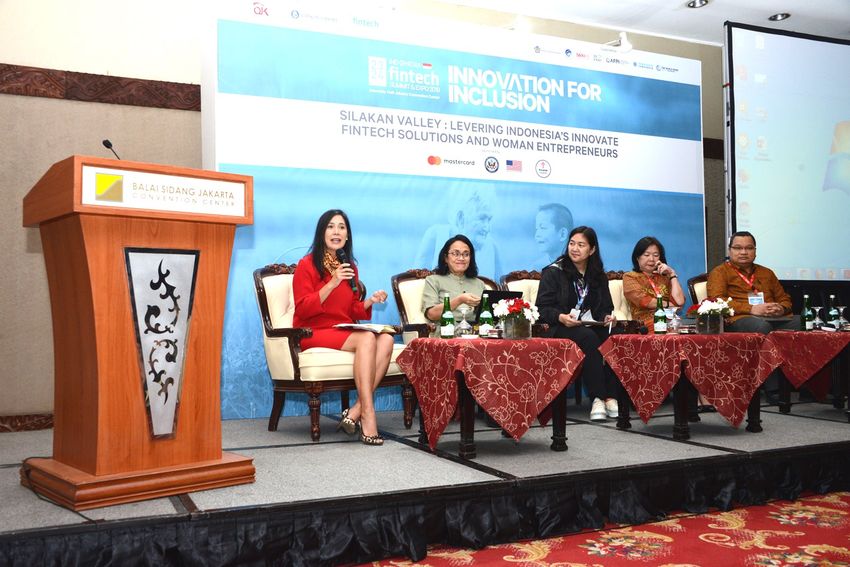
Introduction
         20 Stories of Engagement & Partnerships at the
                   Department of State in 2020
The Office of Global Partnerships (GP) is proud to present the seventh annual State of Global Partnerships report
recognizing the incredible impact that partnerships and private sector engagement have on our diplomatic en-
deavors. With 2020 presenting unprecedented challenges in our nation’s history, we must work to adapt our di-
plomacy to these trying times. In this year’s report, we highlight 20 stories from across the Department of domes-
tic offices and overseas embassies that exemplify collaboration and demonstrate the impact of cross-sector part-
nerships. As in previous reports, some of these stories are what we term public-private partnerships, and this
year, we are also highlighting various methods of private sector engagement
that the Department uses to advance policy priorities.
Highlighted in this report, you will find a variety of programs and partner-                   GP
ships, including country-specific engagement, such as the Forensic Lab part-
                                                 nership with the Howard G.
                                                                                        has worked with
                                                 Buffett Foundation to build pub-
                                                 lic security infrastructure in El        1,600+
  Why Partner with                               Salvador, and the year-long pri-            Partners &
                                                 vate sector engagement efforts
                                                                                          leveraged over
      State?                                     of GP to bolster entrepreneur-
                                                 ship and investment in Ethiopia.
                                                 Science and technology is a focal         $600
                                                 point for a number of programs
                                                 in this report, including the            Million
                                                 Global Innovation through Sci-
          Global Reach                           ence and Technology (GIST)             In Private Sector
                                                 initiative, Zoohackathon, and            Commitments
                                                 the U.S.-ASEAN Smart Cities
                                                 Partnership, where the Depart-
         Convening Power                         ment’s private sector engagement in tech promotes prosperity and
                                                 innovation as a means of achieving sustainable economic growth.
         of 250+ Embassies                       Another cross-cutting issue featured in the report is women’s eco-
                                                 nomic empowerment, specifically private sector engagement
         & Consulates                            efforts aligning with the White House’s Women’s Global Develop-
                                                 ment and Prosperity (W-GDP) Initiative. The Department has
                                                 adapted and initiated several programs and partnerships to focus
          Region & Issue                         on this issue, such as Providing Opportunities for Women’s Eco-
                                                 nomic Rise (POWER), Women Entrepreneurs Finance Initiative (We-
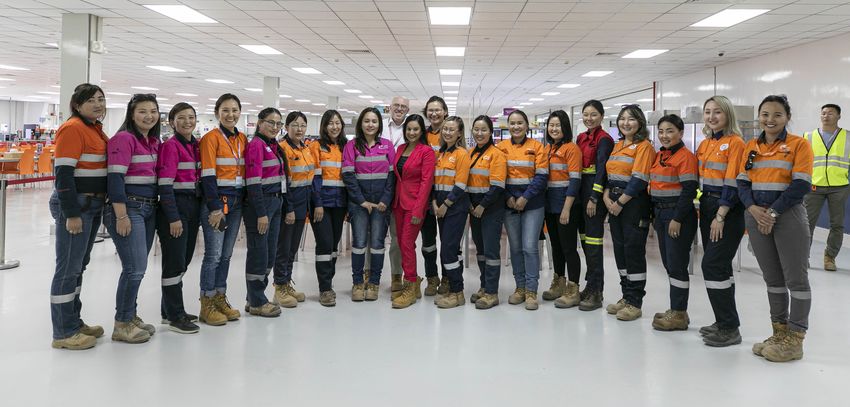
          Expertise                              Fi), and the Academy for Women Entrepreneurs (AWE). We also
                                                 recognize two U.S. diplomatic missions using private sector en-
                                                 gagement to advance their public diplomacy efforts on the
                                                 ground, as well as two initiatives to watch in the upcoming years,
                                                 as they work to build engagement programs that are inclusive
                                                 and sustainable.

                                                         4
Percentage of Global Development Investment
        1970                                                                               2019

                                                                     90%
                                             80%

                            20%
                                                                                10%
                          Private           USG                     Private     USG
                          Sector                                    Sector

With this report, our office, now under the leadership of the Un-
der Secretary for Economic Growth, Energy, and the Environ-            Why Partner with
ment Keith Krach, seeks to continue to serve as a resource to
inspire and facilitate private sector engagement across the De-        Private Sector?
partment of State. GP has been a leader in private sector en-
gagement since 2008, working with more than 1,600 partners to
harness the technology, markets, and resources of the private
sector that allow the Department to quickly advance U.S. foreign
policy goals and objectives. Partnerships also provide businesses
and organizations with opportunities to create jobs, promote
                                                                              Fast-Paced
economic prosperity, and advance business ties and dialogues in
specific regions. Through partnerships we will continue to ad-
                                                                              Solutions
vance America’s national interests and promote prosperity
around the world.
Please stay in touch with us on Facebook and Twitter:                         Industry Expertise
@GPatState and look for us on LinkedIn.

Sincerely,                                                                    Innovative
Thomas Debass
                                                                              Problem Solving
Managing Director
Office of Global Partnerships
U.S. Department of State                                                      Variety of
                                                                              Resources

                                                        5
Global Innovation through Science
1.
& Technology (GIST)
Partners: Department of State’s Bureau of Oceans and International Environmental and Scientific Affairs (OES), Angel
Capital Association (ACA), Amazon Web Services (AWS), Founder Institute, Gust, GSVlabs, Halcyon Incubator, Kauffman
Foundation, Microsoft, NovoEd, Stanford Technology Ventures Program, TechWadi, University of California-Berkeley,
Venture Capital Institute, and VentureWell.
"Amazon Web Services' partnership with the GIST pro-
The Global Innovation through Science and Technology
gram has allowed us to engage with a diverse set of tal-
(GIST) initiative and the American private sector share a
ented entrepreneurs and policy-makers from around the
common interest to engage with premier global science and world, and has accelerated our market expansion and
technology entrepreneurs and build dynamic entrepreneur- platform adoption across emerging markets. AWS em-
ial ecosystems. The GIST public-private partnership catalyz- ployees also benefit from the exposure and professional
es science, technology, and innovation (STI) activities that development opportunities that GIST global programs
promote American leadership in innovation and science- provide." -Stacey W. Jackson, Business Development
based entrepreneurship. GIST utilizes its network of Ameri-
can business leaders, entrepreneurs, and investors to con-
nect with foreign innovators, gain market access, and pro- Impact:
mote American business practices and values. To do this,
Since 2011, GIST has reached more than 27 million in-
GIST utilizes a wide range of tools including U.S. based busi-
novation community members from over 130 emerging
ness incubation, pitch competitions, in-country trainings,
economies and has mentored over 15,000 startups..
and online and in-country innovation hubs. GIST has an es-
tablished track record of high-quality programs that build Over the last year alone, GIST has leveraged over $1.85
support for the United States and American businesses M in resources from the American private sector.
worldwide by stimulating economic growth, promoting job Almost half of the GIST online network’s over 900,000
creation, and enhancing economic independence and resili- users are women.
ence. With a global footprint, GIST is nimble, adaptable,
and able to adjust to evolving priorities and conditions. GIST startups have gone on to generate more than
$250 million in revenue and to create over 6,000 jobs
How it works: GIST partners engage with science and tech-
(including an estimated 100 jobs in the United States)
nology innovators and entrepreneurs in 135 emerging
economies around the world, providing training and re-
sources to help them build successful startups. This is done
through competitions, startup boot camps, and interactive
online programs where private sector stakeholders contrib-
ute resources such as mentoring, cross-promotion, prize
sponsorship, and co-hosting events such as the GIST-
Microsoft Entrepreneurship Day at the Imagine Cup.
"For the U.S., [GIST] provides an opportunity for market ac-
cess, foreign investment, and joint ventures that allow com-
panies to partner and expand global markets. As an investor,
tax payer, and entrepreneur, GIST is a great medium to grow
businesses, increase market opportunity for U.S. and inter-
national businesses and share best practices amongst entre- Learn more at GISTNetwork.org
preneurs." - Melissa Bradley, 1863 Ventures
@GISTNetwork @GISTNet
6
2.                  U.S.-ASEAN Smart Cities Partnership

3M site visit as part of December 2019 TCTP.

Stakeholders Engaged: Department of State’s Bureau of East Asian and Pacific Affairs (EAP), U.S.-ASEAN Business Coun-
cil, U.S. Chamber of Commerce, AmCham Singapore, AmCham Thailand, AmCham Malaysia, AIG, ASTM, AT&T, Autodesk,
Caterpillar, Cisco Systems, Dell EMC, Jacobs Engineering, Hewlett Packard Enterprise, IBM, Itron, John Wiley & Sons, Mas-
tercard, Masterclock, RSA, Temboo, Trilliant, UL, Xylem, and more.
On November 15, 2018, at the 6th ASEAN-U.S. Summit in         1) Promote U.S. private sector engagement in smart city
Singapore, Vice President Mike Pence announced the new            solutions and the digital economy in ASCN cities;
U.S.-ASEAN Smart Cities Partnership in an effort to spur
                                                              2) Share best practices and promote collaboration be-
renewed American investment in the region's digital infra-
                                                                  tween innovative programs in U.S. cities with their
structure and advance prosperity and security in Southeast
                                                                  counterparts in the ASCN;
Asia. The U.S.-ASEAN Smart Cities Partnership (USASCP) is
one of the leading ways that the Department of State, in      3) Strengthen regional cybersecurity capability and capaci-
collaboration with the private sector, is implementing the        ty at the sub-national level.
U.S. Indo-Pacific Strategy that seeks to harness U.S. public
and private sector expertise to collaborate with the 26 pilot     “Through USASCP in collaboration with the USTDA,
cities of the ASEAN Smart Cities Network (ASCN) in order to        Activu gained a foothold in a developing market—
meet the varied challenges of rapid urbanization and help       often   challenging for a company of our size—and was
improve the lives of people in the region. With an initial      able to welcome Ho Chi Minh City’s senior leadership
U.S. investment of $10 million, the USASCP is developing           to our headquarters and critical operations demo
activities and programs to:                                     room   in New Jersey, Including a tour of the security &
                                                                emergency operations installation of a large transpor-
                                                                 tation infrastructure customer.”–Paul Noble, CEO of
                                                                                           Activu

                                                           7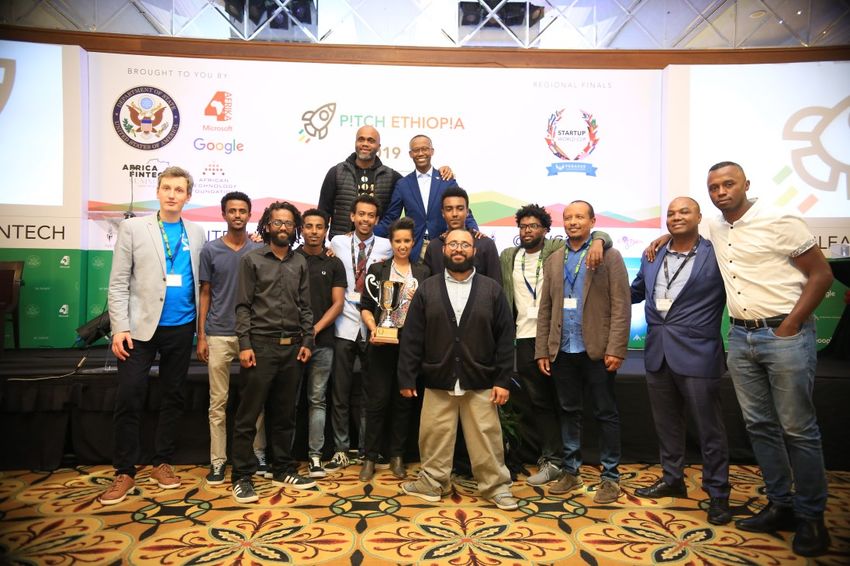
How it works: The USASCP is a whole-of-government effort
that includes participation from the Departments of State,
Commerce, and Transportation, USAID, USTDA, National Sci-
ence Foundation, and other interagency stakeholders. Most
programs are funded by the Department of State’s Bureau of
East Asian and Pacific Affairs (EAP) and implemented by
State’s functional bureaus and other interagency stakeholders.
Through USASCP programs, U.S. companies provide innovative
solutions and industry expertise to ASEAN stakeholders. To
engage the private sector, USASCP programs utilize delega-
tions, trade event programming, and stakeholder cities that
connect ASEAN governments with U.S. state and local govern-
ments, private sector organizations, and NGOs who can share U.S. Chamber welcome event for ASEAN Smart Cities Net-
work visit to Washington, DC / USASCP Smart Cities Sympo-
ideas and relevant experience.
sium, July 2019.
“The U.S. – ASEAN Smart Cities Partnership and the en- Impact:
gagement with the US Embassy in Malaysia have been In 2019, the U.S. and Singapore co-hosted a five-
extremely helpful to Cisco’s Smart Cities business in day workshop on Smart Cities in Singapore con-
ASEAN. It has accelerated awareness creation and
necting ASEAN participants with U.S. industry
thought leadership discussions in many ASEAN coun-
stakeholders such as Cisco Autodesk, and New York
tries. Prior to the Symposium in Washington D.C., many
ASEAN cities were not aware of Cisco’s offerings in based Xylem to learn about innovative technology
Smart Cities. Throughout the event, we were able to solutions to real world problems.
establish contacts with key city representatives from As part of the Department’s Diplomacy Lab part-
Malaysia, Indonesia, Thailand and the Philippines.” –
nership, Wilbur Wright College students were able
Yasser Helmy, Head of Smart Cities, Asia Pacific, Cisco
to research and discuss the benefits and challenges
of smart city technology with the USASCP, creating
a relationship where American students can partici-
pate in real world foreign policy issues.
Through the USASCP, the DOC’s International Trade
Administration (ITA) facilitated letter of intent sign-
ings at the inaugural meeting of the ASEAN Smart
Cities Network (ASCN) in 2018 for John H. Wiley
and Sons to partner with Banyuwangi, Indonesia on
content for its “Smart Kampong” educational pro-
gram and for IBM to partner with the IFC to co-
sponsor ASCN projects.
In cooperation with USASCP, the U.S. Trade and
Development Agency (USTDA) sponsored grants
Municipal officials from Indonesia attend DistribuTECH show in and reverse trade missions (RTMs) to connect U.S.
San Antonio, Texas in January 2020. industry partners with smart city opportunities in
emerging markets, including the 2019 Vietnam
Find out more at www.usascp.org Emergency Communications RTM visiting Washing-
ton, DC, New York, NY, and Chicago IL.
@usascp 8
Voices Against Violence: The Gender-Based Violence
3. Global Initiative (VAV)
Partners: The Department of States Bureau of Democracy, Human Rights, and Labor (DRL), Secretary’s Office of
Global Women’s Issues (S/GWI), Vital Voices, and The Avon Foundation for Women.
As part of its overall approach to reduce national security risks and allow societies to reach their full potential, the De-
partment supports programming, through Voices Against Violence, to protect at-risk or vulnerable individuals from
violence, discrimination, and exploitation based on gender, sexual orientation, race, religion, or other grounds. Fur-
thermore, the second line of effort under the U.S. Strategy on Women, Peace, and Security specifically emphasizes the
need to promote the protection of women and girls’ human rights; access to humanitarian assistance; and safety from
violence, abuse, and exploitation around the world.
How it works: The Department of State – primarily
through DRL and S/GWI – provides funding to support
emergency assistance for survivors of extreme forms of
gender-based violence (GBV) to address their urgent
needs in the aftermath of or threat of violence. The De-
partment provides support for small grants to local civil
society organizations, which advocate on behalf of survi-
vors and work to prevent and respond to GBV in their
community. It also supports the consortium of imple-
menting organizations to convene GBV actors via regional
events and initiate dialogue, further collaboration, and
innovation. The Avon Foundation supports VAV training programs that encourage conversation and help advocates to
support women and girls impacted by violence, provide information and resources to raise awareness about GBV, and
remove barriers for survivors in accessing justice and vital support services.
Over the lifetime of the public-private partnership, the total number of ben-
eficiaries is more than 2.3 million people in 66 countries.
Over 3,000 individuals have been directly trained and supported through the @StateDRL
partnership.
@StateGWI
The Avon Foundation has contributed more than $4 million in support of the
partnership. @VitalVoices
95% of participants in the partnership’s Justice Institute on Gender-Based @AvonWorldwide
Violence training program reported deepening their understanding of do-
mestic violence and/or sexual assault in their country and gaining a sense of
empowerment to combat
it. https://www.vitalvoices.org/what-we-do/signature-programs/vav
“Partnering with the U.S. Department of State, DRL and Vital Voices on the ‘Voices Against Violence’ ini-
tiative has greatly advanced the Avon Foundation’s promise to help end violence against women and
girls. We’ve had broad success internationally in increasing victim access to services and justice by en-
couraging the adoption of a victim-centered approach and shifting perceptions surrounding gender-
based violence. The Avon Foundation looks forward to more years of collaboration with these leading
institutions. ” – Christine Jaworsky, Director of Avon Foundation for Women
9
4.
                  Providing Opportunities for Women’s
                        Economic Rise (POWER)
Stakeholders Engaged: The Department of State’s Bureau of Economic and Business Affairs (EB), PWC, Mastercard, MIT
Innovation Initiative, National Association for Women Business Owners, American Chamber of Commerce, Bank of Amer-
ica, Boeing, Caterpillar, Citigroup, Coca-Cola, Corteva, Pfizer, Deloitte, Delta, FedEx, Goldman Sachs, Google, Meridian
International Center, United Airlines, Visa, Women in Agribusiness, and more.

 Women entrepreneurs are an emerging market force and             How it works: POWER promotes women’s economic em-
 an important source of innovation, job creation, and eco-        powerment through projects implemented by individual
 nomic growth. Strong professional networks and partner-          U.S. embassies and consulates, and through the Bureau’s
 ships can help women to overcome obstacles and advance           policy work, such as economic policy dialogues. POWER
 their business interests. EB leverages close relations with      develops and supports projects that use diplomatic en-
 the private sector throughout all lines of effort, including     gagement to promote women’s economic empowerment
 in women’s economic empowerment, a key Administra-               while also demonstrating a strong U.S. nexus, most often
 tion priority. Through POWER, EB works with the private          in the form of partnering with one or more U.S. companies
 sector and overseas missions to establish professional net-      or business organizations. Each project is different but the
 works and promote global business environments that              private sector partner will often provide technical or finan-
 support women’s economic empowerment. Engagement                 cial resources that can contribute to training workshops or
 with the private sector is a core component to the initia-       seminars, financing, or mentorships. In addition to part-
 tive’s overall goal, and essential to achieving the objectives   nerships through embassy or consulate-led projects, EB
 outlined above. These activities contribute to the overall       convenes private sector stakeholders vested in women’s
 advancement of U.S. economic interests, align with the           economic empowerment annually to provide an update
 National Security Strategy, and support the U.S. govern-         on all POWER related activities, discuss additional oppor-
 ment’s Women’s Global Development and Prosperity Initi-          tunities for collaboration, and explore new challenges and
 ative (W-GDP).                                                   solutions identified in the space.

                                                                  10
                                                                  10
POWER Programs Creating Impact:
Currently, there are POWER projects in 14 countries. A few examples
include:
Scale Up Accelerator for Women Entrepreneurs is a project led by
U.S. Embassy in Azerbaijan in partnership with PWC, Pasha Bank and
other local organizations. The program provides a 10-week business
development training program for women-led SMEs. After com-
pleting the program, participants are matched with representatives
from the U.S. private sector and with the American Chambers of
Commerce to explore business relationships with American women-
led SMEs. The program provides training to 2 entrepreneurs, helps
establish women SME network with U.S. businesses and fosters business activity.
Binational Women Entrepreneur Academy is a project led by
U.S. Consulate Tijuana in partnership with Mujer PYME. American
and Mexican female business owners underwent a two-week
business development boot camp to help them develop and scale
their businesses within the formal economy leading to greater
bilateral trade in the San Diego and Tijuana region.
Through POWER, the U.S. and Republic of Korea endorsed an
action plan outlining shared vision for future cooperation to pro-
mote women’s economic empowerment in 2019. An important
component of this cooperation includes consulting U.S. and the
Republic of Korea private sector entities to ele-
@EconatState vate the issue at corporate levels, catalyze part-
www.state.gov/womens-economic-empowerment/ nerships and promote alignment across the
public and private sector.
5. Women Entrepreneurs Finance Initiative (We-Fi)
Stakeholders Engaged: Department of State’s Office of While the number of women-led enterprises continues
Global Women’s Issues (S/GWI), African Development to expand around the world, outmoded policies, busi-
Bank Group, Asian Development Bank, European Bank ness practices, and attitudes continue to stunt the
for Reconstruction and Development, Inter-American growth of these ventures. Women business owners not
Development Bank Group, Islamic Development Bank, only face the barriers that impact all working women,
World Bank Group, UN Women, Vital Voices, One Cam- such as family leave and affordable childcare, they are
paign, the W20 Chair, and 14 country partners. also undercut by limited training opportunities, scarce
access to finance and markets, biased legal and cultural
barriers, and inadequate support systems like mentors
and business networks.
11
11www.we-fi.org
Recognized as one of the first officially branded programs Impact:
of the Women’s Global Development and Prosperity (W-
Since it was founded in 2017, We-Fi has allocated $249
GDP) Initiative, We-Fi was launched as the first of its kind
million in donor funding for global programs that are
multilateral fund specifically designed to unleash the po-
expected to mobilize an estimated $2.6 billion. These
tential of women entrepreneurs in emerging economies.
resources are poised to promote women’s entrepre-
Working across the entire entrepreneurial ecosystem, We-
neurship and economic empowerment in over 50 de-
Fi catalyzes strategic investments, capacity building, and
veloping countries, including some of the most chal-
policy reforms to increase women’s access to the finance,
lenging markets and fragile states.
markets, and networks they need to start and grow a busi-
ness. We-Fi programs focus on increasing the access of Currently, the initiative has reached over 114,000
women-owned/led small and medium enterprises women-owned businesses and supported 39 private
(WSMEs) to financial products and services; expanding sector institutions.
opportunities for skills training, mentorship, and behav- Success Story: With IFC and We-Fi support, Maheen
iors; promoting changes to norms and behaviors; and Adamjee and Lina Ahmed, the founders of Dot & Line,
strengthening links to markets, both domestic and global. an online tutoring startup in Pakistan have established
How it works: We-Fi aims to engage private sector finance a business that not only provides for themselves and
and catalyze increased lending and investment for wom- their families, but also empowers other women in Pa-
en’s businesses. We-Fi combines that with complementary kistan by creating flexible jobs for 140 women (and
technical assistance, such as skills enhancements and mar- growing). Their work also sets girls up for success in
ket access, to enable women-owned and women-led small future industries through math and science tutoring.
and medium enterprises to thrive. Program implementa-
tion is led by the private sector implementing partners “Starting and growing a business is one of the most pow-
that are accredited by the We-Fi Governing Committee. erful ways for women to overcome poverty and build a
The donor countries contribute funding to We-Fi. Galva- better future for themselves, their families, and their com-
nized by the support of these governments, implementing munities. Women in many countries have only a fraction
partners are equipped to develop programs and projects of the legal rights of men, holding them back from oppor-
to mobilize further funding. The multilateral development tunities for employment and entrepreneurship. That’s not
banks (MDBs) develop programs and projects to maximize acceptable. Legal rights for women are both the right
the impact of We-Fi financing. These MDBs provide leader- thing to do and good from an economic perspective. As a
ship in promoting increased support to women entrepre- partner of W-GDP and with the backing of the U.S. as a
neurs, broad geographic reach, and a wide range of pri- founding donor government, the Women Entrepreneurs
vate and public sector clients to test innovations and scale Finance Initiative (We-Fi) at the World Bank aims to pro-
up successful programs. mote women’s economic empowerment by providing ac-
cess to finance, markets, networks, and technology, while
tackling laws and business practices that keep women
from thriving in business. There’s reason for optimism with
social mores improving and many countries improving
their regulatory environments for women. Still, much work
remains, and the World Bank Group stands ready to help
until every woman can move through her life without fac-
ing legal barriers to her success.”
- David Malpass, President of the World Bank Group
Photo courtesy of We-Fi and International Finance Corporation
12
126. Academy for Women Entrepreneurs (AWE)
Partners: Department of State’s Bureau of Educational and Cultural Affairs (ECA), Arizona State University Thunder-
bird School of Global Management, Freeport-McMoRan
Foundation, and the U.S. African Development Foundation
(USADF).
ECA launched the Academy for Women Entrepreneurs (AWE)
in 2019 in support of W-GDP’s Pillars 1 and 2. AWE equips
women with the tools needed to establish and grow their
own businesses, raise capital, and effectively network with
other successful business owners. Through AWE, women
participate in a facilitated entrepreneurship program supple-
mented with localized content, as well as networking and
mentorship opportunities.
AWE is most often centered around the online training platform, DreamBuilder, developed through a partnership be-
tween Arizona State University’s Thunderbird School of Global Management and global copper mining company, Free-
port-McMoRan.
AWE uses the DreamBuilder platform to inspire and train women entrepreneurs. The curriculum provides women
from around the world with fundamental business skills, including how to create business plans and raise capital.
AWE supplements that core curriculum with localized content, mentoring, and networking opportunities that support
women to accomplish their business goals. In its inaugural year, AWE launched in 26 countries and engaged more
than 2,000 women, supporting in a facilitated learning experience their efforts to establish proven business practices
and formalize existing business, turning entrepreneurial ideas into successful businesses.
“One thing I did not do before AWE was keeping control of income, expenses, and profits. Before
AWE, I used to manufacture my products just to produce something. I also didn’t know how much
raw material I needed, but now I plan how much I will produce and who will buy my products. I met
women with other types of businesses who were really helpful. Their sharing was open with no limit,
so I learned a reason to do or not something. I learned new ideas to bring to my business. I gained a
lot of confidence in my product. This program really empowered me; I know I can.”
– Reyna Isabel Mateo Aldana, AWE 2019 graduate from Guatemala
eca.state.gov/awe
13
13How AWE Works:
Freeport-McMoRan funded the development of the web services of DreamBuilder, in partnership with ASU, including
maintenance of both the Spanish and English versions available for free use by an unlimited number of AWE partici-
pants. ASU provides technical and management support to ECA and collects, tracks, and analyzes data on the impact
of AWE on women entrepreneurs. USADF provides selected AWE graduates in Africa with seed funding to start and
scale their enterprises. Beginning in 2020 through 2025, USADF will provide up to $10 million in grants to the most
promising African AWE graduates. In 2020, funding will be awarded to AWE graduates from the following countries:
Ghana, Kenya, Nigeria, Rwanda, Senegal, South Africa, Tanzania, Uganda, Zambia, and Zimbabwe.
Impact:
Surveying participants from 2019 cohorts showed that:
99% of the respondents would recommend the Academy for Women Entrepreneurs to other women in their net-
work
96% of respondents already have or certainly will implement items from their Business Plan developed during the
training
85% of respondents will certainly stay in touch with other women they met in training
98% of respondents said their self-confidence increased during training, 82 percent greatly increased
“Thunderbird is incredibly delighted to be partnering with ECA on the Academy of Women Entrepre-
neurs. AWE is allowing the DreamBuilder program to have a much greater global reach, helping
women all over the world start and grow small businesses. By working together, women entrepre-
neurs are not only getting access to our high impact online training, but are receiving the high-
touch wrap around services that will insure success.”
–Kellie Kreiser, Arizona State University Thunderbird School of Global Management
“Freeport-McMoRan is so pleased that our investment in building and implementing Dream-
Builder across Spanish and English-speaking countries is now being scaled even further through
our partnership with the Department of State ECA Bureau. This is a testament to the power of
public-private partnerships, and how resources and collaboration can maximize the positive
impact for so many women around the world.”
–Tracy Bame, Freeport-McMoRan
14
147. Women in Science STEAM Camps (WiSci)
Partners: Department of State’s Office of Global Partner- Impact
ships (GP), United Nations Foundation’s Girl Up Initiative,
To date, WiSci has impacted over 850 girls and 75
Google, Caterpillar Foundation, Intel, NASA, and Millenni-
counselors from 20 countries around the world.
um Challenge Corporation.
90% of campers say their leadership skills improved as
Girls and women around the world continue to face
a result of WiSci Camp.
unique and significant barriers in accessing STEAM educa-
tion and careers. Women in the global labor force are 78% of WiSci alumnae are now enrolled in universities
often paid lower salaries than men in similar jobs and are studying STEAM subjects.
concentrated in lower skill/lower wage jobs and indus-
tries. These gaps are especially apparent in the fields of
science, technology, engineering, and math.
WiSci is a public-private partnership that was formed to
address the persistent gender gap in the STEAM fields
(science, technology, engineering, arts and design, and
mathematics). Each year, the partnership produces WiSci
camps that are designed to inspire and empower adoles-
cent girls through leadership training, exposure to STEAM
applications, skills-building, and cross-cultural awareness
to pursue higher education and careers in STEAM fields.
Girls from across the region where the camp is focused,
and the United States, apply for the opportunity to spend
approximately two weeks at a WiSci summer camp where
they are taught and mentored by industry experts. “One of our goals is to empower women and girls to explore
STEAM fields because we recognize the limitations many
How it works: WiSci is a public-private partnership de-
women face when looking to enter a STEAM career path. Part-
signed to leverage the expertise of each partner. Girl Up
nering on these issues allows us to reach and encourage more
serves as the managing partner for the initiative and also
women to pursue STEAM then we could do alone. It is also
implements the logistics for each camp. The Office of
inspiring to us to be included at such a unique and impactful
Global Partnerships facilitates the relationships between
event. The opportunity to provide the girls with some awe-
private sector partners and U.S. embassies, and offers in-
some new STEAM content is a huge confidence boost for
stitutional knowledge and guidance. Private sector and
them, during a critical time in life when girls are starting to
local partners contribute funding, facilities, staff-time,
really think about what their career goals might be.” – Emily
training and STEAM curriculum, leadership training, men-
Adams, NASA
torship, and in-kind supplies.
“We believe that every individual should have access to educa-
tion and the opportunity to choose their own career path, in-
dependent of their gender, identity, or socioeconomic back-
www.girlup.org/programs/wisci ground. The synergies resulting from collaborating with part-
ners who share this value help us achieve a larger collective
@GirlUpCampaign @Gpatstate #WiSci
social impact to advance gender equity and parity in STEAM
fields.”- Gabriela Gonzalez, Intel
15
158. International Visitors Leadership Program
(IVLP)
Stakeholders Engaged: Department of State’s Bureau of Educational and Cultural Affairs (ECA), and numerous businesses, nonprofits,
and academic institutions across the United States.
Since the first exchange participants arrived in 1940, the IVLP participant network has grown to include over 225,000 foreign alumni
and the program continues to build vital linkages between U.S. citizens and emerging international leaders. As the IVLP turns 80, the
main purpose of private sector engagement through this program is to provide professional programming that supports U.S. foreign
policy goals and build relationships that bring people in the United States closer to the world to increase their global competency.
Through extensive private sector engagement and network building, the IVLP retains its nonpartisan nature and effectively highlights
the diversity that exists in the United States. Initially, many of the nonprofit partners were small, completely volunteer organizations.
Today, the majority of the organizations are staffed by dedicated professionals, supported by volunteers. These volunteers include
board members, professional resources who meet with International Visitors, mentors, and home hospitality hosts. ECA engages over
1,500 private sector organizations through its more than 120 different exchange programs, but the Global Ties U.S. network is the old-
est citizen diplomacy network. ECA also supports the W-GDP's Pillar 3 through a tailored IVLP program entitled “W-GDP: Overcoming
Barriers to Women’s Economic Participation.” In 2019, as part of this program, 19 individuals traveled to the United States to examine
best practices for reducing restrictive legal, regulatory, and cultural barriers to women’s full and free participation in the economy.
Their visit included meetings with federal, state and local governments, private companies, business incubators, and financial institu-
tions and culminated in the development of individual Action Plans to implement what they learned on their W-GDP exchange.
How it works: Global Ties U.S. and eight Washington, D.C. based nonprofits all hold cooperative agreements with the Office of Inter-
national Visitors. Through their agreements, Global Ties U.S. establishes the framework that their community-based organizations
must meet to be designated Community Based Members (CBMs) to partner with the Department of State on the IVLP.
Impact:
Celebrating its 80th anniversary, the IVLP is highlighting 80 accomplished alumni, their lives and leadership, and the impact of their
exchanges on the global community. A few of these #FacesOfExchange include:
Meaza Ashenafi, an IVLP participant from Ethiopia, who went on to become the first female federal Chief Justice of Ethiopia
and co-founded Enat Bank, the first bank targeted to women's economic empowerment. She founded the Ethiopian Women Law-
yers Association to provide pro-bono services to women unable to afford a legal defense, created a word in Amharic to describe
sexual harassment, and reformed the way the Ethiopian judicial system treats sexual harassment cases.
During her IVLP, Dr. Vandana Gopikumar first saw the cross-disciplinary model to address care, treatment, and rehabilitation,
which she would later adopt in India. She went on to co-found The Banyan, a Chennai-based organization in India that addresses
mental health illness and homelessness and has traveled back to the U.S. to engage contacts with ongoing research to improve her
method’s impact on patients.
IVLP inspired Vered Cohen-Barzilay, an Israeli journalist and women’s rights activist, to change career paths and focus on building
religious and cultural bridges through innovation and education. Upon her return to Israel, she founded the nonprofit “Out of the
Box” to promote science, technology, engineering, and mathematics (STEM), space education, and entrepreneurship for youth in
Israel.
16
10An IVLP Partnership Story @StateIVLP
The IVLP relies on a number of private sector partners to implement the projects. These partners ensure balance in
programming, coordinate with local organizations to ensure high-quality meetings, and bring the local flavor into all
projects. In 2020, a project designed to highlight the diplomatic relations between the U.S. and Cambodian govern-
ments brought eight Cambodian tech entrepreneurs, government officials, businesswomen, and innovators to the Unit-
ed States to participate in IVLP. Participants sought to gain insights into how institutional arrangements connect uni-
versities, businesses, and government agencies and how they encourage the education of girls in STEM fields, and to
equip women to become active participants in the Cambodian technology landscape. The participants traveled to Den-
ver, CO and Portland, OR to examine education and mentorship programs for girls in STEM, as well as women-led
startups and public-private partnerships. A highlight for the group was a meeting organized by the nonprofit partner in
Portland that took them to the OTRADI Bioscience Incubator, a complex that provides startups and scientists with ac-
cess to entrepreneurial mentoring and state-of-the-art bioscience facilities. On the last day of the program, the group
traveled down the Oregon coast to Oregon State University (OSU) in Corvallis where they explored the OSU Advantage
Accelerator, a prime example of a public-private partnership, to learn how a university can work in partnership with
local businesses to benefit the regional economy.
9. Award for Corporate Excellence (ACE)
Partners: Department of State’s Bureau of Economic and investing in youth education to job creation, the award
Business Affairs (EB), 2019 winners include The Chambers has celebrated U.S. businesses investing in local communi-
Federation, Procter & Gamble Asia Pacific, Agilis Partners, ties and exporting American values. These companies cre-
and PepsiCo India. ate thriving businesses
while addressing local
The annual Secretary of
needs.
State’s Award for Corporate
Excellence (ACE) recognizes For 20 years, the ACE
U.S. firms that uphold high has been honoring the
standards of responsible important role U.S.
business conduct. Estab- businesses play in ad-
lished in 1999, the ACE seeks vancing democratic
to highlight ways in which principles worldwide
U.S. companies represent and in countering so-
American values in the way cial inequalities. The
they do business, in line with American economy is
international best practices getting stronger every
such as the Organization for Economic Cooperation and day because of the commitment of U.S. businesses to
Development’s Guidelines for Multinational Enterprises. community investments at home and abroad, leading by
Each winner of the ACE is deeply committed to improving example in achieving sustainability and profitability.
its business in a manner that improves surrounding com-
munities. From supporting women’s economic growth to
17
10How it works: Nominations for the ACE are put forward by Chiefs of Mission of U.S. embassies and consulates, for
the work of a U.S. company in a particular country. Finalists and winners for the ACE are chosen by a selection com-
mittee comprised of senior U.S. government officials.
Impact:
Over 20 years, ACE has been awarded to 53 winners, helping tell stories of initiatives that have helped U.S. busi-
nesses prosper while ensuring greater opportunity for all.
Past ACE winners have been recognized for their breakthrough work in the following areas: sustainable oceans
management, inclusive hiring practices, transparent operations, human rights and labor rights initiatives, environ-
mental sustainability and disaster relief, maternal health programs, education and livelihood programs.
“This is a good example of the ways that companies can be
innovative, not just for their own good and for their own in-
vestors, but more broadly to raise the values of the United
States and make a lasting impact in the countries where we
compete.”– Jeff Immelt, CEO of GE
“This award for us is more than just rec-
ognizing the work of a few individuals,
but rather it’s about recognizing a shift in
the status quo. This award recognizes the
tireless efforts of the many, many people
who contribute to our program, and by
doing so, help ensure that our marine
ecosystems are treated with the respect
that they deserve so that the oceans can
provide for future generations the enjoy-
ment and resources that our generation
and the generations before us have en-
joyed.”– Kevin Ahearn, Co-Founder of
Bureo
www.state.gov/secretary-of-states-award-for-
corporate-excellence/
18
1010. Partnership Opportunity Delegation (POD) to
Ethiopia
/
Stakeholders Engaged: Department of State’s Office of Global Partnerships (GP), Microsoft, IBEX Frontier, Roots Studio,
Santa Clara University, IBM, Google, Dedalus Global, Opportunity International, Amazon Web Services, Cimple Net-
works, Startup World Cup, Enactus, Africa Technology Foundation, Ericsson, and Sumitomo.
During Global Entrepreneurship Week 2019, a Partnership Oppor-
tunity Delegation (POD) led by GP, consisting of business leaders,
innovators, entrepreneurs, and government officials landed in
Ethiopia to explore opportunities in various sectors of the Ethiopi-
an economy including digital connectivity, Fintech, creative indus-
try, and startups. Since their five day stay, delegates have started
making commitments to engage further with Ethiopia.
The POD culminated in two events recognizing Ethiopian startups
and entrepreneurs. GP partnered with The Africa Fintech Summit
to host a large scale conference that brought together over 400
attendees to recognize excellence in entrepreneurship and inno-
vation in the financial technology sphere across the African conti-
nent. The following day, the Department of State partnered with Microsoft, Google, Pegasus Ventures Startup World
Cup, and the Africa Fintech Summit to host P!TCH ETHIOP!A, an entrepreneurial pitch competition for seven Ethiopian
startups. AXIOM Financial Technologies, a startup focused on increasing access to financing by developing the first cred-
it scoring platform in Ethiopia, won the competition. In doing so, AXIOM representatives earned a chance to compete in
the Startup World Cup 2020 in San Francisco for a $1,000,000 investment prize.
Following the POD and P!TCH ETHIOP!A successes, the Department continues to support Ethiopia’s economic reforms
and forge lasting cross-sector networks that will bolster their efforts and create sustainable investments for years to
come.
“The Ethiopia POD was a turning point for Opportunity
International in terms of the timing for our launching
our agriculture and education finance programs in the
country. We moved Ethiopia to the front of the line as
our top priority startup country for 2020. I cannot im-
agine a better agenda and lineup of meetings than the
one developed by the State Department. The highlight
for me was the presentation by our US Ambassador,
who gave a passionate invitation to the delegation to
invest in Ethiopia at a time when the government is
changing the rules to provide a favorable environment
for international companies.” -Dennis Ripley – Oppor-
tunity International
19“The opportunity presented by the POD and the amazing support of the State Department
gave Miller Center the chance to bring its partnership with a key Ethiopian ministry to fruition
with a much better understanding of the landscape in which the partnership will operate, as
well as build a network of critical implementers.” - Jeri Jensen -- Santa Clara University
How it works: A POD comprises a dynamic and diverse group of partnership builders who represent a range of or-
ganizations, potentially including established businesses, startups, educational institutions, non-profits, and founda-
tions, among others. Each POD is tailored based on the country, policy priorities, goals, and strategic economic oppor-
tunities.
The POD to Ethiopia was a finale to a year-long engagement effort by GP to encourage investment and entrepreneur-
ship in Ethiopia. In the spring before the POD took place, GP convened over 400 private sector leaders and policy mak-
ers to explore opportunities in Ethiopia’s rapidly changing economic landscape at the Ethiopia Partnerships Forum
(EPF). The energy surrounding this event launched an endeavor to bring the change-makers themselves to the country,
thus connecting the business leaders and innovators who would form the POD later that year.
As the POD was being put together, GP continued traversing the private sector network for those who could contribute
meaningful change in Ethiopia. In the fall of 2019, GP
traveled to Silicon Valley, convening an Ethiopian delega-
tion at the Enactus World Cup, a student competition
dedicated to “creating a better world while developing
the next generation of entrepreneurial leaders and social
innovators.” This delegation was able to connect with
organizers of the competition, starting the process for
Enactus to form its first student group in Ethiopia. The
enthusiasm and networks made during this event and
EPF would lay the foundation for the POD and bring the
right group of leaders together to create meaningful
change in Ethiopia.
Impact
Santa Clara University’s Miller Center for Social Entrepreneurship signed an MOU with the Ministry of Science and
Higher Education to share and integrate their methodology into the curriculum of Ethiopian universities
Amazon Web Services committed $15k worth of credits to ICOG Labs and each of the entrepreneurs who partici-
pated in the P!TCH ETHIOP!A boot camp and competition
Opportunity International committed to holding their Africa Regional Conference in Addis Ababa and to launch
lending programs for agriculture and schools in the country in 2020
IBM exploring providing training resources and internships to the Prime Minister’s Jobs Creation Commission
/
2011. Go Further Partnership to End AIDS and
Cervical Cancer
Partners: Department of State’s Office of the U.S. Global
“Go Further builds on the Bush Institute’s longstanding ini-
AIDS Coordinator and Global Health Diplomacy (S/GAC),
tiative to support women in Africa by scaling efforts to save
The President’s Emergency Plan for AIDS Relief (PEPFAR),
more lives. Healthy and empowered women contribute to
the George W. Bush Institute, Joint United Nations Pro-
healthier families, communities, and countries, and this
gramme on HIV/AIDS (UNAIDS) and Merck.
partnership is proud to invest in high-burden nations to
Cervical cancer is the number one cancer killer of women improve women’s health and economic futures, reduce
in sub-Saharan Africa (SSA). Roughly 100,000 women in suffering, and expand the reach of care.” - Holly Kuzmich,
SSA are diagnosed annually with cervical cancer and of Executive Director of the Bush Institute.
these about 62% will die from the disease. Cervical cancer
tute, UNAIDS, and Merck.
is preventable through providing the human papillomavirus
(HPV) immunization prior to HPV infection, and through How it works: The partners work together to leverage gov-
screening and early treatment of pre-cancerous lesions. ernment leaders, community stakeholders, and the pharma-
ceutical industry to provide a comprehensive approach to
Because women living with HIV (WLHIV) are five times more
these efforts. The Bush Institute leverages its convening
likely to develop cervical cancer, the Go Further partnership
powers, educational efforts, and leadership to help ensure
focuses on reaching WLHIV in countries with among the
high-level commitment and to raise the profile of cervical
highest HIV prevalence and cervical cancer incidence rates
cancer in the global arena. UNAIDS shares data collected on
in the world. The partnership aims to reduce new cervical
the policy integration indicators and assists with formulating
cancer cases by 95 percent among the estimated 3.8 million
recommendations for country governments and partners;
WLHIV who live in eight high-burden SSA countries. The Go
engages civil society and communities in service demand
Further strategy builds on seven years of collaboration be-
creation, establishing/scaling up good referral systems and
tween PEPFAR and the George W. Bush Institute and
continuum of care, and accountability; and links with the
evolves the partnership to save more lives. In 2018, PEPFAR
International Atomic Energy Agency (IAEA) to scale up radio-
instituted an every-other-year cervical cancer screening pro-
therapy options for women diagnosed with cervical cancer
gram for WLHIV over age 25, and enlisted partners to in-
with particular focus on those living with HIV. Merck pro-
crease HPV vaccination, and treatment for invasive cervical
vides an already-proven effective HPV vaccine to a new
cancer. This strategy creates a pathway to ending cervical
study to determine its best use in women living with HIV.
cancer in WLHIV. In order to realize the full impact of this
strategy, S/GAC and PEPFAR partnered with the Bush Insti- Impact:
By the end of FY19, the Go Further partnership had
“Go Further is helping women in Africa to lead longer,
screened 568,311 WLHIV globally
healthier lives. By leveraging the robust health care de-
livery platforms in Africa strengthened through over $85 86% of these women reported this as their first screen-
billion in total U.S. government global HIV/AIDS invest- ing
ments, we will protect millions of HIV-positive mothers, Of the 568,311 WLHIV screened, 7% (36,962) screened
daughters, aunts, and grandmothers — who are alive positive for pre-cancerous lesions, 23,383 (63%) of
and thriving with HIV treatment — from the threat of whom received treatment; 9,218 (2%) were found to
cervical cancer.”-Ambassador Birx, M.D., United States have suspected invasive cancer
Global AIDS Coordinator and Special Representative for
www.state.gov/partnership-to-end-aids-and-cervical-cancer/
Global Health Diplomacy
@GoFurther @GoFurther123 @_gofurther_
2112.
Zoohackathon (ZH)
Partners: Department of State’s Bureau of Oceans and International Environment and Scientific Affairs (OES), Mi-
crosoft’s AI for Earth Program, Wildlife Conservation Society, Haibu LLC, and over 30 regional partners.
The global threat of wildlife trafficking is worth billions of dollars annually and continues to grow. It has links to transna-
tional organized crime, including drug, weapon, and human trafficking. It spreads disease and pushes species to the
brink of extinction.
“Zoohackathon is the leading event of its kind. It not
Zoohackathon is a global technology-based competition that
only challenges a diverse global audience to solve some
pits the ingenuity of students and private individuals against
of conservation’s biggest challenges but uniquely it also
criminals who profit from wildlife trafficking through the crea-
sets up a hackathon as the first step in creating robust,
tion of new and innovative technologies. OES and our 2019
scalable solutions.”- Jonathan Palmer, Wildlife Conser-
ZH partners saw eye-to-eye on the importance of combining
vation Society
this policy priority with youth engagement and innovation
around the world. This program also helps the participants
build upon their coding and design skills and receive professional development advice from experts who work at leading
technology companies around the world. Embassies on every continent host ZH events, so it taps into the Depart-
ment’s global reach and power to convene. It also combines public diplomacy with advances on national security policy
objectives.
How It Works: Posts partner with local governments, wildlife conservation NGOs, and private sector technology com-
panies to host 48-hour “hackathon” competitions with university students and young professionals. In 2019, the global
winners received a combination of publicity, mentorship, and significant cloud computing resources for continued solu-
tion development. Local partners generally provide the remainder of funding, as well as non-monetary contributions
such as co-hosting the event, actively mentoring the teams, or providing the prizes aimed at helping winning teams turn
their proofs-of-concept into a fully functional technology. At the global level, OES develops short-term partnerships with
NGOs and private companies working at the nexus of technology and wildlife conservation.
22You can also read


