Statewide Interstate Tolling Strategic Plan - Indiana Department of Transportation - IN.gov
←
→
Page content transcription
If your browser does not render page correctly, please read the page content below
Statewide Interstate
                Tolling Strategic Plan
                Indiana Department of Transportation

November 2018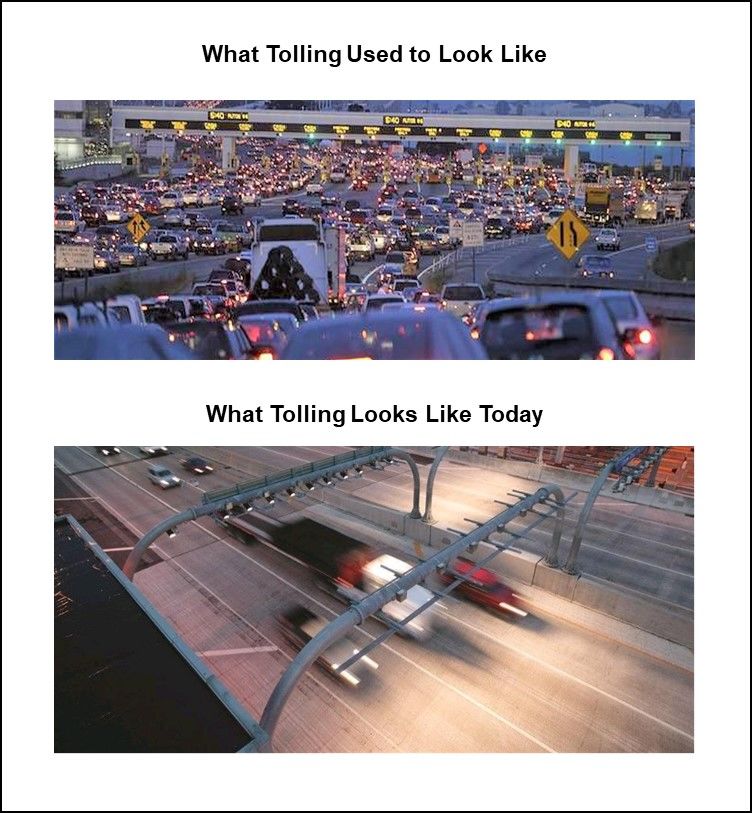
Statewide Interstate Tolling Strategic Plan

TABLE OF CONTENTS
      INTRODUCTION ................................................................................................................ 1
      OPEN ROAD TOLLING - THE DRIVING EXPERIENCE .................................................... 4
      TOLL RATE STRATEGIES ................................................................................................ 9
      OPERATIONAL STRATEGIES .........................................................................................13
      FINANCIAL STRATEGIES ................................................................................................23
      ENVIRONMENTAL REVIEW STRATEGIES .....................................................................26
      IMPLEMENTATION STRATEGIES ...................................................................................28
      CONCLUSION ...................................................................................................................34
NOTES .....................................................................................................................................36
APPENDIX A: CONCEPT OF OPERATIONS……….................................................................A1
APPENDIX B: ENGINEERING & ENVIRONMENTAL ANALYSIS ...........................................B1
APPENDIX C: TRAFFIC & REVENUE ANALYSIS....................................................................C1
APPENDIX D: FINANCIAL ANALYSIS……...……….................................................................D1
APPENDIX E: TABLE OF ACRONYMS...…...……….................................................................E1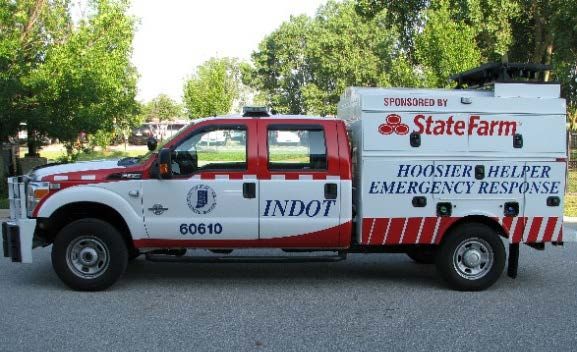
Statewide Interstate Tolling Strategic Plan

TABLE OF FIGURES
Figure 1-1. State Highway Revenue Projections ........................................................................ 2
Figure 2-1. Tolling Today ........................................................................................................... 4
Figure 2-2. Michigan Road Toll House in Indianapolis................................................................ 5
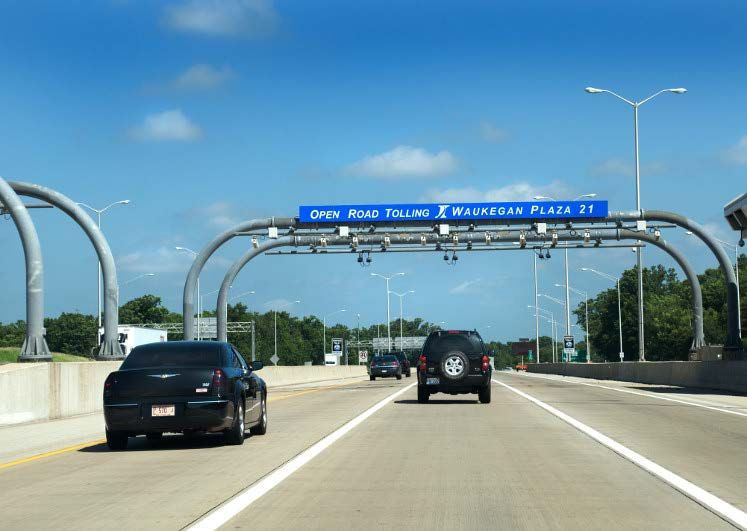
Figure 2-3. Open Road Tolling in the U.S................................................................................... 6
Figure 3-1. Example of a 2-Axle Truck ......................................................................................10
Figure 3-2. Example Tolls at $0.07 and $0.38 per Mile with a Transponder ..............................11
Figure 4-1. Example of Monotube Toll Gantries (Illinois Tollway) ..............................................14
Figure 4-2. Example of Pavement Loops at Tolling Location .....................................................15
Figure 4-3. Examples of Images Captured by Toll Cameras .....................................................16
Figure 4-4. Toll Interoperability Regions ....................................................................................17
Figure 4-5. Example Windshield Sticker Transponder used for ORB in Southern Indiana ........18
Figure 4-6. Back-Office and Customer Service Center Operations............................................19
Figure 4-7. Fiber Optic Cable ....................................................................................................21
Figure 4-8. INDOT Hoosier Helpers Vehicle ..............................................................................21
Figure 8-1. Potential Toll Revenue Compared to Revenue from Existing Sources ....................34

TABLE OF TABLES
Table 3-1. Example Toll Rates Per Mile for Vehicles Paying by Transponder ............................ 9
Table 3-2. Example Toll Rates per Mile for Vehicles Paying by Transponder............................11
Statewide Interstate Tolling Strategic Plan

                                       INTRODUCTION
                               Indiana has not made the decision to implement a statewide
                               interstate tolling program. Based on Indiana House Enrolled Act
                               (HEA) 1002, the Indiana Department of Transportation (INDOT) was
                               directed to investigate tolling as a possible way to fund major interstate
                               improvements, such as widening I-65 and I-70 outside of I-465 to at
                               least six lanes, border-to-border. INDOT estimates this work would
                               cost around $4.65 billion 1, which is more than four times INDOT’s
                               entire 2018 capital program. Interstate tolling could fund this work,
                               along with other improvements needed to improve mobility for
               Indiana’s residents.
               Tolling could also be part of a long-term, financially sustainable transportation program
               for the state of Indiana. Today, most of Indiana’s highway funding is derived from gas
               taxes. However, as auto makers continue to improve fuel efficiency, fuel consumption
               and gas tax revenues will decrease. Gas consumption in the U.S. is projected to
               decline by more than 30 percent over the next 30 years. 2 Based on this trend, a
               growing consumer desire for higher fuel efficiencies, and the eroding purchasing
               power caused by inflation, INDOT expects state highway revenue to begin declining
               in the mid-2020s. This trend is illustrated in Figure 1-1. HEA-1002 required INDOT to
               consider whether tolling might put Indiana in a position to create a long-term financially
               sustainable transportation program.

1This cost estimate reflects 2018 dollars and has not been adjusted to account for inflation. Information on how this
cost estimate was developed is provided in Appendix B: Engineering & Environmental Analysis.

2   U.S. Energy Information Administration, Annual Energy Outlook 2018, February 6, 2018.

                                                                                                                        1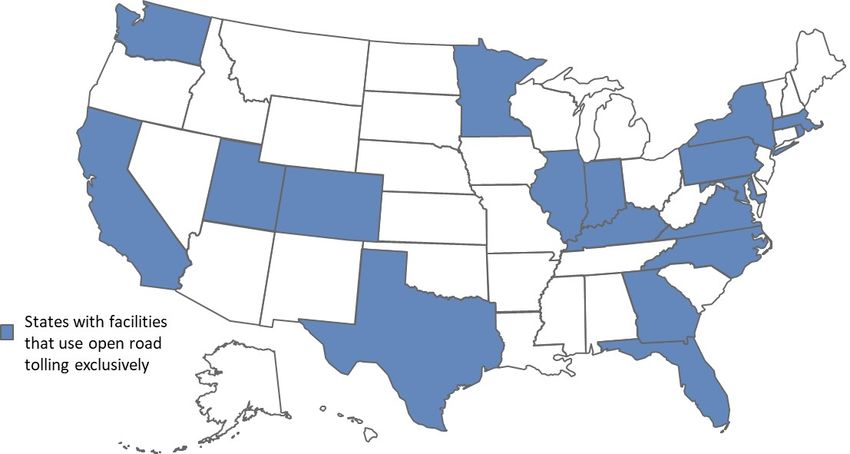
Statewide Interstate Tolling Strategic Plan

                                Figure 1-1. State Highway Revenue Projections 3

                                            Revenue from Existing Sources

                Given the funding potential of interstate tolling, INDOT has taken a critical look at how
                it could implement a statewide interstate tolling program if Indiana decides to proceed.
                This document presents potential strategies for tolling I-65, I-70, and I-94. In its 2017
                Tolling Feasibility Study, INDOT assessed the potential to toll a broader set of
                interstates. 4 INDOT focused the interstate tolling strategic planning process on I-65, I-
                70, and I-94 because they have the highest traffic volumes, highest maintenance
                costs, and greatest future need for major interstate improvements. Additional
                interstates could be considered in subsequent phases.
                Implementing a statewide interstate tolling program would be complicated. It would
                involve a wide range of technical, social, environmental, financial, and regulatory
                challenges. A growing number of states are showing interest in interstate tolling, but
                none have implemented a comprehensive statewide program for all vehicles. Indiana

3This graph does not include Next Level Connections funds because they have already been targeted to specific
projects and non-roadway programs.

4   Tolling Feasibility Study, prepared for the Indiana Department of Transportation by HDR, Inc., October 31, 2017.

                                                                                                                       2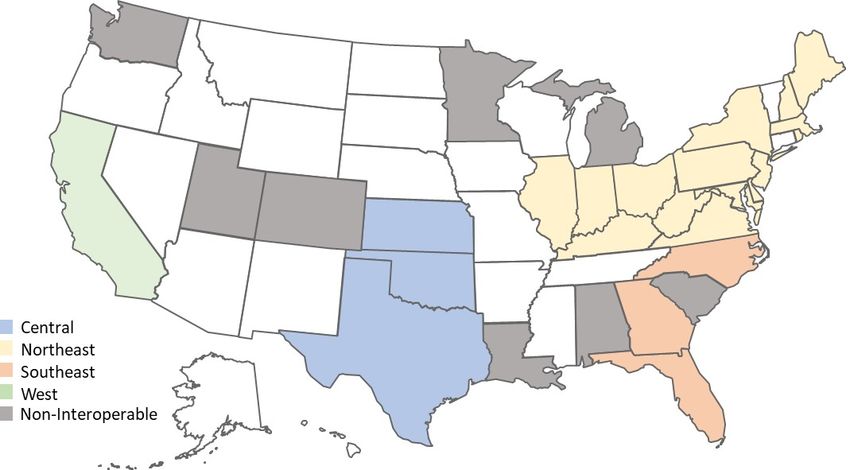
Statewide Interstate Tolling Strategic Plan

         is leading the way in defining how an interstate tolling program could be realized.
         Implementation would also take time. If Indiana decides to implement a statewide
         interstate tolling program, it would take at least four years to collect the first toll and
         decades to complete a comprehensive statewide program.
         As directed by Indiana HEA-1002, INDOT has evaluated how it could address these
         challenges. This Strategic Plan presents the results of this effort. It starts by describing
         how drivers would experience a state-of-the-art open road tolling system. It then
         presents a series of strategies for how Indiana could implement this type of system.
         The strategies are based on INDOT’s detailed analyses of:

          • An evaluation of tolling operations options and best practices. The results of this
            analysis are presented in Appendix A: Concept of Operations.

          • An assessment of the engineering and environmental feasibility of widening I-65
            and I-70 outside of I-465 to at least six lanes, border-to-border. The results of this
            analysis are presented in Appendix B: Engineering & Environmental Analysis. This
            document also includes a cost estimate for the potential widening work.

          • An analysis of potential traffic and revenue for various toll rate scenarios and
            implementation sequencing options. The results of this analysis are presented in
            Appendix C: Traffic & Revenue Analysis.

          • A financial analysis to explore if a potential statewide interstate tolling program
            could fully support itself without any state taxes and without impacting the state’s
            bond rating. The results of this analysis are presented in Appendix D: Financial
            Analysis.
         These strategies also draw from decades of tolling experience in Indiana and across
         the country and reflect the latest trends in tolling technology and operations. Tolling in
         the U.S. continues to evolve and improve. INDOT will revisit these strategies as
         needed to take advantage of future advances.
         This Strategic Plan provides a practical, data-driven, and financially sound approach
         for how INDOT could implement a statewide interstate tolling program. Its
         development was an important step in a larger conversation as Indiana considers
         major interstate improvements and options for maintaining a long-term, financially
         sustainable transportation program.

                                                                                                   3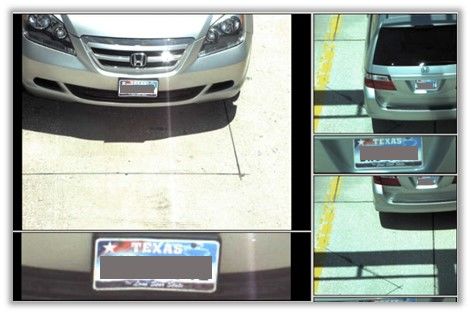
Statewide Interstate Tolling Strategic Plan

                             OPEN ROAD TOLLING - THE
                          DRIVING EXPERIENCE
                          Historically, toll roads required drivers to stop at toll booths and pay
                          the tolls in cash. This is no longer the case. Open road tolling enables
                          drivers to pay electronically, without stopping or even slowing down.
                          Figure 2-1 illustrates what tolling used to look like, and what it looks
                          like today.
                                                 Figure 2-1. Tolling Today

         For this Strategic Plan, INDOT has assumed that a statewide interstate tolling program
         would use open road tolling exclusively. There would be no toll booths.

                                                                                                4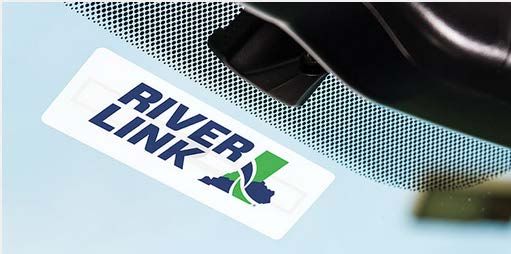
Statewide Interstate Tolling Strategic Plan

              A Brief History of Tolling in the U.S.
         Throughout the 18th century, most roads were built with local funds. In many cases,
         male citizens paid a “road tax” by helping construct and maintain roads a certain
         number of days each year. In 1792, a private company in Pennsylvania built the first
         long-distance paved road in the U.S. and tolled it. This project started the nation’s first
         wave of tolling. In the 19th century, portions of Michigan Road, Indiana’s first major
         state road, were tolled to help fund its upkeep. Figure 2-2. Michigan Road Toll House
                                                                        in Indianapolis
         In the early 20th century, the federal
         government directed states to increase
         control over local road-building and improve
         the nation’s roadways. Tolling was used to
         fund many roads during the subsequent
         building boom. Examples include New York
         City’s Holland Tunnel in 1927 and the Golden
         Gate Bridge in 1937. In this same period,
         Oregon passed the nation’s first gas tax in
         1919 to help fund road construction. Over the
         next decade, every other state followed their lead. The U.S. passed the first national
         gas tax in 1932 as part of a broad financial plan during the Great Depression.
         After World War II, states began to understand the importance of facilitating travel
         between states. Again, tolling helped to fund a subsequent building boom. The 1956
         Federal-Aid Highway Act authorized $25 billion for the construction of the Interstate
         Highway System. Many toll roads that had been built prior to this legislation were
         incorporated into the interstate system. Examples include the Ohio Turnpike, which
         opened in 1954; the Indiana Toll Road, which opened in 1956; and the first section of
         the Illinois Tollway, which opened in 1958. These types of facilities are what many
         people think of when they hear the words “toll road.” Open road tolling is changing this
         perception. Some agencies use open road tolling in combination with toll booths. The
         first facility in the U.S. to use open road tolling exclusively opened in Texas in 2006.
         Since then, this approach has been used widely in the U.S., including on the Ohio
         River Bridges in southern Indiana, as illustrated in Figure 2-3.
         The evolution of tolling technology is one of the main drivers of the recently renewed
         interest in interstate tolling. Other drivers include the age of the interstate system,
         improvements in vehicle fuel economy that drive down gas tax revenue, and the
         recognition of tolling as a user fee instead of a tax. Like the fees charged for using
         state parks, parking on public streets, and renting laptops in public schools, tolls link
         the cost of a service to the users of that service.

                                                                                                  5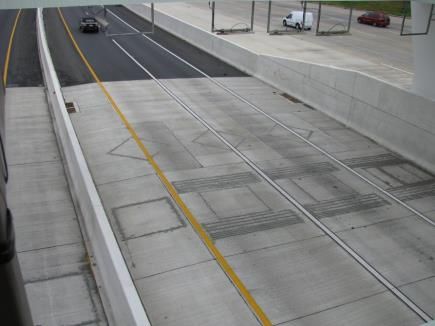
Statewide Interstate Tolling Strategic Plan

                                 Figure 2-3. Open Road Tolling in the U.S.

         The following text describes open road tolling from a driver’s perspective. Chapter 4
         provides more details on the equipment that makes this type of tolling possible.

              What would a statewide interstate tolling program look like in
              Indiana?
         When Hoosiers update their vehicle registration each year, they receive a license plate
         sticker in the mail. If Indiana decided to implement a statewide interstate tolling
         program, this mailing would include a free window sticker and instructions for
         registering for a tolling account. Although small, the sticker would house a toll
         transponder.
         After setting up a toll account online and affixing the sticker to their windshield, drivers
         would be ready to use the toll roads. They would not be required to use them though;
         they would always be able to take non-tolled routes, if preferred.
         Once on a tolled interstate, drivers would occasionally pass under a set of toll gantries.
         A series of pavements loops, cameras, and electronic sensors would detect the car
         and assign the appropriate toll. The equipment would capture information on the
         vehicle, but it would be unable to see the driver or passengers. All of this would occur
         instantly as the vehicle moves full speed. Drivers would not be required to stop or even
         slow down. If it were not for the tolling equipment and the signs leading up to it, drivers
         may not even know that they were passing through a toll zone.

                                                                                                   6
Statewide Interstate Tolling Strategic Plan
They would, however, know that they were on a tolled interstate. For one, they would
notice the road looks and feels nicer than other roads. This is because the tolled
interstates would have higher maintenance standards than non-tolled roads. They
would also notice their travel time is more reliable. Automated signs would inform
drivers of current travel times, and breakdowns and traffic incidents would be cleared-
up faster, decreasing unexpected delays.
If tolling was paired with the border-to-border widening of I-65 and I-70 outside of I-
465, drivers would notice even more improvements. Traffic would flow smoother on
the widened roadways. It would be easier to pass large trucks and slower moving
vehicles. Delays caused by construction would go down because of the extra travel
lanes and wider shoulders. And most importantly, traffic accidents would decrease.
INDOT estimates that widening and modernizing a four-lane interstate can decrease
accidents by 20 percent. 5
Drivers may also notice additional benefits of having a registered toll transponder. For
example, many parking facilities use the same transponder technology as tolling
agencies. Drivers might be able to use their transponders to pay for parking at sporting
events or concerts. Truck drivers might be able to use their transponders to reserve
overnight parking spaces. The International Parking Institute envisions an even tighter
link between parking and toll transponders. For example, they envision benefits at
airports such as parking space reservation, free-flow entry and exit, frequent use
points and rewards, and access to additional services such as car washes and fuel fill-
ups. 6
Hoosiers would also be able to use their Indiana transponder when they travel on other
toll facilities in Indiana and other states. All tolls would be consolidated onto a single
monthly invoice.
The information collected by the tolling equipment would be processed automatically,
and drivers would receive monthly invoices that summarize their tolling transactions.
Drivers without a transponder would experience the same benefits and ease-of-use.
However, they would pay higher tolls to cover the higher cost of toll collections. As
they drive through a toll gantry, the tolling equipment would count the number of axles
on their vehicle and capture an image of their license plate. Again, all of this would
5South Central Indiana Expansion Project (I-65) Appendix I; Benefit-Cost Analysis Supplementary Documentation,
prepared by WSP for INDOT, July 2018.
6 Wenzi, Joseph, Recognizing Advances, International Parking Institute, January 2012.
7Statewide Interstate Tolling Strategic Plan
happen without them stopping or slowing down. The information would be used to
identify the owner of the vehicle and mail them an invoice for the tolls.
Drivers who lose their transponders or are unable to obtain one through the vehicle
registration process would be able to purchase one at convenient retail locations
across the state. Customer service would be available through a website, by phone,
and in person at walk-up centers located around the state.
How would INDOT Implement Open Road Tolling?
The following chapters define a series of strategies that illustrate how INDOT would
implement open road tolling if Indiana decides to move forward with a statewide
interstate tolling program.
8Statewide Interstate Tolling Strategic Plan
TOLL RATE STRATEGIES
This chapter describes how INDOT would establish toll rates for a
statewide interstate tolling program. The market driven toll rates
would be in line with rates used by comparable toll agencies in the
U.S., vary by vehicle type, and balance revenue and traffic diversion.
Establish market driven toll rates that are equitable
with rates used on comparable toll facilities
Table 3-1 provides a summary of average toll rates charged by the
Indiana Toll Road in northern Indiana, the Illinois Tollway, and other states. The rates
for a 2-axle car paying electronically with a transponder range from $0.04 to $0.10 per
mile. Toll rates in urban areas are typically higher than those shown in the table. The
table also shows that rates for 5-axle trucks are three to six times higher than for 2-
axle vehicles. This increase helps account for the additional wear and tear caused by
heavier vehicles.
Table 3-1. Example Toll Rates Per Mile for Vehicles Paying by Transponder
Toll Facility 2-Axle Vehicles 5-Axle Vehicles
Ohio Turnpike $0.05 $0.17
Florida Turnpike $0.07 $0.21
Indiana Toll Road $0.07 $0.38
Illinois Toll Roads (average) $0.08 $0.49
Pennsylvania Turnpike $0.10 $0.52
Establish toll rates that vary by axle count
There are two options for classifying vehicles electronically: 1) count the number of
axles; and 2) count the number of axles AND analyze the shape of the vehicle. The
second option enables toll agencies to identify 2-axle trucks like the one pictured in
Figure 3-1 and charge them a higher rate than 2-axle autos.
9Statewide Interstate Tolling Strategic Plan
Figure 3-1. Example of a 2-Axle Truck
Although the second option would generate more revenue, most toll agencies in the
U.S. use the first option because it is more reliable, easier to explain to customers,
and cheaper to implement. Therefore, INDOT would establish three toll rates that vary
by axle count:
• 2 axles;
• 3 and 4 axles; and
• 5 or more axles.
Establish rates that balance revenue and traffic diversion
In general, as toll rates increase, toll revenue and traffic diversion increase. Traffic
diversion occurs when drivers seek alternate routes to avoid a toll. One of INDOT’s
goals for an interstate tolling program would be to balance revenue and diversion. If
toll rates are too low, revenue would be low and the tolling program could be financially
unsustainable. If toll rates are too high, traffic diversion could be high and non-tolled
alternate routes could be adversely affected.
For planning purposes, INDOT has evaluated the tolling scenarios presented in Table
3-2. The rates range from the rates presented in INDOT’s Toll Feasibility Study
(Scenario 1) to the rates used by the Indiana Toll Road (Scenario 4).
10Statewide Interstate Tolling Strategic Plan
Table 3-2. Example Toll Rates per Mile for Vehicles Paying by Transponder
Scenario Scenario Scenario Scenario
1 2 3 4
2 axles $0.04 $0.05 $0.06 $0.07
3 and 4 axles $0.06 $0.07 $0.08 $0.10
5 or more axles $0.19 $0.20 $0.24 $0.38
Estimated annual gross $810 M $920 M $1.08 B $1.42 B
revenue in 20451
Estimated diversion in 2045 6.0% 6.7% 7.5% 8.9%
1 Grossrevenue is shown in 2018 dollars and does not account for collection costs, which could range
from 10 to 20 percent.
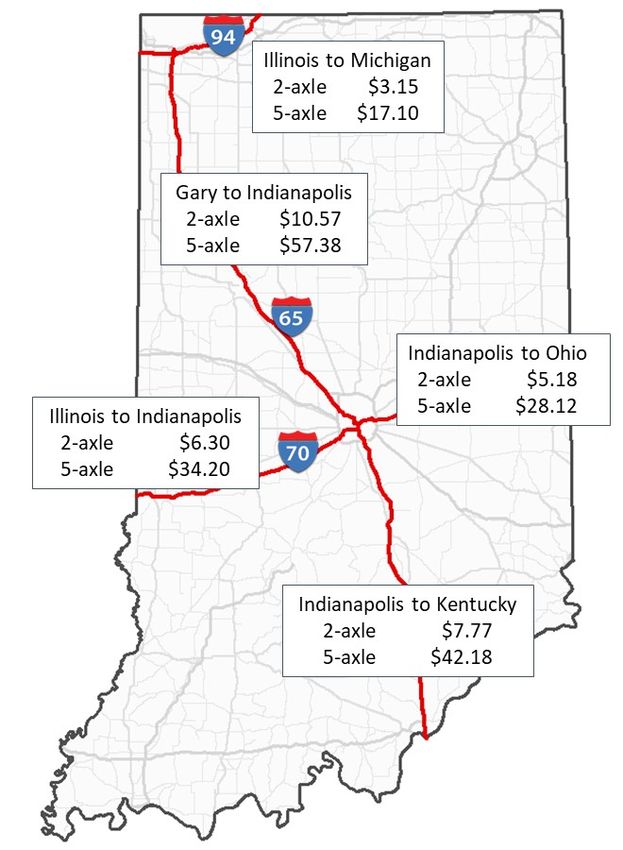
Figure 3-2 presents example tolls using the scenario for a toll rate of $0.07 per mile
for a 2-axle vehicle and $0.38 per mile for a 5-axle vehicle.
Figure 3-2. Example Tolls at $0.07 and $0.38 per Mile with a Transponder
11Statewide Interstate Tolling Strategic Plan
Charge higher rates when vehicles do not have a transponder
Vehicles that do not have a transponder and an account with a positive balance would
be billed by mail, based on an image of their license plate. Billing by mail costs more
than billing electronically because it requires reading a license plate number from a
photo, tracking down contact information for the driver associated with the plates, and
mailing an invoice. INDOT would increase the toll rates for vehicles without a
transponder to cover these additional costs. For planning purposes, INDOT has
assumed a 50 percent increase in toll rates for vehicles without a transponder in good
standing. A 50 percent increase is consistent with increases used by tolling agencies
throughout the U.S.
Explore tolling discounts
Some tolling facilities, including the Ohio River Bridges in southern Indiana, provide a
frequency-based toll discount aimed at commuters. INDOT would evaluate the costs
and benefits of implementing a statewide frequency-based discount. INDOT would
also evaluate the feasibility of providing discounts for low-income households.
Tie toll rates to inflation to ensure long-term financial sustainability
Adjusting toll rates based on inflation rates would enable rates to keep pace with
escalating construction, maintenance, and operations costs.
Apply rates consistently to in-state and out-of-state traffic
Vehicles impact roadways the same regardless of where they are registered.
Therefore, INDOT would use the same toll rates for in-state and out-of-state vehicles.
Explore using toll rates as a congestion management tool
Several agencies in the U.S. use tolling to help mitigate congestion in urban areas.
For example, tolls on portions of I-25 in Denver more than double during rush hour.
The most congested highways in Indiana are in the Indianapolis region and the
northwestern part of the state. INDOT would explore the use of tolls as a congestion
management tool in these areas.
12Statewide Interstate Tolling Strategic Plan
OPERATIONAL STRATEGIES
This chapter describes how INDOT would operate a statewide
interstate tolling system. The tolling system would reflect best
practices and trends in tolling operations, enable tolling while vehicles
travel full speed down an interstate, and be user-friendly. Additional
information on these operations strategies is provided in Appendix A:
Concept of Operations.
Implement a tolling system that reflects a state-of-the-
art statewide system
There are two tolling systems currently operating in Indiana:
• The Ohio River Bridges in southern Indiana uses an open road tolling system like
the one described in this document.
• The Indiana Toll Road in northern Indiana combines electronic tolling with toll
booths, which enable drivers to pay with cash or a credit card.
In addition, tolling is being considered for a new Ohio River crossing between
Evansville, IN and Henderson, KY.
A statewide interstate tolling system would have some similarities to these systems.
However, it would not match them completely. INDOT would take advantage of
lessons learned from the Ohio River Bridges, the Indiana Toll Road, and facilities
across the U.S., and design an open road tolling system that operates efficiently and
effectively on a statewide scale. This statewide view is critical because INDOT projects
the number of toll transactions could eventually exceed millions a day.
Use a standard, low-maintenance toll gantry
INDOT would mount tolling equipment on monotube toll gantries similar to those
shown in Figure 4-1.
13Statewide Interstate Tolling Strategic Plan
Figure 4-1. Example of Monotube Toll Gantries (Illinois Tollway)
Monotube gantries would provide the following benefits:
• Simple, uniform structural design with a modern and aesthetically appealing look;
• Flexibility regarding the types of tolling equipment that could be mounted;
• Reduced wind load impacts resulting in improved toll system accuracy;
• Less expensive than more elaborate toll gantries used by other tolling agencies;
• No additional right-of-way required for gantries; and
• Minimized traffic disruption during construction, installation, and maintenance.
Use multi-protocol Automated Vehicle Identification readers
Automated Vehicle Identification (AVI) readers capture vehicle information by reading
transponders. They enable agencies to collect tolls electronically for vehicles with
registered transponders. INDOT would install AVI readers at each toll location. The
readers on the market today can use different communication protocols
simultaneously. These multi-protocol readers make it easier for drivers to use their
transponders when they travel out of state. Since there are toll facilities in and around
Indiana, INDOT would use multi-protocol AVI readers that are compatible with national
tolling standards.
14Statewide Interstate Tolling Strategic Plan
Use pavement loops to classify vehicles
Axle-based tolling requires counting the number of axles on each vehicle. Once INDOT
determines how many axles a vehicle has, it can charge the correct toll rate. INDOT
would capture this information using pavement loops, like those used at signalized
intersections. Figure 4-2 provides an example of what these loops could look like. The
overhead cameras described next would support the classification process.
Figure 4-2. Example of Pavement Loops at Tolling Location
Capture images of vehicles passing through each toll location
INDOT would install digital high-resolution cameras on the toll gantries to capture
digital images of vehicle license plates. These cameras would allow INDOT to identify
the owners of vehicles that do not have transponders. INDOT would use cameras that
take images of the front and rear portions of vehicles where license plates are
attached. This camera angle would enable INDOT to avoid privacy concerns related
to capturing the photographs of individuals within a vehicle. Taking pictures of front
license plates will assist in retrieving accurate information for those vehicles not
registered in Indiana.
15Statewide Interstate Tolling Strategic Plan
Figure 4-3. Examples of Images Captured by Toll Cameras
Capture continuous video at each toll location
To support toll system auditing and customer issue resolution, INDOT would install
digital high-resolution cameras that capture video footage of vehicles. The cameras
would be mounted overhead on the gantries and be aimed straight down. They would
be unable to capture footage of individuals in a vehicle. INDOT would be able to
access the digital video in real time or as needed later.
Use a secure communications network
INDOT would use a secure fiber-optic based wide area network to connect toll
equipment to a central facility. In addition, each toll zone would be able to operate in
stand-alone mode for at least 30 days. This set-up would enable INDOT to continue
to collect information needed for toll processing in the event of a network shutdown
and mitigate the risk of revenue loss due to a communications issues.
Join an established interoperability service provider
Tolling interoperability consists of the technology, processes and agreements that
enable a customer with a transponder and registered toll account at one agency to
travel on another agency’s toll facility and seamlessly pay a toll. For example, a
Hoosier driver with an E-ZPass can use their transponder to pay tolls electronically in
Ohio. Figure 4-4 illustrates how toll interoperability in the U.S. has evolved to be
predominantly regional. The states shaded in colors have facilities that are
interoperable with each other. The states shaded in grey have electronic tolling
facilities that do not offer out-of-state interoperability.
16Statewide Interstate Tolling Strategic Plan
Figure 4-4. Toll Interoperability Regions
Federal transportation legislation required national interoperability of electronic toll
collection by October 2016. While the work to achieve interoperability is in progress in
many regions, it is not yet complete nationwide. The tolling industry is currently
targeting completion in 2019.
INDOT would provide interoperability to its customers by joining an established
interoperability service provider. Joining an interoperability service provider would
make it easier for Indiana drivers to travel on other toll facilities in Indiana and other
states and minimize INDOT’s cost of collecting tolls for out-of-state vehicles.
Use windshield sticker transponders
INDOT would issue windshield sticker transponders like the one illustrated in Figure
4-5. Windshield sticker transponders are inexpensive to manufacture and distribute,
and easy to explain to customers. INDOT estimates windshield sticker transponders
would cost less than $1.00. Drivers would also be able to use external bumper mounts
or motorcycle stickers when needed.
17Statewide Interstate Tolling Strategic Plan
Figure 4-5. Example Windshield Sticker Transponder used
for ORB in Southern Indiana
Encourage Hoosiers to open a transponder account
The overall success of open road tolling depends on the number of customers that
pay through a pre-paid account associated with a transponder. Revenue collection via
transponder is more accurate, cost-effective, and customer friendly than video billing
by mail. Therefore, long before tolling begins, INDOT would distribute free
transponders via mail along with instructions for account registration. This could be
done, for example, at the same time vehicle registration stickers are mailed.
INDOT would also implement a significant marketing campaign to explain the benefits
of opening an account. The biggest benefit for drivers would be lower toll rates.
INDOT’s goal would be to maximize the number of drivers who have a registered
transponder account on day one of tolling operations. Longer term, INDOT estimates
that about 85 percent of cars and 90 percent of trucks would pay tolls with a
transponder.
Establish a tolling back-office and customer service center in
Indiana
Tolling agencies process information collected by roadway tolling equipment in a back-
office, and interface with customers via a customer service center. INDOT would
house these activities in a single building located in Indiana. This approach would
provide consistency, flexibility, and cost-efficiency if INDOT chose to augment its staff
by procuring contractor support.
18Statewide Interstate Tolling Strategic Plan
Figure 4-6 illustrates the functions of a combined back-office and customer service
center.
Figure 4-6. Back-Office and Customer Service Center Operations
INDOT estimates that these costs would account for between 10 and 15 percent of
the toll revenue. Collection costs would go down as transponder adoptions rates
increase and image processing technology improves.
Comply with the Payment Card Industry’s Security Standards
A statewide interstate tolling program would rely on millions of credit card transactions
each year. INDOT would design all credit card and debit card processing activities to
comply with the Payment Card Industry (PCI) Data Security Standard (PCI-DSS).
These standards help mitigate the risk of system hacking and credit card fraud by
establishing requirements for capturing, transmitting, and storing credit card
information.
19Statewide Interstate Tolling Strategic Plan
Provide a variety of customer service options
Customer satisfaction is an important goal of all toll agencies. A key aspect of
customer satisfaction is convenience and ease of use. Therefore, INDOT would
provide multiple options for ordering transponders, opening transponder accounts,
paying invoices, obtaining toll road information, and interacting with customer service
representatives. Examples include:
• Website: A website would be the most convenient, efficient, and effective self-
service channel for handling most customer issues.
• Mobile application: A mobile application would be a small-scale version of the
website with reduced payment features to minimize the exposure of credit card
data.
• Call center: Customers would be able to speak to a customer service
representative over the phone.
• Third-party retailers: INDOT would use local third-party retailers to provide
customers with in-person access to transponders and bill payment options. For
example, Hoosiers can currently purchase transponders for the Indiana Toll Road
at participating CVS stores. They can also purchase transponders for the Ohio
River Bridges in southern Indiana at participating Speedway and Thorntons
convenience stores. Using third-party retailers would reduce costs, improve
access to transponders, provide enhanced customer convenience, and increase
the number of customers paying by transponder.
• Walk-up locations: INDOT would open a walk-up service desk at the customer
service center. They would also lease storefront space to establish customer
service walk-up locations in communities that are underserved by third-party
retailers. These walk-up locations would be staffed by local customer service
representatives capable of assisting customers in a dynamic face-to-face
environment.
Expand the Use of Intelligent Transportation Systems on tolled
corridors
INDOT has used Intelligent Transportation Systems (ITS) for many years to provide
Hoosiers with a safer and more reliable travel experience. INDOT would expand the
use of ITS on the tolled corridors to better communicate with travelers and resolve
traffic incidents as quickly and safely as possible.
20Statewide Interstate Tolling Strategic Plan
The following activities would also help minimize the amount of traffic that diverts to
non-tolled routes when traffic slows down.
• Install fiber optic cable along the Figure 4-7. Fiber Optic Cable
entire length of the tolled corridors.
INDOT would use cable such as the
one pictured in Figure 4-7 to connect
ITS hardware to a Traffic Management
Center and connect electronic tolling
equipment to the tolling back office.
• Expand Hoosier Helper service.
Hoosier Helpers provide motorist
assistance in Indiana’s major urban
areas. INDOT would expand this
service along the tolled corridors.
Figure 4-8. INDOT Hoosier Helpers
Hoosier Helpers would assist stranded Vehicle
motorists, provide protection at
incident scenes, and assist during
emergencies. By responding to non-
emergency situations and
coordinating with first responders, the
Hoosier Helpers would minimize travel
delays and reduce the burden on first
responders and law enforcement
personnel.
• Install traffic cameras and sensors. Cameras and sensors would monitor traffic
flow and connect to an automated system that generates an alarm within seconds
of a traffic slowdown. INDOT would use the cameras to observe the incident and
prepare first responders and Hoosier Helpers prior to their arrival at the scene.
INDOT would also post traffic information on dynamic message signs to
communicate travel times and warn travelers about upcoming delays.
• Stage tow trucks along the tolled corridors. INDOT would contract with a tow
truck service to stage vehicles during peak travel times in areas that experience
higher than normal incident rates. When a vehicle needs to be removed from the
roadway, a tow truck would be standing by. This strategy would significantly
decrease delay caused by breakdowns and minor traffic incidents.
21Statewide Interstate Tolling Strategic Plan
• Track the amount of time required to detect and clear an incident. INDOT
would use this information to determine staffing levels, train staff, and continuously
improve travel along the tolled corridors.
Develop new roadway maintenance standards for tolled corridors
Across the U.S., maintenance standards differ on toll roads compared to non-tolled
roads because driver expectations change when paying tolls. INDOT would develop
new maintenance performance standards for tolled corridors. INDOT would also
develop annual inspection reports and track conditions against the performance
standards.
22Statewide Interstate Tolling Strategic Plan
FINANCIAL STRATEGIES
This chapter describes how INDOT would fund the implementation of
a statewide interstate tolling program. The program would be
financially self-sufficient. INDOT would use toll-backed revenue bonds
that do not impact Indiana’s credit rating or INDOT’s existing capital
program. Additional financial information is provided in Appendix D:
Financial Analysis.
Fund implementation separately from INDOT’s existing
program
Indiana’s landmark transportation bill, HEA 1002, set a solid foundation for Indiana’s
transportation program. The legislation is enabling INDOT to address pavement and
bridge preservation needs throughout the state. By focusing on preservation, INDOT
is minimizing the long-term costs of Indiana’s highways. This strategy is like
maintaining your house to save money in the long run.
Given the importance of funding roadway preservation needs, INDOT would not use
any existing transportation funding sources to implement tolling projects. INDOT would
use toll-backed revenue bonds to cover project costs and fund the ongoing
preservation of the tolled facilities. Most toll roads in the U.S. are financed this way.
However, Indiana’s tolling program would likely have more favorable financing terms
than most new toll facilities. Financing costs are proportional to the amount of revenue
risks that bond holders perceive, and I-65, I-70, and I-94 are existing interstates with
a history of high and stable travel volumes. For planning purposes, INDOT has
assumed interest rates on 40-year toll-backed revenue bonds would range from 4 to
5 percent.
Use non-recourse toll-backed revenue bonds that do not impact
Indiana’s credit rating or INDOT’s cash flow
“Indiana is one of twelve states that has the highest credit rating assigned by all three
independent credit rating agencies: Fitch, Moody’s, and Standard & Poor’s Ratings
Service. 7 These ratings enable Indiana to borrow money at attractive rates. INDOT
7State of Indiana Comprehensive Annual Financial Report for Fiscal Year Ended June 30, 2017, prepared by the
Office of the Indiana Auditor of State.
23Statewide Interstate Tolling Strategic Plan
would implement a statewide interstate tolling program with toll-backed revenue bonds
that do not impact this rating.
INDOT would use non-recourse toll-backed revenue bonds. These bonds are used
widely by tolling agencies in the U.S. With non-recourse toll bonds, bondholders bear
all the financial risks associated with future toll revenues. Neither INDOT nor the State
of Indiana would serve as a financial backstop if future toll revenues were lower than
projected. Therefore, the bonds would not impact Indiana’s credit rating. In addition,
INDOT would not be required to set aside a portion of its current budget to cover
potential shortfalls in future bond service payments.
Structure a bonding program to minimize required INDOT funding
For example, consider a tolling project that takes four years to construct. If tolling
begins after construction is complete, toll revenue would not be available until year
five. INDOT could structure the bond proceeds to cover the contractor costs and the
bond service payments that are due before tolling begins. In this example, the project
would be self-funded; INDOT would not need to use existing funds.
Plan a series of bond issuances that are phased in over time as
part of a consolidated program
Implementing a statewide interstate tolling program would require building numerous
projects throughout the state over several years. To pay for the ongoing work, INDOT
would develop a financial plan that involves multiple bond issuances for a system of
tolled projects.
For example, INDOT would use the first bond offering to pay for an initial set of
projects. Once these projects are complete, INDOT would toll the improved sections
of interstate. INDOT would use toll revenues to pay off the initial bond issuance as well
as future bond issuances under the same program. The initial issuance would be
structured so toll revenues would be greater than the debt service payments.
Therefore, INDOT would use future toll projects and revenues to bond and construct
future phases as a pooled system. INDOT would continue this phased approach until
the entire program is funded.
Combining bonds and toll revenue from individual projects into a single program would
decrease financial risk for bondholders due to project and regional diversification,
minimize financing costs, and provide INDOT with flexibility in how it phases in a
statewide interstate tolling program.
24Statewide Interstate Tolling Strategic Plan
Consider Transportation Infrastructure Finance and Innovation Act
loans when widening rural interstates
The federal Transportation Infrastructure Finance and Innovation Act (TIFIA) program
helps transportation agencies build large projects of regional and national
significance. 8 Agencies can apply for a TIFIA loan that covers up to one third of
project’s cost and pay back the loan with future toll revenue. The program provides
loans that have better financial terms than are possible through the bond market.
Examples include lower interest rates and the deferral of repayment for up to five years
after a project is complete. If the interstate tolling program is paired with the border-to-
border widening of rural interstates outside of I-465, INDOT would consider applying
for rural TIFIA loans, which have even lower borrowing costs, to help fund the program.
Consider a leasing option as part of an overall financial plan
In 2006, Indiana signed a lease for the Indiana Toll Road. As part of the lease, Indiana
received a lump sum payment of $3.8 billion, and a private concessionaire received
the rights to collect tolls for 75 years. 9 The lease agreement prescribed a toll rate
framework and performance requirements for roadway operations and maintenance.
It also ensured Hoosiers were not impacted when the original concessionaire declared
bankruptcy and transferred the lease to a new concessionaire. Indiana used proceeds
from the lease to fund a 10-year statewide transportation program referred to as “Major
Moves.”
INDOT would evaluate a similar approach as part of a comprehensive financial plan.
For example, if Indiana leased an initial section of a tolled interstate, it could use the
up-front proceeds to pay for subsequent projects. This approach would decrease the
amount of bonding needed to implement a statewide interstate tolling program.
8Transportation Infrastructure Finance and Innovation Act 2016 Report to Congress, prepared by the U.S.
Department of Transportation, August 11, 2016.
9Indiana Toll Road Concession and Lease Agreement by and between the Indiana Finance Authority and the ITR
concession Company LLC, April 12, 2006.
25Statewide Interstate Tolling Strategic Plan
ENVIRONMENTAL REVIEW
STRATEGIES
This chapter describes how INDOT would review the environmental
benefits and impacts of potential toll projects. INDOT would follow the
applicable environmental process when implementing a tolling project.
This approach would enable stakeholders and the public to participate
in the decision-making process. Additional environmental information
is provided in Appendix B: Engineering & Environmental Analysis.
Complete environmental reviews in a manner consistent with other
INDOT projects
INDOT has standard procedures for reviewing the environmental impacts and benefits
of potential transportation projects. This approach reflects industry best practices and
state and federal regulations. It also provides consistency for integrating residents,
businesses, and local public agencies into the transportation decision-making process.
INDOT would use these standard procedures to conduct environmental reviews for
tolling projects.
Implementing a statewide interstate tolling program would entail implementing
numerous individual projects throughout the state. INDOT would tailor the specifics of
the environmental review process to the scope and location of each independent
project. In general, the environmental review process would include the following
steps:
• Define the need for the project;
• Develop alternatives for addressing this need;
• Analyze the benefits and impacts of each alternative;
• Identify a preferred alternative or solution; and
• Hold public meetings, coordinate with other government agencies, and
incorporate input into the project.
Proactively consider environmental justice
The term environmental justice (EJ) refers to an equitable and fair distribution of a
project’s benefits and burdens. Federal EJ guidelines require DOTs to evaluate how
low-income and/or minority populations bear the burden of transportation projects
relative to the broader population. These guidelines apply to all projects, but are of
26Statewide Interstate Tolling Strategic Plan
particular interest on tolling projects because they entail out-of-pocket user fees and
impact travel patterns.
As part of administering and delivering a federal-aid transportation program, INDOT
maintains a consistent focus on EJ issues. The statewide tolling program would be no
different. When designing a tolling program, INDOT would proactively evaluate
potential EJ issues and identify appropriate minimization and mitigation strategies, as
needed. As part of the environmental review process, INDOT would develop an
outreach program to meaningfully engage with low-income and/or minority
communities about the potential costs, benefits, and impacts of interstate tolling.
27Statewide Interstate Tolling Strategic Plan
IMPLEMENTATION
STRATEGIES
This chapter defines strategies that INDOT would use to implement a
statewide interstate tolling program. INDOT would use a mixture of
federal programs and procurement options to implement the program
in phases. INDOT would leverage the program to modernize I-65, I-70,
and I-94 and enhance Indiana’s workforce.
Take advantage of all relevant federal programs that
enable interstate tolling
Federal law provides options for tolling existing interstates. The broadest option is
referred to as the Section 129 General Tolling Program (or Section 129 Program for
short). 10 Indiana used the Section 129 Program on the Ohio River Bridges in southern
Indiana. This program enables states to convert existing toll-free bridges to toll bridges
if they are reconstructed. It also provides flexibility for how states can use toll revenue.
Once states cover the costs associated with the tolled bridge, they can use additional
toll revenue for other transportation purposes.
INDOT has confirmed with the Federal Highway Administration that Indiana has
federal authority to toll existing interstates under the Section 129 Program. INDOT
would use this program as the backbone for a statewide interstate tolling program.
Under this program, INDOT could toll an interstate bridge after it is reconstructed as
part of the ongoing bridge preservation program or widened as part of a roadway
widening project.
The main disadvantage of the Section 129 Program is that INDOT would have to
implement a statewide tolling program piece-by-piece. Tolling on the interstates would
have to coincide with significant bridge work. Many of Indiana’s interstate bridges are
in excellent condition and will not need significant work for several years.
10“Section 129 General Toll Program Q&A”, Federal Highway Administration Center for Innovative Finance Support,
accessed August 31, 2018, https://www.fhwa.dot.gov/ipd/tolling_and_pricing/tolling_pricing/section_129_faqs.aspx.
28Statewide Interstate Tolling Strategic Plan
INDOT would also pursue the use of the Interstate System Reconstruction and
Rehabilitation Pilot Program. 11 This pilot program enables states to toll an entire
interstate corridor to fund its reconstruction or rehabilitation. States must invest the toll
revenue back into the corridor from which it was collected. This pilot program is only
available to three states. Currently, there are two pilot slots available.
INDOT would also explore the federal Value Pricing Pilot Program. 12 The U.S.
Congress established this program in 1991 to enable tolling as a congestion
management tool in urban areas. The program requires agencies to use variable toll
rates. For example, an agency could use a higher toll rate during rush hour than during
other parts of the day. Under this program, tolling can begin without any construction
activities. The pilot program is limited to 15 slots. Currently, all 15 slots are taken.
However, the Federal Highway Administration can replace inactive slot holders.
INDOT would assess the potential for tolling to manage congestion and improve
interstate mobility in the Indianapolis region and in northwestern Indiana. If tolling is a
viable congestion management tool, INDOT would apply for the Value Pricing Pilot
Program.
Work to update state law to enable an efficient tolling program
INDOT would review state law for items that are relevant to an efficient and effective
statewide tolling program. INDOT would identify statutes relevant to successful
implementation of a statewide tolling program and work with elected officials to explore
options for updating them.
Make all necessary roadway and bridge improvements when
widening an interstate
If tolling is used to fund the border-to-border widening of I-65 and I-70 outside of I-465,
INDOT would take advantage of the opportunity to rehabilitate and modernize these
interstates. When widening an interstate, INDOT would also consider the following
when possible:
• Replace the pavement in existing lanes;
11 “Interstate System Reconstruction and Rehabilitation Pilot Program” Federal Highway Administration Center for
Innovative Finance Support, accessed August 31 2018,
https://www.fhwa.dot.gov/ipd/tolling_and_pricing/tolling_pricing/interstate_rr.aspx.
12 “Value Pricing Pilot Program”, Federal Highway Administration Office Operations, accessed August 31, 2018,
https://ops.fhwa.dot.gov/congestionpricing/value_pricing/index.htm.
29Statewide Interstate Tolling Strategic Plan
• Replace, widen, and strengthen shoulders;
• Add guardrail;
• Improve drainage;
• Conduct all preservation work on the bridges that carry the interstate;
• Conduct all preservation work on the bridges that cross over the interstate;
• Raise overhead bridges;
• Replace signs;
• Replace the pavement on interstate ramps;
• Improve mobility at interchanges; and
• Install a fiber-optic communications network.
In addition, INDOT would evaluate opportunities to further improve truck safety and
mobility along the tolled corridors. For example, INDOT is participating in an eight state
program to improve truck parking along interstates in the Midwest. INDOT would
explore additional opportunities for implementing a comprehensive smart truck parking
system.
This strategy would enable INDOT to modernize I-65, I-70, and I-94 as part of a
statewide interstate tolling program.
Separate toll gantry installation from roadway and bridge contracts
A statewide interstate tolling system would require the construction of toll gantries at
around 70 locations across the state. INDOT would install four gantries at each
location: two in each direction. Gantry installation is less common than bridge and
roadway construction and requires a different set of skills. In addition, installing the
gantries and related infrastructure correctly is critical to the overall success of any
tolling program. Therefore, INDOT would execute gantry construction contracts
separate from roadway and bridge construction contracts. This strategy would place a
heavier burden on INDOT to coordinate between multiple contractors working in the
same location. However, it would save money in the long run because roadway
contractors would not be required to add gantry installation capabilities to their teams
for a series of single projects. More importantly, this strategy would improve the
consistency of the gantries by minimizing the number of contractors that are
responsible for this critical part of the tolling system.
30Statewide Interstate Tolling Strategic Plan
Separate toll operations support into two contracts
To support a statewide interstate tolling program, INDOT would procure the following
services:
• Lane system installation and operations. The lane system consists of the
equipment that captures information about the vehicles passing through a toll
zone. Examples include the cameras and sensors described in Chapter 4 of this
document.
• Back office system installation and operations. The back office system
processes information collected by the lane system, manages transponder
accounts, reads license plate images when a vehicle does not have a transponder,
and generates invoices.
• Customer service center operations. The customer service center is the face
and the voice of the tolling operation. Customer service center staff interact directly
with the public, address their concerns, and answer questions.
INDOT would organize these components into two contracts. The first contract would
cover the installation and operation of the lane system. The second would combine
the back office system and customer service center. INDOT would combine these two
components because they require close coordination and would be co-located in a
single facility. This strategy would enable INDOT to select the best available contractor
for each contract. Operating the lane system requires different expertise than
operating the back office system and customer service center.
Leverage a statewide interstate program to enhance Indiana’s
workforce
A statewide interstate tolling program paired with major interstate improvements would
result in numerous construction projects costing billions of dollars over multiple years.
INDOT would leverage this program to enhance Indiana’s workforce.
For example, INDOT would encourage disadvantaged business enterprises (DBEs) to
participate in the program. INDOT has a formal program to ensure that DBEs have an
equal opportunity to participate in federally-funded contracts regardless of race, color,
sex, or national origin. 13 INDOT certifies companies as DBEs, establishes DBE
13 Indiana Department of Transportation Disadvantaged Business Enterprise Program Manual, September 21, 2016.
31Statewide Interstate Tolling Strategic Plan
participation goals, and tracks DBE participation. INDOT would apply this program and
participation goals at the time of contracting to the tolling program.
Another factor to consider with a construction program of this size is the use of Indiana
labor and materials. INDOT has found that natural market forces drive in-state
participation in its capital program. For example, in fiscal year 2017, 96 percent of the
value of INDOT’s construction projects went to Indiana firms. 14 INDOT anticipates this
trend will continue and that market forces would drive in-state participation in a
statewide interstate tolling program.
A final consideration is training the workforce that would be required to implement a
statewide interstate tolling program. INDOT would take advantage of the training
opportunities provided by Indiana’s Next Level Jobs program. This program provides
training assistance in several high-growth fields including building and construction. 15
Collaborate with organizations and programs that use technologies
related to open road tolling
The equipment used for open road tolling has other commercial uses. To leverage
these capabilities, INDOT would look for opportunities to collaborate with other
organizations and programs to improve the cost effectiveness of a statewide interstate
tolling program. One potential opportunity is to coordinate with parking vendors that
use transponders like the ones used for tolling. For example, SunPass is the electronic
toll collection system used in Florida. SunPass has partnered with the Miami Dolphins
so fans can use their SunPass transponders to pay for parking at the stadium. INDOT
would investigate using a similar approach with parking vendors in Indiana’s
metropolitan areas. Coordination with parking vendors would provide an added benefit
to drivers and improve tolling operations because many parking facilities use outdated
transponders that interfere with modern tolling equipment.
Sequence implementation based on federal program restrictions,
corridor needs, contractor capacity considerations, and financial
considerations
Due to the limitation of the federal tolling programs described above, tolling could not
begin simultaneously on all of I-65, I-70, and I-94. Therefore, INDOT would develop a
phased sequencing plan based on the federal tolling guidelines. For example, if INDOT
14 Tolling Feasibility Study, prepared for the Indiana Department of Transportation by HDR, Inc., October 31, 2017.
15 “Next Level Jobs”, accessed August 31, 2018, https://www.nextleveljobs.org/.
32You can also read


