THE RISING RESPONSIBILITY - of BUSINESS
←
→
Page content transcription
If your browser does not render page correctly, please read the page content below

THE RISING
RESPONSIBILITY
  of BUSINESS
                 1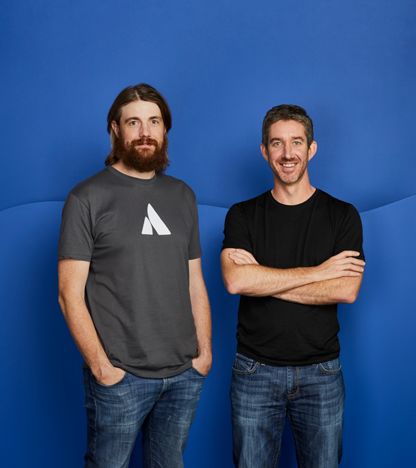
Foreword
Atlassian launched the first multinational
Return On Action report in March 2020. This
was based on comprehensive research con-
ducted by PwC Australia across the US and
Australia. The goal was to better understand
employee expectations around employer
responses to societal issues. It identified a
tipping point in how workers view the role of
business in impacting the world around them.

For most around the world, the COVID-19                The era of the corporation being an
pandemic has delivered a great deal of change          invisible entity is gone. Employees
in a relatively short amount of time. In this second   expect more, the world expects more.
Return on Action report, we look at how employee       We have an awesome opportunity
perceptions have changed. Which issues matter          to take inspiration from the hearts and
most to workers, how should business respond,          minds of our global workforce, and
and what’s on the line for those who get it right      drive change for the betterment of
or wrong?                                              our world.”

                                                       MIKE CANNON-BROOKES
It’s now clear that employees expect their
                                                       Co-Founder, Co-CEO, Atlassian
employers to make a difference. We are seeing
an increasingly activist workforce that holds
business to account and prioritises wellbeing          The consequences of inaction are very
over career progression. This report reveals the       real. We’re in a global war for talent
return on action for businesses tackling the issues    and employees want change. There
that matter to their workers.                          have never been higher expectations
                                                       on business, and how we respond as
                                                       leaders is crucial. If this groundswell
                                                       of support for action is ignored, it will
                                                       open businesses up to the risk of
                                                       alienating the emerging workforce.”

                                                       SCOTT FARQUHAR
Cove r p h o to : Ma u ro Mo ra                        Co-Founder, Co-CEO, Atlassian
A word on the research
This report provides a unique opportunity to           # O F AU S T RA L I A N E M P LOY E E S

                                                       1,225
understand how the priorities and expectations
of the workforce have changed over the past year,
and the implications for businesses and leaders.

It shows us that stakeholders expect organisations
to acknowledge their responsibility and use their
platform to take a stand on important societal         GEN Z (21-24)        GEN Y (25-42)

                                                       10% 45%
issues. When an organisation’s actions or inaction
are incongruent with their stated values, we see
the negative impact on employee sentiment.
Employees are telling us that silence is complicity.   GEN X (43-54)        BA BY BO O M E R S ( 5 5 - 6 5 )

PwC Australia undertook the research to support
Atlassian with the completion of this report,
                                                       27% 17%
including the year-on-year analysis that identifies
the genuine shifts in the perceptions and expecta-
tions of the workforce in Australia and the US. This
robust evidence base provides rich insight into what
                                                       Male       46%

                                                       Female 54%
matters to employees.

                                                       Unspecified
Contents

PG. 01

Executive summary          In our multinational study, we identified a
                           new landscape of expectations on business,
                           where accountability and leadership around
                           social issues are imperative.

CHAPTER 1 | PG. 05

The importance of health   The relative importance of societal issues
                           has changed in the past year. Economic

and wellbeing
                           matters have fallen behind mental health
                           and wellness.

CHAPTER 2 | P G . 2 0

Pressure on business       Employees are demanding more from
                           businesses. This includes addressing

to adapt and act
                           societal issues and being accountable
                           for their actions.

CHAPTER 3 | P G . 3 4

Values matter more         Despite tough economic conditions,
                           employees are more likely to seek work

than job security
                           that meets their needs with employers
                           who share their values.

CHAPTER 4 | P G . 4 3

Action helps attract       Employees want businesses to speak
                           out and take action on societal issues.

and retain talent
                           This has become a key factor in finding
                           and keeping the best people.
Mind matters most
                                                       Mental health and wellness is the most
                                                       important issue in 2021, taking the place
                                                       of cost of living (now third) and followed
AU S T RA L I A S N A P S H OT
                                                       by access to healthcare.

Top priorities for                                     Mental health trumps
Australian workers                                     career growth
                                                       69% of employees would turn down a
                                                       promotion in favour of preserving their
Mental health and wellness has emerged                 mental health. This trend is true across
as the top issue of importance in 2021.                all age groups and income levels.

We identified a new landscape of expectations          The bottom line on social
on business, where accountability and leadership
                                                       impact
around social issues is an imperative. Since
                                                       74% of employees agree businesses should
Atlassian’s last Return on Action report,
                                                       be just as concerned with their social impact
Australians have faced a pandemic, economic
                                                       as their financial results. This is a significant
upheaval and historic floods. We saw a long            increase from 69% in 2020.
overdue societal awakening focused on racial
injustice and a national conversation on sexism
and misogyny sparked from within Canberra’s
                                                       Values over job security
corridors of power.                                    fears
                                                       55% of Gen Z are worried about future job
It’s now clear that health and the economy matter      prospects, yet 54% of those would quit their
                                                       jobs if employer values did not align with
most to Australian employees. Mental health and
                                                       their own.
wellness is the biggest societal issue, with access
to healthcare and cost of living also front of mind.
                                                       Action as a factor in job
An increasingly activist workforce is demanding        satisfaction
that businesses act on the major issues of the day.
                                                       54% of employees are satisfied with their
Employment is more than just a job, and there are
                                                       current employer. This increases to 89%
benefits on offer for organisations able to meet       amongst those satisfied with the level of
these increased expectations. But those that fail      action their employer takes.
to hit the mark will struggle to attract and retain
their best people.

                                                                                                       1
AU S T RA L I A S N A P S H OT

Why this is happening

Employees put wellness                                 Gen Y are leading
before work                                            the charge
The experiences of the past 12 months have             Aussie workers have made it clear: our current
shaken up priorities and put what matters              and future workforces will not tolerate inaction.
into perspective for Australians. The majority         These changemakers have borne the brunt of the
of workers agree mental health is the biggest          economic instability created by the pandemic,
concern this year, with career goals now taking        driving them to new levels of social activism.
a back seat as priorities are reassessed. This         It’s no coincidence that they have also shown
has created a new blueprint for employers              the greatest increase in support of businesses
which demands businesses take a more com-              addressing a broad set of societal issues usually
prehensive view of their employees wellbeing,          considered the responsibility of government at
including greater flexibility, mental health           both a state and federal level. Whether it’s pro-
services, and alternative career paths and             tecting the environment, improving the economy,
opportunities for growth. The ‘work-first’             or increasing equality, the momentum for change
culture is being replaced by a workforce that          is growing.
is increasingly prioritising life outside the office
and expect their employers to do the same.

                                                                                                           2
AU S T RA L I A S N A P S H OT

What it means for leaders

Personal health                                    Social action
Employers must recognise and respond to            Employers must be vocal and decisive
this shift in priorities or risk losing valuable   on the issues that matter most to their
employees and future talent. Most workers          employees. With a bias for action coming
now value health and happiness over career         from Gen Y and Gen Z workers, an increasing
progression.                                       proportion of the workforce will no longer
                                                   accept a passive approach.

Job satisfaction                                   Underlying approach
Understanding and acting on what matters           Employers need to move away from a single
to the future workforce will be critical for       business function owning corporate social
business leaders. Positive action and value        responsibility in a silo. Workers want to see
alignment now breeds loyalty.                      corporate social responsibility (CSR) com-
                                                   pletely integrated into how their leaders
                                                   “do business.”

                                                                                                   3
KEY THEMES

A multinational look

Importance                                                          Demand for
of health                                                           action
                                                                    The demand for busi-
Health is a top priority
for employees across
                                        Younger                     ness action on societal   Business action
the globe. In Australia,                generations                 issues has grown
                                                                                              and employee
                                                                    substantially in just
the relative importance
of mental health and
                                        lead                        twelve months. More       satisfaction
wellness has signifi-                                               of the workforce in
                                        Younger generations                                   In both regions,
cantly increased in 2021                                            Australia and the US
                                        are leading the drive                                 employee satisfaction
compared to last year                                               agree that businesses
                                        for change in both                                    with the level of action
and it’s now the #1                                                 and their leaders need
                                        regions. In Australia,                                taken by employers
societal issue, over-                                               to speak up and use
                                        Gen Y has joined forces                               to address societal
taking cost of living.                                              their platforms to
                                        with Gen Z in being the                               issues is growing, and
In the US, three health                                             influence change
                                        strongest drivers of this                             increasing at a faster
related issues lead                                                 around key societal
                                        sentiment, whilst Gen                                 rate in the US compared
the importance score-                                               issues, particularly
                                        Y continues to lead the                               to Australia. Job satis-
board with access to                                                those relating to the
                                        charge in the US.                                     faction also increases
healthcare #1, overtak-                                             economy and the
                                                                                              among employees who
ing cost of healthcare                                              environment.
                                                                                              recognise the increased
which was #1 last year.
                                                                                              action taken by their
                                                                                              employers.

 TOTA L R ESPON DEN TS

 Australia 2021: 1,225 US 2021: 2,391
01 The importance of health & wellbeing
H E A LT H & W E L L B E I N G

2020 changed what matters
most to Australian workers
2020 was a unique year, centred around once-in-a-lifetime societal impacts; most
notably the global pandemic, as well as political upheaval, environmental disasters,
economic volatility and a recession that accelerated trends impacting the way we
live and work. This report provides us with a unique opportunity to explore the cumu-
lative impact of these factors on the workforce’s expectations of their employer and
business in general.

                                         What are the societal issues that matter
     This study focused                  most to workers today?

     on key questions                    How has the relative importance of these
     including:                          issues changed in the past 12 months?

                                         How much do employees agree with a
                                         number of pointed attitude statements
                                         related to experiences of the past 12 months
                                         in regards to employment and employers?

                                                                                        6
H E A LT H & W E L L B E I N G
How the societal issues that matter
most to Australian workers have changed
The primary goal of this research was to find out which issues are most important to
workers, and how these priorities have changed during the past year.
There has been a shift in relative importance of societal issues, with three statistically
significant changes.
Mental health Drought less of Racism climbs
now #1 a concern in importance
Mental health and wellness The relative importance The relative importance
has significantly increased of drought and access to of racism has significantly
this year compared to last, water has significantly increased this year com-
and is now the most import- declined this year compared pared to last, and is now
ant societal issue for to last. It now clusters with the second most important
employees. While cost of other issues relating to the issue of equality, behind
living (#1 in 2020) is still very environment, such as waste access to education.
important, it now ranks third, and pollution, and climate
behind access to healthcare. change/global warming.
7H E A LT H & W E L L B E I N G
Mental health and wellness overtakes
cost of living as the most important
societal issue
EXHIBIT 1
Considering your own personal values, please identify the issue that is most
important to you, and the issue that is least important to you personally.
Mental health 2021
2021 2.6 Racism 1.1
& wellness 2020
2020 2.3 0.8
Access to healthcare 2.4 Disability/accessibility 1.0
2.3 0.9
Cost of living 2.1 Data privacy 0.9
2.4 0.9
Cost of healthcare 1.8 Gender equality 0.9
2.1 0.7
Poverty 1.5 Wealth gap 0.7
1.3 0.7
Waste & pollution 1.5 Tax reform 0.6
1.6 0.6
Drought/access 1.4 Overpopulation 0.6
to water 2.3 0.6
Climate change 1.3 Immigration 0.6
1.4 0.4
Homelessness 1.3 LGBTQ+ rights 0.5
1.2 0.4
Aged care 1.3 International trade 0.4
1.2 0.3
Access to education 1.2 Abortion 0.4
1.1 0.5
Unemployment 1.2 Gun control/gun rights 0.3
1.0 0.5
Animal welfare 1.1
1.1
The scale of relative importance is a trade-off quantitative measure, where higher scores imply greater importance and lower
scores imply lesser importance. For example, the most important item for 2021 is mental health & wellness which is about
two and a half times as important as unemployment, and about eight times more important than gun control/gun rights.
TOTA L R ESPON DEN TS IS S UE S RE L ATING Health and wellbeing Human/legal rights = significantly more important than 2020
TO :
2021: 1,225 2020: 1,214 Equality Economic Environmental = significantly less important than 2020
8H E A LT H & W E L L B E I N G
The breadth of issues that are important
to employees is increasing, with health
and economic issues front-of-mind
More than half of participants say that issues relating to health and wellbeing (55%) and the economy
(53%) are more important than before. This response is consistent across all generations. The breadth
of issues that are important to Australian employees is on the rise.
EXHIBIT 2
Thinking about the importance of these societal issues to you personally, how have
your perceptions changed over the past 12 months?
Participants who answered “more important now”
The
economy
53% Equality
Health and
wellbeing 21%
55%
Human/
legal rights
The 26%
environment
38%
TOTA L R ESPON DEN TS “ THE SAM E IMPO RTANCE ” Health & wellbeing: 42% | The economy: 42% | The environment: 55% | Human/legal rights: 68% | Equality: 69%
2021: 1,225 “LE S S IMPO RTANT TO M E NOW” Health & wellbeing: 3% | The economy: 4% | The environment: 7% | Human/legal rights: 7% | Equality: 10%
9H E A LT H & W E L L B E I N G Mental health and wellness is particularly important to Gen Z and Gen Y Mental health and wellness is more important across generations, becoming the number one issue for Gen Z and Gen Y. It has also come into sharper focus for Gen X, rising to second spot behind cost of living. Whilst this study did not explore why societal issues were selected in detail, it is hypothesised that COVID-19 put the collective mental health of Australians under pressure and bought an appreciation of its fragility and importance to the fore. Amongst Baby Boomers, the cost of healthcare has overtaken access to healthcare as the most important societal issue. It is hypothesised that COVID-19 amplified the criticality of health overall and the cost of healthcare was under pressure, driven by economic factors.
EXHIBIT 3

Comparison of Top 10 relative importance scores for societal issues by generation
Top 10 societal issues ranked on 2021 relative importance scores (scale of best)

                         Gen Z                                         Gen Y                                        Gen X                                  Baby Boomers

Access to                2021                        2.2                                                2.4                                   2.3                               2.3
                         2020                        2.2                                               2.2                              2.1                                              3.1
healthcare

Aged care                                                                                                                         1.6                                          2.2
                                                                                                                             1.4                                              2.1

Cost of healthcare                                                                                      2.4                             2.0                                       2.5
                                                                                                       2.2                                      2.6                             2.2

Mental health                                                    3.6                                          2.7                         2.4                                   2.4
                                                           2.6                                         2.2                               2.3                                    2.3
& wellness

Access to education                                2.0                                     1.5
                                             1.7                                      1.4

                                             1.6
Gender equality
                                 1.0

Racism                               1.2                                             1.2
                                   1.1                                         0.8

Cost of living                         1.3                                                       1.9                                                2.7                         2.4
                                             1.6                                                         2.5                                         2.8                          2.5

                                       1.4                                                                                  1.3                                           1.6
Homelessness
                                    1.2                                                                                                  1.4                     1.2

Poverty                                        1.6                                    1.4                                                      1.5                       1.8
                                        1.5                                           1.3                                                1.4                     1.2

Unemployment                                                                                                                1.3                                           1.9
                                                                                                                                         1.4                     1.2

                                               1.8                                     1.5
Climate change/
                                                     2.3                               1.5
global warming

Drought/access                                                                        1.3                                                      1.4                        1.9
                                                                                                   2.1                                   2.6                                            3.0
to water

Waste & pollution                              1.9                                                                                             1.2                1.4
                                        1.5                                                                                              1.8                            1.6

Participants responded to the prompt: Considering your own personal values, please identify the issue that is most important
to you, and the issue that is least important to you personally.

 TOTA L R ESPON DEN TS      2021       Gen Z: 124 Gen Y: 551 Gen X: 336 Baby Boomers: 214                                          = Not in Top 10

 2021: 1225 2020: 1214      2020       Gen Z: 126 Gen Y: 516 Gen X: 362 Baby Boomers: 210
                                                                                                                                                                                               11
H E A LT H & W E L L B E I N G
The impact of COVID-19 Due to the pandemic
on the mental health the rise in mental
health problems
of Australians has been concerning.
At the start of 2020, mental health was already The additional
one of Australia’s most pressing issues and an pressures on people
area of focus for policy makers and business
with no clear and
leaders. The COVID-19 pandemic created global
uncertainty and stress, with increased isolation definite end in sight.
putting further pressure on workforce mental Whilst, age care,
wellbeing.
poverty, environment
Younger generations are far more likely to have
and homelessness
experienced anxiety, stress or depression than their
older counterparts. Almost half (45.8%)* of Gen Z is important, as a
experienced a mental health condition during the
younger individual
lockdown period led by anxiety (30.8%), stress (29.6%)
and depression (20.1%). we need to continue
to talk about mental
Protecting and strengthening the mental health of
Australia’s workforce is more critical than ever given health more. We all
the increasingly blurred boundaries between our work
suffer so much in
and our home lives.
silence.”
FEMALE, GEN Y
NSW/ACT
Works in financial and insurance services
Roy Morgan Single Source Australia January - March 2020: 10,862
Base: Australians aged 14+ years and April - June 2020: 17,260H E A LT H & W E L L B E I N G
More than one-third of employees look
to their employer as the main source
of mental health support
While business generally was not deemed primarily responsible for addressing issues of health and
wellbeing (primary responsibility falling with government or self, family and friends), more than a third
of employees (37%) look to their employers as the main source of mental health support.
This rises to 41% amongst Gen Y and to 45% of male employees compared to 31% of females
(a statistically significant difference by gender).
Beyond point-in-time support, employers have an important role to play in providing holistic mental
health support to their workforce.
EXHIBIT 4
How much do you agree or disagree with the statement:
“I look to my employer as the most important provider of mental health support.”
Gen Z 40% 20% 40%
Gen Y 41% 24% 35%
Gen X 36% 25% 39%
Baby
Boomers
27% 29% 44%
Male 45% 22% 33%
Female 30% 28% 42%
KEY: Strongly agree/agree Neither agree/disagree Strongly disagree/disagree
TOTA L R ESPON DEN TS Gen Z: 124 Gen Y: 551 Gen X: 336 Baby Boomers: 214
2021: 1,225 Males: 566 Females: 659
13H E A LT H & W E L L B E I N G
Workers are divided on how well
employers supported them through
the pandemic experience
There were mixed feelings about the levels of support provided by employers during the pandemic.
Overall, one in four (25%) agreed they did not receive adequate support and these responses were
consistent across generations Z, Y and X.
Those with lower incomes of an annual household income of $50,000 or less were more likely to feel
unsupported (34%) compared to those with high incomes of $150,000 or more (23%), as well as those
with two children living in their household (34%) compared to those with none (21%).
Baby Boomers felt most supported by their employer with 68% of respondents disagreeing or strongly
disagreeing with the statement “My employer did not provide adequate support during the pandemic.”
EXHIBIT 5
How much do you agree or disagree with the statement:
“My employer did not provide adequate support during the pandemic.”
Gen Z 27% 28% 45%
Gen Y 28% 22% 50%
Gen X 26% 22% 51%
Baby
Boomers 15% 17% 68%
KEY: Strongly agree/agree Neither agree/disagree Strongly disagree/disagree
TOTA L R ESPON DEN TS Gen Z: 124 Gen Y: 551 Gen X: 336 Baby Boomers: 214 Data subject to rounding and may not add to 100%.
2021: 1,225
14H E A LT H & W E L L B E I N G
Changes to workplace experiences
over the past 12 months have likely
influenced the increase in importance
of mental health
One in four respondents (26%) experienced ill mental health and distress over the last 12 months, rising
to 41% among Gen Z and 31% among Gen Y. This was more common among women (31%) than men (18%).
An inability to switch off from work/burnout was experienced by 30% of Gen Z and 23% of Gen Y
employees in the past 12 months. Gen Z were also most hard hit financially over the past 12 months where
32% experienced a reduction in hours or pay, 16% applied for financial hardship and 11% stood down or lost
their job.
15EXHIBIT 6
During the past 12 months have you personally experienced any of the following?
Forced to work
from home for
a period of time
Experienced ill
mental health
and distress (i.e.
loneliness, anxiety)
Inability to ‘switch off’
from work/burnout
Had your hours
or pay reduced
from work
Took on additional
carer duties for young
children, elderly or
vulnerable
Applied for or
received financial
hardship support
Provided primary care
for a family member
while holding down
a full time job
Stood down or lost
your job (or one of)
TOTA L R ESPON DEN TS Gen Z: 124 Gen Y: 551 Gen X: 336 Baby Boomers: 214 % of participants who answered “yes”
2021: 1,225
16H E A LT H & W E L L B E I N G
Anxiety is amplified by concern over
future job prospects
Anxiety regarding job prospects is high with 43% of respondents agreeing or strongly agreeing with
the statement “I am worried about my future job prospects with the current economy.”
More than half of Gen Z respondents agree (55%), compared to significantly less Baby Boomers at 30%
and concerns are higher among men (49%) than women (38%).
Workers in the information, media, and telecommunications industry report the highest levels of anxiety,
with 61% worrying about future job prospects because of the current economy.
EXHIBIT 7
How much do you agree or disagree with the statement:
“I am worried about my future job prospects with the current economy.”
Gen Z 55% 19% 27%
Gen Y 47% 24% 29%
Gen X 42% 27% 31%
Baby
Boomers
30% 22% 48%
KEY: Strongly agree/agree Neither agree/disagree Strongly disagree/disagree
TOTA L R ESPON DEN TS Gen Z: 124 Gen Y: 551 Gen X: 336 Baby Boomers: 214 Data subject to rounding and may not add to 100%.
2021: 1,225
17H E A LT H & W E L L B E I N G
A majority of workers would turn
down a promotion to preserve their
mental health
Two in three respondents (69%) would consider turning down a job promotion in order to preserve
their mental health, with responses broadly consistent across generational cohorts.
There is a significant difference between men and women, with 73% of female respondents agreeing
with this statement, compared to 64% of males.
Workers in financial and insurance services and retail industries are most likely to agree or strongly
agree with the statement at 74% and 72% respectively.
EXHIBIT 8
How much do you agree or disagree with this statement:
“I would consider turning down a job promotion in order to preserve my mental health.”
Gen Z 68% 22% 10%
Gen Y 71% 18% 11%
Gen X 69% 22% 9%
Baby
Boomers 65% 21% 14%
Male 64% 22% 14%
Female 73% 18% 9%
Income $49k
and under 66% 26% 8%
$50k–99,999k 65% 22% 13%
$100k–149,999k 73% 17% 10%
$150k on up 74% 15% 11%
KEY: Strongly agree/agree Neither agree/disagree Strongly disagree/disagree
TOTA L R ESPON DEN TS Gen Z: 124 Gen Y: 551 Gen X: 336 Baby Boomers: 214 Data subject to rounding and may not add to 100%.
2021: 1,225
18H E A LT H & W E L L B E I N G What this means for business leaders Mental health and wellness has become the number one societal issue for Australian employees, with many considering their employer the most important source of support. The social contract for business should be clear regarding support for the mental health and wellness needs of employees, and built on a nuanced understanding of expectations and vulnerabilities of the workforce. It’s time to double down on services and benefits that encourage wellness and enable psychological safety at work.
02

Increased pressure on
business to adapt and act
P R E S S U R E TO A DA P T & AC T

Social activism is on the rise and
this has implications for business
2020 was a year of impact. What was the impact on employee expectations of
business in addressing key societal issues today?

Employees have even higher expectations of business this year, compared to last,
to play their part in addressing a greater range of societal issues and engage
employees differently than they did before.

                                          What do the workforce expect of business
    To identify employee
                                          and their employer in regards to their role
    expectations for                      in societal issues?

    business and pinpoint
                                          Who should be doing more and how?
    opportunities for leaders,
    the survey explored:                  How much do employees agree with a
                                          number of pointed attitude statements
                                          regarding business and business leader
                                          involvement?

                                                                                        21
P R E S S U R E TO A DA P T & AC T
There is greater pressure to act
on important societal issues
In 2020 we learnt that the majority of Australian workers surveyed wanted business
to be accountable. They wanted a company’s impact on society to be treated as seriously
as its financial performance.
In 2021 this sentiment has grown with statistically significant increases in agreeance that businesses
should be just as concerned with their social impact as they are with their financial performance, that
big business has increased responsibility to address key societal issues facing our country and that it’s
important for business to speak up/act on issues their employees care about. Momentum related to
expectation for business action is building.
EXHIBIT 9
Please indicate how much you agree or disagree with the following statements:
77% (+10) 74% (+5) 66% (+4)
“It is important for “Businesses should “Big businesses
businesses to speak be just as concerned have increased
up or act on societal with their social responsibility, now
issues that impact impact as they are more than ever, to
their employees, and with financial address key societal
that their employees performance.” issues facing our
care about.” country.”
TOTA L R ESPON DEN TS % of participants who answered “strongly agree” or “agree”
2021: 1,225 (+n) = change relative to 2020
22P R E S S U R E TO A DA P T & AC T
Expectations for business action have
increased across all generations
Over the last 12 months, there has been a significant increase in the number of employees
who believe business should take action to address societal issues.
82% of employees agree businesses should take some form of action, up from 75% last year. Whilst all
generational cohorts recorded a notable increase, the most significant increase was seen among Baby
Boomers (78% compared to 66% in 2020).
Gen Z remain most supportive of business action, with 88% agreeing to specific business actions across
the issue types.
EXHIBIT 10
What should businesses be doing to address societal issues?
% agree or strongly agree business should take some specific actions (i.e. excluding “no
action”, “don’t care” or “don’t know”) net average across the issue types (equality, health
and wellbeing, environmental, economic, human rights/legal).
88% 85% 77% 78%
(+6) (+7) (+3) (+12)
Baby
Gen Y Gen X Boomers
Gen Z
= statistically significant increase = indicates the % point increase from 2020
TOTA L R ESPON DEN TS TOTAL E MP LOY E E S
Total: 1,225 Gen Z: 124 Gen Y: 551 Gen X: 336 Baby Boomers: 214 82% (+7)
23P R E S S U R E TO A DA P T & AC T
Increased expectation on business
extends to economic, environmental
and equality issues
In exploring the intersection between perceptions for which institutions are primarily
responsible for addressing societal issues, and issues around which there is an expectation
that more should be done, businesses are expected to take action even though primary
responsibility is overwhelmingly associated with government across all issues.
Where workers expect business action most is across economic, environmental and equality issues.
Economic expectations for businesses has increased most in the past year.
Expectations for business to “do more” in areas of the economy and equality has significantly increased
this year compared to last amongst Gen Y employees (43% to 52% and 37% to 45% respectively).
EXHIBIT 11
Vertical axis: In your opinion, who is primarily responsible for addressing each of these issues?
Horizontal axis: Which of these institutions should be doing more to address each of these issues?
% score for “Business”
2020 2021
30
% agree business is primarily responsible
Human and
legal rights 25% 28%
Equality 36% 38%
20
Health and
25% 29%
wellbeing
10
Economic 41% 46%
20 25 30 35 40 45 40% 43%
Environmental
% agree business should do more
TOTA L R ESPON DEN TS CATEGORIE S : Economic Environmental Equality Health and wellbeing Human/legal rights
2020: 1,214 2021: 1,225
24P R E S S U R E TO A DA P T & AC T
Expectations of business accountability
for environmental impact grows, despite
a fall in the relative importance of some
environmental issues
Waste and pollution maintains 6th rank of most important societal issues, however drought and access
to water fell from 2nd most important in 2020 to 7th in 2021 (Exhibit 1). Despite a shift in focus amongst some
environmental issues, the pressure on business to be accountable for their environmental footprint grows.
The sentiment from employees is that businesses need to take responsibility for their environmental
impact, invest in and use renewable energy, and have the ability to greatly improve the impacts of
climate change has significantly increased in the last 12 months.
EXHIBIT 12
Please indicate how much you agree or disagree with the following statements:
81% (+3) 81% (+7) 77% (+8)
Agree business needs Agree business should Agree business could
to take full responsibility invest in and use significantly reduce the
for their environmental renewable energy, impacts of climate change
impact instead of fossil fuels if they act now
e.g. 100% renewable, like oil and coal
carbon neutral
TOTA L R ESPON DEN TS % of participants who answered “strongly agree” or “agree”
2021: 1,225 (+n) = change relative to 2020
25P R E S S U R E TO A DA P T & AC T Australian workers are more united in their support for businesses to drive change across key issues The top 4 issues identified as issues business should use their resource and influence to drive change for (Exhibit 13, see page 28), are consistent with 2020 and these reflect areas which employees feel are inherent for business accountability today: · Waste and pollution · Data privacy · Unemployment · Mental health and wellness Some societal issues are still off-limits for business, with the research finding four examples where the majority of employees believe ‘business should not use their resources and influence to drive change’: · Immigration · Gun control/gun rights · Overpopulation · Abortion
P R E S S U R E TO A DA P T & AC T

There is significantly more support
for business to act on equality and
racism issues
There has been a significant rise in agreeance for business to drive change across a range of societal
issues. This supports a significant uplift observed for attitude statements which call for business action
(Exhibit 9) and demonstrates the overall increase in acceptance for business to act.

Among the top issues for business to drive change for, gender equality and racism increased significantly
compared to 2020 (Exhibit 13). Noting this survey completed data collection just before the “Women’s March
4 Justice” on 15 March 2021.

                                                                                                             27
P R E S S U R E TO A DA P T & AC T
EXHIBIT 13
Thinking about the specific societal issues, which of these issues do you believe
business should use their resources and influence to drive change for?
4% 12% 12% 35%
Waste & pollution Access to education
84% 52%
6% 14% 13% 35%
Unemployment Tax reform
80% 52%
8% 12% 14% 35%
Data privacy LGBTQ+ rights
80% 51%
5% 17% 11% 38%
Mental health 78% Drought/
51%
& wellness access to water
6% 19% 10% 41%
Gender equality Cost of healthcare
75% 49%
8% 17% 11% 42%
Disability/accessibility Aged care
74% 48%
8% 18% 12% 39%
Climate change 74% Animal welfare 48%
9% 19% 10% 42%
International trade 73% Homelessness 47%
8% 21% 10% 52%
Racism 71% Immigration 38%
8% 28% 12% 59%
Cost of living Overpopulation 29%
68%
10% 29% 10% 64%
Wealth gap 61% Gun control/ 26%
gun righs
5% 17% 13% 65%
Poverty 78% Abortion 23%
5% 17%
Access to healthcare
78%
K E Y: YES NO D ON’ T K NOW
TOTA L R ESPON DEN TS IS S UE S RE L ATING Health and wellbeing Human/legal rights = significantly higher compared to 2020
TO :
2021: 1,225 Equality Economic Environmental = significantly lower compared to 2020
28P R E S S U R E TO A DA P T & AC T Gen Y joins Gen Z to demand greater business involvement in driving change on equality issues As shown in Exhibit 13 there is consensus amongst the generations for business involvement in the top issues; waste and pollution, unemployment, and data privacy. For issues relating to equality, such as gender equality, racism and LGBTQ+ rights, we see expectations on business being led by the younger cohorts of Gen Z and Y (Exhibit 14). In particular, Gen Y are driving momentum for change in 2021 with statistically significant shifts in agreeance across these issues of equality. EXHIBIT 14 Thinking about the specific societal issues of equality, which of these issues do you believe business should use their resources and influence to drive change for? Gender equality Disability/accessibility Racism Access to education LGTBQ+ rights TOTAL R ESPON DEN TS | 2021: 1225 Gen Z: 124 Gen Y: 551 Gen X: 336 Baby Boomers: 214 = significantly more important than 2020 29
P R E S S U R E TO A DA P T & AC T

The majority of employees agree that
business has a role to play in addressing
racial injustice
Two-thirds of all employees agree that business needs to play a bigger role in addressing racial
injustice during the next five years. The proportion is even higher among Gen Z (73%) and Gen Y (71%).

        The latest issues with racism made this topic more important to me again. At the beginning of the
        pandemic there was a fair amount of racism and there was also the Black Lives Matter movement.”

        FEMALE, GEN X
        Works in professional, scientific and technical services

EXHIBIT 15

Please indicate how much you agree or disagree with the statement:
“Business will need to play a bigger role in addressing racial injustice over the next 5 years.”

Gen Z                                                                                           73%                  17%        10%

Gen Y                                                                                          71%                   20%          9%

Gen X                                                                               60%                        27%               13%

Baby
Boomers
                                                                        52%                                  32%                 16%

 KEY:          Strongly agree/agree        Neither agree/disagree         Strongly disagree/disagree

 TOTA L R ESPON DEN TS         Gen Z: 124 Gen Y: 551 Gen X: 336 Baby Boomers: 214      Data subject to rounding and may not add to 100%.
 2021: 1,225

                                                                                                                                           30
P R E S S U R E TO A DA P T & AC T
The business community is responding
with increased action and employees
are more satisfied with the levels of
action taken
When prompted, more than a quarter of employees (28%) say their employer has ‘advocated more in
the past 12 months to address societal issues than times prior’. This increases to 42% for information,
media, and telecommunications industry employees.
Satisfaction with the level of action employers are taking is significantly higher, up from 34% in 2020
to 42% in 2021. Intuitively, satisfaction of employer action also rises dramatically amongst those who
recognise increased action this year compared to last (satisfaction of employer action being 71% amongst
those who say their employers have taken more action in the past 12 months). The specific issues where
employees recognise business action are in line with those expected of business to act on (Exhibit 13,
see page 28), including mental health and wellness, gender equality and data privacy.
EXHIBIT 17
Do you feel your employer has advocated for or taken action to address societal issues
more or less in the past 12 months when compared to times prior?
6% 6% not
28% more 59% same less sure
Thinking about your own employer, which if any, societal issues are you aware of that
your company advocates for or takes action to address?
42% 34% 26% 25% 24%
Mental health Gender Data Racism Disability/
and wellness equality privacy accessibility
31P R E S S U R E TO A DA P T & AC T
Employees expect more business
action and outline specific actions
including changes to company policy
Business is expected to take a broad range of actions, from changing internal behaviours
to making public displays of support. As observed in 2020, expectations for companies
to ‘change policy to address societal issues’ is the lead action sought, followed by ‘the
education of staff’.
There are also nuanced expectations by issue types. For equality issues, employees want to see funda-
mental policies. For health and wellbeing, they are more likely to expect that employers get educated and
seek not-for-profit partnerships. For issues relating to the environment and human/legal rights support
is expected to be more overt, including the boycotting of associations that contribute to the problem.
EXHIBIT 18
Consider the relationship between business and each of the broad societal issues.
What should businesses be doing to address these issues?
Change company policy 40%
Engage/educate/fundraise with employees (opt-in) 33%
Sponsor/donate money or time to a cause 32%
Partner with a non-profit organisation 31%
Make a statement of public support or marketing campaign 30%
Lobbby/pressure government to change laws 27%
Take symbolic action e.g. lanyard, email signature 24%
Support public demonstration 21%
Boycott e.g. other companies/suppliers, locations 19%
Nothing/no action (“I don’t know” / “I don’t care”) 18%
Support a political candidate 17%
TOTA L R ESPON DEN TS % of participants who answered “strongly agree” or “agree”
2021: 1,225
32H E A LT H & W E L L B E I N G What this means for business leaders As expectations surrounding business action on societal issues continue to grow, driven by a values-led workforce that has been busy making noise in a year of significant change. The economic case for businesses to take a meaningful stand on societal issues is now clear. Those that take action will be rewarded by a more satisfied and engaged workforce, and provide a critical foundation for a resilient and sustainable business.
03

Employee values matter
more than job security
                         34
VA LU E S OV E R J O B S E C U R I TY
The critical importance of values
alignment
It’s been a year of change. Business have a new social contract with society and
employees are seeking a new social contract with employers. Despite job security
fears in the challenged economic environment, employees are reassessing their
personal priorities and examining the type of employer they want to work for - a job
is no longer just a job.
Workplace related experiences of the past
To understand these
12 months
dynamics and apply
Rank of personal priorities
context to our measure
of issue importance we How much do employees agree to a number
explored: of pointed statements around terms of
employment and values alignment
Behaviours employees will support
35VA LU E S OV E R J O B S E C U R I TY
Despite the challenges of the past
12 months, more than one in four
employees improved work-life balance
COVID-19 forced many employees to re-examine personal and professional priorities.
About one-quarter of all respondents has improved work-life balance during the past
12 months.
This varied between industries. Those in financial and insurance services (39%) or professional, scientific,
and technical services (35%) were more likely to experience improved work-life balance. It was less likely
in retail (19%).
‘Working more flexibly’ was more likely to be experienced by employees in information, media and
telecommunications (38%), financial and insurance services (35%), and professional, scientific, and
technical services (34%) industries. This flexibility was harder to come by in manufacturing (21%),
retail (18%) and health (15%).
36VA LU E S OV E R J O B S E C U R I TY
EXHIBIT 19
During the past 12 months have you personally experienced any of the following?
Improved work-life
balance
Work more flexibly
e.g. alternative hours
to the standard 9-5
Improvements in
the family or home
life from more time
together
Opportunity to find
new hobbies or
focus on personal
development and
interests
New or stronger
relationships with
your local community
Greater range
of interesting or
enjoyable work
TOTA L R ESPON DEN TS Gen Z: 124 Gen Y: 551 Gen X: 336 Baby Boomers: 214 % of participants who answered “yes”
2021: 1,225
37VA LU E S OV E R J O B S E C U R I TY
Careers are less important as employees
rethink priorities
When employees are asked to rank their personal priorities, ‘family / home life’ is most
likely to be selected first. This was true before and after COVID-related experiences.
Directly comparing pre COVID-19 rankings to now, the likelihood of selecting mental health and wellbeing
as the #1 priority has significantly increased and the likelihood of selecting work/career as #1 priority has
significantly declined.
EXHIBIT 20
Please rank the following in regards to your personal priorities at this current point in
your life. Thinking back to before the pandemic, how would you rank your priorities then?
30 % 30% 30 % 30 %
27% 28%
20% 20% 20% 20%
18%
17% 17% 17%
15%
13%
10% 10% 10% 10%
0% 0% 0% 0%
Family/home life Mental health Finances/financial Physical health
and wellbeing security and wellbeing
30 % 30% 30 % 30 %
20% 20% 20% 20%
12%
10% 10% 10% 10%
9% 9%
7%
3% 2% 3% 2%
0% 0% 0% 0%
Work/ Friends and Community Further
your career social network commitments education
TOTA L R ESPON DEN TS Importance score pre-COVID Significantly higher/ % probability: The % scores are the likelihood of
2021: 1225 Importance score now lower than pre-COVID people selecting that item as 1st or ‘most important.’
38VA LU E S OV E R J O B S E C U R I TY
Flexibility is an increasingly valuable
component of the employment value
proposition
The COVID-19 pandemic has impacted individuals, communities and workplaces
worldwide, changing the way people live, work and socialise.
Over the prior 12 months, most (64%) respondents agreed that their employer had been supportive of
flexible and remote working. This is especially true of Gen Y (70%) where the majority agreed or strongly
agreed with the statement: “My employer has been supportive of flexible and remote ways of working.”
It also varies significantly by industry, due in some degree to the nature of work. For example, 83% of
workers in the information, media, and telecommunications industry agree, compared to 45% in health
and 46% in retail.
EXHIBIT 21
Please indicate how much you agree or disagree with the statement:
“My employer has been supportive of flexible and remote ways of working.”
Gen Z 58%
Gen Y 70%
Gen X 61%
Baby Boomers 55%
Information, media and
telecommunications 83%
Financial and insurance
services 76%
63%
Professional, scientific
and technical services 74%
Manufacturing 63%
Retail 46%
Health 45%
TOTA L R ESPON DEN TS Gen Z: 124 Gen Y: 551 Gen X: 336 Baby Boomers: 214 % of participants who answered “strongly agree” or “agree”
2021: 1225
39VA LU E S OV E R J O B S E C U R I TY
Employees are dictating the terms
of employment to suit their needs
42% of all workers agree with the statement: “I would consider changing jobs to get more access to
remote work”, increasing to 50% for Gen Y, who are the future business managers and leaders of the
workforce. It also varies by industry, due in some degree to the nature of the work. 58% for workers in the
information, media, and telecommunications industry agree they would consider a job change to access
more remote work however fewer in health (24%) and manufacturing (34%) say the same.
of Gen Y would consider
50% changing jobs to get more
access to remote work
EXHIBIT 22
Please indicate how much you agree or disagree with the statement:
“I would consider changing jobs to get more access to remote work.”
Gen Z 47%
Gen Y 50%
Gen X 39%
Baby Boomers 22%
Information, media and
telecommunications 58%
Financial and insurance
services 51%
Professional, scientific
and technical services 45%
Manufacturing 34%
Retail 41%
Health 24%
TOTA L R ESPON DEN TS Gen Z: 124 Gen Y: 551 Gen X: 336 Baby Boomers: 214 % of participants who answered “strongly agree” or “agree”
2021: 1225
40VA LU E S OV E R J O B S E C U R I TY
An increasing number of employees,
notable in younger generations, will quit
their jobs if employers don’t act on
important issues
In 2020 we witnessed the importance of action on key social issues and learnt that in the
context of the war for talent, the wrong steps by employers will drive some employees away.
In 2021 this sentiment has increased significantly and 37% of employees now agree that they would quit
their job if their employer were to act in a way that didn’t align with their values (a 6% point increase overall).
Gen Y led this charge last year but now it applies more broadly across most generations, encapsulating the
bulk of the current workforce. This sentiment cannot be ignored.
Furthermore, amongst those who agreed they are worried about job prospects with the current economy,
many still claim they would quit if values did not align (54% of Gen Z, 54% of Gen Y, 46% of Gen X and 38%
of Baby Boomers who are concerned about job prospects).
EXHIBIT 23
Please indicate how much you agree or disagree with the statement:
“If my employer were to act in a way that didn’t align with my values I would quit my job.”
44% 41% 37% 24%
(+15) (+2) (+12) (+2)
Baby
Boomers
Gen Y Gen X
Gen Z
= statistically significant increase = indicates the % point increase from 2020
TOTA L R ESPON DEN TS TOTAL E MP LOY E E S % of participants who answered
Gen Z: 124 Gen Y: 551 Gen X: 336 Baby Boomers: 214 37% (+6) “strongly agree” or “agree”
41VA LU E S OV E R J O B S E C U R I TY What this means for business leaders Personal and professional priorities have changed. Workers, especially the younger generations, have been exposed to remote working and value this greater flexibility. They now hold more power than ever before, dictating the terms of employment to suit their needs. As our future workforce, understanding what makes this group tick is critical. As the research says, an increasing number will quit their jobs if employers don’t act on the issues important to them.
04

Action leads to reward
for both employers and
employees
                         43
AC T I O N L E A D S TO R E WA R D
Return on action increases and a
passive approach won’t be tolerated
The workforce is dynamic, and they seek a dialogue with employers to fulfill their
expectations and deliver the value employers seek. Employees want their voices
heard in this relationship, and there is reward for business advocacy.
Views on the extent to which workers should
To build a nuanced be able to voice their views on societal issues
understanding, at work
this research The extent to which companies who take a
explored: stand on societal issues are recognised and
rewarded for it by their workforce
The degree of importance placed on employers
taking a stance on societal issues when mak-
ing choices and decisions about changing jobs
The degree of trust placed in business to
speak with authenticity
The relationship between satisfaction with
an employers voice on societal issues and
satisfaction with employment
44AC T I O N L E A D S TO R E WA R D
The reward for action is increasing, and
businesses that speak out on issues are
more attractive as future employers
Over three quarters of Gen Y workers agree or strongly agree that an employer who speaks
out on issues that are personally important is more attractive as a future employer,
up from 60% in 2020. Gen X also posted a significant increases in the past 12 months.
EXHIBIT 24
Please indicate how much you agree or disagree with the statement:
“A business known for speaking out on issues that are important to me, is more attractive
as a future employer.”
76% 77% 62% 52%
(+4) (+17) (+10) (+6)
Baby
Boomers
Gen Z
Z Gen Y Gen X
Gen Gen Y
= statistically significant increase = indicates the % point increase from 2020
TOTA L R ESPON DEN TS TOTAL E MP LOY E E S % of participants who answered
Gen Z: 124 Gen Y: 551 Gen X: 336 Baby Boomers: 214 68% (+11) “strongly agree” or “agree”
45AC T I O N L E A D S TO R E WA R D
Employees expect to be heard and want
to see employers tackle the issues they
care about
Two thirds of employees (64%) agree they want to be heard i.e. allowed to voice their opinions at work
on issues that matter to them and this rises to 73% of Gen Z and 70% of Gen Y with significant increases
this year compared to last amongst Gen X. The importance of the employee voice is only becoming more
prevalent in Australian workplaces.
This year there were also significant increases amongst Gen Y and X in agreeing they want a say in the
issues their employers take action on. The employment relationship is shifting to a social contract requir-
ing continuous dialogue.
of employees of employees want
64% want to be heard
(+3)
55% to influence decisions
(+10)
= significantly higher than 2020
= indicates the % point increase from 2020
46AC T I O N L E A D S TO R E WA R D
EXHIBIT 25
How much do you agree or disagree with the statement:
“Employees should be allowed to voice their opinions at work on political and societal
issues that matter to them.”
Gen Z 74% 20% 6%
Gen Y 70% 23% 7%
Gen X 59% 30% 11%
Baby
Boomers 50% 33% 17%
How much do you agree or disagree with the statement:
“I want to have a say in what societal issues my employer takes action on.”
Gen Z 59% 30% 11%
Gen Y 66% 24% 10%
Gen X 49% 33% 18%
Baby
Boomers 34% 39% 27%
KEY: Strongly agree/agree Neither agree or disagree Strongly disagree/disagree
TOTA L R ESPON DEN TS Data subject to rounding and may not add to 100%.
Gen Z: 124 Gen Y: 551 Gen X: 336 Baby Boomers: 214
47AC T I O N L E A D S TO R E WA R D
Gen Y have aligned with Gen Z in
recognising and applauding businesses
who take action
There is a statistically significant increase in agreement for applauding a company for having
a public stand on important issues not directly related to their business; 69% agree in 2021 vs
60% in 2020.
Taking a public stand is striking a chord across the generations, with significant increases among Gen Y
(51% in 2020 to 72% in 2021) and Baby Boomers (52% in 2020 to 62% in 2021).
EXHIBIT 26
Please indicate how much you agree or disagree with the statement:
“A business known for speaking out on issues that are important to me, is more attractive
as a future employer.”
73%
88% 72%
85% 67%
77% 62%
78%
(+8) (+11) (+6) (+10)
(+6) (+7) (+3) (+12)
Gen Z Gen Y Gen X
= statistically significant increase = indicates the % point increase from 2020
TOTA L R ESPON DEN TS TOTAL E MP LOY E E S % of participants who answered
Gen Z: 124 Gen Y: 551 Gen X: 336 Baby Boomers: 214 69% (+9) “strongly agree” or “agree”
48AC T I O N L E A D S TO R E WA R D
Gen Y leading the charge
Gen Y have driven the greatest uplift across key statements compared to the other
generational cohorts. Gen Y employees have made it clear; our current and future
workforces will not tolerate inaction. These changemakers have borne the brunt of
work-related upheaval over the past 12 months which has meant their priorities have
been reassessed.
It’s no coincidence that they have also shown the greatest increase in support of businesses addressing
a broad set of societal issues usually considered the responsibility of government. Whether it’s protecting
the environment, improving the economy or increasing equality, the momentum for change is growing.
EXHIBIT 27
Please indicate how much you agree or disagree with these statements:
% agree or strongly agree
80% 77% 72% 70% 66%
(+10) (+17) (+14) (+18) (+15)
“It is important for “A business known for “ I applaud a company “Employees should be “I want to have a
businesses to speak speaking out on issues for having a public stand allowed to voice their say in what societal
up or act on societal that are important to on important societal opinions on political issues my employer
issues their employees me, is more attractive issues not directly related and societal issues takes action on.”
care about.” as a future employer.” to their business.” that matter to them.”
TOTA L R ESPON DEN TS Participants responded “strongly agree” or “agree” to the question statement: “it is important for
G E N Y : 2021: 551 2020: 516 businesses to speak up/act on societal issues their employees care about/that impact their employees.”
49AC T I O N L E A D S TO R E WA R D
Trust in business authenticity on societal
issues has also increased
More than half of workers (55%) agree or strongly agree that business ‘can be trusted to
be authentic when speaking out on societal issues’, up from 49% in 2020.
Views differed based on the size of the employer’s business with the least (and declining) trust among
small business workers and the greatest trust gains among workers of medium-sized businesses (60%).
Trust also varies by industry, with significant gains reported by financial and insurance services, and
information, media, and telecommunications, compared to industries such as retail and health.
Interestingly, a trust decline was reported in the health industry in a year when the all eyes were on
businesses in this space.
EXHIBIT 28
Please indicate how much you agree or disagree with the statement:
“I trust businesses to be genuine when speaking out on societal issues.”
2021 55%
28% 17%
32% 19%
2020 49%
Agree/ Neither agree / Disagree/
strongly agree disagree strongly disagree
TOTA L R ESPON DEN TS
2020: 1214 2021: 1225
50AC T I O N L E A D S TO R E WA R D
There is a clear relationship between
business action and workforce satisfaction
Over half of workers surveyed (54%) were satisfied with their current employer, yet only
42% were satisfied with the level of action their employer takes in regards to addressing
societal issues. Satisfaction with employer action is improving year on year (8% point
increase) however these scores suggests that there is more work to be done by employers
to address the issues with are important to employees.
Among those satisfied with the level of action taken by their employer, 89% are also satisfied with their
current employer. This indicates a positive relationship between business action on societal issues and
workforce satisfaction.
EXHIBIT 29
To what extent are you satisfied with the level of action your employer takes in
regards to addressing societal issues?
54% 42% 89%
(+5) (+8) (+3)
54% of employees 42% of employees are 89% of employees
are satisfied with satisfied with the level who are satisfied
their current of action their employer with the level of
employer takes in regards to action their employer
societal issues takes, are satisfied
with their current
employer
TOTA L R ESPON DEN TS
2021: 1,225 Satisfied with level of employer action: 515 = indicates the % point increase from 2020
51AC T I O N L E A D S TO R E WA R D
I believe we all play a role Businesses should be taking Money is a powerful force.
in social issues like gender more responsibility for their If business can change its
equality, racism, environment, actions rather than simply mindest from benefit the
and mental health. From say they are acting within shareholders to benefit
single persons to large busi- the rules and that is all they humanity we all win in
nesses and governments, need to do.” the end.”
these issues should be a
MALE, BABY BOOMER MALE, GEN Y
collective response and
Works in manufacturing Works in retail
actions, working together to
achieve the best outcomes.”
FEMALE, GEN X
Works in health
52You can also read


