THE SIBA BRITISH CRAFT BEER REPORT 2020 - THE UK'S SMALL INDEPENDENT BREWING SECTOR IN FOCUS - Society of Independent ...
←
→
Page content transcription
If your browser does not render page correctly, please read the page content below
THE SIBA BRITISH CRAFT
  BEER REPORT 2020
  THE UK’S SMALL INDEPENDENT
   BREWING SECTOR IN FOCUS

Welcome
    FOREWORD BY JAMES CALDER, CEO, SIBA

    An evolving sector
    SIBA’s British Craft Beer Report is now in its second year, a year
    in which SIBA itself is celebrating 40 years since its foundation
    back in 1980.
    I am sure four decades ago our founders could not have
    imagined the way our industry has changed and developed, and
    this report proves just how far we have come and how quickly
    our sector is evolving even in the 12 months since we last threw
    a spotlight on it.
    The British Craft Beer Report is the most comprehensive annual
    report covering our part of the beer industry, combining insight
    and analysis from the wider beer market with the results of
    our annual members’ survey and exclusive consumer research
    commissioned by SIBA through YouGov.
    The result offers a useful insight into the way the market is
    moving and how brewers and retailers can maximise the
    opportunities that presents.

    Delivering for Brewers
    This report also helps us at SIBA HQ in shaping the future
    campaigns, services and support we can offer to our members,
    and it has been my focus since I took over the Chief Executive
    role at SIBA last Summer to deliver more for you, our members.
    It is heartening to see from this year’s SIBA Members’ Survey
    results that more of you are satisfied or extremely satisfied with
    what we currently offer (44%, up from 40% in 2019) and a
    further 45% feel SIBA is meeting your needs (an increase of
    10% since 2019).
    That still means we have work to do, and my pledge to you in
    2020 is that we will continually improve and add to the benefits,
    services and support we give you as well as focussing our
    campaigning efforts on fighting for members on the issues that
    matter to them.

2                                                                        THE SIBA BRITISH CRAFT BEER REPORT 2020
Small but mighty                                                     out sustainable brands, with low environmental impact, and that
                                                                     increasingly leads them to small local producers. There has also
This report highlights the power smaller brewers hold in a
                                                                     been another huge rise in the number of consumers driven by
consumer world that is increasingly seeking out authentic,
                                                                     health and wellbeing concerns into becoming vegan, vegetarian
hand-crafted, local, high quality products. So much power, in
                                                                     or flexitarian, or following a ‘free-from’ diet. This is reflected in
fact, that ‘big beer’ has upped its efforts this year to capture
                                                                     the significant increases in the volumes of no and low and gluten
a slice of our business with ‘crafty’ beers and marketing. But
                                                                     free beer our members are producing and is a trend likely to
our 2020 YouGov consumer survey reveals that beer drinkers
                                                                     grow exponentially over the next few years.
increasingly believe genuine craft beer should be produced by a
small independent brewer and not a large global manufacturer.
Helping drinkers understand better which products are genuine,
                                                                     The future for craft
authentic, craft beer is the challenge for all of us.                This year’s report demonstrates how adaptable and nimble
                                                                     SIBA brewers are when it comes to embracing the fast pace of
SIBA’s Assured Independent British Craft Brewer scheme               change in our market. There is no doubt that our members are
                                                                     facing some big challenges over the coming year. However, small
The SIBA Assured scheme is a badge of premium quality and
                                                                     independent brewers are perfectly placed to offer the authentic,
a seal that sets beers from small independent brewers apart on
                                                                     local, hand-crafted, quality products that consumers are actively
the bar. Almost nine out of 10 of our members are now aware
                                                                     seeking out. The challenge for SIBA and its members in 2020 is
of the scheme and using the logo, and just under two-thirds
                                                                     to better inform the consumer, giving them the knowledge they
those that are not yet using it are planning to sign up in 2020.
                                                                     need to choose genuine craft beer over its ‘crafty’ rivals.
Consumers tell us they care where their beers come from so this
kind of visual prompt is key. We will be working to push that
message out further to retailers in 2020 and beyond to ensure
that consumers can differentiate between our members’ beers
and their ‘crafty’ rivals at the point of purchase.

Craft growth is slowing
The report shows our members produced less beer last year,              The main headlines
with volumes down -0.9%, reflecting continuing challenges in            •	A growing number of consumers believe genuine craft
the market. A fall in our membership numbers in 2019 further               beer should come from a small independent brewery
indicates the start of a likely period of consolidation for the
                                                                        •	Volume growth in the craft beer category is slowing,
sector, and our report this year indicates that the huge volume
                                                                           although value is increasing as it is seen by consumers
increases craft has enjoyed over the last 10 years are starting
                                                                           as a premium product
to slow. The category is still, however, predicted to be in value
growth this year and for a few years to come, albeit by a smaller         Small brewers are increasingly under pressure from
                                                                        •
percentage than we have seen in the past. The challenge here is           ‘crafty’ beers made by the national and international
to drive home the message that genuine craft beer is a premium            brewers
product that should command a higher price at retail.                   • No and Low alcohol and ‘free-from’ beers are set to be
                                                                           one of the fastest growing parts of the market in 2020
Quality is key                                                          •	Small brewers are seeking more direct access to market
Our report once again confirms that consumers expect genuine               with a growing number of pub, bar and taproom
craft beer to be of an extremely high quality, and made using              acquisitions in 2019
quality ingredients, and they will pay more for it. Controlling         •	Consumers will increasingly choose to buy beer made
quality at dispense has always been a challenge for brewers and            by brewers with strong ethical and environmental
our report highlights how brewers are continuing to move from              credentials
cask to keg and into can, driven undoubtedly in part by the need
                                                                        • B
                                                                           rewers and retailers need to work together to create a
for consistent quality.
                                                                          pricing ladder for beer similar to that accepted by wine
                                                                          drinkers
Conscious consumers
                                                                          More women are drinking beer regularly in 2020 than
                                                                        •
Changes in consumer behaviour have picked up pace this year,
                                                                          they were in 2019
with price less of a factor in purchases than the authenticity and
ethical credentials of a brand or producer. Drinkers are seeking          Quality at dispense is still a major issue. Consumers
                                                                        •
                                                                          and retailers will increasingly need assurances on
                                                                          quality through schemes like the SIBA brewers Food
                                                                          Safety & Quality standard.

   THANK YOU!
   We would like to thank all the SIBA members who took time out of their busy schedules to fill out our members’ survey this
   year. We had 271 responses, which represents 37.5% of SIBA’s brewing membership and makes the survey a statistically valid
   insight into the current market.

THE UK’S SMALL INDEPENDENT BREWING SECTOR IN FOCUS                                                                                       3
What is the SIBA British Craft Beer Report?
Now in its second year, this report is the most definitive annual
look at the craft beer market and the challenges faced by small
brewers in the UK. The SIBA British Craft Beer Report aims to
offer insight and ideas that SIBA members and retail customers
can take away and consider when making decisions about the
future of their own businesses.
Rather than basing the report solely on
the results of the annual SIBA members’
survey, we have analysed the most recent
industry data and taken a much broader
look at the market as it stands in 2020 and
the challenges and opportunities it holds, as
well as commissioning some exclusive new
consumer research through YouGov.
The report has been written and researched by SIBA
Independent Brewer magazine’s Editor Caroline Nodder, with
input from the wider SIBA team, using the following key
statistical sources and reports to help draw out emerging trends
and highlight potential future growth areas and opportunities
for small independent craft brewers and beer retailers:

The 2020 Annual SIBA Members’ Survey
                    Unless otherwise stated, all statistics relating
                    to SIBA brewing members in this report are
                    taken from the annual members’ survey
                    analysed by Professor Ignazio Cabras from
                    Newcastle Business School at the University
                    of Northumbria. This latest in-depth survey
                    was completed in February 2020 and survey
                    results were compared with those of previous
                    years to highlight trends.

YouGov Craft Report Survey
The SIBA team commissioned a YouGov survey of 2,000 UK
consumers in January 2020 to assess their views on the craft
beer market and find out more about their beer drinking habits.
The results have been used exclusively in this report, and
compared to a previous SIBA YouGov poll from February 2019 to
see how consumer attitudes have evolved.

Industry Insight & The SIBA Journal
We commissioned expert analysis from Will
Evans at Manchester Union brewery for
the report as well as using excerpts from
interviews and comment pieces published in
recent issues of the quarterly SIBA Journal
[renamed SIBA Independent Brewer for
2020] to illustrate the findings of the report.
Further references are included throughout
and listed under ‘sources’ at the end.

4                                                                      THE SIBA BRITISH CRAFT BEER REPORT 2020
Contents
                    THE SIBA
                    BRITISH                                                            Foreword      2-3
                    CRAFT BEER
                    REPORT 2020                      What is the SIBA British Craft Beer Report?     4

                                                                                       Contents      5

                                                                                   Section 1        6-13
                                                          The British Craft Beer Market in 2020

                                                                                   Section 2        14-17
                                                                        The Craft Beer Category

                                                                                   Section 3        18-21
                                                                       A Changing Retail Market

                                                                                   Section 4        22-23
                                                                                SIBA Campaigns

                                                                                   Section 5        24-29
                                                                          The Craft Beer Drinker

                                                                                   Section 6        30-31
                                                                                 Quality Matters

                                                                                   Section 7        32-37
                                                                Consumer Insight: Macro Trends

                                                                                   Section 8        38-39
                                                                            Beer Styles in 2020

                                                                                   Section 9        40-43
                                                                                         Pricing

                                                                                 Section 10         44-47
                                                                     Brewers in the Community

                                                                                 Section 11         48-53
                                                                       The Craft Beer Workforce

                                                                                 Section 12         54-55
                                                                The future for genuine craft beer

THE UK’S SMALL INDEPENDENT BREWING SECTOR IN FOCUS                                                          5
Section 1

                               The British Craft Beer
 11
Section

                               Market in 2020
          There is no doubt that the last 12 months have
                                                                                       TOTAL UK BEER SALES*
          been tough for small brewers, with competition in
          the market reaching a peak, continued economic                                    YEAR
                                                                                                           TOTAL BEER
                                                                                                             SALES
                                                                                                                                ON-TRADE           OFF-TRADE

          uncertainty, aggressive marketing from ‘big beer’,
          rising overheads and beer sales in the on-trade                                  2014             0.3%                1.1%               1.8%
          continuing to fall.

                                                                                           2015             0.4%                2.3%
          Falling beer volumes                                                                                                                     1.4%
          This year the annual SIBA Members’ Survey reveals a fall in the
          volume of beer being produced by our members – an estimated
          total of 2.8 million hl in 2019, down 0.9% compared to 2018.
                                                                                           2016             0.9%                2.2%
          The overall volume for 2019 still remains above average for the                                                                          0.4%
          nine years since 2011, but it continues the slight downward
          trend we have seen since 2017.
          This can be partly attributed to a fall in the number of SIBA                    2017                                 2.4%
          member breweries over the last two years, but is also an                                          0.7%                                   3.6%
          indicator of the pressures SIBA members face in an increasingly
          competitive market.
          It also reflects a tough year for the on-trade in particular, with               2018             2.6%                0.1%               4.7%
          the latest British Beer & Pub Association Beer Barometer figures
          suggesting that while overall beer sales are up (+1.1%), this is
          very much due to rising sales in the off-trade (+3.2%) offsetting
          a decline in on-trade sales (-1.5%) in 2019 – the mainstay
                                                                                           2019                                 1.5%
          for small UK brewers. The 2018 World Cup and long hot                                             1.1%                                   3.2%
          summer were widely credited with a small increase in on-trade
          sales (+0.1%) but by 2019 it seems the underlying trend of                   *BBPA annual beer barometer figures
          consistent decline has returned.

          ANNUAL BEER PRODUCTION BY SIBA MEMBERS 2011-2019 (HL)                          † Actual value *Estimated

                      2900
          Thousands

                                                                                                                        2,840              2,825
                                                                                                   2,824
                                                                 2,802                                                                                     2,800
                      2800

                      2700
                                                                               2,674

                      2600
                                                        2,584

                      2500

                      2400

                                              2,361
                      2300

                                    2,234
                      2200

                      2100
                             2011           2012      2013      2014           2015                2016                 2017               2018†           2019*

      6                                                                                             THE SIBA BRITISH CRAFT BEER REPORT 2020
BEER MARKET OVERVIEW*

                        OF UK CONSUMERS
  48%                   DRANK BEER IN 2019
                        (UP 8% SINCE 2018)                            Industry consolidation
                                                                      In 2019, SIBA membership fell to 723 from 753 at the start of
BEER VOLUMES         BEER HAD A       SPIRITS WERE                    the year, a decrease of just under 4%. This is a much smaller
FELL -0.7%           41.3% MARKET     UP +2.8%,                       drop than in the previous year when membership numbers
                                                                      fell 9.4%, and is likely to reflect a stabilisation in the number
IN 2019 BUT          SHARE IN 2019    CIDER WAS UP
                                                                      of breweries closing as a result of the tough conditions in
VALUE WAS            (-0.2% YOY       +0.3% AND                       the market, coupled with a slow-down in the number of new
UP +2.4% ON          AND -1.6%        SOFT DRINKS                     breweries opening.
2018                 SINCE 2015)      WERE UP 0.5%
                                                                      Total brewery numbers for 2019 have yet to be finalised as
                                      *CGA Industry Report 2019       closures can take months to register with Companies House but
                                                                      estimates suggest that growth has continued to slow and overall
                                                                      numbers have plateaued.
                                                                      There are likely to be more casualties in the coming months
                                                                      among brewers who fail to find their place in such a crowded
                                                                      market but with a small number of breweries still opening,
                                                                      overall brewery numbers are expected to stabilise.

                                                                      Growth in 2020
                                                                      There are some positive signs for 2020, and a majority of SIBA
                                                                      member breweries that have survived the harsh conditions in
                                                                      the market seem to be thriving. Our survey found that 58% of
                                                                      breweries who responded are expecting turnover to rise this year,
                                                                      a small increase from 57% in 2018. And, more tellingly, only
                                                                      17% expect their turnover to fall which is a far more optimistic
                                                                      figure than the 25% in last year’s survey who anticipated a drop,
                                                                      and down from the 2018 figure of 20%, a definite sign of more
                                                                      positivity in the market. In terms of member predictions for their
                                                                      businesses in 2020 the outlook is certainly good, with more than
                                                                      88% of brewers saying trade will be the same or better this year
                                         ©Mark Newton Photography
                                                                      than last.

  PERCEPTIONS OF BUSINESS PERFORMANCE IN 2020 COMPARED TO 2019
 40%

 35%                                                                        37.4%

 30%

 25%
                                                             25.3%

 20%

                                                                                            18.5%
 15%

 10%
                                         9.2%
  5%                                                                                                         7.1%
                          2.1%
           0.4%
  0%
        Much worse        Worse      Slightly worse        The Same      Slightly better    Better        Much better

 THE UK’S SMALL INDEPENDENT BREWING SECTOR IN FOCUS                                                                                       7
Section 1

    HIGHLIGHTS FROM THE
    2020 SIBA MEMBERS’
    SURVEY…

                          -0.9%

                                   DECLINE IN
                                   BEER VOLUMES
                                   SIBA MEMBERS PRODUCED
                                   2,800,000hl* OF BEER IN 2019
                                   COMPARED TO 2,860,000hl in 2018
                                   *Figure estimated from SIBA Members’ Survey data

8                         THE SIBA BRITISH CRAFT BEER REPORT 2020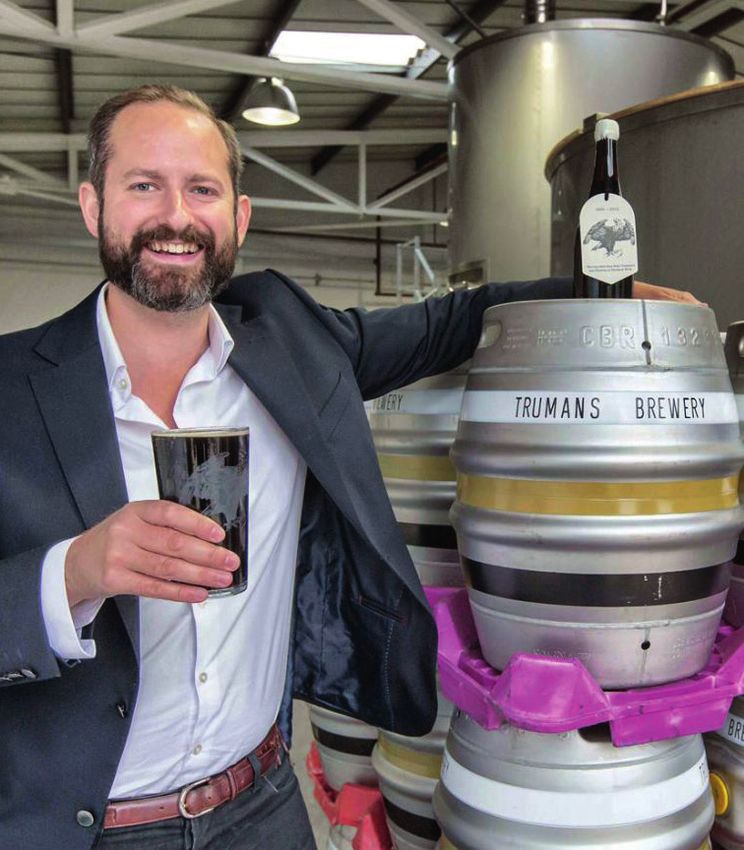
PREDICTED FALL IN
                                                        BOTTLED PRODUCTION
                                              -3%       14.9% OF TOTAL 2020 SIBA
                                                        MEMBERS’ PRODUCTION IN BOTTLES
                                                        DOWN FROM 17.9% IN 2019

                                                                        +1.2%
   723

          SIBA BREWERIES                             PREDICTED
          MEMBERSHIP DOWN 4% FROM
                                                     GROWTH IN CANS
          753 AT THE START OF 2019                   CANS WILL ACCOUNT FOR ALMOST
                                                     5% OF SIBA MEMBERS’ PRODUCTION
                                                     IN 2020 UP FROM 0.5% IN 2015

THE UK’S SMALL INDEPENDENT BREWING SECTOR IN FOCUS                                       9
OF SIBA BREWERS
                                              ARE NOW
                                              ENGAGED WITH
                               89%            THE ASSURED
                                              INDEPENDENT
                                              BRITISH CRAFT
                                              BREWER SCHEME
                                              63% OF THOSE WHO ARE
                                              NOT SAID THEY WOULD BE
                                              BY THE END OF 2020

     47

          PUB SITES WERE
          ACQUIRED BY SIBA
          MEMBERS IN 2019
          UP FROM 35 IN 2018

10                                   THE SIBA BRITISH CRAFT BEER REPORT 2020
OF SIBA MEMBERS NOW
30% HAVE A TAPROOM UP
FROM 27% IN 2018
+3%
INCREASE IN
SIBA MEMBERS
PRODUCING NO
AND LOW BEERS
IN 2019
ALMOST 8% NOW PRODUCE
A NO OR LOW PRODUCT
COMPARED TO 5% IN 2019
THE UK’S SMALL INDEPENDENT BREWING SECTOR IN FOCUS 11OF SIBA MEMBERS
SAY THEIR
+83% RELATIONSHIP
WITH THEIR
COMMUNITY IS
IMPORTANT
+10% UP ON LAST YEAR
OF SIBA BREWERS
SUPPORTED AT
84% LEAST 1 CHARITY
IN 2019
AND 1 IN 5 GAVE TO
MORE THAN 5 CHARITIES
MORE
THAN EMPLOYEES IS FEMALE
1 in 4 SIBA MEMBERS EMPLOYED A 26.1%
FEMALE WORKFORCE IN 2019
ALTHOUGH ONLY 11% ARE BREWERS
12 THE SIBA BRITISH CRAFT BEER REPORT 202058%
OF SIBA
MEMBERS EXPECT
17%
730* TURNOVER TO
INCREASE IN 2020
OF SIBA
MEMBERS EXPECT
A SMALL INCREASE TURNOVER TO
FROM 57% LAST YEAR
DECLINE IN 2020
JOBS A DROP FROM 25%
CREATED WHO PREDICTED A
DECLINE LAST YEAR
IN 2020
SIBA MEMBER
BREWERIES EXPECT
TO CREATE 730 NEW
JOBS THIS YEAR
*Estimated from SIBA
Members’ Survey data
! WHAT YOU NEED TO KNOW…
l SIBA membership fell to 723 from 753 at the start of the
year, a decrease of just under 4% but a smaller drop than
in the previous year when membership numbers fell 9.4%.
l The volume of beer being produced by SIBA members fell This reflects continued brewery closures in a crowded market,
0.9% in 2019 reflecting a slow-down in the growth of the although the number of breweries is expected to stabilise over
sector and a continuing period of consolidation. the next few years.
l Overall UK beer sales were up in 2019 (+1.1%), though l There is a more positive outlook for 2020 than for 2019,
this is very much due to rising sales in the off-trade (+3.2%) with 58% of SIBA brewers expecting their turnover to
offsetting a decline in on-trade sales (-1.5%). Premiumisation increase this year. This indicates that small brewers who have
is the key to continued value growth for craft. found their niche in a competitive sector are exploiting this.
THE UK’S SMALL INDEPENDENT BREWING SECTOR IN FOCUS 13Section 2
The Craft
12
Section
Beer Category
Drinkers in the UK continued to seek out
craft beer in 2019, however indications are
that the growth it has enjoyed over the last
few years is slowing.
Marston’s On-Trade Report 2019 identified a +15.7%
increase in the value of the craft beer category, at the
expense of a continued fall in sales of cask ale (-8.2%)
and mainstream lager (-1.1%), with traditional keg beer
sales also falling (-1.8%). Premium mainstream lagers
(+5.6%) and world lagers (+10.5%) are also in growth,
although to a lesser extent than the craft category.
However, it must be noted that ‘crafty’ beers produced by
the big national and international brewers remain the best
sellers in the ‘craft’ category within the Marston’s report
and with their national distribution are likely to account for
a good deal of this growth.
The CGA data from 2019 suggests there has been a
modest +0.2% rise in draught craft beer volumes since
2018, with distribution up +7.8%, showing more retail
outlets are taking craft beer. However, the CGA report
paints a tougher picture for package craft beer which fell
a significant -9% in volume over the same period with
distribution falling only -1% which demonstrates a wider
issue with de-listing from existing sites.
On a more positive note, 31% of retailers, those at the
coalface, predicted their sales of craft beer would continue
to rise this year. There is no definitive national data which ©Mark Newton Photography
records every craft beer sale, and correctly distinguishes
between ‘crafty’ and genuine craft purchases, but
available data suggests growth in the category is certainly
levelling out as we enter a new decade. The challenge BEER VOLUMES BY CATEGORY*
for small brewers is to continue to grow both the value in
3%
Volume
the category, through premiumisation, and also bring new
drinkers, such as female consumers, into the craft market +2.9%
by converting them from other categories. %
1%
+0.1% +0.2%
0%
OF RETAILERS
31% PREDICT CRAFT -1%
-0.9%
BEER WILL -2%
CONTINUE TO
GROW -3%
-3.7%
*CGA Industry Report 2019
-4%
Ale Lager Stout Draught Packaged
Craft Craft
*CGA Industry Report 2019
14 THE SIBA BRITISH CRAFT BEER REPORT 2020Expert Insight Will Evans
Will Evans, the co-owner of Manchester Union brewery, offers CGA’s figures also tell the story of the only growth within
his perspective on the performance of craft beer in the current beer coming from ‘world lager’ at a growth rate of 6.8%.
market and the battle for market share in future… Specialist beer bars will not listen to these stats, it would be
pointless for the big brewers to even try, but where they will
“Sometimes it’s hard to garner a true representation of how use them is with those high volume outlets in trend leading
our industry is performing as a whole when the main source areas who have dipped into craft and could be convinced to
of information you trust is your own experience within the take a one stop solution if a big enough cheque is presented.
industry itself. You can be sure that your local Budweiser Brewing Group
For me, I’ve seen strong growth at Cave Direct North of 23% rep is walking into these outlets and telling them that craft
in revenue from an already large base and at Manchester beer is in decline and world lager is where it’s at and here is
Union after launching in January 2019 we’ll do 1,900hls our portfolio of world lagers, “oh, you really still need some
this year. craft lines? Ok then why not take one of the most successful
‘craft’ ales and lagers in the UK with our Camden Town
When I go out in Manchester, Northern Quarter bars range, craft is only 4.6% of all beer sold so 2 out of 6 lines
are awash with great Independent ales and lagers and being craft is more than enough, you don’t need any others”.
even in the business areas like Spinningfields, an area
once seemingly monopolised by Peroni, local brands like Rather, we should be pointing out that their premium lagers
Cloudwater, Track and Runaway have been welcomed with and standard lagers are experiencing some of the fastest
loving arms. It’s a very exciting time to be working within declines overall of 2.2% and 1.7%!
the industry and long may that be the case. It is these bars which smaller independent brewers need to
2019 though has also seen the strongest plays yet from the fight back for instead of allowing themselves to be frozen
macro brewers. Like it or loathe it, the macro’s strategy has out.
been to buy craft brands that will enable them to go to trade Only by winning in these places can we realistically keep
with a total bar solution of lagers and ales. They have been growing independent beer and I believe a strong part of that
using that wider range to tie up draught lines when installing argument will be in proving that the category is bigger and
cellars and paying huge listing fees. Having a range of beers more significant than what CGA and SIBA’s survey show.
is good but only if they can prove they sell, nobody in their
right mind would sign up to 2-3 years of a tie with a range Following a visit to CGA to discuss this a year ago it was
of beers that don’t sell and here’s where analytics within the clear that the small and fragmented nature of the category
industry come in. made it difficult for anyone to get a true view on absolute
performance, at Cave Direct we had brands that we knew to
CGA is the UK’s best market measurement and data be performing differently to CGA’s figures however without
research consultancy, its figures from October 2019 have us sharing our data with them, how could they possibly
craft beer in 1% decline, SIBA’s own figures from this report measure them with certainty?
tell a similar story but there are significant caveats to both
which I will cover shortly. We as an industry will only be able to truly understand the
size of the category and what is going on if we engage with
groups like CGA and share our sales reports. SIBA’s own
survey while hugely insightful, is still only based on 12% of
Will Evans co-owns breweries, this needs to change.
Manchester Union
brewery and took Cave In the USA, the Brewers Association works closely with CGA
Direct North from and provides a gateway to information for those who sign
foundation to leading up through it to deliver insight and sales tools to fight back
specialist beer distributer against the big guys. Imagine a report from them that proves
in just six years before the growth in demand for local, this could be easy to prove
leaving in Feb 2020. His and could leave the beer goliaths stumped. If SIBA had
previous work experience 100% membership and all those members shared this data,
includes multi-nationals the value to us all as an industry could be massive
such as Diageo and Duvel In the USA, $25 in every $100 spent on beer belongs to
Moortgat but now is a craft brewers, if the UK genuinely has only 5% volume share
passionate advocate of then that’s an exciting prospect for future growth but we
independence in beer. need to work on it together to take the fight to those who
would rather see us disappear.”
THE UK’S SMALL INDEPENDENT BREWING SECTOR IN FOCUS 15Section 2
The growth of keg and cans
In 2020 the proportion of beer produced by SIBA members in both can
and keg is predicted to rise again, continuing the growth seen in the last
five years. Canned beer is predicted to grow at a larger rate this year
than in the four years previously, and in terms of the proportion of total
production it represents 2020 will see an increase to just under 5%,
compared to 3.7% in 2019. This reflects the increasing popularity of
the can format with craft beer consumers. Keg will also continue to grow
this year to 13.6% of production, from 12.1% in 2019, reflecting not
only an increase in craft lager production over the last few years but also
the fact it is easier to handle at retail to ensure quality is maintained.
This increase in both keg and can formats has been at the expense of
cask and bottled product, with both formats decreasing in volume again
this year. Bottles have fallen off most significantly, representing 14.9% of
production this year compared to 17.9% in 2019.
“The market has changed a lot. Clearly cask is having
a tougher time and keg is in the ascendancy. That is a
challenge not just because I personally love cask, it is
why I got into brewing, but it is a challenge because
customers of ours and I am sure every other brewer,
want to have more craft keg on their bar and aren’t
necessarily alert to the fact that will impact their cask
sales. When you have cask sales that are dropping then
is anyone actually putting the love and attention into
the cellar work, so it could become a downward spiral.
The challenge for us as a brewer that is keen to see cask
succeed long term is to come up with a cask format that
is much more modern. That for some CAMRA members
is a challenging statement. I think a lot of the best cask
now is probably being centrifuged to take out a lot of
organic matter and whatever they can and they are then
reseeding it which for some people is an absolute no no.
But if you want cask to succeed then it needs to increase
its consistency. There is already work Molson Coors and I
am sure people like Marston’s are doing on temperature
of serve and I think in reality it is very difficult to argue
with the fact that especially in the summer you don’t
want to go and drink a bitter at 12 degrees. That has to
be tackled.”
James Morgan, Owner of Truman’s Beer
16 THE SIBA BRITISH CRAFT BEER REPORT 2020PROPORTIONS OF BEER PRODUCTION ACCORDING TO PACKAGING (2015-2020)
0.5% 1.0% 1.4% 3.2% 3.7% 4.9%
100%
5.7% 7.0% 8.6%
9.0% 12.1%
13.6%
14.9%
18.3% 16.2%
80% 17.9%
17.9%
14.9% ■ Canned
■ Keg
60%
■ Bottled
40% 78.9% 73.7% 73.8% 69.2% 67.3% 66.7%
■ Cask
20%
0%
2015 2016 2017 2018 2019† 2020*
†E
stimated (proportions for 2019 recalibrated on
reviewed sample) *Estimated
! WHAT YOU NEED TO KNOW… l Draught craft beer is in growth both in value and distribution
while bottled craft beer is experiencing the most significant
decline. Distribution of draught craft beer has risen this year
showing growth in routes to market.
l While craft beer volume growth has slowed, the category is
still growing in value at the fastest rate of any beer category. l Keg beer and canned beer is growing at the expense of
Premiumisation is key to this growth which underlines the bottled beer with cask continuing to decline. This is driven
need for small brewers to emphasise their provenance and both by the higher margins those formats command and also
hand-crafted credentials as premium producers. by quality issues.
THE UK’S SMALL INDEPENDENT BREWING SECTOR IN FOCUS 17Section 3
A Changing
13 ESTIMATED
Section
DECLINE IN THE
Retail Market
There are conflicting reports on the state of the
-0.9% TOTAL NUMBER
OF PUBS IN UK IN
pub market in 2019. At the start of 2020 the latest 2019, A NOTABLE
data from the Office of National Statistics (ONS) SLOWING IN THE
showed a very small increase in the number of RATE OF CLOSURES
*MCA Pub Industry Report 2019
pubs in the UK in 2019 – up by 315 on 2018, a
modest increase of 0.8% which would have been
the first rise following over a decade of decline. Direct retail is in growth
Unsurprisingly given the continued challenge for small
However, most industry estimates are slightly more brewers in getting permanent taps on the bar in the
conservative, with the MCA UK Pub Market Report freehold and tenanted pub market, the constant pressure
on the price of their beer and the recent decline in pub
suggesting that 2019 saw a small decrease in the numbers, small brewers have been focussing on growing
number of pubs albeit only a -0.9% drop which is their own direct routes to market.
The 2020 SIBA Member’s Survey showed an increase
much smaller than in previous years. in pub acquisitions compared to the year before, with
Either way, this suggests a slowing or plateauing in the decline in 47 pub sites (17 freehold and 30 leasehold) taken on by
pub numbers, something that can only be good for small brewers. SIBA brewers, up from 35 in the 2019 report.
Both reports also indicate that decline is mainly contained to the Alongside this, there has also been an increase in the
tenanted and leased and social club sectors, with growth in the number of brewers with a taproom and/or shop at their
freetrade and independent free-of-tie pubs and managed outlets brewery site, with 37% (up from 35% last year) now
in growth. providing a shop and 30% (up from 27%) a taproom.
We will have to wait and see if this is a trend that continues into There are still 26% of SIBA members without these
2020, but it does reflect a growing move by small brewers to take facilities, however this number has fallen from 29% last
on their own retail premises and taprooms and the increase in the year and will no doubt continue to drop.
number of micro-pubs and small beer bars moving into vacant
premises on Britain’s High Streets as a result of over-renting and
rising overheads which have decimated the bricks and mortar
retail environment over the last 10 years.
PUB SITES WERE
The MCA report further predicts that the pub market will be back
in growth by 2023, with net closures outweighed by openings.
47 ACQUIRED BY SIBA
MEMBERS IN 2019
UP FROM 35 IN 2018
ESTIMATED NUMBER OF PUBS & BARS IN UK IN 2019*
(-0.9% on 2018)
45,664
OF SIBA MEMBERS
30%
50,000
44,000
NOW HAVE A
38,000
TAPROOM
UP FROM 27% IN 2018
Number of Pubs
32,000
(+1.3% on 2018)
18,773
26,000
(-5.9% on 2018)
14,161
(+3.2% on 2018)
10,250
20,000
OF SIBA MEMBERS
14,000
37%
(-3.7% on 2018)
NOW HAVE A SHOP
2,480
8,000
2,000
UP FROM 35% IN 2018
Total Social Clubs Tenanted/ Managed Freehouses
Leased
*MCA Pub Industry Report 2019
18 THE SIBA BRITISH CRAFT BEER REPORT 2020“The pub is one of the few
remaining public spaces
in our lives, and brewers
are lucky to have an inside
track by producing the
very product most people
go there to consume. It’s
the perfect place to build
a community around a
brand, which is exactly why
so many regional brewers
started pub estates in the first place. The pub
wasn’t just a revenue stream or a better margin,
it was a place to encourage repeat custom, loyalty
and ambassadorship around a brewery – and these
ideas spread fast because people came here to share
their thoughts and experiences. As well as that, it
Routes to Market was a place to get direct feedback on their beers
Access to market is an age-old issue for SIBA members and and branding. We should use this model for our
despite increased pressure on small brewers in an ever more businesses and build better communities around
competitive market, our 2020 SIBA Members’ Survey shows a ourselves. Taprooms have brought the customer
continued lack of diversification in routes to market. community even close to us, and any brewery without
a taproom is missing out on amazing margins and
Surveyed breweries said freetrade pubs still accounted for the true interaction with their customer base. Festivals
majority of their business (52%), while member-owned pubs allow brewers to interact with people outside their
and taprooms accounted for 14% of sales. A similar amount to local market, to have vital conversations at the exact
last year, 5%, is sold through tied outlets, demonstrating the point where a drinker might come across their brand
continued chokehold pubcos and larger brewers have on the for the first time.”
supply chain.
Jonny Garrett, co-founder of the Craft Beer
National and regional wholesalers accounted for 9% of surveyed Channel and the current Guild Beer Writer of the Year
production in this year’s survey, again very similar to previous
surveys, with sales through the SIBA Beerflex/DDS and reciprocal
sales with other breweries accounting for an average 3.5% and
1.8% of total sales respectively. Local Heroes
Most disappointing perhaps is the lack of progress when it comes Interestingly, when it comes to capitalising on the consumer
to sales through restaurants and hotels, a route highlighted trend for ‘local’ it seems SIBA members are increasingly
in last year’s Craft Report as holding great potential for small focussing on the beer market within 40 miles of their
brewers, especially given the growing trend for marketing craft breweries.
beers in the style of wine, matching them with food. Very low The last three years has seen a distinct fall in the number
percentages of the beer production captured by this year’s survey of brewers selling significant quantities of beer outside their
are supplied to restaurants (2.3%) and hotels (1.2%), and this heartland. About 26% of the surveyed breweries reported
has fallen since last year’s survey when the figures were 2.6% more than a fifth of their beers were sold beyond a 40-mile
and 1.7% respectively. radius in 2019 (that figure was 28% in 2018 and 31% in
2017) and 26 breweries (about 11% of those surveyed)
were selling more than half of their production further than
40 miles from their location in 2019 (that number was 37
Where is SIBA members’ beer being sold? in 2018).
SIBA MEMBERS SELLING MORE
35%
THAN 20%OF THEIR BEER BEYOND
52% IS SOLD IN
FREETRADE PUBS 30%
25% 31%
40 MILE RADIUS
28%
14% IS SOLD IN PUBS/
TAPROOMS THEY OWN 20%
15%
26%
5% IS SOLD IN TIED PUBS 10%
5%
2.3% IS SOLD IN
RESTAURANTS 0%
2017 2018 2019
THE UK’S SMALL INDEPENDENT BREWING SECTOR IN FOCUS 19Section 3
Craft Exports
More than one in five SIBA breweries now export their products The top seven spots are occupied by EU member states,
overseas according to our 2020 SIBA Members’ Survey. This which means that the details of any trade deal with the
result is slightly higher to those provided from previous surveys EU post-Brexit will be of significance for SIBA Members.
(19.7% and 19.8% in 2018 and 2017 respectively). The main
However, the volumes being exported by small brewers
markets for export are in Europe: Italy is confirmed as the top-
in 2019 have fallen on previous years. Then 2020
destination for the fourth year in a row, showing a significant
survey shows that 37% of brewers report less than 1%
increase in terms of proportion of breweries indicating this
of beer is exported based on total production (they were
country (39.2%; it was 17.5% in 2018), followed by France
44% and 73% in 2018 and 2017 respectively), while
(23.5%; it was 11.3% in 2018).
one in 10 of surveyed breweries indicate percentages
above 10% (they were one in seven in the 2019 survey).
About 51% of surveyed breweries that at present are not
exporting expressed an interest to start, which is a -3%
fall on 54% last year.
OF SIBA MEMBERS
ARE CONCERNED OF SIBA MEMBERS
50% ABOUT THE IMPACT 40% WAIT FOR EXPORT
OF BREXIT ON ENQUIRIES TO COME
THEIR BUSINESS IN TO THEM
It is likely in such a competitive market that the focus for
most small brewers will remain on their home territory, and
the complexity of rules and regulations, onerous paperwork
and the difficulty in understanding the needs of foreign
markets are likely to mean any significant expansion in
export volumes will be some years away.
EXPORTS BY SIBA MEMBER BREWERIES
Italy 39.2%
France 23.5%
21% Spain 13.7%
Finland 11.8%
Exporting Sweden 11.8%
Denmark 9.8%
Not exporting Netherlands 5.9%
79%
49%
51%
Want to export
Not interested
20 THE SIBA BRITISH CRAFT BEER REPORT 2020SIBA Beerflex DDS
Around one in five of surveyed respondents to the SIBA Members’ Breweries access their orders through their own unique ‘login’
Survey this year indicated the BeerFlex DSS Scheme is one of the via the SIBA Members’ Toolbox and deliver the required products
key benefits of their membership. locally direct to the outlet according to the SIBA Delivery Charter.
Established in 2002, BeerfFlex DDS now buys over 4,500 SIBA BeerFlex DDS reports centrally on all deliveries made and
draught and bottled beers from around 500 participating provides consolidated invoices to the customer Head Office,
SIBA brewers and sells them on to more than 12 national pub which will then produce any appropriate documentation for the
companies and off-trade retailers – companies with which, until individual outlet.
the establishment of BeerFlex, brewers of local beers found it
This unique smooth flow of seamless consolidated orders,
extremely difficult to trade.
invoices and payment methods enables local fresh beer to be
The operation is very simple. BeerFlex DDS receives orders from sold into large and complex retail estates.
a company or outlet directly via EDI, e-mail, telephone or via
SIBA’s 2020 Members’ Survey found the annual turnover of
SIBA’s Online Order Portal and we then distribute them on a daily
BeerFlex in 2019 had fallen slightly on last year’s figures,
basis to BeerFlex brewing members.
possibly reflecting the decline in membership numbers, but the
scheme has demonstrated an average annual increase of 3.3%
each year since it was launched.
BEERFLEX/DDS ANNUAL TURNOVER (FIGURES IN £ 000’S)
£14,000
£13,602
£13,000
£12,110 £12,604 £12,152
£12,000
£12,138
£11,377 £11,036
£11,000
£10,777 £10,721 £10,341
£10,000
£9,817
£9,000
£8,091
£8,000
£7,000
£6,500
£6,000
2007 2008 2009 2010 2011 2012 2013 2014 2015 2016 2017 2018 2019
! WHAT YOU NEED TO KNOW…
l Decline in the pub market has slowed in 2019, with growth l A growing number of SIBA Members are focussing on their
in freehouses, independent free-of-tie and managed pub local market, within 40 miles of the brewery, capitalising on
sectors, and it is predicted to be back in overall growth by rising consumer demand for local products.
2023. This is good news for small brewers, with 52% listing
l There has been a slight rise in the number of SIBA Members
freehouses as their main route to market.
who export their beer in 2019, mainly to EU territories, and
l SIBA Members have been expanding their own direct retail 50% are concerned about the effect Brexit could have on
estates with 47 new sites taken on by members in 2019, their business.
up from 35 in 2018. This route to market is likely to grow
substantially over the next decade.
THE UK’S SMALL INDEPENDENT BREWING SECTOR IN FOCUS 21Section 4
SIBA
14 The Future of Small Breweries’ Relief
Section
SIBA is currently campaigning on behalf of members on the issue of Small
Campaigns Breweries’ Relief which was rated as the most important issue among
SIBA members in our 2020 Members’ Survey. The Treasury is expected to
announce its plans shortly.
Given the significant challenges in SIBA’s key campaign points are:
the current market, SIBA campaigns • No brewer should lose any duty relief as a result of this review.
hard to protect and defend the • SIBA will continue to defend SBR at the maximum legally permitted level
interests of its members on a range of 50% duty relief for all brewers below 5,000hl. There is no political,
economic or rational case for removing any relief from any small brewer.
of issues including Small Breweries’ • SIBA wants to see positive reform of the curve above 5,000hl, making it
Relief, Deposit Return Scheme, easier to grow a business by removing the ‘cliff edge’ as relief is rapidly
withdrawn.
improving access to market for small
• SBR at current levels is essential to the future of the majority of SIBA
brewers, promoting genuine craft members – 85% of SIBA members say it is ‘extremely important’ to their
beers to consumers and ensuring business (up from 83% last year), 4% ‘very important’ and a further 8%
consider it ‘important’.
beer quality. SIBA campaigns
Our survey found a reassuring 93% of breweries are using their duty
provide an effective voice for British saving through SBR to reinvest and grow their businesses, an increase of
independent craft brewers within 1% on the results from 2018, and a small drop in the number using SBR
to discount the price of their beer (down from 8% to 7% this year). This
the industry, to the media, regulators year’s survey also found that a definitive 97% of brewers consider SBR
and with Parliamentarians. to be important, very important or extremely important to their continued
business, an increase from 95% in last year’s survey, and an indication of
the importance of this issue to SIBA members.
PRIORITY FOR USING SBR DUTY SAVING IN 2020 HAVE YOU GIVEN YOUR
MP A TOUR OF YOUR
4% BREWERY IN 2019?
Staff training
Pub acquisition 7%
Discounting pricing 7%
YES
New staff 8% 34.7%
Branding, marketing and design 10% NO
65.3%
New equipment 21%
Payaing down debt 21%
More capacity 24%
0% 5% 10% 15% 20% 25%
Deposit Return Schemes
One of the key issues on SIBA’s agenda for 2020 is Deposit likely that breweries will have to pay annual administrative fees
Return Schemes (DRS), where consumers are encouraged to and producer fees per container to administrators and fulfil any
return drinks containers through financial incentives. These specific labelling requirements. Those with taprooms and shops
are due to come to the UK over the next few years. Scotland as well as selling online will have to provide return points for
is intending to introduce a DRS next year for plastic and glass empty containers. The industry will also be expected to meet
bottles and aluminium cans with England, Wales and Northern return targets of up to 90%.
Ireland following in 2023.
SIBA has been holding meetings with the Scottish Government
These schemes are intended to increase recycling and will have and authorities to represent members’ views and concerns and
implications for the whole of the beer industry including small will be engaging countrywide on this issue in 2020.
independent brewers who sell beer in bottles and cans. It is
22 THE SIBA BRITISH CRAFT BEER REPORT 2020The power of Parliament THE MOST IMPORTANT BENEFITS OF
SIBA is working with its members to encourage as many MPs as SIBA MEMBERSHIP
possible to visit their local brewery and hear first-hand about the
challenges they are facing. More than a third of the brewers who
were surveyed said they had already hosted a visit from their OF MEMBERS
RATED SIBA’S DEFENSE
47%
local MP in 2019 and 61% said that although they had yet to do
so they wanted to invite their MP to visit them this year.
OF SMALL BREWERIES’
Why not get your MP on board? RELIEF THE MOST
We would encourage all brewers to invite their MP to visit this
year to find out more about what you do and perhaps even brew IMPORTANT
a beer! We would also encourage MPs to contact their local
breweries to raise a glass of independently brewed British beer -
MEMBER BENEFIT
this can be great profile for both the MP and the local brewery.
OF MEMBERS SAID
26%
Find contact details for your local MP at:
www.parliament.uk/get-involved/contact-your-mp SIBA’S LOBBYING WORK
WAS A KEY BENEFIT
HOW IMPORTANT IS SMALL
BREWERIES’ RELIEF TO 2% 2%
8%
SIBA MEMBERS?
4%
24% OF MEMBERS SAID
24% SIBA CAMPAIGNING ON
■ Extremely important
■ Very important
■ Important
ALCOHOL ISSUES WAS
■ Somewhat important ESSENTIAL
85%
■ Not important
SIBA’S LOBBYING WORK AND CAMPAIGNS WERE RATED AS THE TOP
THREE MOST IMPORTANT MEMBER BENEFITS
BeerX UK: The largest event of its kind, dedicated to small independent brewers
One of the key aspects of what SIBA does is to bring together to SIBA member and non-member breweries alike, as well as
the independent small brewing community to share ideas and representatives from brewing industry businesses and the media.
discuss solutions to some of the key challenges they face. BeerX Anyone who has a trading interest is most welcome!
UK is the largest annual opportunity to do that.
BeerX UK 2020, held in Liverpool, features a packed schedule
Brewers can share and learn from each other, discuss current of expert workshops, panel debates, networking opportunities,
trends and business strategies as well as sampling some of the an expanded exhibition from suppliers of products and services,
best new beers in the craft market, and meeting suppliers and and the SIBA AGM - plus a trade-only beer showcase exclusively
service providers. featuring award winning independent craft beers in cask, keg,
bottle and can.
The event is the UK’s largest independent craft brewing trade
show and takes place each year in March. The event is open
! WHAT YOU NEED TO KNOW…
l A very significant 93% of brewers are using their duty saving
through SBR to reinvest and grow their businesses, an
increase of 1% on the results from 2018. This marks the
l Almost half (47%) of SIBA Members who were surveyed said continuing decline in those using the saving to subsidise an
SIBA’s campaign on Small Breweries’ Relief was the most artificially low price for their beer – something that has led to
important benefit of their membership. a squeeze on margins over the last decade.
l An overwhelming 97% of SIBA brewers said Small Breweries’ l Deposit Return Schemes have wide implications for the whole
Relief was important to their business, and 85% said it was beer industry and in particular small brewers who are likely
extremely important. A larger number than in last year’s to be disproportionately affected by the costs of administering
survey and a demonstration of how critical duty relief is to the the scheme. SIBA will be representing its members at the
survival of small brewers. highest level to ensure their concerns are raised.
THE UK’S SMALL INDEPENDENT BREWING SECTOR IN FOCUS 23Section 5
The Craft Beer
15
Section
Drinker
The British Craft Beer Report survey,
conducted in January 2020 through
YouGov, used a good representative
sample of 1,092 beer drinking adults
from 2,074 total consumers. We
compared the results to those of the
previous YouGov SIBA surveys carried out
in February 2019 and August 2017 to see
how drinking habits have changed.
©Mark Newton Photography
HIGHLIGHTS OF THE 2020 YOUGOV CRAFT OF CONSUMERS
REPORT CONSUMER SURVEY THINK CRAFT
Genuine craft beer is made by a small independent
brewer
50% BEER SHOULD BE
MADE BY A SMALL
Our 2020 YouGov results show a growing number
of consumers, 50% in 2020 up from 43% in 2019, INDEPENDENT
recognise that genuine craft beer must be produced by
a small independent brewery. They also recognise the BREWER (UP FROM
importance of quality in both the beer and its production,
with 28% saying it should be a better quality beer, 38%
43% IN 2019)
saying it should be made using traditional methods and
35% that it should be crafted and not manufactured.
Provenance was also important, with 22% saying it
should be made by a brewer local to the area. ONLY THINK CRAFT BEER
CAN BE MADE BY
3%
These are all areas where SIBA brewers excel, and
communication with consumers about production
methods, ingredients, provenance and authenticity should
A MULTINATIONAL
be a priority in driving home the difference between GLOBAL BREWER
genuine craft beer and its ‘crafty’ rivals. Not least because
only 3% of our consumers believe craft beer can be made
by a multinational global brewer. This is a battle that
needs to be stepped up, as according to our survey 27%
of consumers still can’t tell if a brewer is independent or DON’T KNOW
not – an issue no doubt exacerbated by the recent rash of
WHICH BREWERS
27%
brand and brewery buy-outs and ‘crafty’ launches.
ARE INDEPENDENT
RISING TO 34%
AMONG 18-25 YEAR
OLDS AND FALLING
TO 19% AMONG
35-44 YEARS OLD
24 THE SIBA BRITISH CRAFT BEER REPORT 2020Closing the Gender Gap
“Route to market is a massive
This year’s survey results showed a small overall increase
issue and many of the bigger
in the total number of consumers drinking beer – up +2%
brewers are also producing their
to 53% in 2020 – and while the same number of men are
own ‘crafty’ ranges which can
drinking beer the most interesting figures are for female
restrict this even further. But
drinkers. There has been a rise of +3% in the number of
small independent brewers have
women drinking beer to 37% with an even more significant
a secret weapon, an element
increase in the number of females drinking beer regularly.
that people both inside and
The number of women drinking beer more than once a week
outside the echo chamber
rose to 11%, almost doubling the figure of 6% from our 2019
believe is important: people are
survey and very positive sign that at last the beer sector is
increasingly interested in the
starting shake off its gender bias. However, it remains clear
provenance of their food and drink. They want to know
that there is still a huge unexploited opportunity to get more
where it comes from, how it’s made, where it’s made,
women drinking beer, with markets like the US and Spain
and even who makes it. A recent study by Edelman
seeing female drinkers as a rapidly growing and increasingly
Earned Brand showed that 57% of UK consumers are
important part of their markets.
‘Belief-Driven Buyers’ who will choose, switch, avoid
or boycott a brand depending on where it stands on
Authenticity issues they care about such as whether it’s local, uses
Figures from GlobalData quoted in the Marston’s On Trade sustainable methods or takes an ethical standpoint.
Report 2019 suggest that 38% of consumers consider That’s not to say that larger companies cannot be ethical
authenticity to be the most important attribute of the craft beer – of course they can - but small, independent brewers
category, with 30% saying craft beer should be made by a can talk up their own credentials in this area much more
small independent producer, 36% that it should be produced than they already do.”
locally and 23% that it should be made in small batches.
Emma Inch, former Guild of Beer Writers’ ‘Beer Writer
This underlines the findings of our own YouGov poll elsewhere of the Year’ and host of the award-winning podcast
in this report and highlights the further need for small Fermentation Radio
independent brewers to drive home their provenance and
authenticity to consumers.
GLOBAL CONSUMER PERCEPTIONS OF CRAFT BEER*
OF CONSUMERS
38% ASSOCIATE AUTHENTICITY
WITH CRAFT BEER
OF CONSUMERS THINK
36% CRAFT BEER SHOULD BE
PRODUCED LOCALLY
OF CONSUMERS THINK
CRAFT BEER SHOULD
30% COME FROM A SMALL
INDEPENDENT BREWERY
*Marston’s On Trade Beer Report 2019/20 using GlobalData survey data from 2019
THE UK’S SMALL INDEPENDENT BREWING SECTOR IN FOCUS 25Section 5
WHERE ARE SIBA BREWERS USING THE
Badge of honour: SIBA’s Assured ASSURED SEAL?
Independent British Craft Brewer scheme 60%
In 2017 SIBA launched the Assured Independent British Craft
Brewer scheme, which is a way of differentiating our members’
50%
beers from mass produced global brands. Our 2020 survey
found almost 9 out of 10 SIBA Brewers are now engaged with
the scheme, and just under two-thirds of those who are not
will be by the end of 2020. This shows how important it is for 40%
small brewers to differentiate themselves from ‘crafty’ producers
at retail and it also acts as a badge of
premium quality, signalling to consumers 30%
(eg beermats, bar towels etc) 35.90%
that it is genuine craft beer and should
command a premium price.
Pump clips/keg fonts 29.91%
20%
Social Media 35.04%
Email footer 31.62%
Marketing material
Website 56.41%
10%
OF SIBA BREWERS ARE
89%
0%
NOW AWARE OF THE Consumers can now find the logo on pump clips,
ASSURED SCHEME bottles and cans to help them choose local beers
and better inform them about the provenance of the
products they drink.
The SIBA YouGov survey carried out in 2017 found
that more than two-thirds (69%) of consumers
OF BREWERS NOT thought it would be useful to see the Assured logo
on beer pump clips, bottles and cans, in order
63% CURRENTLY USING THE
ASSURED SEAL NOW ARE
to identify the beer as being brewed by a truly
independent craft brewer, rather than a global beer
company.
PLANNING TO IN 2020 Find out more about the campaign at:
www.indiecraftbrewers.co.uk
The rise of the teetotaller
There has also been a slight increase in the number of
people who never drink alcohol, with 17% saying they ALMOST 18-24 YEAR OLDS
were teetotal in 2020 compared to 16% in 2019. This
rises to 23% among 18-24 year olds, an increase of 1 in 10* DON’T DRINK
6% in the last 12 months. As the consumers in this
age bracket get older this is obviously going to have an
ALCOHOL
increasing impact on beer sales in the future. A YouGov *The Portman Group
survey by Alcohol Change UK, the charity behind Dry
January found that almost four in five (78%) Brits drink
more than they want or intend to and more than one in
10 had taken part in Dry January 2020.
OF 18-34 YEAR OLDS
The Drinkaware Monitor in 2018 found that 8.6m
consumers were already actively moderating their 22%* ARE CONSIDERING
drinking and research by Kantar found two-fifths of Brits
aged 18-24 either do not drink or are trying to moderate GOING TEETOTAL
their alcohol consumption. *The Portman Group
26 THE SIBA BRITISH CRAFT BEER REPORT 2020Age matters
There are some very distinct differences in the beer drinking Interestingly, though, there has been a big jump this year in
behaviours of the various age groups included in our survey, with the number of 25-34-year-olds drinking beer more than once
35-44-year-olds leading the way when it comes to drinking beer a week, 24% this year said they did, an 8% rise on last year’s
– 60% of them drink beer in 2020 compared to 54% in last survey result of 16%. Again, the challenge lies with the younger
year’s survey. And they are drinking it more often as well, with drinkers, who are drinking beer less frequently than in 2019,
21% saying they drink beer more than once a week compared to only a 1% drop from 19% to 18% but a trend that is likely to
17% in 2019. continue in this uber health-conscious part of the market.
53% 70% 37% 22% 11% 17%
OF OF MEN OF WOMEN OF OF WOMEN OF
CONSUMERS DRINK BEER DRINK BEER CONSUMERS DRINK BEER CONSUMERS
SAY THEY THE SAME UP 3% FROM DRINK BEER MORE THAN SAY THEY
DRINK BEER AS IN 2019 34% IN 2019 MORE THAN ONCE A WEEK NEVER DRINK
UP 2% FROM ONCE A WEEK COMPARED TO ALCOHOL
51% IN 2019 6% IN 2019
SLIGHTLY UP THIS IS A
FROM 21% IN SLIGHT
2019. THIS INCREASE FROM
FIGURE WAS 16% IN BOTH
26% IN 2017 2017 AND 2019
23% 60% 44% 18% 24% 21%
OF 35-44 OF 18-24 OF 18-24 OF 25-34 OF 35-44
OF 18-24 YEAR OLDS YEAR OLDS YEAR OLDS YEAR OLDS YEAR OLDS
YEAR OLDS DRINK BEER DRINK BEER DRINK BEER DRINK BEER DRINK BEER
DON’T DRINK UP 6% FROM THE SAME MORE THAN MORE THAN MORE THAN
ALCOHOL 54% IN 2019 AS IN 2019 ONCE A WEEK ONCE A WEEK ONCE A WEEK
UP FROM DOWN 1% COMPARED TO COMPARED TO
17% IN 2019 FROM 19% IN 16% IN 2019 17% IN 2019
2019 THIS FIGURE
WAS 26% IN
2017
©Mark Newton Photography
THE UK’S SMALL INDEPENDENT BREWING SECTOR IN FOCUS 27Section 5
Local vs Global
According to our survey local craft beer remains the
preference for almost half of drinkers, with almost 6 out
of 10 25-34-year-olds drinking craft beer from a local
brewery. This number falls to just under 4 in 10 for older
drinkers, demonstrating perhaps that the younger market is
placing more importance on provenance. While local craft
outperformed international craft beer in our survey, 35% were
drinking craft beer from an international brewer. More than
two thirds of our sample drink global lager, however, a good
reflection of the growth world lager is enjoying at the moment,
with Marston’s On Trade Report 2019 showing an increase of
more than 10% in the value of the category since 2018.
49% DRINK LOCAL CRAFT BEER
(58% OF 25-34 YEAR OLDS 38% 45-54 YEAR OLDS)
58% OF LONDON DRINKERS DRINK LOCAL CRAFT BEER
35% DRINK INTERNATIONAL CRAFT BEER
64% DRINK GLOBAL LAGER
What styles of beer are consumers drinking?
Lager is way out in front when it comes to the styles of beer our consumers are drinking – especially among female drinkers, three
quarters of whom said they drank lager the only category in which they have now overtaken men. The 2019 Marston’s On Trade
Report showed the continued growth of lager in the craft market at the expense of ale in 2019 with lager now showing a 37% share,
up +2% on 2018.
STYLE TOTAL MALE FEMALE 18-24 25-34 35-44 45-54 55+
Lager 71% 69% 75% 68% 81% 76% 78% 63%
IPA 46% 51% 36% 38% 49% 56% 39% 44%
Pale ale 39% 44% 32% 40% 53% 52% 31% 31%
Bitter 39% 49% 23% 20% 27% 33% 32% 56%
Stout 30% 36% 18% 22% 31% 29% 32% 30%
Wheat Beer 22% 23% 20% 9% 25% 27% 25% 19%
Porter 19% 24% 10% 12% 21% 20% 18% 19%
Mild 17% 20% 11% 12% 24% 20% 13% 15%
Brown Ale 17% 23% 7% 14% 20% 22% 19% 14%
Double IPA 13% 18% 5% 16% 23% 18% 12% 7%
Sour 6% 7% 4% 3% 16% 7% 4% 2%
Saison 4% 5% 3% 4% 10% 7% 3% 1%
Don't know 4% 4% 3% 16% 5% 2% 2% 1%
None of these 2% 1% 3% 6% 2% 1% 2% 1%
28 THE SIBA BRITISH CRAFT BEER REPORT 2020You can also read


